Интерактивный гид по городу
С мобильным приложением бродить по городу гораздо интереснее!

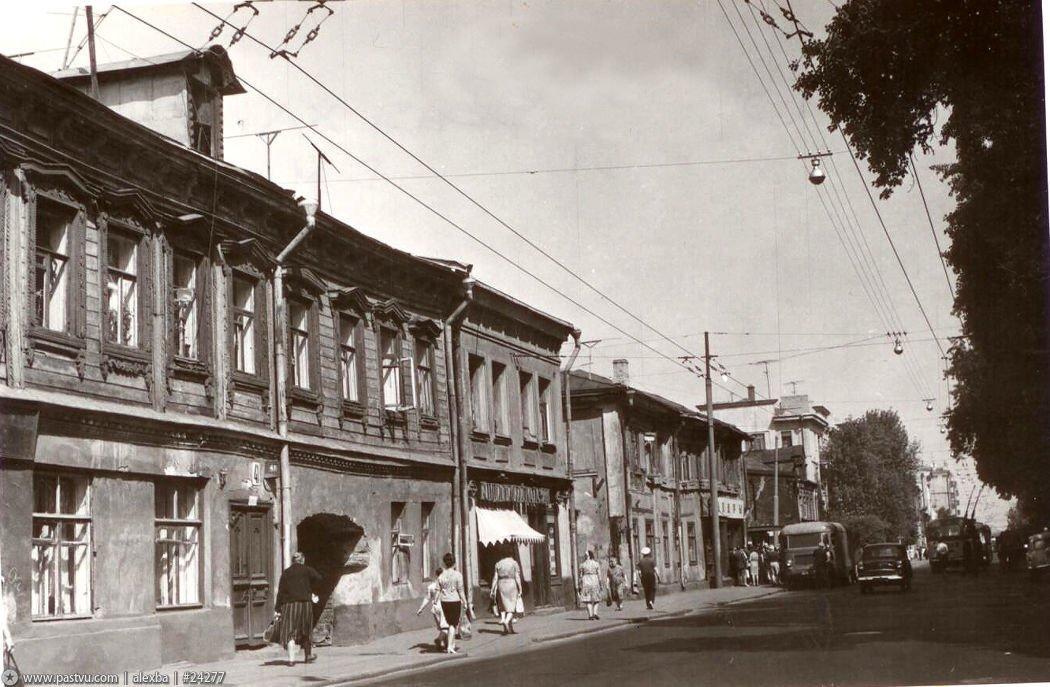
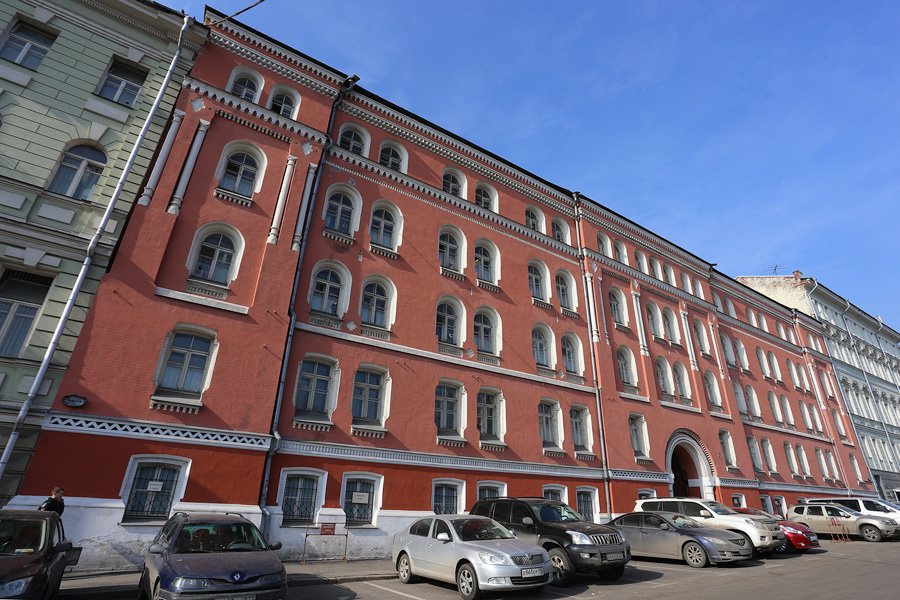
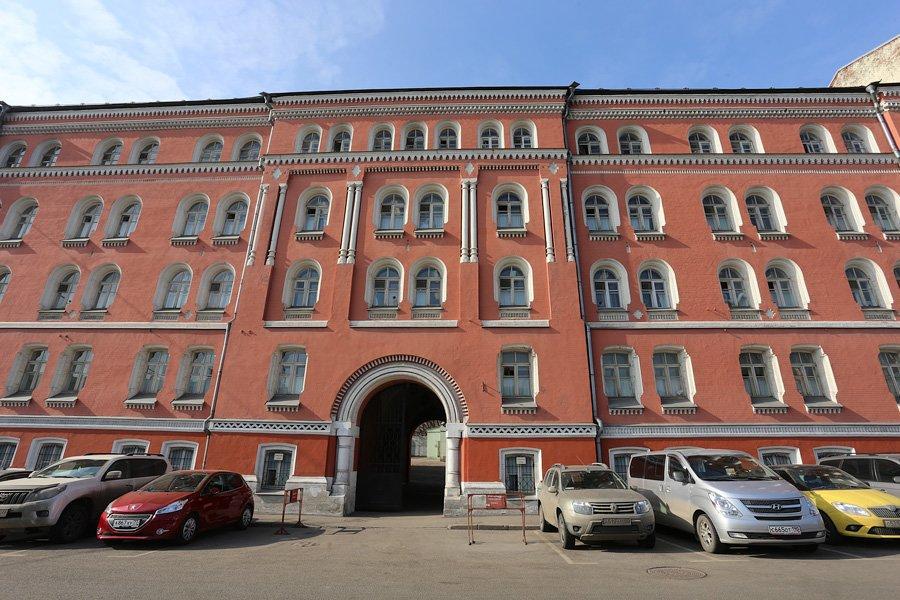
Barracks for court servants

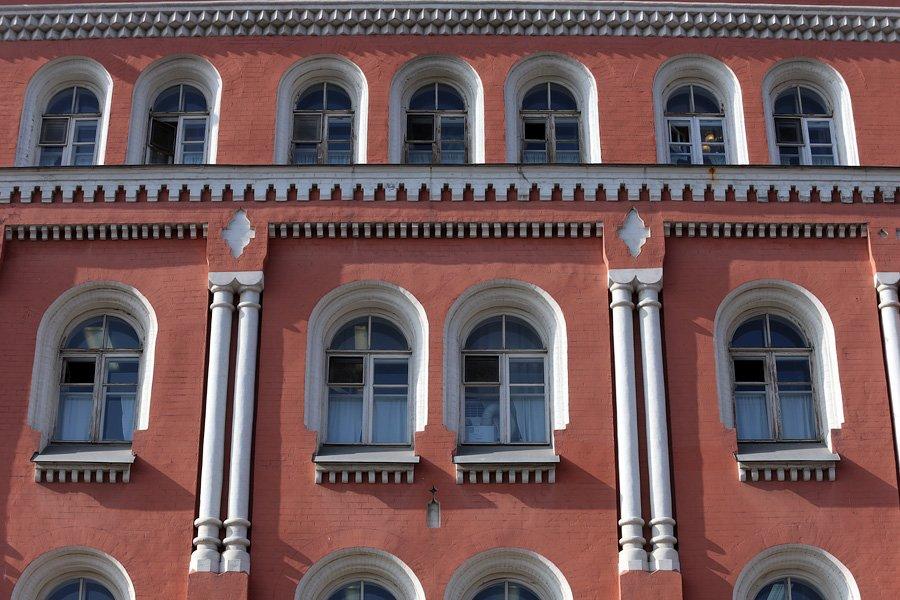
Old Russian style features were supposed to provide these buildings with visible connection to the Kremlin as it was conceived by the architects.

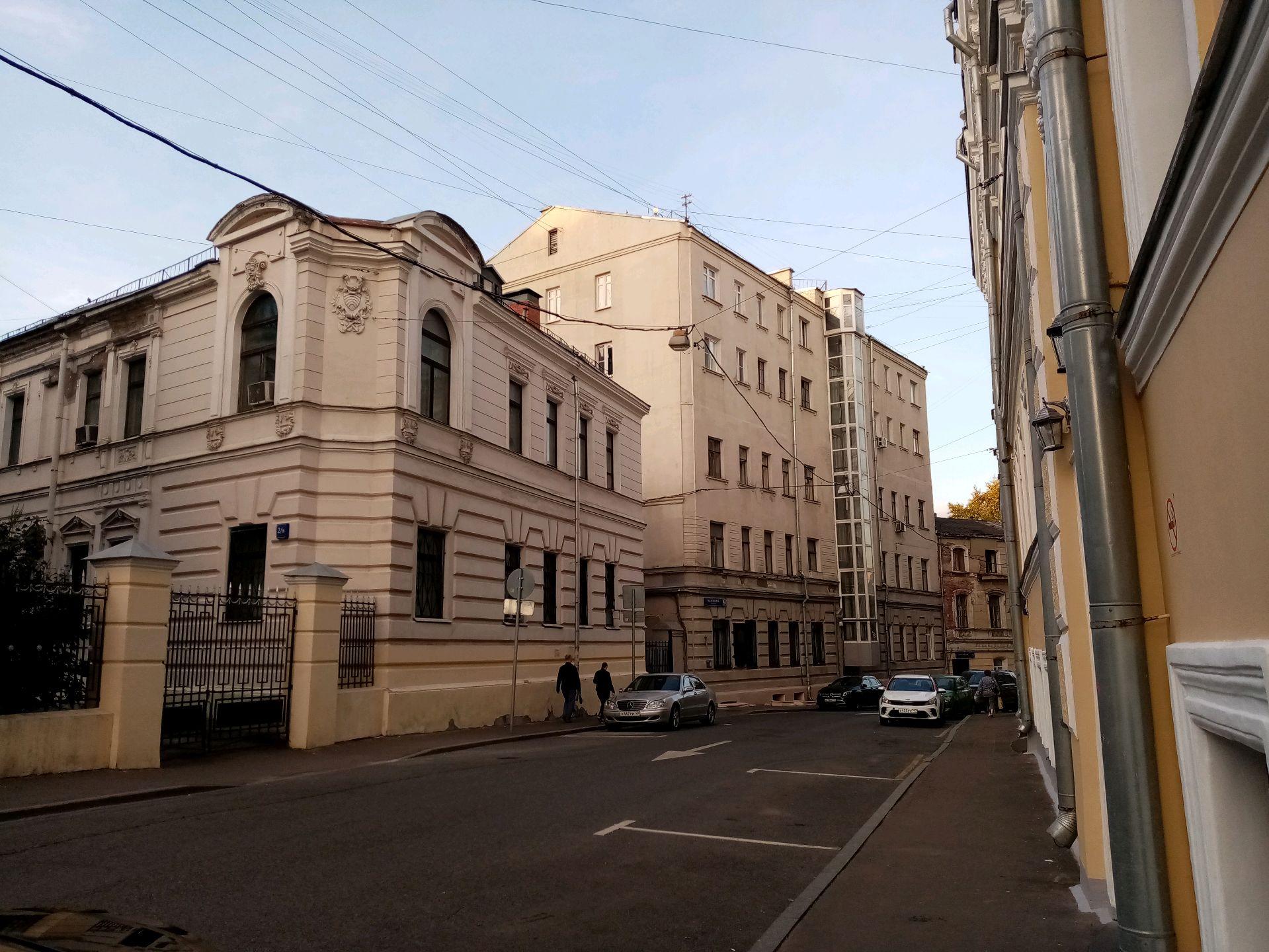
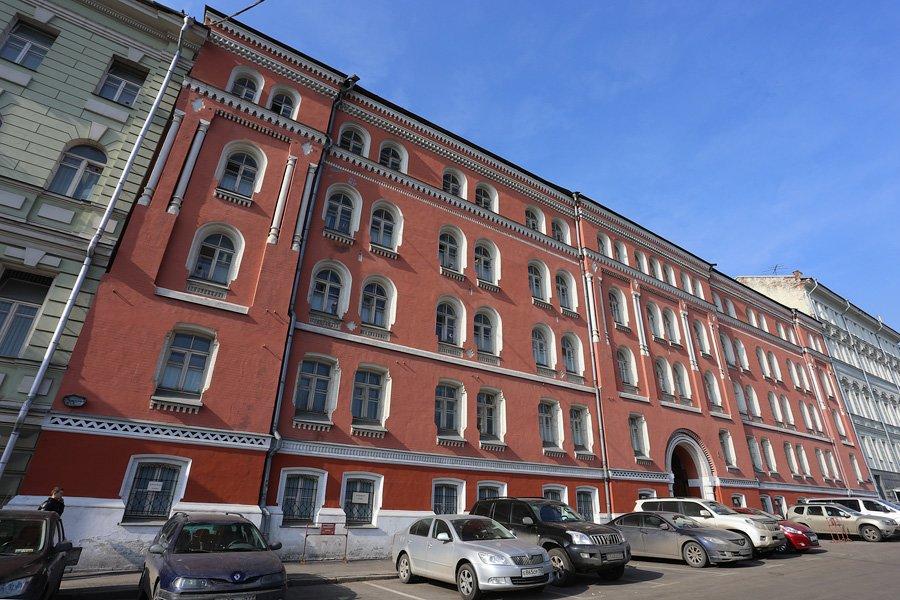
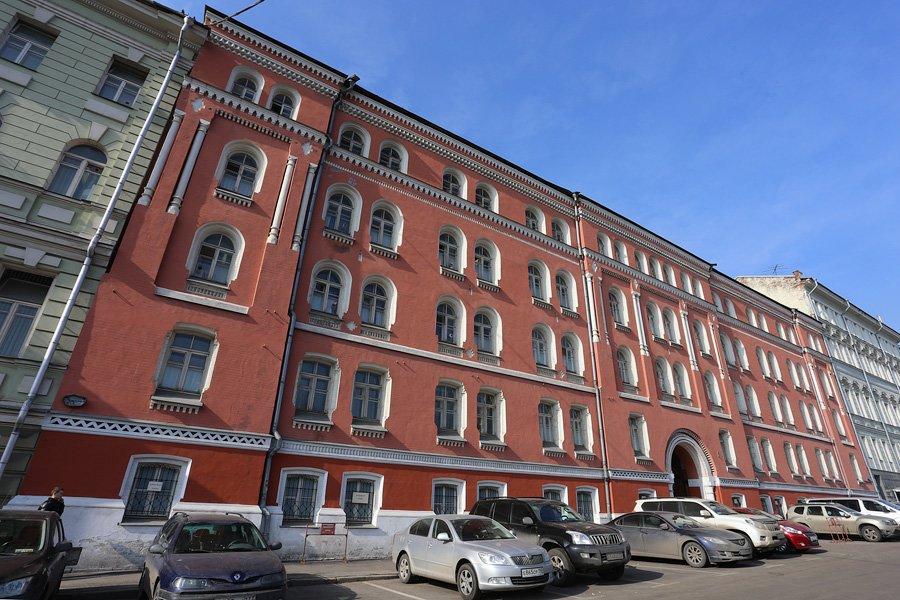
Barracks for court servants
Old Russian style features were supposed to provide these buildings with visible connection to the Kremlin as it was conceived by the architects.
3.27
Вы можете воспользоваться QR-кодом, чтобы открыть эту страницу в нашем приложении
Архитектурный стиль:
Годы постройки:
1868
Архитекторы:
П.А. Герасимов
Эпоха:
19th century
Информация о здании

Мощный красный дом в псевдорусском стиле обращает на себя внимание прогуливающихся в Александровском саду. Этот дом назывался «казармами для придворных служащих». Он выделяется среди соседей ярким красным цветом и декоративными деталями в русском стиле и стоит на участке, принадлежавшем Московской дворцовой конторе, которая управляла зданиями в Кремле.

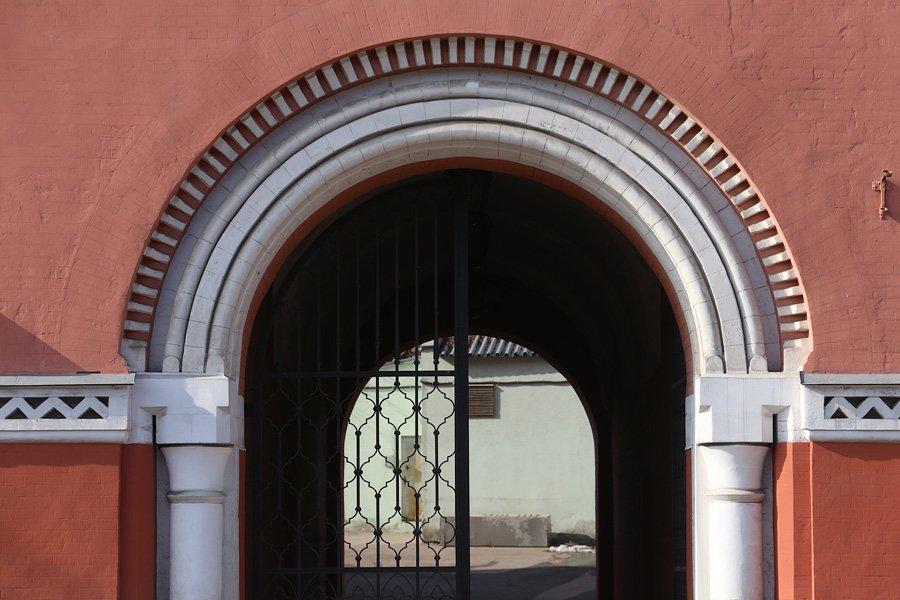
Комплекс из двух зданий, выходящих на Моховую и Манежную, построил в 1868 г. архитектор П.А. Герасимов. Древнерусские черты по замыслу архитектора должны были придать этим строениям видимую связь с Кремлем. Здание украшено красивыми колонками и узорчатыми бордюрами; приземистая арка ворот тоже напоминает древнерусские ворота, порталы.

Как и до революции, дом принадлежит Кремлевскому ведомству.

Gross red house in Russian style draws attention of strolling in the Alexander Garden. This house was called "barracks for court employees." It stands out among its neighbors by bright red color and decorative details in the Russian style and stands on a plot owned by the Moscow palace office which was in charge of all the buildings inside the Kremlin.

Complex of two buildings overlooking the Mohovaya street and the Manezh was built by architect P.A. Gerasimov in 1868. Old Russian style features were supposed to provide these buildings with visible connection to the Kremlin as it was conceived by the architects. The building is decorated with beautiful columns and patterned borders. Squat arch gate is reminiscent of old Russian gate portals as well.

As before the revolution, the house belongs to the Kremlin management department.
Автор статьи: Ирина Левина
Поделитесь статьей с друзьями
Интересное рядом(5)
Александровский сад, около Средней Арсенальной башни
Кремлёвская набережная
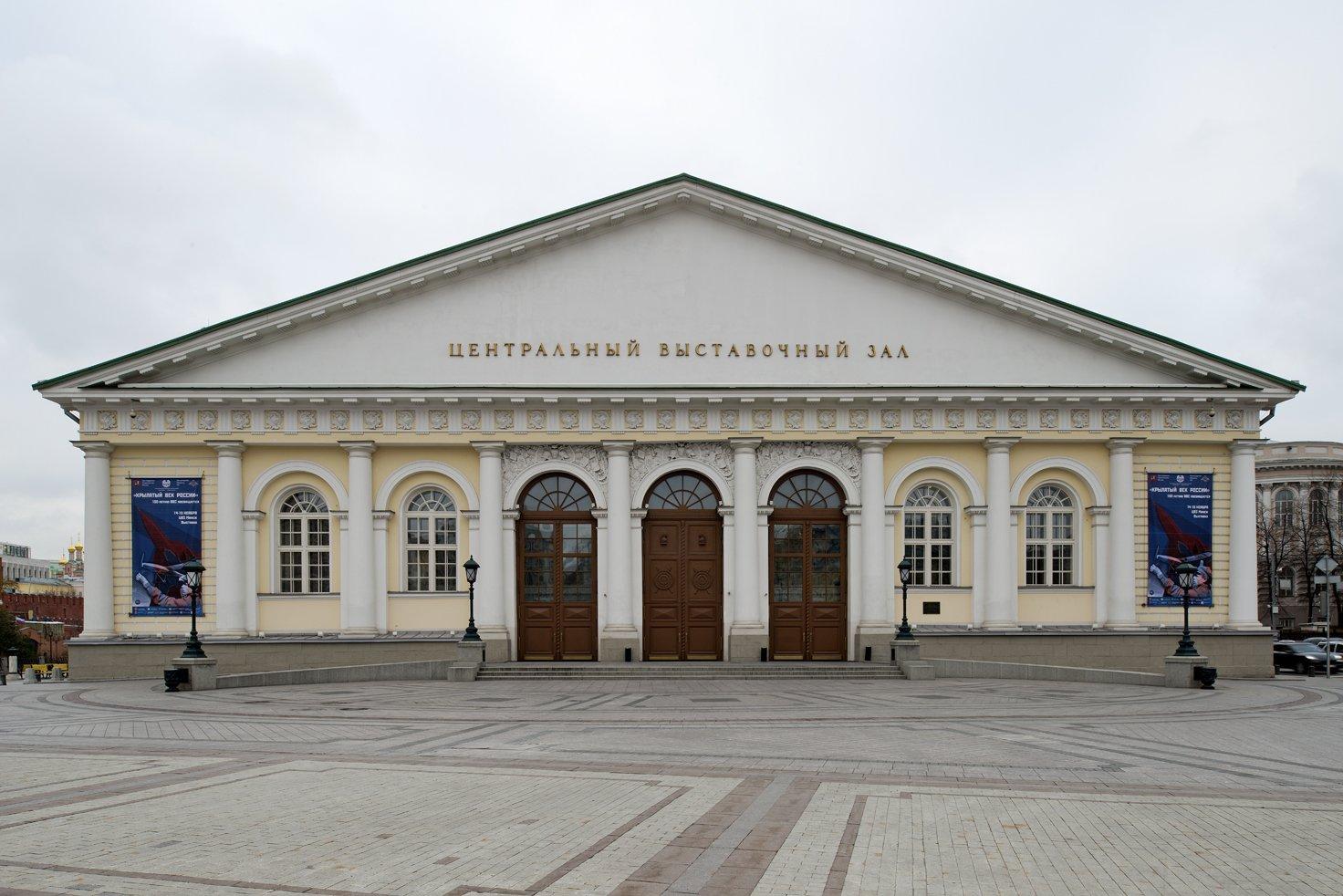
Manege Central Exhibition HallThe building of Big Manege was built by the order of Alexander I for 8 months in 1817 on the occasion of the 5th anniversary of the victory in the war of 1812. The construction was carried out according to the project of engineer Augustine Betancourt by a special staff of engineers and architects subordinated to the Chief Inspector of hydraulic and earthworks in Moscow, Major-General Lev Carbonier. The building was called then “Ekzersirgauz” (home for military exercises). It impossible to tell that deal with construction went well. The idea, offered by Betancourt and which was carried out by Carbonier, meant the unique technological principle: the unique wooden construction of rafters, covering 44.86 m of space without intermediate supports. However, with the onset of a heat at the end of July, 1818 two rafter farms of the Manege cracked. They were fixed, but a year later, in the heat, the damaged in the rafters happened again. By the highest order of Alexander I, from September 1823 to May 1824, farms were rebuilt, and their numbers increased from 30 to 45. In August 1824, a ceiling was sewn to the roof of the Manege. Miracle of the equipment of times of an empire style is a result of joint action of many architects. A. Betancourt and L. Carbonier’s ideas were brought to mind by honest and modest professionals whom history is almost silence: Colonel R.R. Bausa, lieutenant engineer A. Ya. Kashperov and others. In 1825, the main architect of the Commission of Buildings, famous moscow architect Osip Bove decorated the Manege with stucco and plaster decorations. Since 1831, concerts and festivities were regularly held in the Manege. After the revolution, there was a government garage in the Manezh and in the times of Nikita Khrushchev (since 1957), the Central Exhibition Hall opened in the building. An interesting fact was told by the researcher Sergey Petrov, who had studied the construction of the Manege for many years as the head of the Main Directorate for the Preservation of Monuments of the USSR. It turns out that in order to preserve wooden structures, in the days of Bove, the entire attic was covered with a makhorka (shag). On half-meter. All sorts of rodents and insects do not like this smell. In spite of the fact that the makhorka itself was smoked during the war of 1941–1945, all the constructions were as good as new in the 1970s. But even then in the attic there was still a thick smell of tobacco. Interestingly, the makhorka case at the Manege pulls along a beautiful train of cultural associations. Associations concern, first of all, the history of national architecture. Here - a makhorka! Saying this, today is almost an exotic word, how can you not recall the symbol of the transformations of modern Moscow - The Central Park of Culture and Leasure named after Maxim Gorky, on whose territory in 1923, hosted the first All-Union Agricultural Exhibition - VSHV. And its symbol for subsequent generations was the Makhorka pavilion built by the young architect Konstantin Melnikov - one of the first examples of avant-garde design.