Интерактивный гид по городу
С мобильным приложением бродить по городу гораздо интереснее!

Khavsko - Shabolovsky housing complex

An interesting project of a city quarter development was presented by the graduates of the Association of New Architects.

Khavsko - Shabolovsky housing complex
Shabolovskaya, Tulskaya
An interesting project of a city quarter development was presented by the graduates of the Association of New Architects.
3.64
Вы можете воспользоваться QR-кодом, чтобы открыть эту страницу в нашем приложении
Архитектурный стиль:
Годы постройки:
1927—1930
Архитекторы:
V.I. Bibikov, K. Noskov, H. Sheper
Эпоха:
1930s
Информация о здании

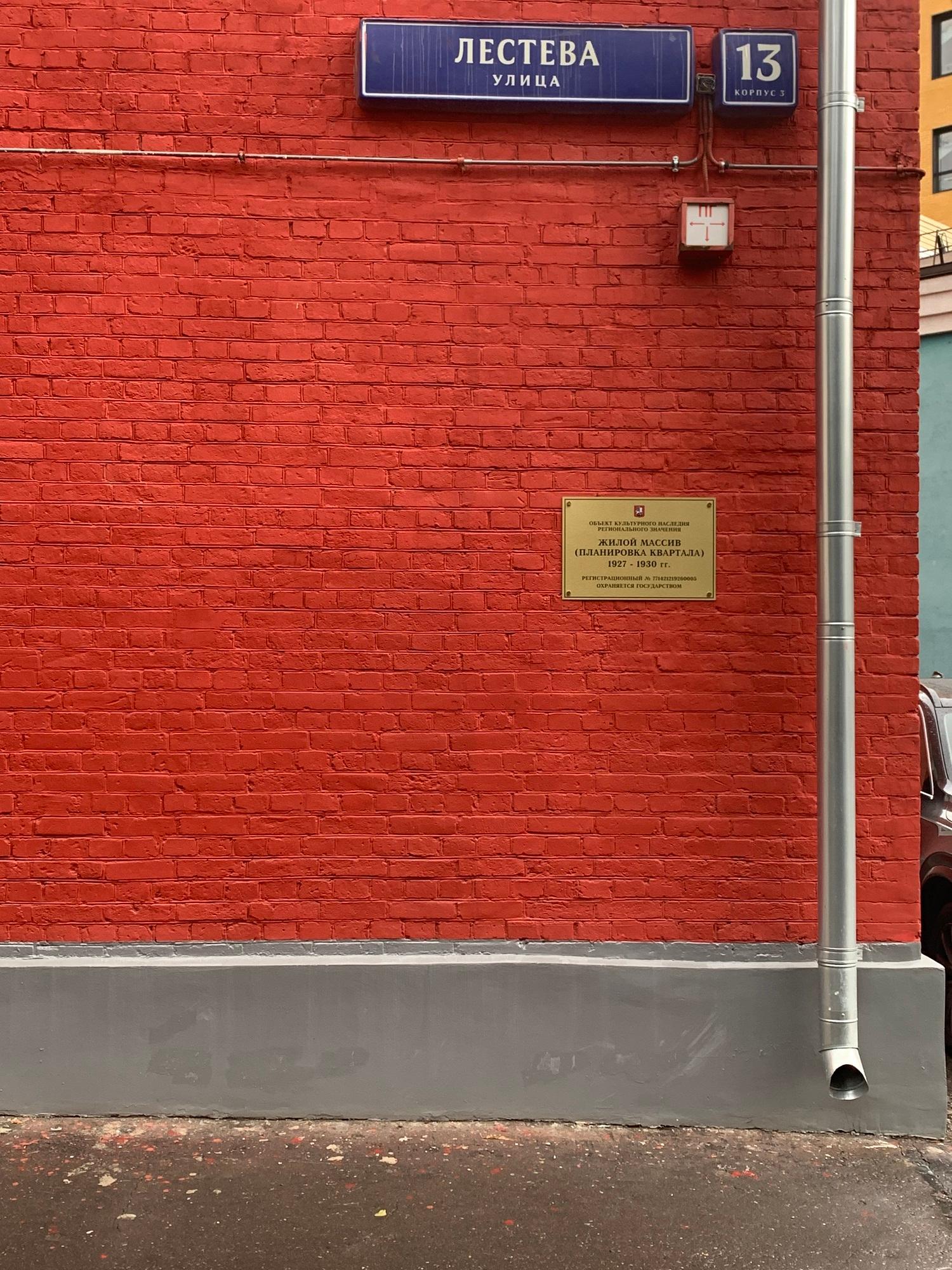
Ул. Лестева, д.13, к.3 ; д. 15, к. 1, 2; д. 19, к. 1, 2; д. 21, к. 2
Улица Шаболовка, д. 63, к. 2; д. 65, к. 2; д. 67

Серпуховский Вал, д. 22, к. 2, 3; д. 24, к. 1, 2; д. 28

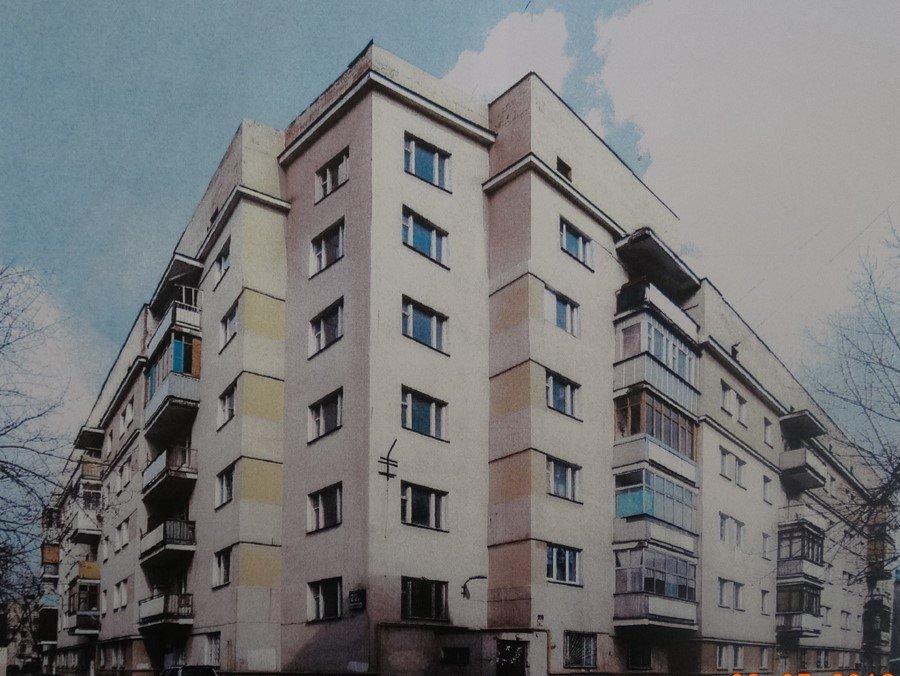
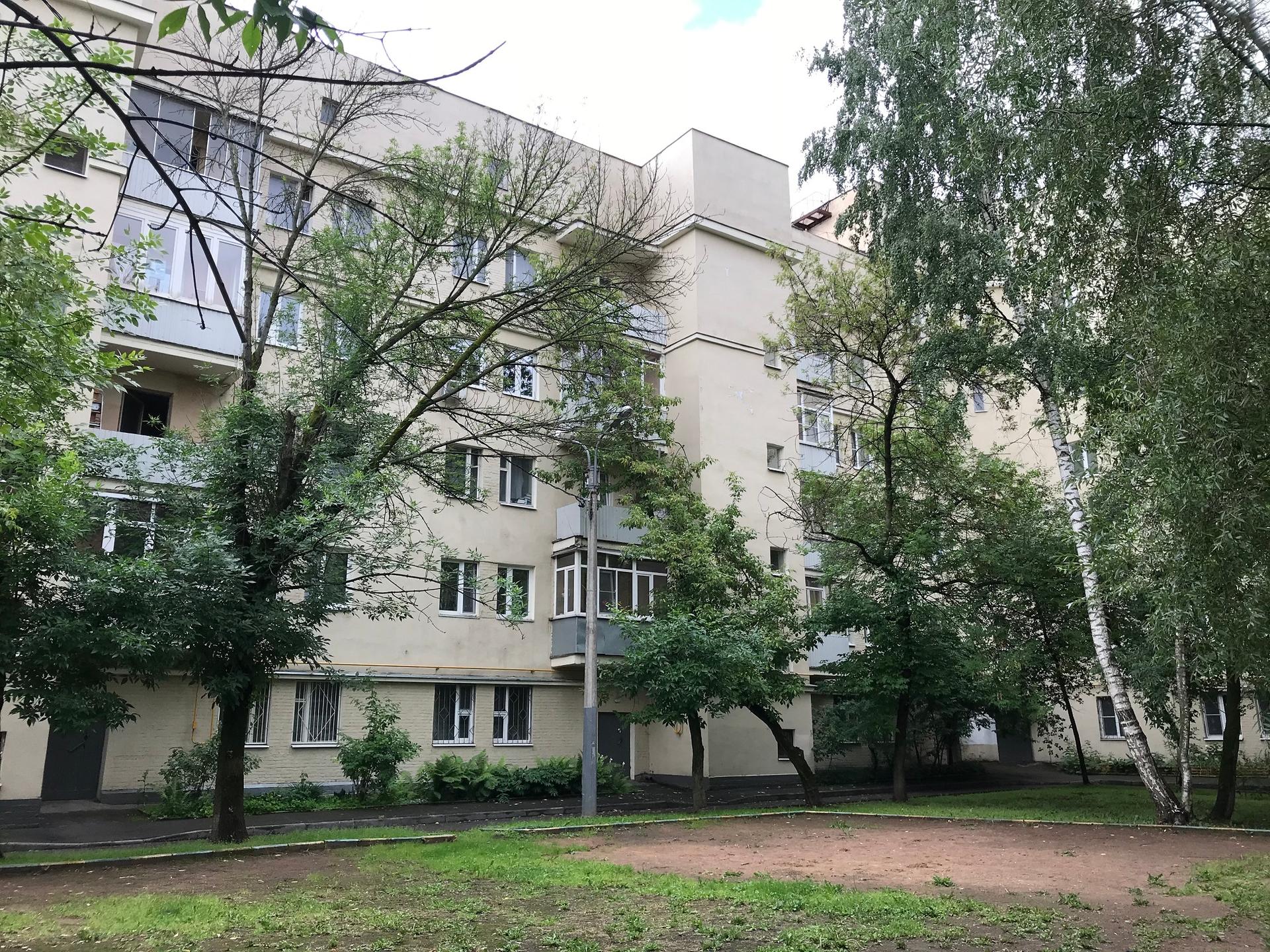
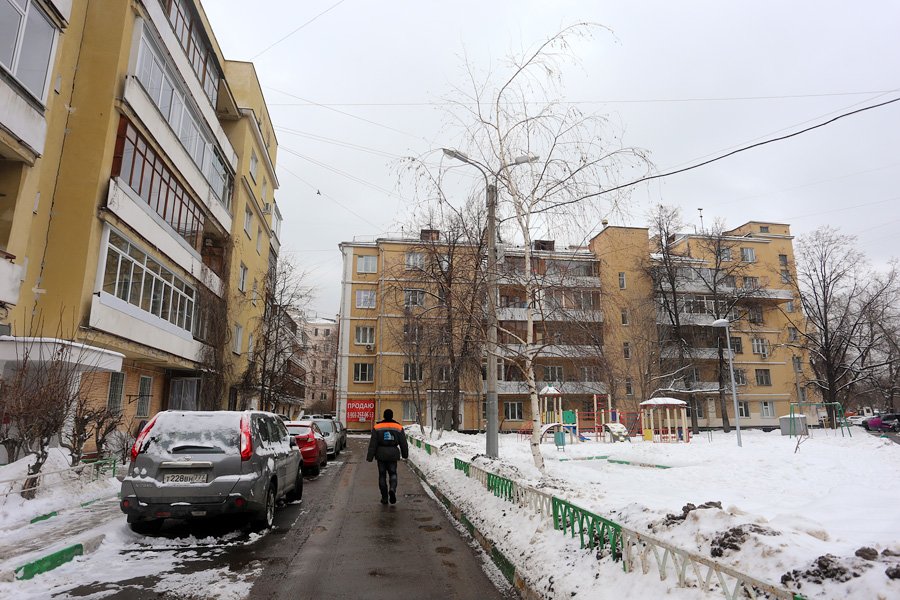
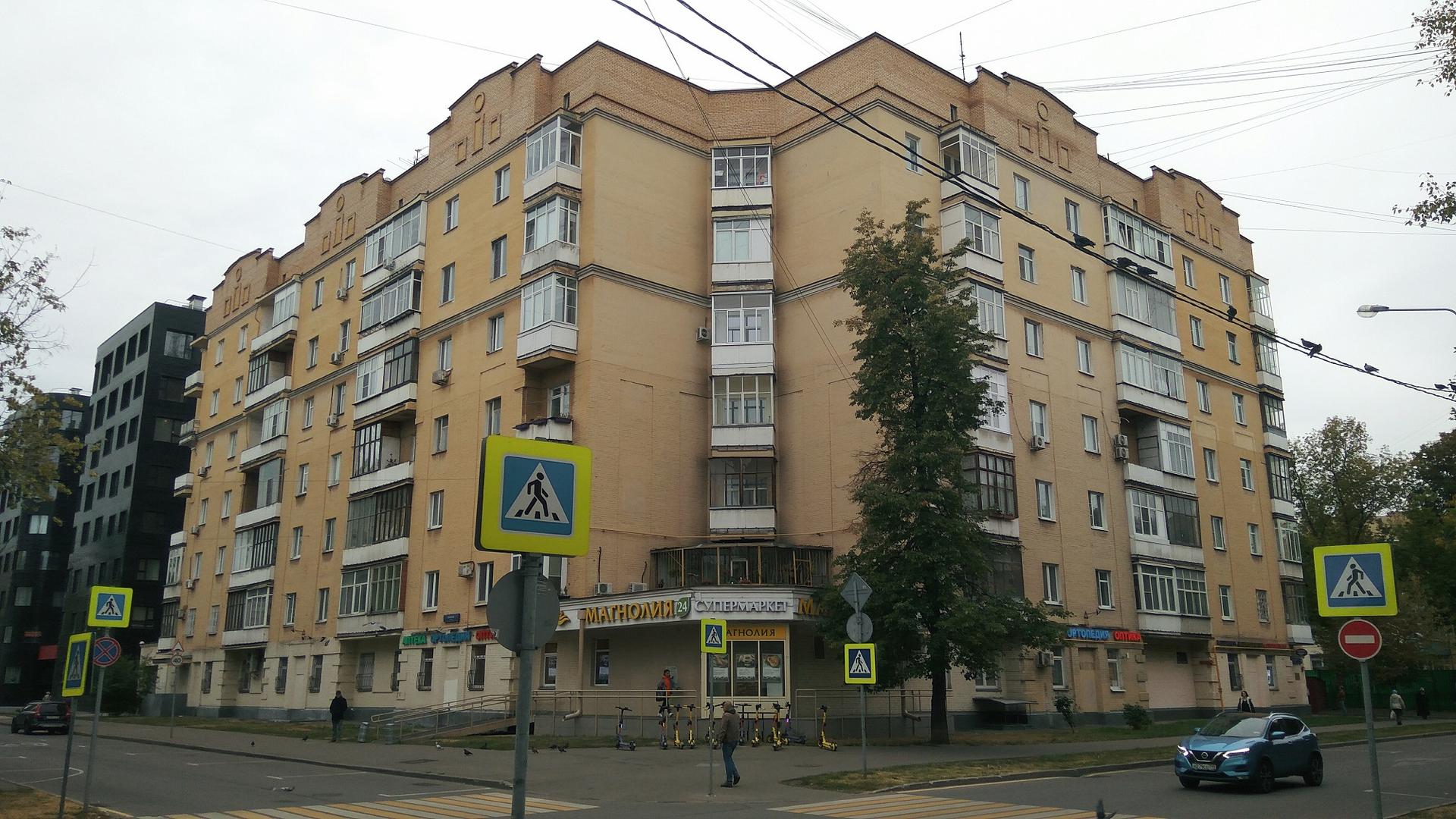
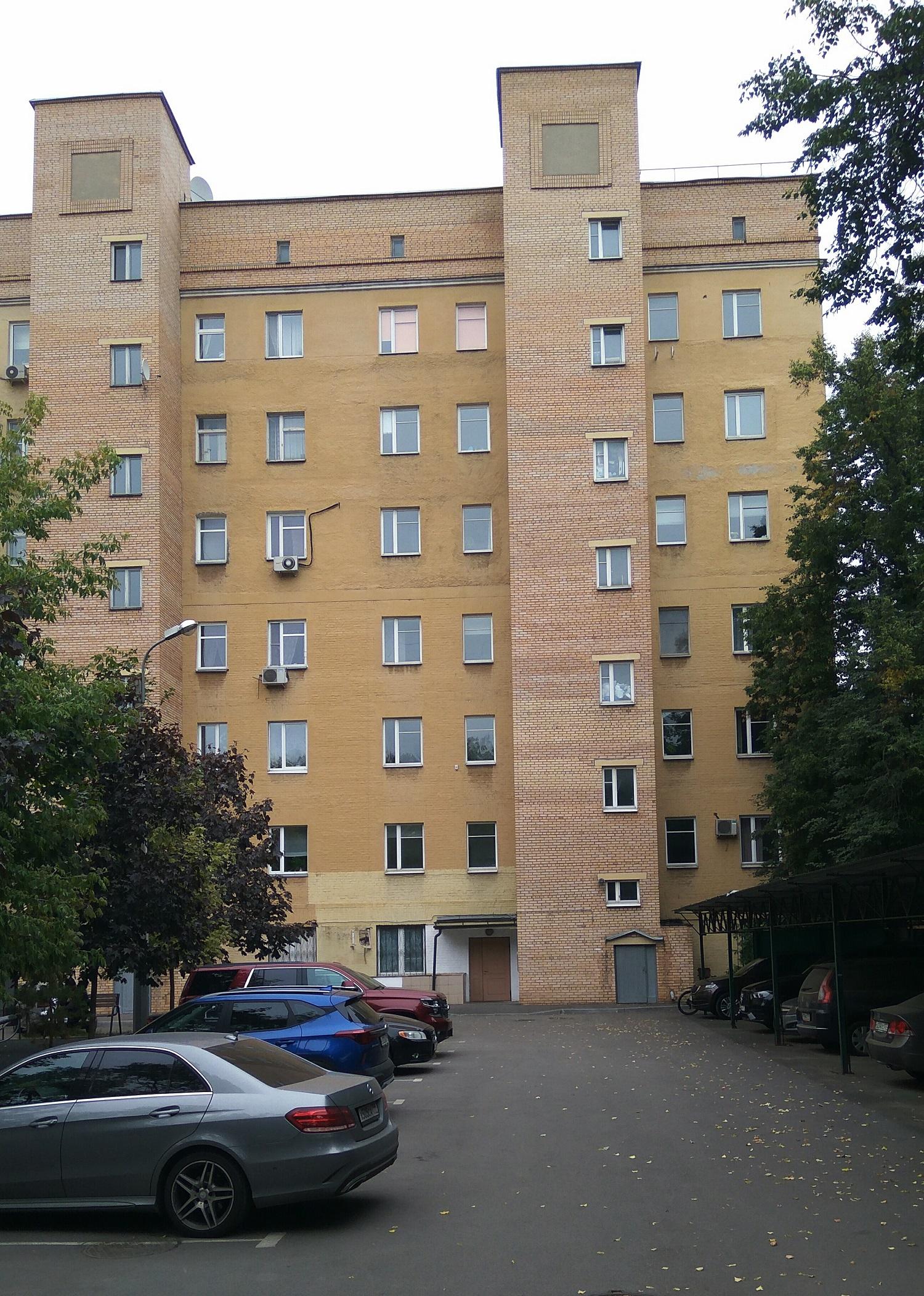
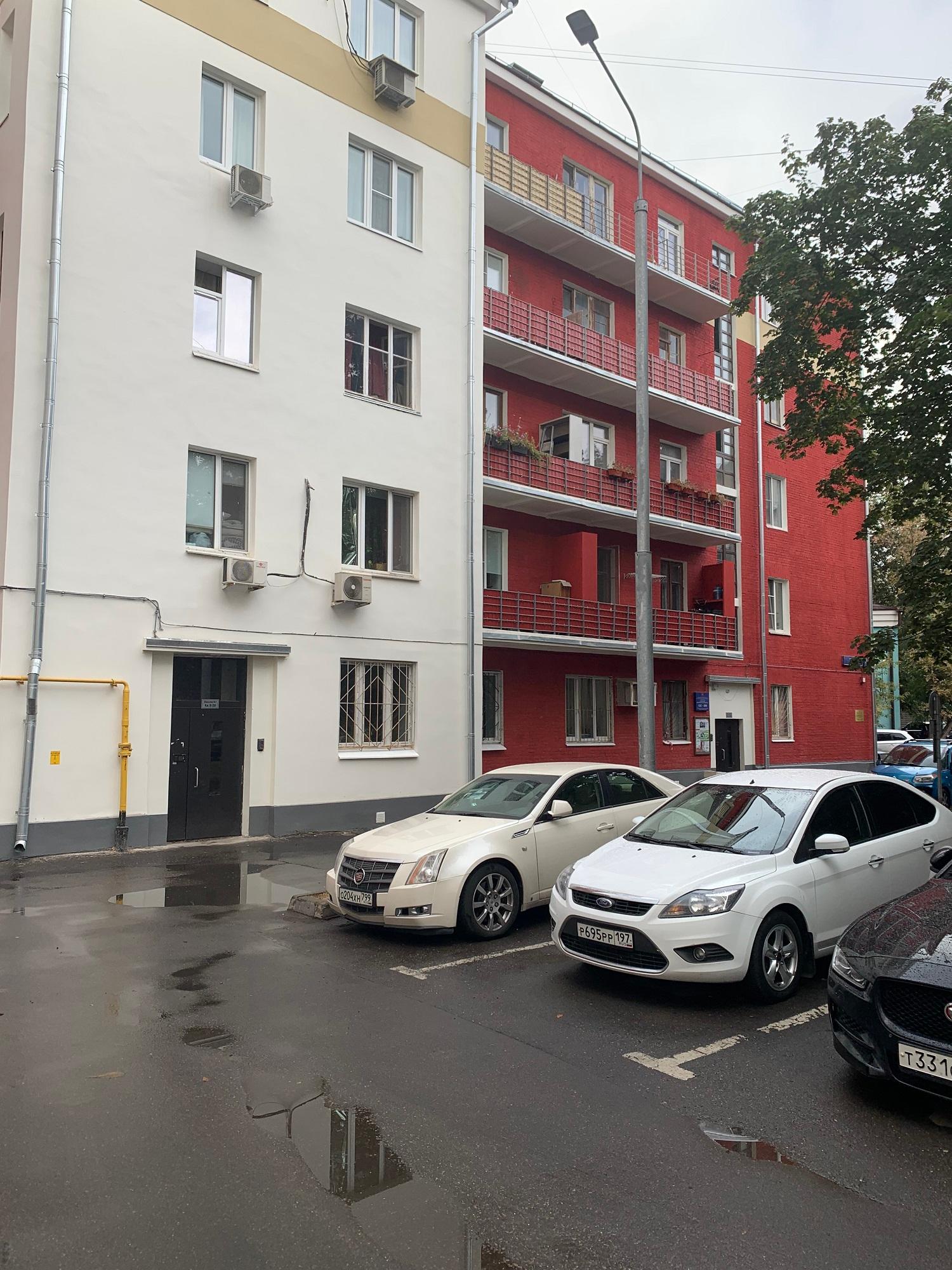
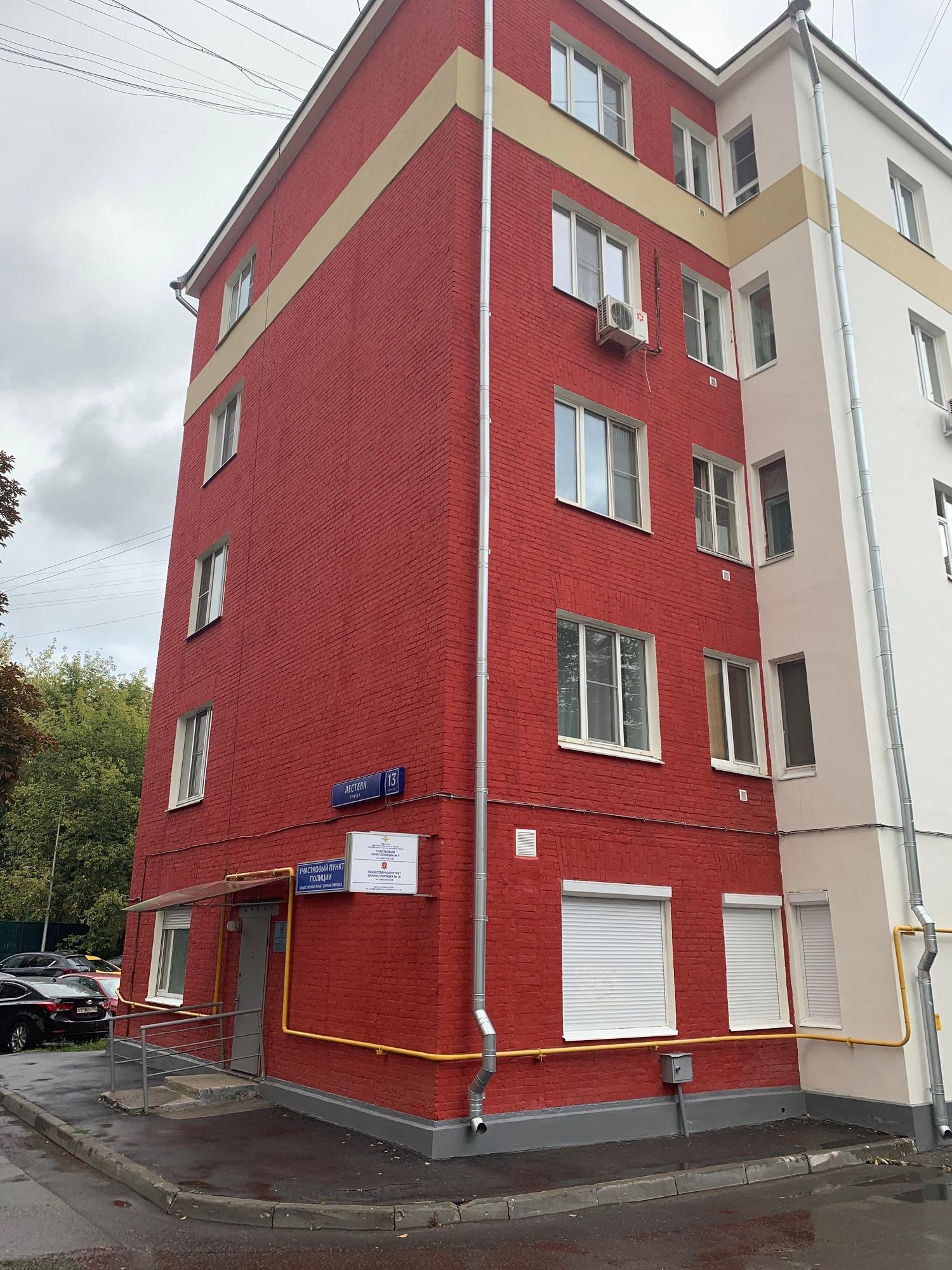
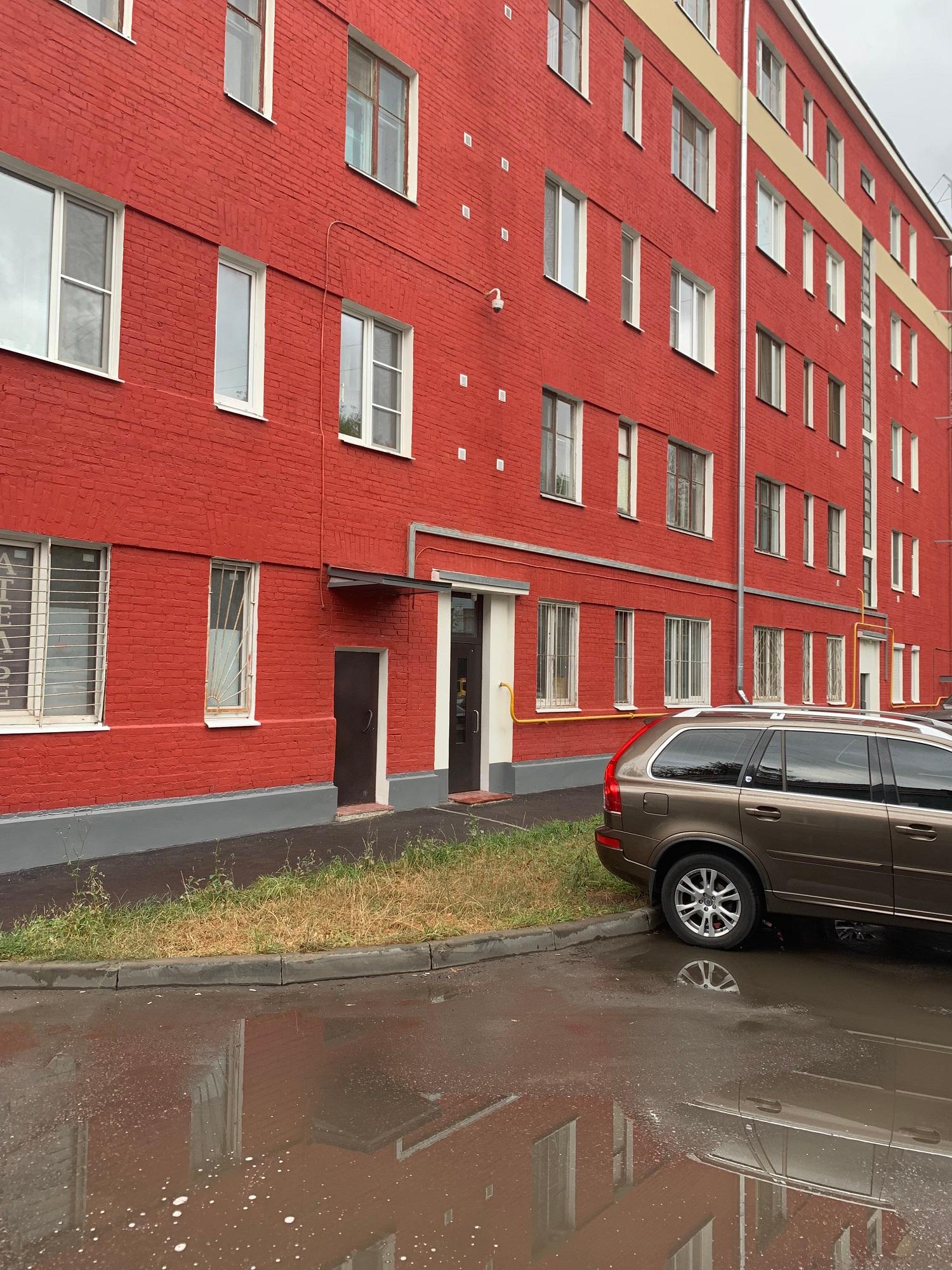
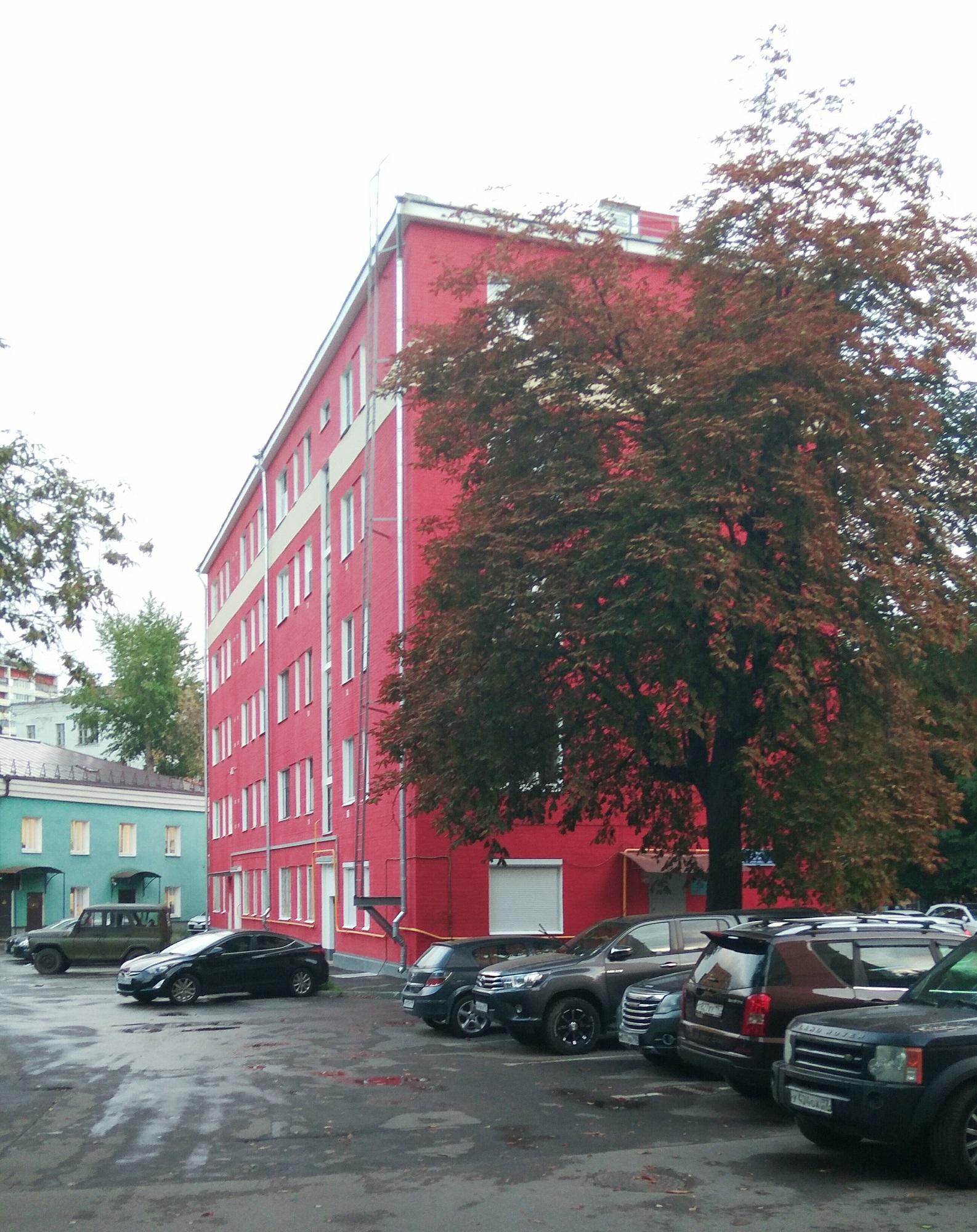
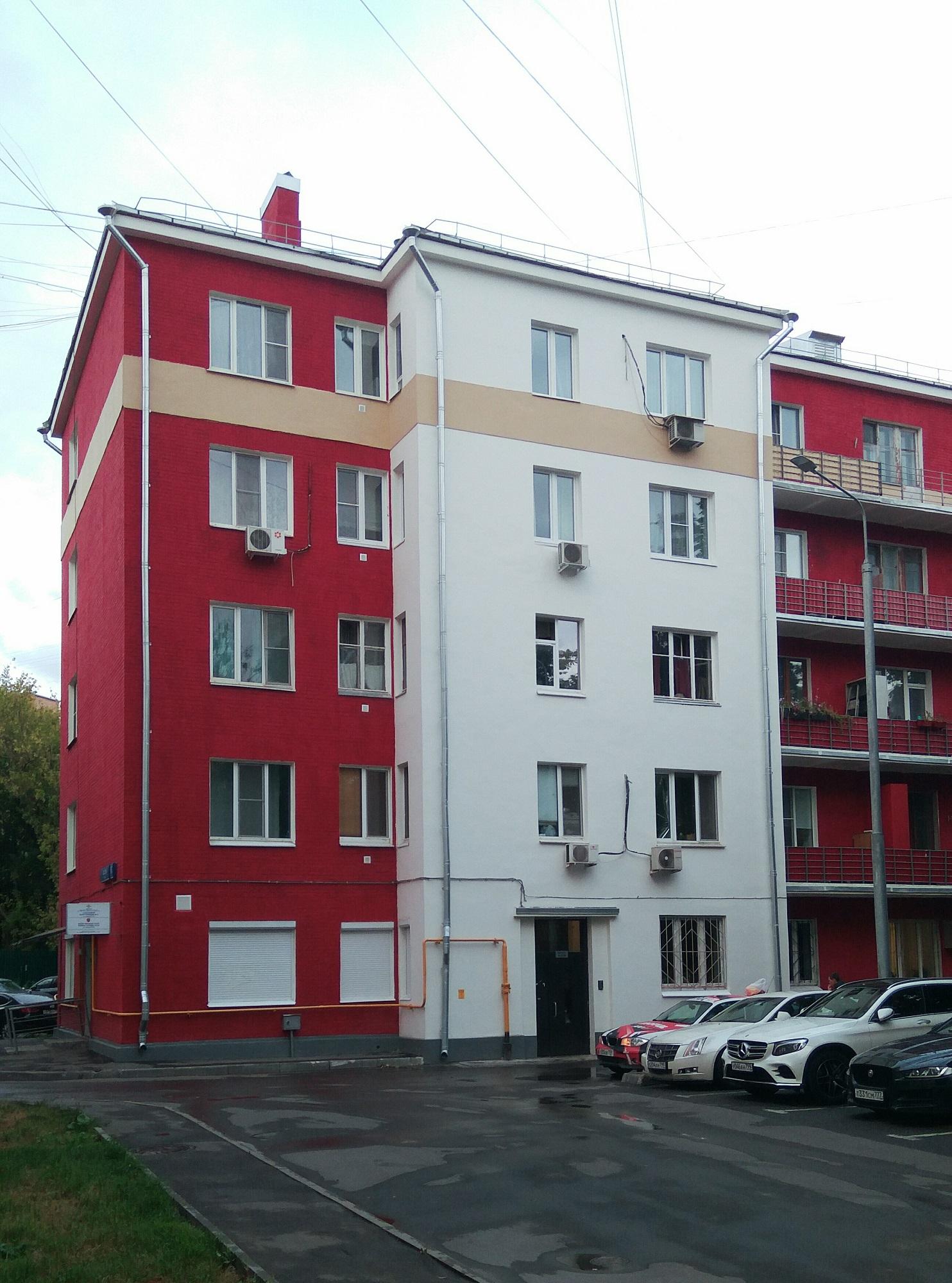
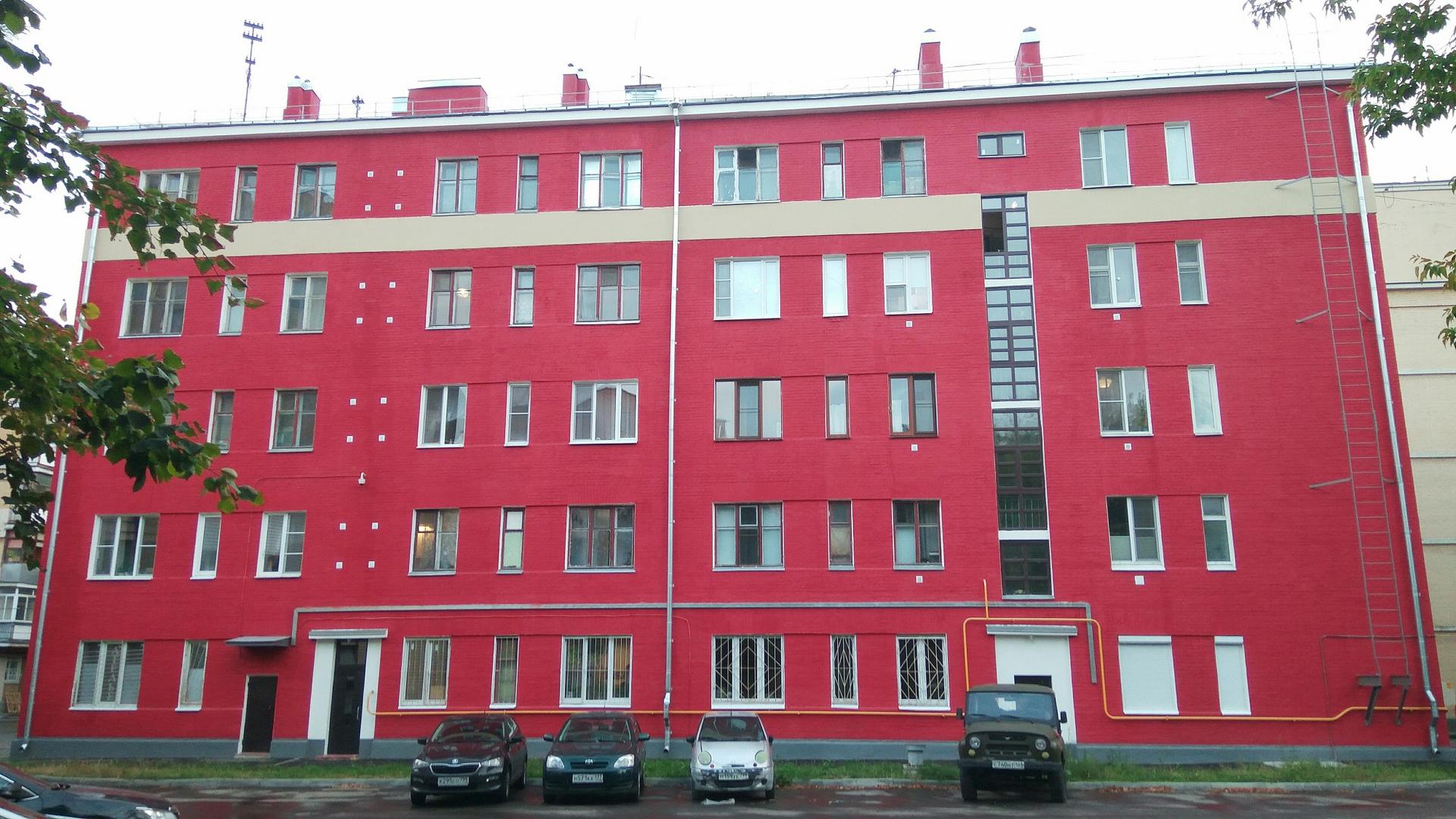
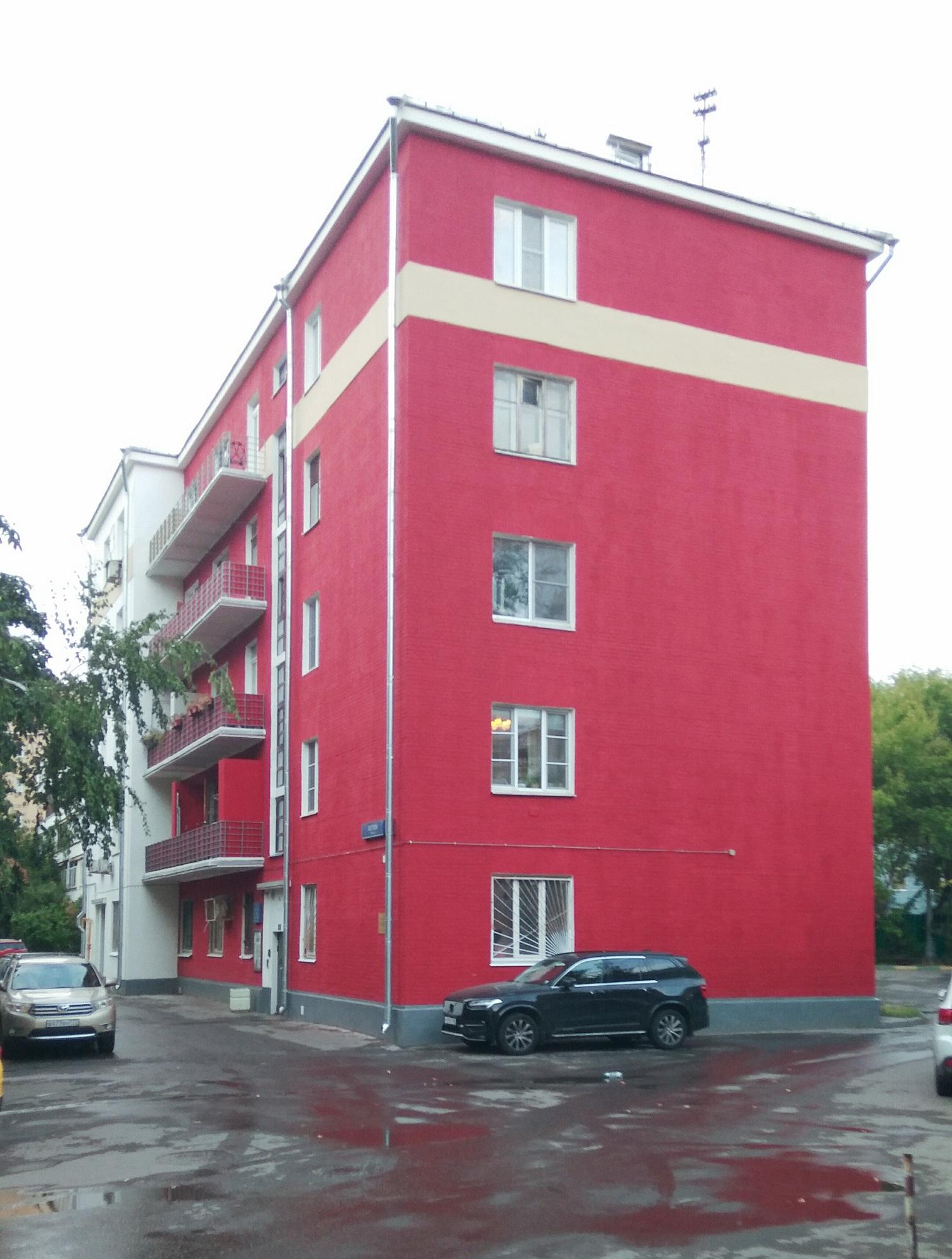
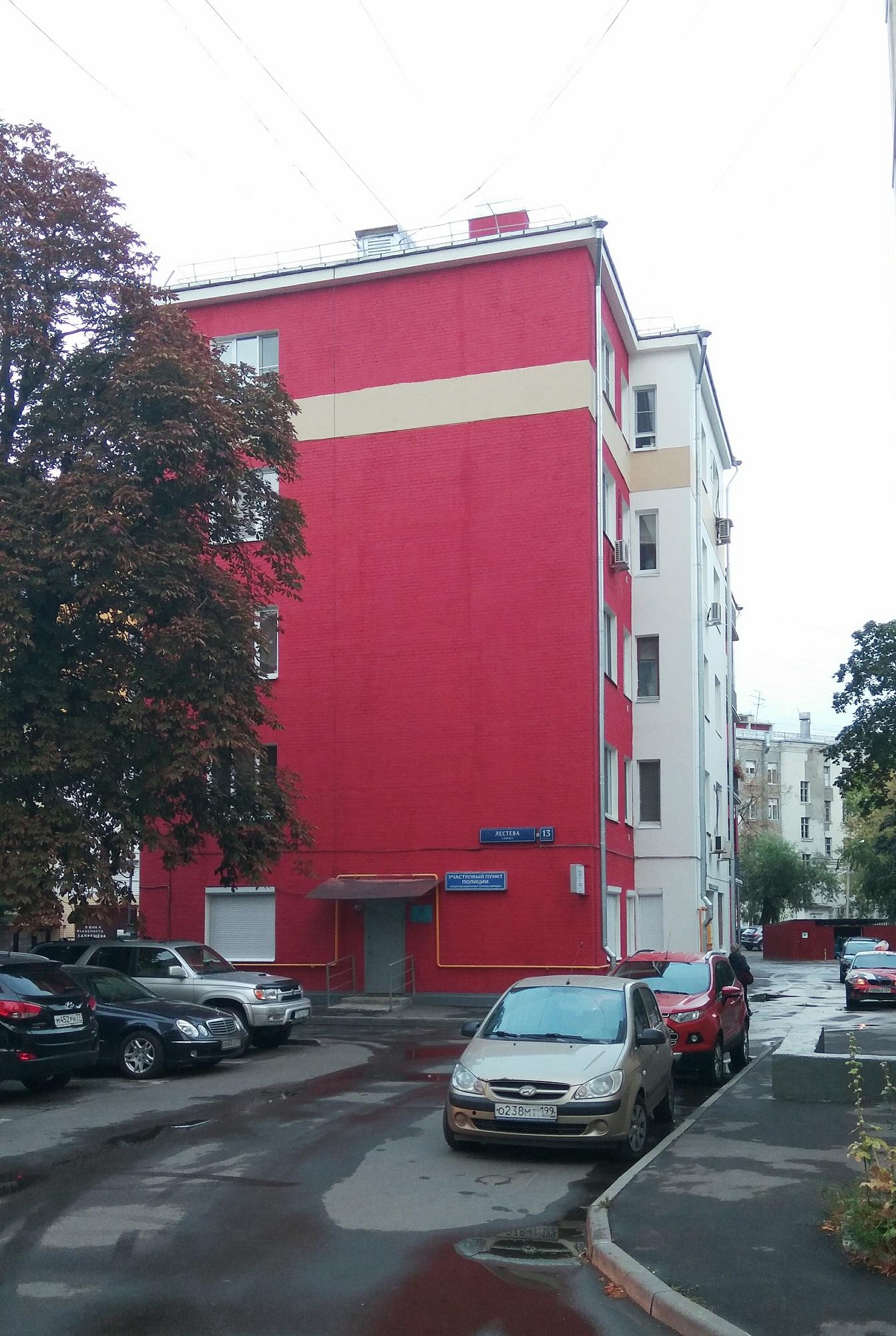
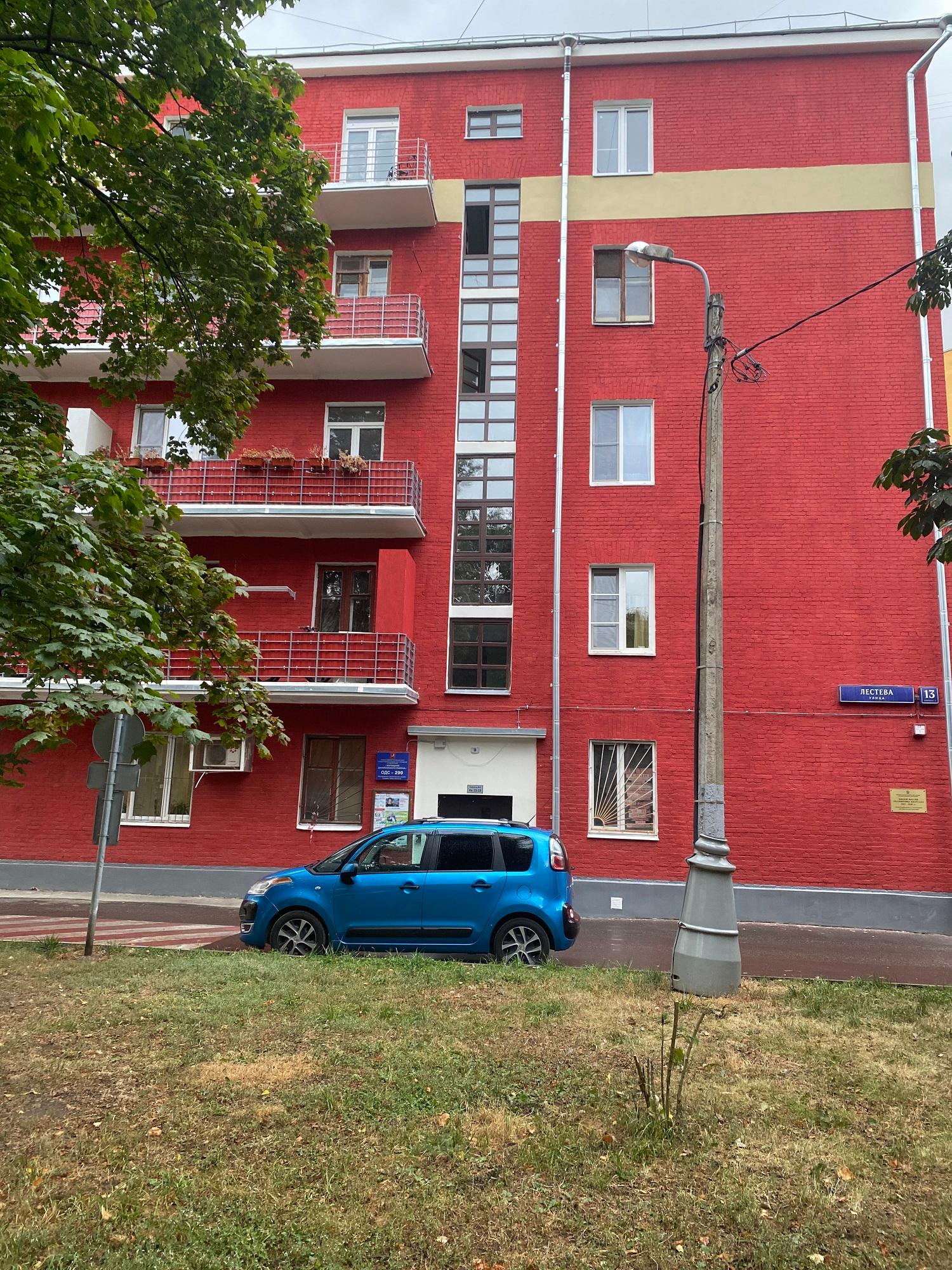
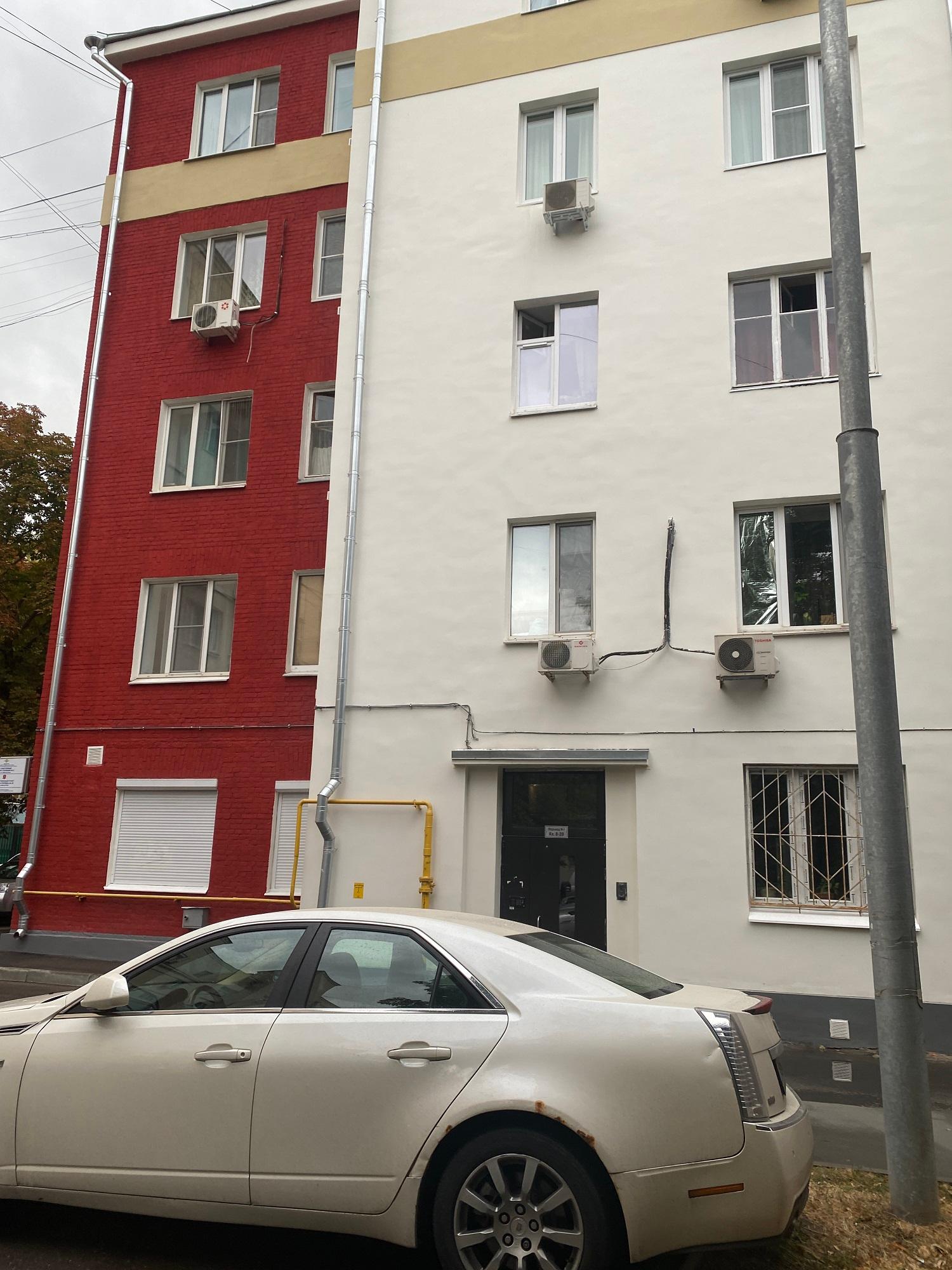
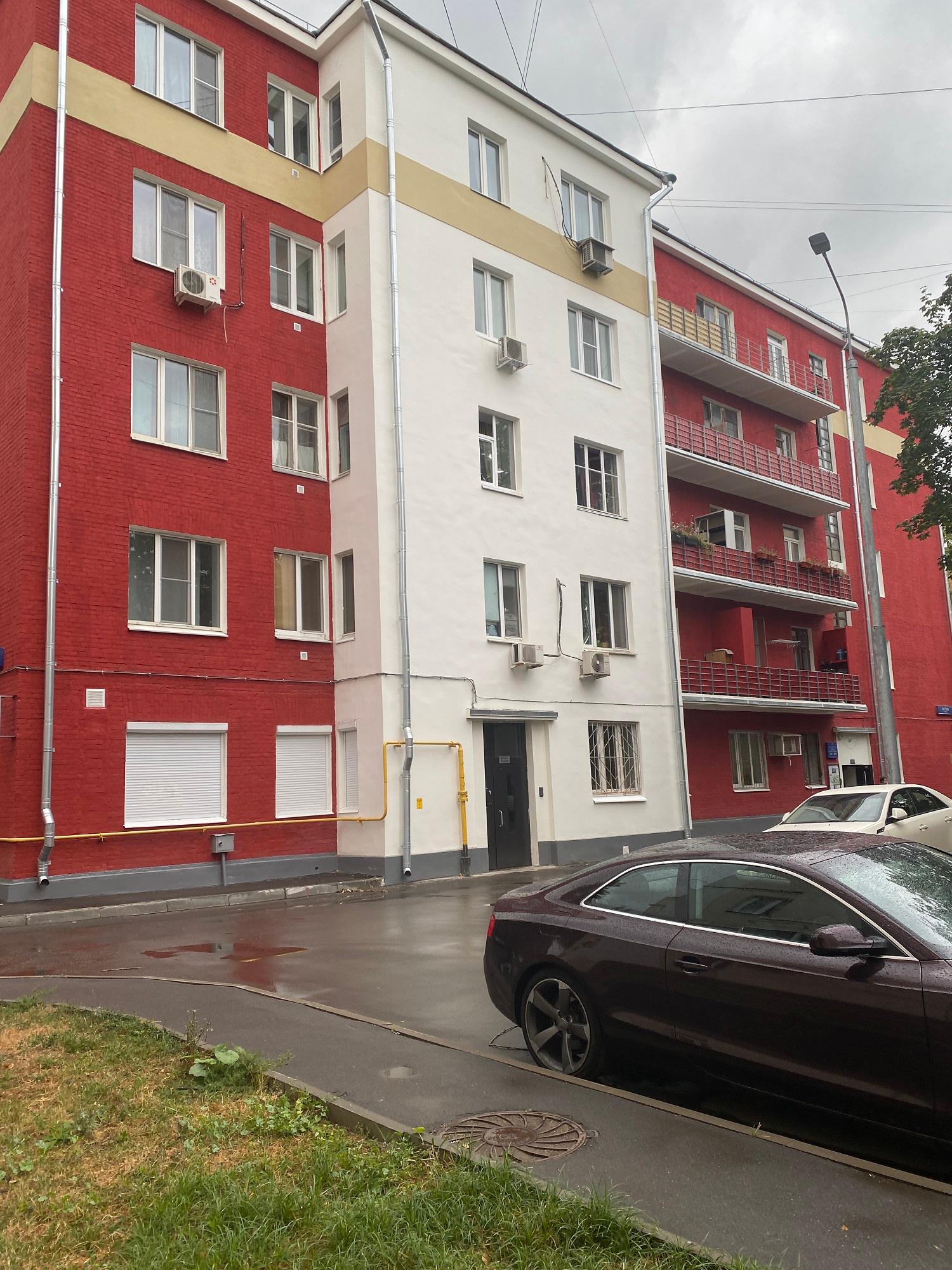
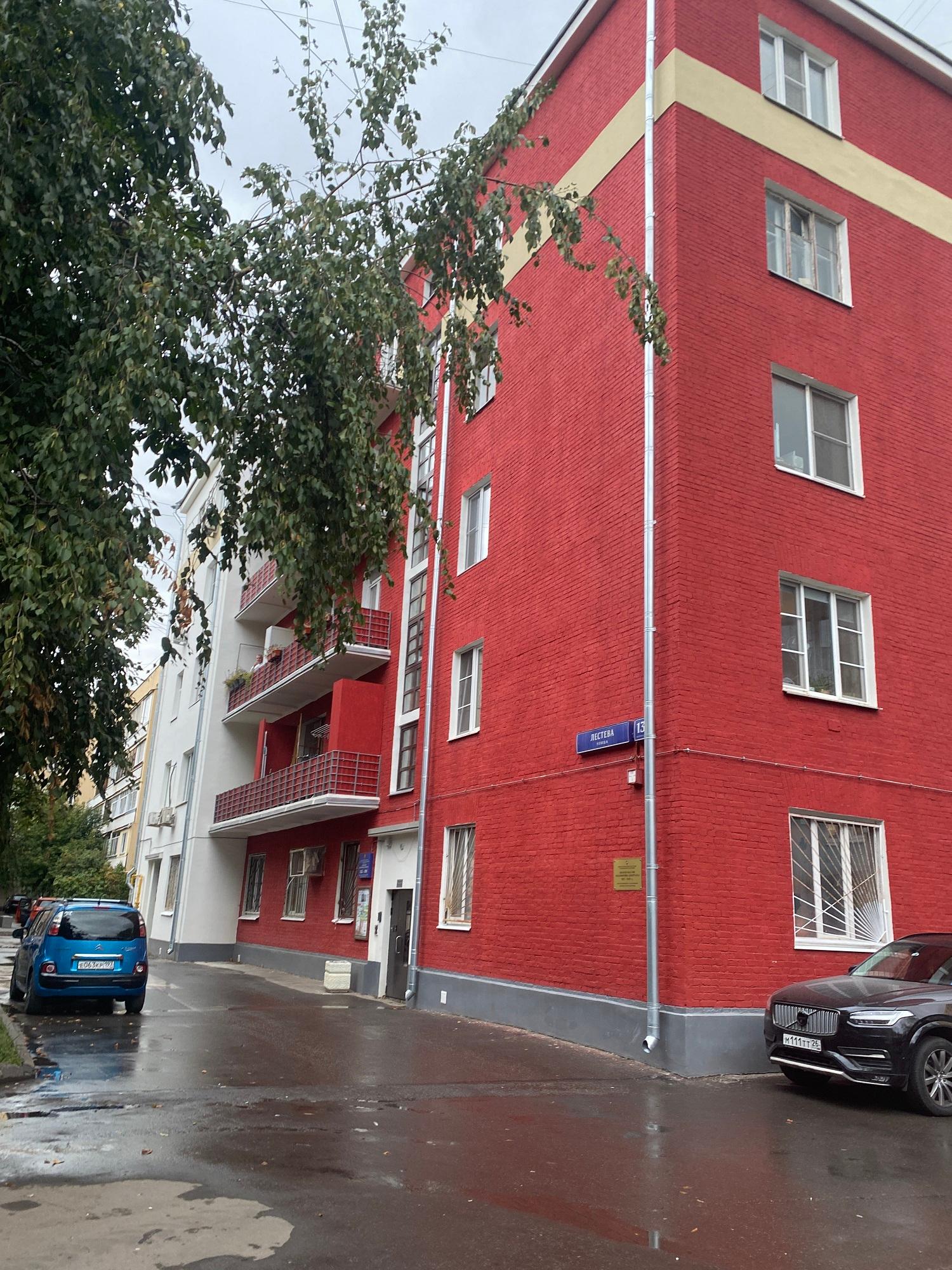
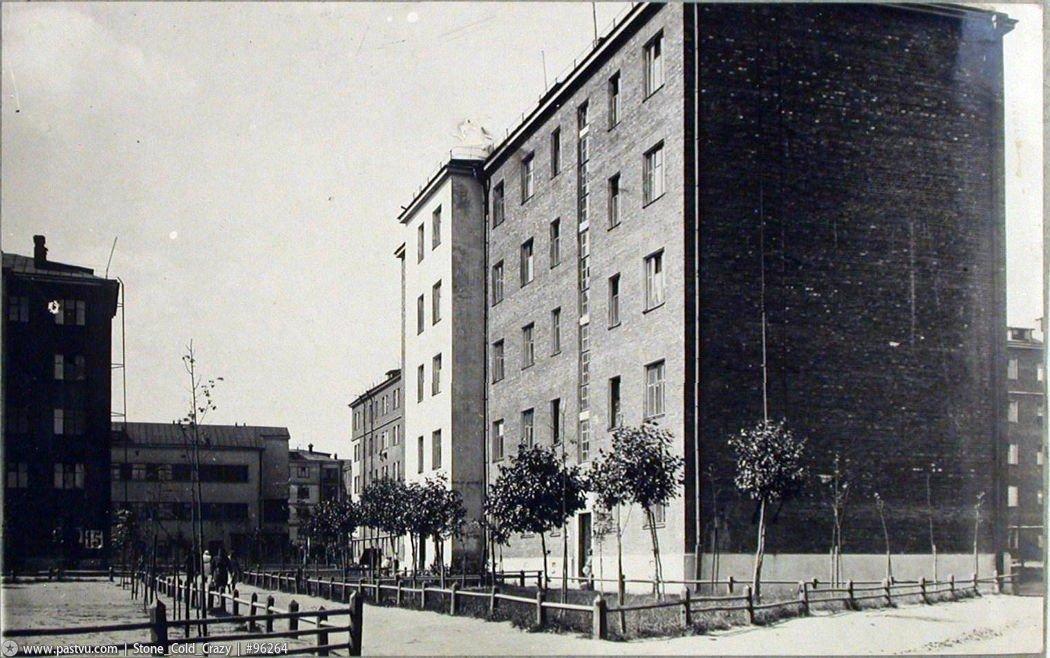
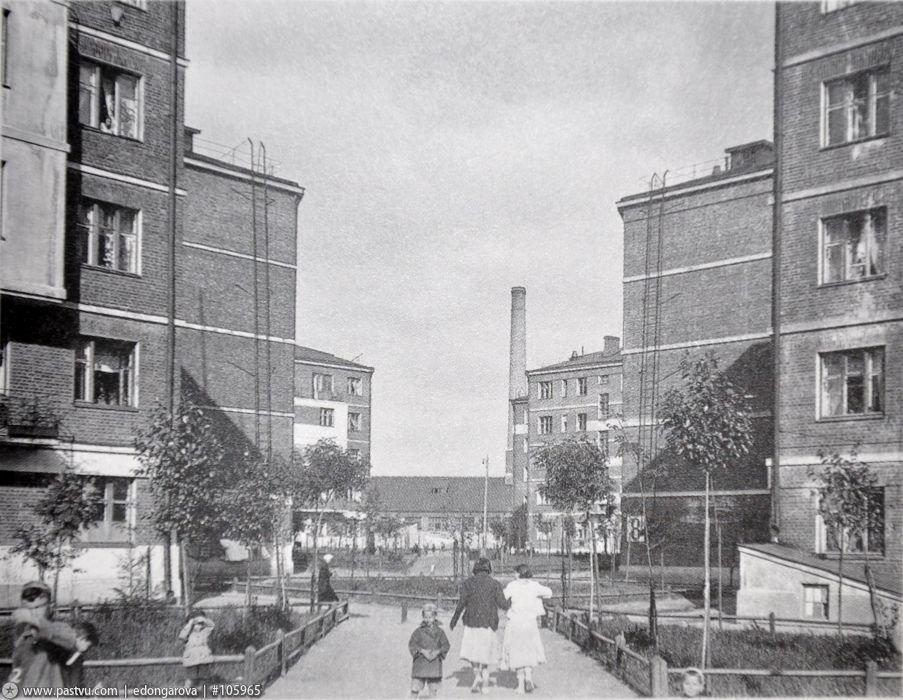
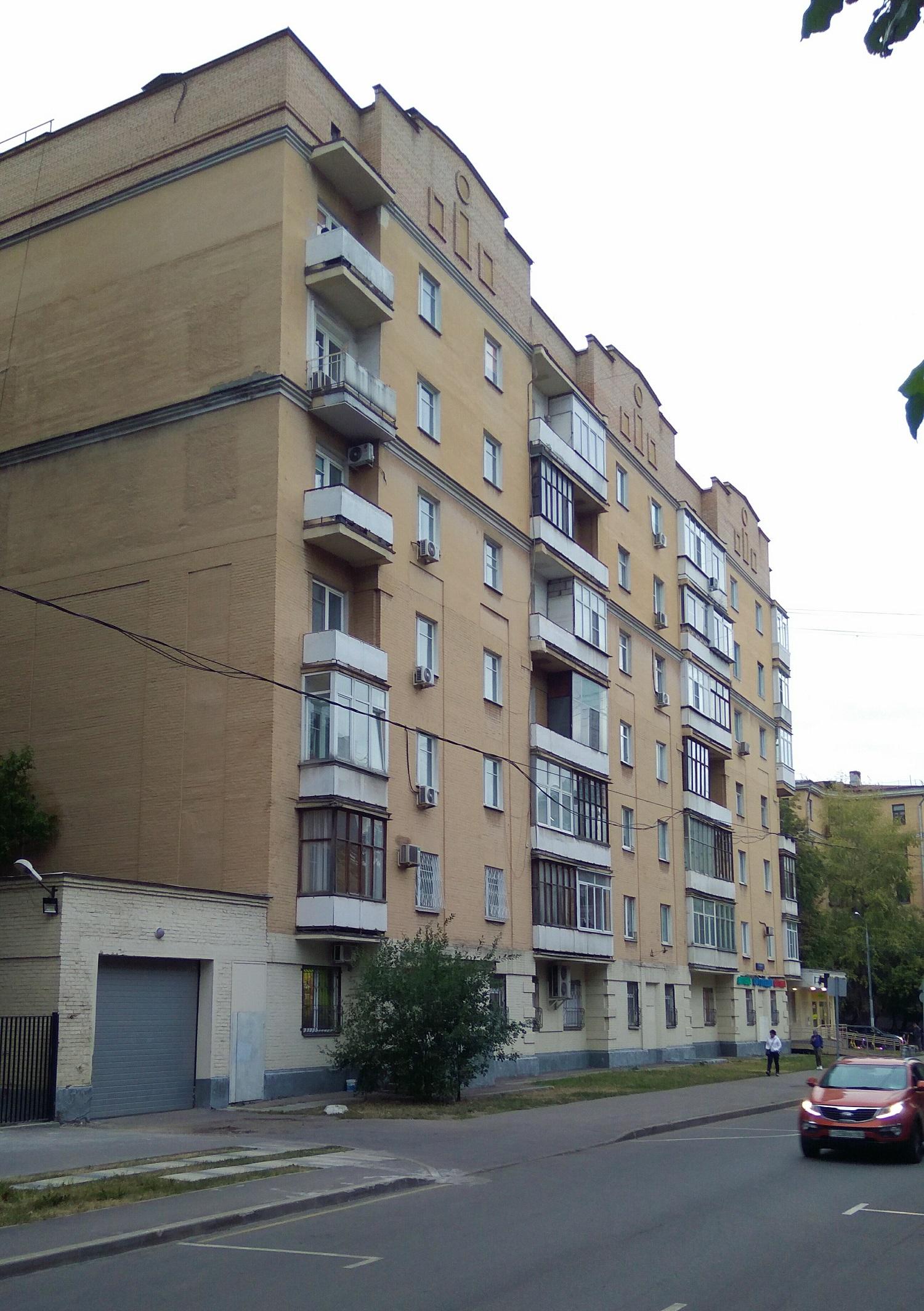
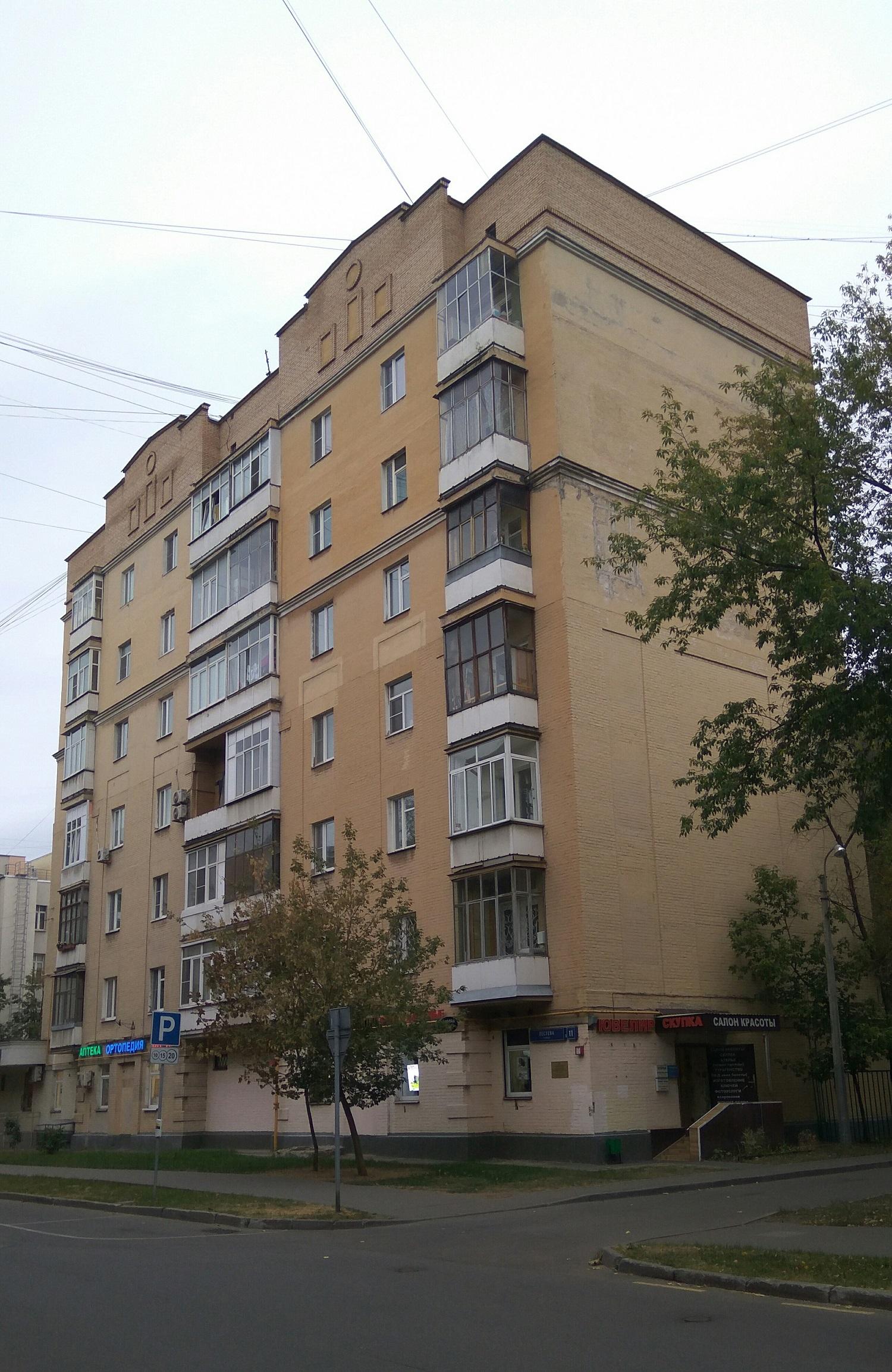
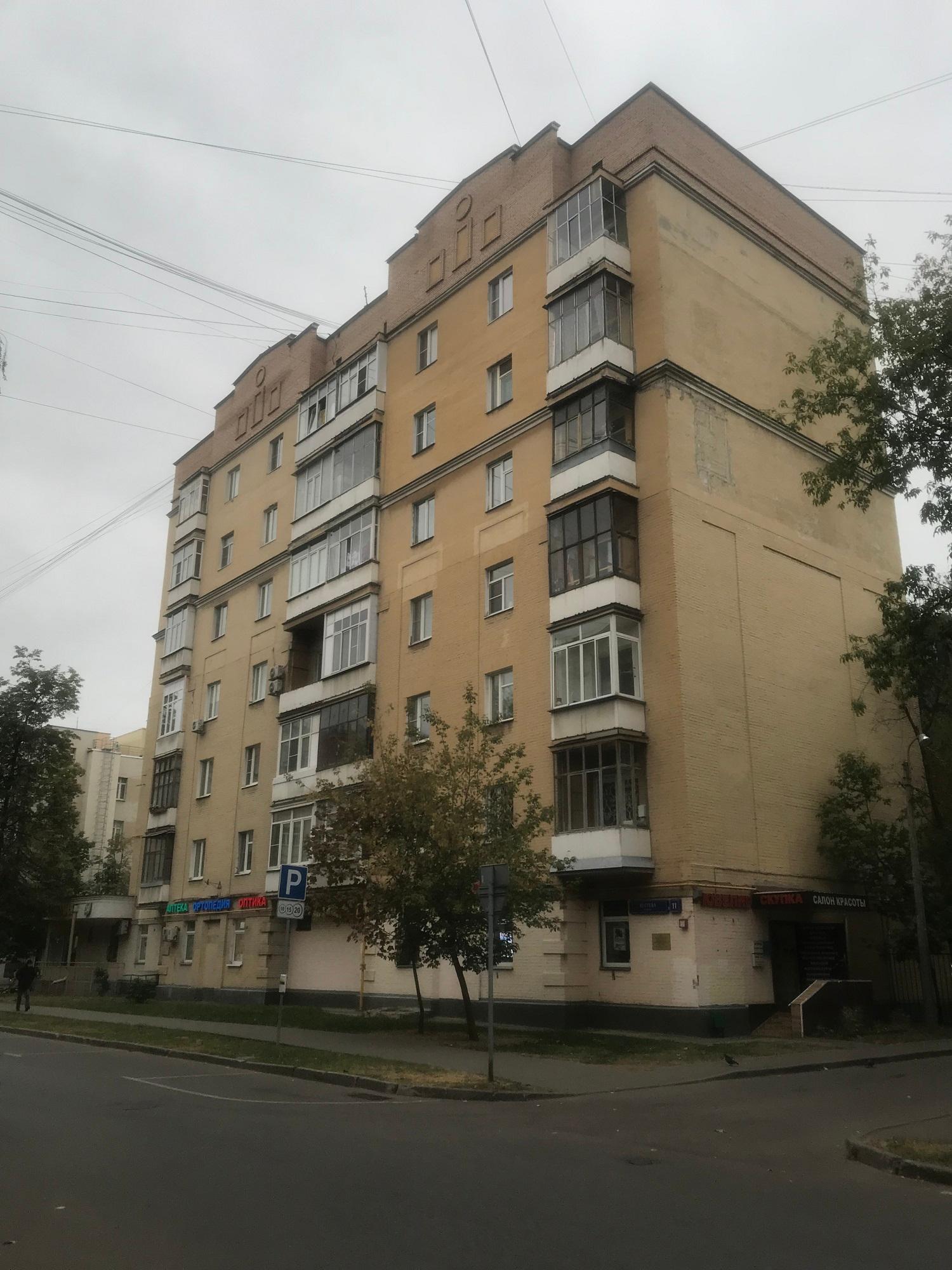
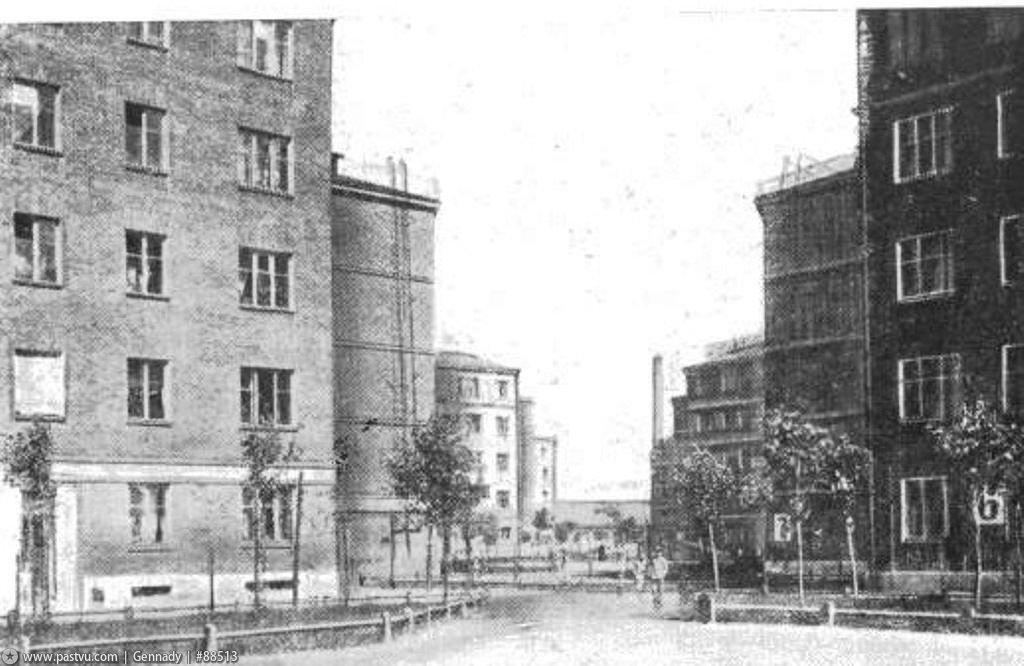
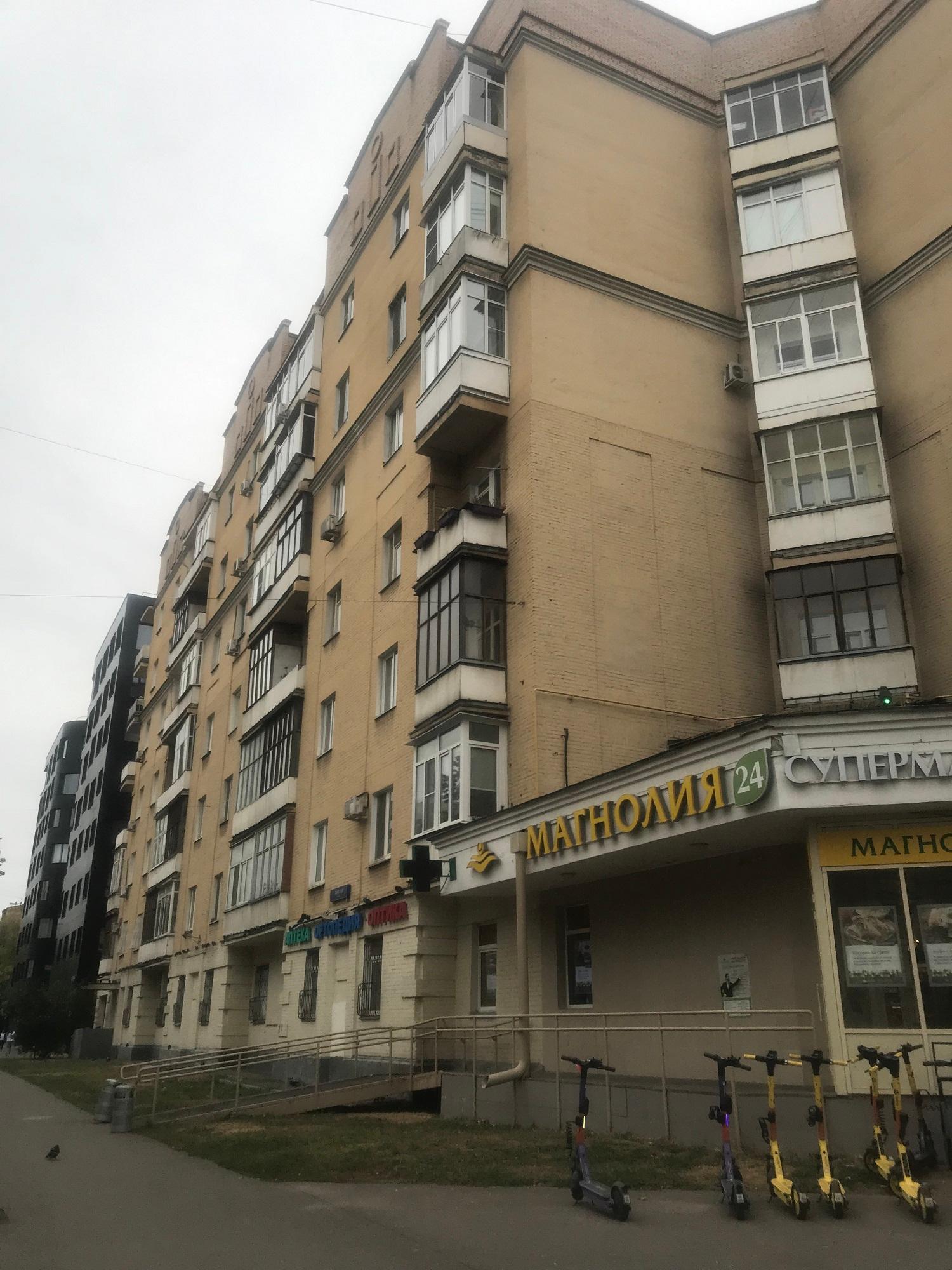
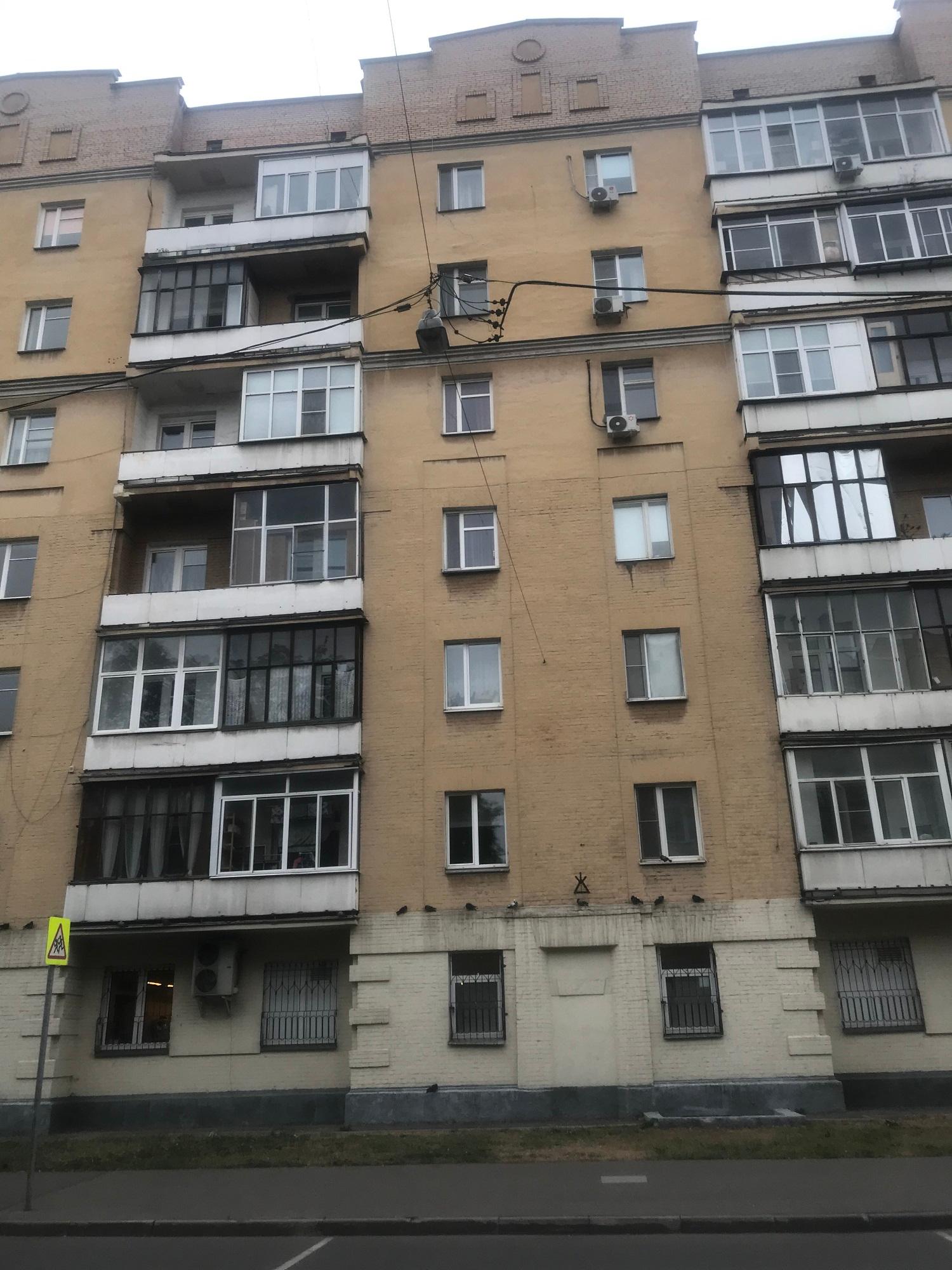
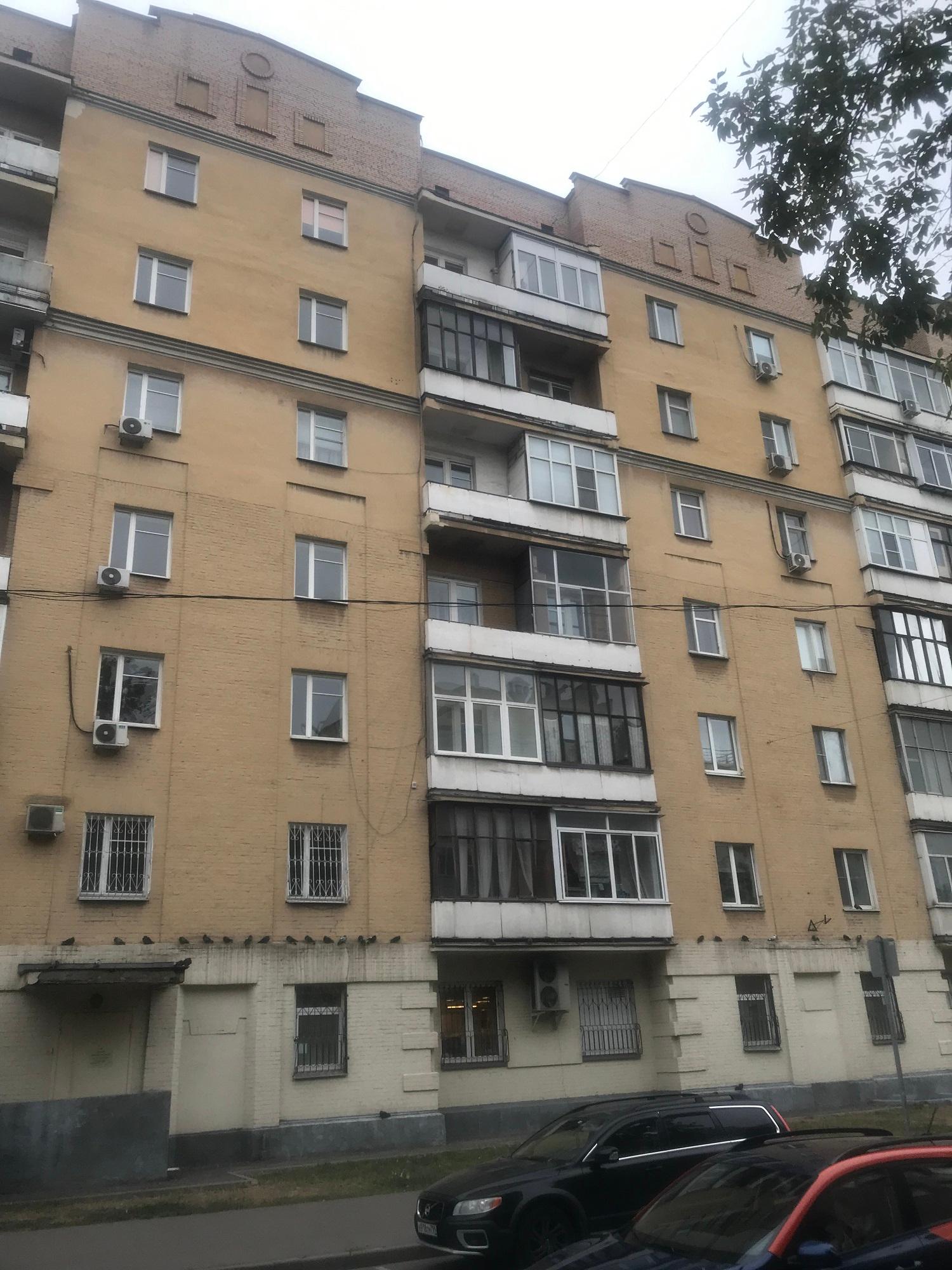
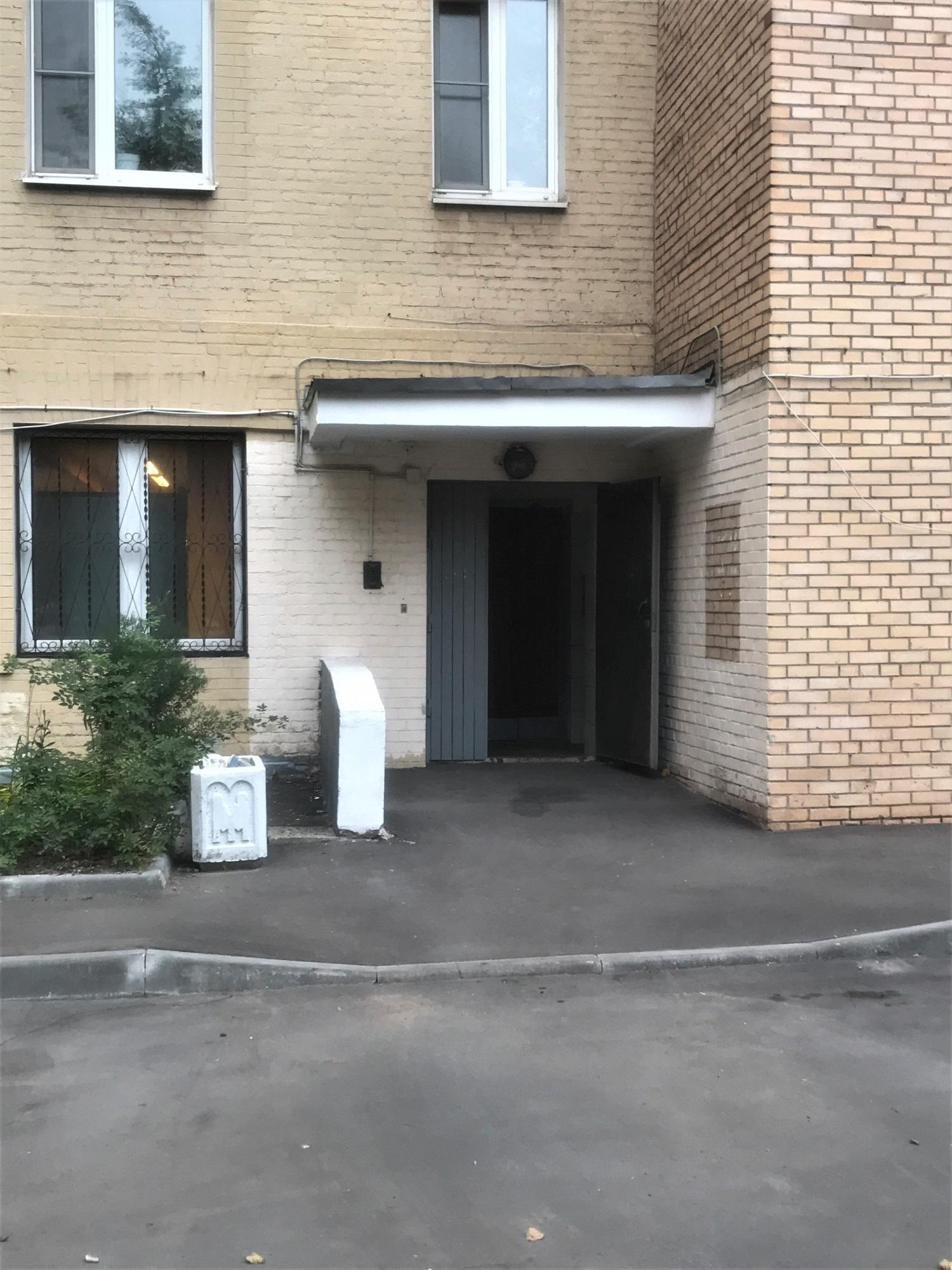
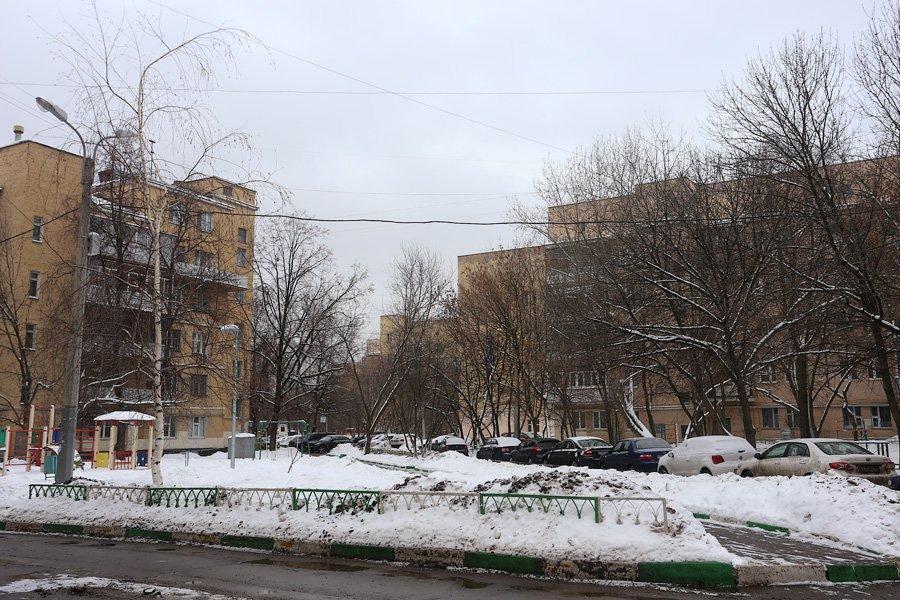
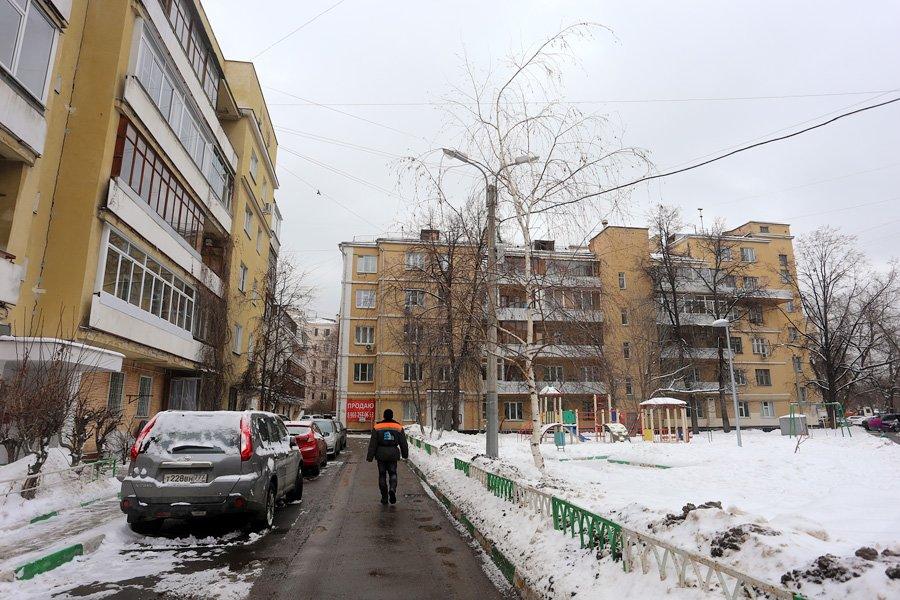
Уникальная планировка этого комплекса в стиле"авангард" стала результатом конкурса среди членов архитектурной группы АСНОВА под руководством Н.А. Ладовского. Проект готовил архитектор Н.П. Травин при участии И.Л. Йозефовича и В.И. Бибикова. Бо́льшая часть зданий была построена в 1930-е годы. Комплекс представляет собой двенадцать пятиэтажных домов, состоящих из типовых квартирных «секций Моссовета». Они поставлены под прямым углом друг к другу и повернуты относительно сетки улиц на 45 градусов: таким образом формируется система квадратных и треугольных дворов. Угловые секции большинства зданий здесь повышены на один этажи и образуют башенные силуэты. Всего из запроектированных 24 домов было построено 15 – к сожалению, застройка квартала по периметру не была завершена, и с южной, западной и восточной сторон квартала она состоит из домов 1960–1970-х годов.

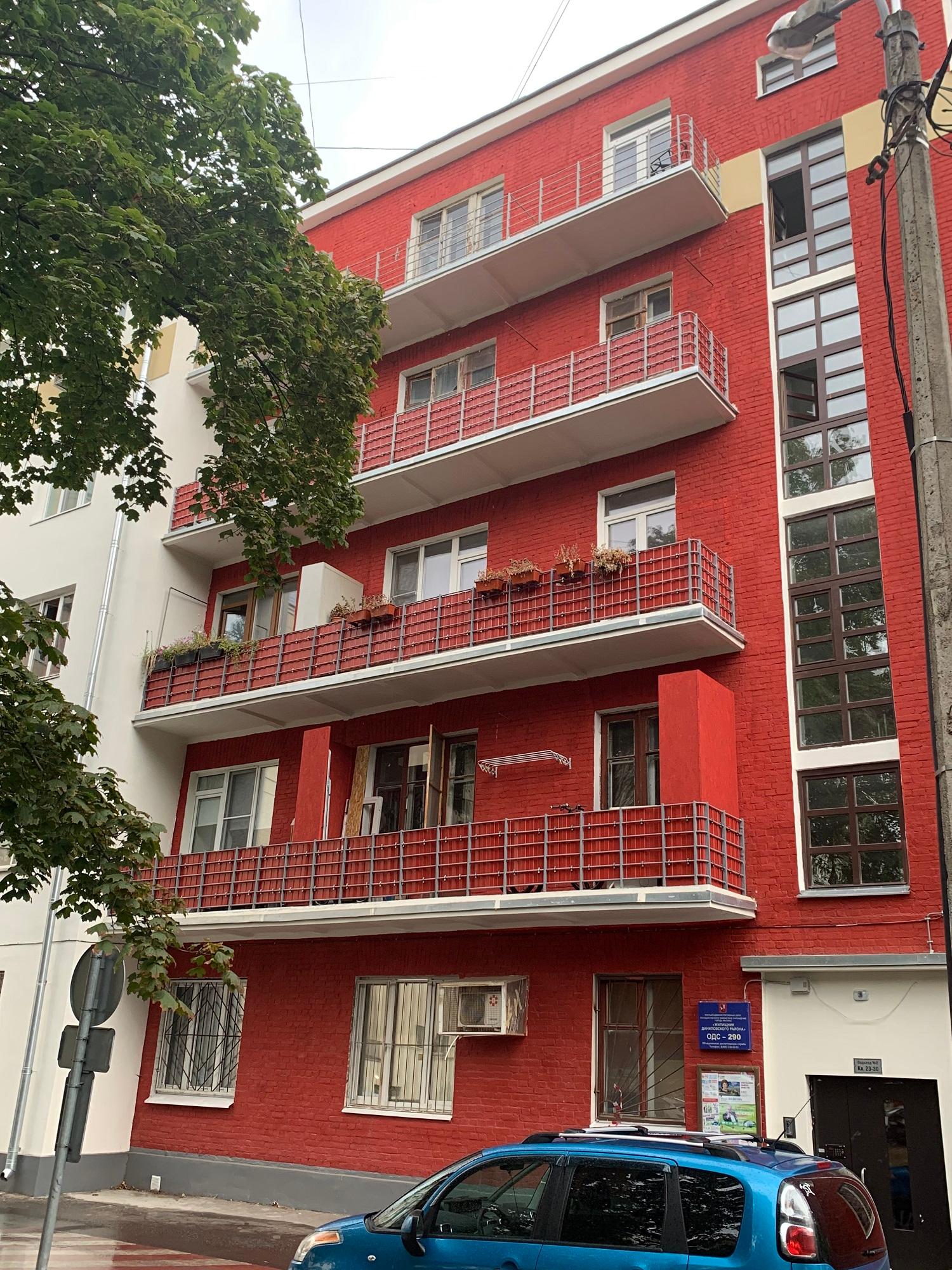
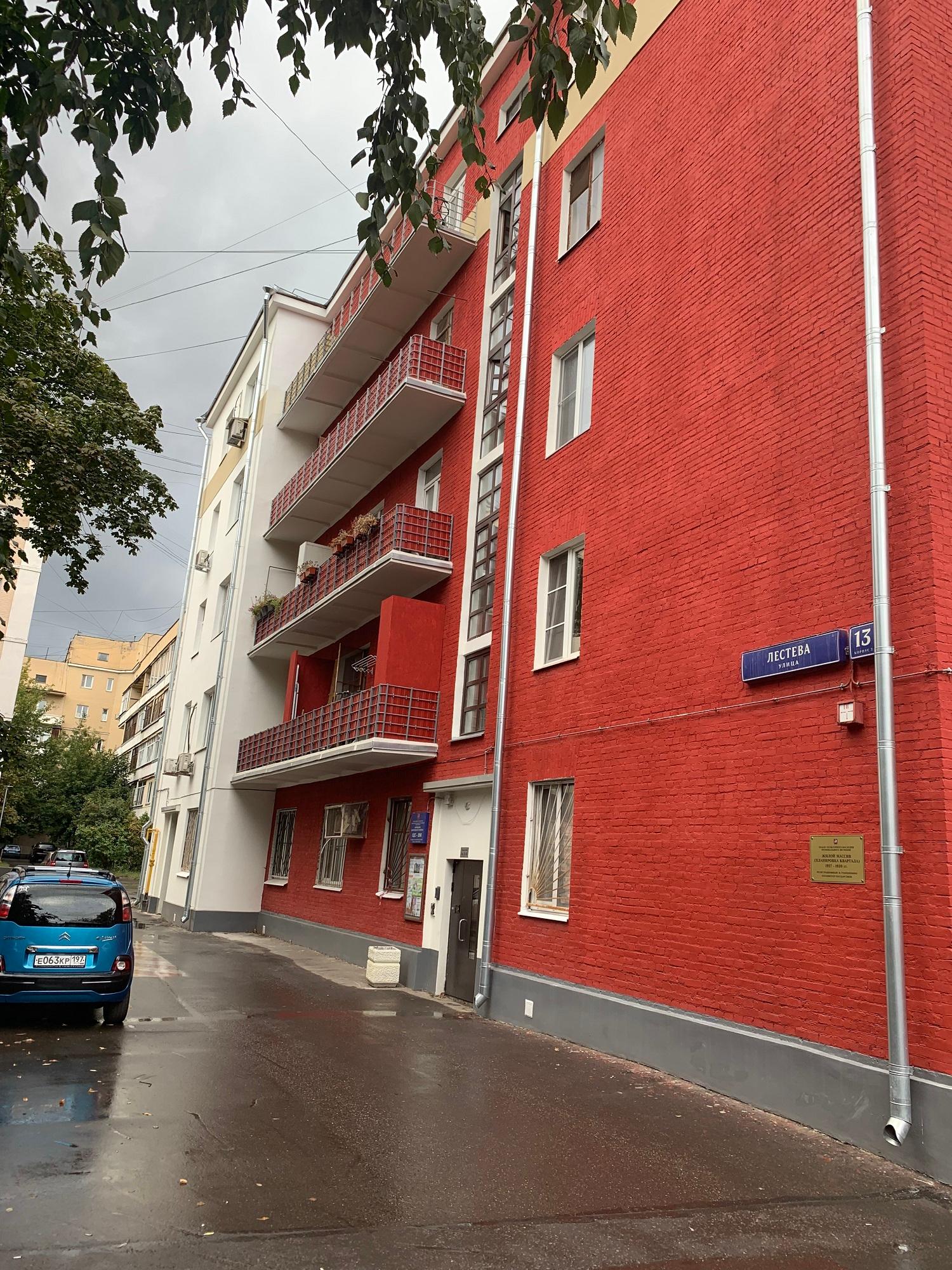
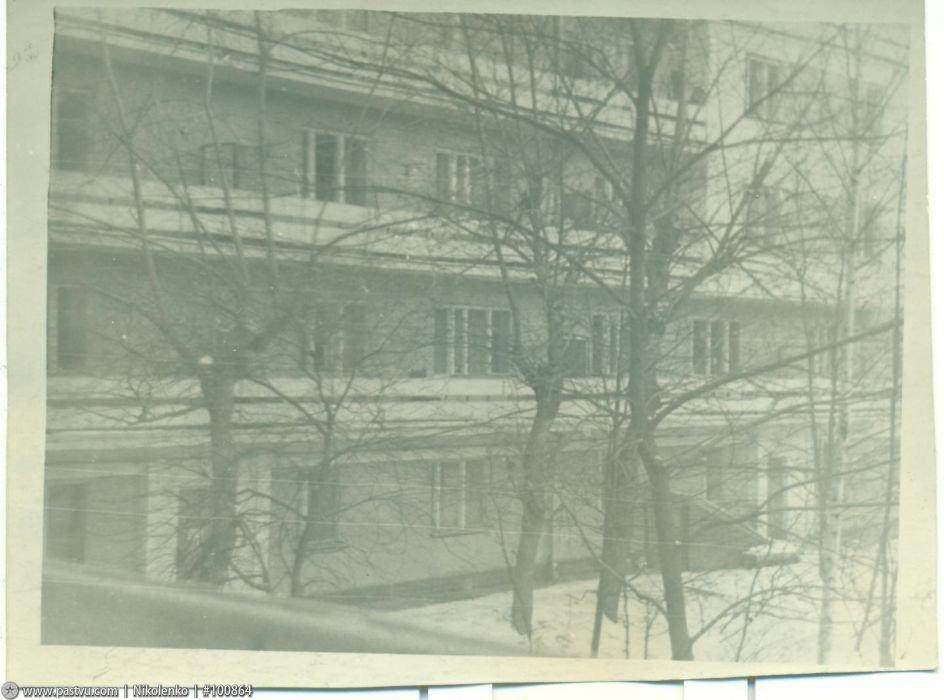
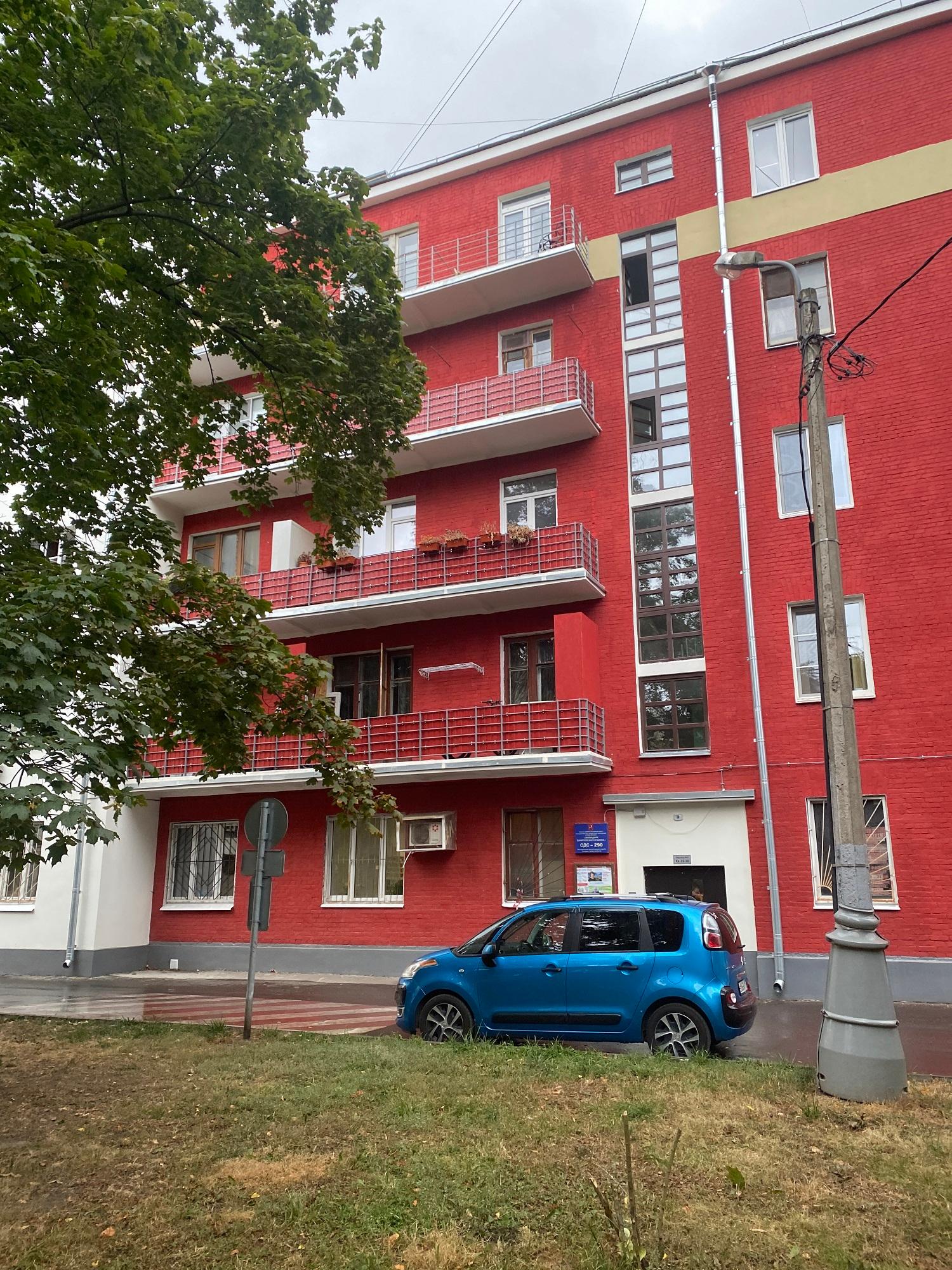
Типовая «секция Моссовета», которая здесь была использована, представляла собой просторные 3–4-комнатные квартиры со сквозным проветриванием. Жилые комнаты выходят на юг (точнее, на юго-западную и юго-восточную сторону), кухни и санузлы — на север. Балконы южных фасадов раньше практически соединялись в сплошные галереи.

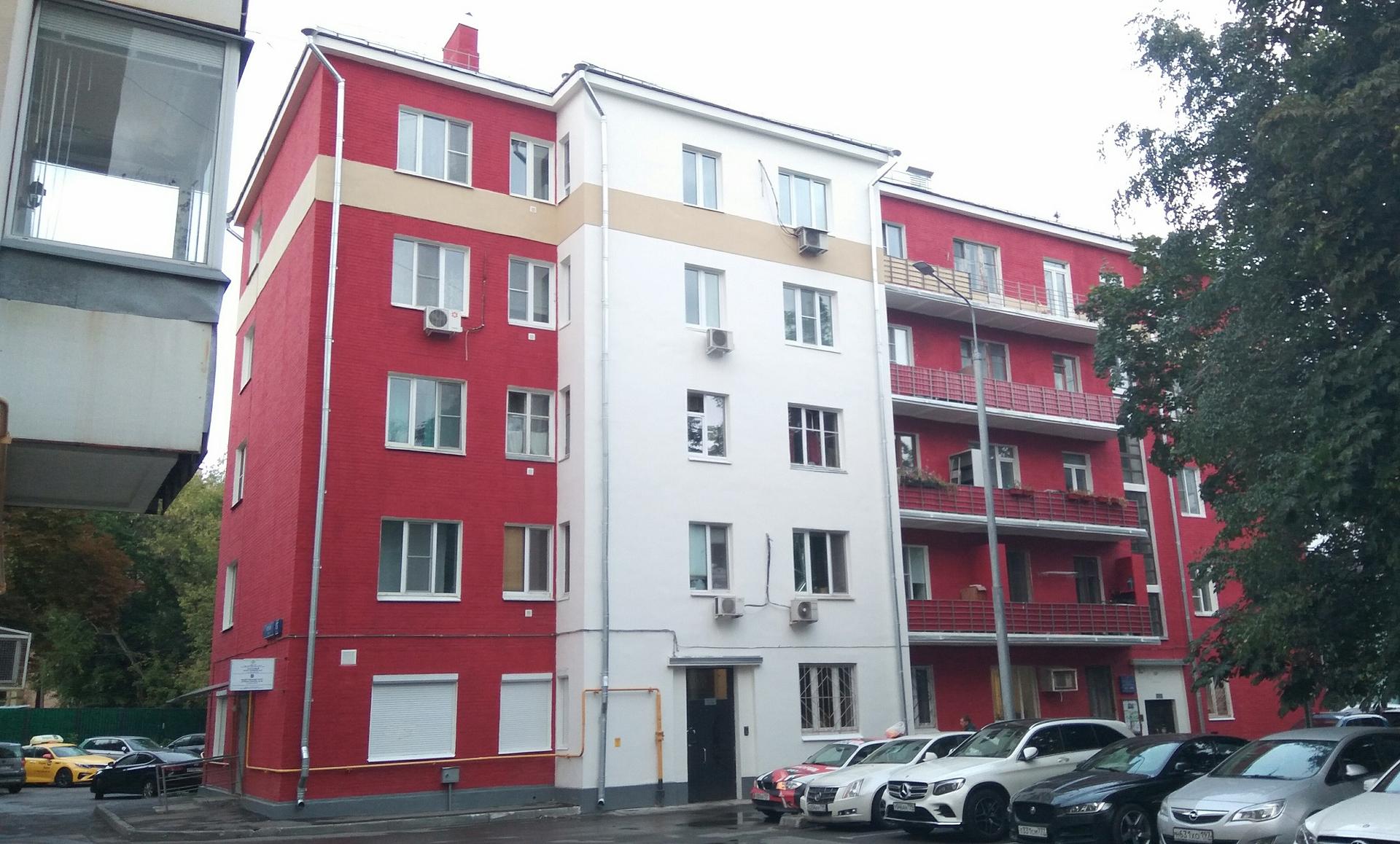
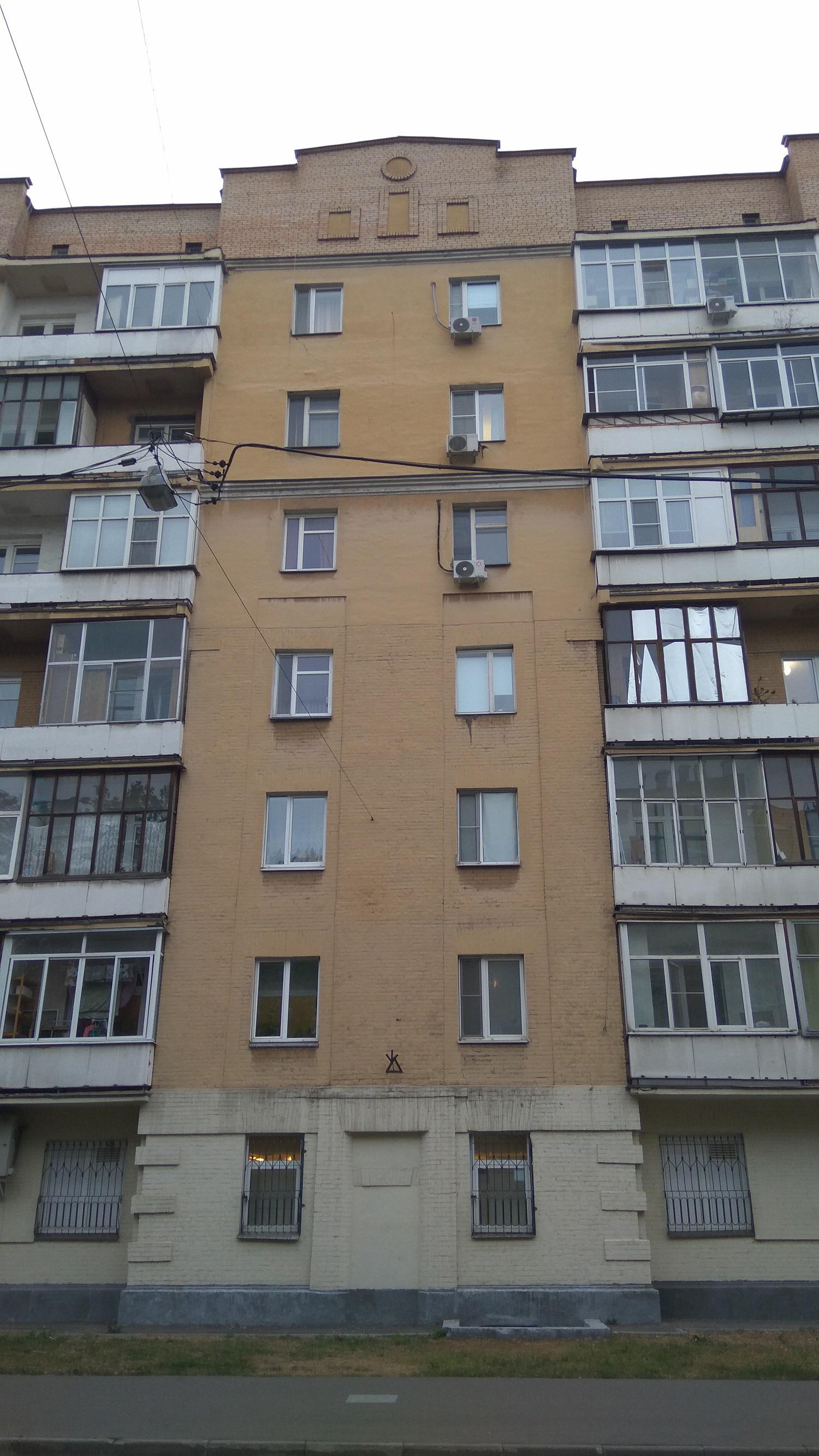
Важной частью архитектурного замысла было цветовое решение для фасадов. Темные поверхности корпусов были оставлены в краснокирпичной кладке, а углы и выступавшие элементы-эркеры — оштукатурены и сделаны светлыми (по эскизам Х. Шепера, Германия). На многих фасадах были декорированы горизонтальные линии, как отражение идеи ленточных окон. Это подчеркивало динамику градостроительной композиции: каждый дом визуально отделялся от следующего. В 1929 году подобную покраску использовал еще один выпускник ВХУТЕМАСа, ученик Ладовского и участник АСНОВА А.С. Фуфаев. Эти дома сохранились и носят название «Буденновский поселок» на Большой Почтовой улице. Примечательно, что в угловой части одного из домов внутри Хавско-Шаболовского жилого комплекса были расположены клуб, детские ясли и детский сад (после реконструкции домов они превращены в библиотеку и выставочный зал). Подобная градостроительная структура сегодня — главный объект охраны (несмотря на многие изменения архитектуры, такие как утрата башенных силуэтов).
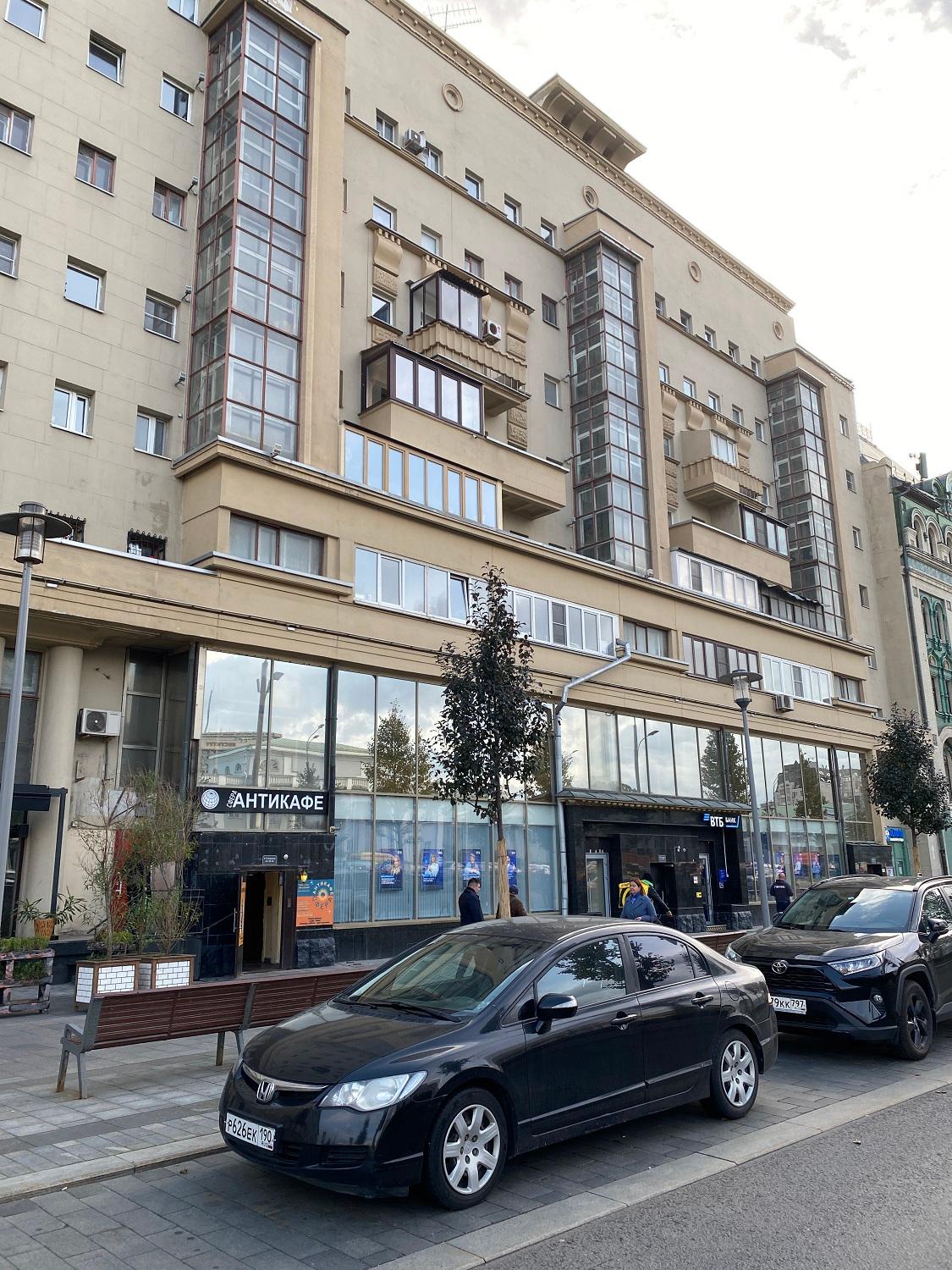
An interesting project of a city quarter development was presented by the graduates of the Association of New Architects. It consists of the following buildings: 13/3 ; 15/1; 15/2; 19/1;19/2; 21/2 Lesteva street, 63/2;65/2; 67 Shabolovka Street 22/2; 22/3 24/1; 24/2; 28 Serpukhov Val The unique layout of the complex is the result of an architectural competition among the members of the Asnova group lead by N.A. Ladovsky. Architect N.P. Travin with the assistance of I.L. Yozefovich and V.I. Bibikov prepared the project. Most of the buildings were built in the 1930s. The complex consists of twelve five-storey buildings consisting of the typical residential "section of the Moscow Soviet." They are placed at right angles to each other and rotated relative street grid by 45 degrees: the system thus formed triangular and square yards. Corner sections of most buildings are raised on one floor and form a tower silhouettes. Out of a projected 24 houses total of 15 were built. Unfortunately development of the district by the perimeter has not been completed, and the southern, western and eastern sides of the block consist of 1960-1970s built houses. Typical "section of the Moscow Soviet," which has been used here, consisted of spacious 3 -4 bedroom ventilated apartments. Living rooms are facing south (or rather, in the south-west and south-east facing ), kitchens and bathrooms - to the north. The balconies of the southern facades were virtually united in solid galleries. An important part of architectural design was color solution for facades. Dark surfaces buildings were left red-brick masonry, corners and bolded bay elements were plastered and colored with ​​light color (based on sketches by J. Scheper, Germany). Many of the facades were decorated with horizontal lines, as a reflection of the ideas of tape windows. This underlines the dynamics of urban composition: every house is visually separated from the next one. In 1929, a similar painting was used by another graduate of the Art Workshops, a student Ladovsky and ASNOVA member A.S. Fufaev. These houses are preserved and are called "Budennovsky village" on the Bolshaya Pochtovaya street. It is noteworthy that on the corner of one of the houses in Khavskaya - Shabolovskaya residential complex was located club, a creche and kindergarten (after the reconstruction of houses, they turned to the library and exhibition hall). Such structure of urban development today is the main object of protection (despite the many changes in architecture, such as the loss of silhouettes of tower).
Автор статьи: Николай Васильев
Отзывы
(1)