Интерактивный гид по городу
С мобильным приложением бродить по городу гораздо интереснее!

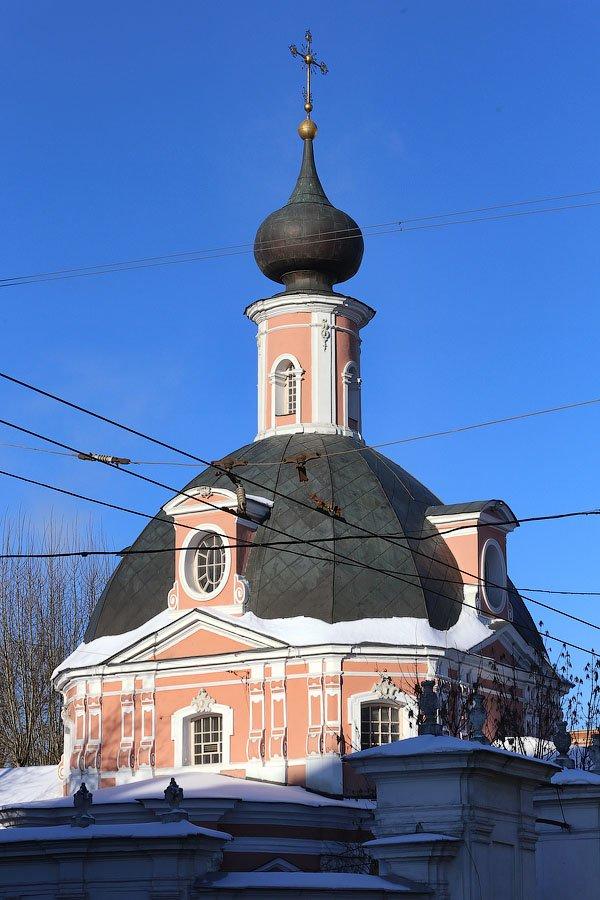
The church of Maron the Hermit of Syria in Old Paneh

In the XVII century, the church often changes its look - and eventually hides behind the new residential high-rises.

The church of Maron the Hermit of Syria in Old Paneh
Polyanka, Oktyabrskaya
In the XVII century, the church often changes its look - and eventually hides behind the new residential high-rises.
3.49
Вы можете воспользоваться QR-кодом, чтобы открыть эту страницу в нашем приложении
Архитектурный стиль:
Годы постройки:
XVIII-XIX вв.
Эпоха:
18th century, 19th century
Информация о здании

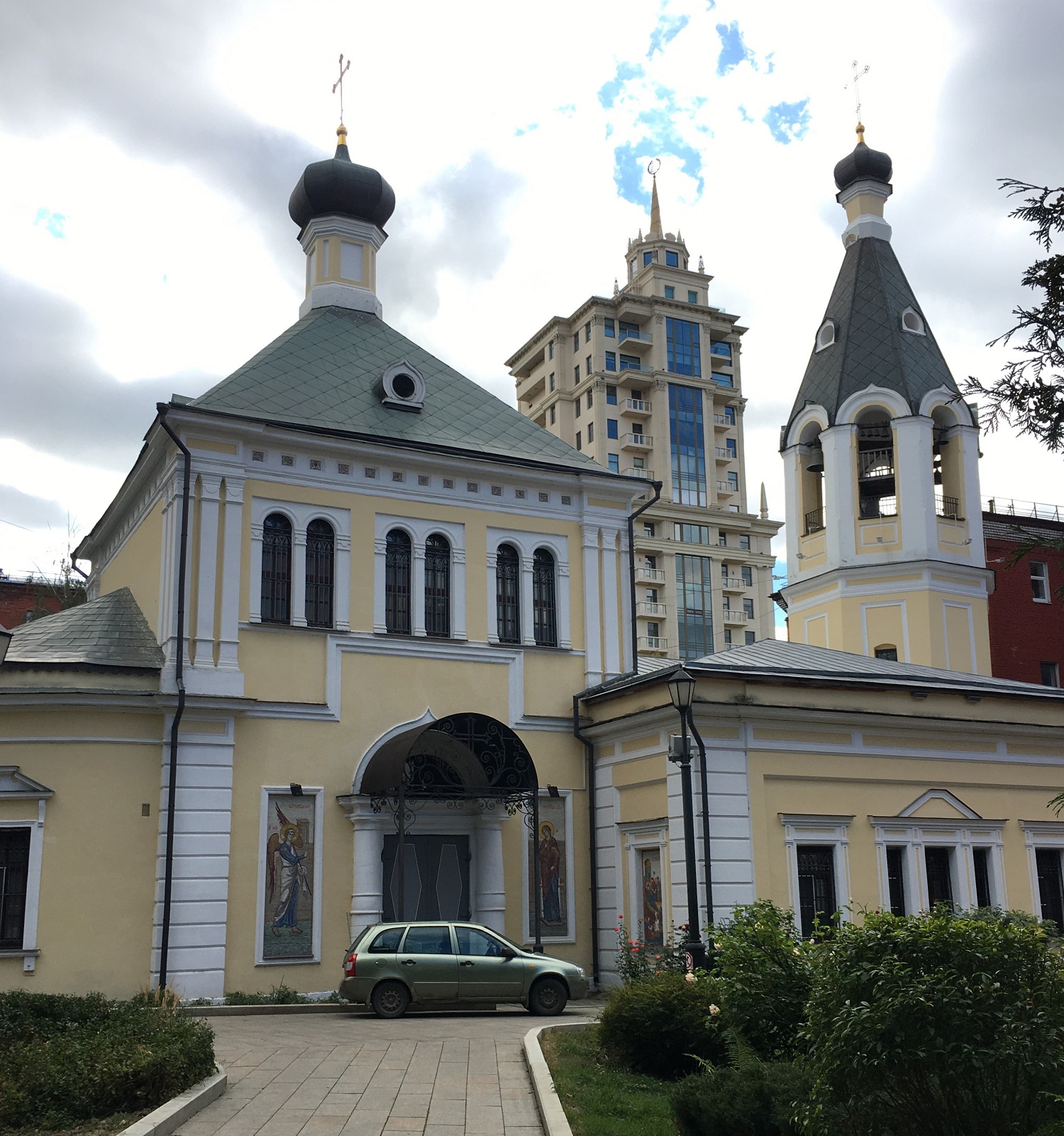
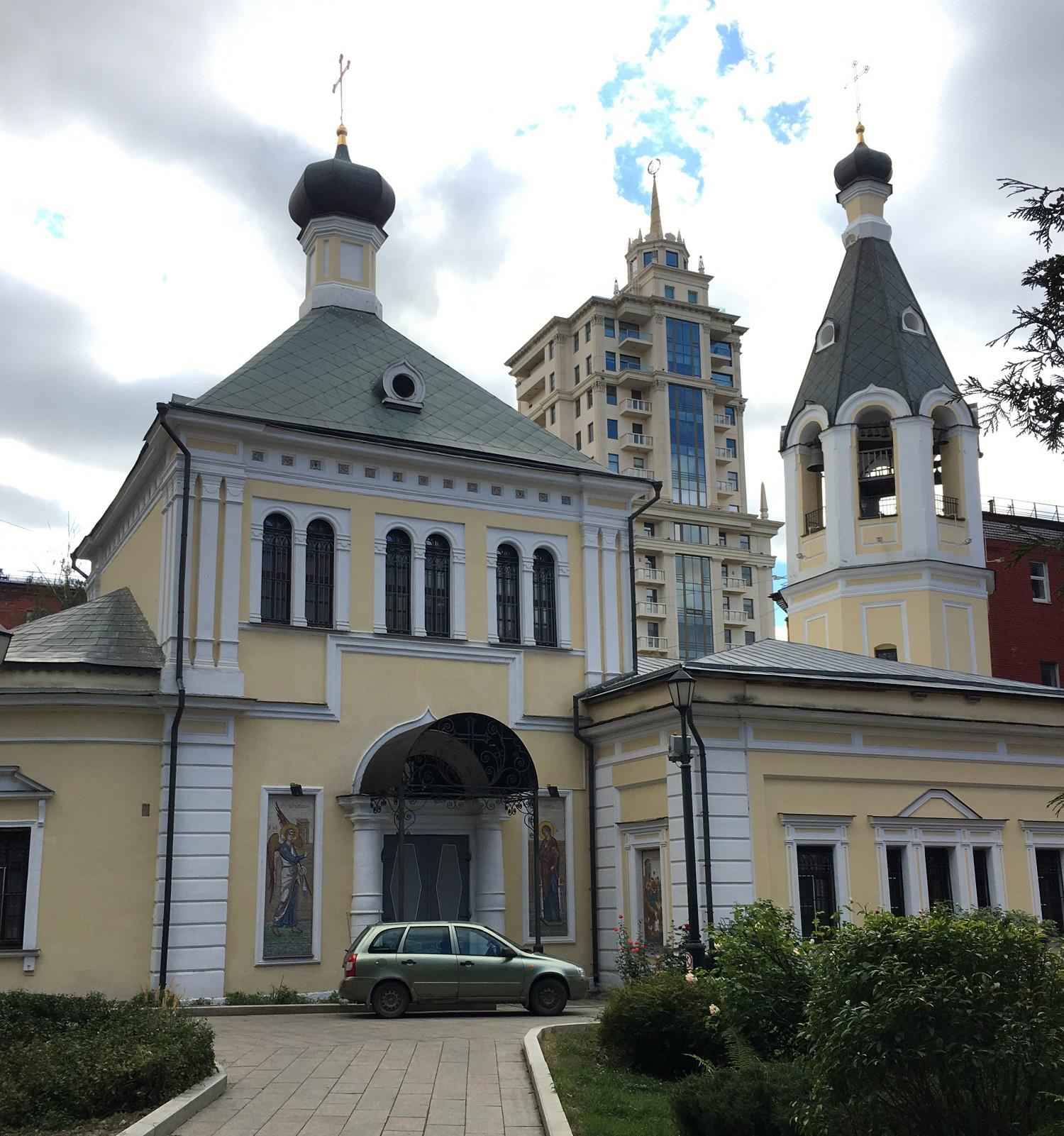
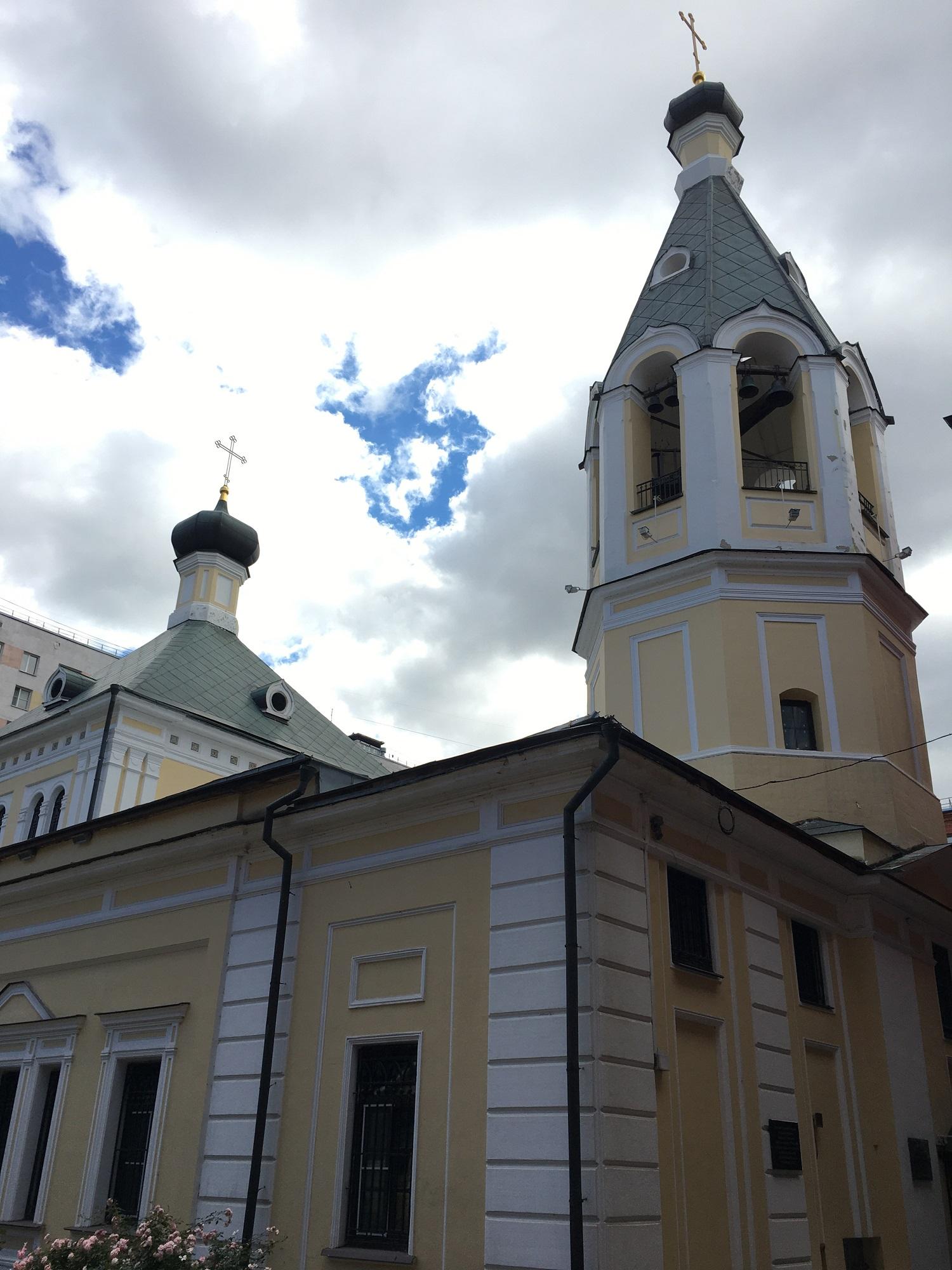
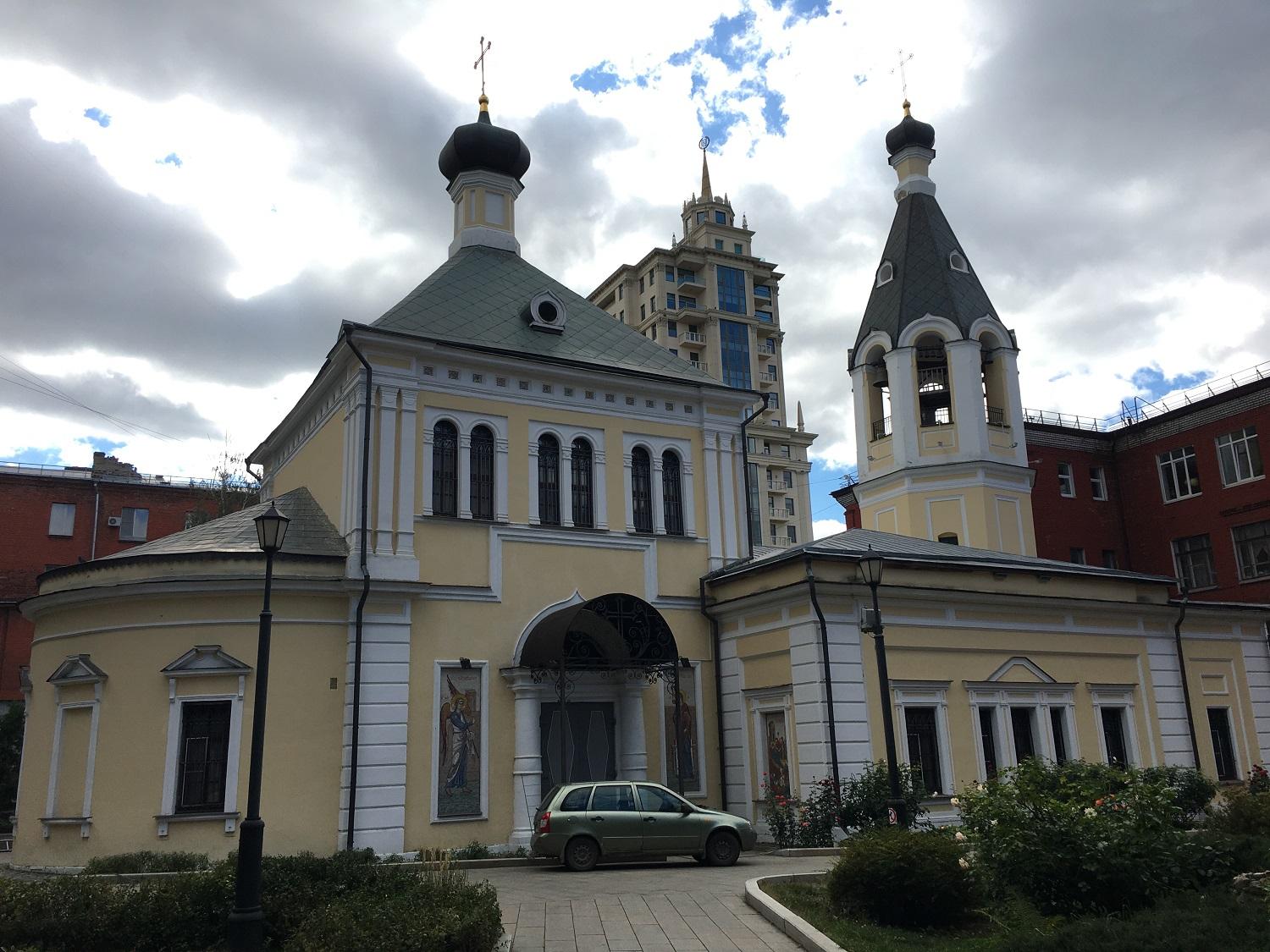
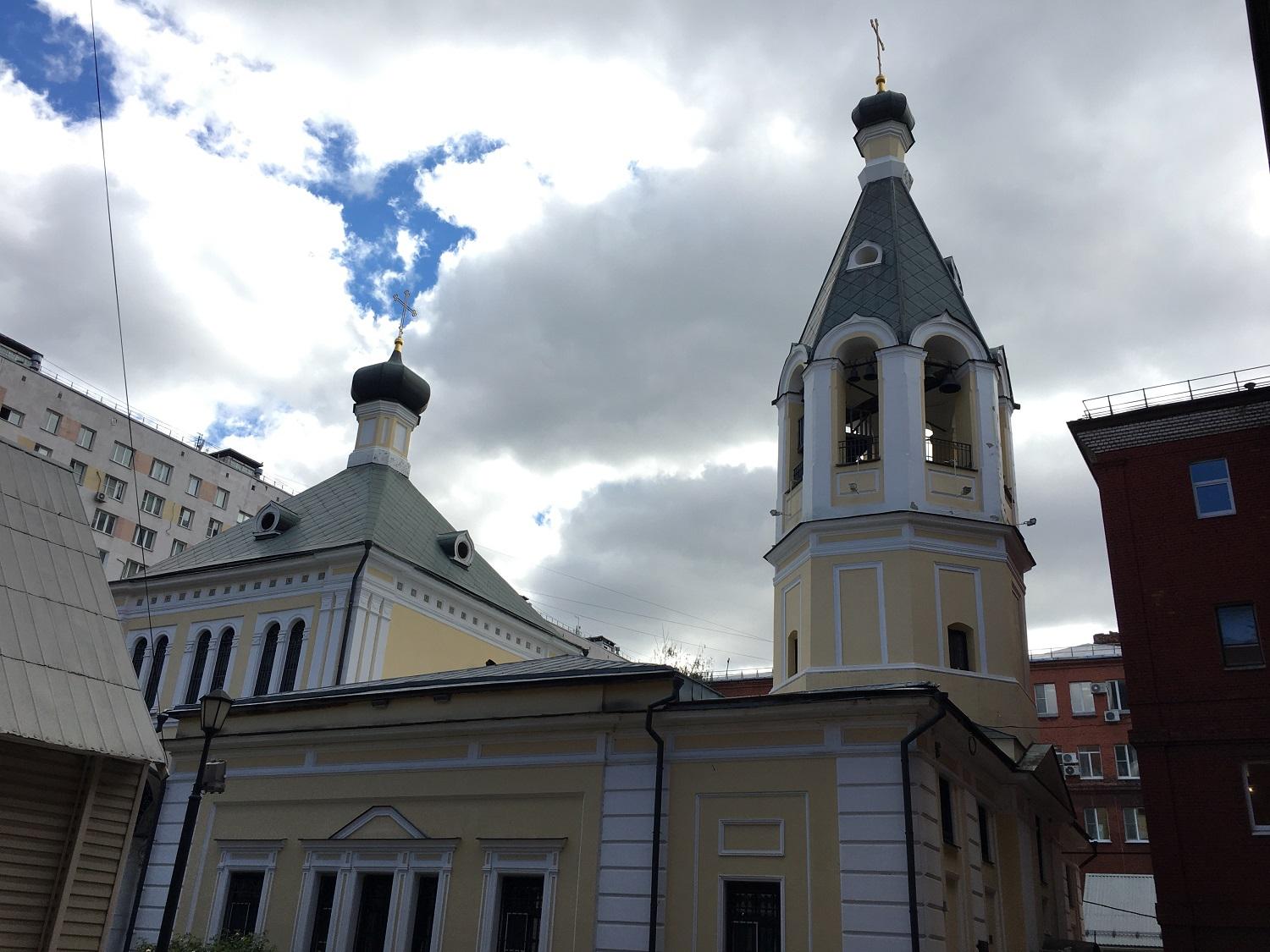
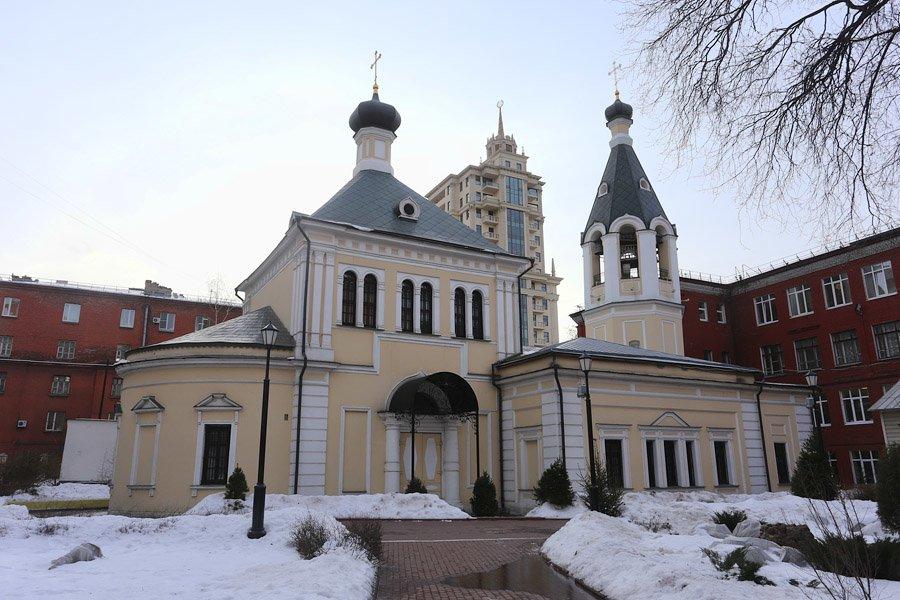
Эту церковь трудно заметить со стороны Большой Якиманки. Некогда она находилась в центре открытого пространства и была видна издалека. Сегодня она оказалась зажата между многоэтажным жилым домом и школой, причем к последней она практически примыкает. Сказываются последствия ХХ века, когда храм едва не был уничтожен.

Церковь становится известна с 1642 года и поначалу упоминается как храм Благовещения в Иноземной слободе. В этой части Замоскворечья селились пленные выходцы из Польши и Литвы – отсюда и наименование «в Старых Панех». Второе название – в Бабьем городке – вызывает много споров и сегодня. Наиболее вероятной версией считается, что в этой местности берег Москвы‑реки укрепляли с помощью свай, которые вбивались в землю с использованием деревянных или чугунных «баб». Но есть и народные легенды о женщинах, принявших здесь бой с татарами, или о том, как татары выбирали себе женщин для увода в плен на этом месте. Сегодня «Бабий городок» напоминает о себе только в названии местного переулка.

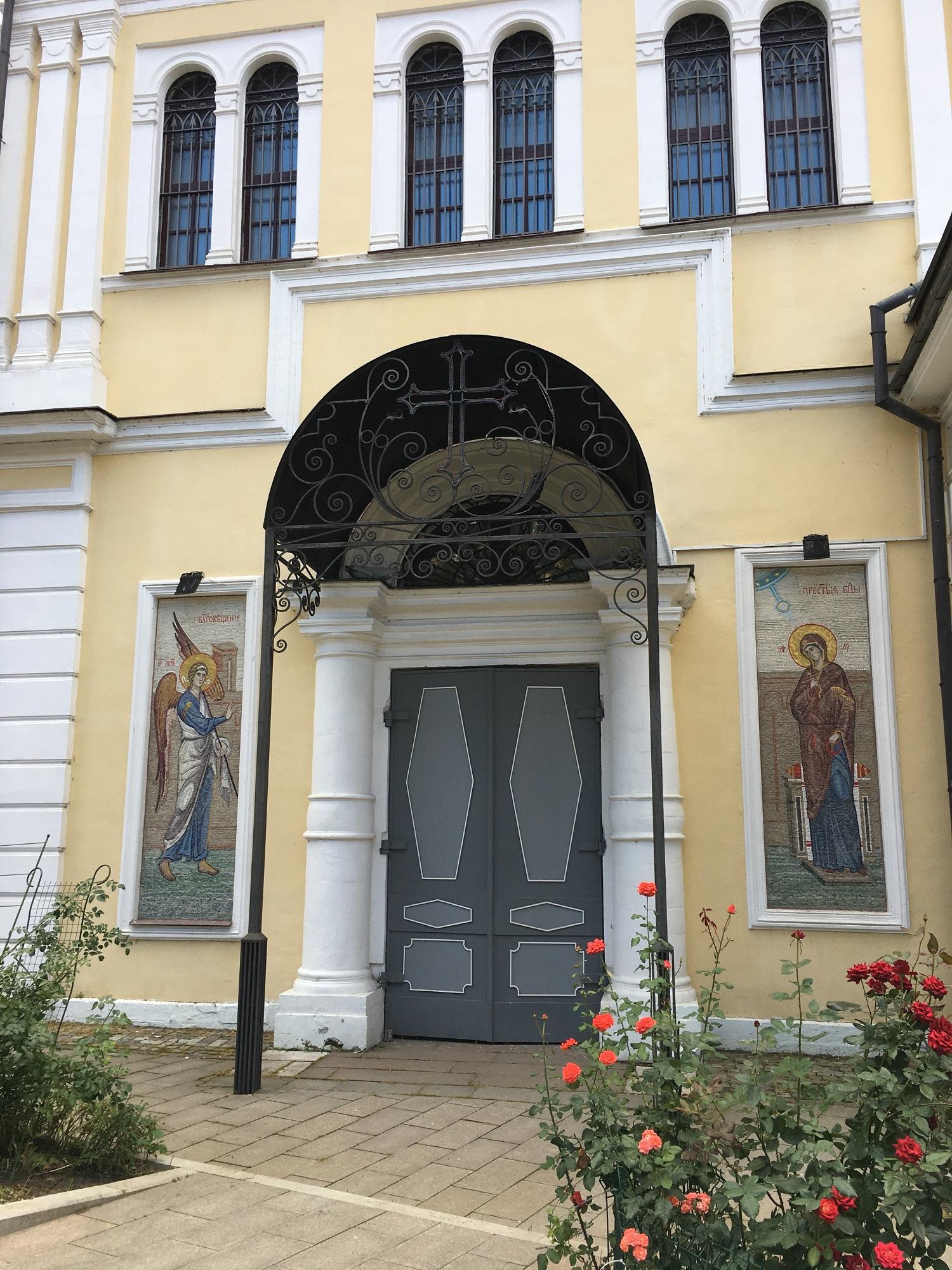
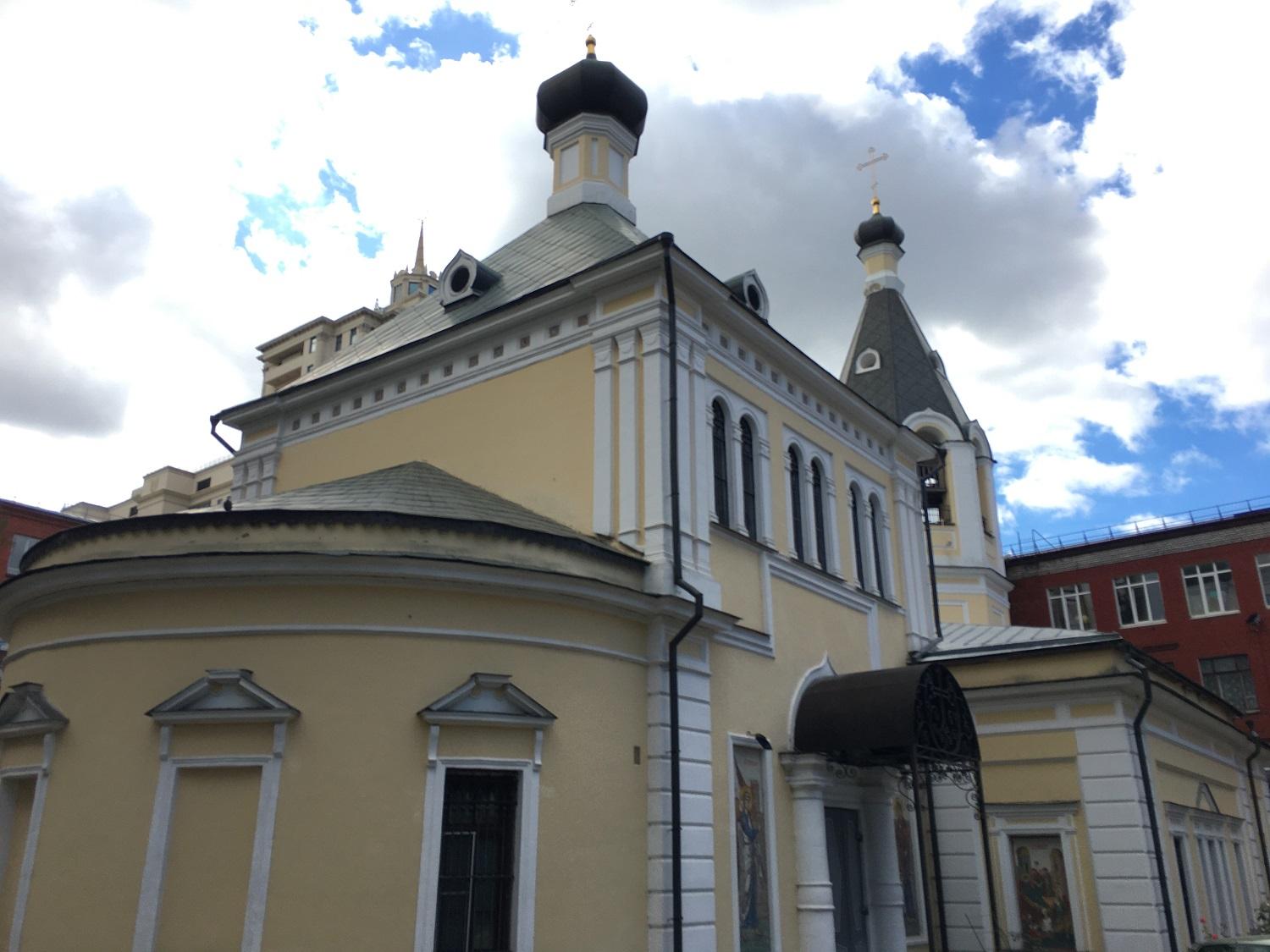
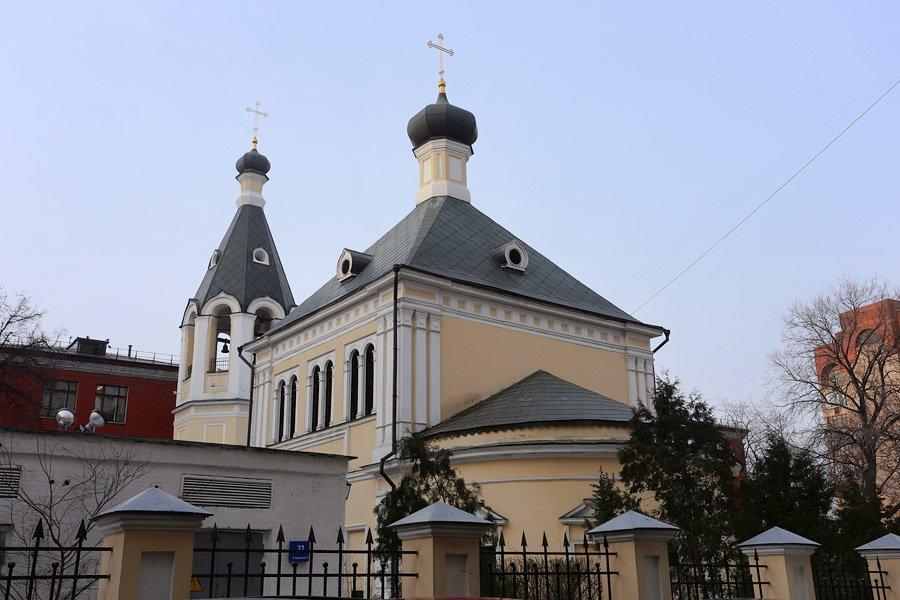
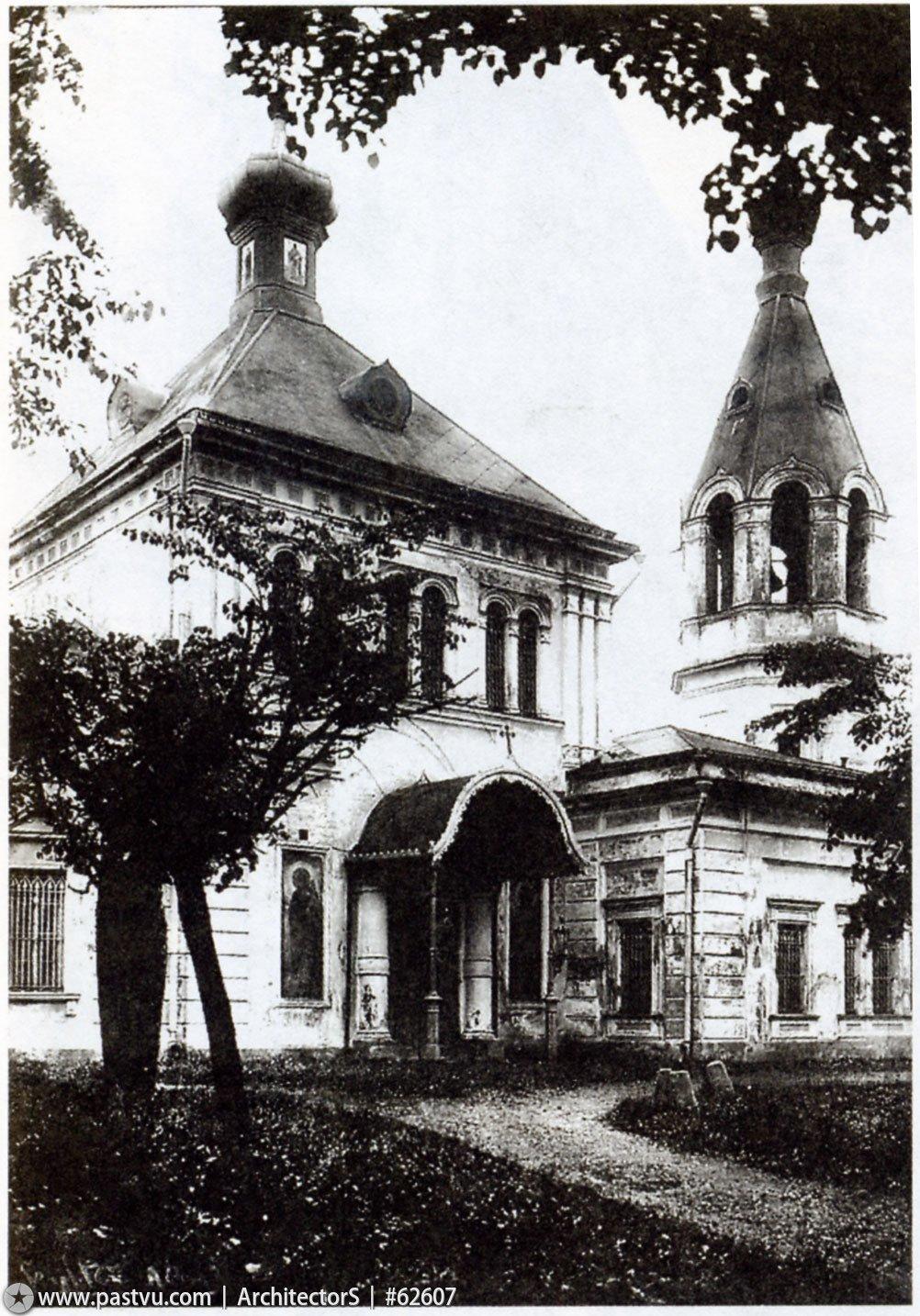
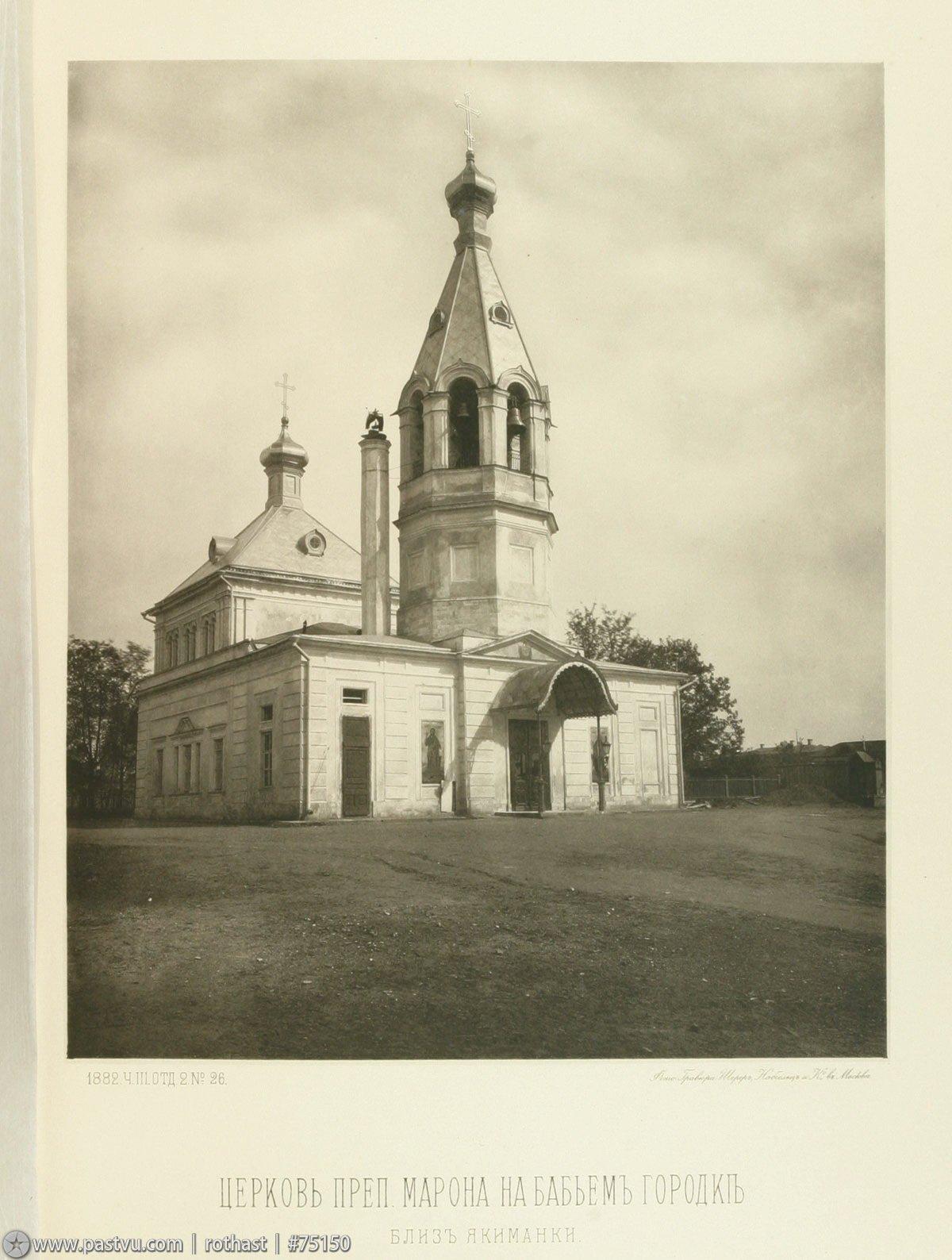
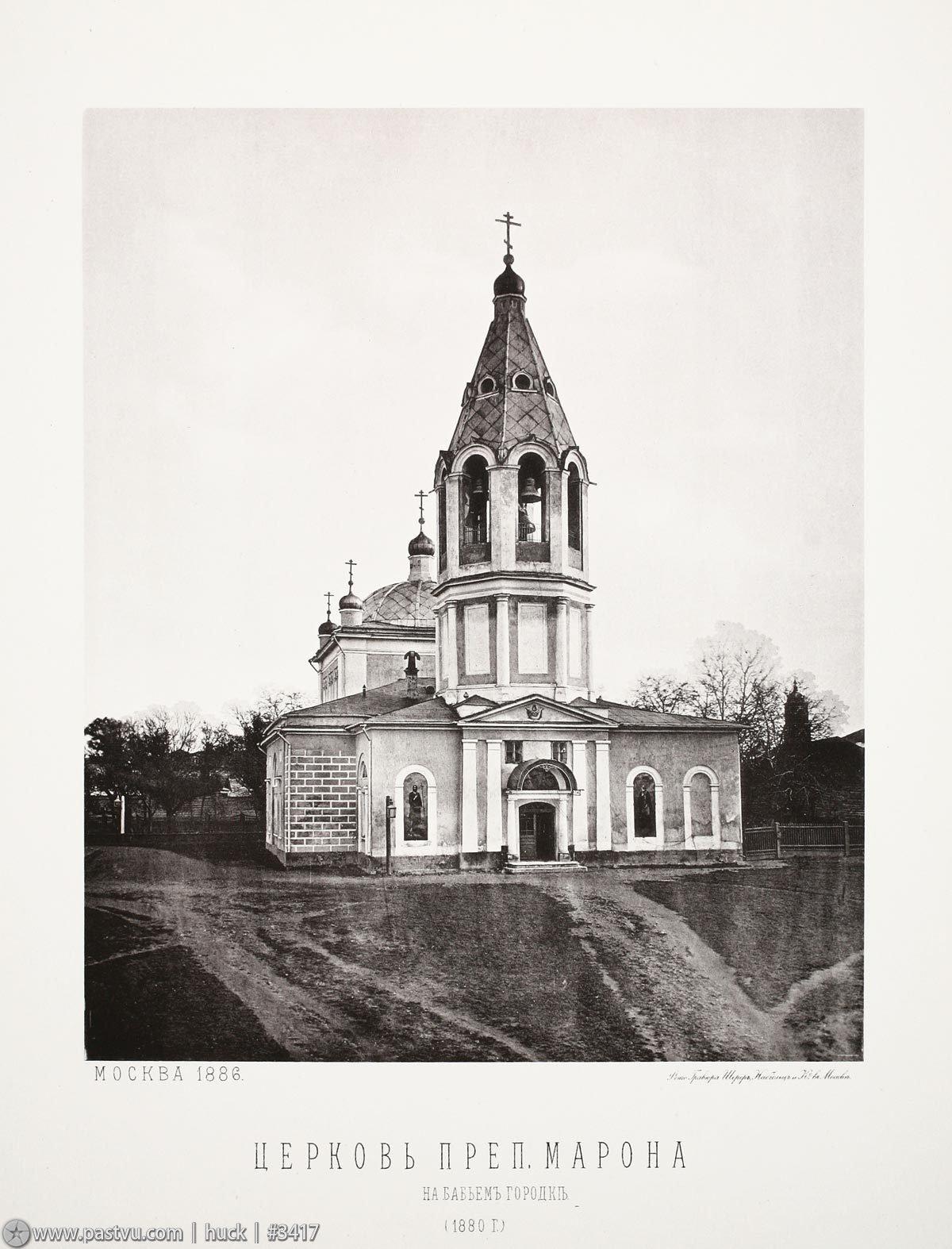
Благовещенская церковь, первоначально деревянная, в камне была выстроена только во времена императрицы Анны Иоанновны: в 1730 году по её указу началось возведение нового храма с приделом святого Марона Пустынника. Основа этой церкви в сильно перестроенном виде сохраняется до наших дней. Здание сильно пострадало во время событий 1812 года: сначала он был осквернен и разграблен французами, затем серьезный ущерб нанес пожар. После этого в течение пяти лет храм был закрыт. Но и после его открытия восстановление шло медленно, лишь к 1831 году все разрушения были устранены на средства купцов Лепёшкиных. Они же выстроили новую церковную трапезную, в которой помимо Мароновского придела появился еще и придел во имя Рождества Иоанна Предтечи. В дальнейшем церковь еще дважды меняла свой облик: в 1844 году она получила новый иконостас и купол с пятью маленькими главками, а в 1886 году вместо него была сделана четырехскатная крыша с одной главой. Тогда в верхней части четверика появились новые парные окна. Храм особенно гордился подбором колоколов – одним из лучших в Москве. Колокольня при этом оставалась от 1730 года.

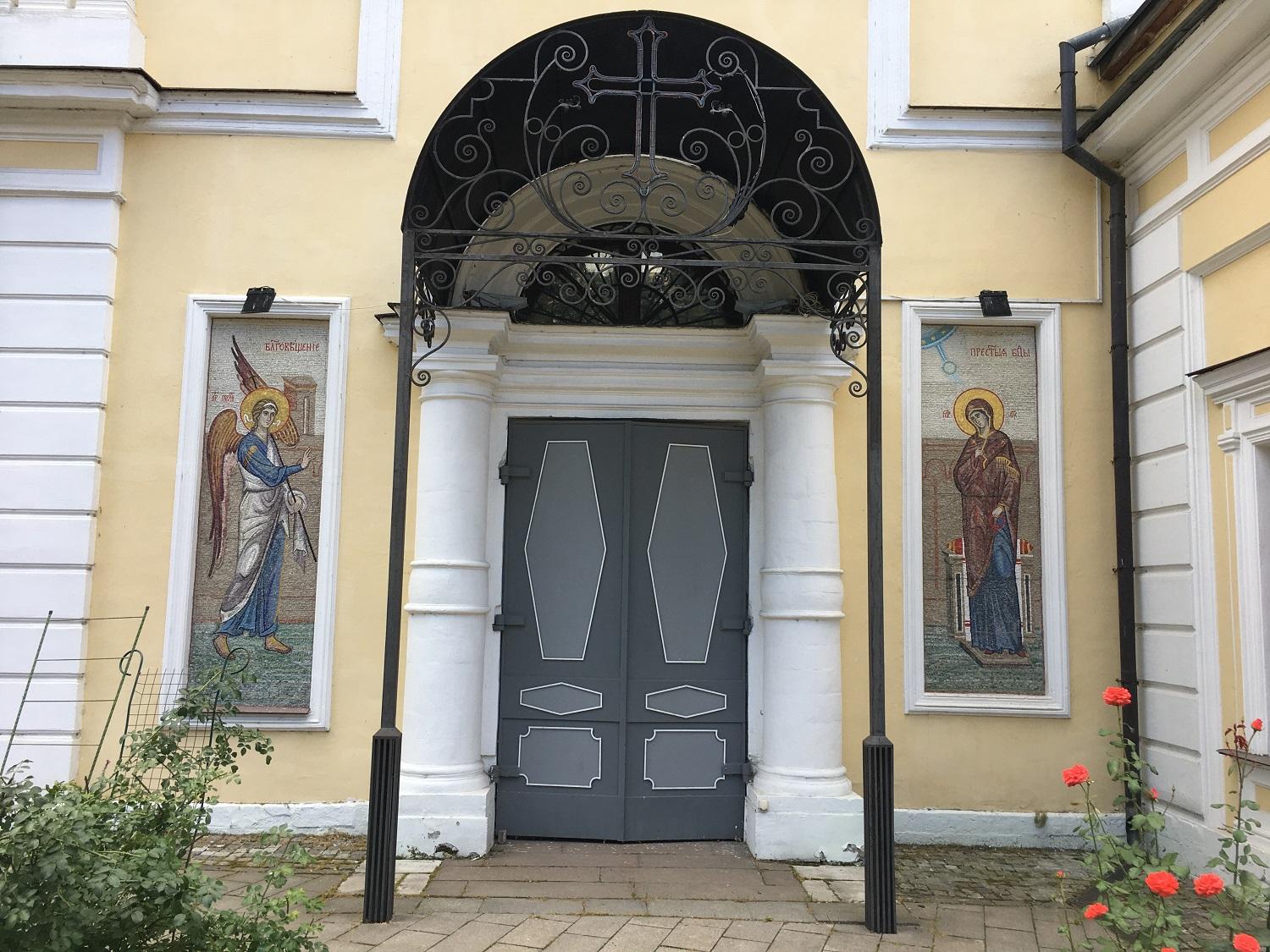
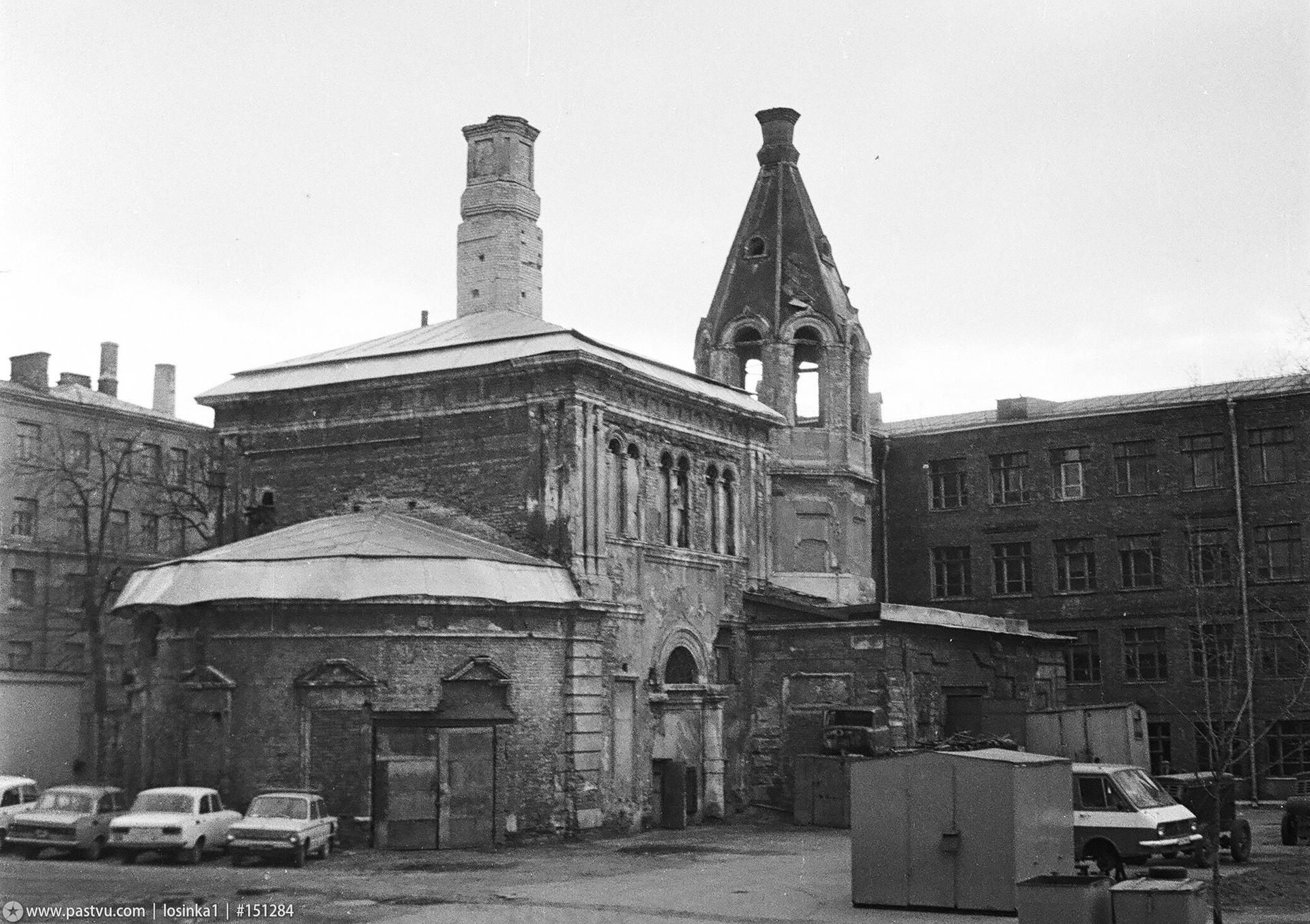
Службы в церкви прекратились около 1931 года, после чего начались изменения её здания. Первоначально оно было и вовсе назначено к сносу как «малоценное», но всё же уцелело, превратившись в гараж и автомастерские. Для их нужд в стенах были пробиты новые проемы для въезда, все христианские символы, включая главы с крестами, уничтожены. В полуразрушенном состоянии церковь была передана новой православной общине в 1992 году, которая начала долгую и тщательную реставрацию здания. Сейчас храм выглядит практически так же, как в начале ХХ века, вернув свою былую красоту.
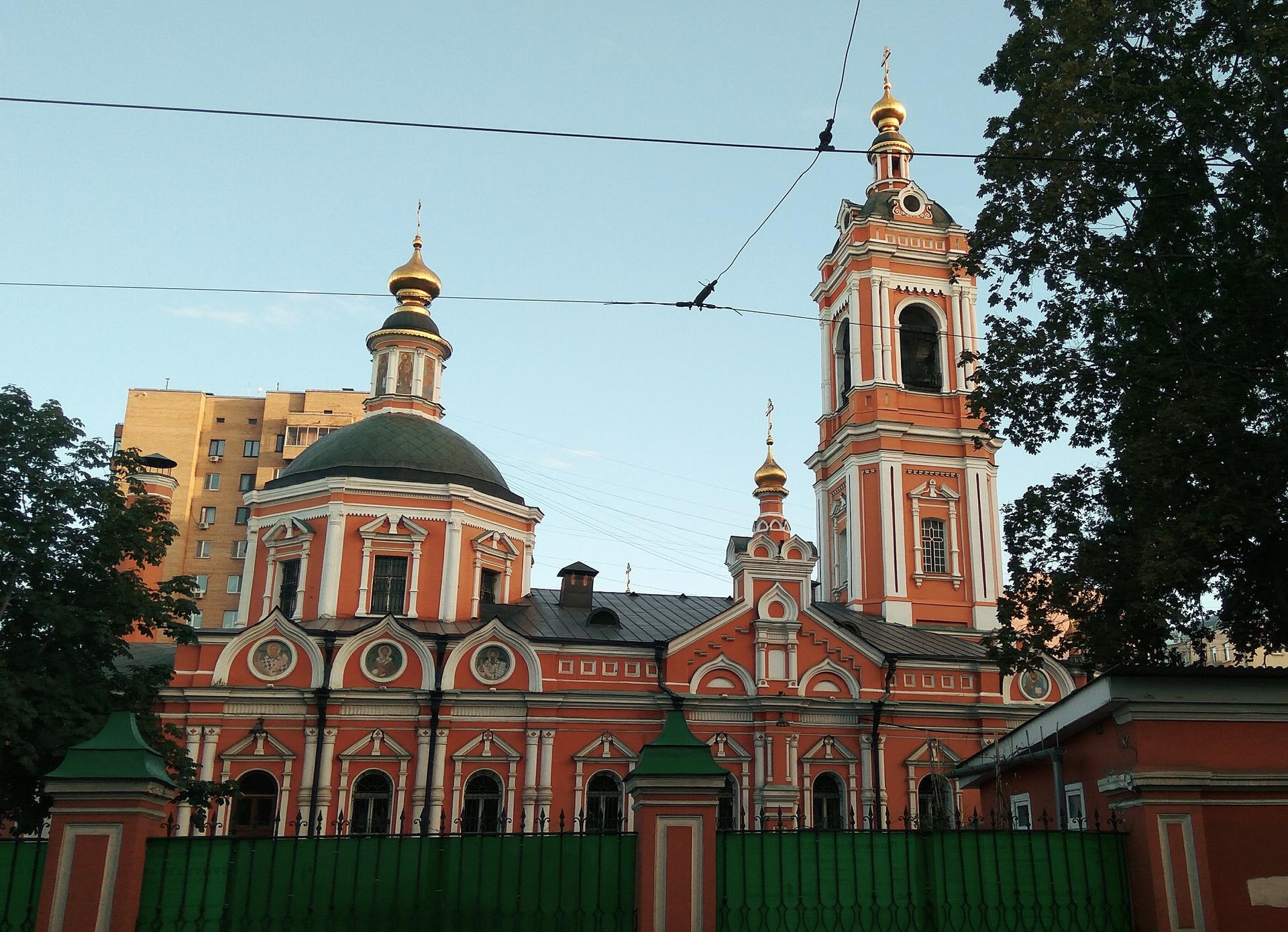
This church is difficult to see from the side of the Great Yakimanka. Once it was in the center of the open space and was visible from afar. Today it was sandwiched between a multi-storey residential building and a school, and to the latter it almost adjoins. The consequences of the twentieth century are affected when the temple was almost destroyed. The church has been known since 1642 and is first mentioned as a temple of the Annunciation in the Inozemnaya Sloboda. In this part of the Zamoskvorechye settled captive people from Poland and Lithuania - hence the name "in the Old Paneh". The second name - in the Babiy Town - causes a lot of controversy today. The most likely version is that in this area the shore of the Moskva River was fortified with the help of piles that were driven into the ground using wooden or cast-iron "women". But there are folk legends about women who fought here with the Tatars, or how the Tatars chose women for their captivity at this place. Today, "Babiy Gorodok" reminds of itself only in the name of a local alley. The Annunciation Church, originally wooden, was built in stone only during the time of Empress Anna Ioannovna: in 1730, according to her decree, the construction of a new church with a chapel of St. Maron the Hermit began. The foundation of this church in a highly rebuilt form is preserved to the present day. The building was badly damaged during the events of 1812: first it was desecrated and looted by the French, then serious damage caused a fire. After that, the temple was closed for five years. But even after its discovery, the recovery was slow, only by 1831 all the destruction was eliminated at the expense of merchants Lepeshkin. They also built a new church refectory, in which, in addition to the Maronovsky chapel, there was also a chapel in the name of the Nativity of John the Baptist. Later, the church changed its appearance twice: in 1844 it received a new iconostasis and a dome with five small glazes, and in 1886 a four-tiled roof with one head was made instead of it. Then in the upper part of the quadrangle appeared new pair windows. The temple was especially proud of the selection of bells - one of the best in Moscow. The belltower at the same time remained from 1730. The services in the church ceased around 1931, after which the changes to its building began. Initially, it was completely assigned to demolition as "low value", but still survived, turning into a garage and auto repair shops. For their needs, new openings were pierced through the walls, all Christian symbols, including the heads with crosses, were destroyed. In the dilapidated state, the church was transferred to a new Orthodox community in 1992, which began a long and thorough restoration of the building. Now the temple looks almost the same as in the early twentieth century, returning its former beauty.
Автор статьи: Никита Брусиловский
Рекомендации