Информация о здании
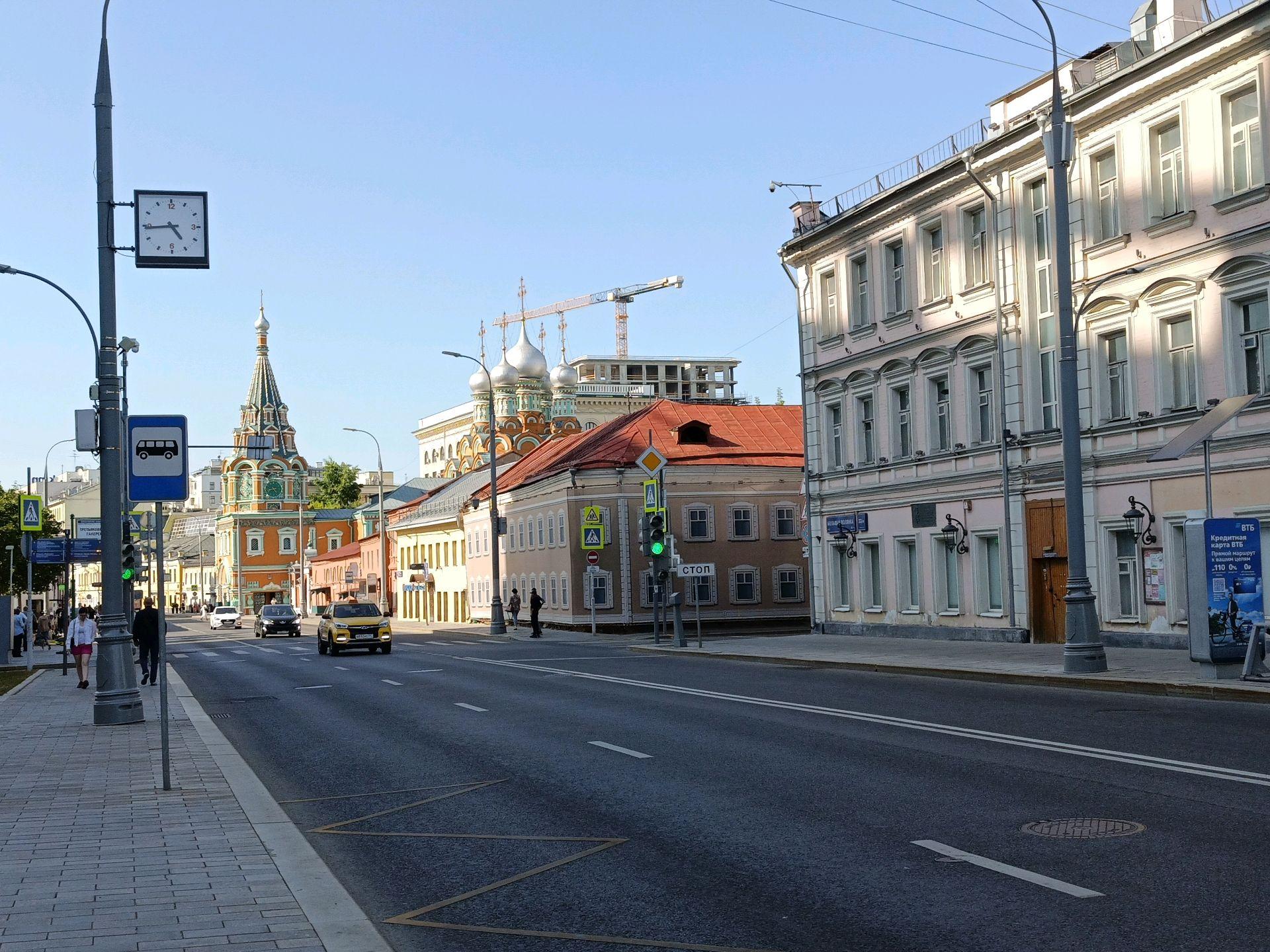
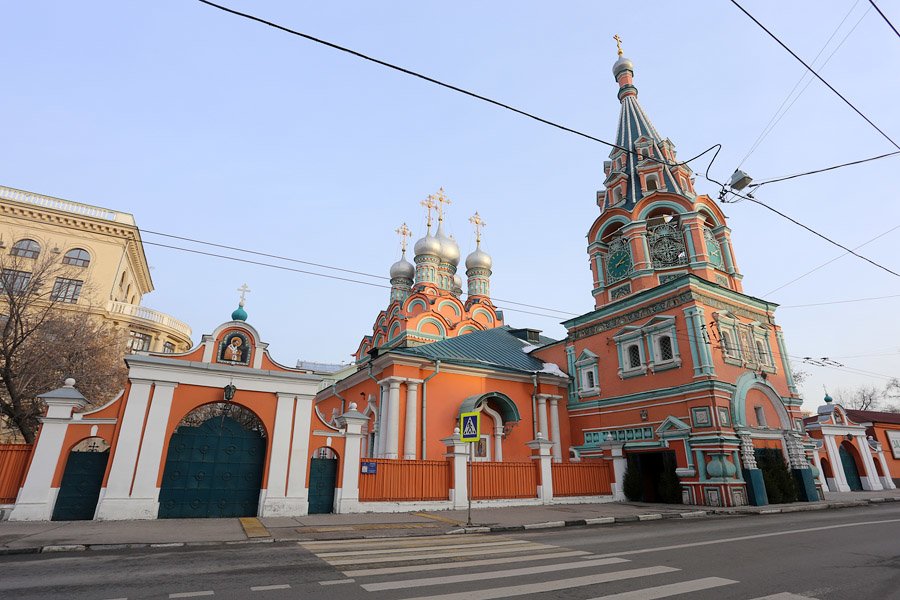
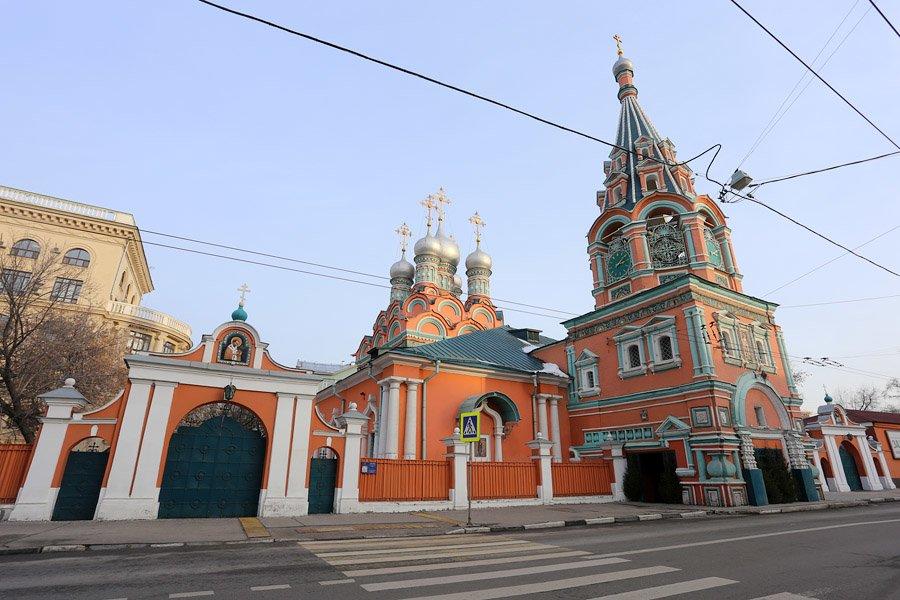
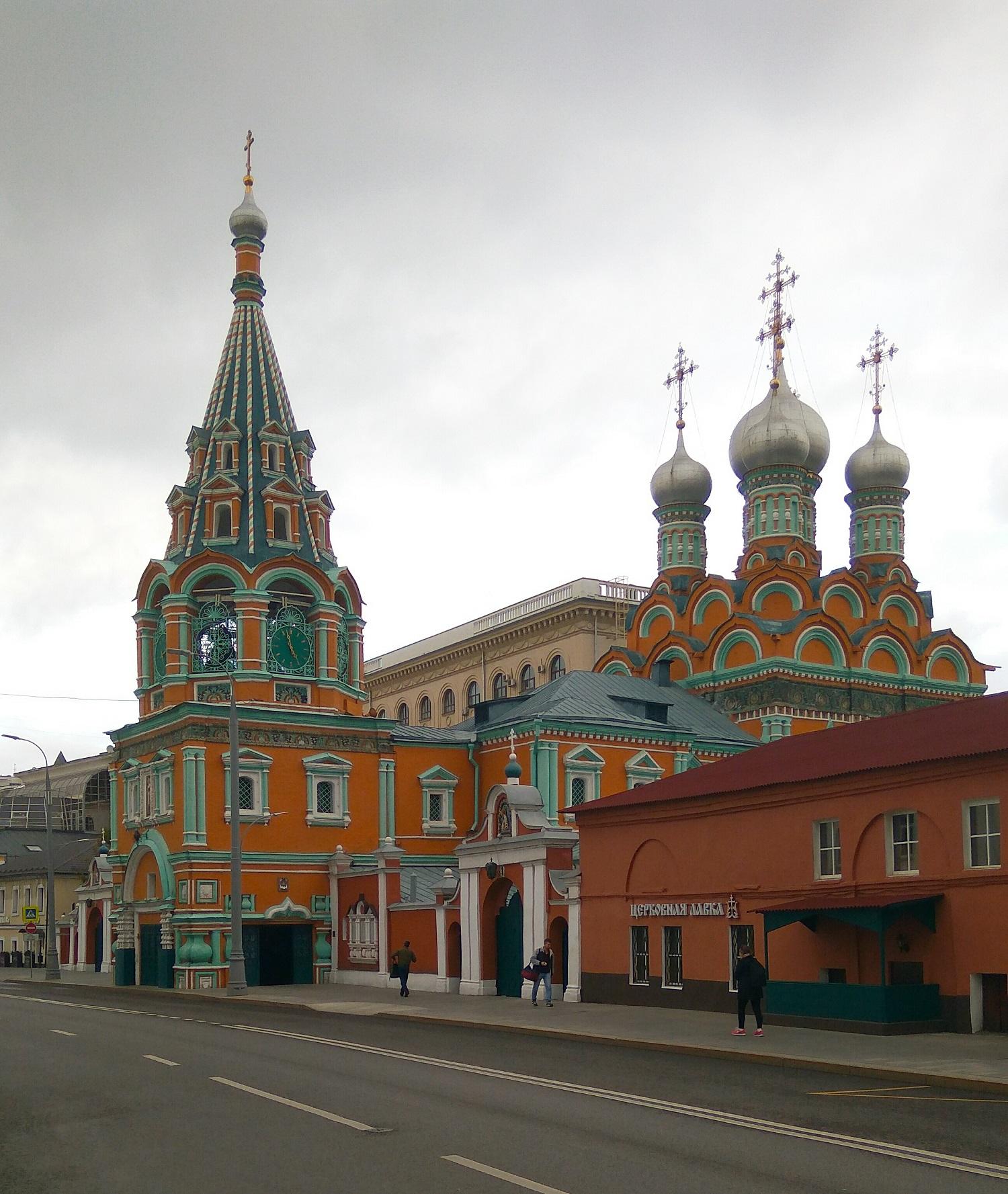
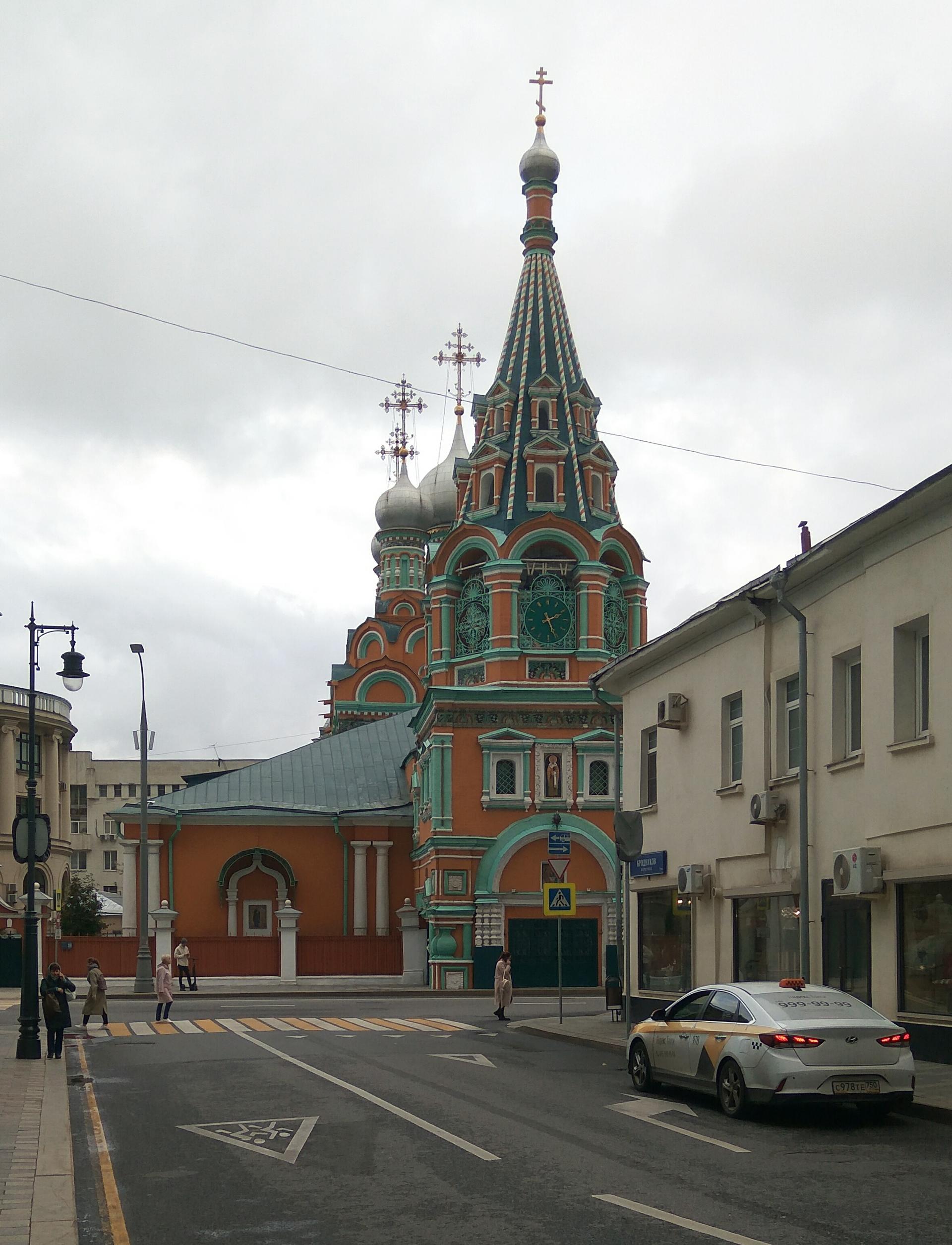
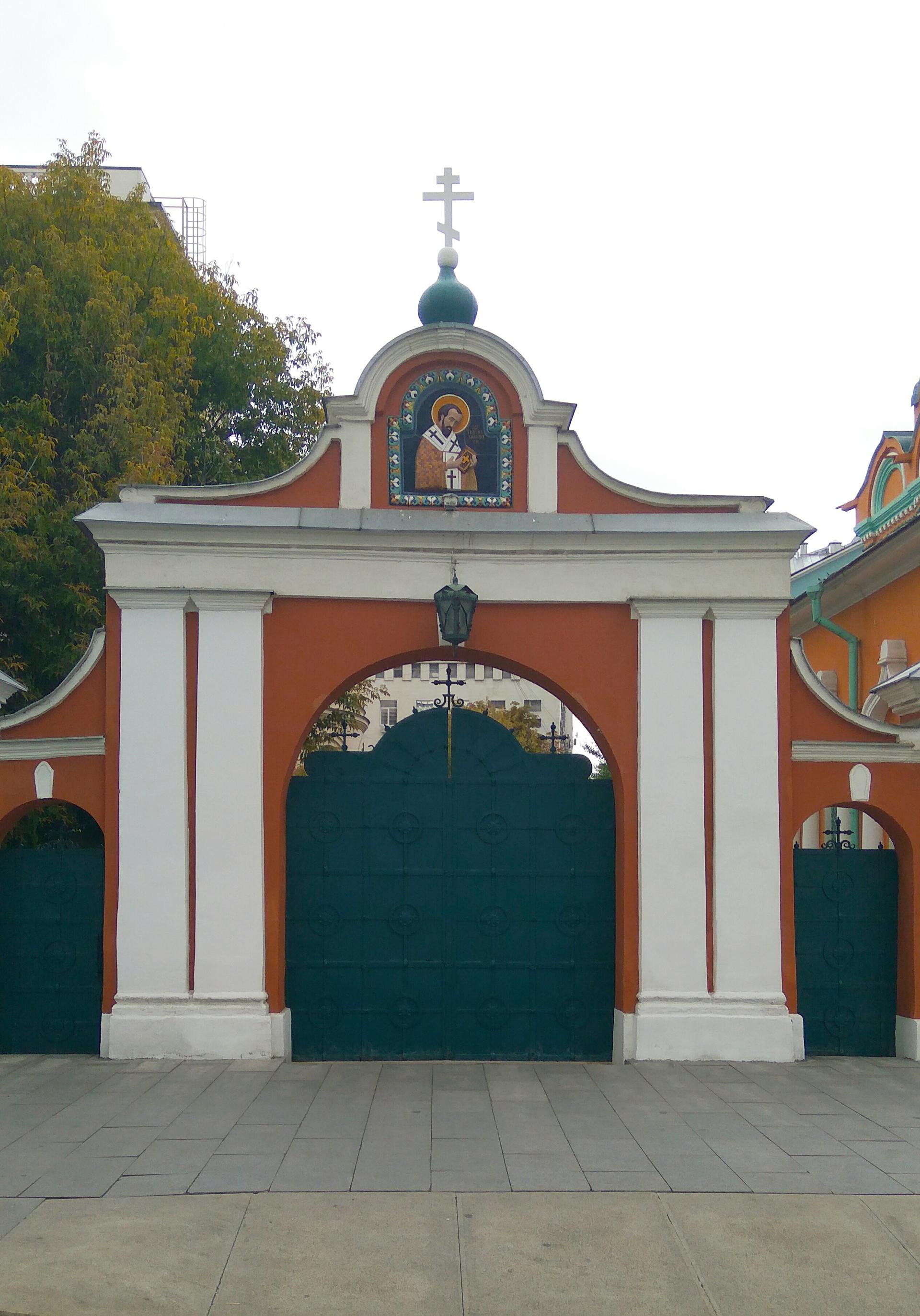
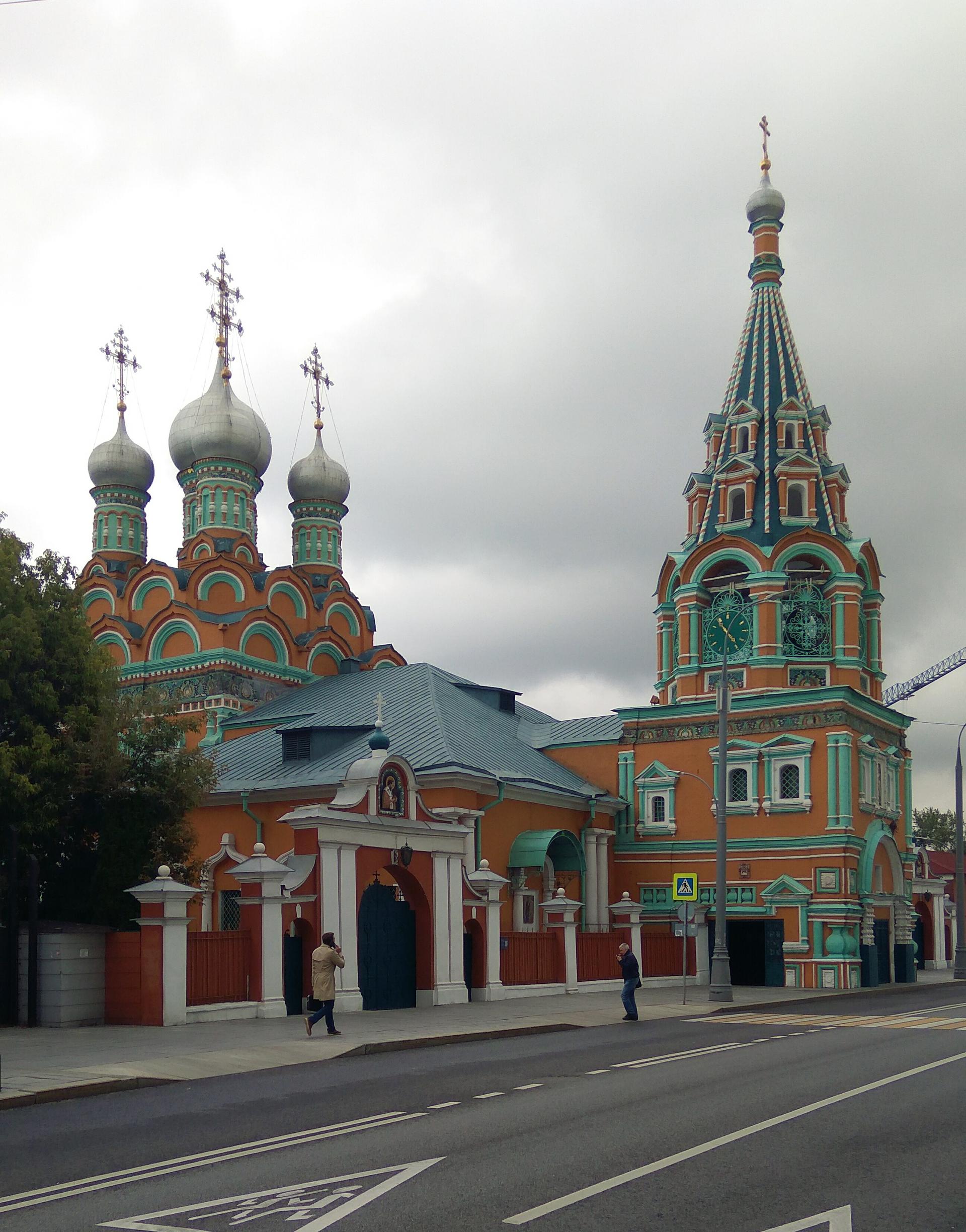
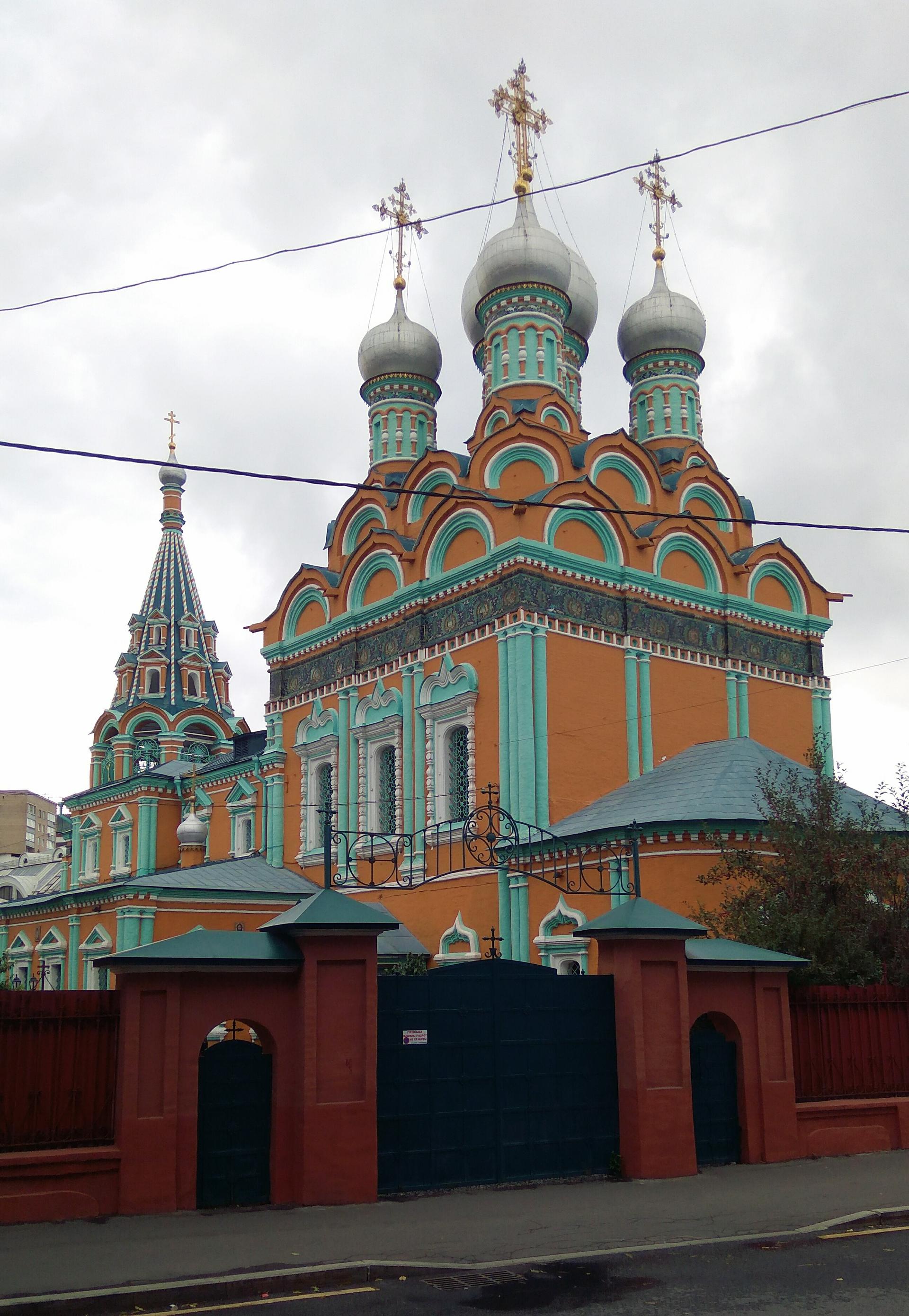
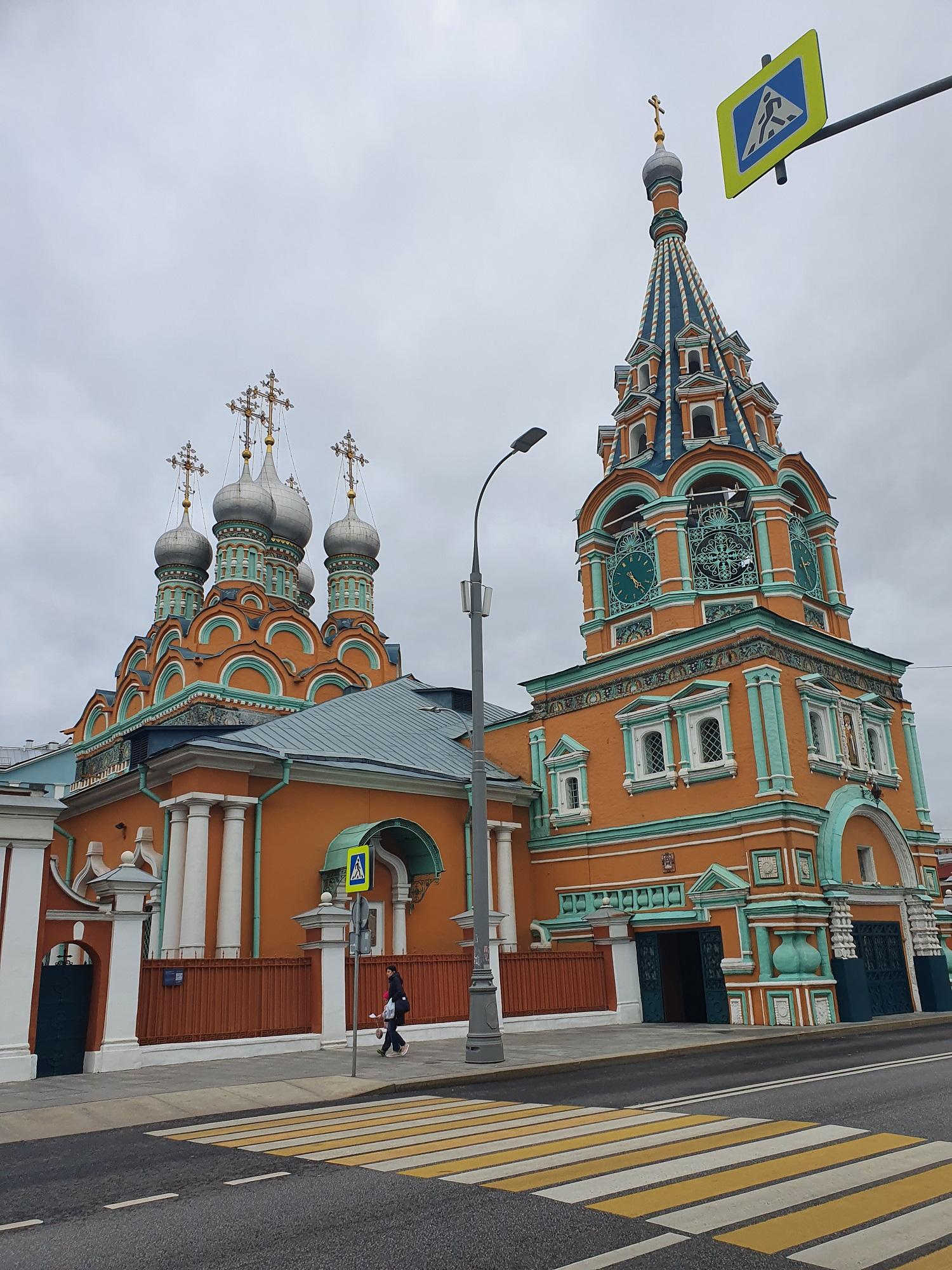
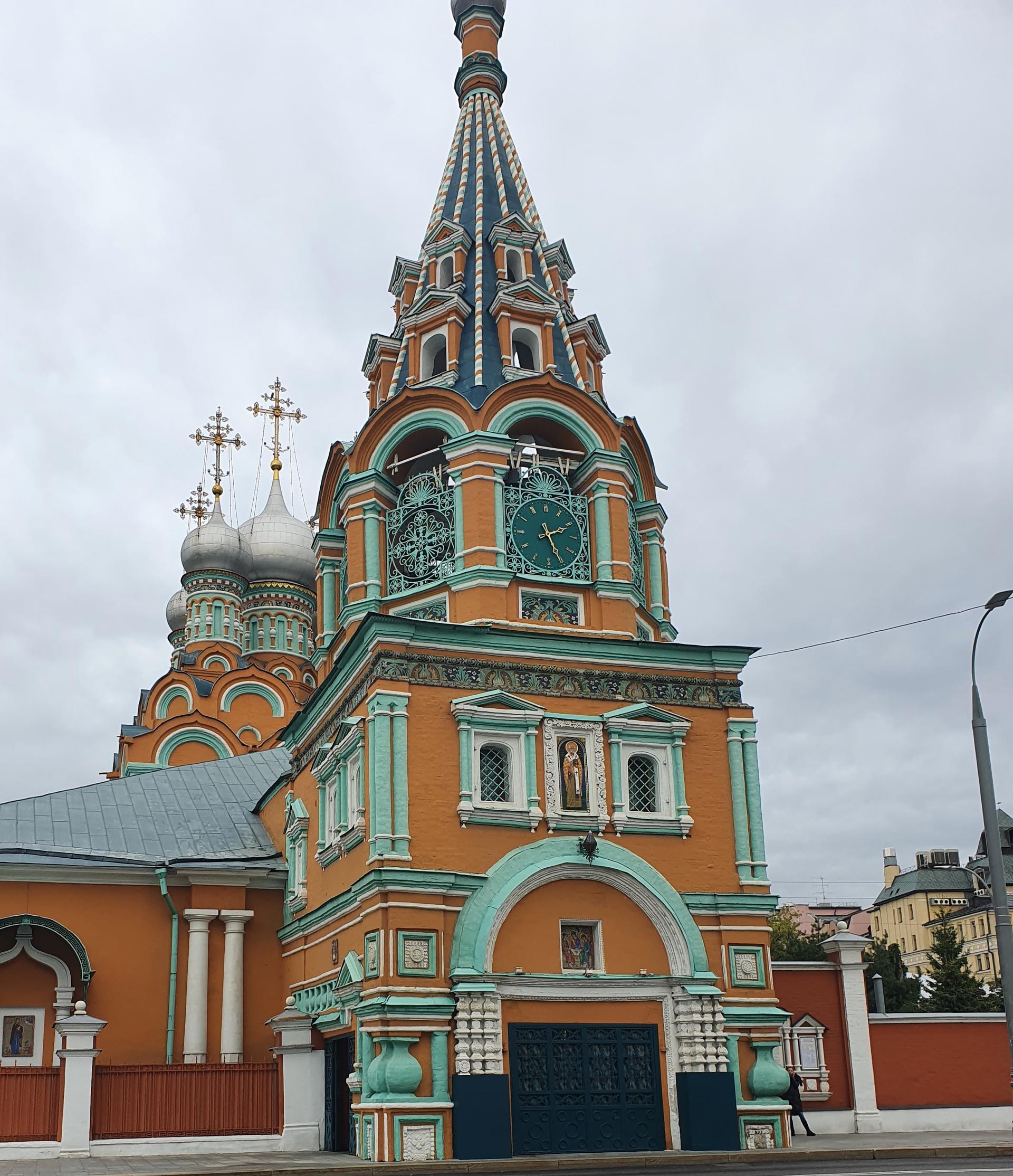
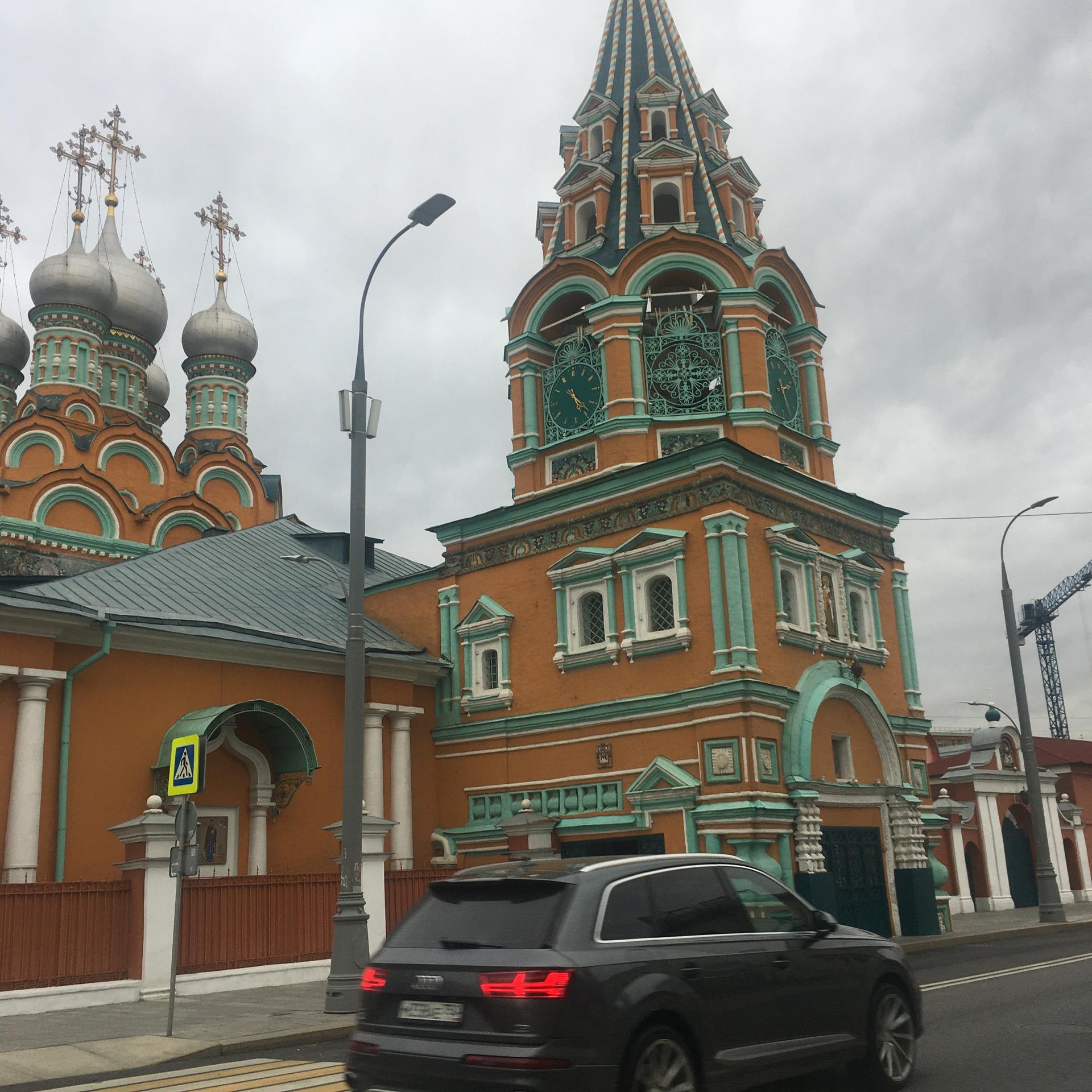
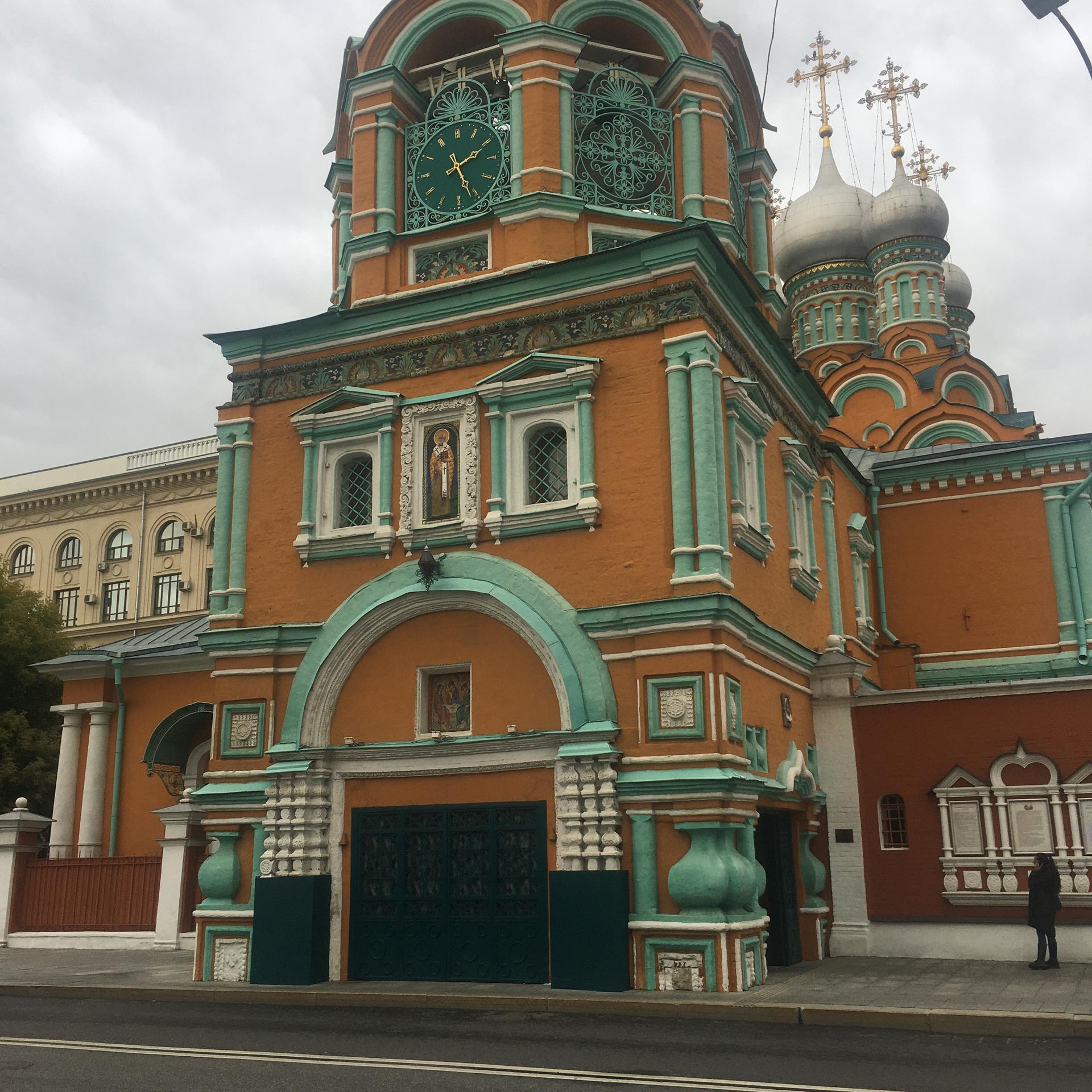
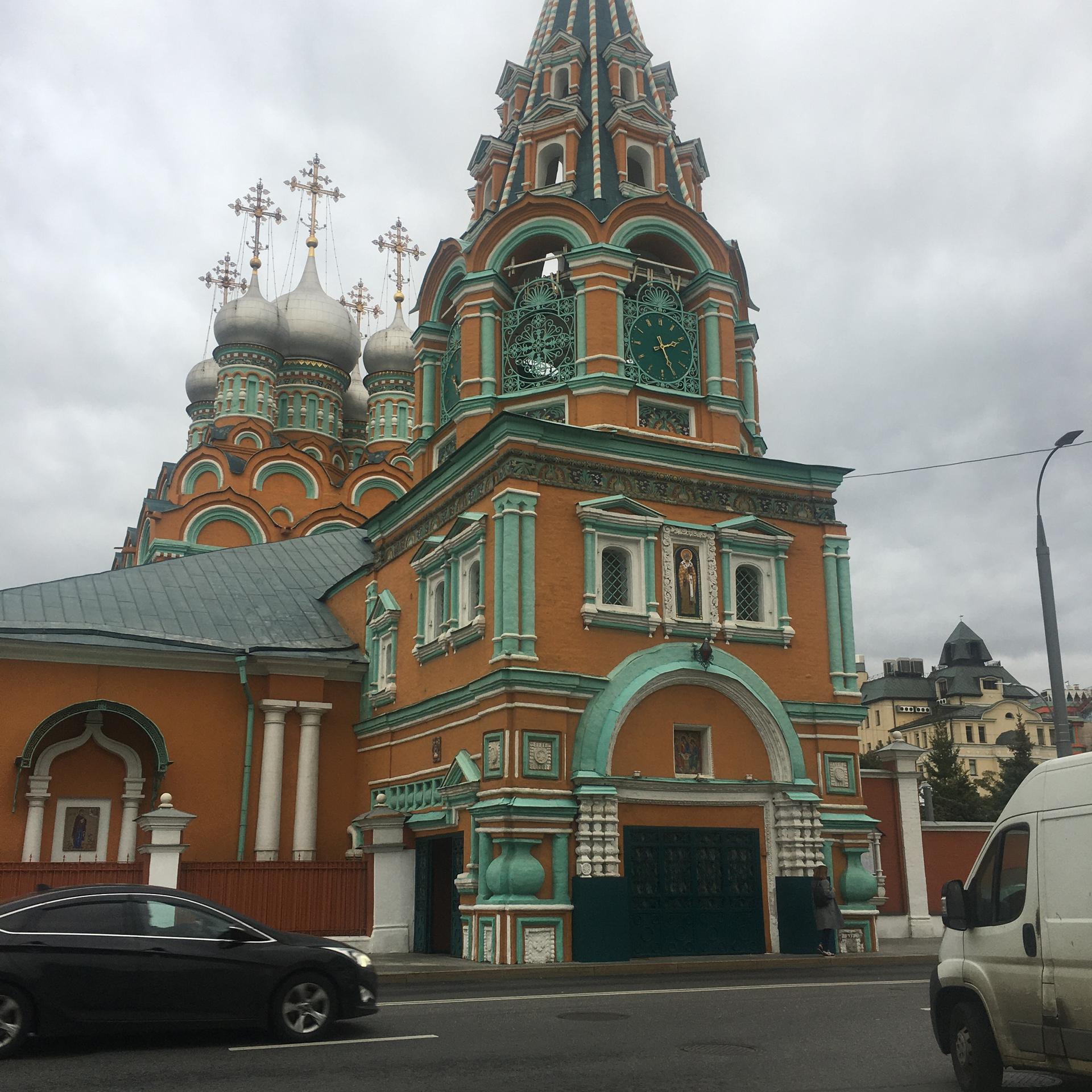
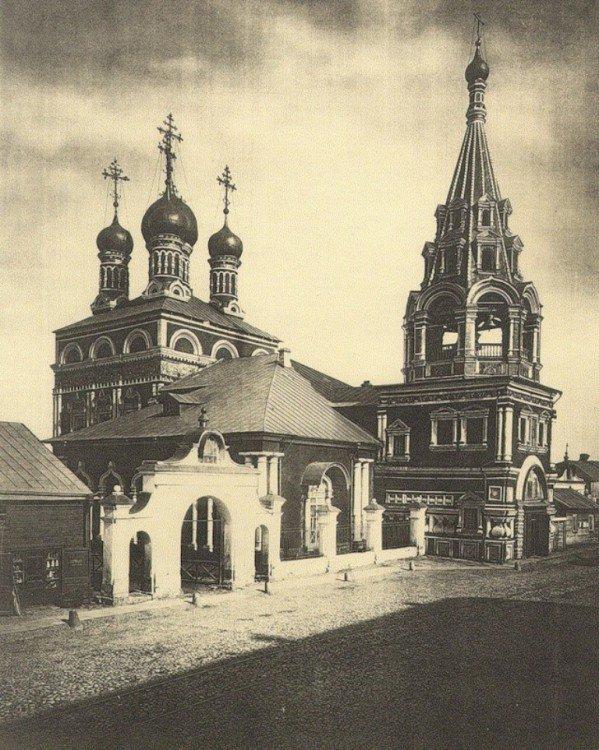
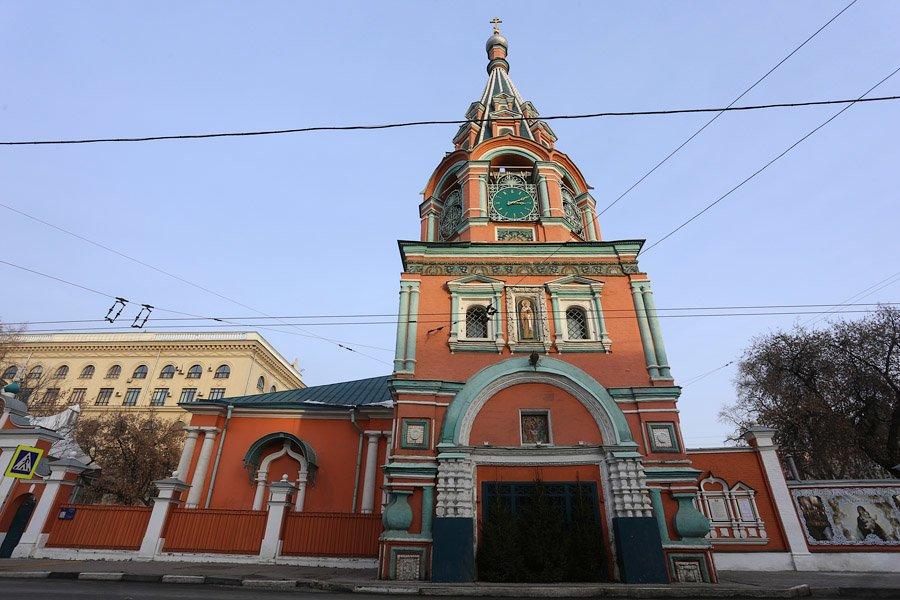
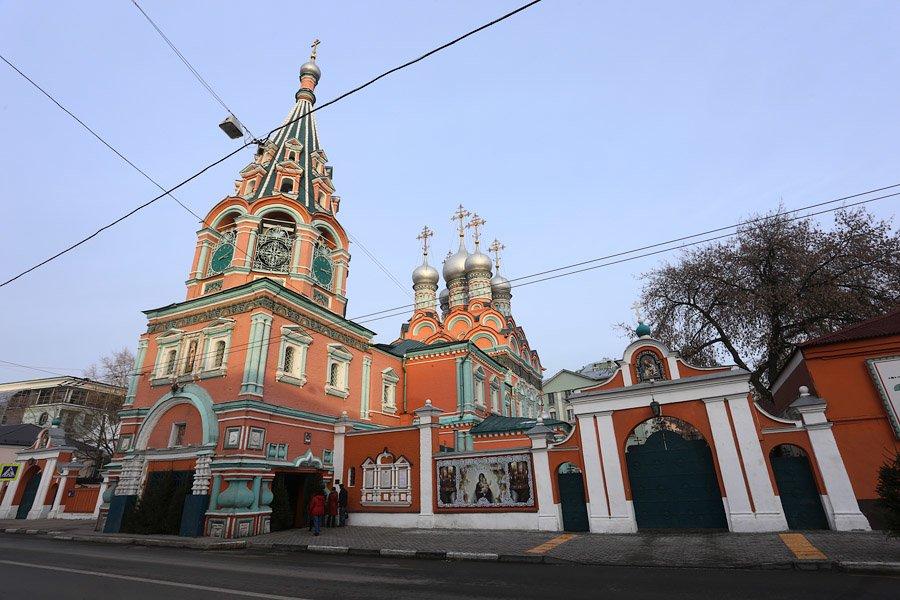
Яркий, охряный, украшенный премудрыми узорами храм Св. Григория Неокесарийского построен в середине XVII века. Находится на Большой Полянке (знаменитой своими купеческими особнячками замоскворецкой улице), недалеко от станции метро "Полянка". Храм состоит из трех основных частей: шатровая колокольня соединяется трапезной с четвериком, увенчанным горкой кокошников и пятиглавием. Красивейшие декоративные убранства - белокаменные и кирпичные фигурные детали - наличники, порталы, карнизы. Фасады колокольни и четверика обрамлены поясом из девяти тысяч многоцветных изразцов рисунка "павлинье око" автора Степана Иванова по прозвищу Полубес.
По преданию, храм Св. Григория Неокесарийского "в Дербицах" был заложен в честь возвращения из татарского плена великого князя Василия II. Князь, находясь в неволе, дал обет: если удастся освободиться, велит построить храм на том месте, откуда увидит Москву, во имя святого, память которого совершается в этот день. Это произошло 17 (30) ноября 1445 года - в день празднования памяти Святителя Григория, епископа и чудотворца Неокесарийского. Именно отсюда открывается вид на купола Кремля. Тогда, измученный пленом и долгой дорогой Великий князь, узрев их, восславил Бога за спасение.
Документально же церковь известна с 1632 года. Первоначально она была деревянной. С середины XVII века настоятель храма Андрей Савинов - духовник государя Алексея Михайловича, на деньги из государственной казны отстраивает церковь в камне. Известно, что не без его влияния вдовый Алексей Михайлович выбрал в невесты 20-ти летнюю Наталию Нарышкину. До сих пор в литературе можно прочесть, будто венчание, а затем и крещение их первенца, Петра I, состоялись в церкви Григория Неокесарийского, хотя историки утверждают, что все это происходило в Кремлевском Соборе. Строительство храма еще не было завершено после смерти царя, настоятель же ее, Андрей Савинов, был сослан в монастырь. В числе прегрешений ему вменялось и строительство храма без патриаршего благословения. Однако сам патриарх впоследствии благословляет достроить храм и освящает его.
Внутреннее убранство храма не менее благолепно. Стены расписывали костромичи, переяславцы. Иконы в храме - кисти Ушакова, Зиновьева. Особый статус храму придавало наличие "царского места".
За три с лишним века храм дважды переживал разорение: в войну 1812 года и 30-е годы XX века. В 1994 г. храм был освящен вновь. Ныне главная святыня храма - чудотворная Боголюбская икона Богоматери. Здесь же хранятся и другие чтимые реликвии, в том числе мощи св. Григория Неокесарийского, Тихона Задонского, Митрофания Воронежского и других святых.
Bright, ochre, decorated with all-wise patterns, the Church of St. Gregory of Neocaesarea was built in the middle of the XVII century. It is located on the Bolshaya Polyanka (famous for its merchants' mansions Zamoskvoretskaya Street), near the Polyanka metro station.
The church consists of three main parts: the hip roof bell tower is connected by the refectory with the quadrangle, which is topped by a hill of kokoshniks and five domes. There are beautiful ornamental decoration - white stone and brick shaped parts -architraves, portals and cornices. The facades of the bell tower and the quadrangle are framed by the belt of nine thousand multi-colored tiles of "Peacock Eye" picture pattern by Stepan Ivanov, nicknamed Polubes (Half devil).
According to the legend, the church of St. Gregory of Neocaesarea "in Derbitsa" was laid in honor of the return from the Tatar captivity of the Grand Duke Vasily II. The prince, while in captivity, made a vow: if it succeeds to free himself, orders to build a church in the place where he will see Moscow, in the name of the saint, whose memory is performed on that day. This happened on November 17 (30), 1445 - the day of the commemoration of St Gregory, bishop and miracle worker of Neoecasary. From here you can see the dome of the Kremlin. Then, exhausted by the captivity and the long road, the Grand Duke, seeing them, glorified God for his salvation.
According to the documents the church is known from 1632. Originally it was made of wood.
From the middle of the XVII century the beneficiary of the church Andrew Savinov - confessor of the Emperor Alexis, with money from the state treasury rebuilt the church in stone.
We know that it is not without his influence the widowered Alexis chose a 20-year-old Natalia Naryshkina as a bride.
So far in literature you can read that the wedding, and then the christening of their first child, Peter I, was held in the church of St.Gregory of Neocaesarea, although historians say that it all happened in the Kremlin's Cathedral. Construction of the church was not finished yet after the death of the Tsar, and its beneficiary, Andrew Savinov, was exiled to a monastery.
Among the sins he was charged with the construction of the church without the patriarchal blessing. However, the patriarch himself later blesses to finish the church and sanctifies it.
The interior of the church is not less magnificent. The walls were painted by the artists from Kostroma and Pereyaslavl. Icons in the church are painted by Ushakov, Zinoviev. The existence of “the Tsar’s place” gave a special status to the church.
For more than three centuries the church suffered the devastation twice: the war of 1812 and in the 30s of the XX century. In 1994 the church was consecrated again. Now, the main shrine of the church is the miracle-working of Bogolubsk icon of Our Lady. There are also other revered relics, including the relic of St.Gregory of Neocaesarea, Tikhon Zadonskiy, Mitrofany of Voronezh and other saints.