.jpg&w=1920&q=75)

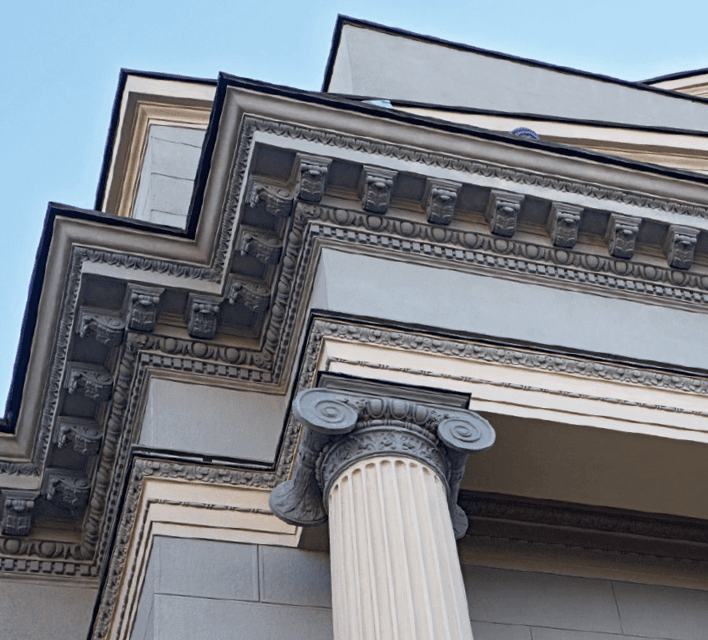
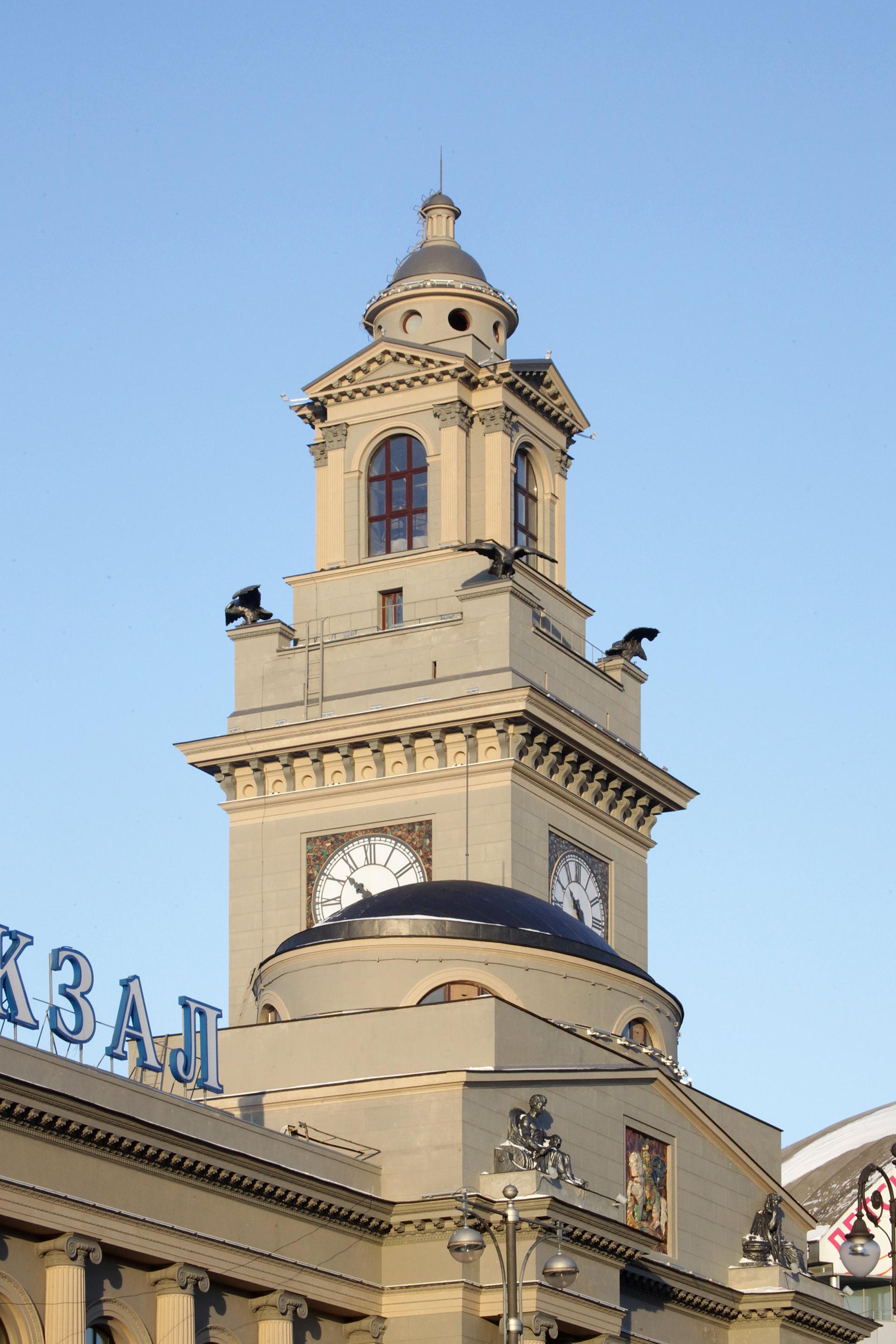
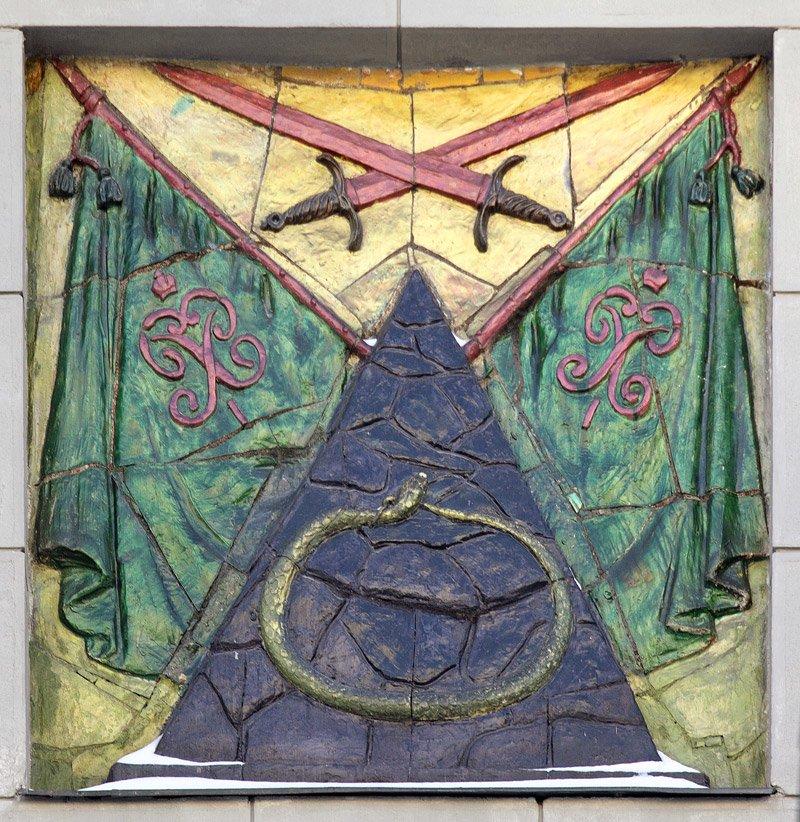
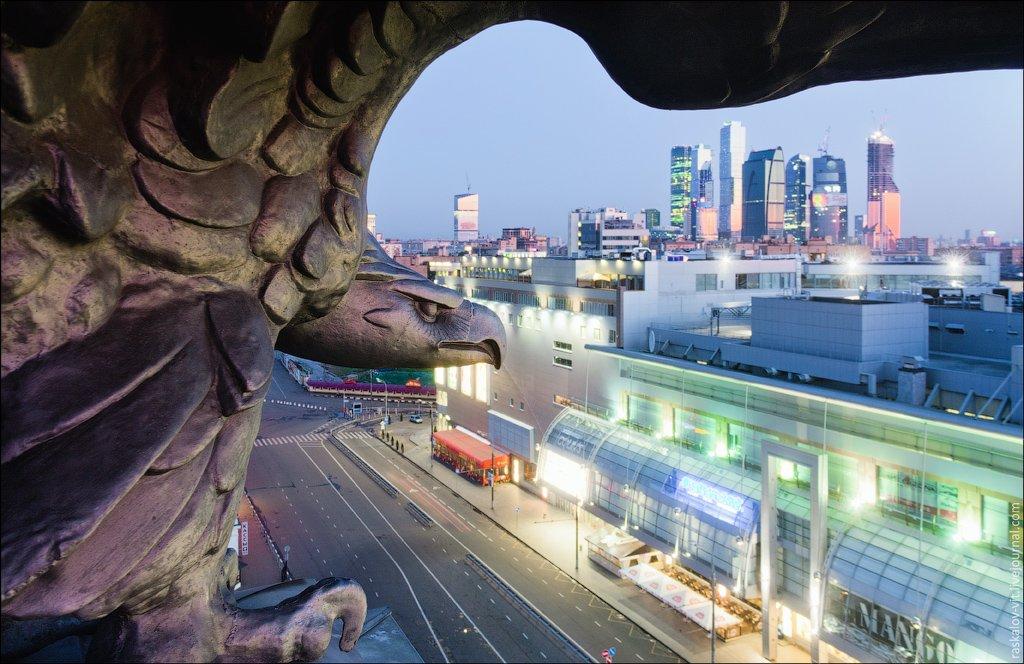
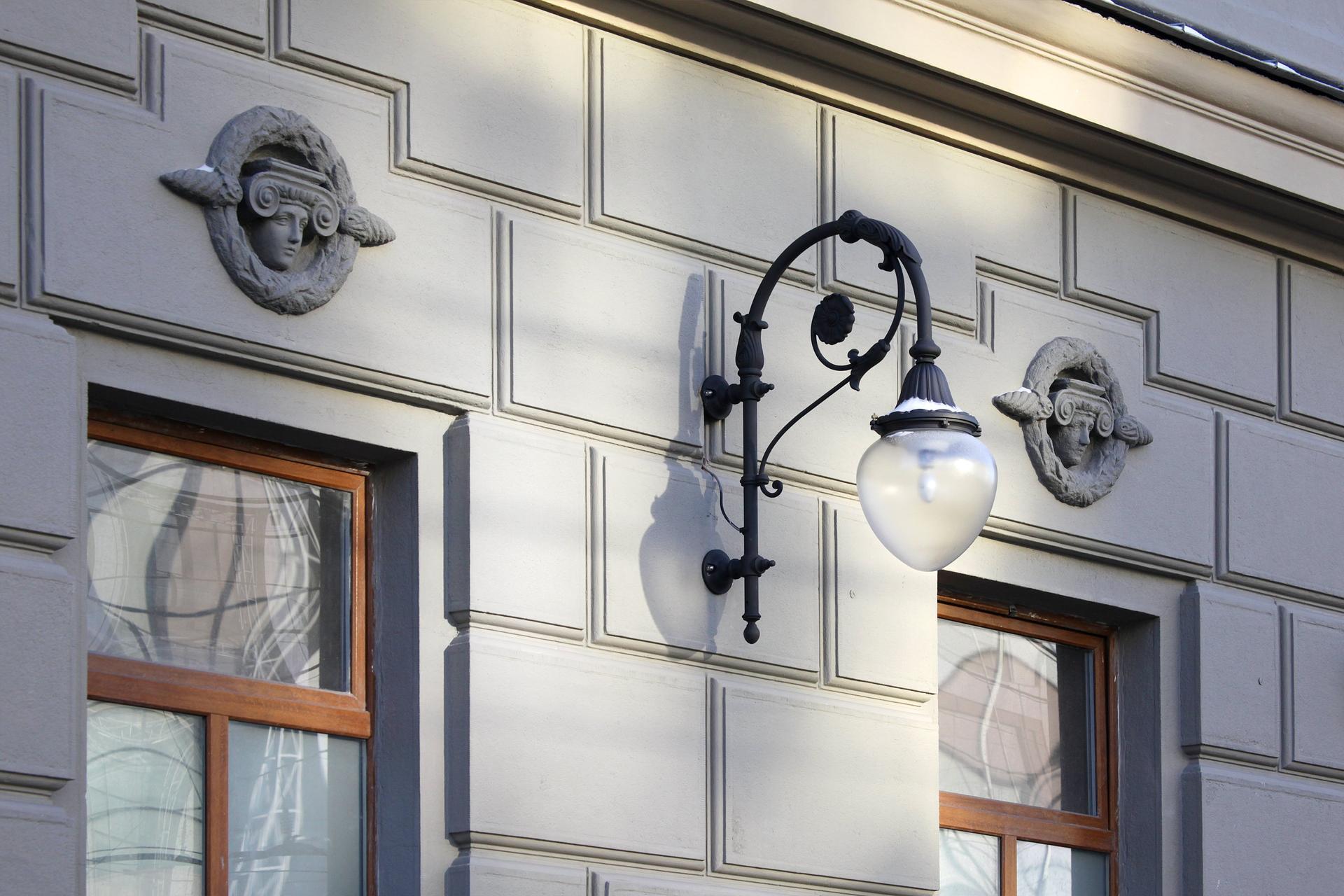
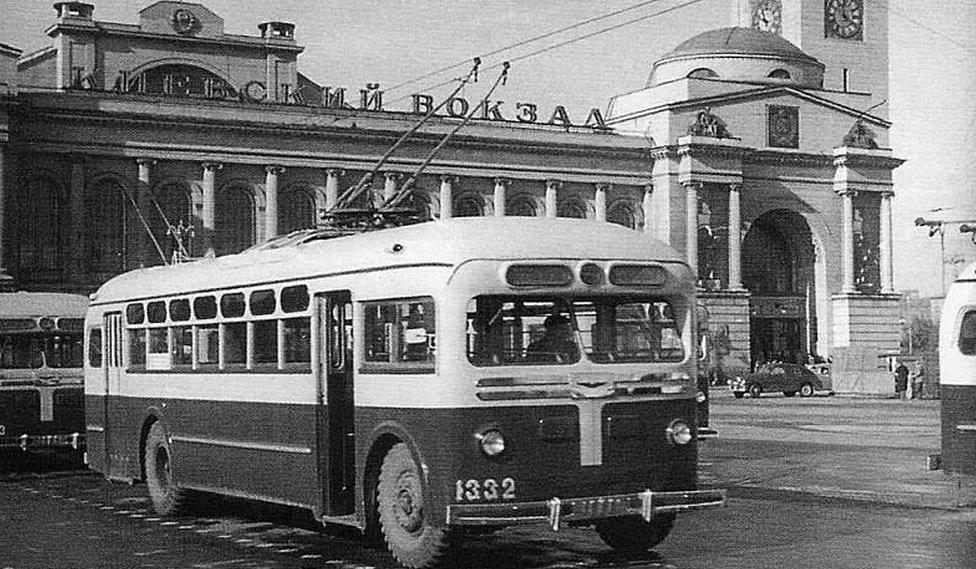
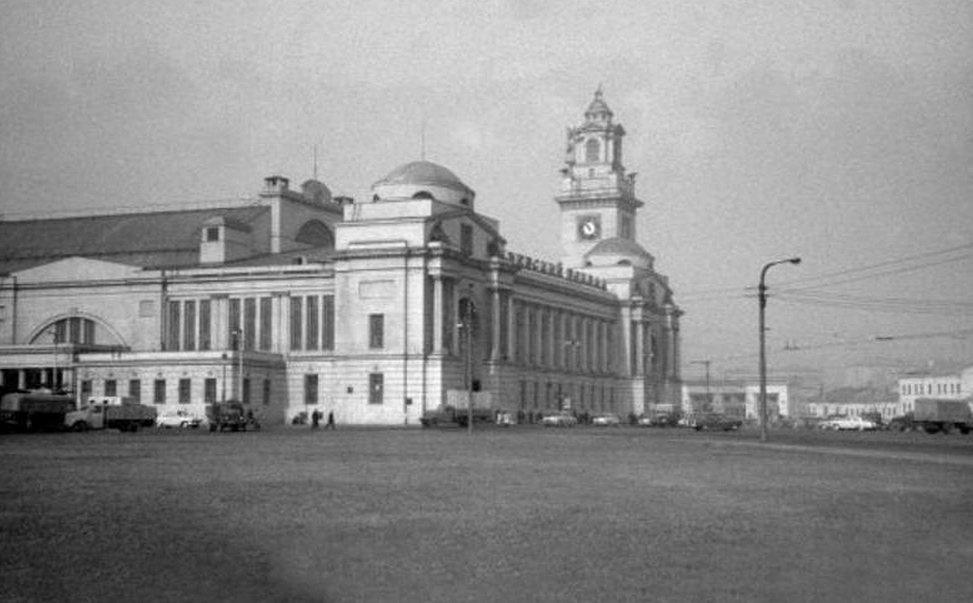
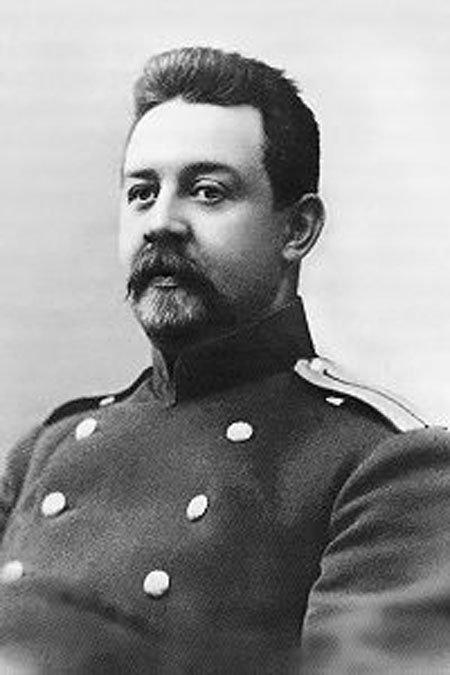
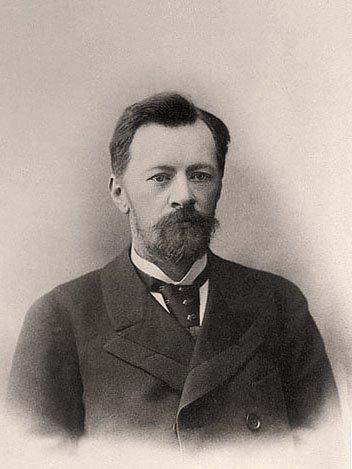
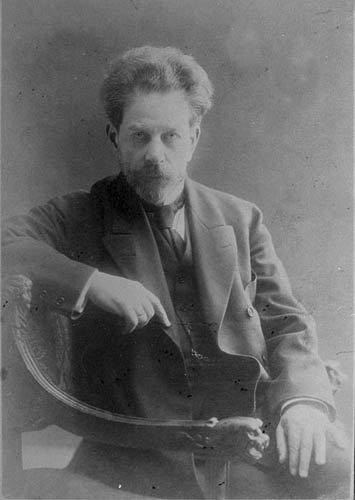
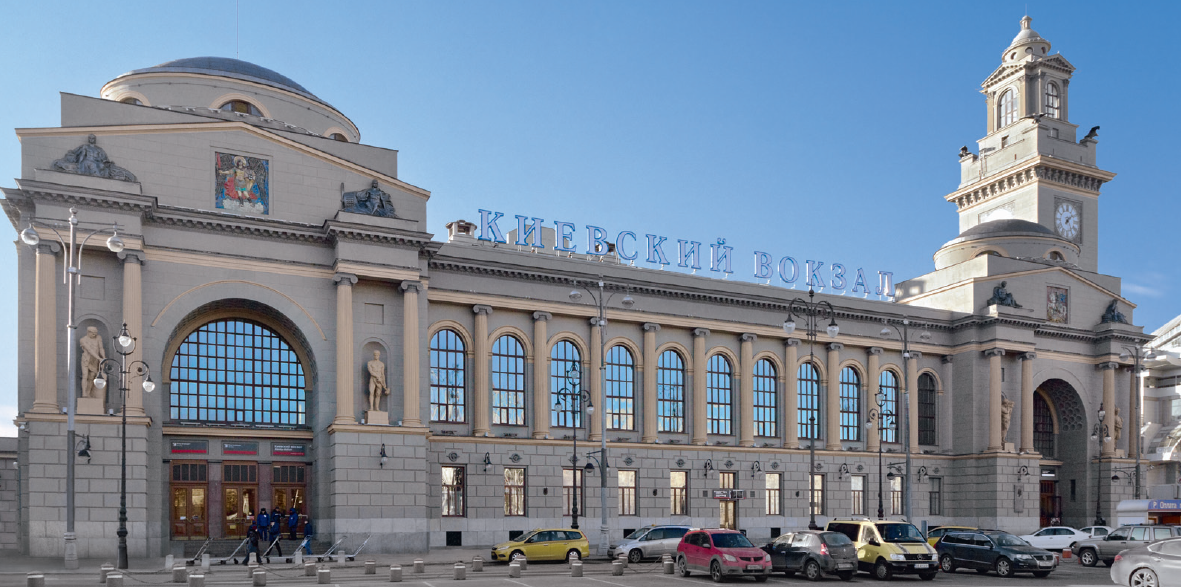
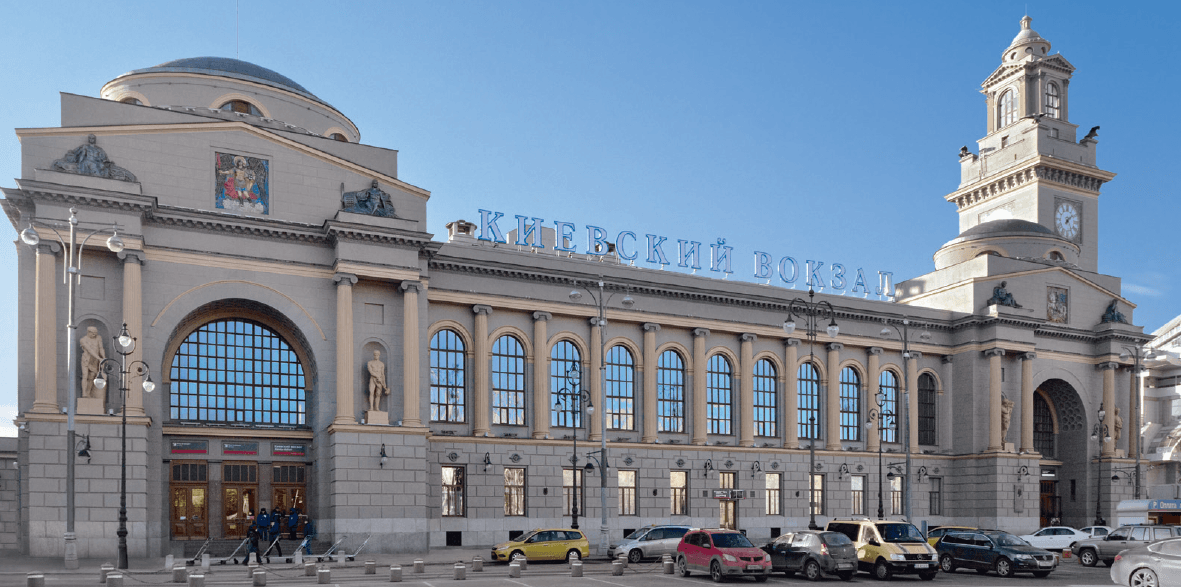
Строительство вокзала было начато и закончено в самое тяжёлое для России время, в 1914 -1918 годы. Вокзал построен в стиле неоклассицизма с элементами ампира. Авторство архитектурного проекта принадлежало известному московскому архитектору Ивану Рербергу при участии Вячеслава Олтаржевского, а проект дебаркадера и перекрытий залов выполнил легендарный конструктор и изобретатель Владимир Шухов. Оформление залов вокзала осуществили Фёдор Иванович Рерберг — старший брат архитектора, талантливый художник, руководитель Художественного училища в Москве — и Игнатий Игнатьевич Нивинский. Скульптуры выполнил Сергей Семёнович Алёшин. В архитектурной концепции вокзала, в росписях залов и скульптурах подчёркнута связь с Отечественной войной 1812 года
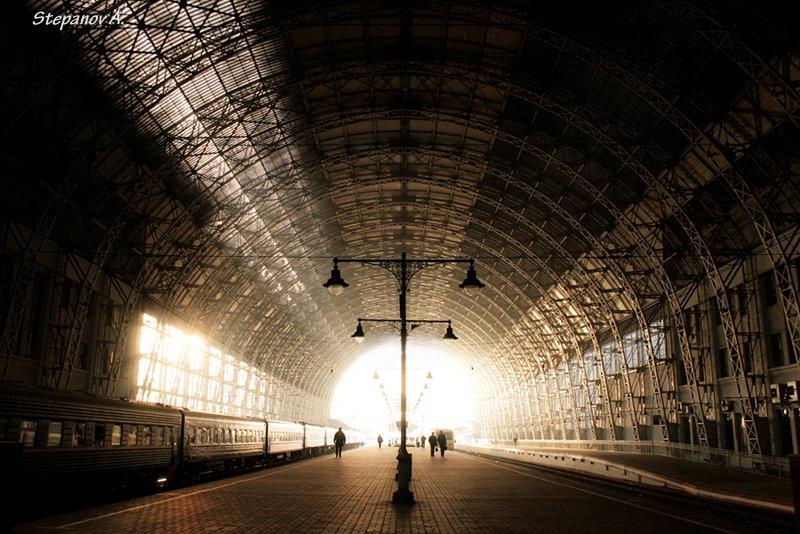
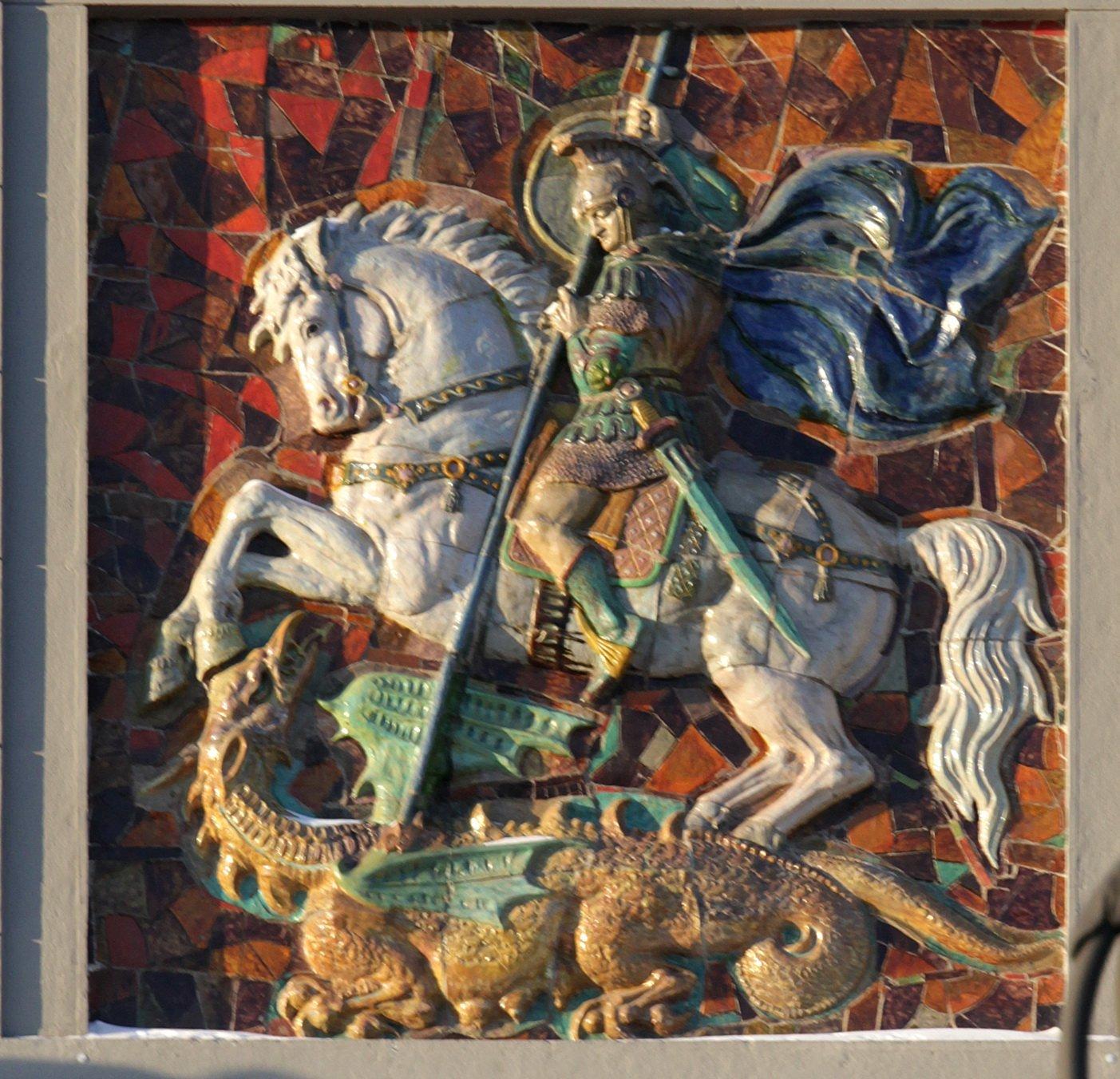
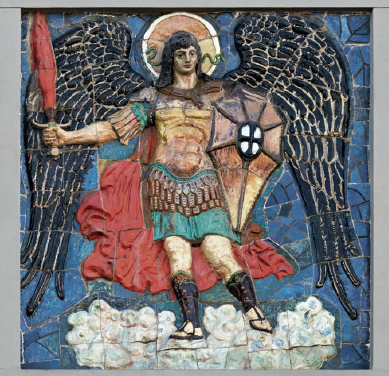
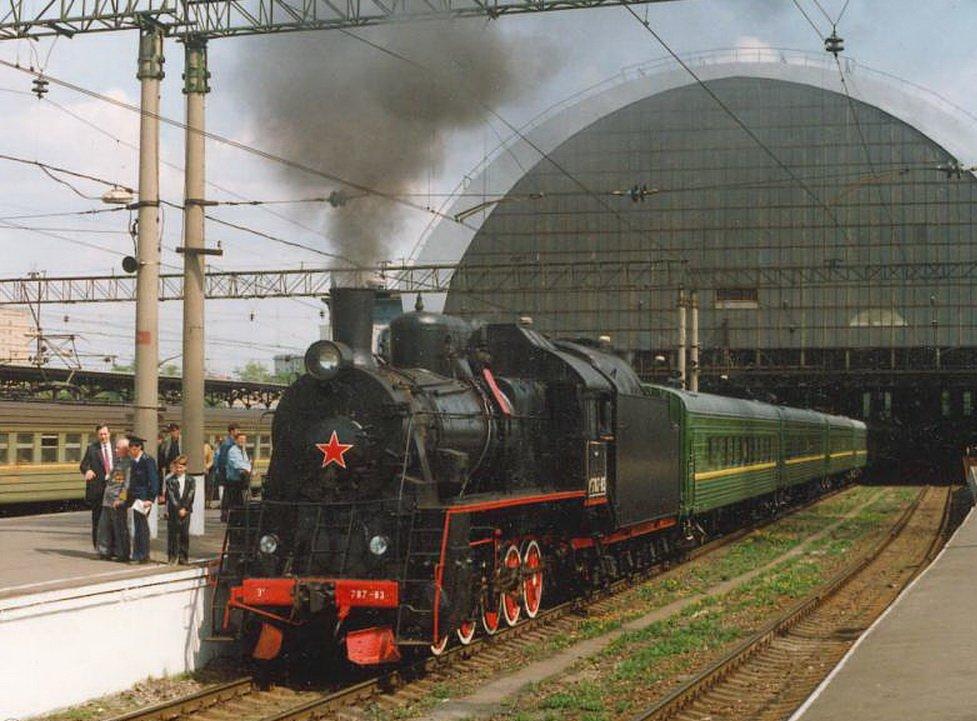
На фасаде мозаики работы Бориса Ланге - Георгий Победоносец и Архангел Михаил. Это небесные покровители Москвы и Киева. Четыре барельефа зала ожидания были созданы Олтаржевским в послевоенные годы. Они посвящены победе в войне и дарованию народам прав и конституции. Стеклянный купол дебаркадера, опирающийся на металлические арки, создаёт ощущение лёгкости и воздушности конструкции.
Изначально вокзал назывался Брянским, но в 1934 году был переименован в Киевский, под этим именем он известен и по сей день.
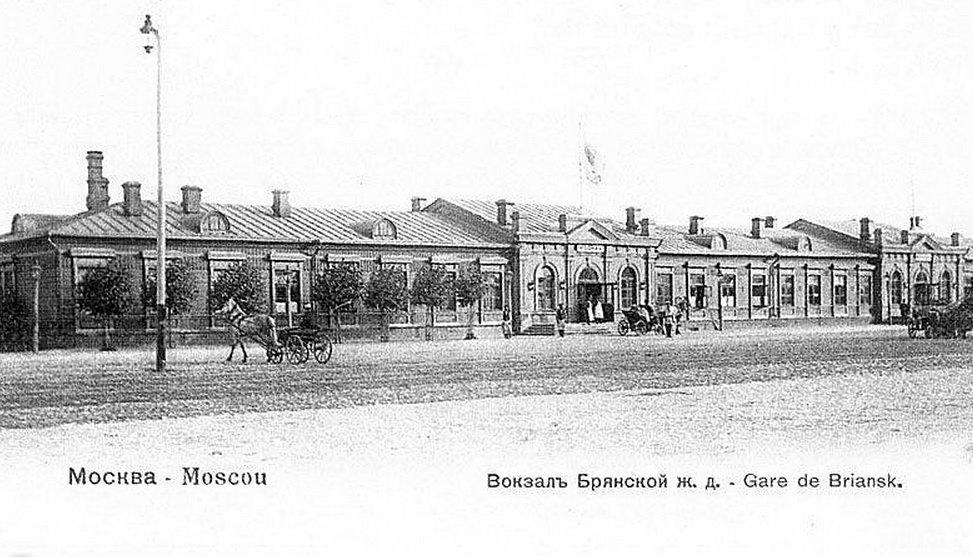
Modern Moscow-Kiev railway line formed relatively late. Railroad linked Moscow, Kaluga and Bryansk only in 1898. Railway Station Built Society of the Moscow-Kiev-Voronezh was originally named the Bryansk Railway Station. Station caused a huge amount of criticism and ridicule from his contemporaries. Indeed, a long one-story wooden building of the station was more like a provincial building and not keeping up with capital city status.
Modern Moscow-Kiev railway line formed relatively late. Railroad linked Moscow, Kaluga and Bryansk only in 1898. Railway Station Built Society of the Moscow-Kiev-Voronezh was originally named the Bryansk Railway Station. Station caused a huge amount of criticism and ridicule from his contemporaries. Indeed, a long one-story wooden building of the station was more like a provincial building and not keeping up with capital city status.
However, in such a station has existed for almost 15 years - the decision to build a new building was accepted only in 1912. The new station was supposed to be the largest in Moscow.
In Russia 1912 was associated with the centenary celebration of the Victory in the War of 1812. The new Bryansk Station built by architects II Rerberg and VK Oltarzhevskaya with the participation of the engineer VG Shukhov was not an exception. The new station building appeared later than anniversary date - its construction began in 1914 and ended in 1918.
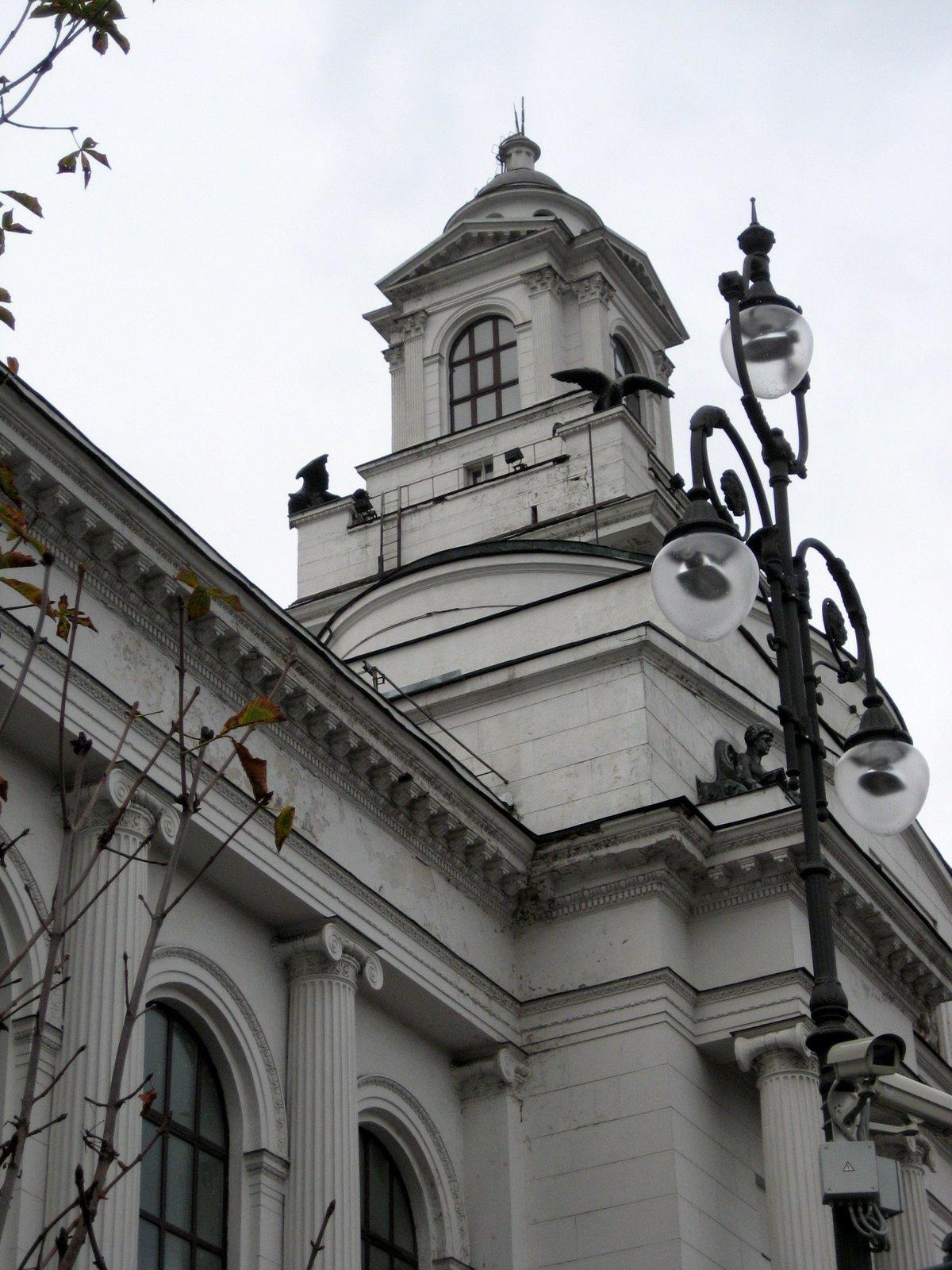
Station built in neoclassical style with elements of the Empire, in its decoration traced common motifs with the Triumphal Arch on Tverskaya Zastava and monuments Borodino field. The composition of the station built on the contrast of a high tower with a horizontal body with a colonnade. The upper part of the tower decorated with arched windows, dome and sculptures. In the tower there are still hours established in the construction of the station. This watch is mechanical, and only manual adjustment from summer to wintertime and vice versa is possible, like an arrow chimes on the Kremlin's Spassky Tower. Kremlin chimes and watch the Kiev railway station - the only surviving mechanical clock Moscow. Finishing lounges corresponds to the outer appearance of the station, some of them to keep the wall and ceiling frescos.
Landing stage is adjacent to the station building. Its design solution is at once simple and audacious: a huge space over the platforms is covered with glazed-span steel arch designed by VG Shukhov and executed at the plant of AV Bari, with whom Shukhov was associated long-term business relationships and friendships. This grand and elegant at the same time the design of glass and metal floating in the air reminds metal dome. During the renovation of the original station large steel arches replaced.
Architect RI Klein built Borodino bridge linking the new station to the central part of Moscow a little earlier, in 1911 - 1912's. Station and the bridge is a single architectural memorial complex dedicated to the events of 1812.
In 1934, the station received a new name - Kiev, under which it exists today. The construction of the metro station "Kiev" by the Kiev railway station began in 1938. In 1952 - 1953's metro station "Kiev" Circle Line built, Metro station exit pavilion was installed into the Kiev Station building, and then the pavilion of the old metro station was brought there as well.
In 2006, nearby Kiev metro station pavilion was decorated in the style of the first stations of the Paris Metro, made by the architect Hector Guimard.