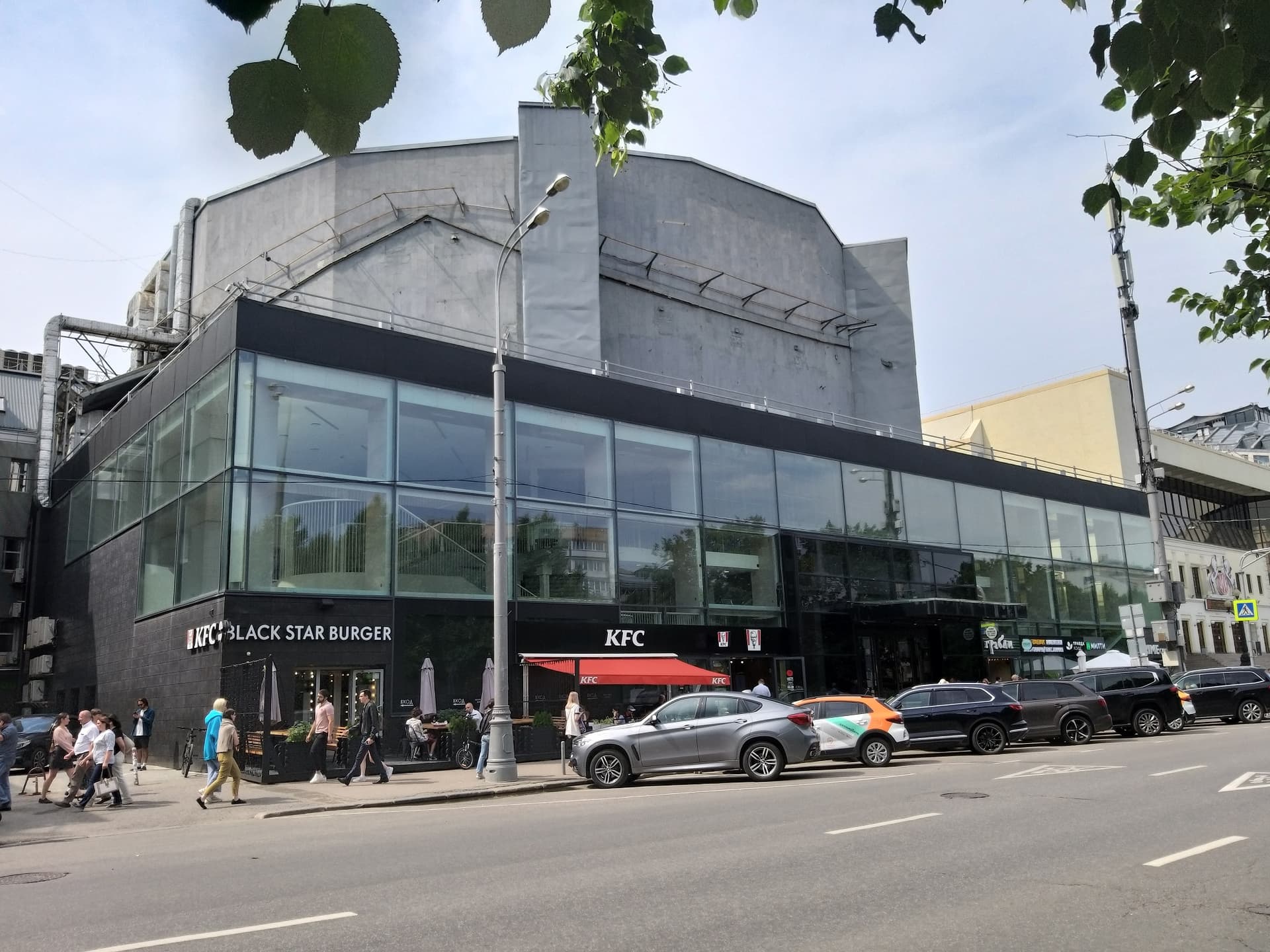
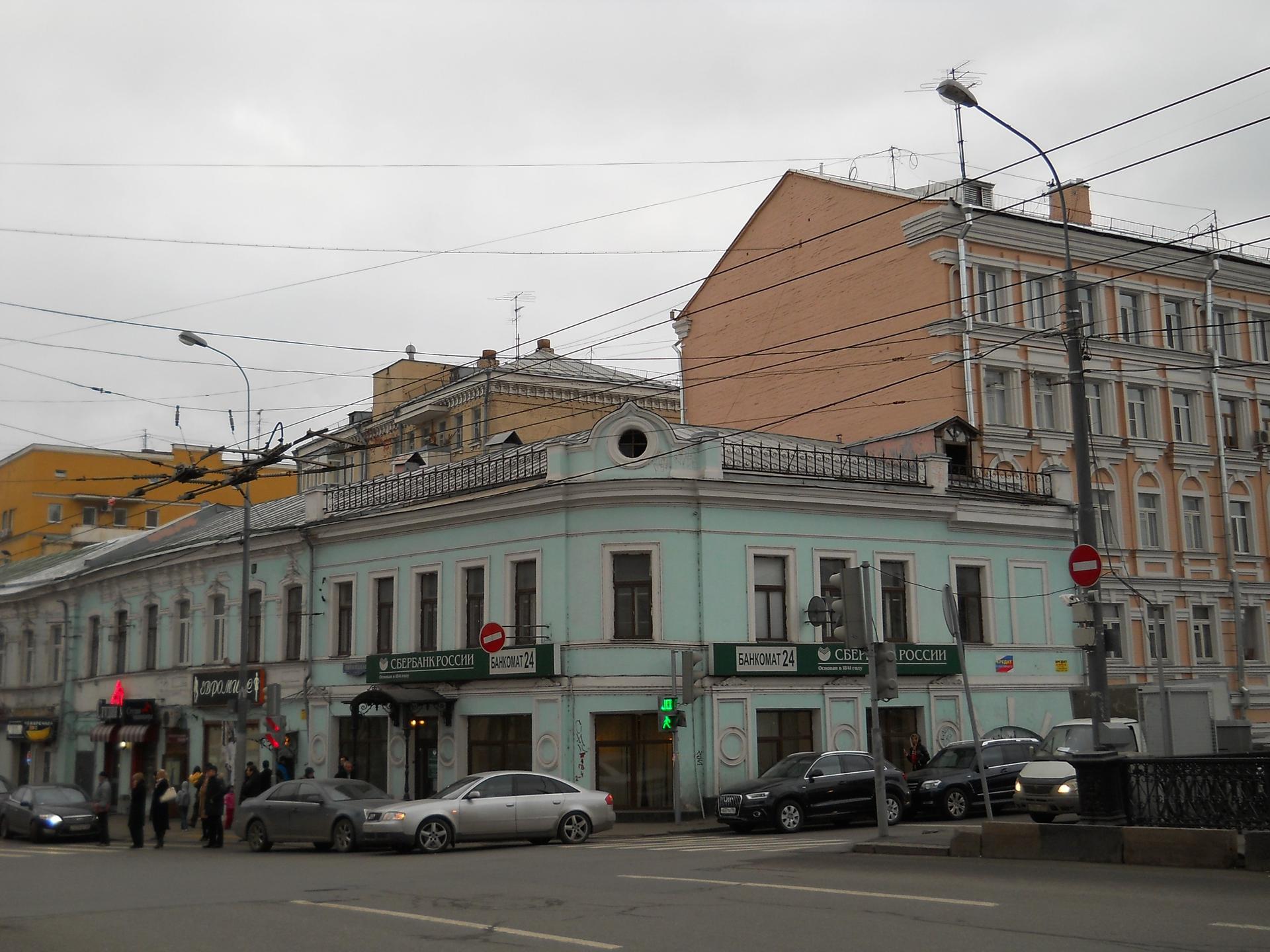
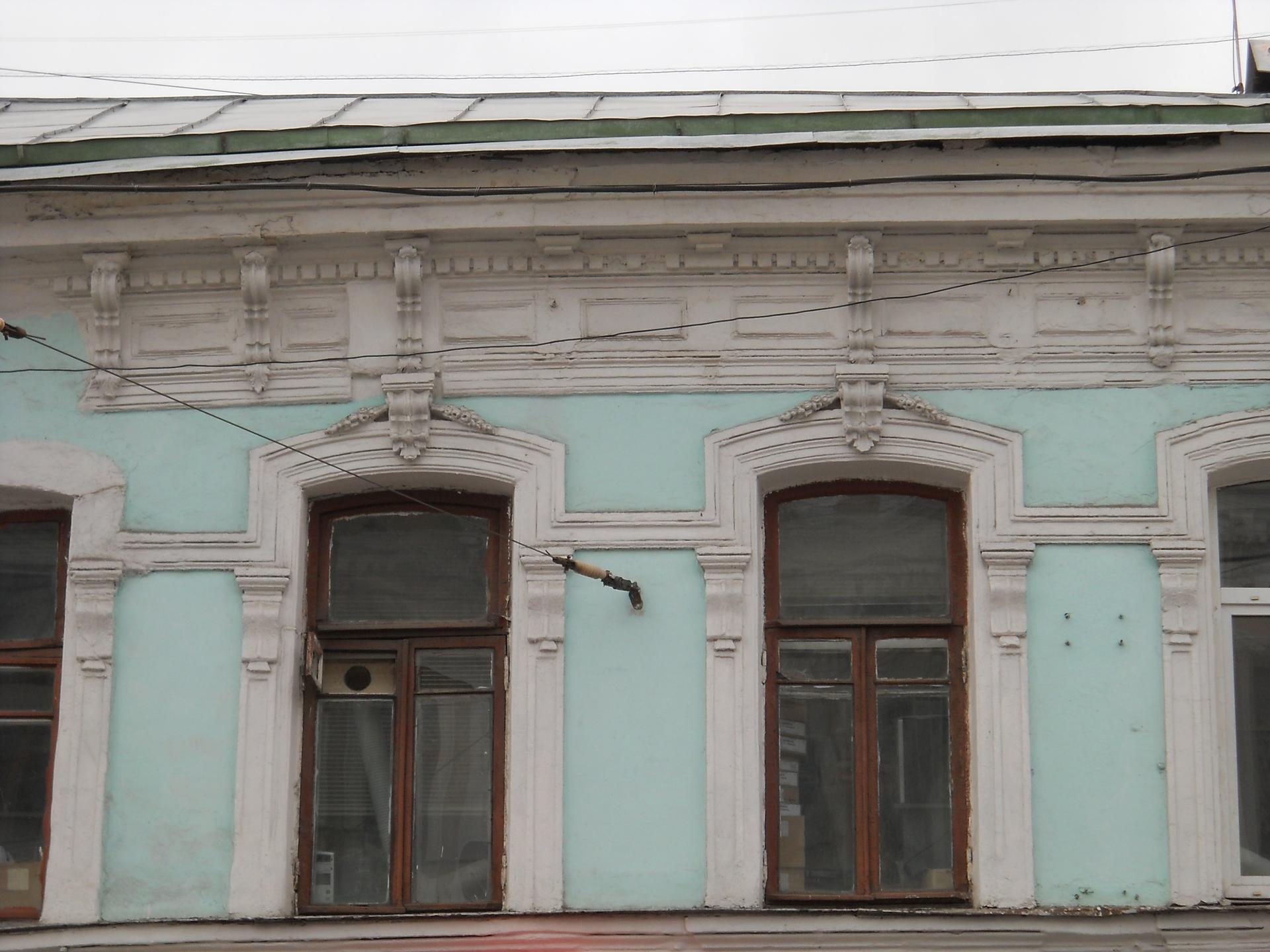
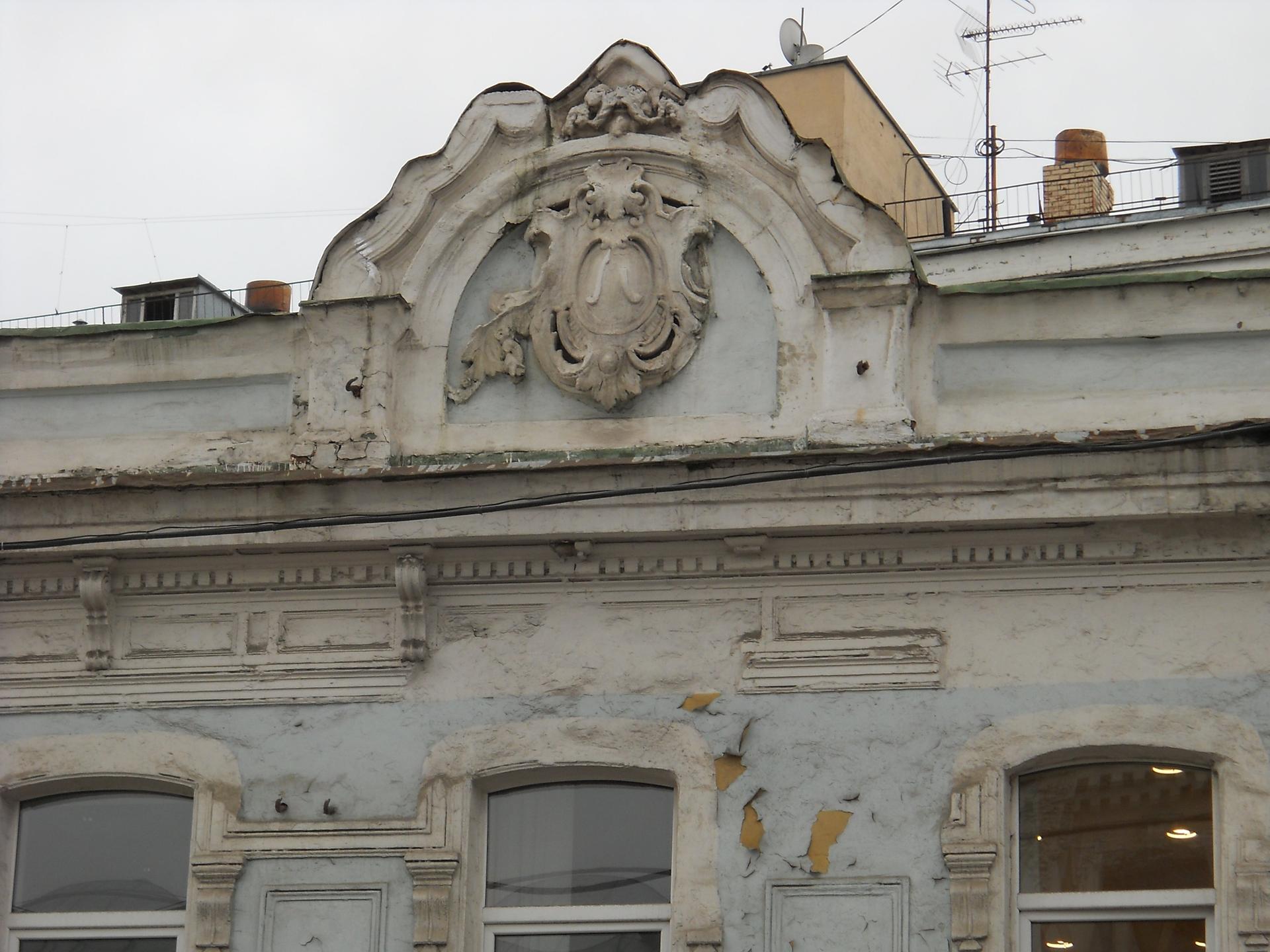
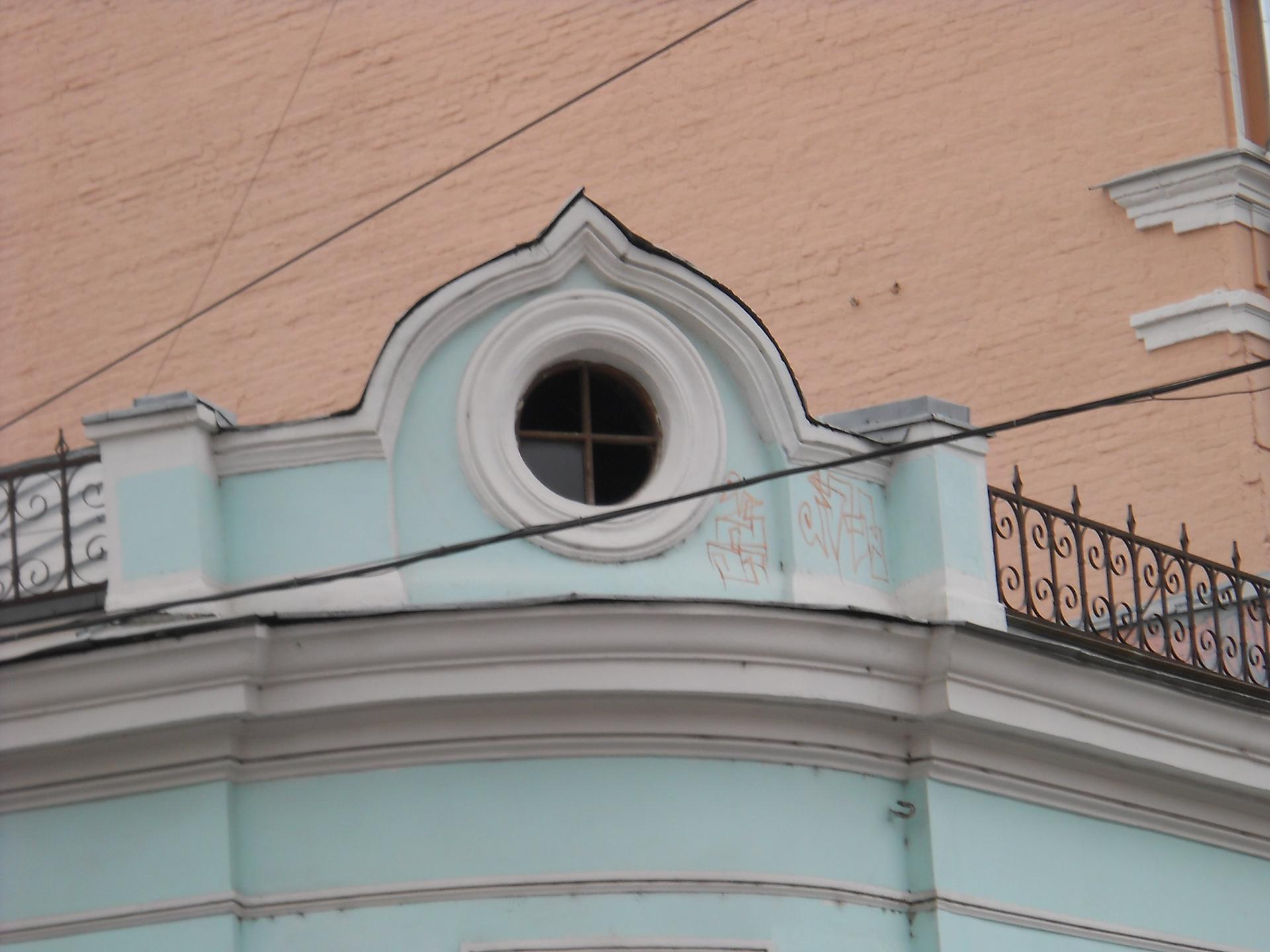
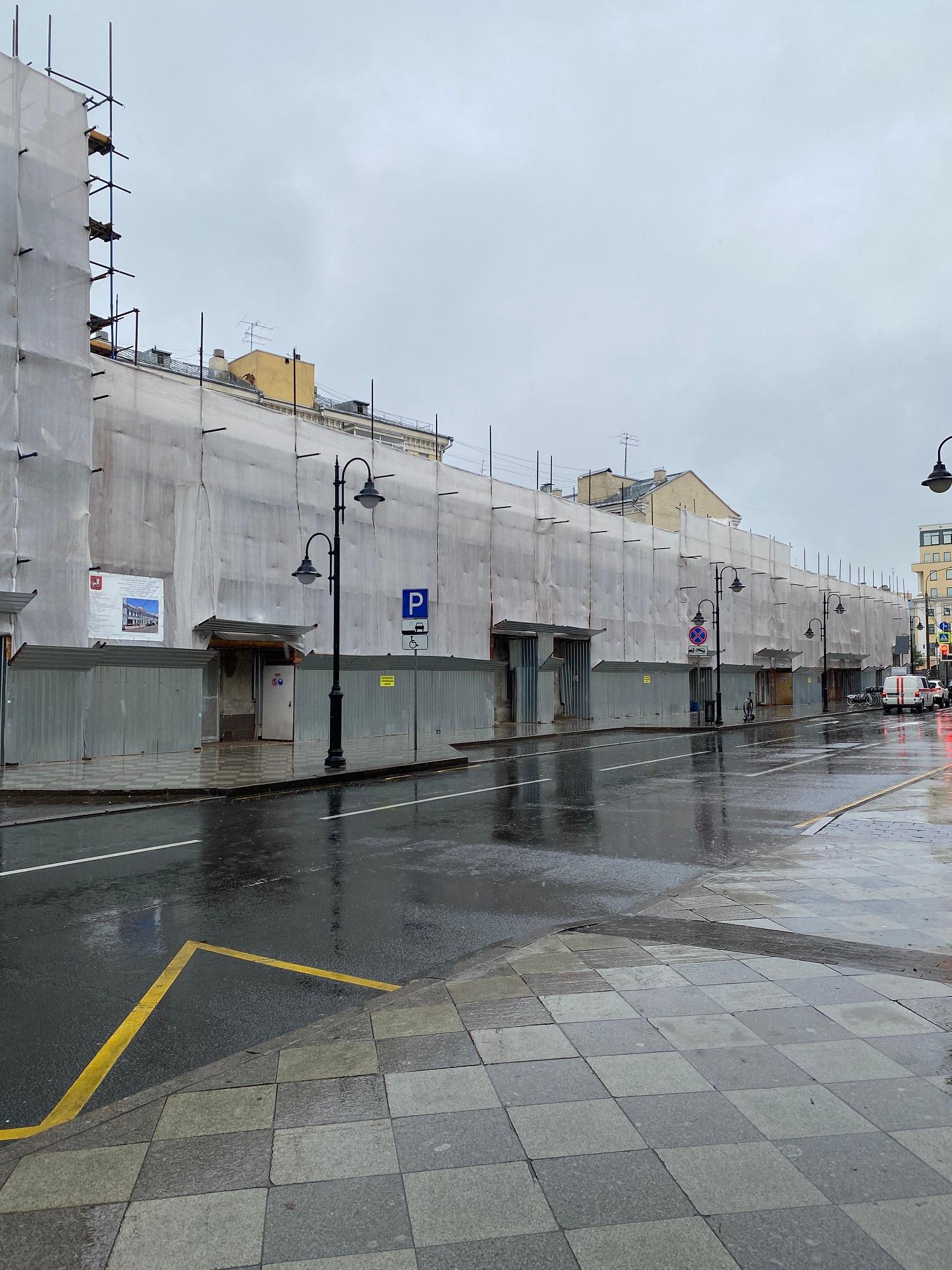
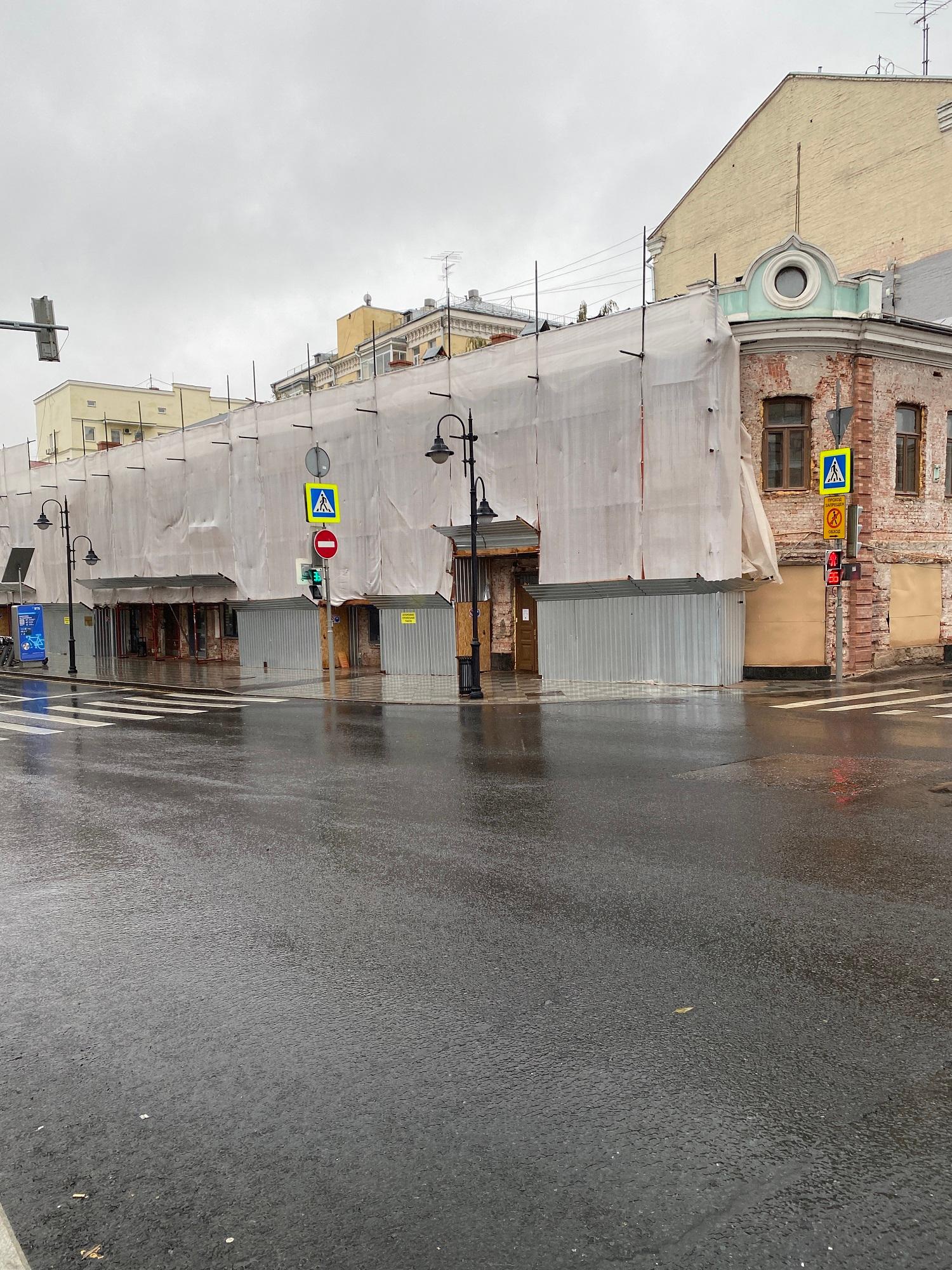
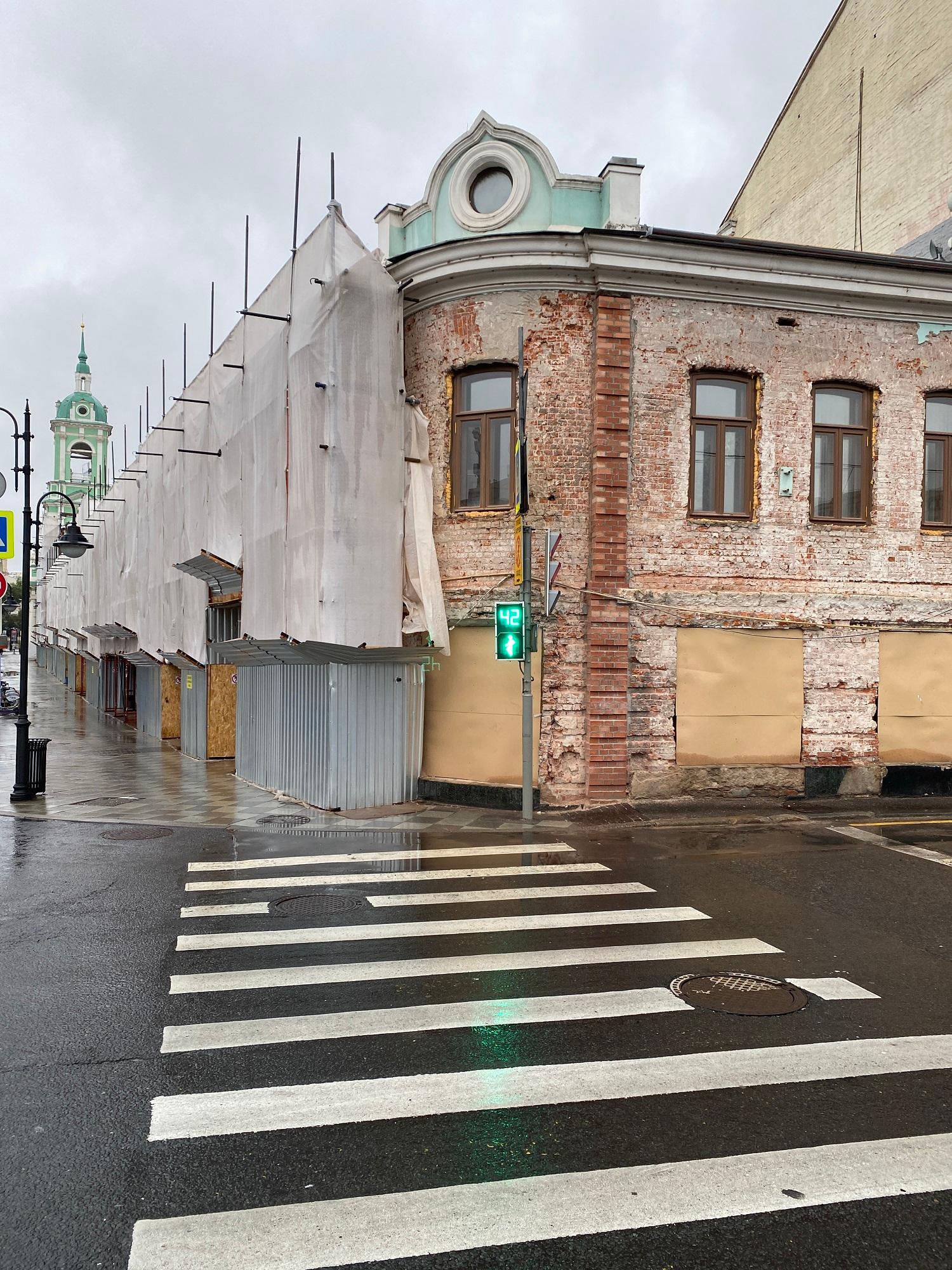
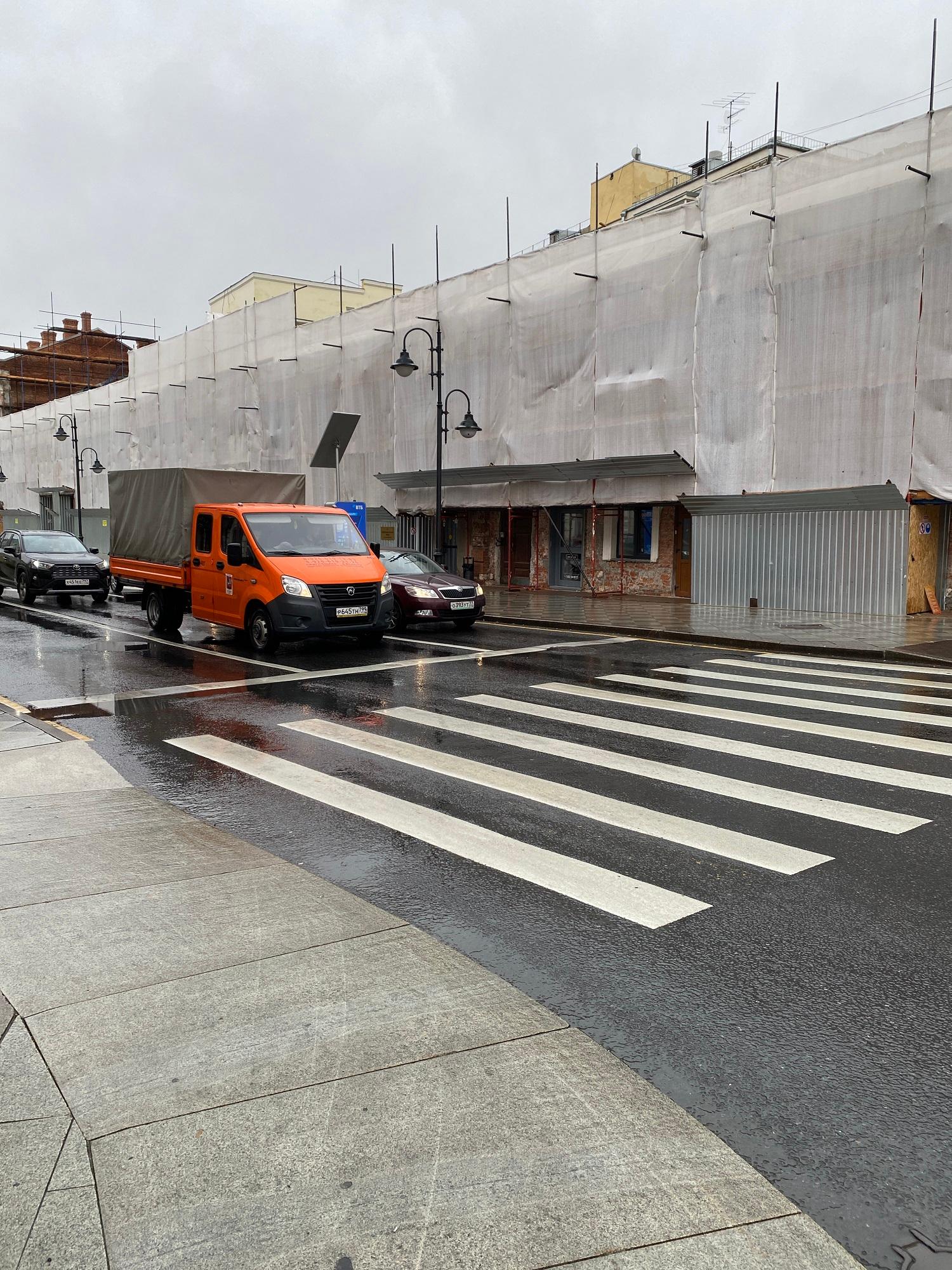
На месте современного дома № 2/38, в XVIII веке находилась «фартинная изба» – Высоко-Пятницкий казённый питейный дом. Ещё в XVI веке при Иване Грозном в России возникла система винных откупов. Царь запретил продавать в Москве водку, но для опричников завёл «царёв кабак». Нововведение самодержцу понравилось, и он повелел открывать кабаки и в иных местах. Так появился откуп – система сбора с населения государственных доходов, при которой государство за определённую плату передаёт право сбора частным лицам - откупщикам. Ведал торговлей в кабаках целовальник, то есть откупщик. При вступлении в должность он приносил присягу и целовал крест – отсюда и название. В середине XVIII века кабаки заменили «казёнными питейными домами», которые называли также «фартинными избами» от слова фартина – штоф, кварта, две кружки (мера жидкости). Но суть осталась прежняя. При Екатерине II была учреждена комиссия для рассмотрения винных и соляных сборов, которая пришла к решению сохранить винные откупа. Вино заготовляла казённая палата с государственных или частных заводов. Вино поступало в казённые магазины, а оттуда уже отпускалось в питейные дома. Просуществовали откупа до 1861 года, когда были заменены акцизами.
«Изба» на Пятницкой была двухэтажная – деревянный верх на каменном первом этаже. Сгорело питейное заведение во время пожара 1787 года и более уже не восстанавливалось.
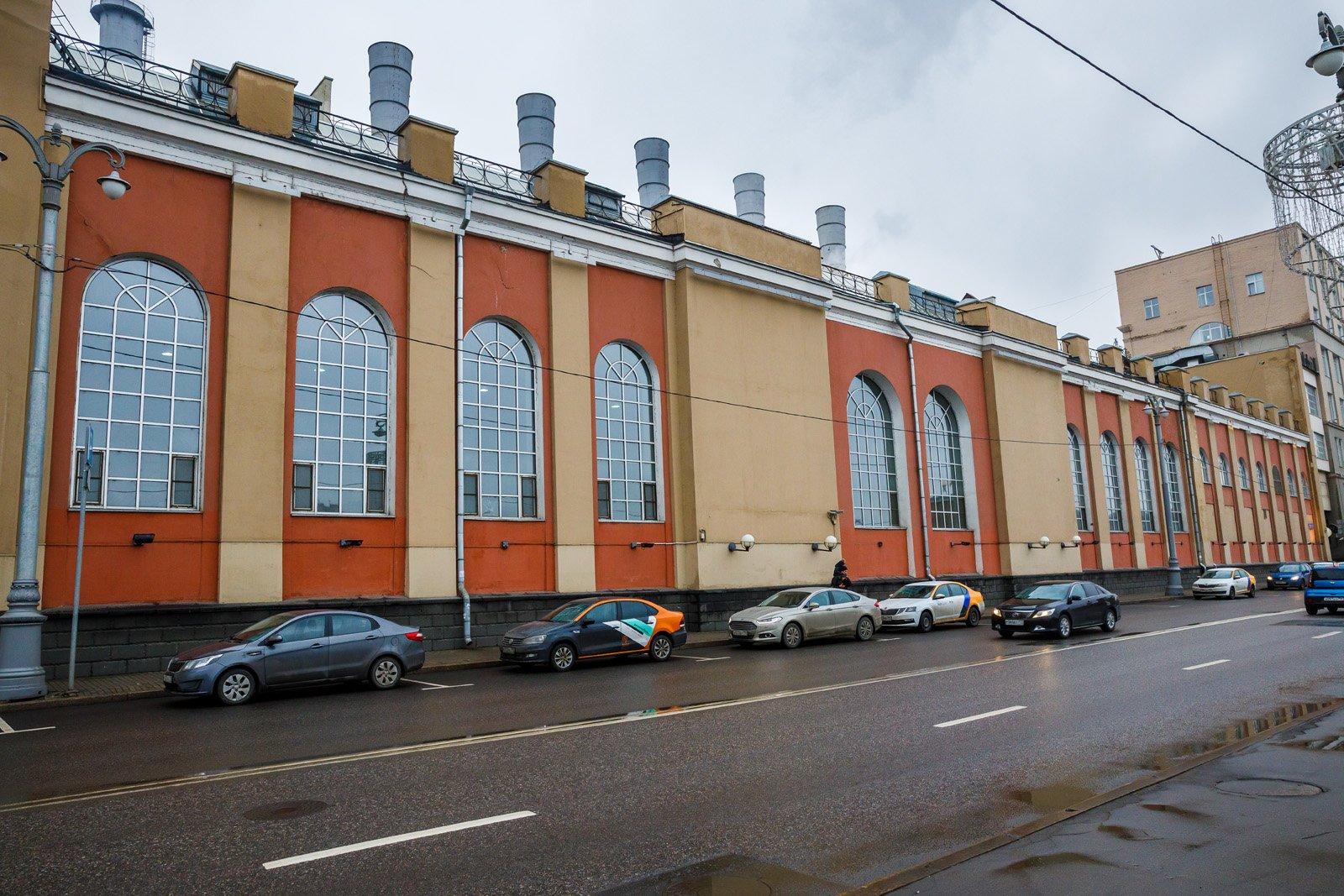
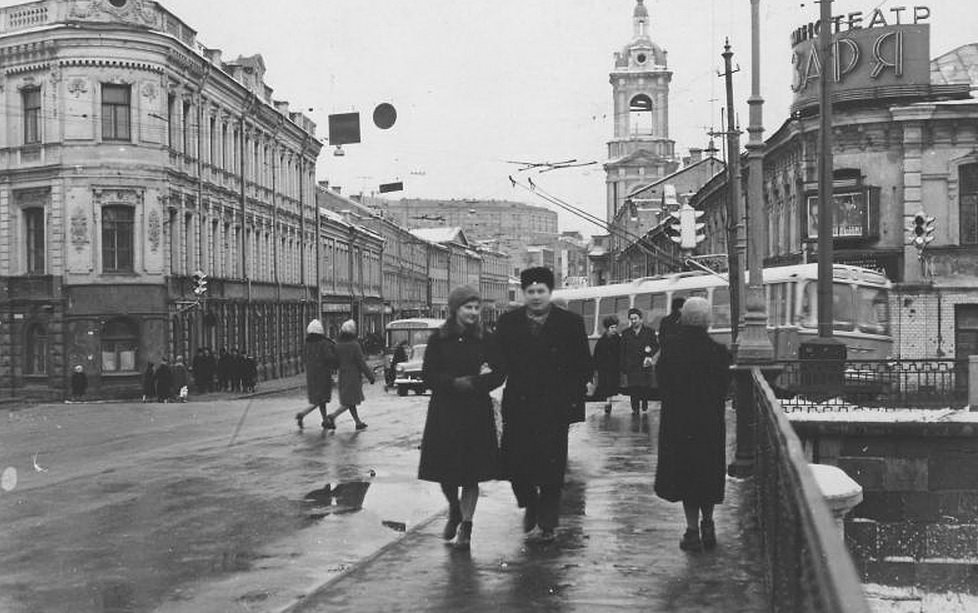
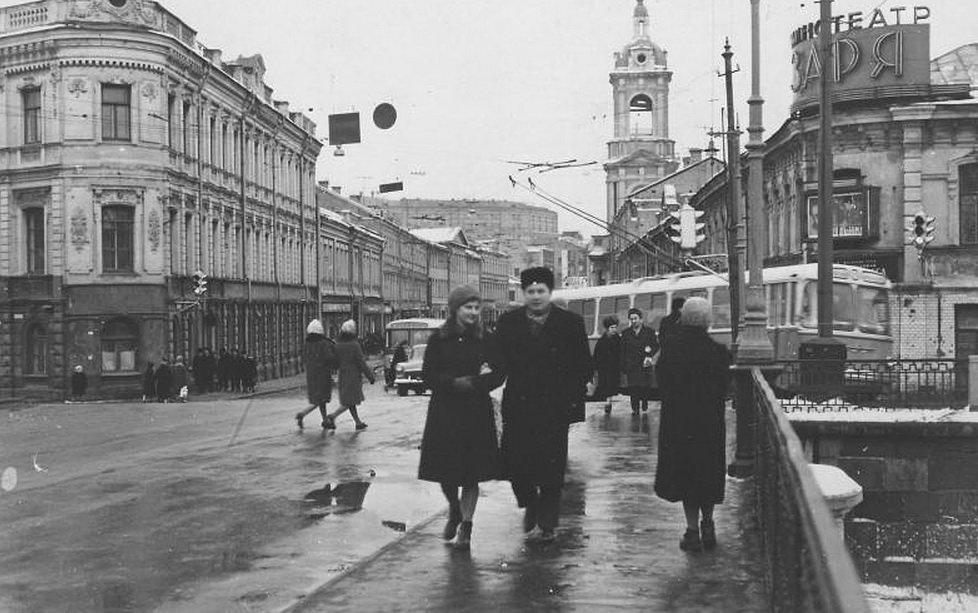
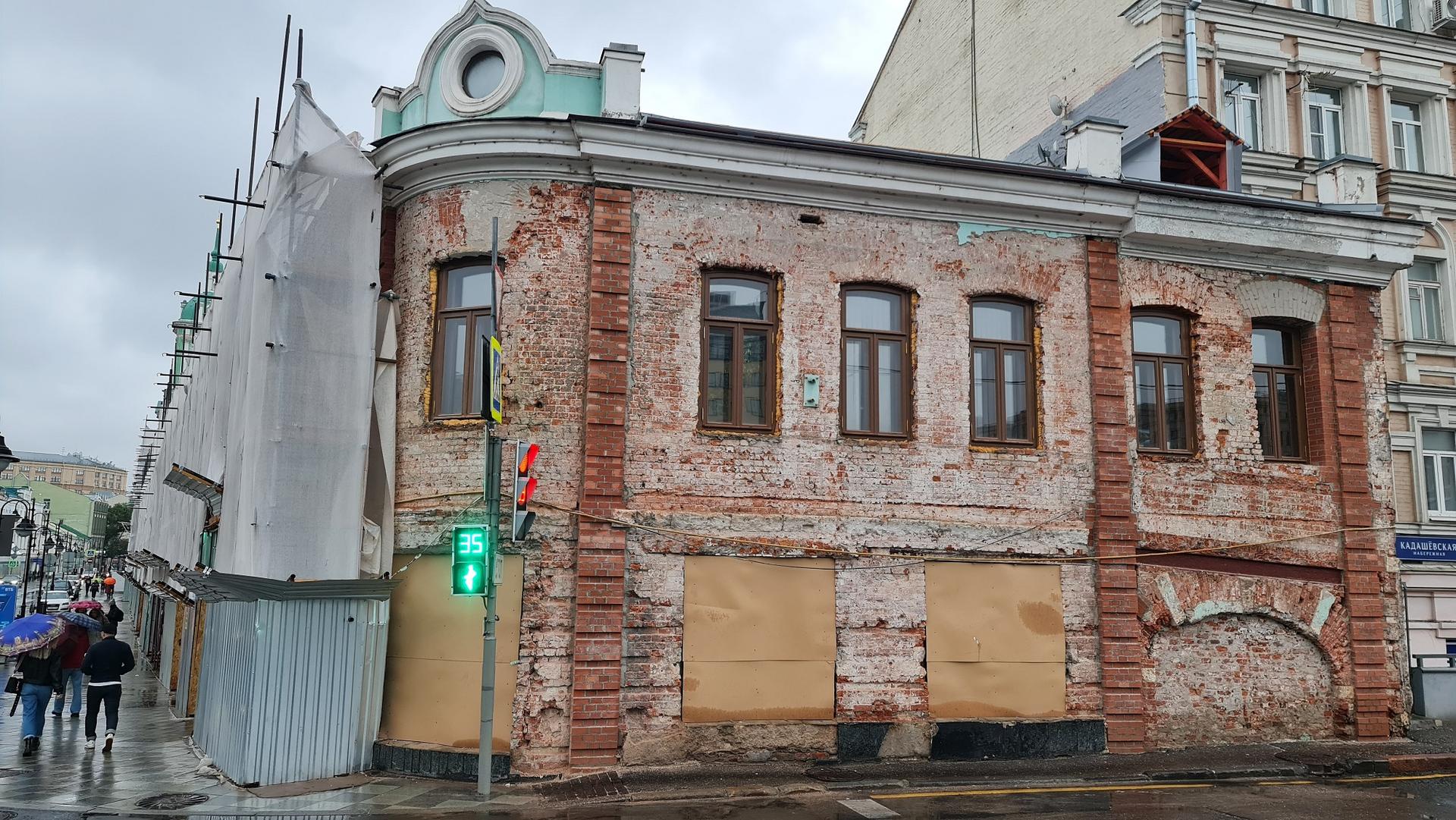
Это место было застроено несколькими небольшими домами, а в 1842 году все участки были объединены и все двухэтажные дома перестроены купцом Ф. Кузнецовым. С 1887 года и до революции оно принадлежало фабрикантам Мещериным. В этом доме хотела открыть первый кинотеатр купчиха А. Е. Белоярцева в 1897 году, тогда называемый Пятницкий электротеатр А.Е Белоярцевой, на что ей было дано разрешение. В начале ХХ века синематограф сменил владельца и стал называться Большой Парижский-Пятницкий электротеатр А. Гехтмана. В советское время он ещё раз поменял название на «Зарю». Этот самый старый кинозал сохранился до наших дней.
С 1917 по 1930 годы в этом доме жил известный художник и искусствовед Игорь Грабарь.
At the site of the modern house 2/38, in the XVIII century was "fartinnaya hut" - High-Pyatnitsky breech Pour House. The system of wine taxation implemented in Russia by Tsar Ivan the Terrible in the XVI century. Tsar forbade selling vodka in Moscow, but started "Tsar’s taverns" for his guardsmen. Tsar liked the innovation and commanded to open taverns in other places. Therefore, there was a taxation system to collect public revenues from the population where the state for a fee conveys the right to collect taxes to individuals - tax-farmers.
At the site of the modern house 2/38, in the XVIII century was "fartinnaya hut" - High-Pyatnitsky breech Pour House. The system of wine taxation implemented in Russia by Tsar Ivan the Terrible in the XVI century. Tsar forbade selling vodka in Moscow, but started "Tsar’s taverns" for his guardsmen. Tsar liked the innovation and commanded to open taverns in other places. Therefore, there was a taxation system to collect public revenues from the population where the state for a fee conveys the right to collect taxes to individuals - tax-farmers.
Tselovalnik (kisser), i.e. tax-farmer was in charge of trade in taverns. On entering the job, he took an oath and kissed the cross - hence the name tselovalnik (kisser). In the middle of the XVIII century, taverns replaced by "breech drinking houses", which are also called "fartinny huts" from the word fartina - the quart, two mugs (measure of liquids). However, the essence remains the same. When Catherine II established a commission to review the wine and salt duties, which came to the decision to preserve wine repurchase. Treasury Chamber harvested wine from public or private plants. Wine came to breech shops, and from there went to drinking houses. Tax farmers lasted until 1861, when they were replaced by excises.
"Hut" on Pyatnitskaya was two - storey building with wooden top based on the stone ground floor. It burned down during a fire in 1787 and was not restored.
This place was built on by several small houses, and in 1842 all sites were combined and all two-storey houses rebuilt merchant F. Kuznetsov. Since 1887 and until the revolution it belonged to the manufacturers Meshcherin. merchant's wife AE Beloyartseva opened the first cinema In this house in 1897. Then it called Pyatnitsky Electrotheater of AE Beloyartseva and she got a permition for that. In the early twentieth century, cinematography changed hands and became known as the Grand Paris-Pyatnitsky Electrotheater of A. Gehtman. In Soviet times, it changed the name again to Zarya (Dawn). This is the oldest cinema survived until our days.
The famous painter and art historian Igor Grabar lived in this house from 1917 to 1930. Now it houses the State Symphony Capella of Russia.