Интерактивный гид по городу
С мобильным приложением бродить по городу гораздо интереснее!

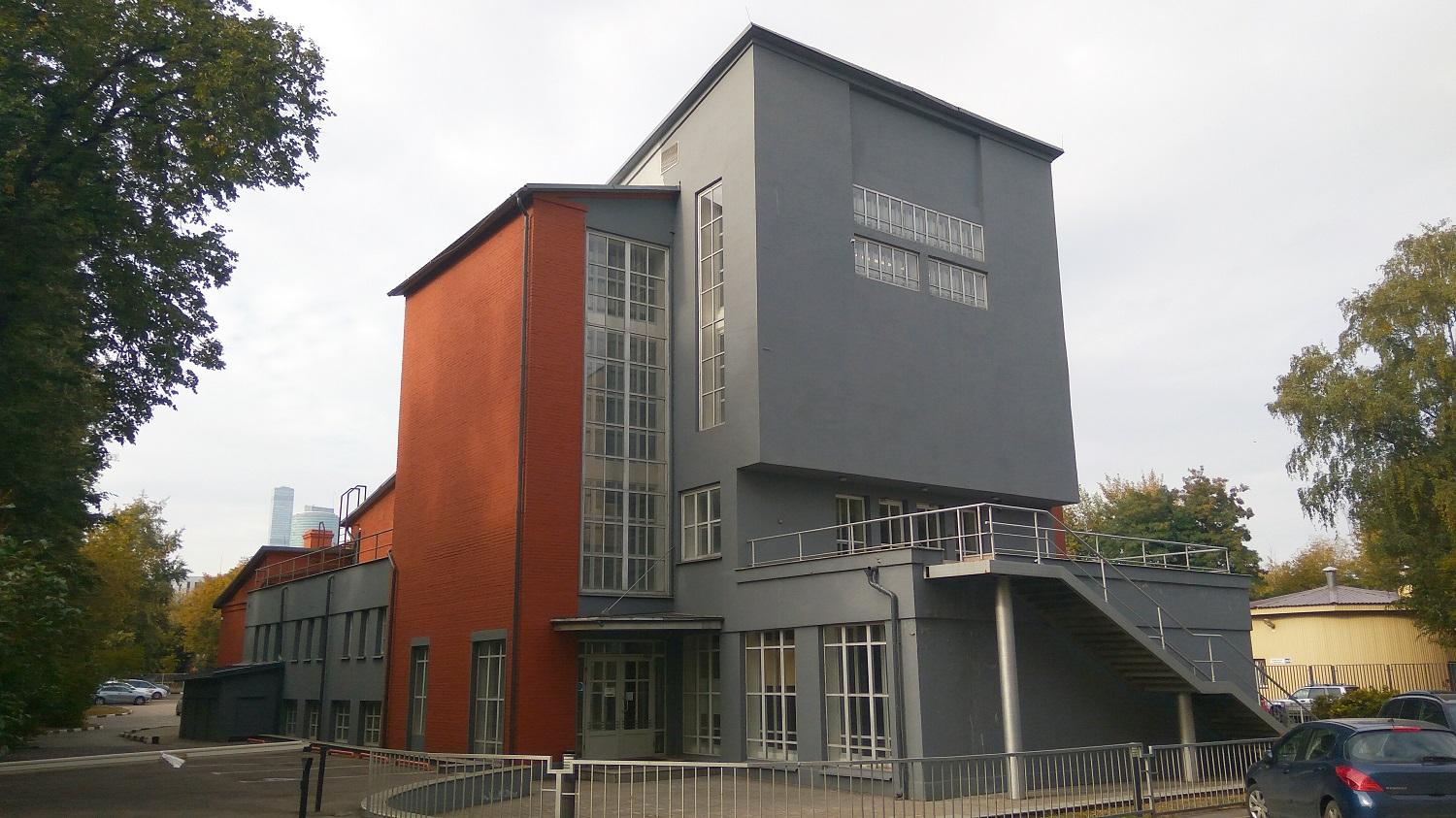
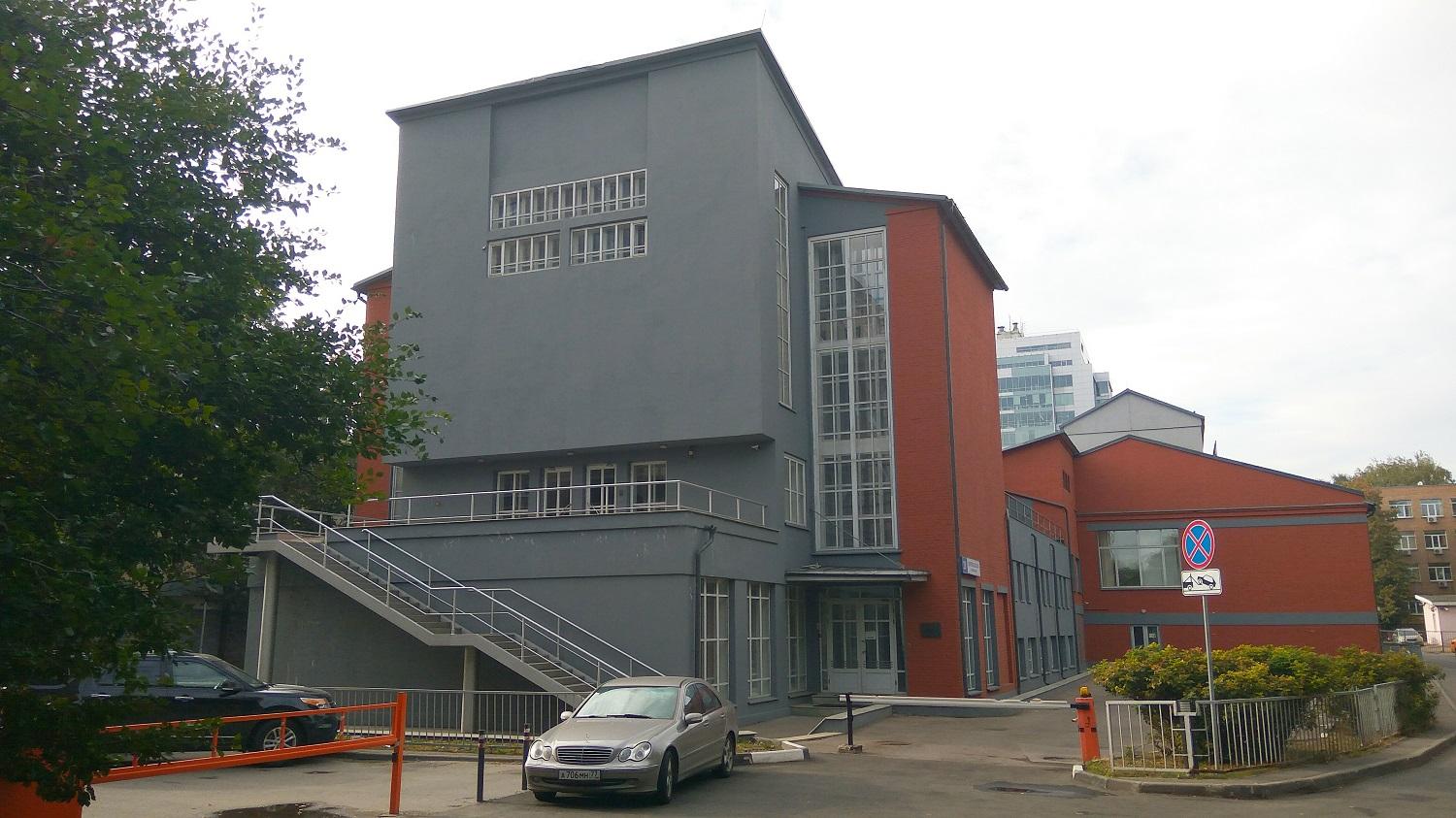
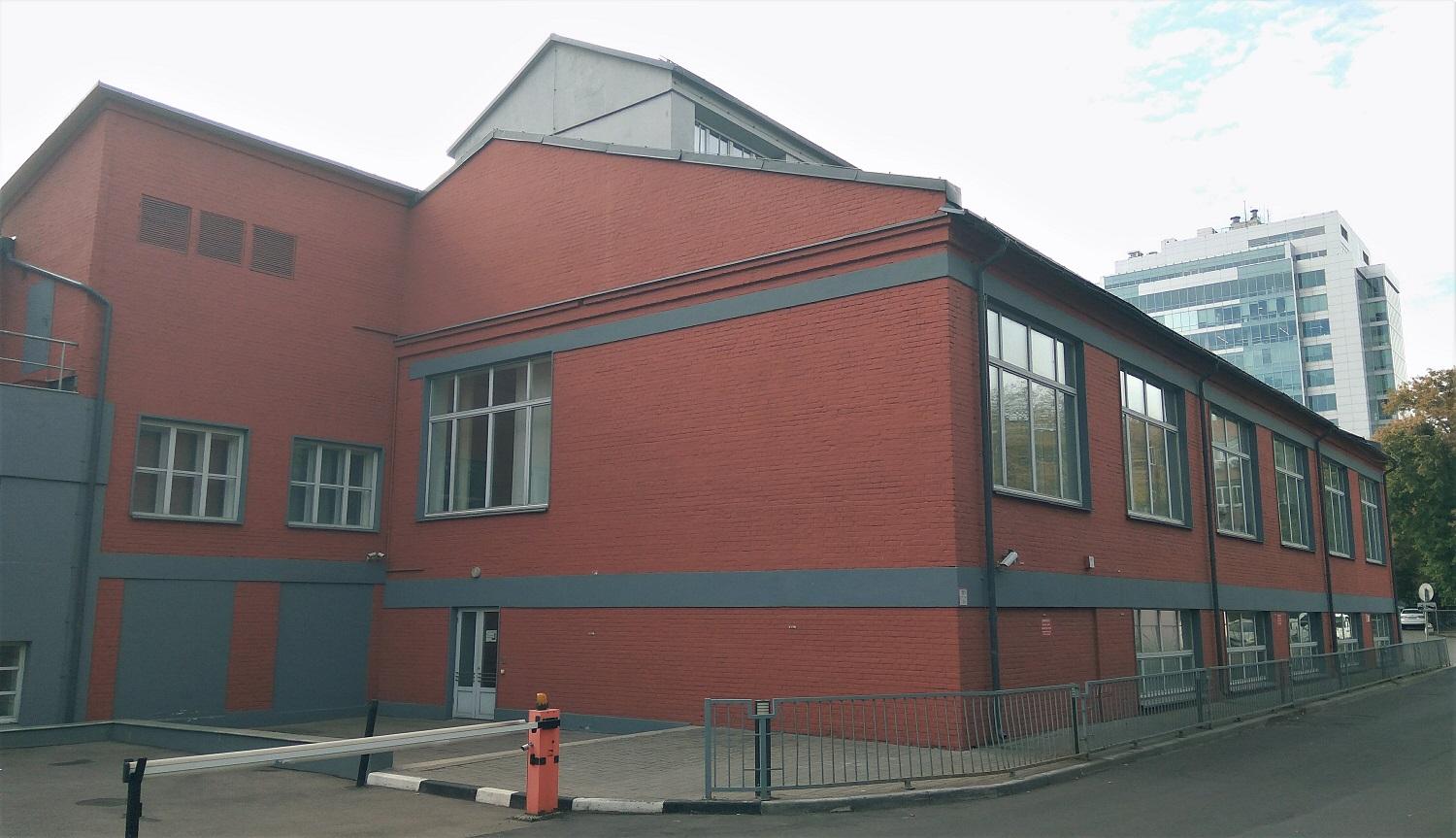
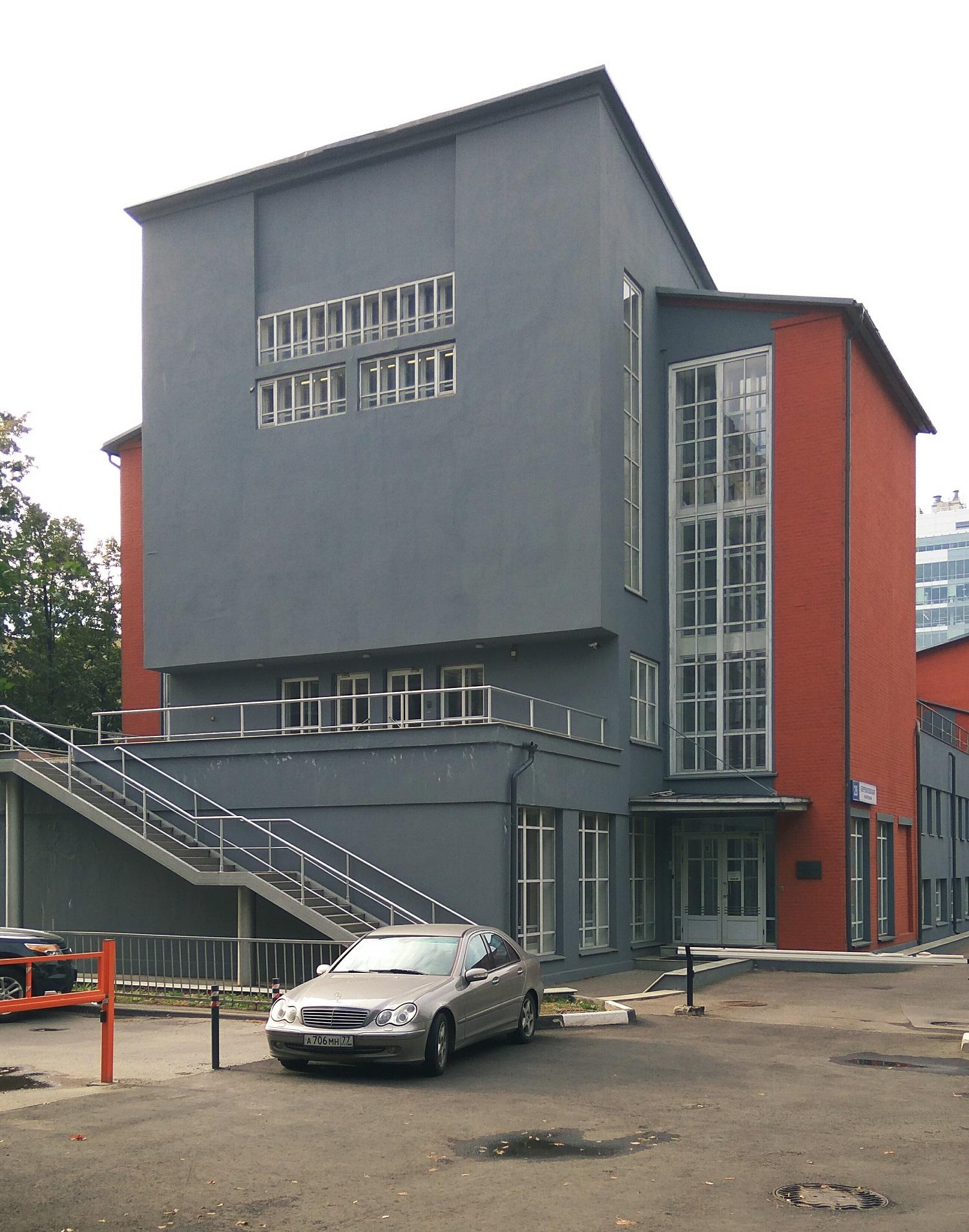
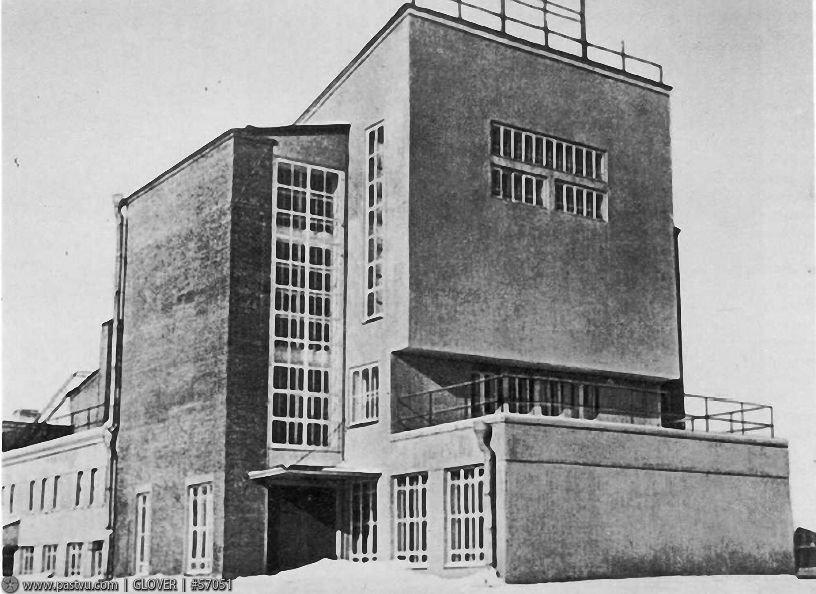
The club of the Dorogomilovsky Factory named after Frunze

The architect managed to cleverly combine compact size and monumentality.

The club of the Dorogomilovsky Factory named after Frunze
Kutuzovskaya, Studencheskaya, Sportivnaya
The architect managed to cleverly combine compact size and monumentality.
3.10
Вы можете воспользоваться QR-кодом, чтобы открыть эту страницу в нашем приложении
Архитектурный стиль:
Годы постройки:
1927-1928
Архитекторы:
Эпоха:
1920s
Информация о здании

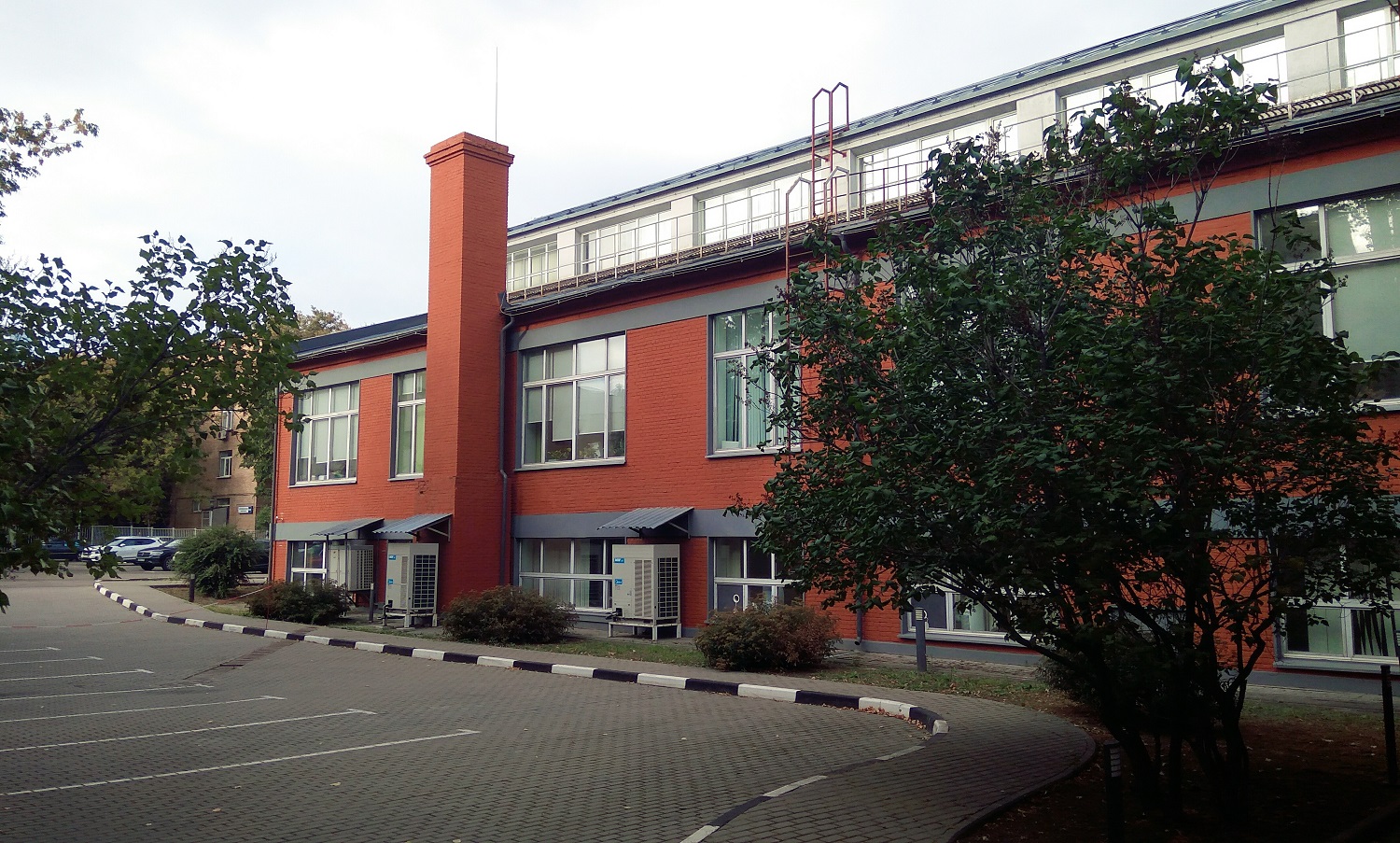
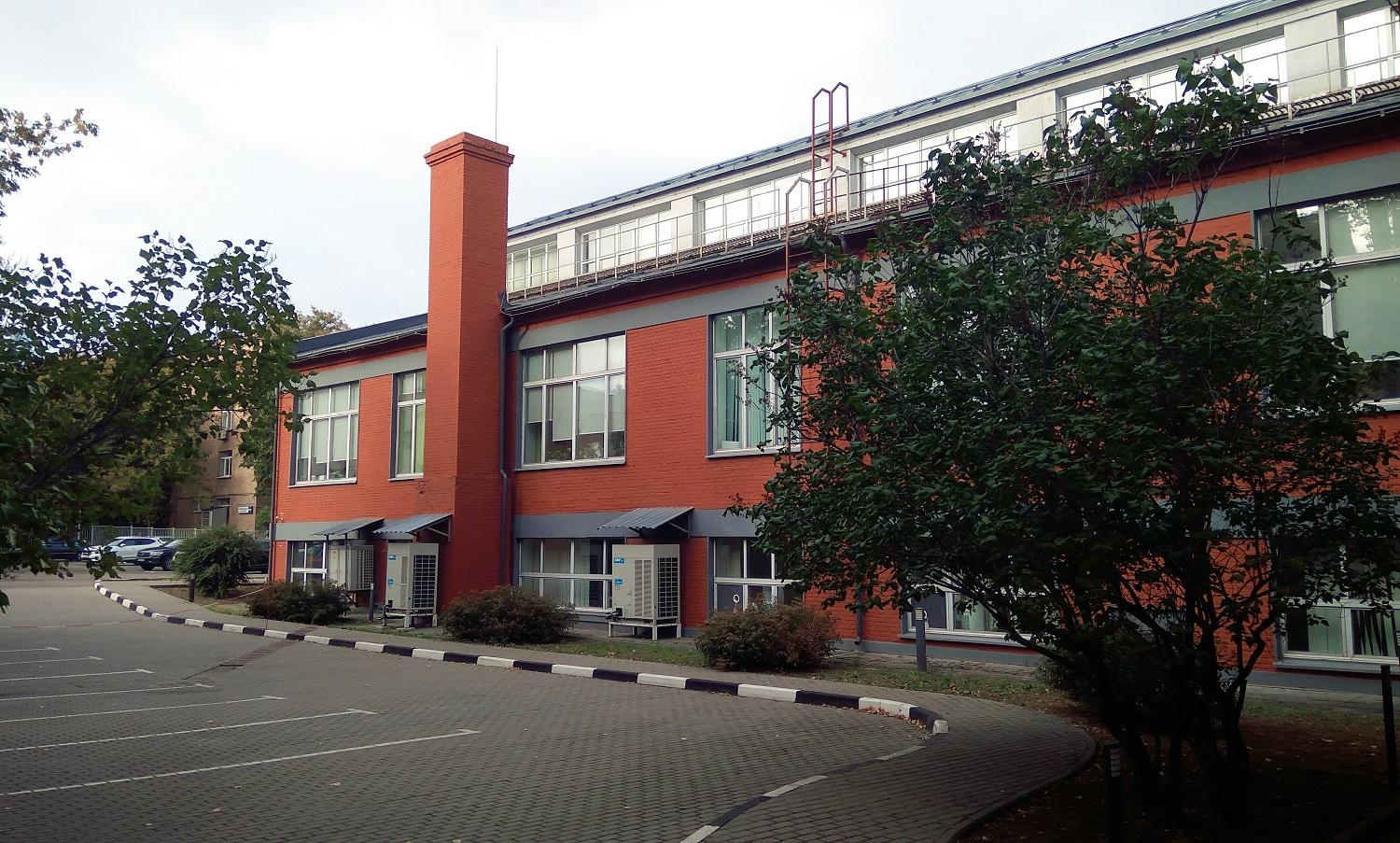
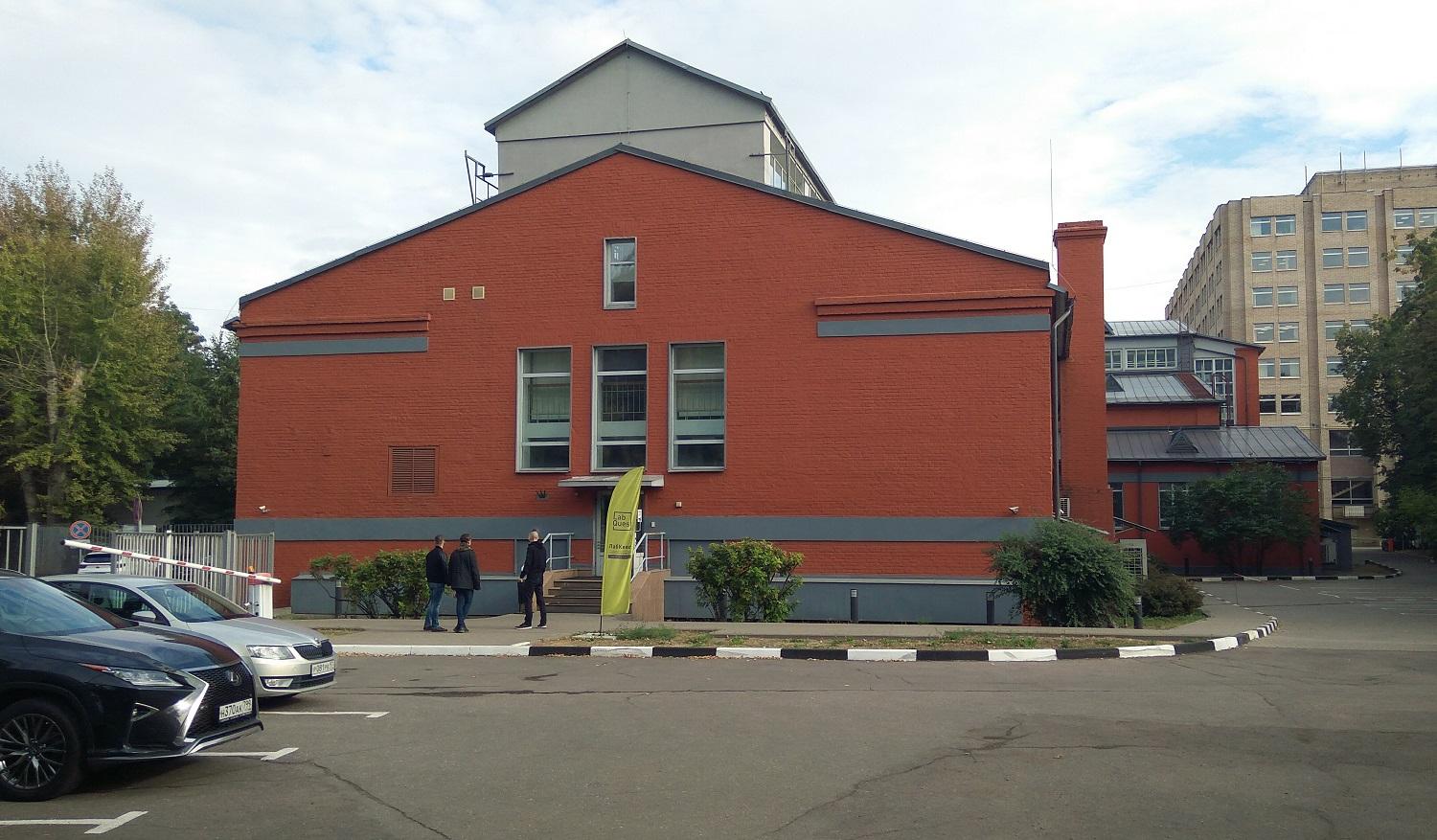
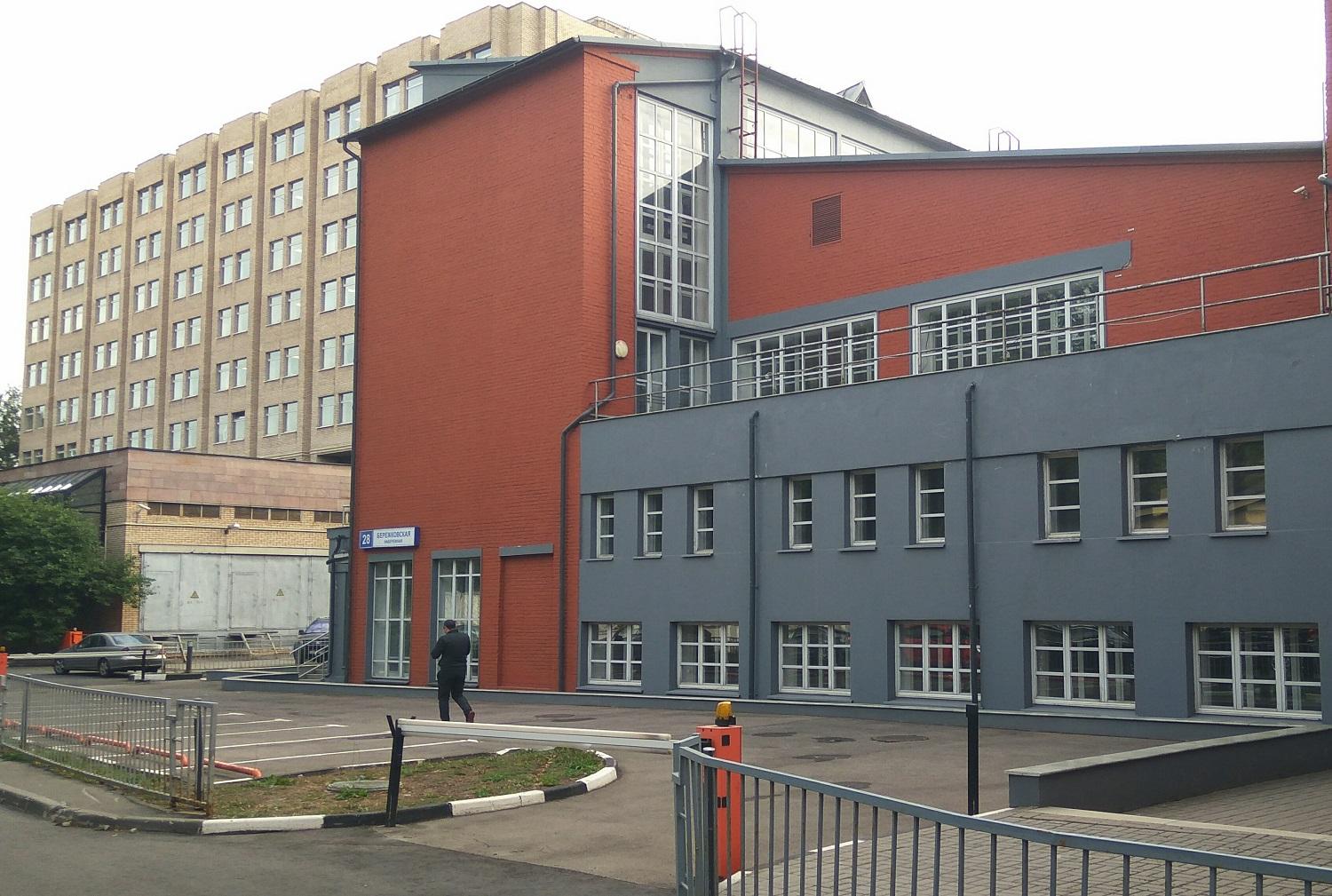
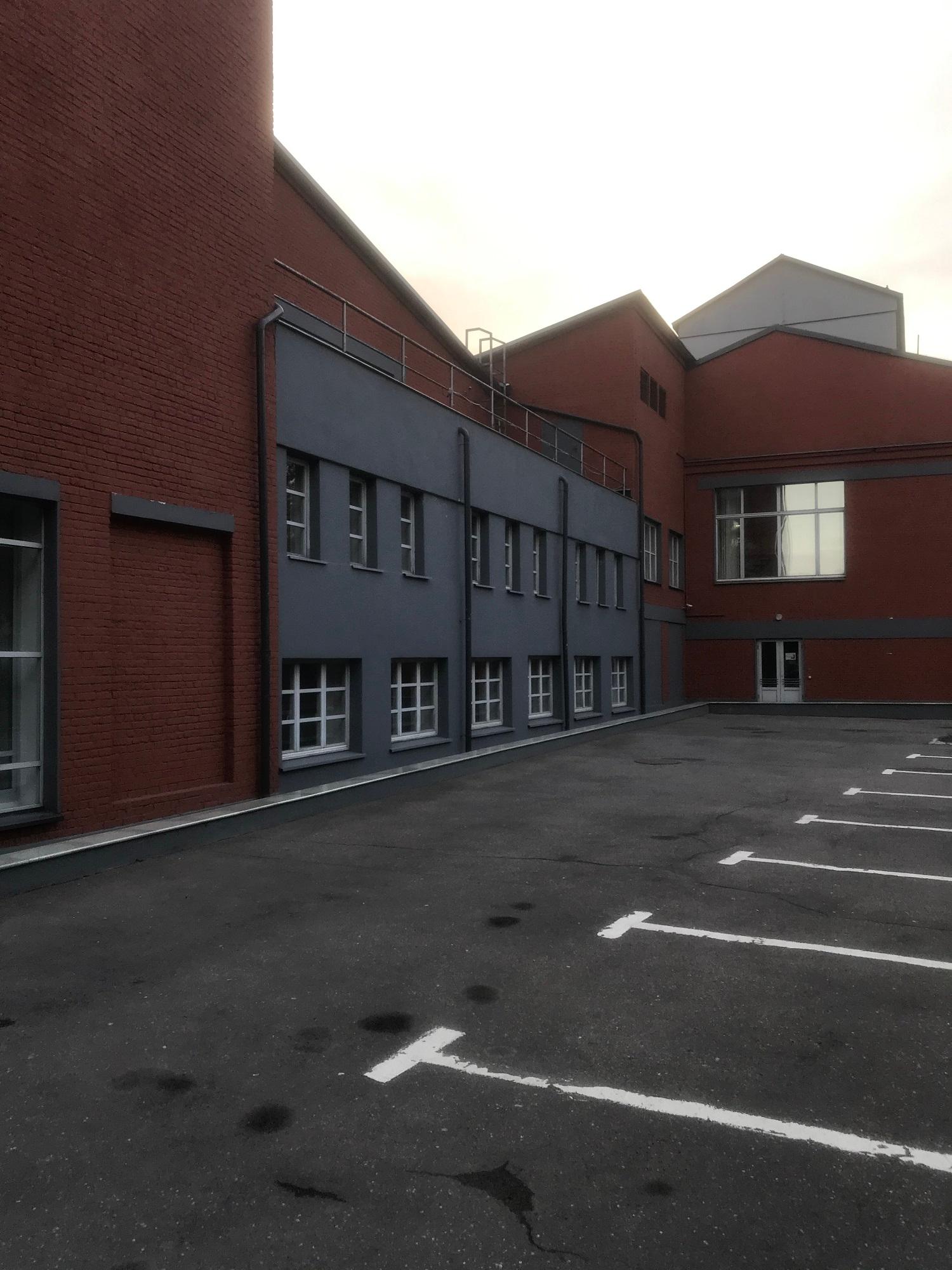
Самый простой по форме и наименьший по размеру клуб из созданных К.С. Мельниковым был построен в 1927–1929 годах. Его формы отражают практичность внутренней структуры. Архитектору удалось остроумно организовать все клубные процессы в компактном объеме и одновременно придать зданию в стиле "авангард" монументальность.

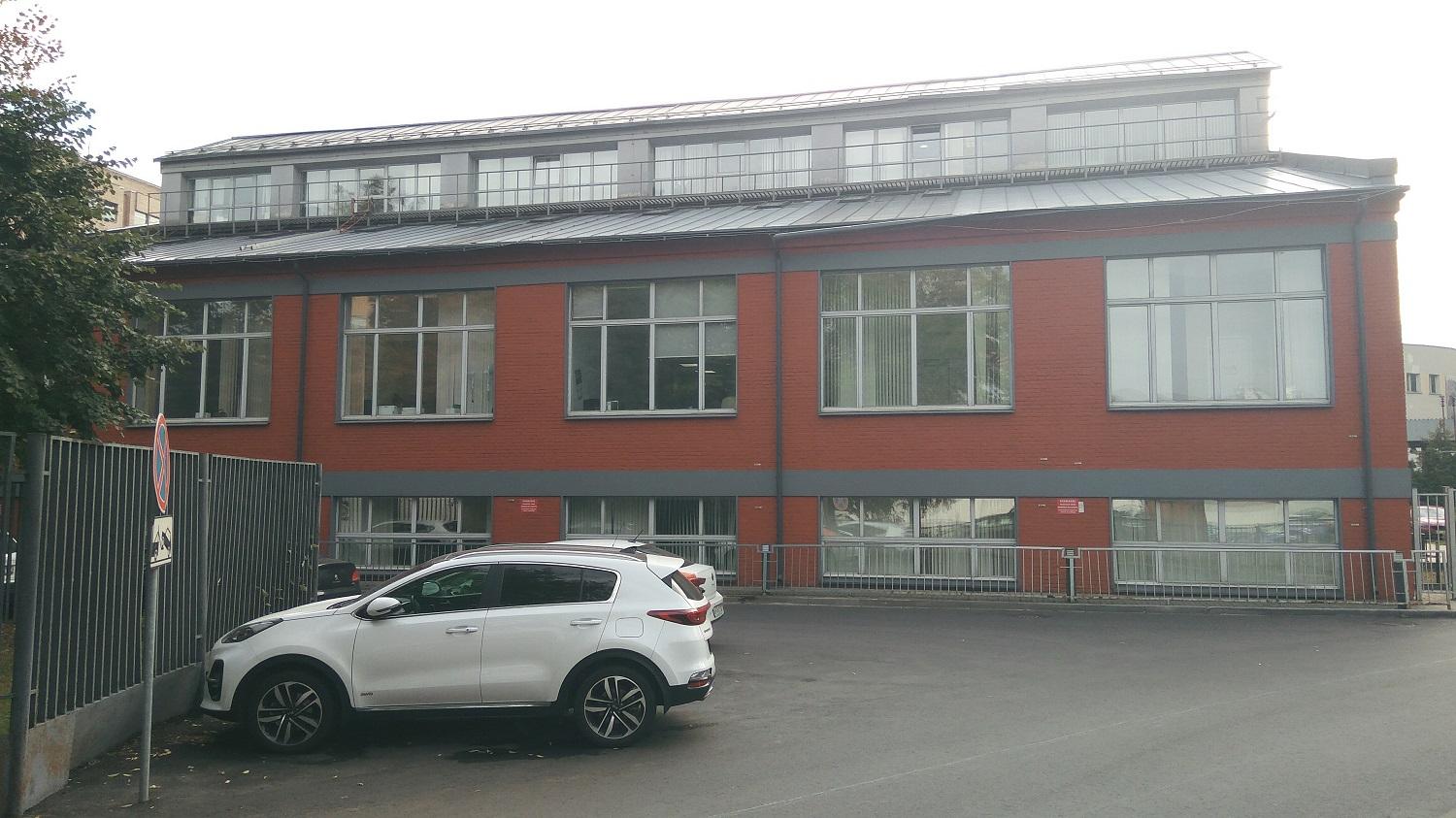
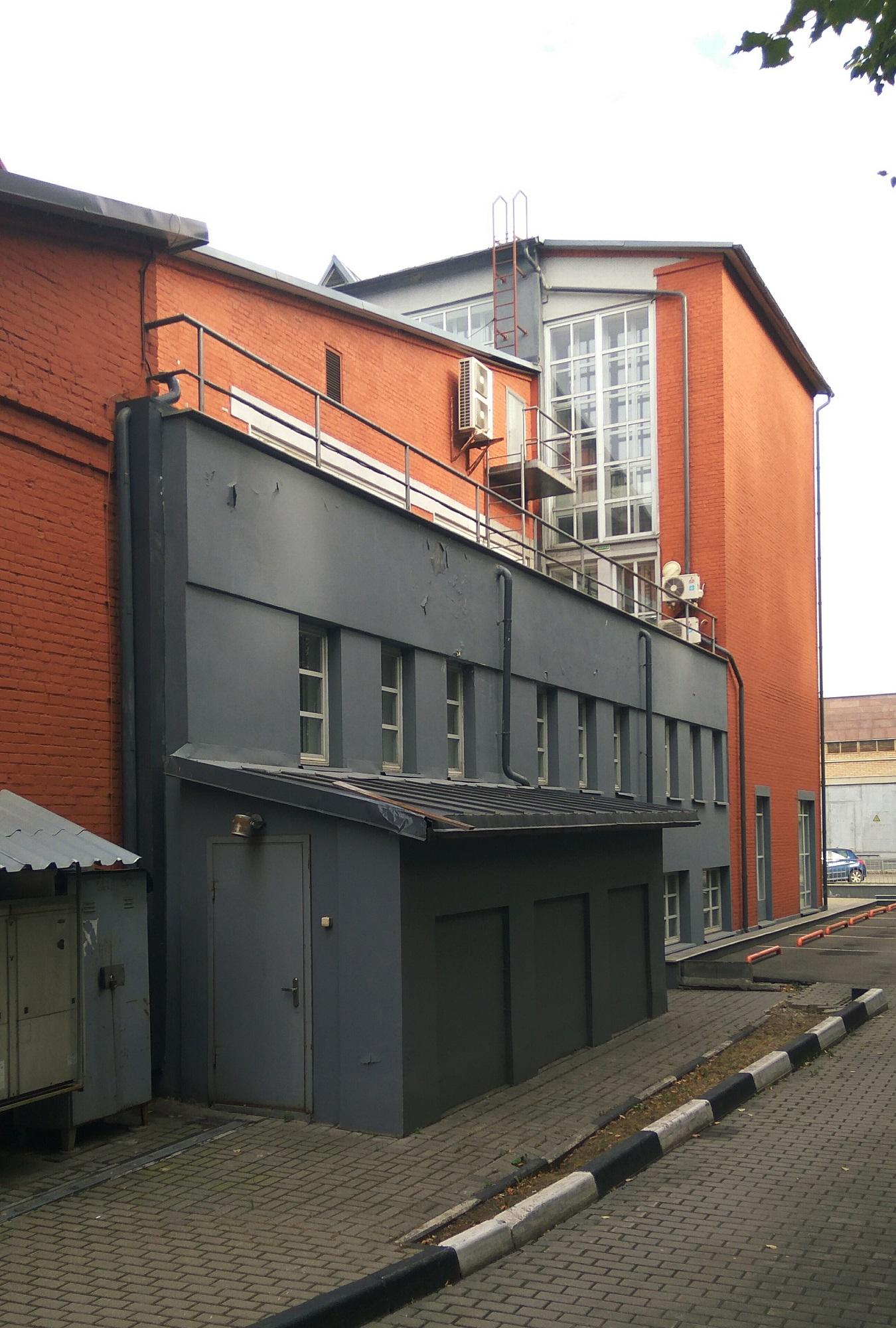
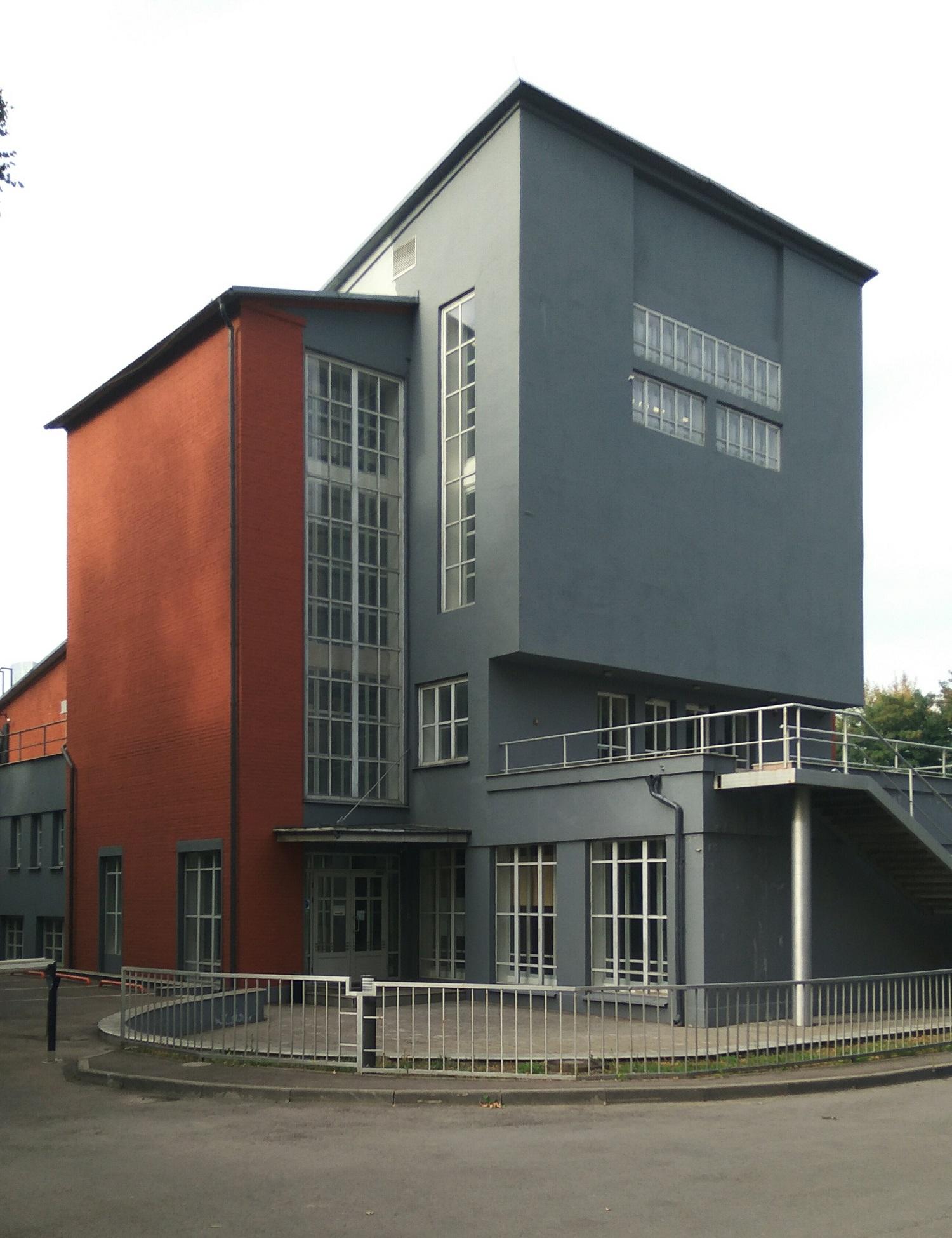
Зрительный зал всего на 300 мест — с этой цифры начиналась вместимость рабочих клубов – скомпонован в трехчастную четырехуровневую структуру. Внутренняя часть понижается от главного фасада в глубь двора, где расположена сценическая часть. Продольные стены его параллельны друг другу, зал расчленен на партер и два балкона, один над другим. Специальные ширмы-затворы должны были при необходимости превращать зал в три независимые аудитории. Фойе под первым балконом также можно было заполнить зрителями: его передняя стенка поднималась, открывая им вид на киноэкран из-под первого ряда балкона. Таким образом, пространство зала представляет собой гигантские ступени, накрытые двумя односкатными кровлями.

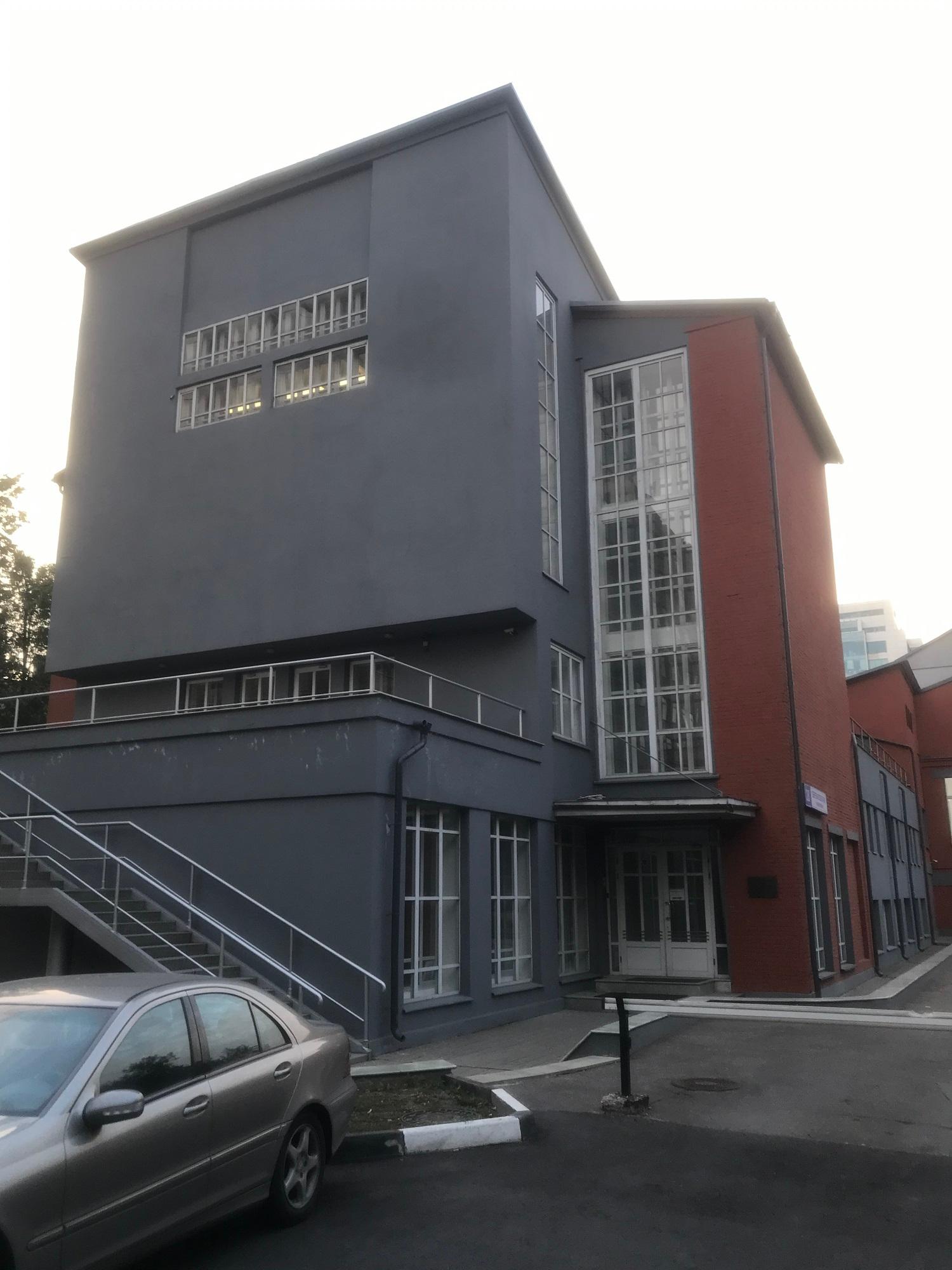
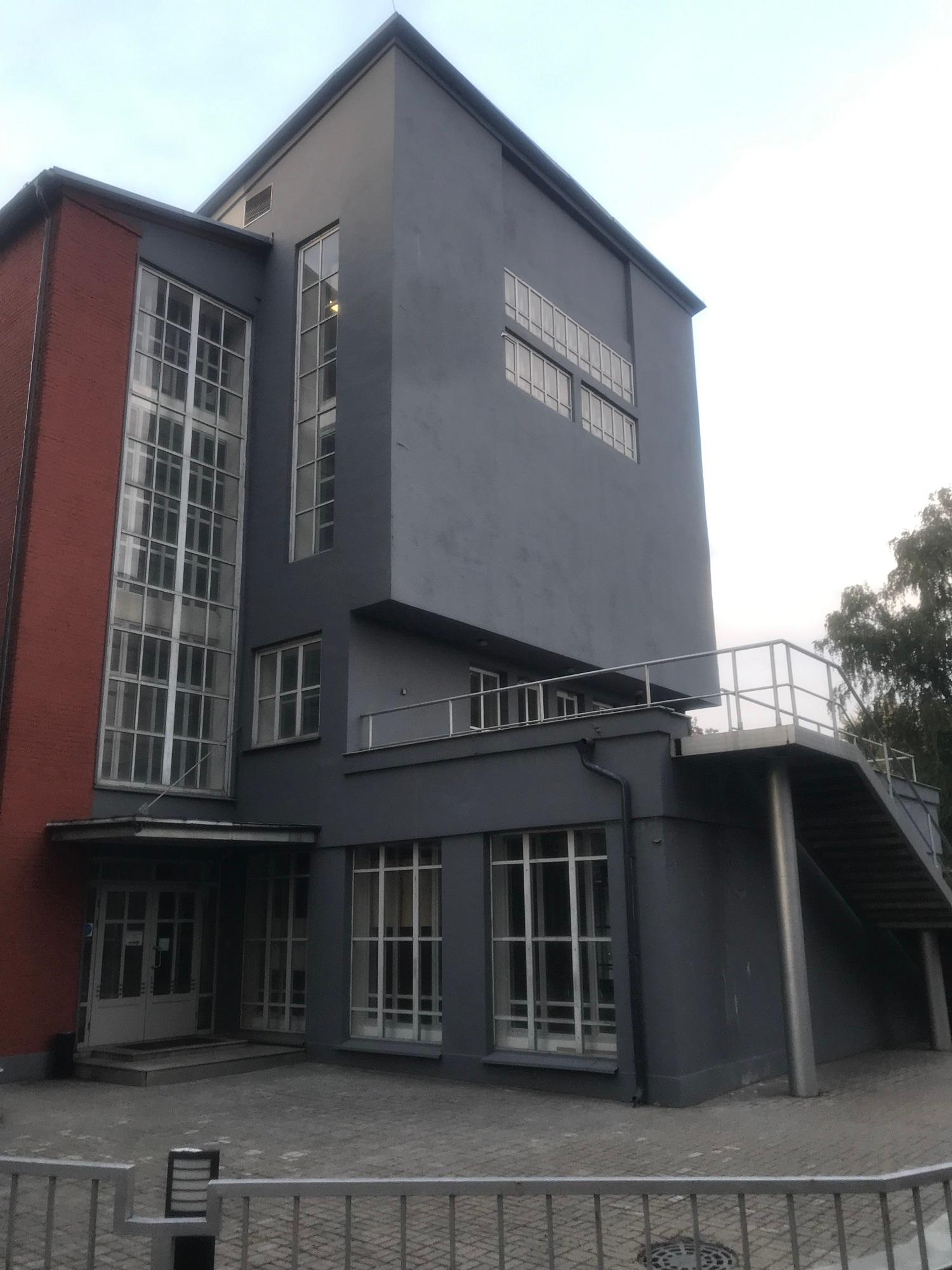
Лучше всего такая внутренняя структура прочитывается при взгляде на боковые фасады, на которые выходят террасы, устроенные вдоль зала.

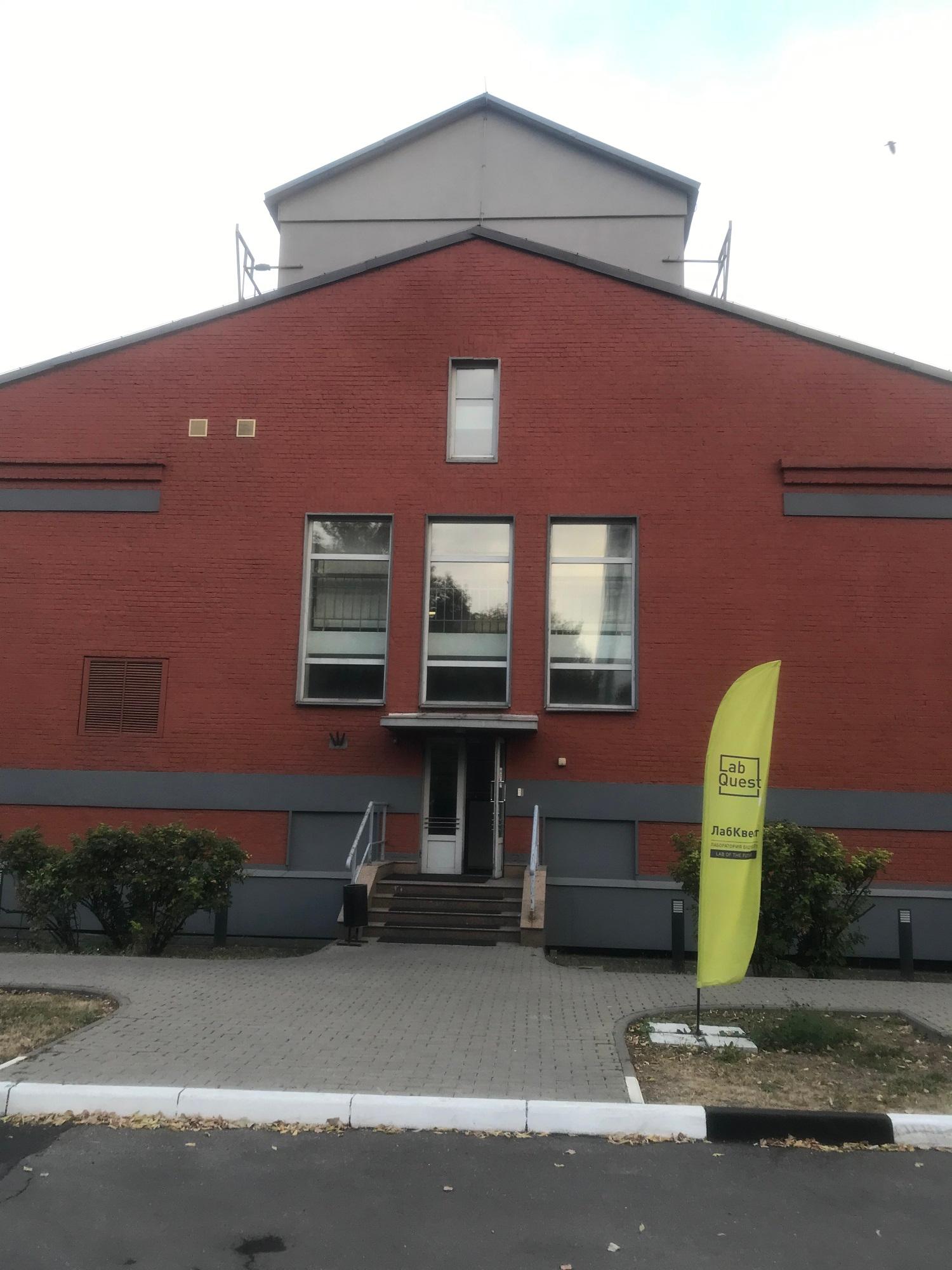
Зажатый между лестницами и выведенный вперед глухой объем переднего фойе прорезан горизонтальными окнами, а по бокам — узкими вертикальными, но центральная часть фронтальной стены оставлена под трафаретное панно с названием клуба. Перед ней была устроена открытая терраса (с площадки которой сквозь стеклянные двери и сейчас видна сцена и экран за ней). Простые параллелепипеды, составляющие объем клуба, лишены даже намека на декоративность, но чередование краснокирпичных и оштукатуренных плоскостей стен весьма эффектно, а односкатные кровли не только прагматичнее плоских, но и динамичнее по композиции.

Симметрия структуры клубного здания со зрительным залом была нарушена пристроенной с северной стороны фабрикой-кухней более традиционных форм.

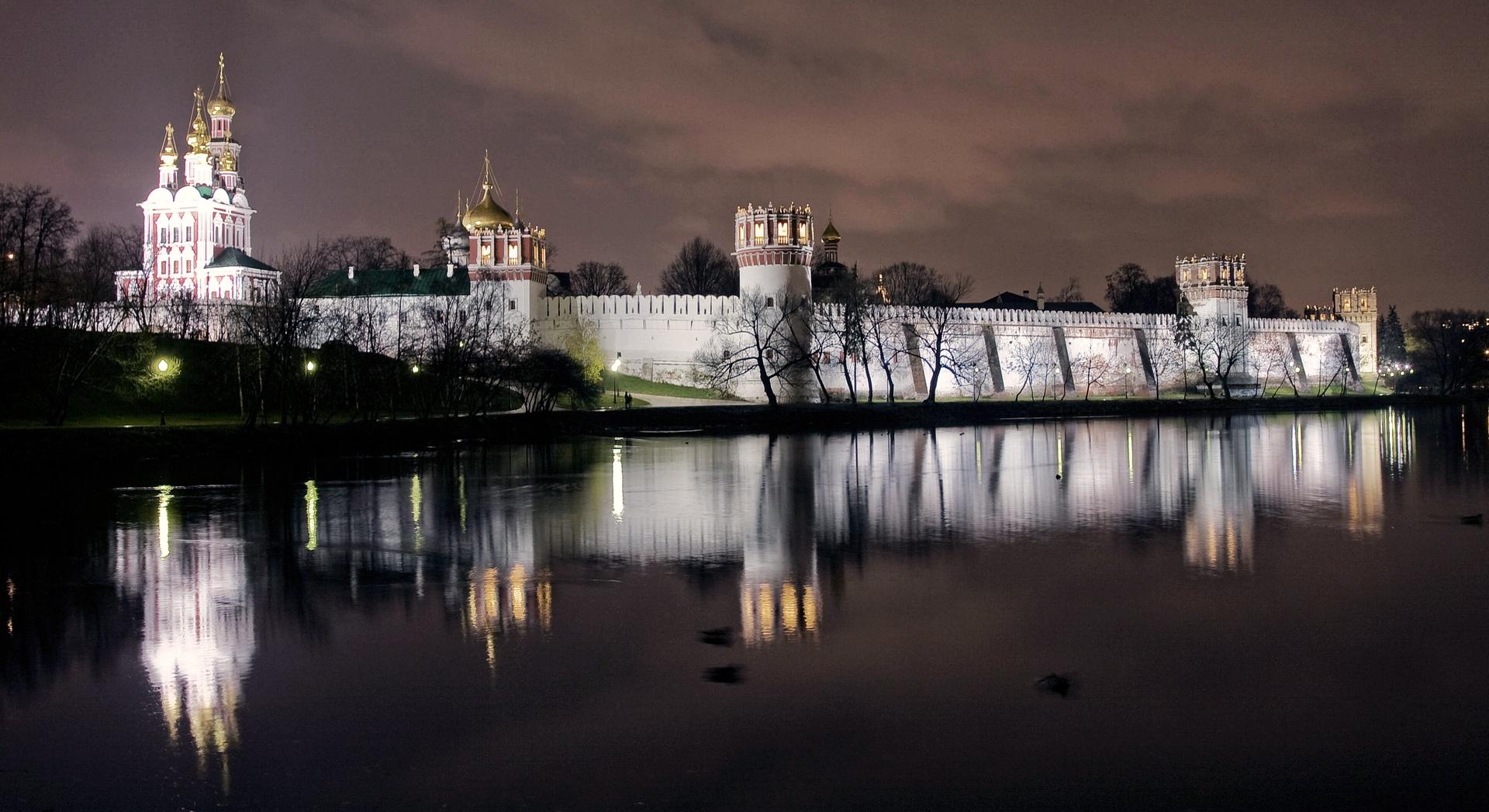
Между зданием и набережной был разбит парк, задуманный своеобразным отражением парка Новодевичьего монастыря напротив.

В 1990-е годы в здании располагался легендарный музыкальный клуб «Tabula Rasa», а после произошедшего пожара здание было реконструировано под офис банка, который так и не открылся.
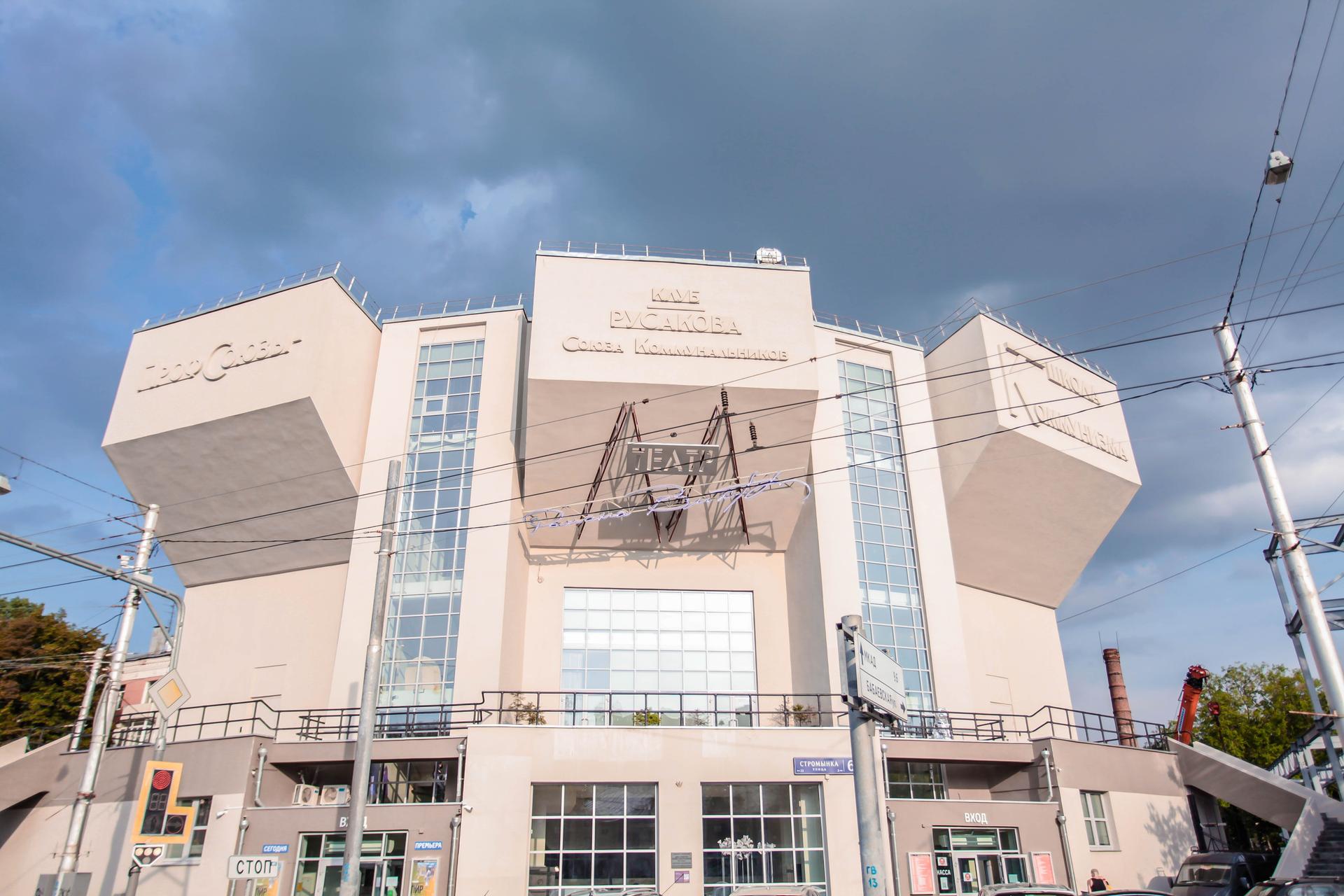
This club, the most simple in form and yet the smallest in size out of those designed by K. Melnikov, was built in 1927-1929. Its forms are reflecting the practicality of internal structure of the club. Architect managed to cleverly combine all club processes in a compact volume and at the same time make the building look monumental. The auditorium comprised out of 300 seats - the working clubs capacity was starting from this figure - is arranged in a three-part four-level structure. The interior goes down from the main facade to the depth of the yard, where the stage part is located. Its longitudinal walls are parallel to each other; the hall is partitioned into stalls and two balconies, one above the other. Special folding screens were supposed to, if required, turn the space into three separate independent halls. Foyer under the first balcony could also be filled by the audience: its front wall could rise to let them see the movie screen from above the first row of the balcony. Thus, the space of the hall is comprised in giant steps, covered with two single-lean roofs. Such an internal structure can be perfectly seen when you watch the side facades, which the terraces arranged along the hall are overlooking. Sandwiched between the stair cases and the drawn forth the remote volume of the front foyer is cut by the horizontal windows and on the sides - by the narrow vertical ones, but the central part of the front wall is left for the willow-pattern panel with the name of the club. In front of it there was an outdoor terrace (from the platform of which through the glass door you can still see the stage and the screen behind it). Simple parallelepipeds, which are comprising the volume of the club, are deprived of even a hint to decoration, but the alternation of red-brick and stucco surfaces of the walls is very impressive, and the single-slope roofs are not only more pragmatic than the plane ones, but more dynamic in composition. The symmetry between the structure of the club building and the auditorium was broken by the attached communal kitchen of more traditional forms built on the north side. Between the building and the riverwalk there was a park, which was conceived as a reflection of the park of the Novodevichy Convent which was located in front. In the 1990s, the building housed the legendary music club «Tabula Rasa», and after the fire the building was reconstructed to fit the office of the bank, which never opened.
Автор статьи: Николай Васильев
Рекомендации
Поделитесь статьей с друзьями
Интересное рядом(5)