Интерактивный гид по городу
С мобильным приложением бродить по городу гораздо интереснее!

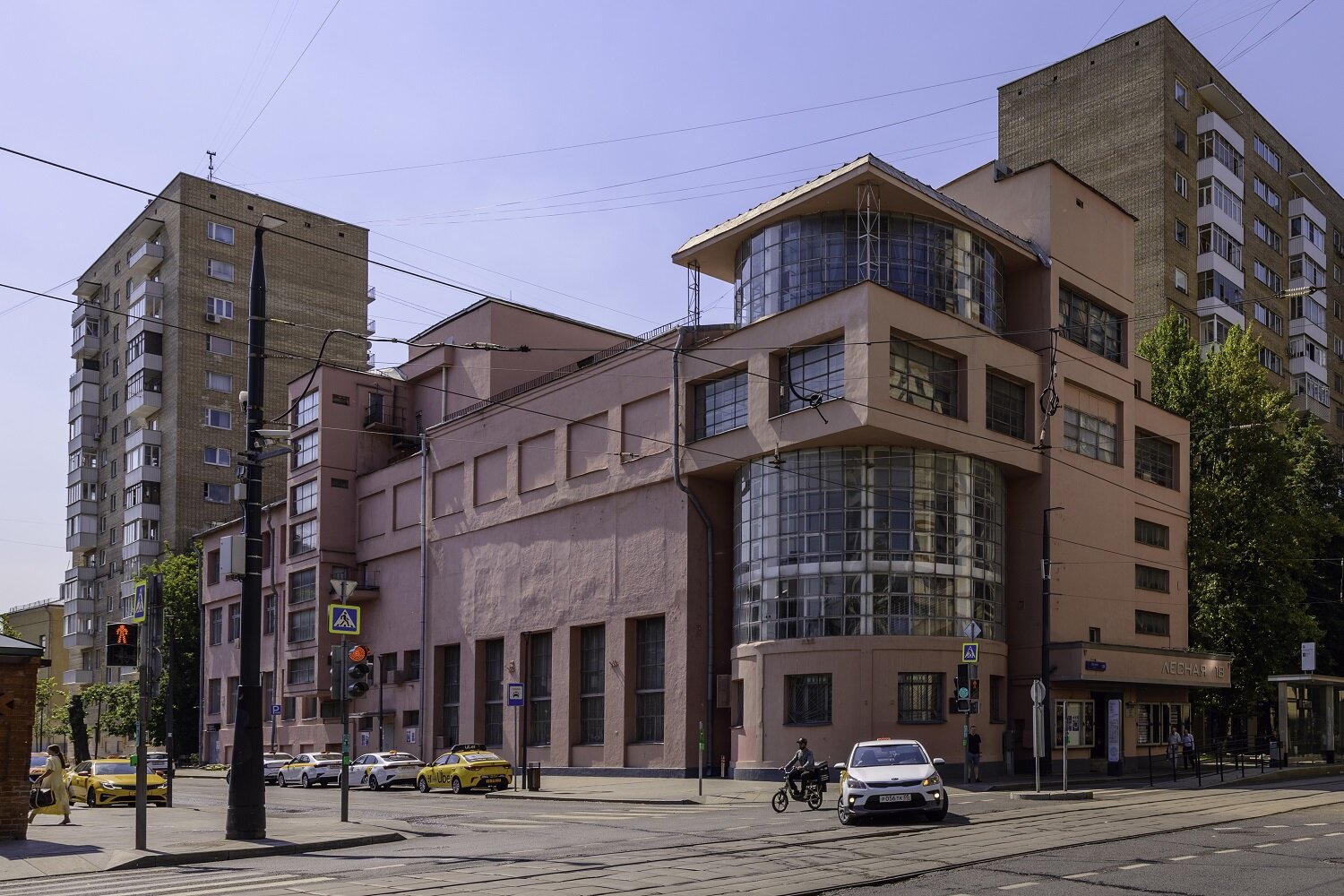
The club of communal workers union named after S.M. Zuev

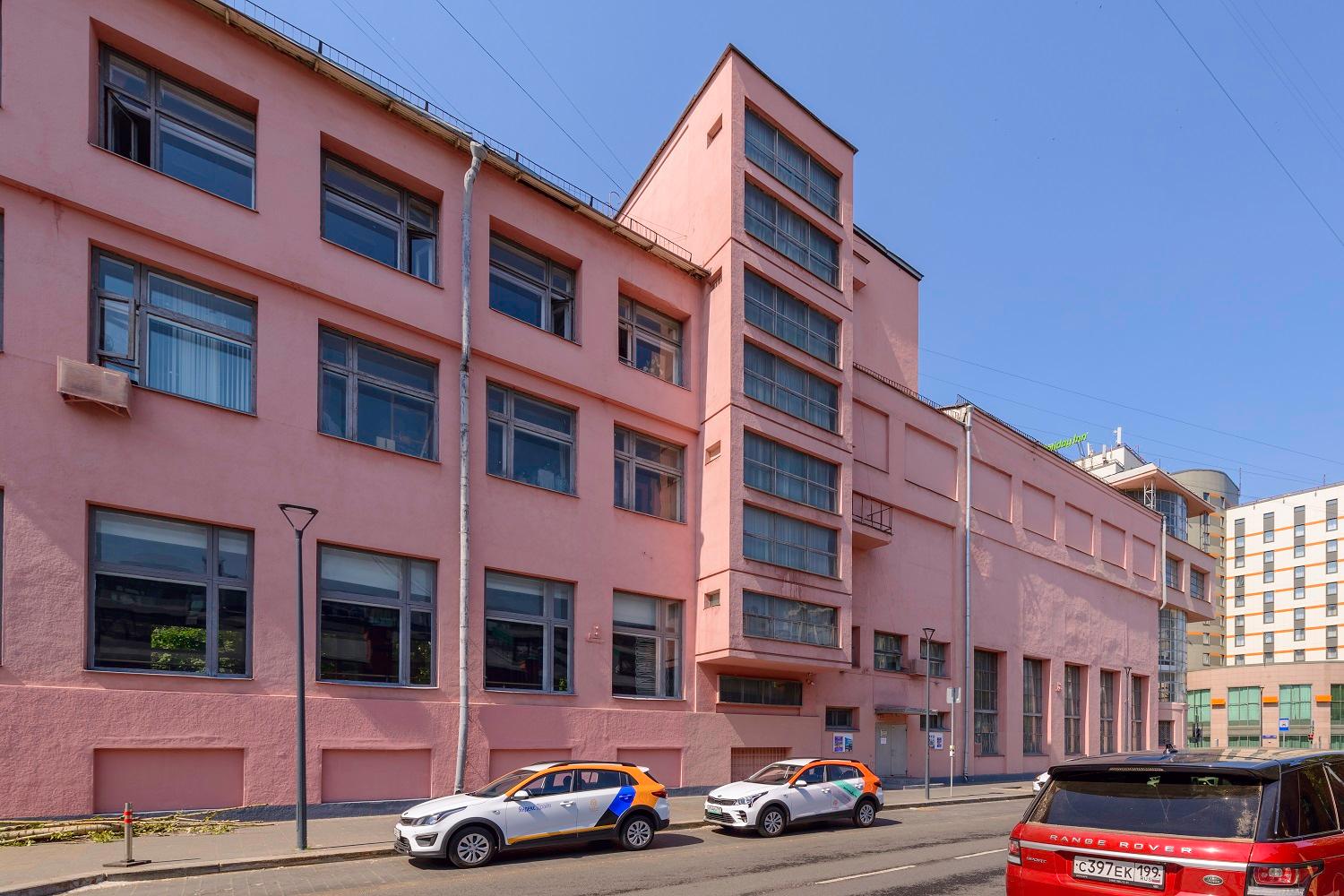
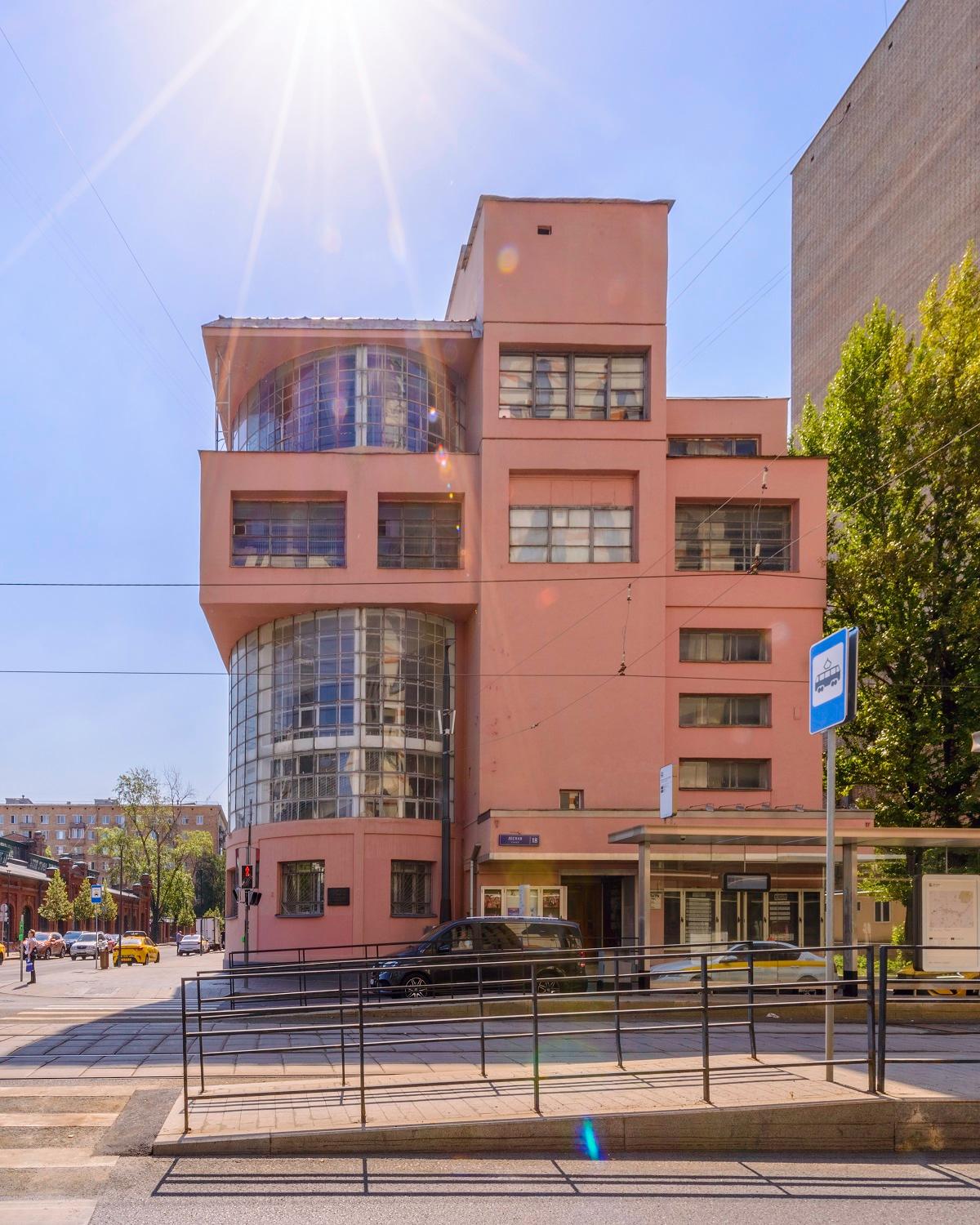
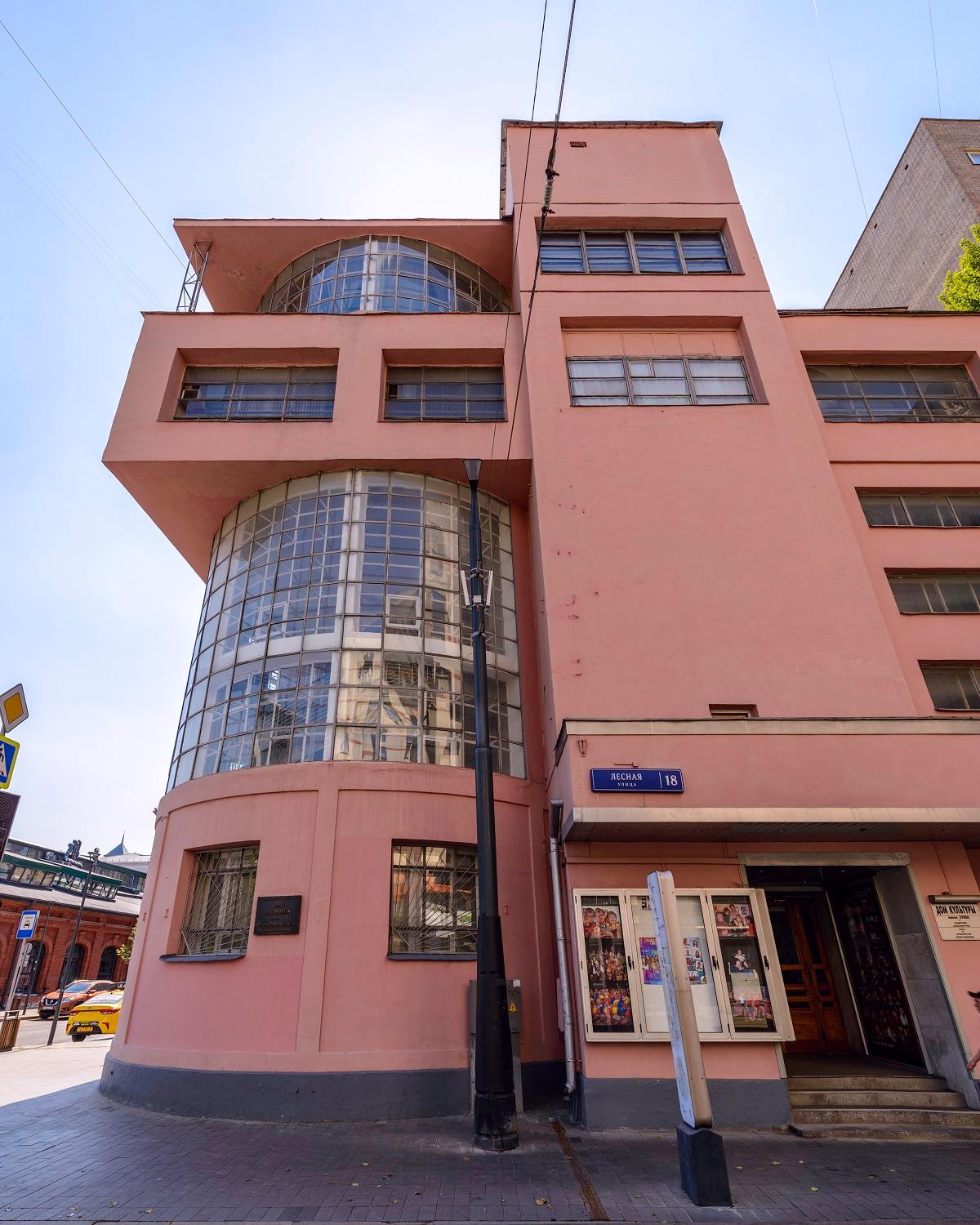
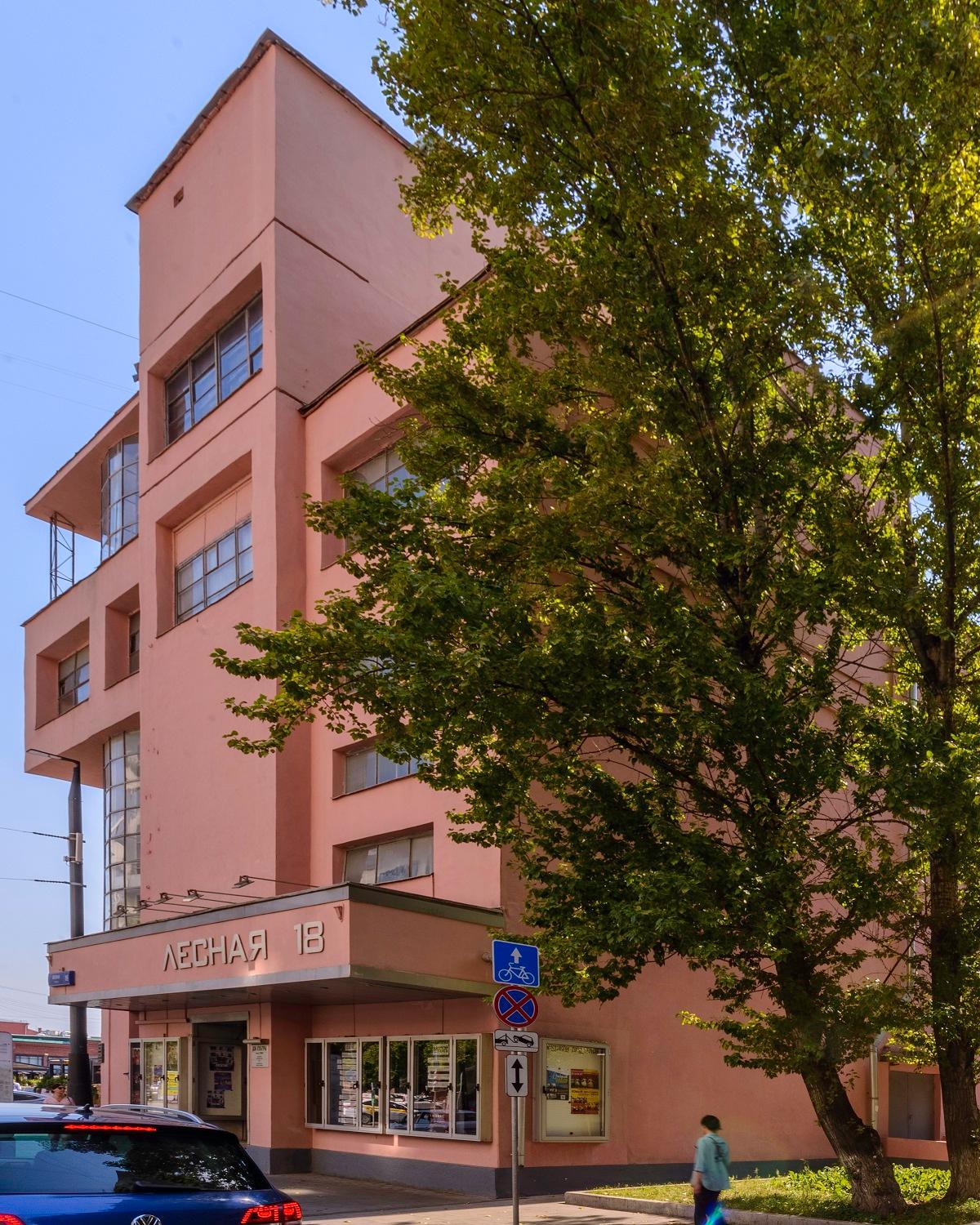
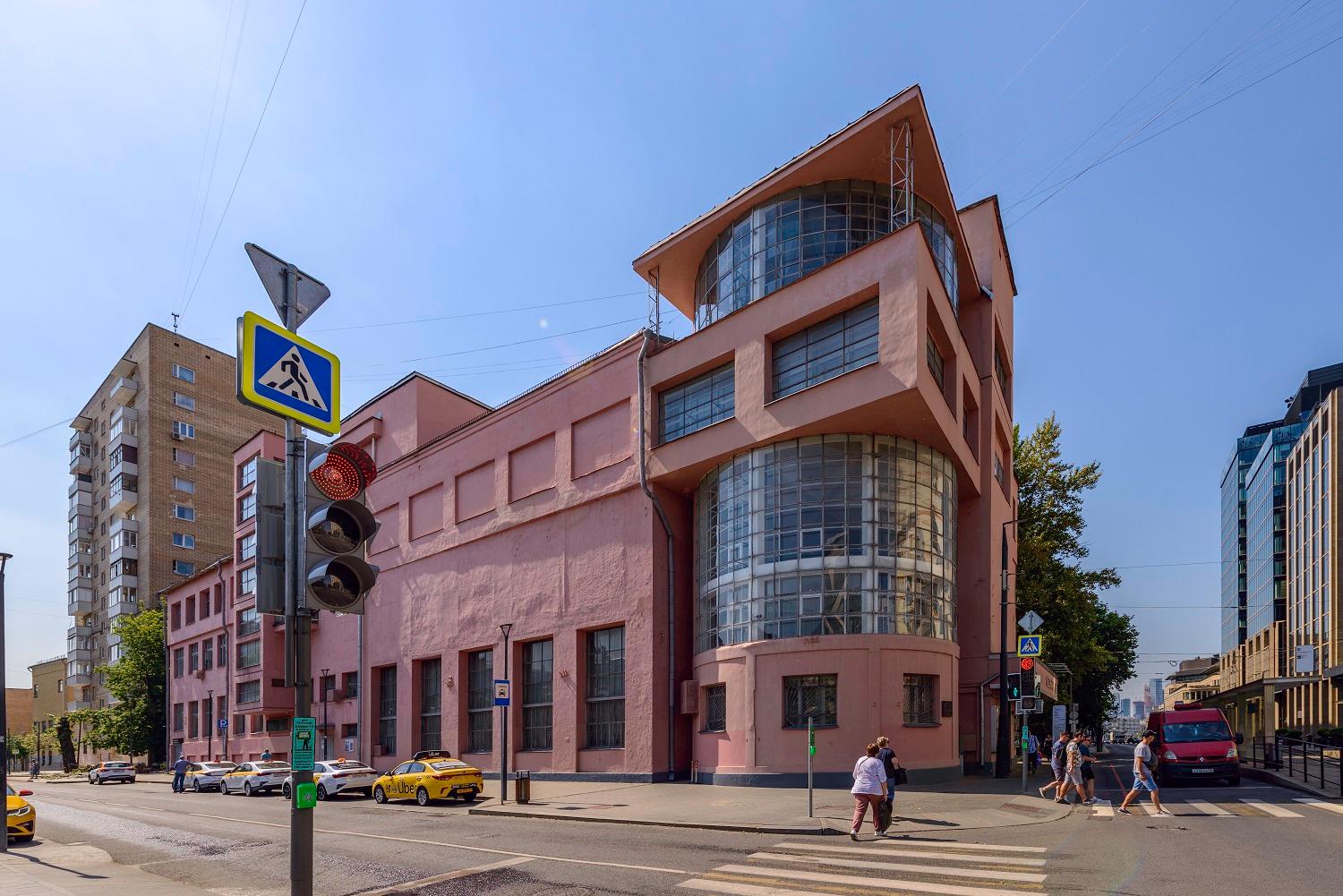
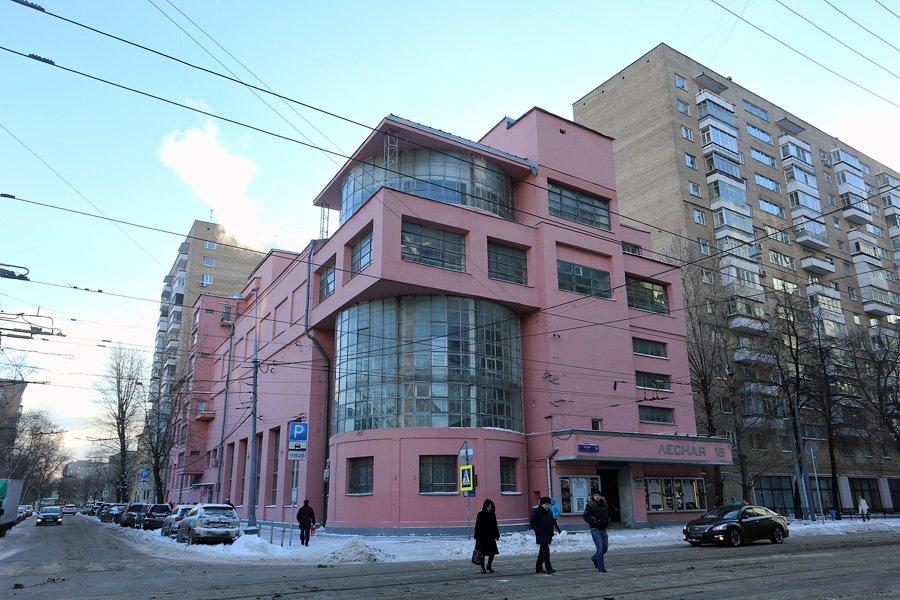
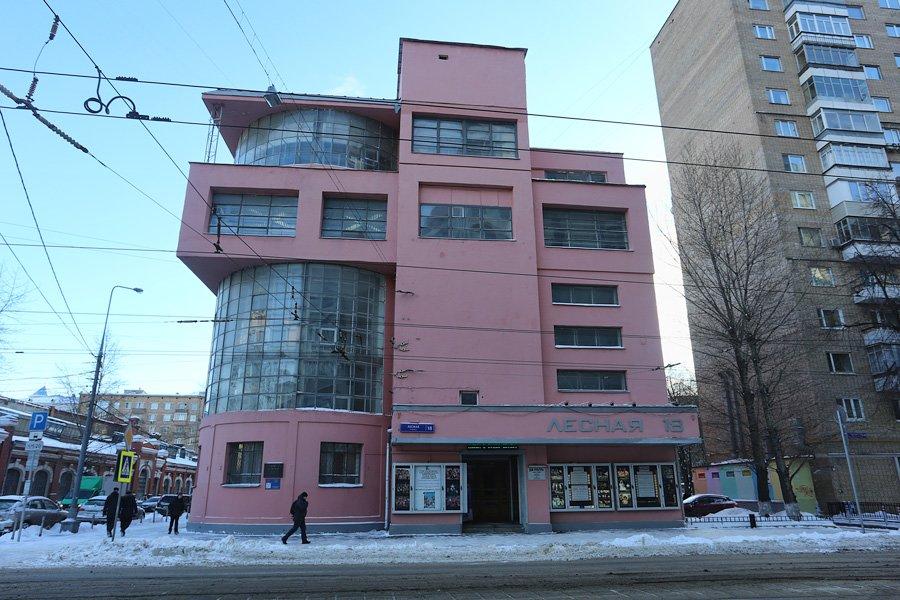
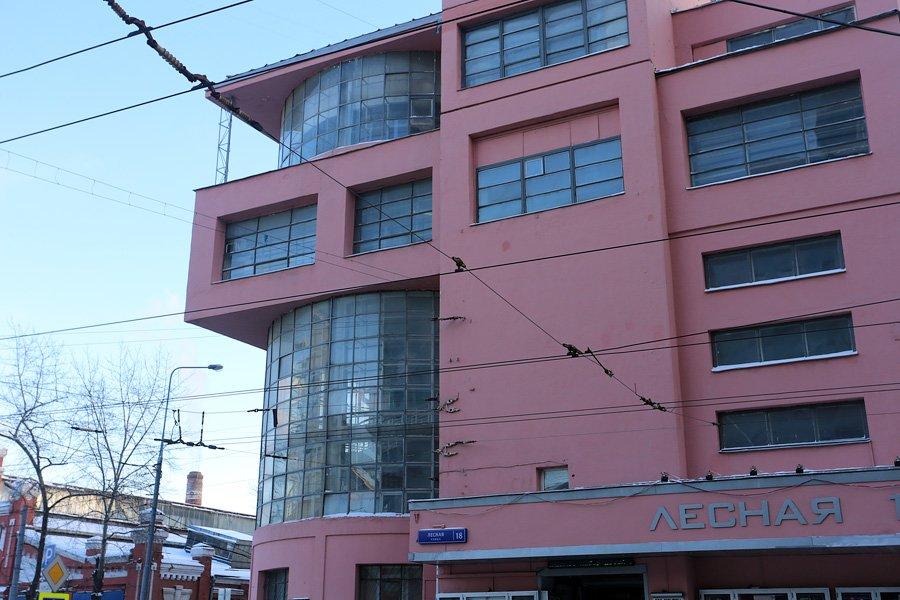
A small building designed in avant-garde forms of glass and concrete fixes the corner of Lesnoy and Miussky Lane.

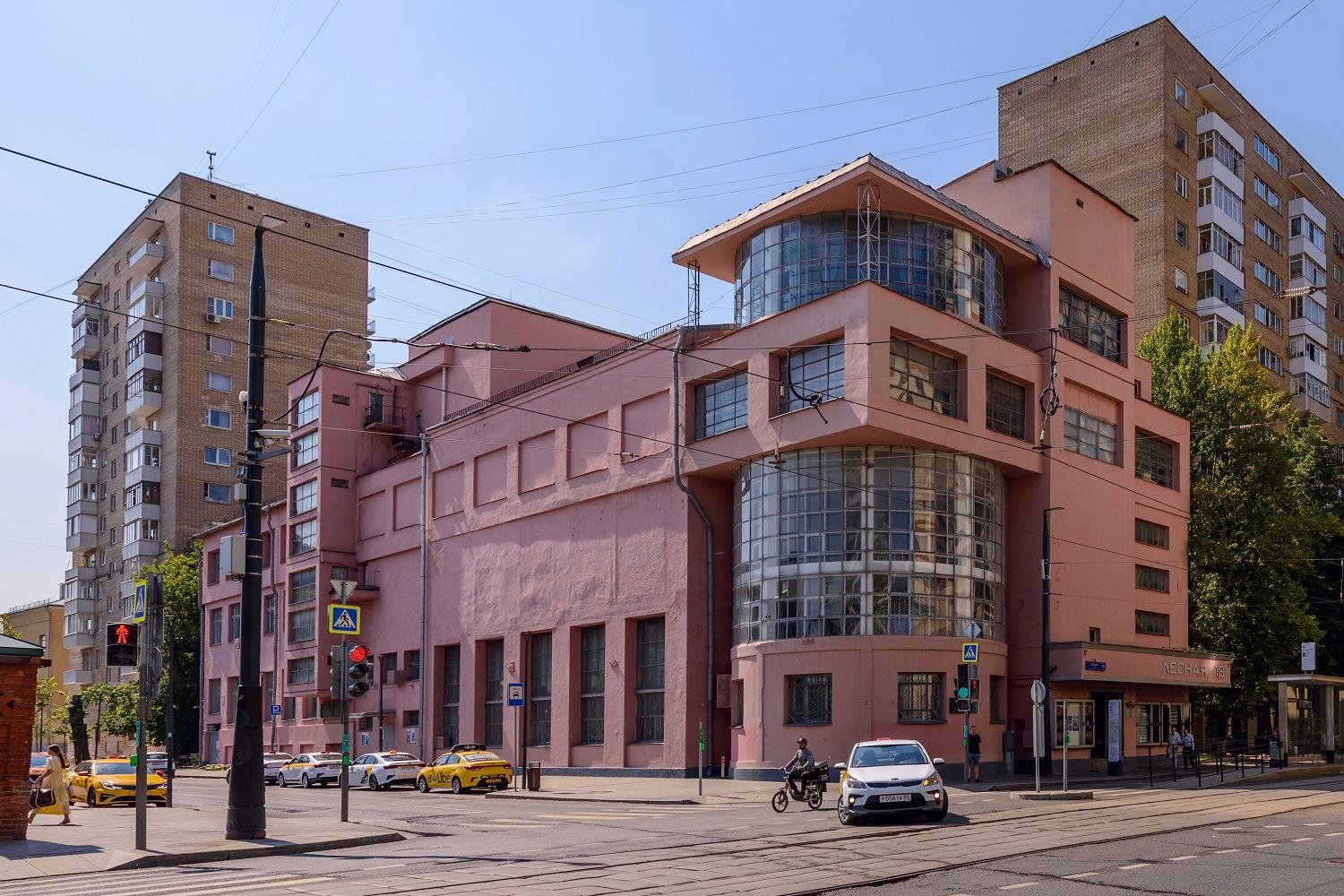
The club of communal workers union named after S.M. Zuev
A small building designed in avant-garde forms of glass and concrete fixes the corner of Lesnoy and Miussky Lane.
3.62
Вы можете воспользоваться QR-кодом, чтобы открыть эту страницу в нашем приложении
Архитектурный стиль:
Годы постройки:
1927-1929
Архитекторы:
Эпоха:
1920s
Информация о здании

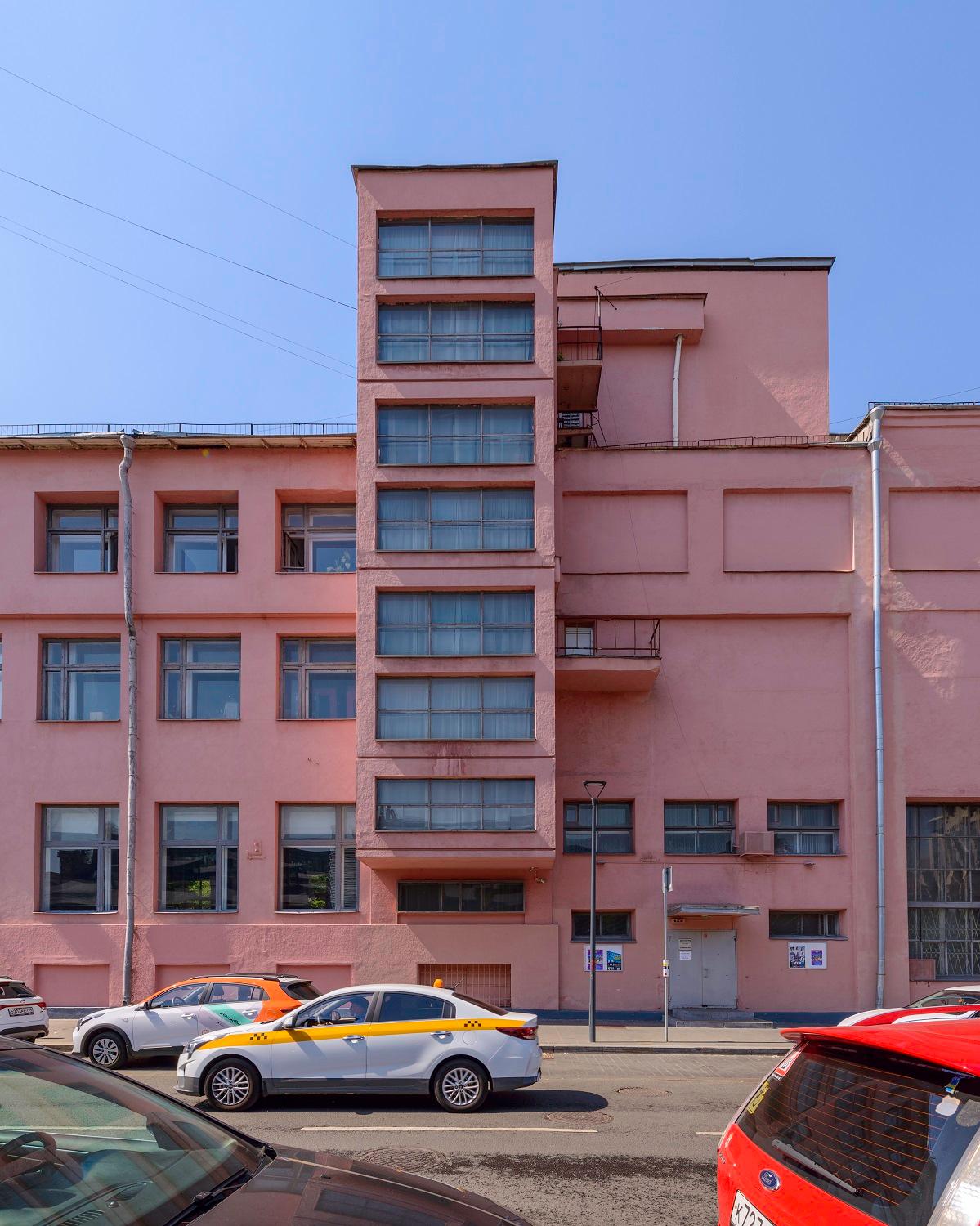
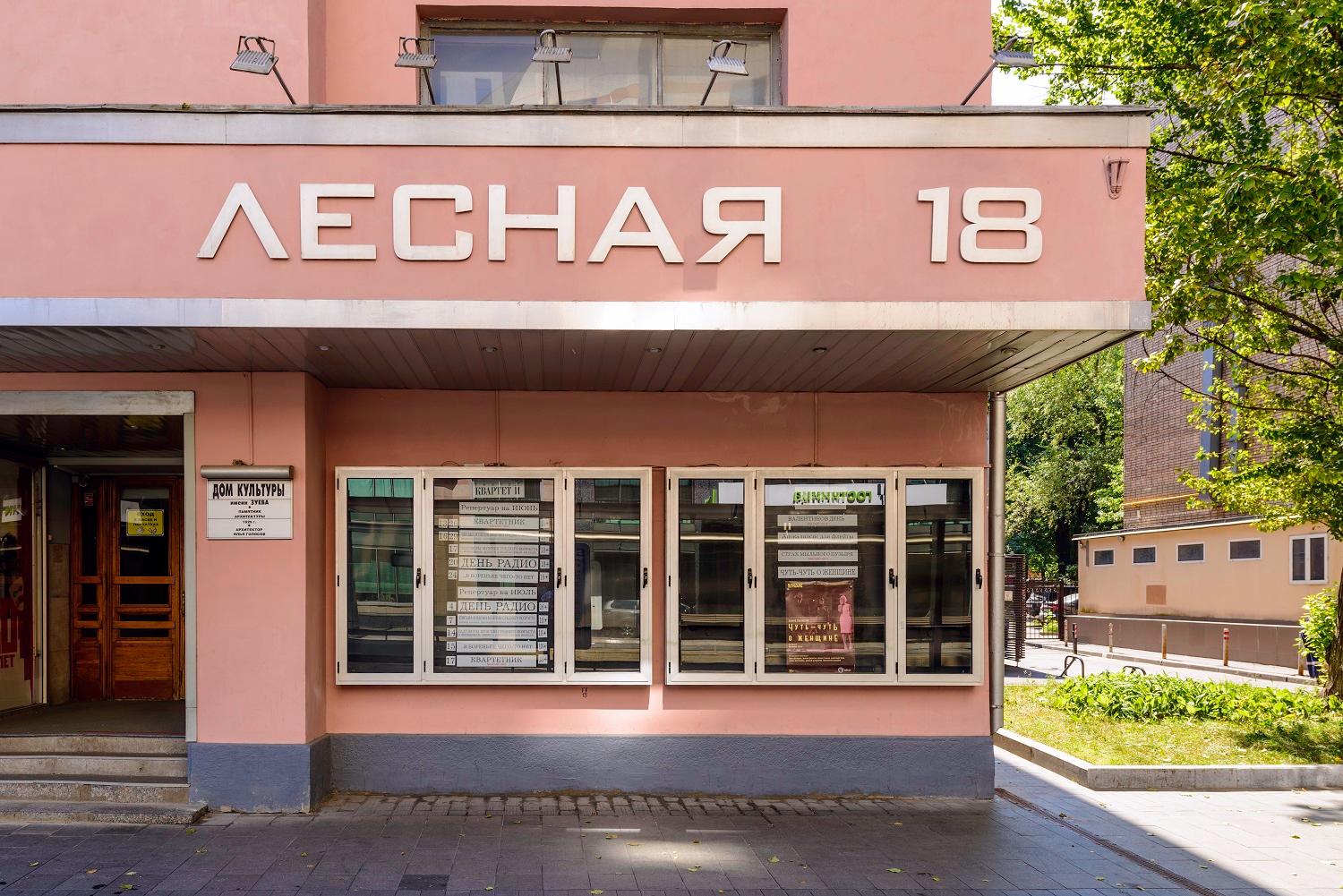
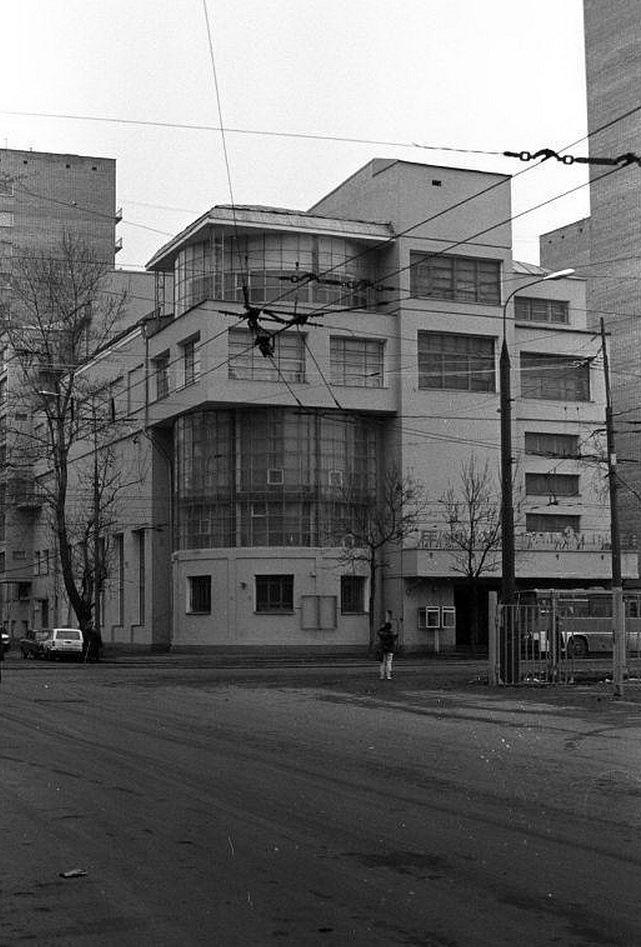
Небольшое здание, решенное в авангардных формах из стекла и бетона фиксирует угол Лесной и Миусского переулка. Клуб стал новым типом общественного здания, наиболее полно выразившим новые архитектурные формы и принципы. Эти здания строили крупнейшие архитекторы, а их заказчики, заводы и профсоюзы, часто устраивали конкурсы. По своему назначению клуб был и культурным центром, и учреждением дополнительного образования, где весь день должны были протекать различные образовательные, культурные и политические процессы, отнюдь не ограничивающиеся кружками, театром и кино. Клуб на Лесной улице действует до сих пор, что большая редкость.

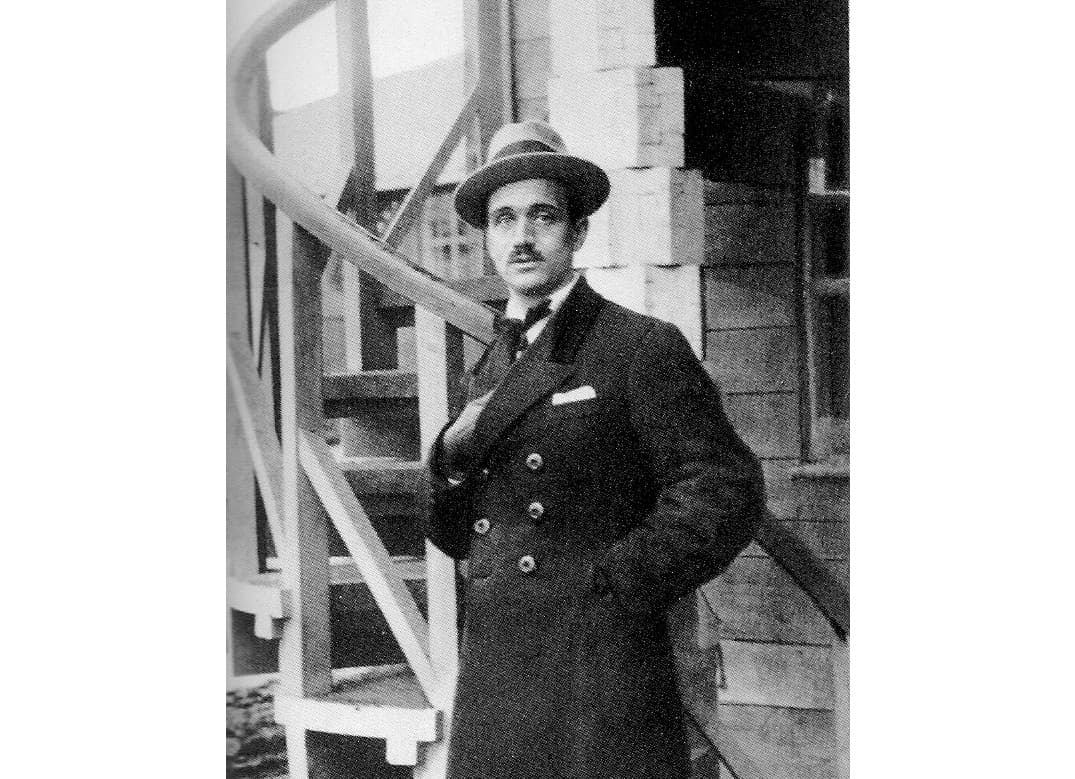
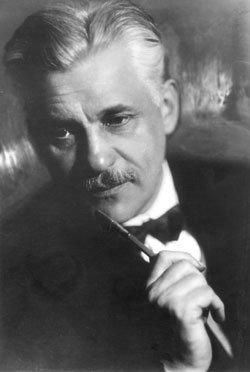
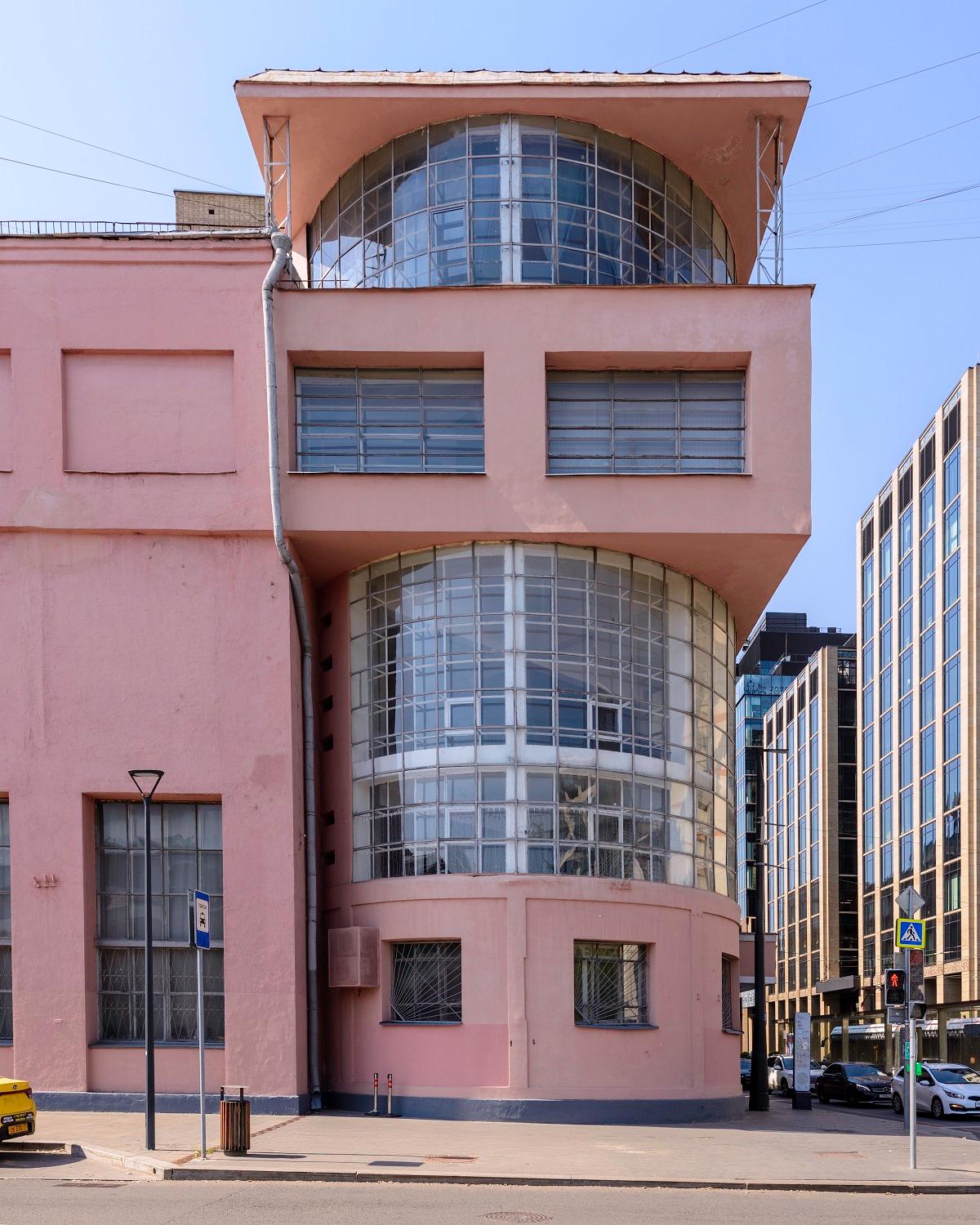
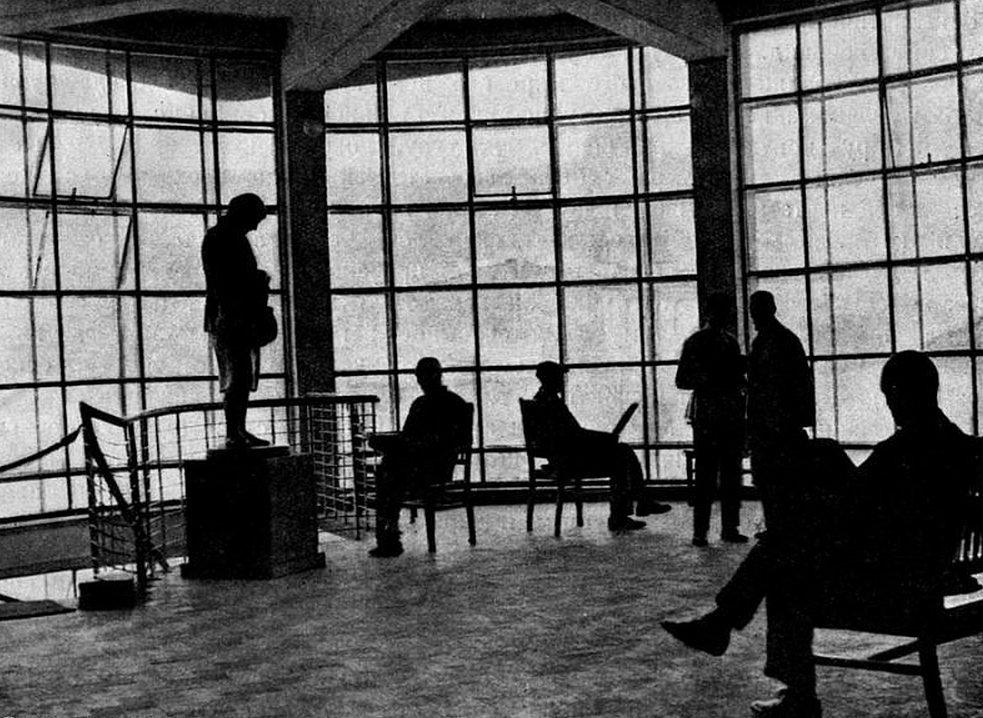
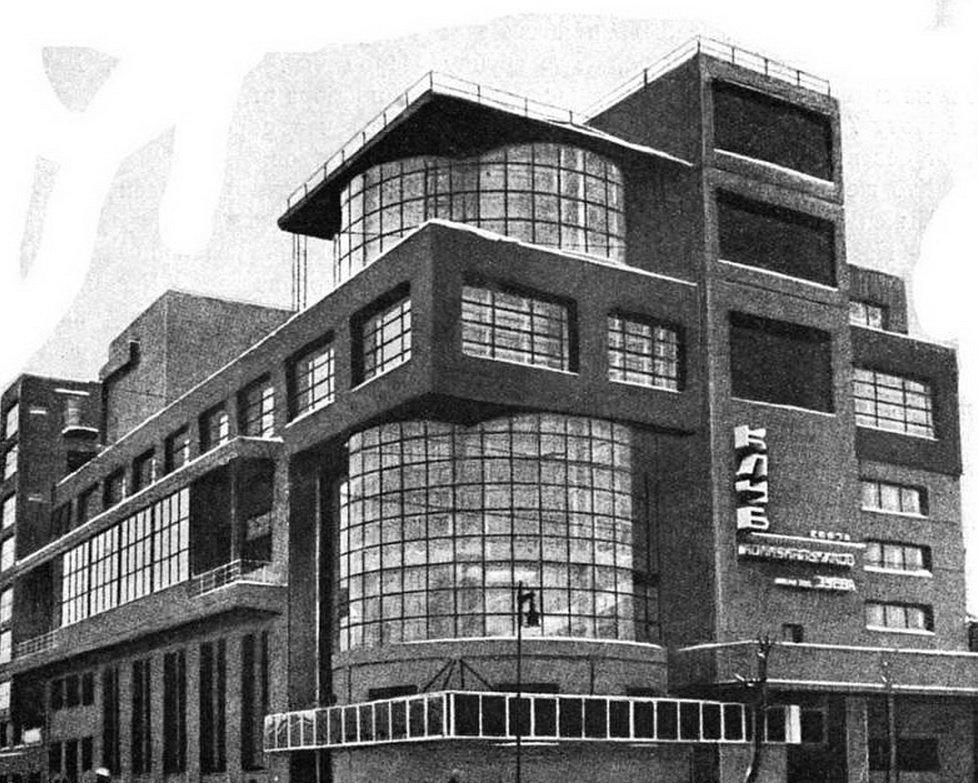
Это одно из лучших произведений архитектора Ильи Голосова, построенное в 1927-1929 годах. Проект был выбран в результате конкурса 1926 г. Единственным соперником Голосова был архитектор Константин Мельников, предложивший разместить на вытянутом участке пять врезанных друг в друга высоких остекленных цилиндров на одной оси. Проект Голосова был сложнее. Его соединение простых геометрических объемов, прежде всего цилиндров и параллелепипедов, создает сложную динамичную композицию, ориентированную на внешний угол участка. Врезка углового остекленного цилиндра в квадратные в сечении объемы был излюбленным приемом Голосова (такой же прием был и в его конкурсном проекте Электробанка). В здании клуба имени С. М. Зуева в цилиндре находится винтовая парадная лестница, ведущая в фойе главного зрительного зала на втором этаже. Помимо зрительного зала в клубе также было несколько многофункциональных помещений для репетиций и работы кружков, которые обслуживались ещё двумя прямыми лестницами, не лишенными изящества и смелых композиционных решений.

В последующие годы клуб пережил множество изменений: был срезан частично остекленный балкон вдоль длинного фасада и заложены окна зрительного зала; лоджии над входом были остеклены; в 1970-е интерьеры были облицованы мрамором, появились новые люстры, двери, паркет.

Тем не менее клуб бережно сохраняется и используется по прямому назначению: в нем идут спектакли «Квартета И» и существует множество кружков для всех возрастов. К 80-летию клуба в фойе второго этажа открылась небольшая экспозиция оригинальных чертежей-синек здания клуба.
The club has become a new type of public buildings that fully express the new architectural forms and principles. These buildings were built by major architects and their clients, factories and trade unions often held contests. According to its purpose, the club was both a cultural center and an institution for additional education, where various educational, cultural and political processes were to be held all day, not limited to mugs, theater and cinema. The club on Lesnaya Street is still operational, which is very rare. This is one of the best works of the architect Ilya Golosov, built in 1927-1929. The project was chosen as a result of the competition in 1926. The only competitor of Golosov was the architect Konstantin Melnikov, who proposed placing five high-glazed cylinders on one axis in an extended section.Golosov project was difficult. It is a mix of simple geometric volumes, primarily cylinders and parallelepipeds, which creates a complex dynamic composition that focuses on the outer corner of the site. Box angular glazed cylinder square in cross-section volume was the favorite method of voice (the same method was also in its design contest Elektrobanka). In the building of the club named after S. M. Zuev there is a helical staircase in the cylinder leading to the foyer of the main auditorium on the second floor. In addition to the auditorium, the club also had several multifunctional rooms for rehearsals and the work of circles, which were served by two more straight stairs, not devoid of grace and bold compositional decisions. In the following years, the club experienced many changes: a partially glazed balcony was cut along the long facade and windows of the auditorium were laid; Loggias above the entrance were glazed; in the 1970s the interiors were faced with marble, new chandeliers, doors, parquet appeared. Nevertheless, the club is carefully preserved and used for its intended purpose: there are performances of "Quartet I" and there are many clubs for all ages. To the 80th anniversary of the club in the foyer of the second floor a small exposition of the original blue building drawings of the clubhouse was opened.
Автор статьи: Николай Васильев
Отзывы
(1)
Поделитесь статьей с друзьями
Интересное рядом(5)
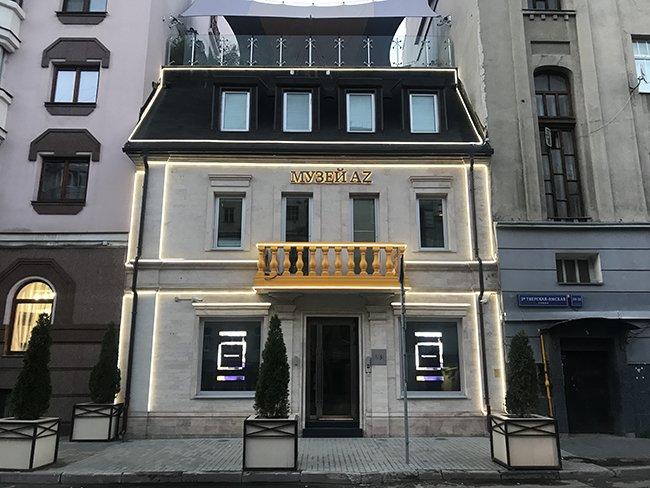
AZ MuseumThe AZ Museum is a museum of Russian artist Anatoly Zverev (1931–1986). Anatoly Zverev was and remains one of the most significant figures in the artistic life of Moscow in the second half of the twentieth century. The AZ Museum was founded by collector and patron of the arts Natalia Opaleva and art curator Polina Lobachevskaya in 2013. The Museum building on the 2nd Tverskaya-Yamskaya Street was opened in May 2015. The basis of the collection of the Museum AZ was the personal collection of Natalia Opaleva. In 2013, the daughter of the famous collector George Kostaki, Aliki Kostaki, presented the museum with more than 700 works by Zverev, archival materials and artifacts from the collection of her father. Today, the museum has more than 1,500 works by Anatoly Zverev and over 500 works by artists of his circle - nonconformists (Plavinsky, Nemukhin, Rabin, Krasnopevtsev, Tselkov and many others). Simultaneously with the foundation of the museum, a large publishing program was developed. Books and albums with works by Anatoly Zverev were published - “100 self portraits”, “Zverev. Love”, “Anatoly Zverev's Gogoliad”, “Anatoly Zverev Draws Andersen's Fairy Tales”, “Golden Ass”, “Apulea in Illustrations by A. Zverev” (publishing group: publisher - Natalia Opaleva, author of publishing project - Polina Lobachevskaya, compiler - Natalia Volkova , editor and author of articles - Sergey Solovyov). The small space of the museum does not allow to present the entire collection at the same time. Therefore, the AZ Museum offers a consistent story about different periods and directions in the works of Anatoly Zverev. Exhibitions follow each other, turning into a kind of “iso-series”. Each new exhibition is recorded in the film and becomes a film document - a film about the life of the AZ Museum. Multimedia screens play an important role in the concept of exhibition space. They expand the real space of each of the floors and allow you to see the works of Zverev in new perspectives.
Moscow, 2nd Tverskaya-Yamskaya Street, 20-22
архитектор
Golosov I. A.
архитектор