Интерактивный гид по городу
С мобильным приложением бродить по городу гораздо интереснее!

Сlub of the Union of municipal employees named after I. Rusakov

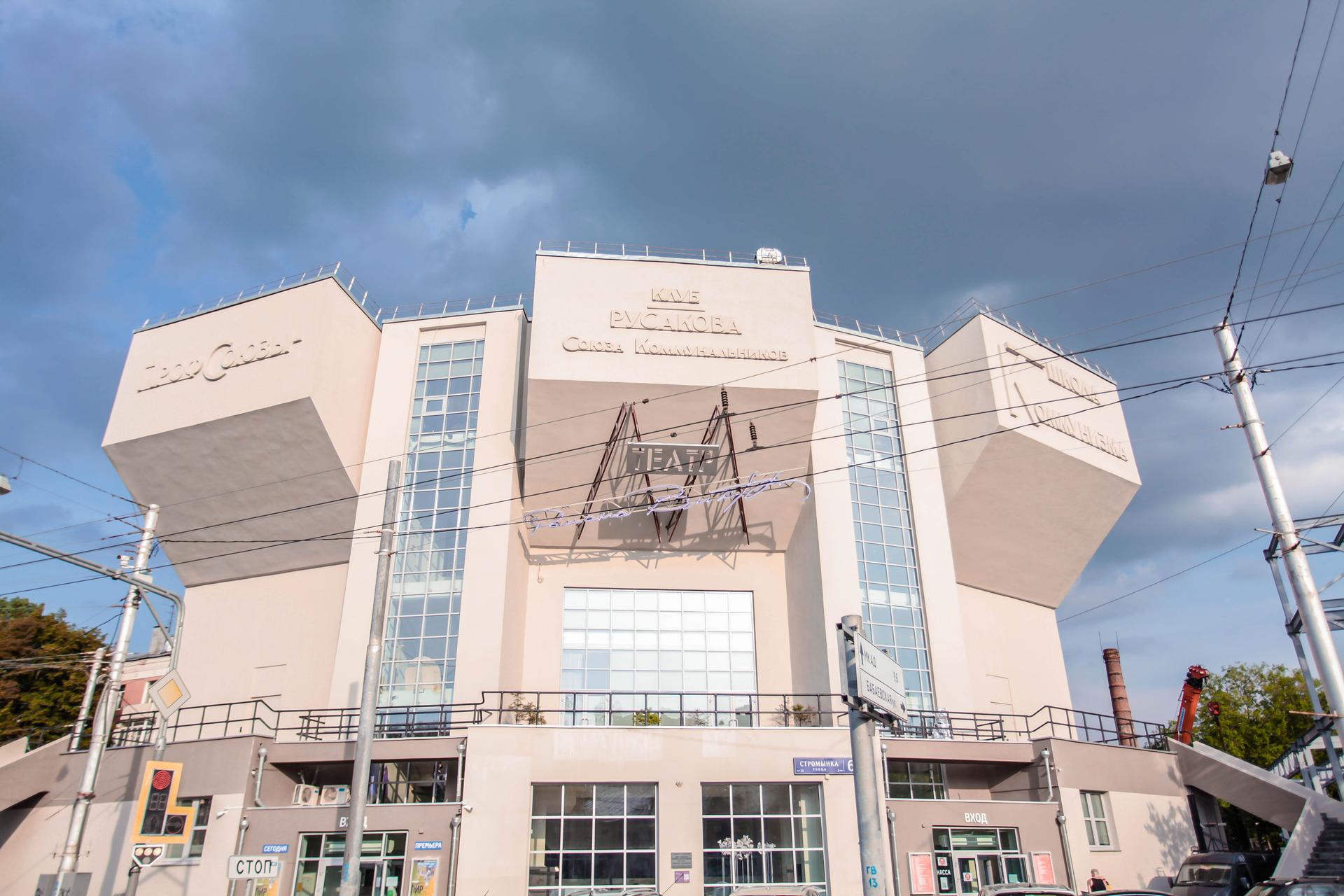
The building of the gear-wheel shape for the Union of municipal employees became a world famous monument of the Soviet avant-garde.

Сlub of the Union of municipal employees named after I. Rusakov
The building of the gear-wheel shape for the Union of municipal employees became a world famous monument of the Soviet avant-garde.
3.77
Вы можете воспользоваться QR-кодом, чтобы открыть эту страницу в нашем приложении
Архитектурный стиль:
Годы постройки:
1927‑1929
Архитекторы:
Эпоха:
1920s
Дата открытия, История появления

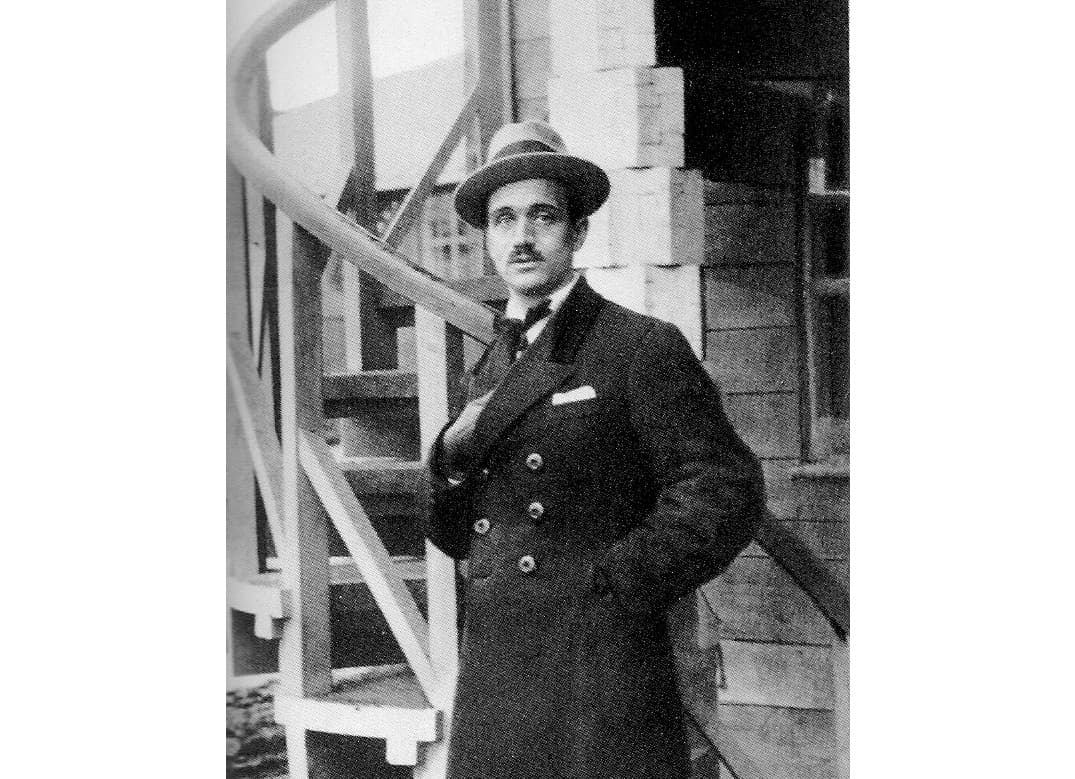
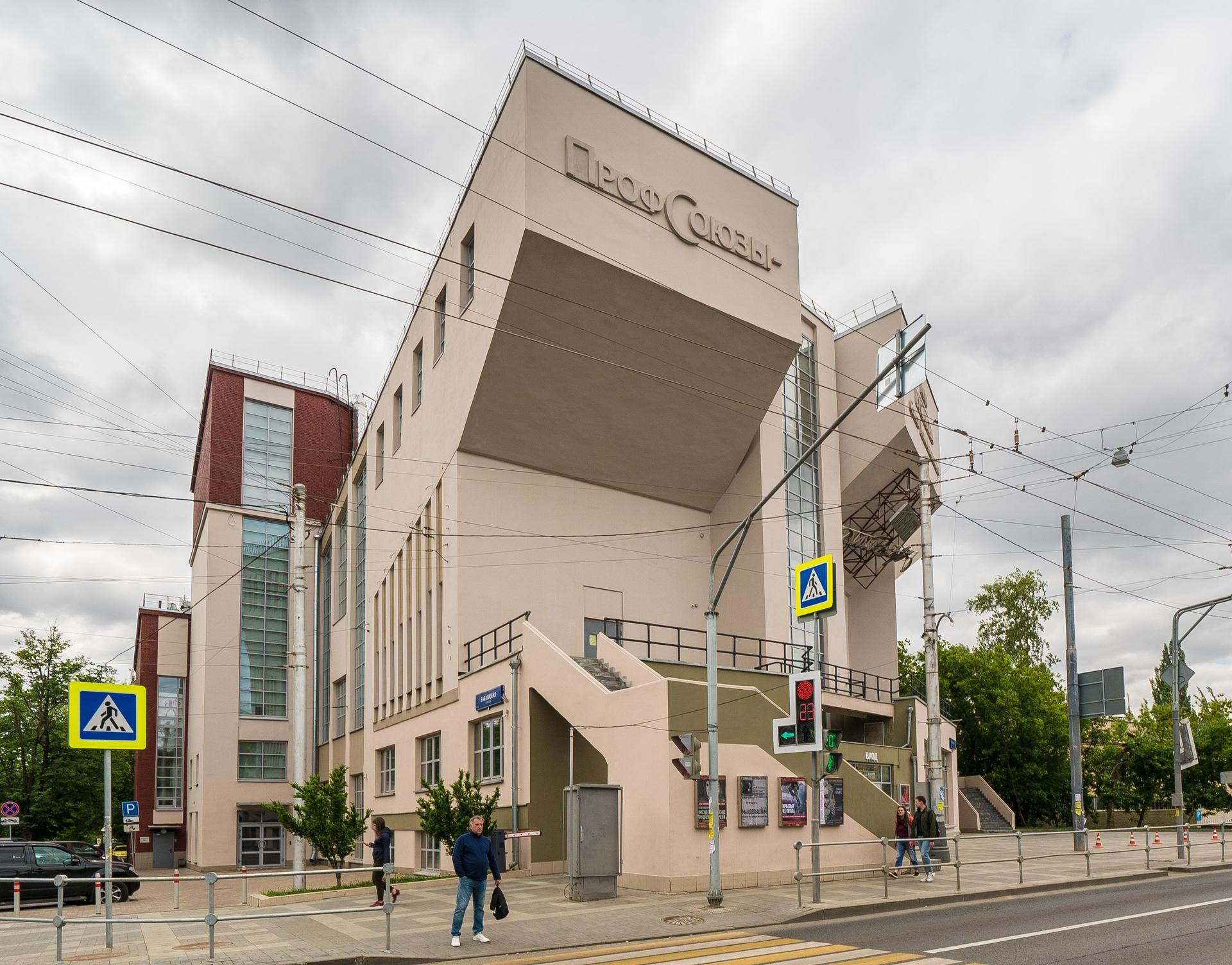
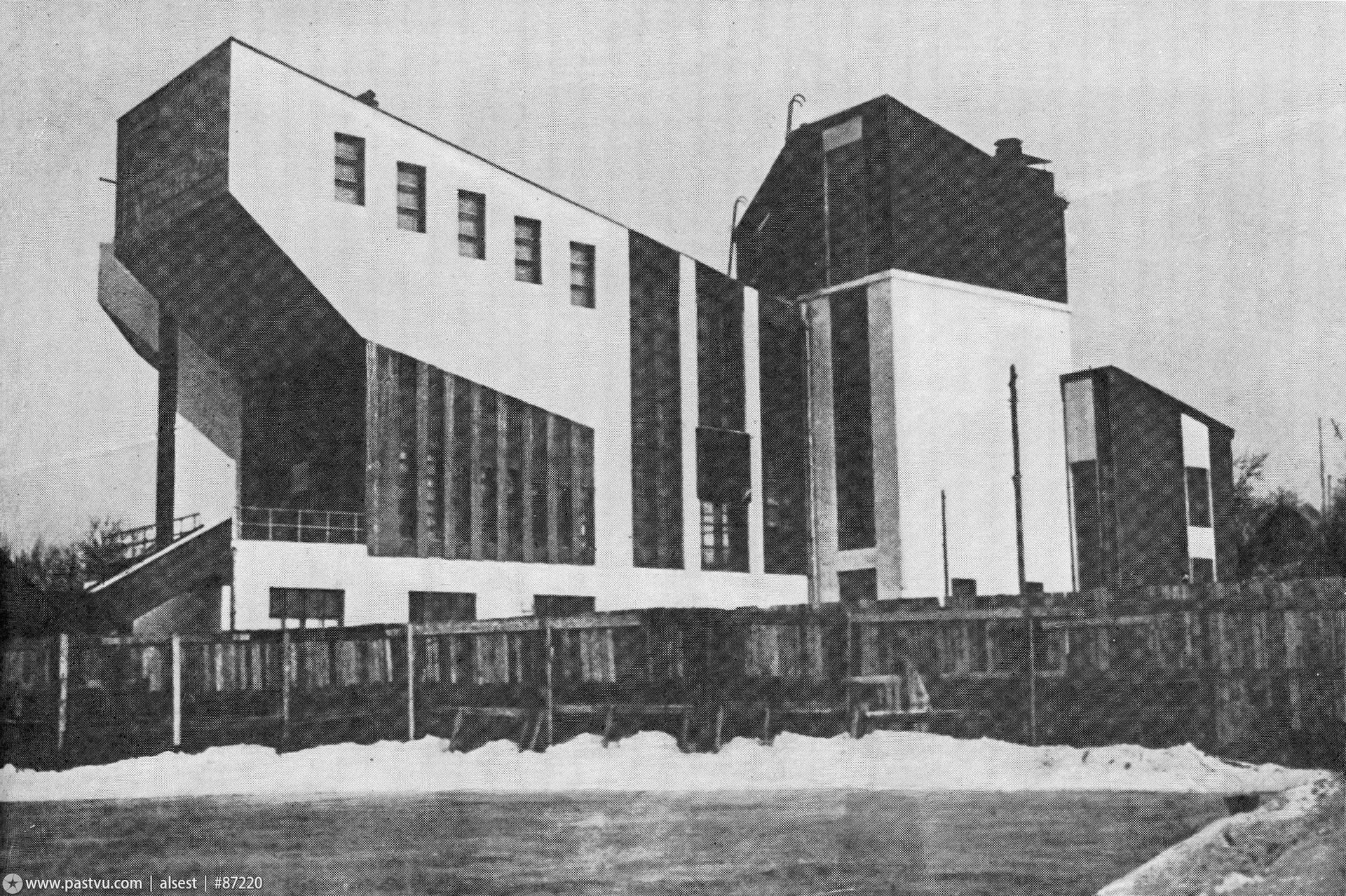
Этот клуб имени И.В. Русакова — признанный шедевр и входит во все международные перечни лучших построек ХХ века. Здание в стиле "авангард" выстроено в 1927‑1929 годах архитектором К.С. Мельниковым почти полностью в соответствии с авторским замыслом. В то время как другие проекты клубов Мельникова были сильно изменены в ходе реализации, сам архитектор считал это здание своим наиболее значительным профессиональным достижением.

.

Описание

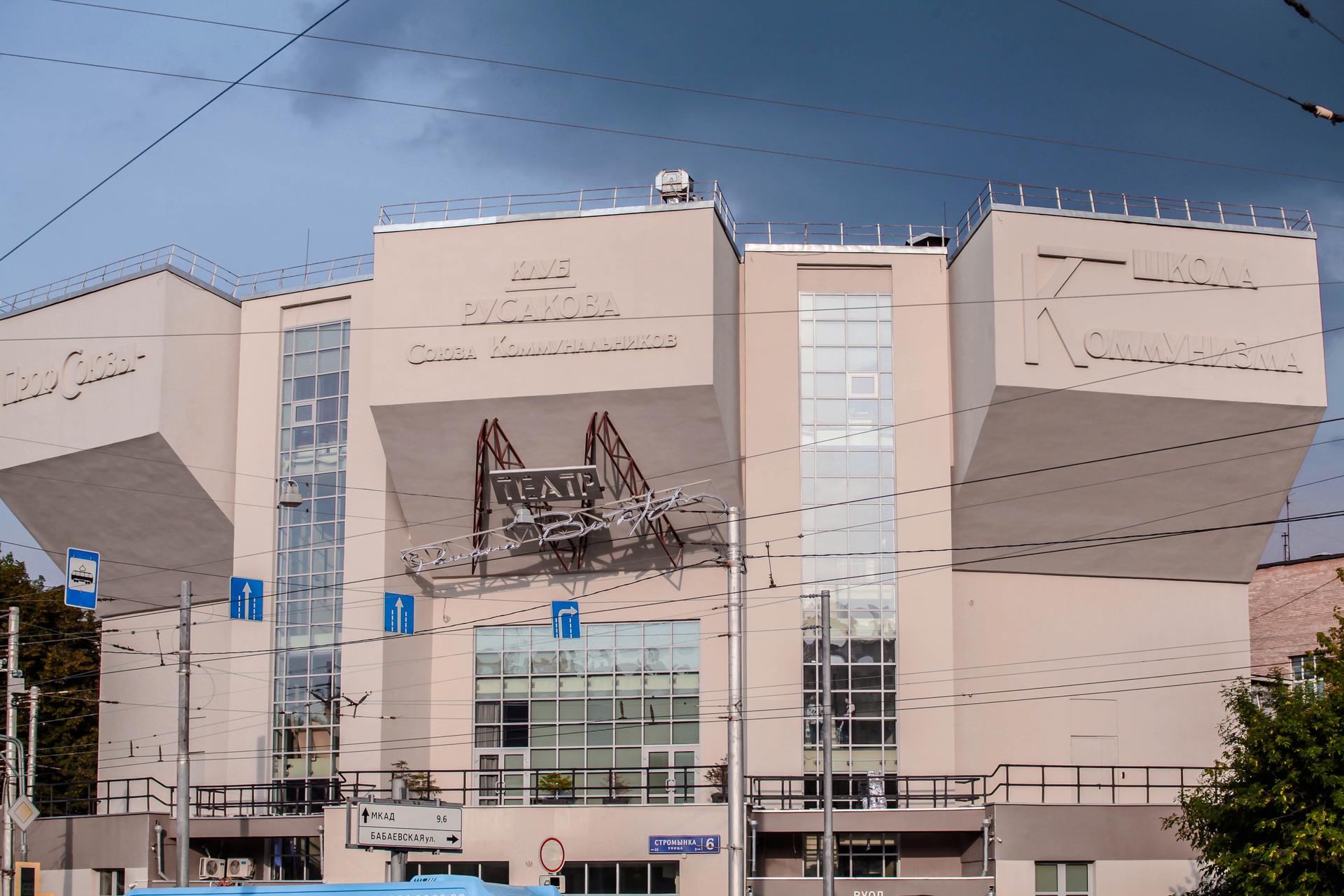
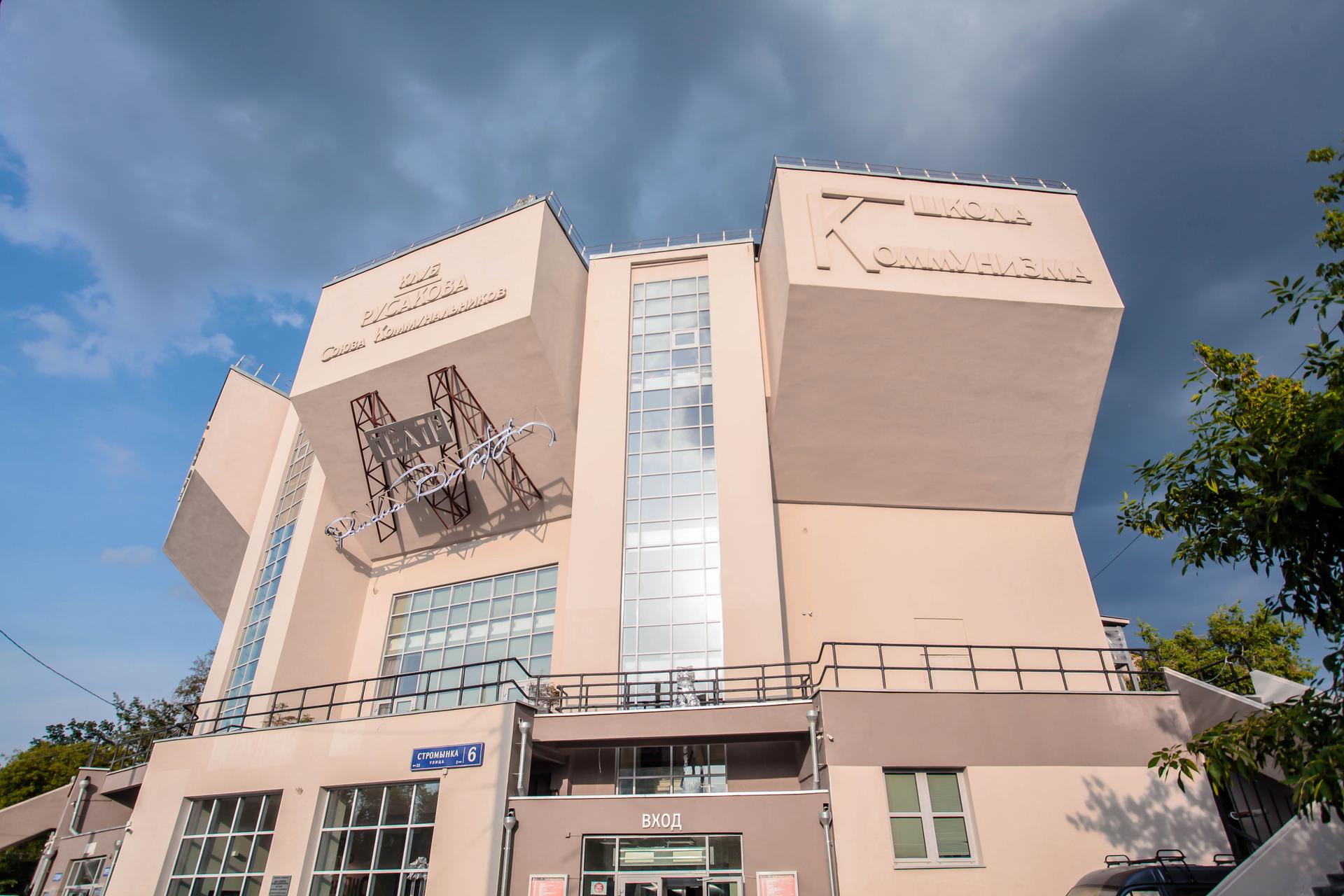
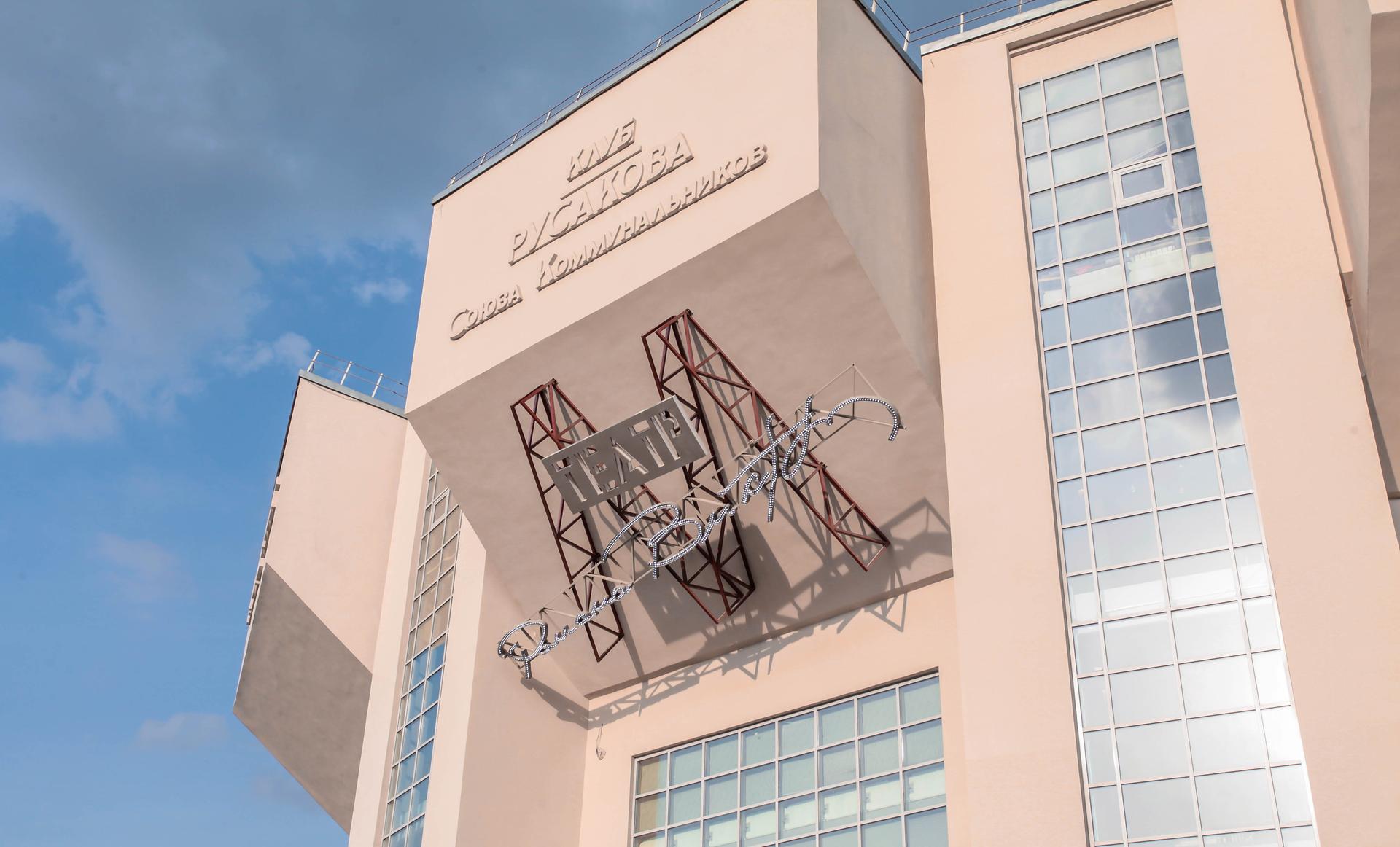
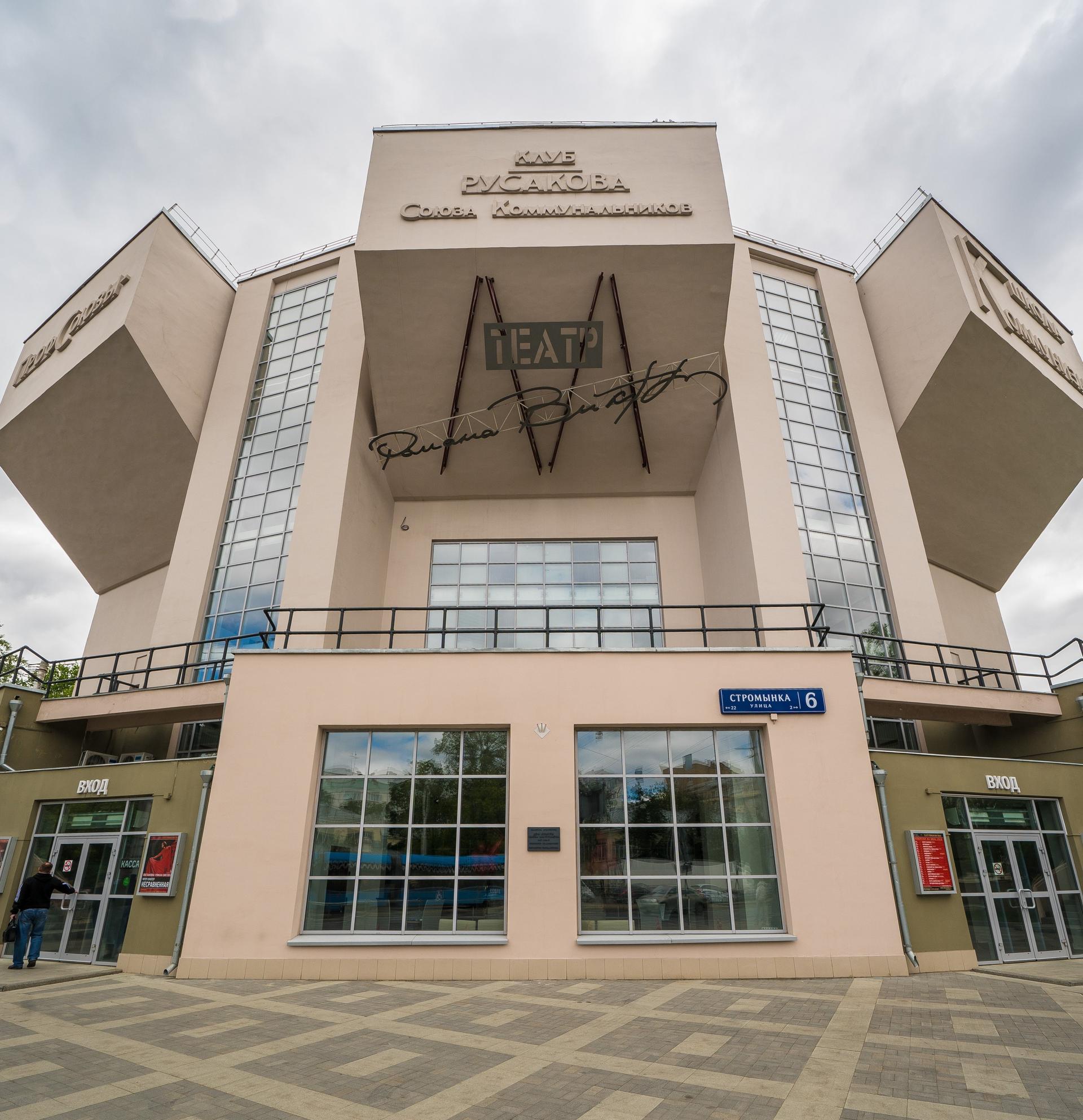
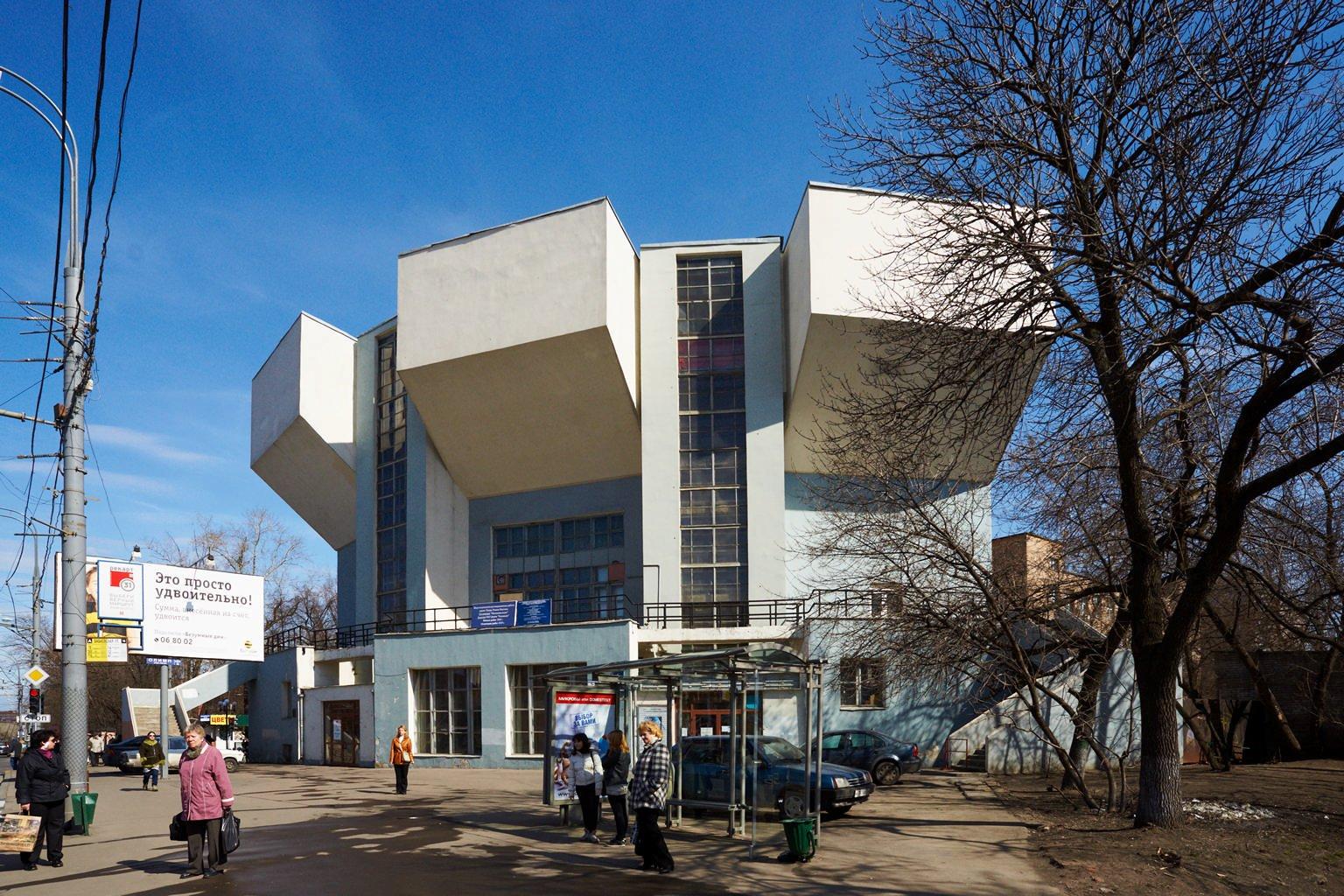
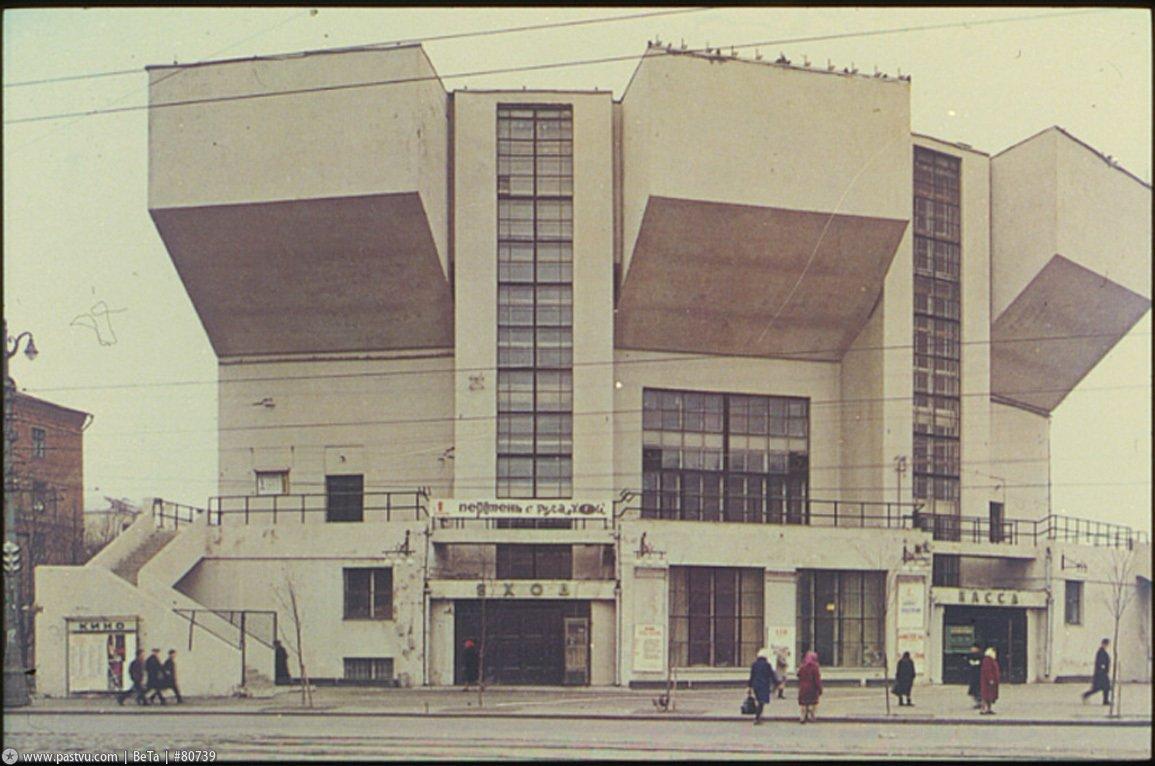
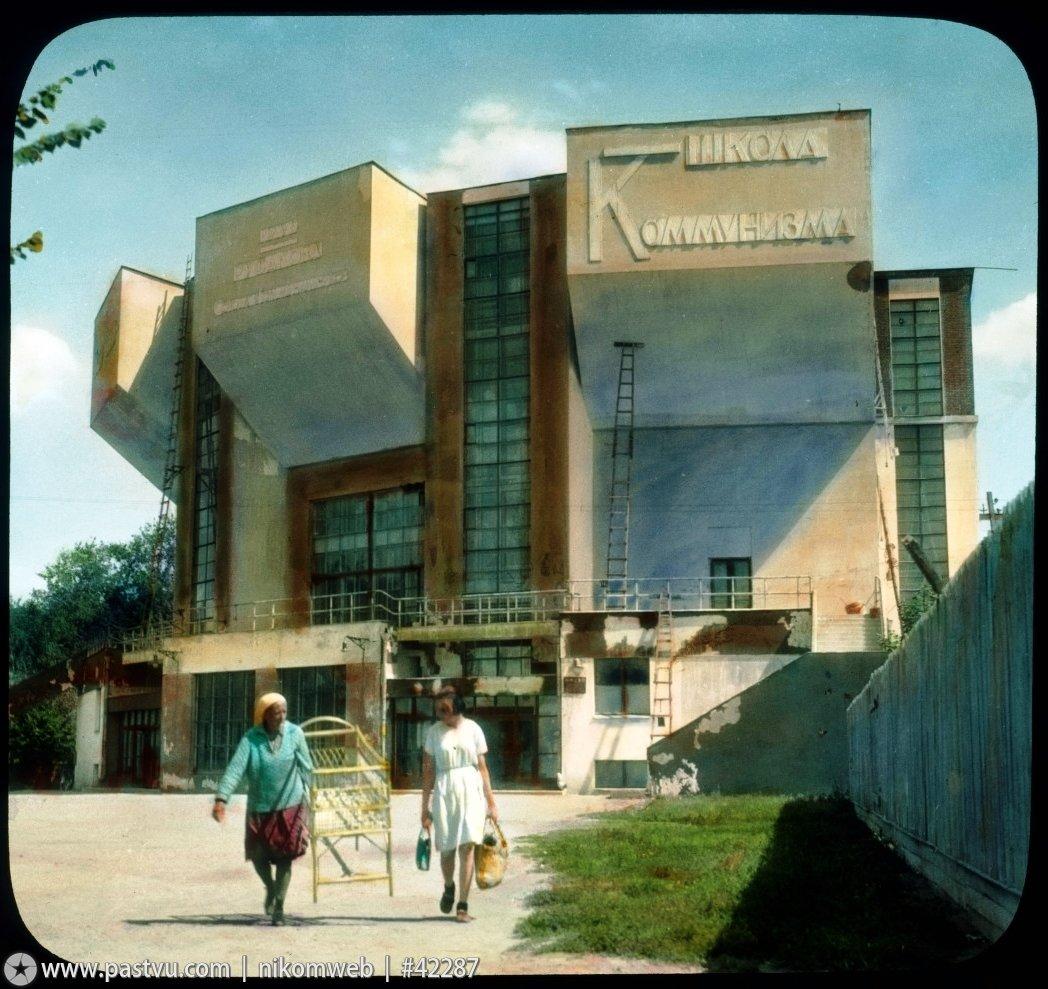
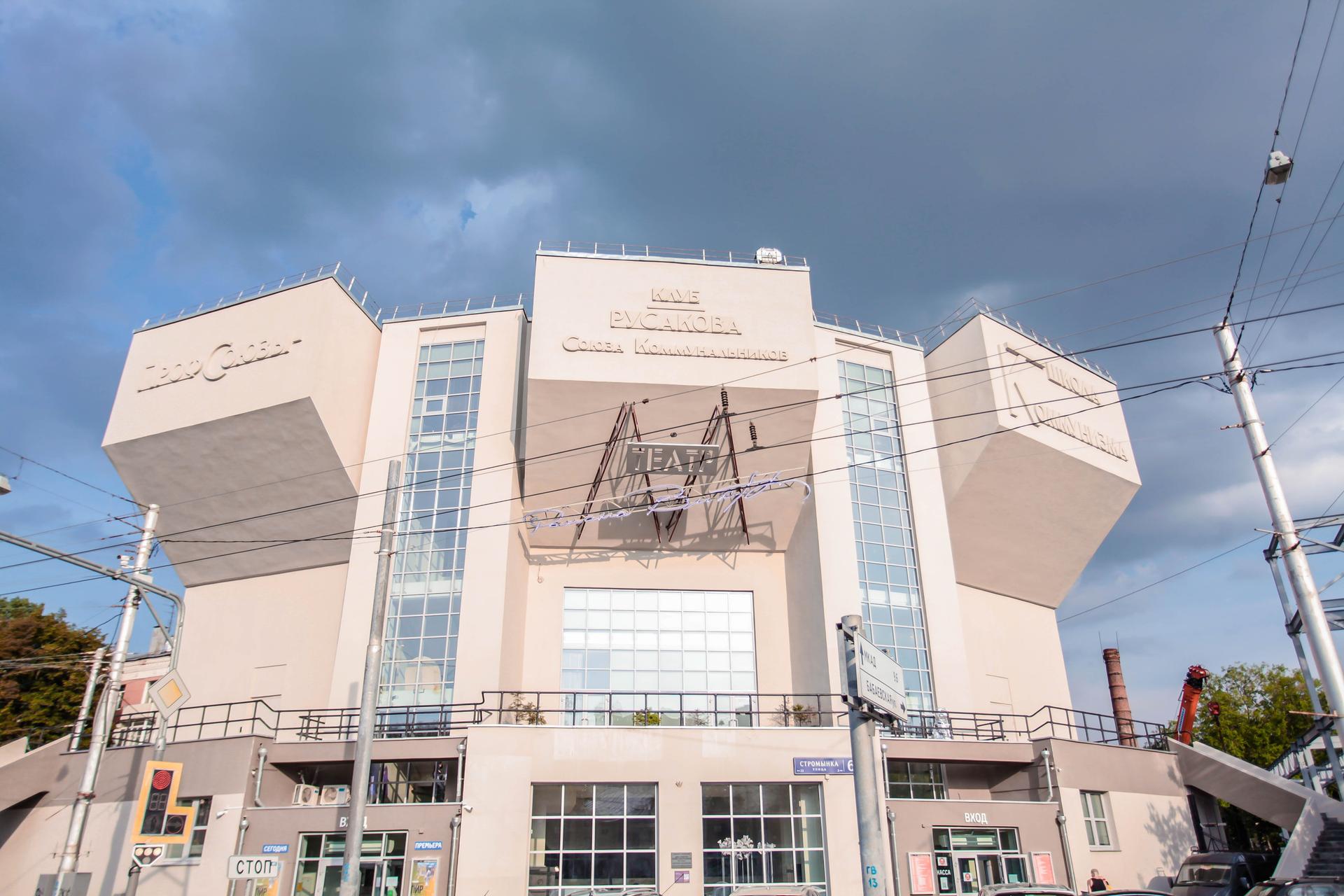
Клуб занимает очень тесный участок и имеет план секторной формы, совпадающей с формой небольшого зрительного зала. Внешние формы клуба напоминают часть шестеренки, что бросается в глаза с первого взгляда. Своеобразие здания стало причиной для критики его архитектуры, хотя таким образом Мельников остроумно ответил на запросы заказчика — Союза коммунальников. Он разместил, как и требовалось, зрительный зал на втором этаже, а первый этаж отвел под служебные помещения, умело скомпоновав их в общий объем.

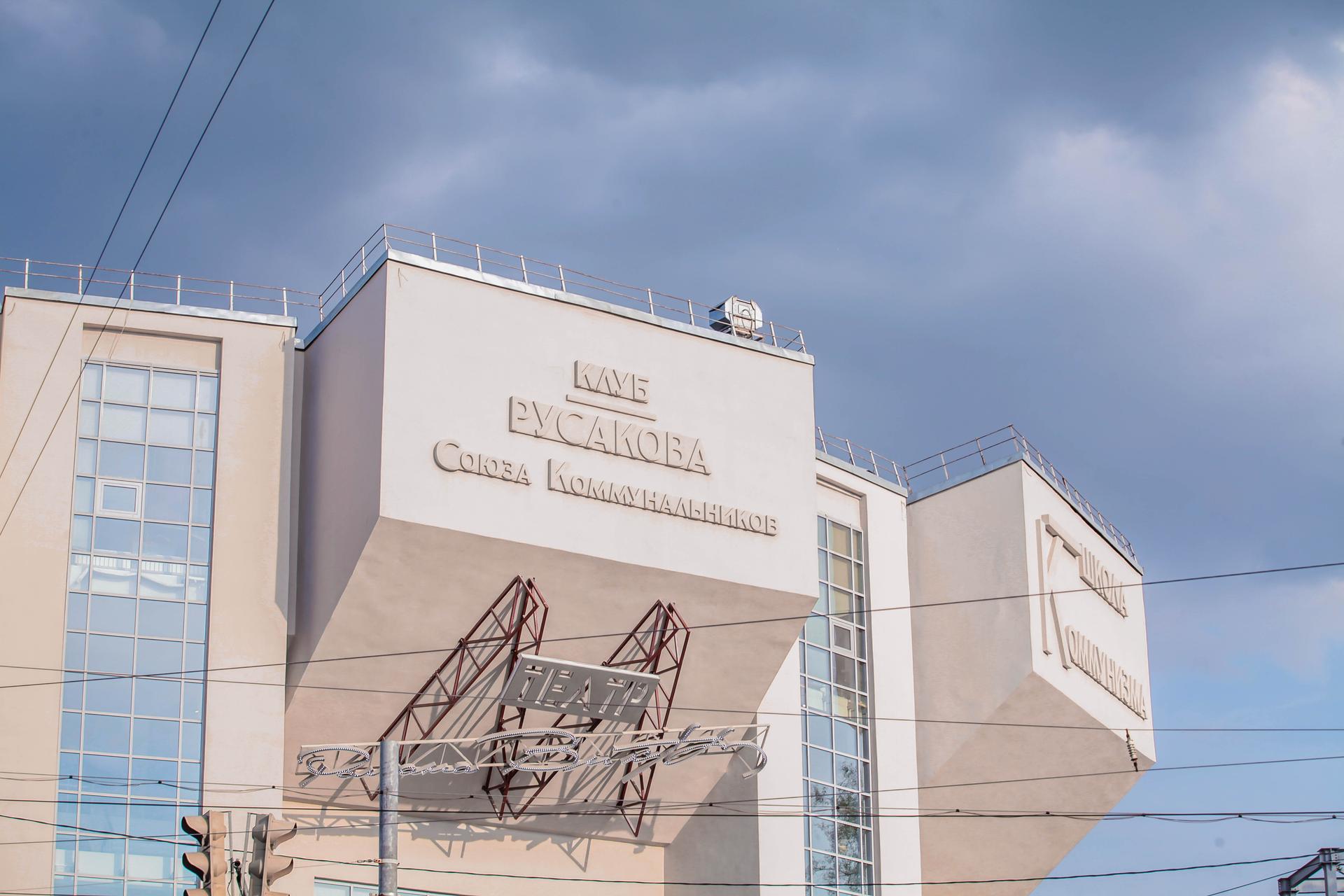
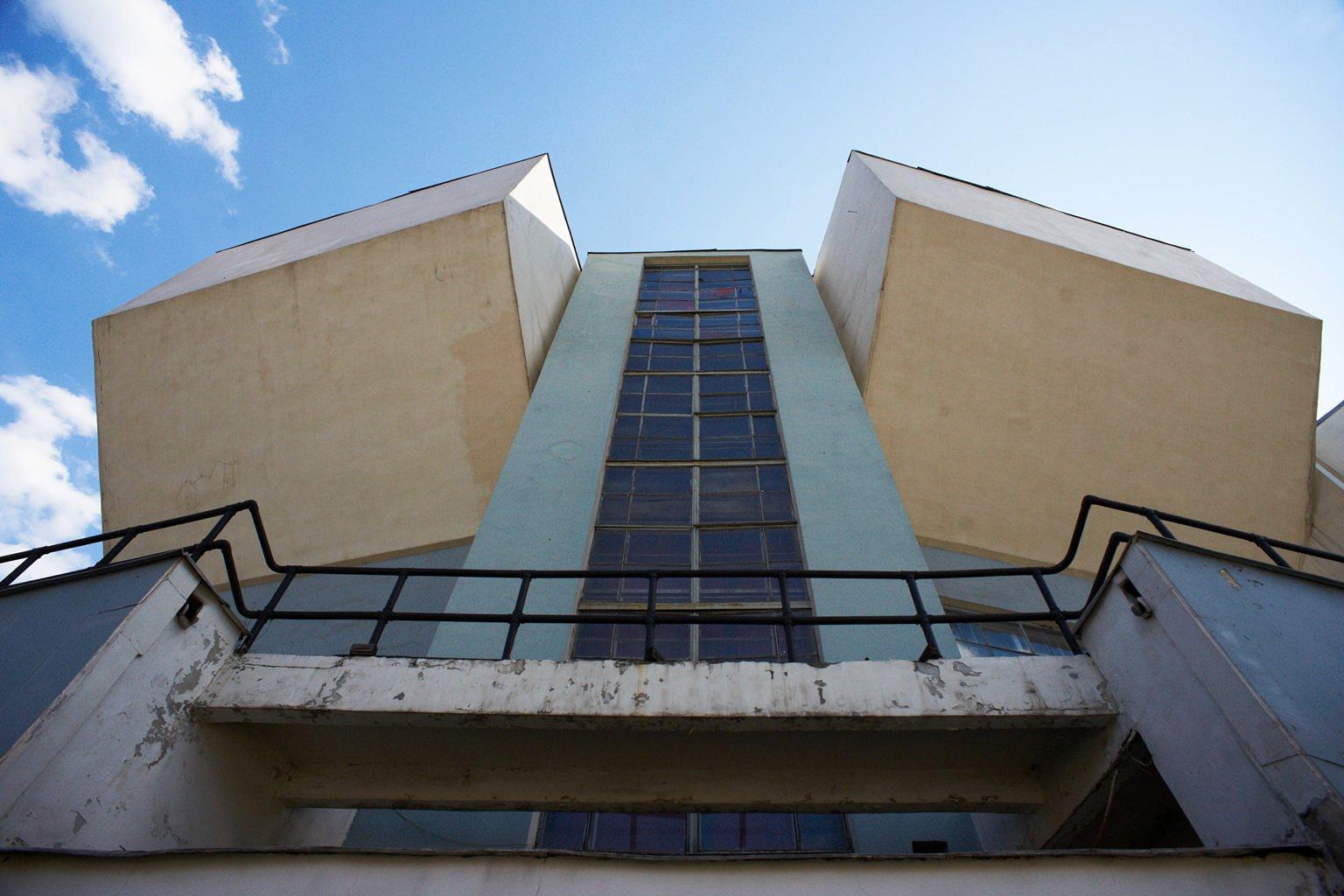
На улицу свешиваются три консольных выступа, вмещающих в себя трибуны амфитеатра (их железобетонные конструкции были рассчитаны инженером В.В. Розановым). Мельников сделал такие подвешенные формы не только, чтобы увеличить места для зрителей, но и как отделяемые перегородками аудитории. Трансформация зала задумывалась как механизированная, решил эту задачу механик Н.И. Губин.

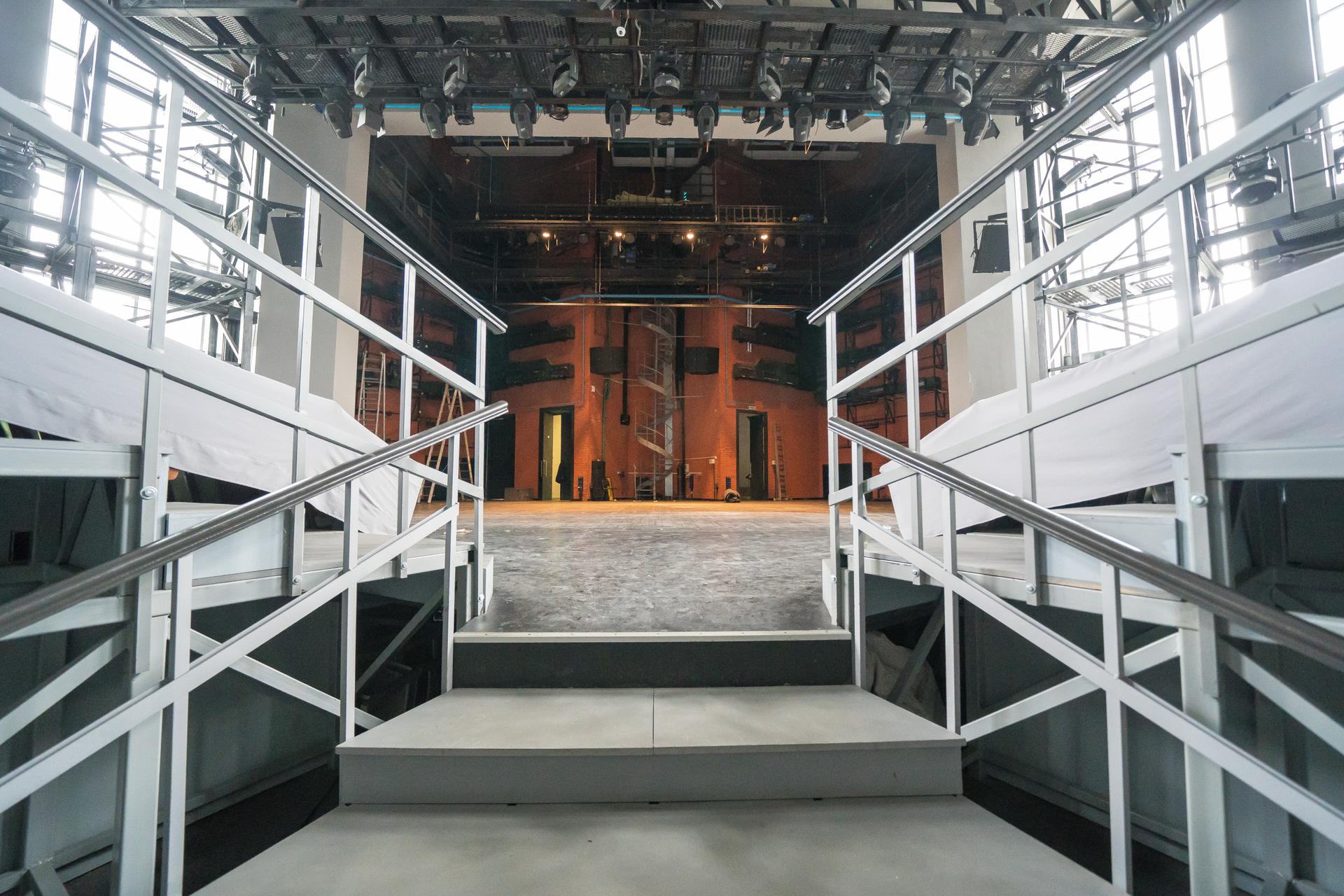
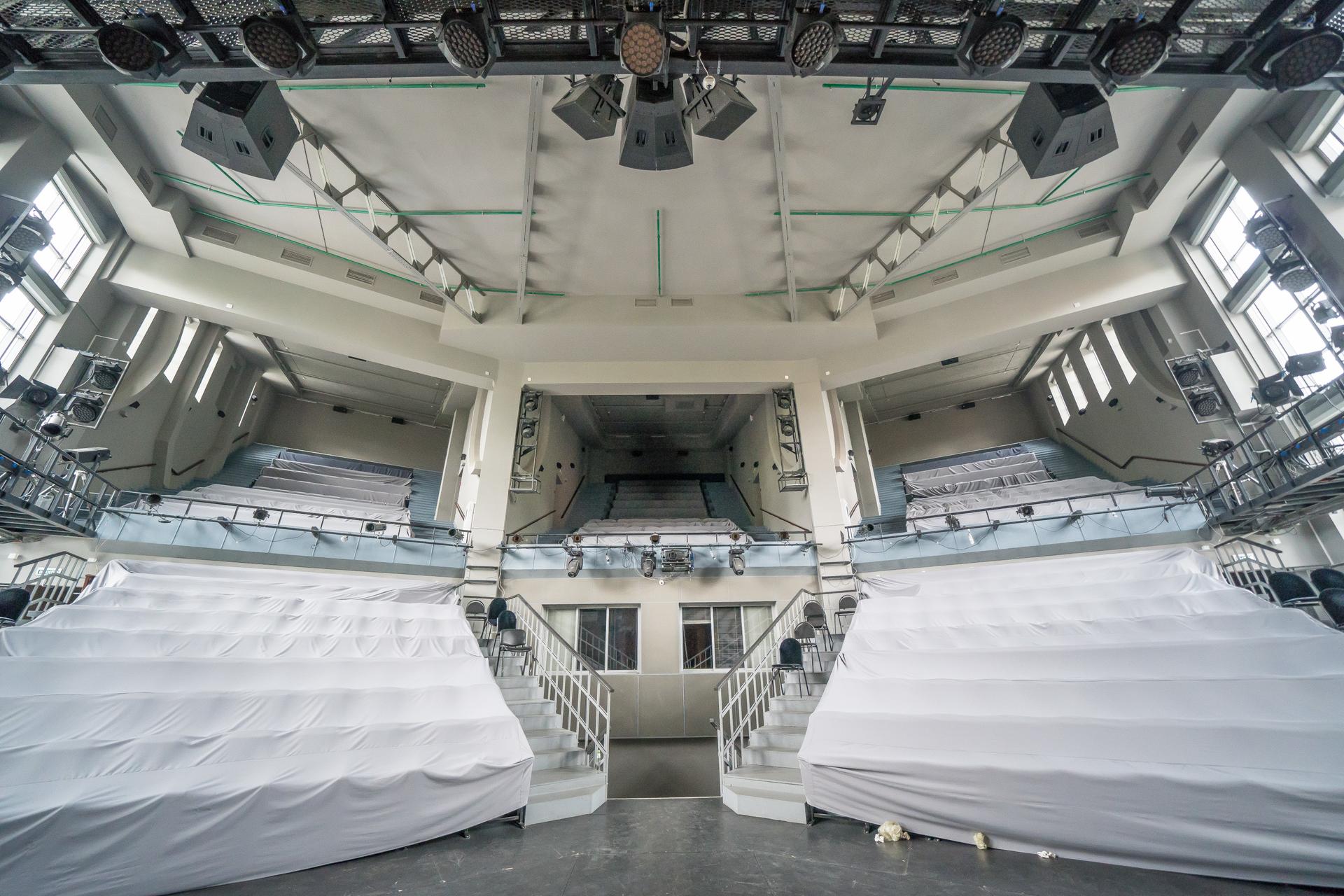
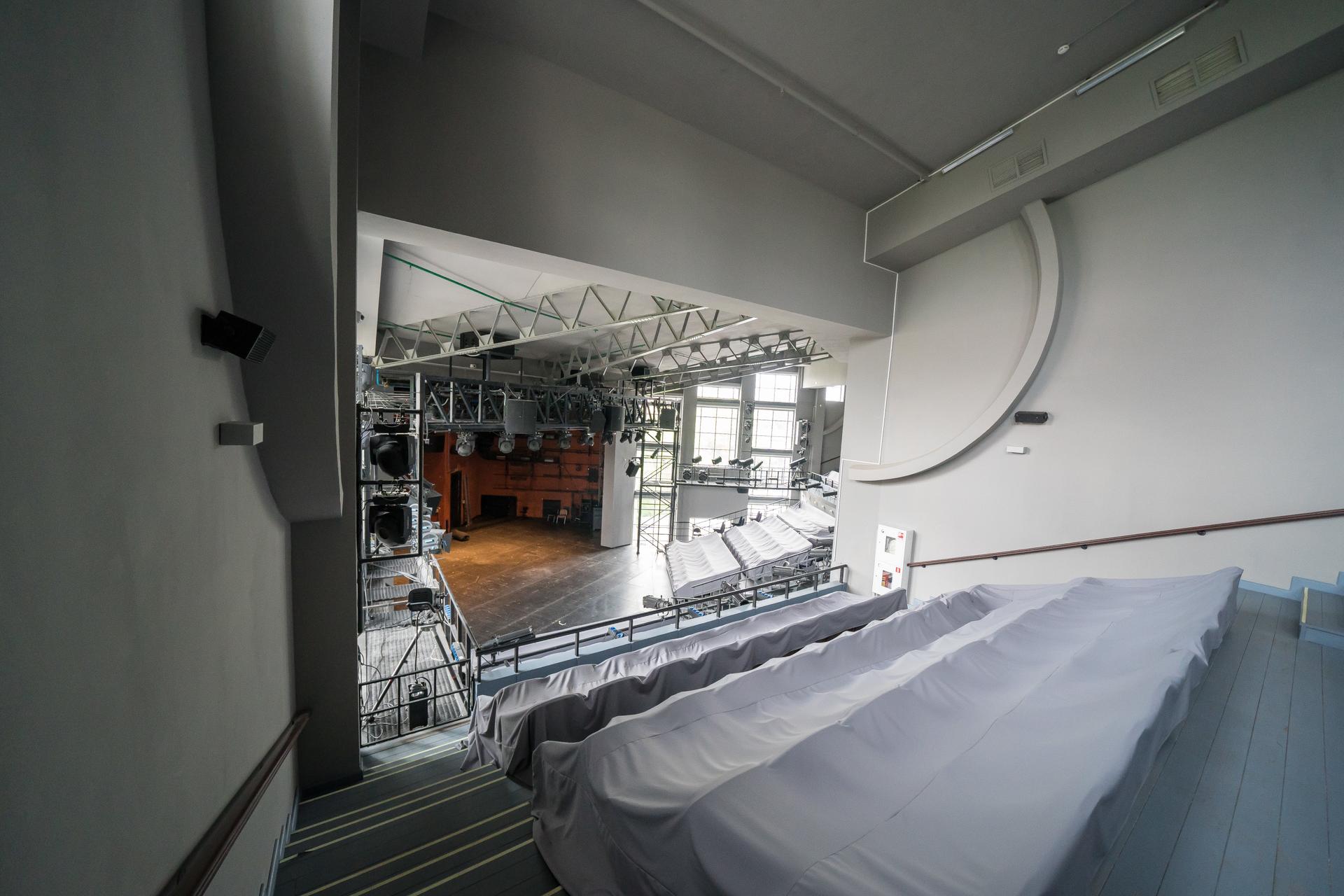
Вместимость зала можно было варьировать от 250 до 1300 человек, занимая только партер или произвольное количество трибун из трех нефов, по два независимых яруса в каждом (для 180‑ти человек). Пол партера имел слабый уклон и позволял легко убрать складные стулья, спроектированные архитектором. Средний ярус с плоским полом в первую очередь должен был использоваться для кружковой работы, так как отдельных помещений для занятий почти не было. Входные двери вели на цокольный этаж, а выход мог осуществляться прямо из зала – через наружный балкон с двумя пристроенными к нему лестницами.

Зал был выполнен светлым, с узкими вертикальными окнами. Винтовая лестница установлена в глубине сцены в треугольной нише (именно она видна с заднего фасада в виде остроугольной кирпичной башенки). Отделка фасада была основана на чередовании трех типов поверхностей: красной кирпичной кладки и двухцветной штукатурки — серой и белой. Перила террасы, сделанные из газовых труб, первоначально были светлыми.

Перестройка и реставрация

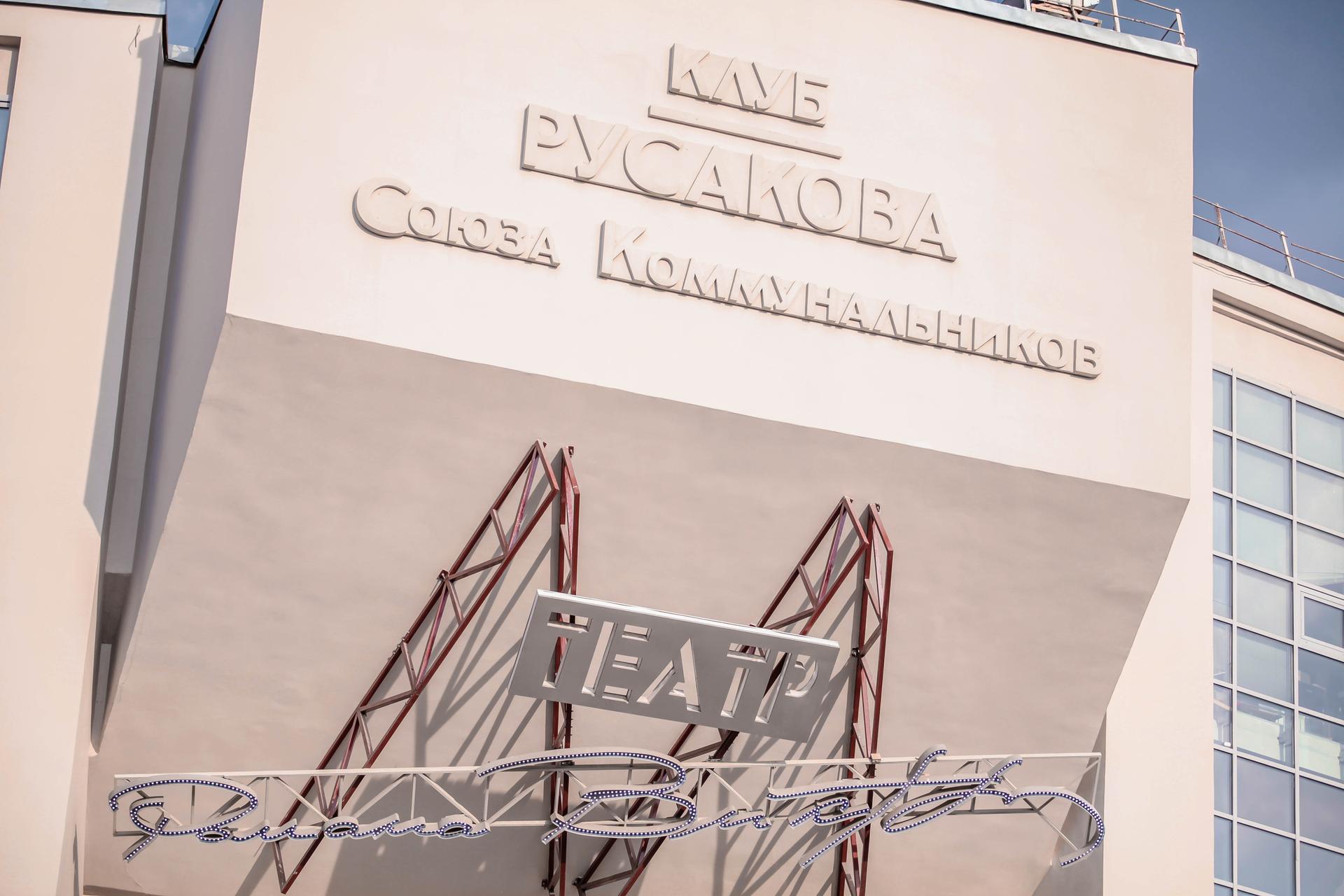
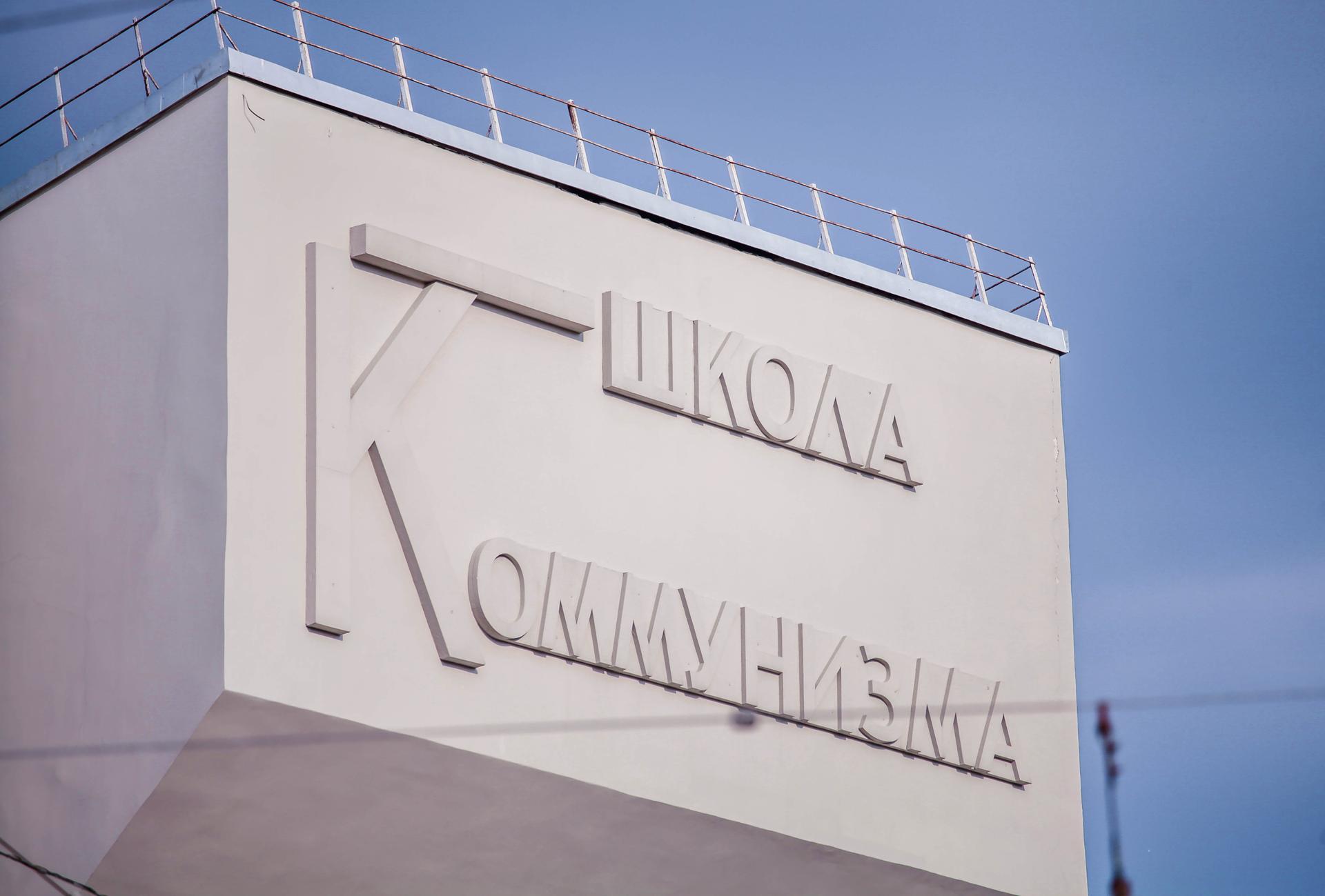
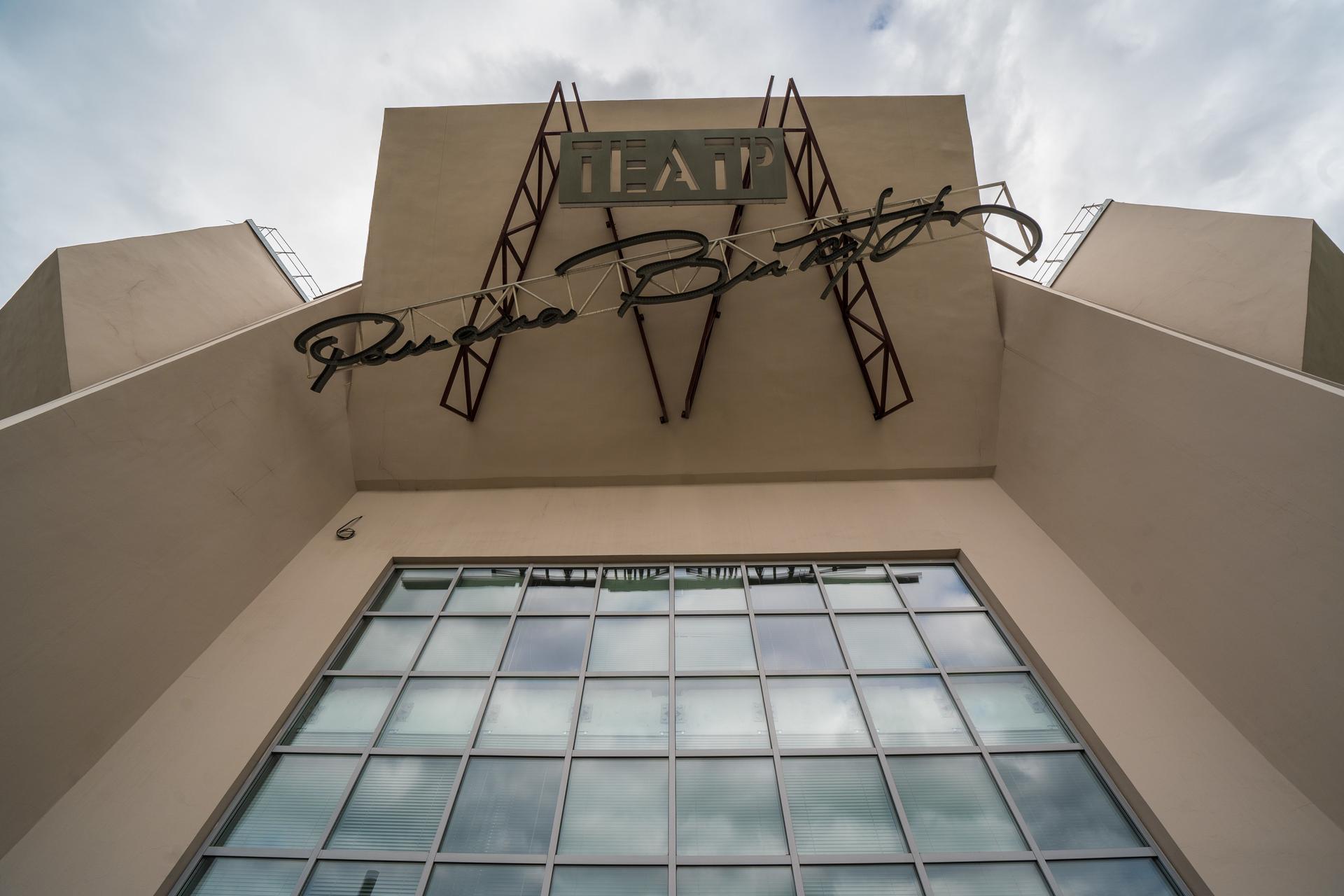
В 2012 - 2015 годах была проведена комплексная реставрация здания для использования его театром Романа Виктюка. Внешнему облику здания возвращен аутентичный вид с росписями торцов трибун, заметными издалека, а внутреннее убранство приспособлено под современное использование
This club is a recognized masterpiece and is included in all international lists of the best buildings of the 20th century. The building in the style of "avant-garde" was built in 1927-1929 by the architect K.S. Melnikov almost completely in accordance with the author's plan. While other projects of Melnikov's clubs were greatly changed during the implementation, the architect himself considered this building to be his most significant professional achievement. The club occupies a very narrow area and has a plan of a sector form, which coincides with the shape of a small auditorium. External forms of the club remind a part of a gear-wheel that catches the eye at first glance. The originality of the building was the cause for criticism of its architecture, but that’s how Melnikov wittily replied to the requests of the customer – the Union of municipal employees. He put the auditorium on the second floor, as required, and the first floor was given to the office space, they were cleverly combined in common volume. Three cantilever ledges are hanging into the street, accommodating the stands of the amphitheater (their reinforced concrete structures were designed by engineer VV Rozanov). Melnikov made such hanging forms not only to increase the space for the audience, but also as partitions separated by partitions. The transformation of the hall was conceived as mechanized, the mechanic N.I. Gubin. Seating capacity can be varied from 250 to 1,300 people, occupying only the parterre or any number of the stands made of the three naves - two independent tiers in each (for 180 people). Parterre floor had a slight incline and allowed to remove easily the folding chairs, designed by the architect. Middle tier with a flat floor in the first place was to be used for group work as there were almost no individual rooms for classes. Entrance doors led to the basement, and people could exit straight out of the auditorium - through the outer balcony with two staircases attached to it. The hall was made ​​as a bright one, with narrow vertical windows. A spiral staircase, placed in the depth of the stage, is set in a triangular niche (it is visible from the rear facade – it has a form of sharp edged brick turret). The finishing of the facade was based on the alternation of the three types of surfaces: red brickwork and two colors of plaster - gray and white. Terrace railing, made ​​of gas pipes, originally were of light color. In 2012 the restoration of the building started – it was supposed to be used for Roman Viktyuk theater. The external appearance of the building was returned to the authentic look with painted ends of the stands, visible from afar, and the interior was adapted for the modern use.
Автор статьи: Николай Васильев
Отзывы
(1)