Ансамбль Каланчевской площади окончательно сложился к 1927 году. Комплекс Казанского вокзала по проекту архитектора А.В. Щусева начал строиться в 1913 году, но строительству помещала война, вокзал был закончен только после Октябрьской революции в 1927 году и продолжал дорабатываться до 1940‑х годов.
После революции Щусев переделал свой проект, учитывая новую политическую и финансовую ситуацию в стране. В 1927 году в комплекс вокзала был включен Клуб Октябрьской революции – «образцовый рабочий клуб-театр» для членов профсоюза железнодорожников. В первоначальном проекте Щусева в угловой части здания по Каланчевской площади находился дом Общества потребителей служащих Московско-Казанской железной дороги.
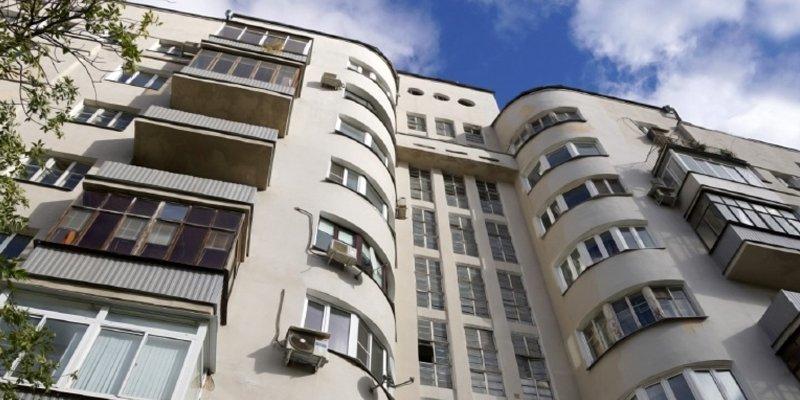
Здание клуба прекрасно сочетается с остальным зданием вокзала и выполнено в том же стиле «нарышкинского» барокко, воспроизводя белокаменные «гребешки» церквей XVII века. Зрительный зал клуба вмещал 1200 мест (сейчас около 700). Полукруглая фасадная стена является внешней стеной зрительного зала. Для здания инженером Г.Г. Карлсеном была просчитана новаторская железобетонная конструкция в виде полукольца. Фойе клуба были размещены в бывших служебных помещениях вокзала. В 1940 году Щусев надстроил и перепланировал их.
Деньги на новый клуб были найдены в Наркомате путей сообщения, часть денег собрал дорожный комитет и Центральный комитет Союза железнодорожников. Однако среди москвичей ходила легенда о сокровищах Н.Д. Стахеева, купца 1‑й гильдии, бежавшего после революции во Францию. Говорили, что купец вернулся в Москву в 1918 году за сокровищами, которые были спрятаны в его доме на Басманной. Неудачливого купца схватили сотрудники ГПУ, и тогда он предложил Дзержинскому сделку: в обмен на сокровища купец просил пожизненную пенсию и возможность уехать.
История эта была напечатана в газете «Гудок», в которой работали И. Ильф и Е. Петров. Под их сатирическим пером «бриллианты превратились в сплошные фасадные стекла и железобетонные перекрытия, прохладные гимназические залы были сделаны из жемчуга. Алмазная диадема превратилась в театральный зал с вертящейся сценой, рубиновые подвески разрослись в целые люстры, золотые змеиные браслетки с изумрудами обернулись прекрасной библиотекой, а фермуар перевоплотился в детские ясли, планерную мастерскую, шахматный клуб, бильярдную».

Автор: Артамонова Екатерина Андреевна

Автор: Дубинкин Сергей Андреевич

Автор: Савина Екатерина Владимировна

Автор: Гайнуллина Кристина Артуровна

Автор: Александр Иванов

Автор: Александр Иванов

Автор: Александр Иванов

Автор: Гайнуллина Кристина Артуровна

Автор: Гайнуллина Кристина Артуровна

Автор: Белянина Инесса Викторовна

Автор: Белянина Инесса Викторовна

Автор: Белянина Инесса Викторовна

Автор: Белянина Инесса Викторовна

Автор: Рудавина Анна Александровна

Автор: Рудавина Анна Александровна
%20%D0%9C%D0%BE%D1%81%D0%BA%D0%BE%D0%B2%D1%81%D0%BA%D0%BE-%D0%BA%D0%B0%D0%B7%D0%B0%D0%BD%D1%81%D0%BA%D0%BE%D0%B9%20%D0%B6%D0%B5%D0%BB%D0%B5%D0%B7%D0%BD%D0%BE%D0%B9%20%D0%B4%D0%BE%D1%80%D0%BE%D0%B3%D0%B8.1931.jpg&w=1920&q=75)
Автор: www.pastvu.com

Автор: www.pastvu.com

Автор: www.pastvu.com