О Парке Горького
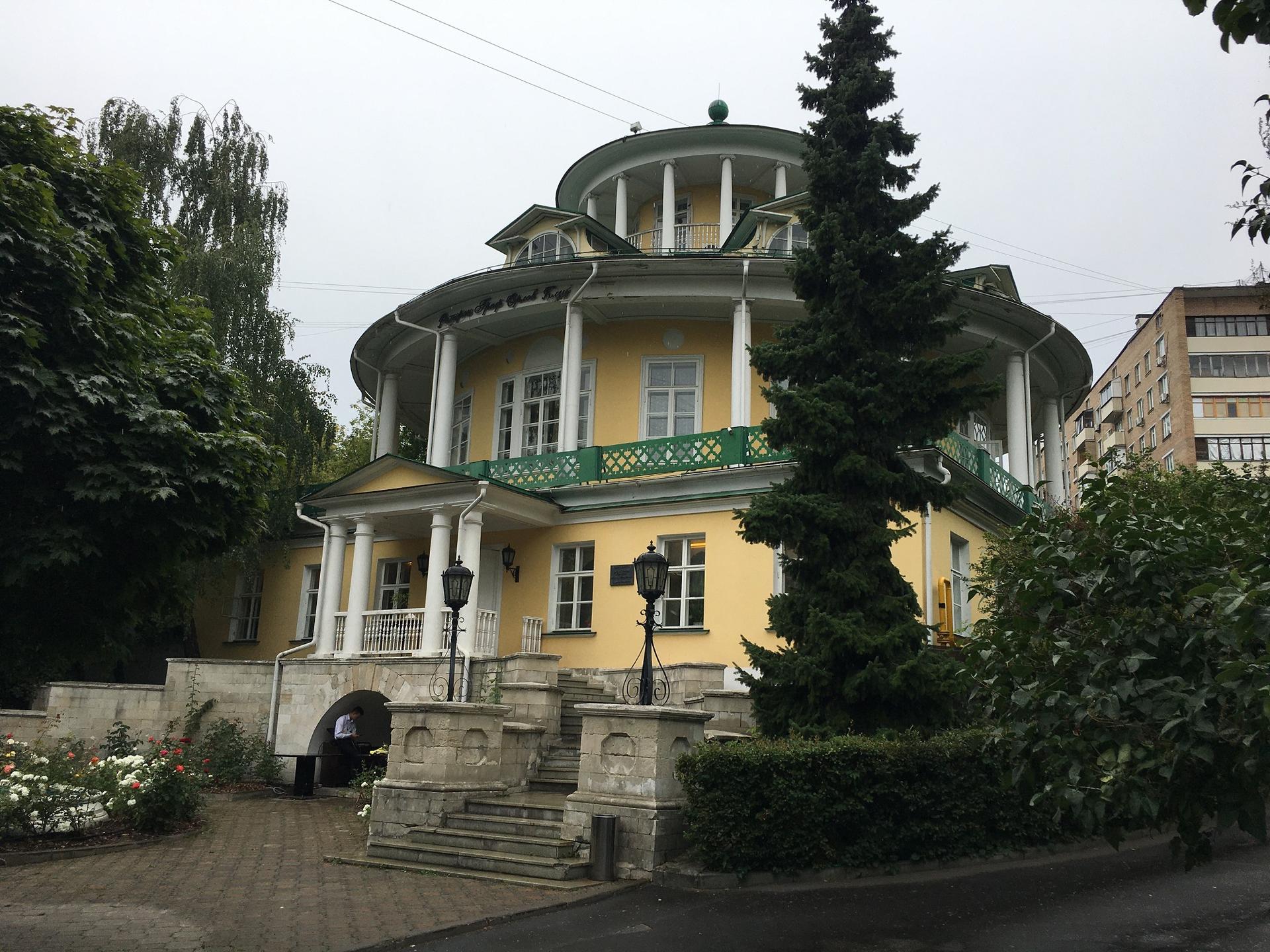
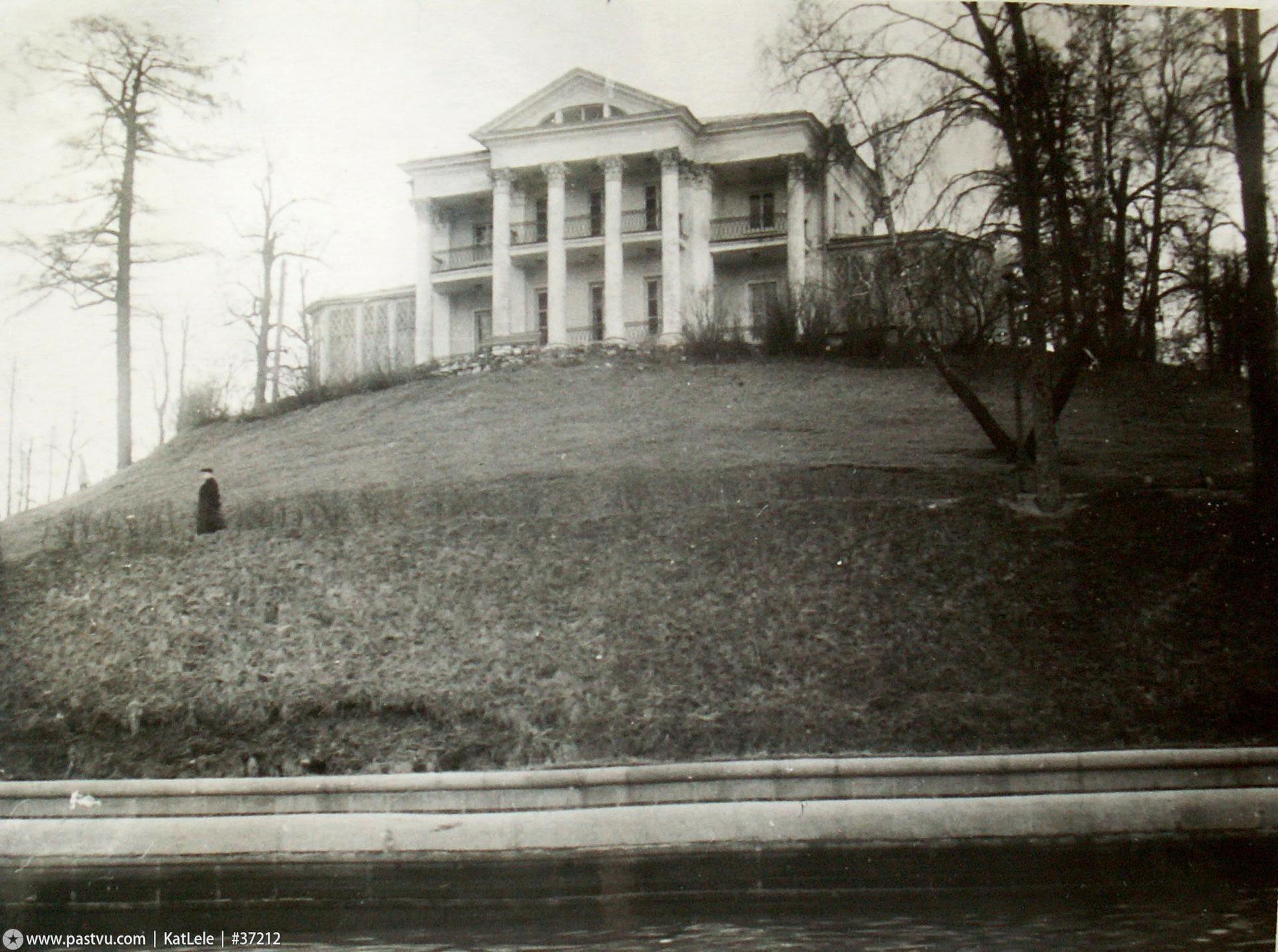
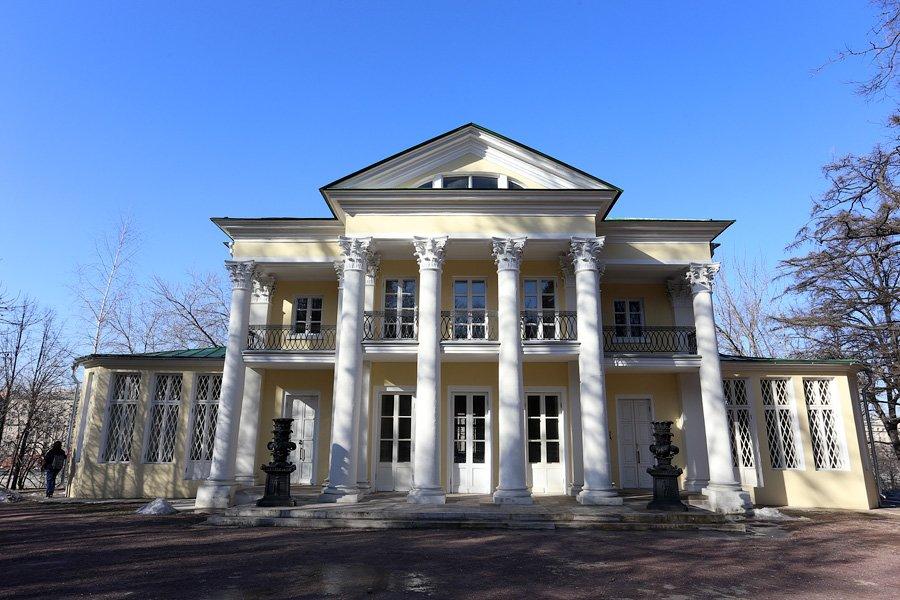
In 1796, the architect Count Alexei Grigorievich Orlov breaks the "English garden" and builds on the edge of a high hill over the river a small pavilion, later named Summer. With one facade he closed the top part of the park, and from the balcony of the other one opened a view of the panorama of the south of Moscow - from the Kremlin to the Vorobyovy Gory.
Right in front of the park lodge cool down the slope, and at the bottom of the pond was dug, arranged another " Vanny " pavilion, a romantic "Mysterious " Grotto and many other park attractions. Not all of them have survived. The most famous was the "Air Theater", hosted in 1830 and existed until 1834th - cloister semicircle ; scene has been adapted so that the decorations were replaced by trees and shrubs.
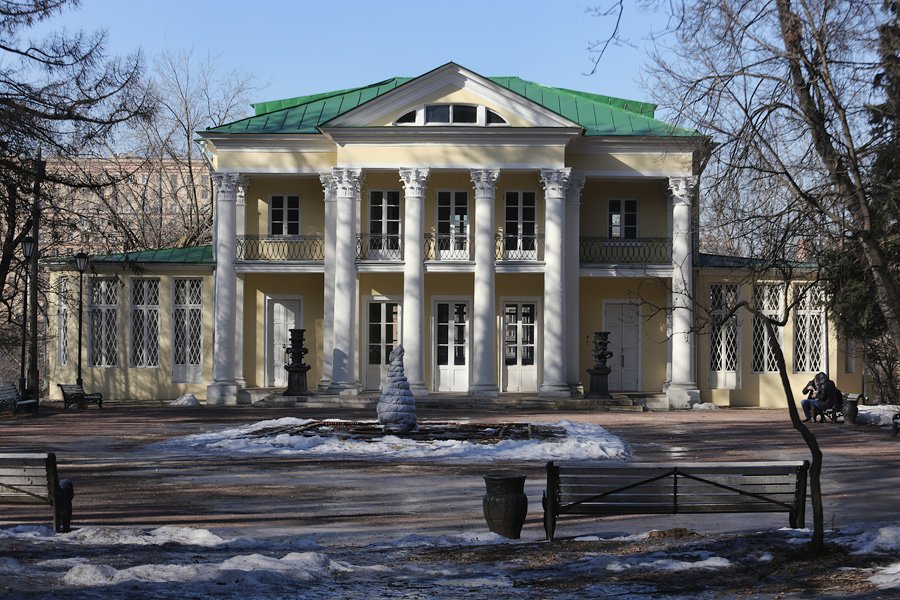
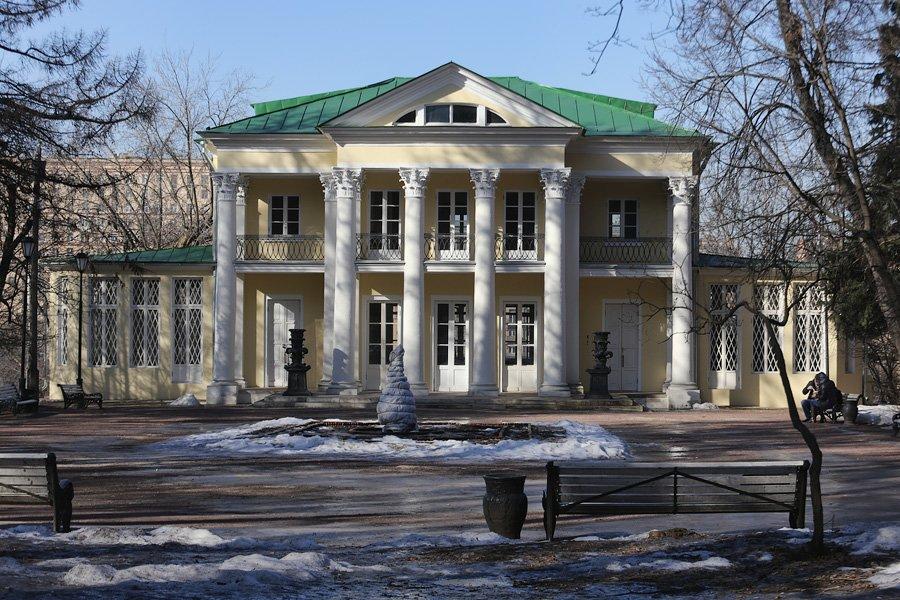
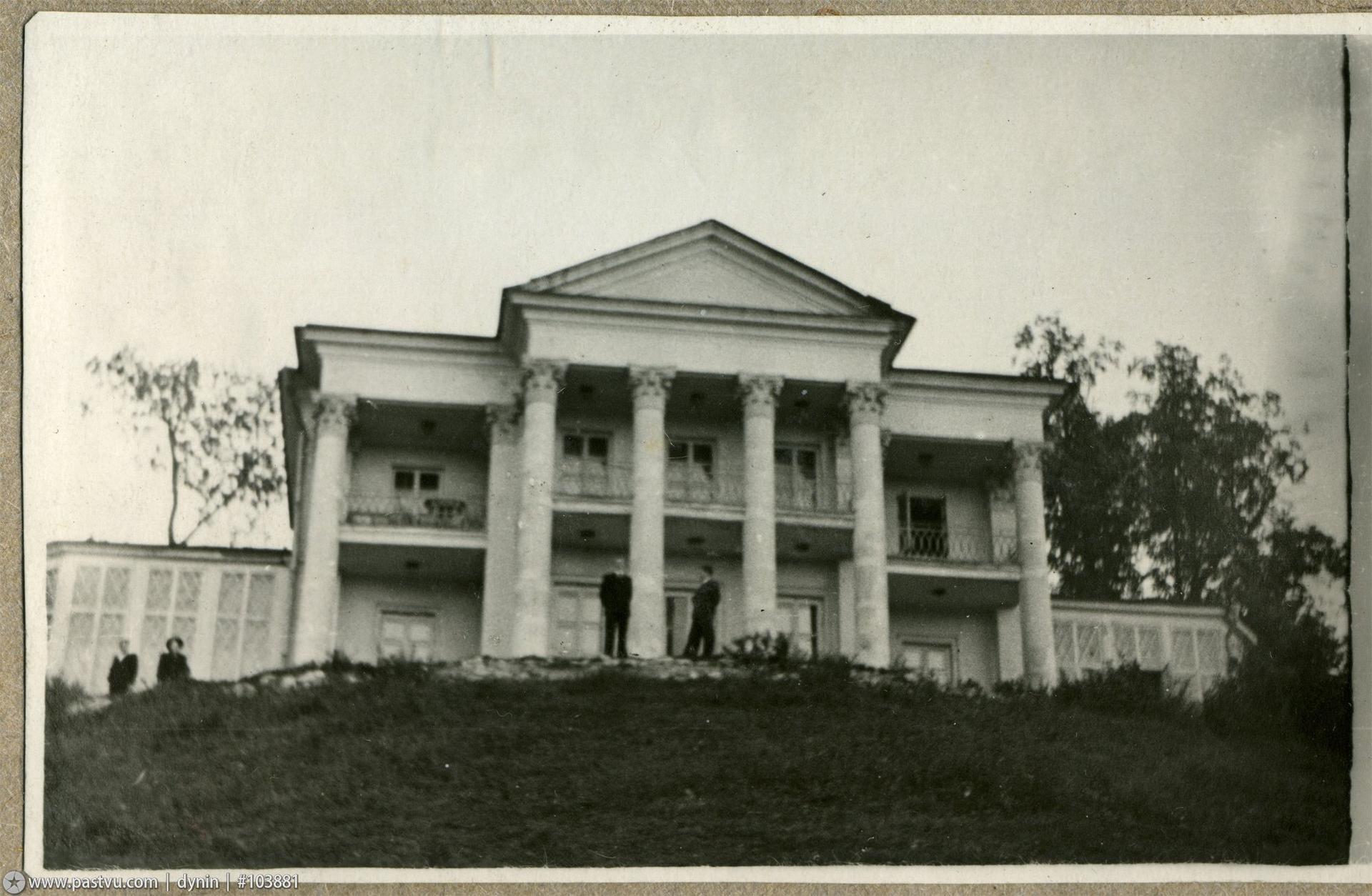
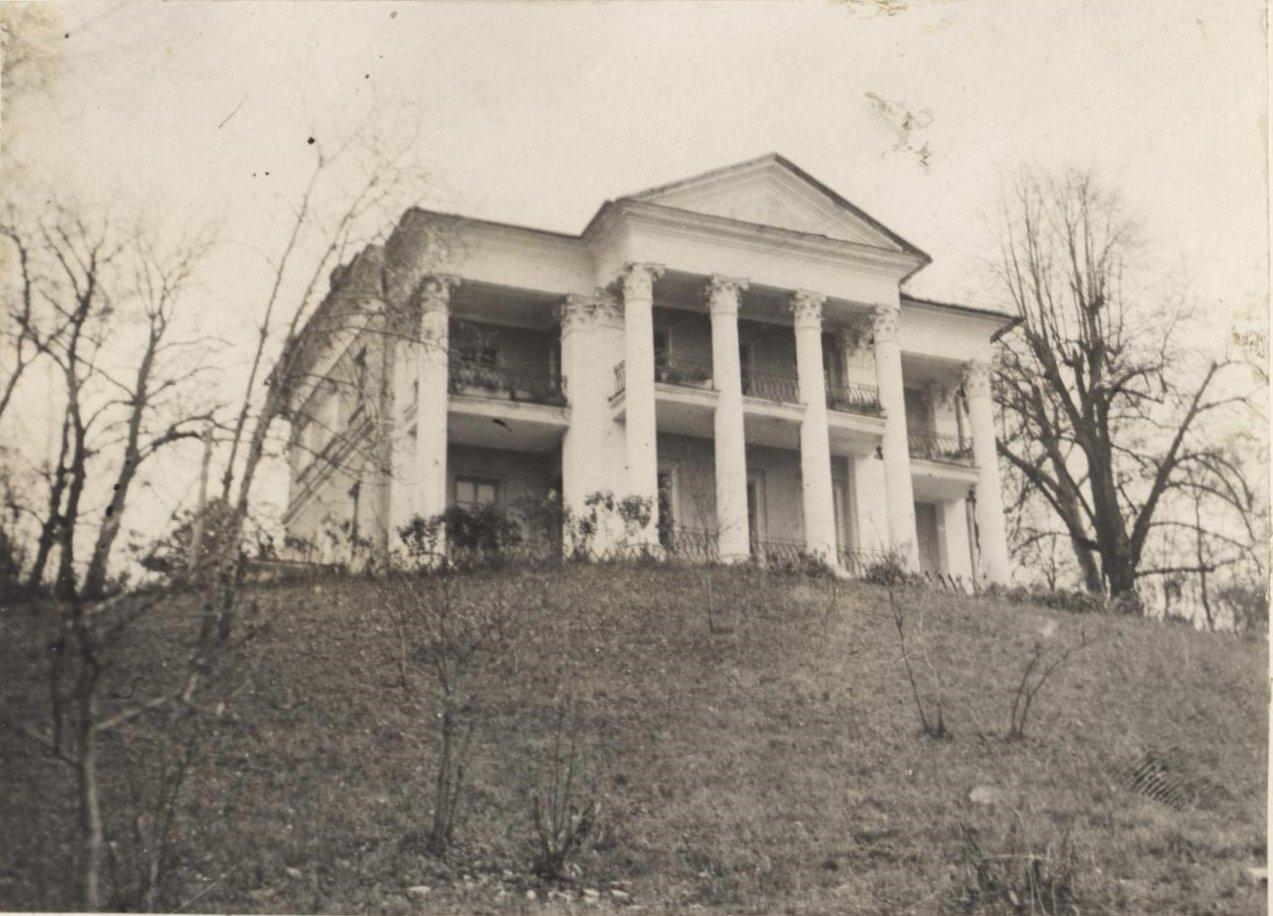
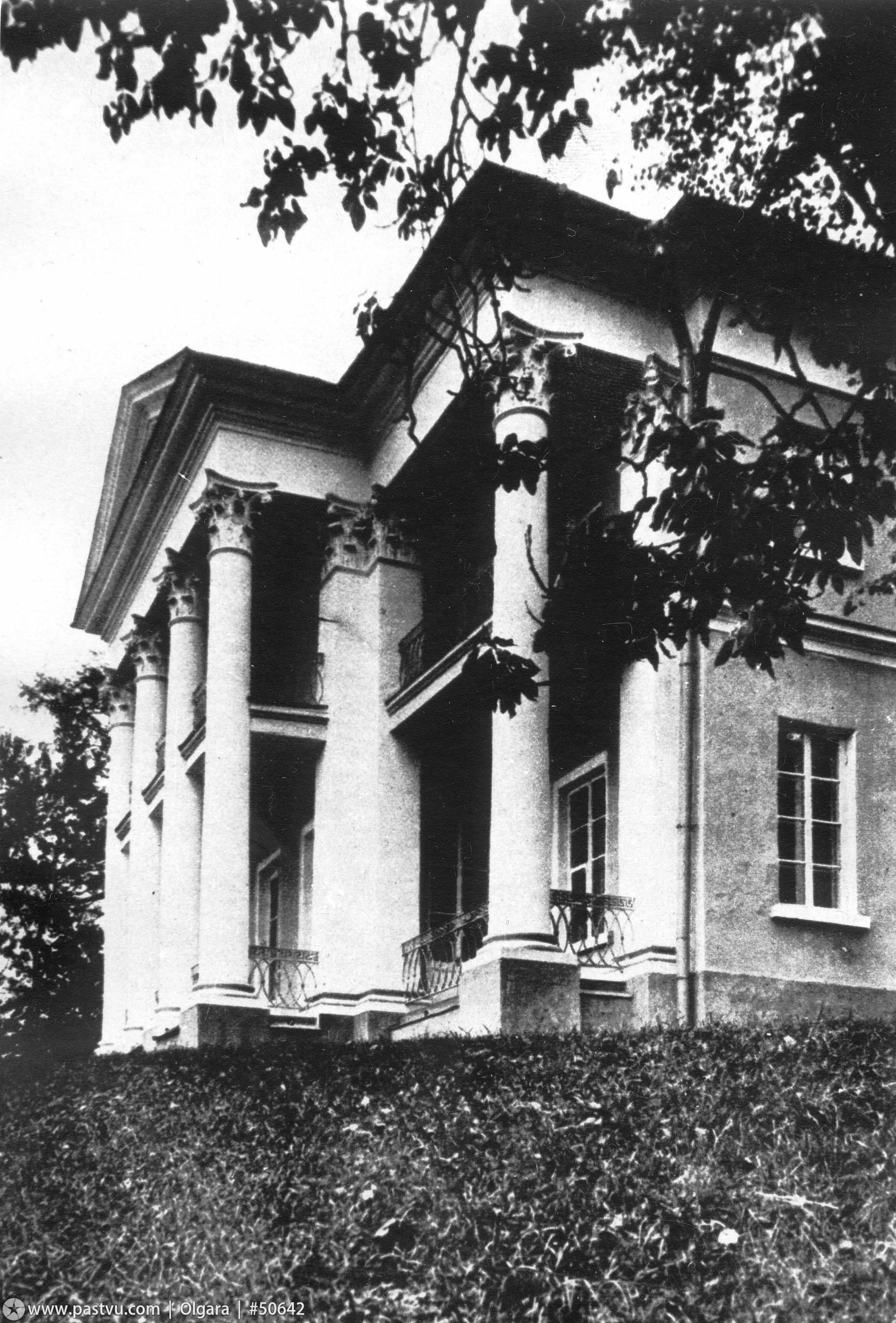
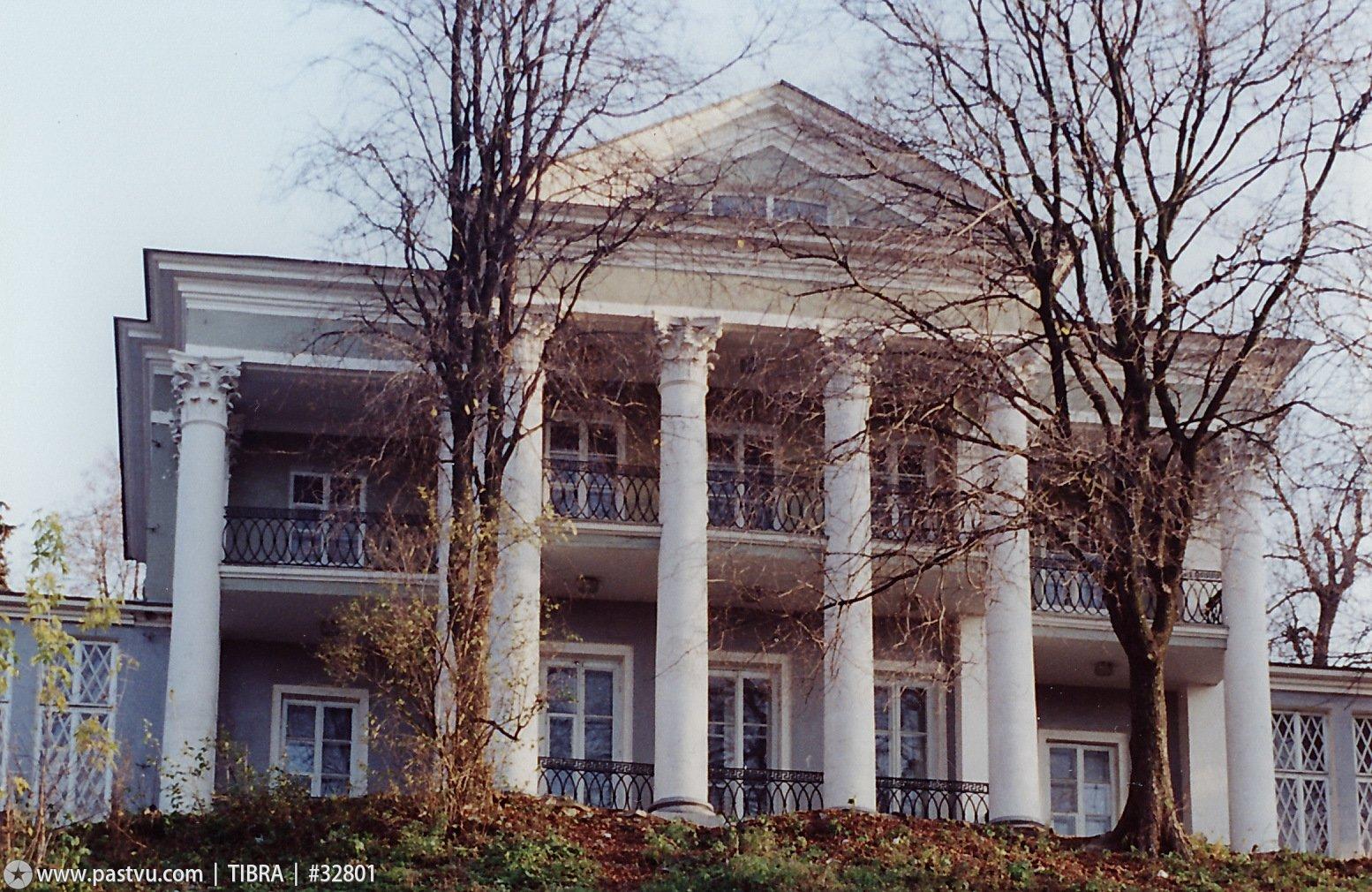
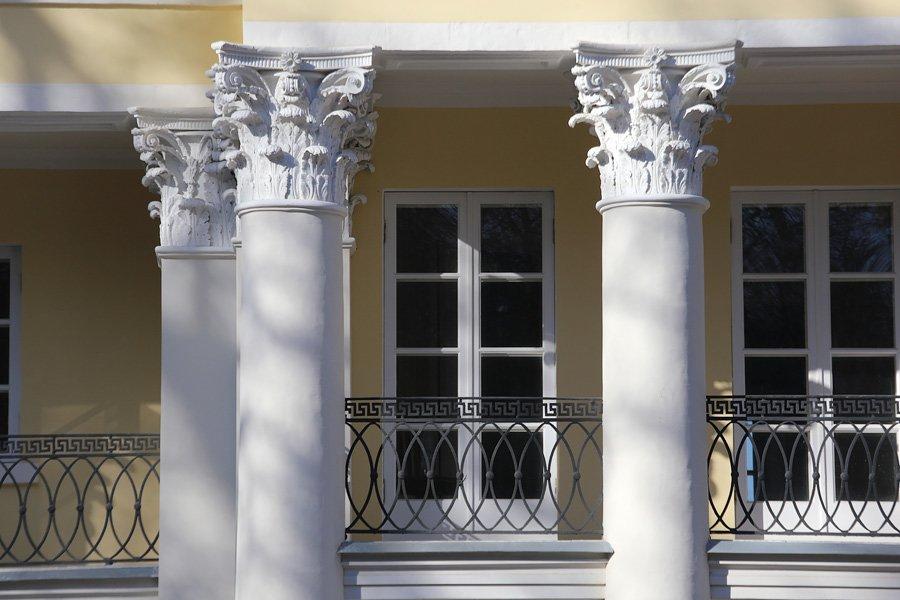
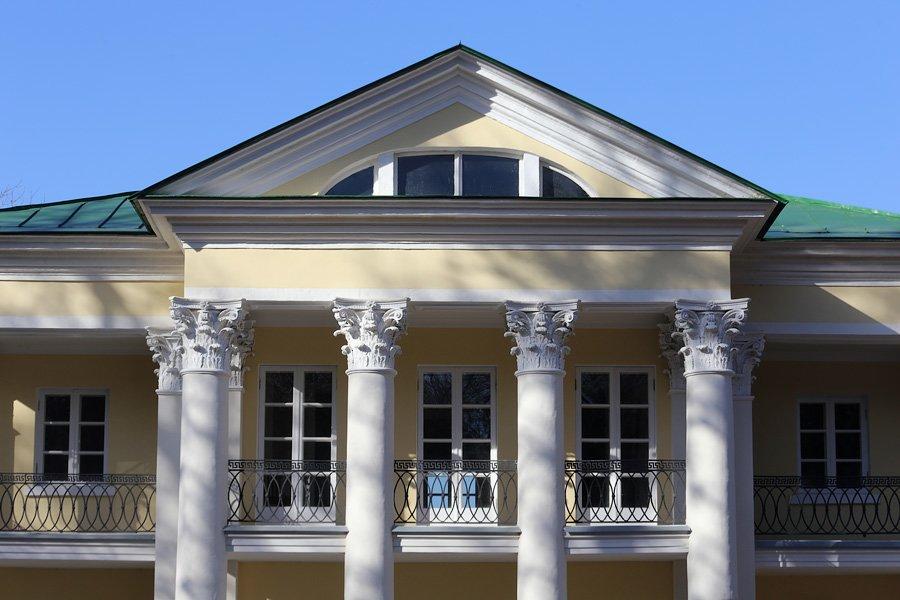
Cabin was built of wood and resolved in a spirit of neoclassical architecture - a simple symmetrical plan by six Corinthian columns each with a larger front and one-story pavilion with shutters, grilles with every small.
Englishwoman Catherine Wilmot, who visited the garden in 1807, wrote: "He cut up countless paths, mounds, lawns and cliffs, a variety of pavilions and baths pleasing to the eye. Incidentally, in the park architecture uses birch bark: and you can not imagine how it looks great - as if the summer houses and pavilions were built by hand the very nature".
Since 1831 the Neskuchny Garden has become the property of Nicholas I. More precisely, at first only a part. Directly the Neskuchnoe estate of the Shakhovsky Palace department was purchased in November 1826. But the Tsar could buy the possession of the Golitsyns only in 1842 - N. P. Golitsyn ("The Queen of Spades") categorically refused to sell the plot, and even inserted into the will that it can be sold only five years after her death. And only then all three parts were united and the present Neskuchny turned out. During the stay of the Tsar's family in Moscow, her residence became the neighboring Alexandrinsky Palace, and the Summer House until 1917 was used for tea drinking in the fresh air of members of the imperial family.
During the stay of the royal family in Moscow, Aleksandrinsky Palace was an official residence, Summer house was used for an imperial family tea party on plan air until 1917.
In the post-revolutionary period house was used for different purposes. “House of creativity” of the Union of Soviet Writers housed there for the longest period of time. Prior to the global transformation of Gorky Park, there was a library with reference hall. Now there is a photo shop.
Информация о здании
In 1796, the architect Count Alexei Grigorievich Orlov breaks the "English garden" and builds on the edge of a high hill over the river a small pavilion, later named Summer. With one facade he closed the top part of the park, and from the balcony of the other one opened a view of the panorama of the south of Moscow - from the Kremlin to the Vorobyovy Gory.
Right in front of the park lodge cool down the slope, and at the bottom of the pond was dug, arranged another " Vanny " pavilion, a romantic "Mysterious " Grotto and many other park attractions. Not all of them have survived. The most famous was the "Air Theater", hosted in 1830 and existed until 1834th - cloister semicircle ; scene has been adapted so that the decorations were replaced by trees and shrubs.
Cabin was built of wood and resolved in a spirit of neoclassical architecture - a simple symmetrical plan by six Corinthian columns each with a larger front and one-story pavilion with shutters, grilles with every small.
Englishwoman Catherine Wilmot, who visited the garden in 1807, wrote: "He cut up countless paths, mounds, lawns and cliffs, a variety of pavilions and baths pleasing to the eye. Incidentally, in the park architecture uses birch bark: and you can not imagine how it looks great - as if the summer houses and pavilions were built by hand the very nature".
Since 1831 the Neskuchny Garden has become the property of Nicholas I. More precisely, at first only a part. Directly the Neskuchnoe estate of the Shakhovsky Palace department was purchased in November 1826. But the Tsar could buy the possession of the Golitsyns only in 1842 - N. P. Golitsyn ("The Queen of Spades") categorically refused to sell the plot, and even inserted into the will that it can be sold only five years after her death. And only then all three parts were united and the present Neskuchny turned out. During the stay of the Tsar's family in Moscow, her residence became the neighboring Alexandrinsky Palace, and the Summer House until 1917 was used for tea drinking in the fresh air of members of the imperial family.
During the stay of the royal family in Moscow, Aleksandrinsky Palace was an official residence, Summer house was used for an imperial family tea party on plan air until 1917.
In the post-revolutionary period house was used for different purposes. “House of creativity” of the Union of Soviet Writers housed there for the longest period of time. Prior to the global transformation of Gorky Park, there was a library with reference hall. Now there is a photo shop.