Интерактивный гид по городу
С мобильным приложением бродить по городу гораздо интереснее!

Mariinsky school

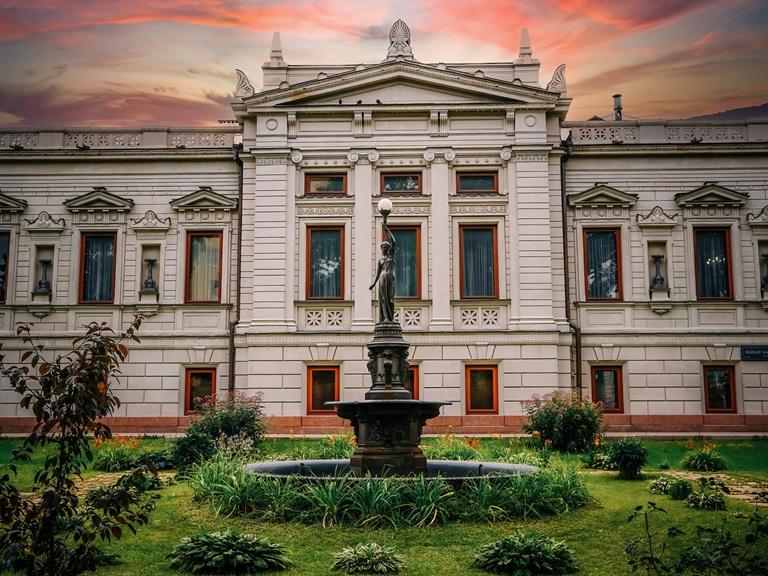
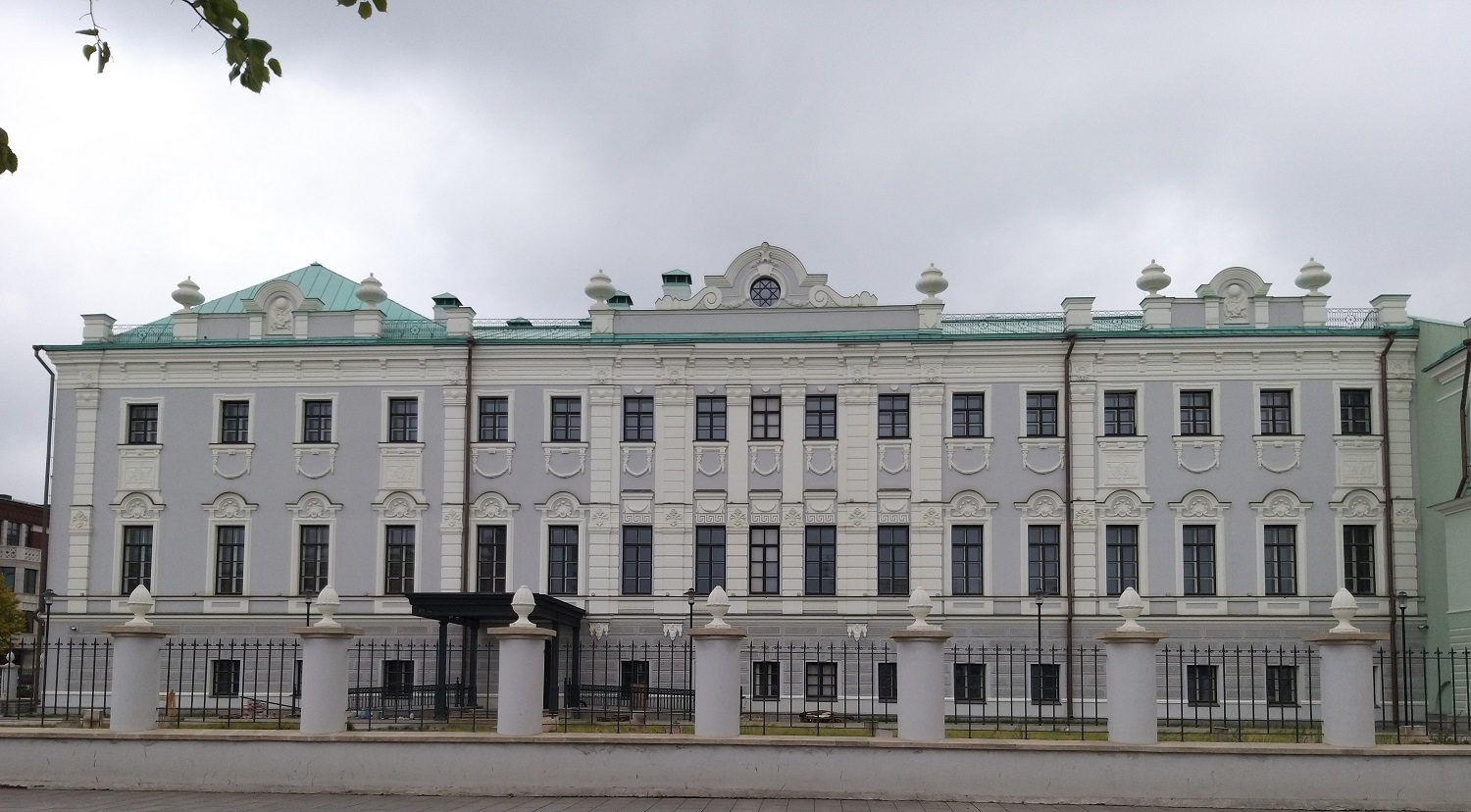
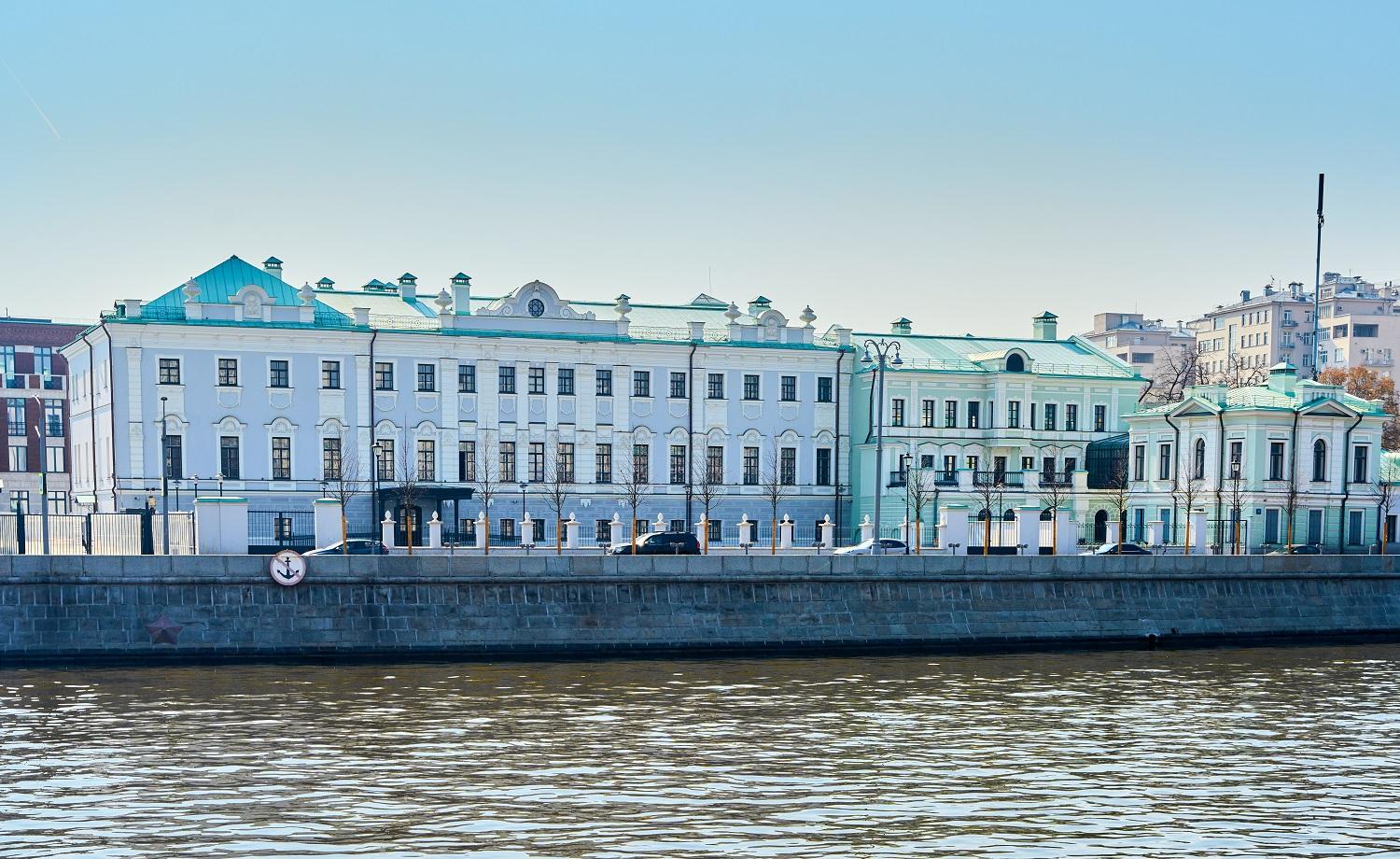
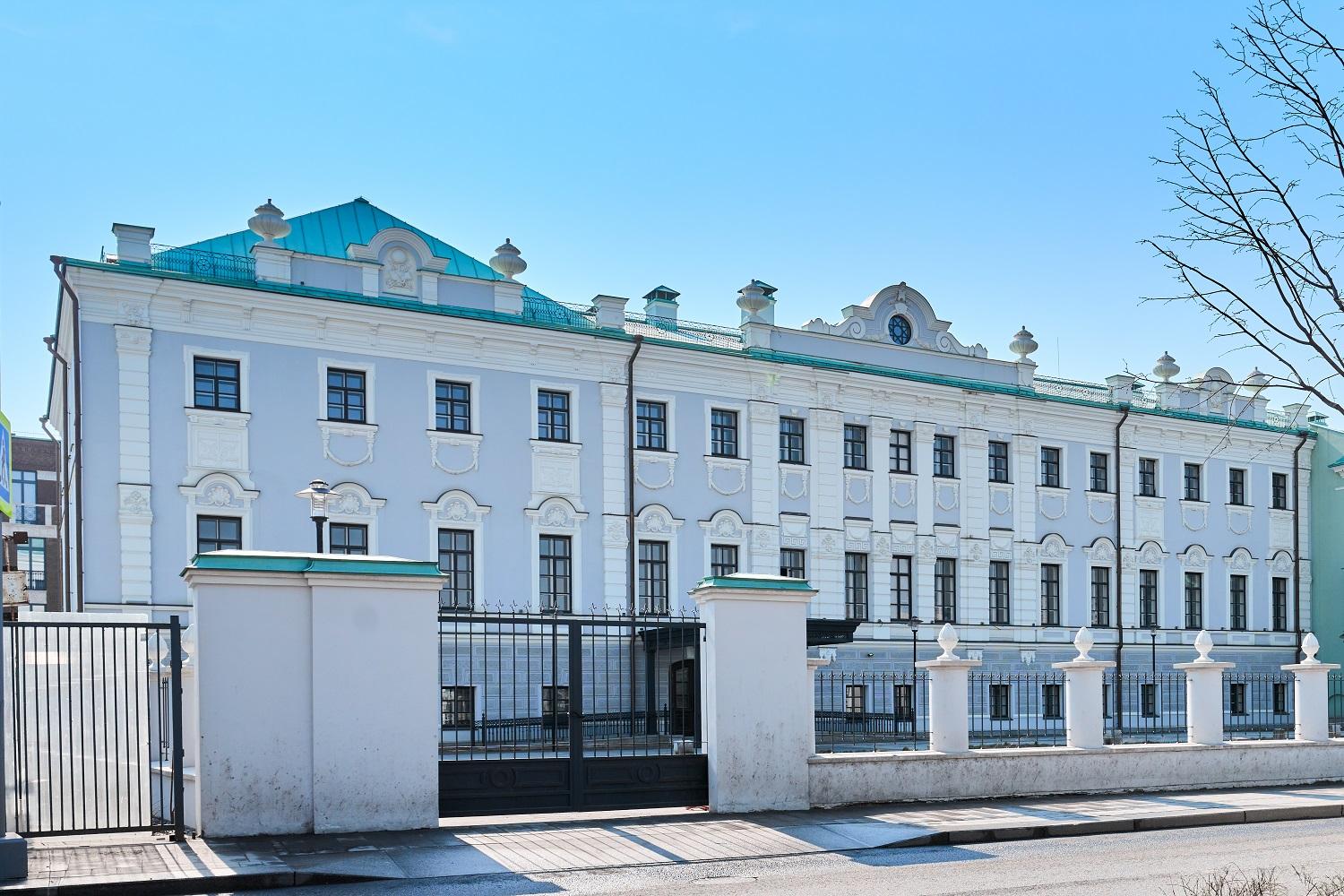
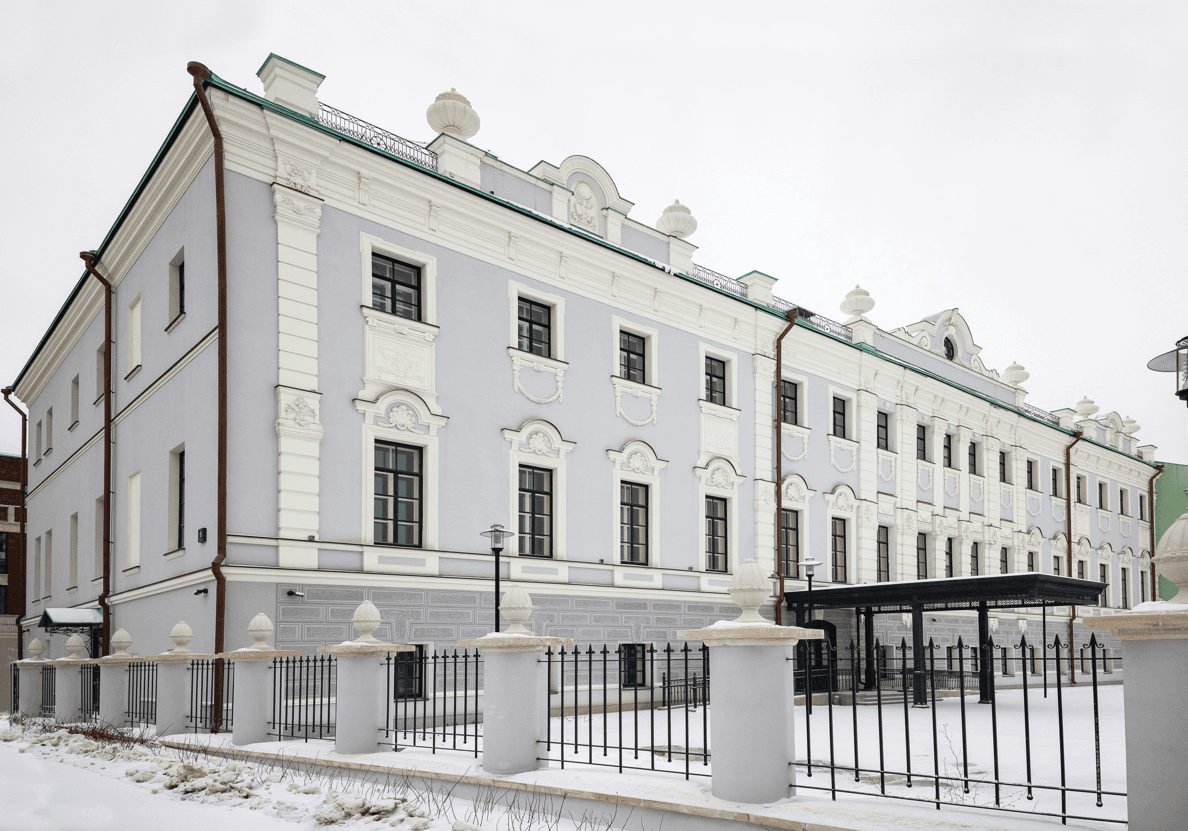
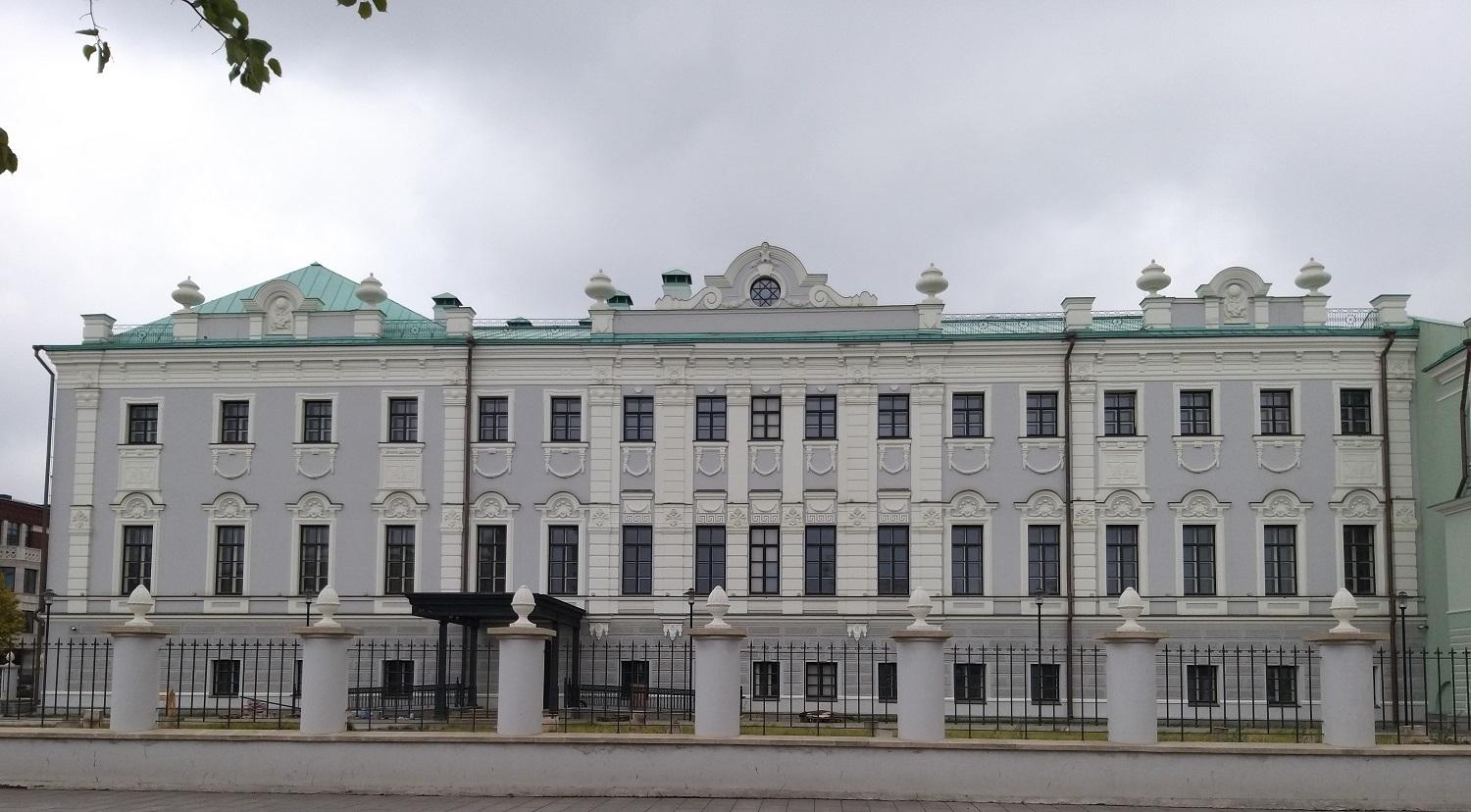
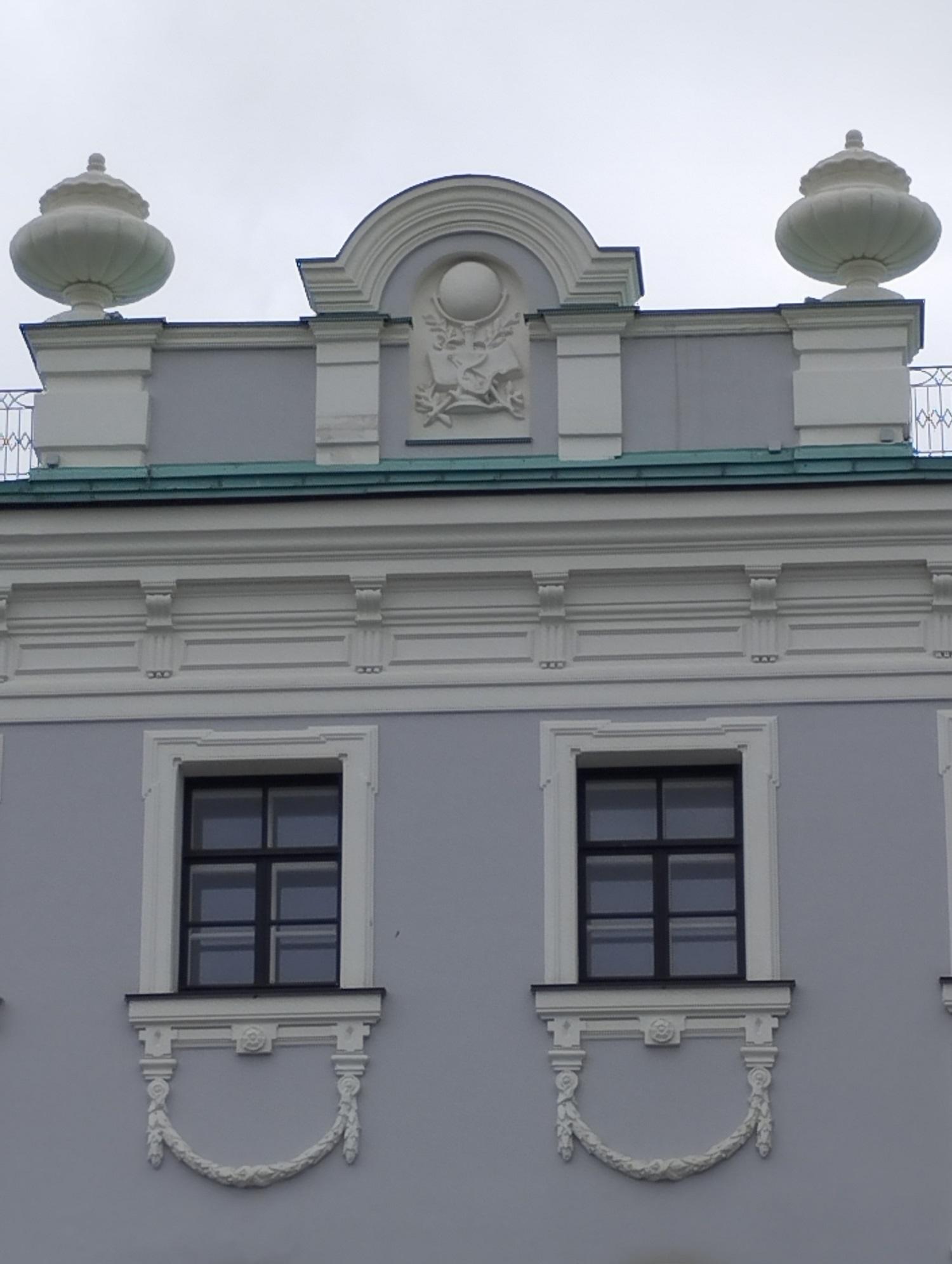
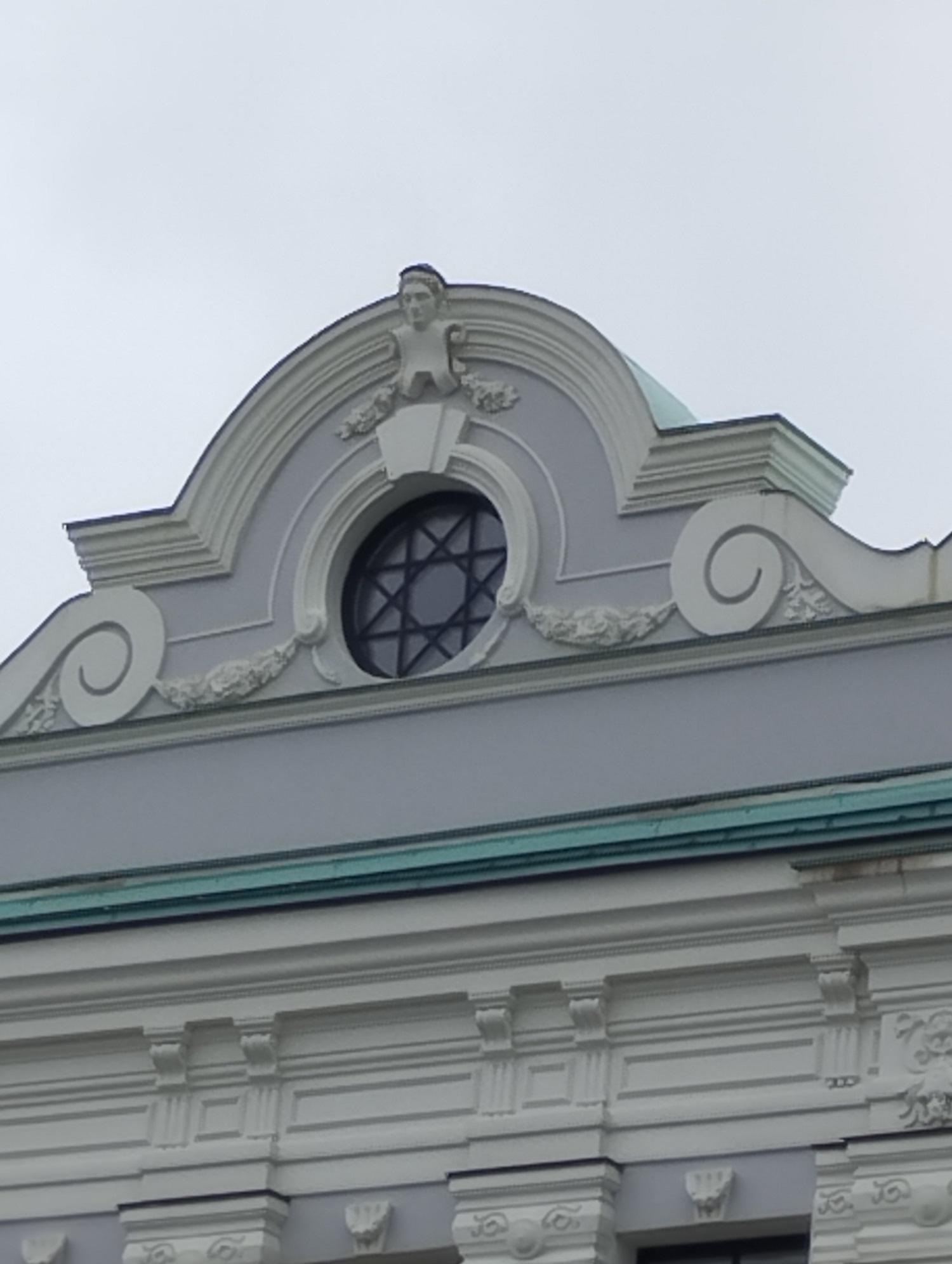
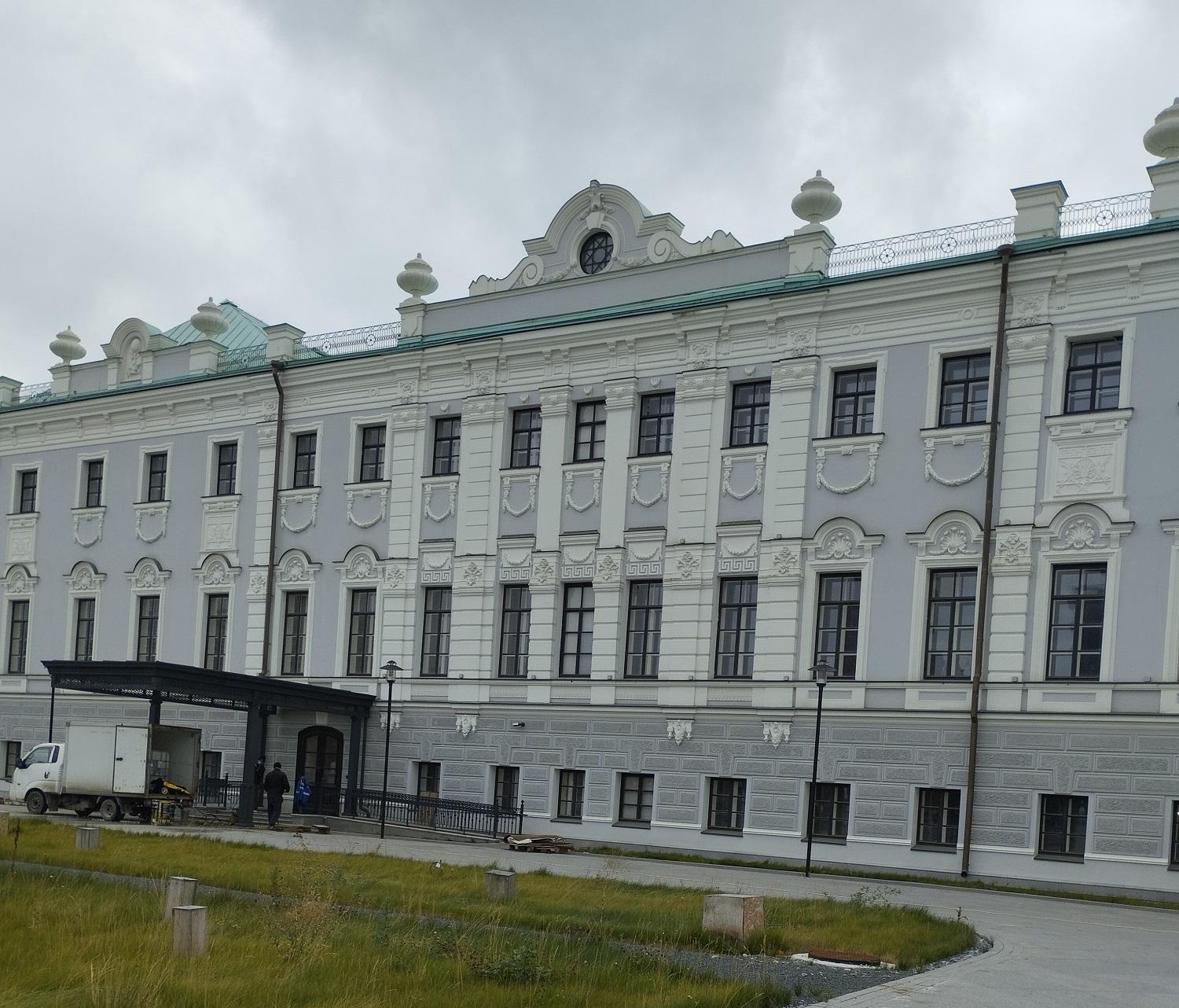
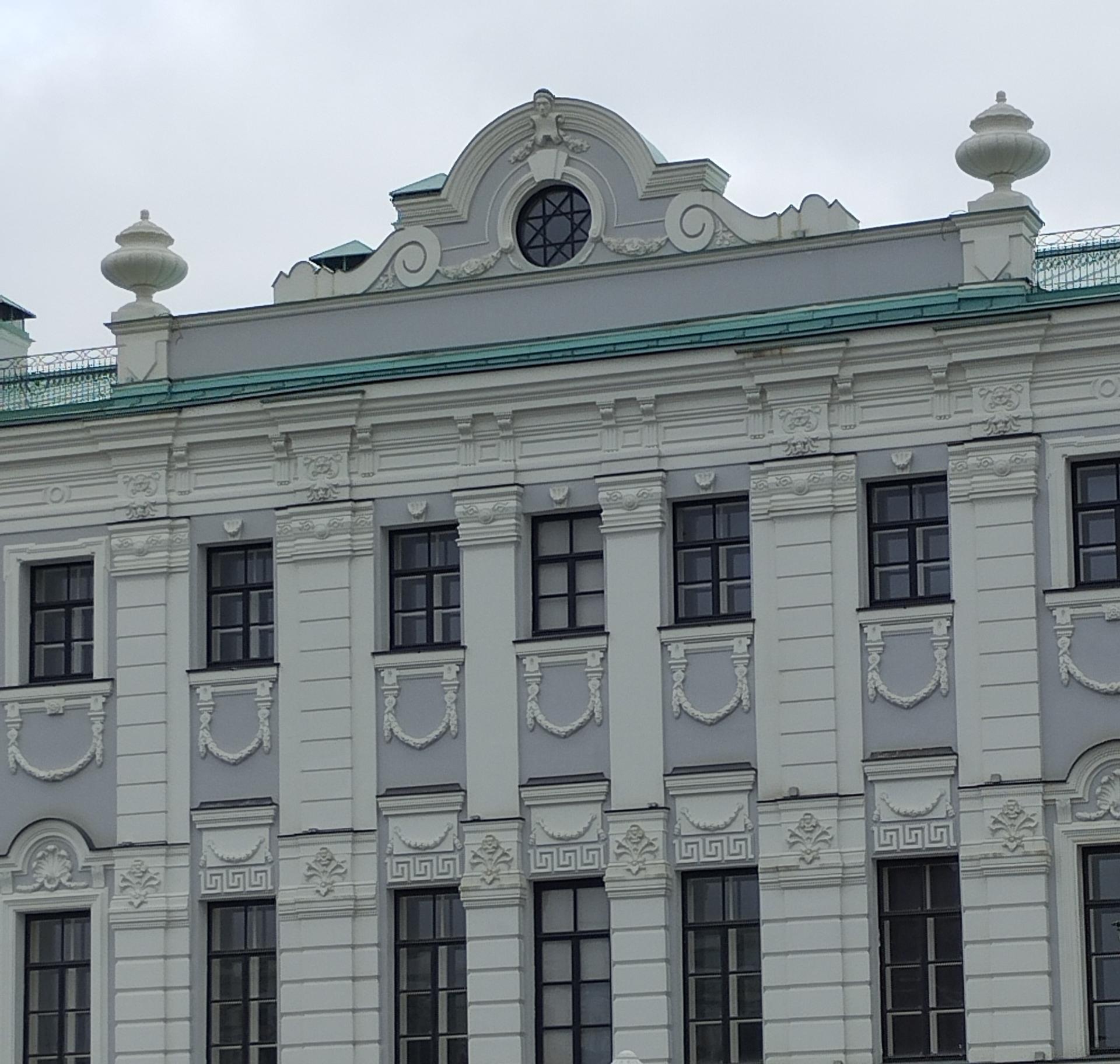
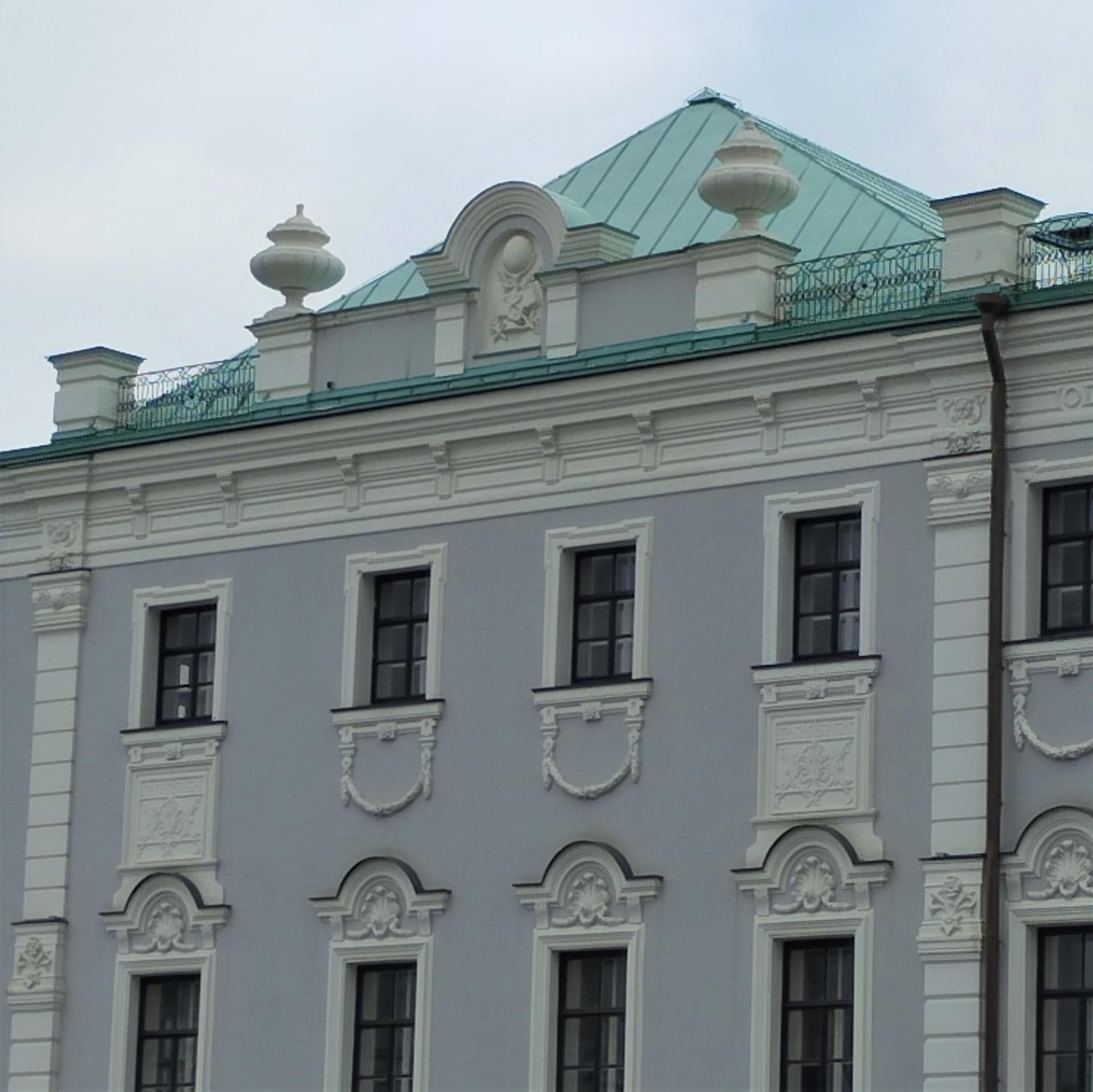
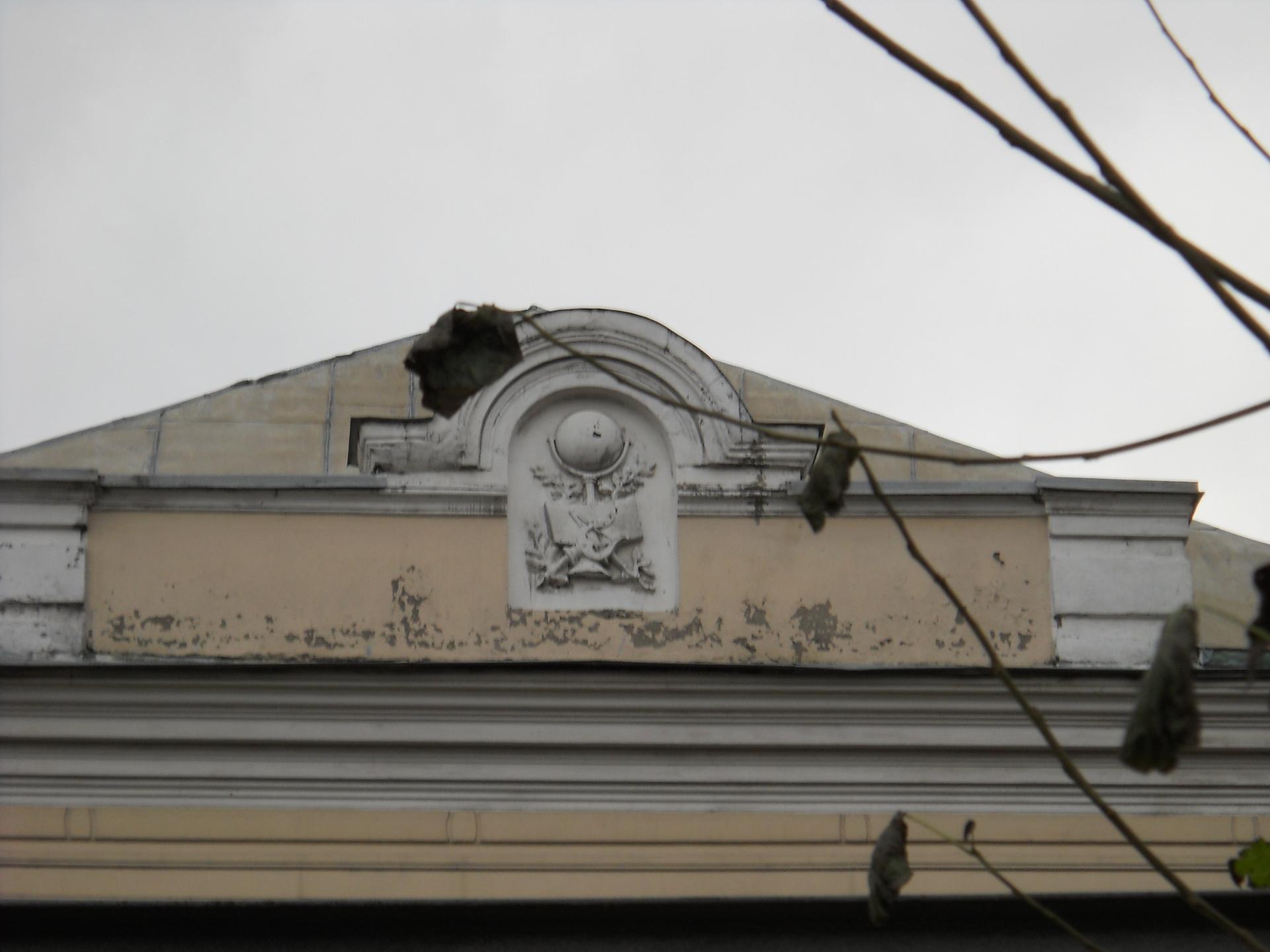
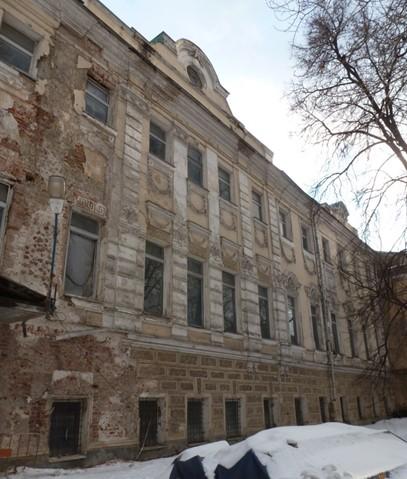
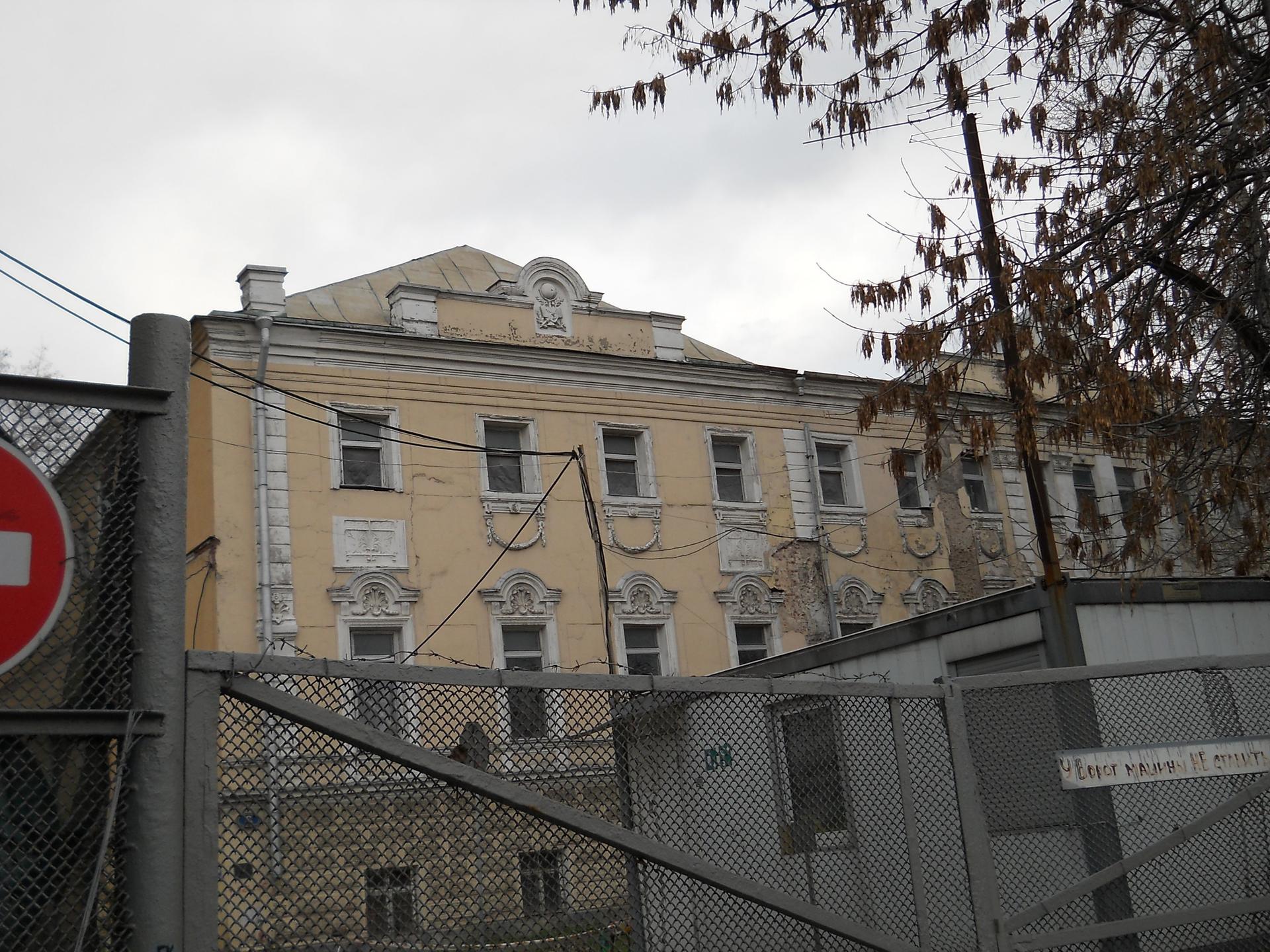
In the depths of the site at number 8 a bright three-storey building with a shaped attic and elegant moldings stands behind the iron fence. This building known as "Mariinsky Academy." This house endured many changes in the twentieth century and it is now under threat of demolition or global reconstruction.

Mariinsky school
Mariinsky school
Borovickaya, Biblioteka Lenina
In the depths of the site at number 8 a bright three-storey building with a shaped attic and elegant moldings stands behind the iron fence. This building known as "Mariinsky Academy." This house endured many changes in the twentieth century and it is now under threat of demolition or global reconstruction.
3.39
Вы можете воспользоваться QR-кодом, чтобы открыть эту страницу в нашем приложении
Архитектурный стиль:
Годы постройки:
XVIII - XX вв.
Эпоха:
18th century, 19th century, 1900s
Информация о здании

История участка начинается в XVIII веке, когда частью его владел Сергей Авраамович Лопухин, сын «думного дворянина» Авраама Никитича Лопухина и двоюродный брат царицы Евдокии, первой жены Петра Первого. В 1711 году владение переходит к его дочери Мавре, по мужу – графине Шереметевой, и остается в этом роду до 1750-х годов, до объединения участков. В непосредственной связи с Петром был и владелец другой части владения, Тимофей Надаржинский, духовник царя. Согласно исследованиям, о богатствах белого духовенства в России не слышали до начала XVIII века, а первым священником, чье состояние воистину поражало воображение, был как раз Надаржинский.

Объединенный участок в 1750-х годах приобретает Василий Михайлович Еропкин, президент Ревизион-коллегии, он и строит дом, находящийся в основе существующего ныне здания. Почти полвека спустя домом владел отец Екатерининского фаворита Платона Зубова, обер-прокурор Сената, запомнившийся современникам своим взяточничеством.

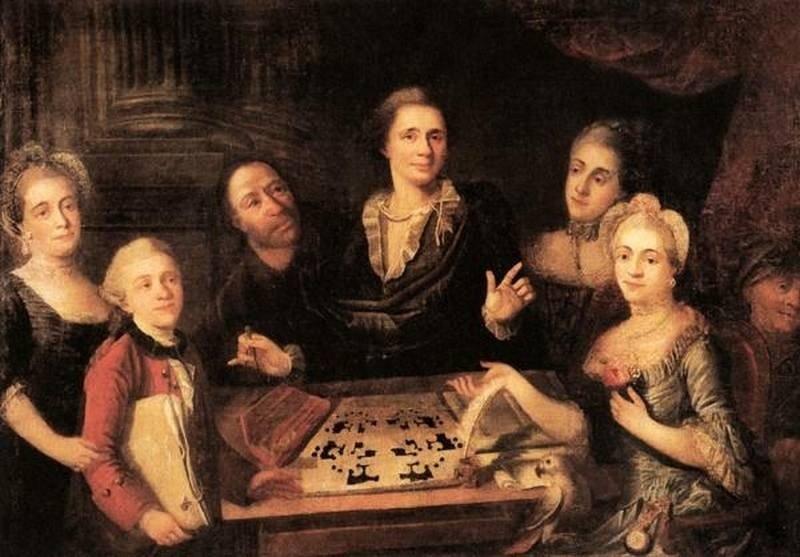
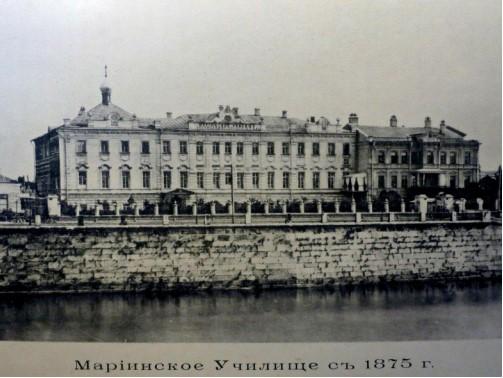
Акварель Д. Индейцева, написанная в 1850-м году изображает этот дом самым роскошным в ряду других зданий Софийской набережной. Таким он стал, вероятно, при своих последних частных владельцах Дурасовых. Трехэтажное здание украшено коринфским портиком.

Когда в 1860-м году Дамское попечительство о бедных начало подыскивать новое место для устроительства училища, лучшего дома и найти было нельзя. Мариинское училище, названное так в честь рано умершей дочери одной из попечительниц, открывает новую страницу истории дома.

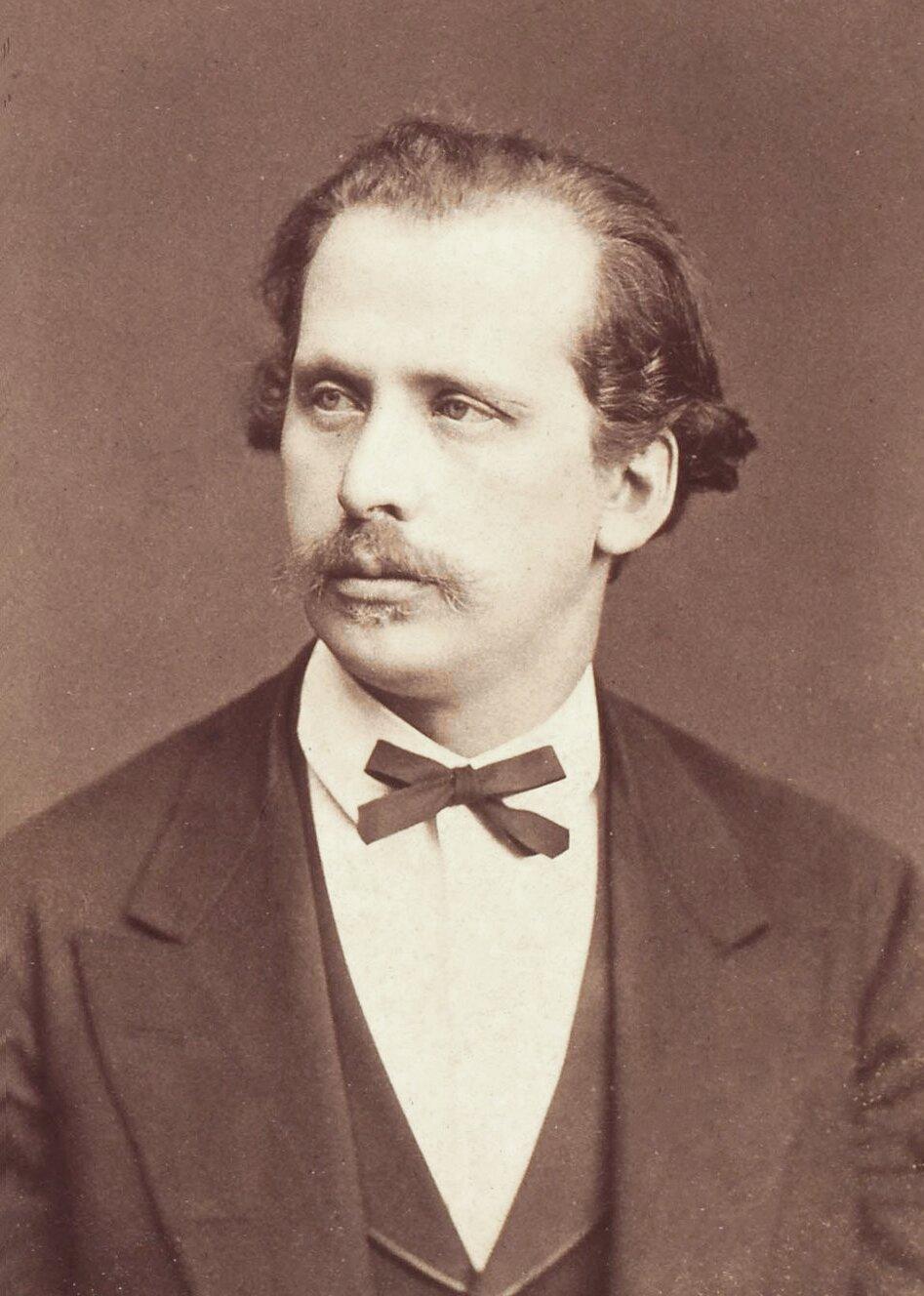
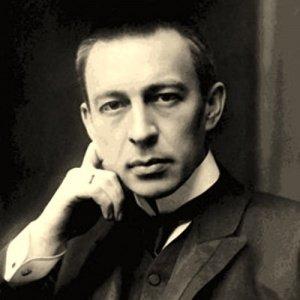
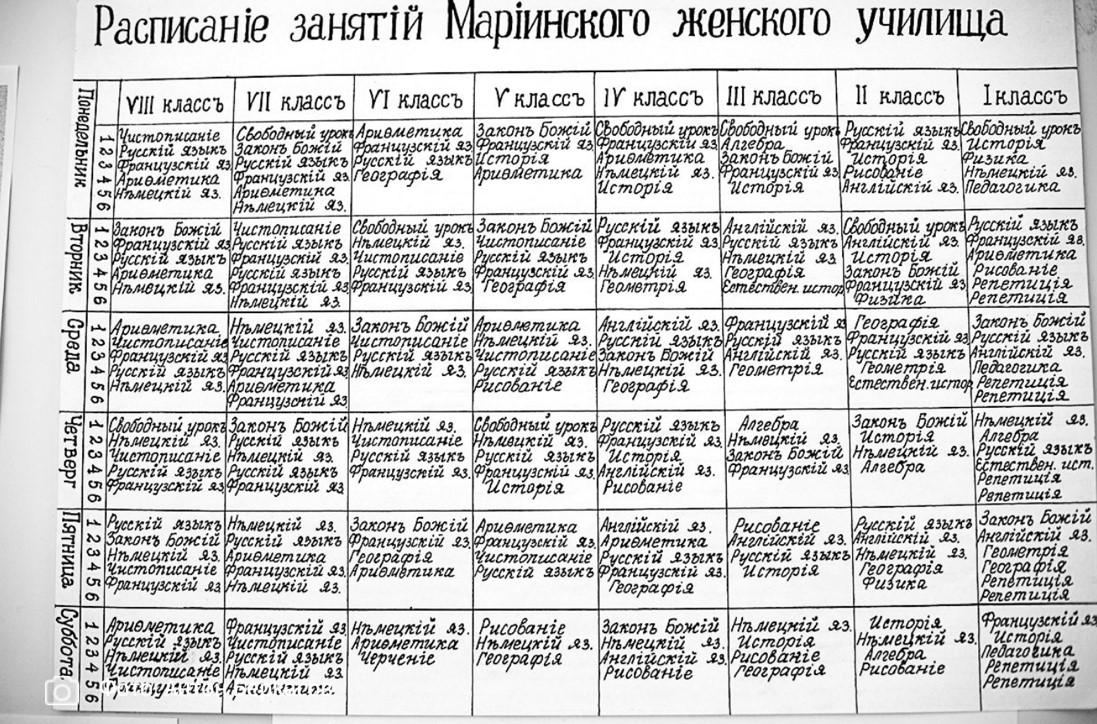
В Мариинском училище девочки из бедных семей получали образование и профессию домашней учительницы – однако преподаватели здесь были несомненно высокого уровня: профессора Московского университета и – по музыкальной части – основатель консерватории Николай Григорьевич Рубинштейн. Семь лет преподаванию в Мариинском училище посвятил Сергей Васильевич Рахманинов. По воспоминаниям учениц, он держался замкнуто и строго на уроках – однако с большим удовольствием аккомпанировал хору училища, а в качестве подарка мог устроить фортепианный концерт. Специально для хора Мариинского училища Рахманинов написал шесть песен на слова Некрасова, Лермонтова и других поэтов. Метафизические связи с музыкальностью места подчеркивает и тот факт, что в домовой церкви училища венчался брат Чайковского. Значит, и Петр Ильич тоже не мог не посещать этого дома!

После революции здание прославилось больше в литературе и мемуарах, чем в музыке. Дом был передан 19-й школе имени Белинского (сейчас она находится в здании советской постройки в 3-м Кадашевском переулке), где учились дети из знаменитого Дома на набережной. Здесь прошли первые годы школьной жизни Юрия Трифонова, прекрасно описавшего школу и её учеников в романе «Дом на набережной». После войны в школе учился музыкант Андрей Макаревич, которому, в отличие от Трифонова, повезло её окончить, а в старших классах еще и повоевать с директором из-за длинных волос и одежды «под битника».

В 1970-х в здание переезжает «Моспроект-2», сотрудниками которой были известные реставраторы и историки Е.В. Трубецкая, А. А. Клименко, спасшие немало зданий от сноса.

Реставрация
In the depths of the site at number 8 a bright three-storey building with a shaped attic and elegant moldings stands behind the iron fence. This building known as "Mariinsky Academy." This house endured many changes in the twentieth century and it is now under threat of demolition or global reconstruction. The history of the site begins in the XVIII century, when part of it was owned by Sergey Avraamovich Lopuhin, the son "of Duma nobleman" Abraham Nikitich Lopuchin and cousin of Queen Eudokia, the first wife of Peter the Great. In 1711, ownership passed to his daughter Mavra, by marriage - Countess Sheremeteva, and remained in that family until the 1750s, before the merger sites. In direct connection with Peter was the owner of another part of the possession, Timothy Nadarzhinsky, the king's confessor. According to research, the wealth of the white clergy in Russia was not heard until the beginning of the XVIII century, and the first priest, whose state truly astonished the imagination, was precisely Nadarzhinsky. The combined plot in the 1750s was acquired by Vasily Mikhailovich Eropkin, president Revision Collegium, he built a house, located in an existing building now. Almost half a century later the house was owned by the father of Catherine's favorite Platon Zubov, the Chief Prosecutor of the Senate, who remembered his contemporaries with his bribery. Watercolor of D. Indeytseva, written in 1850, depicts this house as the most luxurious among other buildings of the Sofia embankment. So he became the last private owners of Durassovs. The three-story building is decorated with Corinthian portico, on either side of which stand the sculptures. By this stroke, repeated in architecture Pashkov house, we can assume that the author of the project was architect Bazhenov, the neighbor of Durasov. When in 1860 the Ladies' Guardianship of the Poor began to look for a new place to organize the school, it was impossible to find a better home. The Mariinsky School, named in honor of the daughter of one of the trustees who died early, opens a new page in the history of the house. At the Mariinsky School, girls from poor families received the education and profession of a home teacher - however, the teachers here were undoubtedly of a high standard: the professor of Moscow University and - on the musical side - the founder of the Conservatory Nikolai Rubinstein. Sergei Rachmaninoff dedicated seven years to teaching at the Mariinsky Academy. According to his disciples, he kept closed and strict in the classroom - but with great pleasure that accompanied the choir school, as well as a gift could make a piano concerto. Especially for the Mariinsky Choir School Rachmaninoff he wrote six songs on the words of Nekrasov, Lermontov, and other poets. Metaphysical connection with music venues emphasizes the fact that in the chapel School the brother of Chaikovsky was married. Hence, Pyotr Ilyich also could visited this house! After the Revolution, the building became even more famous in literature and memoirs than in music. The house was transferred to the 19th school named after Belinsky (now it is in a building of the Soviet era in 3rd Kadashevsky Lane), where children from the famous House on the Embankment studied. Here Yuri Trifonov spent his first years of school life, perfectly described by the school and its students in the novel "The House on the waterfront." After the war, musician Andrei Makarevich attended this school, who, unlike Trifonov, was lucky to graduate from it, and fighting with the director in high school because of long hair and clothing "like the beatnik." In the 1970s, "Mosproekt 2" moves in the building. Known historians and restorers E.V. Trubetskaya, A. Klimenko, worked there and saved a lot of buildings from demolition. In 2008, the house of the Mariinsky School needed help: the building was condemned to be demolished. A large hotel holding company is currently applying for the territory around the house, planning to rebuild the house 8 and new construction on the site of houses 10 and 12. Despite the fact that the project, approved by the Department of Cultural Heritage, does not exist, the building is "cordoned off" by the protection and banners of Strabag , which killed not one ancient building in Moscow.
Отзывы
(1)