Интерактивный гид по городу
С мобильным приложением бродить по городу гораздо интереснее!

Мастерская Миусского трамвайного депо

The Workshop is the oldest building of the Miusskoye Tram Depot. It has survived from the times of the Miussky Horse-Drawn Line Depot and in the 20th century has been integrated in the new complex.

Мастерская Миусского трамвайного депо
The Workshop is the oldest building of the Miusskoye Tram Depot. It has survived from the times of the Miussky Horse-Drawn Line Depot and in the 20th century has been integrated in the new complex.
3.30
Вы можете воспользоваться QR-кодом, чтобы открыть эту страницу в нашем приложении
Архитектурный стиль:
Годы постройки:
1874, 1880-е, 1926
Архитекторы:
Н.К. Жуков, М.Н. Глейнинг, Н.А. Сытенко
Эпоха:
19th century, 1920s
Информация о здании

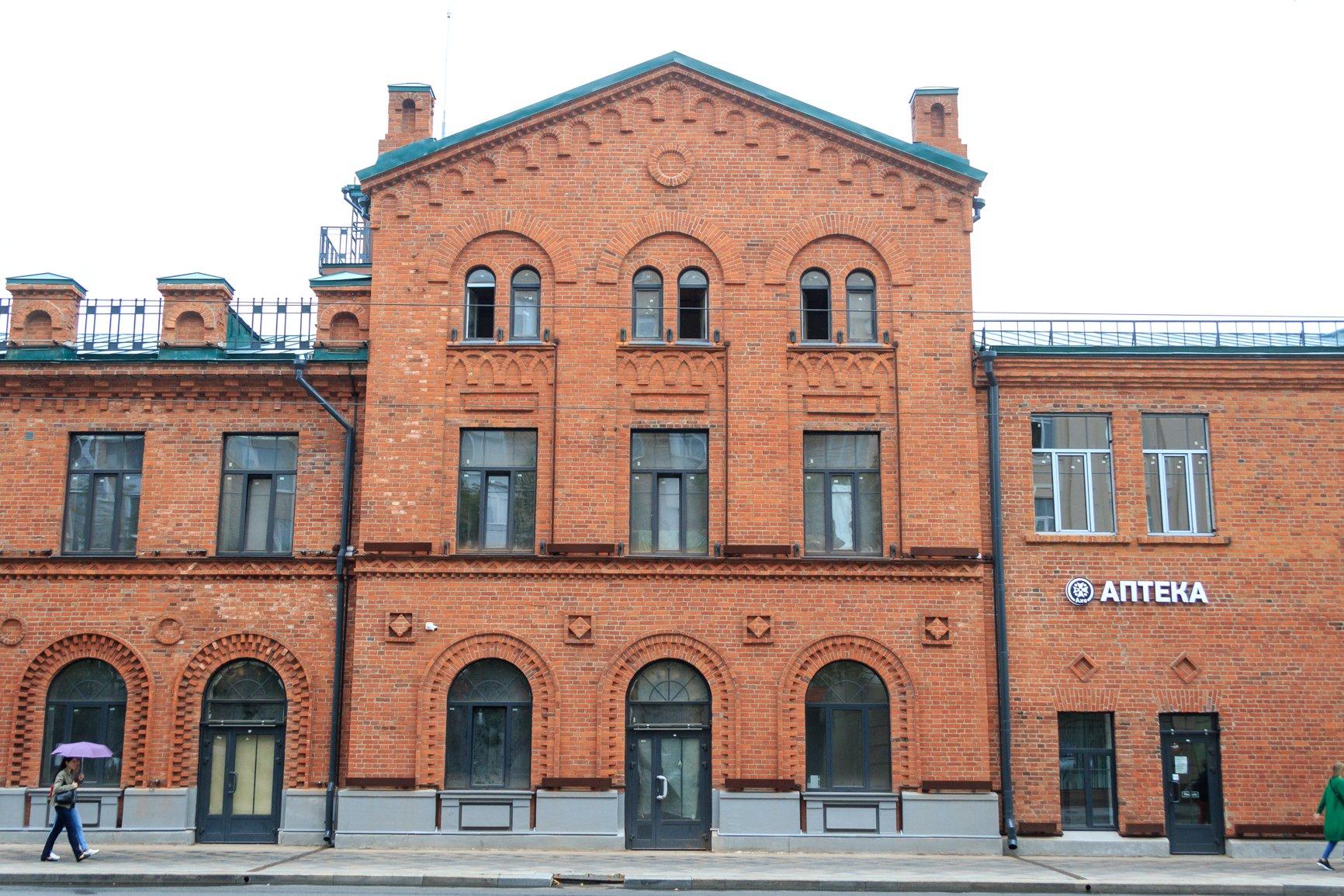
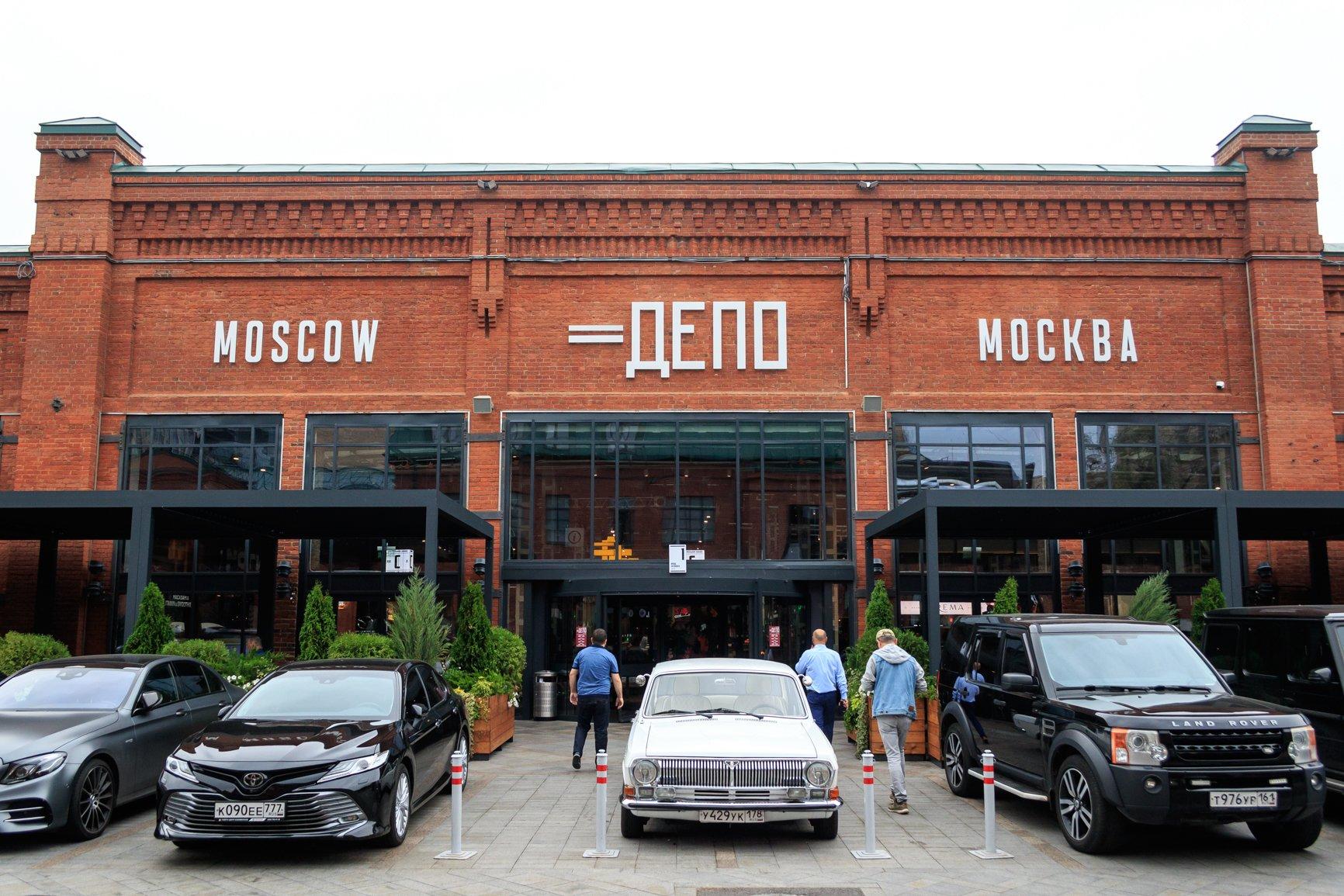
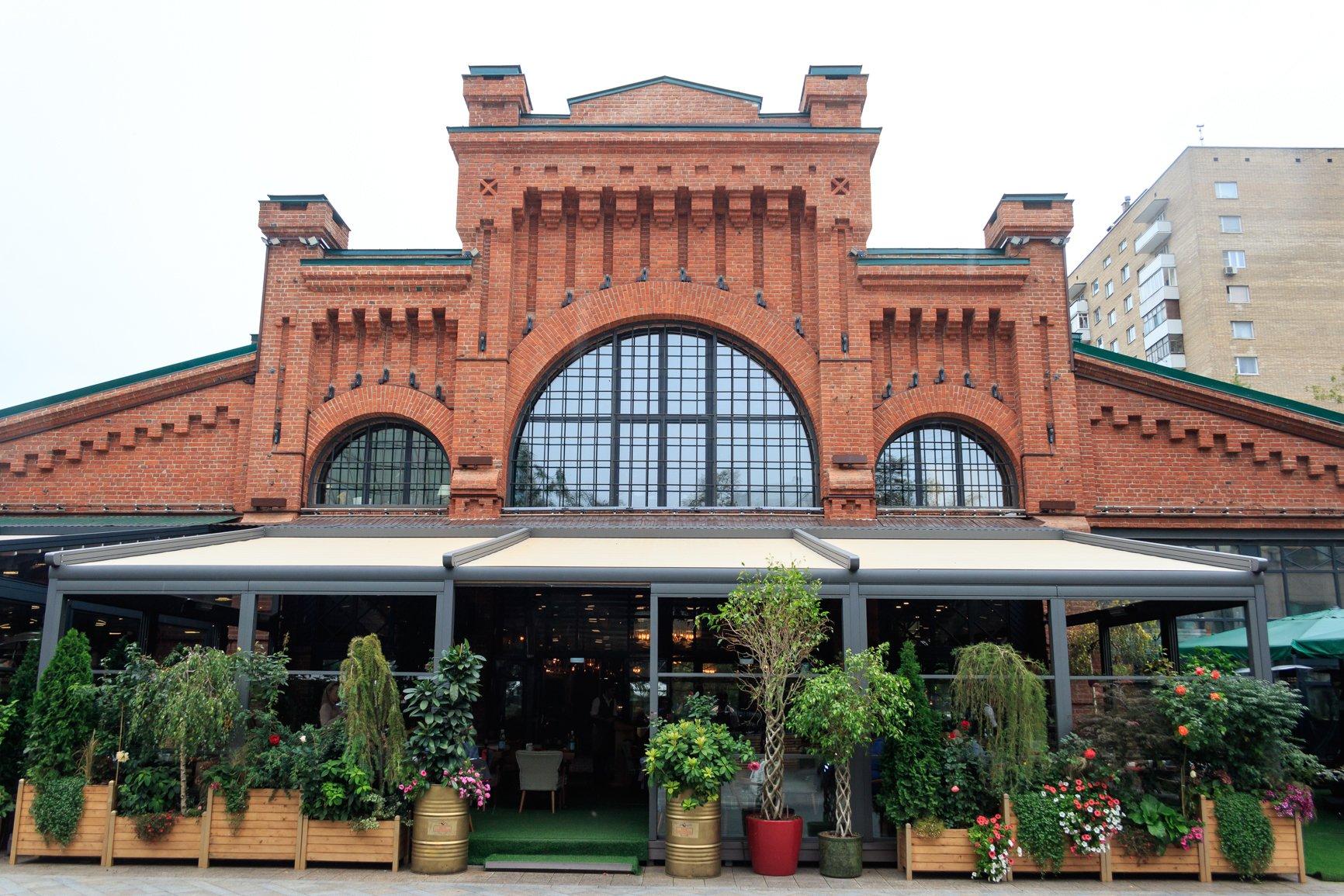
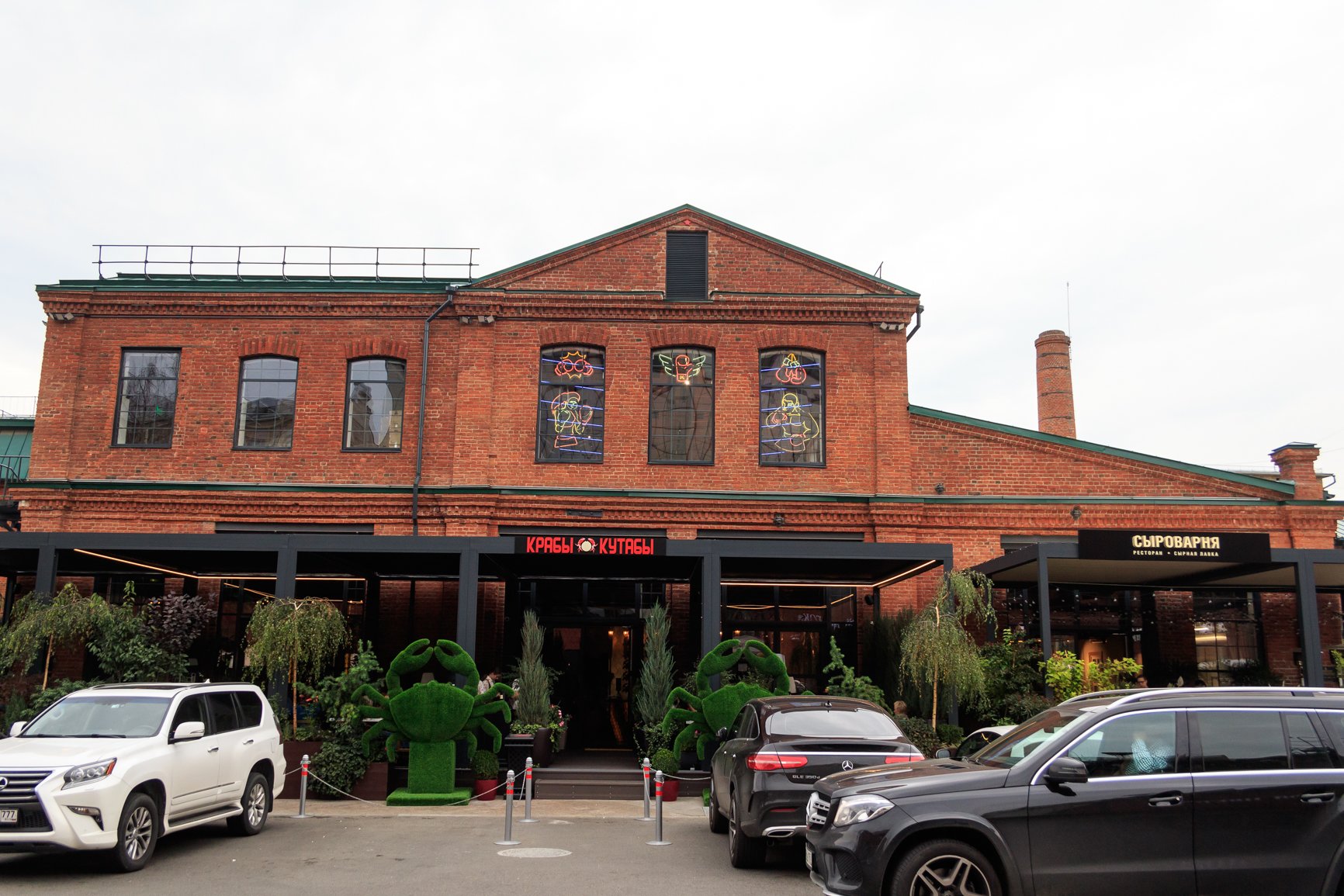
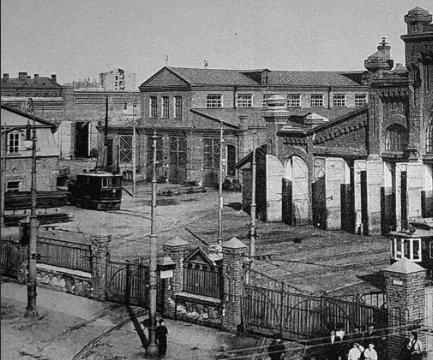
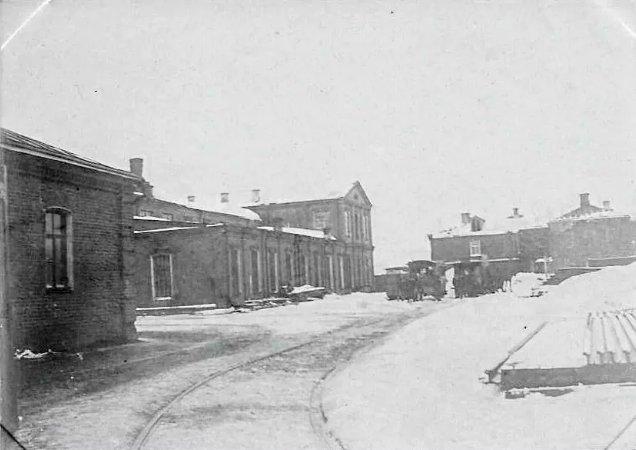
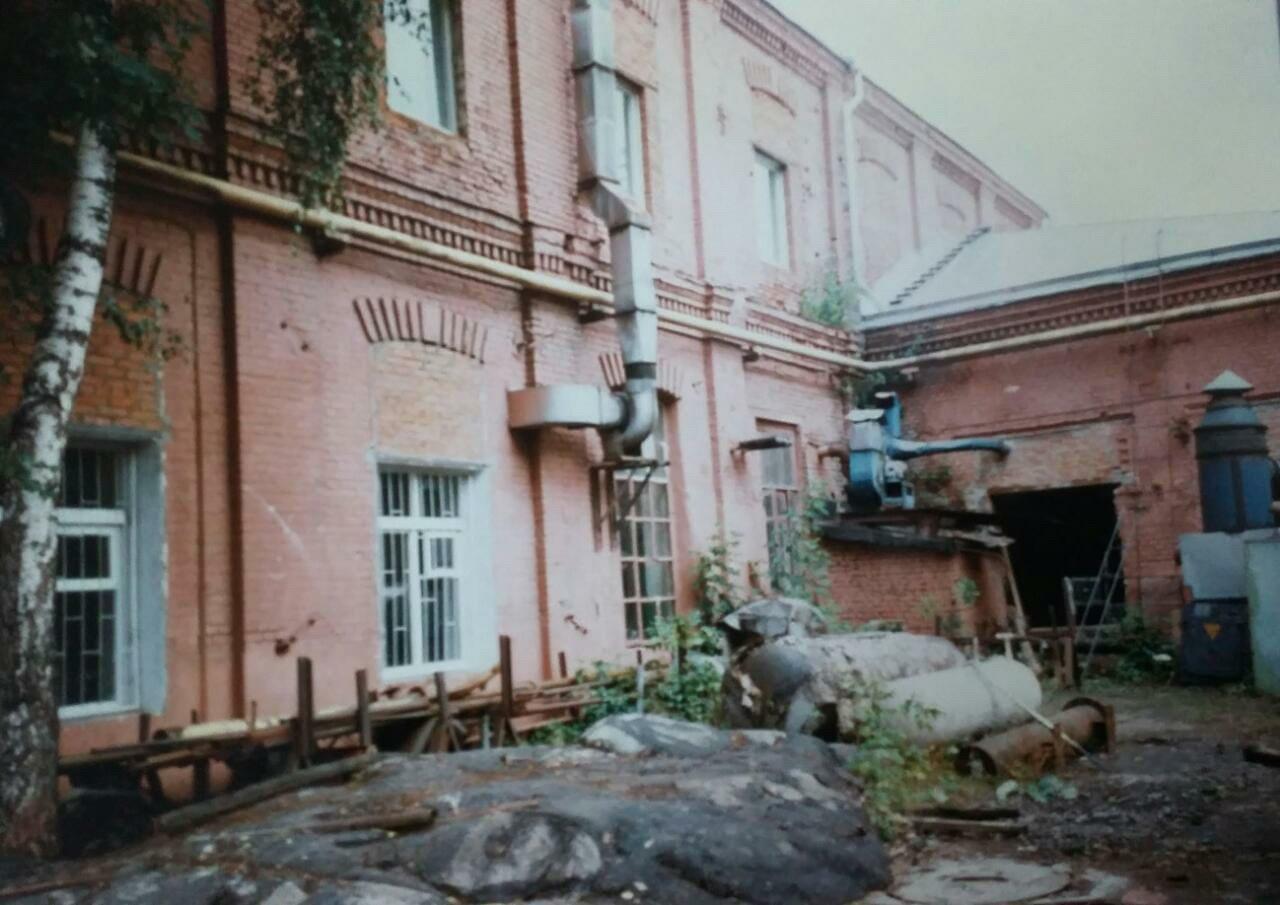
Мастерская для ремонта вагонов – самое старинное здание Миусского трамвайного парка. Оно служило еще городской конке и сохранилось от первоначального комплекса зданий Миусского парка конно-железных дорог, заложенного на этом месте в 1874 году. С этой, функциональной, точки зрения, здание уникально для Москвы: других объектов, непосредственно связанных с конно-железными дорогами и вообще общественным транспортом «доэлектрической» эры, в реестрах городских памятников не значится. С 2017 года Мастерская – объект культурного наследия регионального значения, как и прочие здания комплекса.

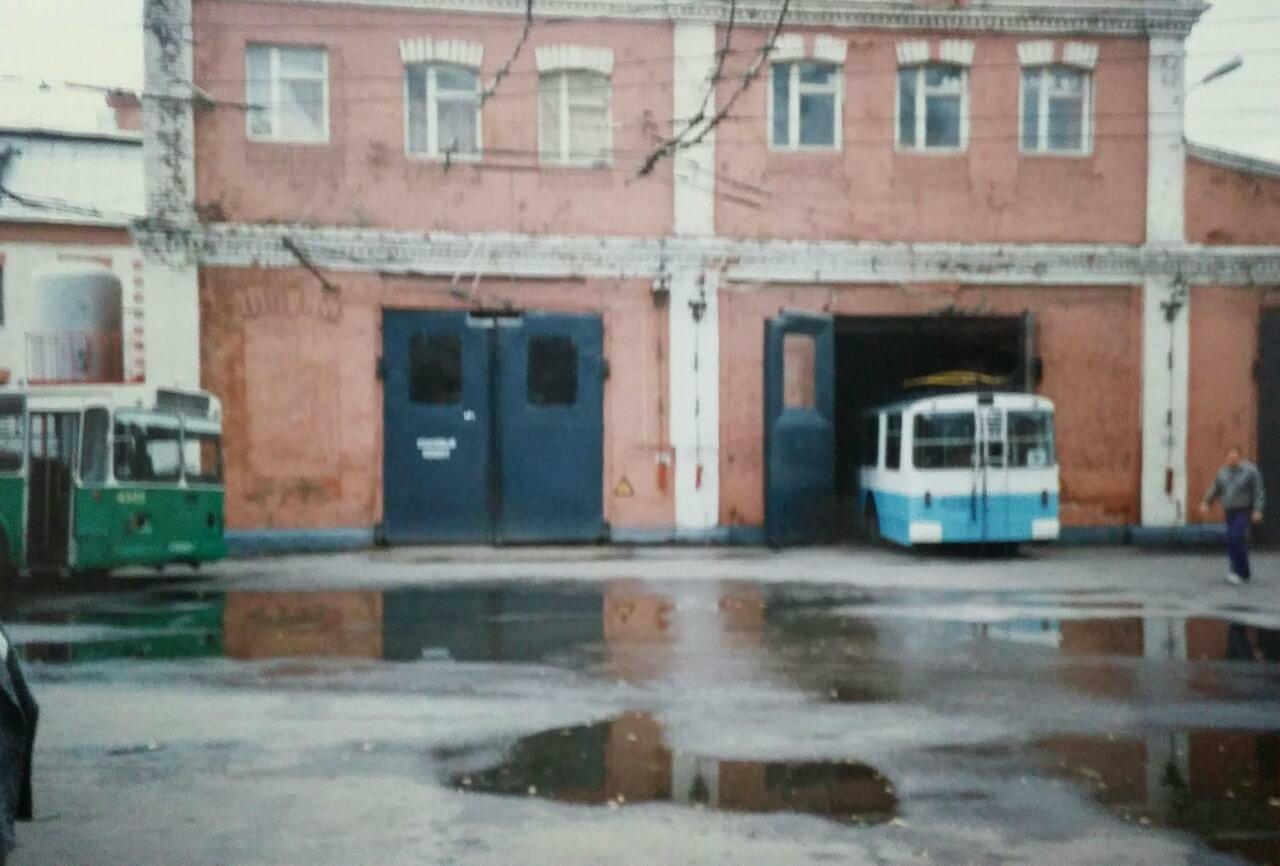
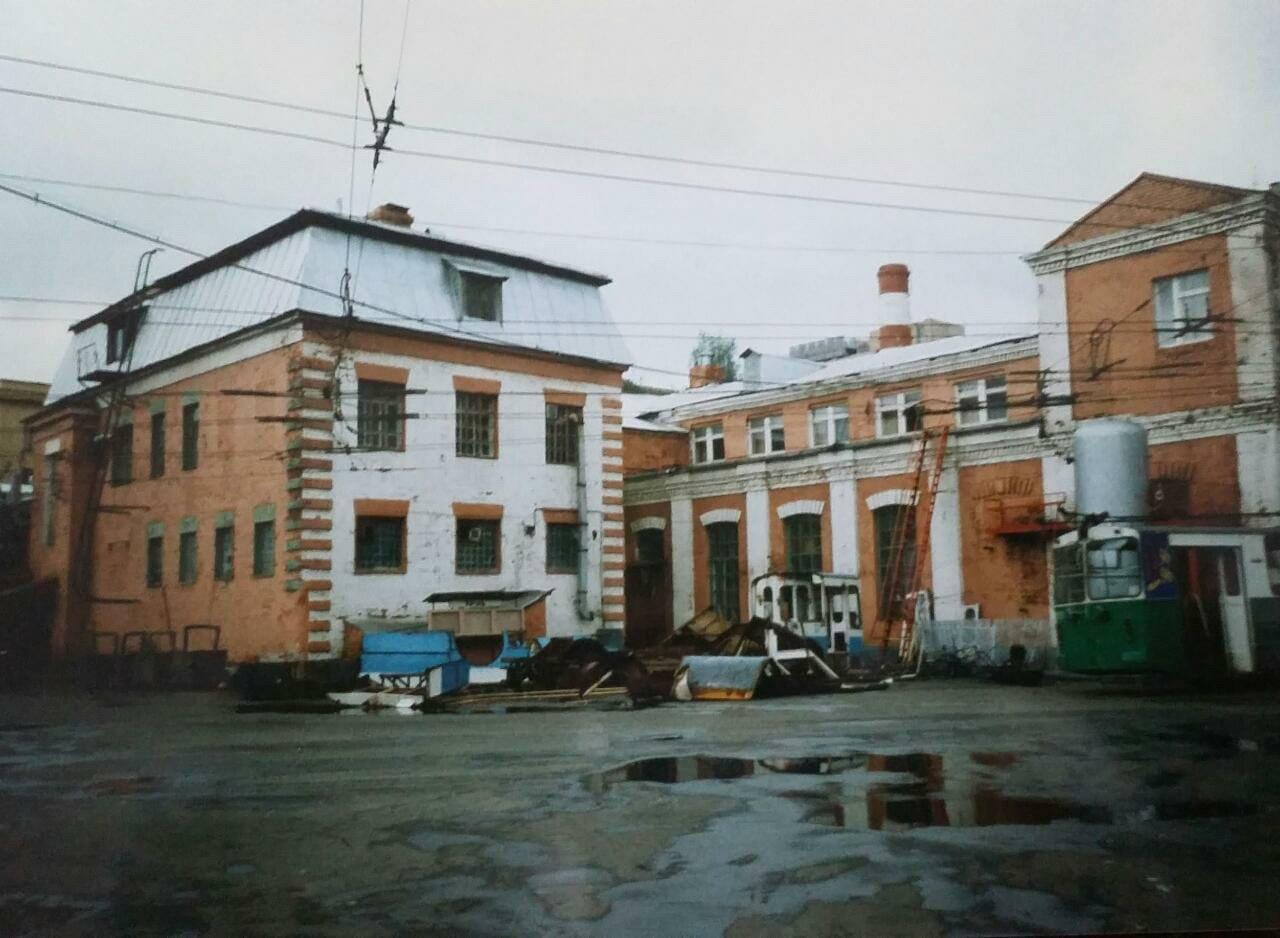
Прямоугольное 2-этажное кирпичное здание с пристройками для сарая и кузницы было построено в 1876–1878 гг. Помимо мастерских, в нем размещались контора парка конно-железных дорог, сушильня для песка, кладовые и столовая. В ХХ веке здание перестраивалось, с 1950-х гг., после перепрофилирования трамвайного депо, служило для ремонта троллейбусов.

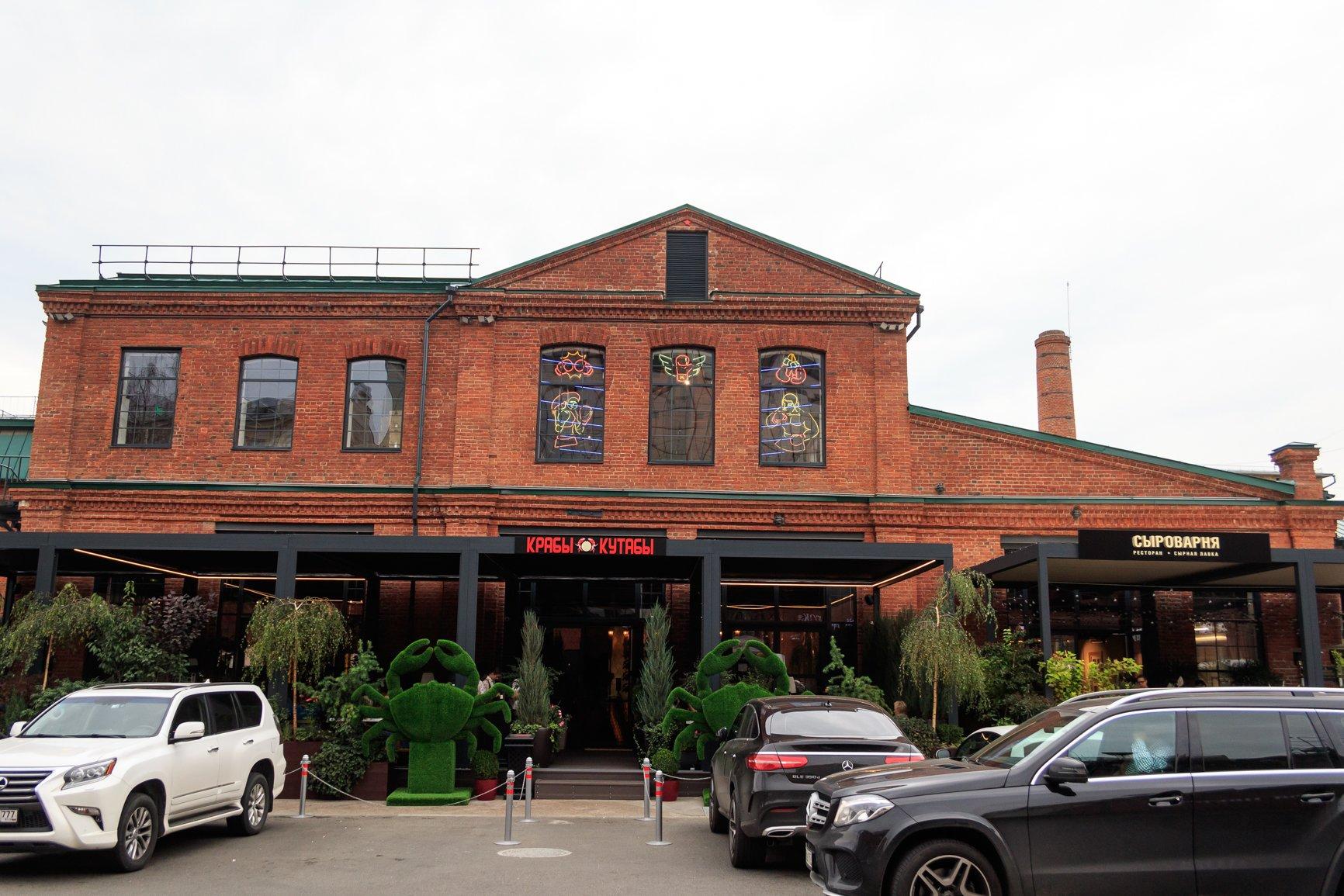
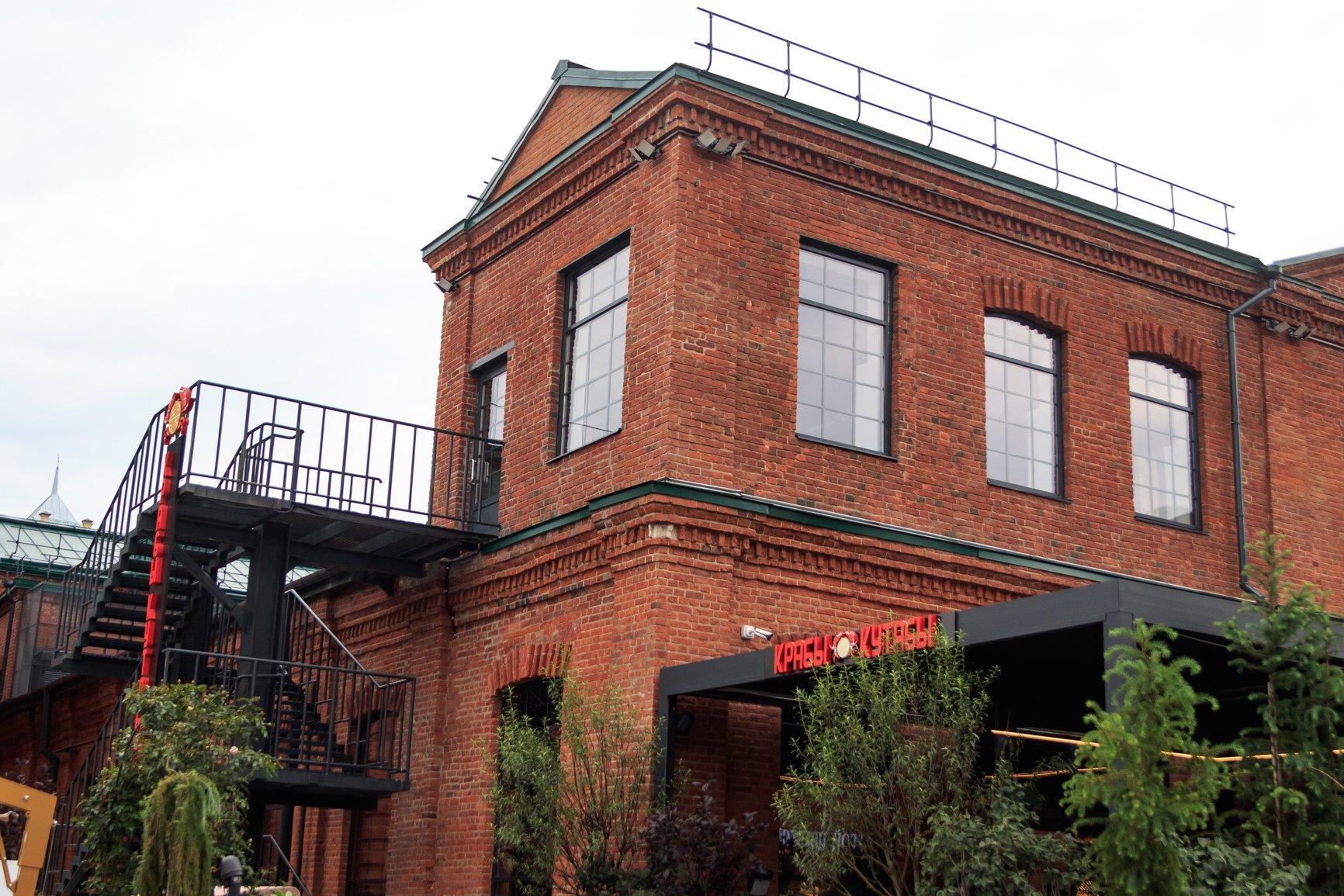
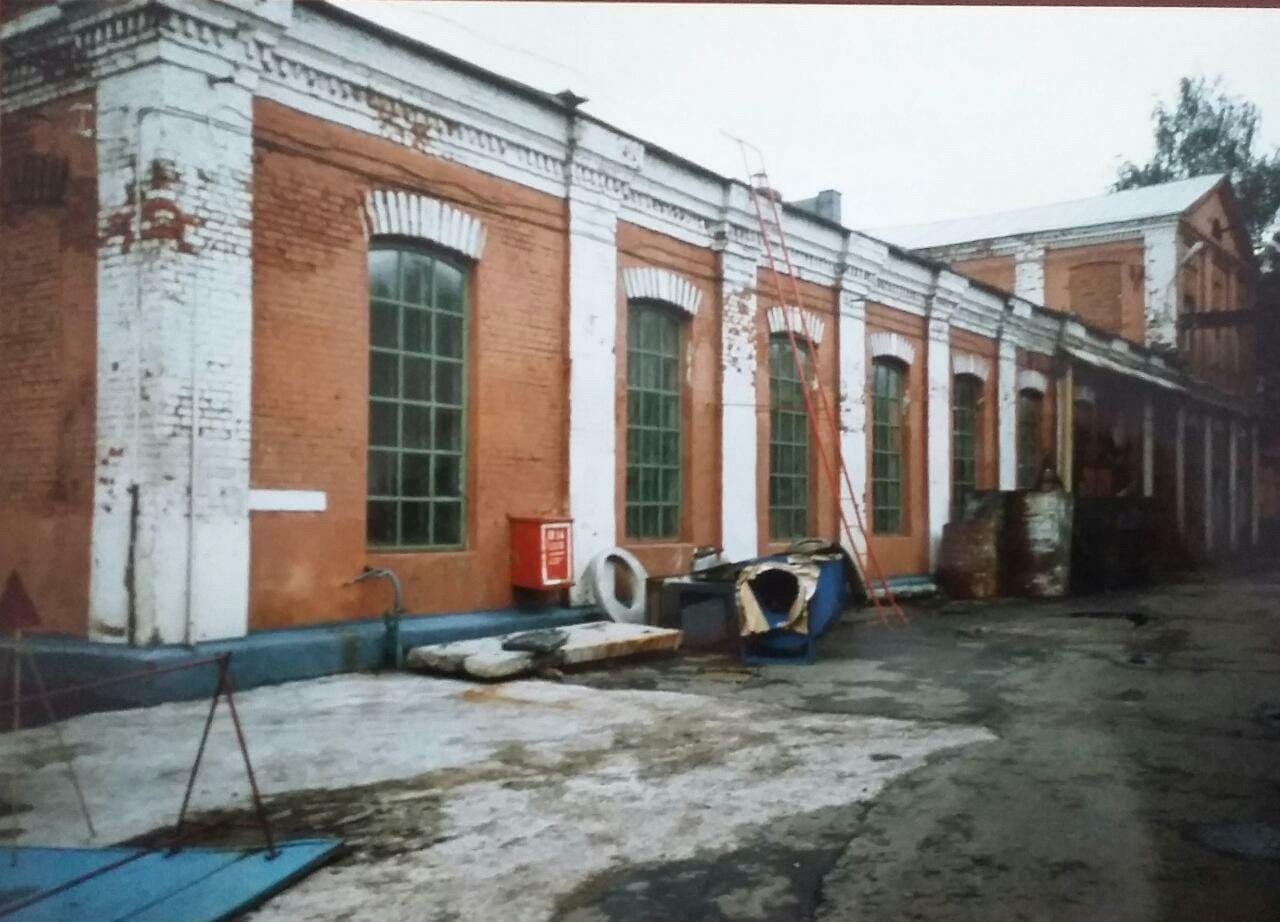
«Кирпичный стиль», характерный для промышленных архитектурных комплексов России последней четверти XIX столетия, позволяет зданию Мастерской органично вписаться в ансамбль Миусского трамвайного депо, большинство построек которого возведены в первое десятилетие ХХ века. Главный фасад, выходящий на Лесную улицу, украшен фронтоном над центральной частью, фризом, карнизом, лопатками. Фасадные окна имеют веерные перемычки. Некогда фасад был прорезан 4 воротами для въезда вагонов, но в ХХ веке двое ворот в центральной части фасада были объединены. В интерьере здание делилось рядами столбов-опор на прямоугольные секции. Освещалось оно через крышу – световыми фонарями.

В советское время большая часть фасадных окон были уменьшены или заложены, кровля со световыми фонарями переделана в 1920-е годы. В интерьерах сохранились чугунная лестница начала 1920-х годов, метлахская плитка на полах.

При реставрации и приспособлении Мастерской под ресторанные помещения популярного «фудкорта» в 2017–2019 годах, согласно проекту, сохранены исторические габариты здания, восстановлены детали декоративного убранства фасадных стен, вычинены поврежденные участки кладки фасадов, отремонтированы кровли. Мастерская, как и весь комплекс, служит примером удачного преобразования «старого прома» для новых нужд горожан.

The car repair workshop is the oldest building of the Miusskoye Tram Depot. The Workshop was used to repair horse trams and survived as a part of the original compound of the Miussky Horse Drawn Lines established here in 1874. In terms of functionality, this building is unique in Moscow: there are no other objects on the City Monument Register that are directly related to horse drawn transport or to any municipal transport of the pre electricity era. In 2017, the Workshop has become a cultural heritage site of regional significance along with the other buildings of the complex. The rectangular two storey brick building with two outbuildings — a shed and a blacksmith shop — was built in 1876 1878. Beside workshops, there was an office of the horse drawn tram line, sand drying chamber, storerooms and a canteen. In the 20th century, the building has undergone several reconstructions; in 1950s, following the adaptation for the tram depot, it served for trolleybuses maintenance. The "brick style" typical for the Russian industrial architecture of the fourth quarter of the 19th century makes the Workshop building blend seamlessly with the ensemble of the Miusskoye Tram Depot most of which buildings have been built in the early 20th century. The main facade along the Lesnaya Street is decorated with a pediment in the central part, a frieze, a cornice and lesenes. Windows on the facade have fan shape lintels. Initially, there were four gateways for tramcars; however, in the 20th century two middle gateways have been made one. The building interior used to be divided into rectangular sections by rows of supporting pillars. Daylight used to come through skylights in the roof. During the Soviet times, most of the facade windows have been either made smaller or mured up, the roof with its skylights has been rebuilt in the 1920s. In the interiors, a cast iron staircase dating back to 1920s and sandstone tiled floors have survived. Within the 2017 2019 project for the Workshop restoration and adaptation for restaurant, historical dimensions of the building have been preserved, the decor details on the facade recreated, damaged sections of brickwork on the facades mended, and roof repaired. The Workshop as well as the entire complex is an example of accomplished transformation of an old industrial facility in order to meet new needs of the citizen. Konstantin Mikhailov
Автор статьи: Константин Михайлов
Отзывы
(1)
Поделитесь статьей с друзьями
Интересное рядом(11)
House on Brestskaya Street“House on Brestskaya” is the congress and exhibition center of the state-owned institution “Mosstroyinform”, a key platform for demonstrating the plans for urban development and the results of the work of the Construction Complex of Moscow. The main task of the center is to hold congress and exhibition events in the field of urban planning, architecture and design. The House on Brest begins its history from the moment of the creation of the first wooden model of Moscow. In 1975, in connection with the 30th anniversary of the liberation of Budapest from the fascist aggressors, the Hungarian exhibition at the VDNH was organized, in which the model of the central part of Budapest was one of the exhibits. The chief architect of Moscow M.V.Posokhin highly appreciated the model and addressed the Chairman of the Moscow Soviet V. F. Promyslov with a proposal to create a similar model of Moscow in 1960-1982. The idea was approved and for 10 years, from 1976 to 1986, two brigades of mockups at the "Kartolitografiya" factory created a model. Since the model of the whole of Moscow would be too huge, given the chosen scale of 1: 500, it was decided to confine only to the central part of the city within the Garden Ring. The mockup drawings were developed on the basis of the existing geo-baseline, additional geodetic surveys, and photographs of existing buildings and materials of the designed buildings by the architects Mosproject-1 and Mosproject-2. Mosgorgeotrest was also brought to work. The buildings were made of maple, the relief - from birch. The Kremlin ensemble is made of mahogany, lemon tree, amaranth, and holly. The domes of the Kremlin cathedrals are covered with gold leaf. The Moscow River and the Yauza River are made of rosewood. At the same time the issue of model placement was resolved. In March 1986, a 12x12m model (144 sq.m.) was installed in the hall of a specially constructed building on Brest Street. The model served as a working tool for architects, all houses are removable. The model consists of sliding parts of 2x2 meters. Architects could remove houses from the model in the area of the designed building, put a new building on this place and evaluate the planning solution. Fidel Castro and Boris Yeltsin were among the first visitors to the exhibition at the House on Brestskaya. There were receptions of foreign delegations. At present, the model has been disassembled and mothballed, stored in the “House on Brestskaya”. The idea of creating a new modern model of Moscow appeared in 2011. It was originally planned to make the model in color by analogy with the model of New York at a scale of 1:1200, covering the entire territory of Moscow in the historical boundaries. However, after the joining to the capital of the new territories, the concept of the model was revised. According to the decision of the Mayor of Moscow Sergey Sobyanin, the work on the new model began in the fall of 2012 and was included in the state program “Urban Planning Policy of the City of Moscow”, implemented by the Moscow Building Complex. With an increase in scale up to 1:400, emphasis was placed on the central part of the city, covering the Third Transport Ring, all railway stations, as well as the territory of the Vorobyovy Gory (including the highest “Stalinist high-rise” - MSU building) and the currently actively developing ZIL industrial zone. The main distinctive feature of the new model is the amazing detailing of all 6.5 thousand buildings and the reconstruction of the landscape relief of the capital. Mosaics and bas-reliefs are recreated on the facades of historic houses. A smooth surface of the Moscow River is made in a special technique that creates the effect of water ripples. The model is equipped with an interactive system for illuminating buildings from the inside, which can be controlled by selecting objects in accordance with the plan - from the administrative division of the city to the typology of objects (houses, administrative buildings, cultural objects, transportation objects, etc.). To achieve even greater expressiveness allowed miniature architectural lighting, which was used in the design of exits from the subway, temple complexes, bridges and such iconic structures as the Moscow Kremlin. The famous chiming clock on the Spasskaya Tower of the Kremlin and the ringing of the bells of the Cathedral of Christ the Savior with accuracy reproduce on a model due to the speakers mounted inside. Currently, the area of he exposed model is 120 square meters. Work on the production will be completed in 2017 and will make an area of 945 square meters, which will cover the middle zone of Moscow, beyond the limits of the Third Transport Ring. In 2012, it was decided to create a map of the city, which will be installed in the floor. The development of the project and preparation for construction work begin in the "House on Brestskaya". The model of the city is transported to the territory of VDNH in pavilion №75. In 2014, the festive opening of the map of Moscow in the scale of 1:500 took place. This is a floor lightbox with a size of 178 square meters. The card is inherently unique, the glass blocks are illuminated from below, and the software-defined images are projected from above, from which the map display scenarios are composed. Today, with the help of a map and video walls, the specialists of "House on Brestskaya" tell the Muscovites and guests of the capital about the city’s development programs, architectural styles, the history of the Metropolitan, the renovation of industrial zones, the reconstruction of the Moscow Ring Railroad, the history of urban planning.
125047 Moscow, 2nd Brest Street, 6
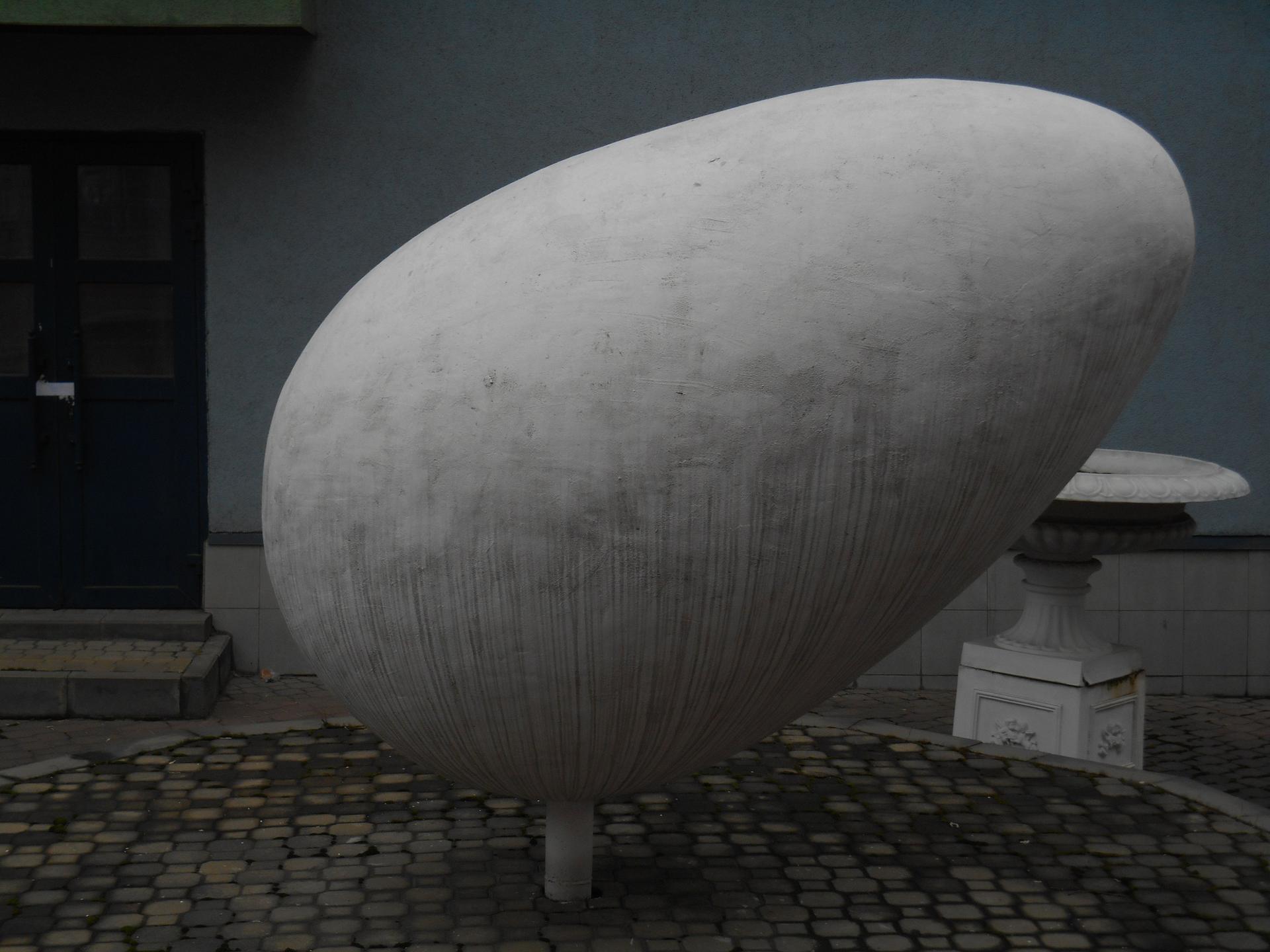
Egg Monument

What is more important: the chicken or the egg?

3 Tikhvin lane, the territory of technical lyceum number 1501
Mendeleevskaya, Savelovskaya