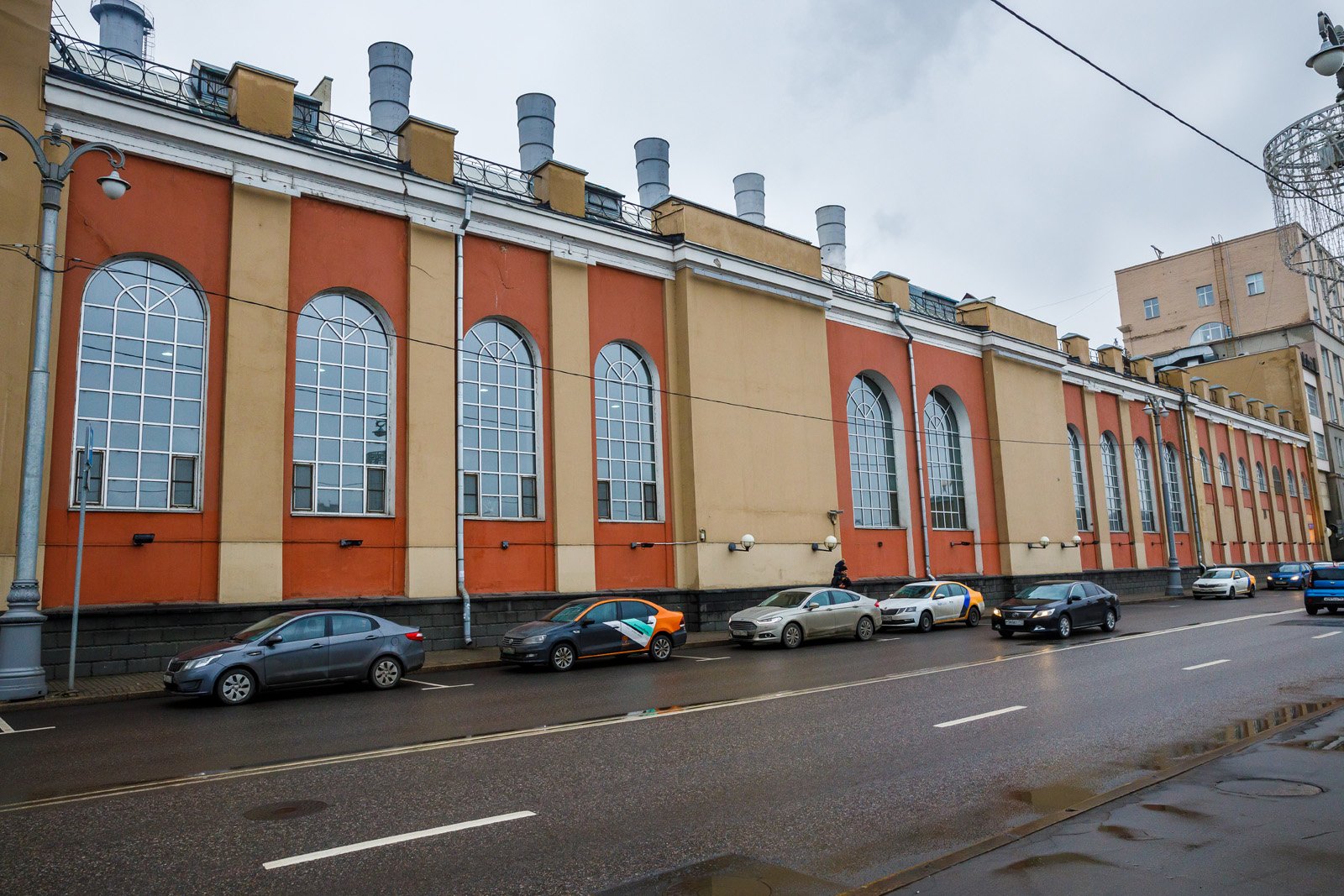
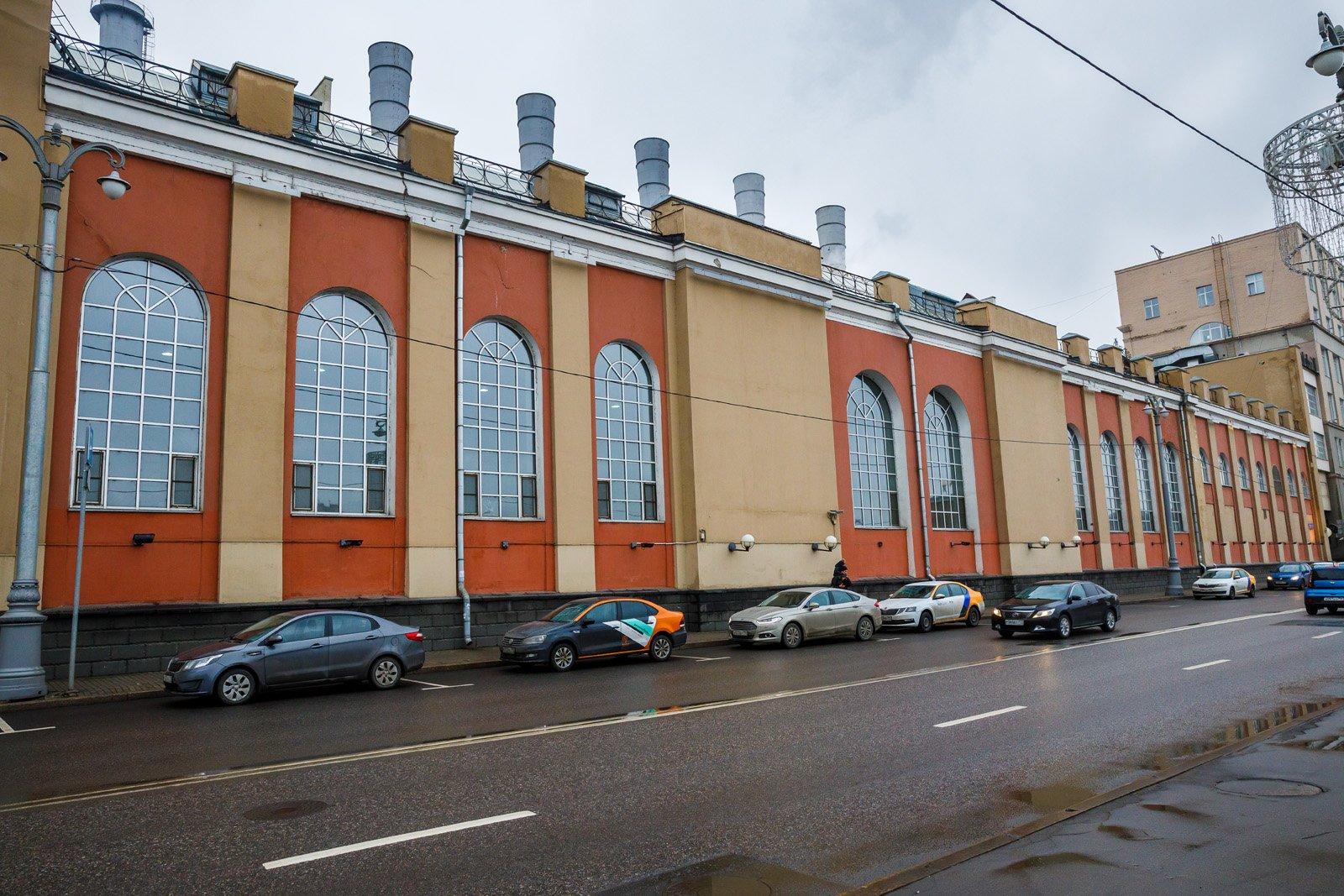
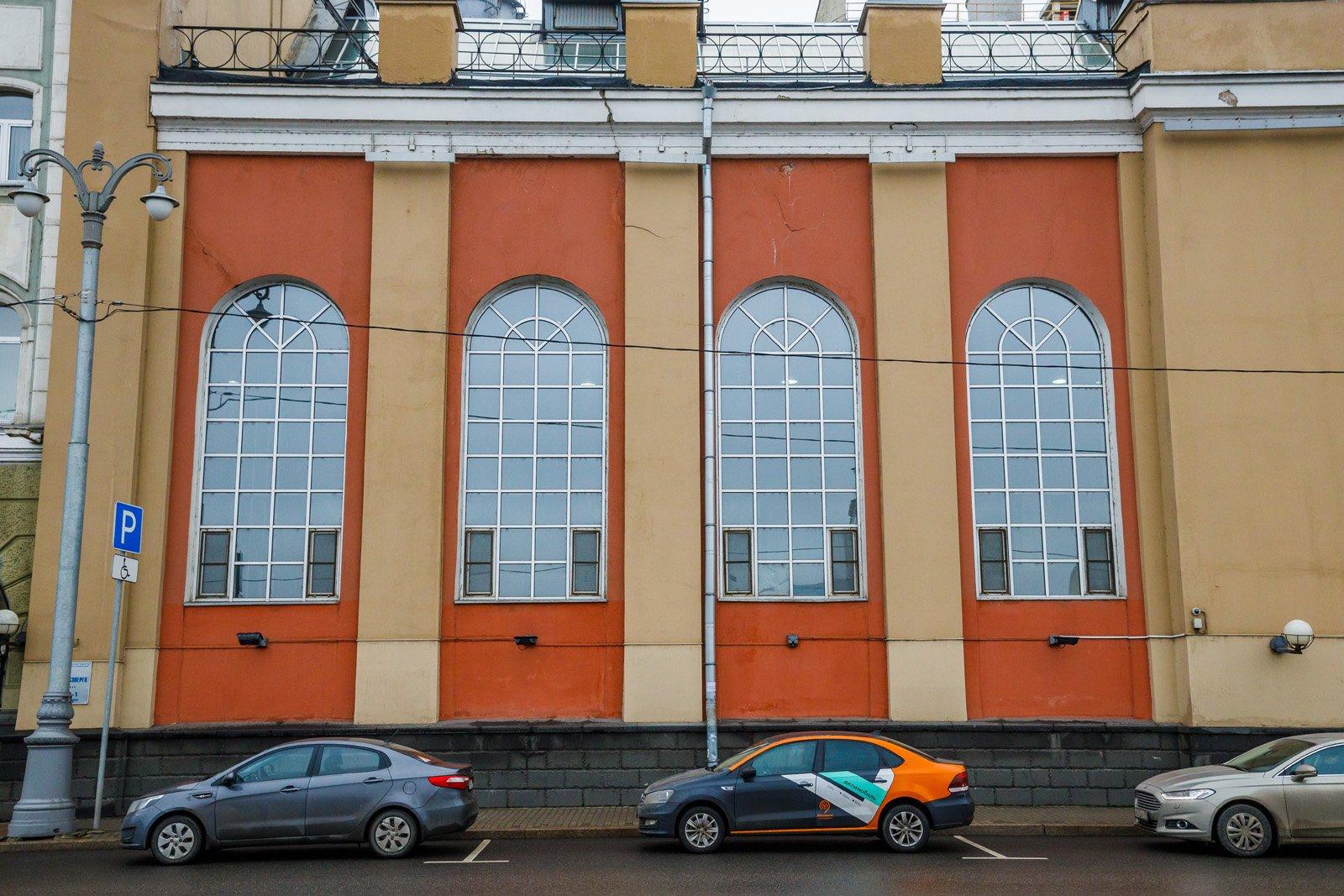
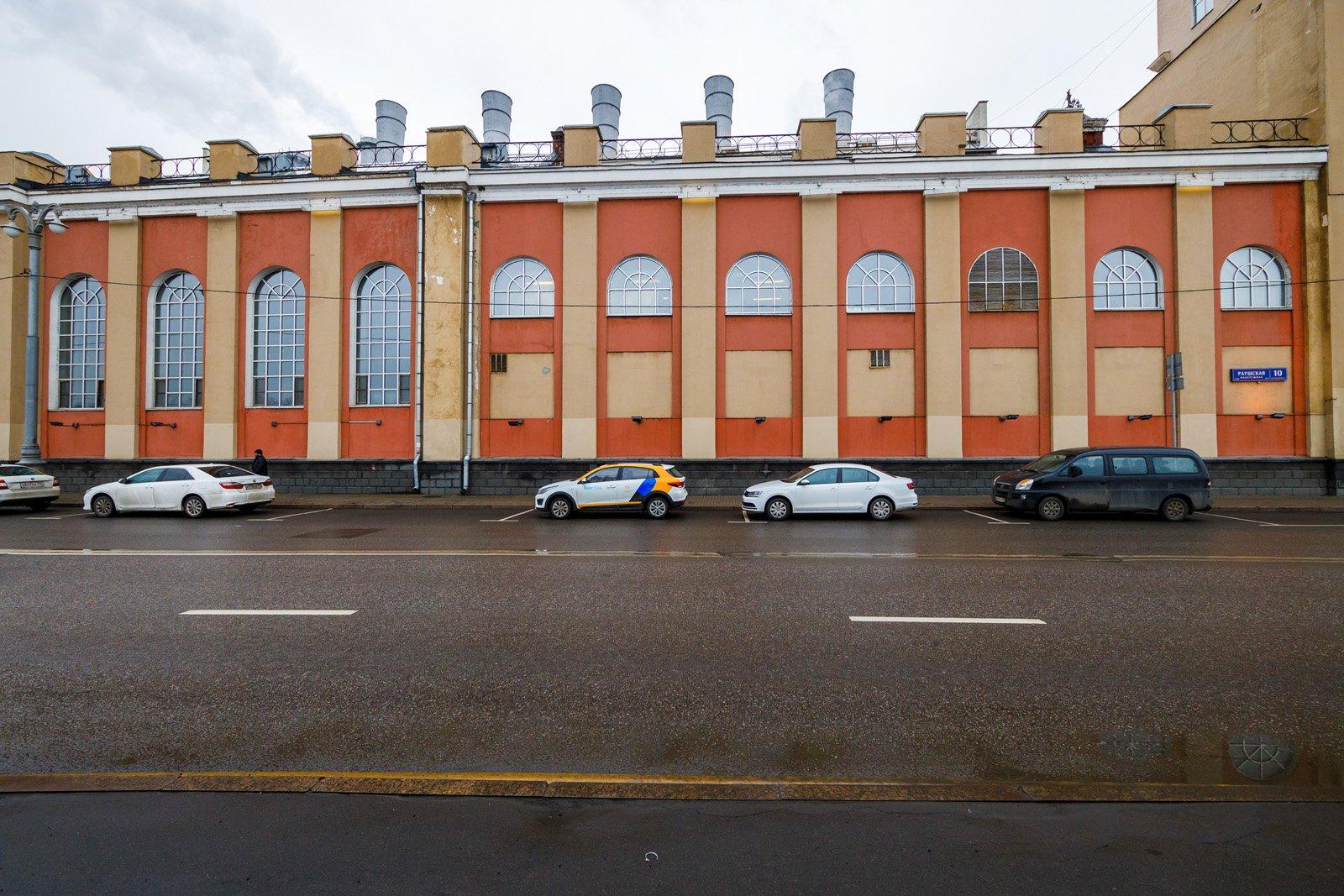
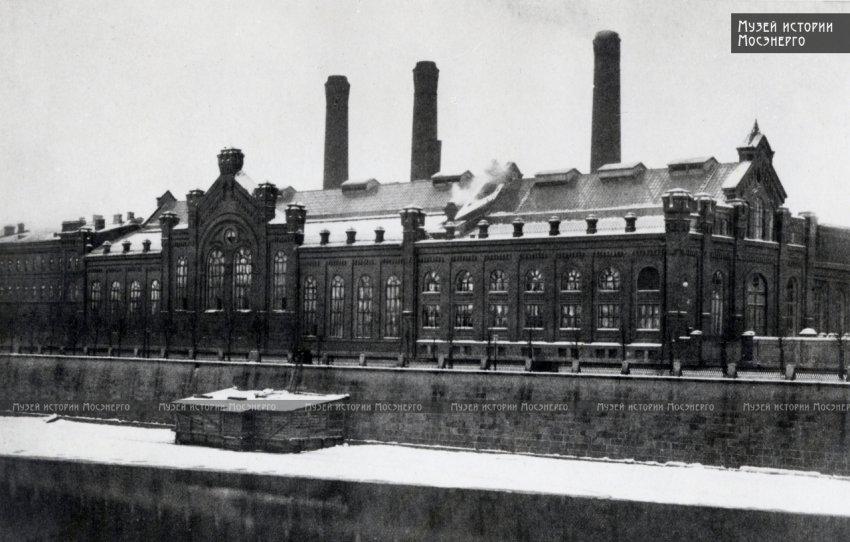
Величественное здание на Раушской набережной, напоминающее океанский пароход с большими трубами – это старейшая действующая электростанция России ГЭС-1 (Государственная электрическая станция № 1 им. П.Г.Смидовича). ГЭС-1 с 2004 года является объектом культурного наследия регионального значения как уникальный памятник промышленной архитектуры.
История электростанции на Раушской набережной началась осенью 1895 года, когда «Общество электрического освещения» получило от Московской городской управы концессию на электроснабжение Москвы сроком на 50 лет. 22 ноября 1895 года у Александровского коммерческого училища был выкуплен участок площадью 1,2 га на Раушской набережной. Там предполагалось разместить машинный зал, котельную, административный корпус, два служебных дома, материальный и кабельный склады, бункер для двух нефтецистерн и двор с садом.
Закладка зданий Раушской электростанции – машинного зала и трехэтажного здания управления (Раушская набережная, дом 10, стр. 2) состоялась 14 июня 1896 года. Проект станции был разработан членом правления «Общества электрического освещения» академиком Н.П.Басиным и инженером А.И.Колосовым, руководили строительством военный инженер Н.В.Смирнов и инженер-технолог А.Г.Бессон. (По иным сведениям, проект станции разработан фирмой «Сименс и Гальске» в Шарлоттенбурге, а по проекту Н.П.Басина выполнен фасад станции).
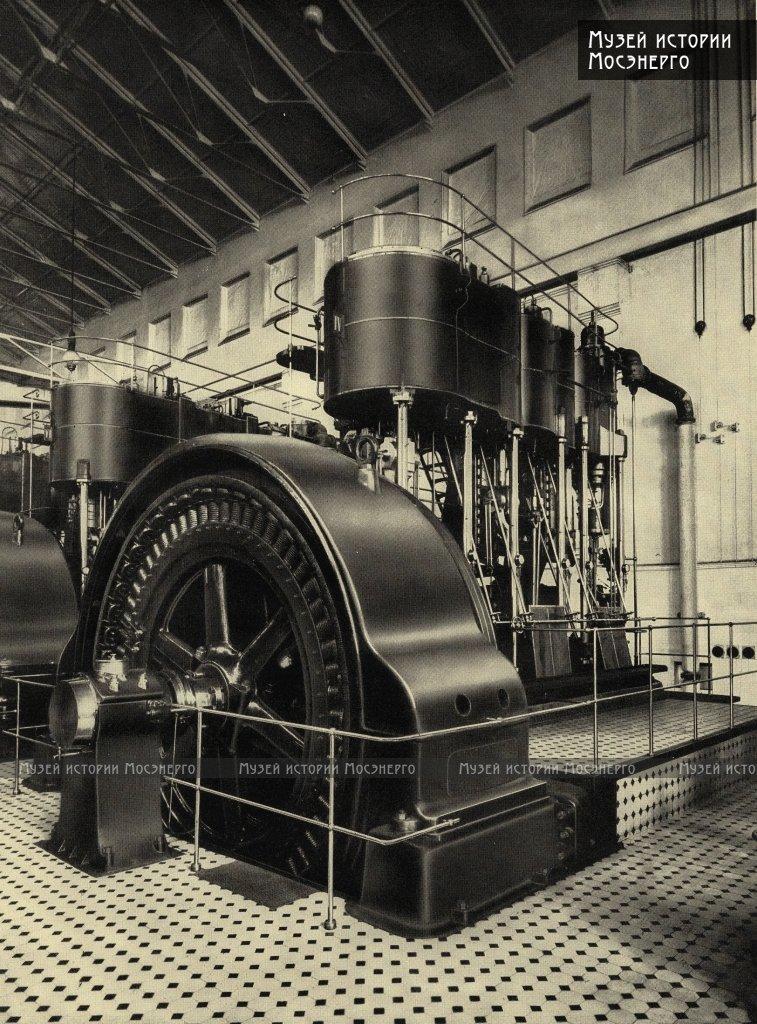
28 ноября 1897 года состоялся пуск первой очереди Раушской электростанции суммарной мощностью 3,3 МВт. Здесь впервые в России была применена трехфазная кольцевая система передачи переменного тока, который трансформировался до 120 В и доставлялся потребителям в радиусе 5 км.
Расположение станции на берегу реки позволило решить вопрос с водой, необходимой для ее работы. Вода забиралась непосредственно из Москвы-реки – до 18 тыс. тонн в час. Система водоснабжения Раушской электростанции была самой передовой для того времени.
ГЭС-1 и сегодня обеспечивает электроэнергией и теплом весь центр Москвы. В 1899-1909 годах она бесперебойно питала первую линию московского электрического трамвая.
В ноябре 1907 года на Раушской станции завершена постройка нового машинного зала и котельной (вторая очередь). Территория станции была расширена за счет приобретения соседнего участка земли и сноса находящихся там зданий. Суммарная мощность станции достигла 12 МВт.
Для доставки на станцию топлива (бакинской нефти) в 1907 году от нефтяных складов акционерного общества «Ока» у Симоновского причала был построен специальный нефтепровод.
В апреле 1908 года в Москве произошло одно из самых больших наводнений в истории города. Вода сильно повредила фундамент здания станции. При ликвидации последствий наводнения пришлось устанавливать водонепроницаемые перегородки. Табличку, отмечающую уровень подъема воды, до сих пор можно видеть на фасаде ГЭС-1.
В 1911 году началась очередная реконструкция Раушской электростанции. На берегу Москвы-реки сооружено приемное устройство насосной станции. Архитектором Э.-А.И.Норвертом переделаны главный корпус с машинным залом и котельными (главный корпус с машинным залом перестраивался также в 1907, 1926 и 1928 годах).
В 1924 году к основному зданию станции было пристроено новое здание котельной. Проект ее разработал знаменитый архитектор И.В. Жолтовский. Он же руководил в 1928 году коллективом архитекторов, выполнивших проект реконструкции второй котельной. Над корпусом машинного зала по Раушской набережной выстроили кабельную галерею, для чего разобрали верхнюю часть центрального ризалита машинного зала, сбили кирпичный декор с главного фасада и оштукатурили его. Фасад главного корпуса МГЭС-1 приобрел совершенно новый облик в стиле конструктивизма. Боковой западный фасад машинного зала сохранил первоначальную архитектуру.
В 2006 году на экспертном совете в Москомнаследии было принято решение о воссоздании первоначального облика уличного фасада главного корпуса. В 2010 году согласован проект реставрации, предполагавший разборку кабельной галереи 1920-х года и воссоздание декоративного фронтона (щипца). Проектом реставрации, утвержденным в 2018 году, предусматривались также демонтаж поздних встроек и элементов декора, искажающих первоначальный облик объекта, восстановление утраченных декоративных и конструктивных элементов. В 2018–2019 гг. реставрированы фасад и машинный зал Главного корпуса станции. Теперь на его главном фасаде над центральным ризалитом возвышается декоративный фронтон (щипец). По краям щипца и в углах здания над венчающим карнизом установлены фигурные тумбы, между которыми располагается металлическое ограждение кровли. Фронтоны машинного зала и котельной повторяют мотив центрального щипца главного фасада.
Фасад машинного зала выполнен в стиле, характерном для промышленной̆ архитектуры конца XIX века, с высокими арочными окнами. Интересны также восемь стеклянных эркеров на дворовом фасаде, шесть из них — первоначальные с металлическими окрашенными переплетами.
13 августа 1915 года от подмосковной электростанции Электропередачи к Раушской электростанции была проложена первая в России линия электропередачи напряжением 70 кВ протяженностью 71 км. Ток с торфяной электростанции стал поступать в Москву. Началось создание Московской энергетической системы.
В декабре 1917 года В.И.Ленин подписал декрет Совета Народных Комиссаров о национализации «Общества электрического освещения 1886 года». Все его имущество, в том числе и Раушская электростанция, стало собственностью государства. Она стала называться «Первая Московская Государственная электрическая станция» — МГЭС-1. Название ГЭС-1 было принято после утверждения в 1939 году нового устава Мосэнерго.
11 февраля 1920 года в здании МГЭС-1 состоялось одно из первых совещаний представителей ВСНХ, на котором было заслушано сообщение Г.М.Кржижановского об организации комиссии по разработке плана электрификации России (плана ГОЭЛРО).
ГЭС-1 всегда считалась кузницей кадров. До 1917 года на ней работали такие известные энергетики, как Роберт Классон — руководитель строительства первых центральных электростанций общего пользования, Глеб Кржижановский — председатель комиссии ГОЭЛРО.
30 сентября 1922 года МГЭС-1 было присвоено имя П.Г. Смидовича – видного государственного деятеля, бывшего работника Мосэнерго.
В 1920-е годы МГЭС-1 выполняла функции регулирующей станции, поддерживающей нормативную частоту и напряжение в Московской энергосистеме. В 1931 году от МГЭС-1 проведены первые тепломагистрали централизованного теплоснабжения длиной 6 км, началась эпоха теплоснабжения. В 1933 году на станции была введена в эксплуатацию первая отечественная теплофикационная турбина мощностью 12 МВт.
С началом Великой Отечественной войны на ГЭС-1 были образованы команды противовоздушной обороны, созданы аварийно-восстановительные бригады, благодаря чему коллектив электростанции ни на минуту не прекращал работу, обеспечивая москвичей светом и теплом.
В 1946 году ГЭС-1 перешла на сжигание природного газа, став первой в российской энергетике электростанцией, использующей газ в качестве топлива.
В настоящее время ГЭС-1 продолжает снабжать электроэнергией и теплом центр столицы, где расположены Кремль, здание Государственной Думы, важнейшие социальные и культурные объекты.
Константин Михайлов при поддержке Музея Мосэнерго и энергетики Москвы
Автор статьиThe history of this facility at the Raushskaya Embankment began in autumn of 1895, when the Society of Electric Illumination obtained a 50 year concession from the Moscow City Council for supplying power for the city of Moscow. On November 22, 1895, a 1.2 hectare land plot was procured at the embankment, next to the Alexander Commercial College. The designers and engineers intended the land plot to contain a turbine room, a boiler house, an administrative building, two service buildings, warehouses, a bunker for two oil tanks and a courtyard with a garden.
The ceremony to mark the beginning of the construction of the turbine room and the three storey administration building (located at 10/2, Raushskaya Embankment) was held on June 14, 1896. The power station design was developed by N.P.Basin, a Board Member of the Society of Electric Illumination, and engineer A.I.Kolosov. The construction was overseen by a military engineer N.V.Smirnov, and a technology engineer A.G.Besson. Other sources suggest that the design was in fact developed by Siemens and Halske Firm in Charlottenburg, while N.P.Basin only designed the building facade.
On November 28, 1897, the first stage of the construction was completed and the facility with a total capacity of 3.3 MW was put into operation. For the first time in Russia, an innovative three phase system of alternating current transmission was implemented there. The current was converted to 120 V and supplied to consumers within a 5 km radius.
The location itself was beneficial to the power plant operation, as the water required in the process could be supplied from the river itself. Up to 18,000 tons of water per hour was taken from the Moskva River. The water supply system of the Raushskaya Power Station was the most advanced at the time across the country.
To this day, GES-1 supplies power and heating to the downtown districts of Moscow. Back in 1899–1909, the power station even fully covered the needs of the first tram line in Moscow.
In November of 1907, the construction of the new engine room and boiler house (second stage) was completed for the power station. At the time, the land plot was expanded through purchasing the neighboring property and demolishing buildings on it. The total capacity of the power station increased to 12 MW.
In order to transport the fuel — oil from Azerbaijan — from storage tanks of the Oka joint-stock company, a special pipeline was drawn from the Simonovsky berth in 1907.
In April 1908, Moscow experienced one of the severest floods in the city's history. High water seriously damaged the foundation of the power station building. Following the flood, special watertight partitions had to be installed to protect the structures in the future. A sign that marks the water level during the natural disaster may still be seen on the facade of GES-1.
The year 1911 saw the beginning of a reconstruction project of the Raushskaya Power Station. A new intake facility of the pumping station was constructed on the banks of the Moskva River. Architect Edgar Aleksander Norwerth rebuilt the main building with the turbine room and boiler house. The main building with the turbine room was also reconstructed in 1907, 1926, and 1928.
On August 13, 1915, the first 70 kV power line in Russia — 71 km long was drawn from the Elektroperedacha power station in Moscow environs to GES-1. The peat fed power plant started supplying Moscow with electricity. This was the beginning of the Moscow power supply system.
In December of 1917, Vladimir Lenin signed a decree of the Council of People's Commissars on nationalization of the 1886 Society of Electric Illumination. All its assets including the Raushskaya Power Station soon became public property. The name was changed to the First Moscow State Power Station or MGES-1. Following the approval of the new charter of Mosenergo in 1939, the station was renamed once more, this time to GES-1.
On February 11, 1920, one of the first meetings of representatives of the Supreme Soviet of National Economy (VSNK) was held in the building of MGES-1. During it, Gleb Krzhizhanovsky announced the organization of the Committee responsible for the development of the electrification plan for Russia (the so called GOELRO plan).
GES-1 was renowned for its highly qualified specialists. Until 1917, a number of prominent power engineers worked there including Robert Klassohn, head of construction of several public central power stations, and Gleb Krzhizhanovsky, Chairman of the GOELRO Committee.
On September 30, 1922, MGES-1 was named after Piotr Smidovich, a prominent statesman and a former employee of Mosenergo.
By 1924, a new boiler house building was added to the main building of the power station. Its design was developed by famous architect I.V.Zholtovsky. He was also the head of a group of architects who developed the reconstruction project design for the second boiler house in 1928. A cable walkway was built above the engine room building. To this end, the upper section of the central avantcorps was dismantled and brickwork decor was removed from the central facade to be replaced with plaster finish. The facade of the MGES-1 main building was completely reenvisioned in the Constructivism style. The western facade of the turbine room building retained its original architecture, however.
In 1920s, MGES-1 served as a control station within the Moscow power grid, maintaining the standard power frequency and voltage. In 1931, the first district heating pipes were laid in the area, starting at MGES-1. These 6 km pipes were the beginning of the centralized heat supply era. The first heating supply turbine — developed domestically — with a capacity of 12 MW was put into operation at this power station in 1933.
During the Great Patriotic War, special anti aircraft defense teams were formed at GES-1 along with emergency repair teams, which meant that, as a result, the power station never stopped working throughout the period of hardship and kept supplying Moscow residents with heat and electricity.
In 1947, GES-1 was converted to be fed with natural gas instead of oil, becoming the first power station in the USSR to use natural gas for fuel.
To this day, the power station provides heat and electricity to central districts of the Russian capital where Kremlin, State Duma and other important social and cultural landmarks are located.
In 2006, the expert committee with the Cultural Heritage Department of the city of Moscow concluded that the original appearance of the street facade of the main building was to be recovered. In 2010, a restoration project design was approved; it foresaw the dismantling of the 1920s cable walkway and the restoration of the decorative fastigium. The follow up project design approved in 2018 also foresaw the dismantling of later additions and decor elements corrupting the original appearance of the building as well as restoration of decor and structural elements that were previously destroyed. In 2018–2019, the facade and the turbine room of the main building of the power station were renovated. And now, the main facade is again adorned with a decorative fastigium above the central avantcorps. The edges of the fastigium and the building corners above the final cornice are set with decorative posts that are connected to each other with metal fence. The pediments of the turbine room and the boiler house echo the motif of the central fastigium of the main facade.
The turbine room facade's style is typical for the industrial architecture of the late 19th century, with tall arched windows. The eight bay windows on the courtyard facade are also quite interesting. Six of them are original with painted metal sashes.
Konstantin Mikhailov with the support of the Mosenergo and the Moscow power supply grid Museum


.jpg&w=1920&q=75)