Интерактивный гид по городу
С мобильным приложением бродить по городу гораздо интереснее!

Тhe Moscow Conservatory

The house was built by Vasily Bazhenov, famous Russian architect and then it was acquired for Catherine Dashkova in 1766. The house transferred to Count M.S. Vorontsov, Napoleon’s war hero and active participant of the Borodino battle, the future governor of Novorussia and Bessarabia, the governor of the Caucasus in 1812. The house was burned and rebuilt in 1824.

Тhe Moscow Conservatory
The house was built by Vasily Bazhenov, famous Russian architect and then it was acquired for Catherine Dashkova in 1766. The house transferred to Count M.S. Vorontsov, Napoleon’s war hero and active participant of the Borodino battle, the future governor of Novorussia and Bessarabia, the governor of the Caucasus in 1812. The house was burned and rebuilt in 1824.
4.07
Вы можете воспользоваться QR-кодом, чтобы открыть эту страницу в нашем приложении
Архитектурный стиль:
Годы постройки:
1895-1901 гг.
Архитекторы:
В.П. Загорский
Эпоха:
19th century, 1900s
История

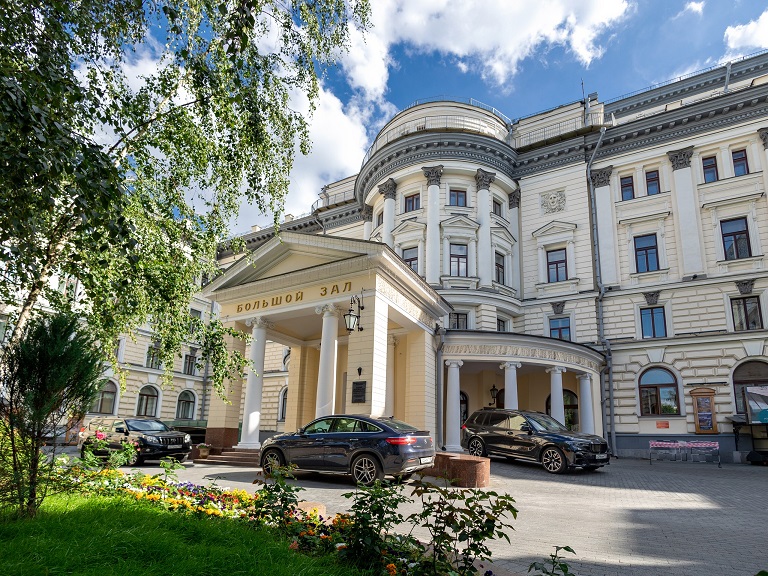
В 1766 году участок, на котором ныне находится Московская консерватория, приобрела княгиня Екатерина Романовна Дашкова, которая позднее возглавит две академии: Петербуржскую Академию наук и художеств и Российскую Академию. Строительство дома было завершено в 1780-е годы предположительно по проекту В. И. Баженова. В 1810 году здание унаследовал граф М. С. Воронцов, который сдавал его в аренду. В 1812 году дом пострадал от пожара, но был полностью восстановлен к 1824 году.

Московская консерватория, основанная в 1866 году, арендовала этот дом с 1871 года, а в 1878 году выкупила его за 185 000 рублей. К 1894 году стало очевидно, что здание для нужд консерватории оказалось тесным, поэтому было принято решение начать строительство нового корпуса. Автор проекта, В. П. Загорский, сделал свою работу бесплатно. Большую финансовую поддержку оказали меценаты, включая Г. Г. Солодовникова, императора Александра III и братьев Морозовых.

25 сентября 1898 года был открыт Малый зал Консерватории. Полностью строительство здания было завершено 7 апреля 1901 года открытием Большого зала, вмещающего 2486 человек. Стены Большого зала Консерватории украшали 14 портретов-медальонов классиков русской и западноевропейской музыки. Над сценой был расположен медальон-барельеф Николая Рубинштейна, основателя Московской консерватории.

Реставрация

В 2011–2013 годах были проведены противоаварийные и реставрационные работы, направленные на улучшение акустических параметров и функциональных характеристик здания. Были отреставрированы Большой, Малый и Рахманиновский залы, учебный корпус с Белым залом, а также уличный корпус. В ходе реставрации вернули первоначальные цвета стен Большого зала, восстановлен витраж Святой Цецилии, утерянный в начале Великой Отечественной войны.

Большой зал Московской консерватории славится своей акустикой и интерьерными решениями, признанными одними из лучших в мире. В мае 1940 года консерватории было присвоено имя Петра Ильича Чайковского. С 1958 года каждые четыре года здесь проходит Международный конкурс имени Чайковского.

В 2013 году здание Московской консерватории стало лауреатом конкурса Правительства Москвы на лучший проект в области сохранения и популяризации объектов культурного наследия «Московская реставрация» в номинации «За лучшую организацию ремонтно-реставрационных работ».

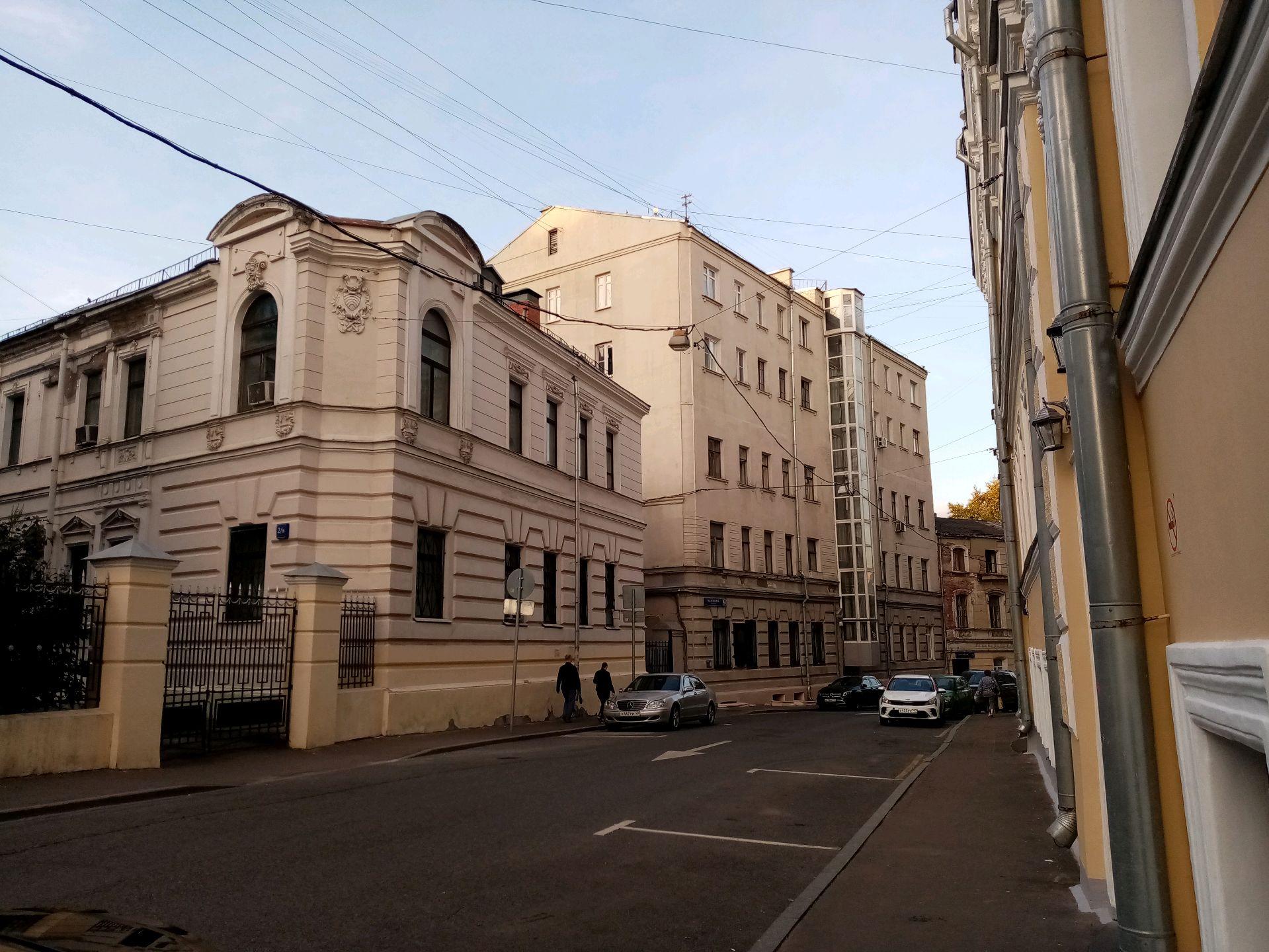
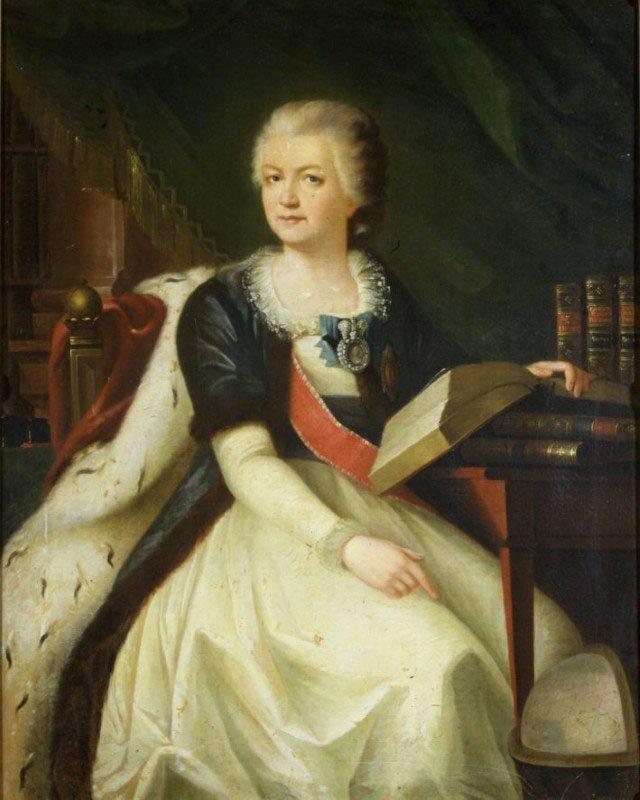
Princess Ekaterina Romanovna-Dashkova (1743-1810) bought the future site of the Conservatory In 1766. She later become the President of the Academy of Sciences and the Russian Academy. Construction of the house was completed in the 1790s. Vasily Bazhenov designed it. The owner herself adjusted the draft. She spent winters in this house towards the end of her life. Count Mikhail Vorontsov, the nephew of Princess Romanova-Dashkova inherited the house in 1810. He was one of the heroes of the Napoleon’s war, active participant of the Borodino battle, the future governor of Novorussia and Bessarabia, the governor of the Caucasus. He rented the house out. The house burned down in 1812 and was restored by 1824. Moscow Conservatory (founded in 1866) rented the house in 1871 and soon bought Dashkova’s house for 185 000 rubles. It soon became clear that the house is too small. Professor V.I. Safonov director of the Conservatory managed to gather necessary funds for new construction and began the project in 1894. Construction became a publicly funded matter thanks to director’s activity. V.P. Zagorski, the author of the building completed the project for free and even financed the construction of the marble staircase leading to the Great Hall. Old Believer merchant G.G. Solodovnikov invested 200 thousand rubles in the construction project; Emperor Alexander III donated 400,000 rubles, A. Rubinstein donated 9000 rubles. Engineers N. Kazakov and N.F. Grouper conducted the necessary structural analysis of the construction and overlaps for free. S.P. von Dervis donated the main Organ to the Great Hall, M.A. and I.A. Morozovs funded the acquisition of the necessary equipment and furniture, Kharitonenko paid for carpets. Wine cellars and wine store were built in the basement of the house. The construction was completed by 1897 and rented to Regional Governmental department. The department paid 200,000 rubles for rent in advance and funds were used to finance the construction. Only round lobby hall of the old Dashkovskaya house survived. If you stand in the center of the hall you can hear an unusual echo of the front wall and the walls of the north wing. The Small Hall of the Conservatory opened its doors on September 25, 1898 and the entire project was completed on April 7, 1901 by the opening of the Great Hall, accommodating 1,800 people. The walls were decorated with portraits of 14 composers painted by academician N.K. Bodarevsky (1850-1921). The portraits of the non-Russian composers Handel, Gluck, Haydn and Mendelssohn were changed to politically correct for the time portraits of Mussorgsky Dargomizhskiy, Rimsky-Korsakov, and Chopin in 1953
Автор статьи: Департамент культурного наследия города Москвы
Поделитесь статьей с друзьями
Интересное рядом(11)
княгиня, директор Императорской академии наук и художеств
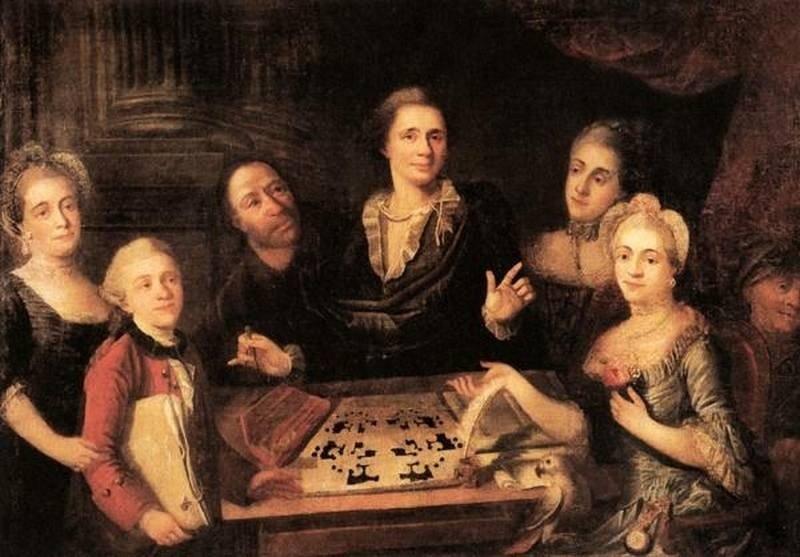
Bazhenov V. I.
архитектор
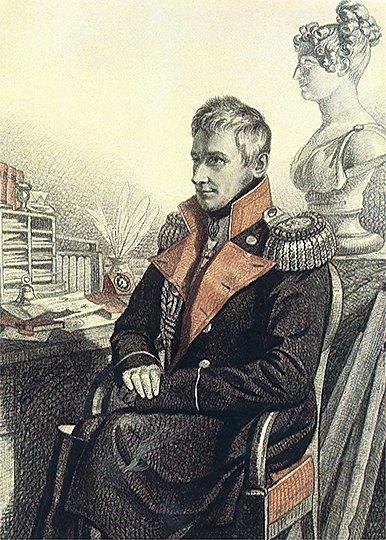
Vorontsov M. S.
государственный деятель, генерал-фельдмаршал, светлейший князь
Предприниматель, камергер, меценат, музыкант
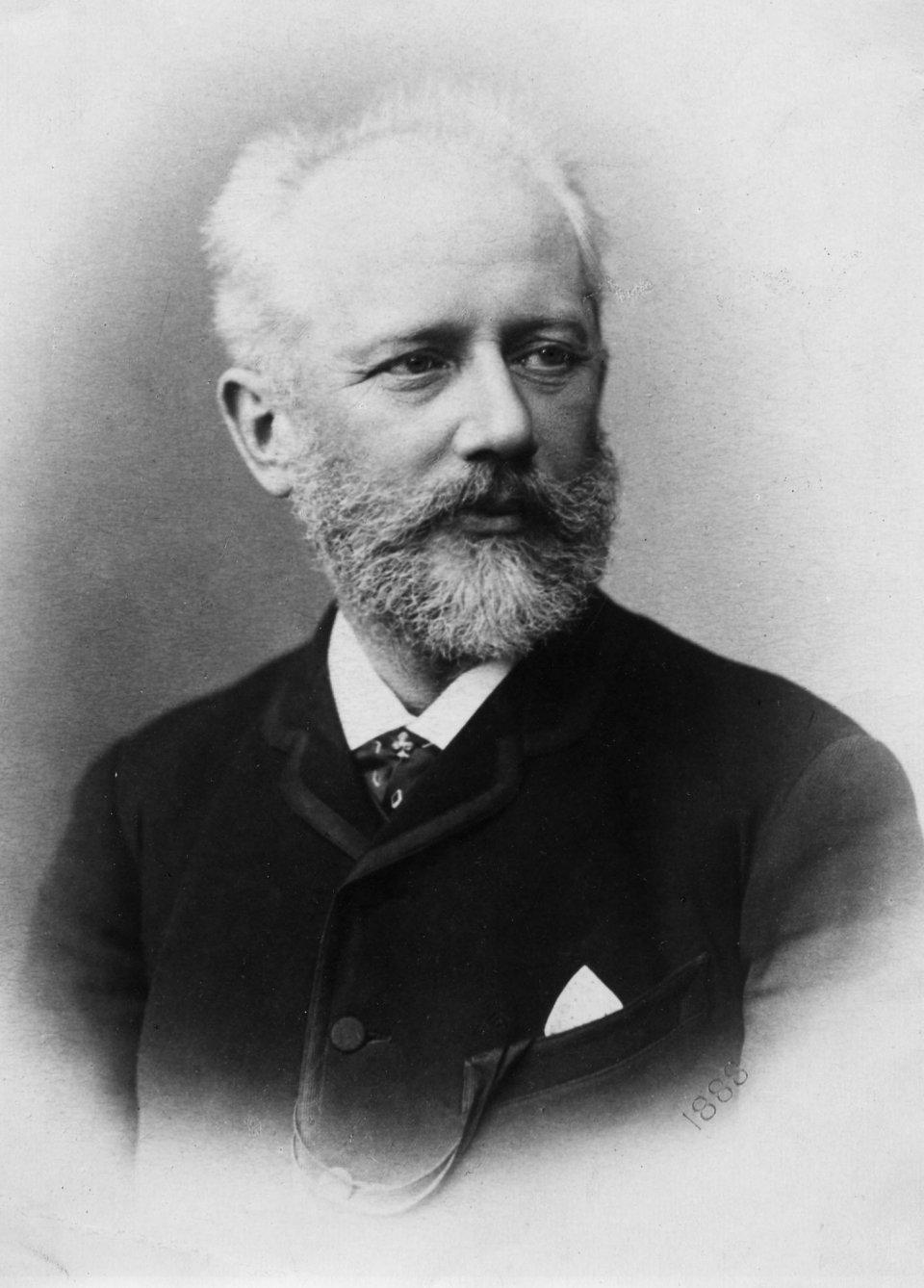
Chaykovsky P.I.
Greatest Russian composer
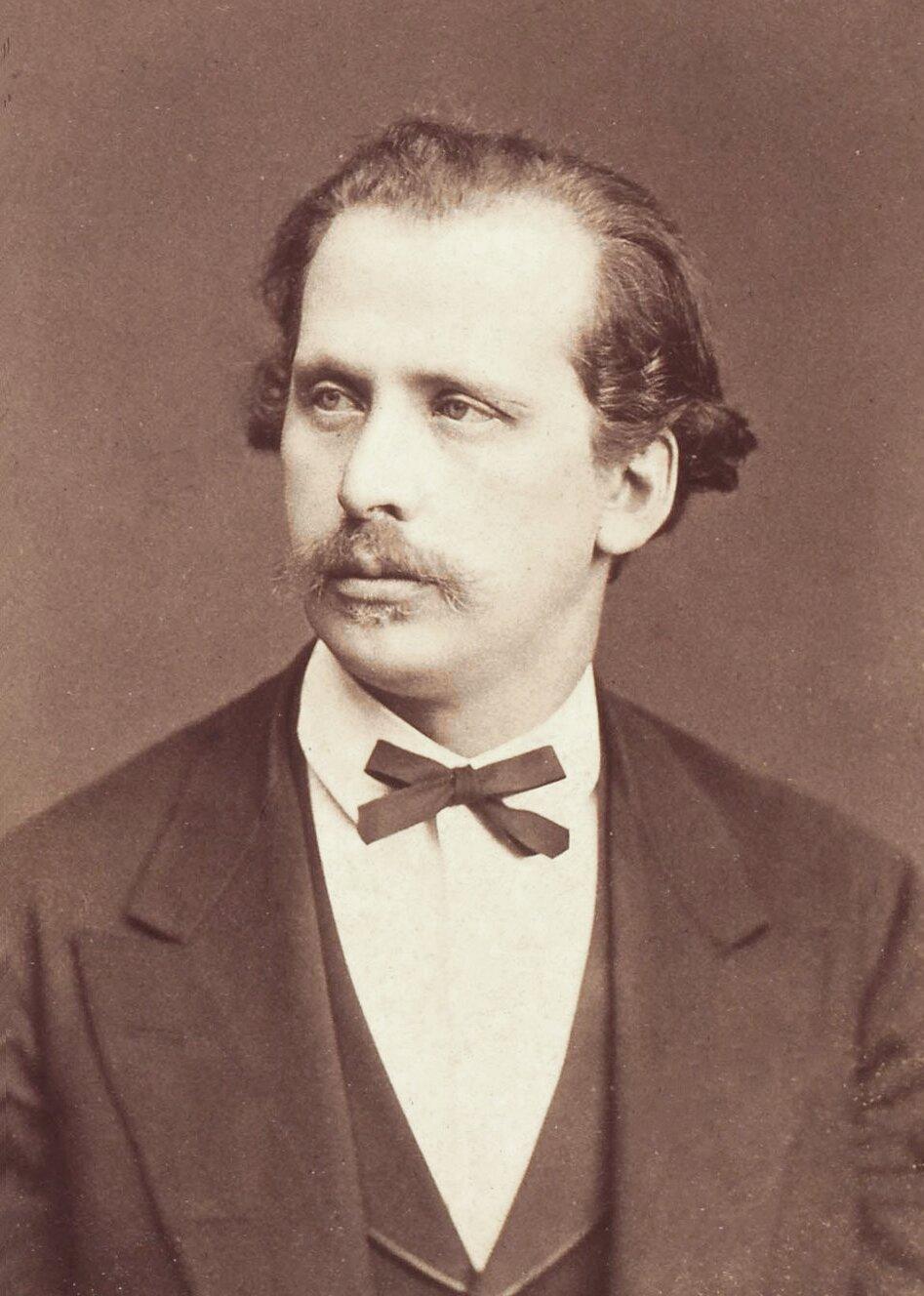
Rubinstein N. G.
пианист
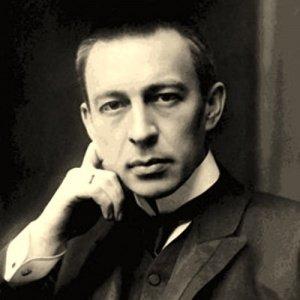
Rachmaninoff S. V.
композитор
меценат