Интерактивный гид по городу
С мобильным приложением бродить по городу гораздо интереснее!

Вы можете воспользоваться QR-кодом, чтобы открыть эту страницу в нашем приложении
Годы постройки:
1776
Эпоха:
18th century
Информация о здании

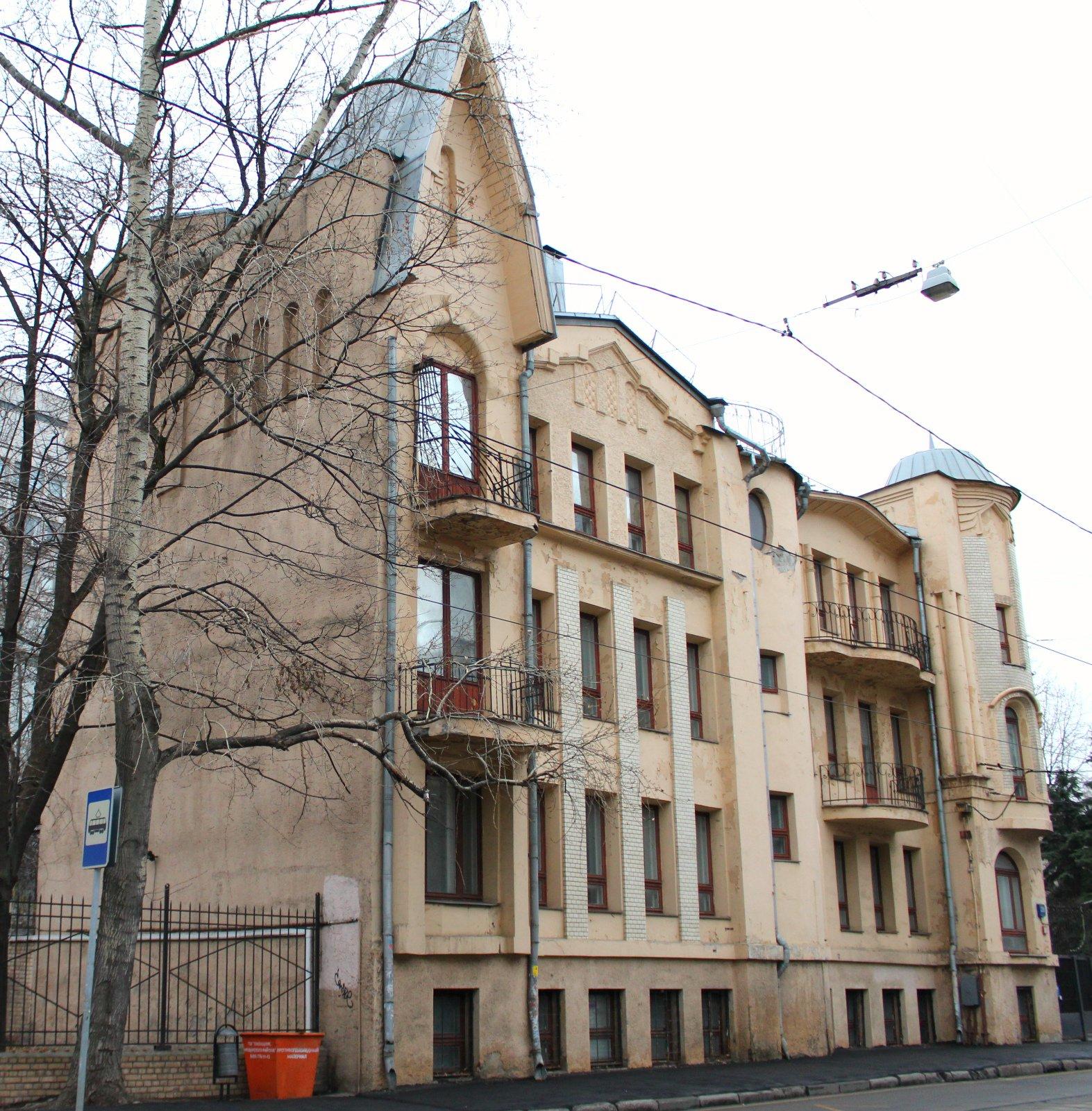
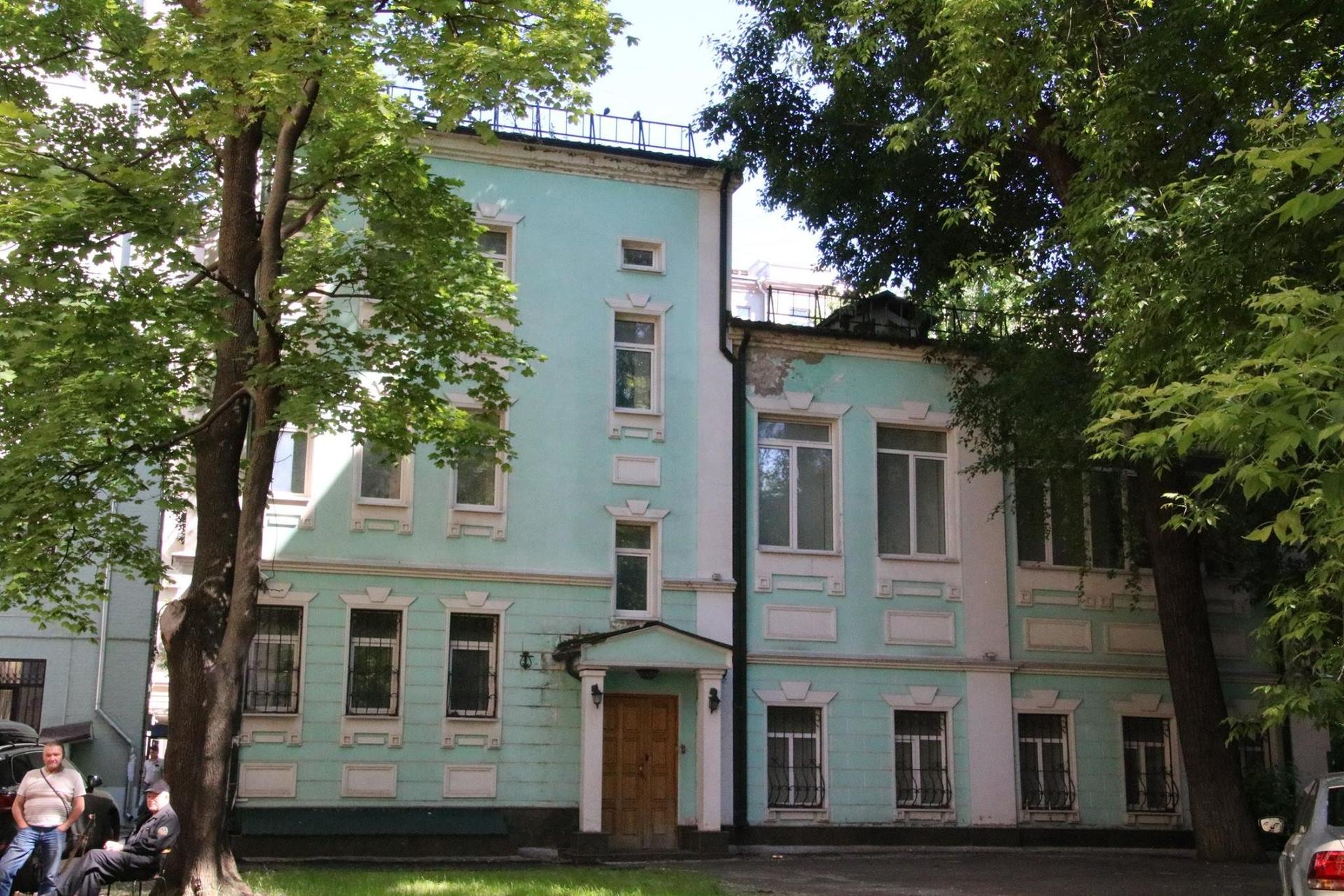
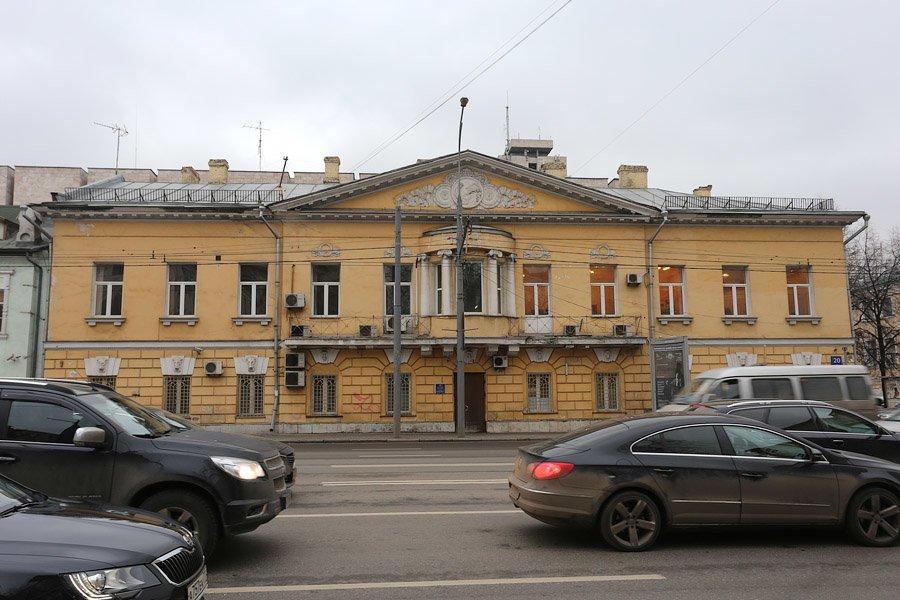
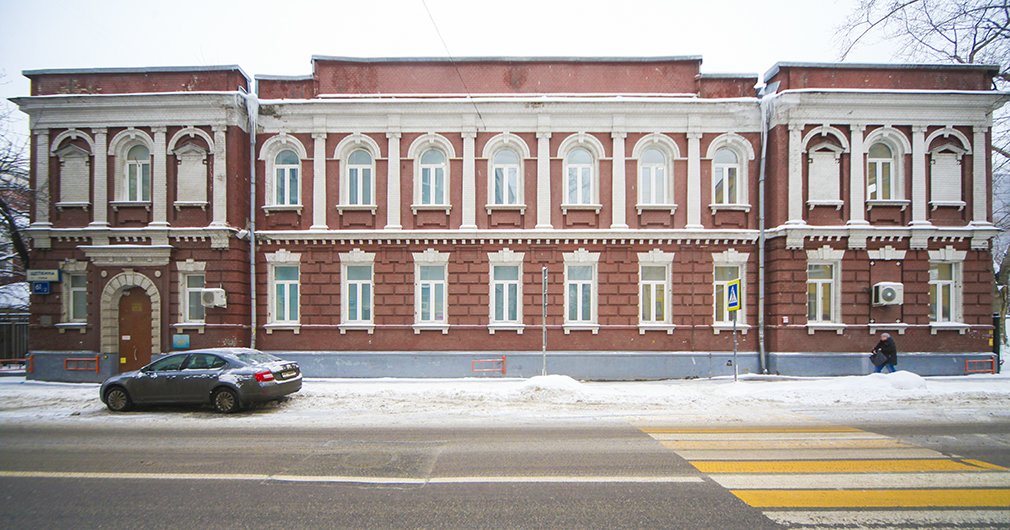
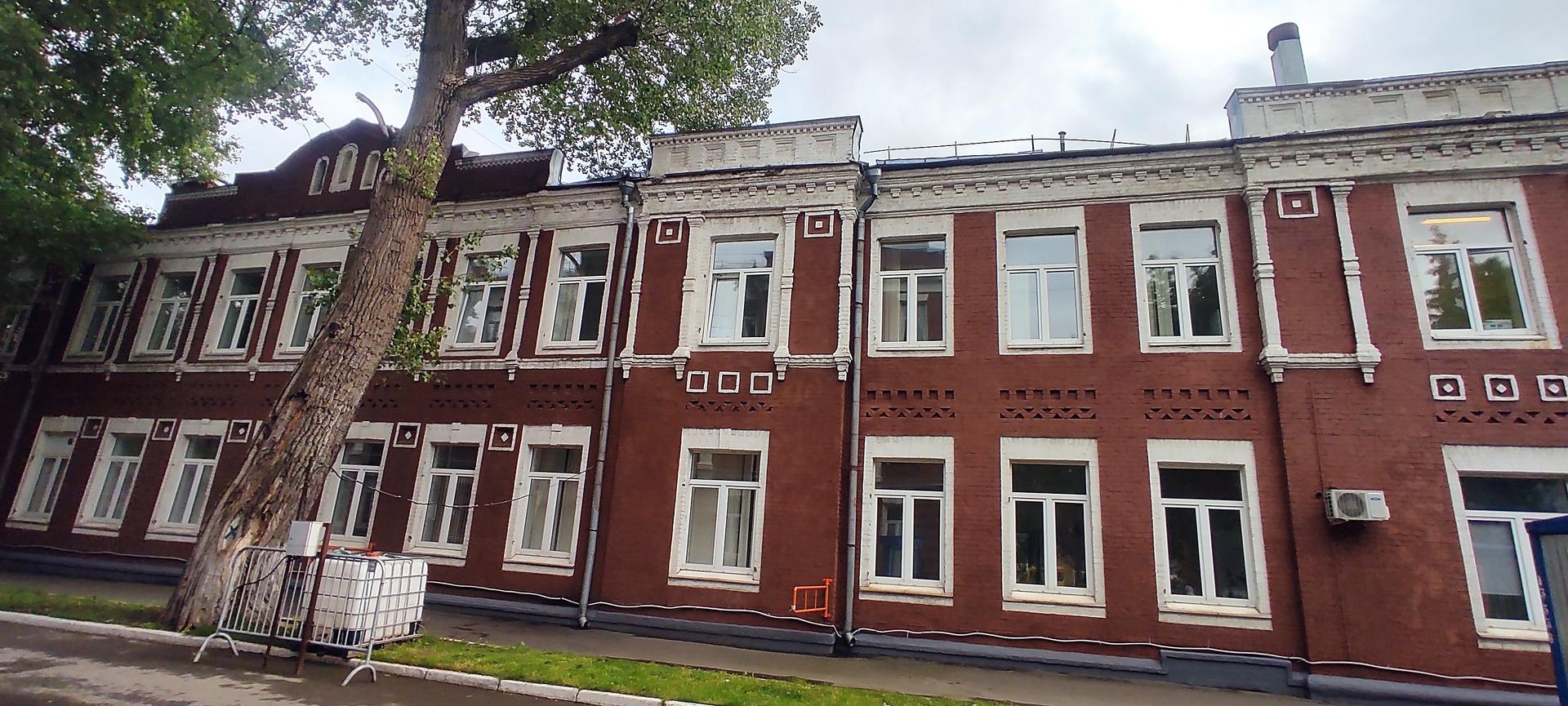
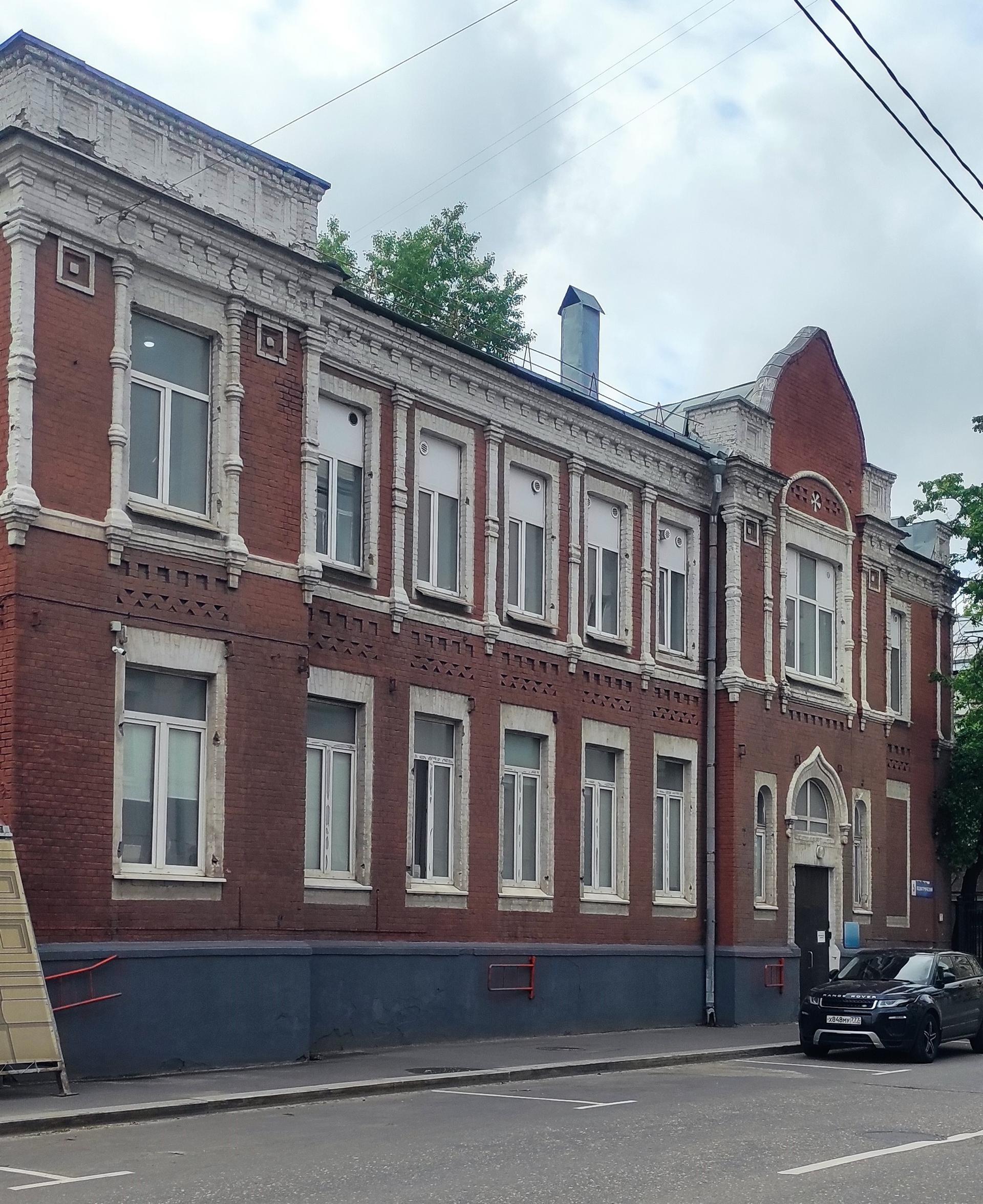
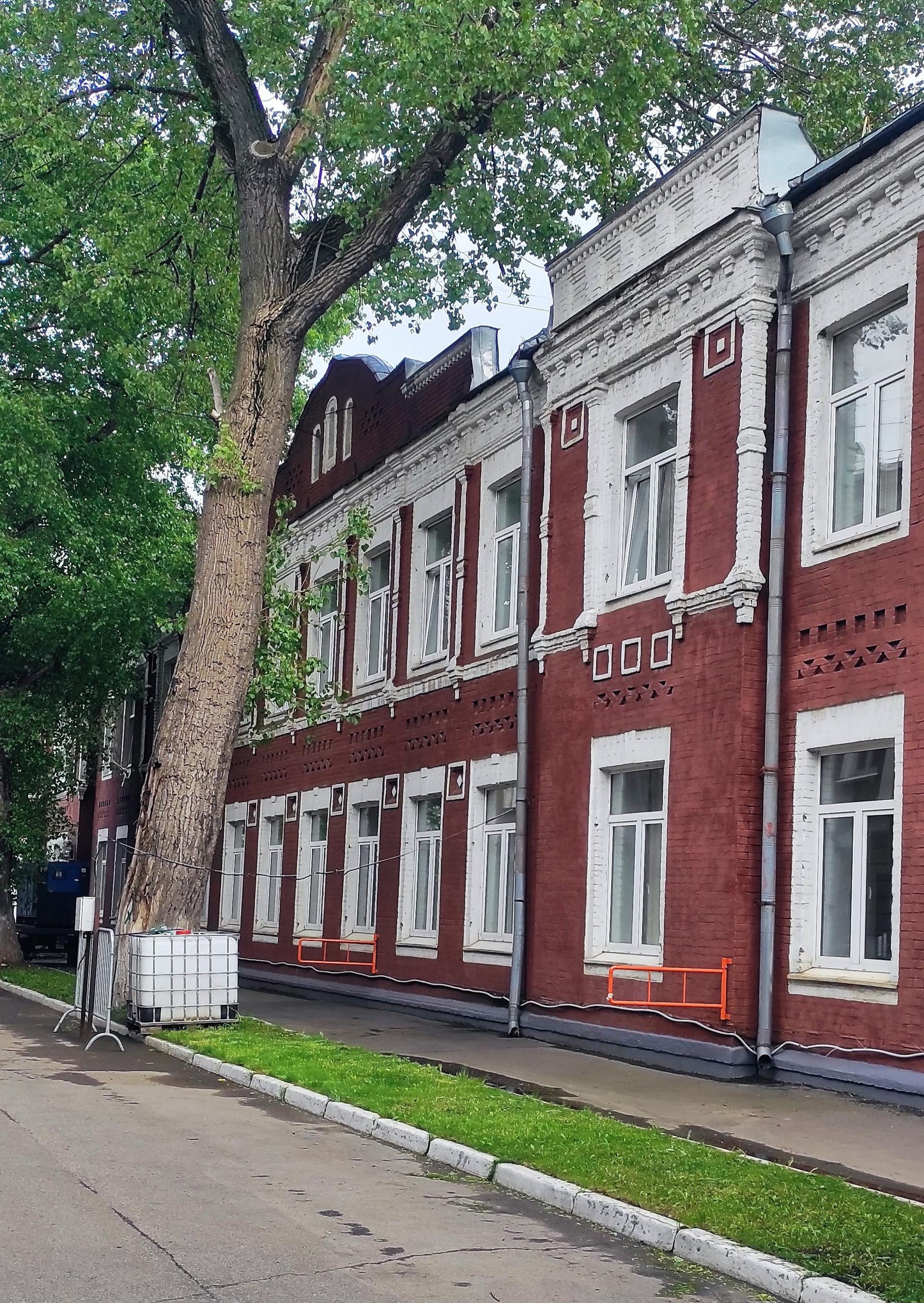
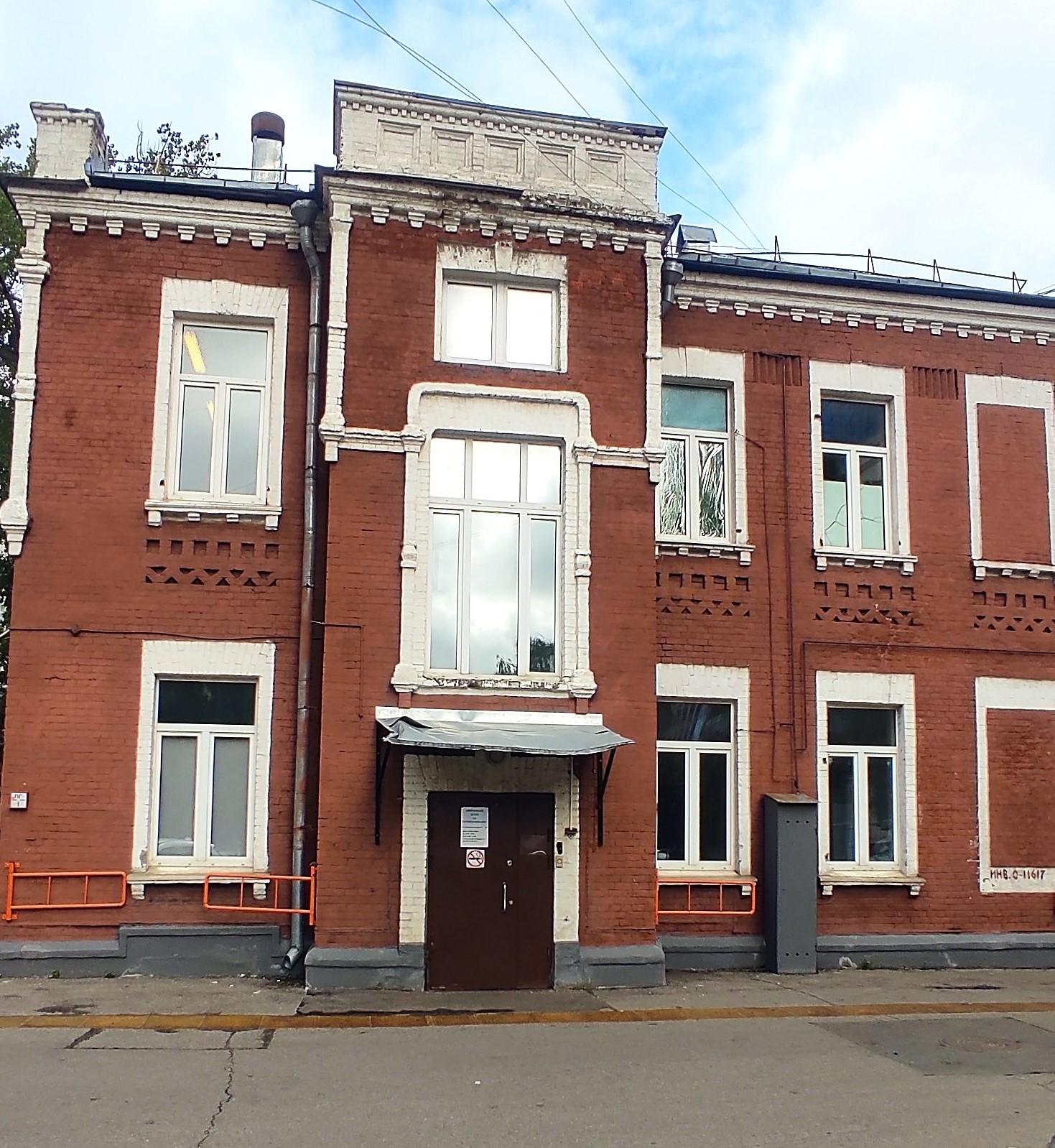
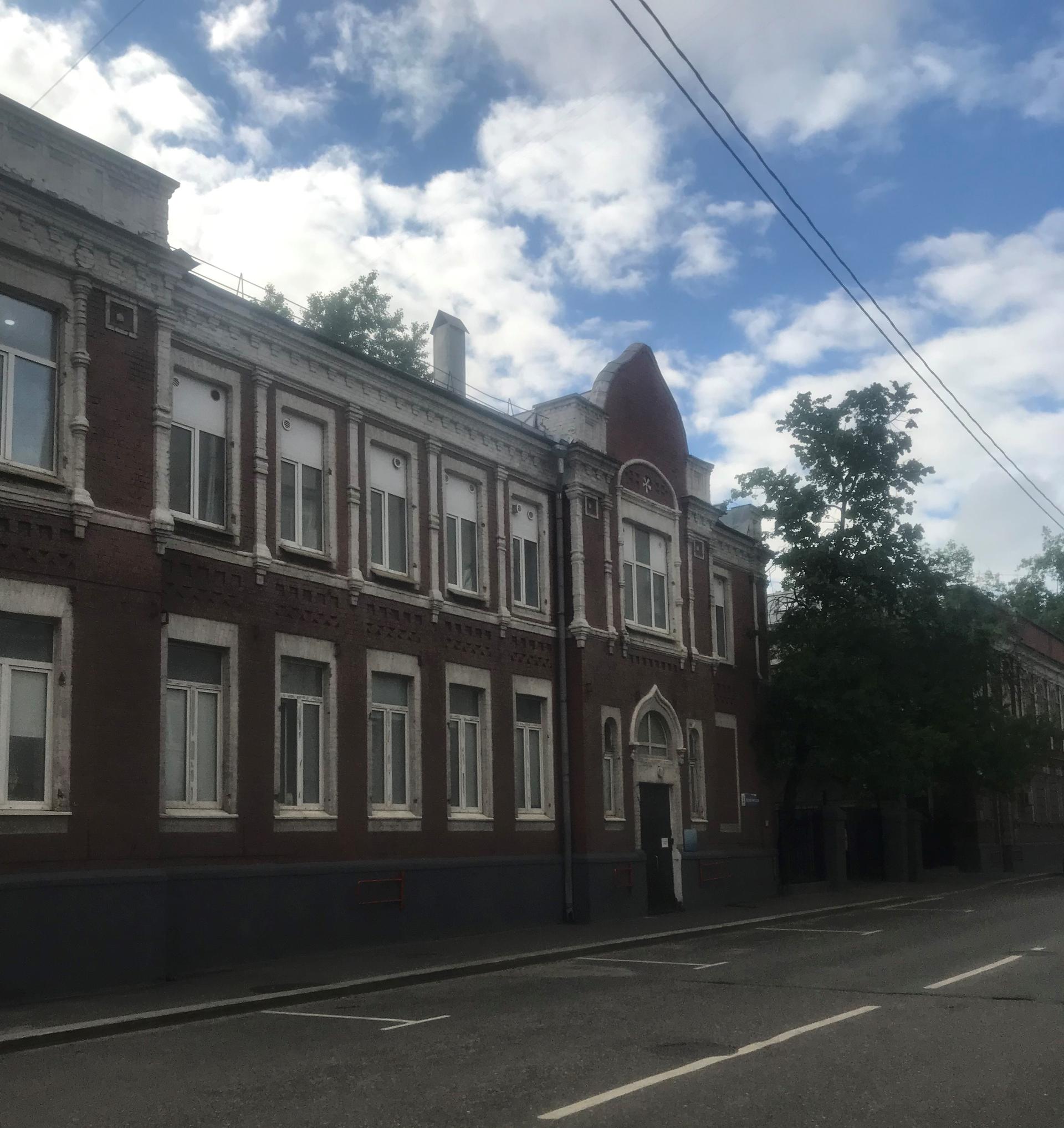
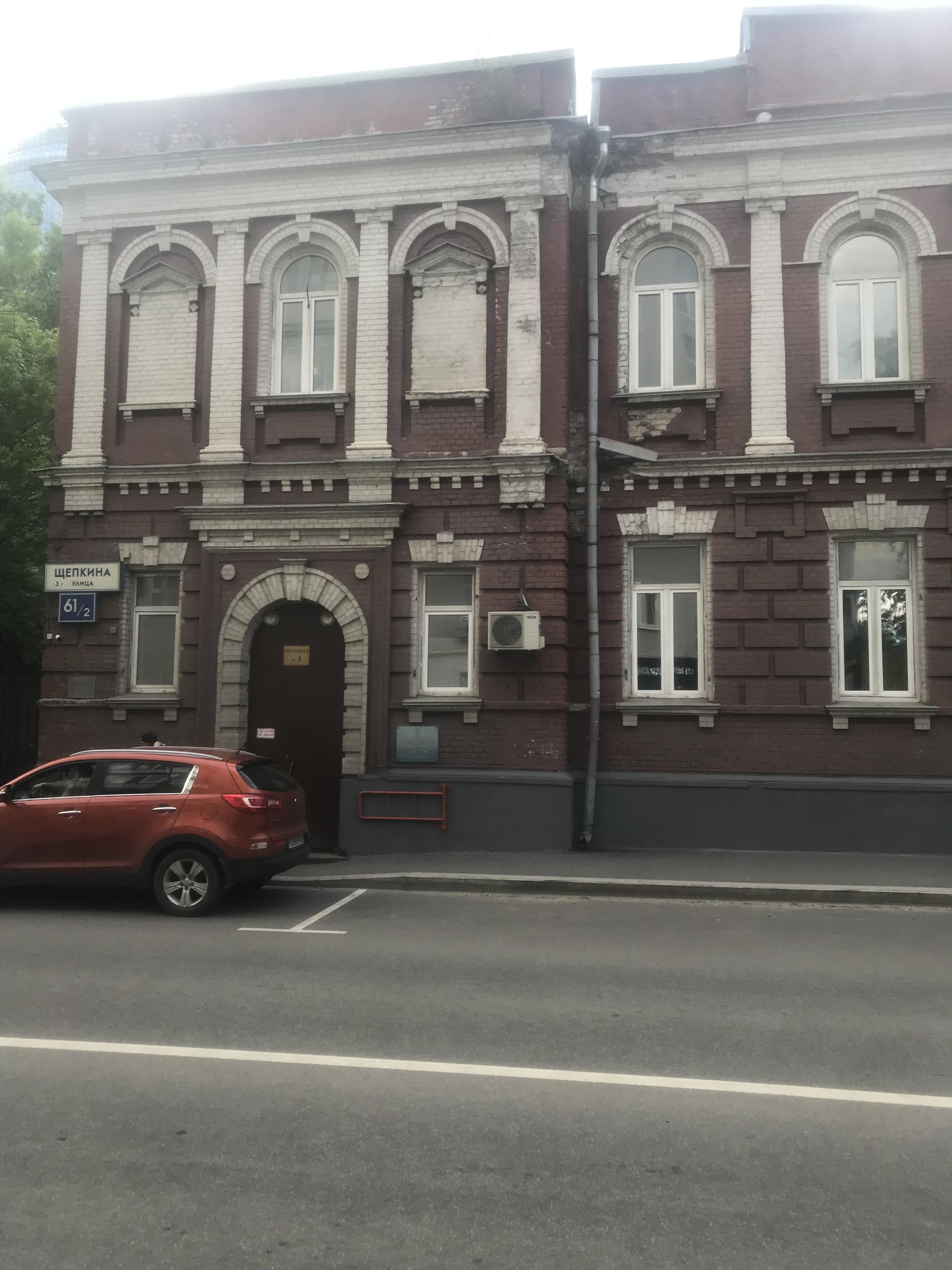
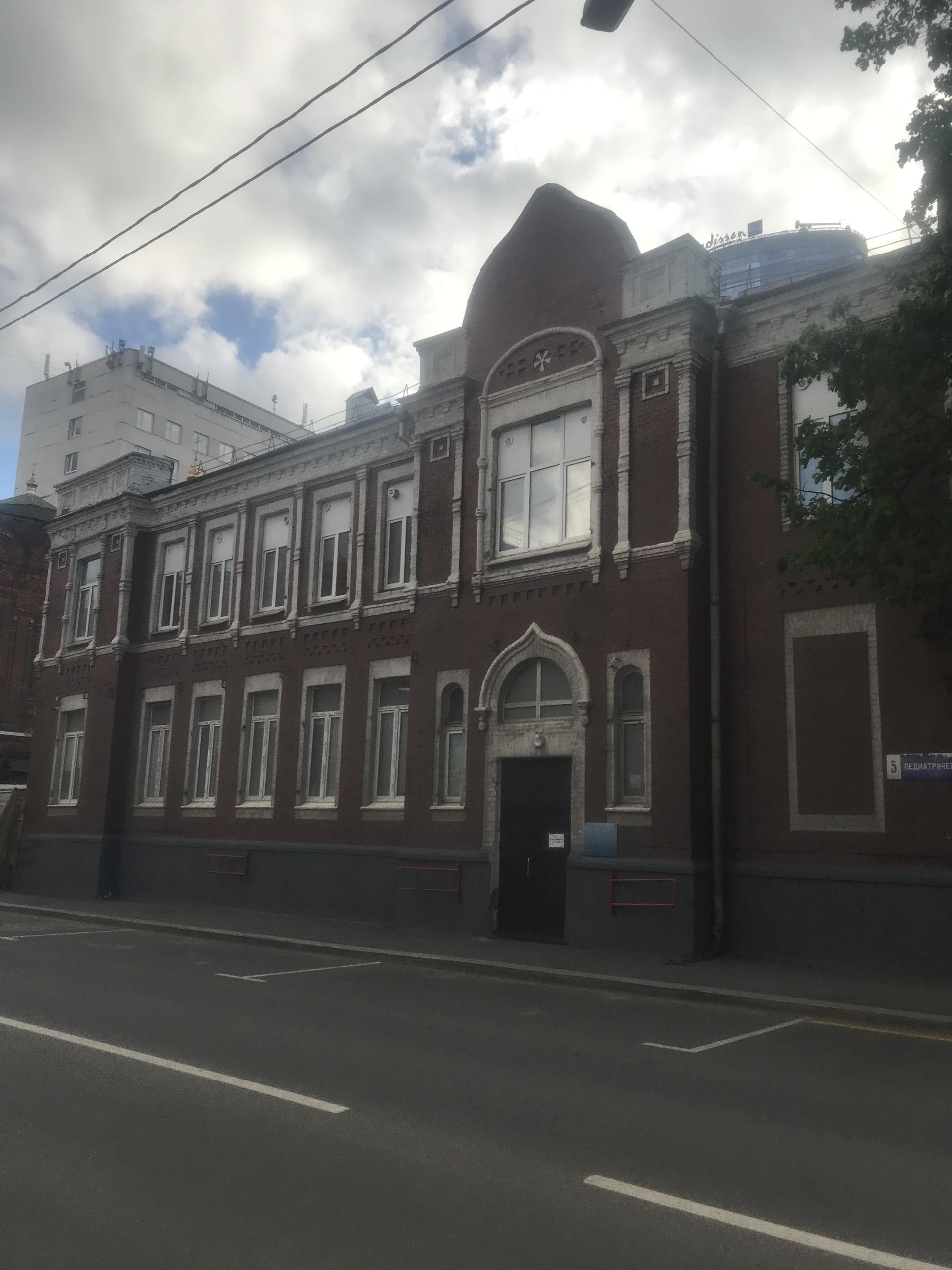
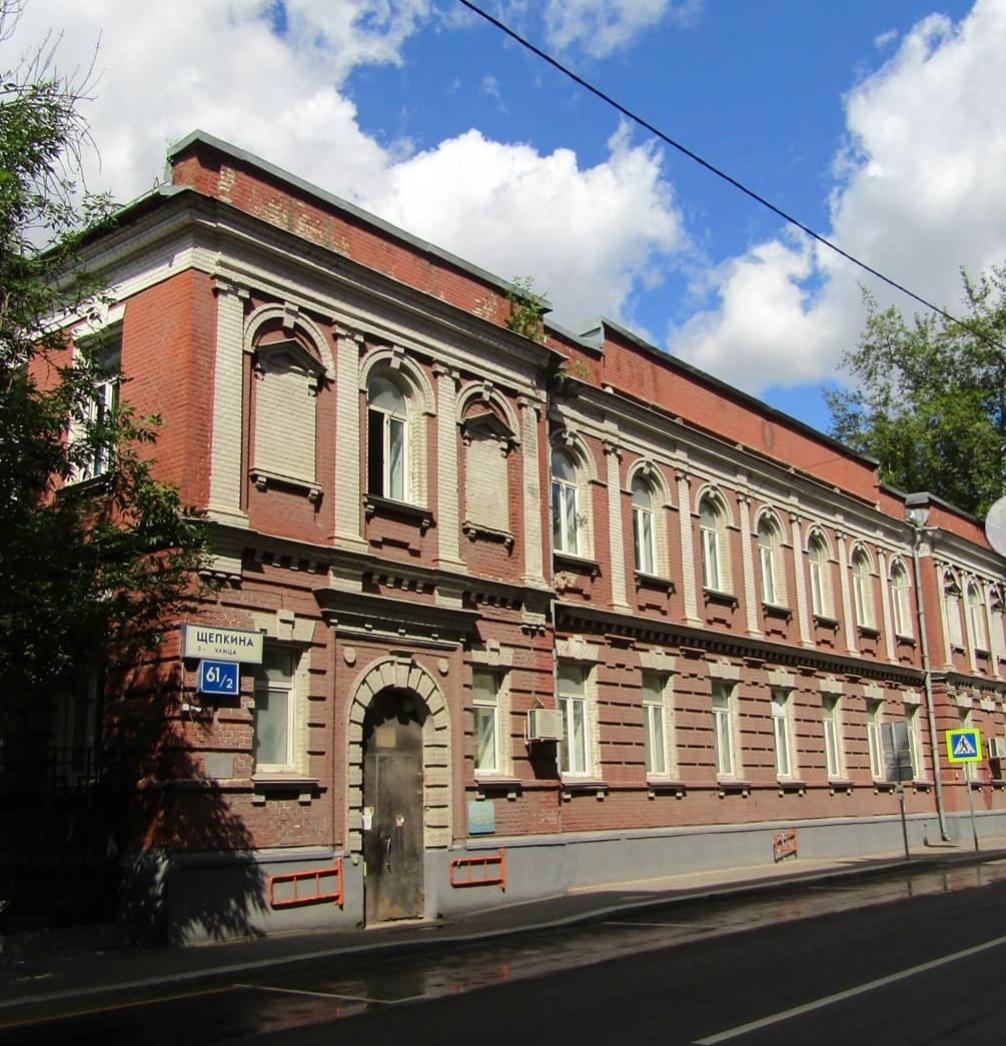
Изначально больница размещалась в 13 отдельных деревянных зданиях. Она имела 150 кроватей, богадельню на 100 человек, работный дом для мужчин, инвалидный дом для бывших военнослужащих. Затем в различных районах Москвы стали создаваться филиалы (отделения) Екатерининской больницы, которые позже выделились в самостоятельные лечебные учреждения: Ново-Екатерининское, Мясницкое, Яузское, Басманное, Преображенское и другие.
В 1835 году больница была переименована в Старо-Екатерининскую. После того, как организованная на Страстном бульваре у Петровских ворот больница (теперь — 24-я городская), отделилась от Екатерининской и получила название Ново-Екатерининской, прежняя стала называться Старо-Екатерининской.

В 1890 году в гинекологическом корпусе Старо-Екатерининской больницы открылось родильное отделение на 7 коек. В этом отделении впервые в Москве в 1896 году профессором Дмитрием Вигилевым было проведено «кесарево сечение».
 В 1906-м году открыли ещё два филиала родильного отделения.
В 1907 году родильные приюты были объединены в одно учреждение «Городской родильный дом при Старо-Екатерининской больнице».
В 1908 году были построены 2 этажа нового корпуса родильного дома на денеги семьи Морозовых.
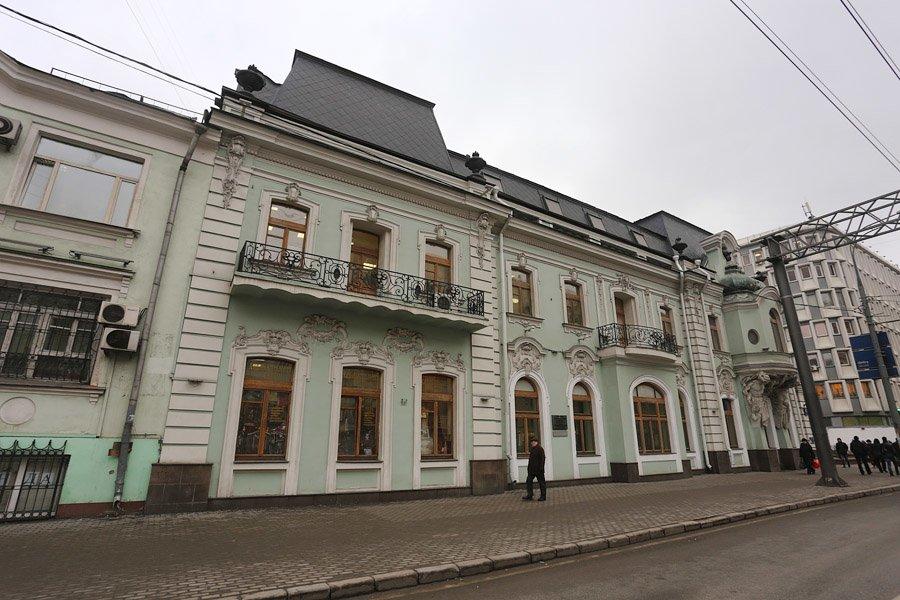
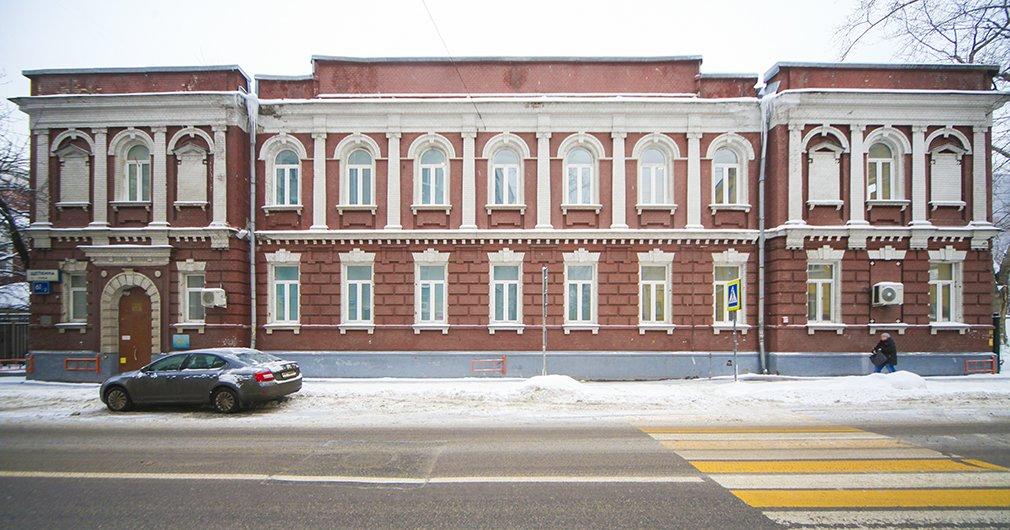
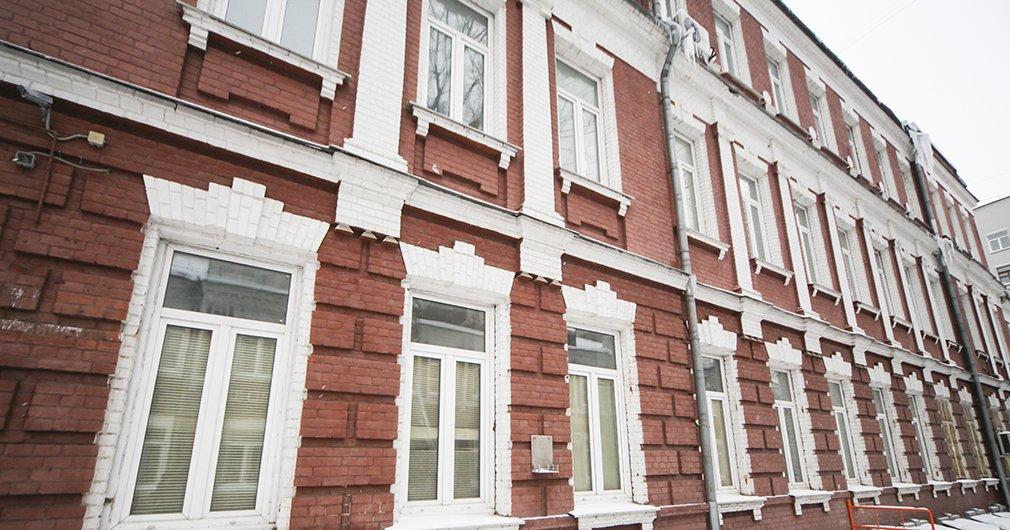
На пожертвования меценатов в 1910 году было построено трехэтажное здание с главным входом со стороны 3-й Мещанской улицы, которое получило название «Родильный дом имени Морозовых при Старо-Екатерининской больнице». Со временем его название изменилось: в 1924-м роддом был переименован в «Пролетарский родильный дом». С 1936 года он продолжал действовать уже как городской роддом №8 Дзержинского района Москвы.

Больница сменила еще несколько названий: Московский клинический институт (МКИ), Московский областной клинический институт (МОКИ — МОКИ МедВУЗ), Московский областной научно-исследовательский клинический институт (МОНИКИ).
В настоящее время, с 2012 года, носит название "Государственное бюджетное учреждение здравоохранения Московской области Московский областной научно-­исследовательский клинический институт" (ГБУЗ МО МОНИКИ).
Поделитесь статьей с друзьями
Интересное рядом(14)
г. Москва, ул. Щепкина, д. 47 стр. 2
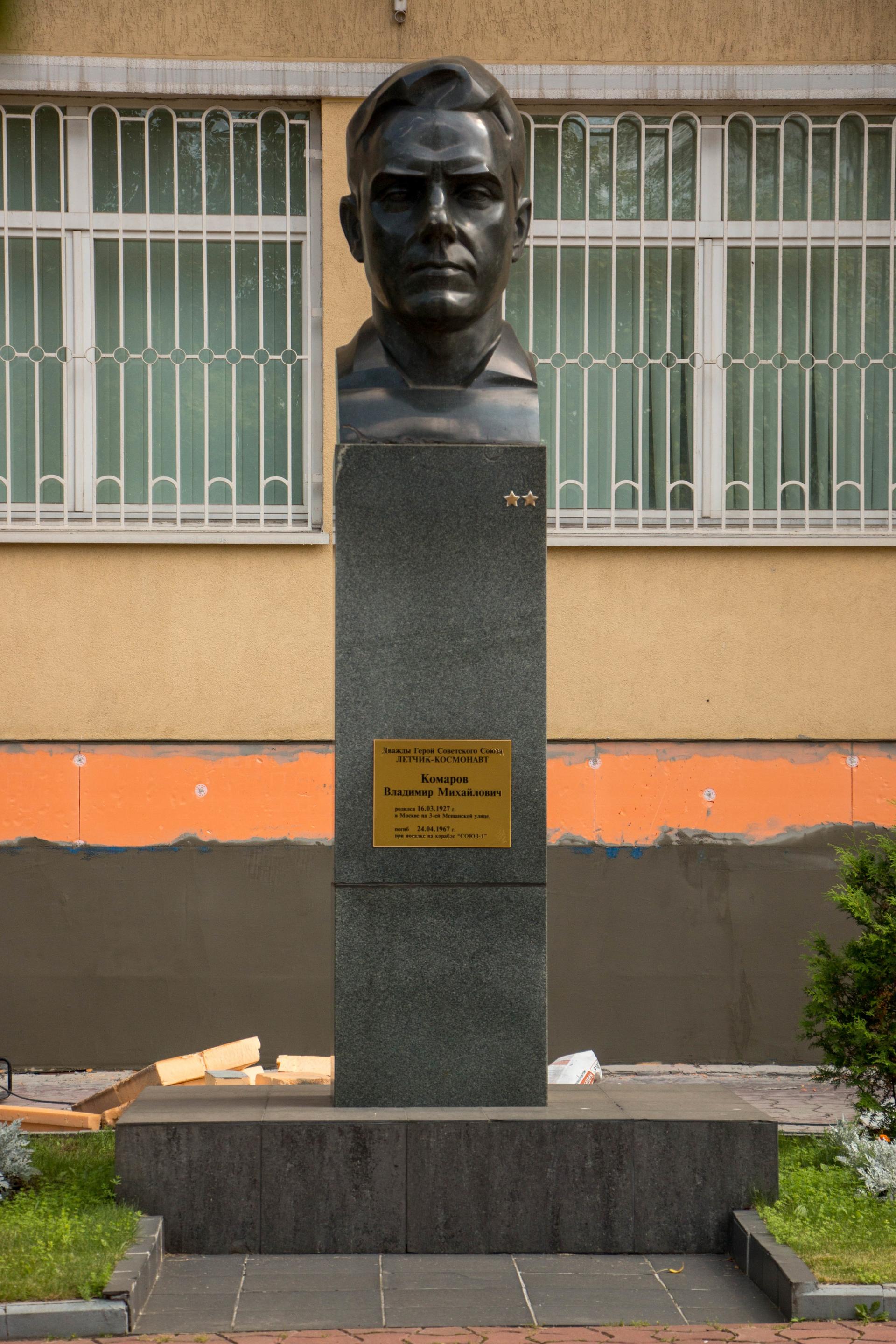
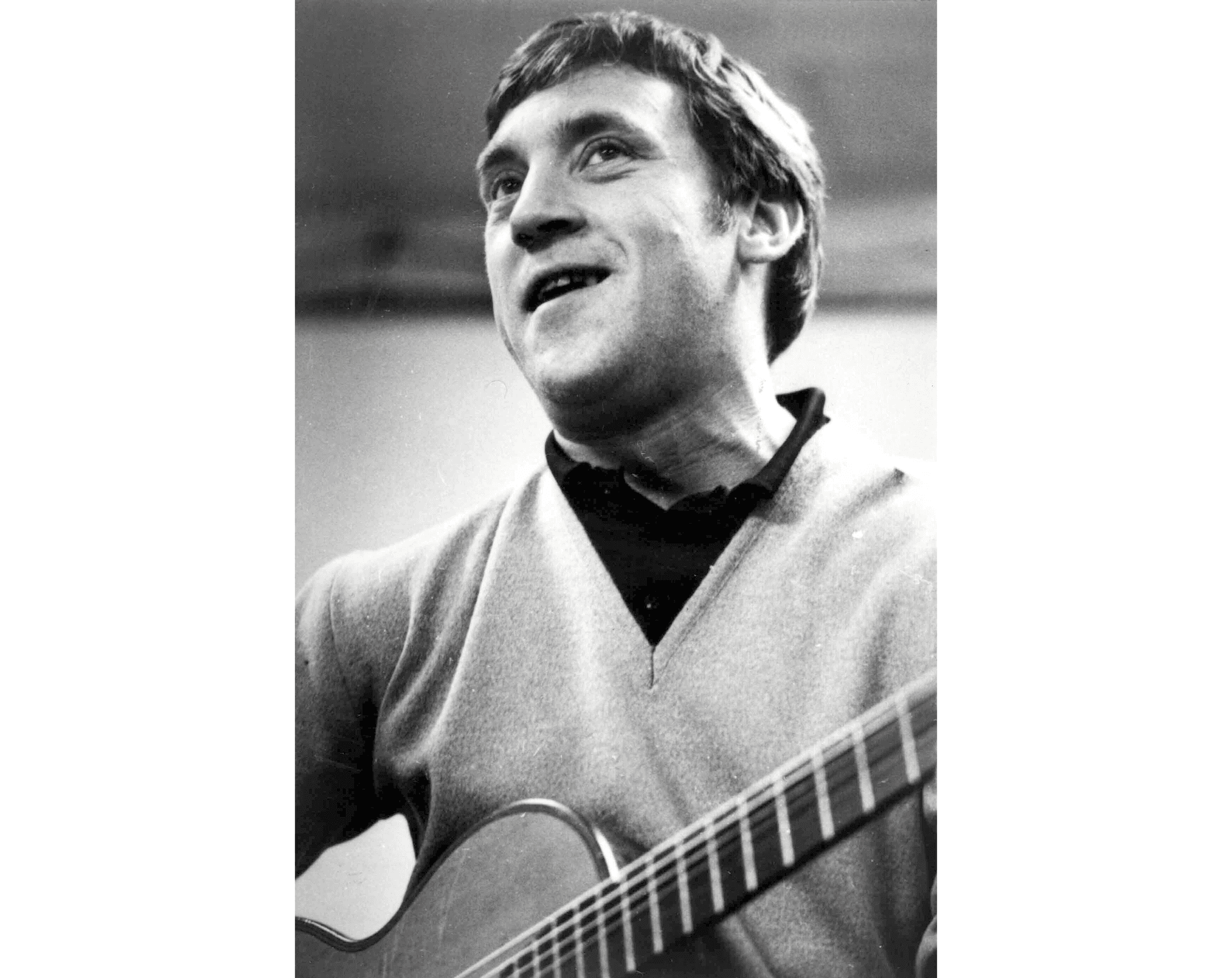
российский революционер, советский государственный и партийный деятель
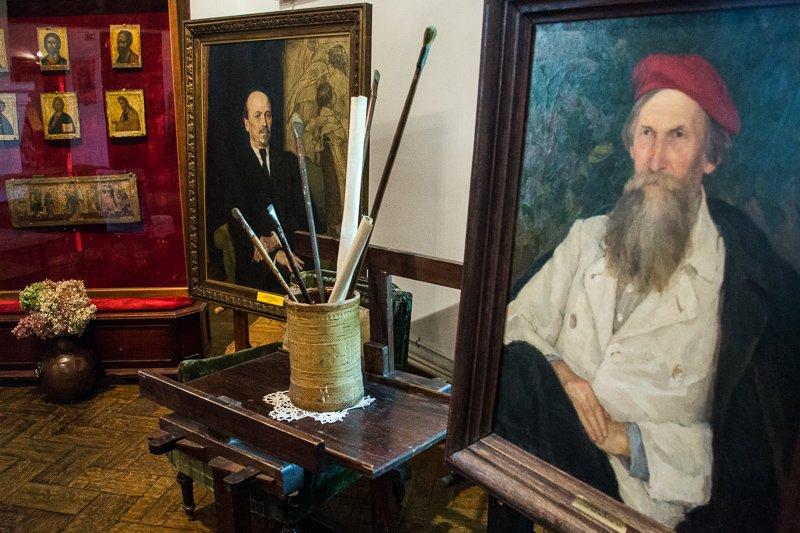
V.M. Vasnetsov House - MuseumThe house of the outstanding Russian artist V. M. Vasnetsov is located behind the Sadovoe Ring, not far from the Moscow Courtyard of the Holy Trinity St. Sergius Lavra, in a quiet, shady lane. It was built in 1894 by the artist himself in the neo-Russian style. VM Vasnetsov lived here the last 32 years of his life (1894–1926). On August 25, 1953, a museum was opened in the house, in 1954 the 3rd Trinity Lane, in which the house stands, was renamed Vasnetsov Lane.

Immediately after the death of the artist, the relatives had the idea of “to preserve everything, as it were, to arrange something like a house-museum”. Turning to the Tretyakov Gallery for help, they received consent to work together to organize a posthumous exhibition of works by V. M. Vasnetsov with the further perspective of creating a museum.

On January 27, 1927, the artist's son, Alexey Viktorovich Vasnetsov, submitted to the Gallery's Board a statement that the family was ready to accept all the obligations related to the arrangement of the exhibition. He was also approved as the ombudsman. Alexey Viktorovich was helped by his sister Tatyana Viktorovna and wife Zinaida Konstantinovna. M. V. Nesterov, P. Korin, An. M. and Vl. V. Vasnetsov and Scientific Secretary of the Tretyakov Gallery N. S. Morgunov participated in the design of the exhibition. The necessary repairs were carried out, several hundred posters with information about the exhibition were printed and posted, tickets were prepared and a catalog was published.

The exhibition opened on March 13, 1927. On the first day, about 600 people visited it. In the following days, many interested visitors and school groups came to the exhibition, there were excursions. The exhibition remained until 1933.

In the preface to the catalog it was stated that the works exhibited at the exhibition, in particular the fairy-tale cycle, were presented to the public for the first time and that in the future landscapes, sketches and sketches will be shown, “which, combined with what is shown now, should be composed by the Victor Vasnetsov Museum ". The exhibition featured 212 exhibits: painting, graphics and objects of decorative and applied arts. The exhibits were located in the living room, the former classroom and in the workshop. Fabulous epic paintings the authors of the catalog provided with short texts from the literary source.

During the Great Patriotic War, the artist's family continued to live in the house. Large paintings were rolled up, the rest of the work laid out in boxes. The house itself was not damaged, but the fence and the terrace were not preserved. In September 1946, the heirs expressed a desire to organize a museum in the house by the centenary of the birth of V. M. Vasnetsov in 1948 and negotiate with the Tretyakov Gallery about it. The exhibition of paintings by the master, which opened in May 1948 in the exhibition hall of the Union of Soviet Artists, aroused great interest among the visitors and contributed to the decision to organize the museum.
On June 29, 1950, an order was issued by the Council of Ministers of the USSR on the organization of the House Museum of V. M. Vasnetsov. The Committee on Arts at the Council of Ministers of the USSR issued an order to proceed with the organization of the museum, for which purpose it is possible to receive the house, as well as art collections and property, which the heirs of the artist donate to the state.

A month later, on July 29, 1950, the heirs signed a statement to the Committee for Arts at the Council of Ministers of the USSR on the donation of property and valuables to the state for the organization of the V.M. Vasnetsov House-Museum. On July 18, 1951, the Order of the Committee approved the “Regulations on the House-Museum of V.M. Vasnetsov”. On August 28, 1951, an act was signed by the commission of the house, works of art — painting, graphics, works of decorative and applied arts, household items and property of V. M. Vasnetsov from his heirs.

The first director of the museum (from 1951 to 1957) was the nephew of the artist Dmitry Arkadyevich Vasnetsov, a member of the First World War and the Great Patriotic War, the actor of the Musical Theater K. S. Stanislavsky and V. I. Nemirovich-Danchenko, the director of the Children's Music School. Z.K. Vasnetsova was appointed chief custodian. Together with Tatiana Viktorovna D. A. Vasnetsov was engaged in repairing the house, restoring its planning and recreating the situation that was during the life of V. M. Vasnetsov. The architecture of the house was fully preserved. The decor of the house was restored at the beginning of the twentieth century. The decoration of the dining room, living room and workshop is almost completely preserved. Also, genuine objects, which were transferred to the museum by the artist's family, were presented in all the other rooms, including exposition ones.
The part of the collection that remained in the ownership of the heirs was transferred to the museum under the will of T. V. Vasnetsova in 1959 and on the basis of its deed of gift in 1961. Thus, all collections: painting, graphics, objects of decorative and applied arts and everyday life, the personal archive and library of the artist, photography and reproduction were included in the museum collection, which was replenished with gifts from various individuals, procurement, and currently has about 25 thousands of museum items.

In 1978–80, the house was restored, the outbuildings of the outbuildings were restored, where the janitor’s, the laundry room and the coach house were located under the common roof, and the cobblestone pavement and brick path were restored in the courtyard. A firewall (brick wall) erected in the 80s of the 19th century was preserved from the east, to which in the 1970s "the Savior on the Throne" mosaic, made at the beginning of the 20th century according to the design of V.M. Vasnetsov in the Petersburg mosaic workshop, was transferred under the leadership of V. A. Frolov. On the north and west side of the house there is a garden with centuries-old oaks and elms.

At the time of its organization, the museum was under the jurisdiction of the Committee for Arts at the Council of Ministers of the USSR. The practical management of the museum was carried out by the General Directorate of Fine Arts. In 1954, the museum was transferred to the jurisdiction of the Ministry of Culture of the RSFSR, in January 1955 - under the jurisdiction of the Department of Culture of the Moscow City Council. In 1963, it was decided to join the Museum of History and Reconstruction of Moscow, and in 1986 the House Museum of V.M. Vasnetsov became part of the All-Union Museum Association "State Tretyakov Gallery" as a scientific department.
Moscow, Vasnetsov Lane, 13
Suharevskaya, Prospekt Mira
Щепкина ул., д. 68 (территория школы № 235)
Prospekt Mira, Проспект Мира (радиальная), Rizhskaya