Интерактивный гид по городу
С мобильным приложением бродить по городу гораздо интереснее!

Moscow commercial institute

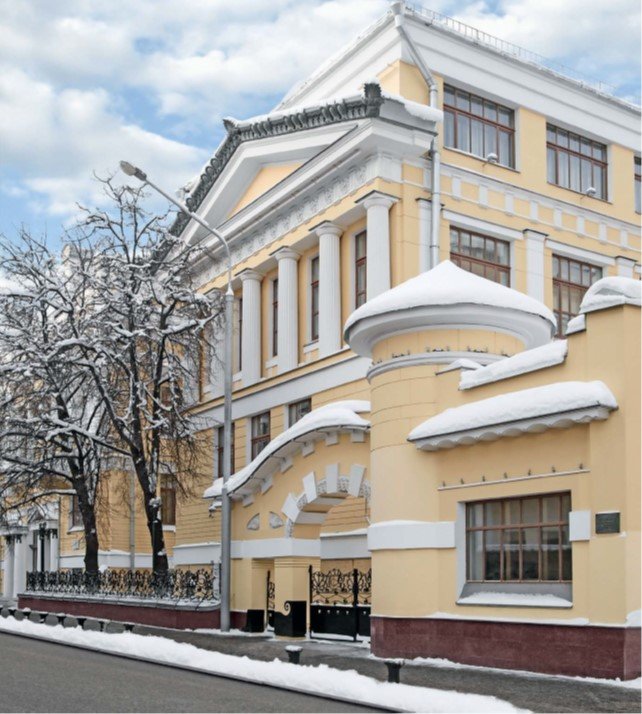
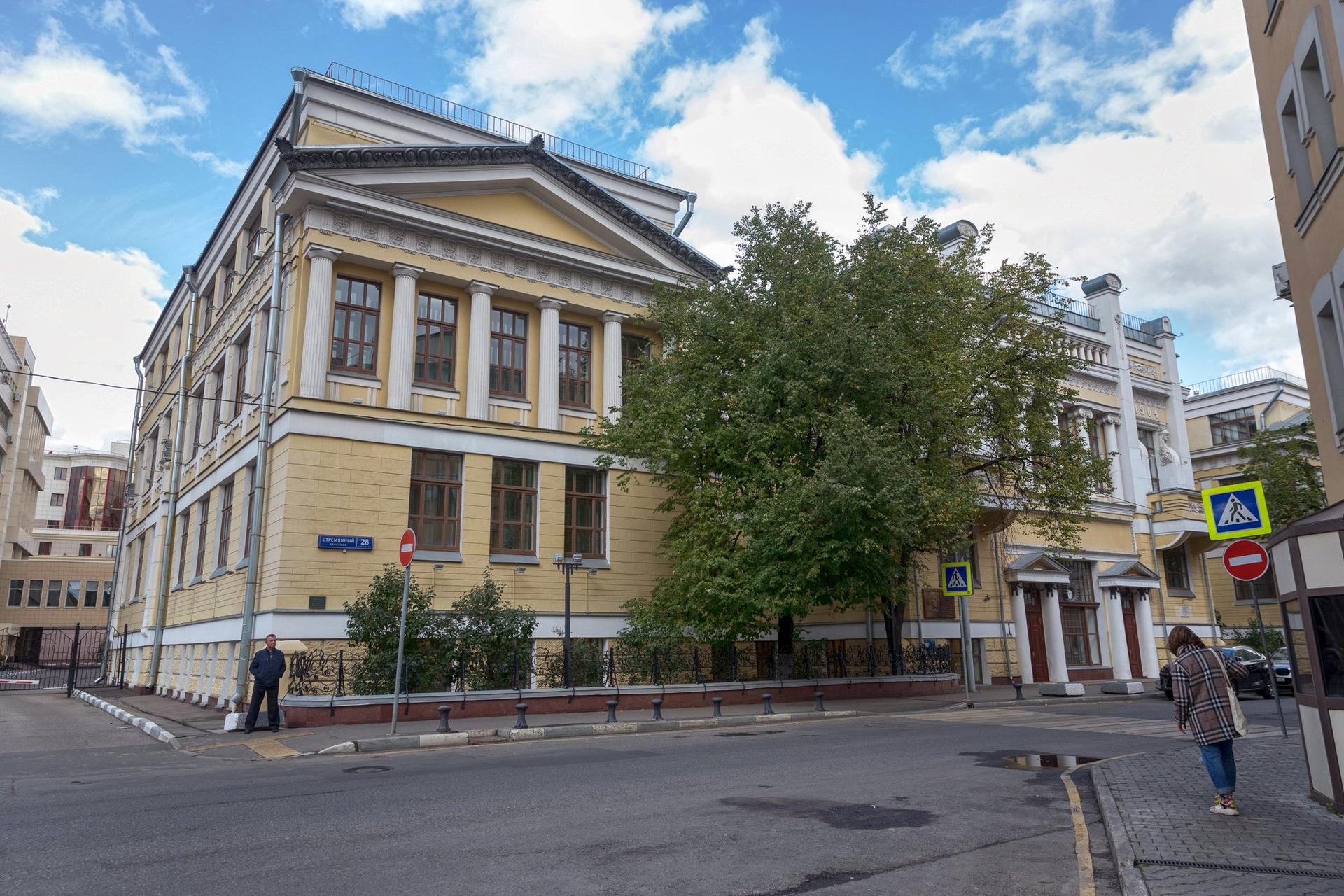
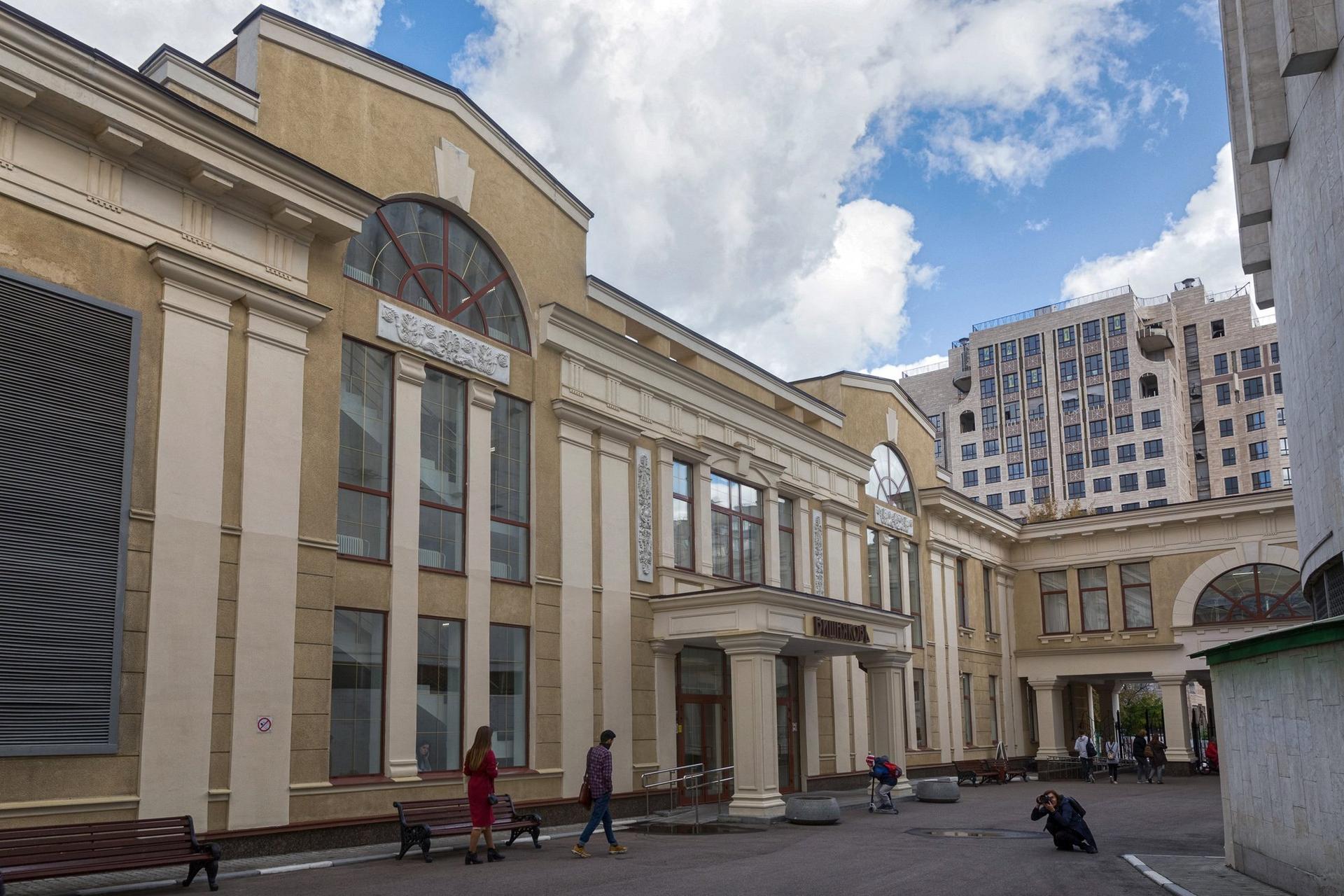
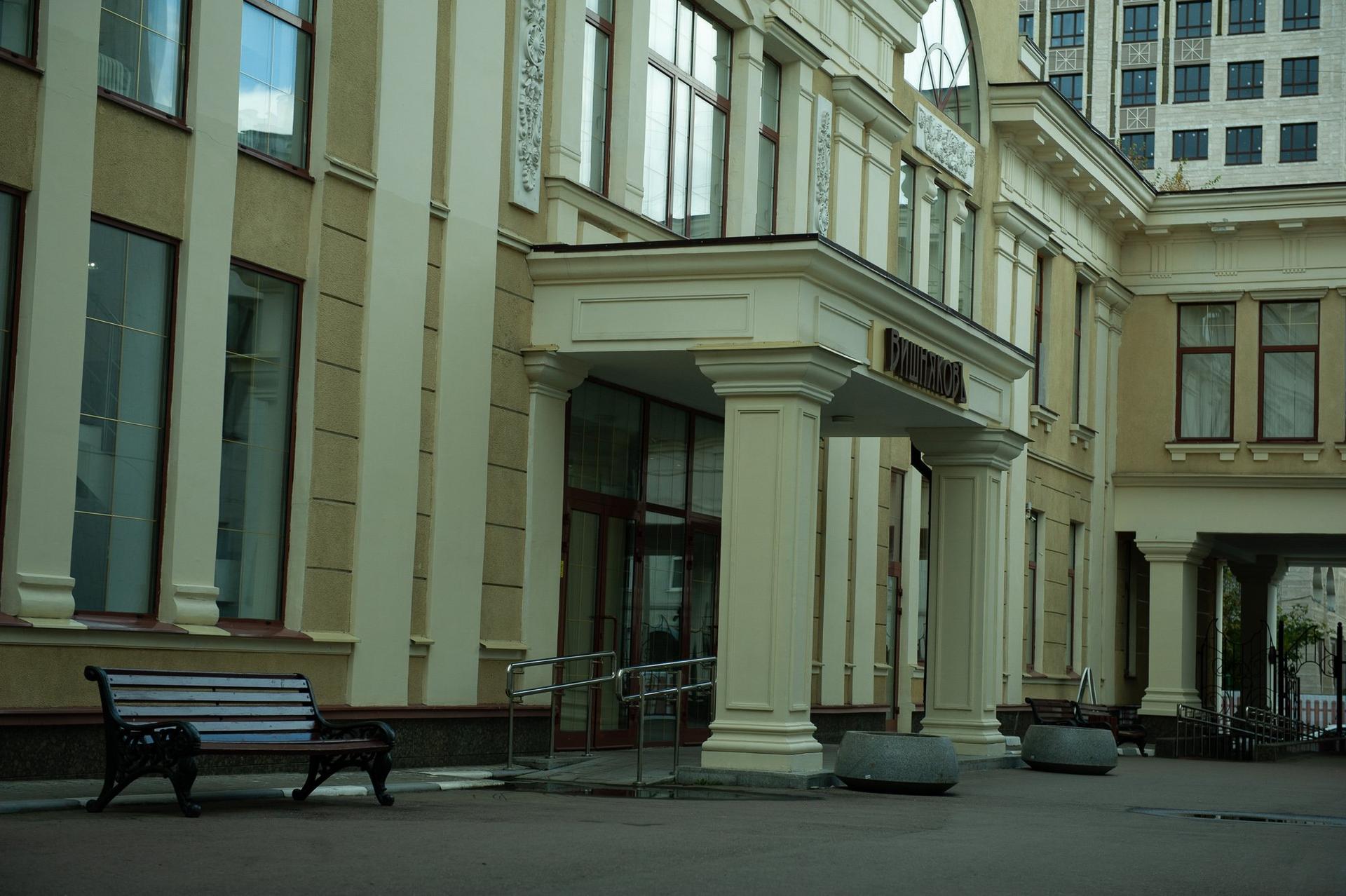
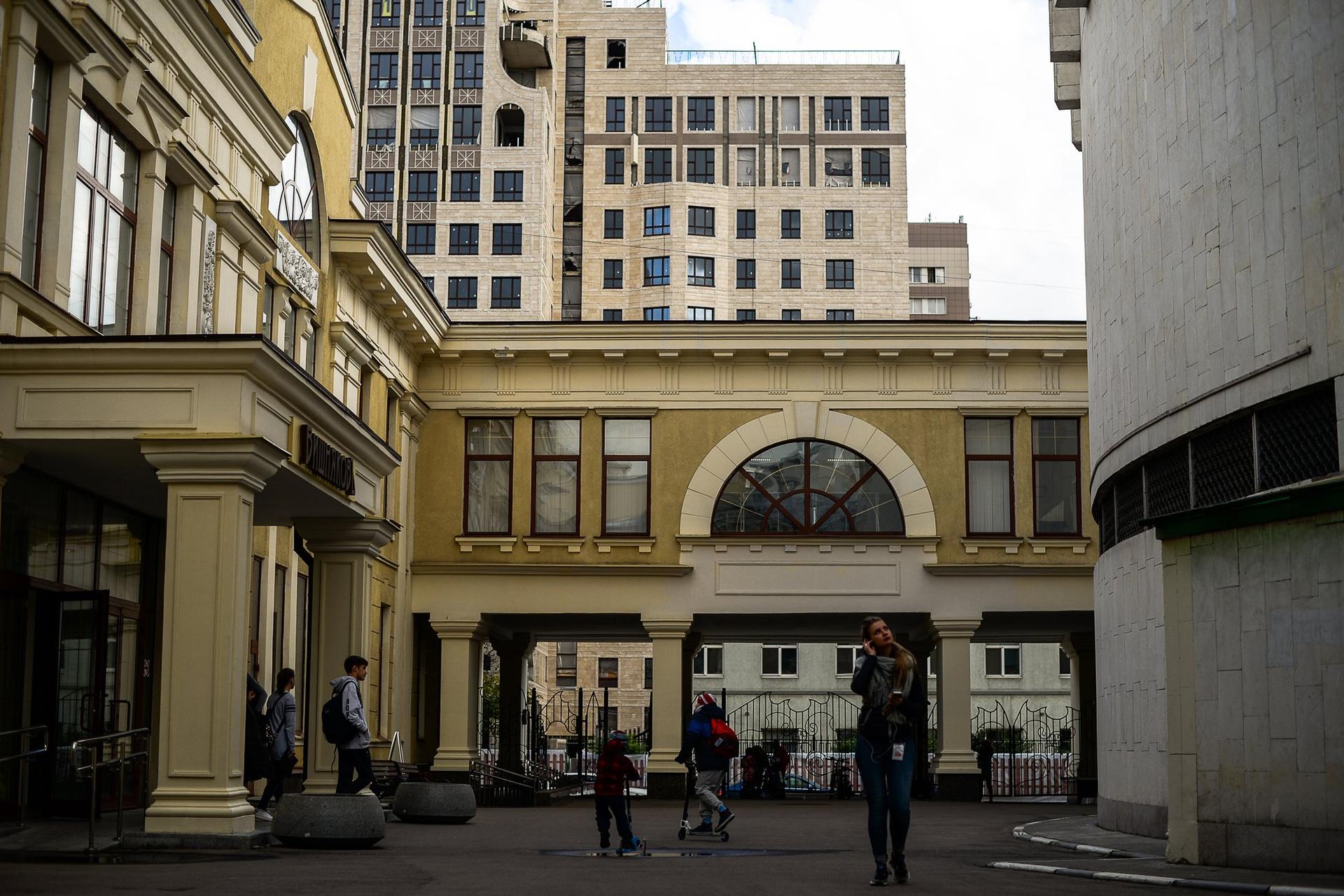
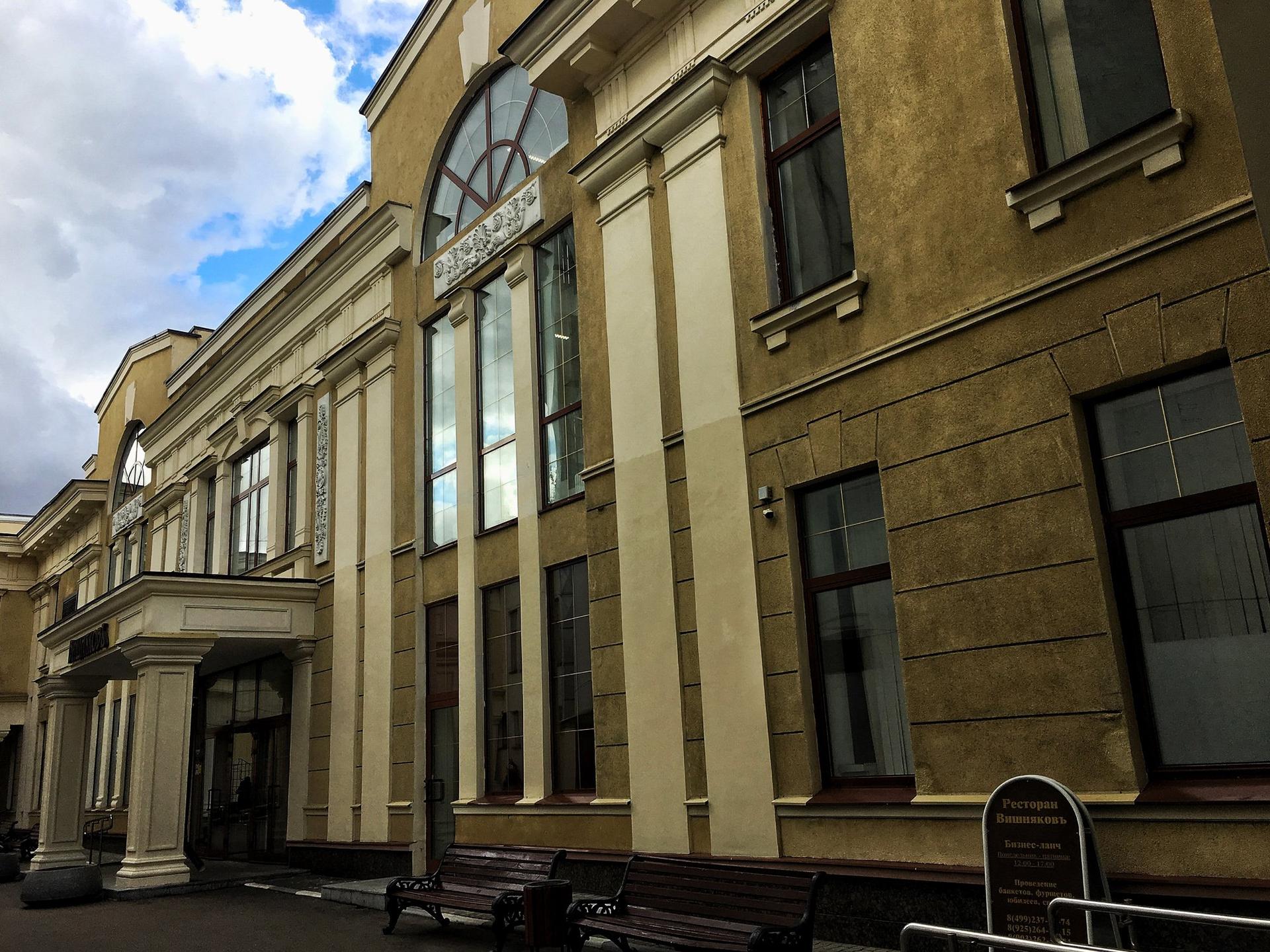
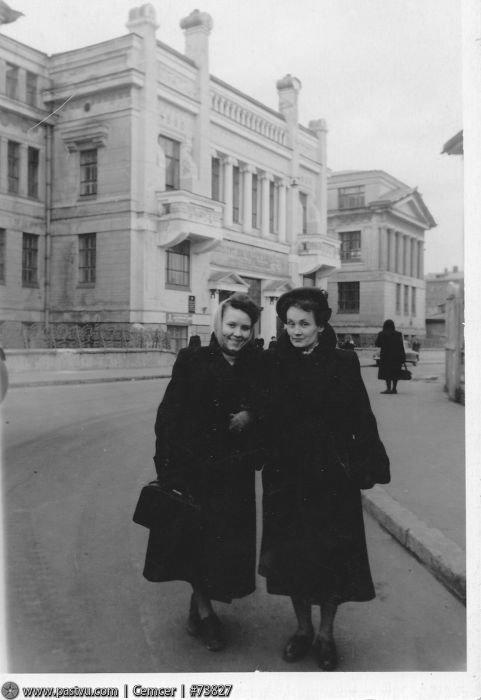
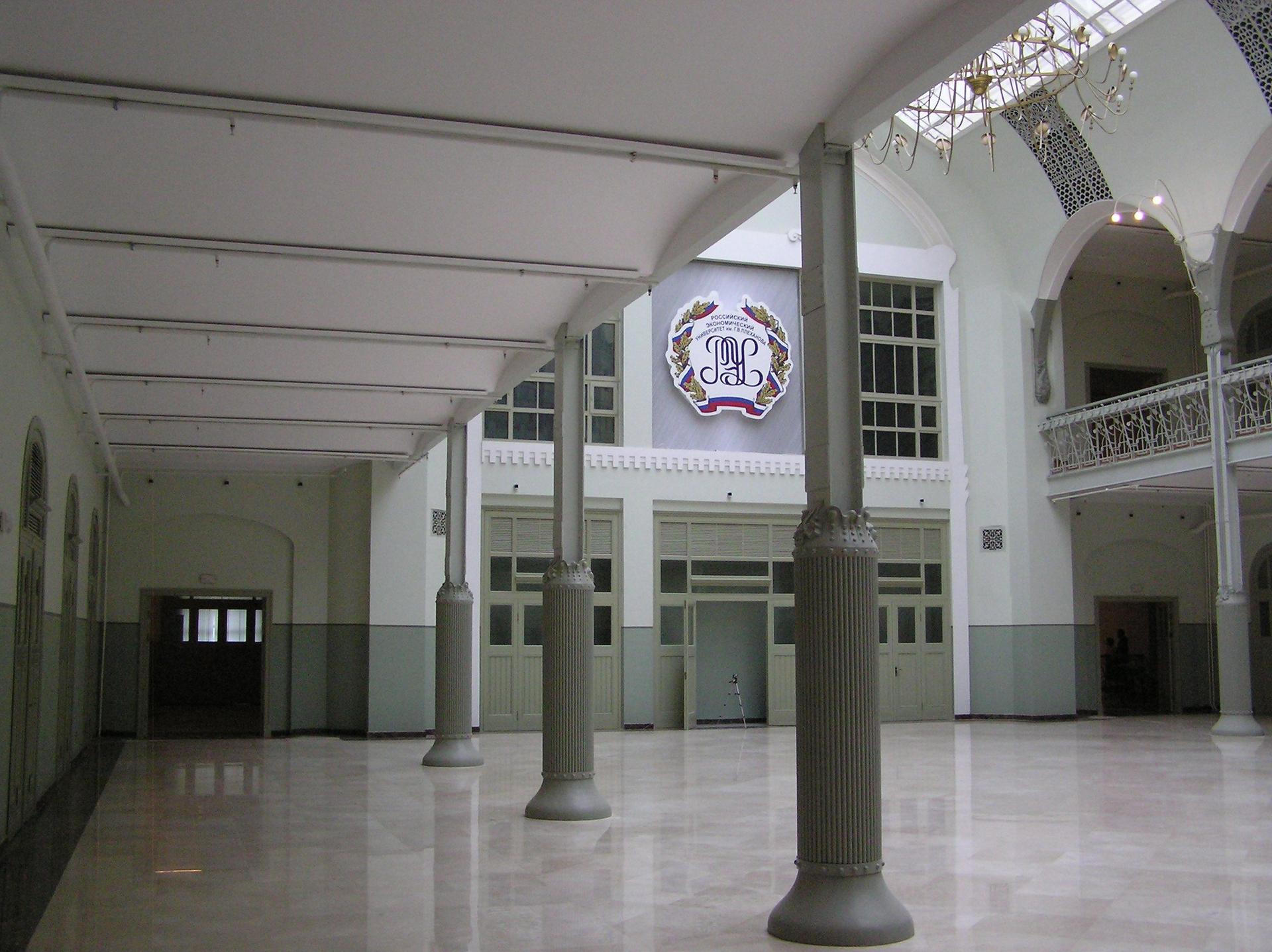
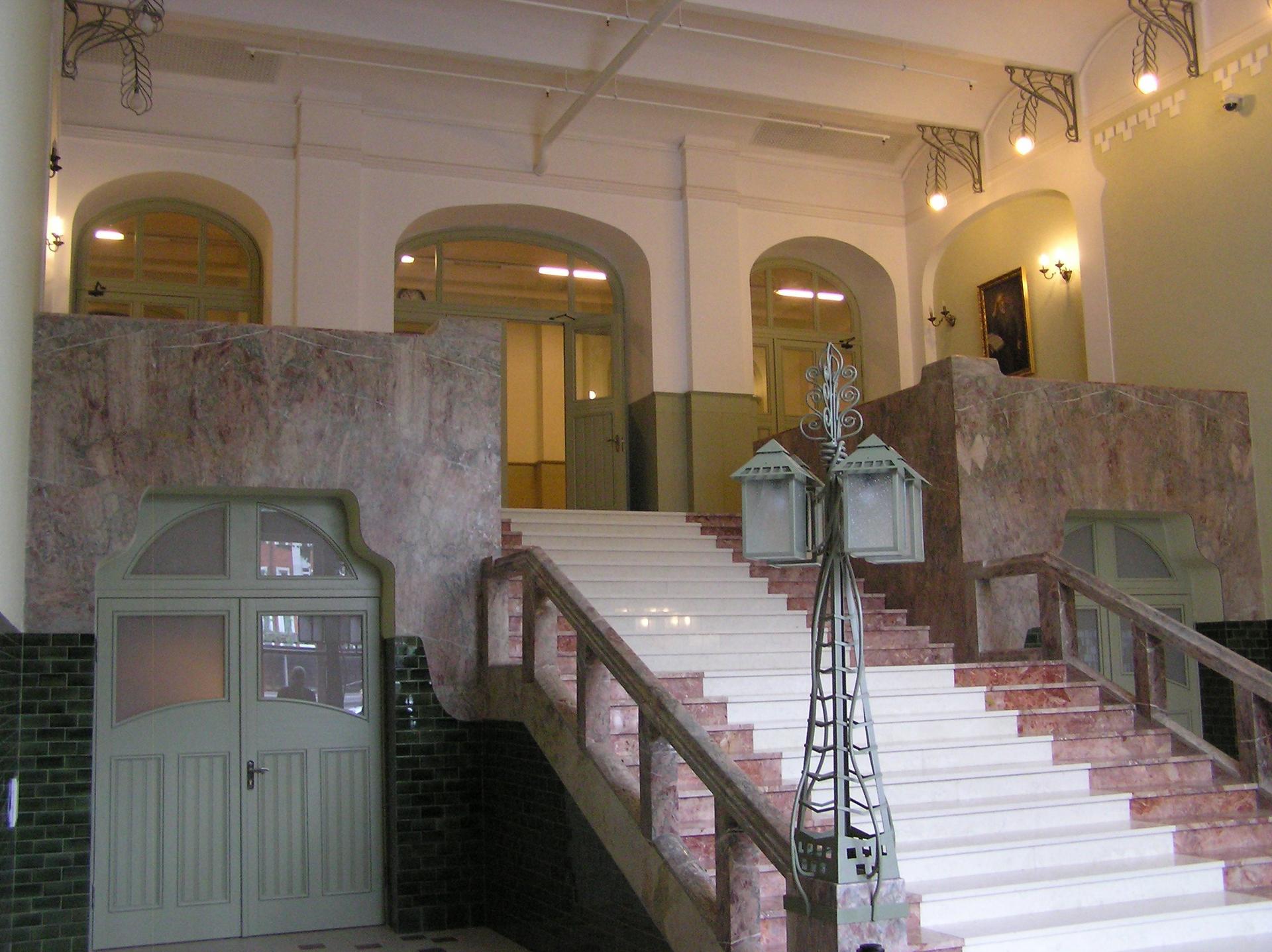
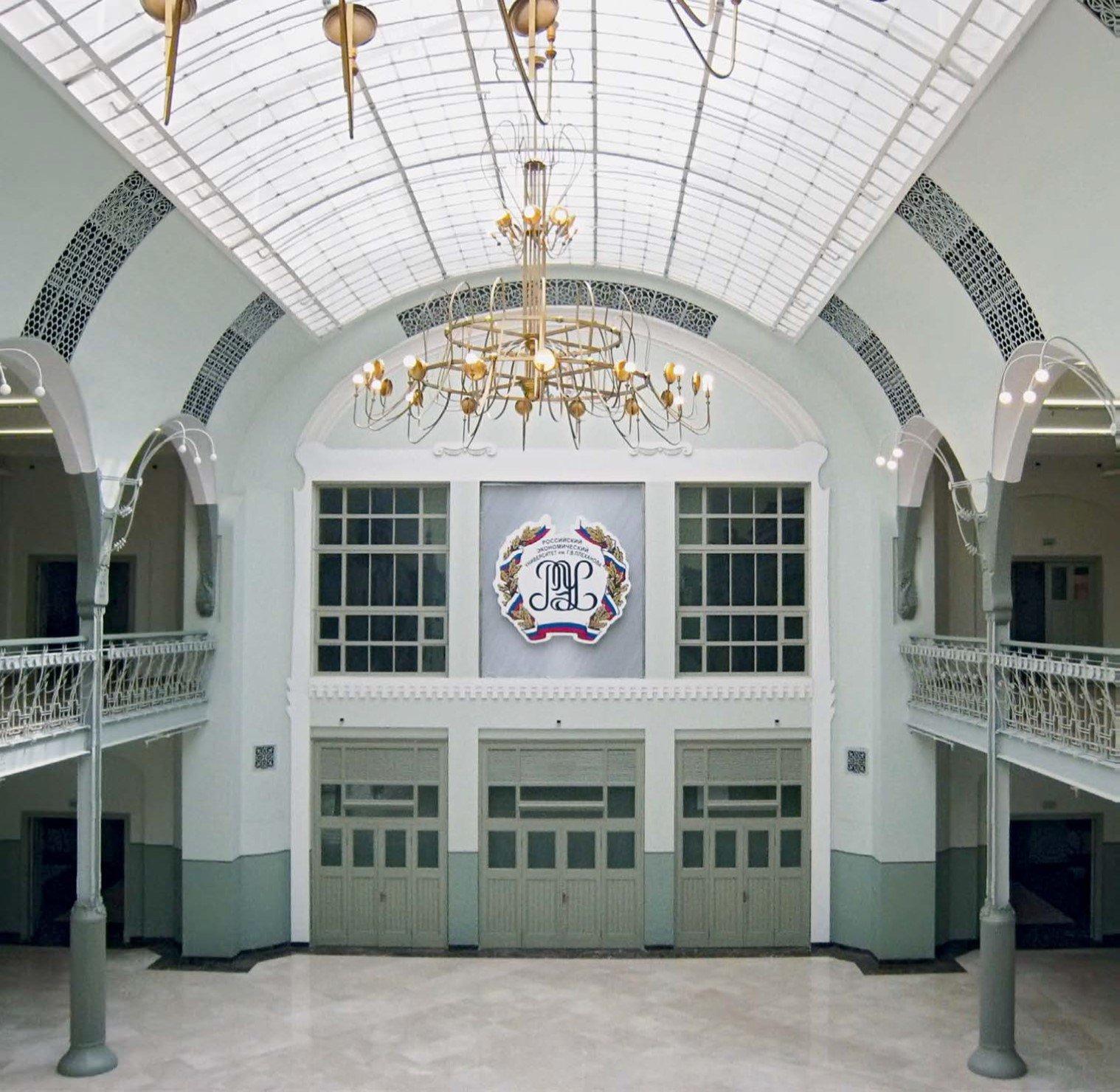
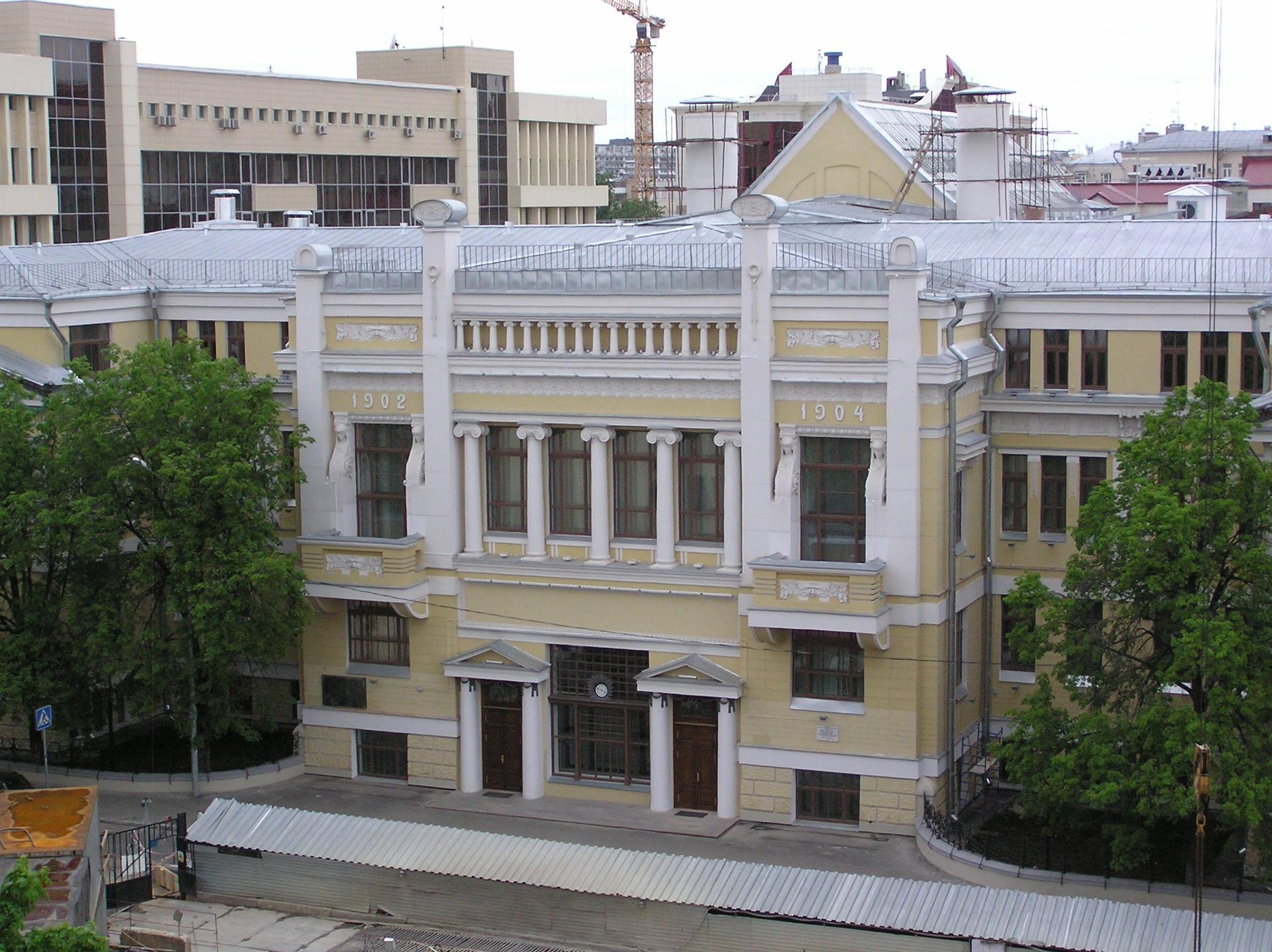
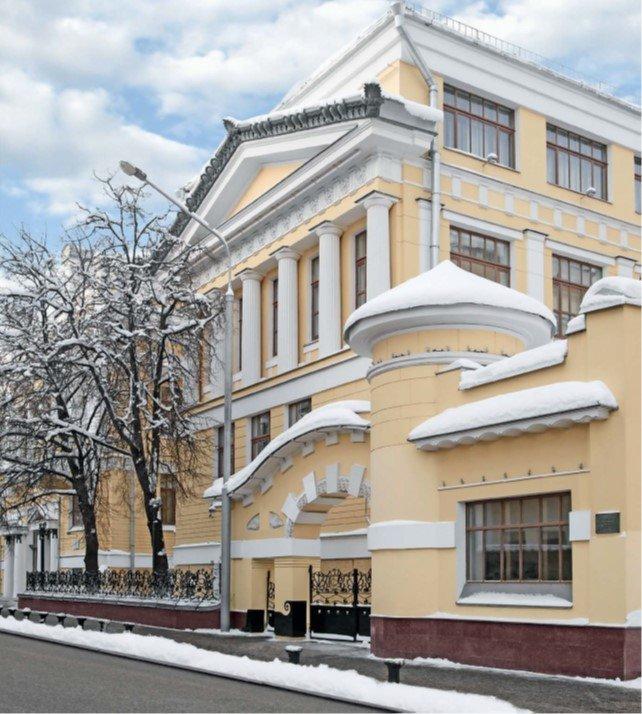
Male and female business school and Commercial Institute, located in Zamoskvorechye area between the Stremyanniy lane and Zatsepa street were one of the most famous schools of its kind in pre-revolutionary Moscow.

Moscow commercial institute
Serpuhovskaya
Male and female business school and Commercial Institute, located in Zamoskvorechye area between the Stremyanniy lane and Zatsepa street were one of the most famous schools of its kind in pre-revolutionary Moscow.
5.00
Вы можете воспользоваться QR-кодом, чтобы открыть эту страницу в нашем приложении
Архитектурный стиль:
,
Годы постройки:
XX век
Архитекторы:
Н.Л. Шевяков , А.У. Зеленко, А.В. Щусев, С.У. Соловьев
Эпоха:
1900s
История

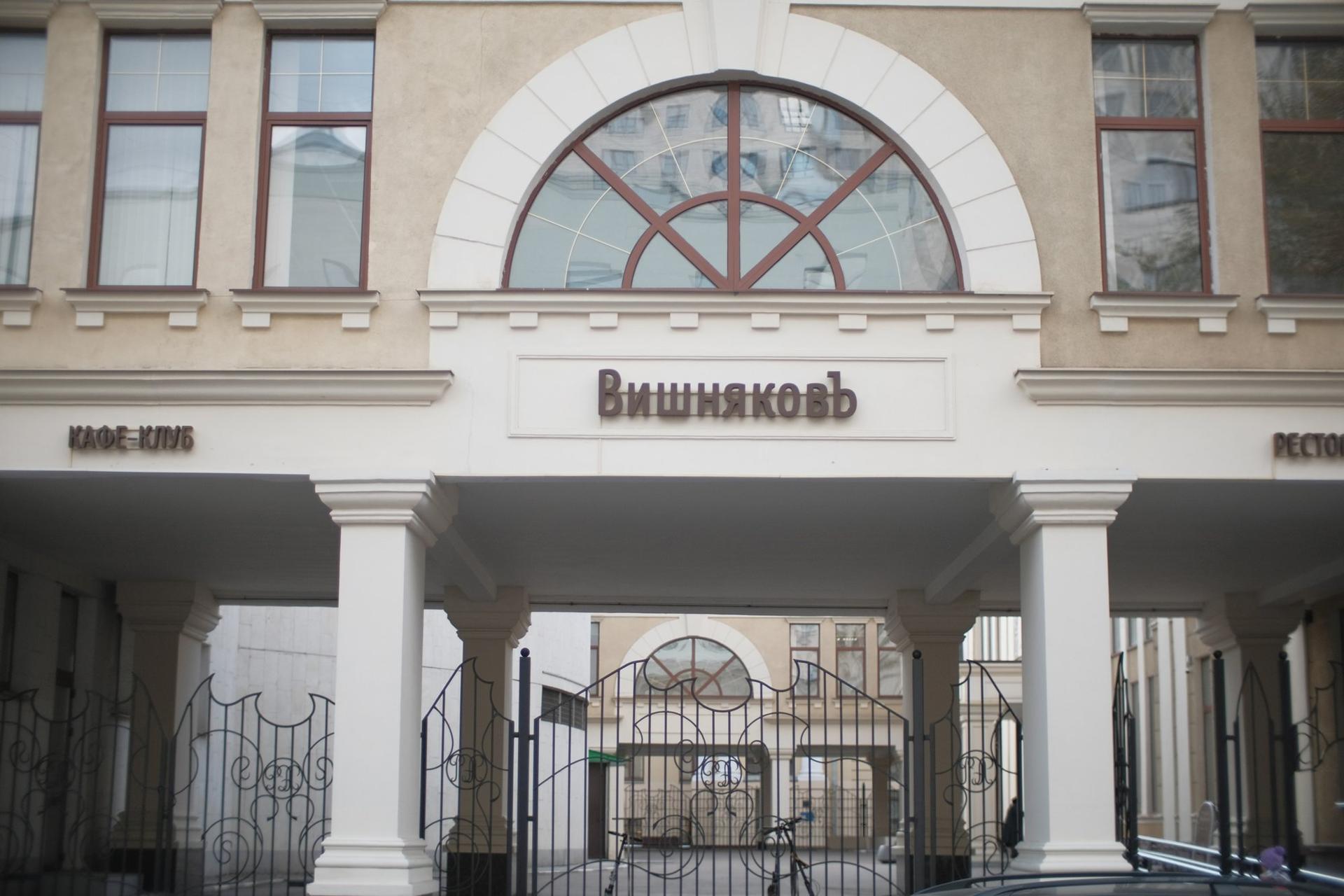
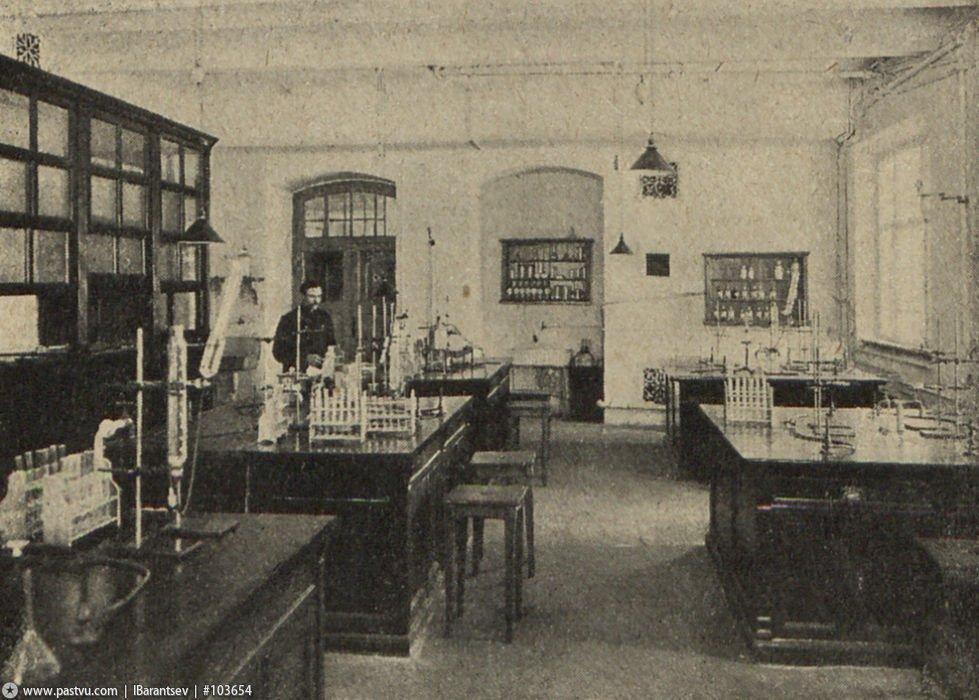
Общество распространения коммерческого образования, созданное в 1897 году по инициативе известного московского купца Алексея Семёновича Вишнякова, заложило основу для строительства целого комплекса учебных заведений в Москве. На землях, пожертвованных купцами Протопоповыми, началось возведение Коммерческого училища, которое впоследствии выросло в крупный образовательный центр.

Сначала Обществом были основаны торговые (бухгалтерские) курсы (первая ступень обучения), а в начале 1900-х годов – мужское, затем женское коммерческие училища, которые давали полноценное среднее специальное образование. Это была уже следующая ступень профессионального образования – на курсы принимались выпускники средних учебных заведений, в первую очередь коммерческих училищ. В 1907 году Высшие коммерческие курсы были преобразованы в Московский коммерческий институт (или Коммерческий институт Московского общества распространения коммерческого образования).

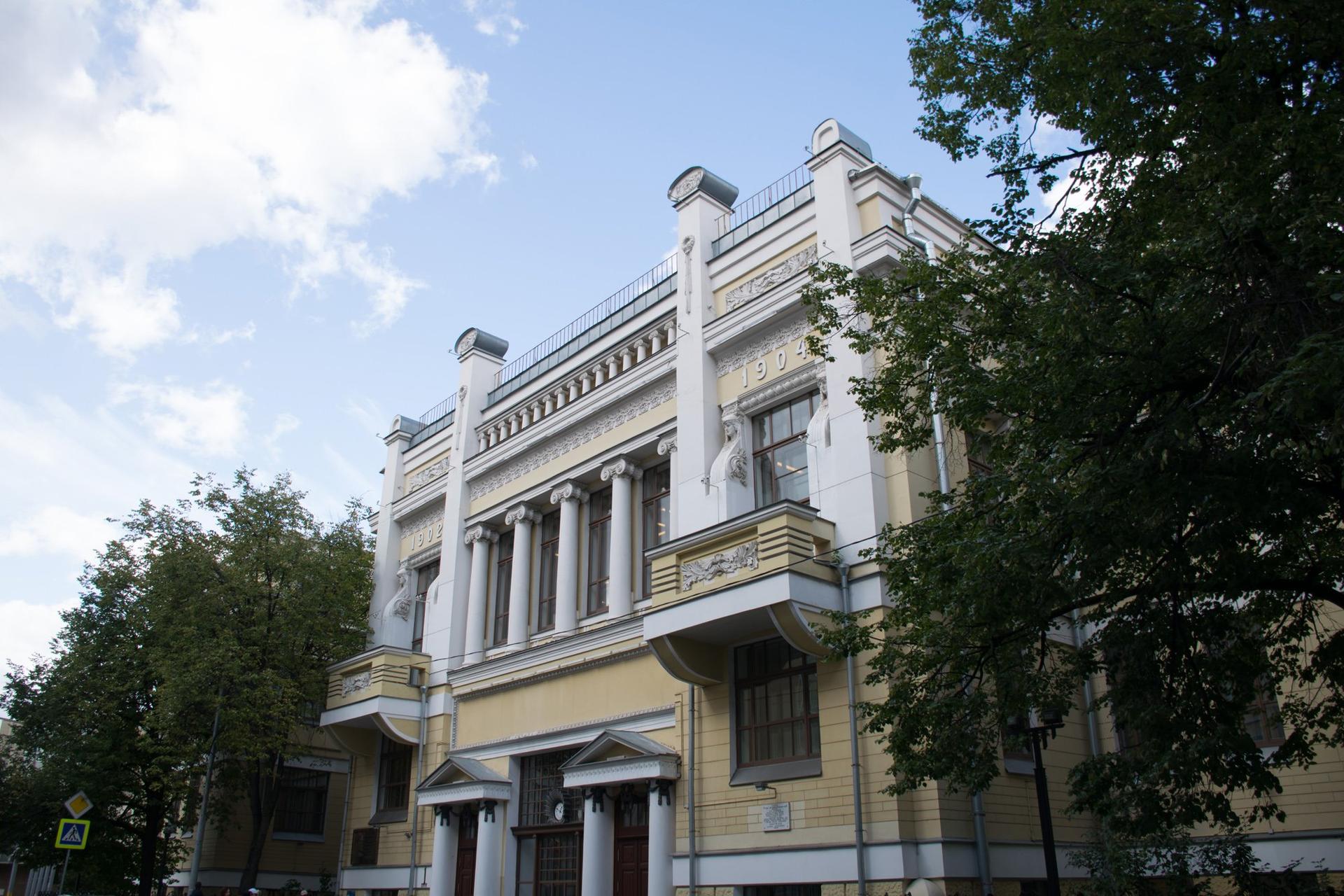
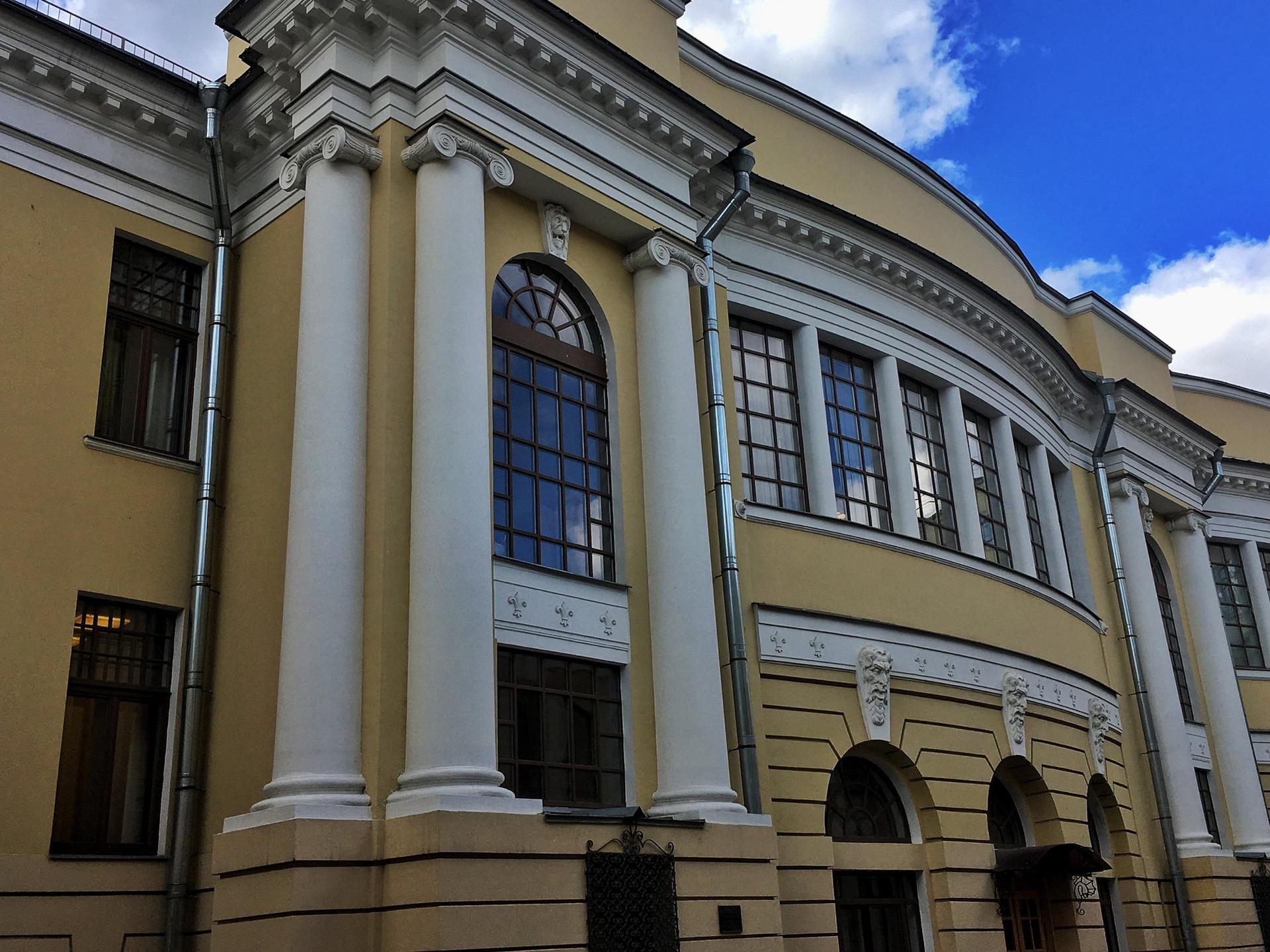
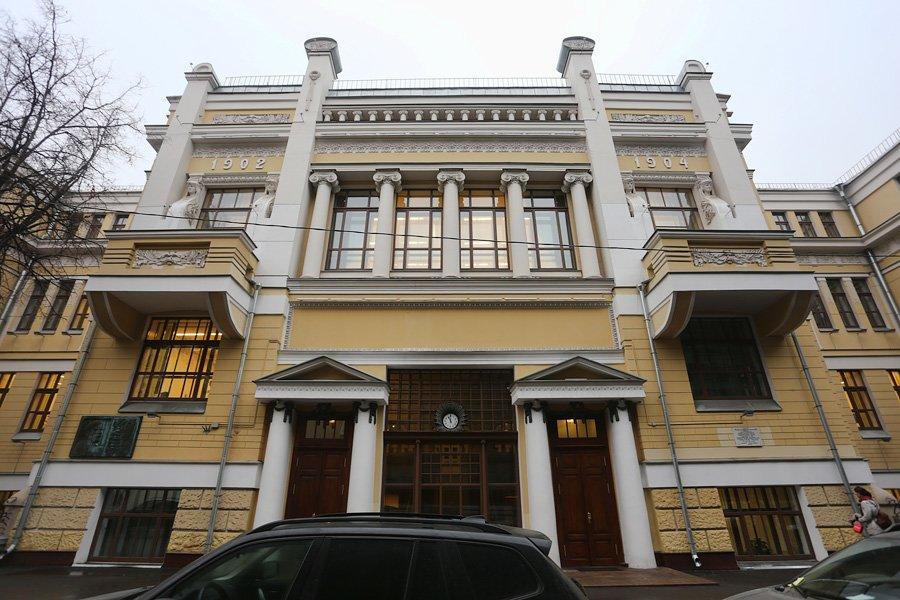
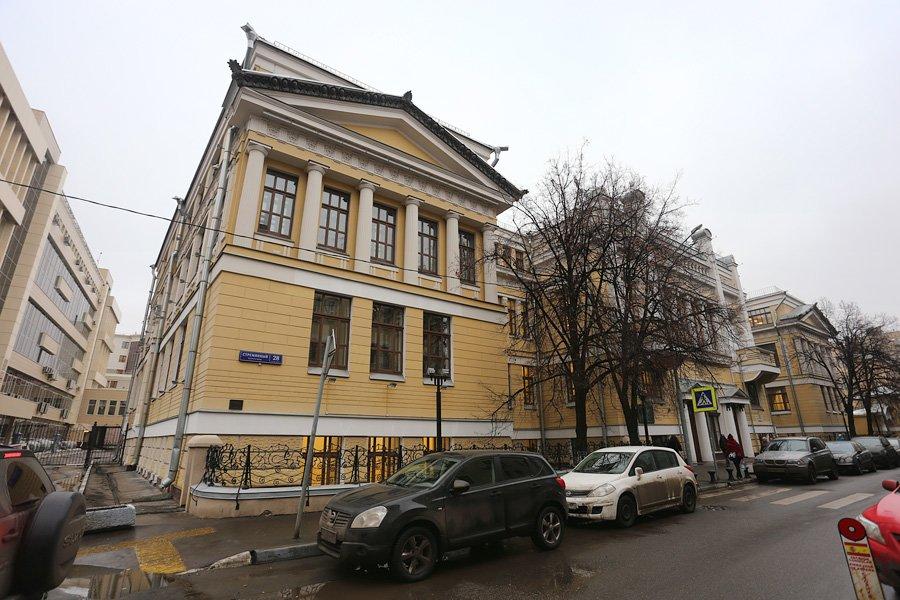
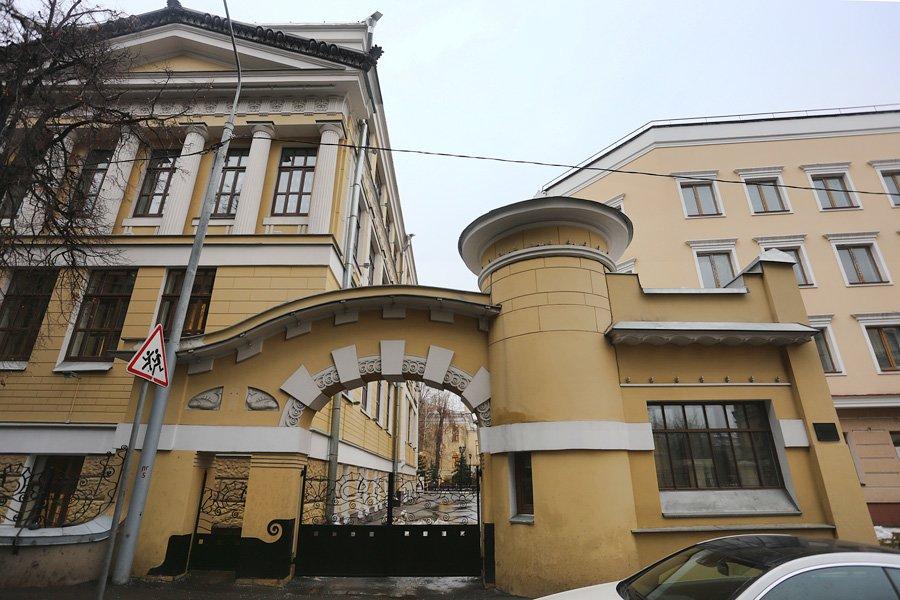
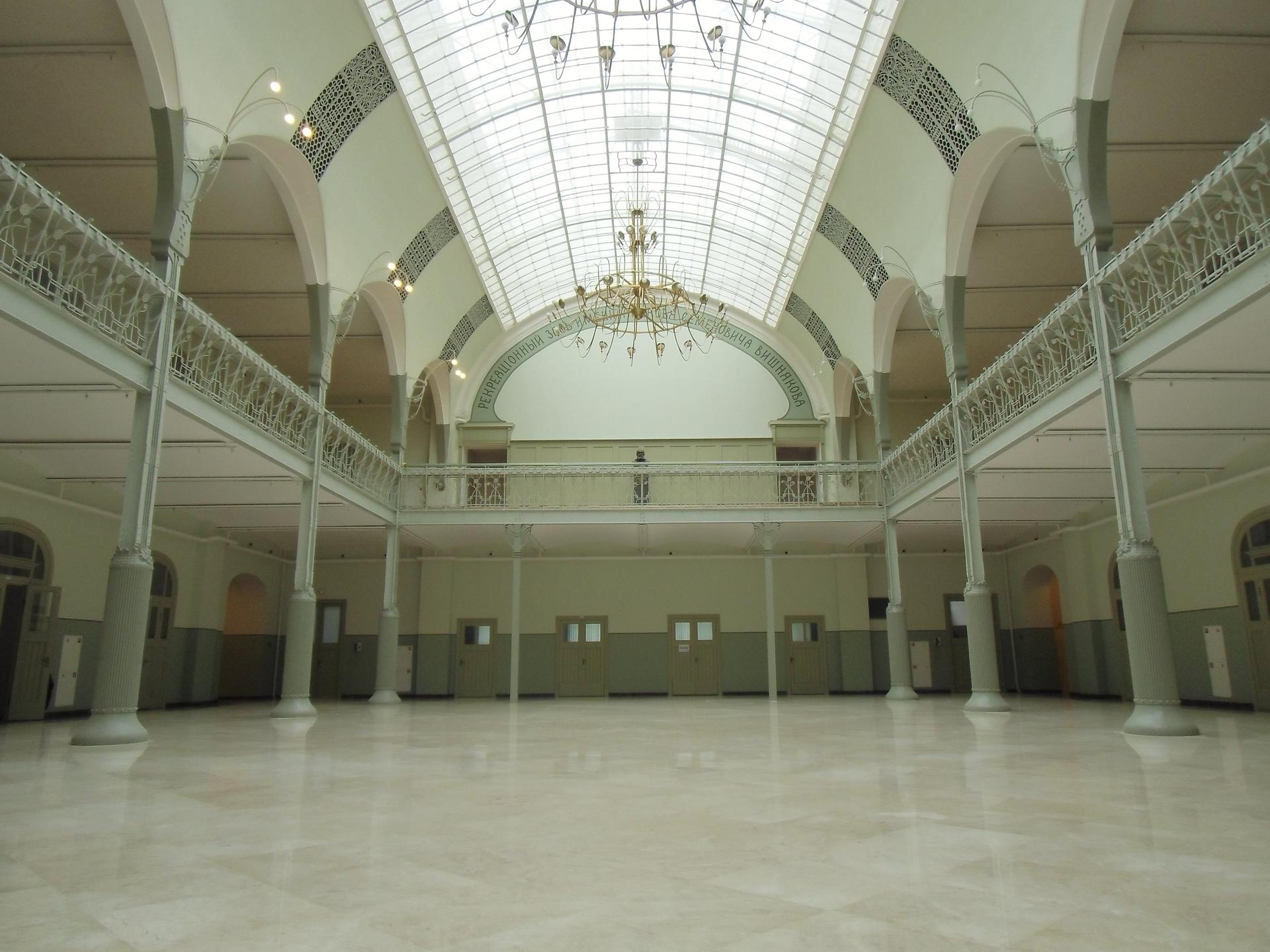
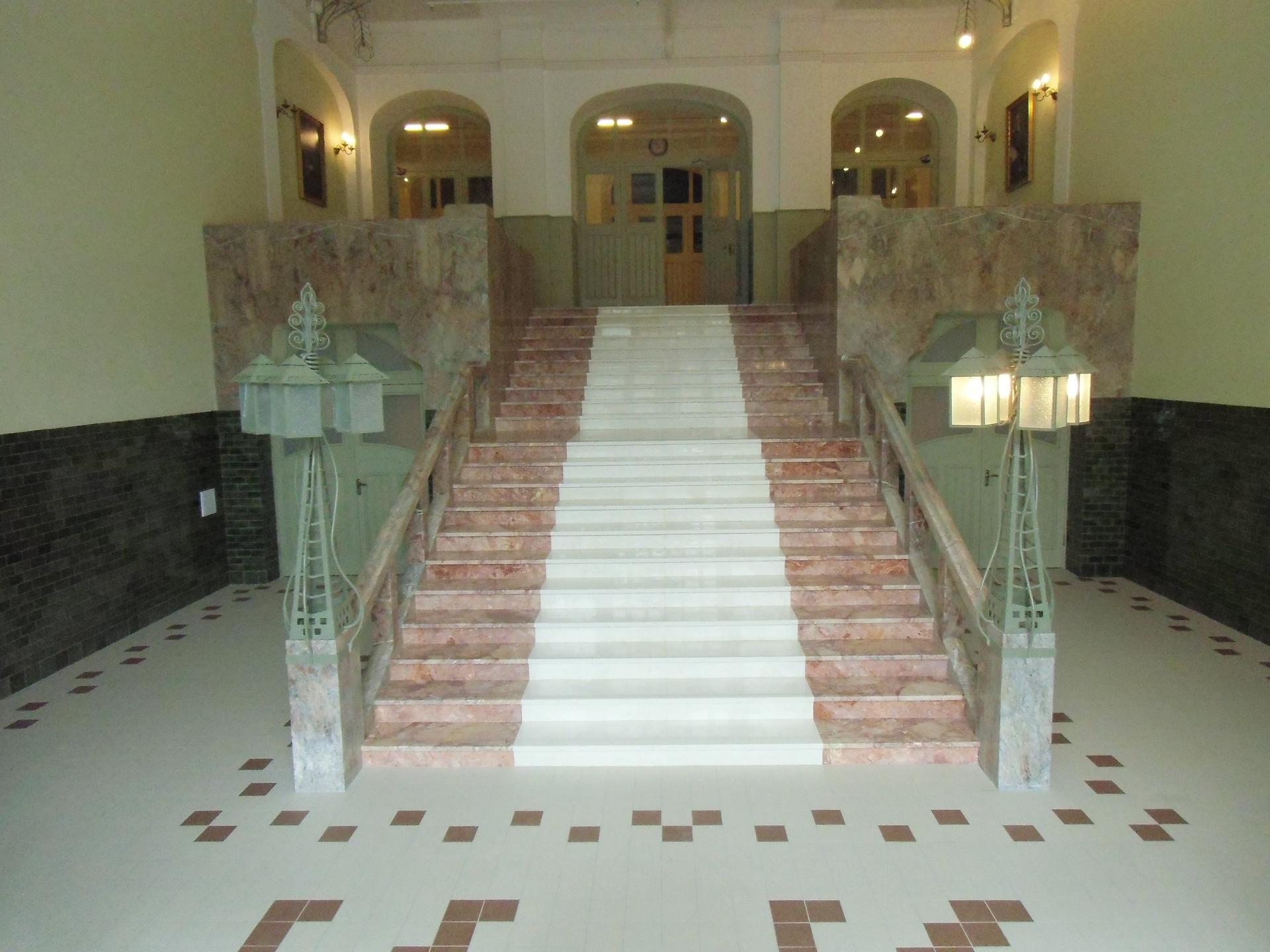
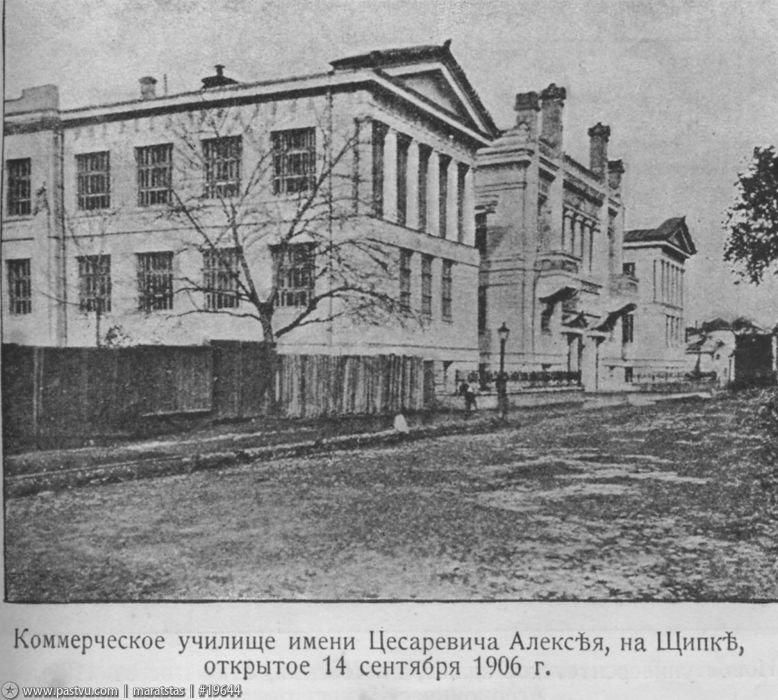
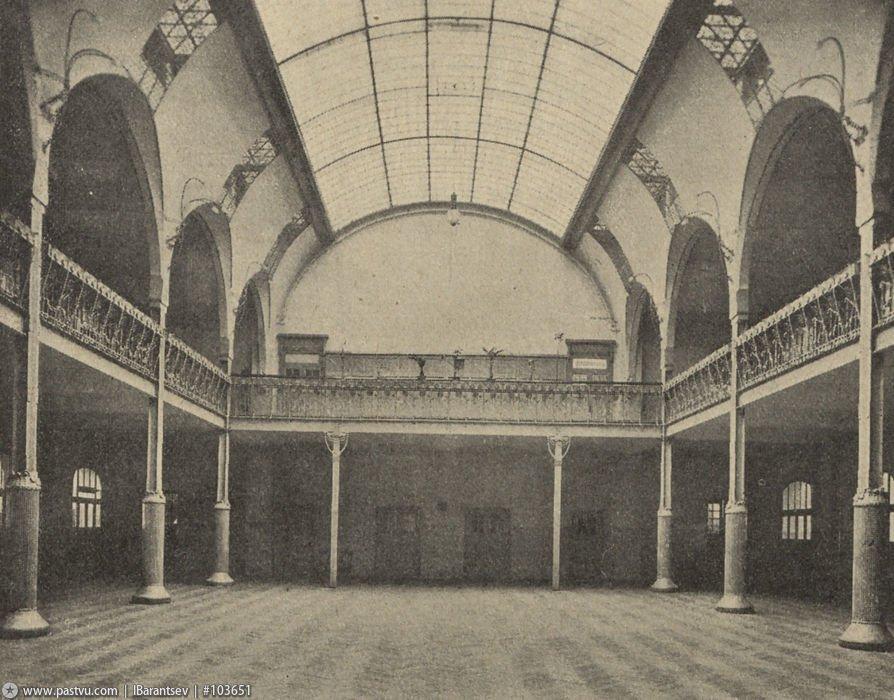
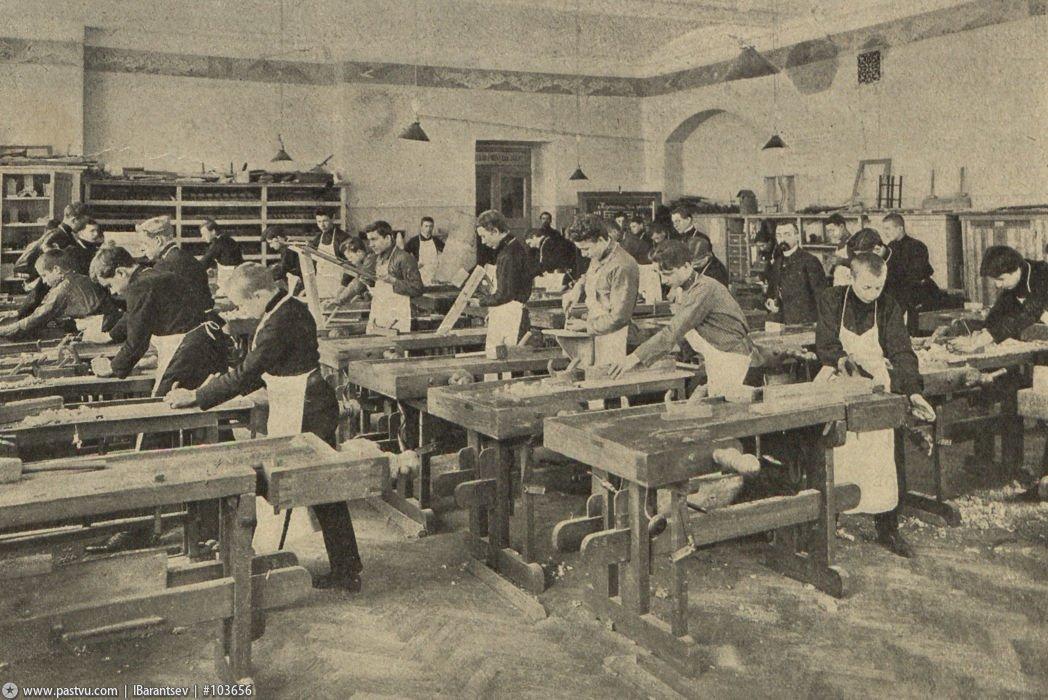
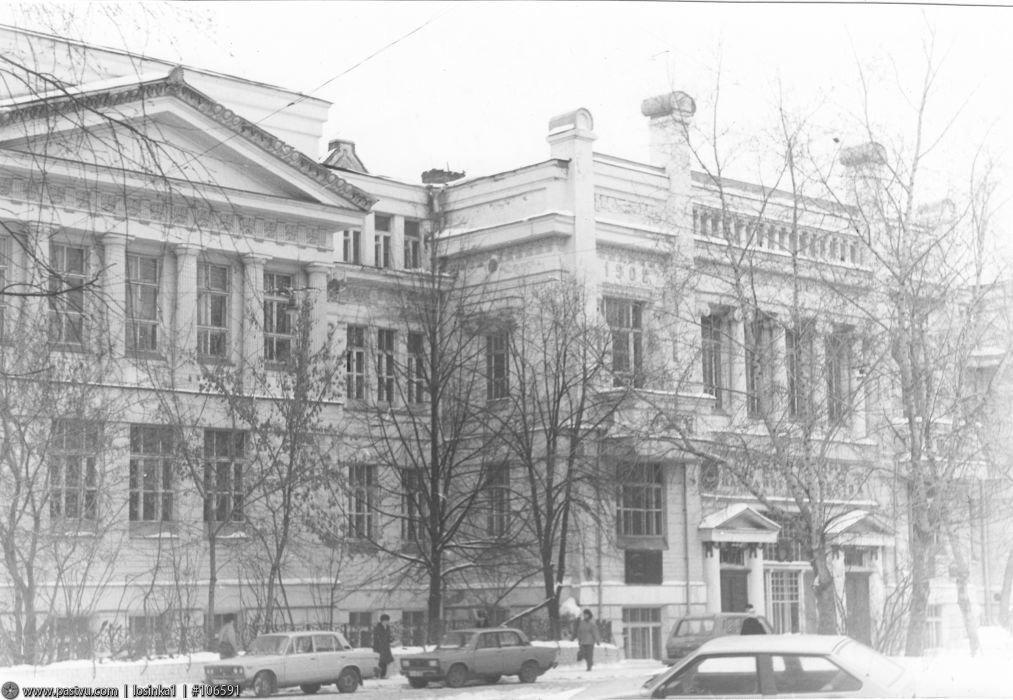
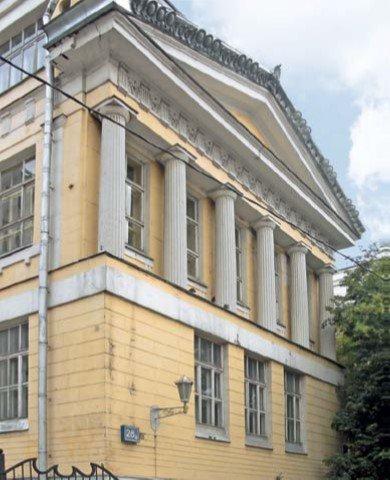
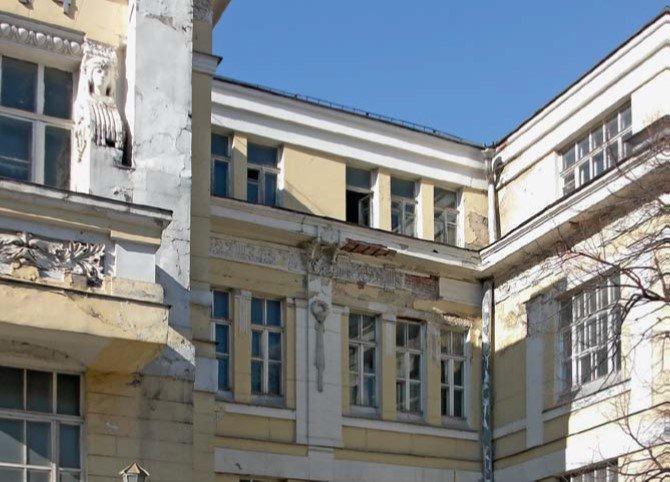
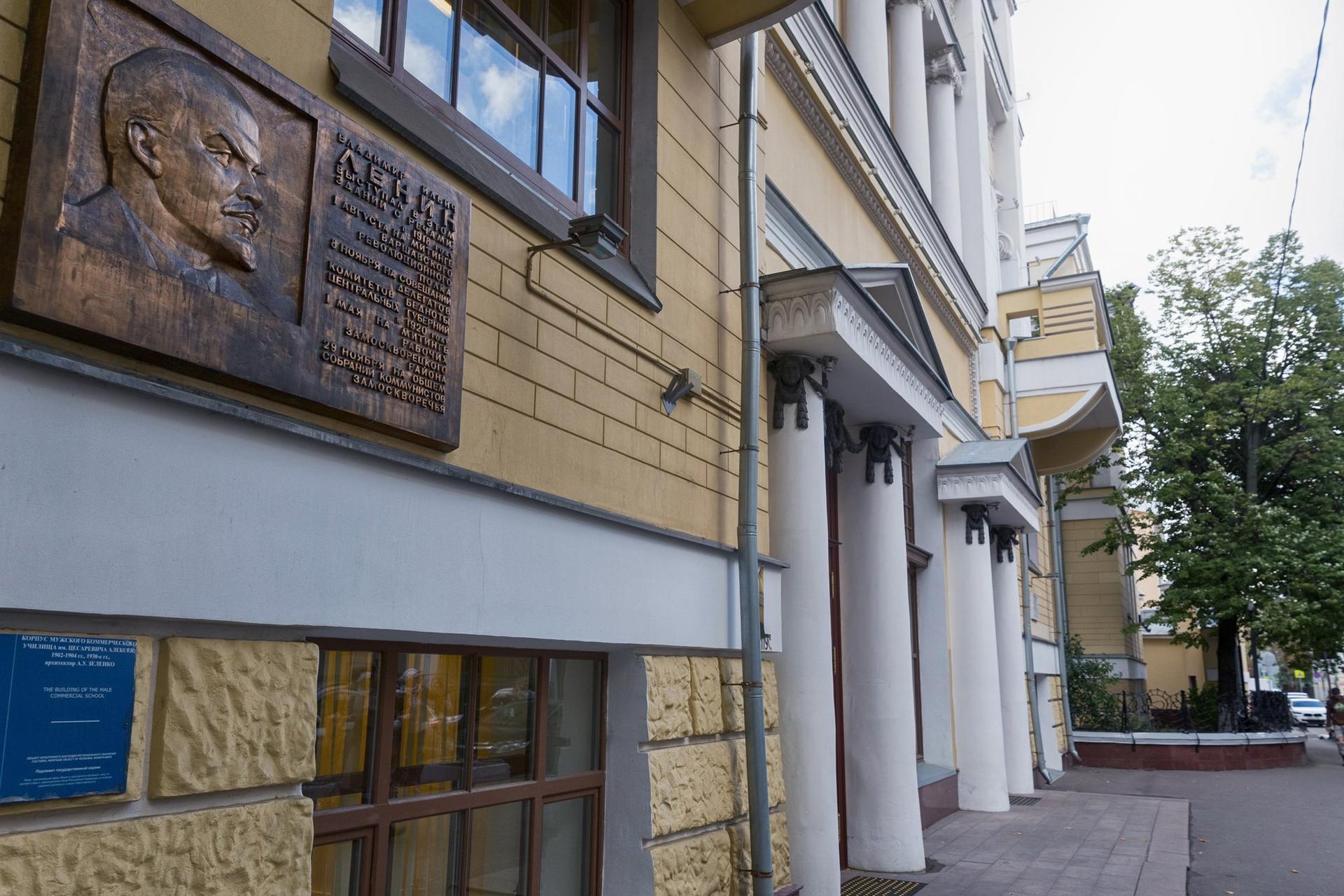
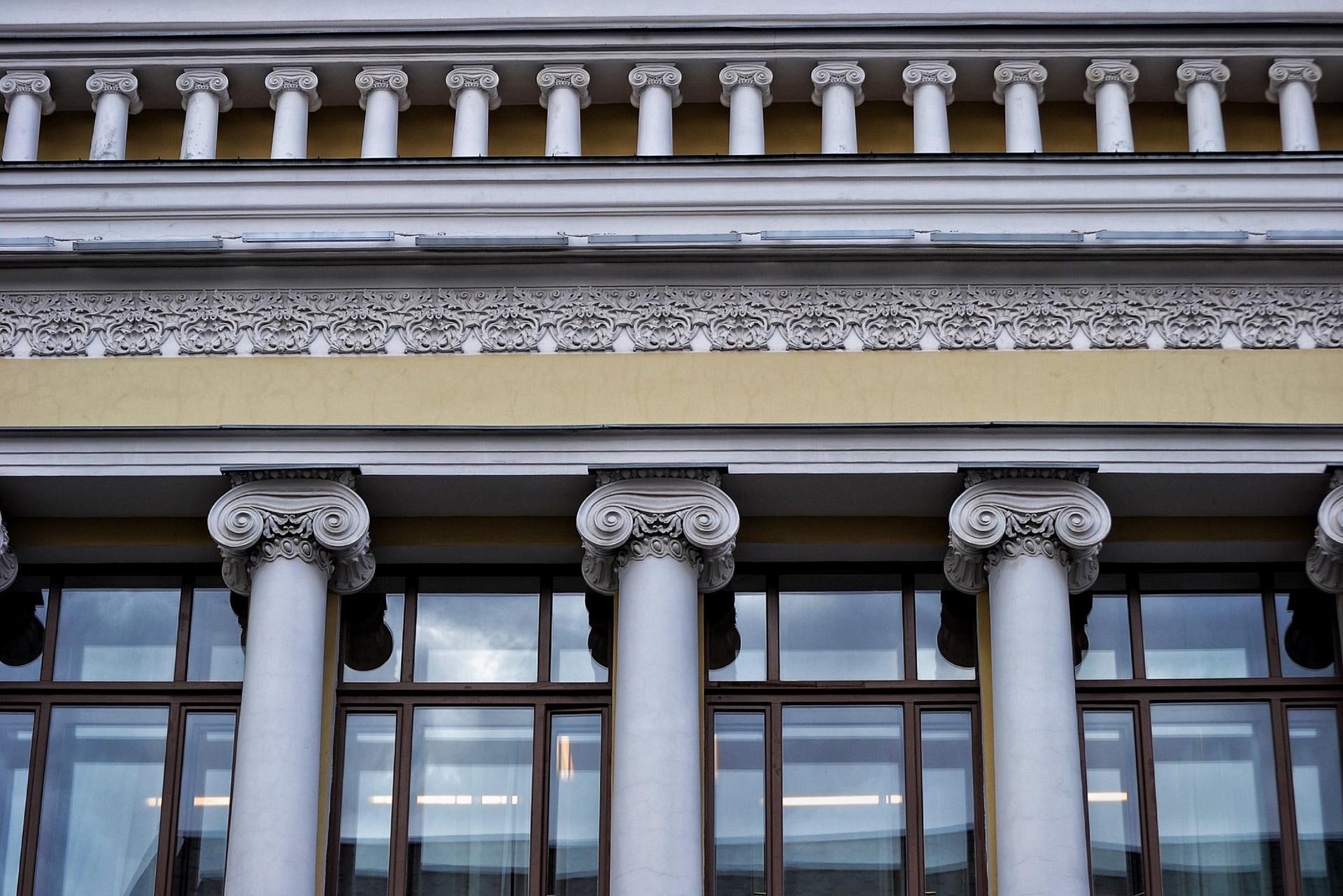
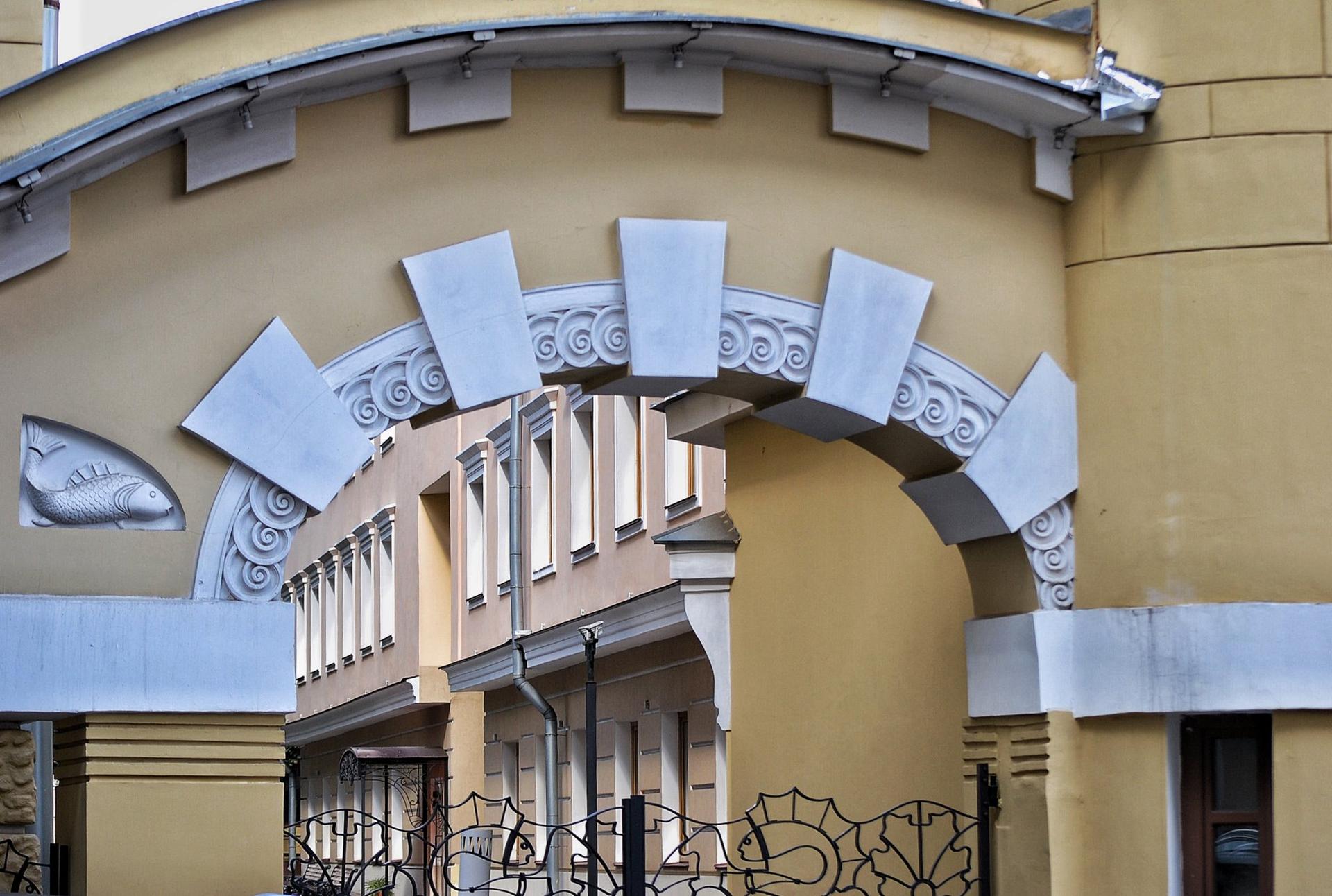
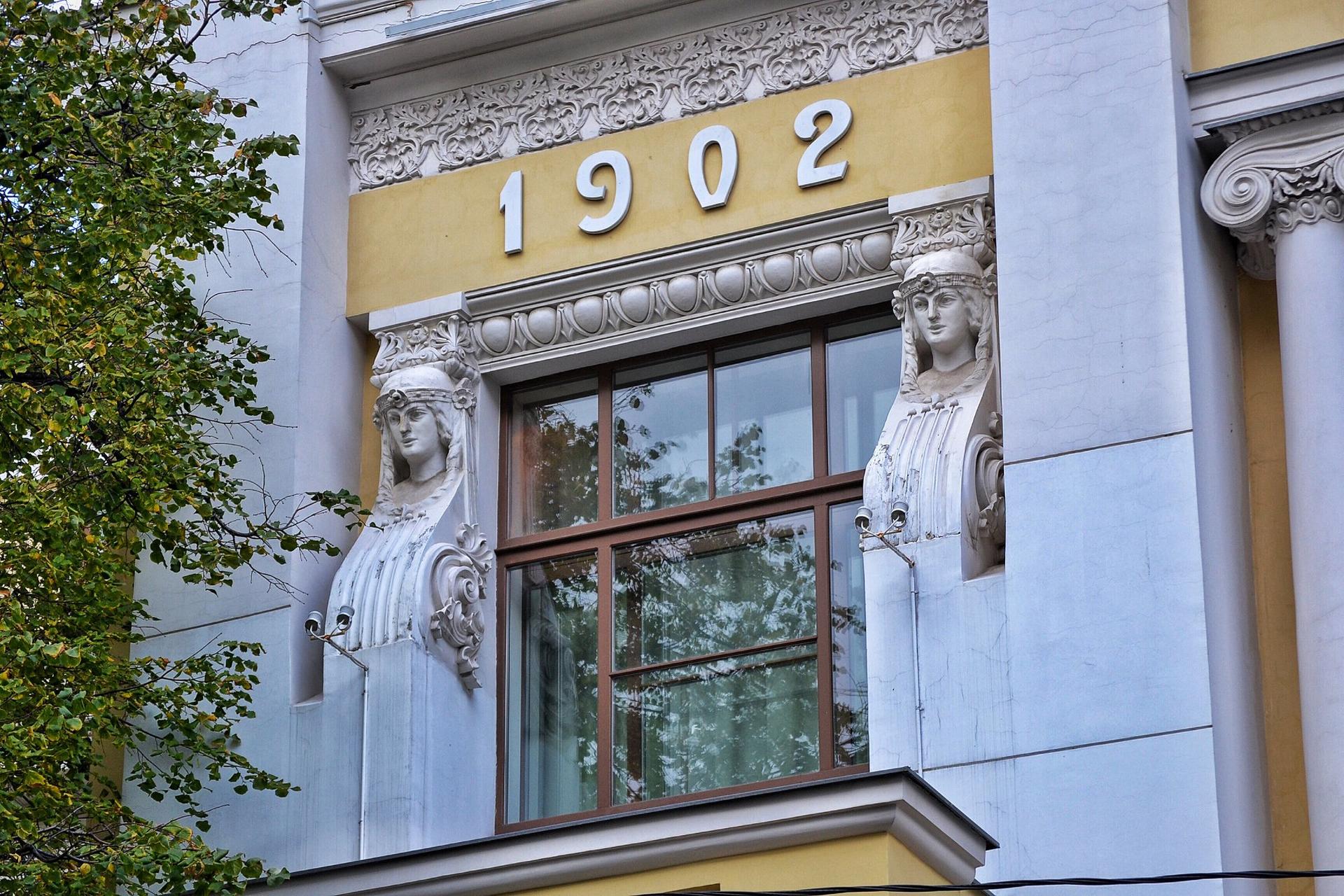
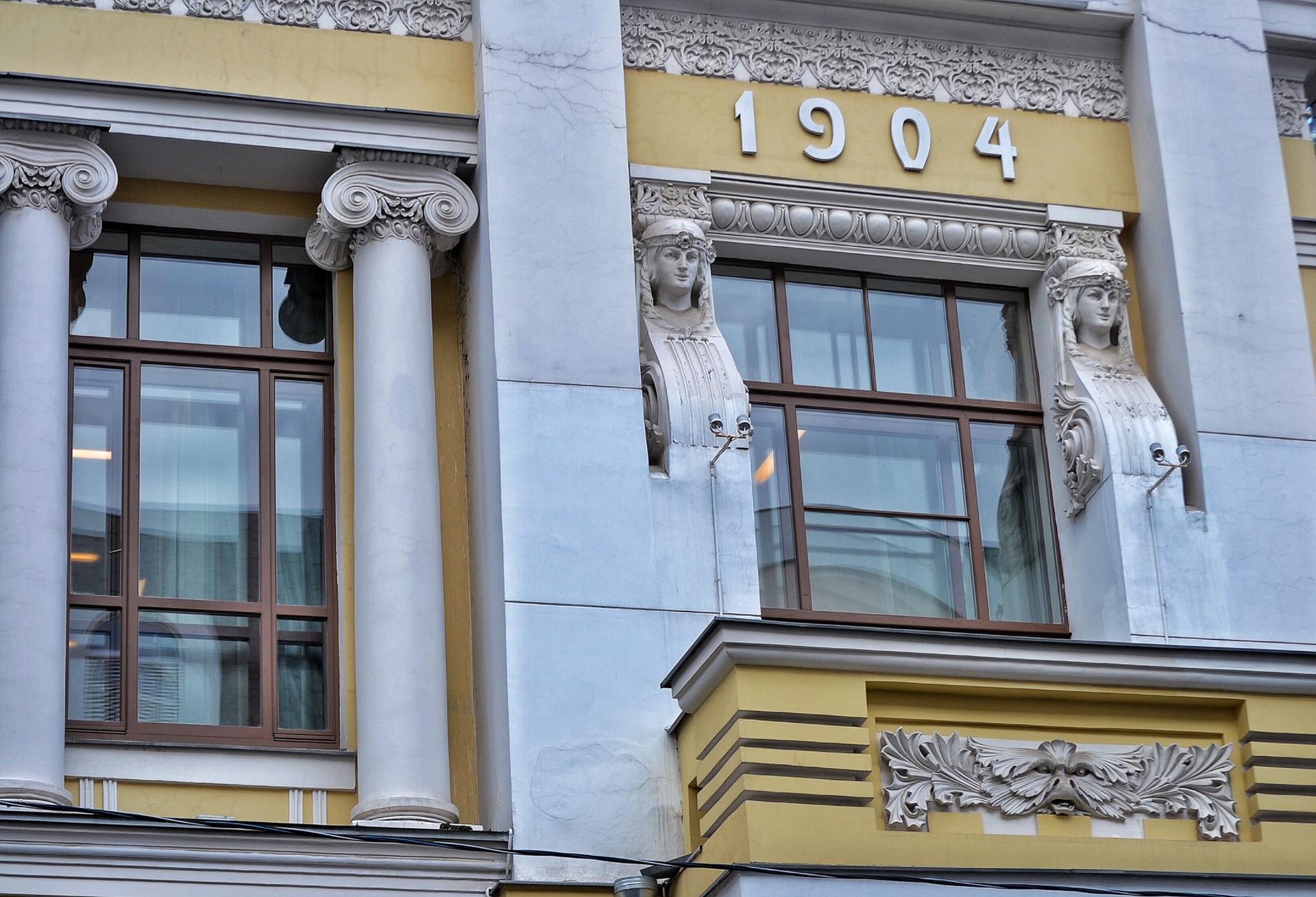
Мужское и женское коммерческие училища, а также Коммерческий институт, расположенные в Замоскворечье, стали одними из самых престижных учебных заведений Москвы начала XX века. Здание мужского коммерческого училища имени цесаревича Алексея было построено в 1903–1904 годах по проекту архитектора Александра Устиновича Зеленко в неоклассическом стиле. Рядом с ним, в 1905 году, было возведено здание для Женского коммерческого училища с домовой церковью Иконы Пресвятой Богородицы «Взыскания Погибших», спроектированное архитектором Николаем Львовичем Шевяковым.

К 1913 году для института был выстроен новый корпус по проекту Сергея Устиновича Соловьёва. Там располагались аудитории, библиотека и лаборатории. После смерти Соловьева осуществить весь замысел поручили А. В. Щусеву. Однако Первая мировая война и революционные события 1917 года помешали завершению строительства.

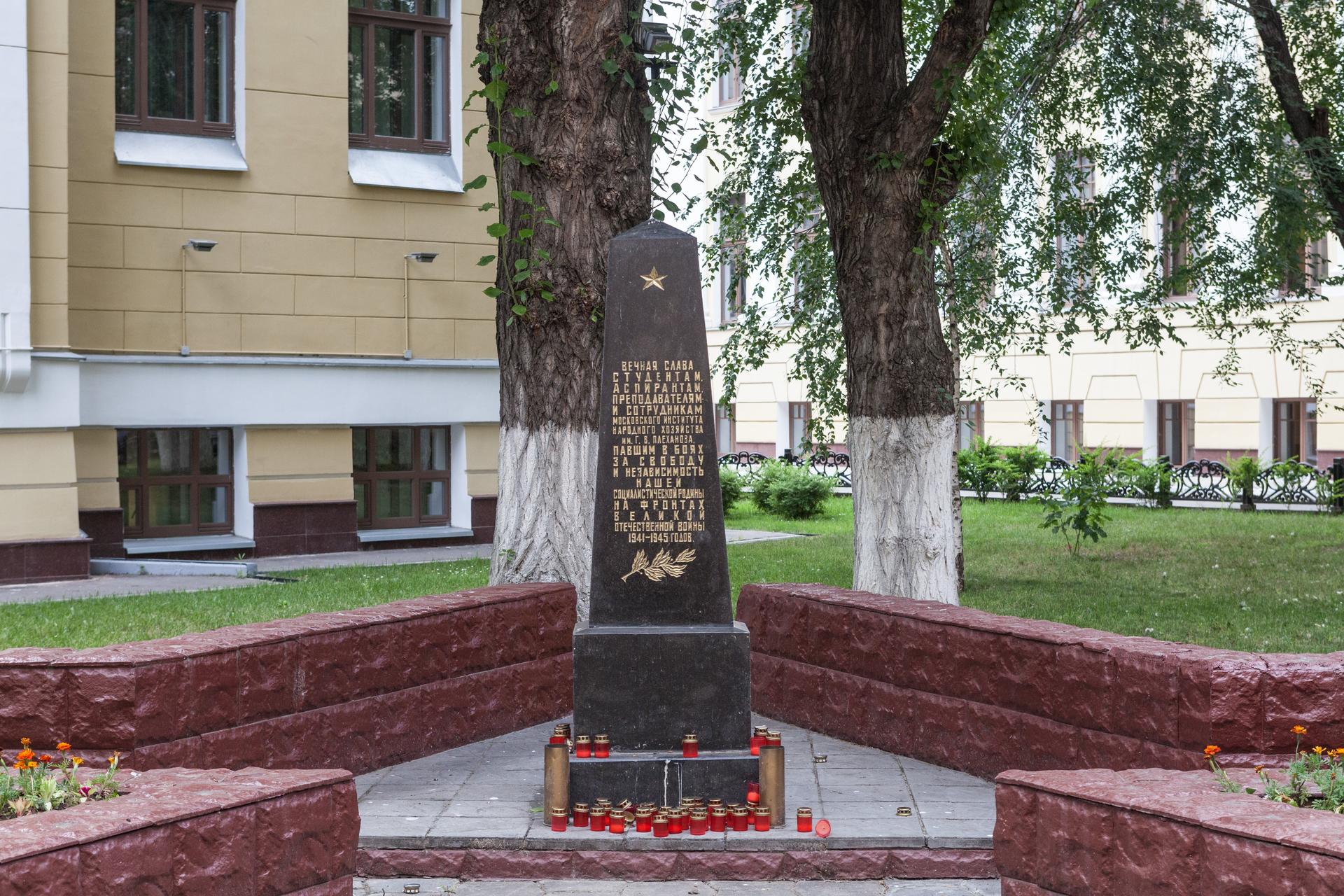
В 1919 году институт стал государственным и получил новое название – Московский институт народного хозяйства. В 1991 году институт снова сменил название, став Российской экономической академией имени Г.В. Плеханова, а в 2010 году академия была удостоена высокого статуса университета.
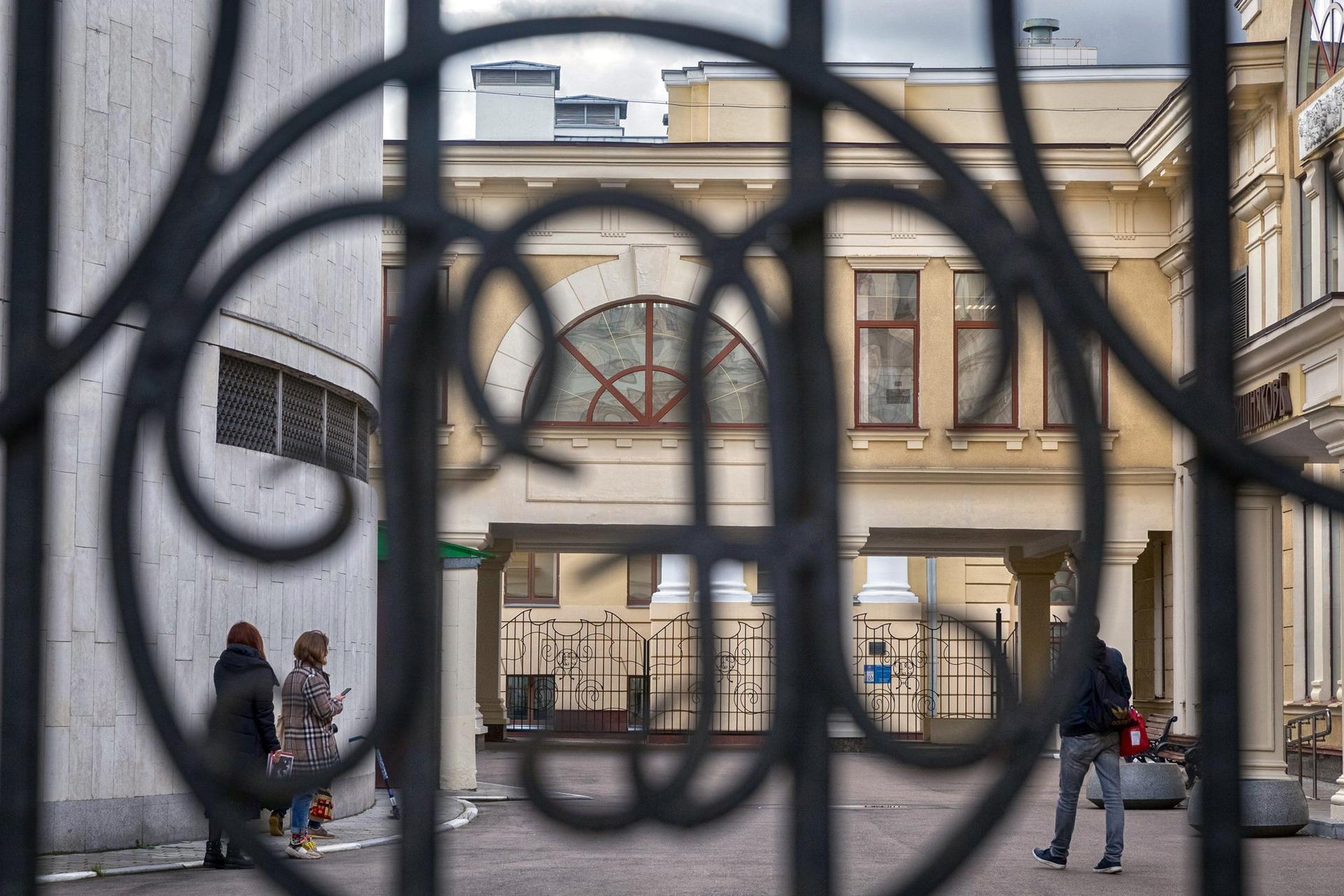
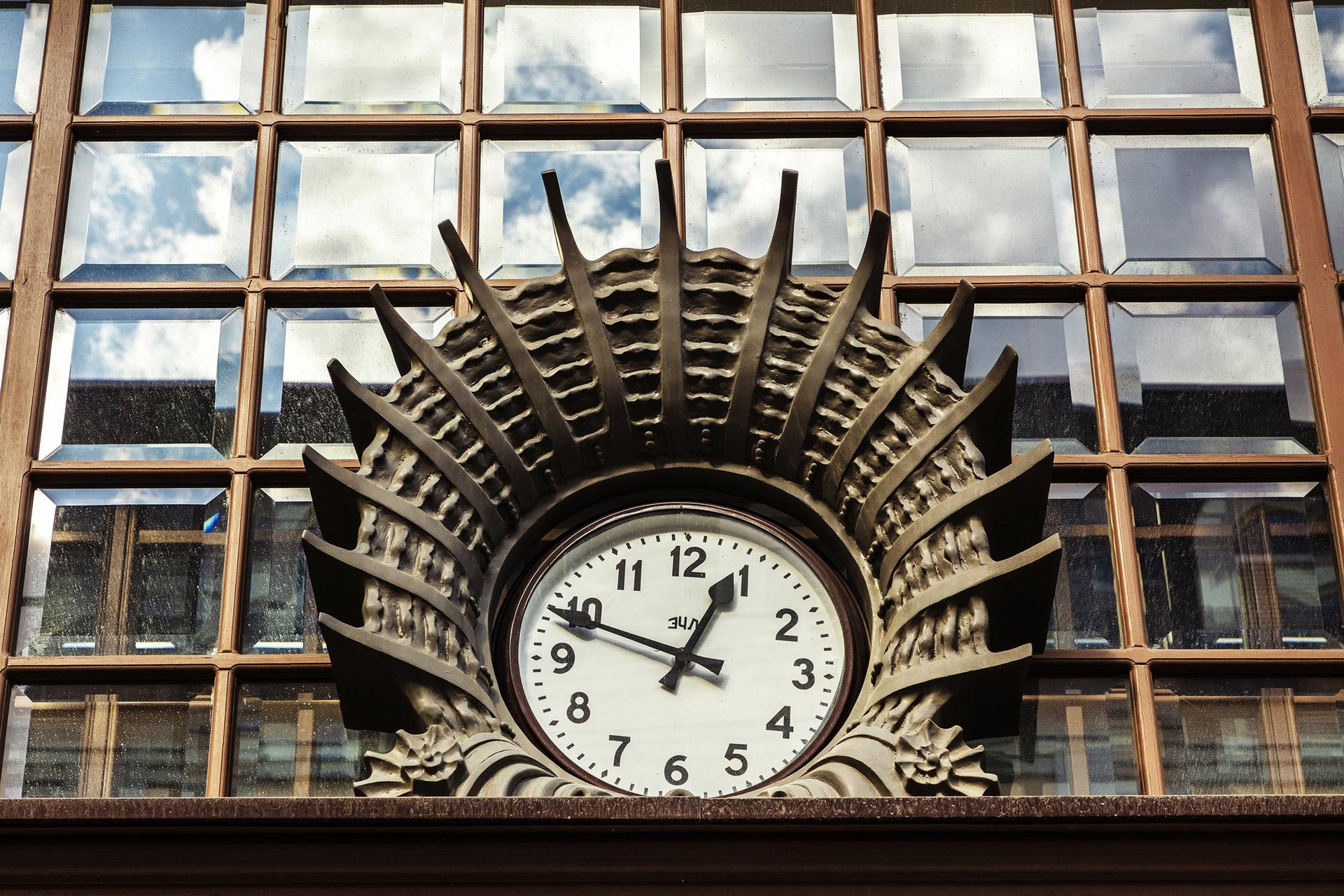
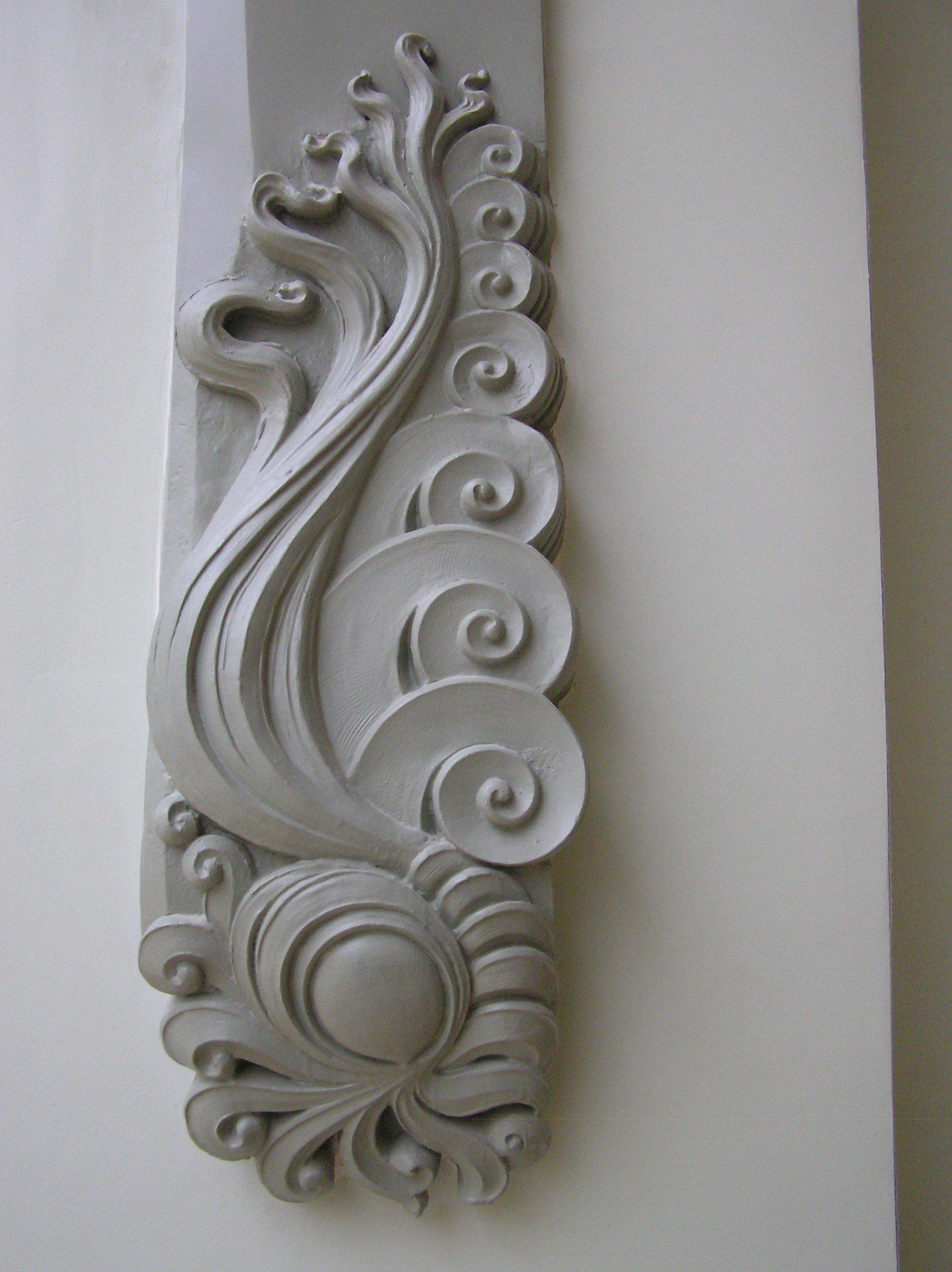
Male and female business school and Commercial Institute, located in Zamoskvorechye area between the Stremyanniy lane and Zatsepa street were one of the most famous schools of its kind in pre-revolutionary Moscow. They were established by the Moscow Society for the Dissemination of Commercial Education, which was established in 1897 on the initiative of the famous Moscow merchant Alexey Semenovich Vishnjakov. This figure has done a lot for the development of professional education in the field of economics and business sciences, which were popular in the late XIX - early XX centuries. The objectives of the Society was to create a multi-level business education. Society started from the trade (accounting) courses, which was the first stage of training, and in the early 1900s - the man, then a woman's business colleges were founded. Now one could get a full secondary vocational education. Male for commercial school named after Crown Prince Alexei built a new house in neo-classical style by the architect Alexander Ustsinovich Zelenko in Stremyanniy lane in 1903-1904's. A year later, in the neighborhood, on a street corner and Zatsepa and Strochenovsky Lane building Female Commercial School to the church of the Holy Icon of the Mother of God "Perishing" (project architect Nicholas L. Shevyakov) was built. Educational building and the church itself were made in neo-Russian style stucco facades and majolica tiles. Church was painted, but its interior was preserved to this day. Later, in 1909, the building was built female college preparatory class housing (also designed by the architect Zelenko). In the Soviet years the building of the former Women's College was built-up, the church was closed and adapted for educational needs. In 1903, the Company established commercial Courses, converted in the Graduate courses in 1906. This was the next stage of professional education – only graduates of the primary commercial schools were accepted to the secondary schools, primarily commercial schools. The courses were designed to "provide an answer to the pressing social need which makes a request to the educated, scientifically trained figures capable of making an independent and constructive participation in the trade, industrial, commercial, and general economic life of the country." In 1907, the Higher Commercial School was transformed into the Moscow Institute of Commerce (Commercial or public dissemination of the Moscow Institute of Commercial Education). New Auditorium building of the institute was constructed by 1913 - in the depths of the plot between two buildings, schools and the author of the project was the architect Sergei Ustsinovich Solovyov. It housed the auditorium for lectures and seminars, library, laboratory. Auditorium and the institute building, and the institutional housing were built mainly for charitable donations of well-known industrialists and entrepreneurs. Many classrooms and lecture halls were named in honor of those who donated money to build and maintain the property. Classes were named after A.S. Vishnjakova (Chairman of the Board of Trustees of the Institute), Ryabushinsky brothers, A. Buryshkin and others. The institute had two faculties: commercial-economic and commercial-technical; training lasted 4 years. Both men and women were allowed to learn. The Institute provided a fundamental education in this field: it taught economics, law, political economy, the science of finance, statistics, mathematics, physics, mechanics, and three foreign languages ​​, philosophy, theology and history. Specialization was introduced during senior years, for example in labor and factory legislation, local government, banking and insurance, and others. Graduates of the Faculty of Economics were issued a diploma of a candidate of economic sciences, graduates of technical - Commerce engineer diploma. Well-known scientists and educators used to be professors in the institute including professors of Moscow University. Pavel Novgorodtsev, lawyer, philosopher and social activist was worked as a Director of the institute for the first ten years. Famous Sergei Yulievich Witte was elected to serve as Honorary Chairman of the Board of Trustees of the Institute. After the revolution of 1917 the institution was renamed into the Moscow Institute of National Economy, which initially carried the name of Karl Marx, and in 1924 was named in honor of the Marxist philosopher George V. Plekhanov. Now the school is called the Russian Economic University of G.V. Plekhanov. Buildings of the former Institute, schools and educational buildings are now Plehanov university buildings.
Автор статьи: Мария Подъяпольская. Доработано Департаментом культурного наследия города Москвы.
Поделитесь статьей с друзьями
Интересное рядом(5)
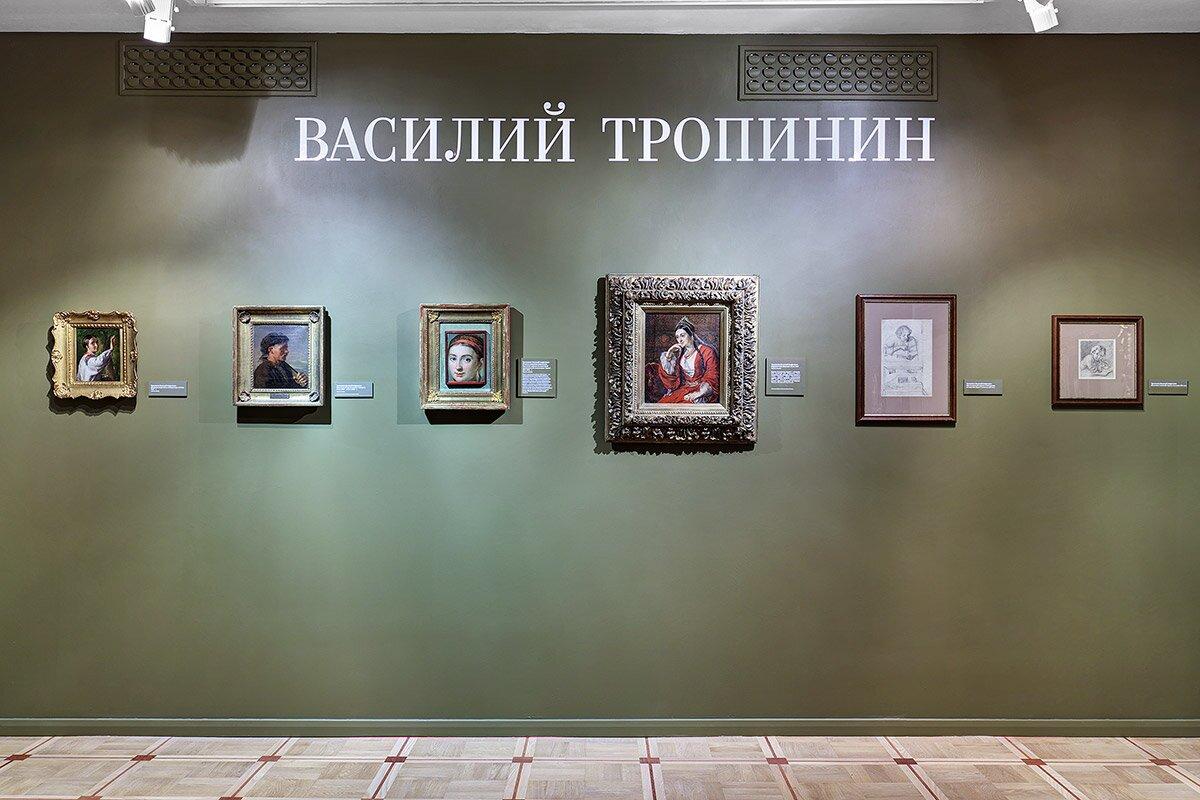
Tropinin and Moscow Artists of His Time MuseumAmong many museums in Moscow, the Tropinin and Moscow Artists of His Time Museum is rightfully considered the most moscow museum. The museum building is in the past the main house of city merchant estate of 19th century, which was built after the fire of 1812 and one of the few surviving in Zamoskvorechye. The museum keeps works of art that is monuments of art culture of Moscow of the 18-19th centuries.

The museum was founded in 1969 by famous moscow collector F. E. Vishnevsky, who donated the estate and 250 works of painting, drawing and decorative arts. Over the year of its existence, the museum increased its collection more than 10 times and today it has one of the most significant collections of works by V. A. Tropinin – the founder of Moscow school of art. Also in the museum there are works of prominent artists of the past: I. Vishnyakov, A.P. Antropov, I.P. Argunov, F.S. Rokotov, D.G. Levitsky, O.A. Kiprensky, V.L. Borovikovsky, S.F. Shchedrin, I.K. Aivazovsky, A.N. Benoit, L.S. Baksta, I.I. Levitan, K.A. Korovin, A.M. Vasnetsov, V.D. Polenova, and etc.

A rich collection of graphics, especially portrait watercolor, is represented by such famous watercolorists as PF. Sokolov, V.I. Hau, A.P. Bryullov, K.I. Barda, and also the works of “rare” artists such as E. Krendovsky, L. Fisher, K. Hampeln, A. Strelkovsky.

Seclusion, which preserves the atmosphere of an old moscow house, is a distinctive feature of the museum. Theme of expositions and museum’s exhibitions, representing the art of Tropininsky time, is very attractive to visitors.

Information about ongoing exhibitions and events is available on the museum’s website:
http://www.museum-tropinina.ru

https://vk.com/va_tropinin
https://www.facebook.com/museumtropinin
https://www.instagram.com/tropinin_museum
селекционер