Интерактивный гид по городу
С мобильным приложением бродить по городу гораздо интереснее!

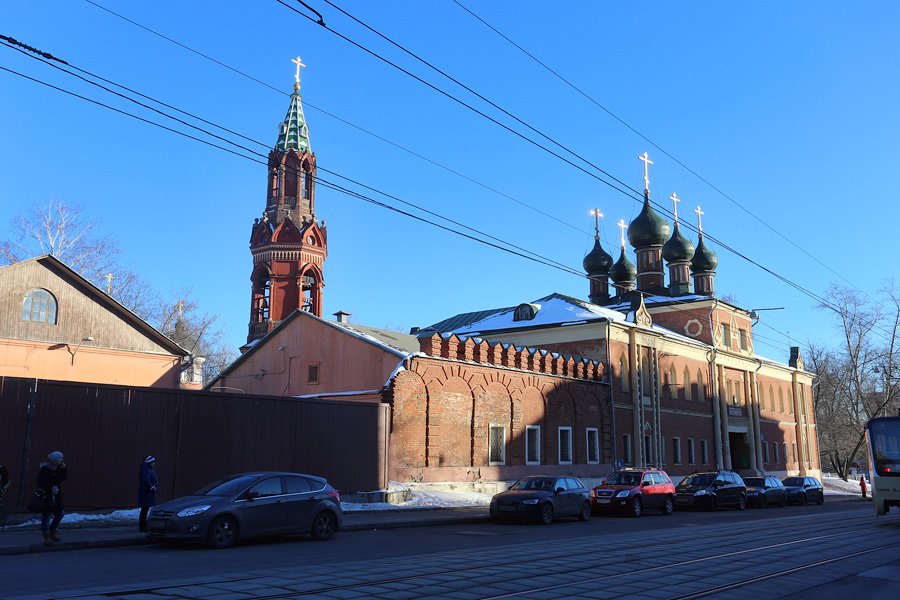
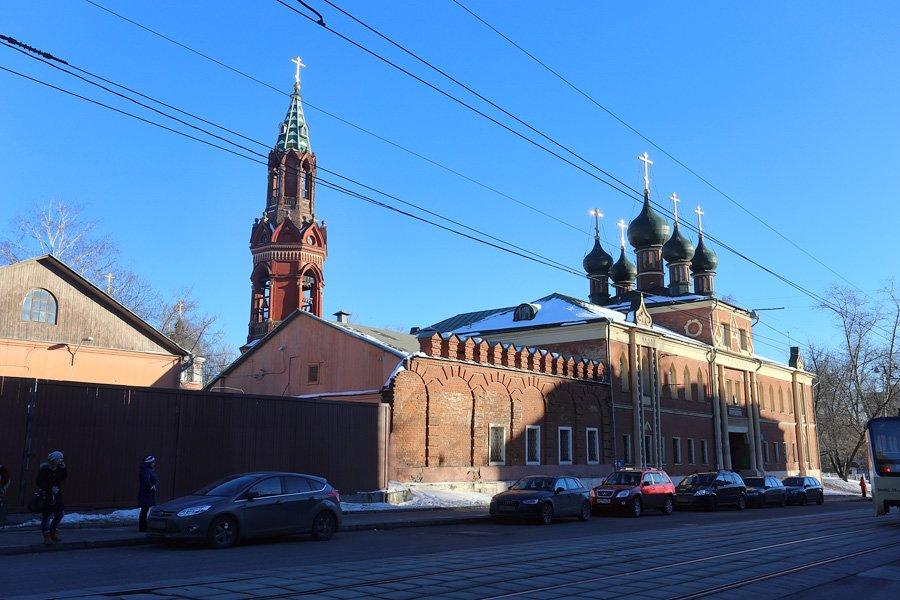
Nicholas monastery

The entire history of the separation of the Russian Orthodox Church into New Believers and Old Believers is reflected in this monastery’s history.

Nicholas monastery
Nicholas monastery
Preobrazhenskaya ploshchad, Semenovskaya
The entire history of the separation of the Russian Orthodox Church into New Believers and Old Believers is reflected in this monastery’s history.
3.51
Вы можете воспользоваться QR-кодом, чтобы открыть эту страницу в нашем приложении
Архитектурный стиль:
,
Годы постройки:
XVIII-XIX вв.
Эпоха:
18th century, 19th century
Информация о здании

«Монастырь этот имеет очень уединенный вид – настоящее убежище для любителей созерцательной жизни. Всюду – трава, по местам – деревца, яблочный сад, маленькое братское кладбище – и тишина, тишина!», – писал о Никольском Единоверческом монастыре в 1913 году один гость обители.

Никольский Единоверческий мужской монастырь возник на Преображенском валу по повелению императора Николая I. Он занял территорию мужского двора бывшей старообрядческой обители, «беспоповского Преображенского богадельного дома». Так государь император решил «ограничить своеволия раскольников».

У Преображенской заставы старообрядцы начали селиться во второй половине XVIII века, когда в 1771 году дворовый человек князей Голицыных Илья Алексеевич Ковылин получил разрешение на постройку чумного карантина. Здесь образовалось Преображенское кладбище, а подле него Преображенская богадельня и контора Федосеевской беспоповской общины.

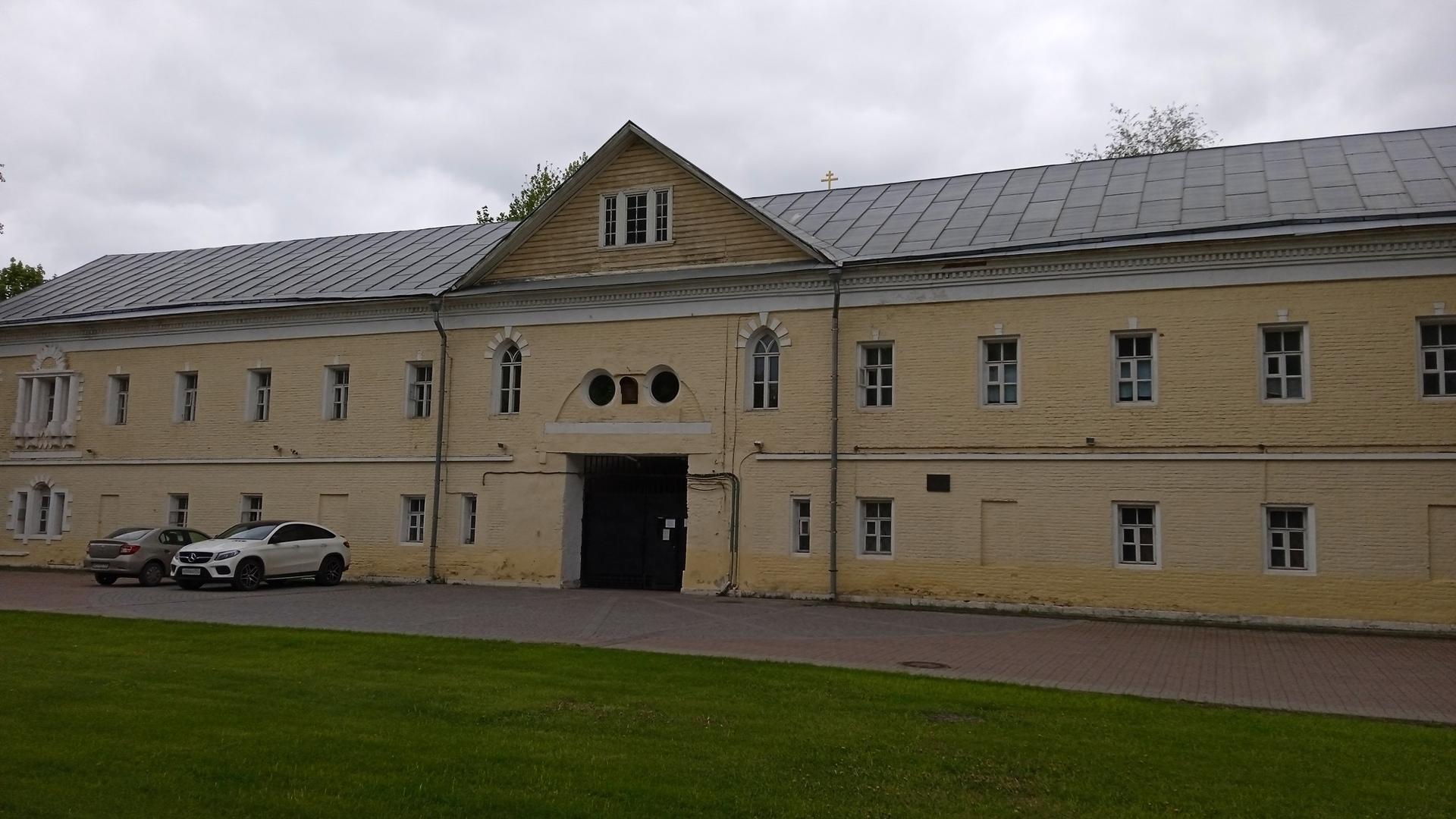
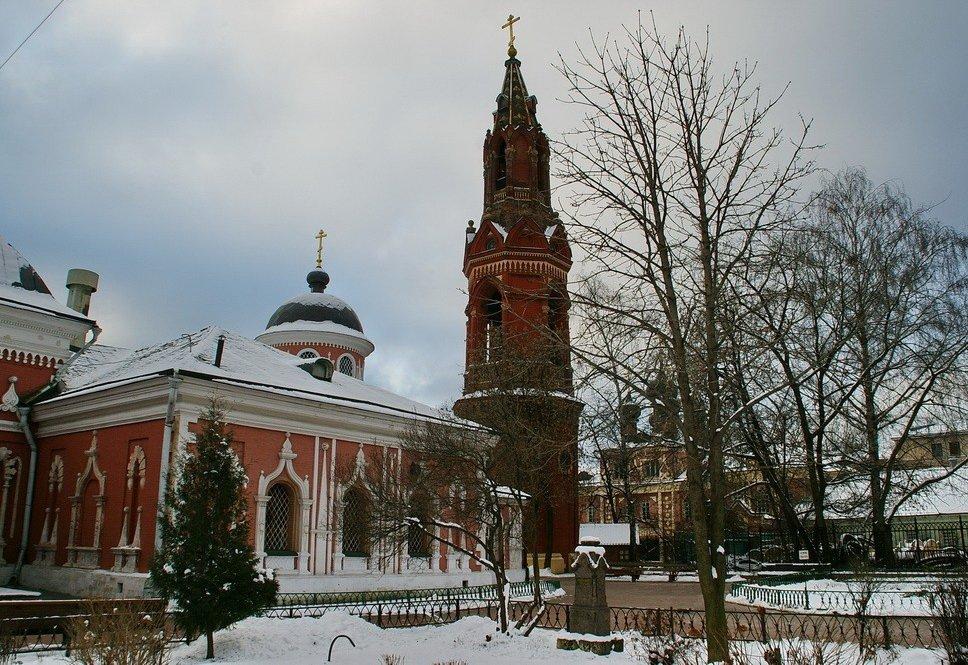
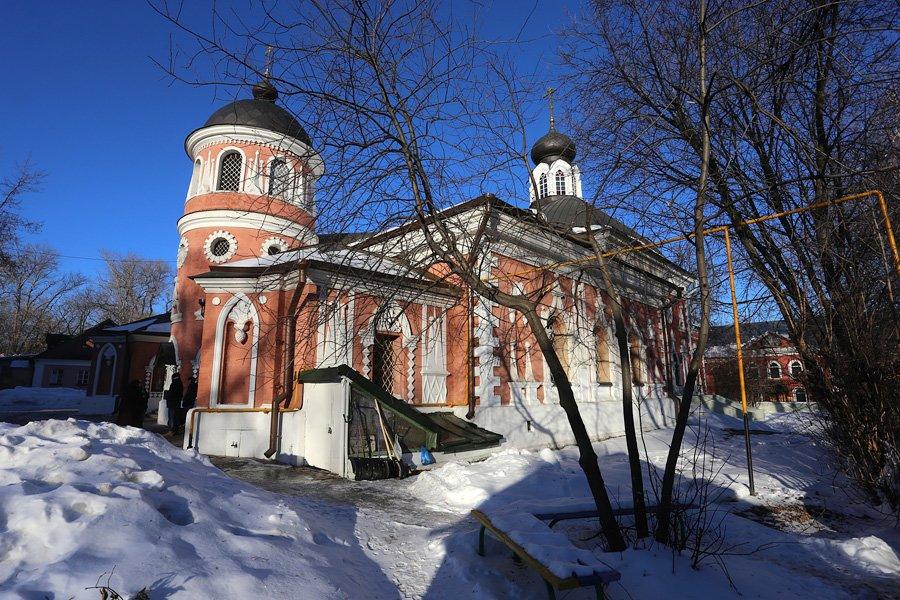
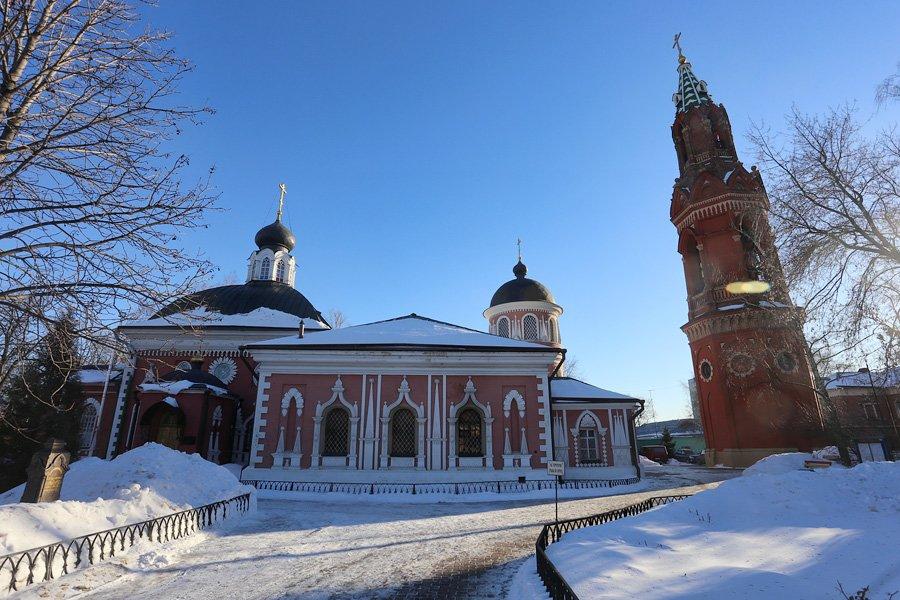
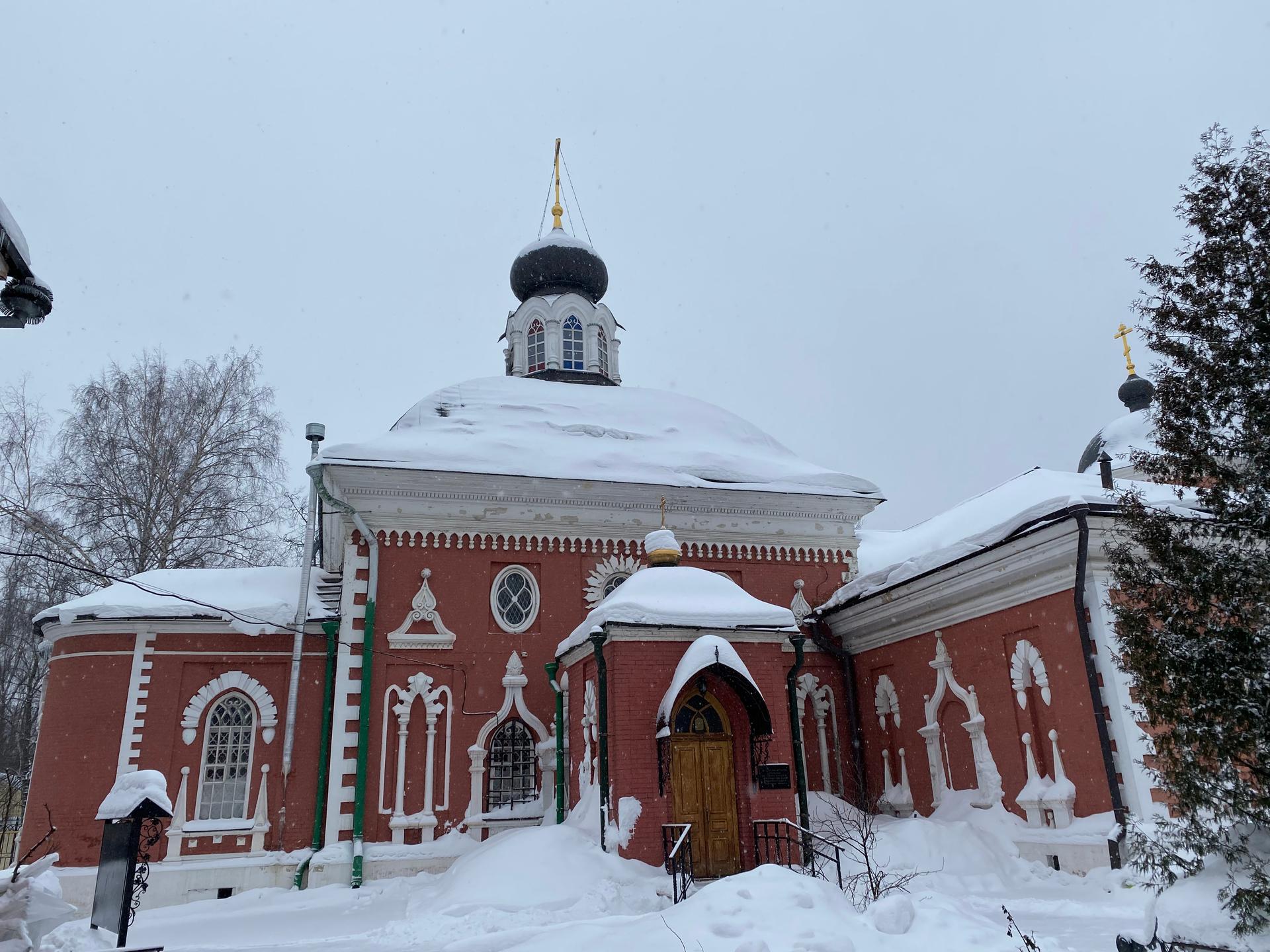
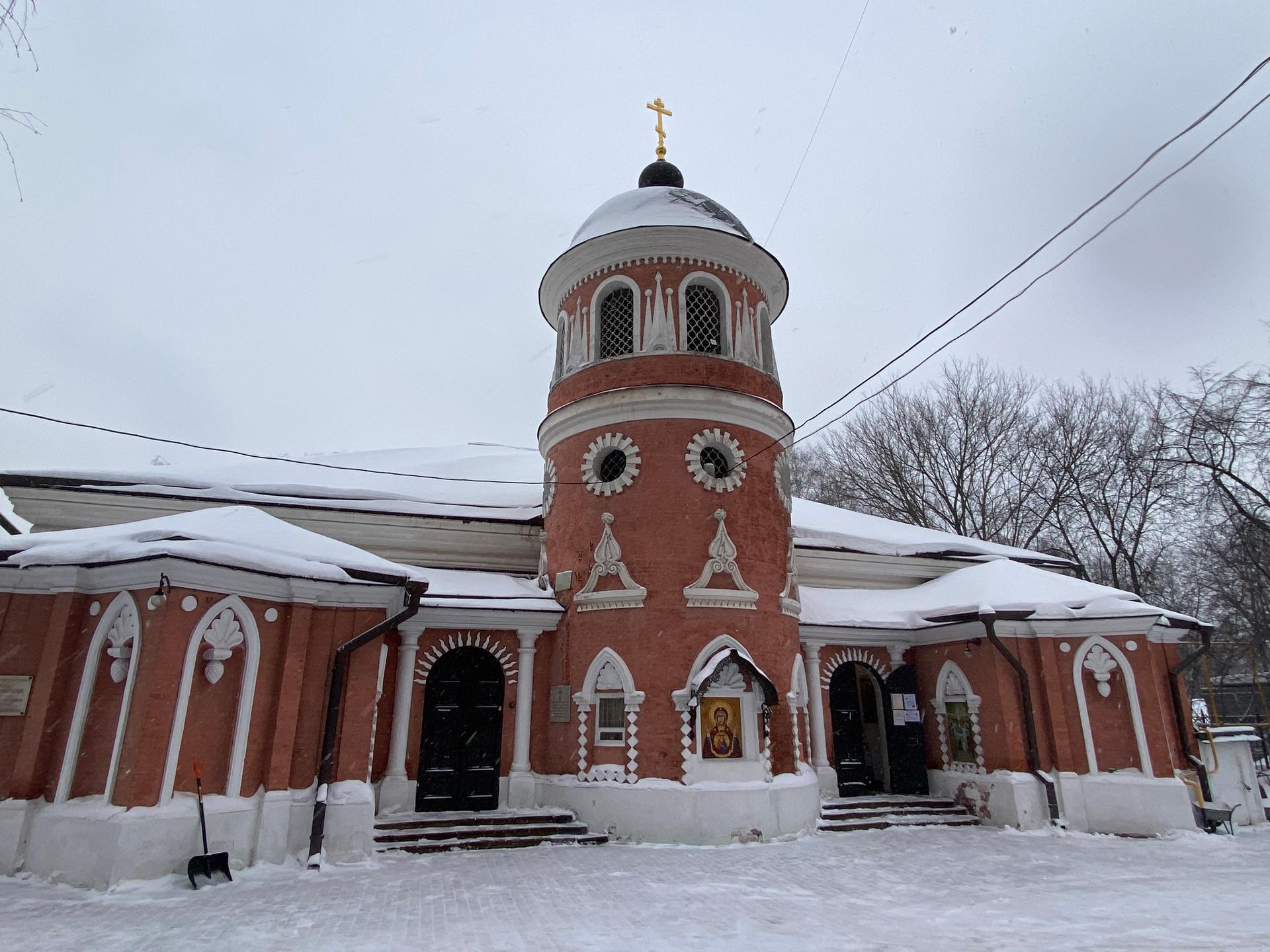
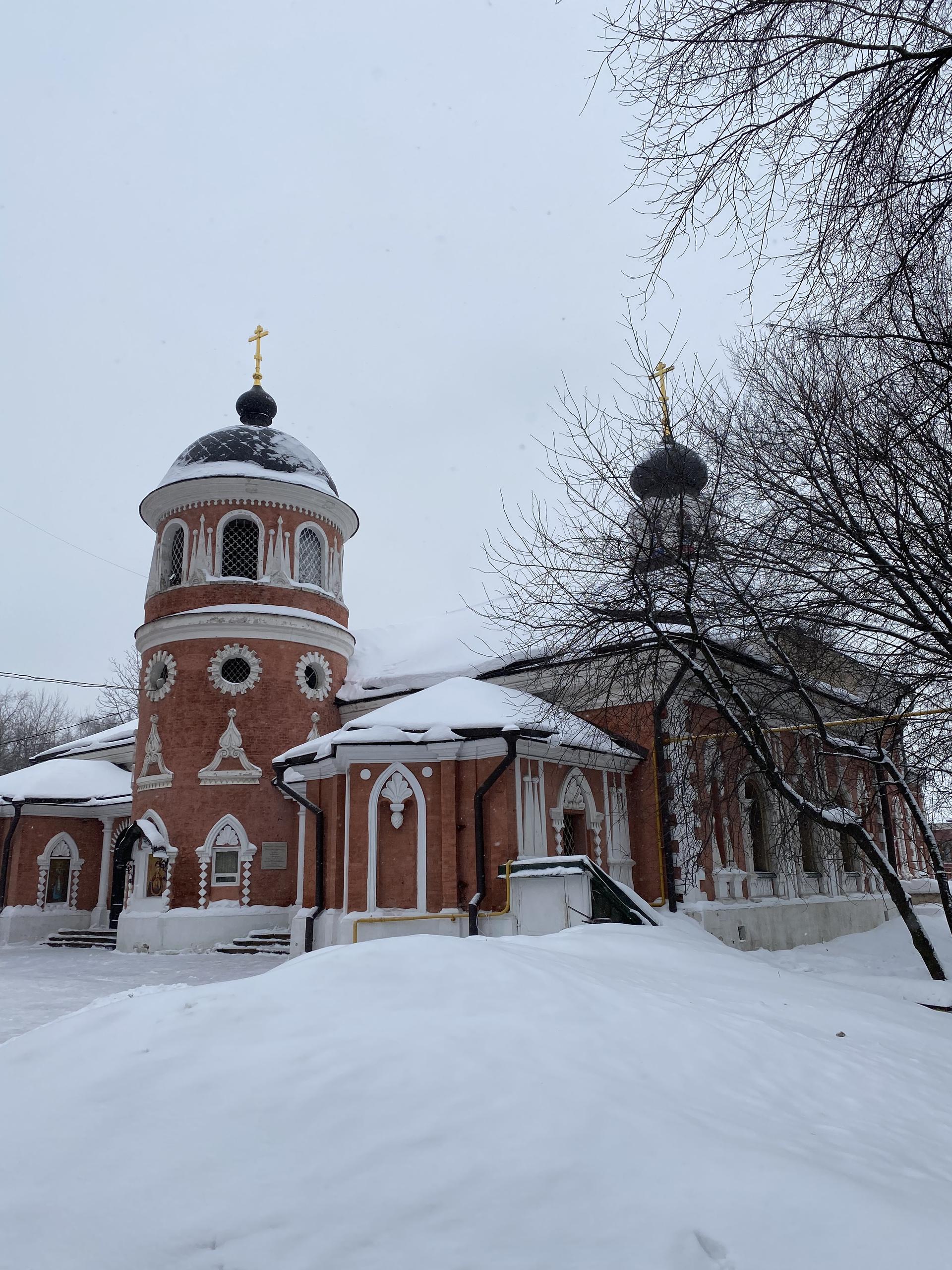
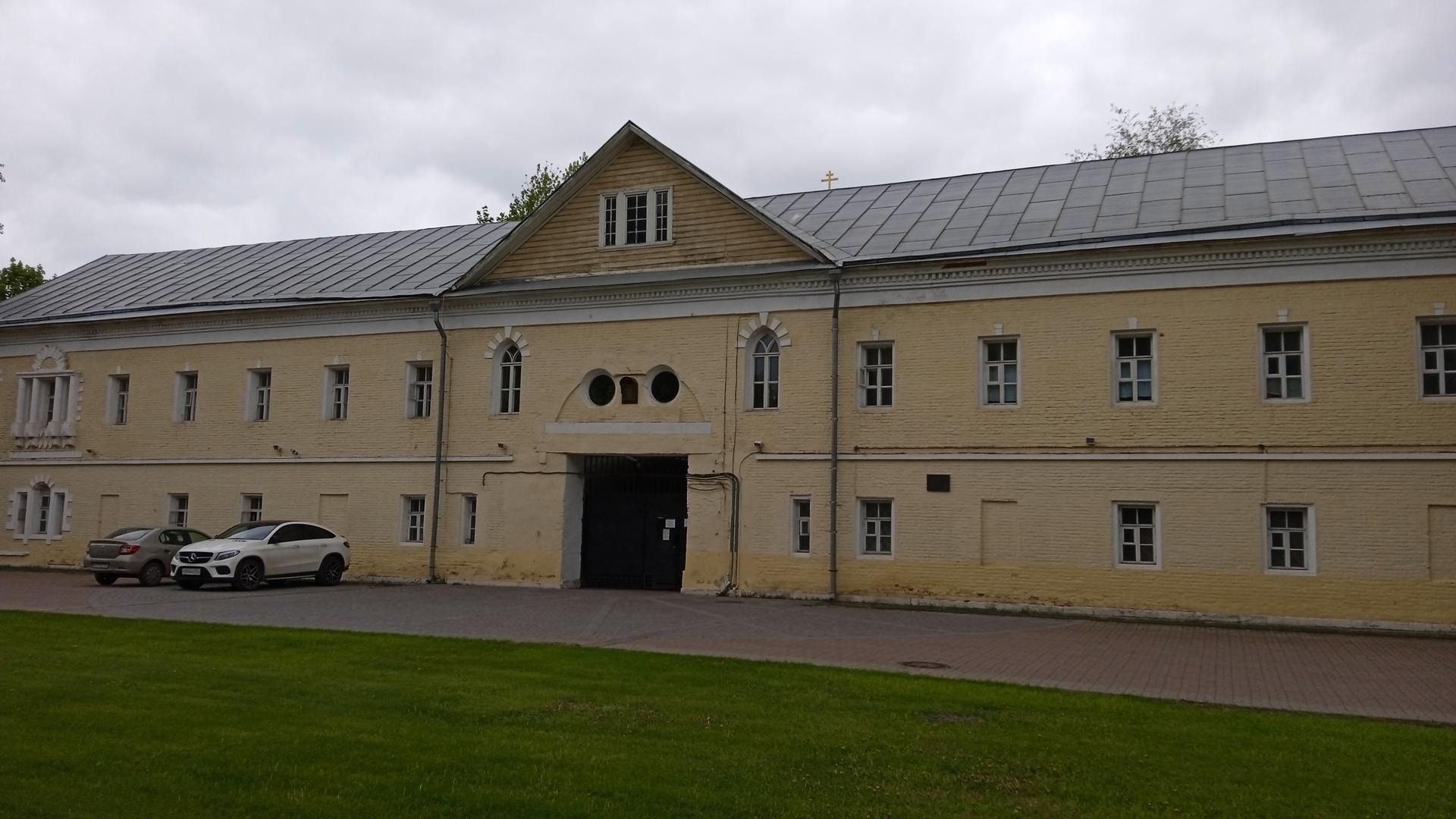
В ансамбль монастыря, сохранившийся до наших дней, входят братский корпус (больничная палата) 1801 года, надвратный 1801‑1806 годов, служебный и два храма. Их проектировал архитектор Ф.К. Соколов, которому принадлежит также проект Андреевской богадельни.

В 1854 году по настоянию Митрополита Филарета Успенский храм стал единоверческим. А в 1866 году на месте федосеевской мужской обители был организован Никольский единоверческий мужской монастырь.

Тем не менее, на стенах Успенского храма сохранялись древние образцы, писанные еще до Никона, а Никольский монастырь свято хранил старинные старообрядческие иконы. В свое время Федосеевскую общину обвиняли в хищении древних икон из московских церквей во время чумы 1771 года и наполеоновского пожара. Возможно, среди них были иконы Андрея Рублева.

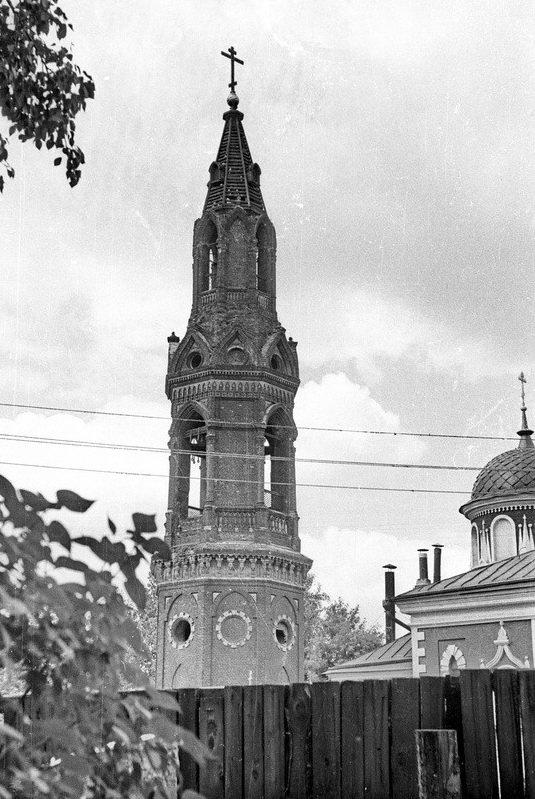
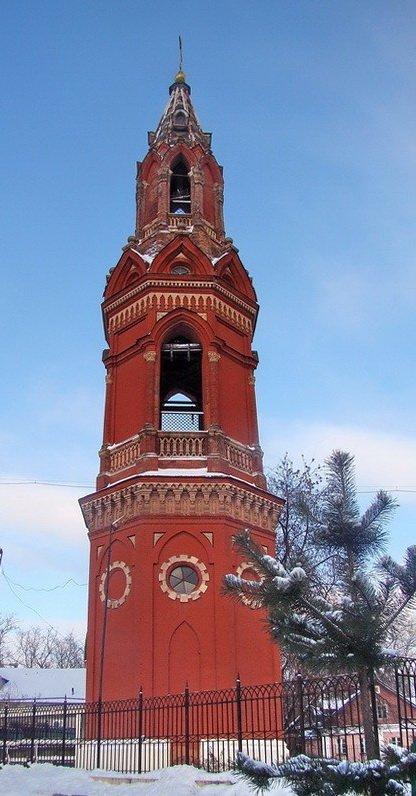
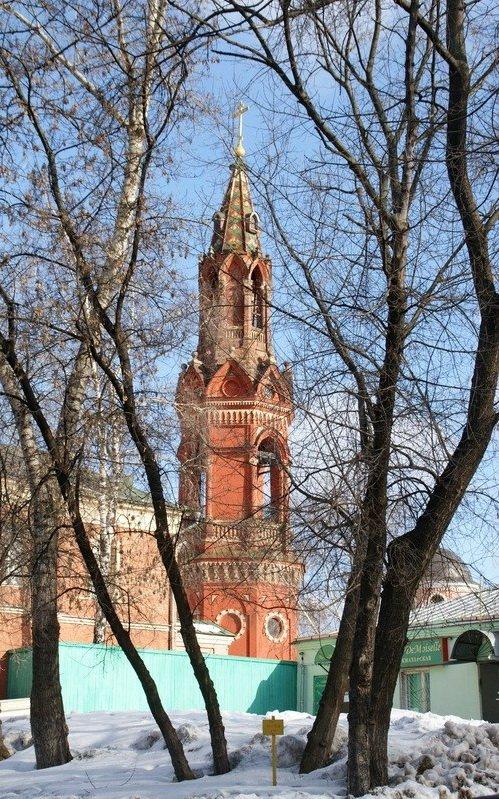
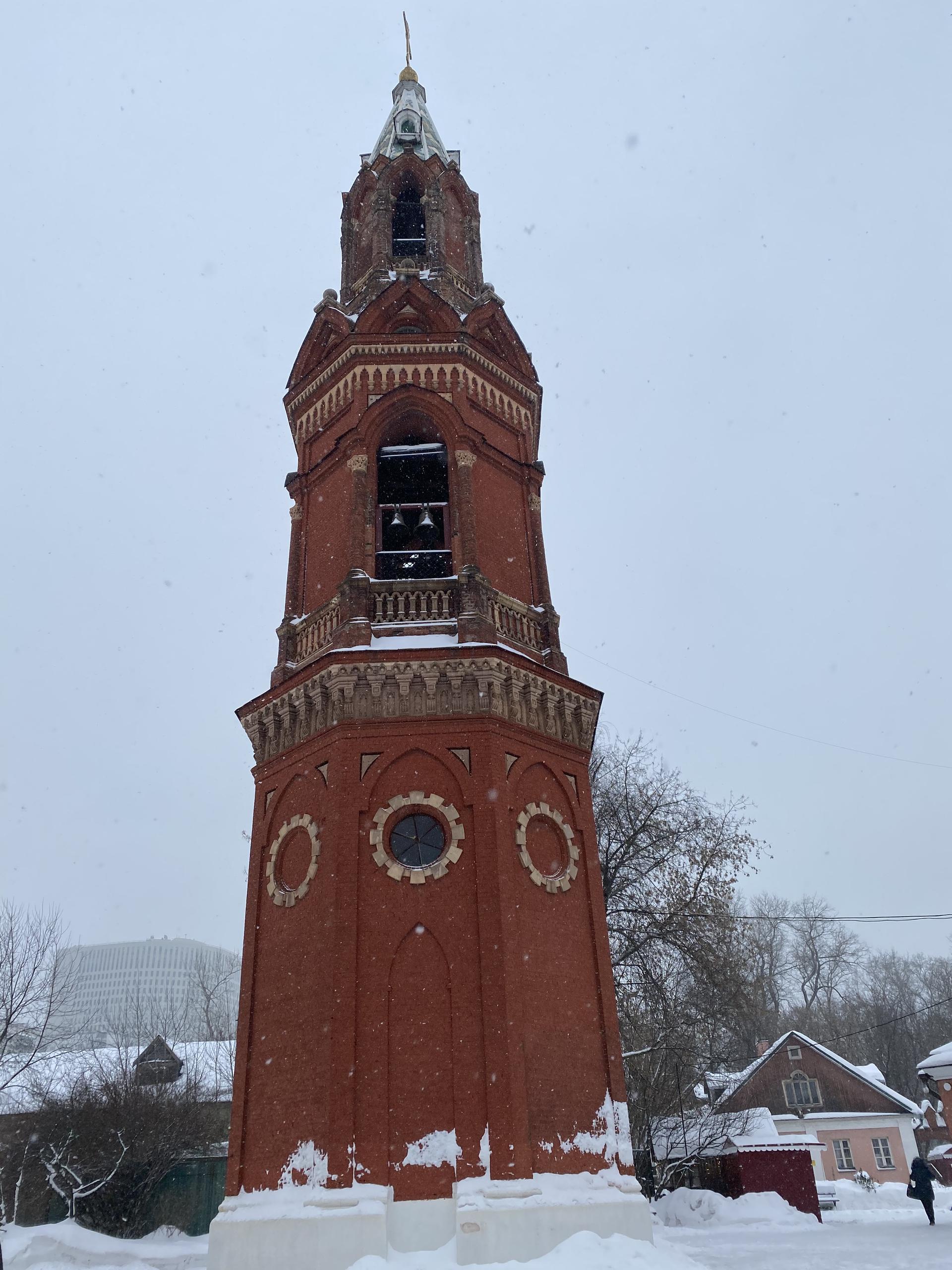
После перехода монастыря в единоверие многие из активных беспоповских прихожан вольно или с тайным умыслом присоединились к новой вере, среди них были представители богатых купеческих домов: Гучковы, Носовы, Гусаровы, Бавыкины, Осиповы, Хлудовы. Именно на средства А.И. Хлудова и И.В. Носова была построена отдельно стоящая колокольня по проекту архитектора Горностаева в 1879 году. Хлудовым была пожертвована монастырю библиотека, которая заняла теплый корпус рядом с Крестовоздвиженским собором. Богатая коллекция состояла из памятников истории раскола и образцы древнерусской и старославянской литературы.

В конце XIX века монастырь стал центром борьбы с раскольниками и одновременно центром памяти старообрядческой традиции. Здесь устраивались съезды противораскольничьих миссионеров, в церковно-приходской школе учились дети старообрядцев. Однако святыни Федосеевской общины – иконы древнего письма, старопечатные книги и рукописи – бережно хранились в стенах обители. По одному иконостасу Успенской церкви можно было «составить себе понятие о том, какие бывали в свое время моленные», – говорили в монастыре.

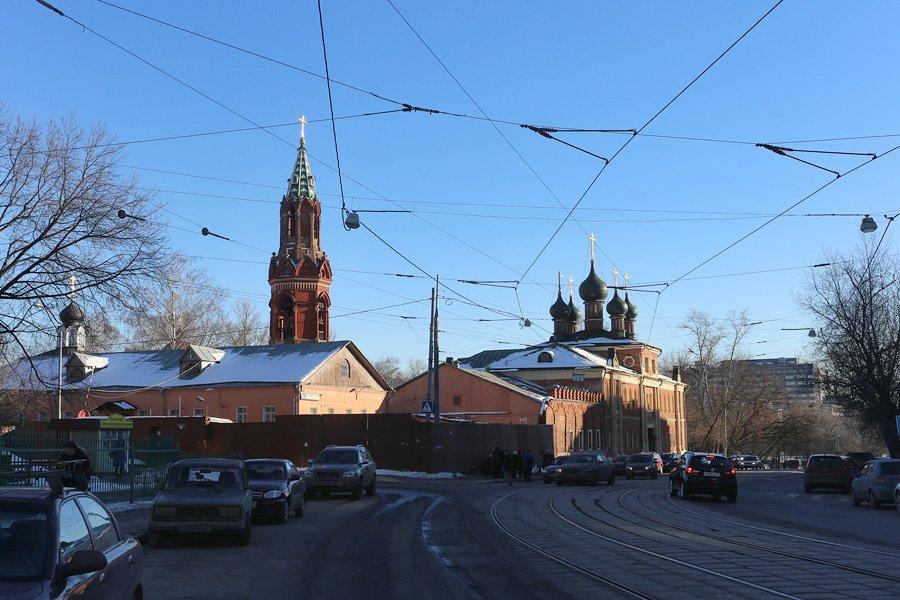
Никольская обитель была украшением Преображенки. Желтые корпуса и пятиглавая Крестовоздвиженская церковь над святыми вратами, возвышающаяся над ними стройная готическая колокольня темно-красного кирпича, кельи в готическом стиле, одноэтажный белый дом настоятеля – всё это радовало глаз проезжающих мимо москвичей.

Монастырь закрыли в 1920‑х годах. Хлудовская библиотека и часть икон перекочевали в Исторический музей. Монахов прогнали. Какое-то время Успенская церковь принадлежала обновленцам, которые захватили её в 1930‑е годы, а потом половину продали старообрядцам новопоморского согласия. Сейчас этот собор по-прежнему разделен на две половины с двумя разными входами и разными правилами: старообрядческими и патриаршими. Однако древние иконы бережно хранят обе половины.

В 1960‑х годах Крестовоздвиженская церковь и бывшая Хлудовская библиотека были жилым домом. В 1990‑х годах на церкви опять появились купола.

"This monastery has a very intimate look - a sanctuary for lovers of the contemplative life. Everywhere - grass in places - trees, apple orchards, a small fraternal cemetery - and the silence, the silence! "- Wrote about Nicholas Single Faith monastery in 1913 one guest of the monastery. Nicholas Single Faith monastery was built on Preobrazensky Val by the order of Emperor Nicholas I. He took the man's yard territory of the former monastery of Old Believers, "no-priest Transfiguration Almshouse home." So the emperor decided to "limit the self-will of the dissenters". At the gates of the Preobrazensky outpost Old Believers began to settle in the second half of the XVIII century, when in 1771, serf of Prince Golitsyn Ilya A. Kovylin received permission to build plague quarantine. It was formed Transfiguration Cemetery, and beside him the Transfiguration and hospice office Fedoseevskaya no-priest community. The ensemble of the monastery has been preserved to the present day, includes fraternal corpus (hospital room) as of 1801 , Gate church of 1801-1806's, office and two churches . All that was designed by architect FC Sokolov, who have also designed to the project of St. Andrew's hospice. Bell tower was designed by architect FI Stoats in 1876-1879 's. Nicholas Monastery treasured vintage Old Believer’s icons. On the walls of the ancient Church of the Assumption preserved specimens, written before Nikon. Among them were the icons of Andrei Rublev. At the time, the community Fedoseevskaya accused of stealing ancient icons of Moscow's churches during the plague of 1771 and the Napoleonic fire (when the monastery was already edinovercheskie). However, there is evidence that , Rublevskiy deesis rank, now stored in the Tretyakov Gallery, IA Kovylin "acquired" from the clergy in the Church of Anastasia Hunter's Row . After the transfer of the monastery in to a single faith, many active parishioners of non-priest intentionally or with intent secretly joined the new faith, among them were representatives of the wealthy merchant houses: Guchkovs, Nosovs, Gusarovs, Bavykina, Osipov, Khludovs. It is the means of AI Hludov and IV Nosov free-standing bell tower designed by architect was built by the project of architect Gornostaev in 1879. Khludov have donated his library to the monastery, which occupied a warm corpus next to Holy Cross Cathedral. A rich collection consisted of monuments about the history of the split and some great examples of old Russian and Slavonic literature. At the end of the XIX century, the monastery became a center of the struggle with the schismatics, and at the same time the memory center of the Old Believers tradition. There were organized congresses missionaries against the split and in parochial school children of Old Believers learned. However, the shrine of the Fedoseevskaya community - the ancient iconography, books and manuscripts - were carefully kept within the walls of the monastery. One by one the iconostasis of the Assumption Church could " form an idea of what happened in his time praying", - said in a monastery. Nicholas monastery was a fine decoration of Preobrazhenka area. Yellow body and five-domed Holy Cross Church of the holy gates, towering over them a slender gothic bell tower of dark red brick, cells in the Gothic style, one-story white house abbot - all pleasing to the eye of passing Muscovites. The monastery was closed in the 1920s. Khludov’s library and some icons moved to the Historical Museum. Monks were expelled. For a while, the Assumption church belonged to the Renovators, who captured it in the 1930s, and later sold half of the Old Believers of Novopomorskoy consent. Now the cathedral is still divided into two parts with two different entrances and two different sets of rules: Old Believer and patriarchal. However, the ancient icons are cherished by both halves. In the 1960s, Holy Cross Church and the former Khludov’s library were used as apartment buildings. The dome appeared on the church again in the 1990s.
Автор статьи: Зинаида Одолламская
Рекомендации
Preobrazhenskaya ploshchad
Новодевичий пр-д, д. 1, стр. 34
Лужники (МЦК), Sportivnaya
Поделитесь статьей с друзьями
Интересное рядом(4)
Вельяминовская ул., д. 34
Preobrazhenskaya ploshchad
г. Москва, ул. Бухвостова 1-я, д. 12/11
Preobrazhenskaya ploshchad