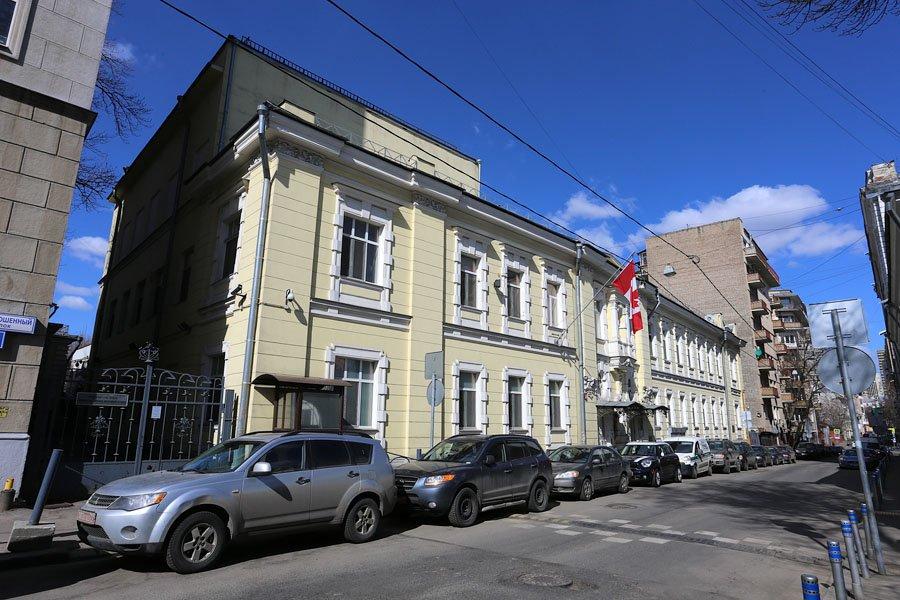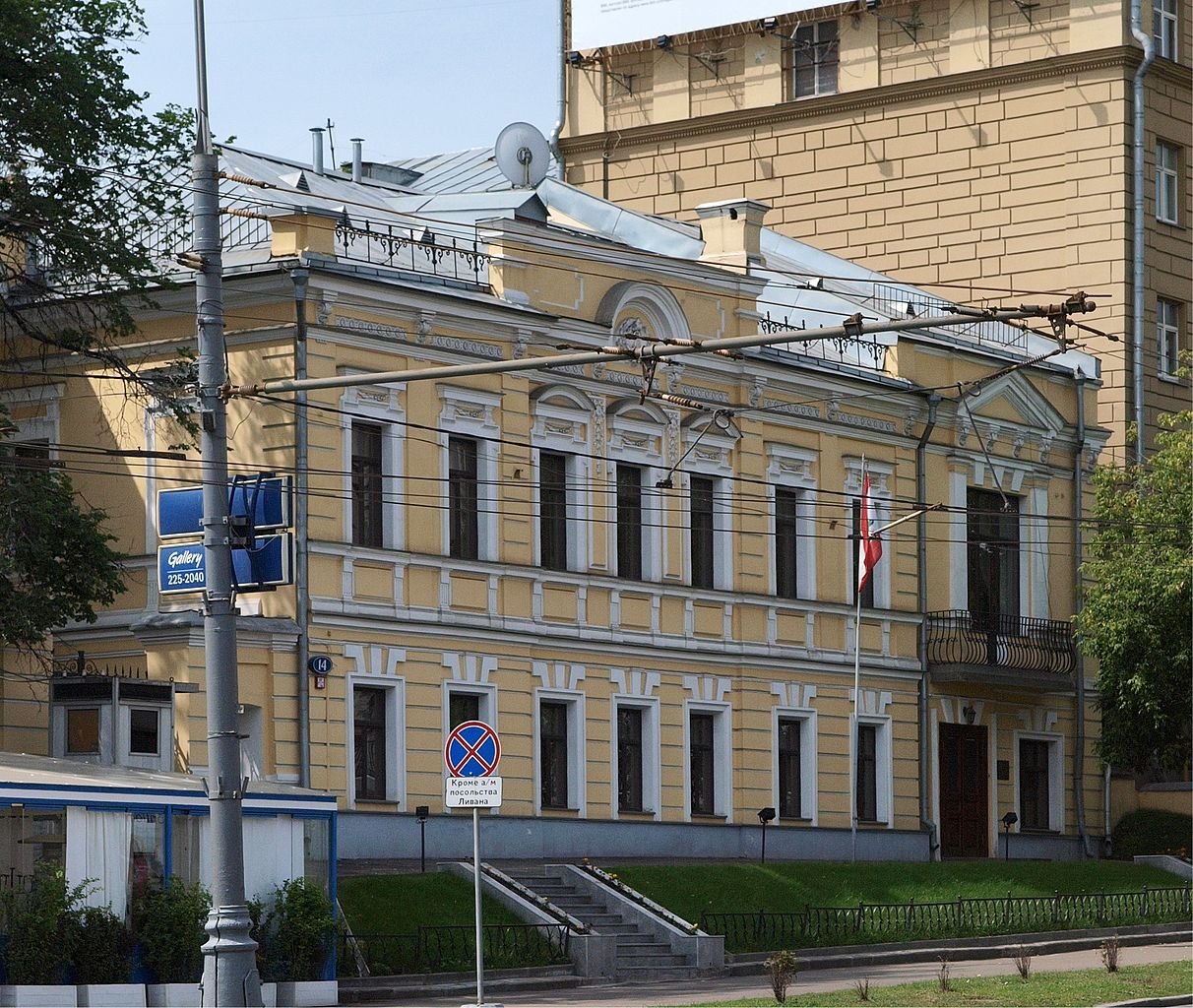
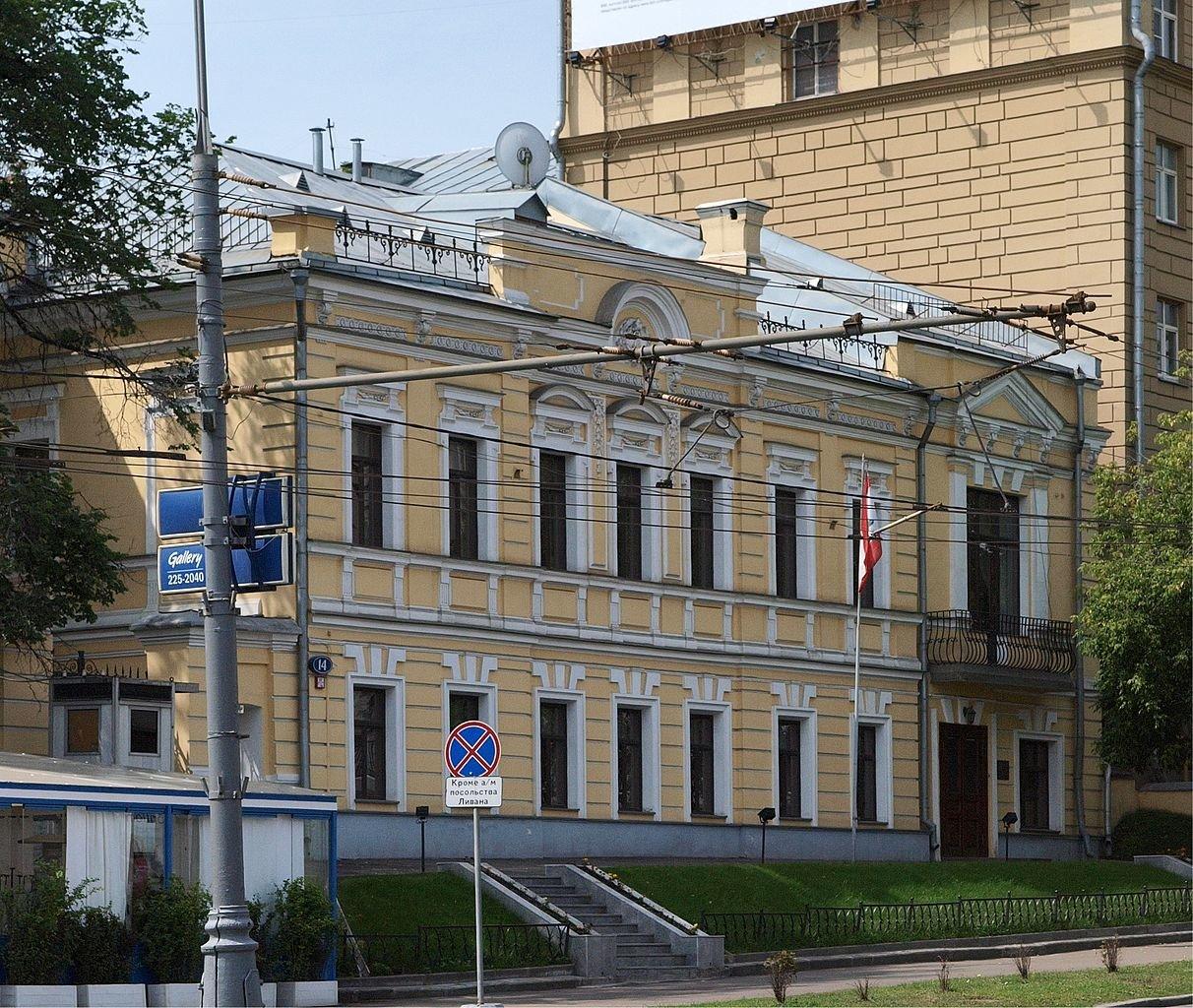
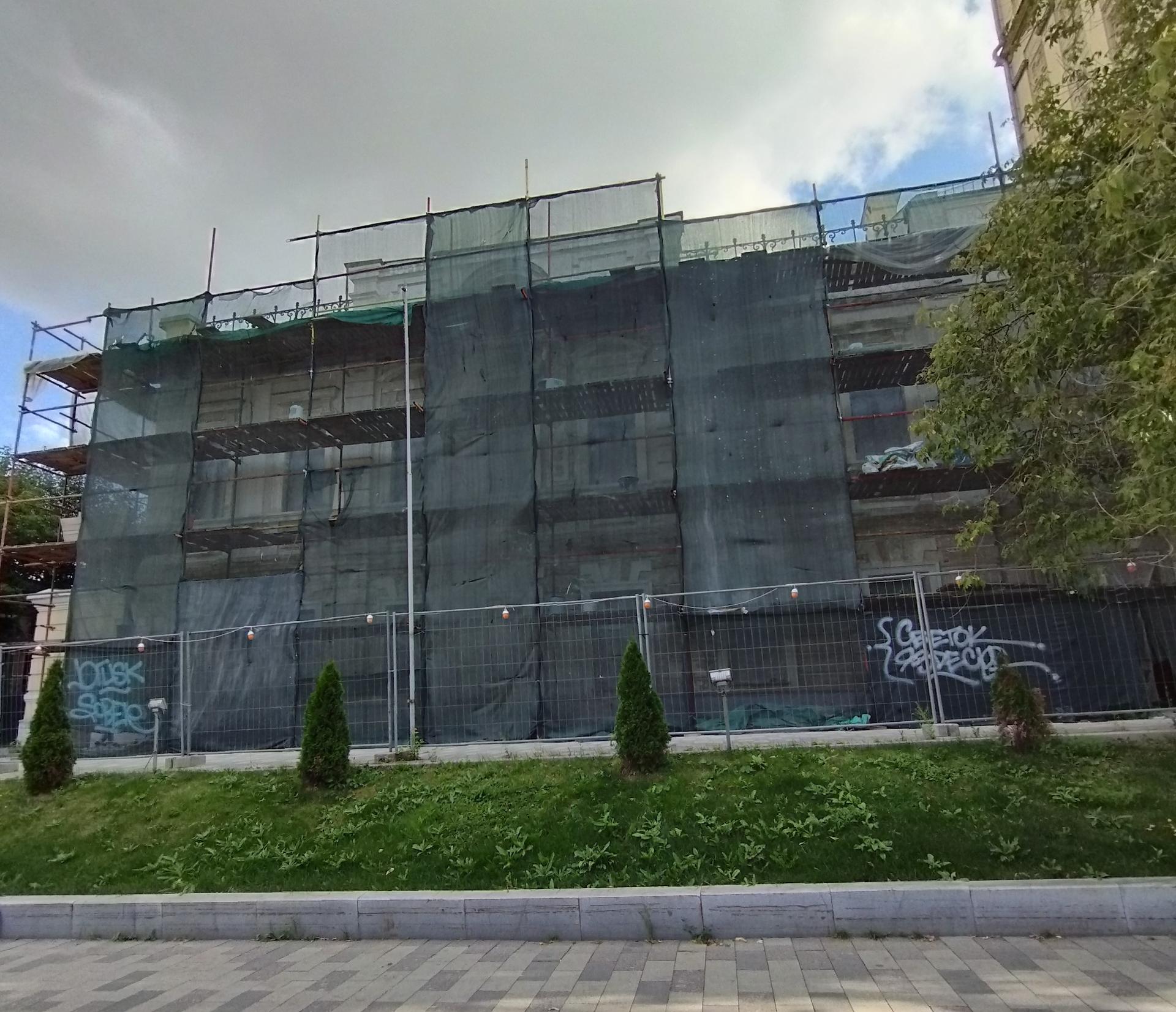
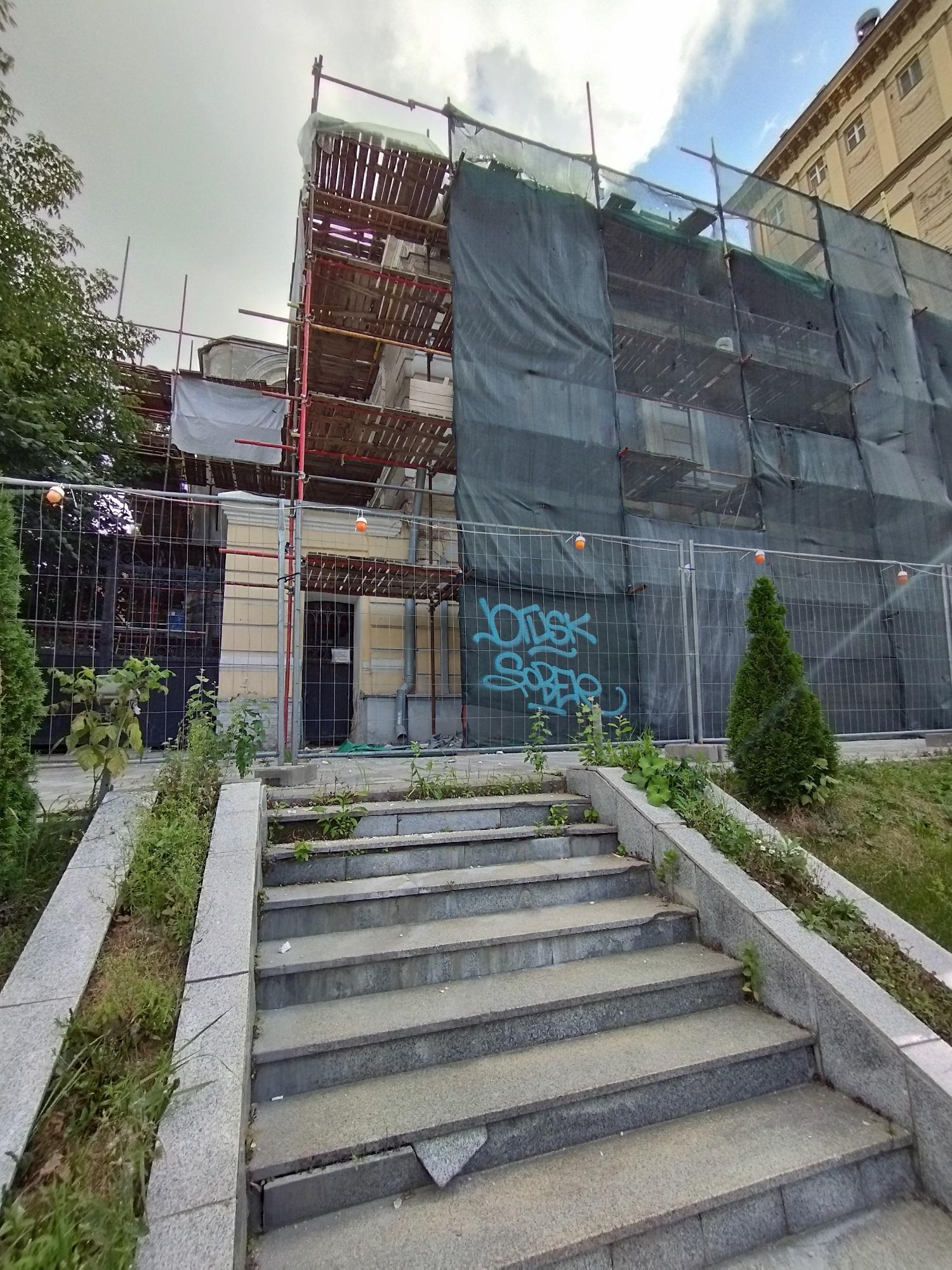
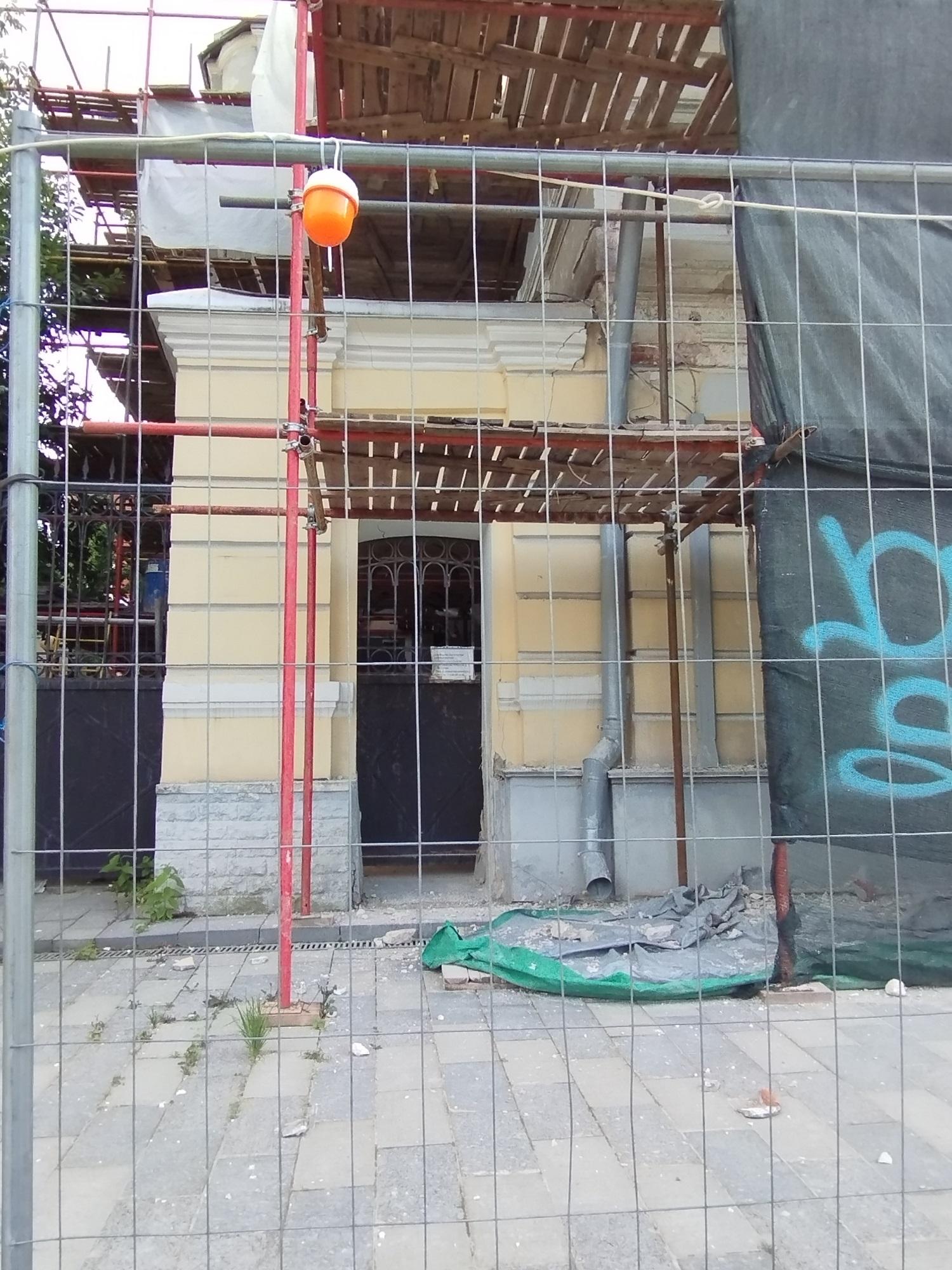
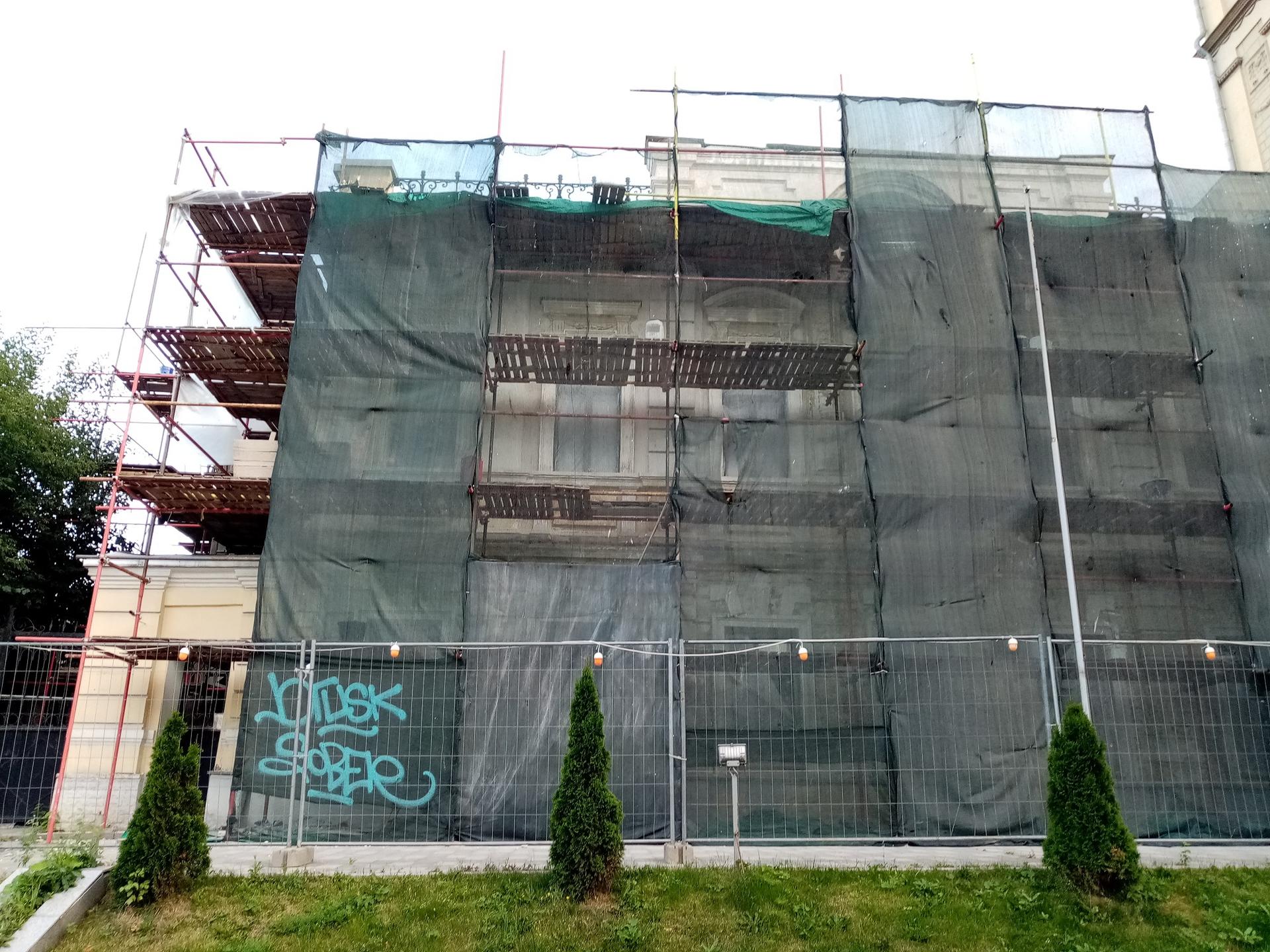
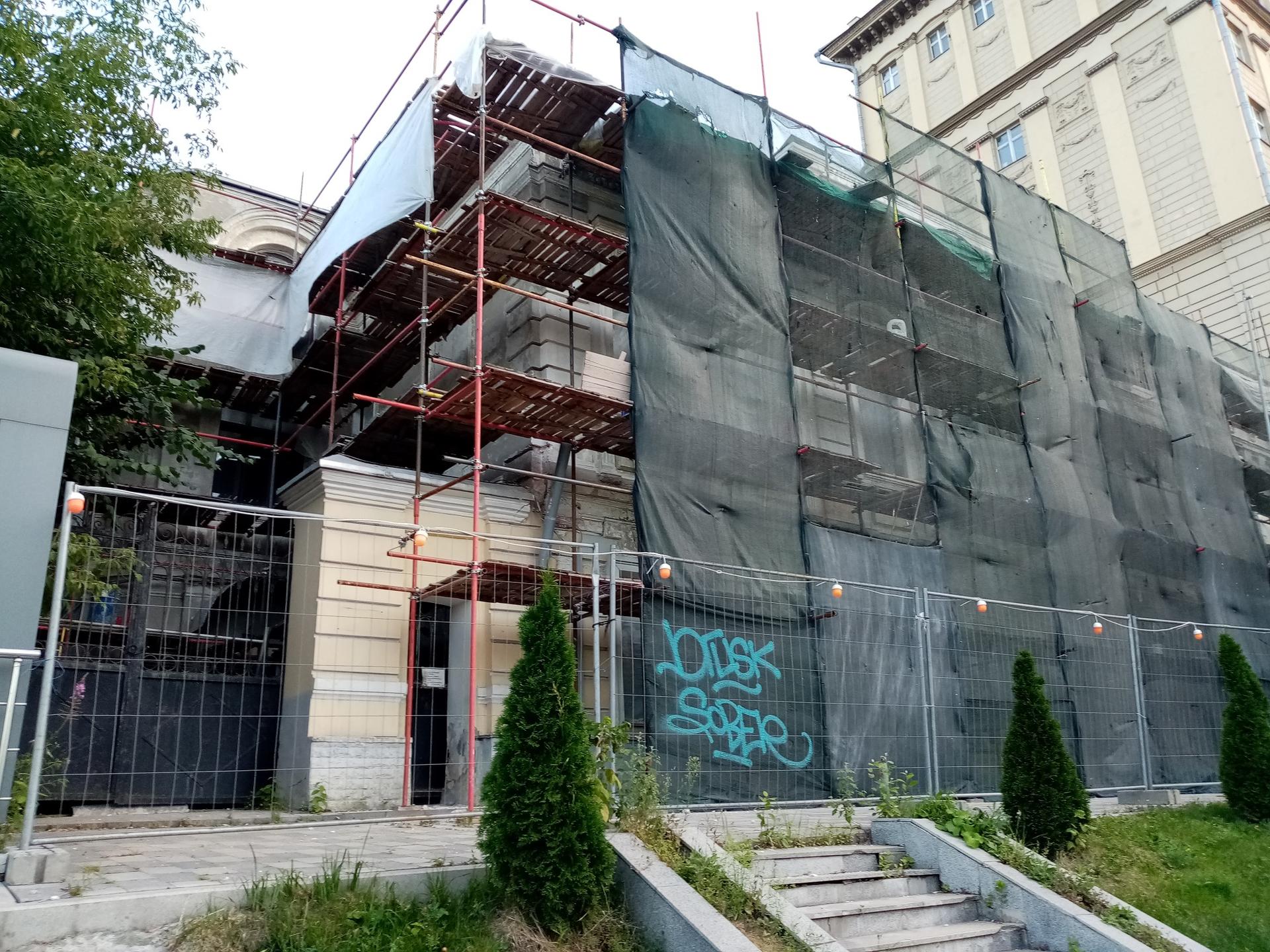
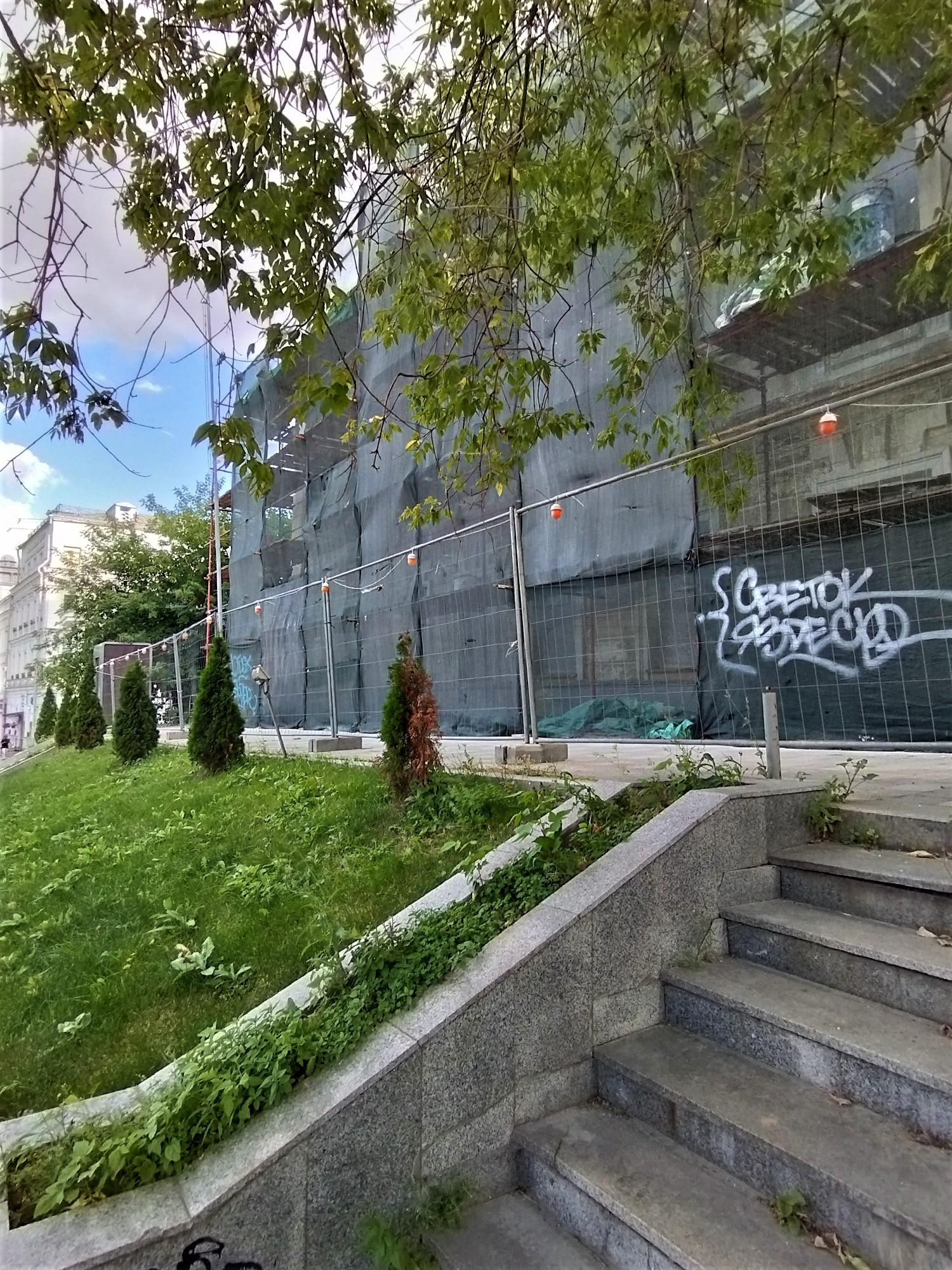
Вместительный двухэтажный особняк, украшенный аттиком с затейливым полукруглым фронтоном, принадлежал купцу первой гильдии Николаю Тимофеевичу Каштанову. Потомственный Почетный гражданин Москвы, гласный Московской Городской Думы (1909-1916), директор-распорядитель Товарищества суконной мануфактуры "Братья Каштановы" в Серпухове, председатель правления Московского промышленного банка, учредитель и председатель Общества суконных фабрикантов, он был в Москве человеком известным и уважаемым.
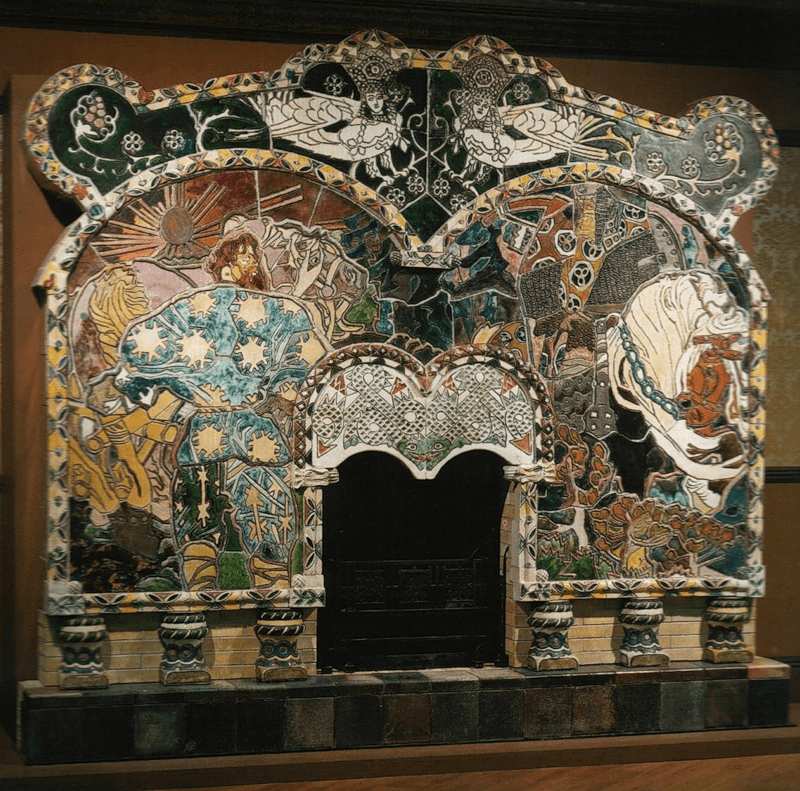
Построен дом на Садовой-Самотечной в 1881 году по проекту архитектора М. Г. Пиотровича и в 1897 году перестроен архитектором В.А. Коссовым. Особняк был большой (30 комнат) и удобный, с тенистым садом. По московскому этикету конца ХIХ века полагалось иметь несколько гостиных: большую, именовавшуюся "залой", и несколько малых, для разных оказий. В доме Каштанова их было четыре, отделанных в разных стилях. Одну из гостиных украшал майоликовый камин, изготовленный по эскизам Михаила Врубеля, «Микула Селянинович и Вольга Святославович». В основу сюжета камина легла русская былина о Вольге и Микуле. Композиция камина и его колористическое решение построены на противопоставлении двух образов, которые олицетворяют различную природу их сверхъестественной силы: Вольга был наделен таинственными колдовскими способностями, а мощь Микулы исходила от самой земли русской. В доме на Садовой-Самотечной камин был смонтирован как изразцовая печь, фрагменты майолики, соединенные между собой металлической проволокой, крепились к стене на известково-цементном растворе. В 1959 году, при передаче здания в ведение посольства Ливана, новым хозяевам показалось, что врубелевский камин не вписывается во вновь отделанные интерьеры. Сотрудникам Третьяковской галереи было предложено срочно забрать «ненужное» произведение искусства. Оперативно забрать камин в Третьяковку не удалось, и в музей было доставлено несколько сотен обломков, представляющих собой фрагменты майолики, спаянные с кусками цементно-известкового раствора, а часть фрагментов была или полностью разбита, или с множественными травмами поливы. С 1986 по 1994 гг. камин был отреставрирован в мастерской Грабаря практически из ничего, а в 1995 году он с успехом демонстрировался в Лондоне на выставке, посвященной С.П. Дягилеву.
А много раньше, в начале двадцатых, в особняке Каштанова обосновался «друг СССР», американец Арманд Хаммер. Он появился в голодной Москве осенью 1921 года — начинающий бизнесмен и врач, сын миллионера Юлиуса Хаммера. О деятельности семьи Хаммеров в советской России написано много, но дом Каштанова хранит романтическую историю любви американца Арманда Хаммера и русской певицы ялтинского кафешантана, исполнительницы цыганских романсов Ольги Вадиной (1900-1970), в девичестве фон Рут, дочери генерала царской армии Вадима Николаевича Рута, воспитанницы Смольного института, а по некоторым сведениям – агента ОГПУ. У Ольги были светлые волосы, античный профиль и глубокий грудной голос. Популярный и сегодня романс «Все, что было» его авторы Павел Герман и Дмитрий Покрасс посвятили «любимой Олечке». Блестяще образованная, экстравагантная, порой до эксцентричности, она моментально покорила сердце молодого заокеанского миллионера. На приеме в американском посольстве Хаммер представил ее как баронессу фон Рут. Она и стала хозяйкой каштановского особняка. Известная слабость Арманда Хаммера к русскому антиквариату и неограниченные возможности, предоставленные советским правительством, позволили в короткий срок превратить особняк на Садовой-Самотечной в первоклассный музей. Особняк буквально ломился от предметов личного обихода династии Романовых. Любовь к мебели и предметам интерьера царских особ объяснялась довольно банально. В Америке в тот период господствовала мода на «русский стиль» — миллионеры строили виллы по чертежам известных русских дворцово-парковых ансамблей. А вот наполнять их настоящей русской мебелью помогали братья Арманд и Виктор Хаммеры. К счастью, после отъезда четы Хаммеров в Америку их владение отошло Главному управлению по обслуживанию дипломатического корпуса и, таким образом, избежало перспективы превратиться в коммуналку. До настоящего времени в особняке Каштанова находится посольство Ливана, здание имеет статус объекта культурного наследия регионального значения.
This house keeps the romantic love story of American Armand Hammer and Olga Vadina, Russian Gypsy singer of coffee shop in Yalta.
Spacious two-storey mansion, decorated with intricate attic semicircular pediment belonged to the first guild merchant Nikolai Timofeevich Kashtanov. Hereditary Honorary Citizen of Moscow, the vowel of the Moscow City Duma (1909-1916), Managing Director of the Association of cloth manufacture "Kashtanovs Brothers" in Serpukhov, chairman of the Moscow Industrial Bank, founder and chairman of the Society of cloth manufacturers, he was in Moscow man known and respected.
The house built on Sadovaya-Samotechnaya in 1881 by the architect MG Piotrowicz and rebuilt in 1897 by architect VA Kossov. The mansion was large (30 rooms) and comfortable, with a shady garden. Moscow etiquette late nineteenth century was supposed to have a few living room: large, called the "hall", and several small, for different occasion arises. Kashtanov’s house were four of them, decorated in different styles. One of the living rooms decorated majolica fireplace made based on sketches by Mikhail Vrubel, "Mikula Selyaninovich and Volga Svyatoslavovych." The plot of the painting on the fireplace based on Russian epic about the Volga and Mikula. The composition of the fireplace and its color palette based on the opposition of two images that represent the different nature of their supernatural power: Volga was endowed with mysterious magical abilities and power Mikula came from the land of Russian. The fireplace in the house on Sadovaya-Samotechnaya street was installed as the tiled stove, fragments of majolica were interconnected by metal wire attached to the wall on the lime-cement mortar. In 1959, during the transfer of the building to the jurisdiction of the Lebanon Embassy, the new owners seemed Vrubel fireplace does not fit in the newly decorated interiors. Tretyakov Gallery staff were asked to take away the "unnecessary" work of art urgently. Quick pickup of the fireplace in the by Tretyakov gallery staff have failed, and hundreds of fragments, which are pieces of majolica pieces soldered with cement-lime mortar, and some fragments were either completely broken, or with multiple injuries glaze has been delivered to the museum. From 1986 to 1994 the fireplace was restored in the Grabar’s workshop from almost nothing, and in 1995 it successfully demonstrated in London at the exhibition dedicated to SP Diaghilev.
American Armand Hammer, the "friend of the USSR" settled in a Kashtanov’s mansion much earlier, in the early nineteen twenties. He appeared in hungry Moscow in autumn of 1921 – young businessman and doctor, the son of a millionaire Julius Hammer. The activities of the Hammer’s family in Soviet Russia well known, but Kashtanov’s house keeps the romantic love story of the American Armand Hammer and Russian Gypsy singer of Yalta kafeshantan, Olga Vadinah (1900-1970), née von Ruth, the daughter of the Czar's army, General Vadim Nikolaevich Rut, pupils of the Smolny Institute, and some say - an agent of the OGPU. Olga had blonde hair, antique profile and deep chest voice. Popular and today the song "Everything that was" the authors Paul Herman and Dmitry Pokrass dedicated "favorite Olechka." Well-educated, extravagant, sometimes to eccentricity, she immediately won the heart of a young millionaire from overseas. At a reception at the American Embassy Hammer introduced her as the Baroness von Ruth. She became the mistress of the Kashtanov’s mansion. Known weakness of the Armand Hammer to Russian antiques and unlimited opportunities provided by the Soviet government allowed a short time to turn the mansion on the Sadovaya-Samotechnaya in a first-class museum. The mansion is literally bursting with personal items of the Romanov dynasty. Love for furniture and interior royal personages explained quite banal. In America, at that time-dominated fashion for the "Russian style" - millionaire’s villas built according to the drawings of famous Russian palace and park ensembles. However, fill them with real Russian furniture helped the brothers Armand and Victor Hammer. Fortunately, after the departure of Hummer couple to America, their property transferred the Main Administration for Service to the Diplomatic Corps, and thus avoided the perspective of becoming a communal. So far, Embassy of Lebanon resides at the Kashtanov’s mansion, the building has the status of an object of cultural heritage of regional significance.