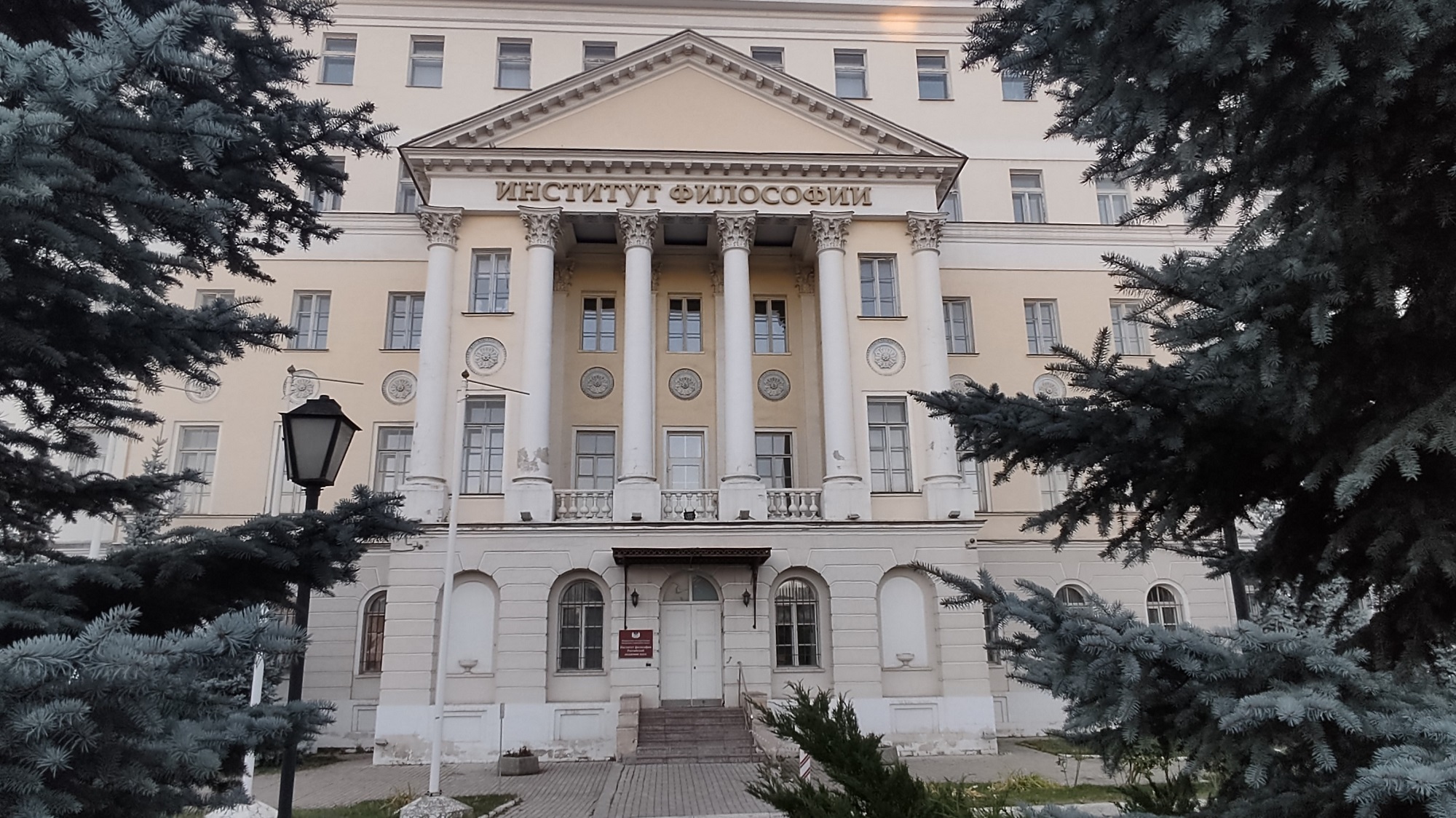
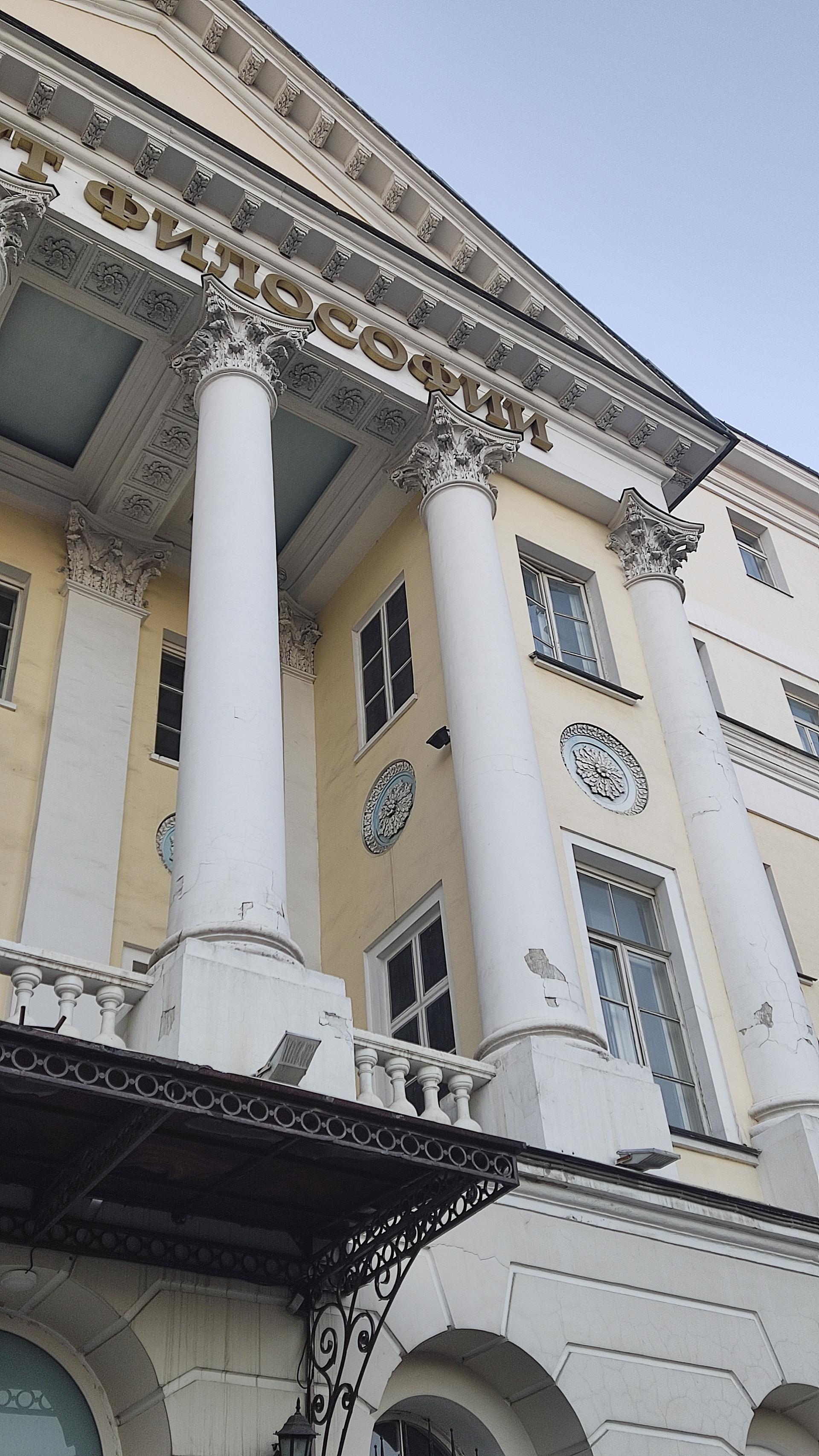
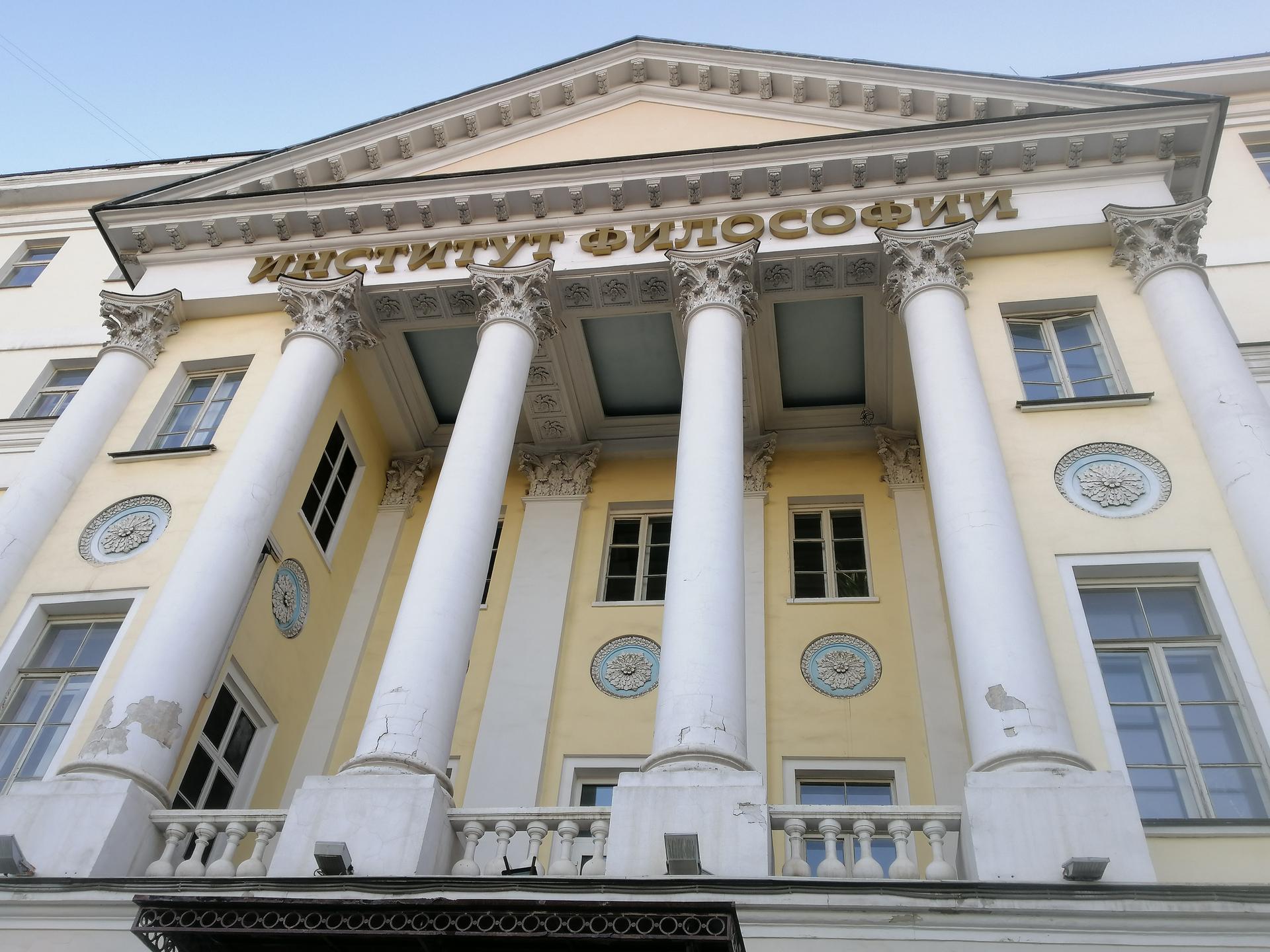
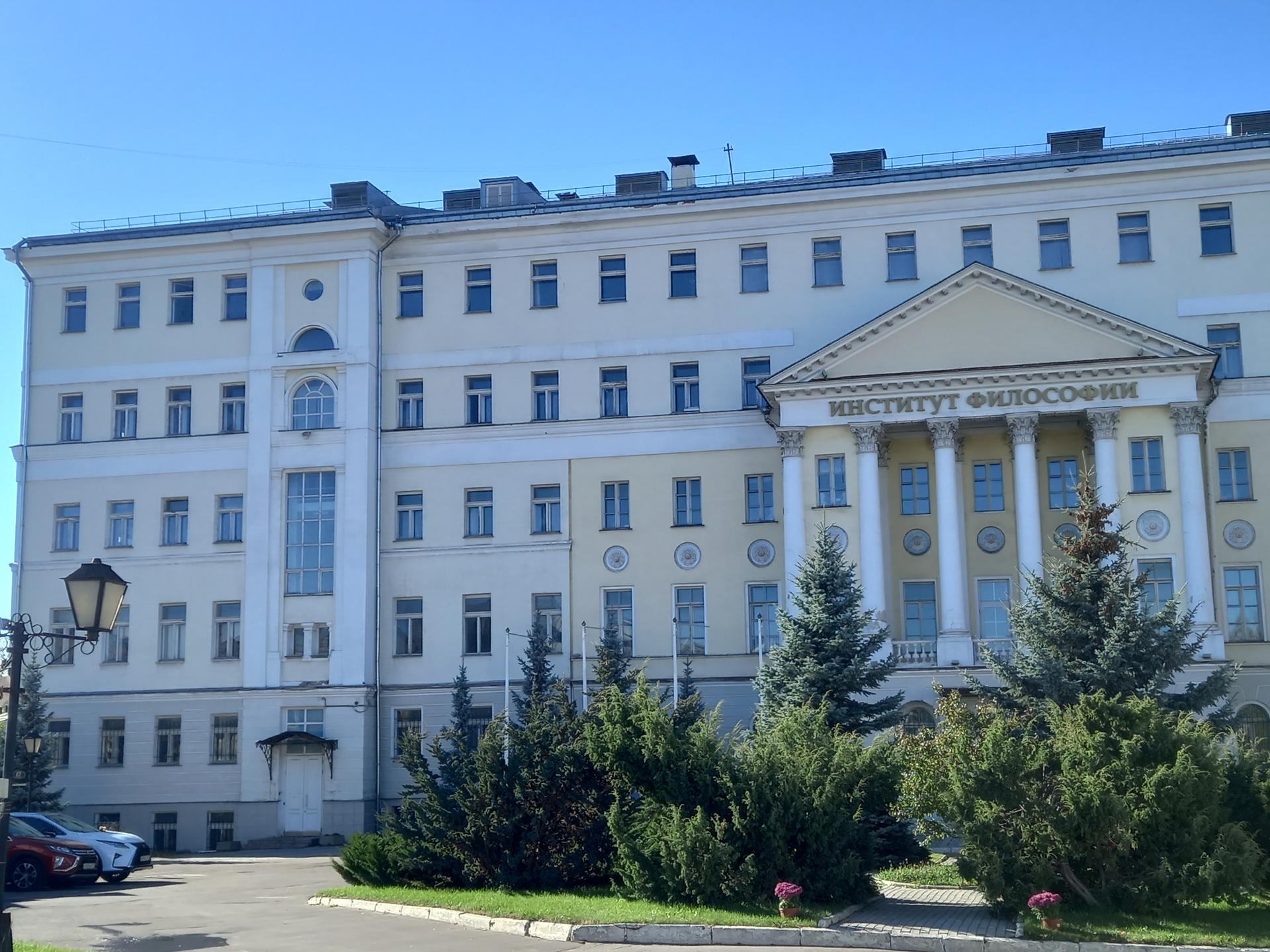
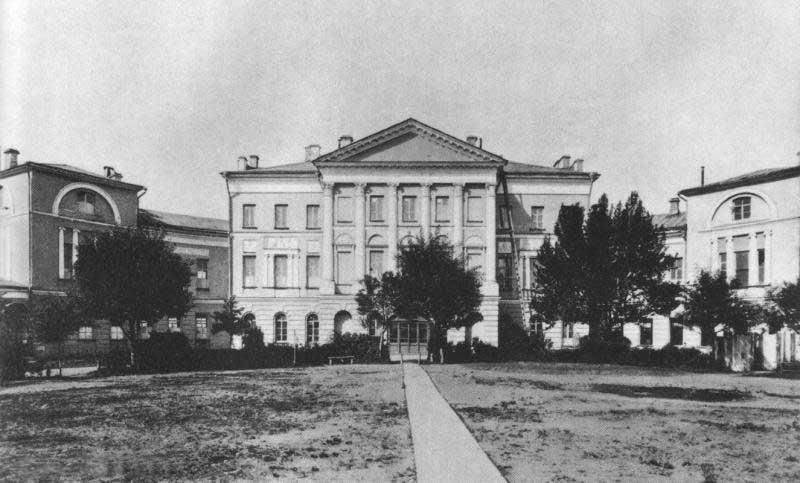
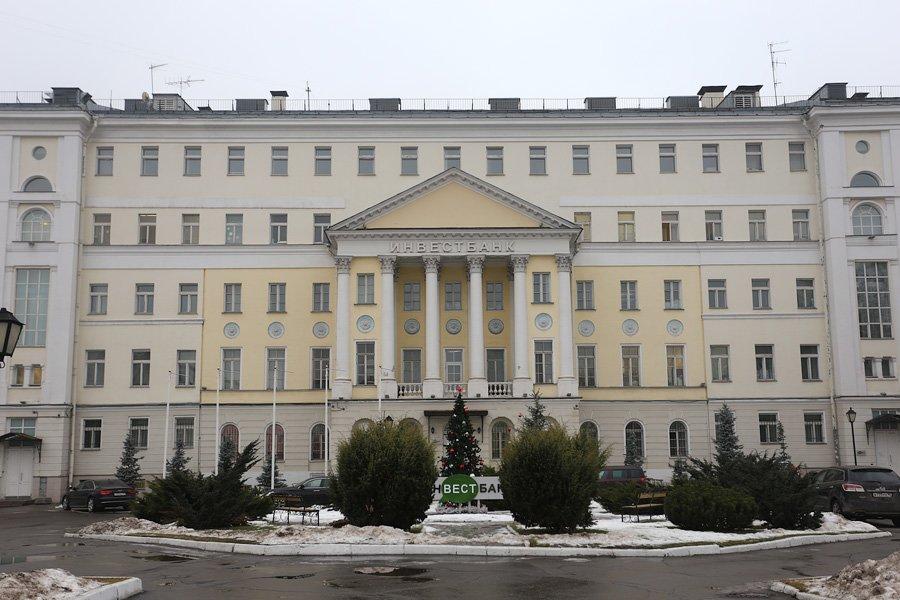
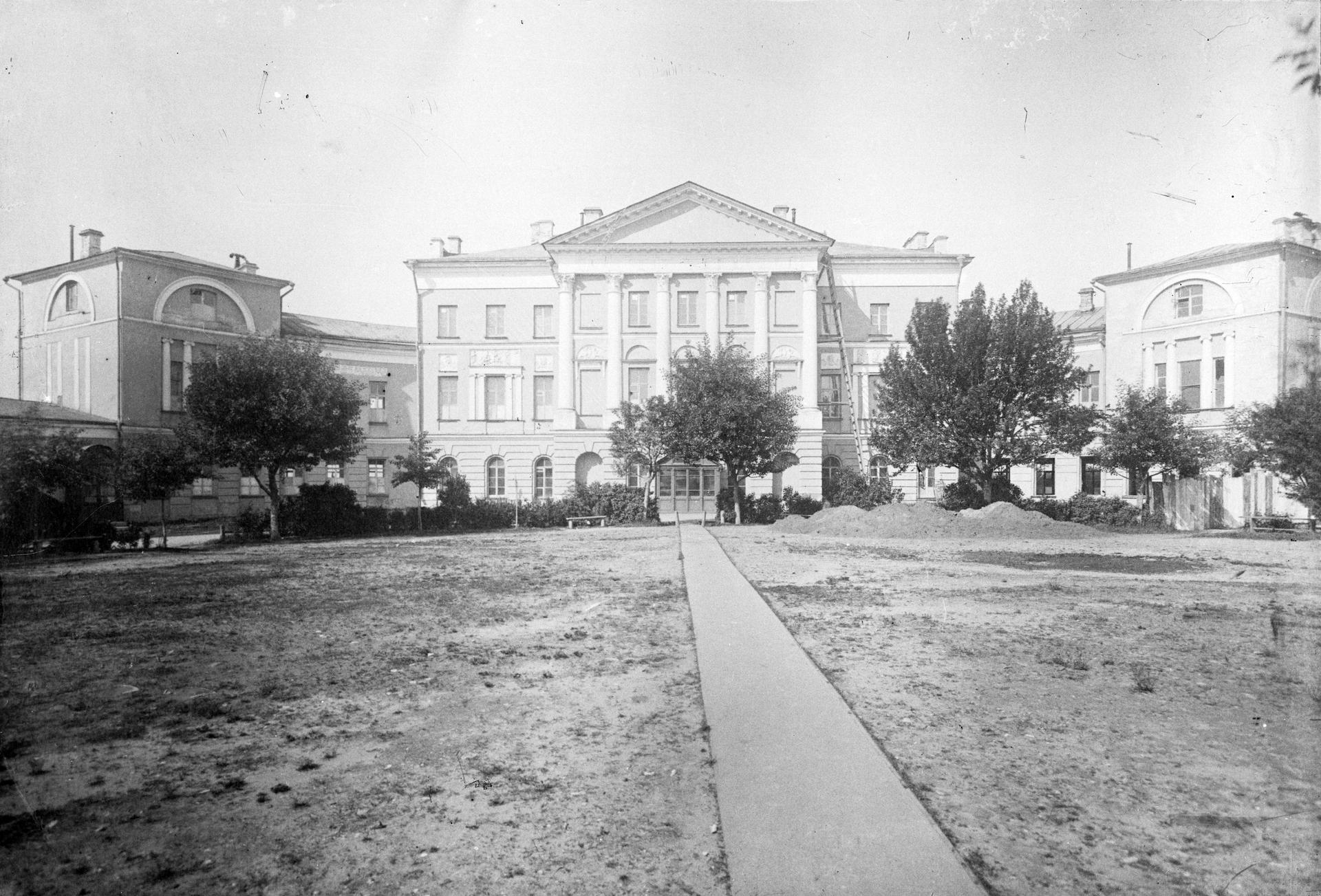
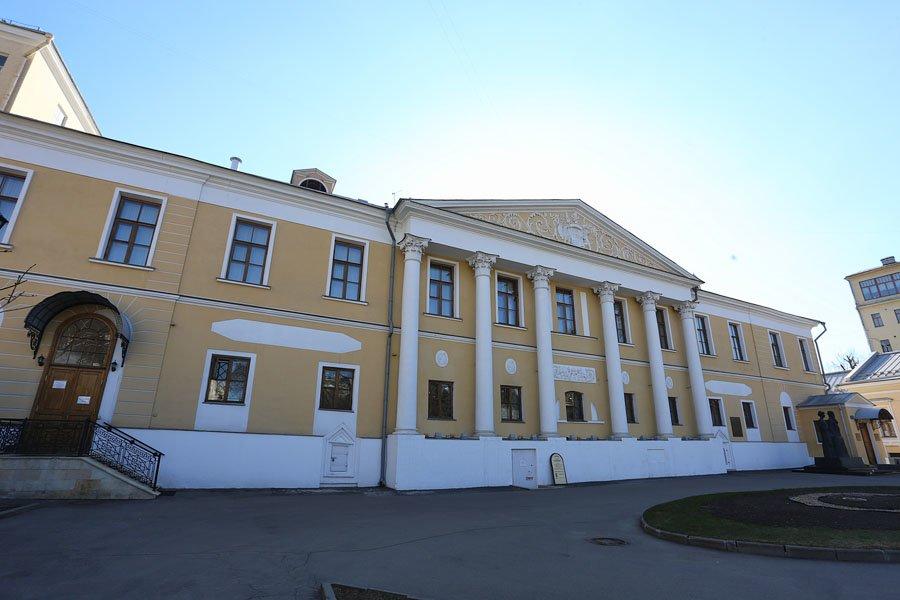
Усадьба Тимофея Тутолмина — главная доминанта Швивой горки. Когда-то этот дом по своей красоте не уступал знаменитому на всю Москву Пашкову дому.
В начале XVIII века во времена Петра I на этом месте строит себе палаты Григорий Дмитриевич Строганов, наследует Александр Григорьевич Строганов. Позже владение перешло к его дочери княгине В.А. Шаховской.
Во второй половине XVIII века старинные палаты были разобраны, и в 1788 году начинается строительство главного дома в стиле классицизм для одного из богатейших купцов того времени В. В. Суровщикова.
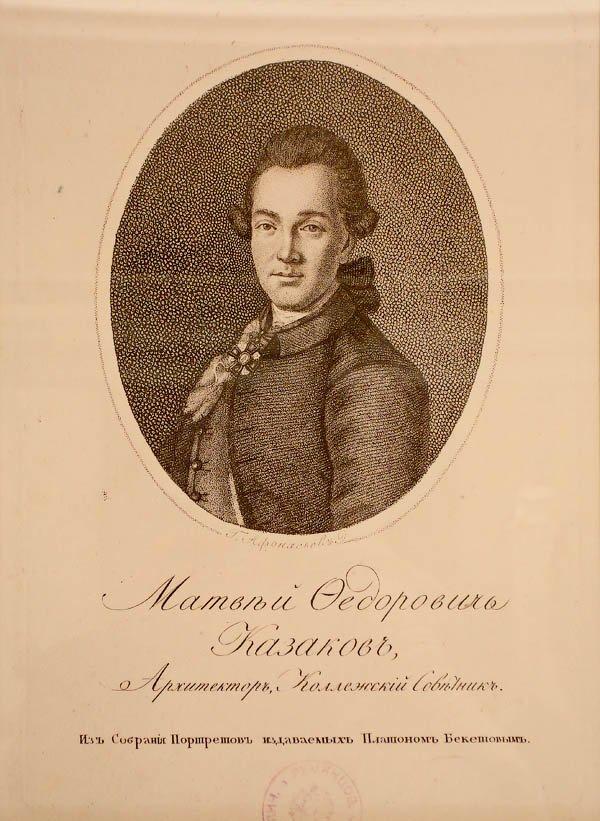
В самом начале XIX века усадьба была достроена Тимофеем Ивановичем Тутолминым, который с 1806 по 1809 годы занимал должность московского генерал-губернатора. Говорят, что на одну только парадную лестницу Тутолмин потратил баснословные 150 тысяч рублей. Около 1800 года дом Тутолмина был включён в число замечательных московских зданий, фасады и планы которых собраны в знаменитые «Альбомы» М. Ф. Казаковым. Вскоре после своего назначения на должность московского главнокомандующего Тутолмин продаёт усадьбу брату знаменитого екатерининского и павловского сановника графу И. А. Безбородко.
Со стороны Гончарной улицы дом был отодвинут вглубь участка, перед ним первоначально находился круглый парадный двор. Садовым фасадом особняк был обращён в сторону реки, и там, со смотровой площадки бельведера, открывался невероятный вид на Кремль и Москву-реку. В интерьерах особняка выделялись огромный двусветный квадратный зал, перекрытый куполом, и примыкавший к нему овальный бальный зал в северном крыле. В южном крыле, как предполагают историки, помещался зимний сад.
В непростой для Москвы 1812 год в особняке Тутолмина находилась вторая резиденция Мюрата, который убежал от пожара из соседней усадьбы Баташева, отсюда - в усадьбу Разумовского на Гороховом поле, что, правда, не уберегло её от огня и разорения. После пожара дом долго стоял разорённым со сгоревшим бельведером, потом его продали Тимофею Васильевичу Прохорову, одному из московских текстильных магнатов. Он решил открыть здесь фабрику-школу, и уже в 1833 году началась перестройка и переоборудование дома. А с сентября начались занятия, и было открыто мануфактурное производство. Фабрика-школа просуществовала здесь до 1850-х годов, когда особняк превратился в обычный доходный дом с квартирами и конторами внаём.
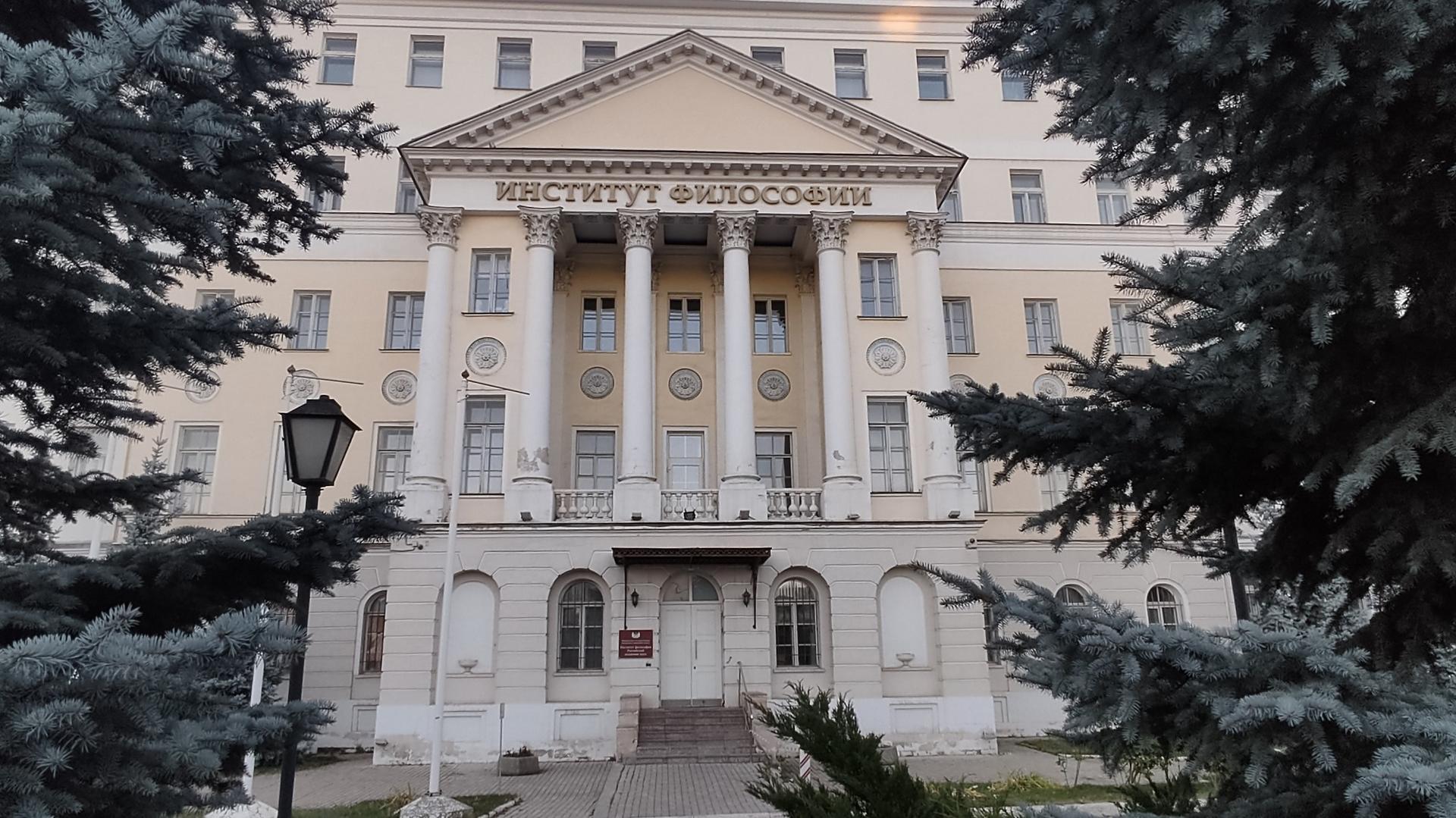
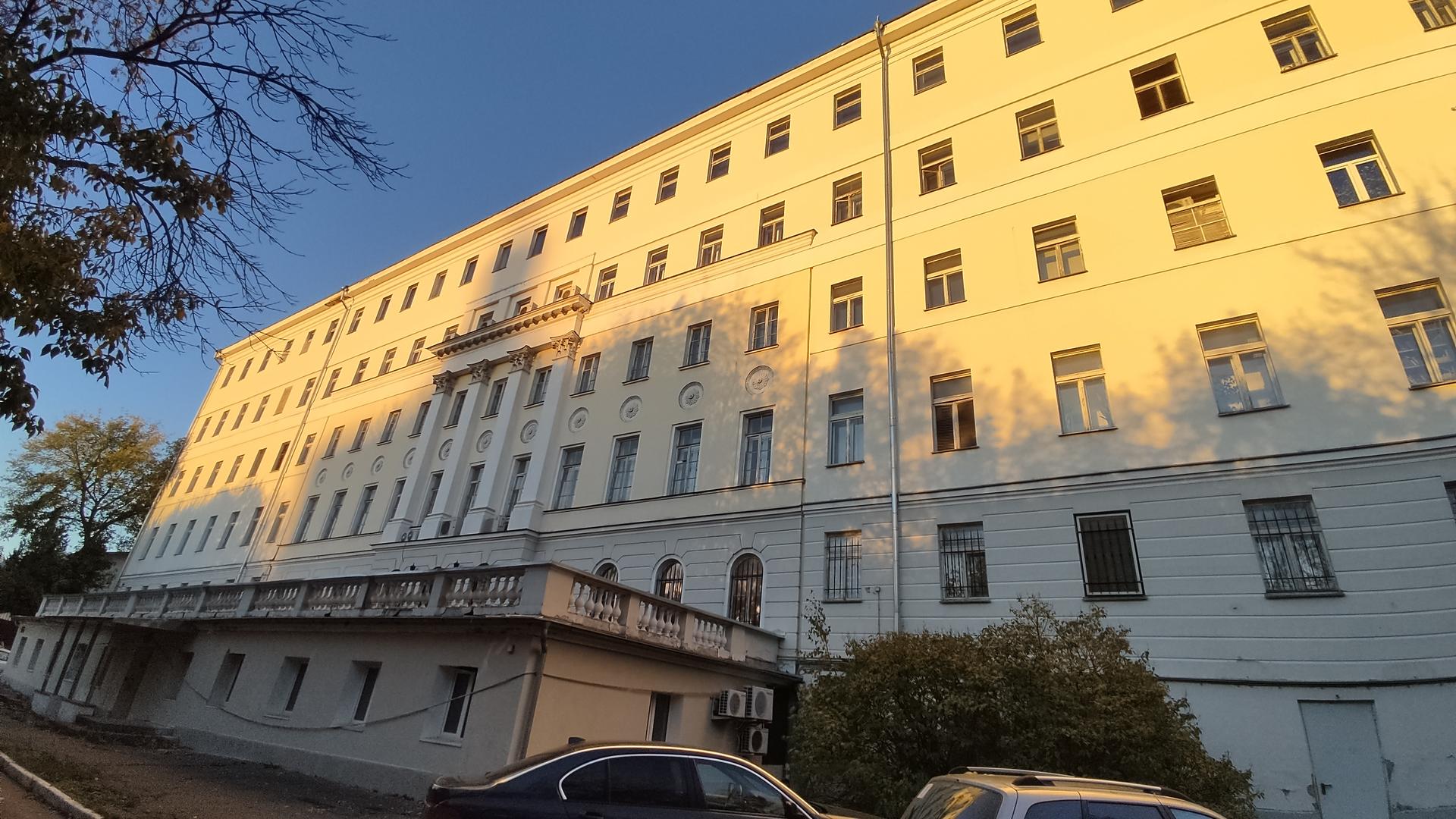
В начале XX века в дом Тутолмина въехала известная в Москве частная женская гимназия Е. Е. Констан. В 1903-1904 годах архитектор В. В. Шервуд перестраивает дом: дугообразные крылья заменили четырёхэтажными прямоугольными корпусами в единую линию главного дома, сохранились лишь остатки центрального ризалита с шестиколонным коринфским портиком. В 1930-х годах дом был снова надстроен.
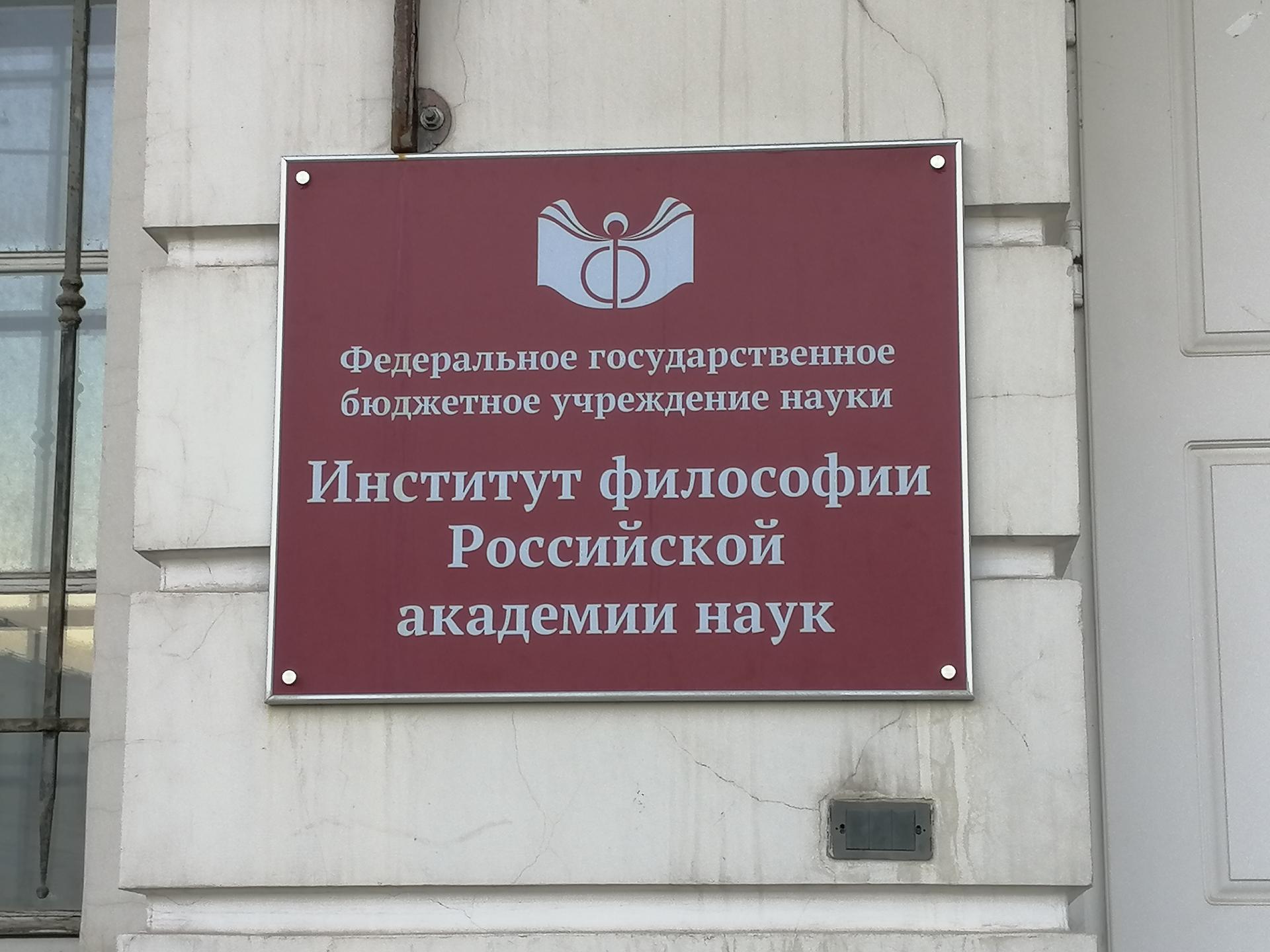
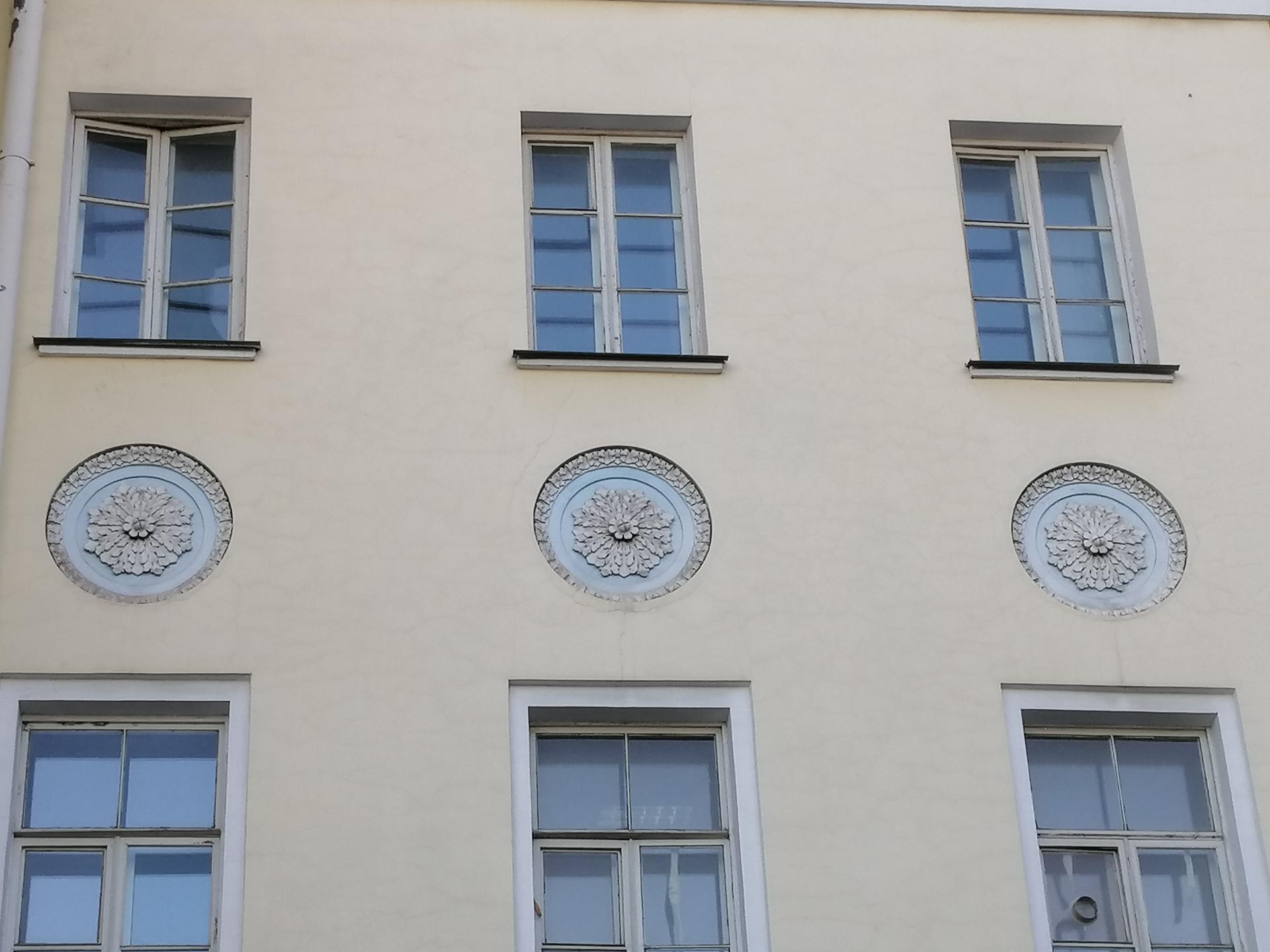
В 1980-е была проведена реставрация здания, выделившая цветом историческое ядро. В результате на сегодняшний день особняк Тутолмина, потерявший своё было великолепие, напоминает скорее советское здание во вкусе номенклатурной элиты.
Timothy Tutolmin mansion is the main dominant Shvivaya slide. Once this house in its beauty is not inferior to the Pashkov house famous all over Moscow. The second residence of Murat was in Tutolmin’s family house in difficult for Moscow 1812. Murat did not save the house from fire and ruin.
Timothy Tutolmin mansion is the main dominant Shvivaya slide. Once this house in its beauty is not inferior to the Pashkov house famous all over Moscow.
Gregory Dmitrievich Stroganov builds chambers on this site at the beginning of the XVIII century during the reign of Peter I. Alexander Grigorievich Stroganov inherits the property. Later ownership passed to his daughter Princess VA Shakhovskaya.
In the second half of the XVIII century old chambers dismantled, and in 1788 started the construction of the main house in the classical style for one of the richest merchants of the time VV Surovschikov.
At the beginning of the XIX century the estate was completed by Timothy Ivanovich Tutolmin, the governor-general of Moscow in 1806 -1809. They say Tutolmin spent a fabulous 150 thousand rubles only one the grand staircase. Tutolmin’s house included in the number of remarkable buildings in Moscow around 1800. Facades and plans of the building included in the famous "Albums" by MF Kazakov. Shortly after his appointment to the post of commander in chief of Moscow Tutolmin sells mansion to Count IA Bezborodko, the brother of the famous Catherine and Pavlovsk dignitary.
On the side of Gonchanaya street the house pushed deeper into the site and had a round front yard in front of it originally. mansion fronted the garden façade to the river and offered incredible views of the Kremlin and the Moscow River from the observation deck gazebo. The interior of the mansion stood out by two rows of windows of the huge square hall covered with a dome, and the adjoining oval ballroom in the north wing. Winter garden as suggested by historians was in the south wing.
The second residence of Murat was in the Tutolmin’s family house during difficult for Moscow 1812. Murat escaped from fire from a nearby Batashev’s manor - hence Razumovsky estate on Gorokhovoe pole, which, however, did not save it from fire and ruin. After the fire, the house stood ruined for a long time with burnt belvedere. Then Tutolmin sold it to Timothy Vasilievich Prokhorov, one of Moscow's textile magnates. He decided to open a factory, school, and in 1833 began restructuring and conversion of the mansion. Classes began and manufactories opened in September. Factory-school existed here until the 1850s, when the mansion turned into an ordinary apartment building with apartments and offices for rent.
Known in Moscow private women's gymnasium EE Constant moved in to Tutolmin’s house at the beginning of the XX century. Architect V. Sherwood rebuilds house in 1903-1904: The arched wings were replaced with four-storye rectangular buildings in a single line with the main house, only remnants of the central rizal with a six-column Corinthian portico preserved. In 1930 the house was built on again.
Restoration of the building highlighted historic core carried out in 1980 was. As a result, Tutolmin mansion lost its splendor and resembles a building in the style of Soviet elite.




.jpg&w=1920&q=75)
.jpg&w=1920&q=75)

.jpg&w=1920&q=75)