Интерактивный гид по городу
С мобильным приложением бродить по городу гораздо интереснее!

Палаты (сер. XVIII в.)

Archaeological research of the cultural layer around the building has discovered numerous authentic objects: pieces of precious saffian leather, various jars and paint grinding mortars, green glass bottles for mineral water and even a wooden toy looking like a matrioshka doll.

Палаты (сер. XVIII в.)
Archaeological research of the cultural layer around the building has discovered numerous authentic objects: pieces of precious saffian leather, various jars and paint grinding mortars, green glass bottles for mineral water and even a wooden toy looking like a matrioshka doll.
3.30
Вы можете воспользоваться QR-кодом, чтобы открыть эту страницу в нашем приложении
Архитектурный стиль:
Годы постройки:
XVII-XVIII вв.
Эпоха:
18th century
Информация о здании

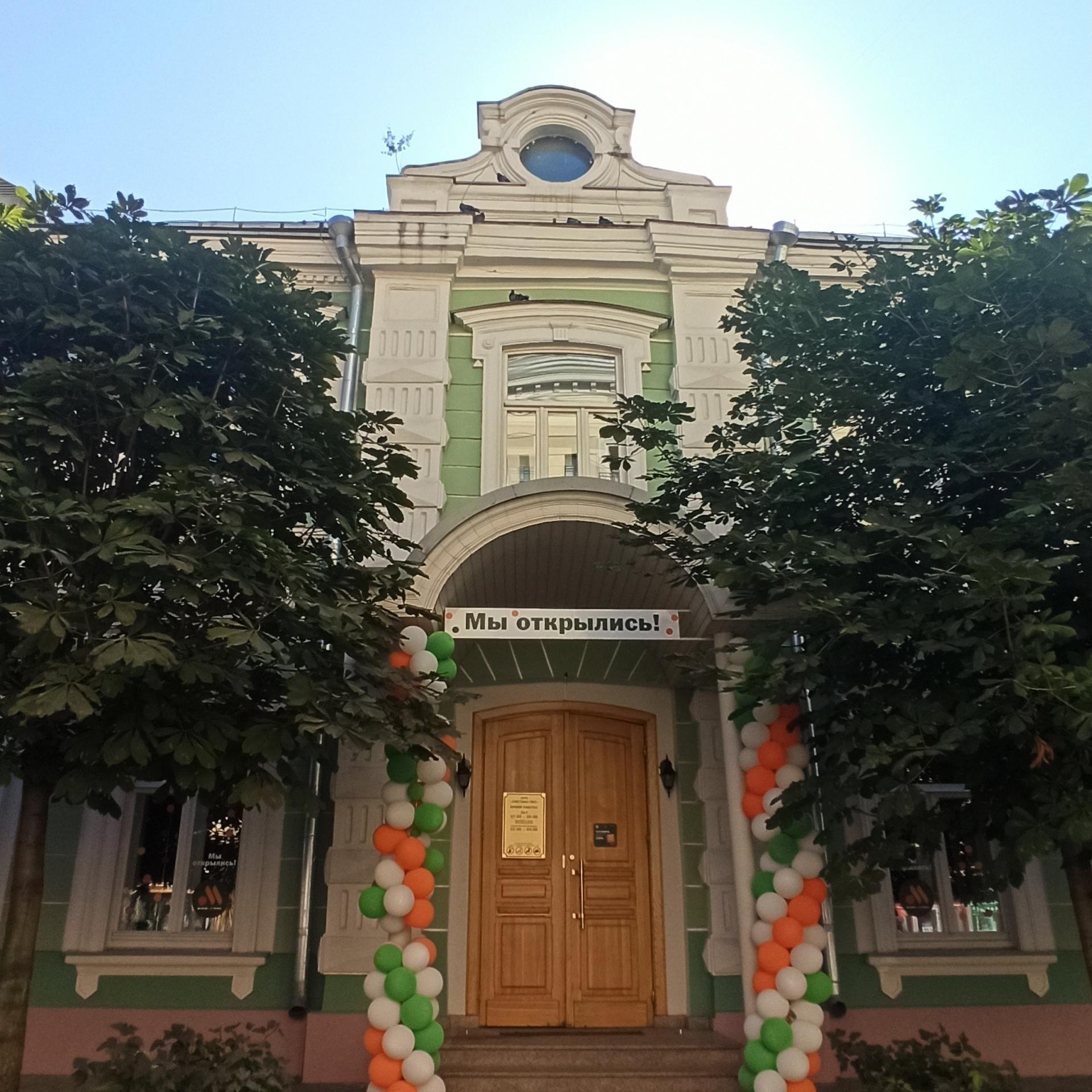
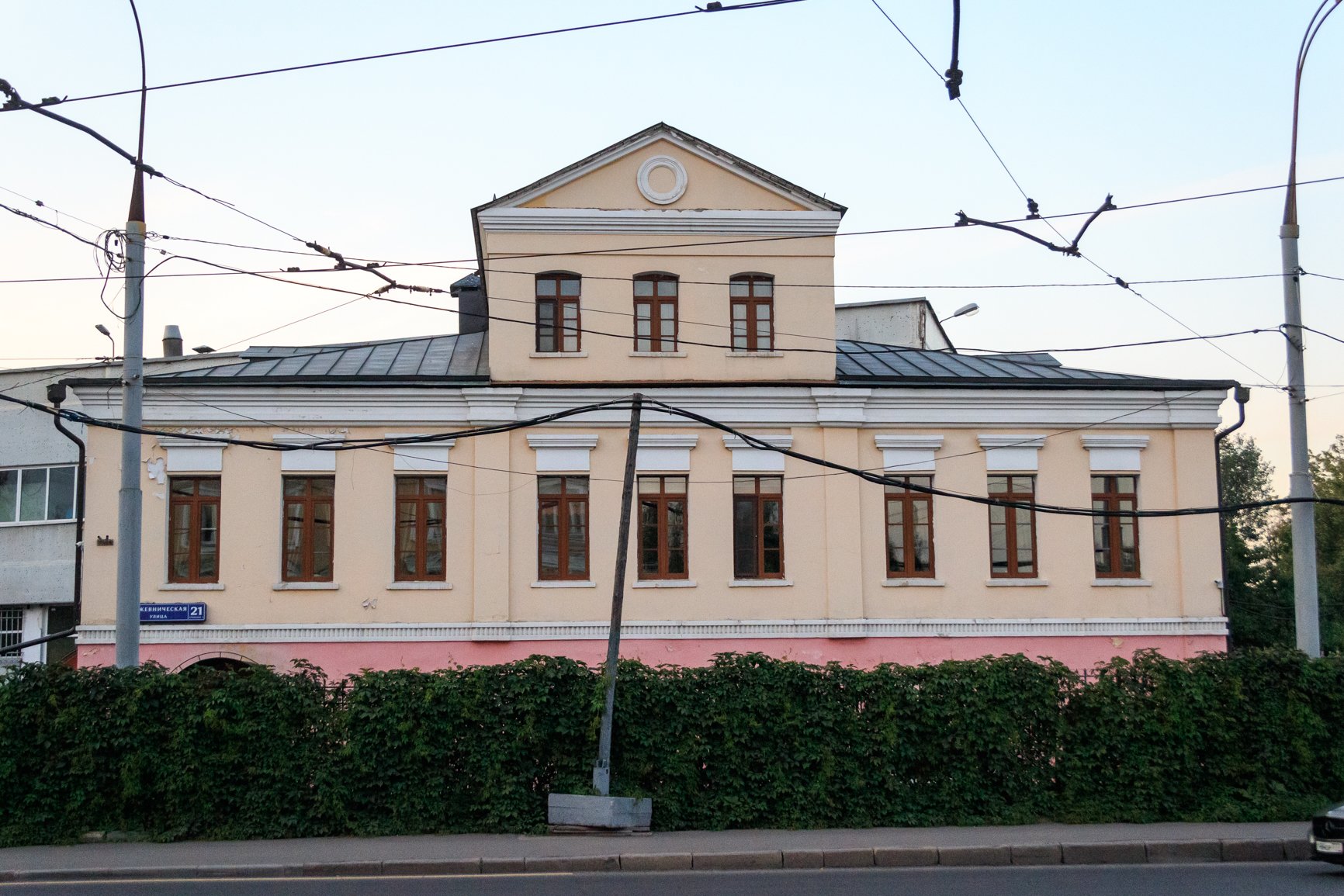
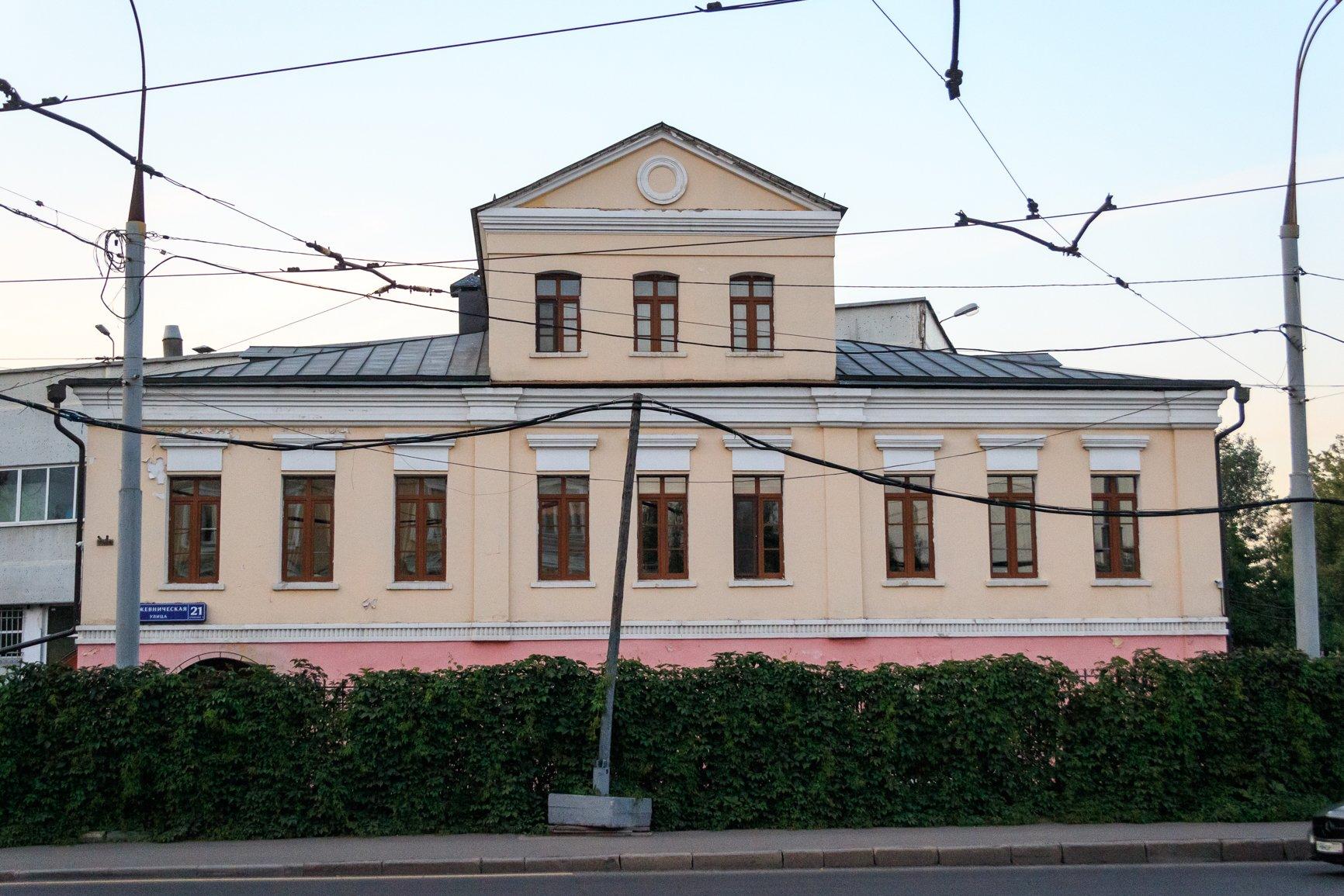
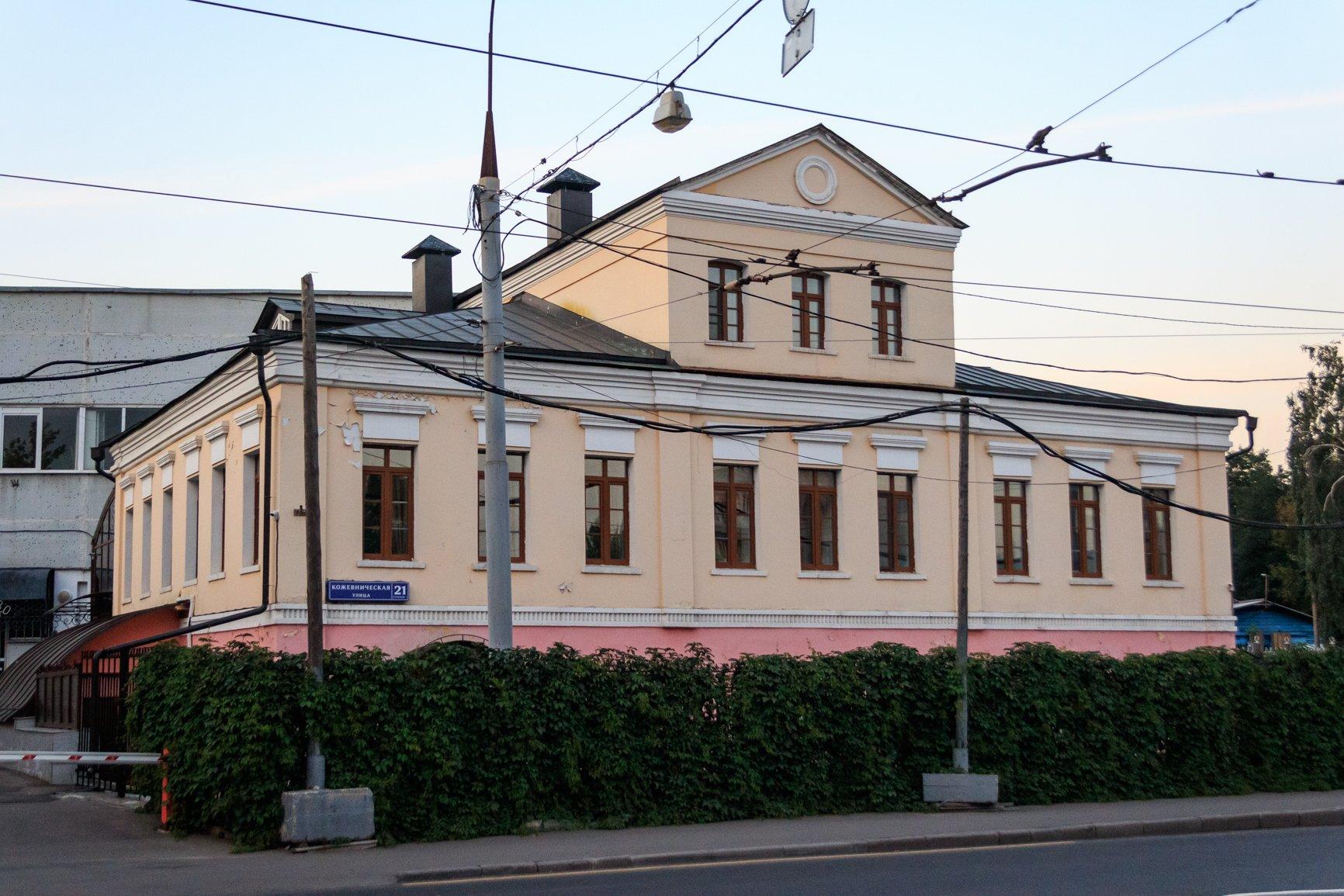
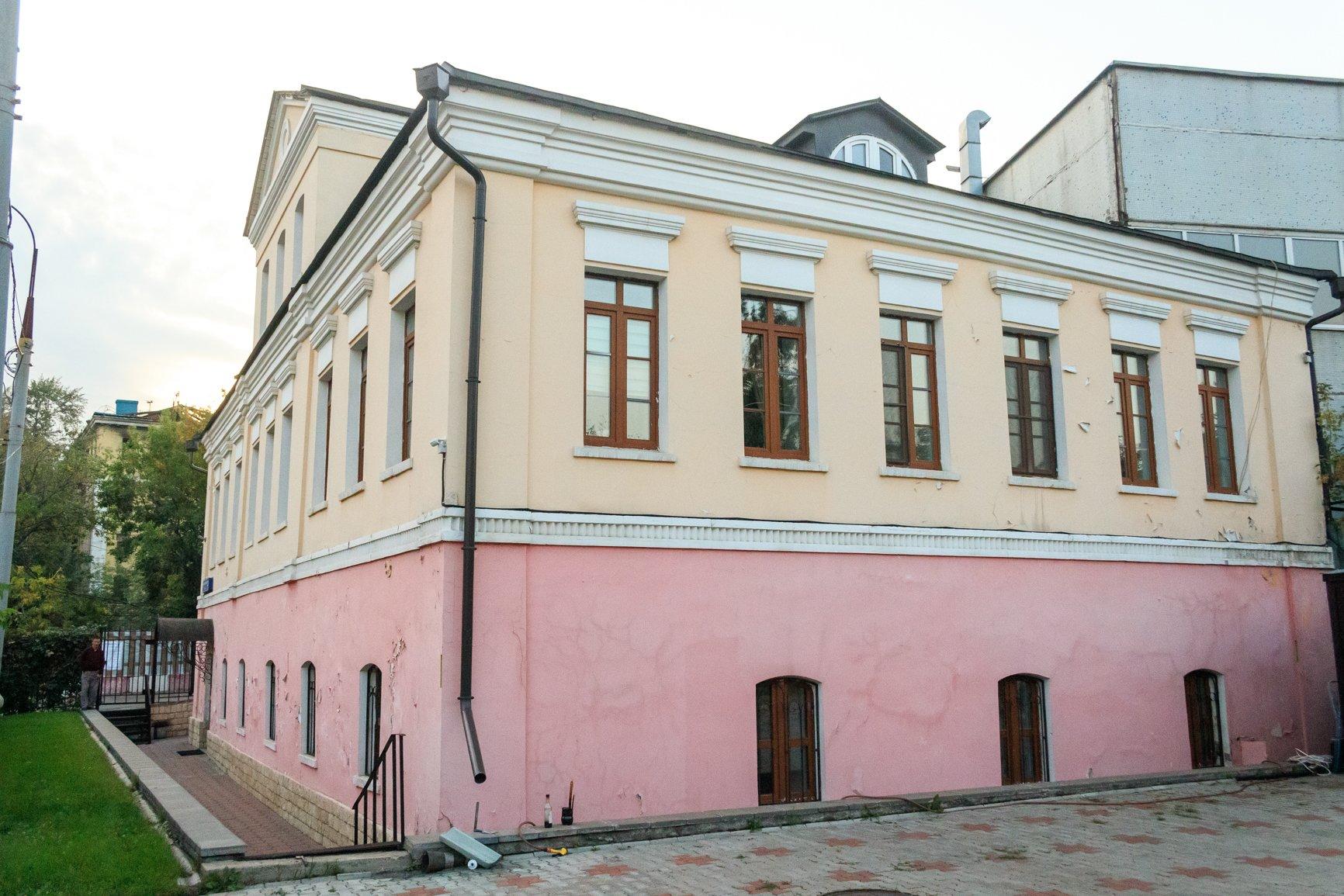
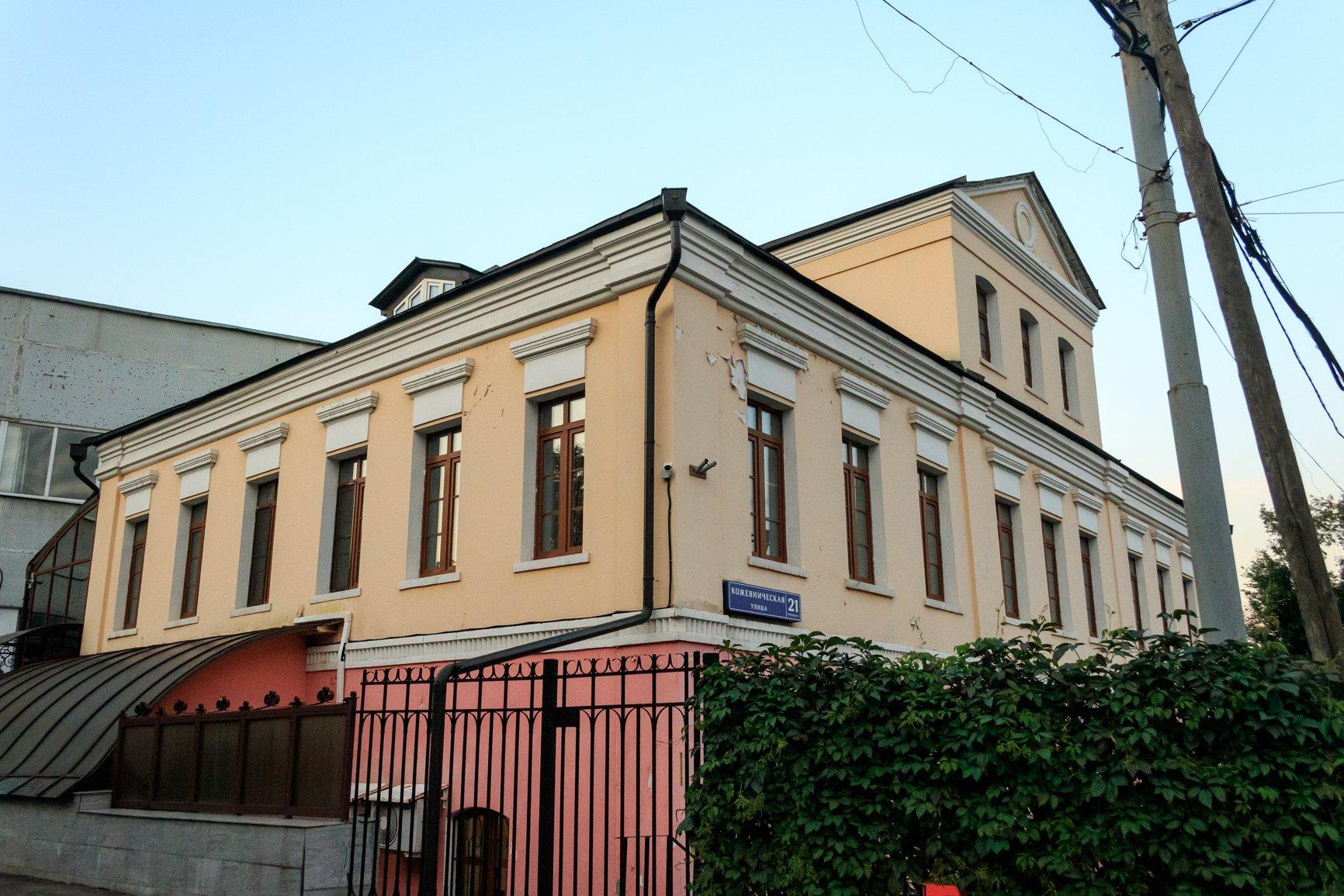
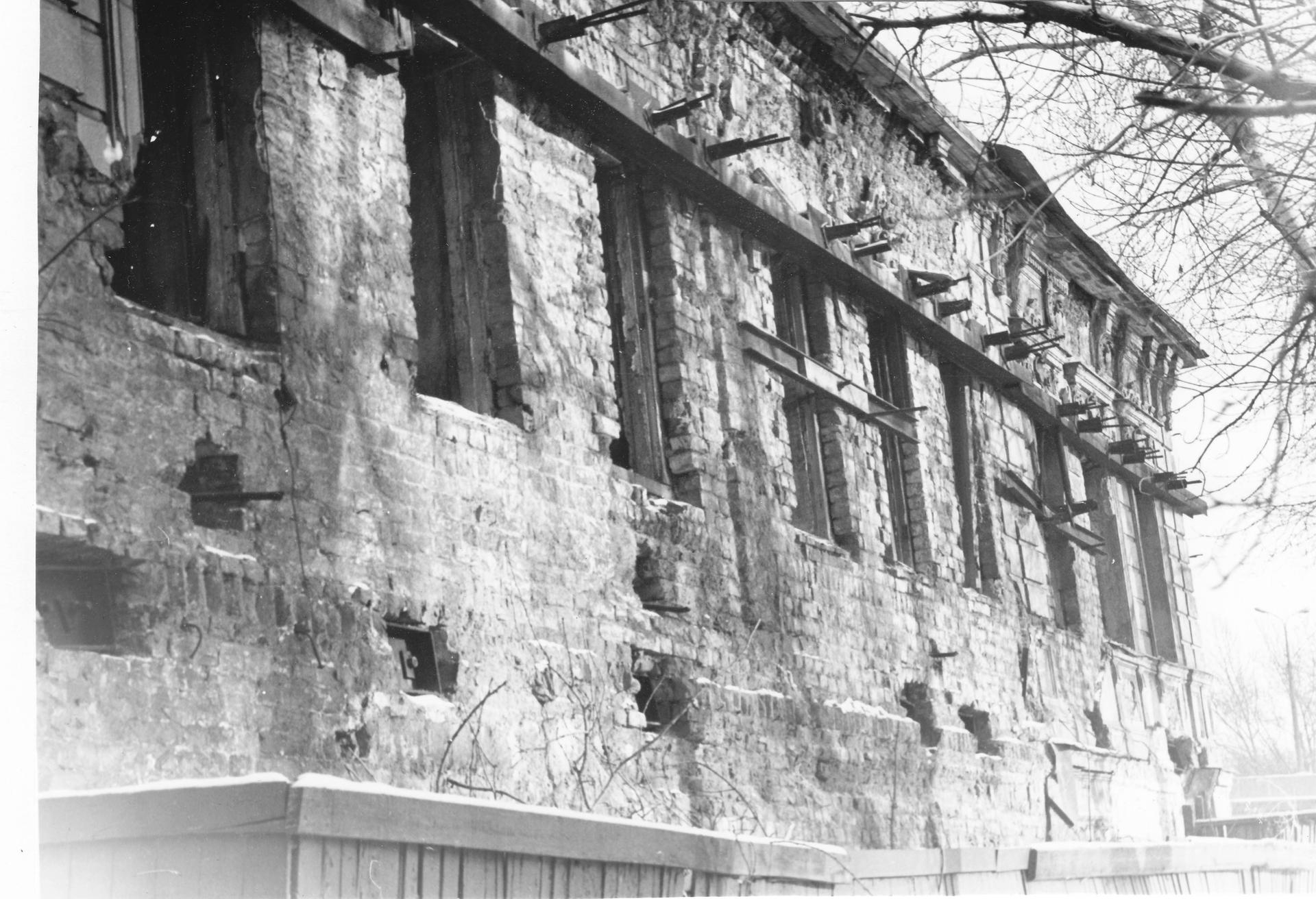
Это сейчас мы видим аккуратный двухэтажный дом с мезонином, подвергшийся серьезной реставрации, так что некоторым датировка здания серединой XVIII века кажется преувеличением. Однако это историческое здание: 1-й этаж – подлинный, второй – разобран в 1970-е годы и воссоздан впоследствии. Но этого дома могло не быть вообще: в течение нескольких лет, начиная с 1972 года, палаты хотели снести, и они в буквальном смысле слова висели над пропастью…

Первое упоминание о каменных палатах на этом участке датируется 1758 годом, когда им владел купец Петр Сапосов. По натурным исследованиям, здание выстроено во второй четверти XVIII века.

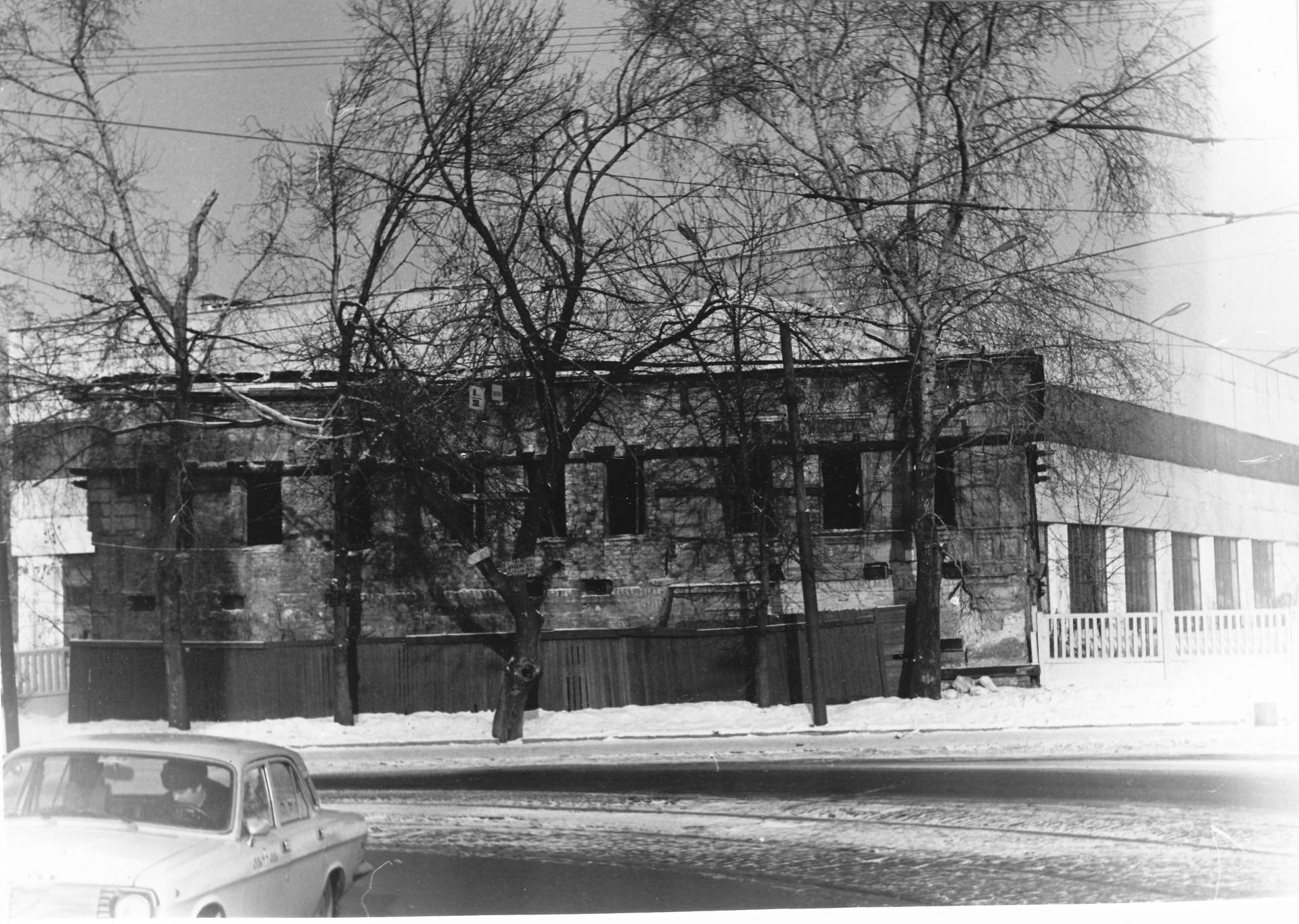
Нижний этаж использовался под кожевенное производство, верхний – под жилье. В советское время в доме были квартиры. Когда в 1972 году жильцов начали расселять, сняли перегородки между комнатами и обнаружили двустолпную сводчатую палату, аналогов которой в Москве на тот момент не было известно. Однако тут же выяснилось, что рядом будут строить Центральную насосную водопроводную станцию и палаты снесут. Об этом узнал Пётр Дмитриевич Барановский и сообщил активистам Замоскворецкого отделения ВООПИК. «Миссию спасения» палат взяла на себя его секретарь Юлия Романова. Вместе с архитектором Олегом Журиным они обивали пороги ведомств, писали статьи в газеты. В результате строительство станции началось вплотную к палатам, но их решено было сохранить. Инженером Геннадием Орловым были проведены работы по укреплению древнего здания, но многолетнее соседство с огромным котлованом не прошло бесследно: дом пошел трещинами, был стянут металлическими швеллерами, лишился всех пристроек и все же устоял. Был принят на государственную охрану в 1974 году.

Кто был в курсе истории спасения здания – в шутку называли его «Палатами Романовой».

Студенты Инженерно-строительного института охотно участвовали в раскопках культурного слоя вокруг дома N 21. Нашли множество подлинных вещей: кусочки дорогого сафьяна, различные баночки и ступки для растирания красок, бутылочки зелёного стекла из-под минеральных вод и даже деревянную игрушку.

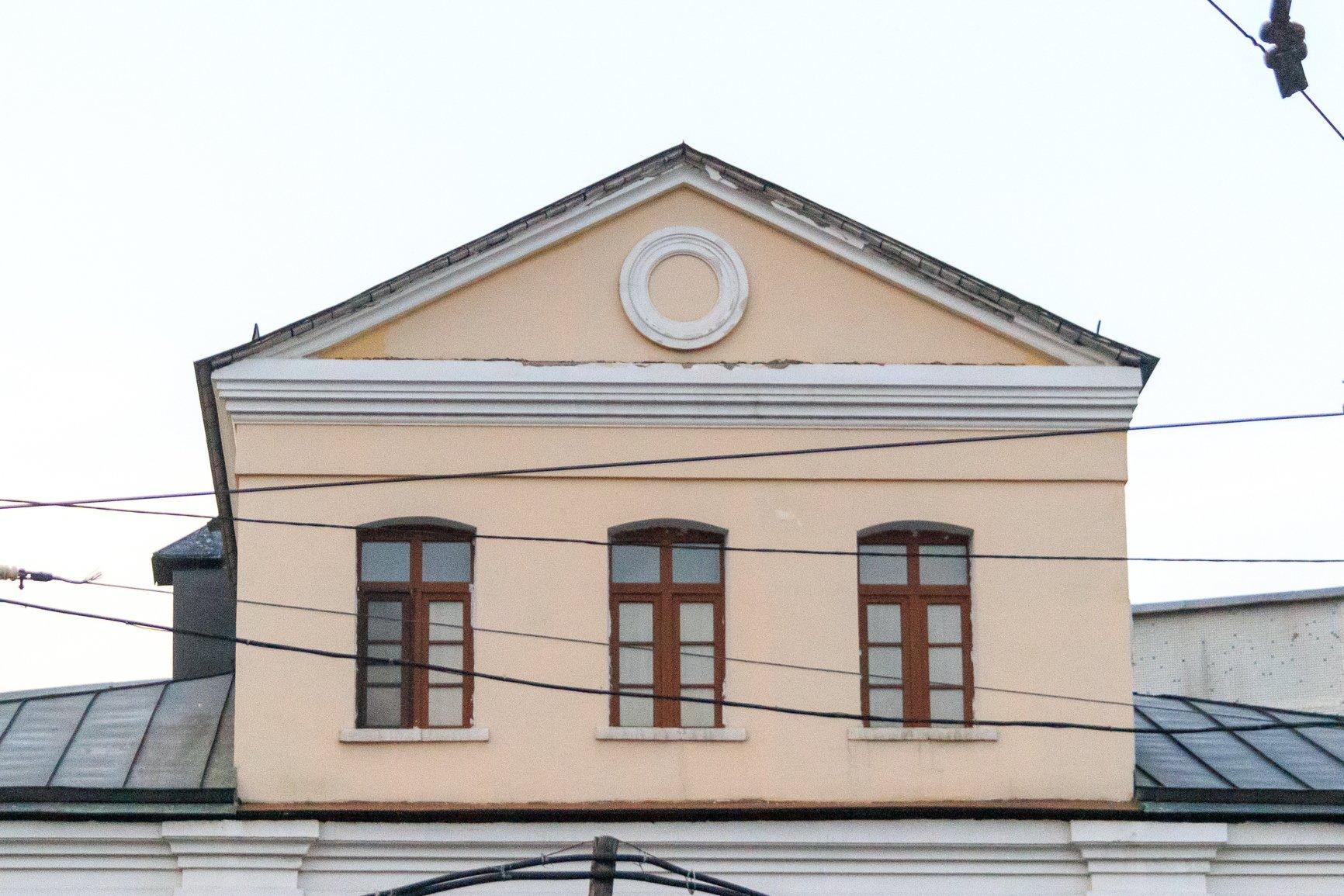
Памятник был комплексно отреставрирован в 1990-х – начале 2000-х годов, с воссозданием объема в габаритах XVIII–XIX вв. и сохранением сводов первого этажа. Оформление фасада – предельно простое: незатейливый лепной декор во фронтоне, окна и двери украшены полочками и сандриками, углы здания завершены пилястрами, междуэтажный карниз с поребриком визуально отделяет древнюю и новую части дома.

Евгения Твардовская
Автор статьи

What we see today is a neat two storey building with a mezzanine has undergone significant restoration; that is why some may think the 18th century as the period of its construction to be an exaggeration. It is a historical site, however: its ground floor is authentic; the first floor has been demolished in 1970s and later recreated. Still, it is a pure luck that the building still exists: for several years, from 1972 on, there were plans to demolish the chambers; so it was literally on the brink of destruction... The first record of the stone chambers on this plot is dated 1758 when it was owned by merchant Piotr Saposov. Field studies showed that the building was constructed in the second half of the 18th century. The lower floor was used as a leathermaking shop and the upper one as a residence. During the Soviet times, there were private apartments. In 1972, when its residents have been resettled, partitions between the rooms have been removed and a two pillar vaulted chamber has come into view; there was nothing like it in the Moscow of that time. It has immediately become known however, that there would be a water pumping station constructed nearby and the chambers seemed to be doomed. Piotr D. Baranovsky came to know about it and immediately alerted the active members of the Zamoskvorechye Branch of VOOPiK (All Russian Society for the Preservation of Historical and Cultural Monuments). Its secretary Yulia Romanova has undertaken the chambers "rescue mission". She and architect Oleg Zhurin have knocked on various authorities’ doors, published articles in newspapers. Eventually, the water station construction began right next to the chambers; however, it was decided to preserve the historical building. Engineer Gennady Orlov has supervised the works for strengthening the ancient building's structures; however, many years of sitting on the edge of a huge pit have taken their toll: cracks ran across the building's walls, it has been braces with metal brackets, has lost all its annexes but still has survived. In 1974 it has been taken under the state protection. Those who were aware of the "rescue mission" did jokingly call the house "Romanova Chambers". Students of the Engineering and Construction Institute were keen to contribute to the cultural layer excavations around the house No. 21. They have found a lot of authentic artifacts: pieces of precious saffian leather, various jars and paint grinding mortars, green glass bottles for mineral water and even a wooden toy. In 1990s early 2000s, the monument has undergone a comprehensive restoration, its mass has been recreated in the 18th 19th century dimensions, vaults in the ground floor have been preserved. The facade decor is extremely simple: modest stucco decor on the pediment, windows and doors decorated with shelves and eaves, corners are framed up with pilasters, the intermediate cornice with a porebrik (masonry decor where bricks would be laid at angles forming ornamental strips) visually divides the older and the later parts of the house. Yevgenia Tvardovskaya
Поделитесь статьей с друзьями
Интересное рядом(5)