Интерактивный гид по городу
С мобильным приложением бродить по городу гораздо интереснее!

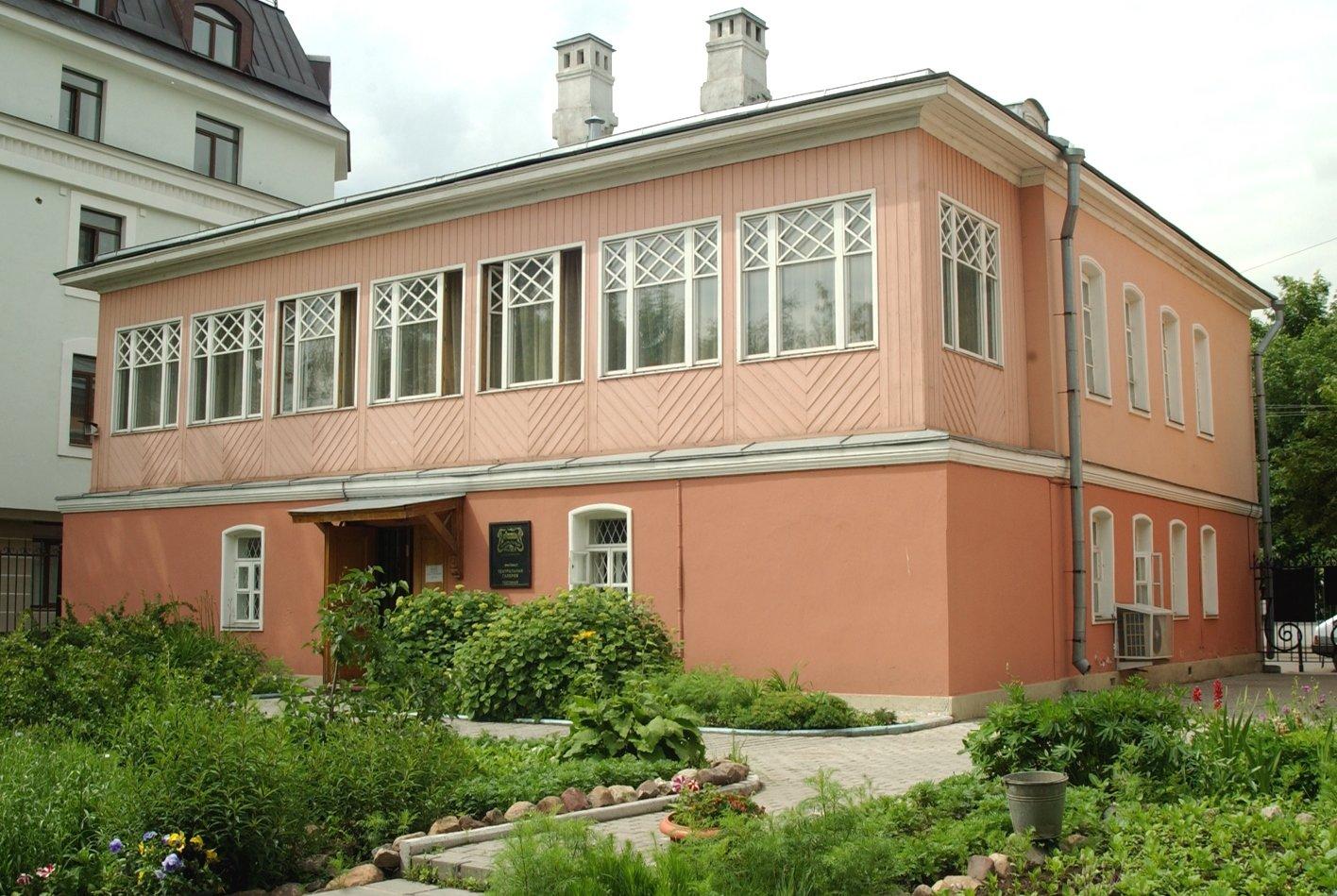
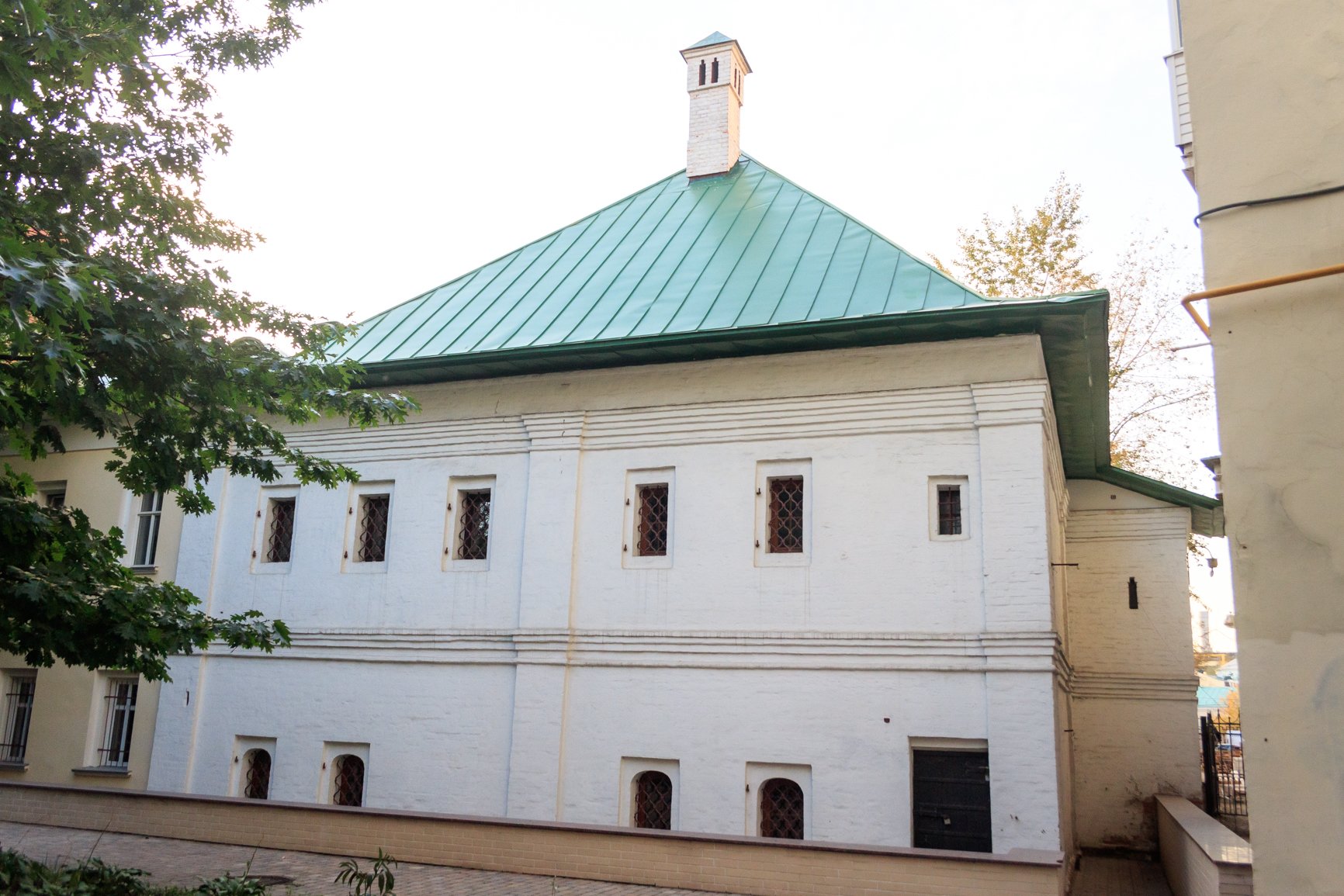
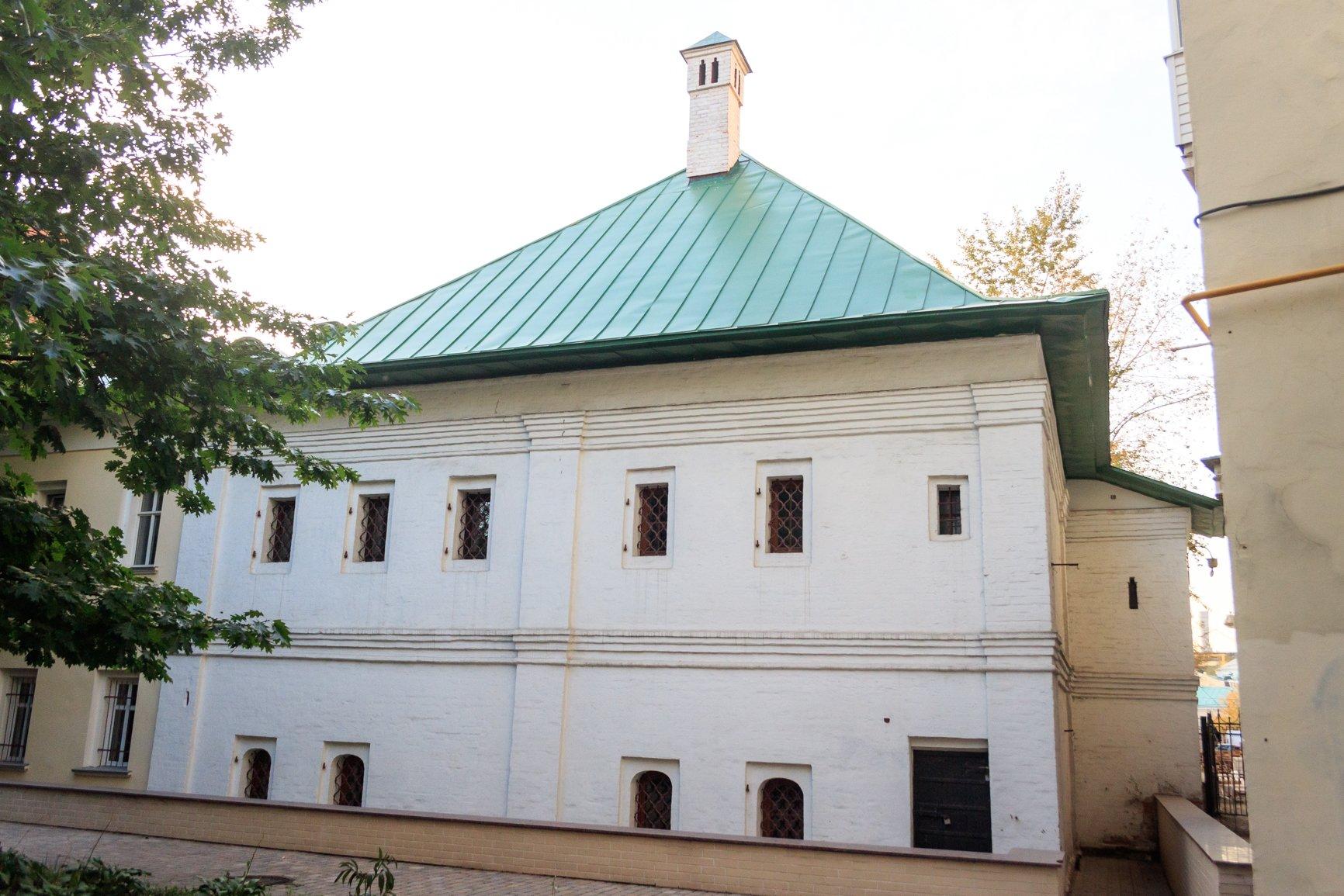
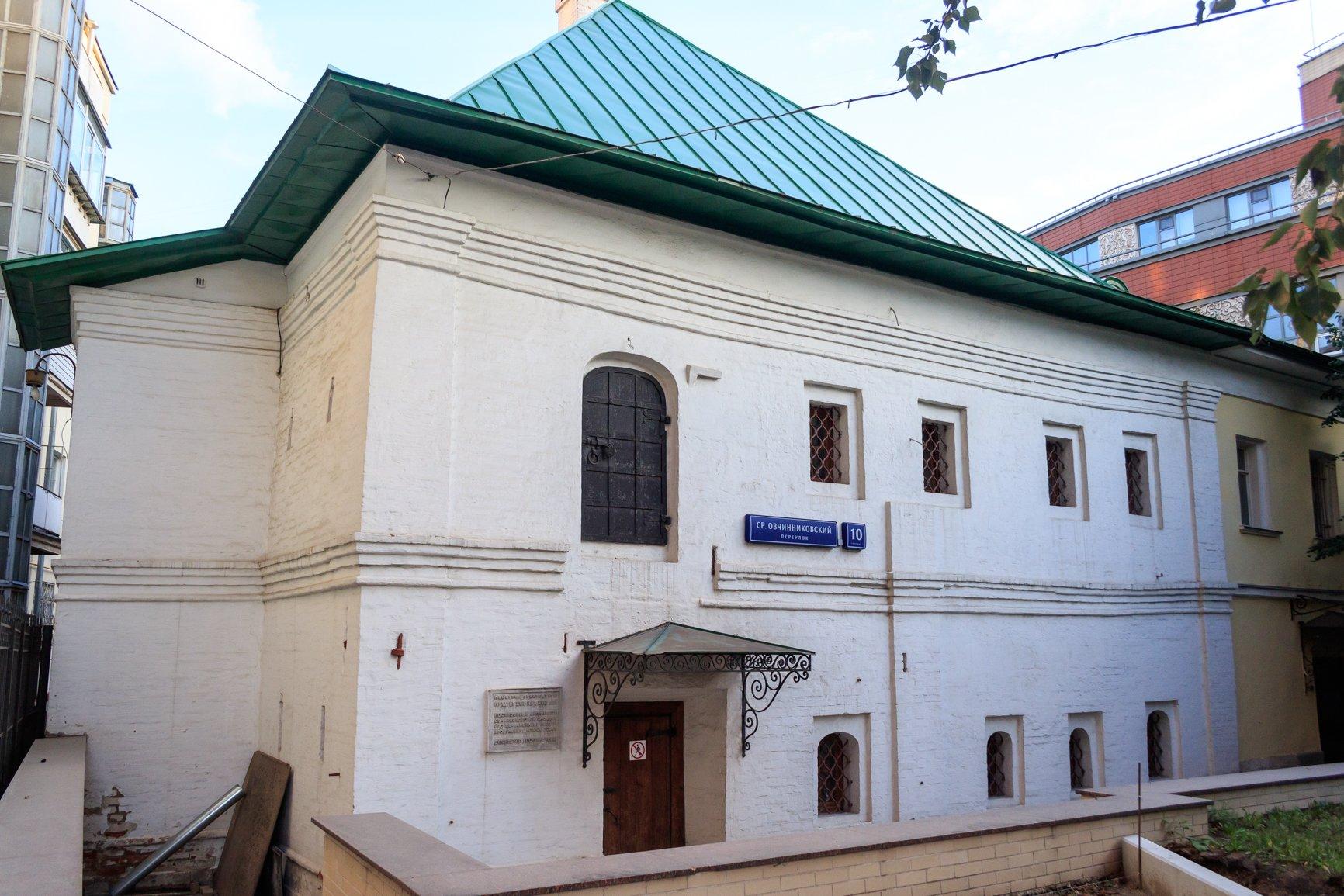
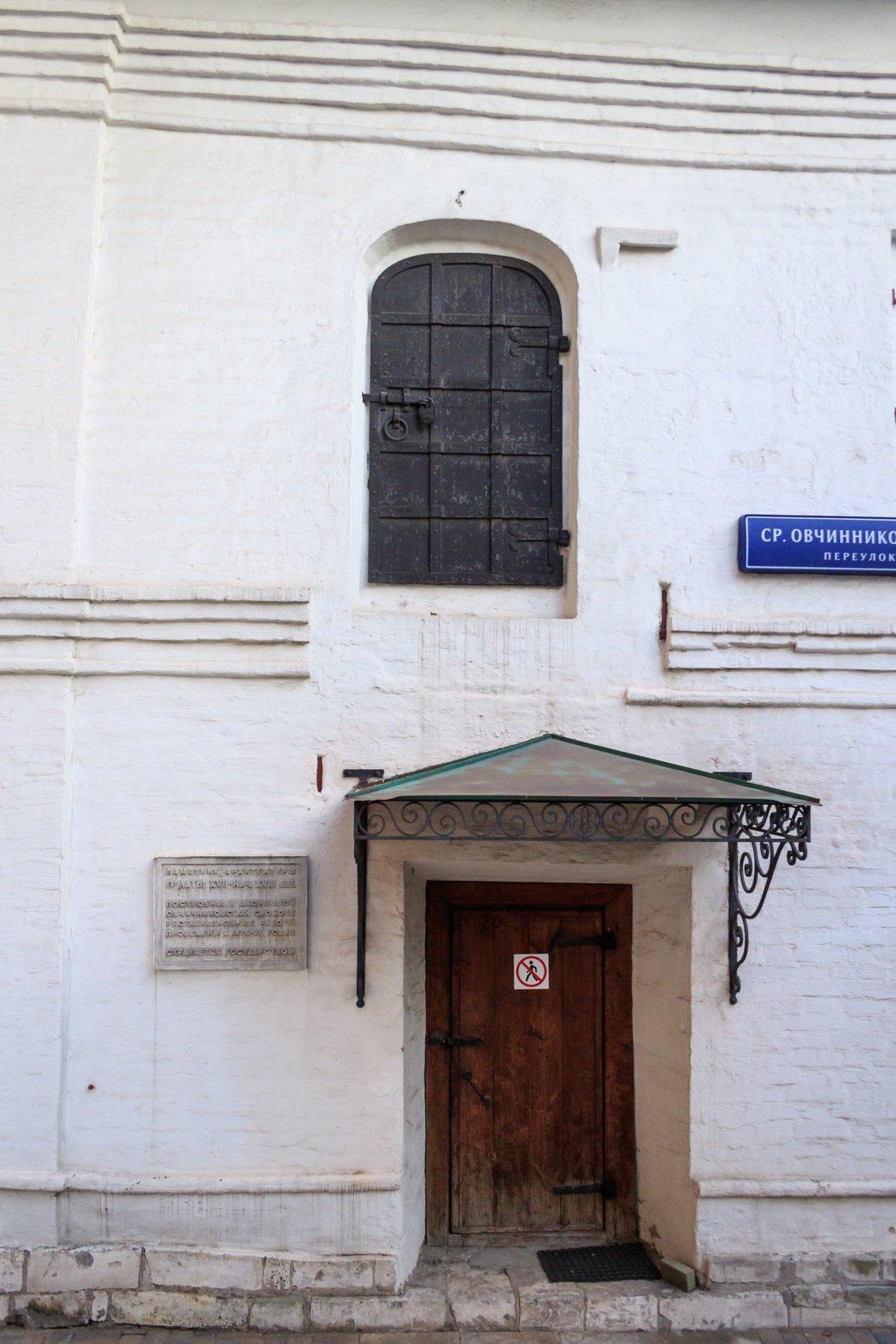
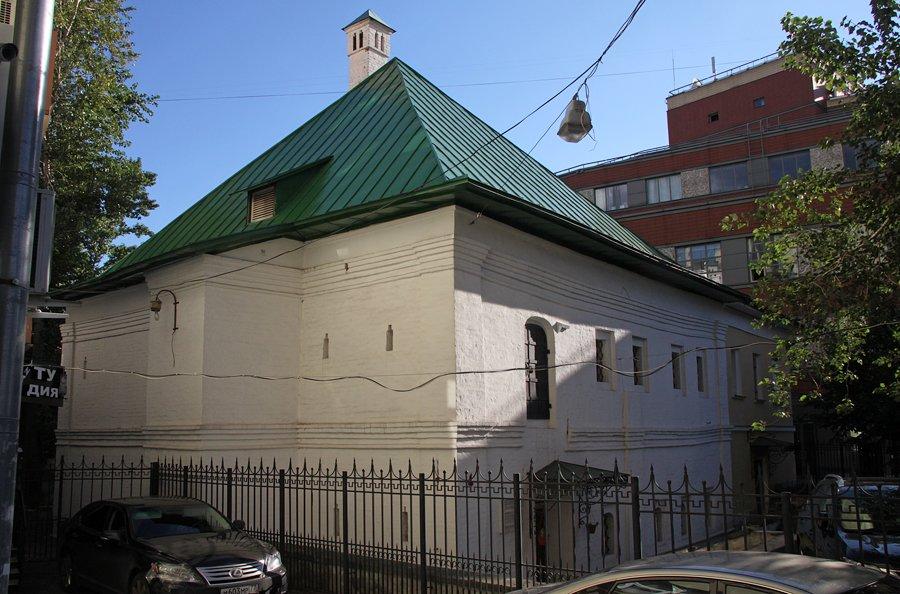
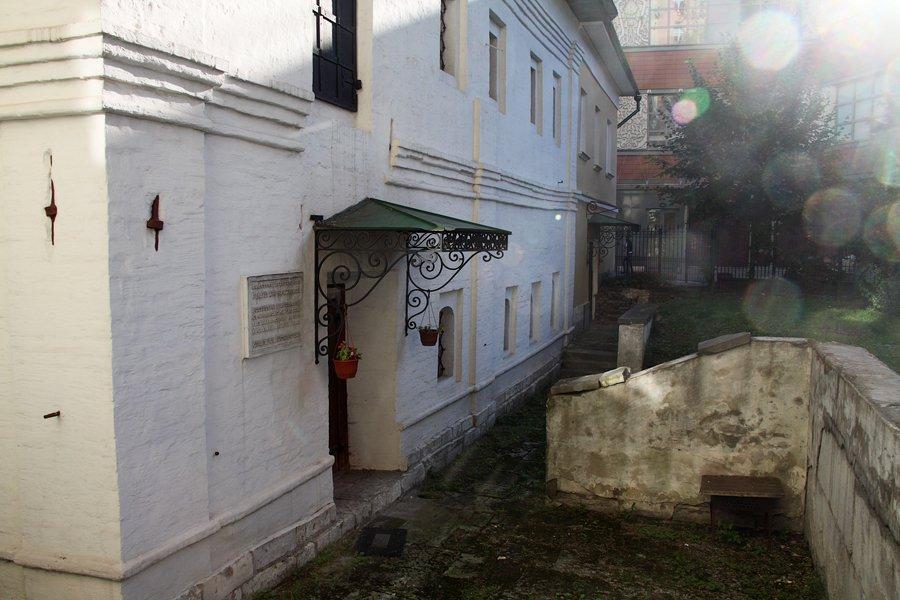
Палаты в Овчинной слободе

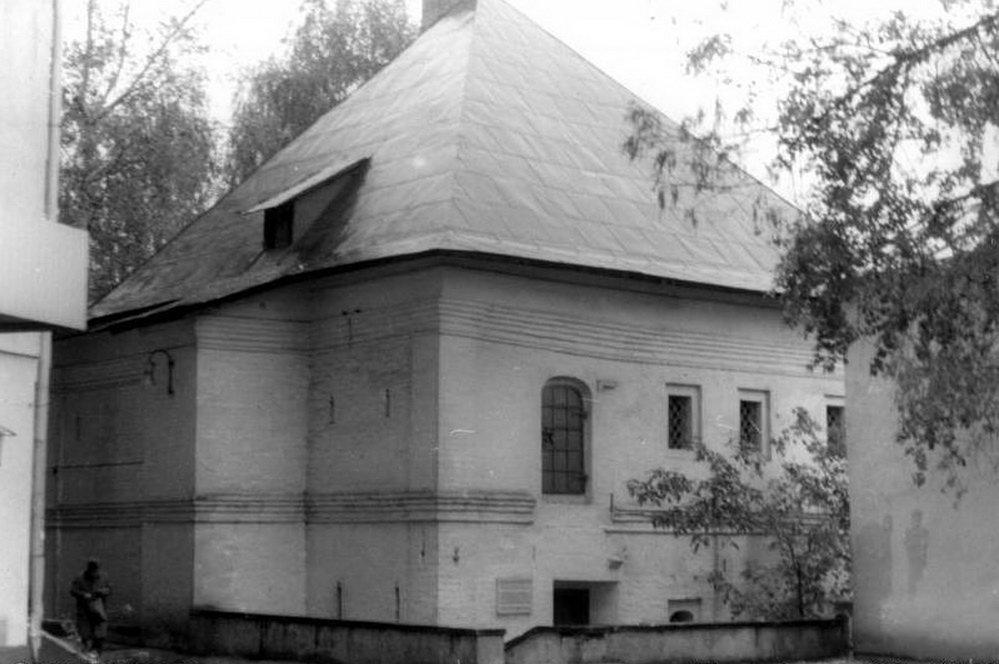
One of the oldest buildings of Zamoskvorechye — the chambers in the Ovchinnaya Sloboda — originally was occupied by one of the government offices. According to other opinion, there was a craftsman's shop.

Палаты в Овчинной слободе
Tretyakovskaya, Novokuzneckaya
One of the oldest buildings of Zamoskvorechye — the chambers in the Ovchinnaya Sloboda — originally was occupied by one of the government offices. According to other opinion, there was a craftsman's shop.
5.00
Вы можете воспользоваться QR-кодом, чтобы открыть эту страницу в нашем приложении
Архитектурный стиль:
Годы постройки:
XVIII - XIX вв.
Архитекторы:
И.И. Казакевич
Эпоха:
17th century
Информация о здании

Это одно старейших гражданских зданий Замоскворечья, сохранившихся до наших дней.

Архитектор и точное предназначение дома не известны. Считается, что каменные палаты в центре московской Овчинной слободы были построены в конце ХVII века.

Существуют две версии истории этого здания. По первой версии, здесь могла находиться приказная или съезжая изба Овчинной слободы, где хранились печати, приходные и расходные книги, государевы грамоты и другие документы, связанные с управлением слободой и ее взаимоотношениями с властями.

В то же время археологические находки дают возможность предположить, что здесь могло находиться кожевенное производство. При раскопках удалось найти обрывки кожи. На это указывает и название переулка, где находится дом. Здесь с первой трети ХVII века располагались не менее десятка дворов Овчинной слободы. Они примыкали к храму Михаила Архангела – центру слободы. Храм известен с 1625 года. Всего же Овчинная слобода насчитывала более сотни дворов.

Если следовать этой версии, то можно предположить, что мастерская по выделке овчин находилась на первом этаже. А на втором – вполне могла располагаться административная служба слободы, имевшая отдельный вход.

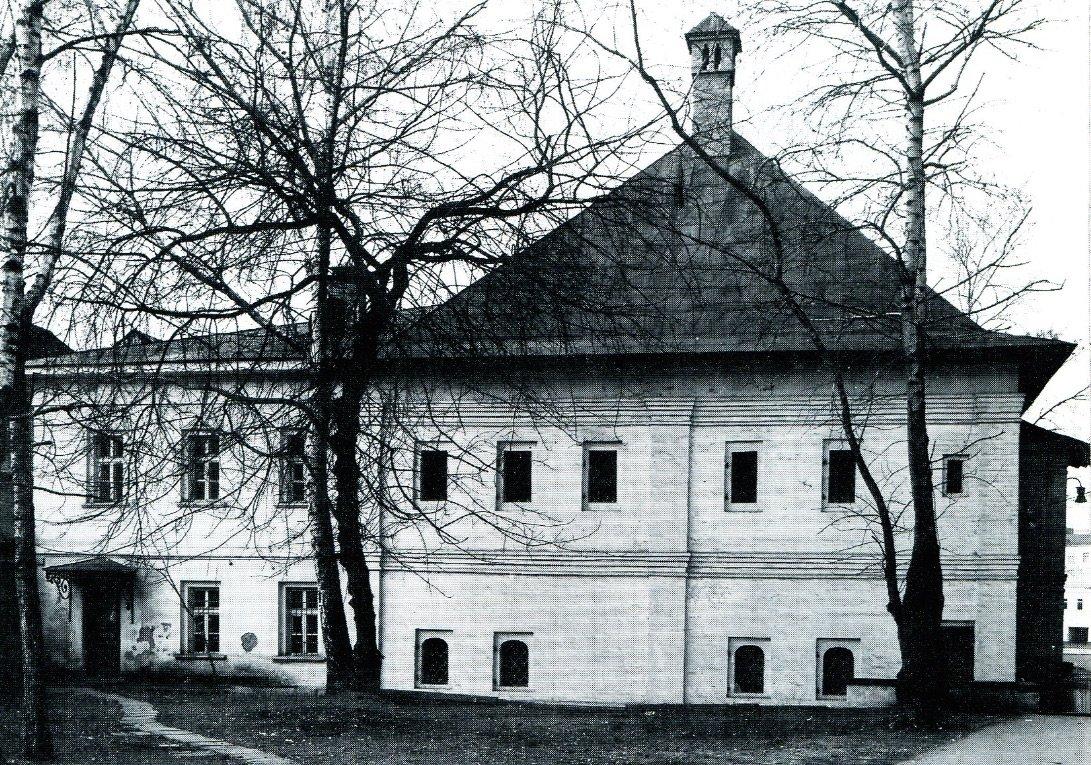
В XVIII веке у дома появляются новые владельцы, затем здание получило повреждения во время пожара 1812 года, после чего его решили перестроить в особняк в модном тогда ампирном стиле. С западной стороны к палатам пристроили два этажа и мезонин, с южной – еще одно здание. Эти работы продолжались более двадцати лет, с 1814 г. по 1835 г.

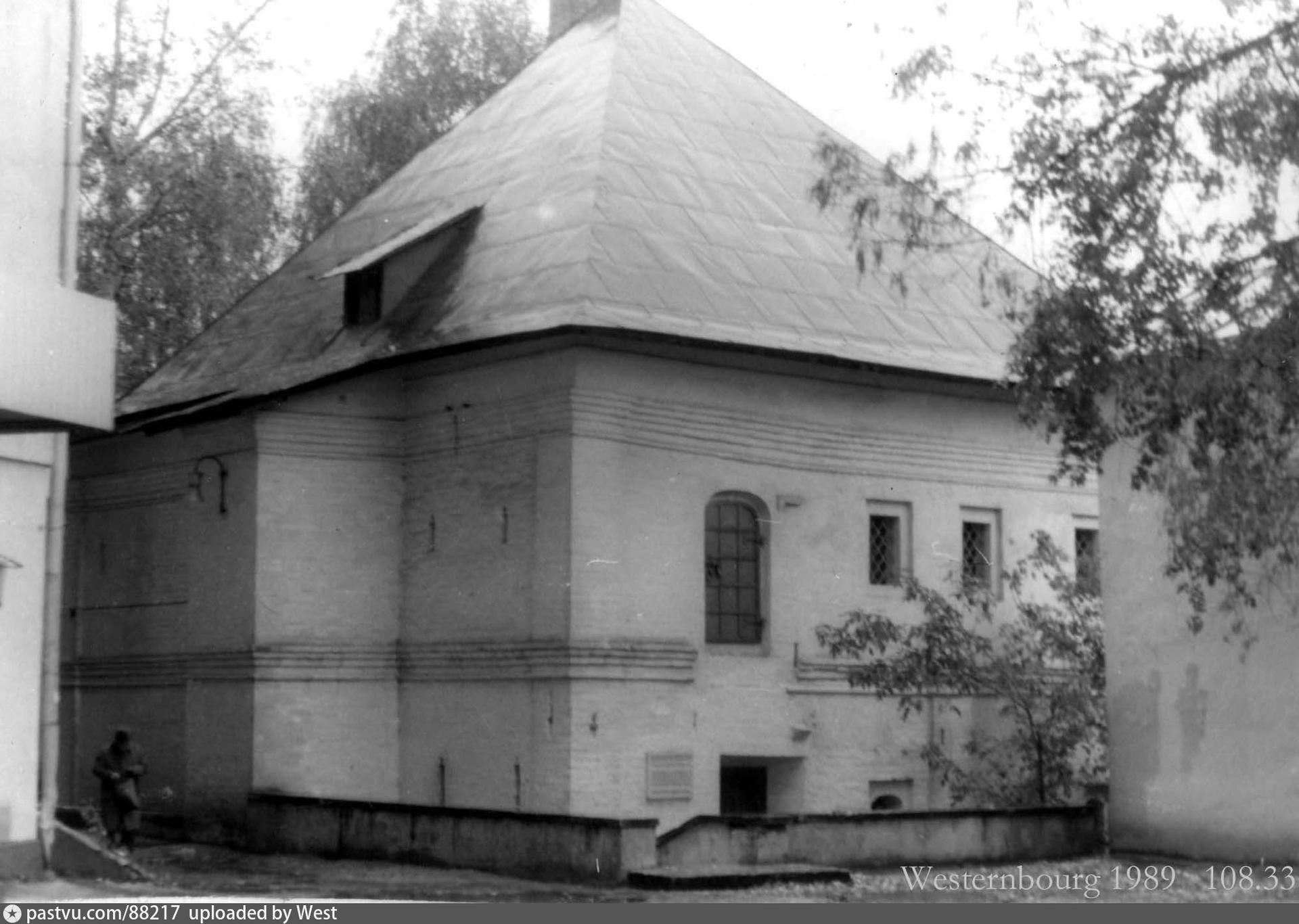
В 1976 году под руководством архитектора-реставратора Инессы Ивановны Казакевич началась научная реставрация памятника архитектуры. Старинные палаты восстановили в том виде, в котором они были построены изначально. Более поздние пристройки оставили нетронутыми. Реставрационные работы продолжались пять лет.

В наше время палаты реставрировали в 2001 г., после чего их передали приходу храма Архангела Михаила в бессрочное пользование. Теперь здесь проживают служители храма.

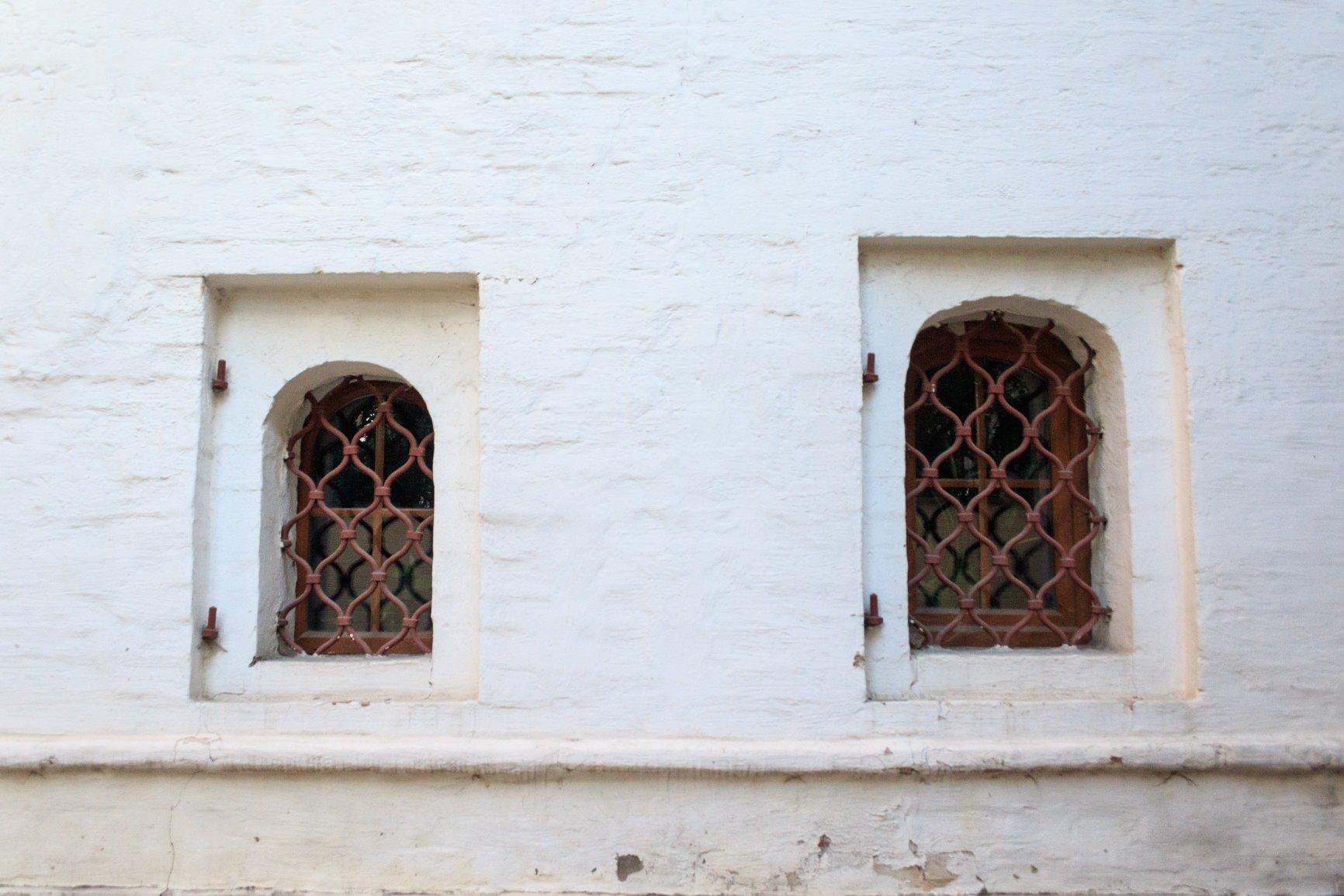
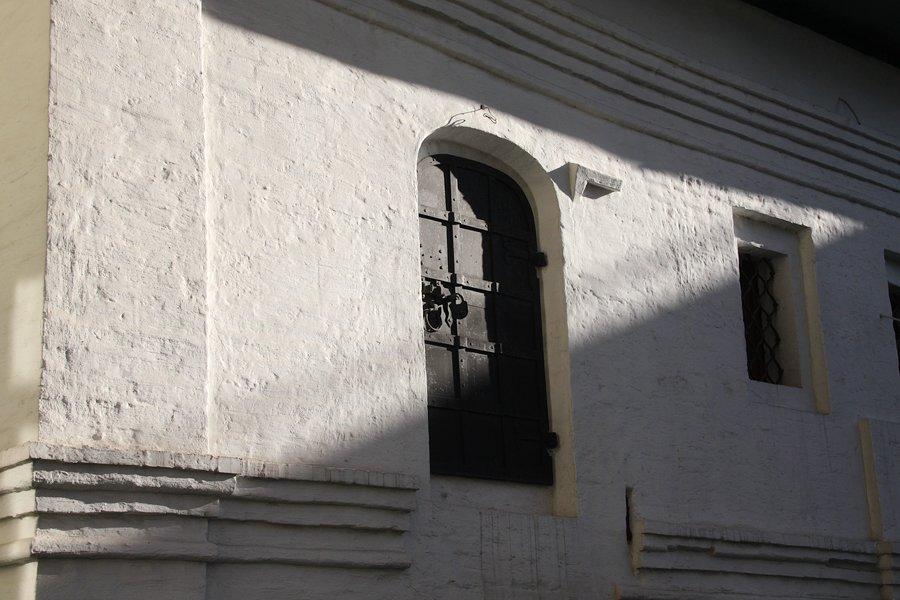
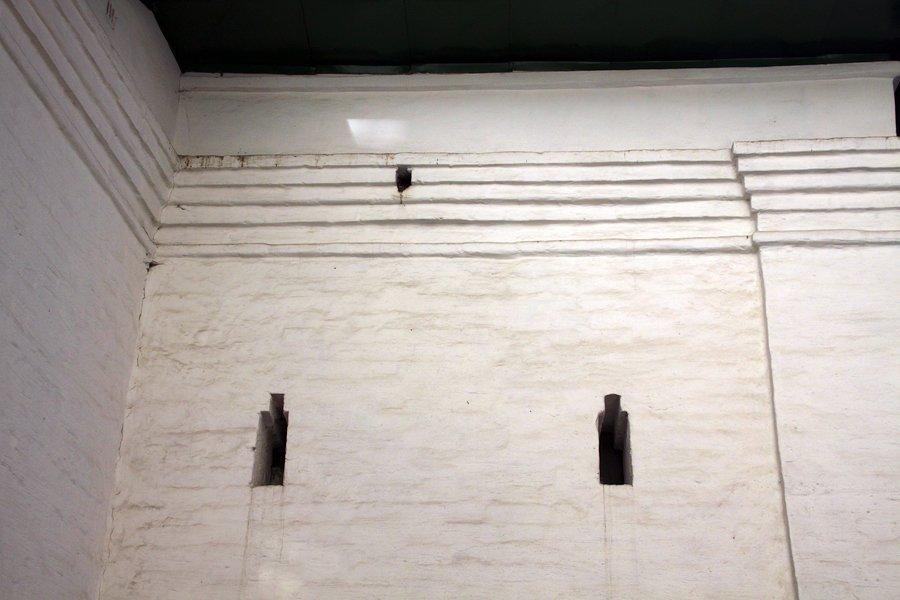
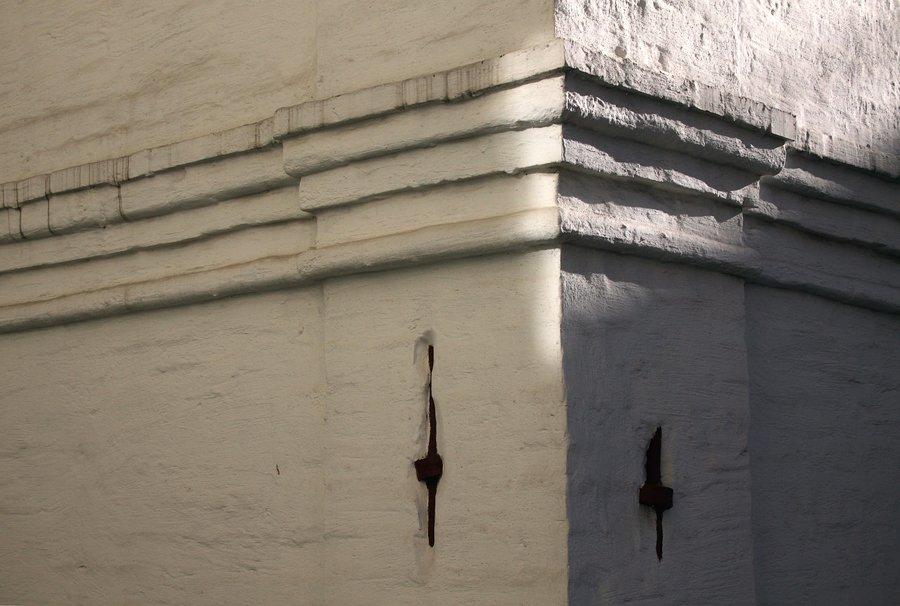
Палаты в Овчинной слободе представляют собой здание из двух каменных этажей кубической формы, с четырехчастной планировкой. Этажи палат соединены внутристенными лестницами. На первом этаже арочные окна, на втором клинчатые.

Палаты – объект культурного наследия федерального значения.
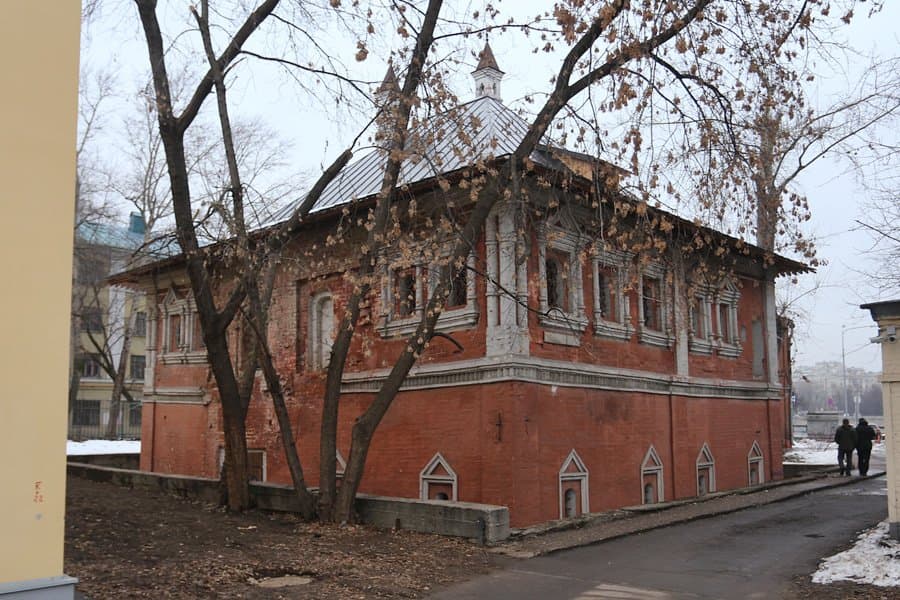
It is one of the oldest civil buildings still surviving in Zamoskvorechye. The building's exact purpose and the name of its architect were not ascertained. It is believed that the stone chambers in the middle of the Ovchinnaya Sloboda were constructed in the late 17th century. There are two versions of the building's history. The first one has it that the chambers were used as a government or assembly house of the Ovchinnaya Sloboda ( sloboda was a suburban settlement right behind the city wall) where seals, accounting records, monarch's decrees and other documents related to the Sloboda management and its relations with the supreme authorities used to be kept. However, archaeological findings suggest that a leathermaking shop might be located there. Excavations unearthed some leather fragments. The latter version is supported by the very name of the lane (Ovchina stands for sheepskin in Russian) where the house is located. In the first third of the 17th century, there were about a dozen properties in the Ovchinnaya Sloboda. Most of them were near the Michael the Arhangel Church in the center of the Sloboda. The first records of the Church are dated to 1625. There used to be over one hundred properties in total in the Ovchinnaya Sloboda. If this version is true, we may assume that the sheepskin workshop was in the ground floor. Then the Sloboda administration might be in the first floor, having a private entrance. In the 18th century, the house was bought by new owners. In 1812 it was damaged in the fire and it was decided to have it rebuilt in the Empire style as was the fashion of the period. On the Western side, two floors and a mezzanine were added, on the Southern side — another building. The works took over twenty years, from 1814 to 1835. In 1976, a scientific restoration of the architectural monument led by architect and restorer Inessa I. Kazakevich began. The ancient chambers were restored to their original state. The later annexes were kept, too. Restoration process took five years. Later, in 2001 the chambers were restored again and then transferred to the Archangel Michael Church parish's use in perpetuity. Nowadays, it is used as residence for clergymen. The Chambers in the Ovchinnaya Sloboda represent a building with two cubic stone storeys and four part layout. The floors are connected by intermural staircases. The ground floor's windows are of arched shape while the ones in the first floor — of voussoir shape. The chambers are a cultural heritage site of federal significance. Oleg Fochkin
Автор статьи: Олег Фочкин
Рекомендации
Отзывы
(2)
Поделитесь статьей с друзьями
Интересное рядом(7)
ул. Варварка, домовладение 6, строение 1
Лаврушинский переулок, д. 10
Tretyakovskaya