Интерактивный гид по городу
С мобильным приложением бродить по городу гораздо интереснее!

Araslanov’s chambers

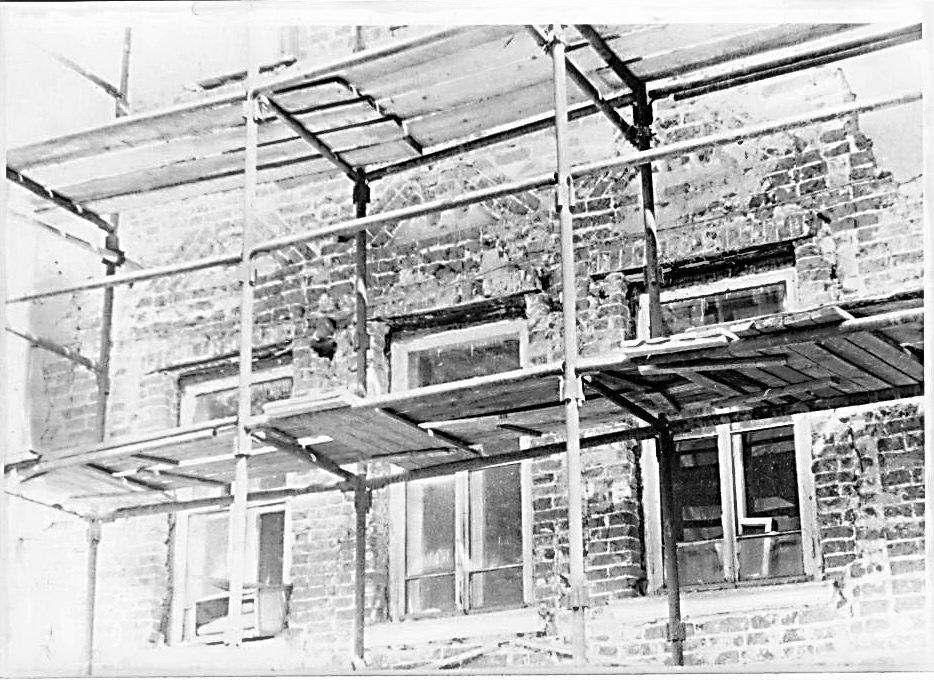
It happens. It happens. We decided to paint the facade of the house for a demonstration, pitted the plaster and found... Chambers!

Araslanov’s chambers
It happens. It happens. We decided to paint the facade of the house for a demonstration, pitted the plaster and found... Chambers!
3.27
Вы можете воспользоваться QR-кодом, чтобы открыть эту страницу в нашем приложении
Архитектурный стиль:
Годы постройки:
XVII в.
Эпоха:
17th century
Информация о здании

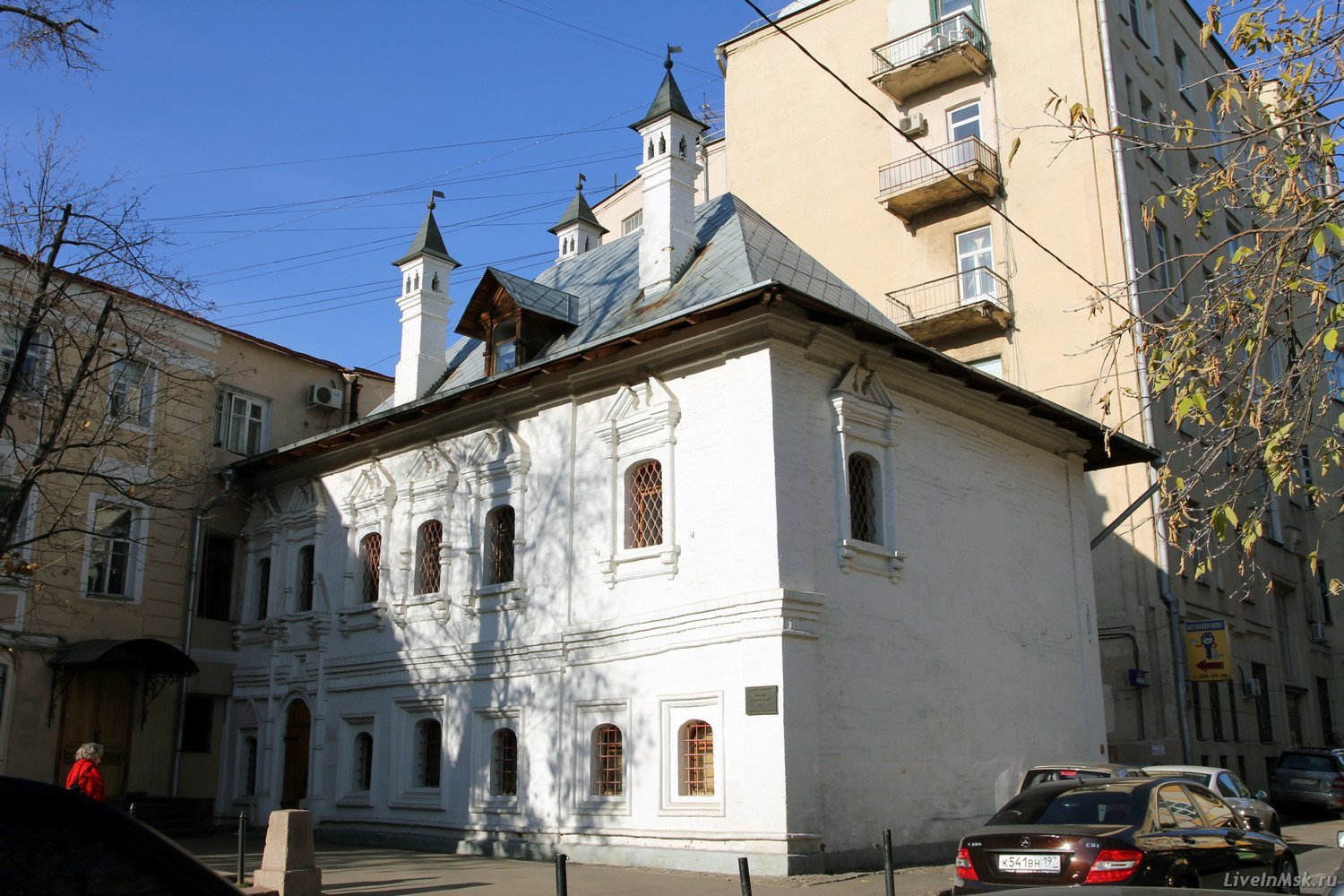
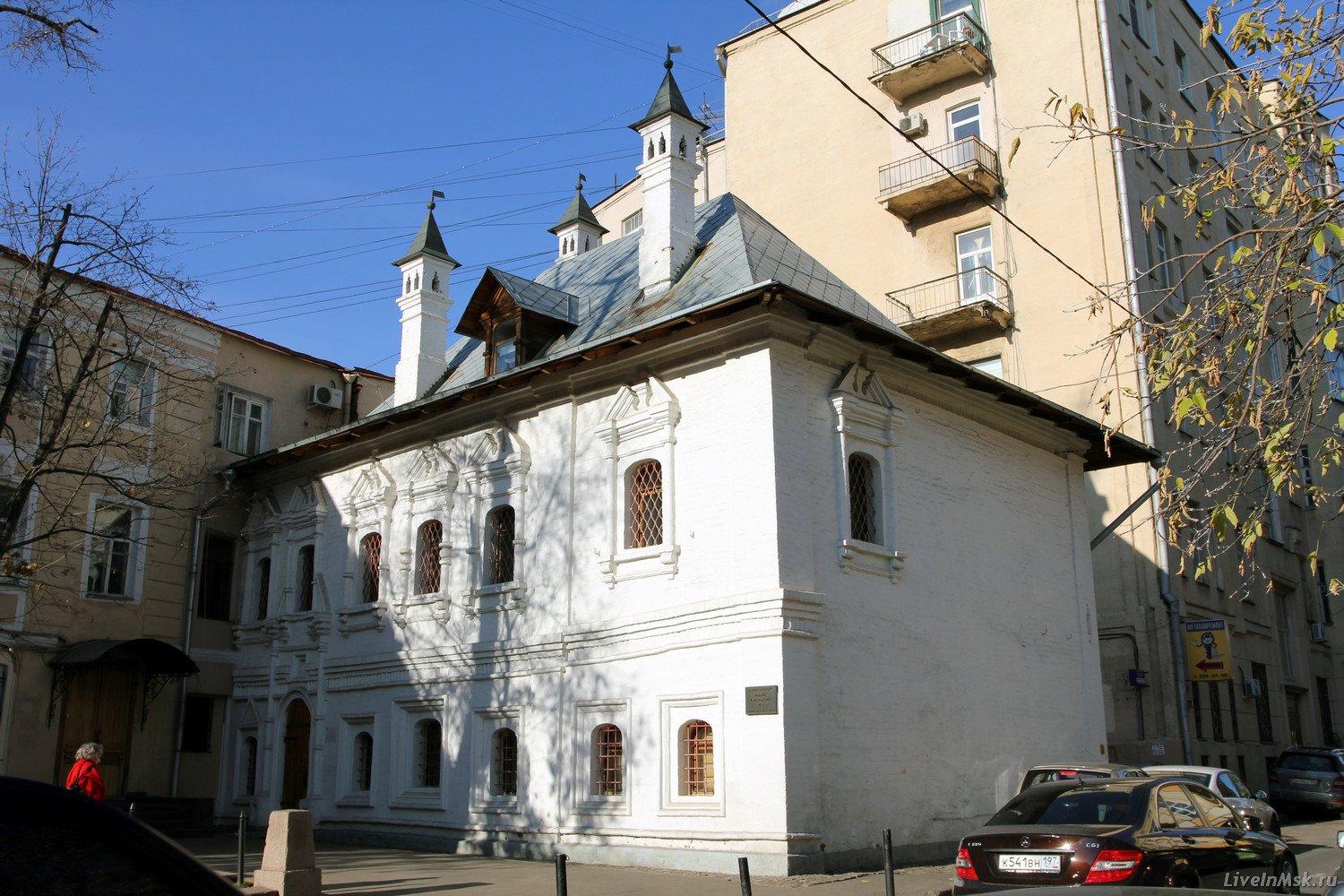
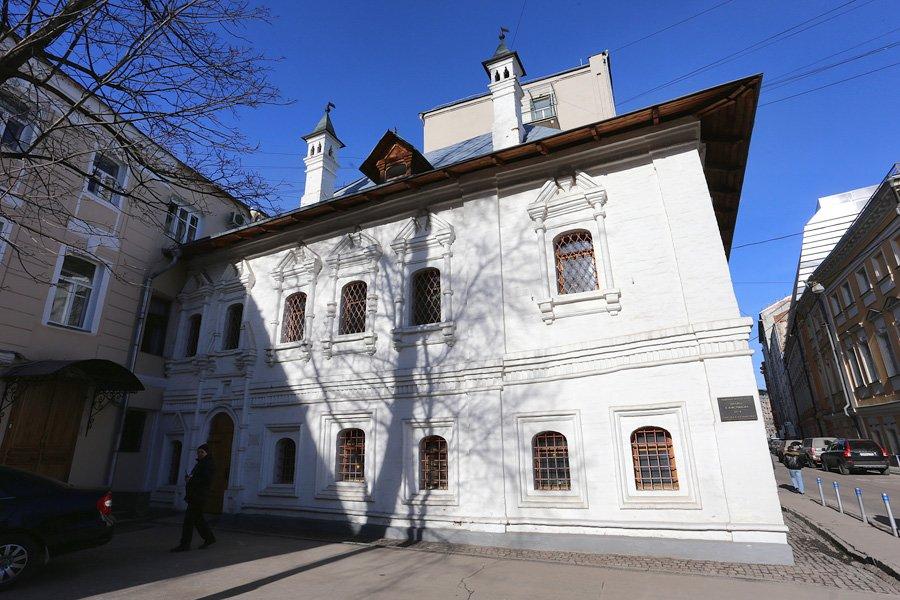
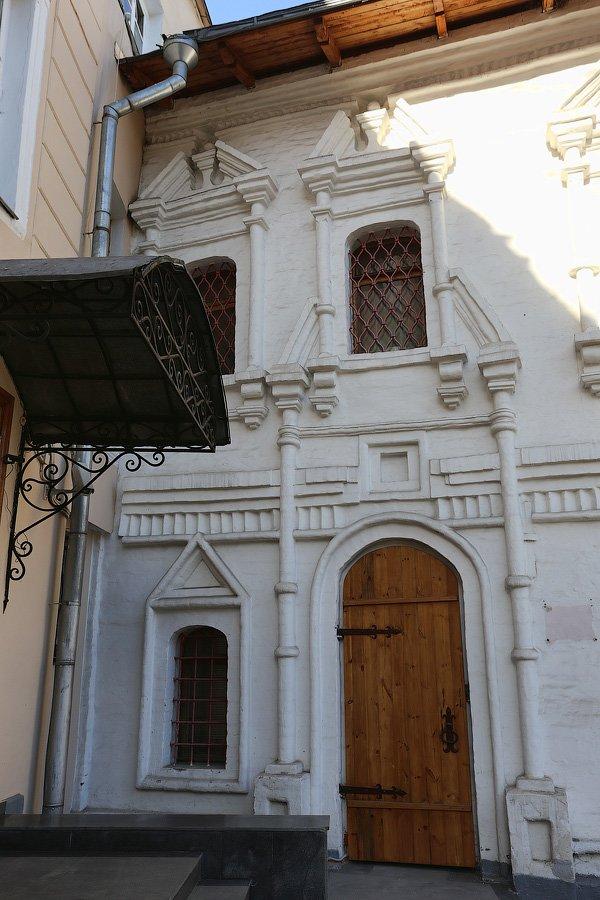
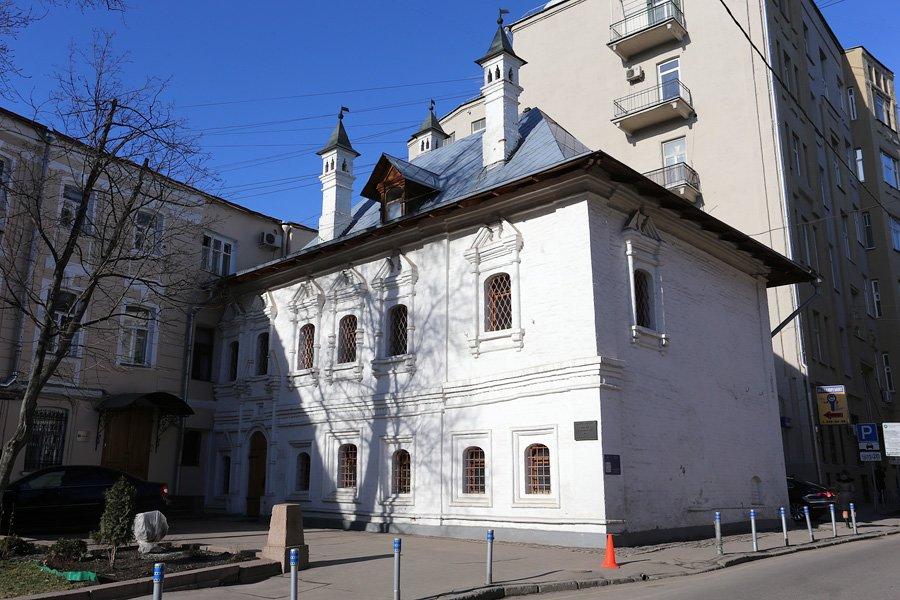
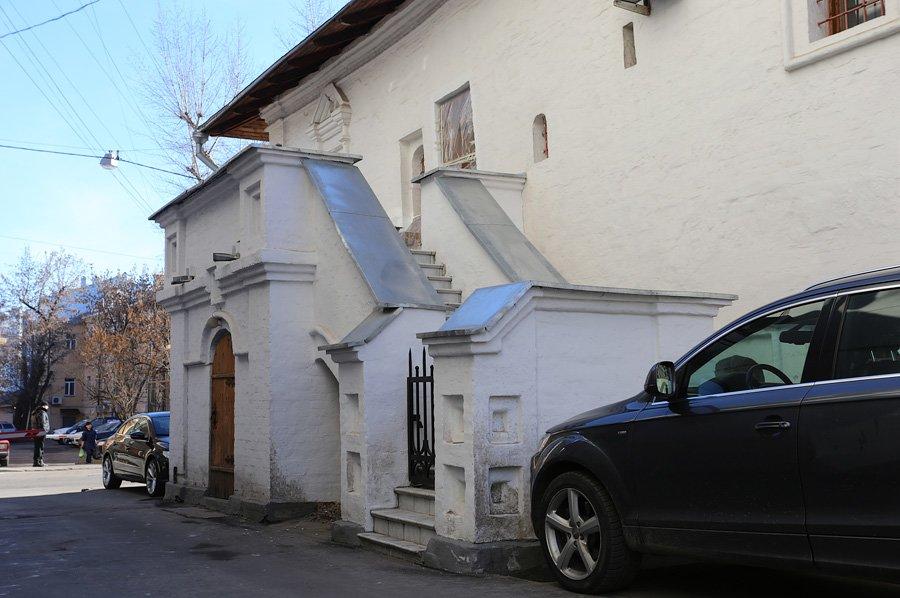
На углу Большой Никитской улицы и Брюсова переулка находится интереснейшее сооружение, не так давно освобожденное от многолетних наслоений. Это палаты XVII века, поставленные в глубине участка перпендикулярно линии переулка и перестроенные в следующем столетии.

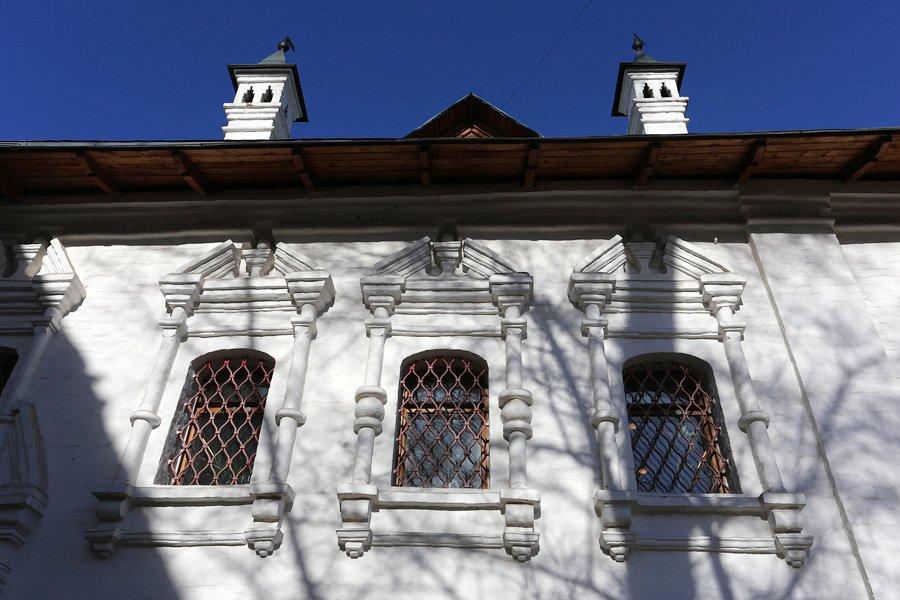
Еще 20 лет назад этот дом ничем не выделялся среди своих собратьев – желтенький и простенький. К одному из московских событий его решили покрасить, поставили леса и совершенно случайно, сняв штукатурку, обнаружили фронтоны наличников. Стало понятно, что здание гораздо древнее, чем полагали, и рядовая окраска фасада обернулась полноценной реставрацией.

Самым ранним известным владельцем палат был некий «провинциал-фискал» Григорий Арасланов, который в 1729 году продал весь свой двор, где стояло «...ево все каменное строение с сводами железными и з железными затворами», за большую тогда сумму 1300 рублей князю Ф. П. Сонцову-Засекину.

К 1806 году купец И. П. Шнур поставил под прямым углом к палатам еще одно строение, но уже по красной линии Большой Никитской. Это было здание, украшенное широким - во всю его ширину - ионическим портиком на арках. В 1860-х годах от прежнего декора дома остались лишь арки на первом этаже. Уже перед первой мировой войной дом хотели сломать и выстроить здесь большой шестиэтажный жилой дом (проект И. Г. Кондратенко), но из-за войны так ничего и не было сделано.

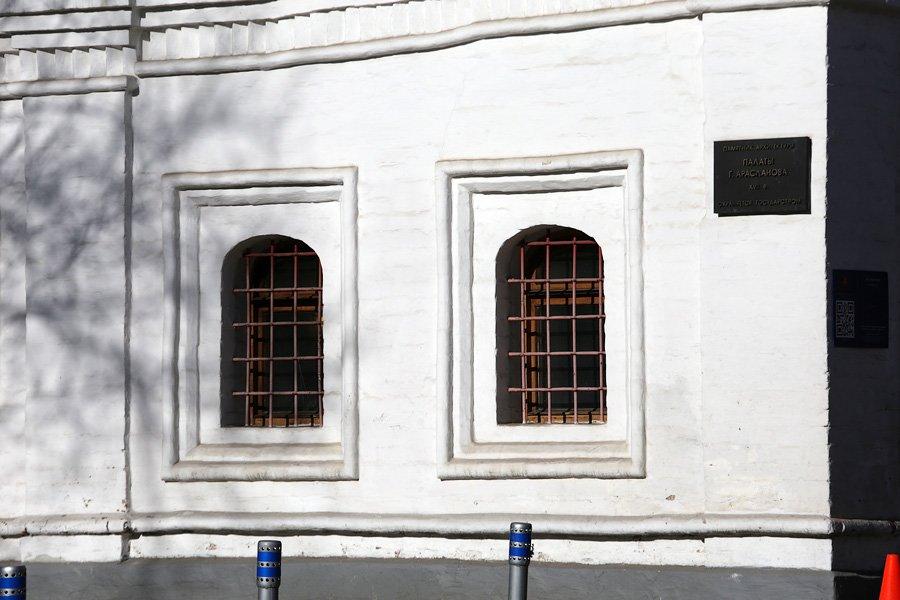
В ходе реставрации практически все формы фасада выявлены с большой достоверностью (обратите внимание на три окна северного фасада, смотрящие на церковь Малого Вознесения). Самой невероятной деталью кажется портал входа главного фасада, простирающийся на высоту полутора этажей – аналоги подобного неизвестны. Предполагается, что внутри, за этим порталом вместо традиционного наружного крыльца была парадная лестница. В таком случае, это один из самых ранних случаев европейской планировки дома.

Дом является памятником архитектуры федерального значения.
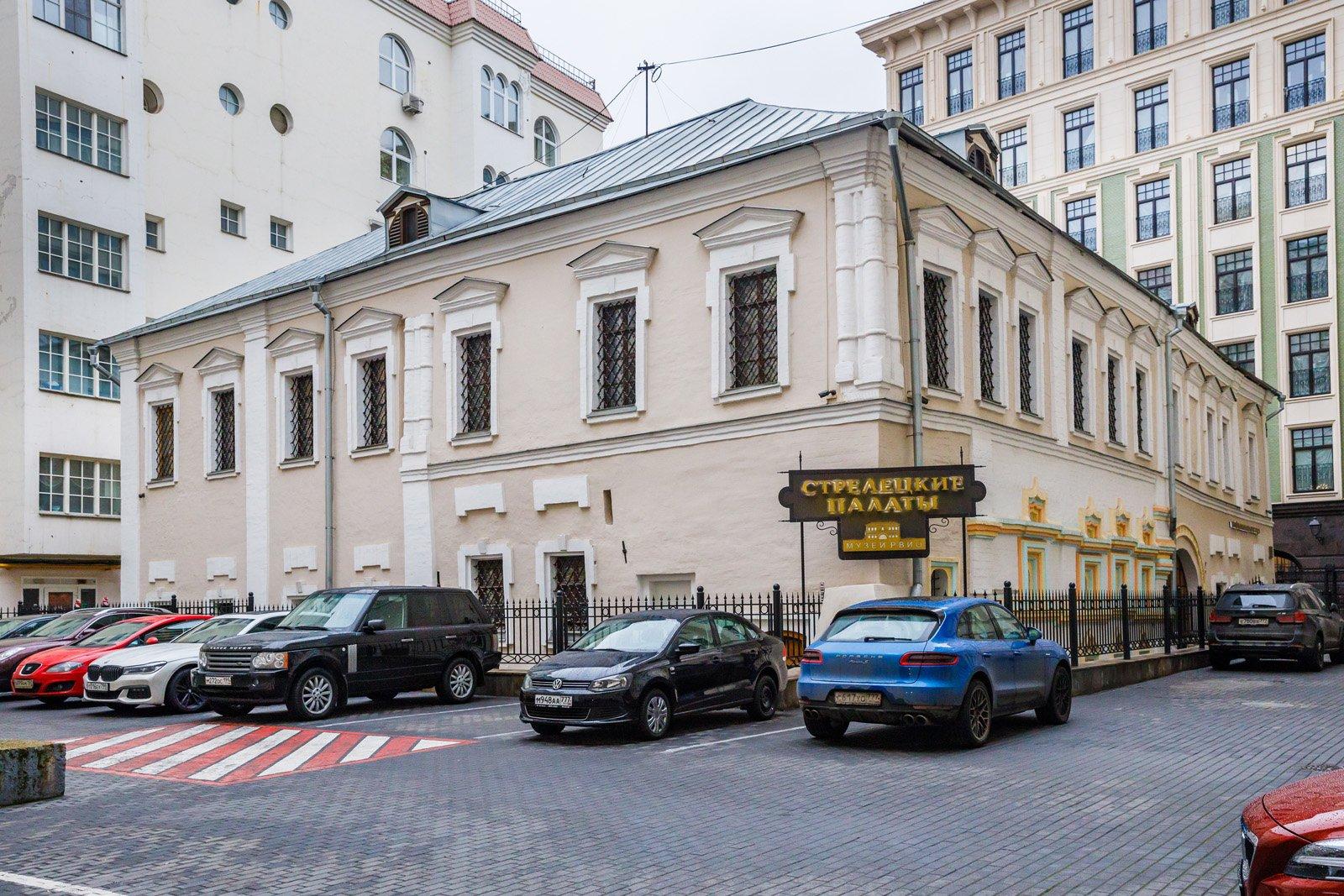
At the corner of Nikitskaya street and Bryusov alley there is an interesting buildings, recently vacated by long-term stratifications. This is the House of the XVII century, set in the heart of a site perpendicular to the lane and rebuilt in the next century. Even 20 years ago, this house does not stand out between its fellow - little yellow and simple. To one of the Moscow events he was decided to paint, set the scaffolding and accidentally, removing the plaster, found the pediments of the platbands. It became clear that the building is much older than believed, and the ordinary painting of the facade turned into a full-fledged restoration. The earliest known owner of the chambers was a "hick-sneak" Araslanov Gregory, who in 1729 sold its entire yard, where there was "... all his stone structure with a vaulted iron and iron gates for a large sum of 1300 rubles while Prince F.P.Sontsov-Zasekin. By 1806, the merchant IP Shnur had placed another building at right angles to the Chambers, but already along the red line of Bolshaya Nikitskaya. It was a building decorated with a wide - in its entire width - an Ionic portico on the arches. In the 1860s, only the arches on the first floor remained from the former decor of the house. Already before the First World War, the house wanted to break down and build here a large six-story apartment building (the project of IG Kondratenko), but because of the war, nothing was done. During the restoration of the facade of virtually all forms identified with high confidence (note the three windows of the northern facade, looking at the Church of the Assumption of the Lesser). The most incredible detail seems to be the entrance portal of the main facade, which extends to a height of one and a half floors - analogues of this kind are unknown. It is assumed that inside, behind this portal, instead of the traditional outer porch there was a grand staircase. In this case, this is one of the earliest cases of a European house layout. The house is an architectural monument of federal significance.
Автор статьи: Ирина Левина
Рекомендации
Titov Chambers
Tretyakovskaya
Поварская слобода
12
1 ч. 1 м.
1.3 км