Информация о здании
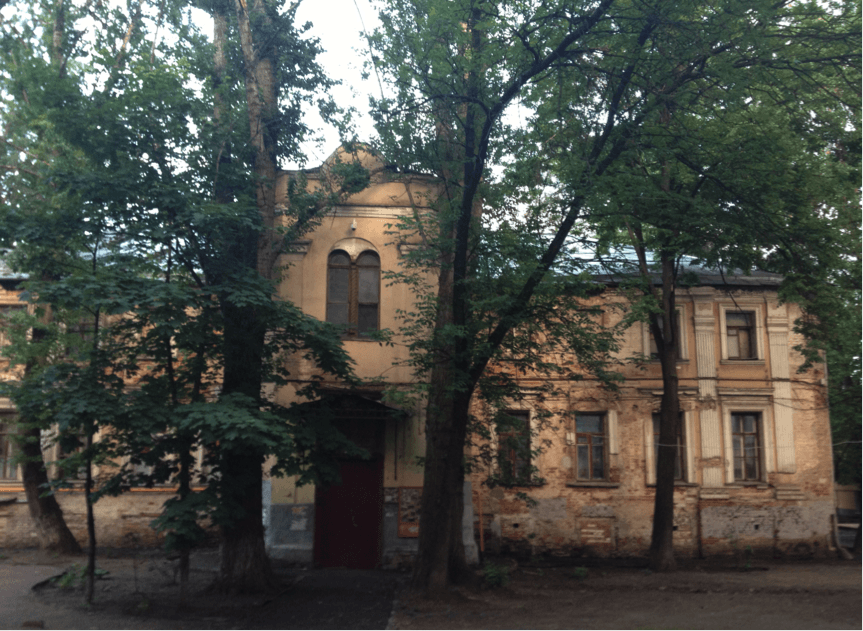
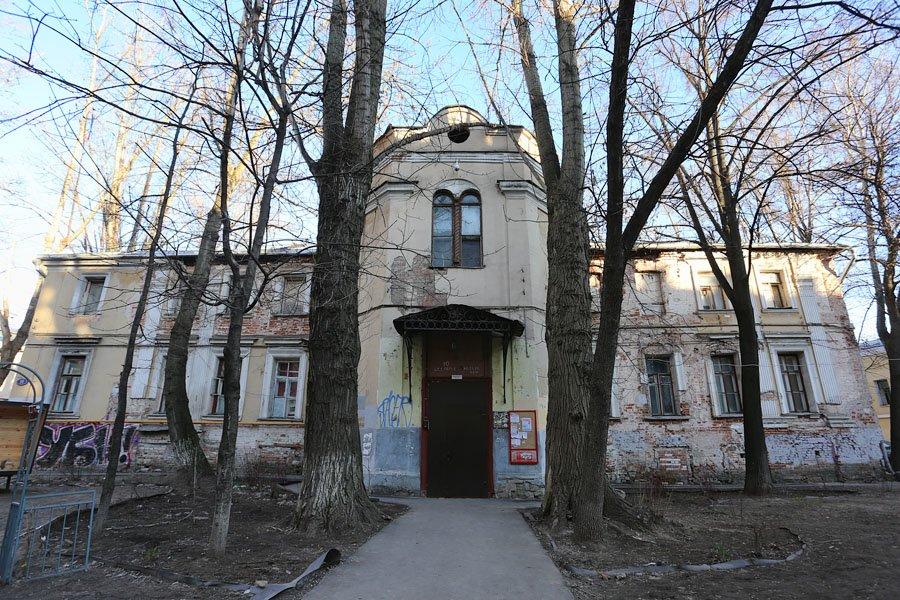
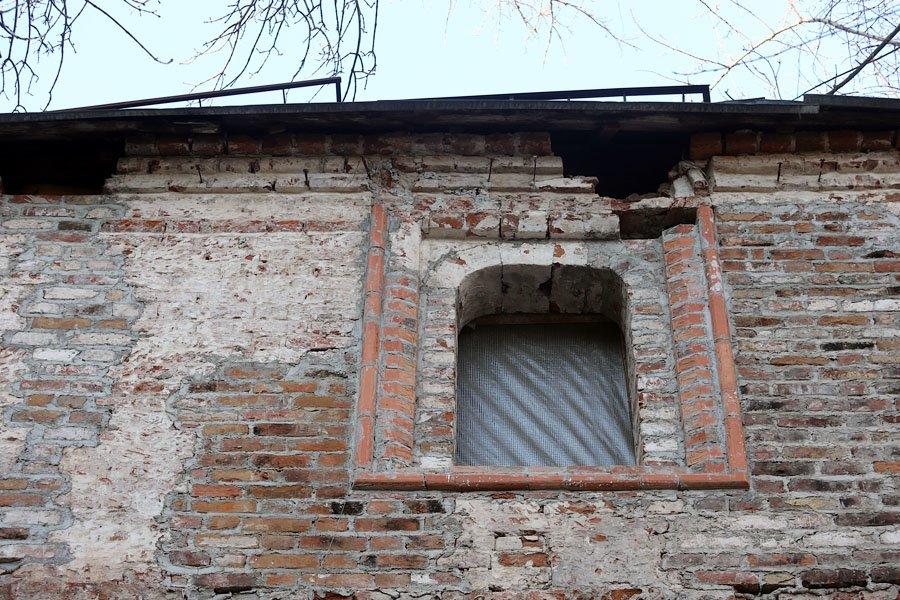
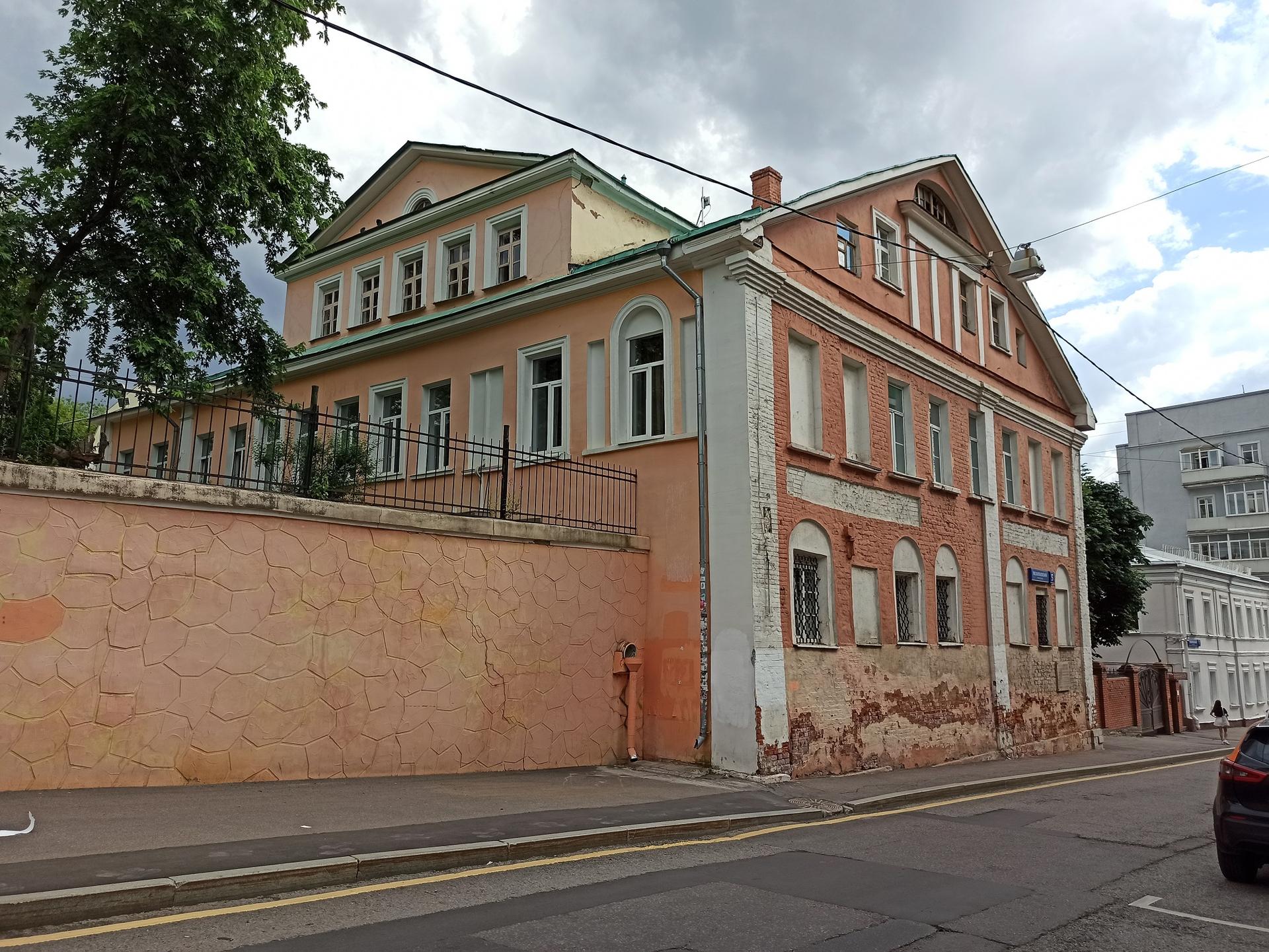
Светло-желтый двухэтажный особняк с белыми пилястрами и выразительно выступающим порталом. Окошко над входной дверью украшено колонной с витым переплетом. Главный дом усадьбы князей Голицыных стоит немного в глубине переулка, в окружении двух флигелей, стоящими торцами на «красной линии». Полуподвал скрывает уникальную, некогда открытую галерею на широких кирпичных арках, в интерьерах дома сохранились изразцовые печи и чугунная лестница. В ходе исследований были раскрыты древние формы на фасадах. Ранее считалось, что палаты XVII века остались только на первом этаже здания. Но в 2008 году реставраторы обнаружили, что второй, и даже третий этажи были построены тогда же, в XVII веке.
Уникальный ансамбль считается по праву самым древним из ныне жилых построек. Самая ранняя его часть относится к допетровской архитектуре, созданная в то, поистине прекрасное время, пока мы еще на запад не смотрели и свое придумывали. Таких палат в Москве осталось не больше сотни, и половина из них уже руины.
Весенний вечер, в усадьбе Голицыных на Кривоколенном горит свет. Перед домом растут деревья, всё в молодой зелени. Тихо. И, кажется, что постучишься в парадную дверь, заскрипит лестница и пожилой господин с керосиновой лампой откроет дверь…
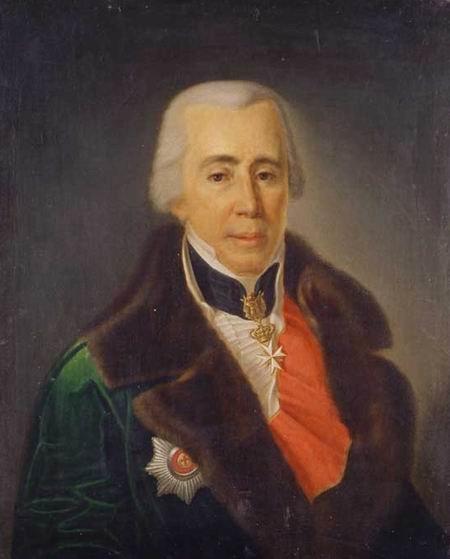
Огромную жизнь прожил этот дом, как причудливо пересеклись в нем разные эпохи. В начале XVIII века усадьба принадлежала Рейнгольду-Густаву Левольду (Левенвольду), ставшему обер-гофмаршалом двора Екатерины I и сыгравшему значительную роль в восшествии на престол Анны Иоановны, в 1730–1740-х гг. – князю, капитану флота И.А. Урусову, потом «шелковому фабриканту» Семену Мыльникову, в конце 1740-х гг. – к коллежскому советнику М.С. Чебышеву, потом – к его дочери Е.М. Чебышевой, вышедшей замуж за князя Петра Федоровича Голицына. Ученый-агроном А.Т. Болотов говорит о нем: «Человек умный, любопытный и имеющий у себя большой натуральный (естественно-научный) кабинет».
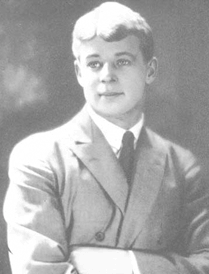
В 1822–1824 гг. дом нанимался для пансиона Ивана Горна, в 1827–1828 гг. правый флигель снимала графиня Е.П. Ростопчина, мать писательницы графини де Сегюр. В 1835 году владение числится за женой доктора И.В. Караса Марией Филипповной урожденной д'Оррер, дочерью иммигранта и внучкой посла Карла X в Ватикане. Со второй половины XIX в. тут сдаются помещения под разные учреждения: меблированные комнаты, музыкальную школу, больницу. В 1909 году была проведена перепланировка помещений меблированных комнат для размещения типографии и переплетной мастерской. В этой типографии с осени 1914 года работал наборщиком поэт С.А. Есенин.
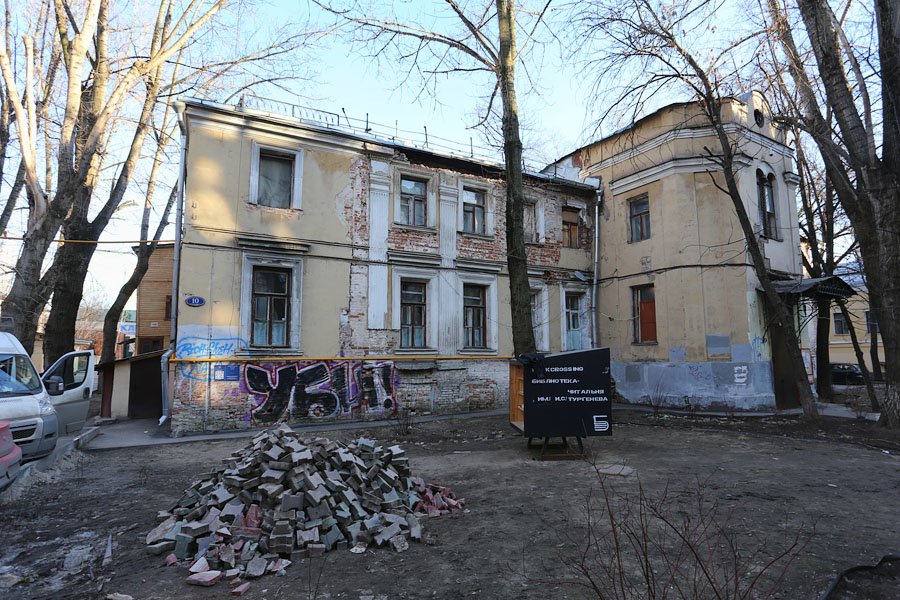
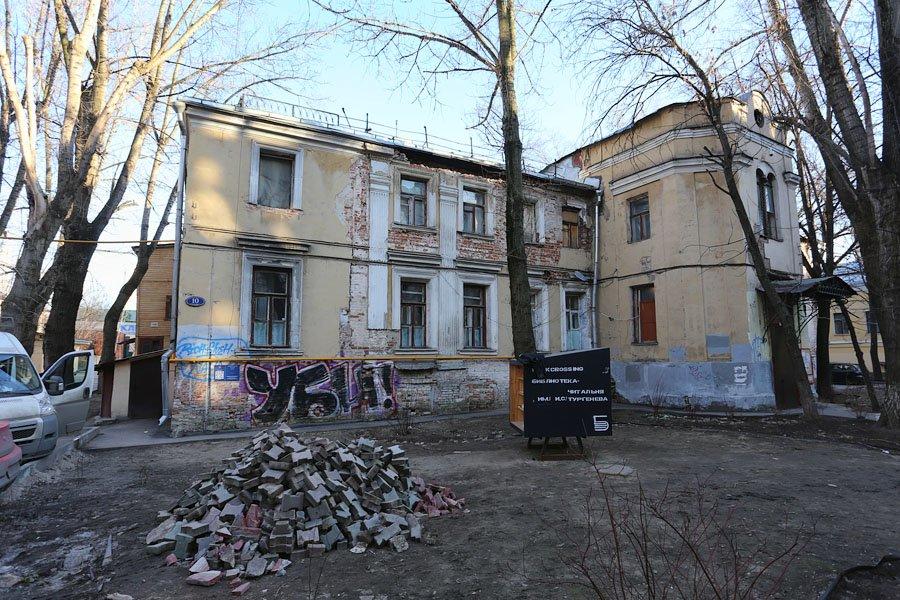
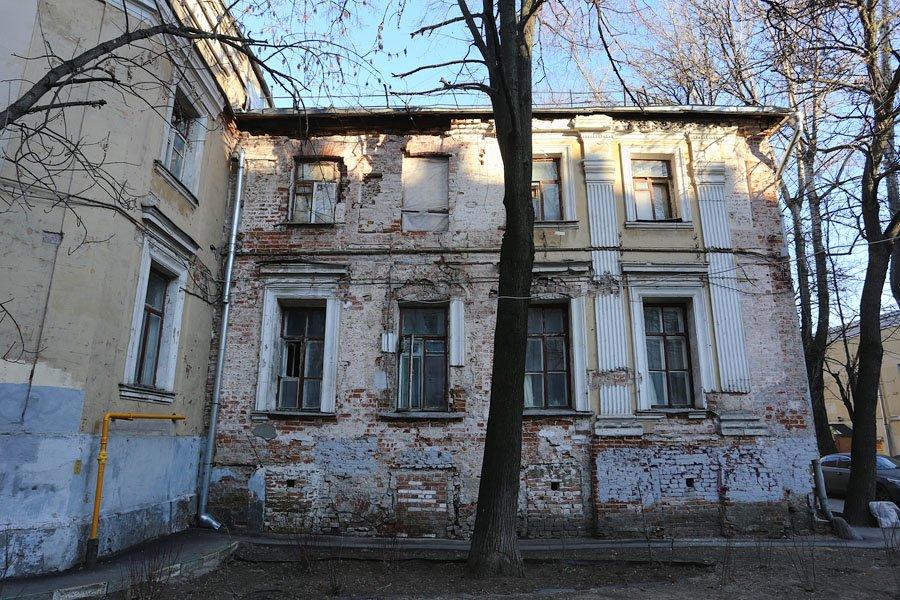
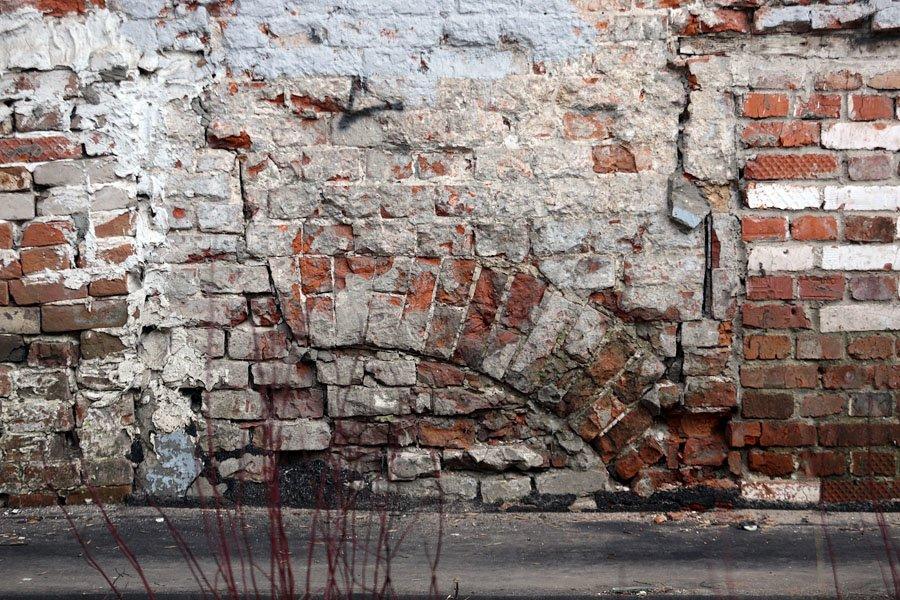
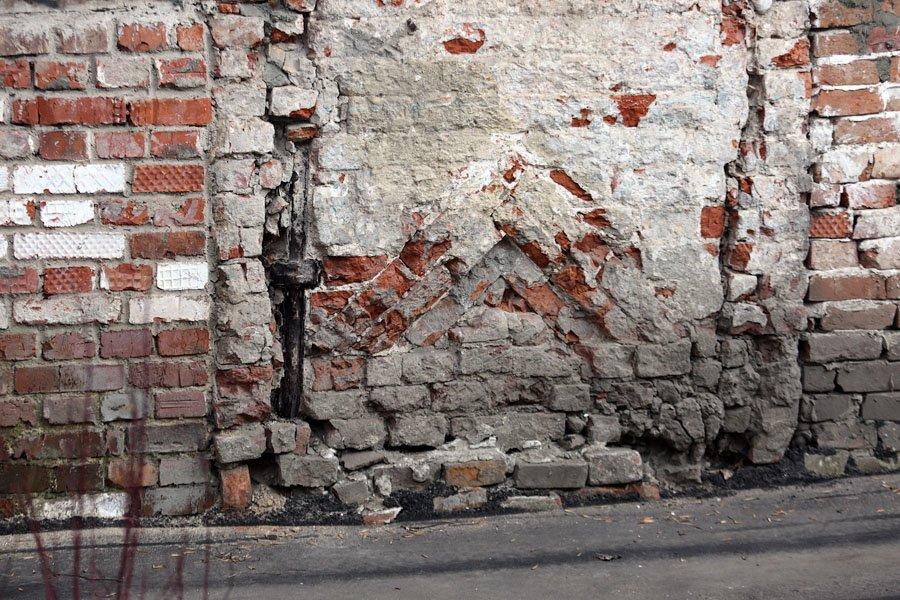
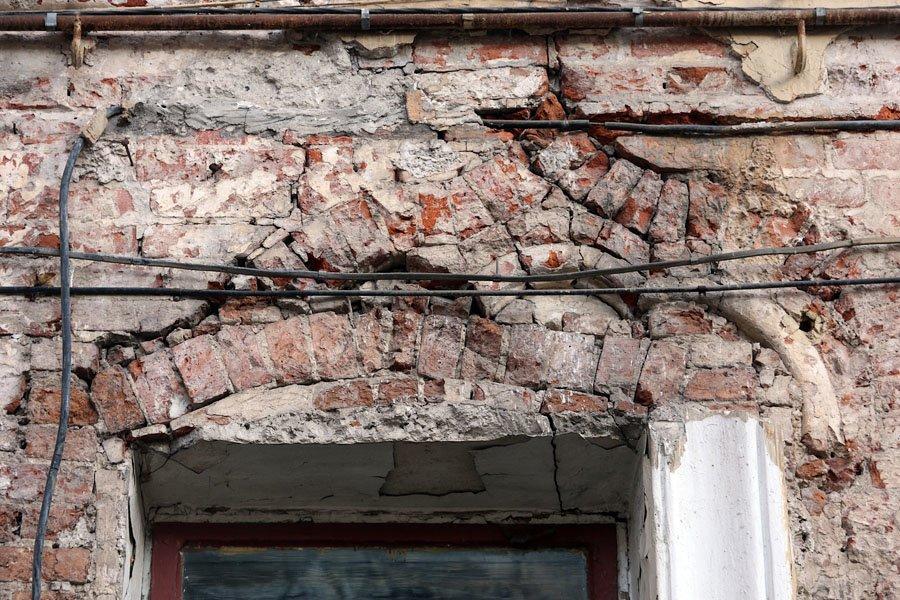
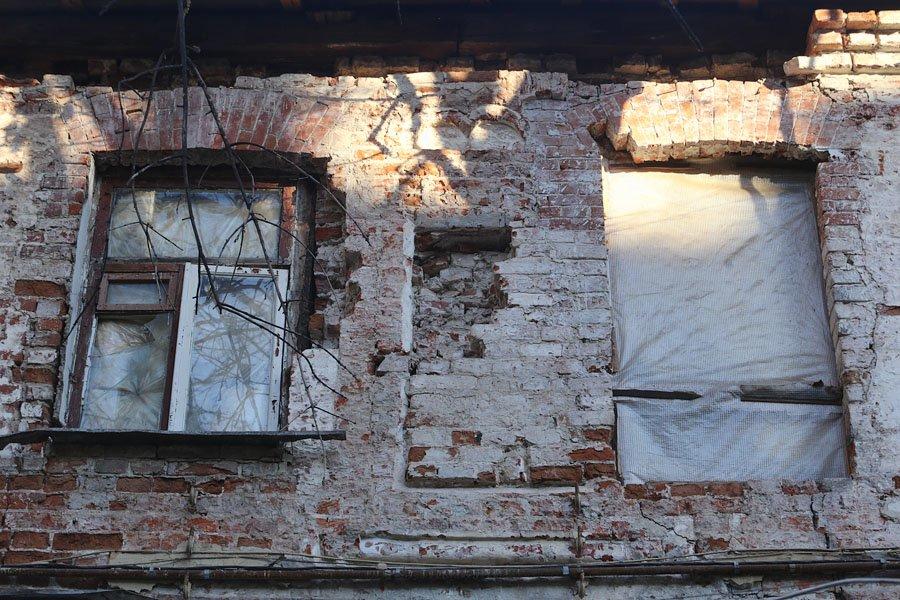
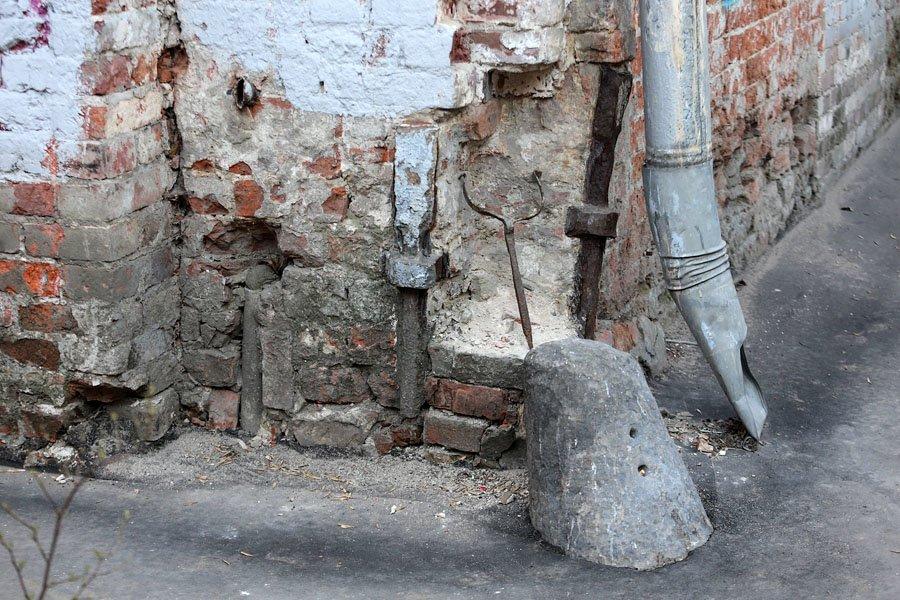
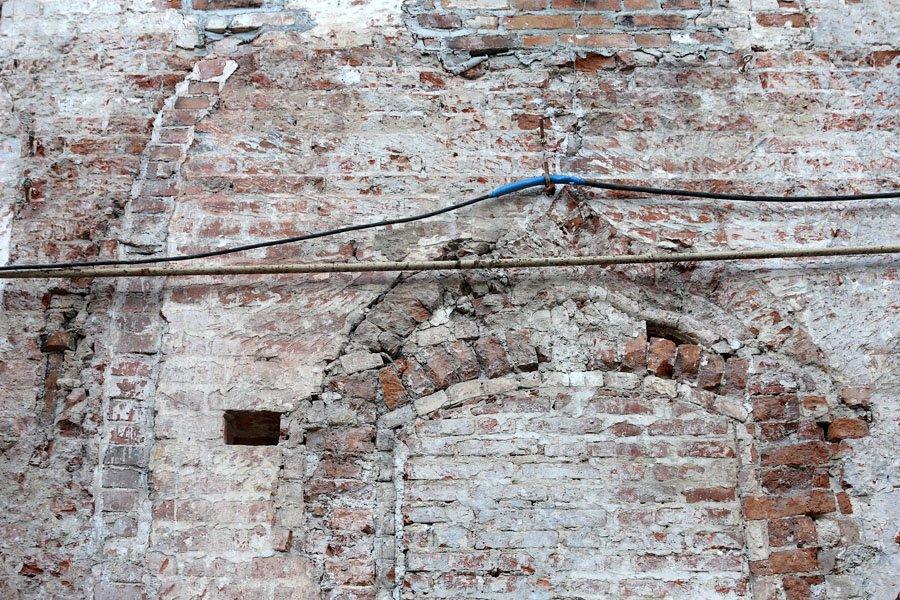
Сейчас усадьба находится в аварийном состоянии. Под крышей гниют несущие балки. На здании почти не осталось штукатурки, призраками проступают заложенные кирпичами окна. В подвалах, которые, кстати, занимают территорию не только под домом, а еще и подо всем внутренним двором, сохранились кованые решетки. Гвозди и стяжки стен в доме тоже являются коваными. Обитатели этого дома – студенты, рабочие и дворники. На втором этаже почти никто не живет.
Слишком много еще не раскрыто, слишком много тайн, и от этого холодок по коже проходит, а воображение уносит в прошлое, в путаницу имен и событий. Слышно звуки музыки, обрывки голосов. Полоска света скользнула по ступенькам, пожилой господин открыл дверь…
It is a light yellow two-storey mansion with white pilasters and expressively projecting portal. The window above the front door is decorated with column with spiral binding. Main House of Prince Golitsyn estate is standing a bit in the depth of the lane, surrounded by two wings, with sidewalls on the "red line". The semi-basement hides a unique, once opened gallery on wide brick arches, the interiors of the house still have tiled stoves and cast iron staircase. During the research, ancient forms on the facades were revealed. Previously it was believed that the chambers of the 17th century remained only on the first floor of the building. But in 2008, the restorers discovered that the second and even the third floors were built at the same time in the 17th century.
A unique ensemble is rightfully considered to be the most ancient of the present residential buildings. The earliest part of it is related to the pre-Peter architecture, created during a great time when we were not looking to the west, and were inventing our own things. There are not more than one hundred of such chambers in Moscow, and half of them are ruins already.
A spring evening, in Golitsyn's estate on Krivokolennom light is on. In front of the house trees grow, all in young greenery. Quiet. And it seems that you will knock on the front door, creak the staircase and an elderly gentleman with a kerosene lamp will open the door ...
This house lived a long life; different eras crossed bizarrely here. At the beginning of the XVIII century the estate belonged to Reinhold - Gustav Levold (Levenvold), who became Chief Marshal of the court of Catherine I, and he played a significant role in the enthronement of Anna Ivanovna; in 1730 - 1740 – to the prince, captain of the fleet, I.Urusov, then to the silk factory owner Semen Mylnikov, at the end of the 1740s – to the counselor of the collegiate M. Chebyshev, then - to his daughter E. Chebysheva who married Prince Peter Fedorovich Golitsyn. Scientist-Agronomist A. Bolotov said about him: "A smart, curious man, who has a large natural (Natural Science) office".
In the 1822-1824 the house was rented as a guest house of Ivan Gorn, in 1827-1828 the right wing was rented by Countess E. Rostopchina - mother of the writer Countess de Segur. In 1835 the owner was the wife of Dr. I. Karas - Maria Filippovna- born as d'Orrer, the daughter of an immigrant and a granddaughter of Ambassador Carl X in Vatican. Since the second half of the XIX century the house is rented to different institutions: furnished room, music school, hospital. In 1909, the redevelopment of the furnished rooms was carried out to accommodate a printing house and bindery. Poet S.Esenin was working as a typesetter in this printing house since autumn of 1914.
Now the estate is in advanced state of disrepair. Under the roof the beams are rotting. There is almost no plaster on the outside of the building, windows are covered with bricks. In the cellars, which, by the way, occupy not only the area under the house, but also under the whole courtyard, there are beaten gratings. Nails and ties of the walls of the house are also beaten. The inhabitants of this house are students, workers and street cleaners. Almost no one lives on the second floor.
Too many things stay uncovered, there are too many secrets, and this chill goes all over the skin, and the imagination brings you to the past, to the addlement of names and events. You can hear the sounds of music, snatches of voices. A strip of light is on the stairs, an elderly gentleman opens the door...
Рекомендации




.jpg&w=1920&q=75)