Интерактивный гид по городу
С мобильным приложением бродить по городу гораздо интереснее!

"Ambassador compound "

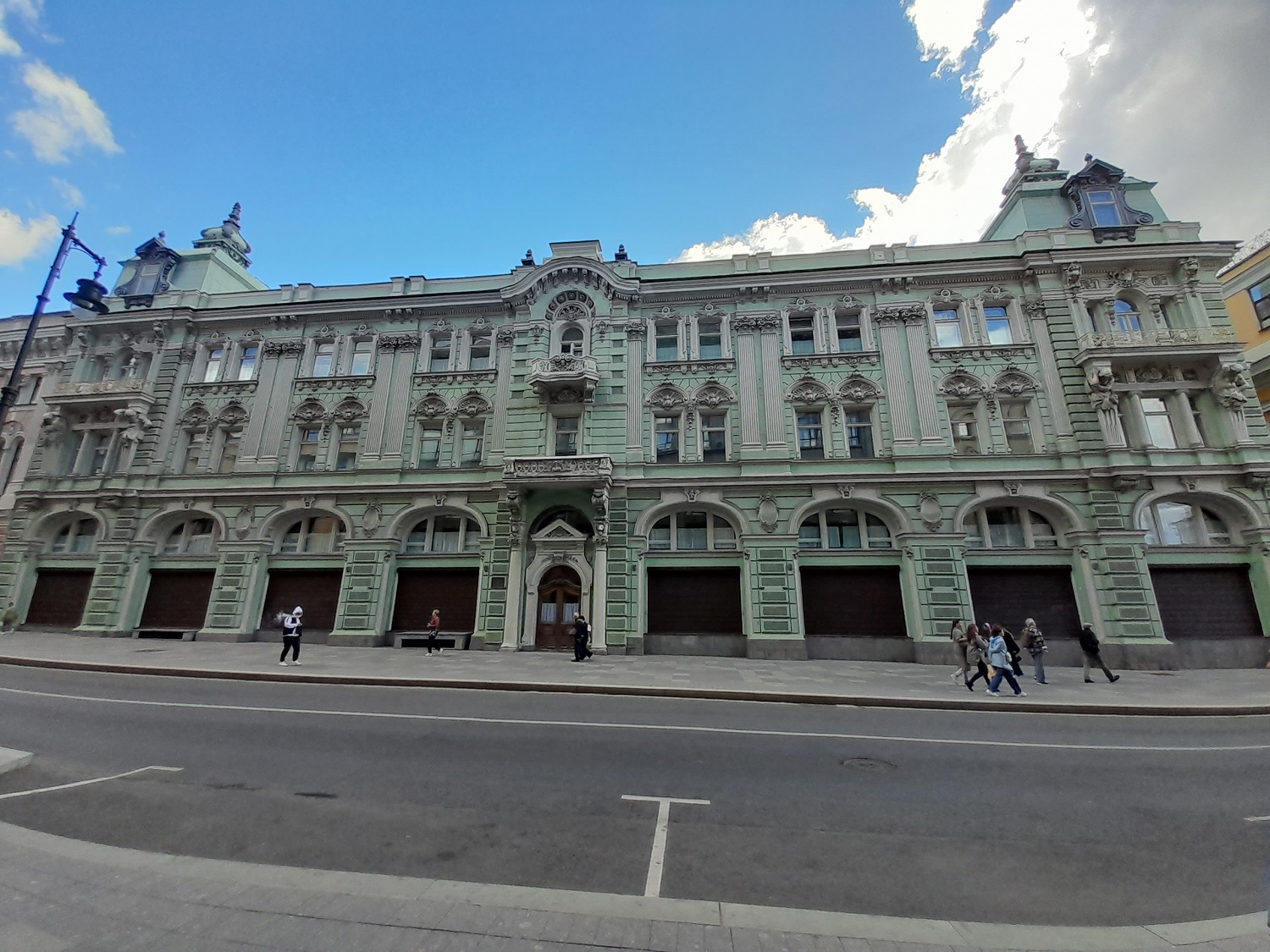
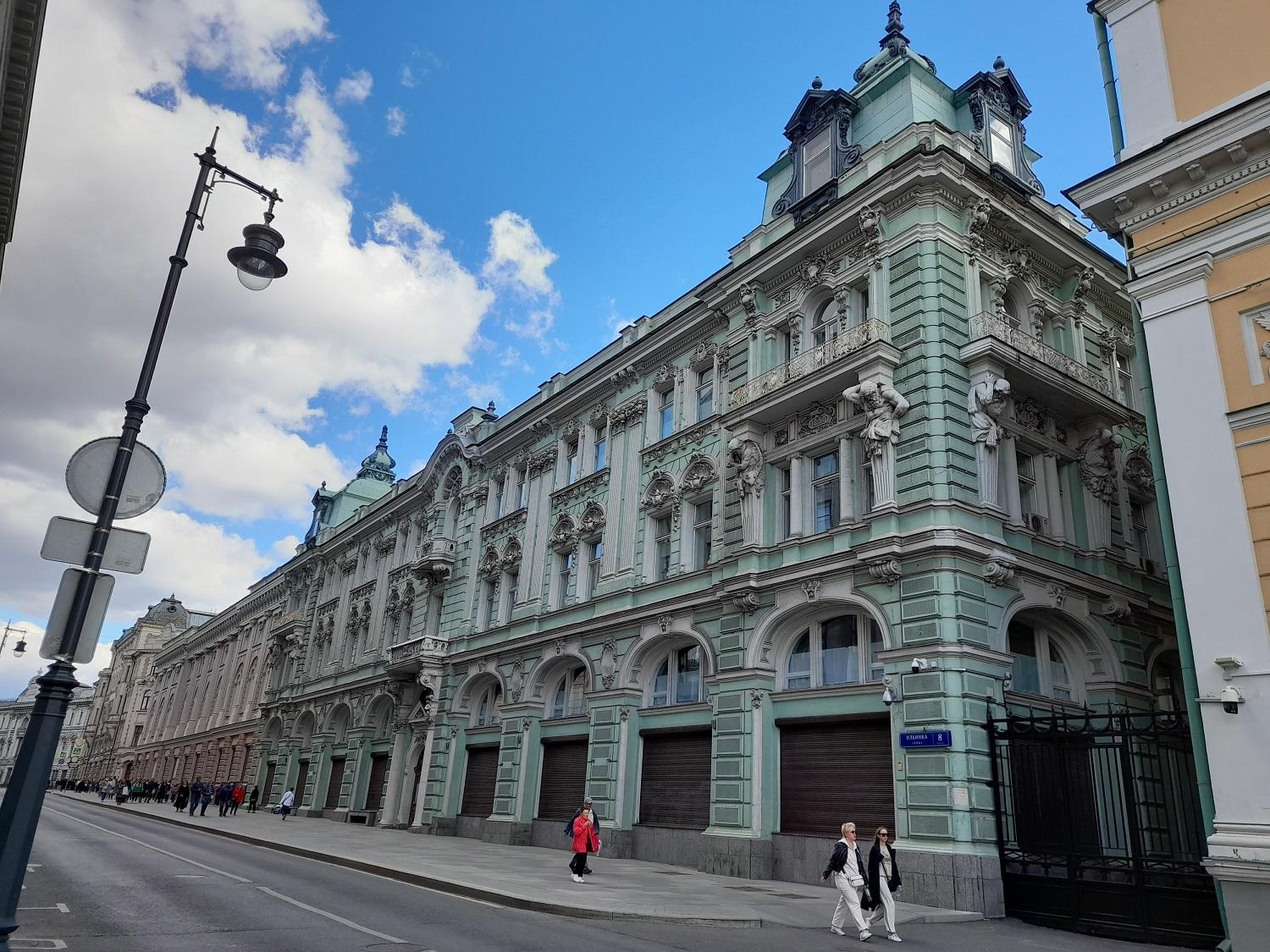
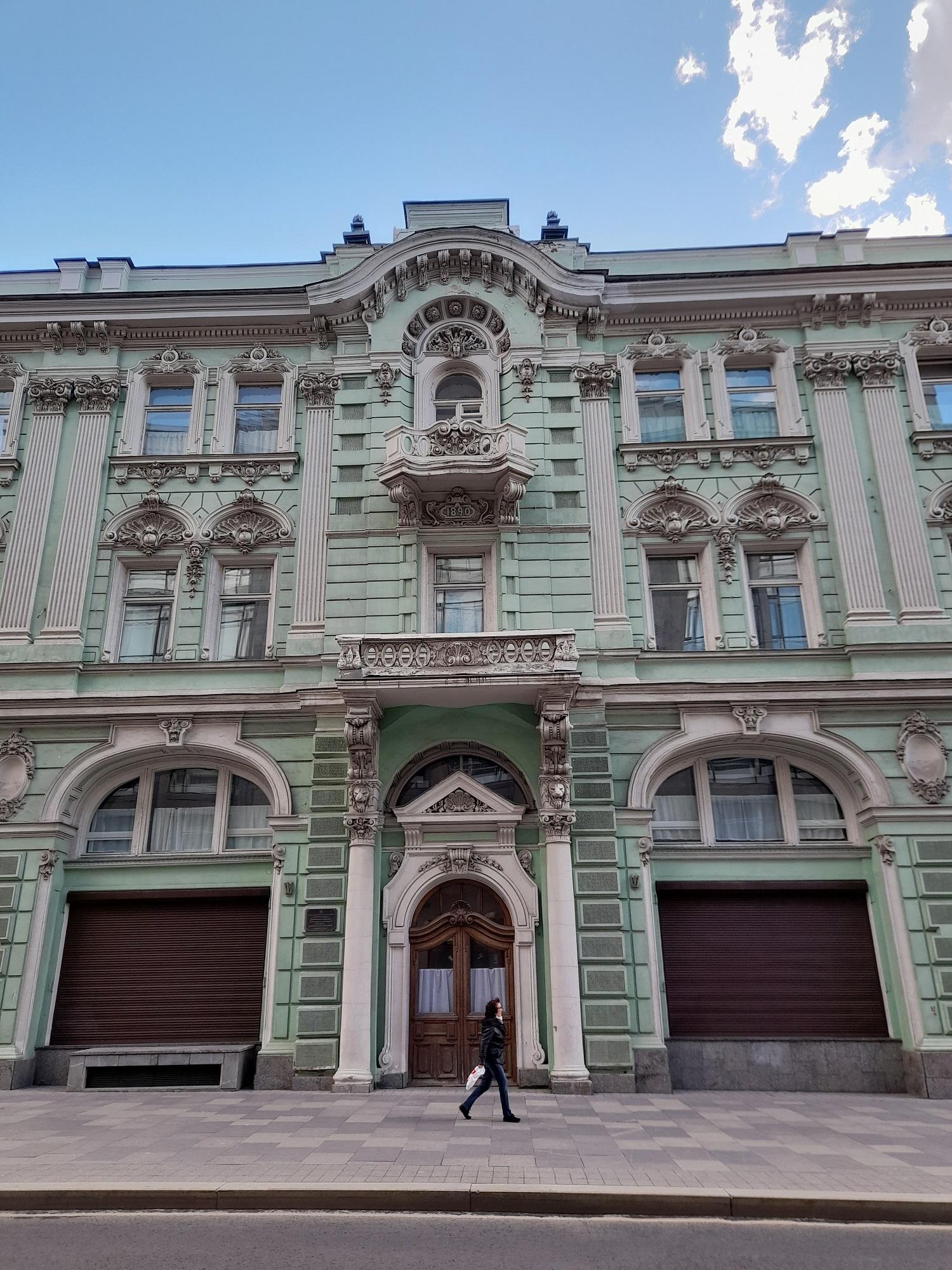
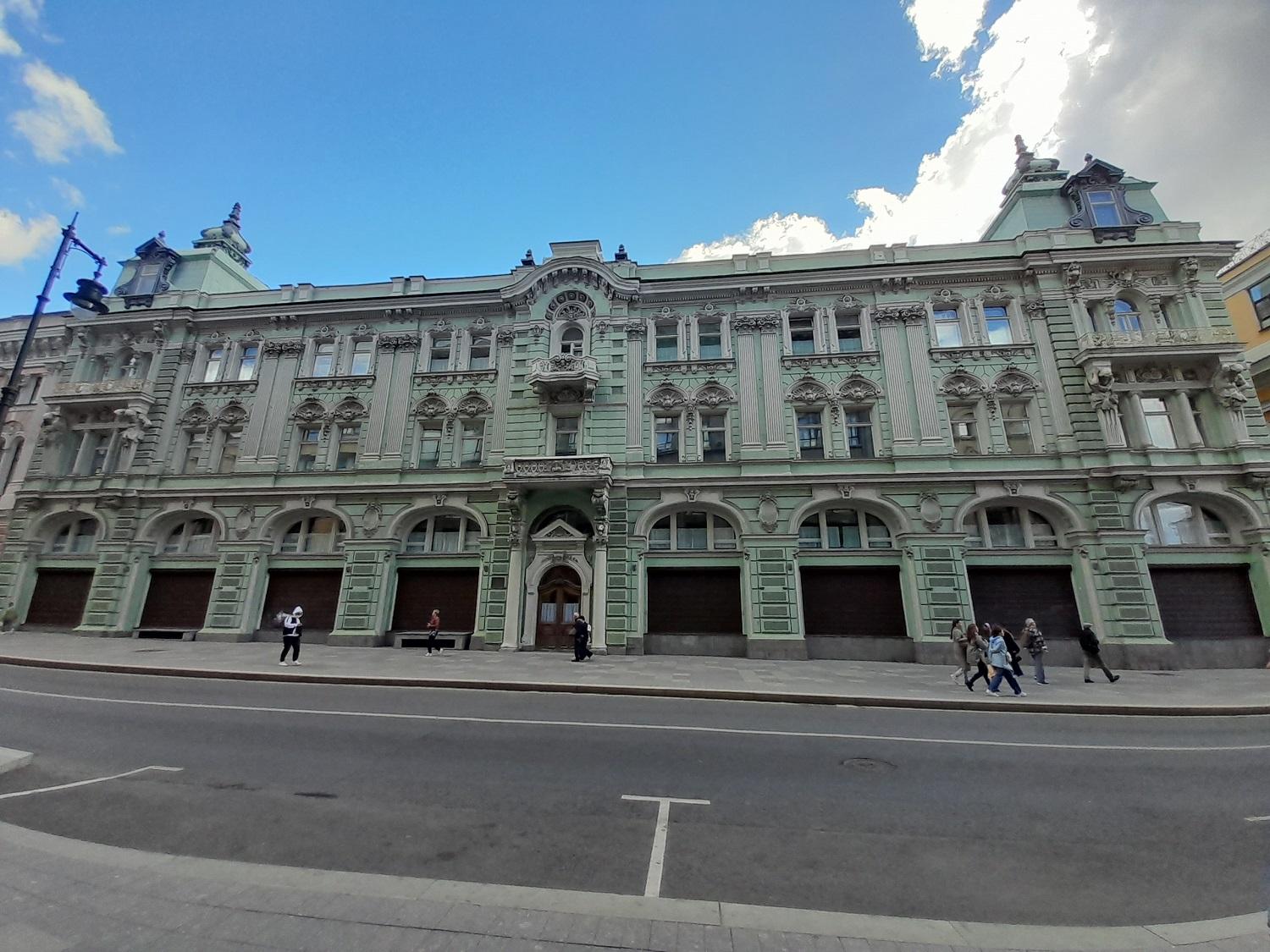
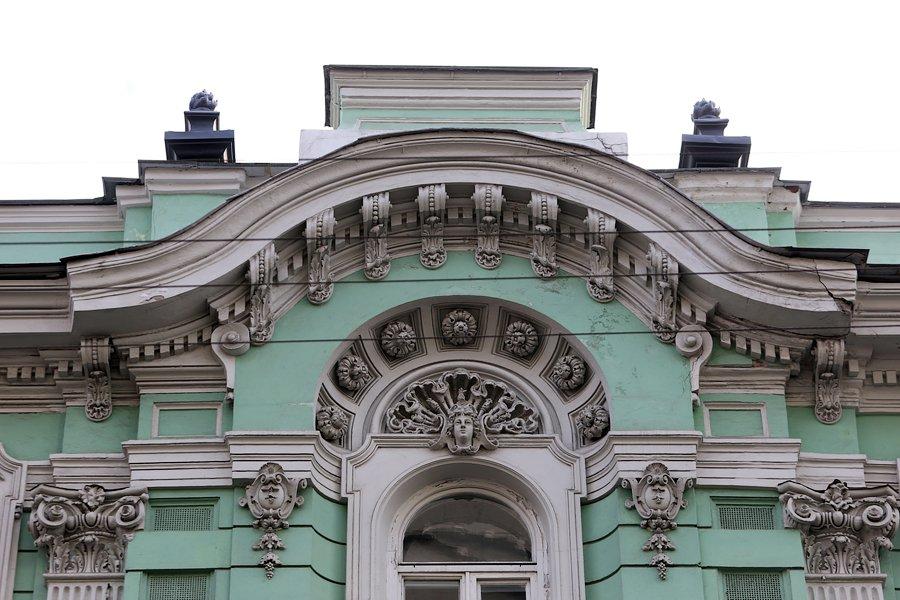
Ambassadors, silk tunics, merchants , bankers ... Eclectic-style building at Ilyinka, perfectly corresponds to an eclectic history of the "Ambassadors farmstead "!

"Ambassador compound "
Ambassadors, silk tunics, merchants , bankers ... Eclectic-style building at Ilyinka, perfectly corresponds to an eclectic history of the "Ambassadors farmstead "!
3.42
Вы можете воспользоваться QR-кодом, чтобы открыть эту страницу в нашем приложении
Архитектурный стиль:
Годы постройки:
1889-1890
Эпоха:
17th century, 19th century
Информация о здании

В XVII в. на Ильинке, на участке между церковью Дмитрия Солунского в Рыбном переулке и Никольским переулком, был построен Посольский двор — огромное здание, предназначенное для иностранных послов и их свиты. Название «Посольский двор» сохранялось за этим участком до революции 1917 г.

Посольский двор XVII в. представлял собой каменное строение, состоящее из нескольких частей, соединенных арочными переходами.

Двор простоял здесь более ста лет и подробно описан в воспоминаниях иноземцев, посещавших Москву в этот период. Упразднен он был после перевода столицы в Петербург. Здание наняла Мундирная экспедиция, а потом — шелковая мануфактура барона Шафирова, графов Толстого и Апраксина. Фабрика также носила название «Посольский двор».

В конце XVIII в. владение оказалось у купцов А. Павлова и Н. Калинина. Купцы решают построить большой доходный дом. Проект здания разрабатывает архитектор М.Ф. Казаков. На месте старого Посольского двора появляется вместительное торговое и жилое здание, построенное в классическом стиле — с портиком, коринфскими колоннами, напоминающее о Посольском дворе арочными сводами окон первого этажа. Здание принадлежало двум владельцам и поэтому было разделено капитальной стеной на две неравные части.

В таком виде здание простояло до 1888 г., когда Московское купеческое общество приобрело участок для постройки двух зданий, которые можно было бы сдавать в аренду разным коммерческим предприятиям.

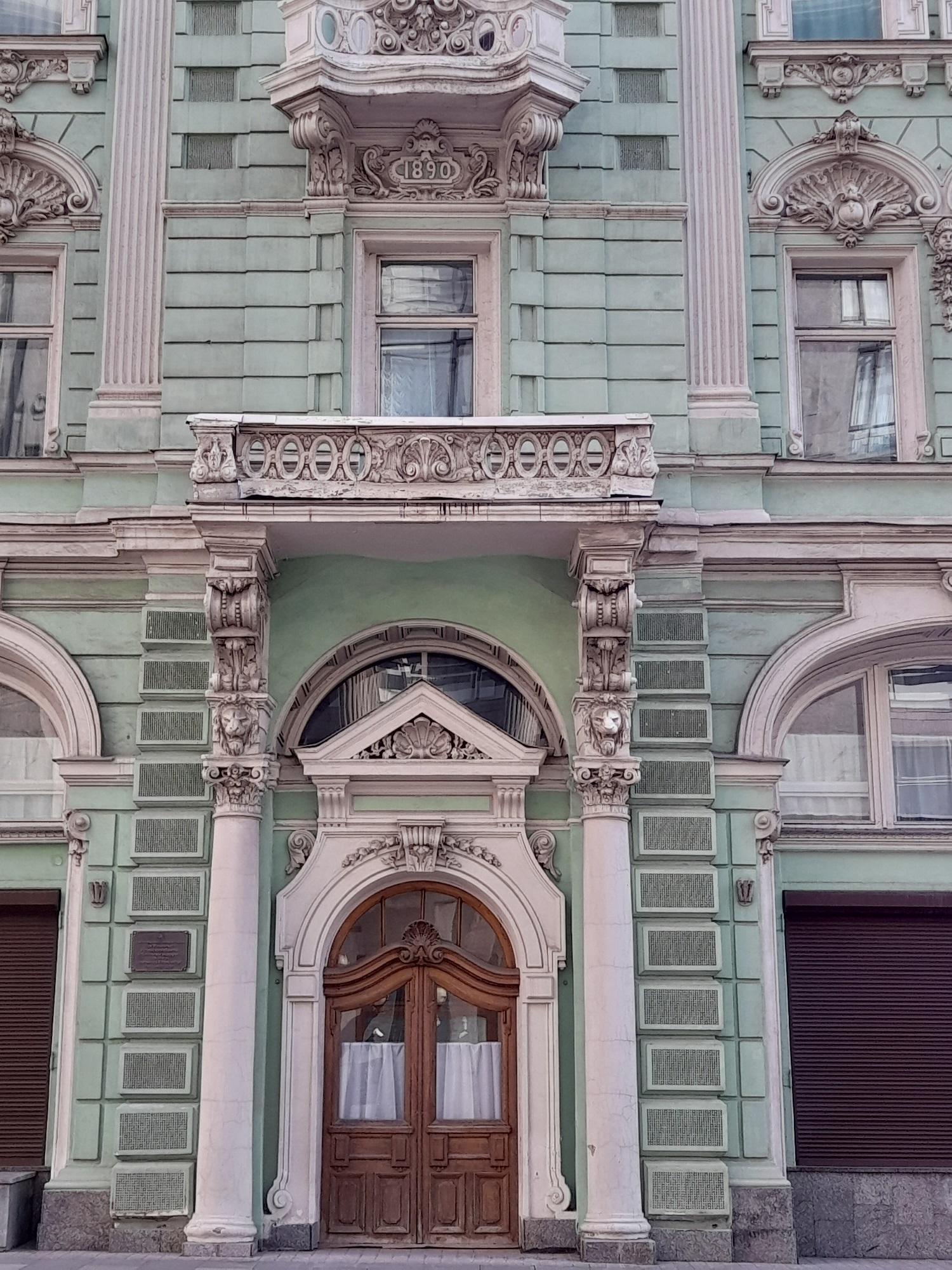
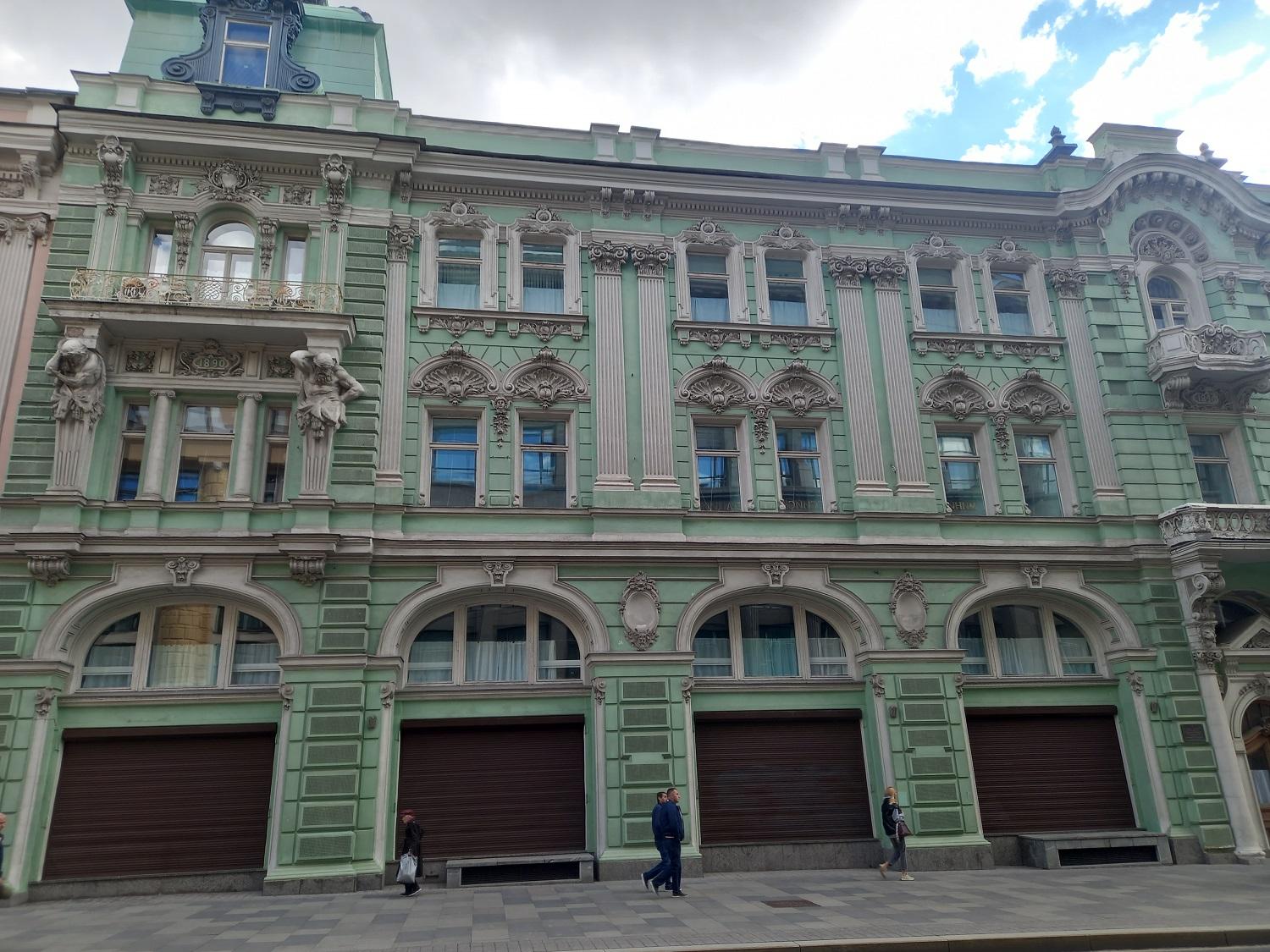
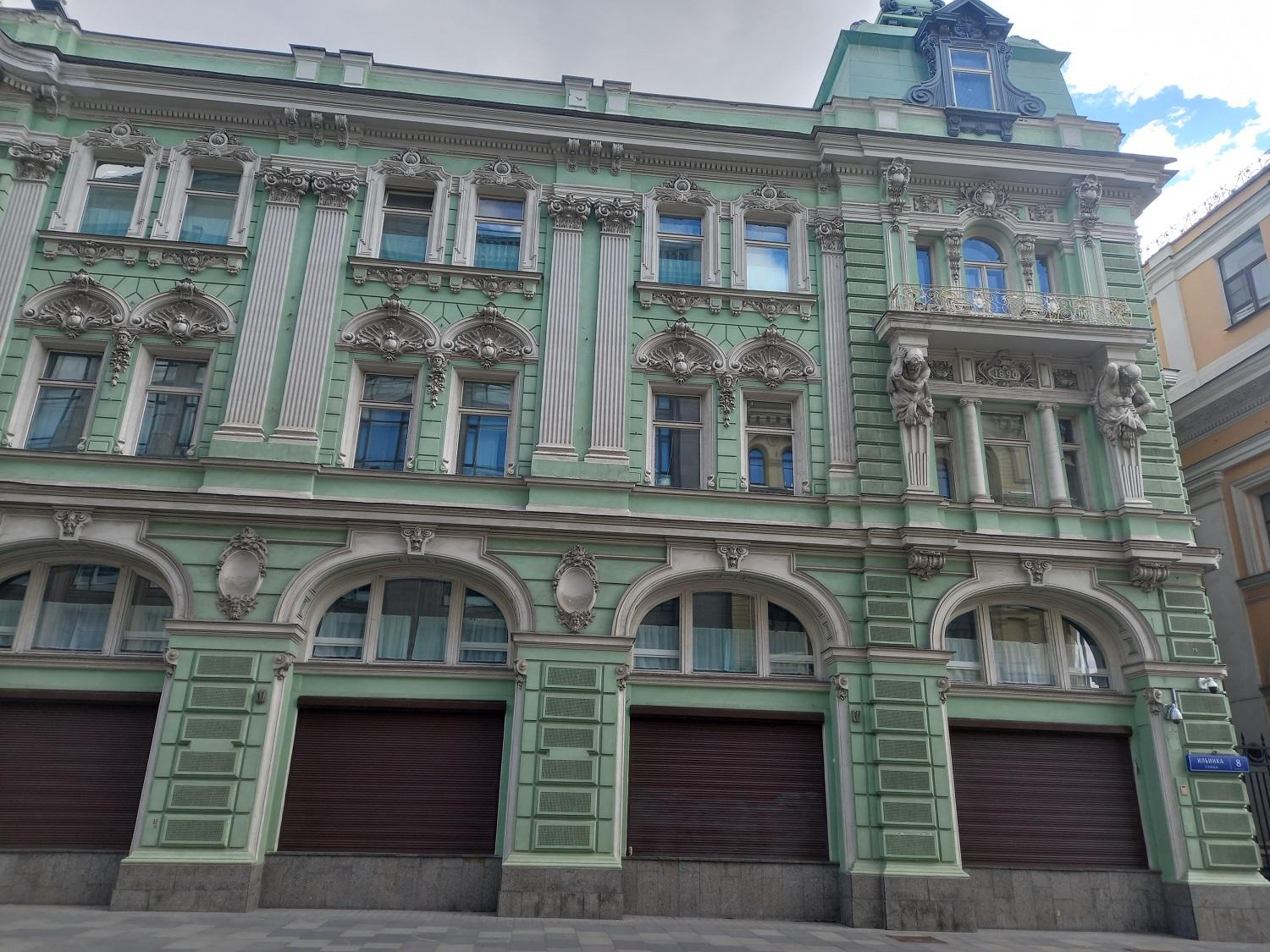
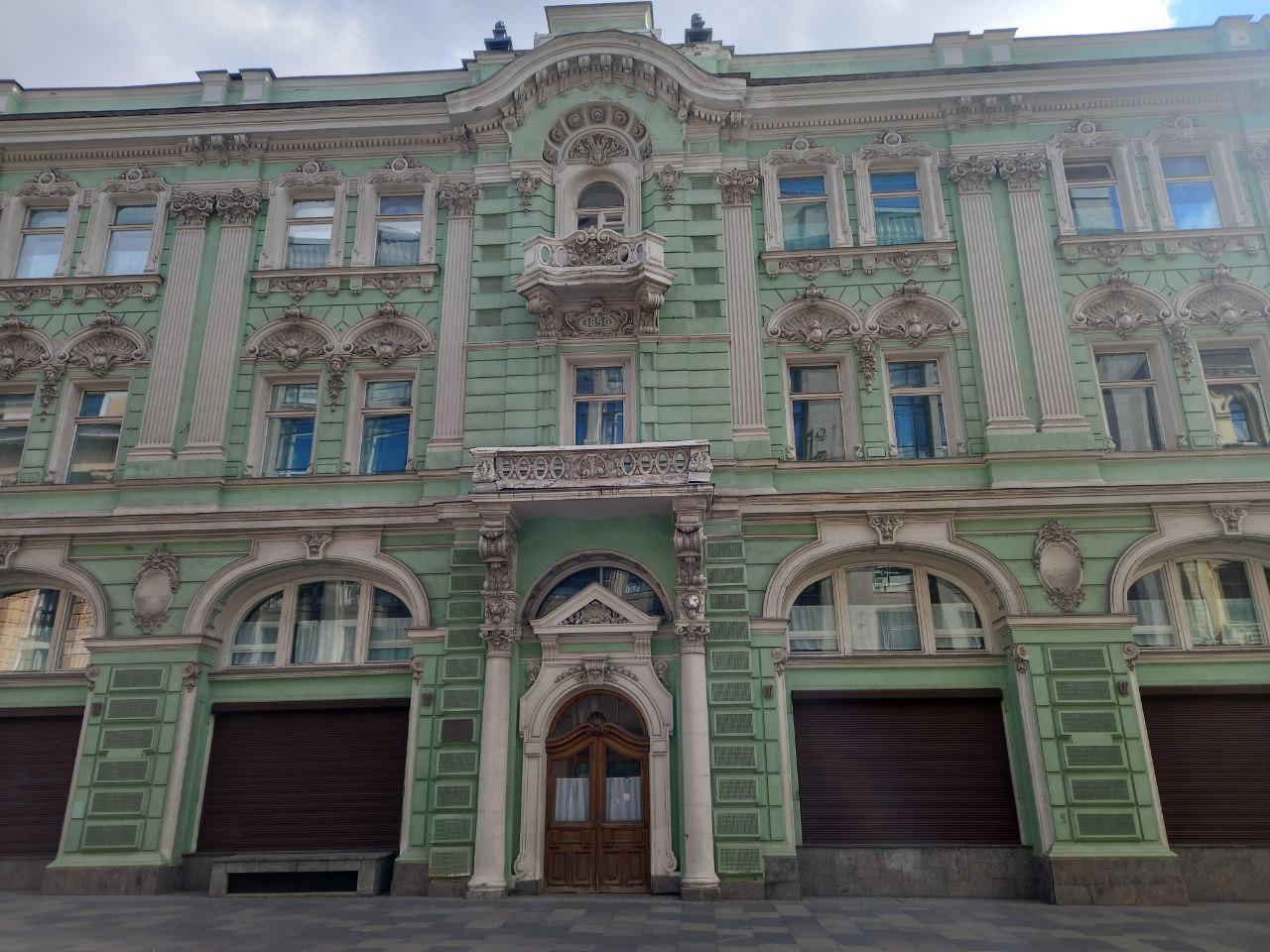
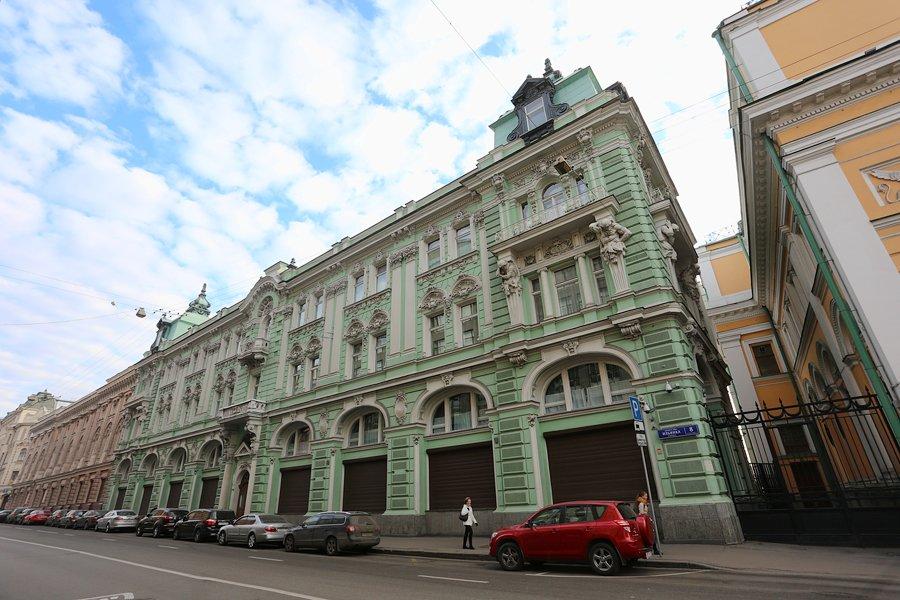
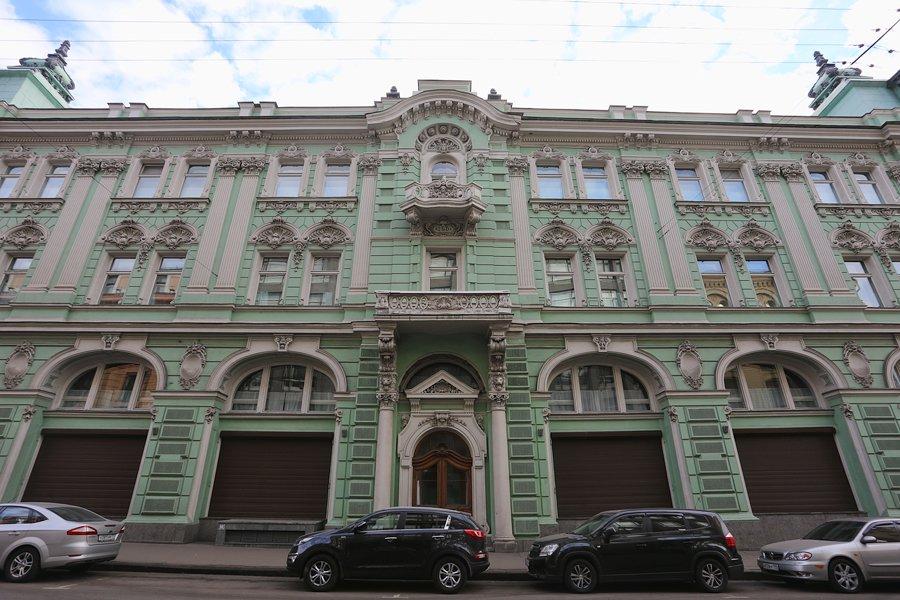
Проект перестройки был поручен архитектору Б.В. Фрейденбергу. В 1890 г. на правом участке был построен дом, отвечающий новым требованиям времени. Дом Московского купеческого общества был построен в стиле эклектики с элементами французского барокко, только первый этаж арочных окон и название «Посольский двор» напоминало о прошлом предназначении этого участка. Пышный скульптурный декор, два барочный купола выделяют дом на фоне остальной застройки улицы. Здесь и атланты, поддерживающие балконы, и львиные головы, охраняющие парадный вход, бесчисленные гирлянды и маски. На углу дома видна табличка, свидетельствующая о том, что «украшения фасада исп. мастерской М.Д. Кутырина».

Здание взял в аренду Волжско-Камский коммерческий банк, который просуществовал здесь до 1917 г. Кроме Представительства банка, помещения снимали Товарищество Воскресенской мануфактуры и Товарищество Мануфактур Н. Дербенова и сыновей.

В годы советской власти здания Ильинки были заняты под учреждения и позднее вошли в общий комплекс ЦК КПСС. Сейчас этот комплекс принадлежит администрации Президента РФ.
Ambassadors yard is a huge building designed for foreign ambassadors and their retinue was built on Ilyinka , in the area between Demetrios Church in Rybniy (Fish) Lane and Niklosky (St. Nicholas) lane in the XVII century. The name " Ambassador Court" remained with this site prior to the revolution in 1917. Ambassadorial yard was a stone structure consisting of several parts connected by arched passages in XVII century. Courtyard stood here for over a century and was described in detail in the memoirs of foreigners who visited Moscow in the period. It was abolished after the transfer of the capital to St. Petersburg. The building was hired by the uniformed expedition, then silk manufactory of Baron Shafirov, Count Tolstoy and Apraksin. The factory name was also “Ambassador yard “. Merchants Pavlov and Kalinin acquire the building in the end of the XVIII century. Merchants decide to build a large apartment building. The project developed an architect M.F. Kazakov. Roomy commercial and residential building, built in a classical style - with a portico, Corinthian columns, reminiscent of the embassy courtyard arched vaults of the first floor windows appeared at the site of the old Ambassador's court. The building was owned by the two owners and therefore was divided capital wall into two unequal parts. In this form, the building stood until 1888, when the Moscow merchant society purchased a site for the construction of two buildings that could be leased to various commercial enterprises. Redevelopment project was entrusted to the architect B.V. Freudenberg. In 1890, a house was built on the right side, meeting the new requirements of the time. The house of the Moscow merchant society was built in the style of eclecticism with elements of French baroque, only the first floor of arched windows and the name "Ambassadorial courtyard" reminded of the past purpose of this site. Magnificent sculptural decoration, two baroque domes distinguish the house against the backdrop of the rest of the building of the street. There are also atlantes supporting the balconies, and lion's heads guarding the front door, countless garlands and masks. On the corner of the house there is a sign, which shows that "the decoration of the facade of the workshop of M.D. Kutyrina. " The building rented the Volzhsko-Kamsky Commercial Bank, which existed here until 1917. In addition to the Bank's Office, the premises were rented by the Association of the Resurrection Manufactory and the Association of Manufactures of N. Derbenov and his sons. During the Soviet era, Ilyinka's buildings were occupied by institutions and later entered the general complex of the CPSU Central Committee. Now this complex belongs to the administration of the President of the Russian Federation.
Автор статьи: Зинаида Одолламская