Интерактивный гид по городу
С мобильным приложением бродить по городу гораздо интереснее!

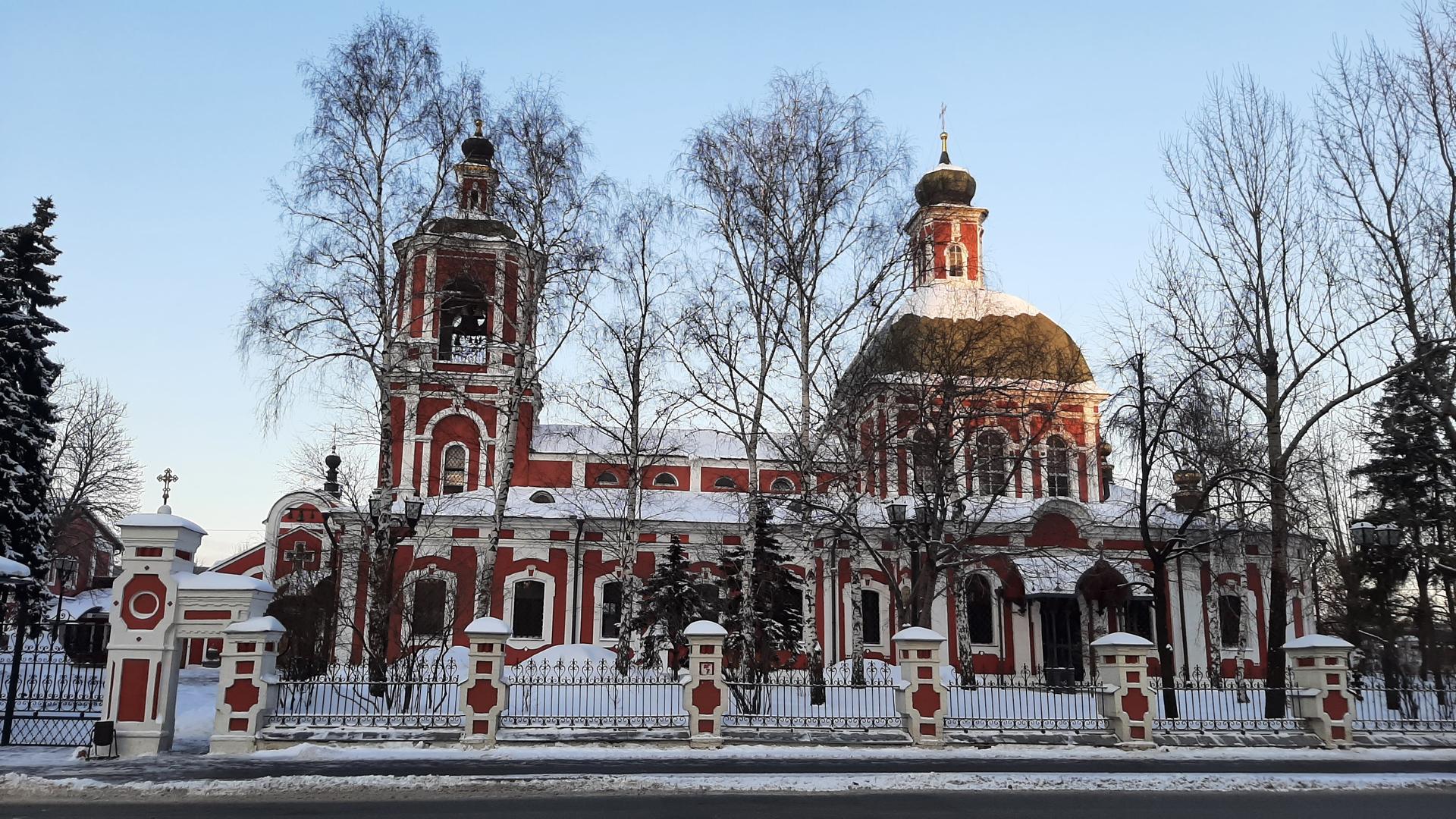
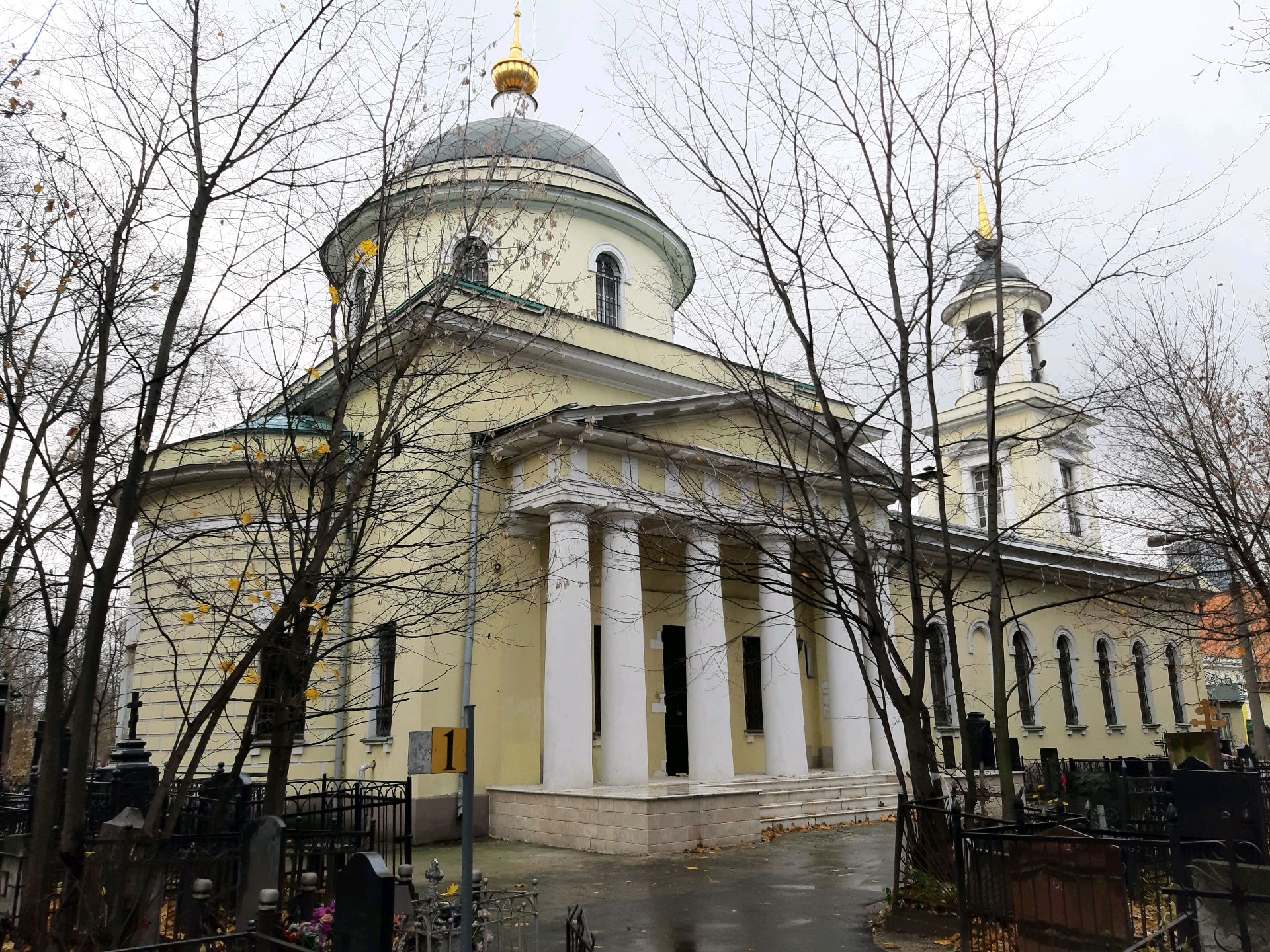
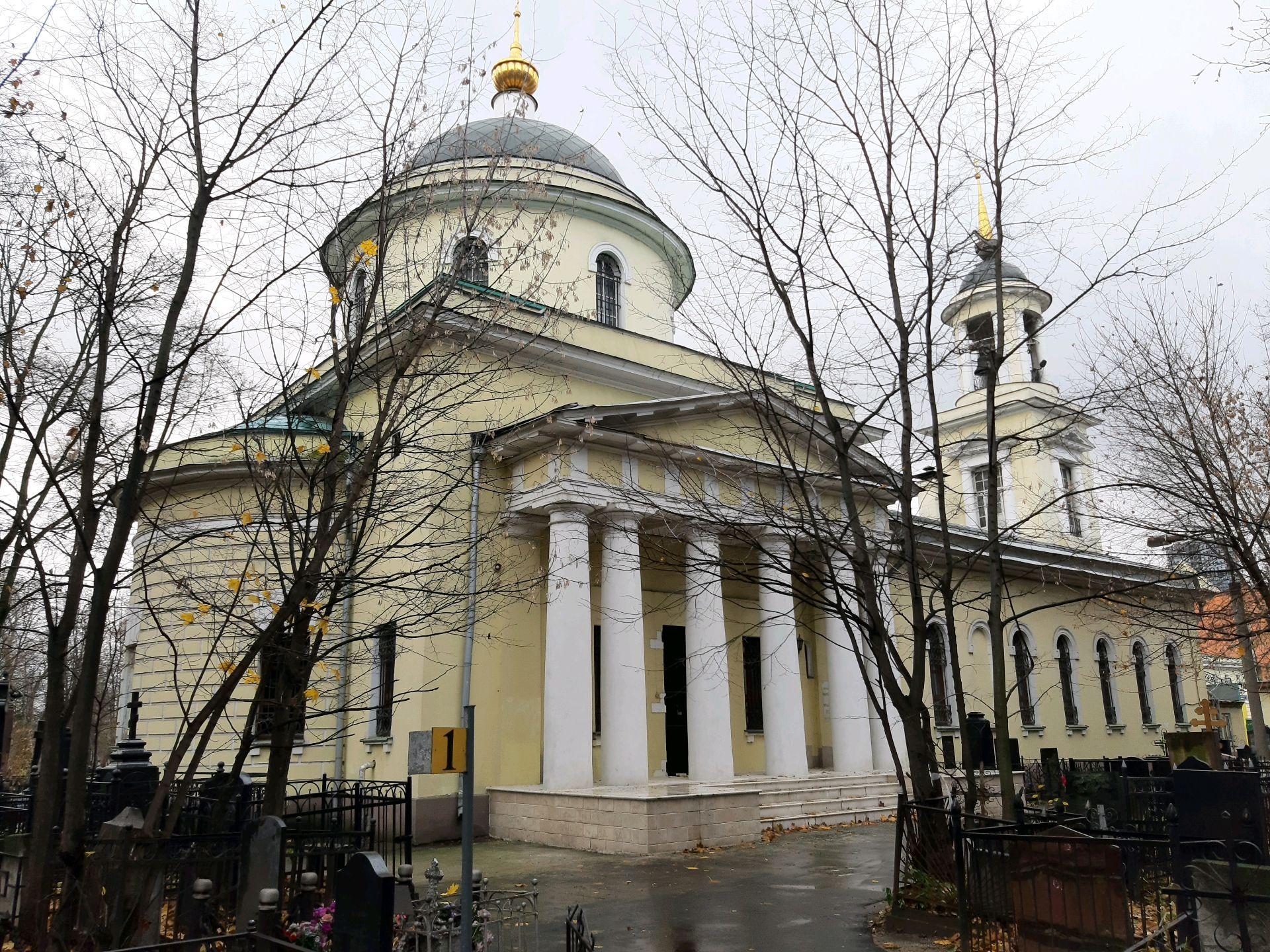
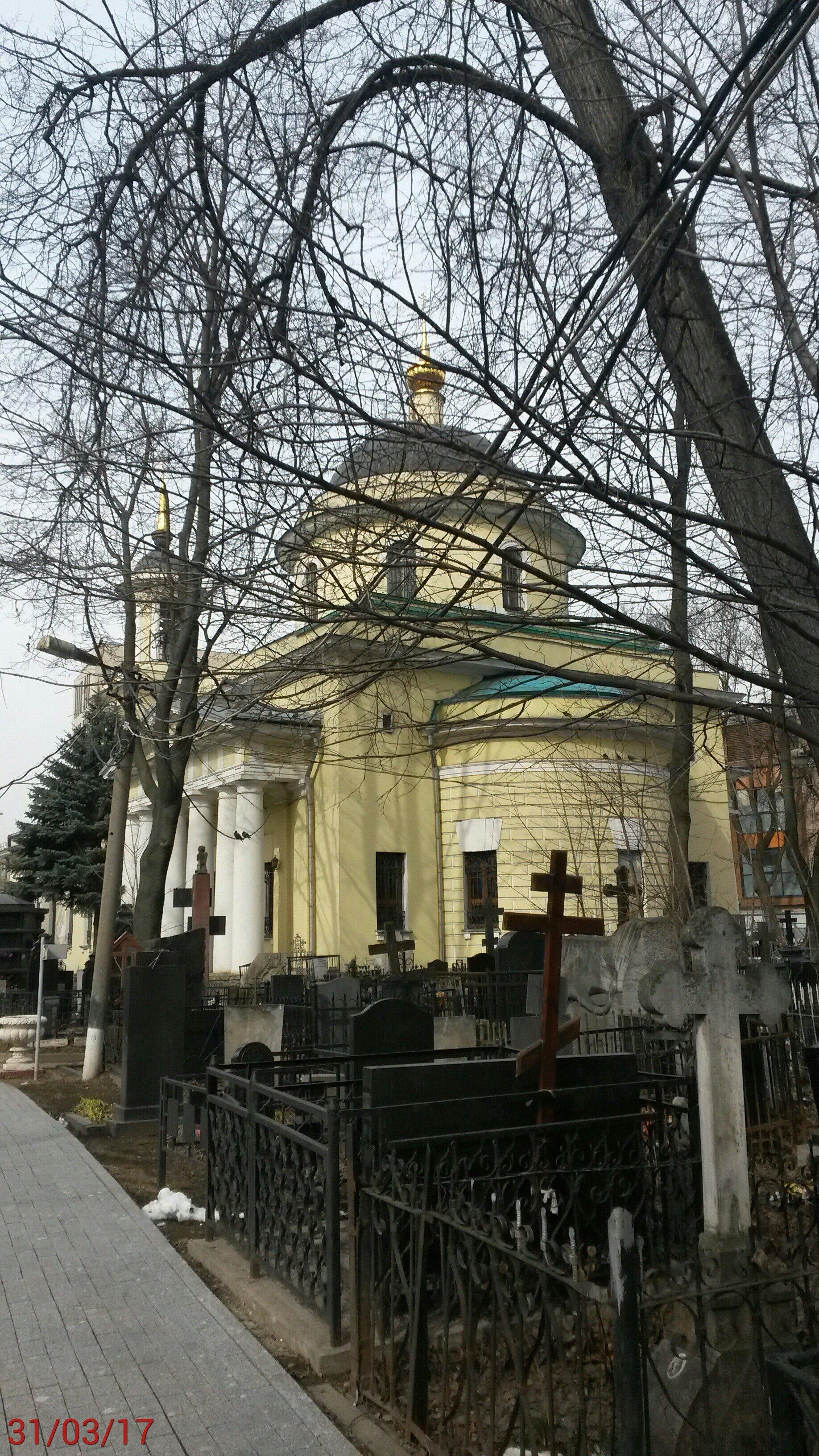
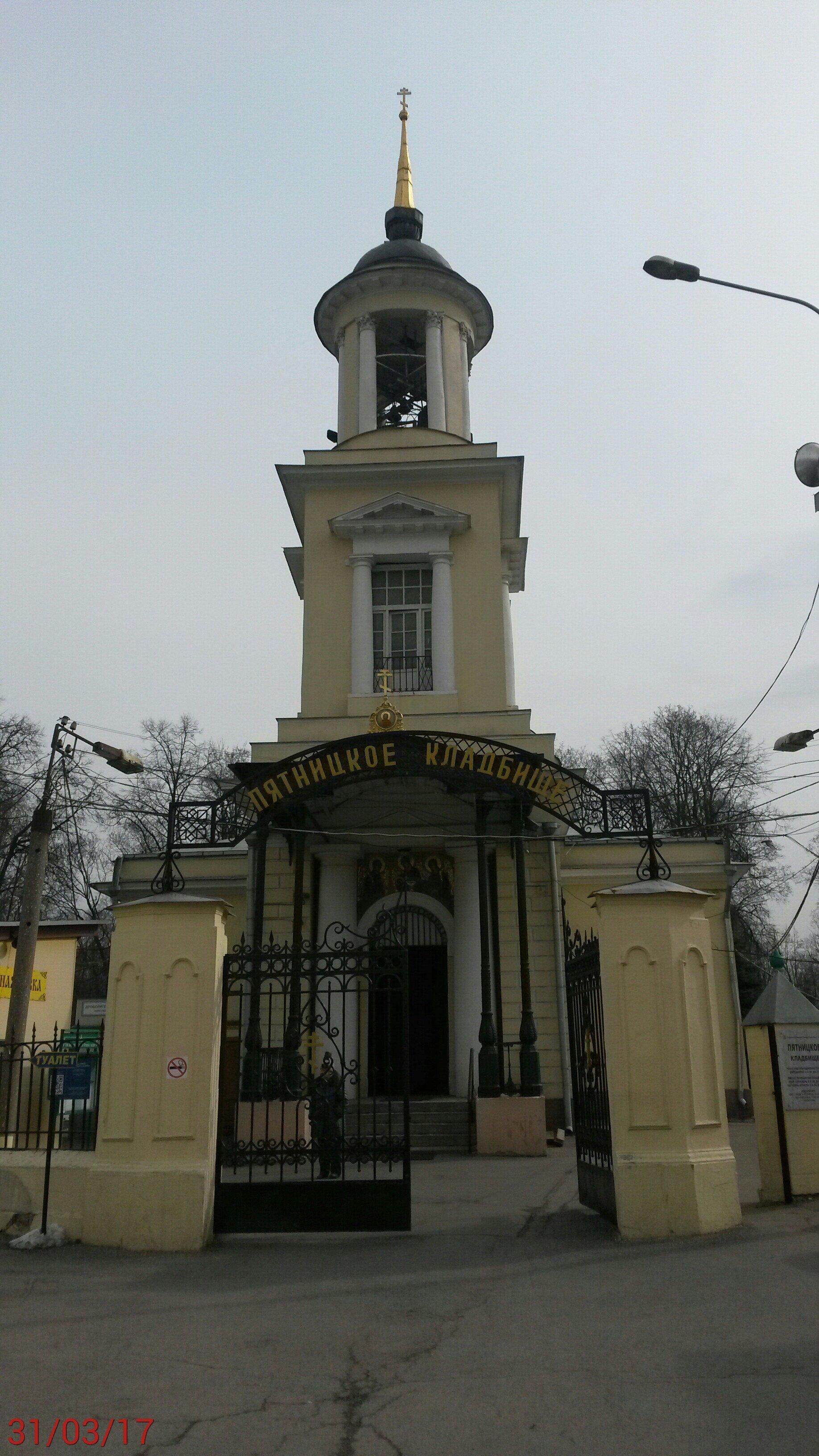
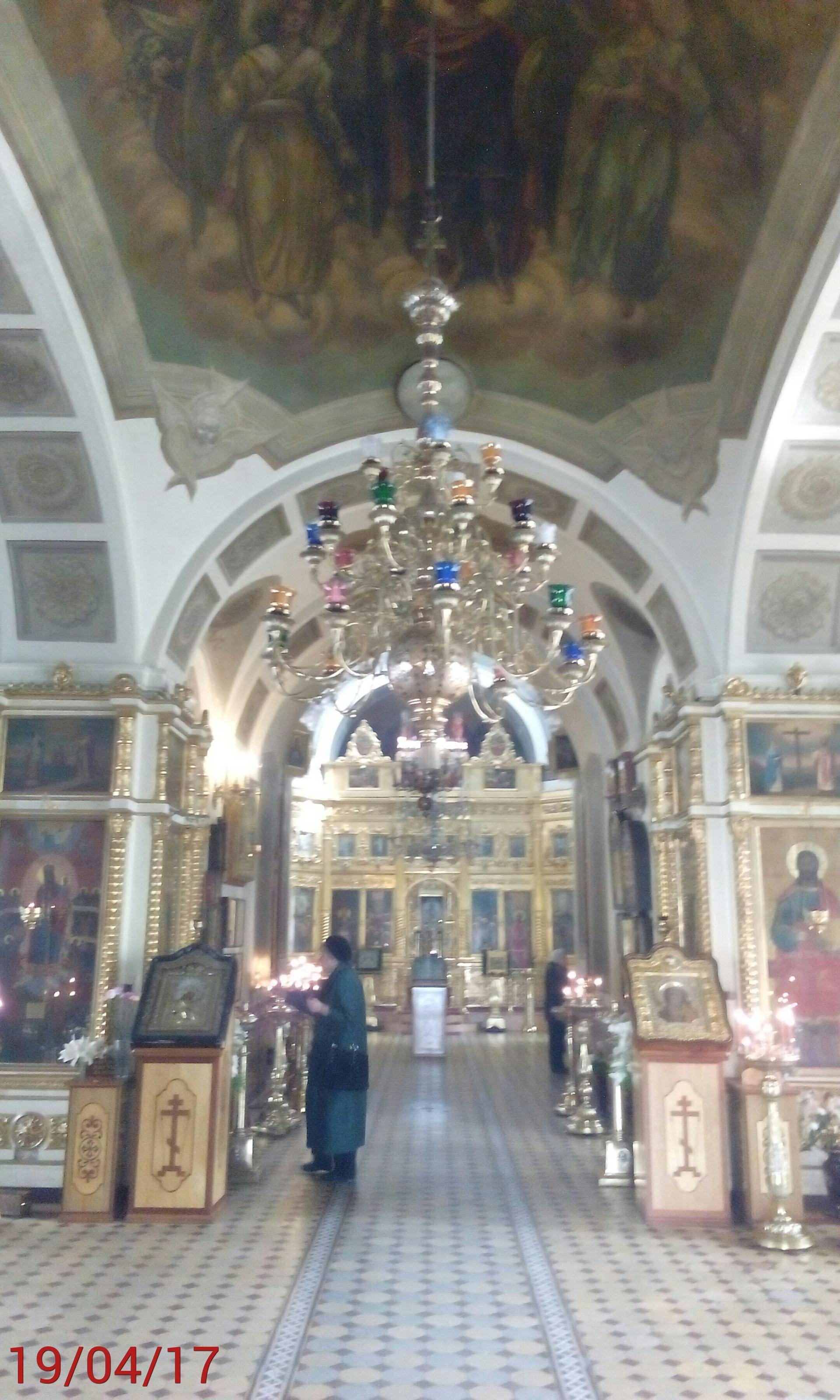
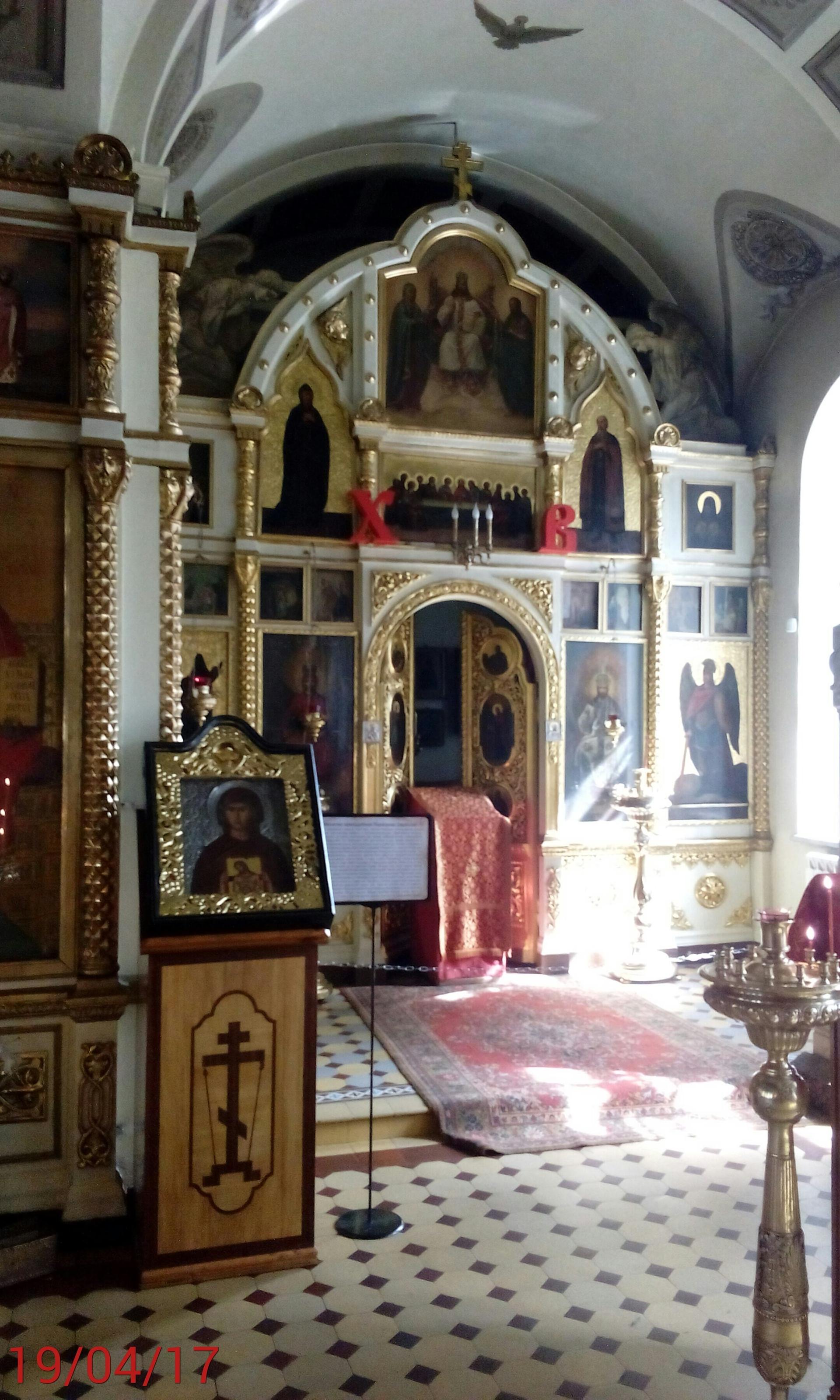
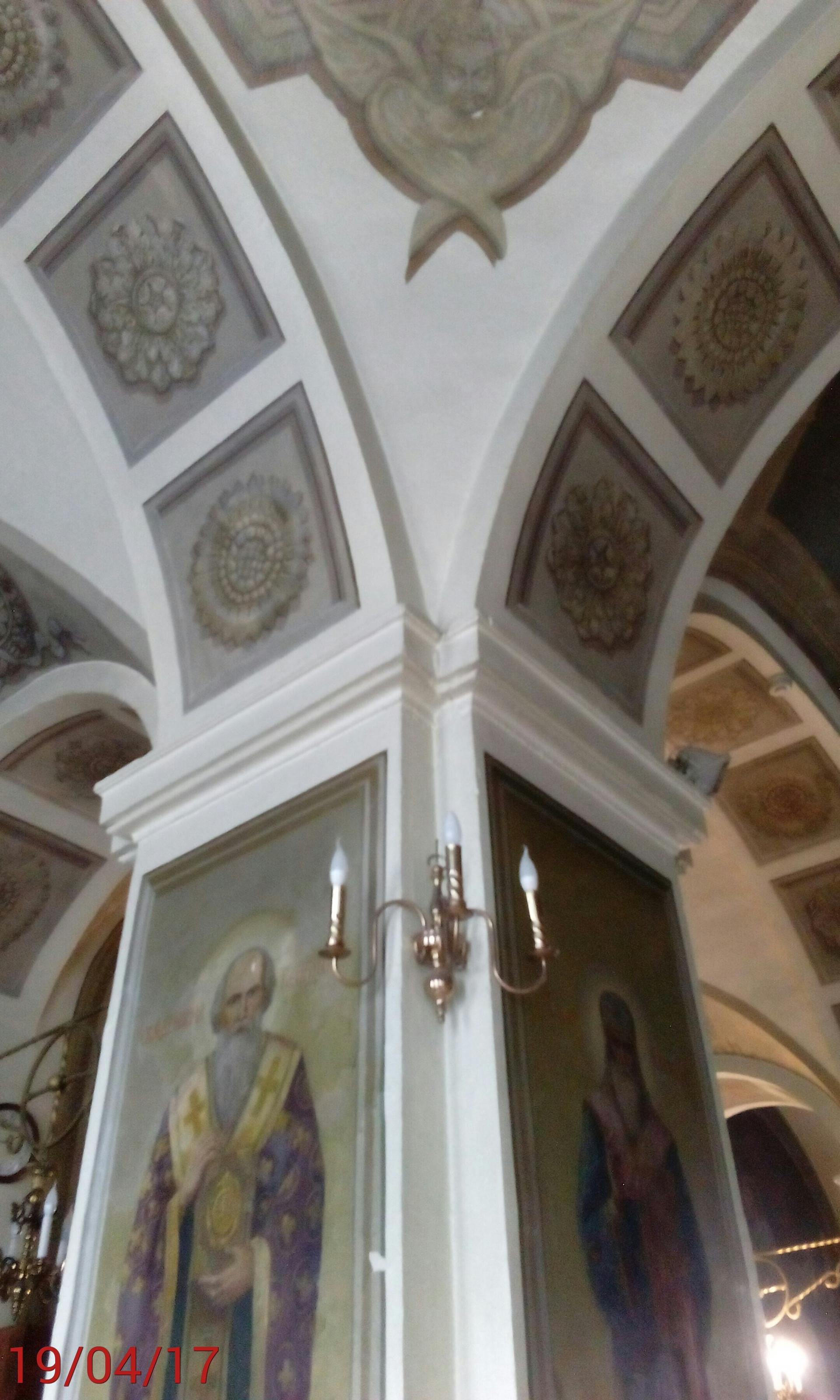
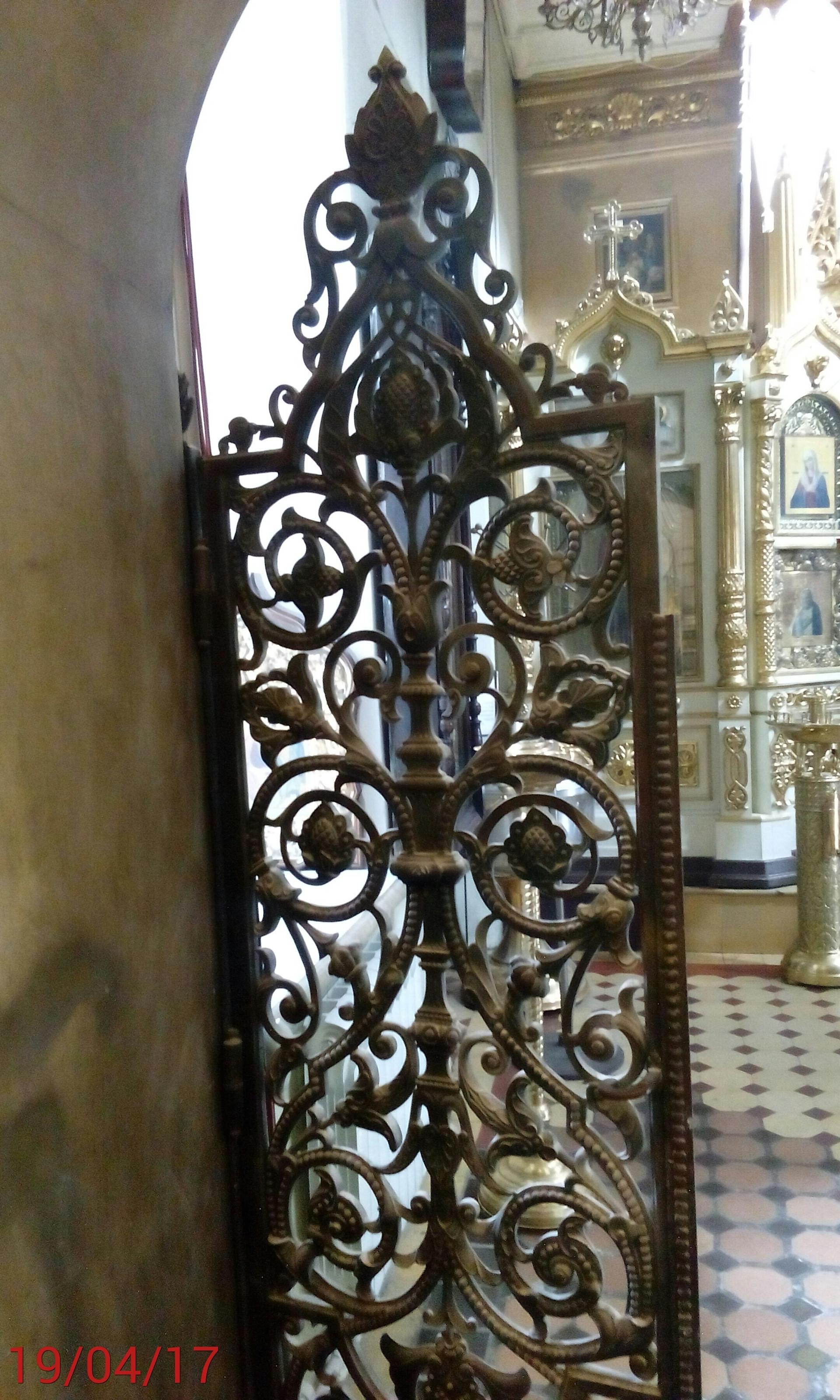
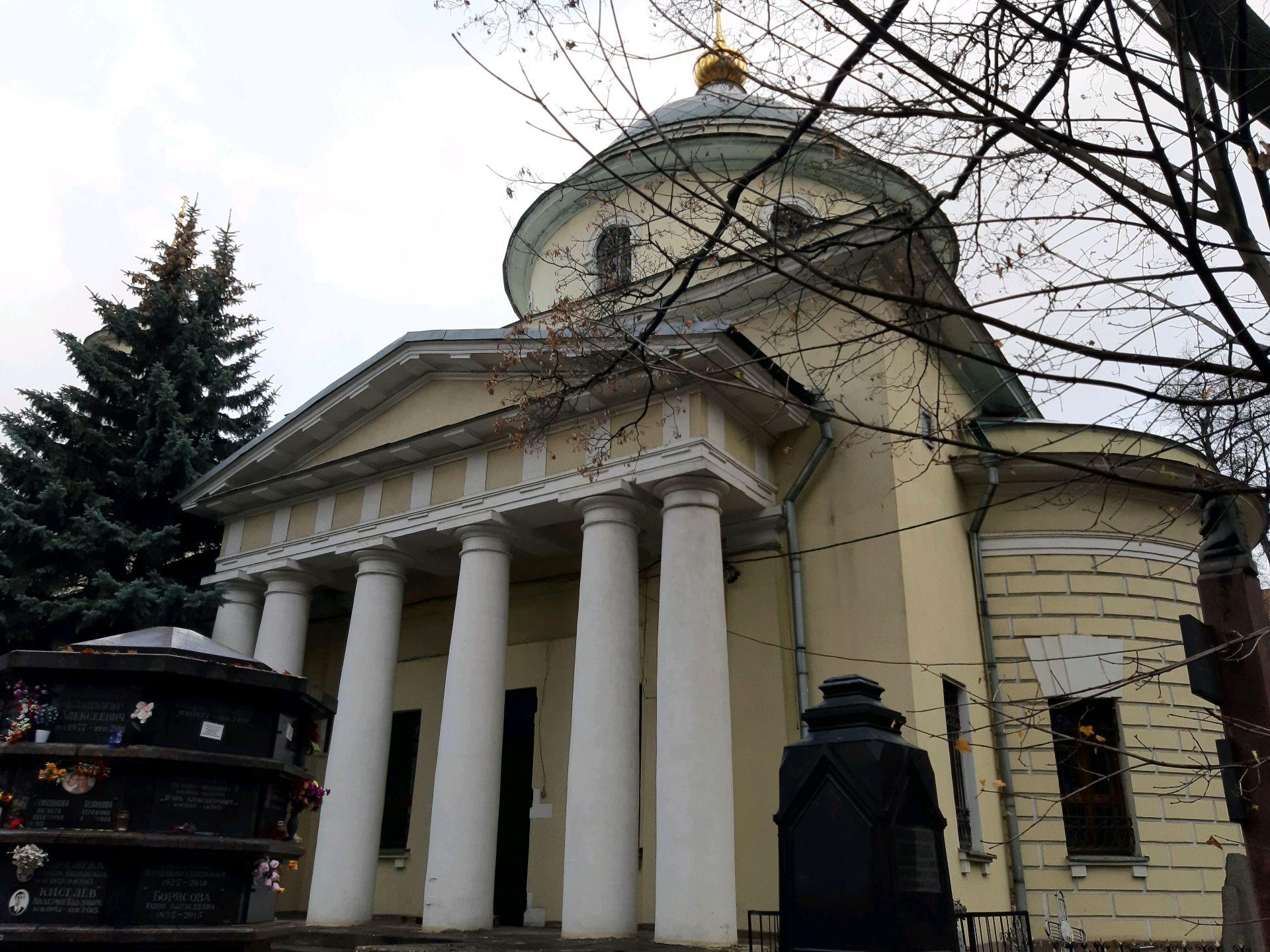
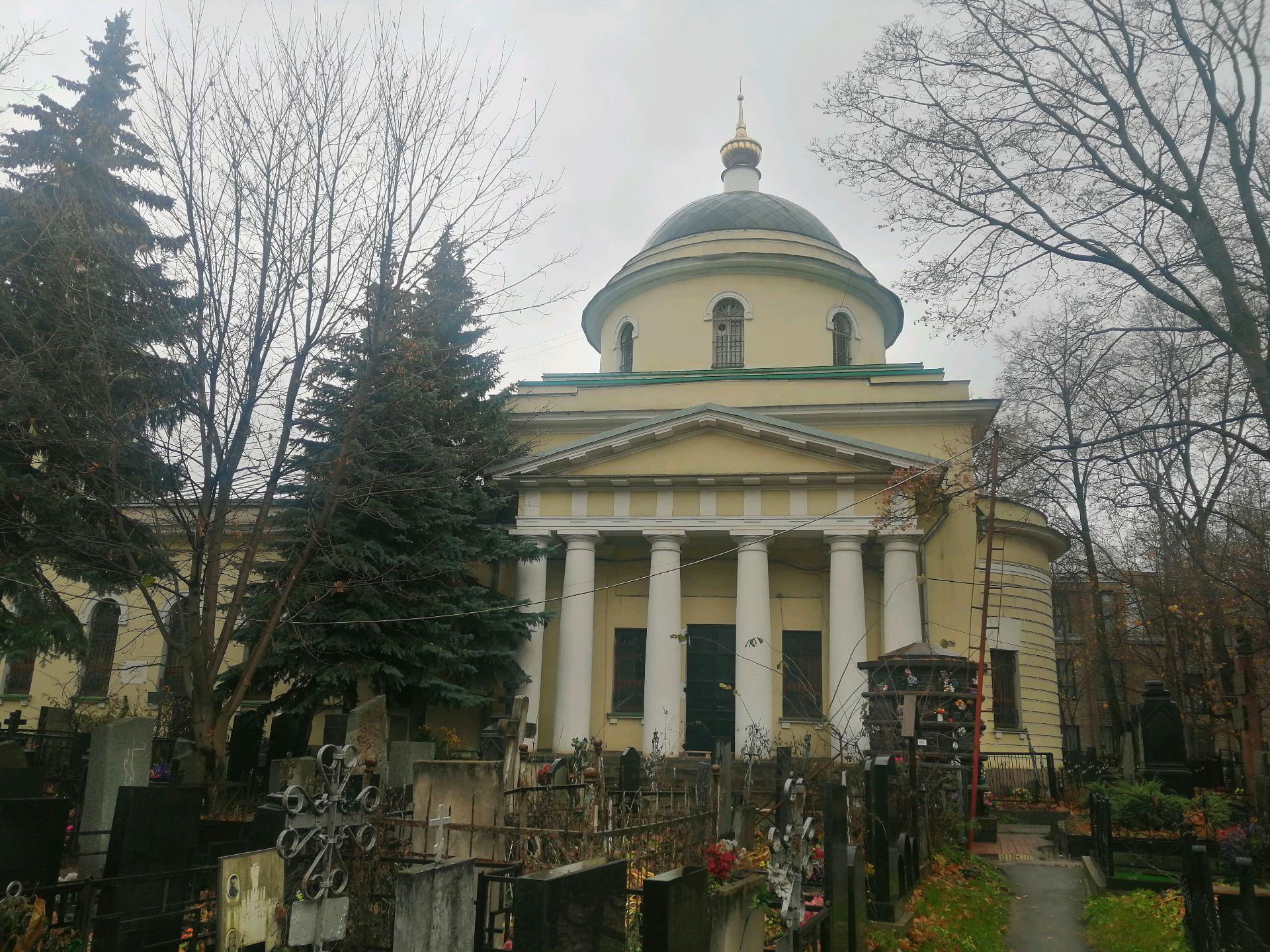
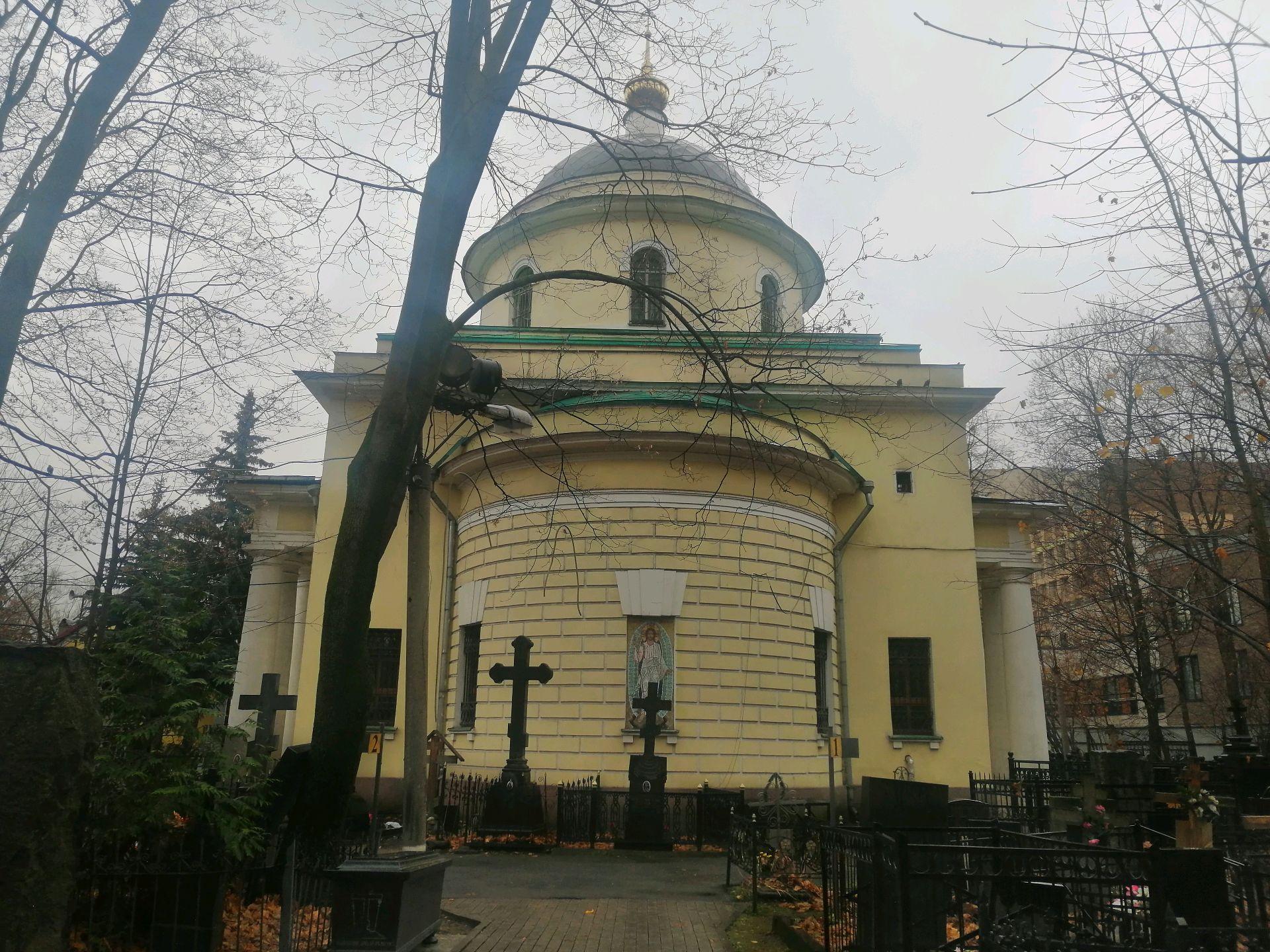
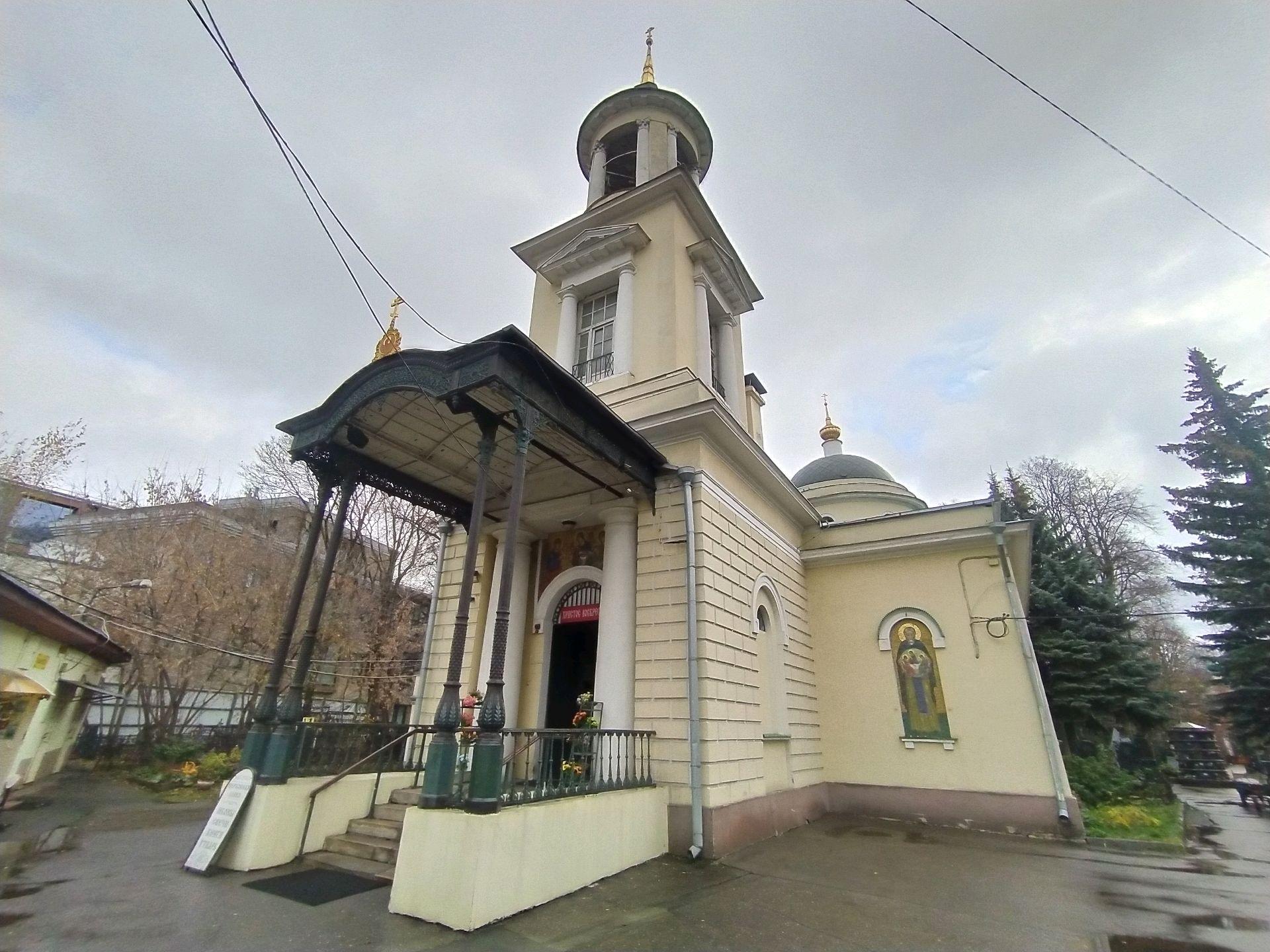
Pyatnitskoe cemetery, trinity church

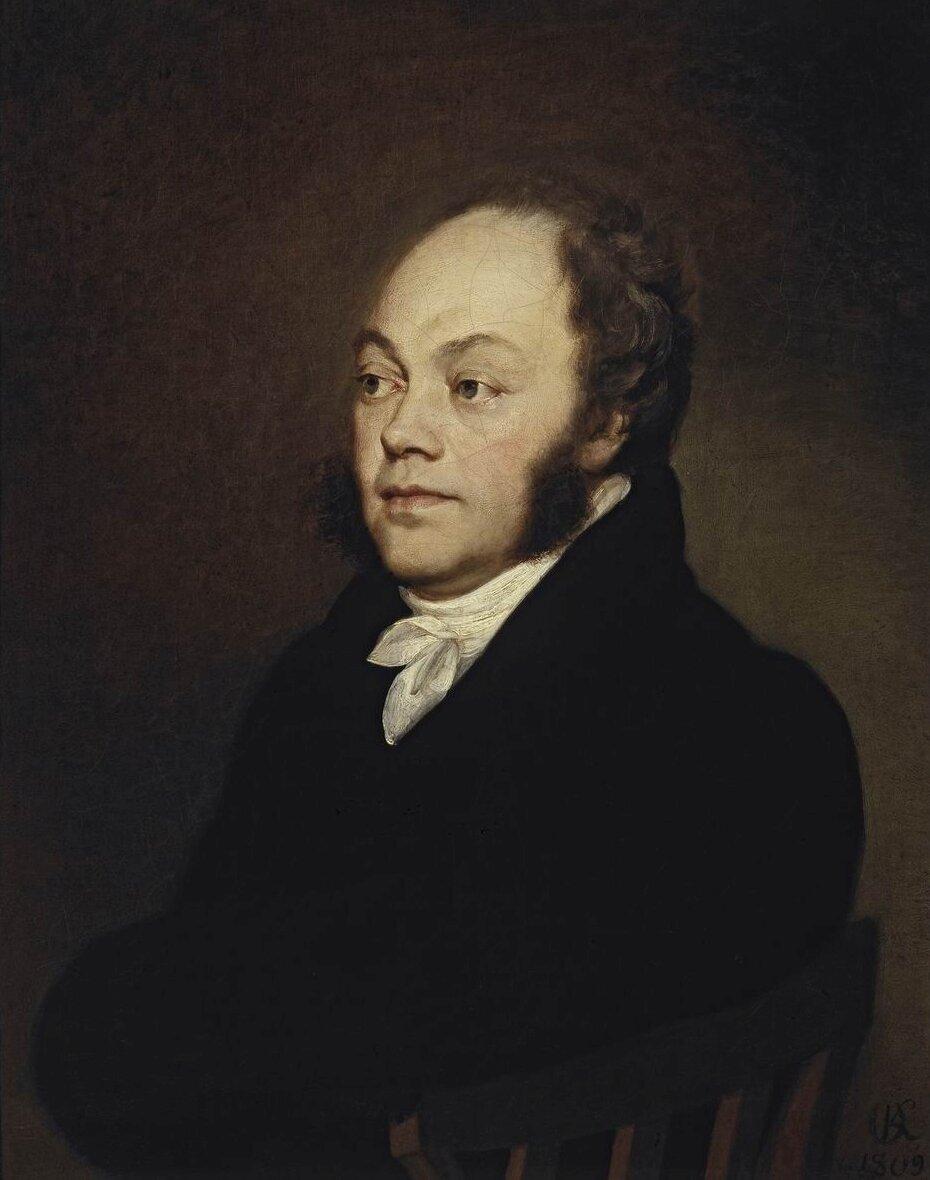
Earl F.V. Rostopchin, the governor-general of Moscow as of 1812 buried at Pyatnitskoye cemetery.

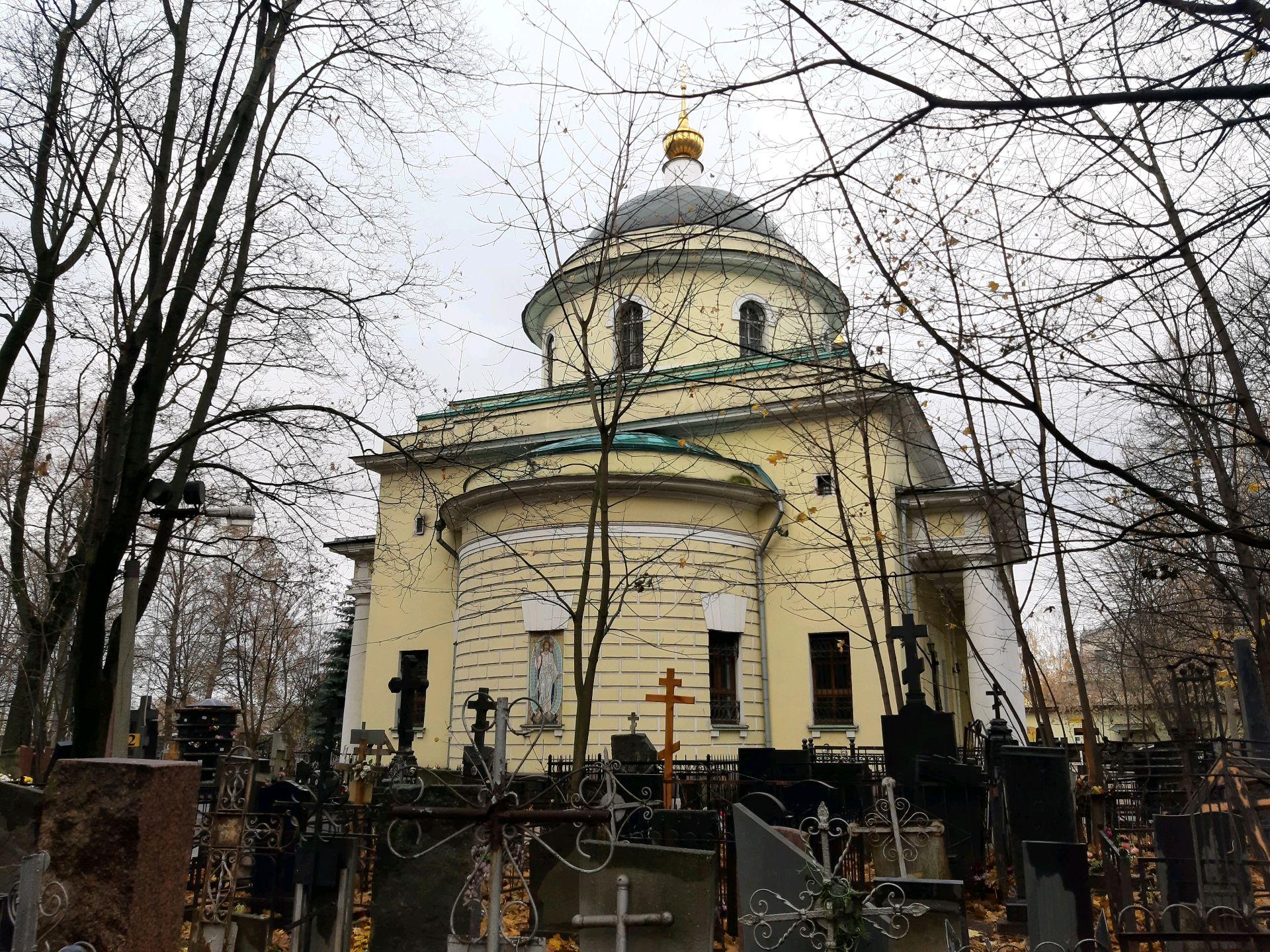
Pyatnitskoe cemetery, trinity church
Earl F.V. Rostopchin, the governor-general of Moscow as of 1812 buried at Pyatnitskoye cemetery.
3.56
Вы можете воспользоваться QR-кодом, чтобы открыть эту страницу в нашем приложении
Архитектурный стиль:
,
Годы постройки:
XIX в.
Архитекторы:
А.Г. Григорьев
Эпоха:
19th century, 1910s
Информация о здании

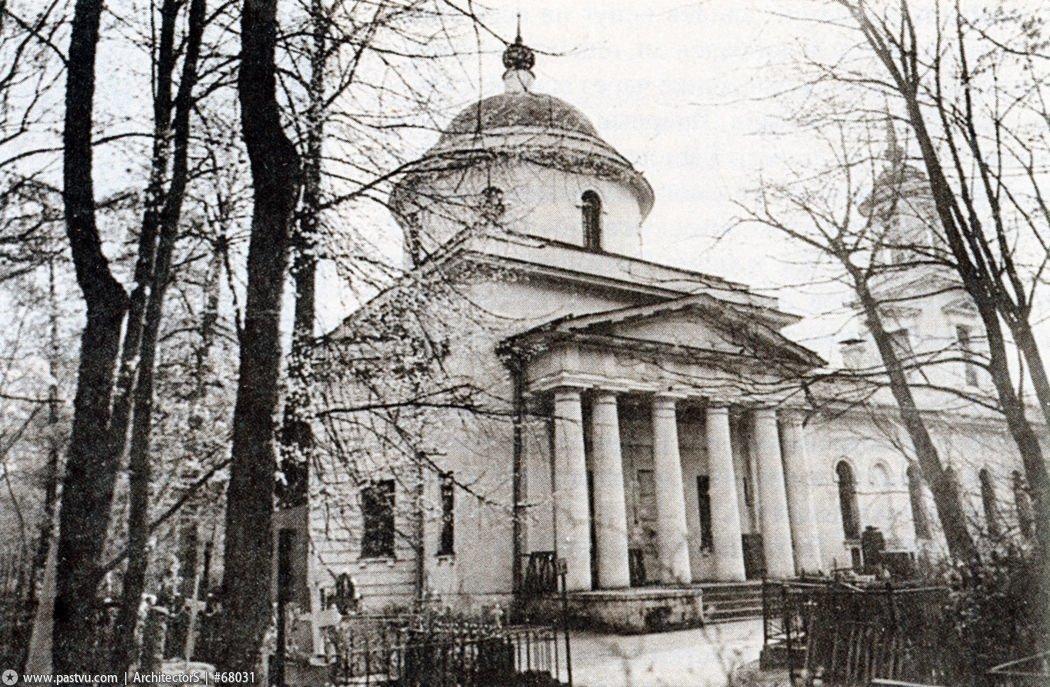
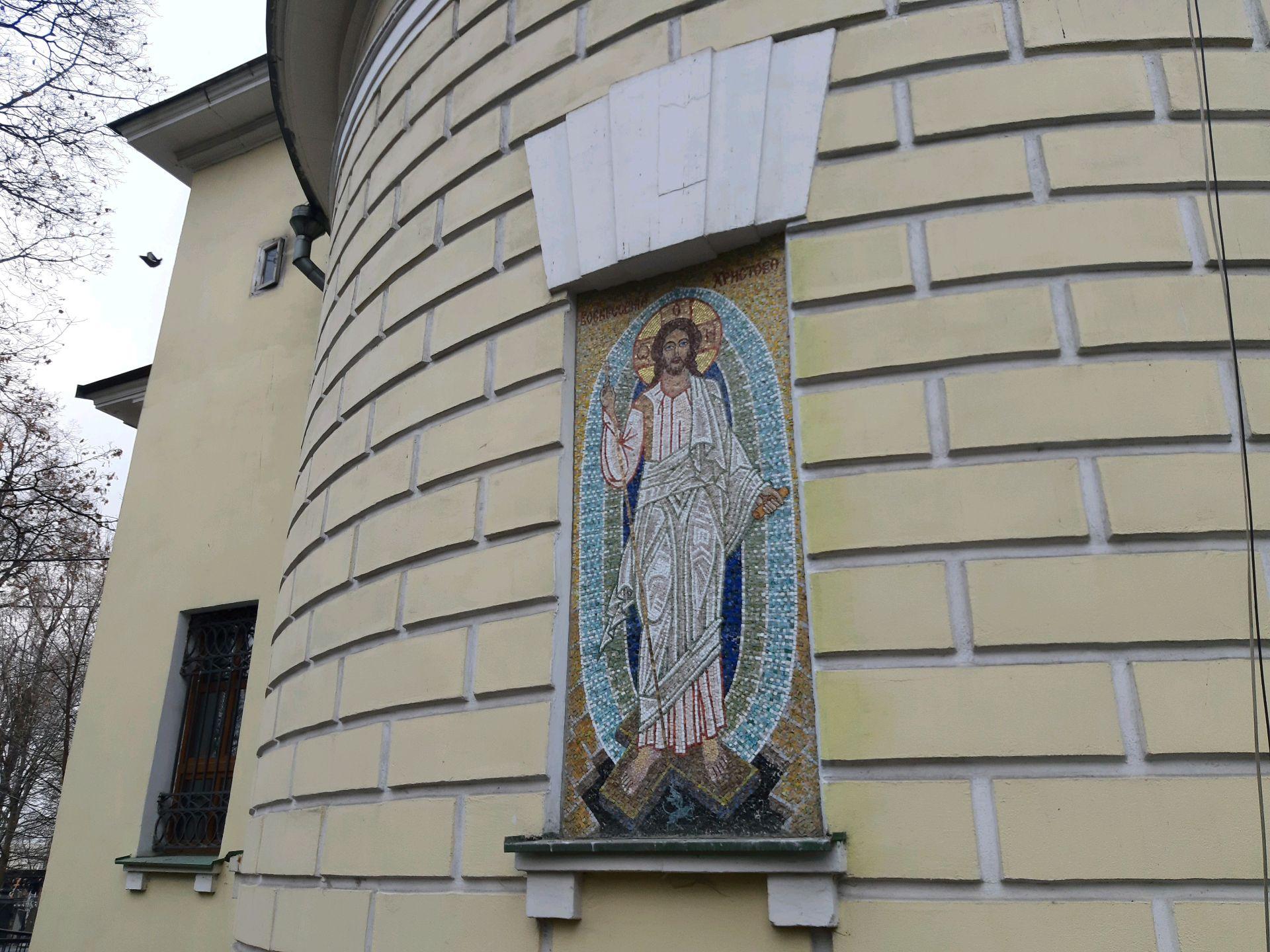
Как и ряд других известных московских некрополей, Пятницкое кладбище появилось в 1771 году в рамках борьбы с эпидемией чумы. Хоронить в черте города запретили, новые места для погребения появились за Камер-Коллежским валом. При каждом кладбище сразу же ставили деревянные храмы для отпевания умерших. На кладбище за Крестовской заставой, близ Троицкой дороги (сегодняшний проспект Мира), в 1772 году была выстроена деревянная церковь во имя преподобной Параскевы Пятницы. Это дало название всему некрополю. В 1830–35 годах деревянное здание заменено каменным на новом месте и получило новое посвящение – во имя Троицы Живоначальной.

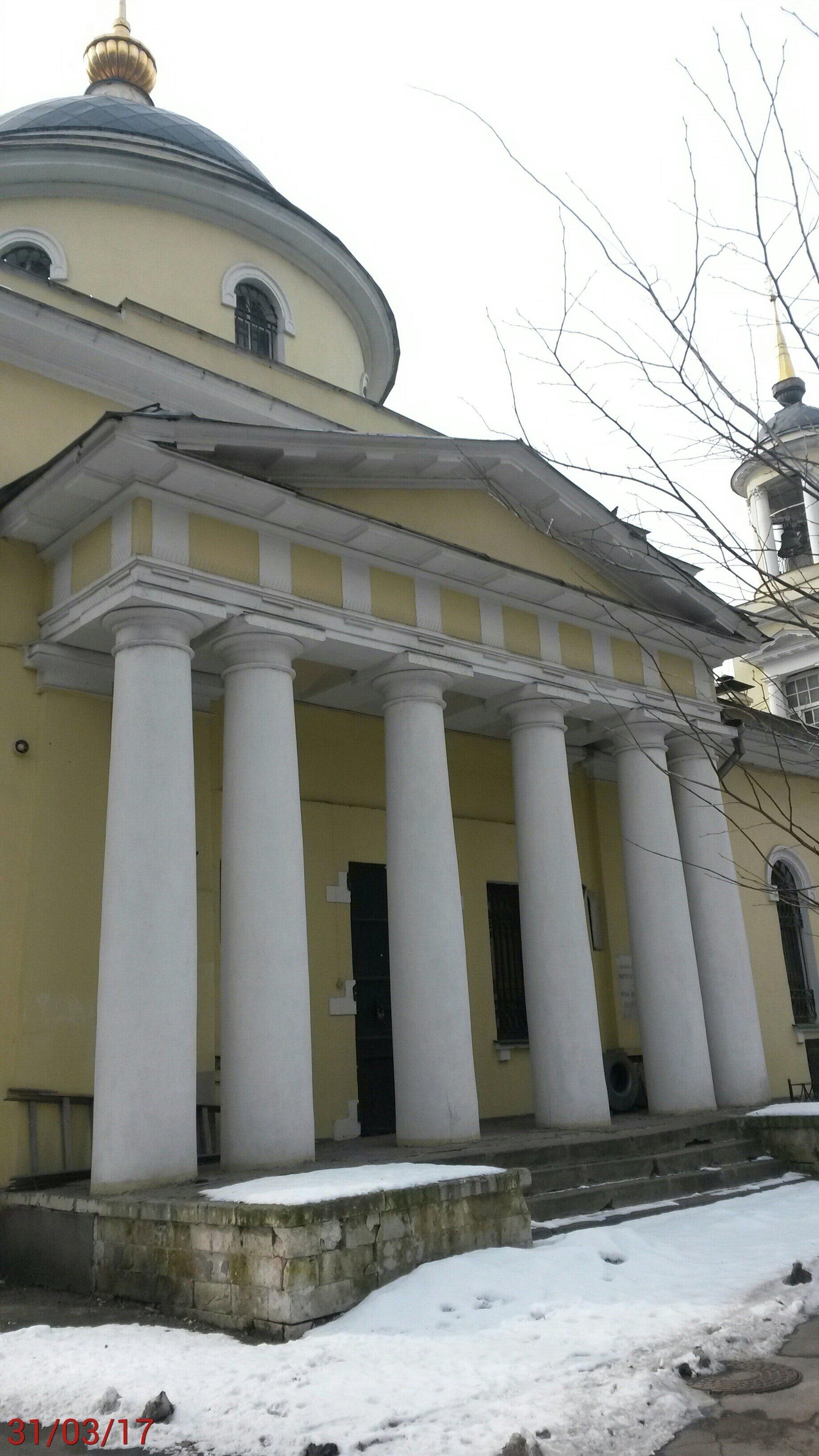
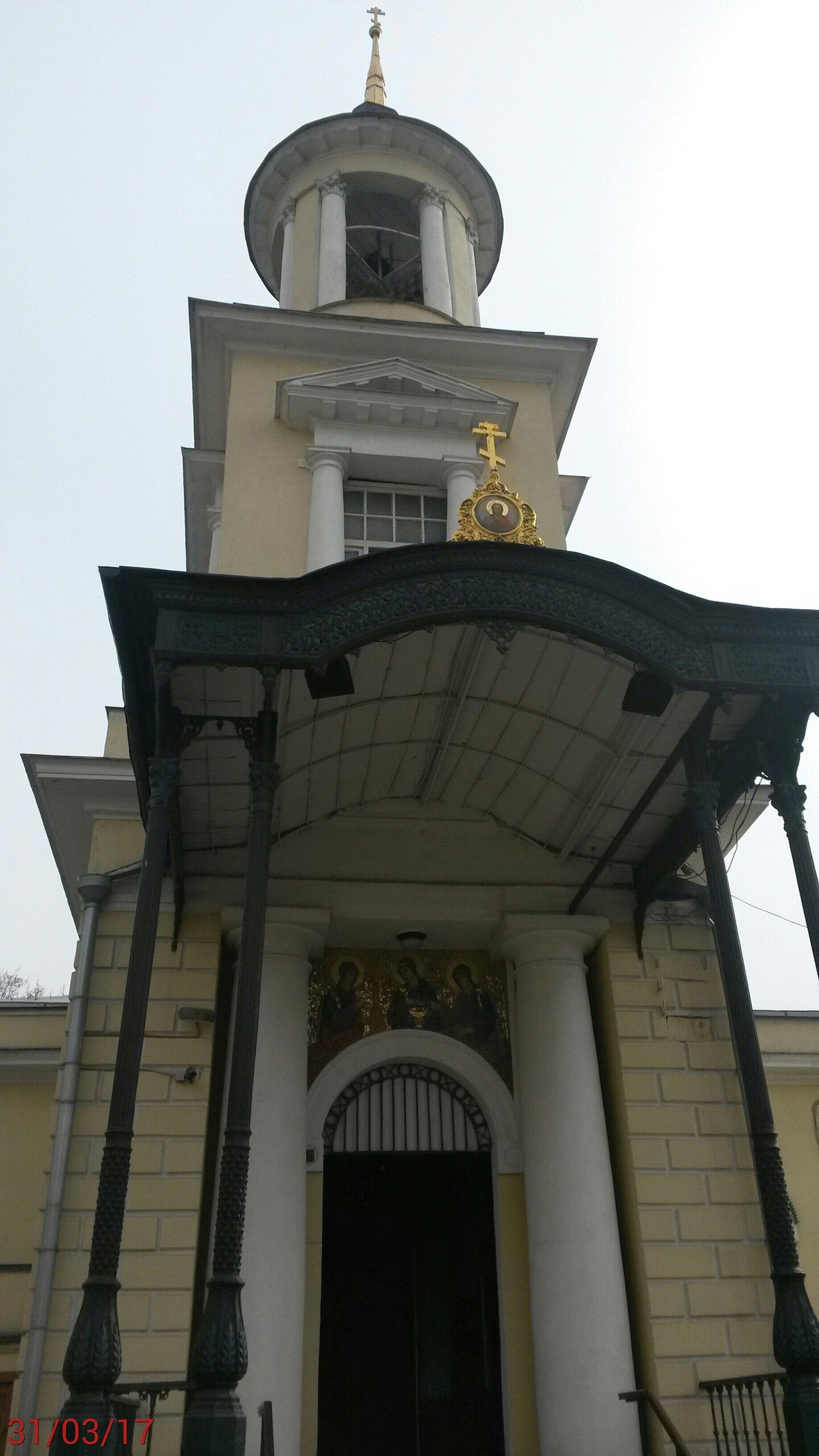
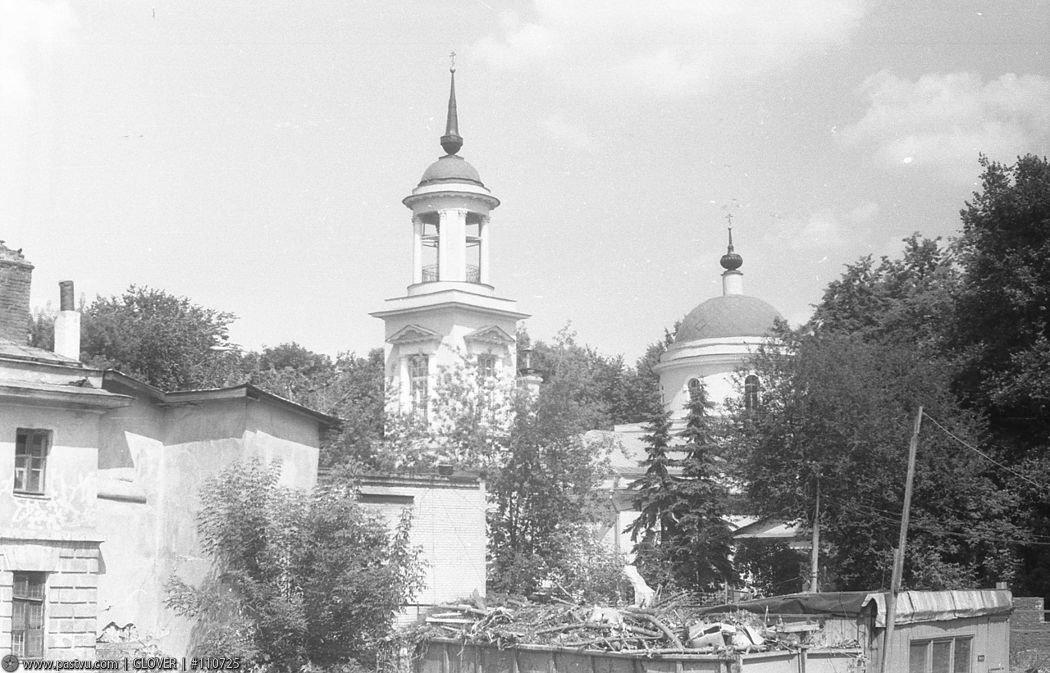
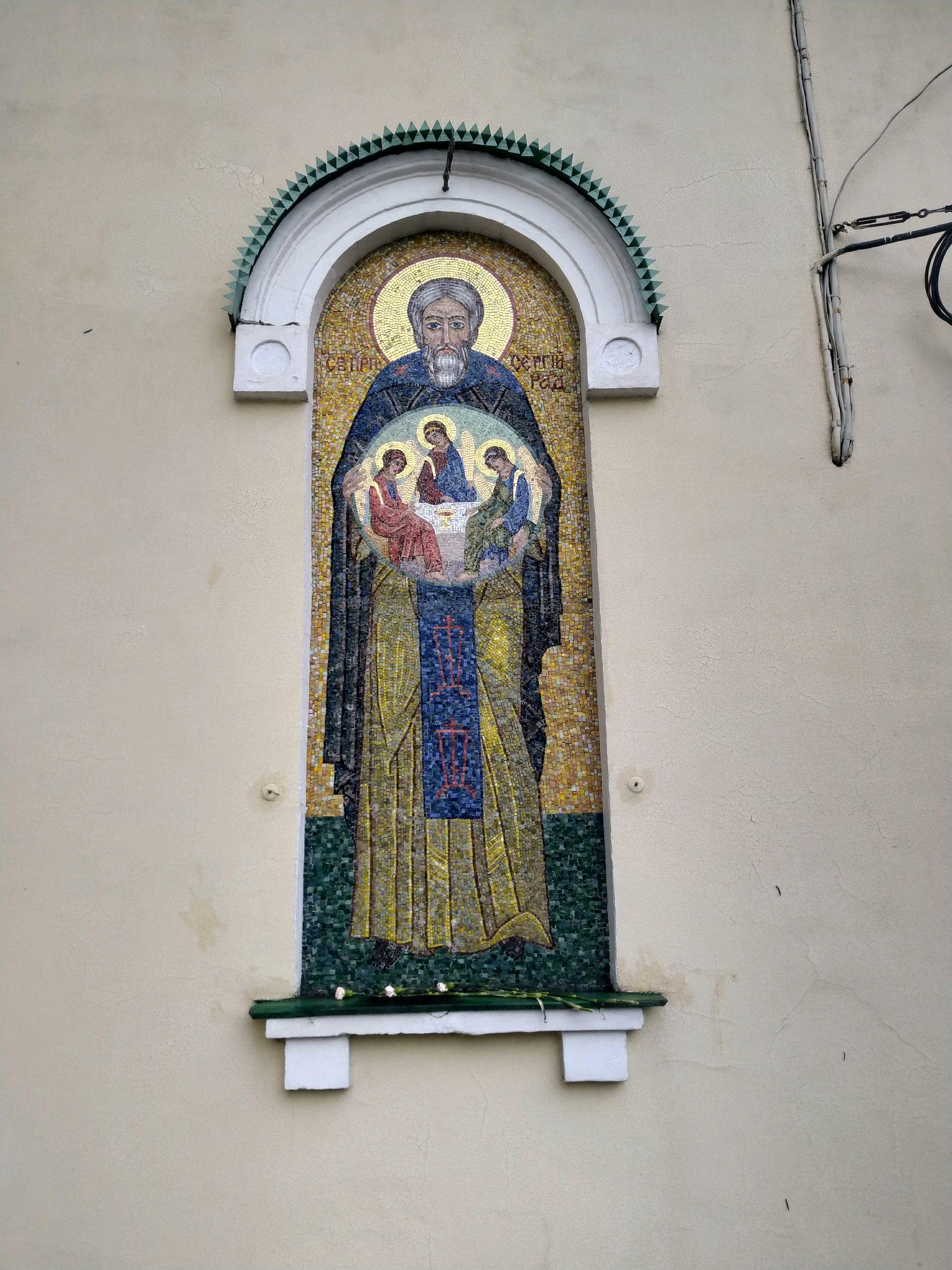
В наружной стене Троицкой церкви с юга сохранилось надгробие Федора Симеоновича Протопопова – настоятеля храма, при котором возведено существующее здание. Немалая часть денег на строительство была получена по завещанию купца Ф.В. Свешникова. Проект церкви в стиле ампир разработали архитекторы А.Г. Григорьев и Ф.М. Шестаков. К основному четверику храма с запада примыкает вытянутая трапезная, а вход отмечен трехъярусной колокольней. В трапезной освящено два боковых придела: преподобной Параскевы Пятницы (в память о старой кладбищенской церкви) и преподобного Сергия Радонежского. При въезде на кладбище было построено два симметричных дома причта с ампирной отделкой фасадов.

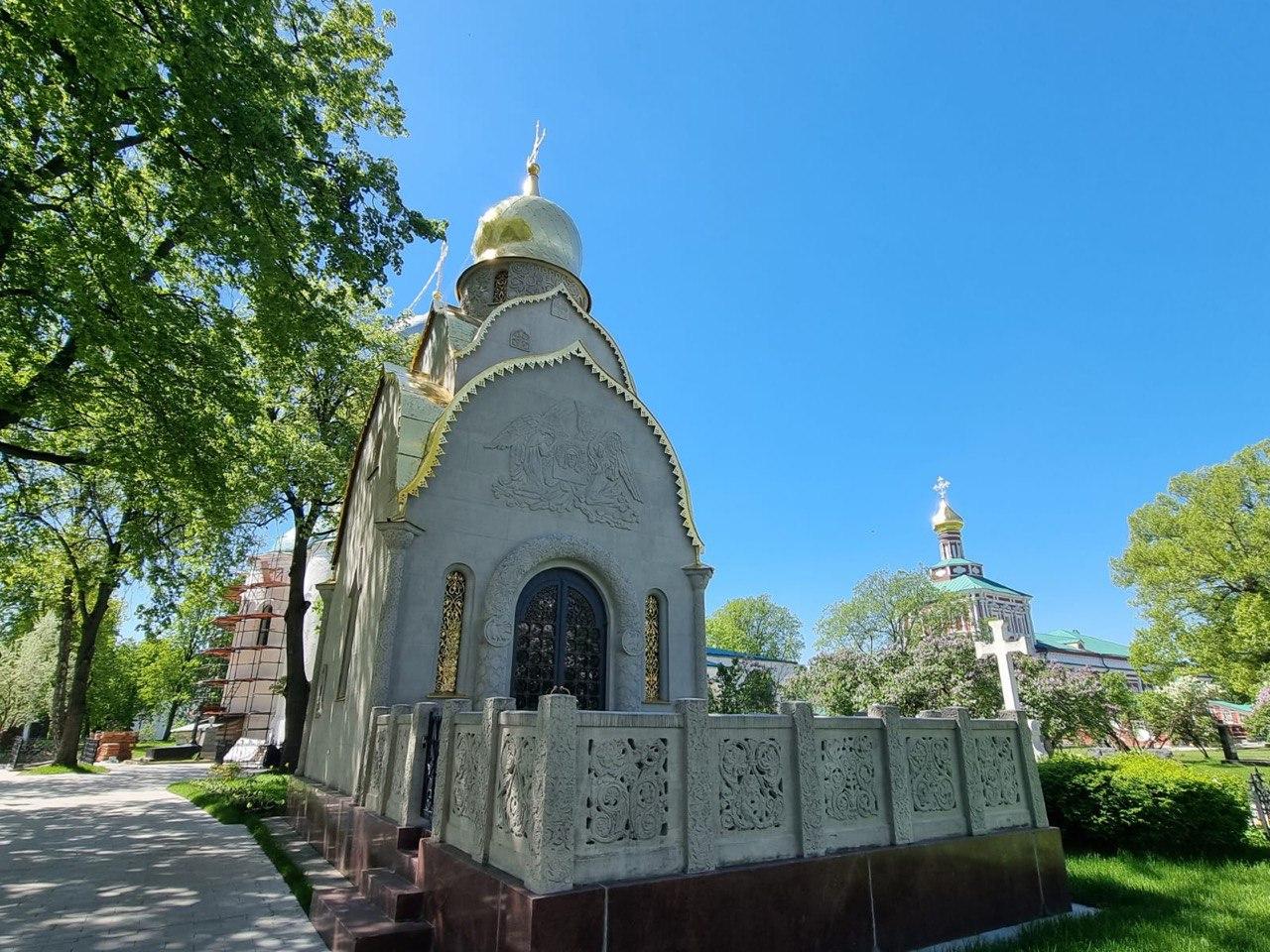
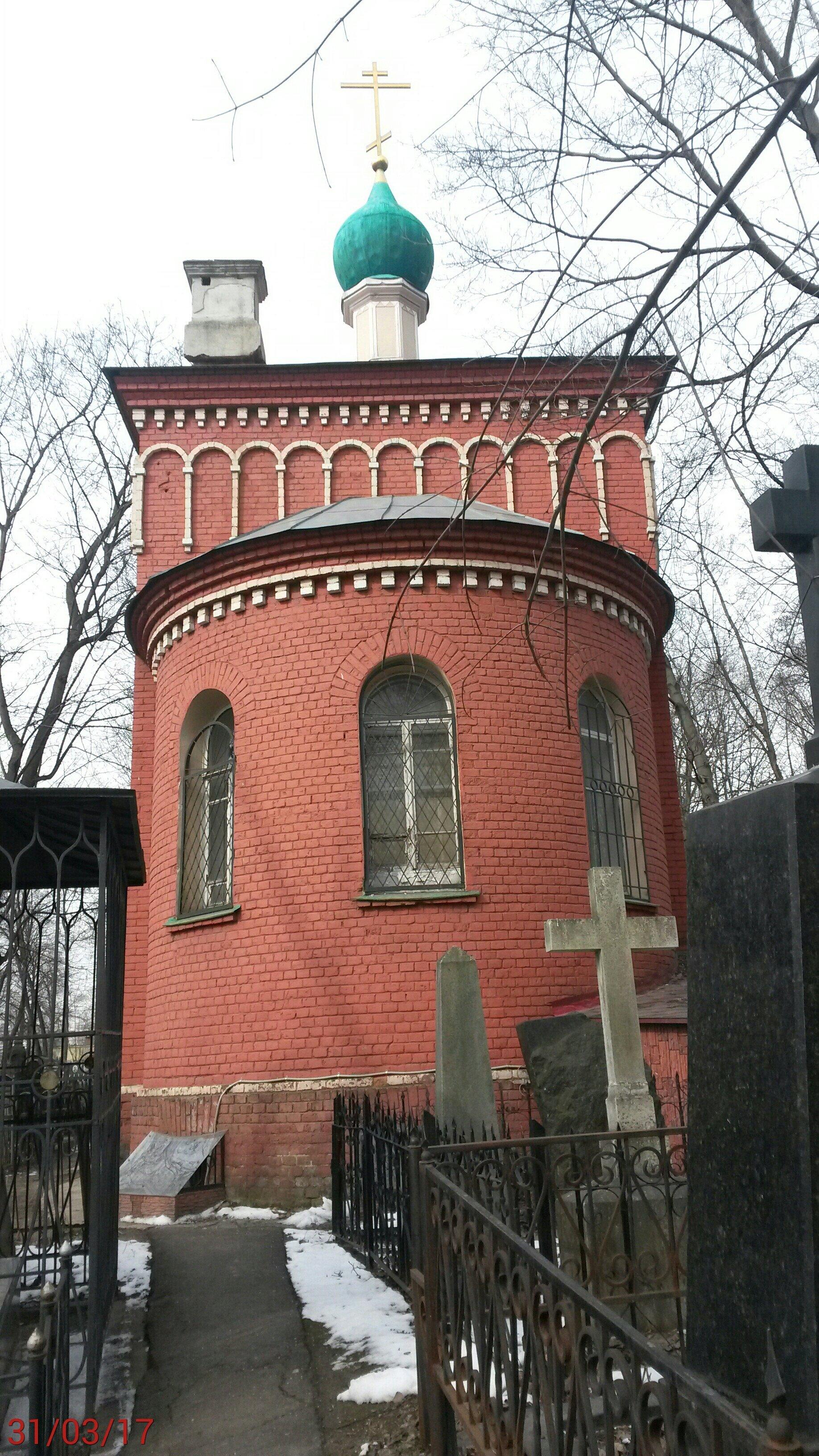
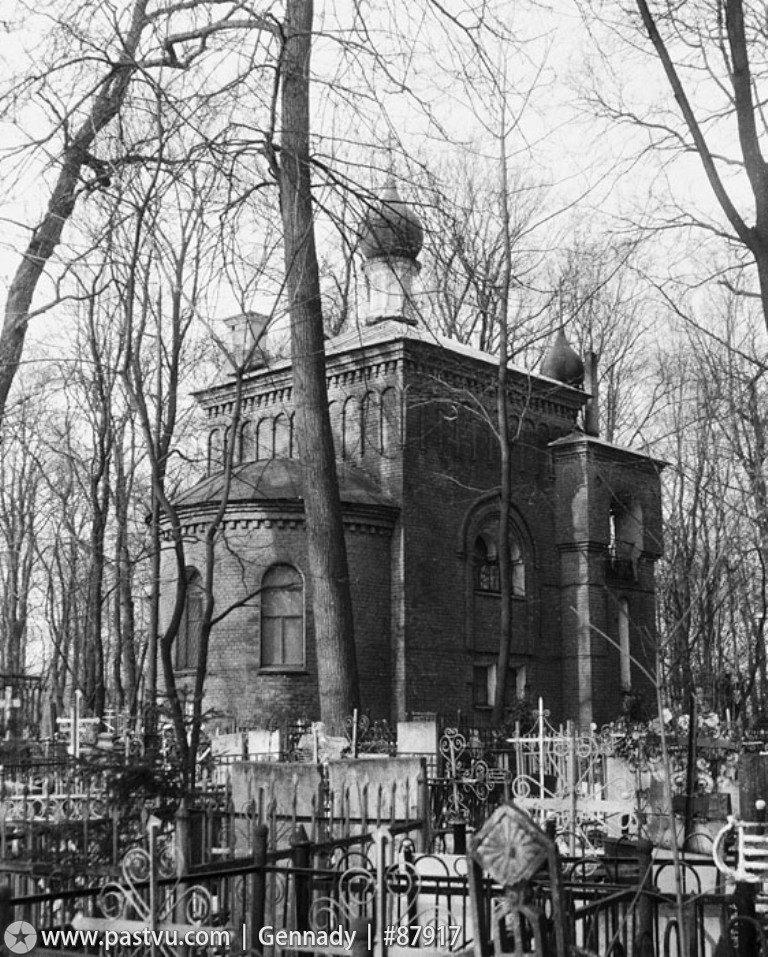
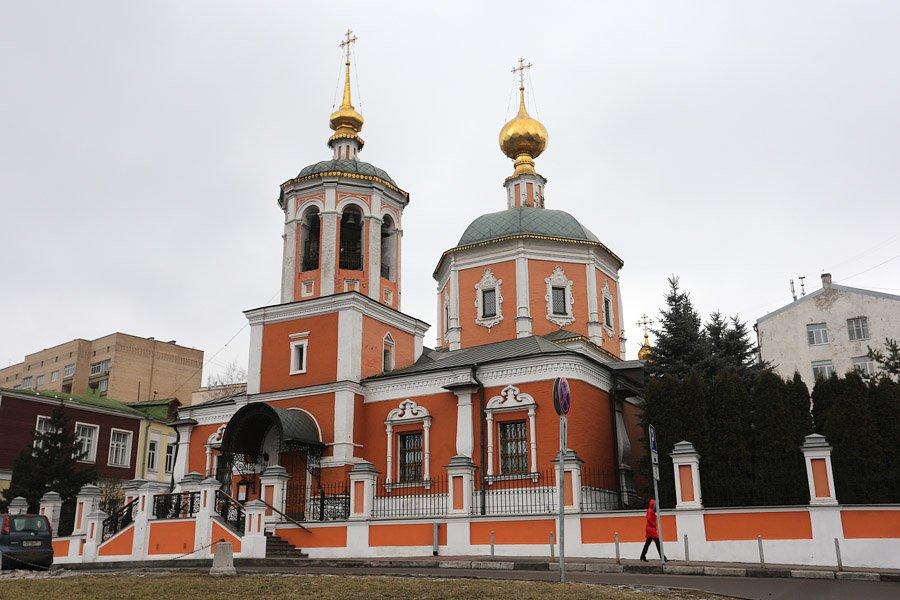
На месте старой деревянной Пятницкой церкви стояла часовня, вместо которой в 1916–17 годах на средства московского купца С.С. Зайцева была построена небольшая церковь во имя святого Симеона Персидского с фамильной усыпальницей храмоздателя. Она выдержана в псевдорусском стиле, увенчана одной главой и украшена стилизованными зубцами, имитирующими завершения кремлевской стены.

Наиболее древние из сохранившихся надгробий датируются 1820-ми годами. Пятницкое кладбище считалось в первую очередь купеческим. Так, недалеко от входа расположен фамильный склеп «водочных королей» Смирновых, созданный архитектором Г.А. Гельфрейхом. Но есть и дворянские захоронения: в частности, здесь похоронен московский генерал-губернатор, участник Отечественной войны 1812 года граф Ф.В. Ростопчин.

Троицкая церковь не закрылась после революции, хотя и лишилась части своего убранства во время изъятия церковных ценностей в 1922 году. Церковь святого Симеона Персидского, лишенная крестов и колоколов, стала складом кладбищенского инвентаря. После реставрации 1990-х годов на ее втором этаже создана часовня.
Just like a number of other well-known Moscow cemeteries, Pyatnickoe cemetery appeared in 1771 as a mean of the fight against the epidemic of plague. Burying in the city was banned, new burial grounds appeared outside the Kamer-Kollegsky shaft. At each cemetery immediately put wooden temples for the burial service of the deceased. At the cemetery behind Krestovskaya Zastava, near the Troitskaya road (today's Prospekt Mira), in 1772 a wooden church was built in the name of the Monk Paraskeva Pyatnitsa. This gave the name to the whole necropolis. In 1830-35 the wooden building was replaced by stone in a new place and received a new dedication - in the name of the Trinity Zhivonachalnaya. Tombstone of Fedor Simeonovich Protopopov, the abbot of the temple is located in the southern outer wall of the Trinity Church. This building in its current appearance was erected while he was the rector of the church. The majority of the construction funds were bequeathed from merchant F.V. Sveshnikov. The project of the church in the Empire style designed by the architects A.G. Grigoriev and F.M. Shestakov. To the main temple in the west of the quadrangle adjacent elongated refectory, and the entrance is marked by a three-tiered bell tower. In the refectory of the two side chapels consecrated by: Reverend Paraskeva (in memory of the old cemetery of the church) and St. Sergius of Radonezh. Two symmetrical houses were built at the entrance to the cemetery of the clergy with Empire-style facade furniture. The church of St. Simeon the Persian with family tomb built at the expense of S.S. Zaitsev, Moscow merchant was in the years 1916-17. Prior to that there was a small chapel that was built in place of the old wooden Pjatnitskaya church. The interior is in pseudo-Russian style, surmounted by a head and decorated with stylized teeth resembling the Kremlin wall. The oldest preserved tombstones date back to 1820-s years. Pyatnickoe cemetery was considered to be for the merchant’s burier primarily. So, there is a family tomb of “Vodka kings Smirnov” designed by architect G.A. Gelfreich near the entrance. But there are some noble burials: in particular, Moscow Governor-General, a member of the Patriotic War of 1812, Earl F.V. Rostopchin is buried here. Trinity Church was not closed after the revolution, though lost some of its decorations during the seizure of church property in 1922. Church of Saint Simeon the Persian devoid of crosses and bells, the cemetery became a warehouse for the cementary inventory. The second floor chapel was created after the restoration of the 1990s.
Автор статьи: Никита Брусиловский
Рекомендации
Новодевичий пр-д, д. 1, стр. 34
Лужники (МЦК), Sportivnaya