Интерактивный гид по городу
С мобильным приложением бродить по городу гораздо интереснее!

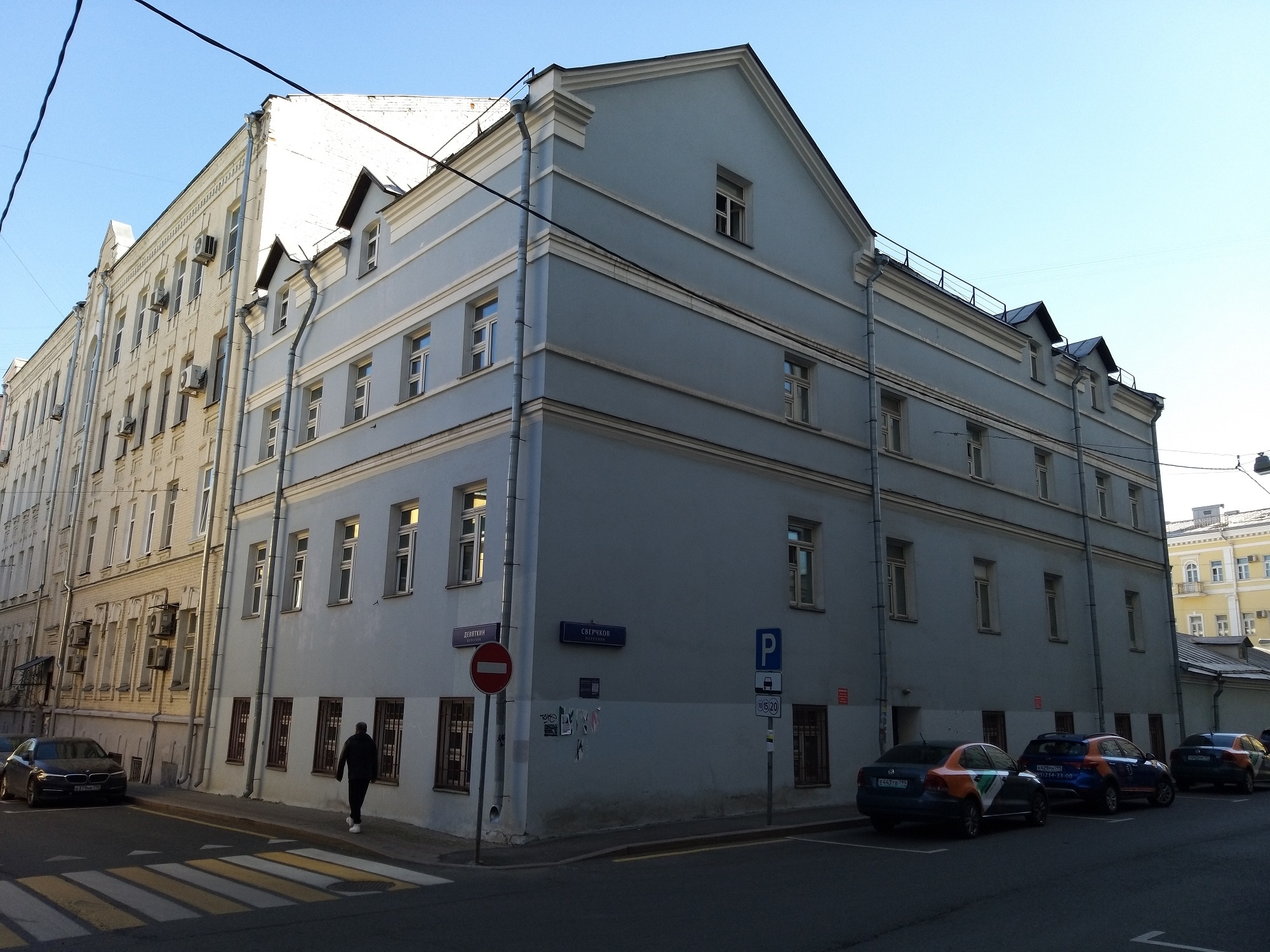
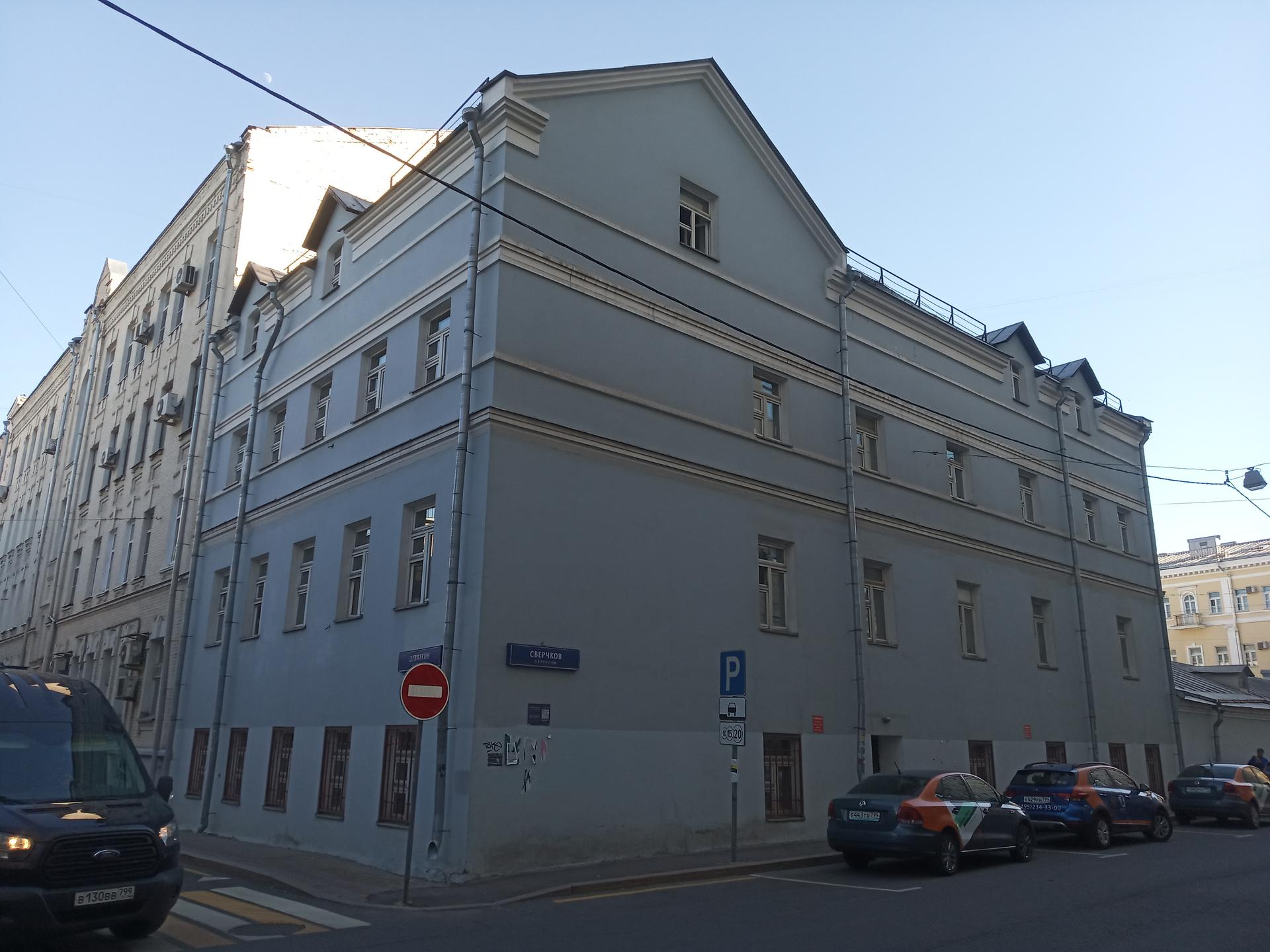
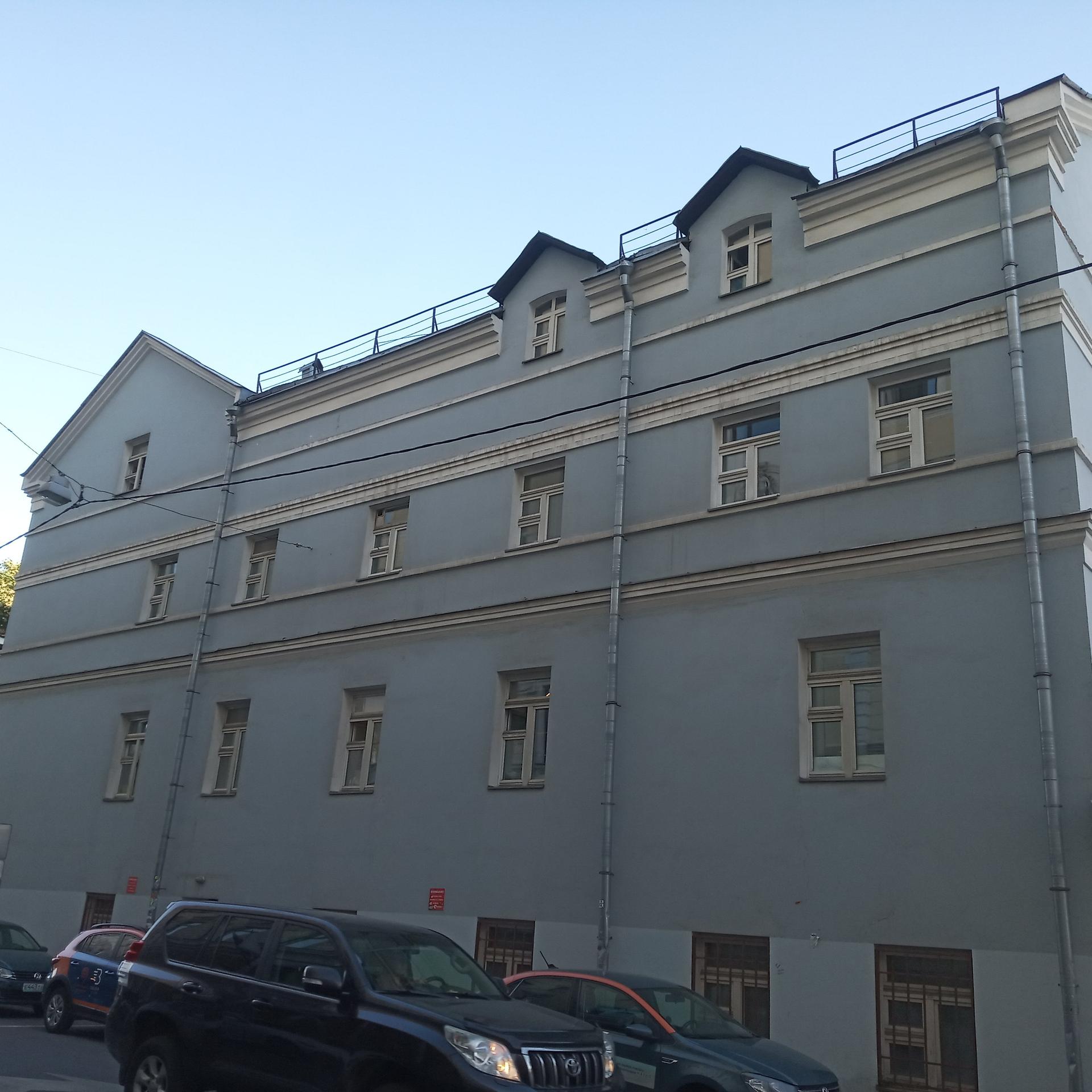
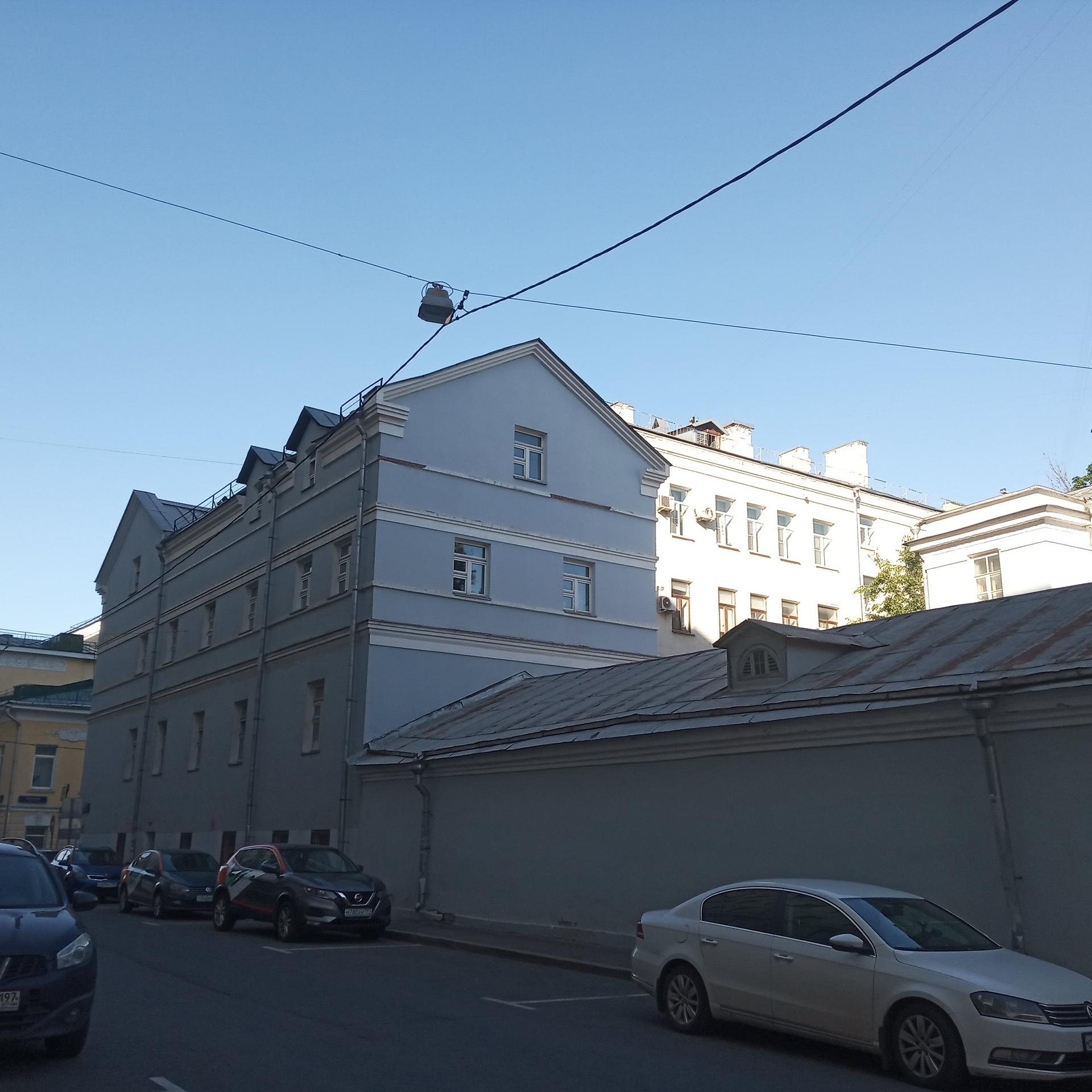
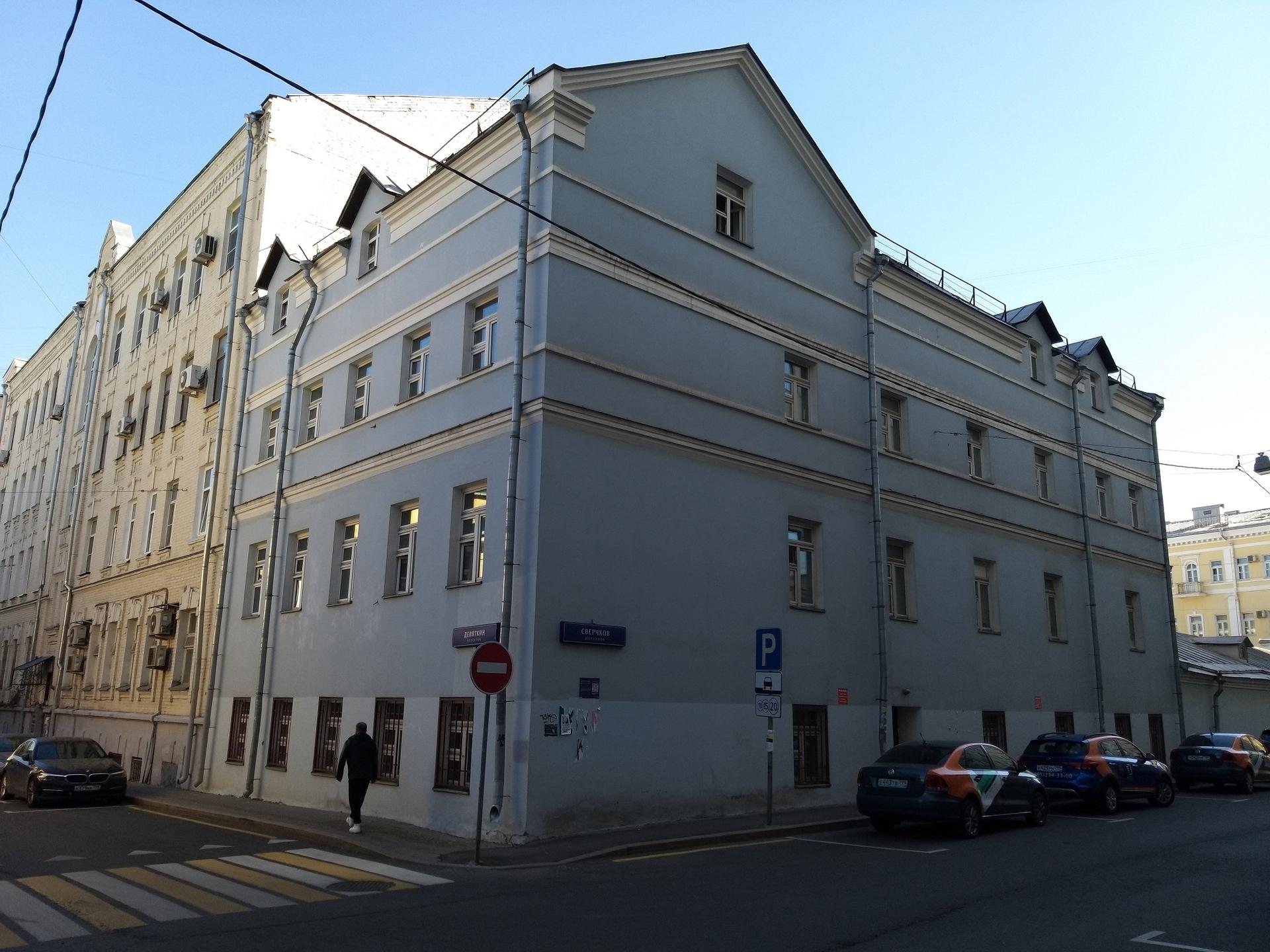
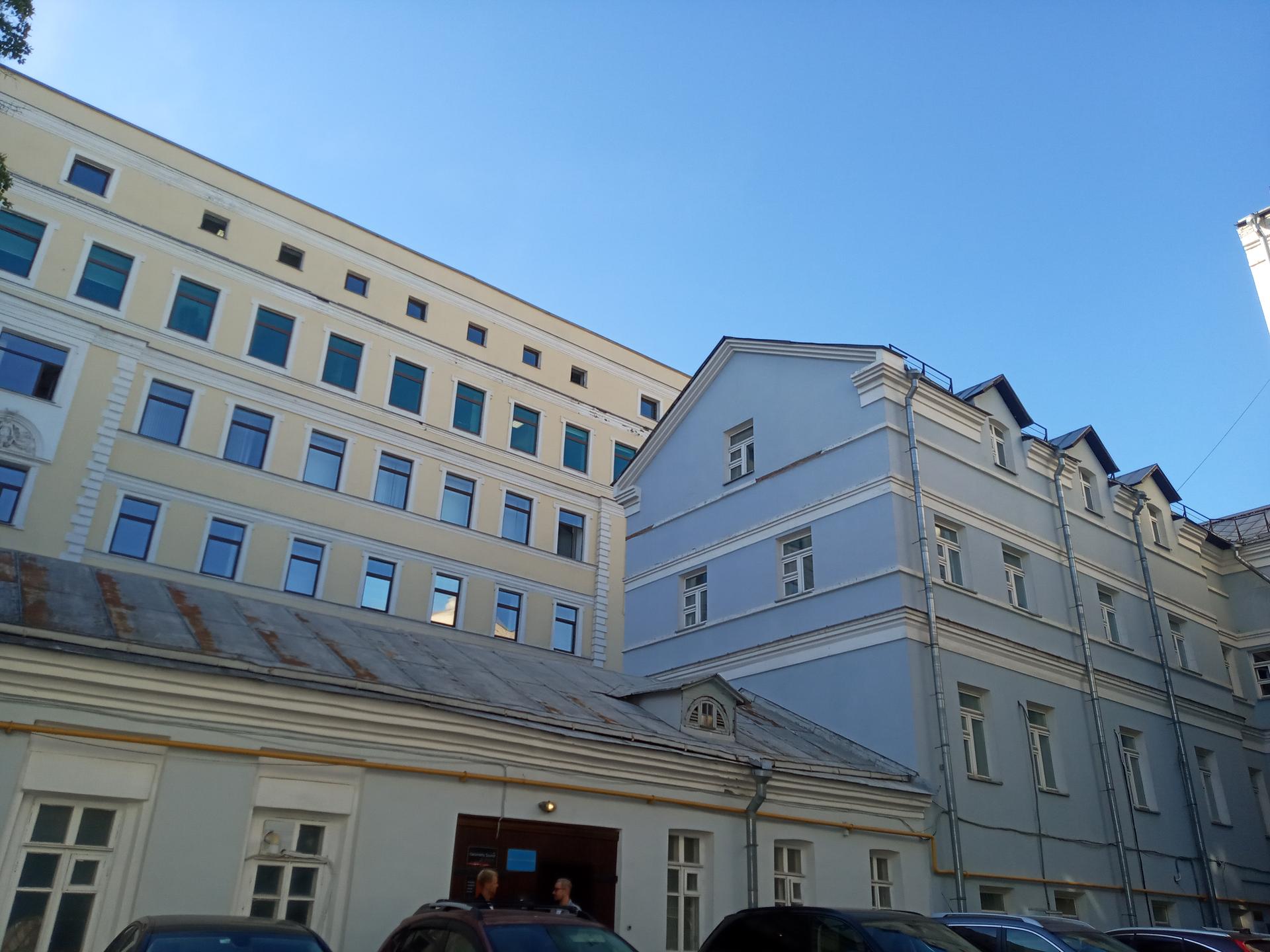
Северный флигель усадьбы Тютчевых (восточная часть)

In the early 1790s, when the homestead has been acquired by the Prince Gagarin family, the architect Matfey Kazakov has redesigned the old house and created a classical homestead ensemble.

Северный флигель усадьбы Тютчевых (восточная часть)
In the early 1790s, when the homestead has been acquired by the Prince Gagarin family, the architect Matfey Kazakov has redesigned the old house and created a classical homestead ensemble.
Вы можете воспользоваться QR-кодом, чтобы открыть эту страницу в нашем приложении
Годы постройки:
XVII–XIX вв.
Архитекторы:
Эпоха:
17th century, 18th century, 19th century
Информация о здании

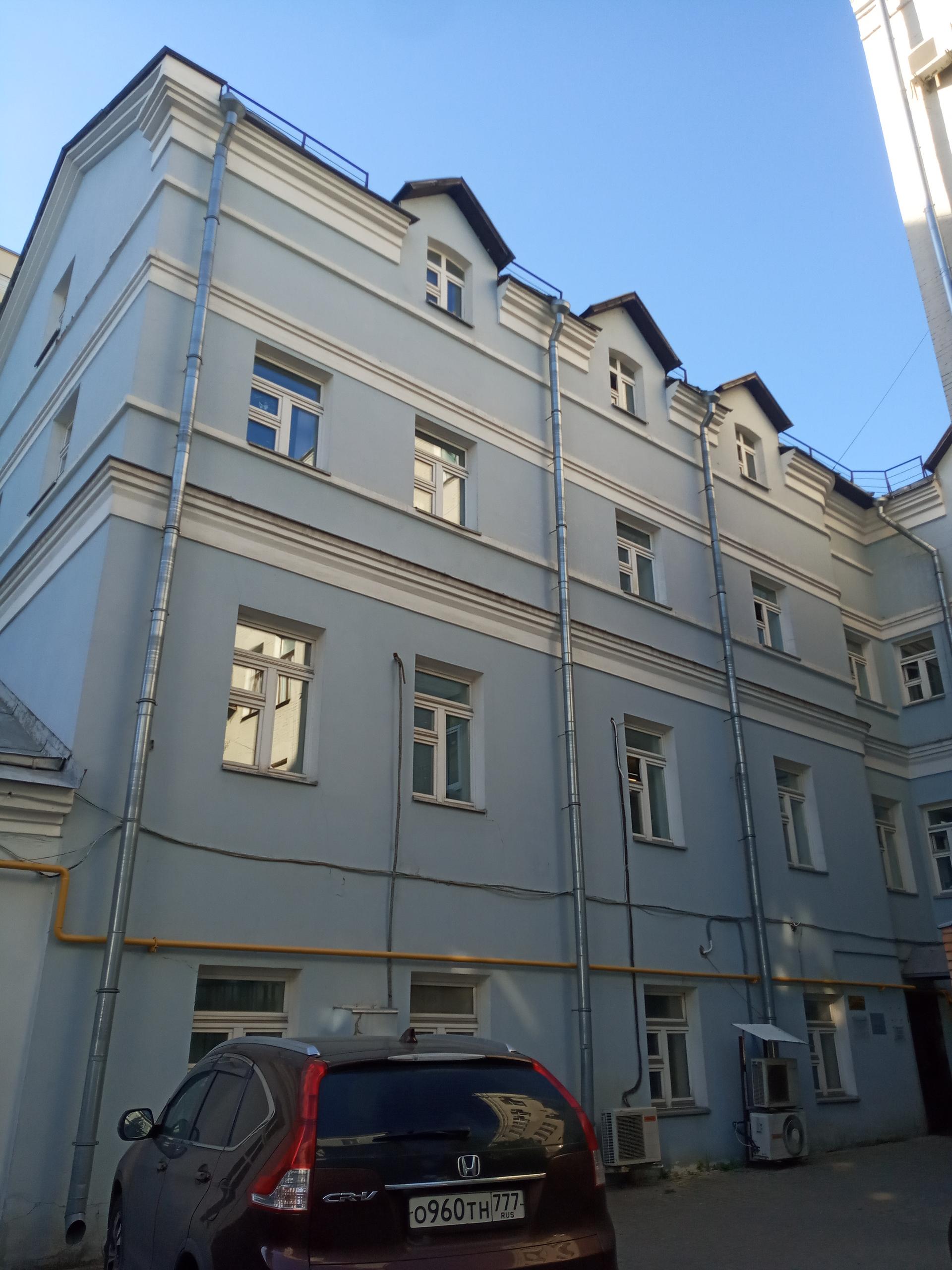
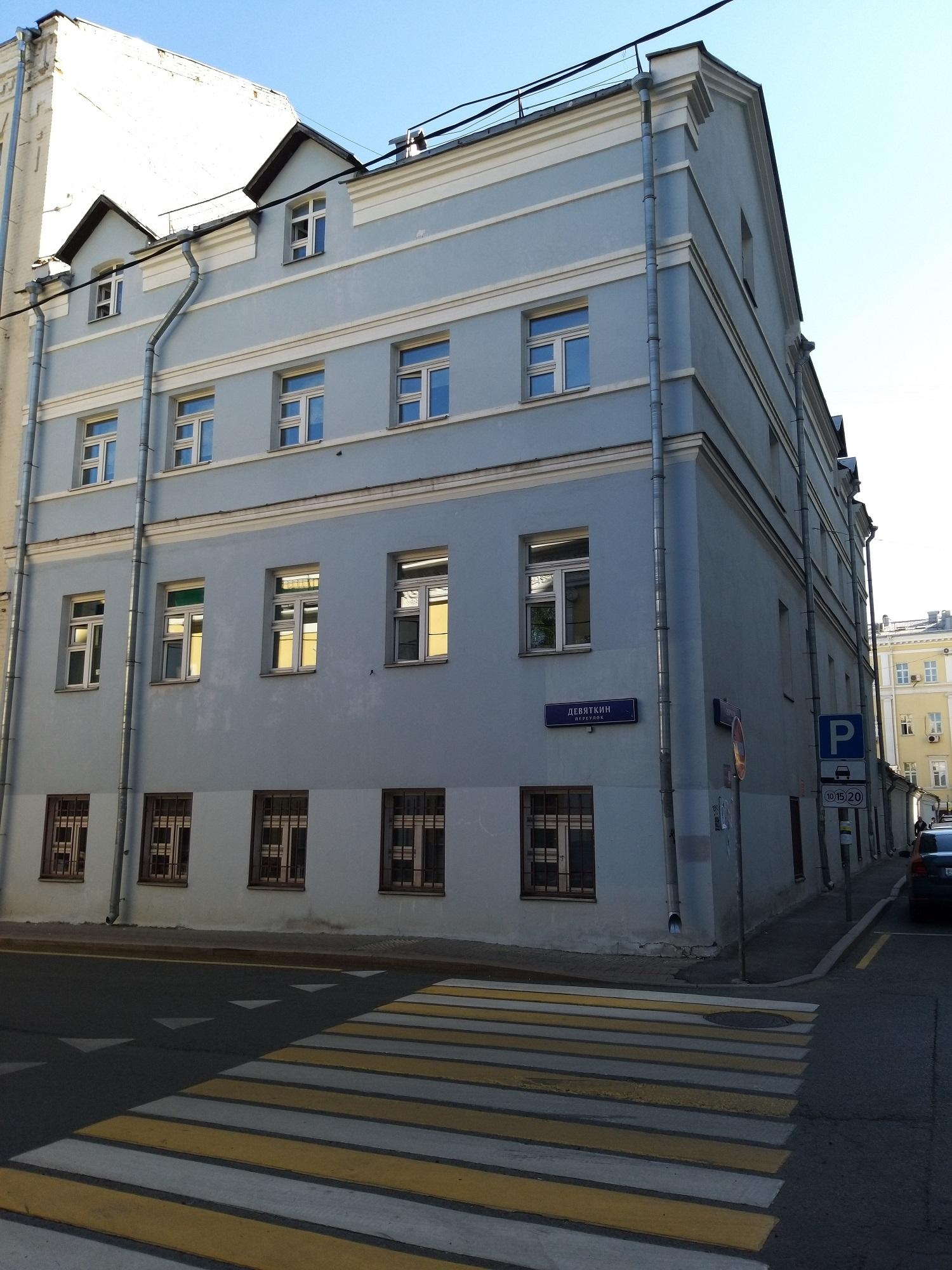
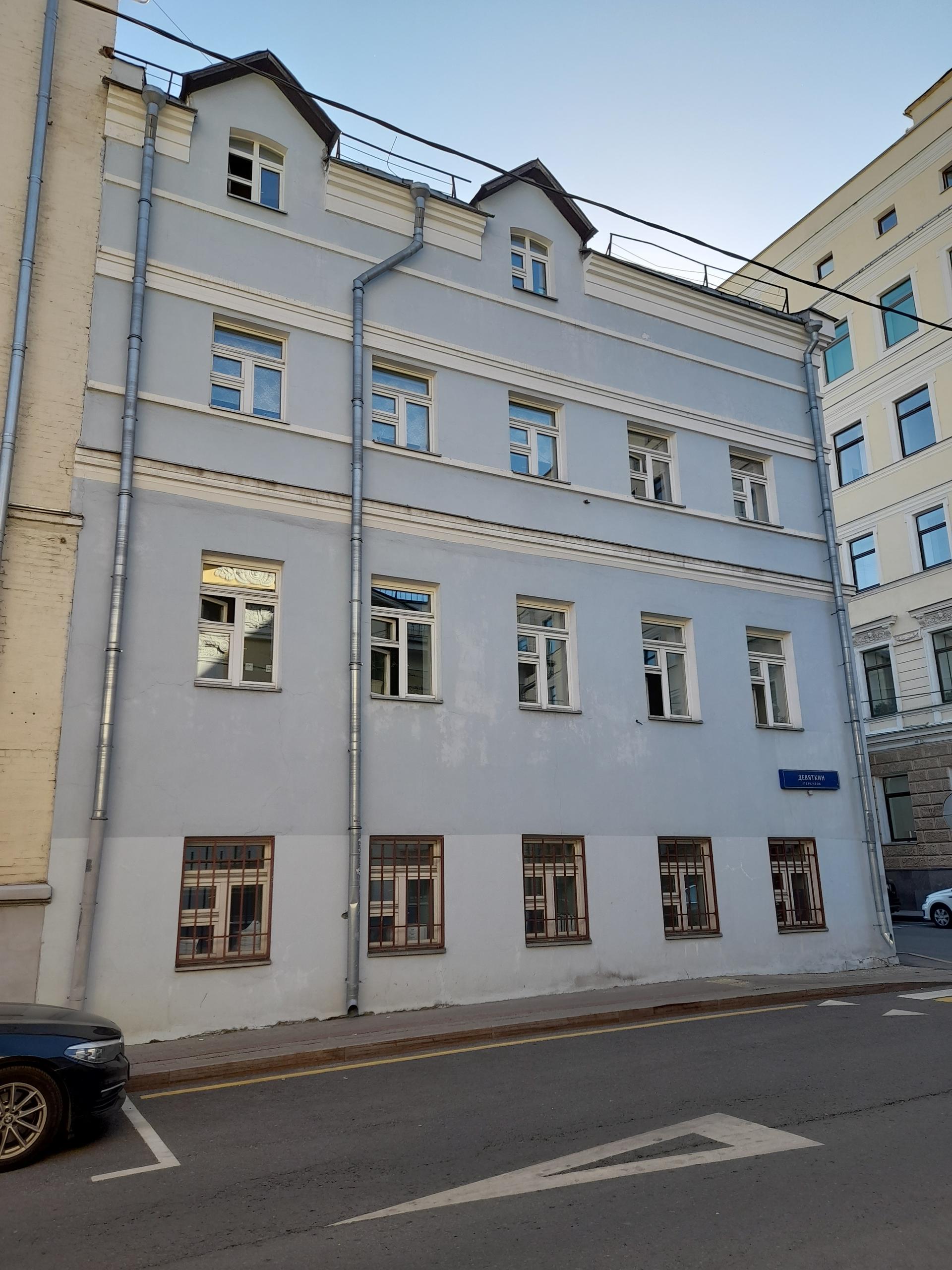
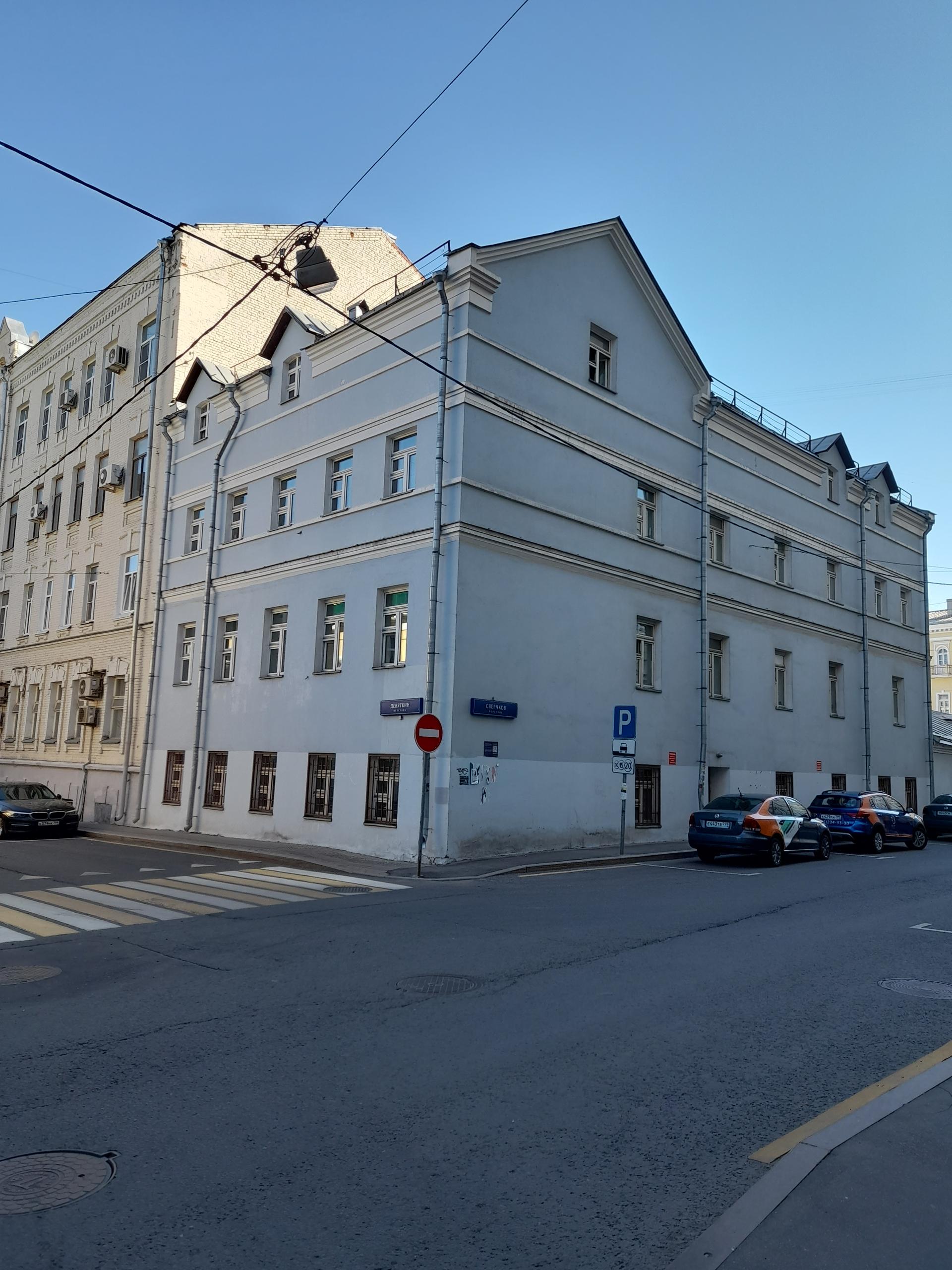
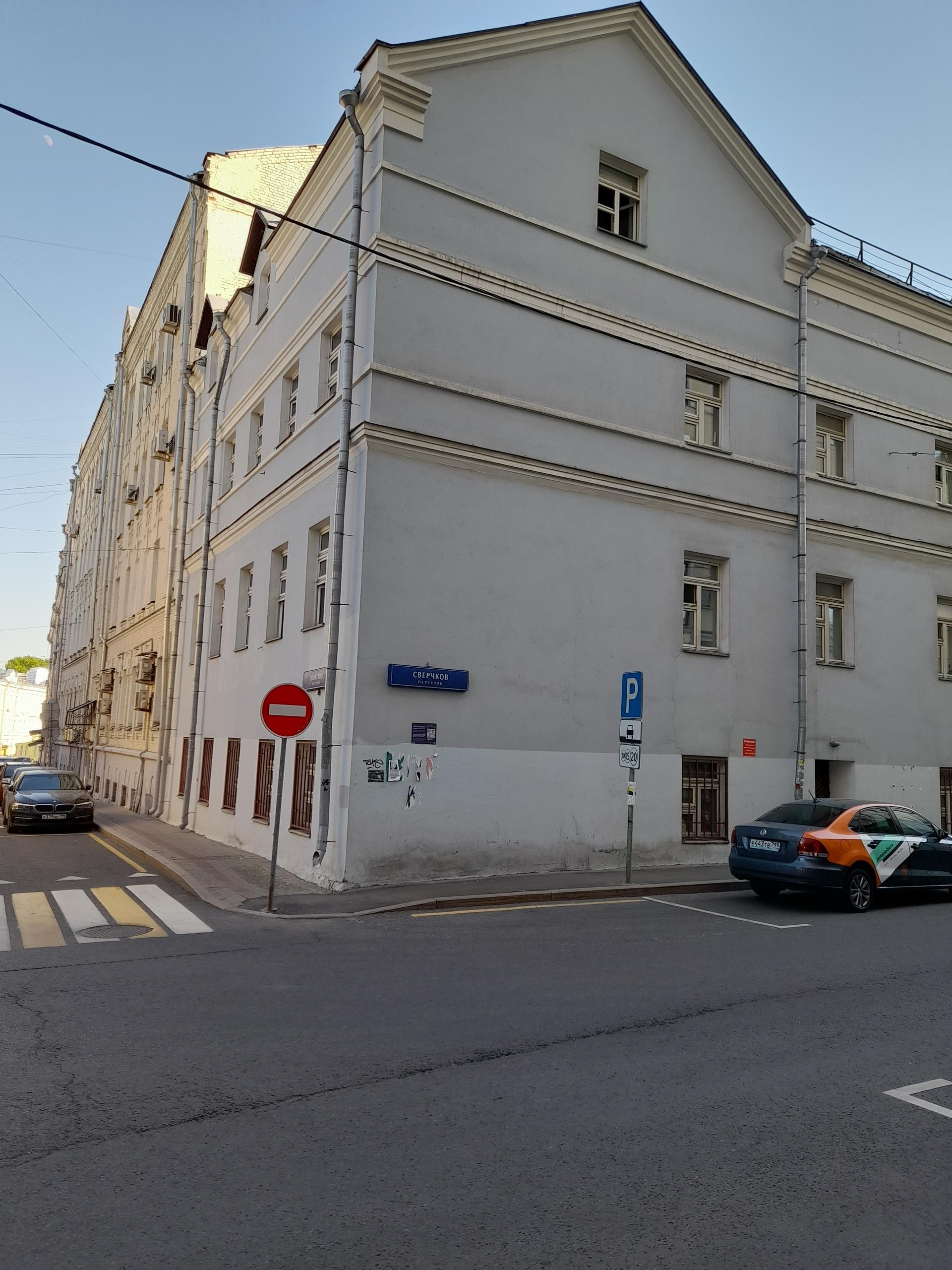
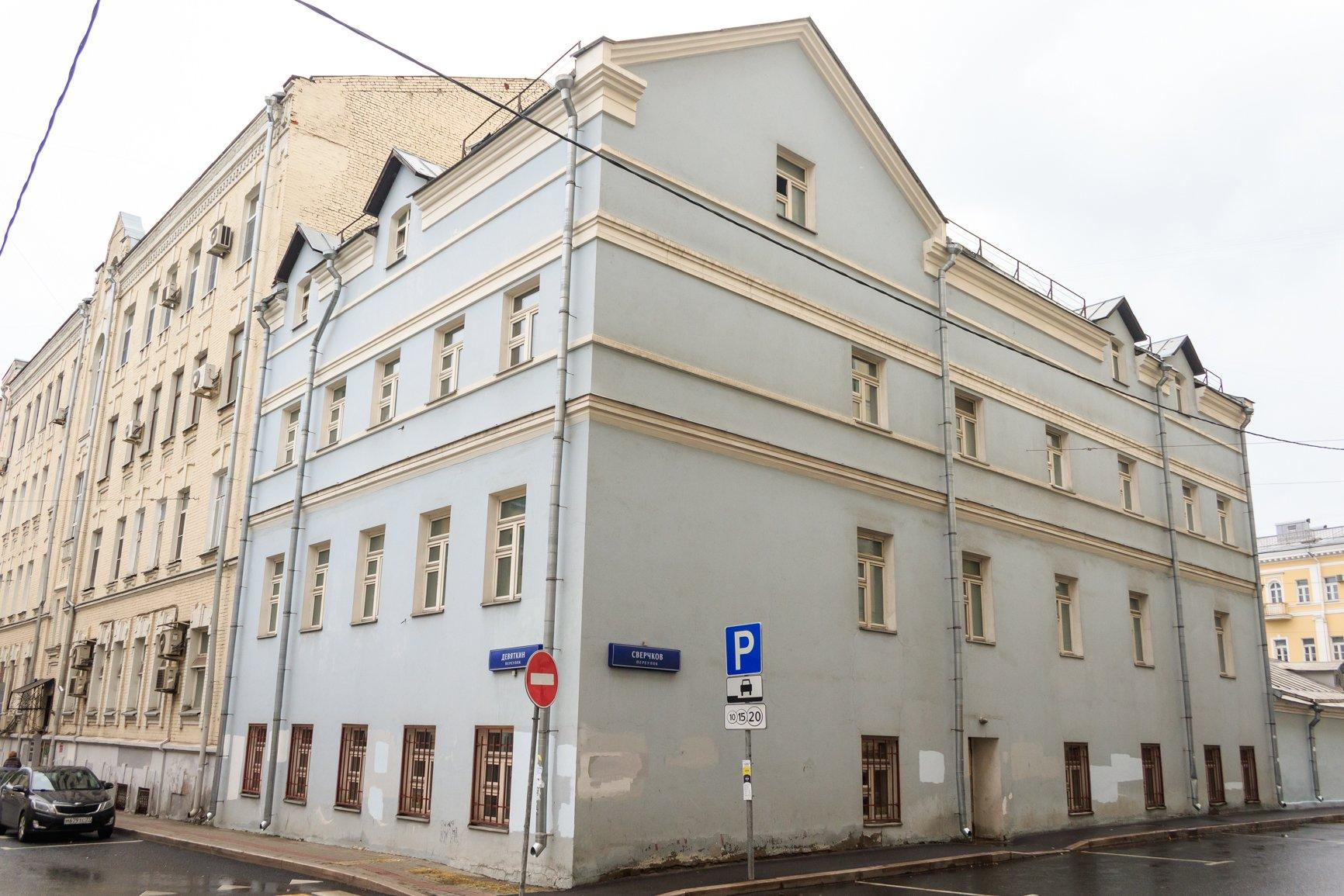
Флигель входит в состав городской усадьбы XVII–XIX вв., объекта культурного наследия федерального значения. В настоящее время северный флигель усадьбы состоит из примыкающих друг к другу двух частей – западной (стр. 1Б) и восточной (стр. 1А). Строение 1А фиксирует угол Сверчкова и Девяткина переулков.

Старинная московская усадьба имеет очень длинную и сложную историю, в том числе строительную. Она не раз меняла именитых владельцев.

Еще во второй половине XVII столетия эта местность в восточной части Белого города, вблизи дорог, которые вели в царские усадьбы-резиденции Измайлово и Преображенское, стала аристократическим районом. Здесь стремились поселиться и воздвигали каменные палаты придворные бояре, богатые дворяне и предприниматели. В этой части города и сегодня сохранилось несколько древних палат XVII века, не говоря уж о дворцах и усадебных домах XVIII столетия.

Известно, что в Армянском переулке были боярские дворы Матвеевых и Милославских. Палаты, представляющие собою ядро главного дома во владении № 11 по Армянскому переулку, предположительно принадлежали роду Милославских. Последующие владельцы, документально известные – М.В. Дмитриев-Мамонов, Д.А. Волконский, Н.А. Глебов. В 1790 году усадьба переходит во владение князей Гагариных. При них архитектор Матвей Казаков перестраивает старинный дом и создает классический ансамбль усадьбы – с традиционной композицией, где вынесенные на красную линию улицы (в нашем случае – Армянского переулка) симметрично фланкируют главный дом.

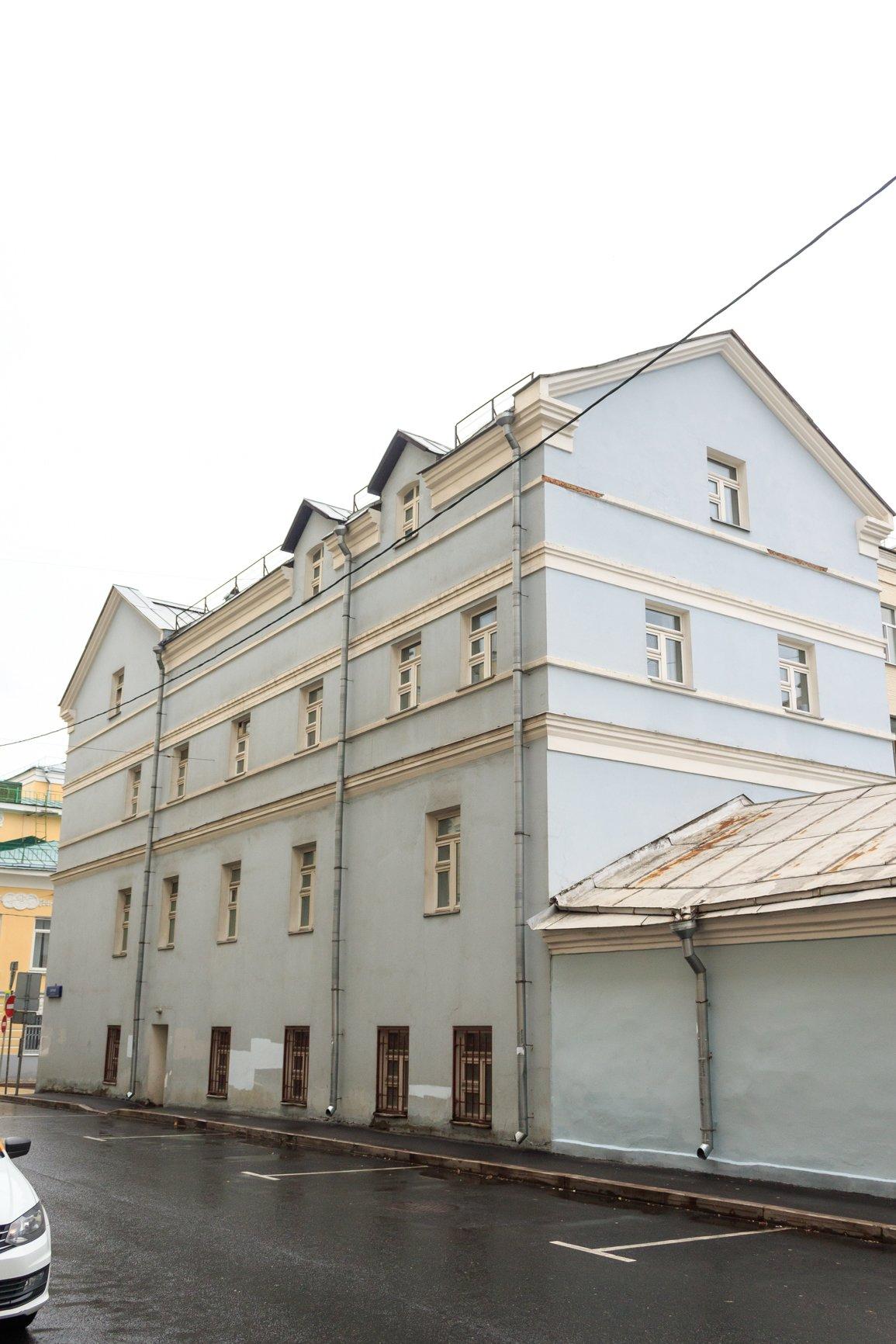
В этот же период строятся и флигели по периметру усадебного участка, в том числе и нынешнее строение 1А. Его композиция была тогда практически идентична Южному флигелю усадьбы: прямоугольное здание с печью в центре объема. Интересно, что в конце XVIII столетия участок нынешнего Сверчкова переулка вдоль северной границы усадьбы не был проезжим. Он вновь стал городским переулком после 1812 года, в связи с чем в глухой фасадной стене были пробиты окна.  

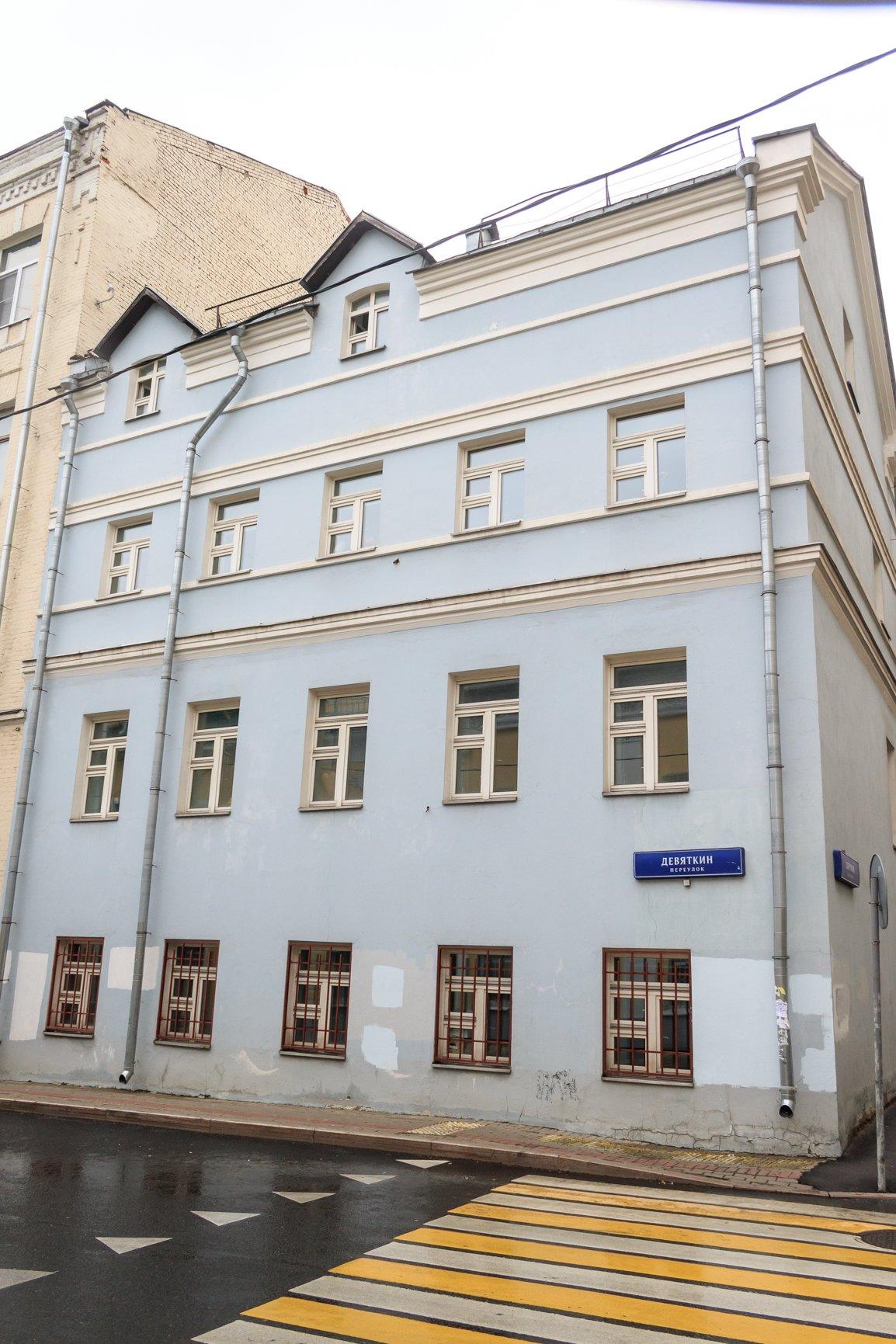
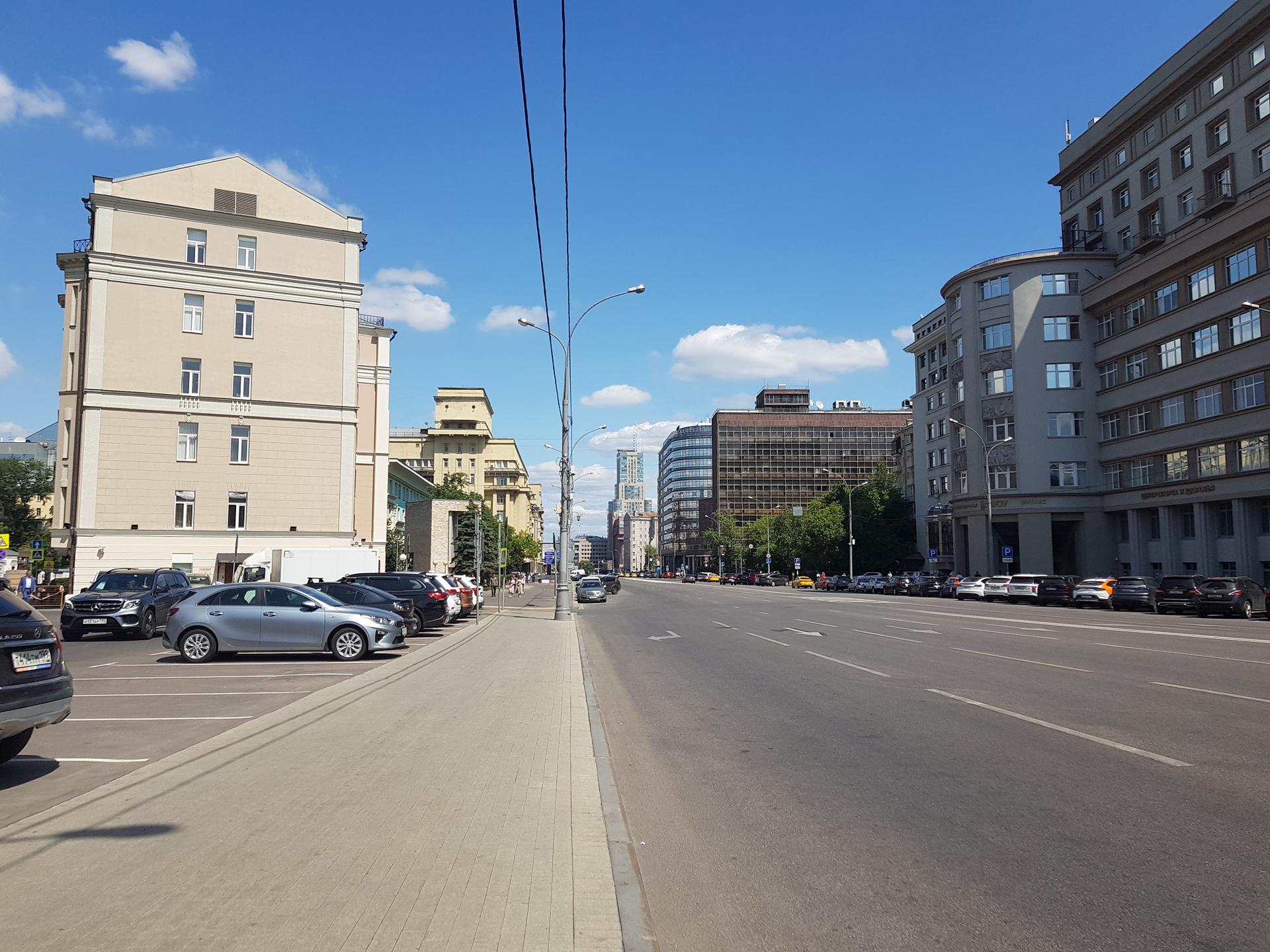
В отличие от западной части Северного флигеля (стр. 1Б) и Южного флигеля (стр. 3) восточная часть Северного флигеля (стр. 1А) претерпела серьезные перестройки в конце XIX – ХХ веке. Здание было несколько раз надстроено и со стороны Девяткина переулка представляет собою фактически 4-этажный дом. Угловая часть фасада со стороны Сверчкова переулка отмечена треугольным фронтоном.
The Wing is a part of the 17 19th centuries city homestead, a cultural heritage site of federal significance. Nowadays, the Northern Wing of the homestead has two joined parts — the Western (building 1B) and the Eastern (building 1A). The building 1A is situated at the corner of the Sverchkov and Deviatkin Lanes. The old Moscow homestead has a long and convoluted history, also in terms of its construction. More than once it has changed hands of prominent owners. As early as in the second half of the 17th century, this area in the Eastern part of the White Town near the road leading to the royal residences Izmaylovo and Preobrazhenskoye, has been considered a district for the noble. Court nobility, rich aristocrats and entrepreneurs sought to settle here and build stone chambers. Until now, some 17th century ancient chambers have survived in this area, let alone 18th century palaces and homesteads. It is a known fact that there were the Matveyev and Miloskavsky Boyar families' estates in the Armiansky Lane. The Chambers representing a core of the main house on the land plot No. 11 on the Armiansky Lane allegedly belonged to the Miloslavsky family. Its previous owners of who there are records were M.V. Dmitriev Mamontov, D.V. Volkonsky, N.A. Glebov. In 1790, the homestead has been acquired by the Prince Gagarin family. That time, the architect Matvey Kazakov has rebuilt the old house and created a classical homestead ensemble with a traditional composition with the buildings set forward to the frontage (here, the Armiansky Lane) and symmetrically flanking the main house. During the same period, side wings along the perimeter of the homestead land were constructed, including the building now known as 1A. At the time, its layout was almost identical to that of the Southern Wing: a rectangular building with a stove in the center. It is worth noting that in the late 18th century the portion of the Sverchkov Lane along the homestead’s Northern boundary was not a drivethrough. After the year 1812, it has become a proper lane again; therefore, windows have been made in the dead wall facing the lane. Unlike the Western part of the Northern Wing (building 1B) and the Southern Wing (building 3), the Eastern part of the Northern Wing (building 1A) has undergone significant reconstructions in the late 19th–20th centuries. Several times storeys would be added to the building; currently it is a four storey building that faces the Devyatking Lane. The corner of the facade at the Sverchkov Lane is decorated with a triangular pediment. Konstantin Mikhailov
Автор статьи: Константин Михайлов
Поделитесь статьей с друзьями