Интерактивный гид по городу
С мобильным приложением бродить по городу гораздо интереснее!

5.00
Вы можете воспользоваться QR-кодом, чтобы открыть эту страницу в нашем приложении
Архитектурный стиль:
Годы постройки:
1906
Архитекторы:
С.А. Вознесенский
Эпоха:
1900s
Дата открытия, История появления

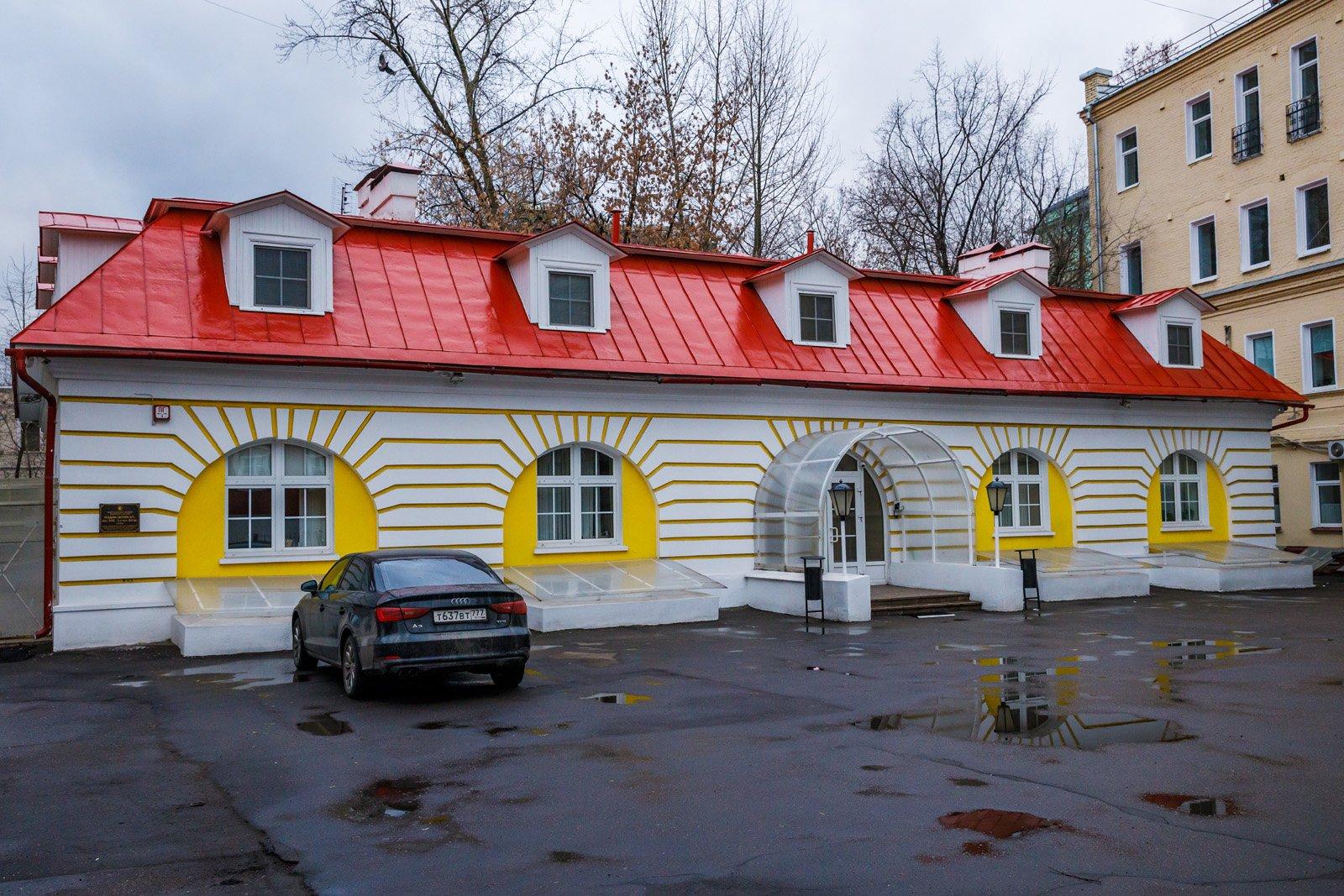
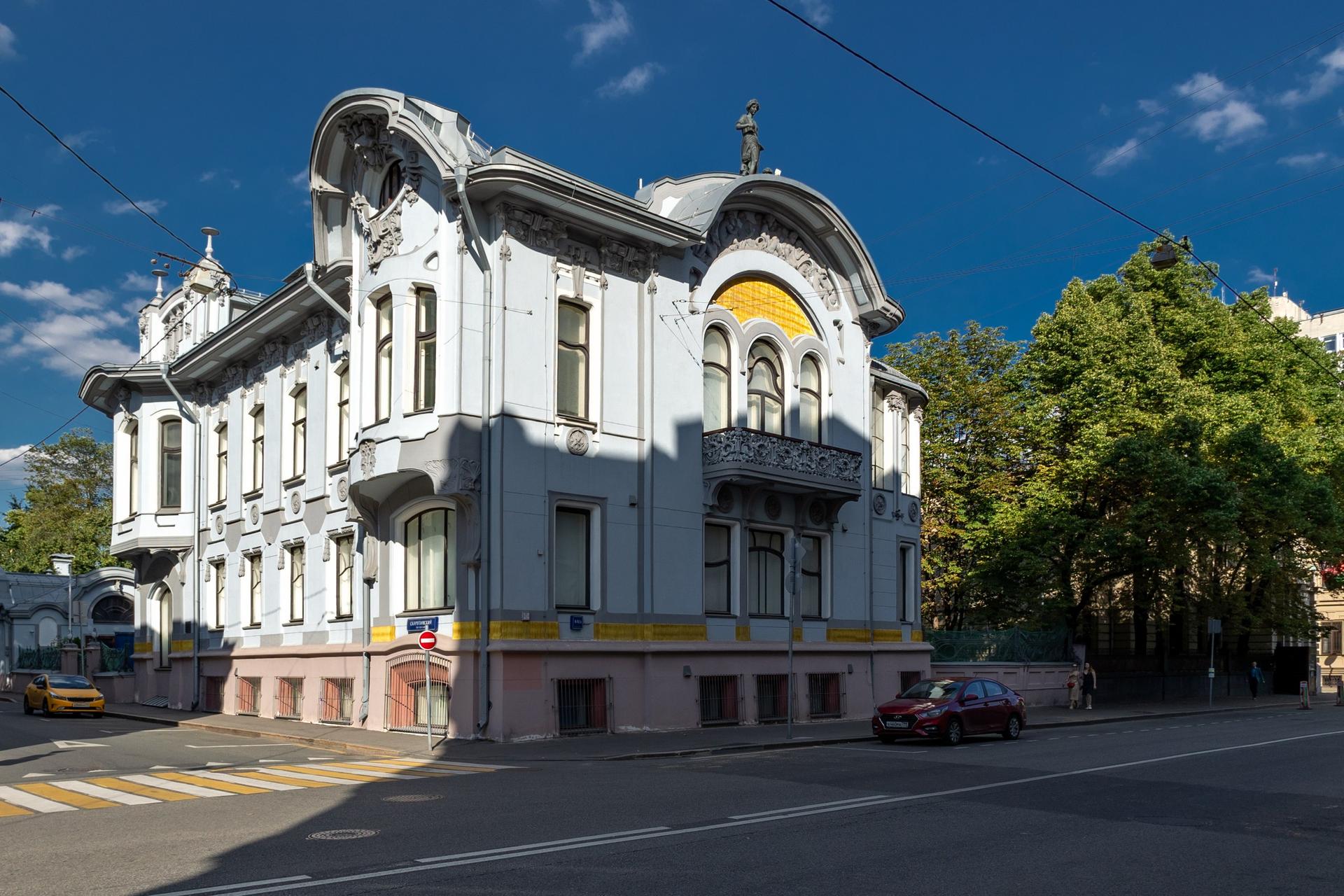
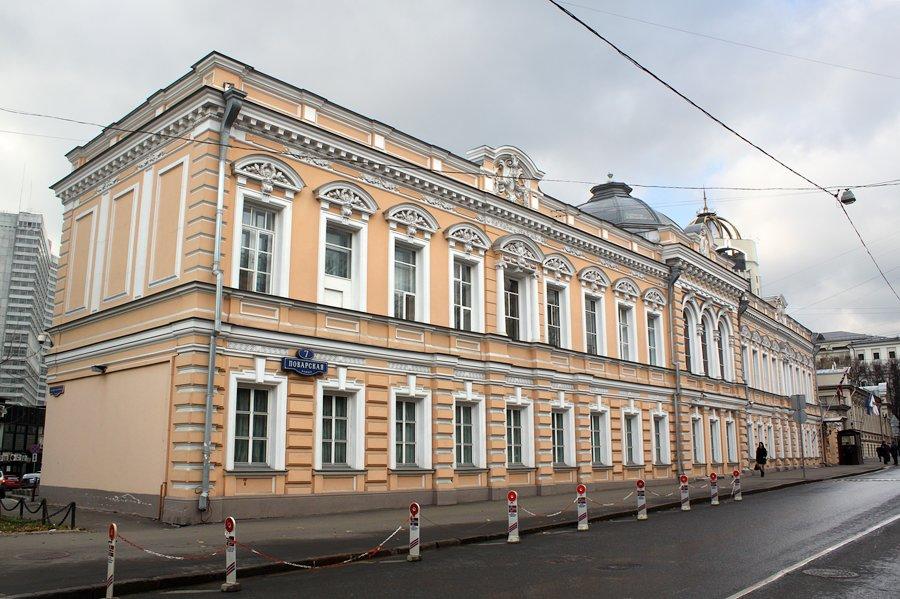
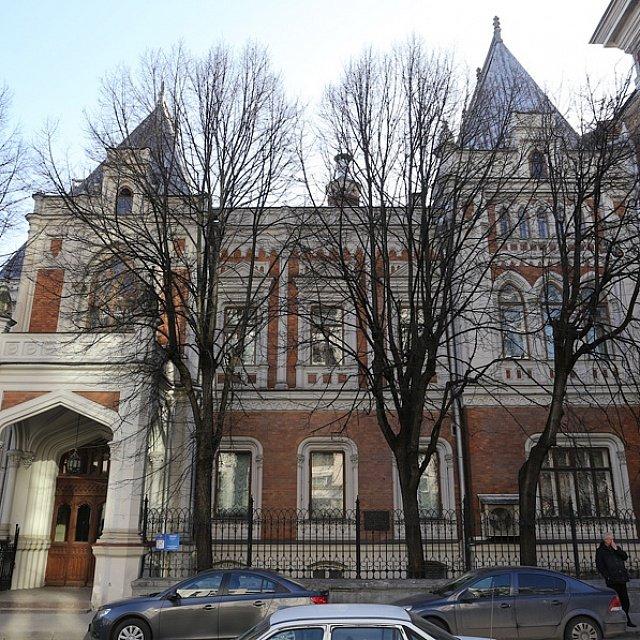
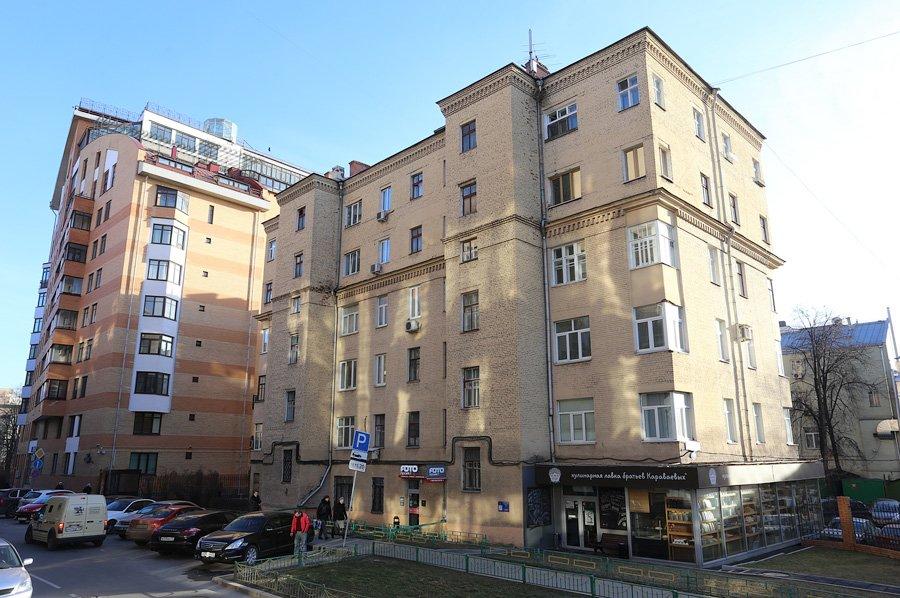
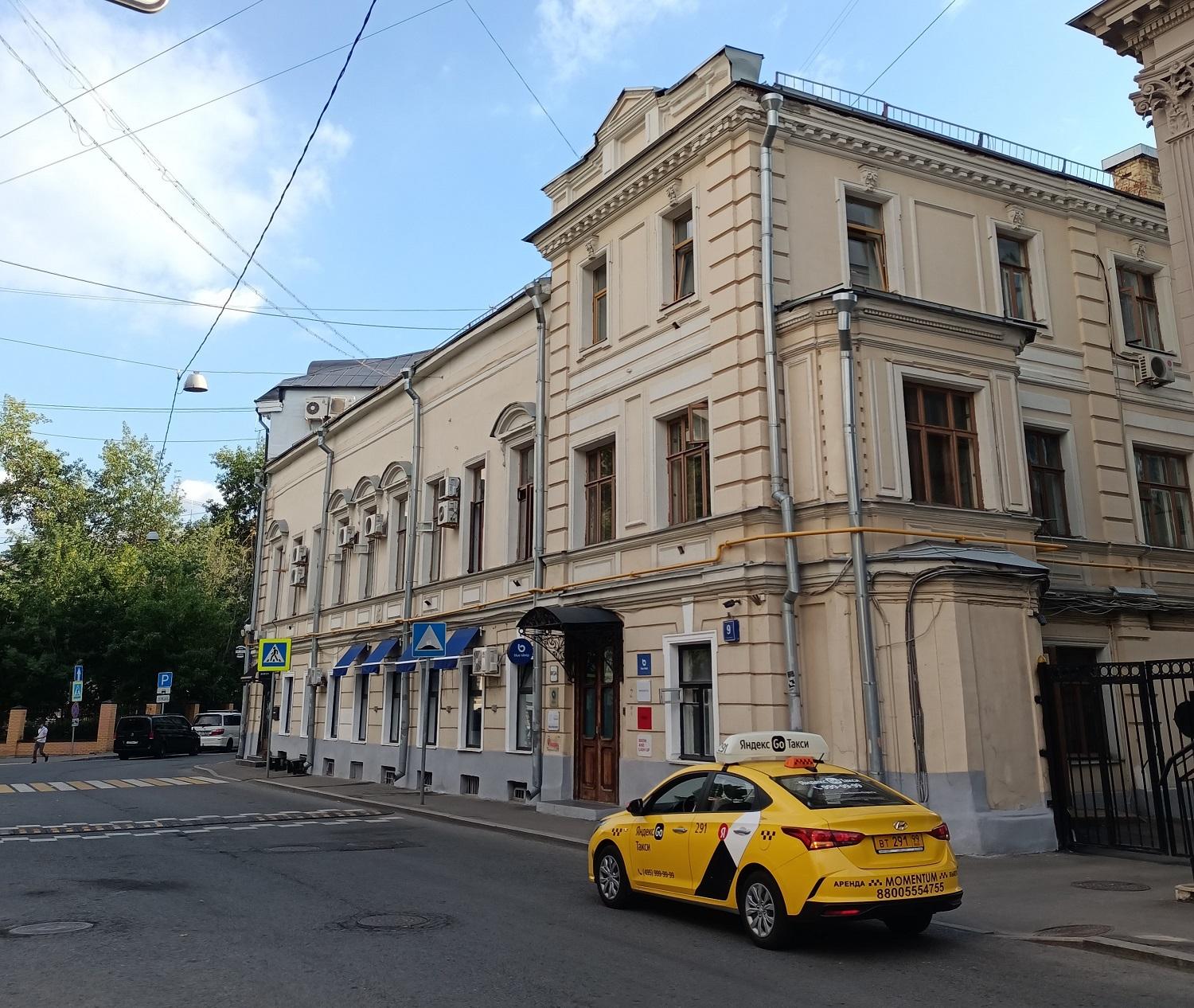
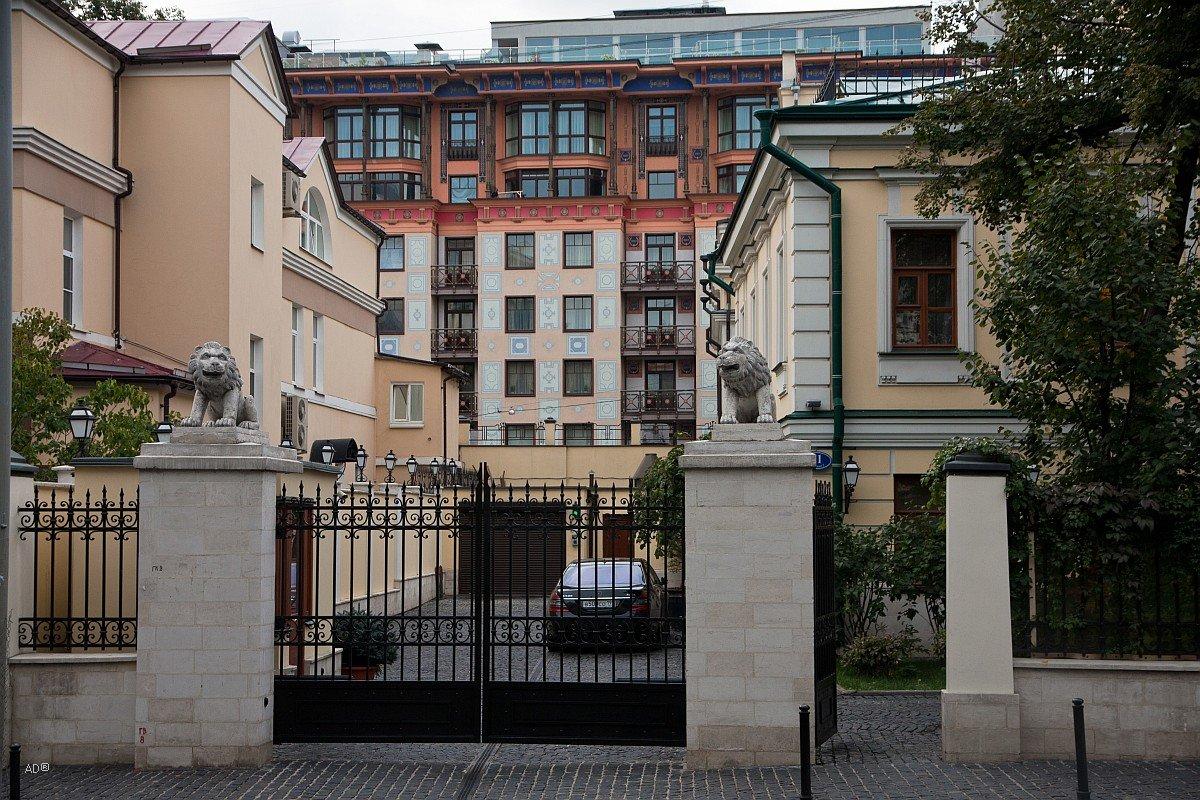
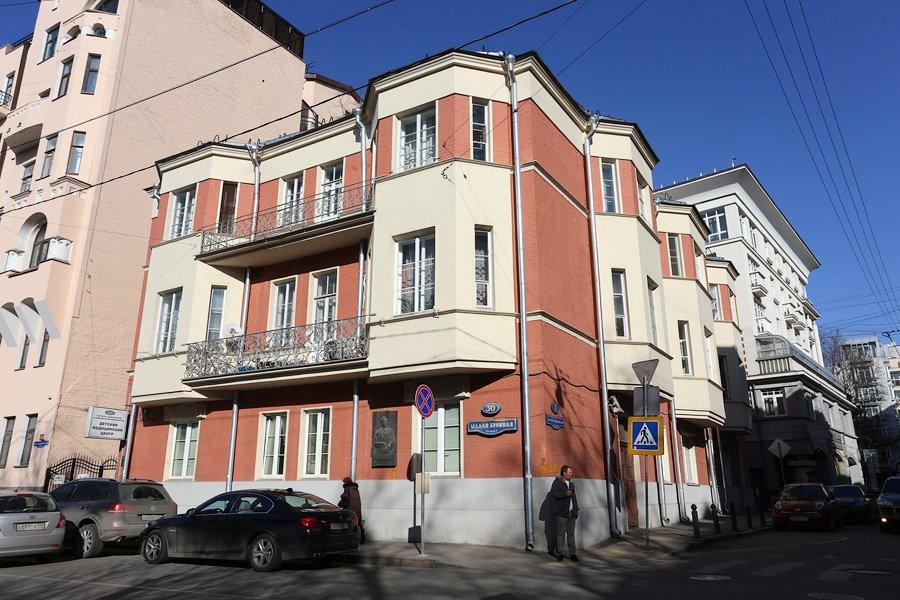
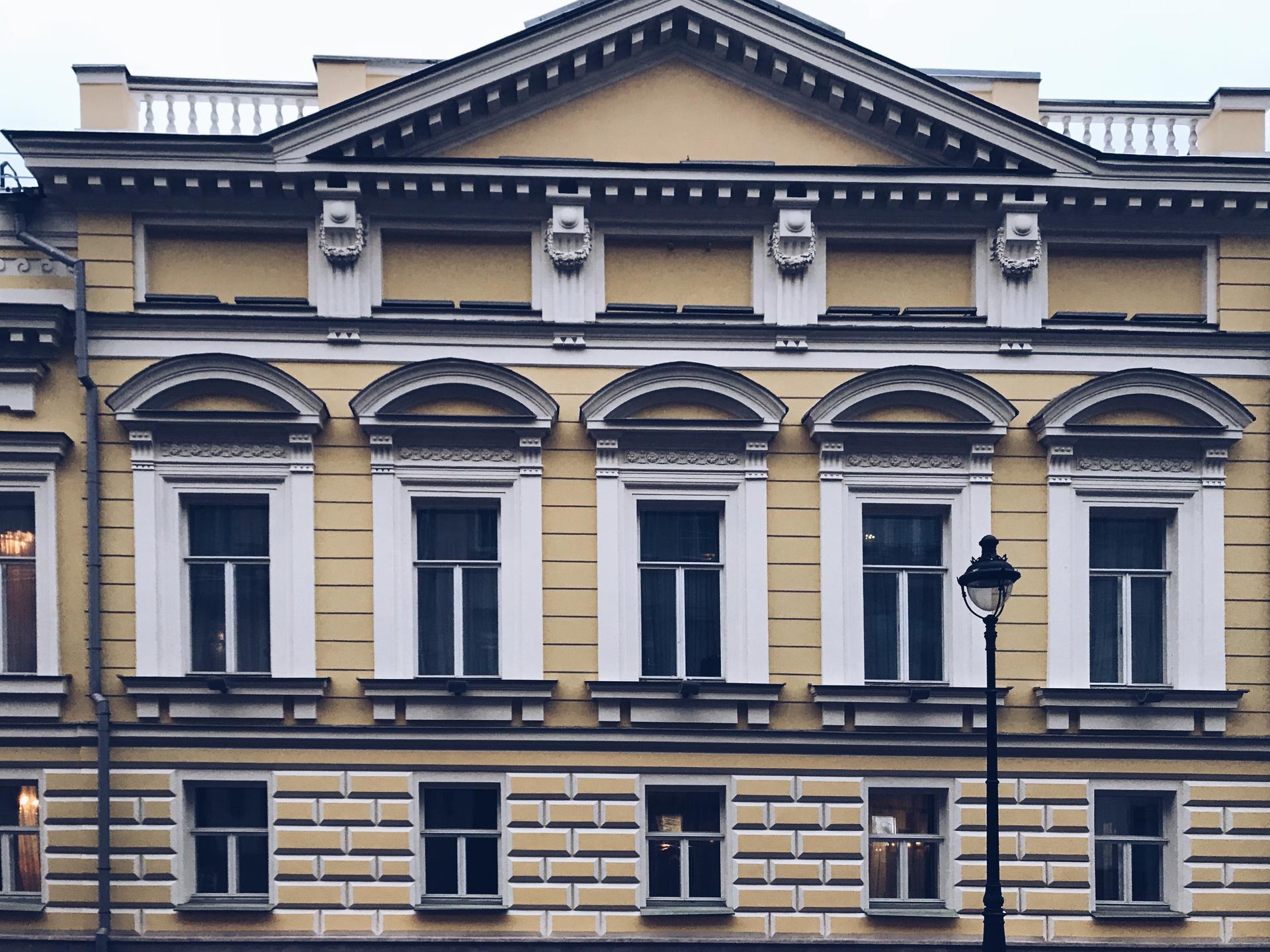
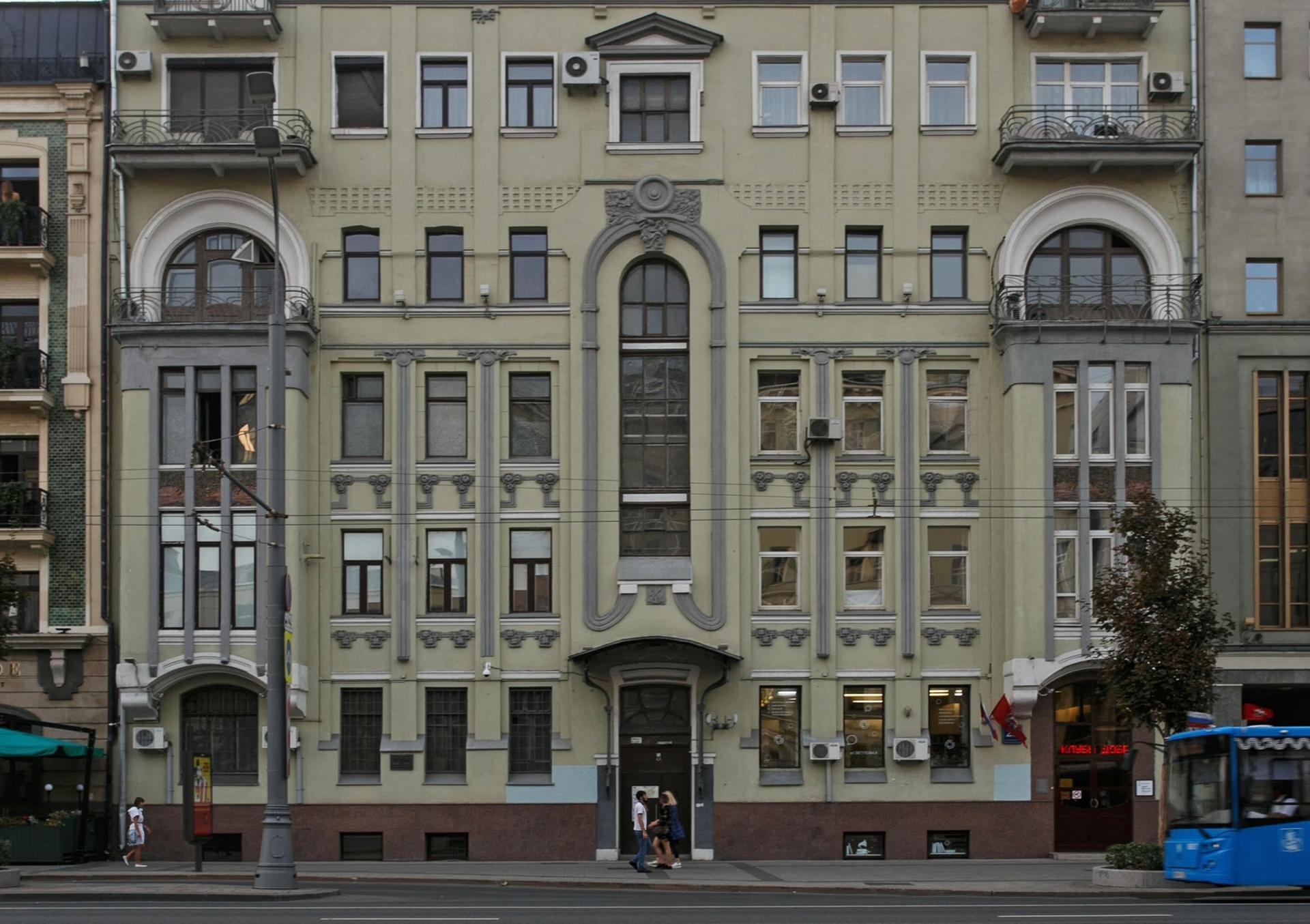
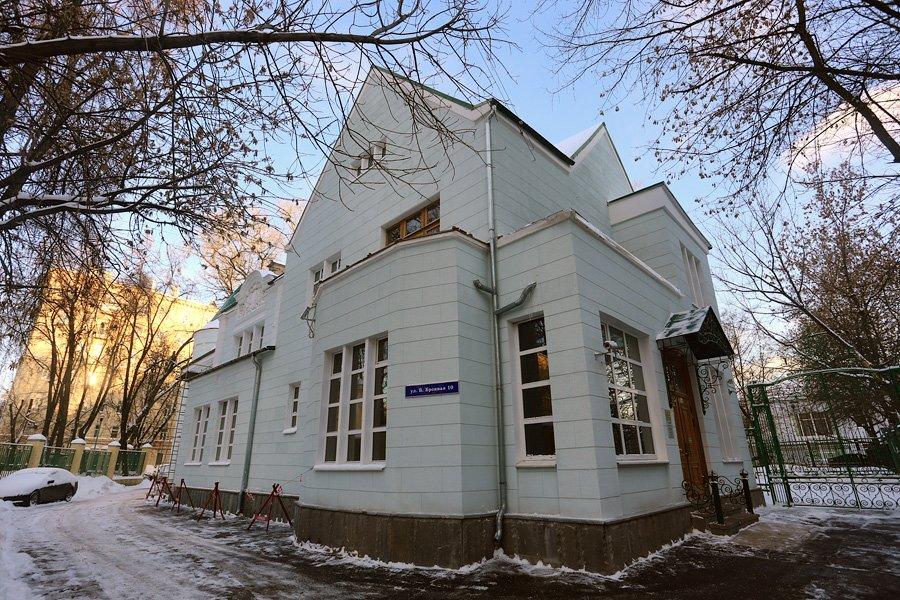
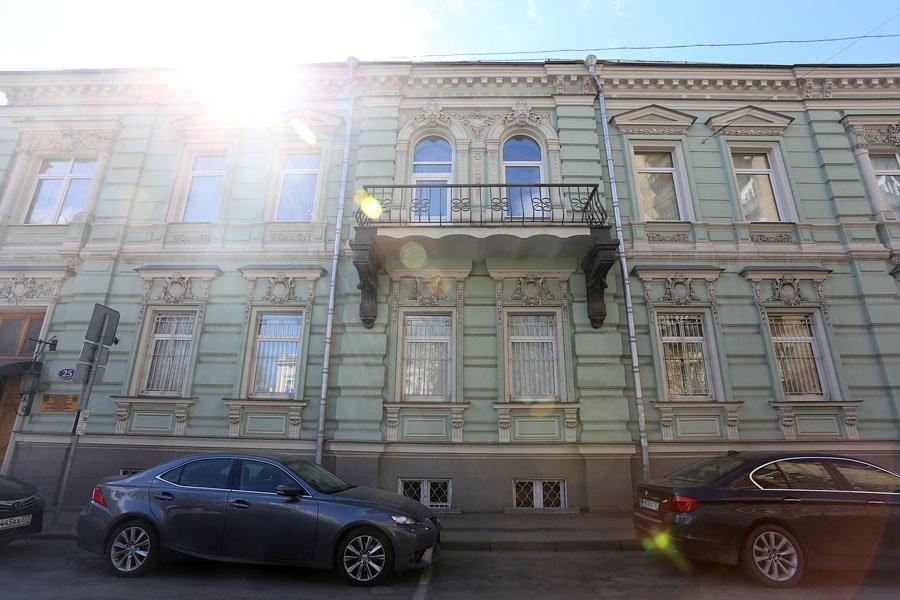
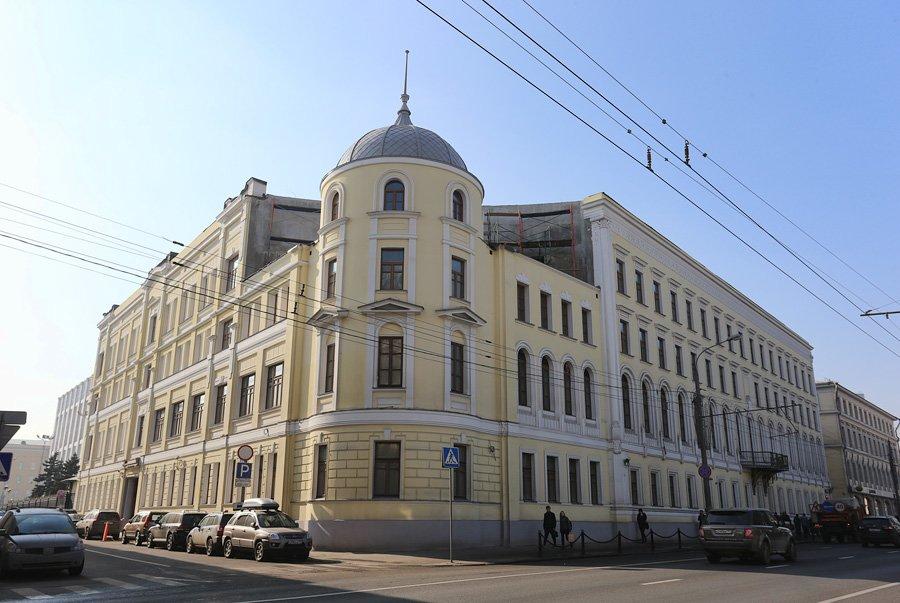
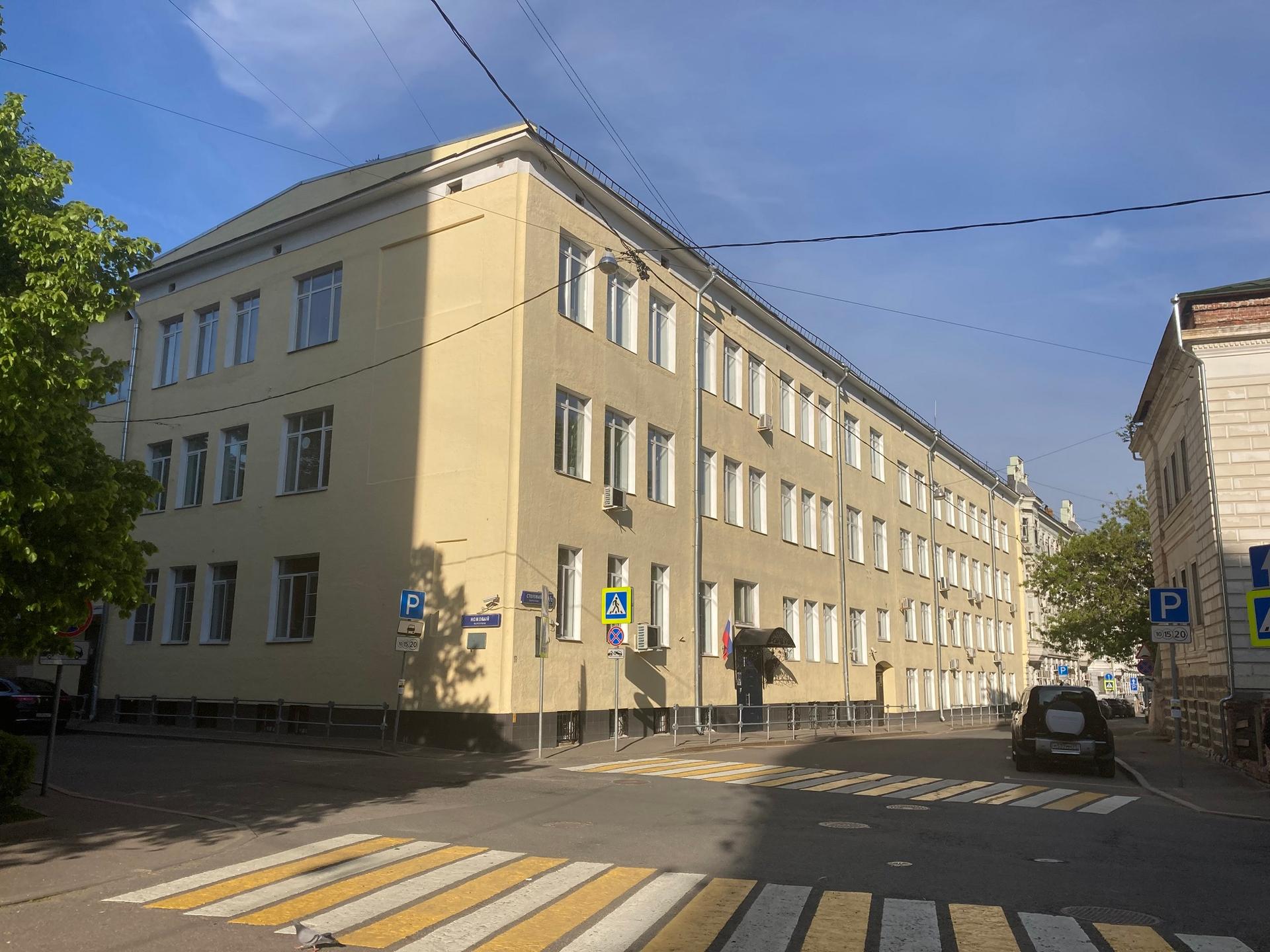
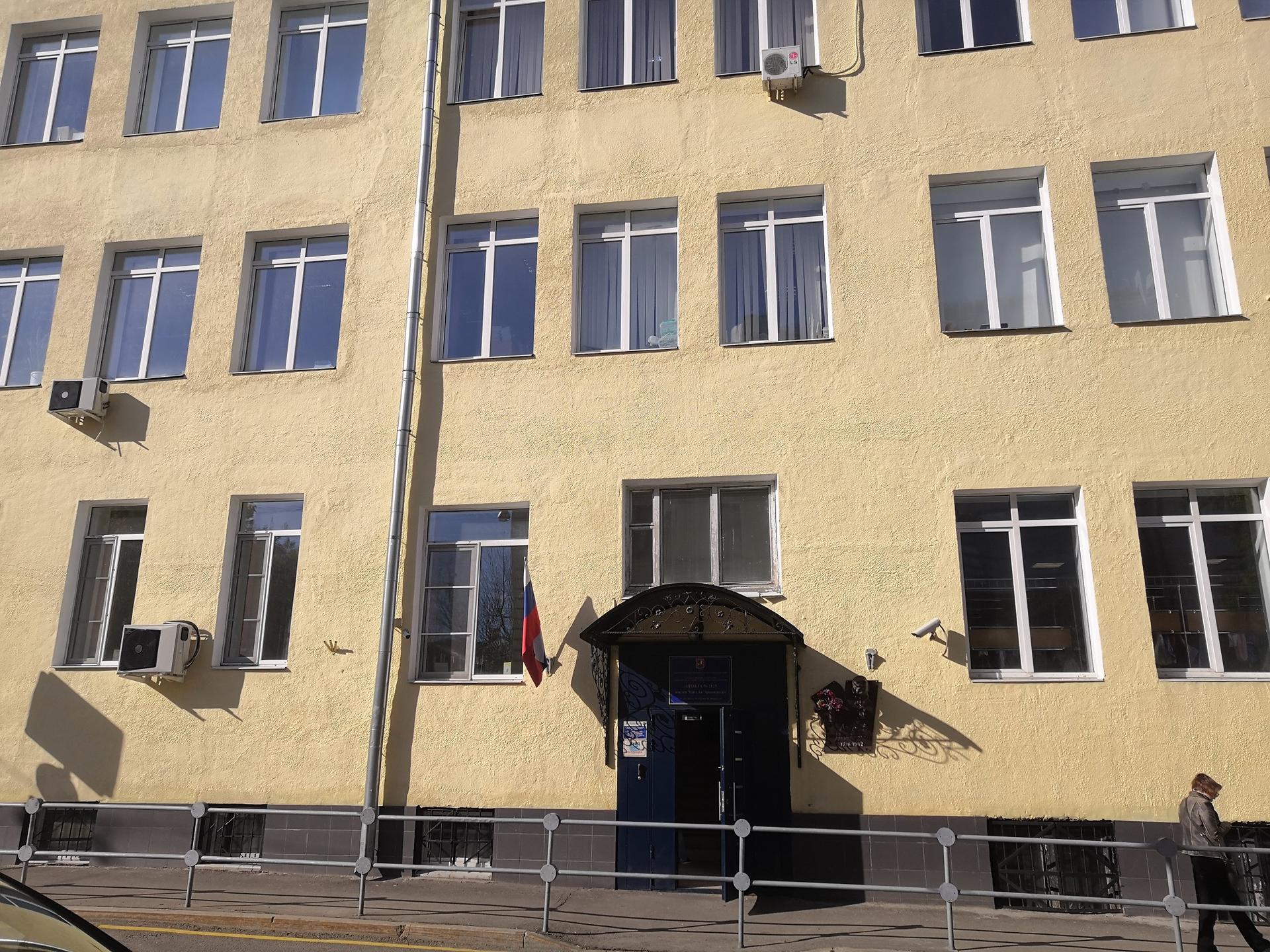
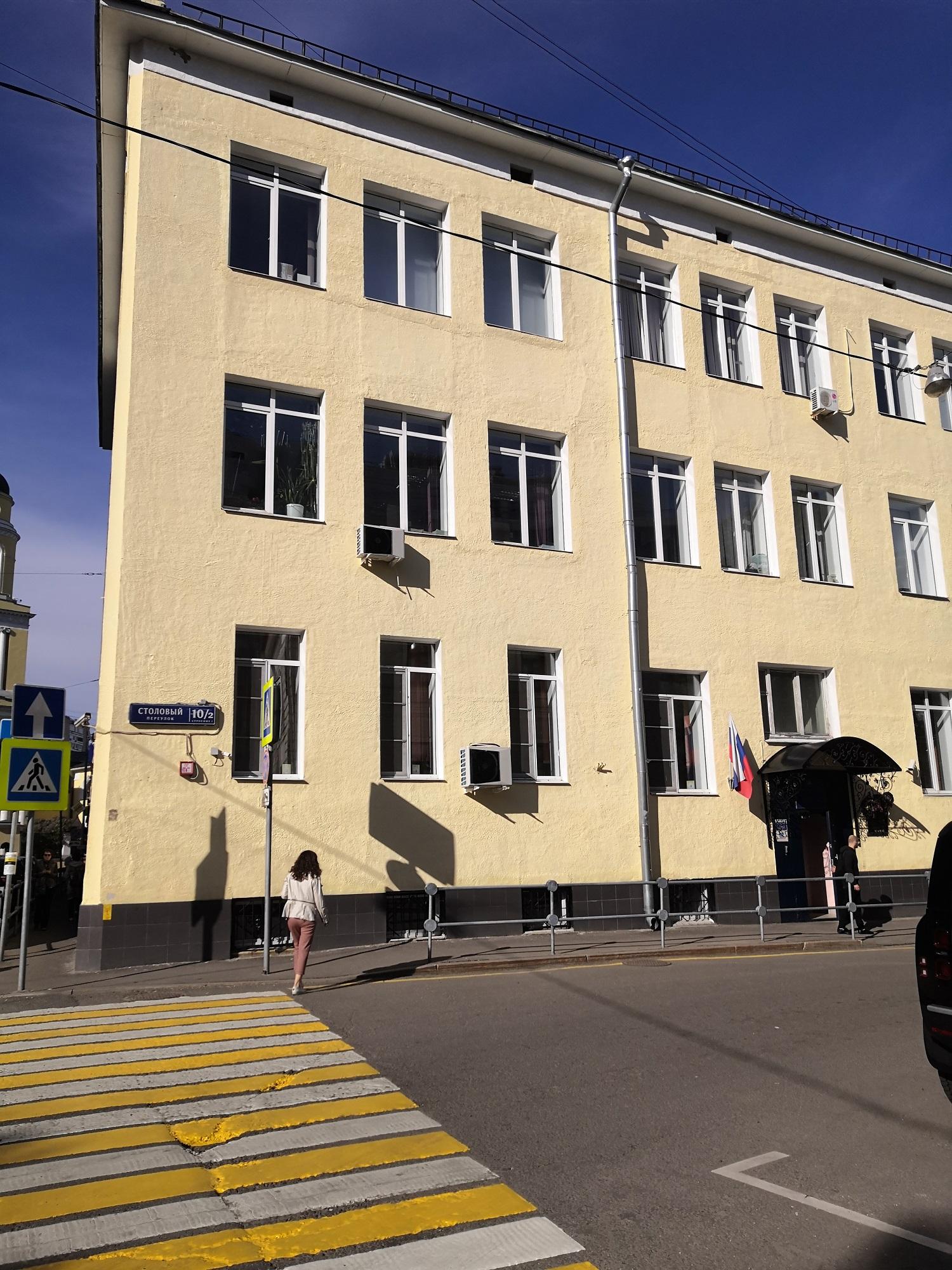
В 1906 году в Мерзляковском переулке открылась мужская прогимназия с шестилетним сроком обучения. Архитектор Н. И. Жерихов. 

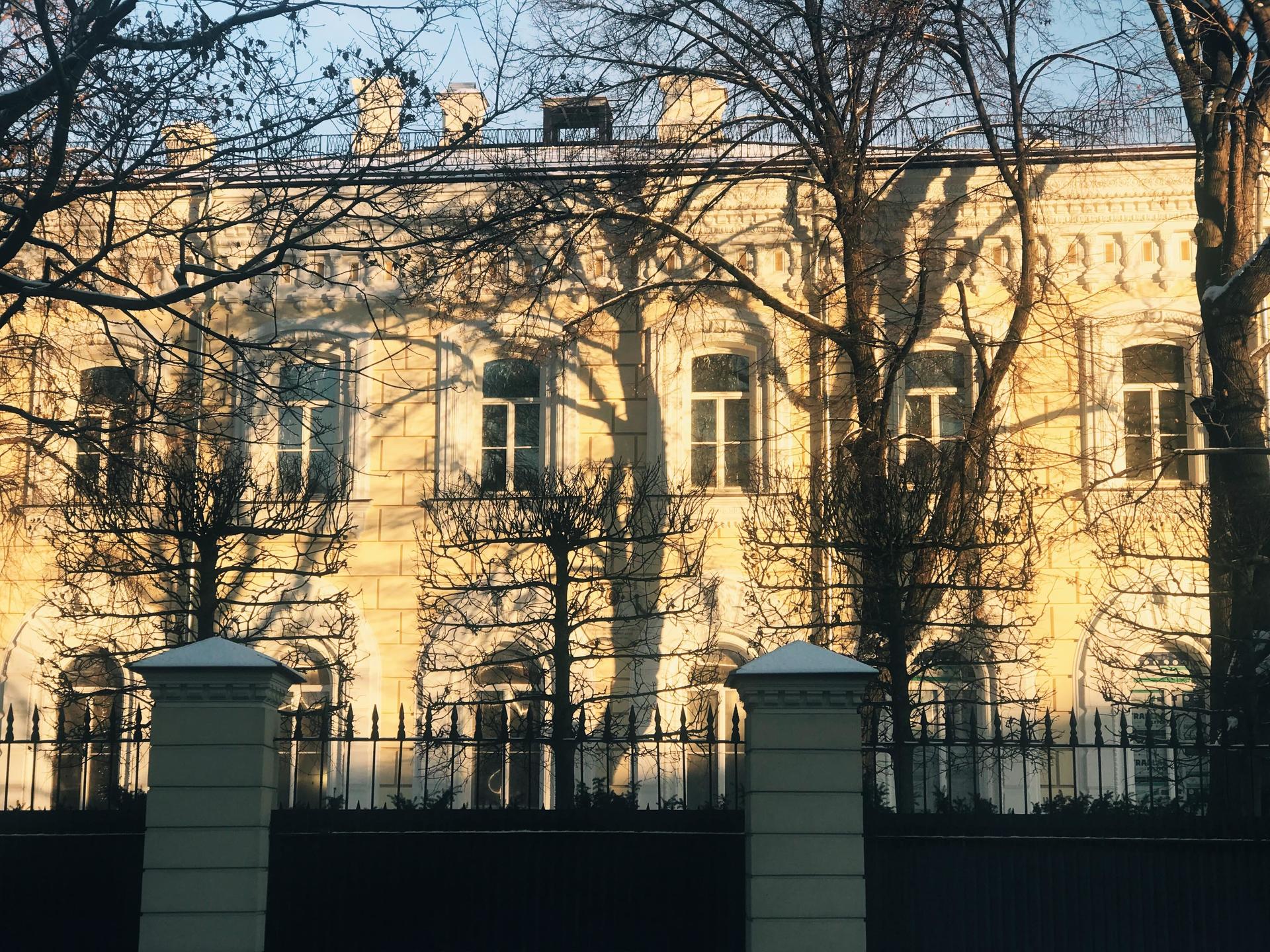
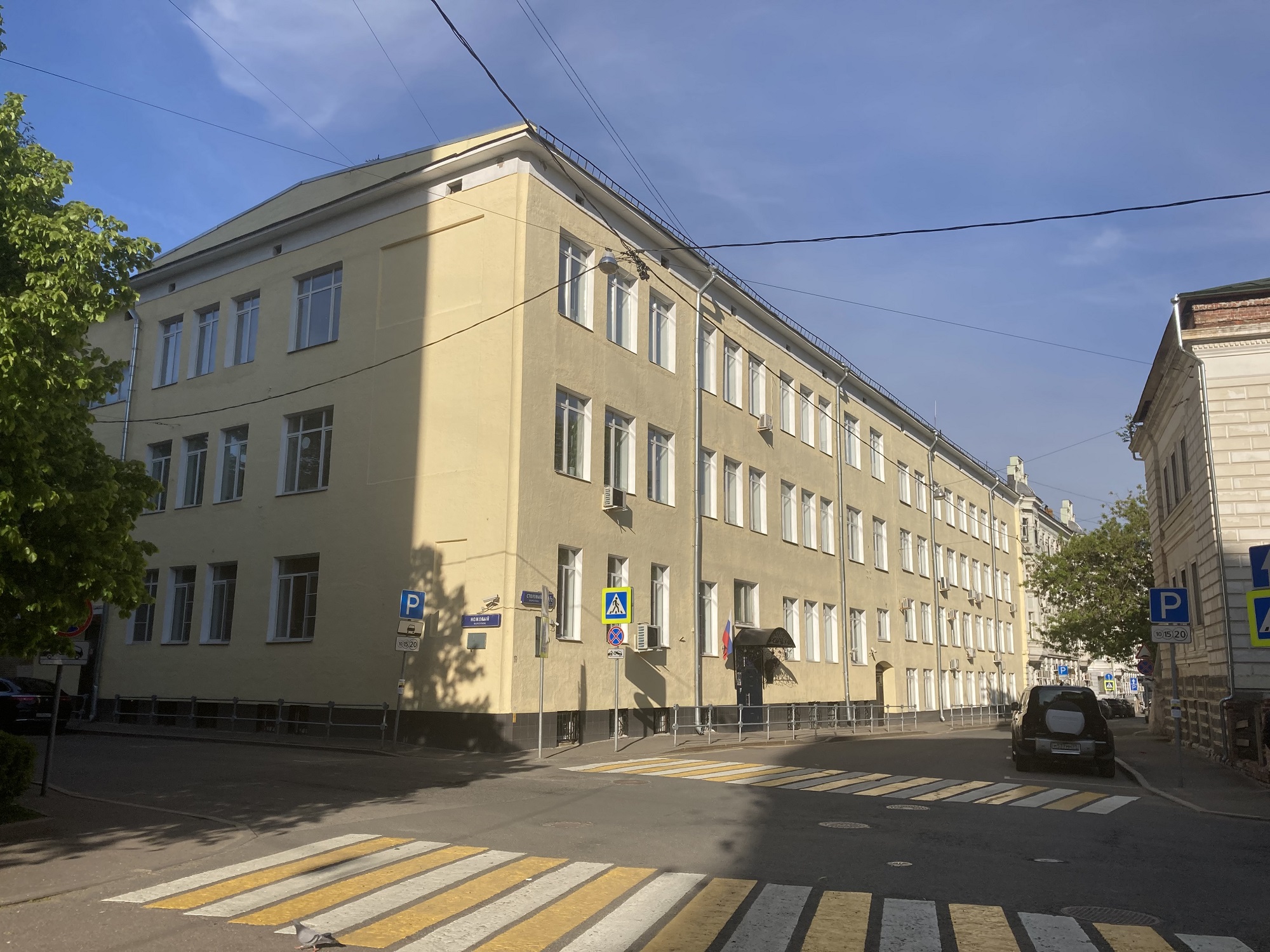
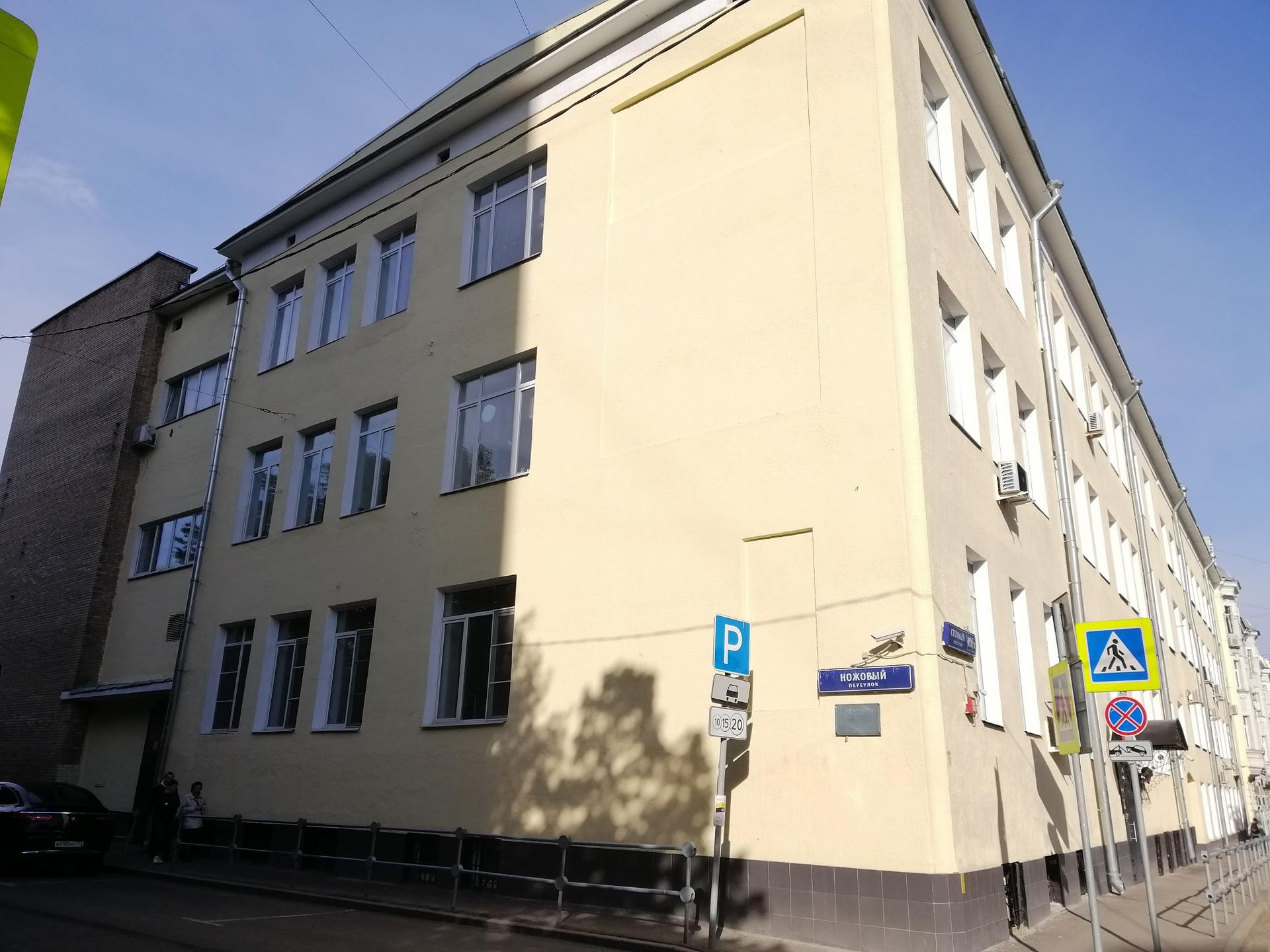
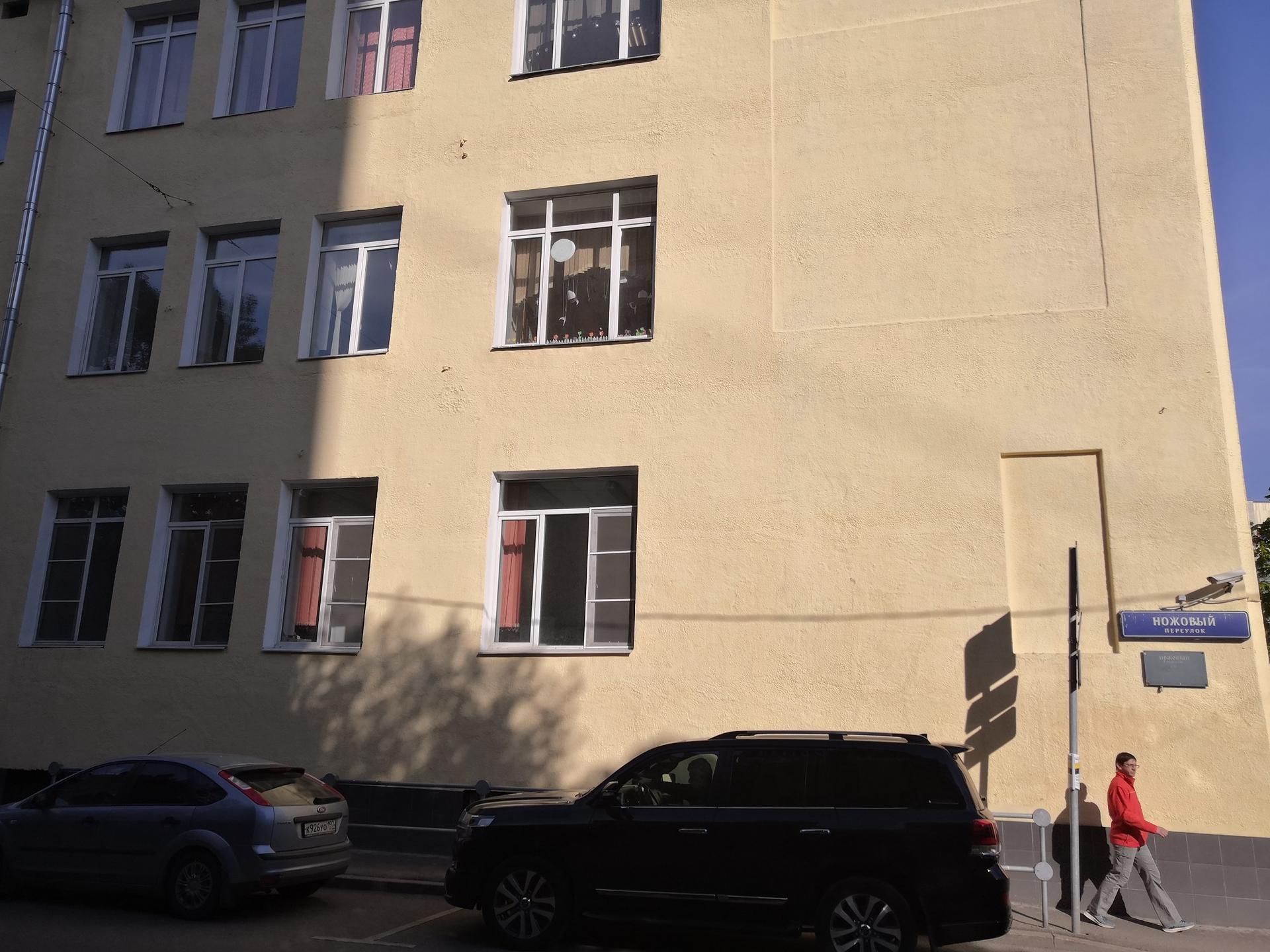
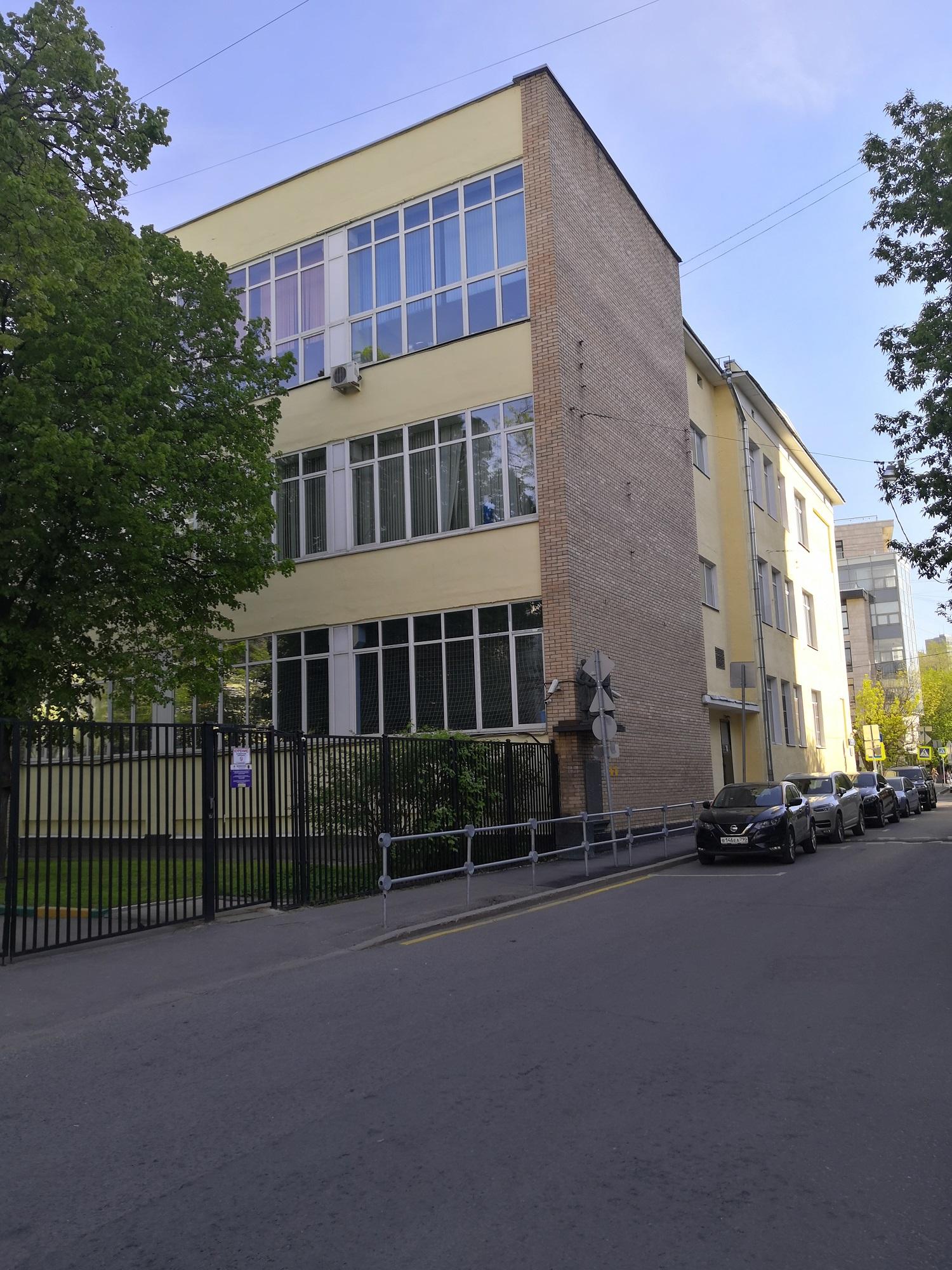
В 1910 году она стала мужской гимназией с 8-летним сроком обучения, получила собственное здание, сохранившееся и поныне. Попечителем и основателем гимназии был Александр Ефимович Флёров.
Владельцы и значимые персоны

Директором гимназии в 1911 году назначен Александр Сергеевич Барков, впоследствии видный ученый-географ, академик. Преподавались русский и иностранные языки, алгебра, геометрия, физика, право и др. В гимназии Флёрова училось много детей из семей московской интеллигенции: ученых, инженеров, врачей, артистов, художников. Учились также дети из семей фабрикантов Коншиных, Ляминых, Морозовых, князей Енгалычевых, начальника московского охранного отделения А. П. Мартынова.
Настоящее время

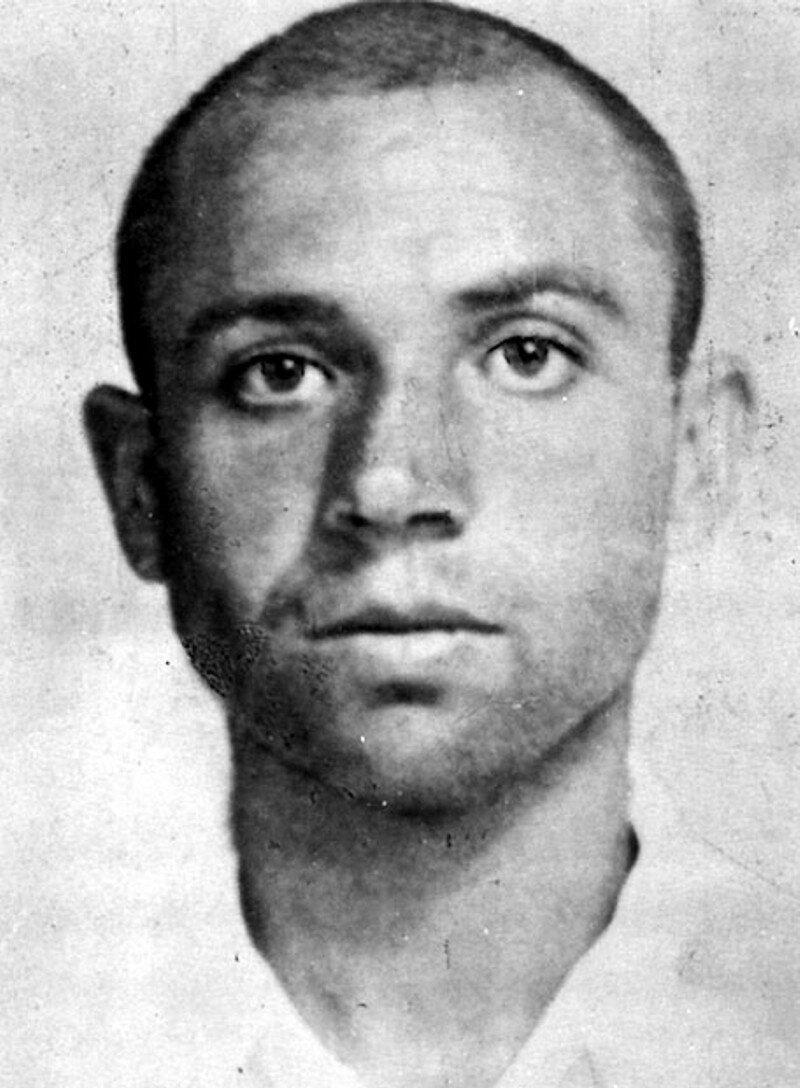
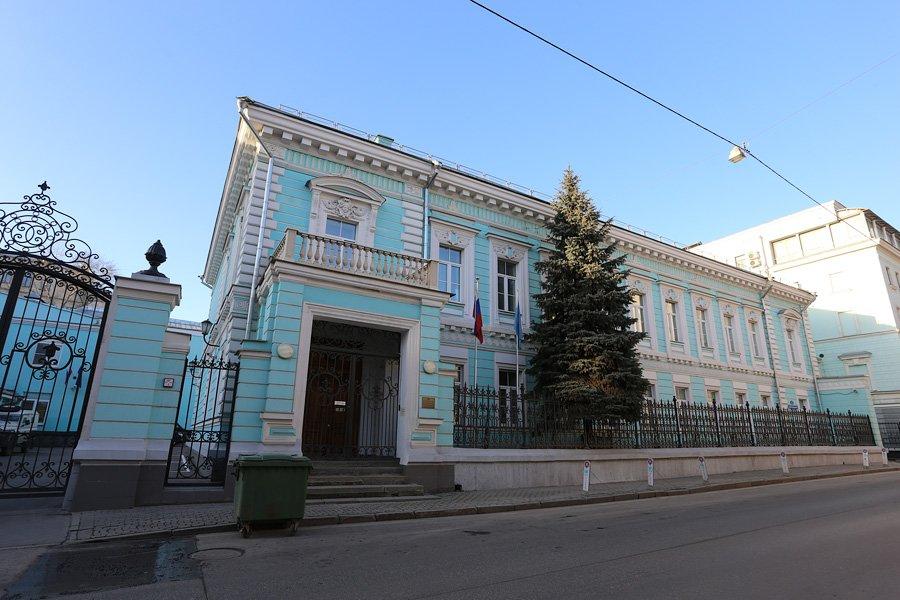
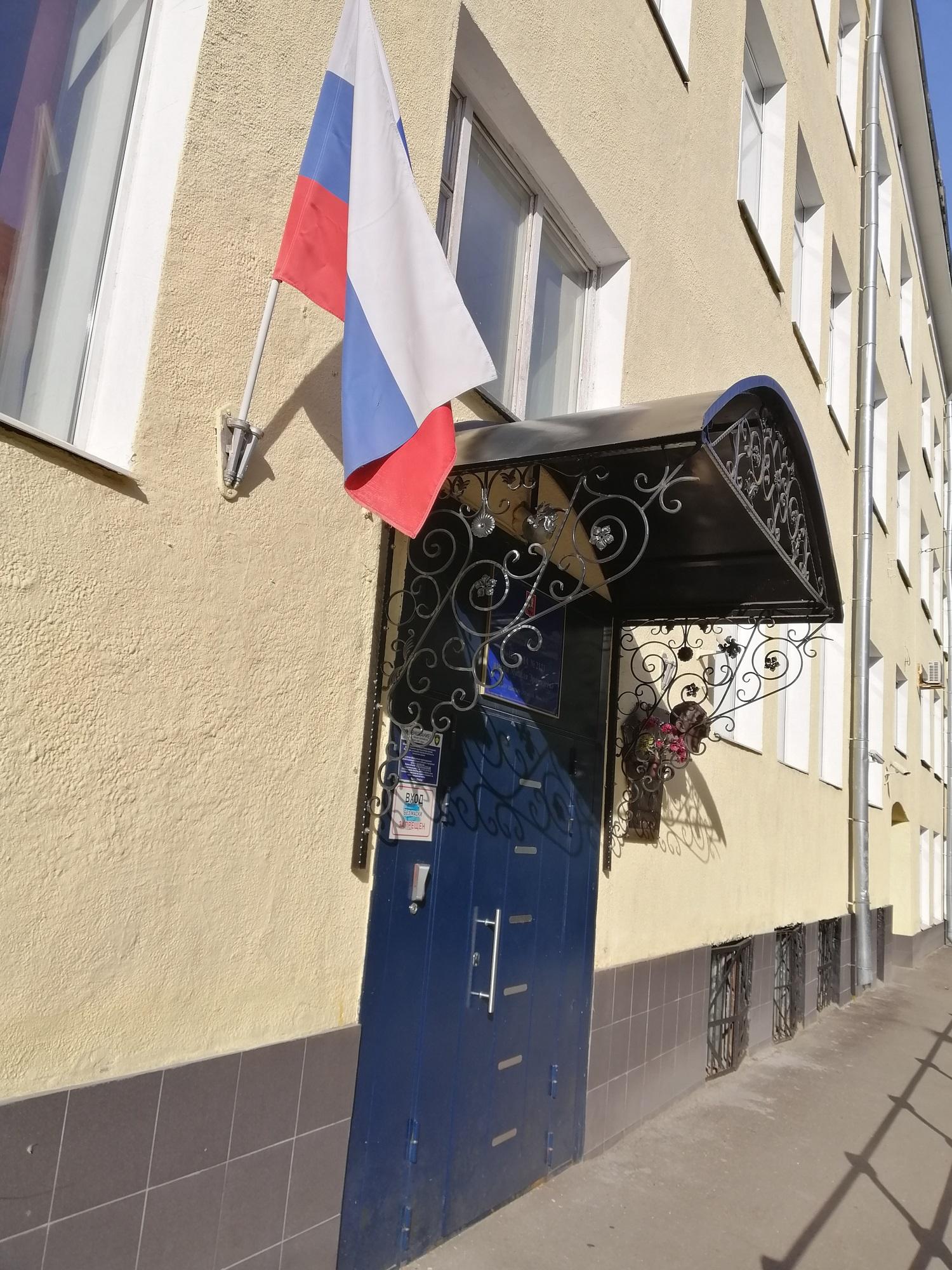
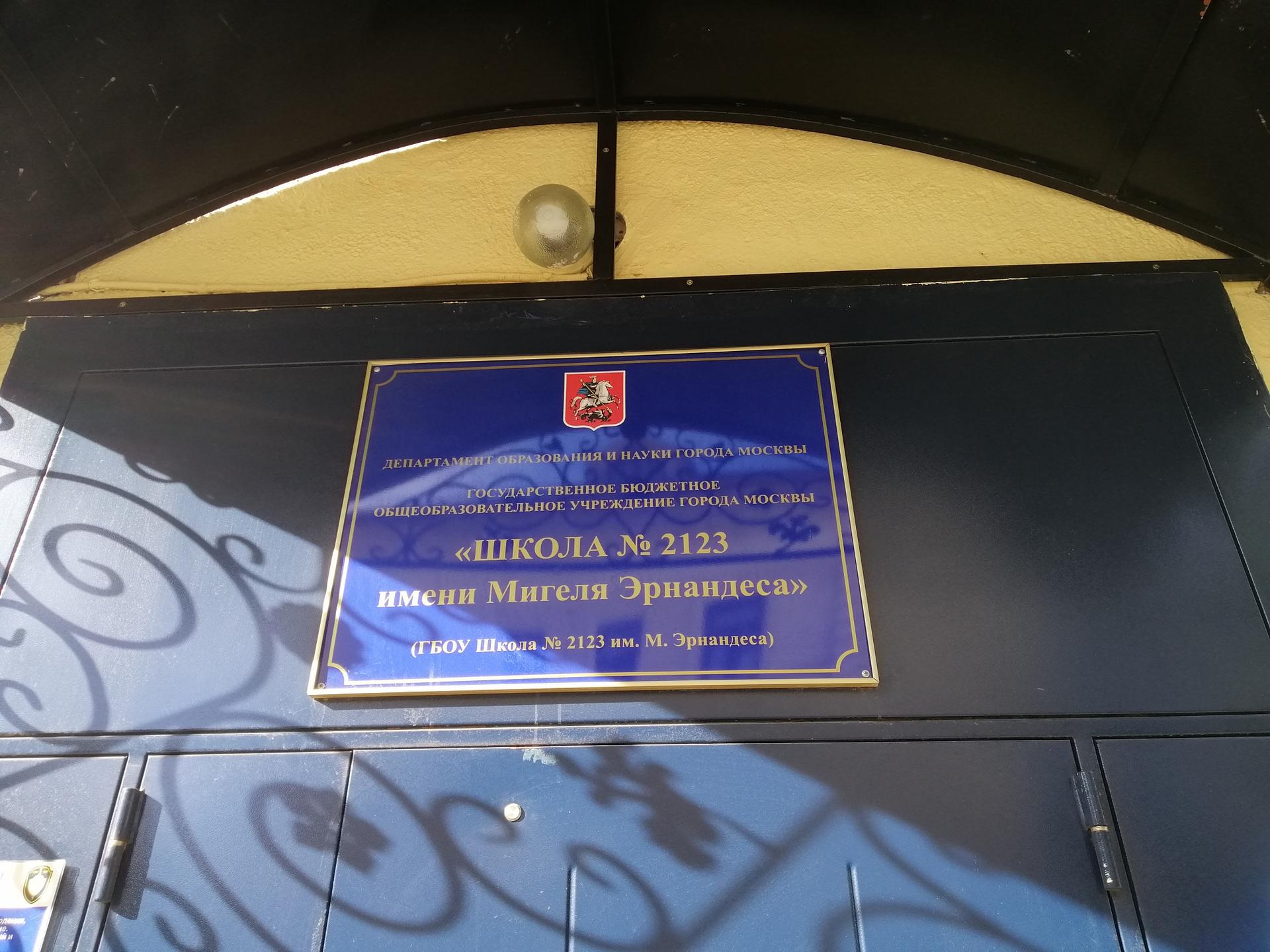
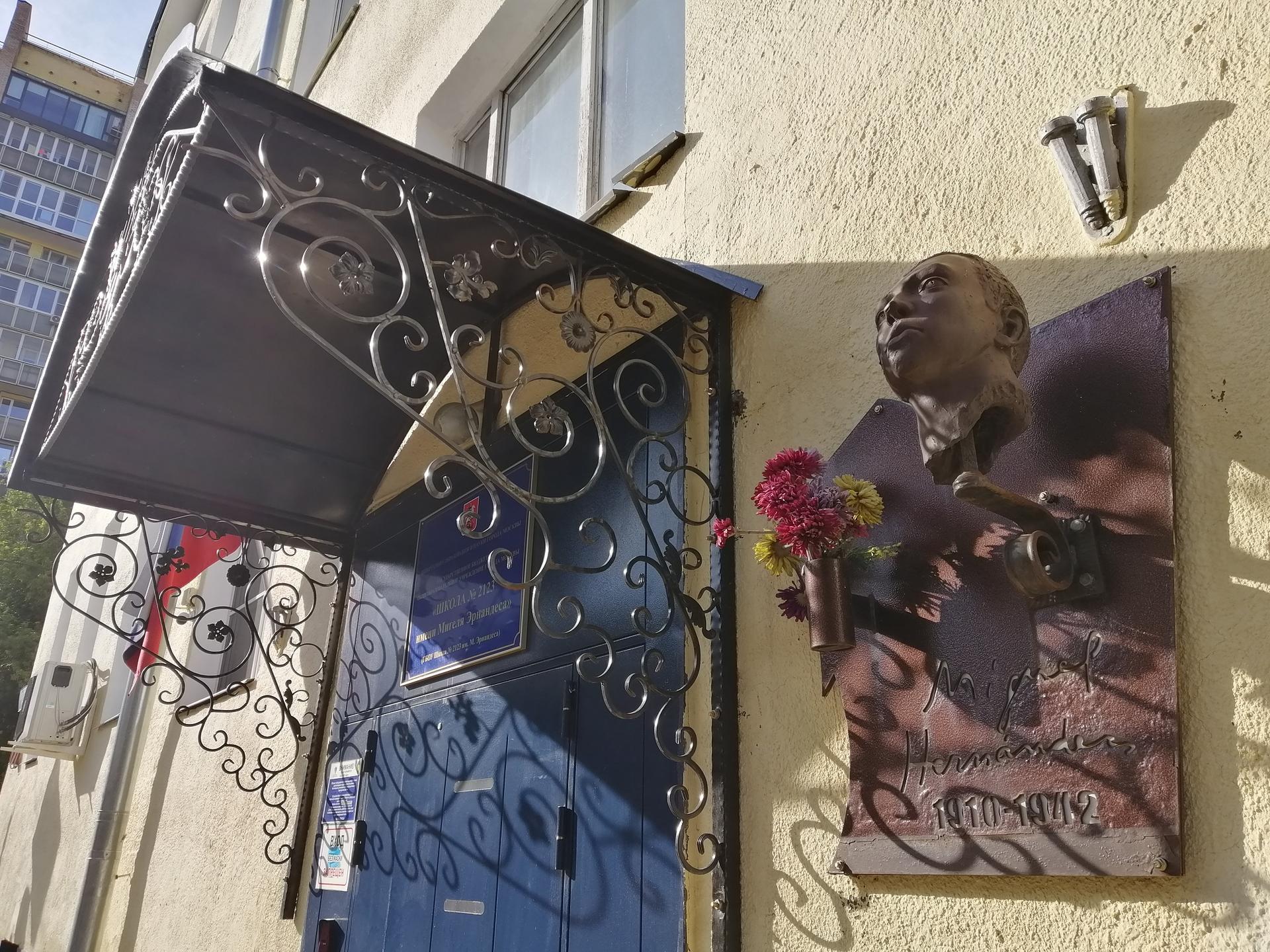
Сейчас – это школа №2123 имени Мигеля Эрнандеса.
Отзывы
(1)
Поделитесь статьей с друзьями
Интересное рядом(52)
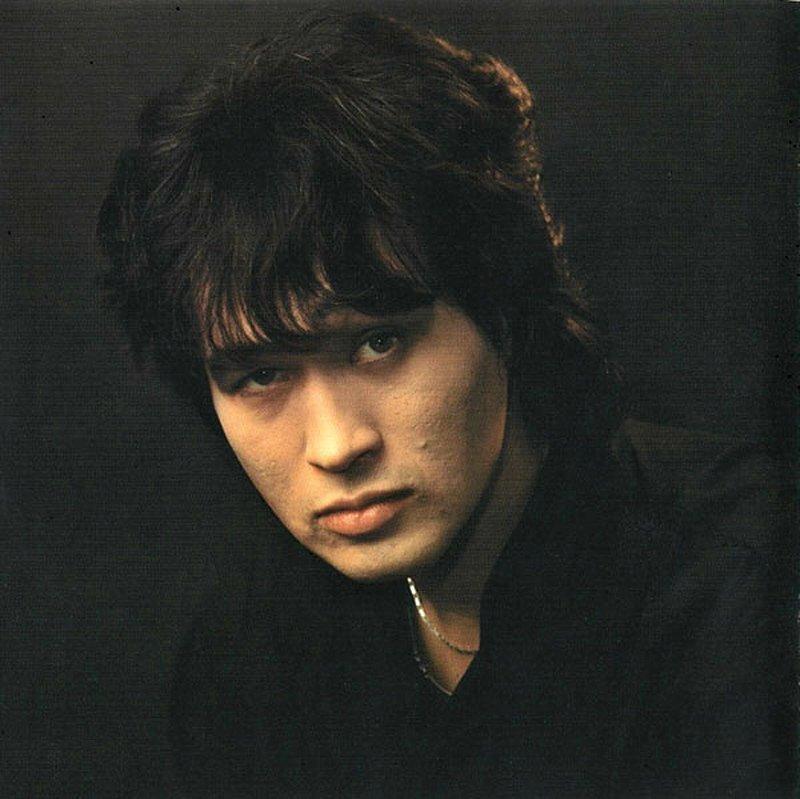
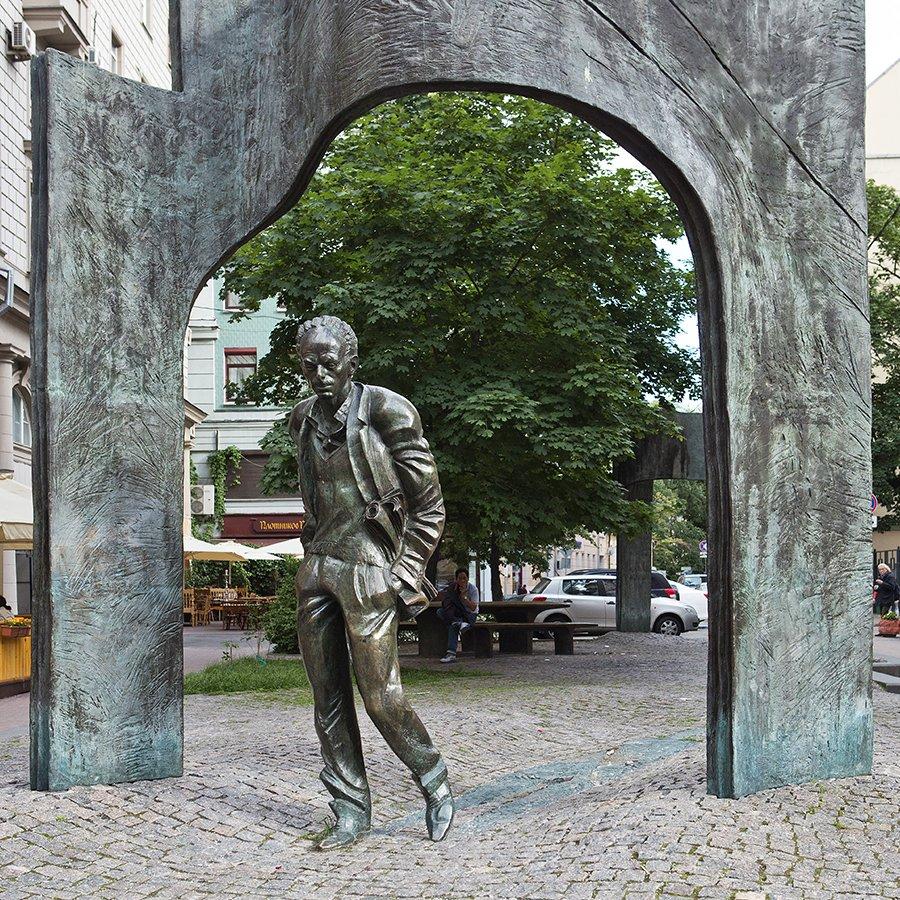
Tsoy Viktor
Russian musican
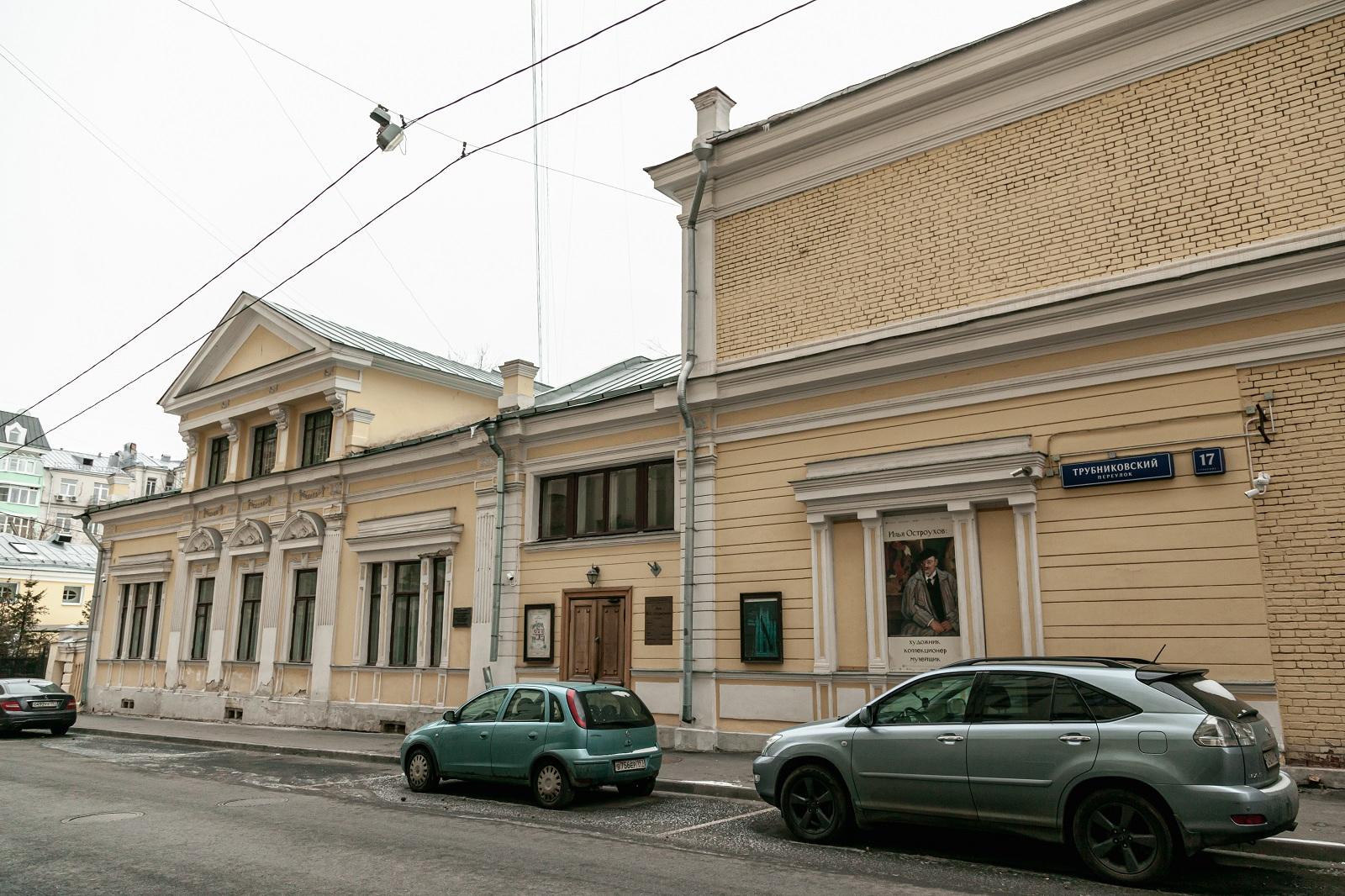
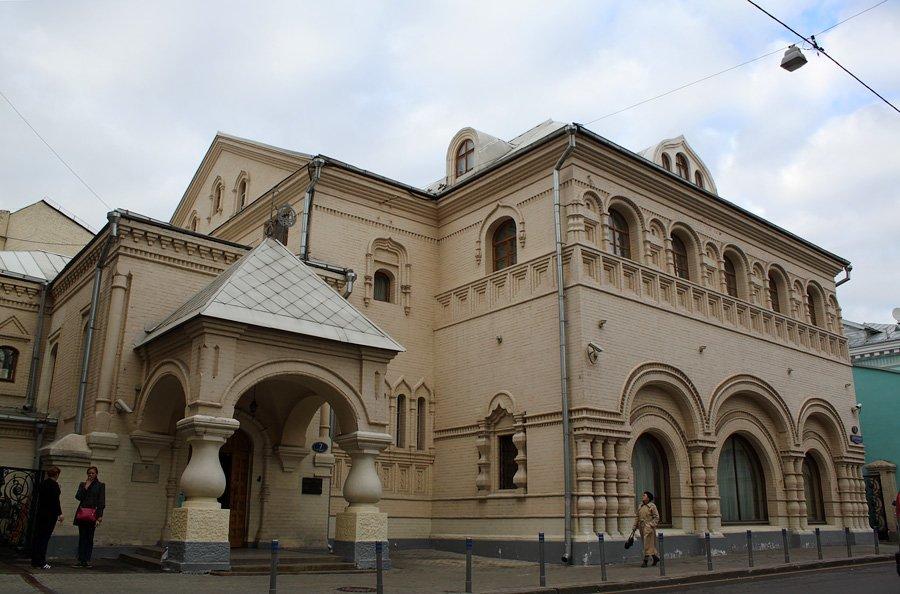
I. S. Ostroukhov House in TrubnikiThe privately owned “Museum of Personal Taste”, famous throughout Moscow, was once located in a small wooden house of a post-fire building from the 1820s. Today, there is a scientific exposition department of the State Museum of the History of Russian Literature named after V. I. Dahl. A wooden house with a mezzanine on a stone base was built in 1822 for the collegiate assessment of Elizabeth Sontseva. The mansion changed its owners more than once: at various times it was owned by architect Alexander Martynov, the founder of the famous almshouse Ivan Barykov. At the end of the 19th century, the house with a mezzanine belonged to the representatives of a large merchant family, brothers Dmitry Petrovich and Peter Petrovich Botkin. The museum history of the mansion can be kept from 1889, when the daughter of the millionaire merchant Nadezhda Petrovna Botkina marries a landscape painter, friend Pavel Mikhailovich Tretyakov, a collector Ilya Semenovich Ostroukhov. As a dowry, Petr Petrovich Botkin passes the house in Trubnikovsky Lane to his son-in-law. He turns the house into a famous home museum. In the collection of Ostroukhov are paintings by Levitan and Serov, Vrubel and Repin, Matisse and Degas, Renoir and Monet. The museum has a huge collection of Russian icons. Ilya Semenovich himself calls his collection the “Museum of Personal Taste. After the revolution, in 1818, the “Museum of Personal Taste” was nationalized, and the ex owner of the collection was appointed its lifelong custodian. For 11 years, until the death of Ilya Semenovich, the mansion was called the “Museum of Icon Painting and Painting named after I. Ostroukhov”, becoming a department of the State Tretyakov Gallery. The “Museum of Icon Painting and Painting named after I. Ostroukhov” was liquidated less than a month after the Ilya Semenovich's funeral. The collection was divided between large galleries. In 1979, it was decided to transfer the mansion in Trubnikovsky Lane to the State Museum of the History of Russian Literature named after V. I. Dahl. Restorers have tried to restore the building in the form in which it existed at the end of the XIX century. During the renovation, the layout and decoration elements were preserved. There was an exhibition dedicated to the history of Russian literature of the 20th century from 1984 to 1992. And in 2014, the museum received another name - the scientific and exposition department “House of I. S. Ostroukhov in Trubniki”. Large, including international, historical and literary exhibition projects are held here. Creative evenings of contemporary writers, musical concerts, classes for children, lectures and discussions, as well as scientific conferences on the history of literature and the modern literary process are held. And on the first floor of the mansion there is a museum bookstore “Ostroukhov” with an excellent selection of humanitarian literature.
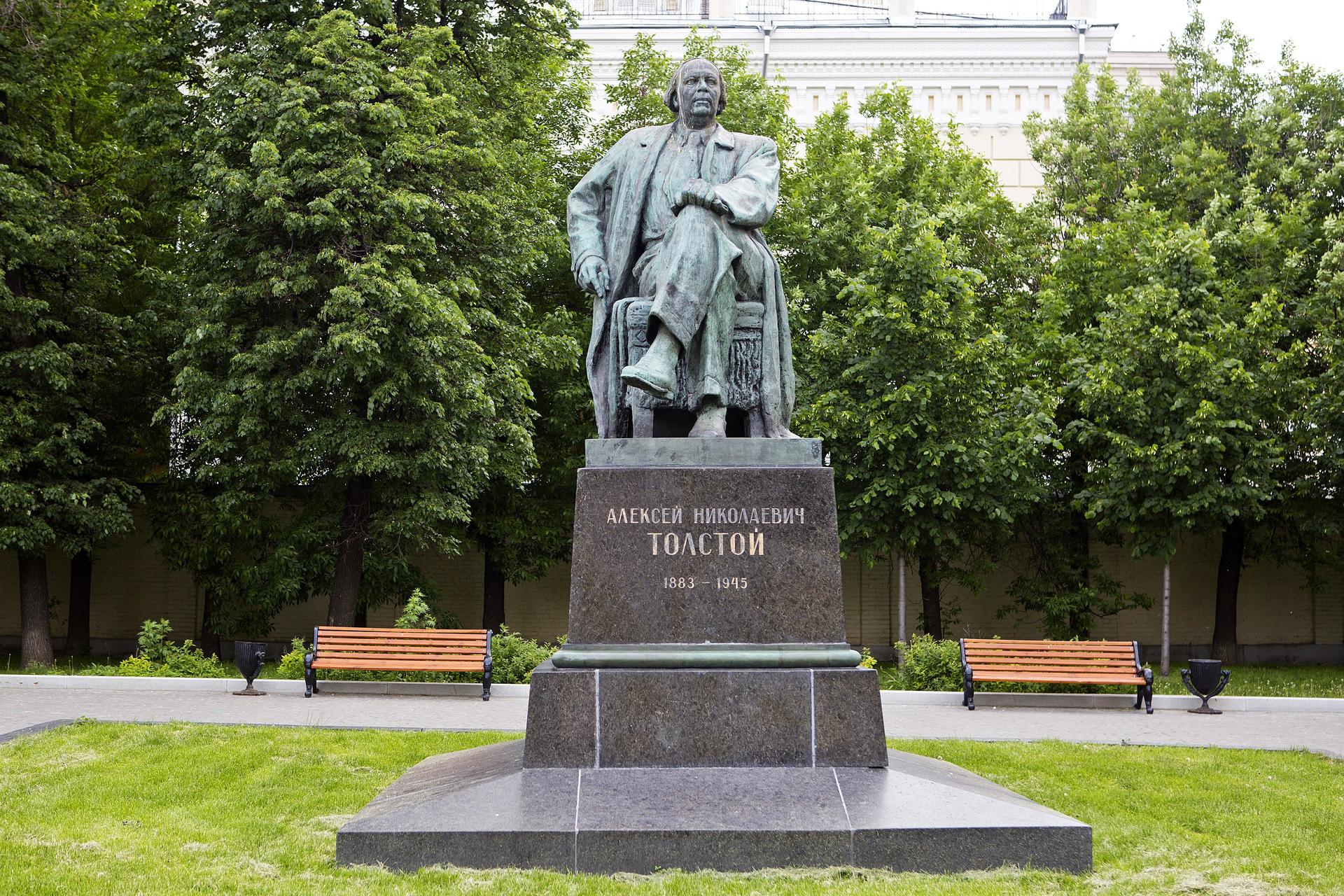
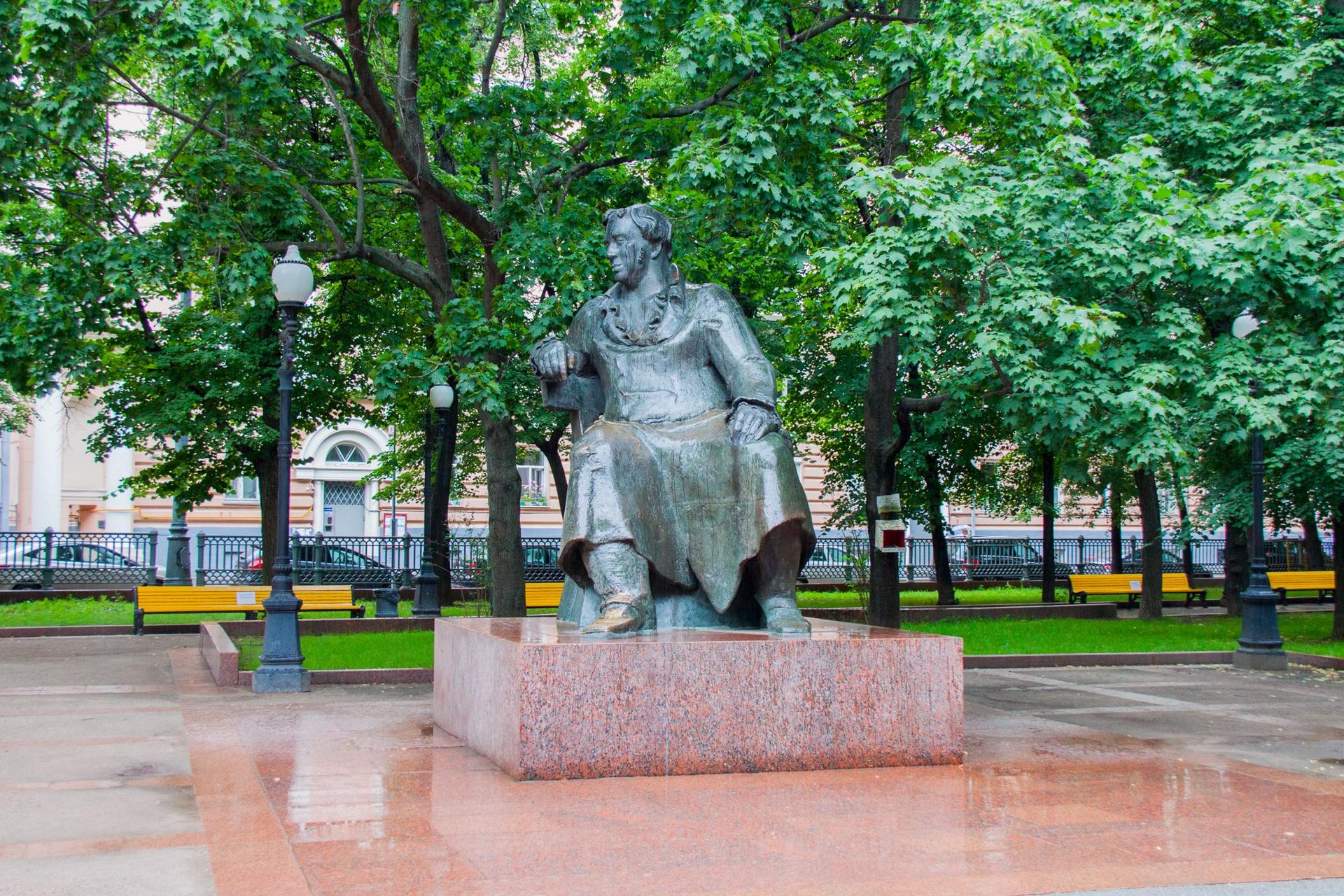
Эрнандес Мигель
поэт, драматург
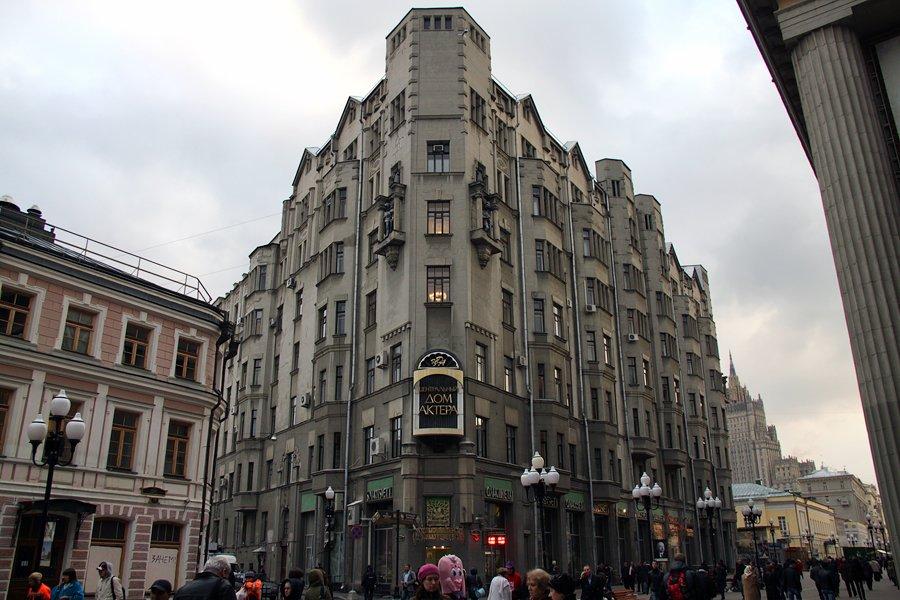
Улица Арбат, 45
пл. у Никитских Ворот
Гранатный пер., д. 7, стр. 1.
Barrikadnaya, Pushkinskaya
Тверской бульвар, у Никитских ворот
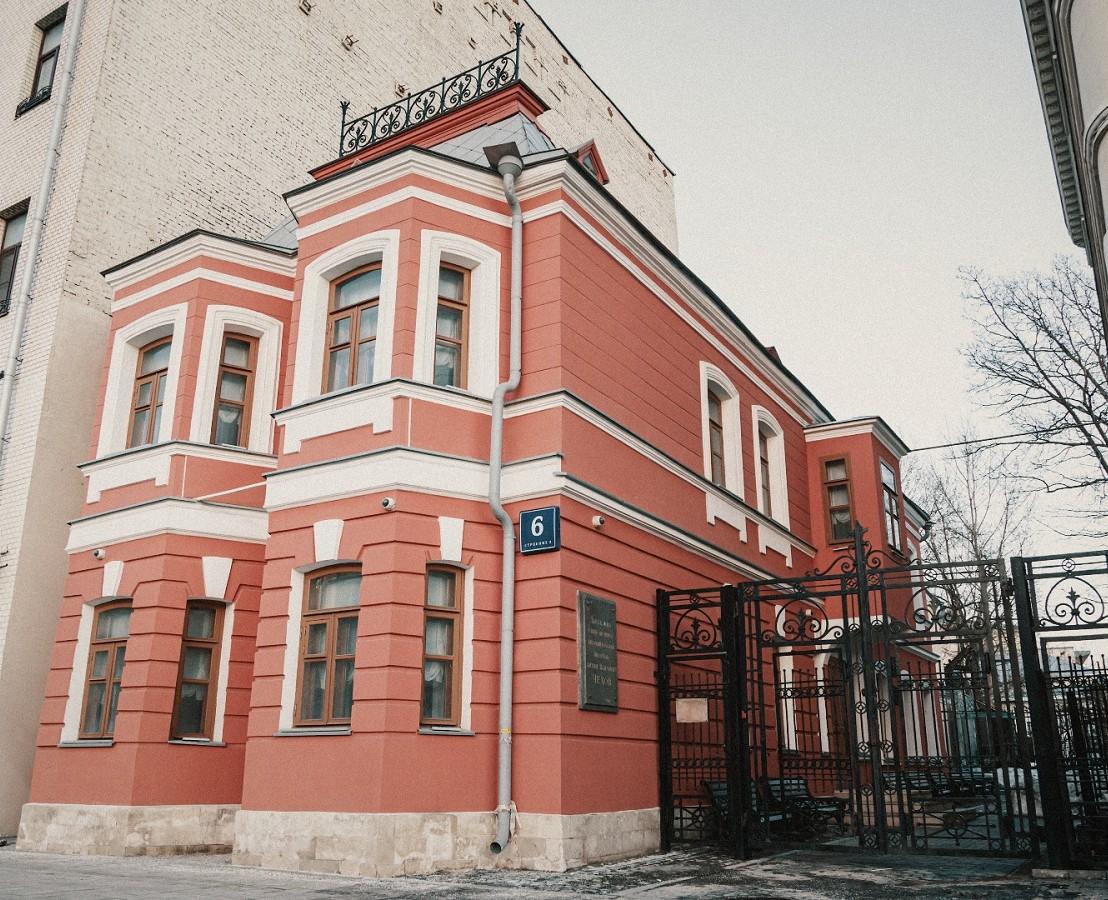
A. P. Chekhov House-MuseumChekhov room was opened at the library of the Rumyantsev Museum on April 25, 1912. This small exposition became the first Moscow Museum of Chekhov. This small exhibition was the first Moscow Chekhov Museum. For decades, scientific and exhibition work was carried out, the collection was replenished, but there was no separate museum room in Moscow. In 1934, part of the collection was transferred to the funds of the State Museum of the History of Russian Literature named after V. I. Dahl (State Literary Museum). By its size and importance, the V.I. Dahl Museum GMIRLI collection takes the second place in the world after the collection of the AP Chekhov House-Museum in Yalta. Since 1954, the department of the GMIRLI named after V. I. Dahl on Sadovaya-Kudrinskaya began to bear the name "House-Museum of A.P. Chekhov".

Anton Pavlovich Chekhov lived for 4 years in this house, from August 27, 1886 until his departure to Sakhalin. The writer not only created his famous works (more than 100 stories, plays “Ivanov”, “Leshy” and others), but every day from 12:00 to 15:00 accepted patients within the walls of this house. Often in Chekhov' house there were also guests – the famous writers, artists, musicians and actors. Visitors of the museum can see the original objects belonging to the writer and his family: furniture, including desk, rare pictures, playbills, lifetime editions of Chekhov. The situation of the house was carefully restored according to drawings and memoirs of the brother and writer's sister.
The museum holds literary evenings, meetings with writers, concerts of classical music, scientific meetings, performances of the museum’s “Theater of Chekhov's Comedy”, interactive classes for children, lectures and excursions for visitors of different age groups. https://www.facebook.com/literaturemuseum

https://vk.com/goslitmuz
https://twitter.com/goslitmuz
https://www.instagram.com/literarymuseum/
https://www.youtube.com/channel/UCXHtjdH9V03e2Z5H9IFxVUg
Moscow, Sadovaya-Kudrinskaya Street, 6, building 2
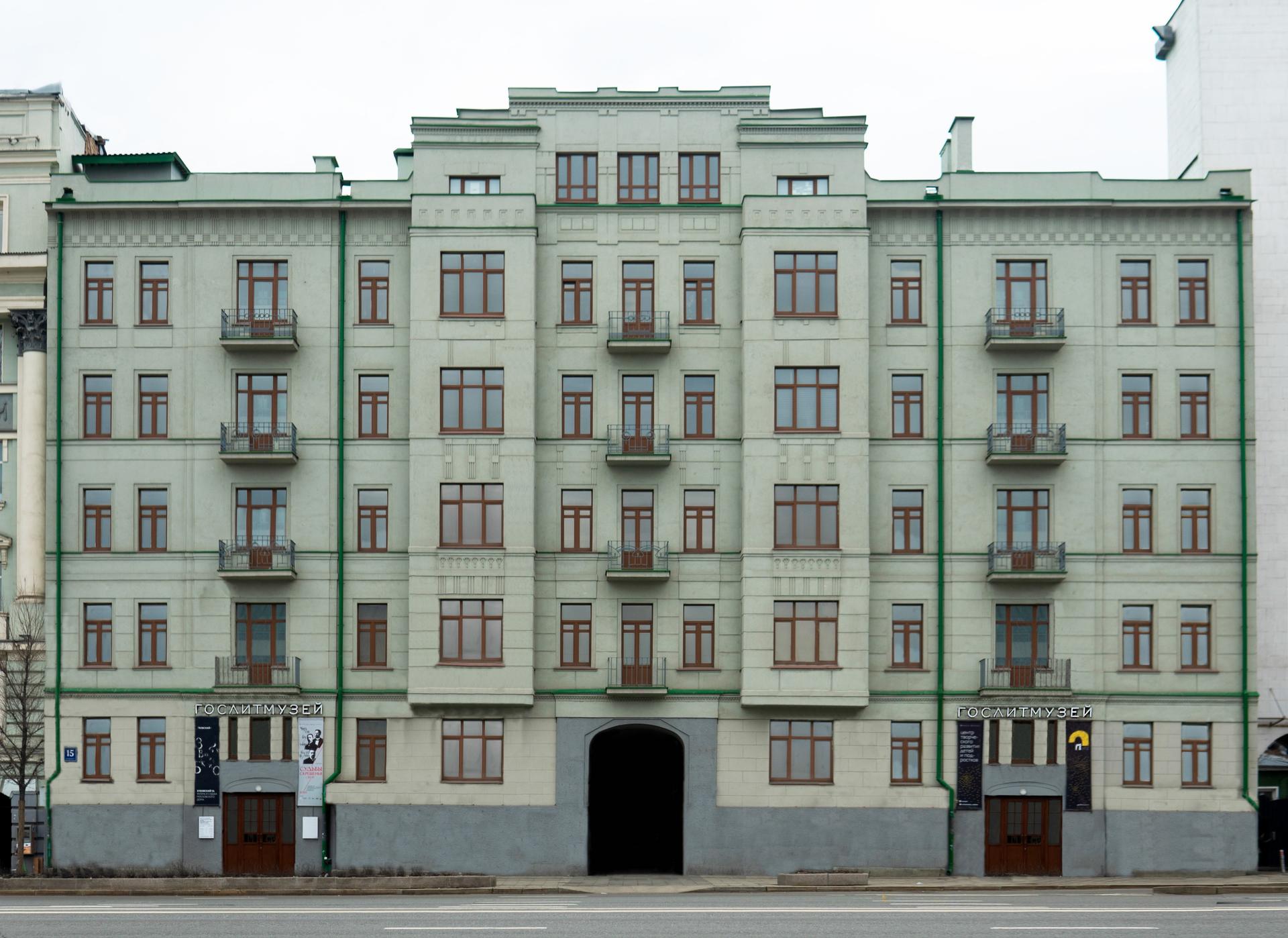
Зубовский бульвар, д. 15, строение 1
Handicraft Museum
Tverskaya
г. Москва, ул. Бронная Б., д. 2/6
Pushkinskaya, Tverskaya
г. Москва, Леонтьевский пер., д. 6
Pushkinskaya, Tverskaya, Chekhovskaya
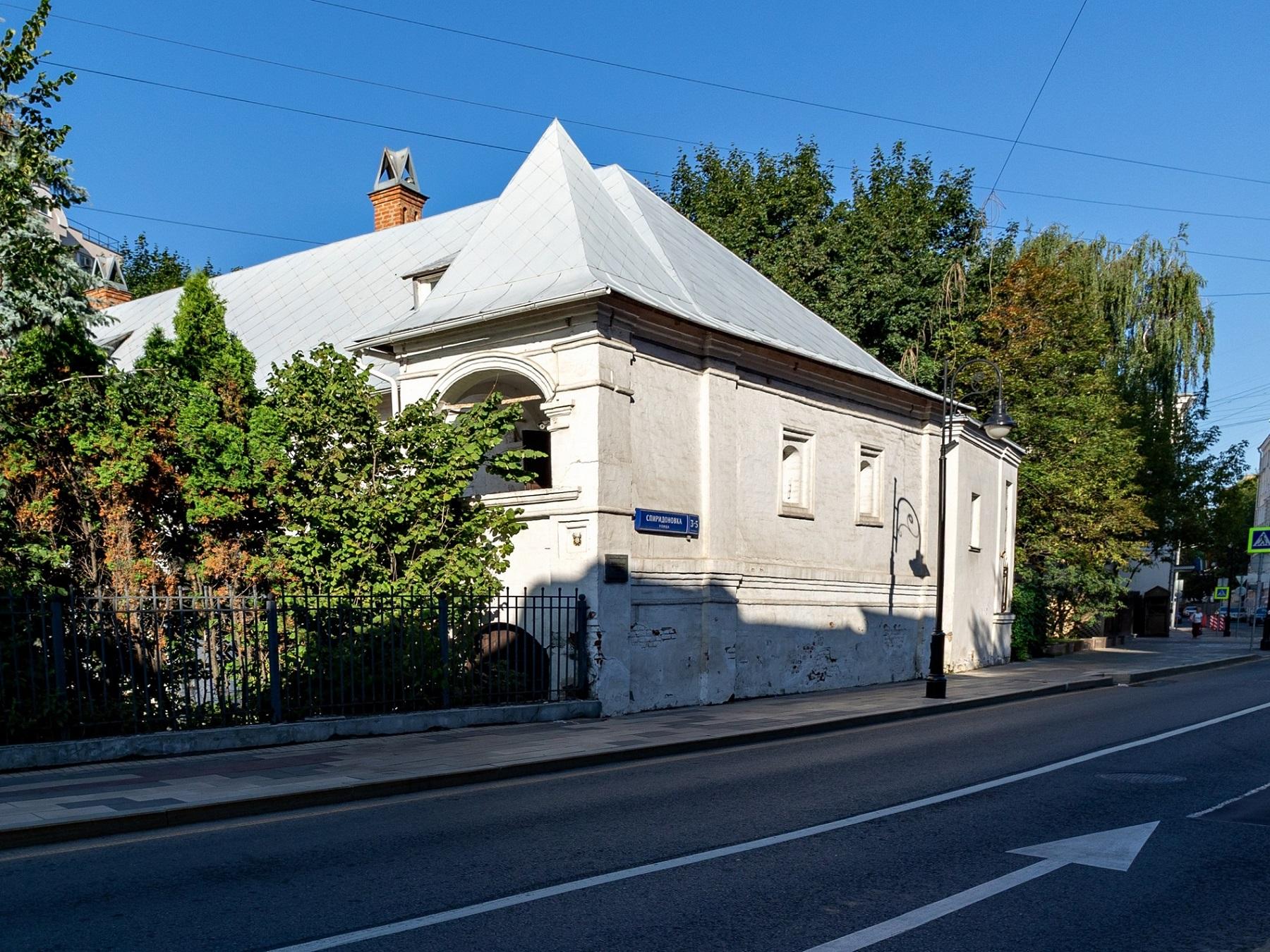
Street Spiridonovka

Its name to the street, in a sense obliged ... goats.

Улица Спиридоновка
Barrikadnaya, Tverskaya
М. Бронная ул. (сквер у Патриарших прудов)