Интерактивный гид по городу
С мобильным приложением бродить по городу гораздо интереснее!

Jauza river gateway

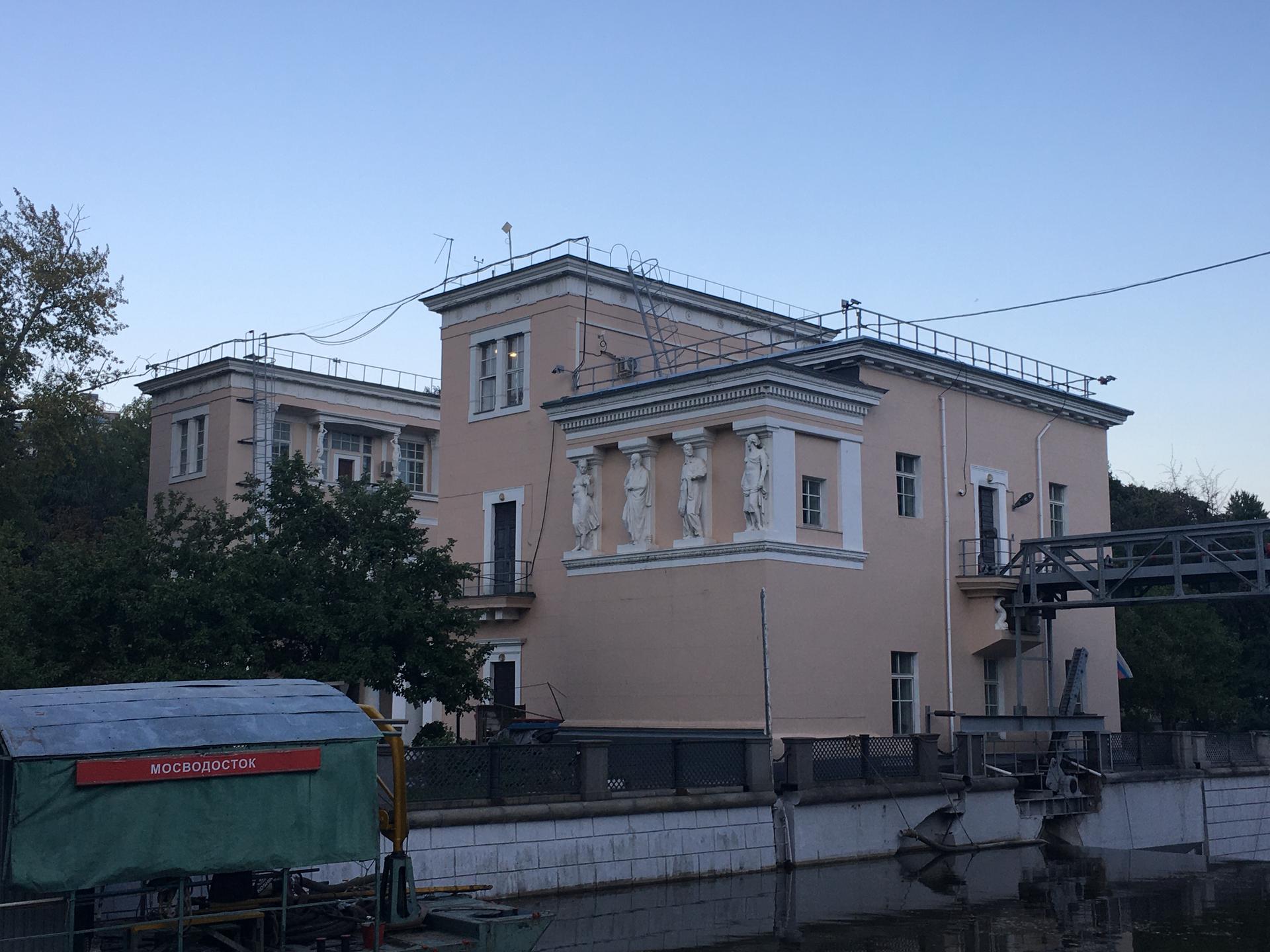
This is one of the most beautiful industrial buildings in Moscow.

Jauza river gateway
Jauza river gateway
Kurskaya, Chkalovskaya
This is one of the most beautiful industrial buildings in Moscow.
3.78
Вы можете воспользоваться QR-кодом, чтобы открыть эту страницу в нашем приложении
Архитектурный стиль:
,
Годы постройки:
1937‑1939
Архитекторы:
Эпоха:
1930s
Информация о здании

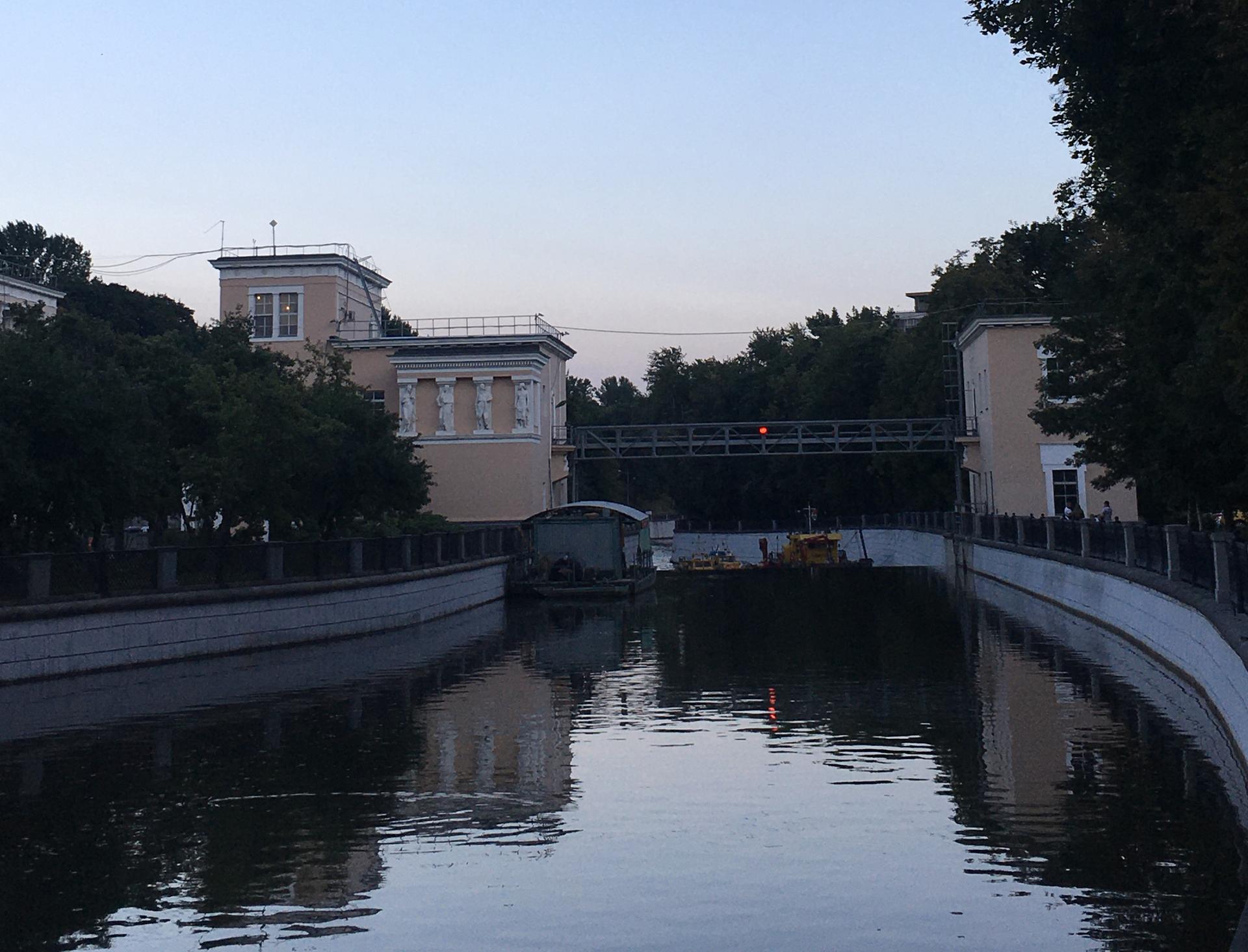
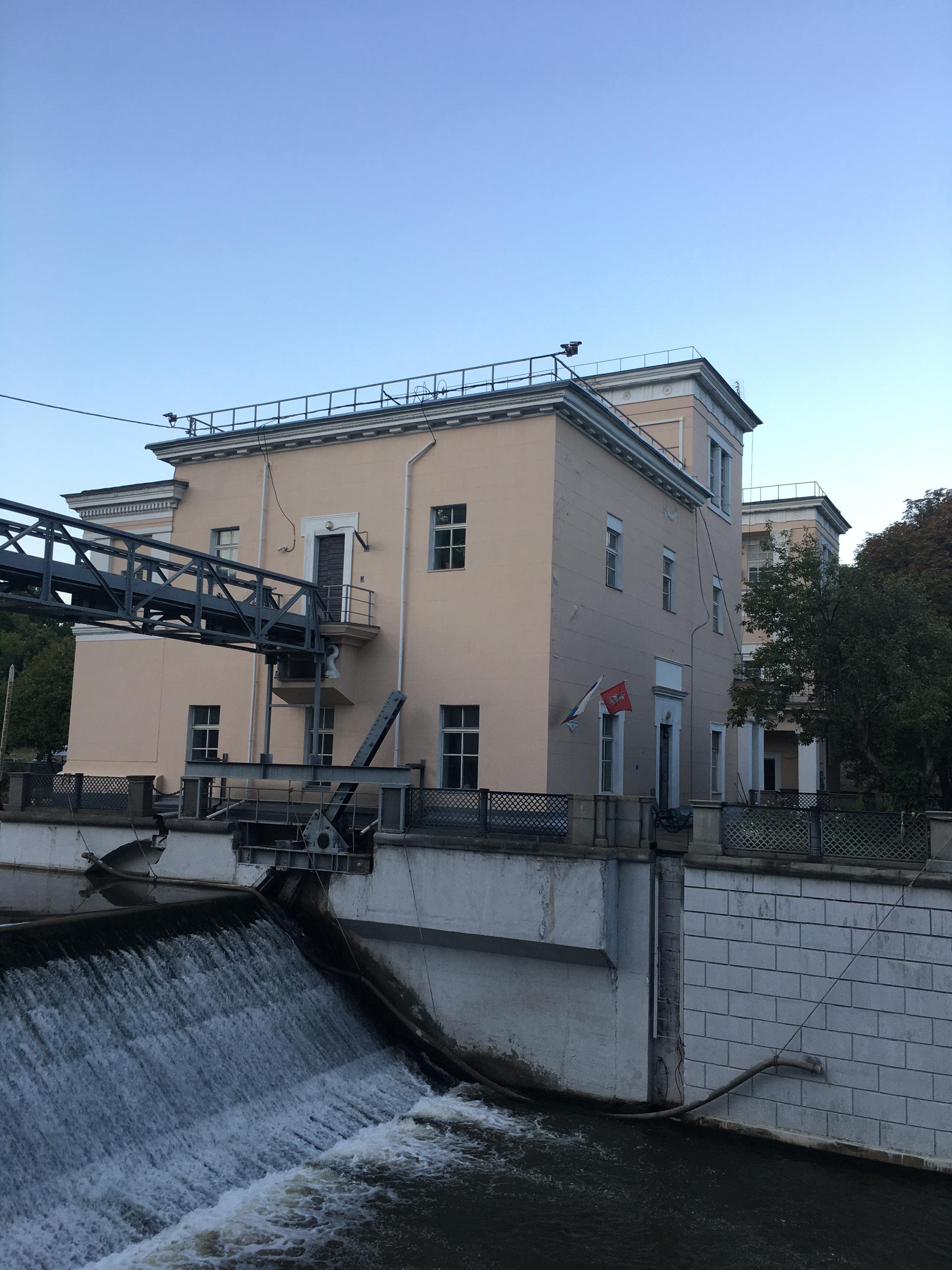
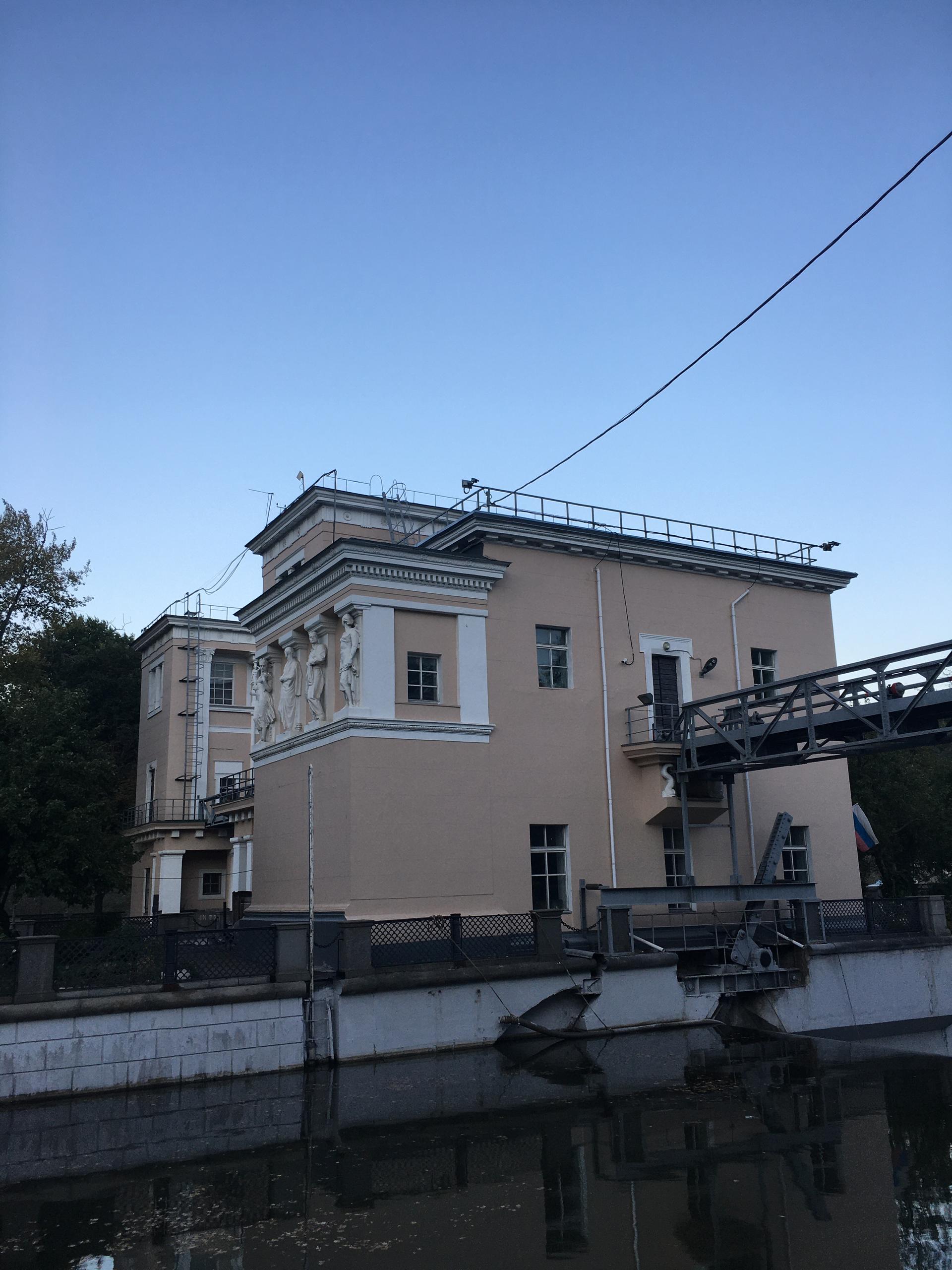
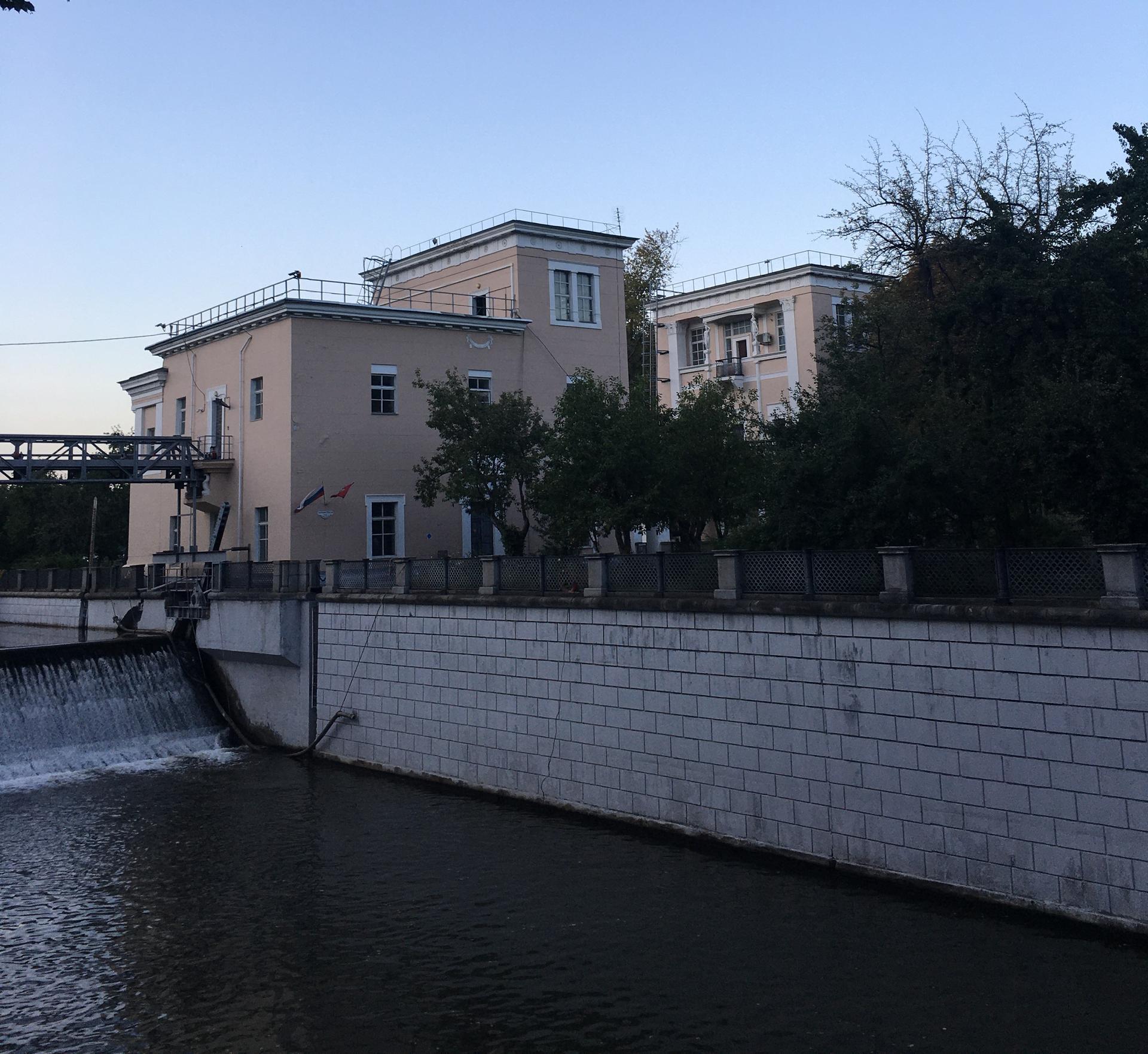
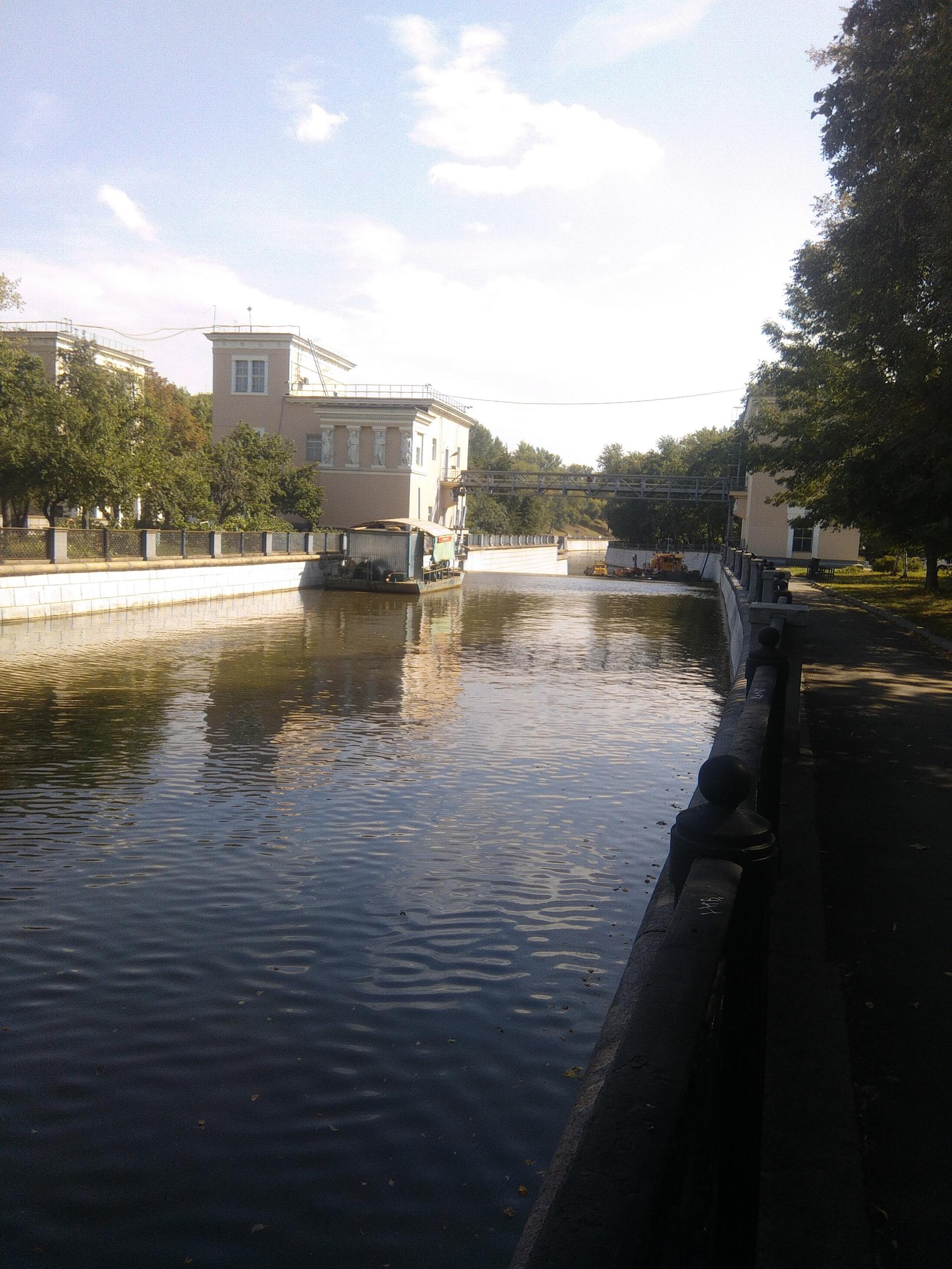
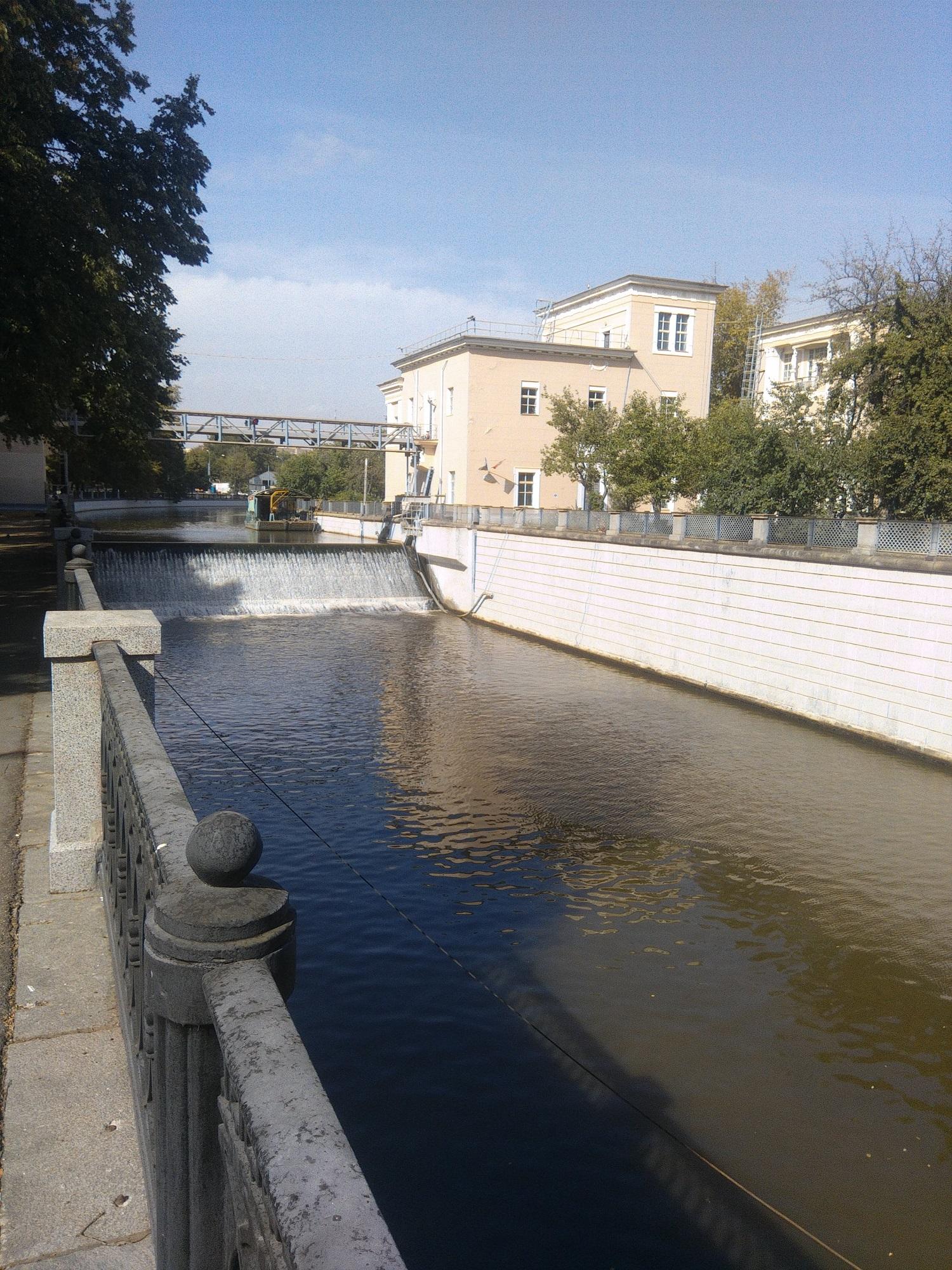
Во время комплексной реконструкции московского гидроузла были построены не только монументальные шлюзы канала им. Москвы, мосты и набережные центра города, но и этот почти камерный объект на второй московской речке.

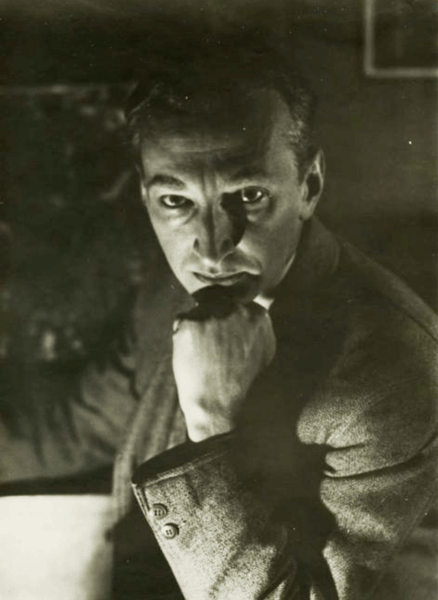
Архитектор Георгий Гольц по праву считался талантливейшим учеником Жолтовского и одним из лидеров неоклассического направления в отечественной архитектуре. Комплекс был построен в 1937‑1939 годах.

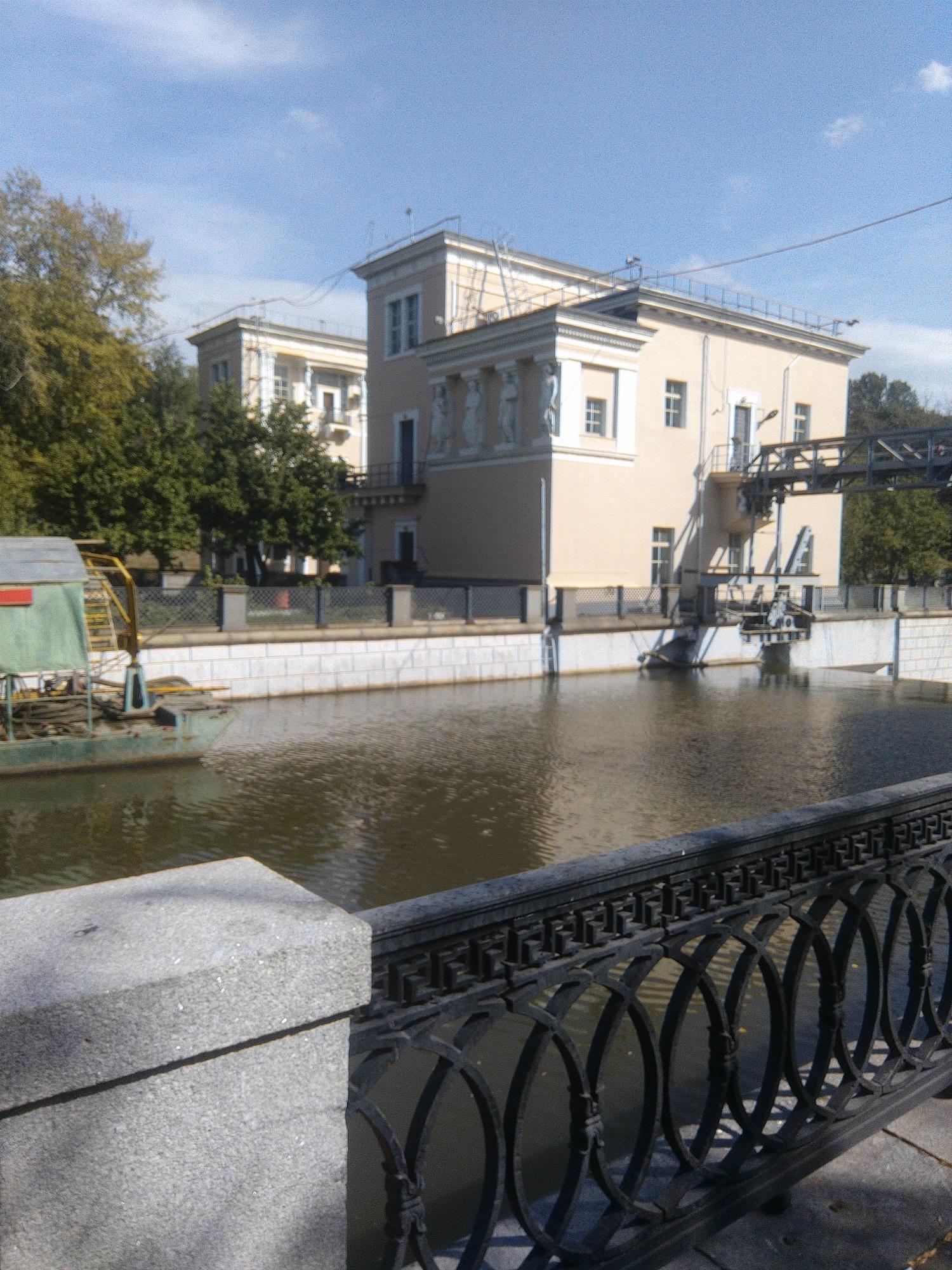
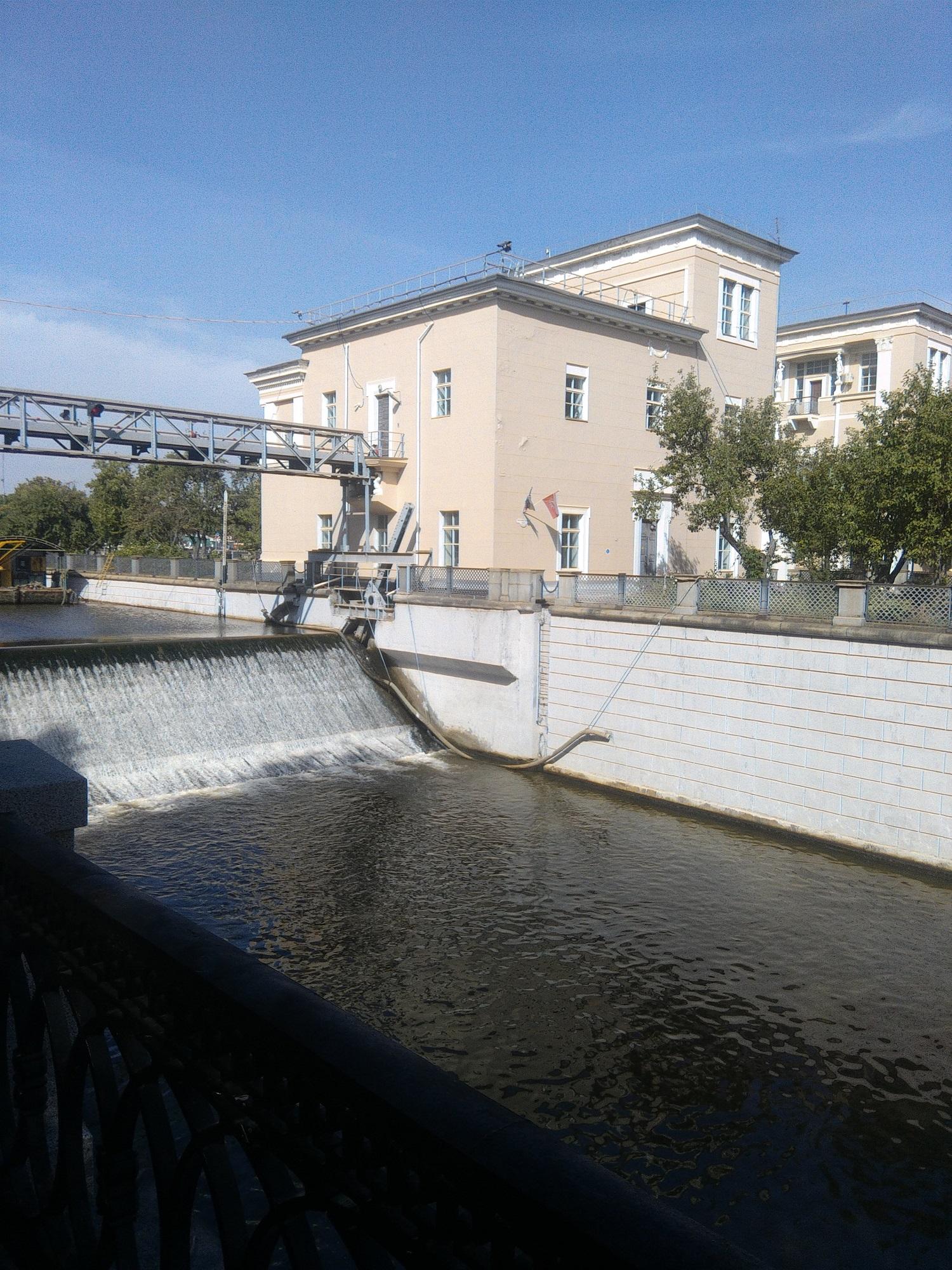
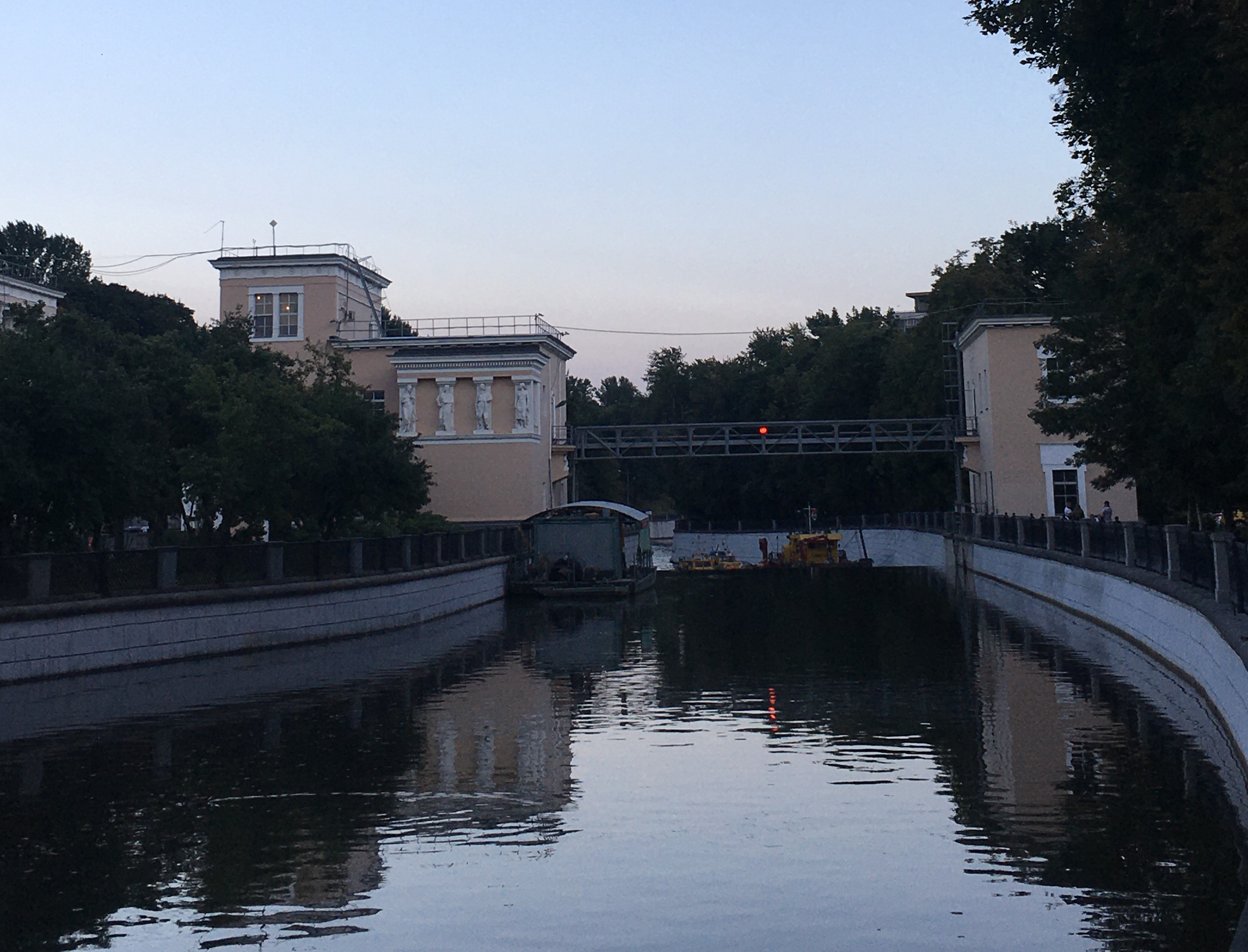
Заняв искусственный остров и небольшие участки по берегам, постройки шлюза образовали изящный ансамбль, уникальный для всего советского зодчества.

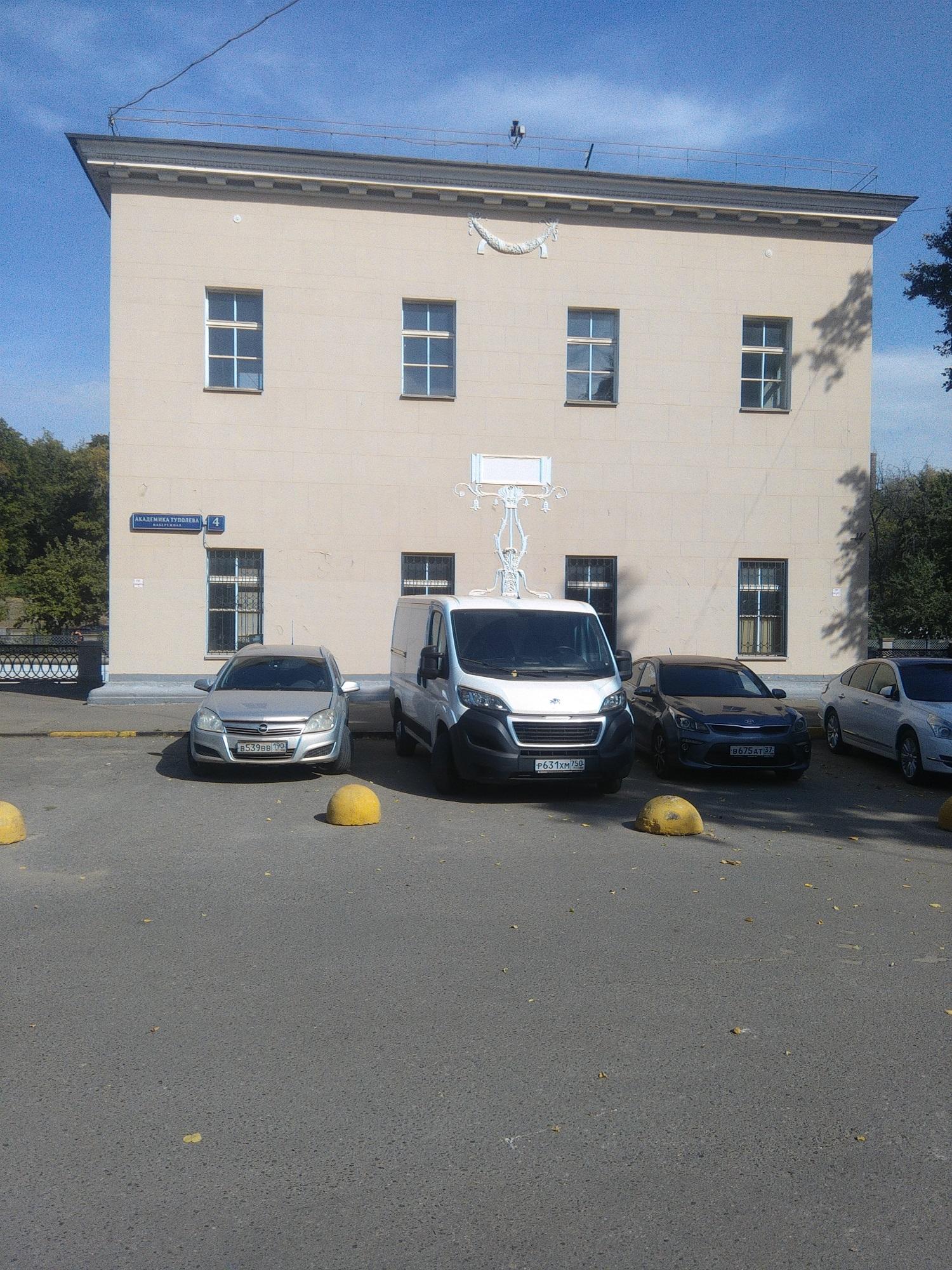
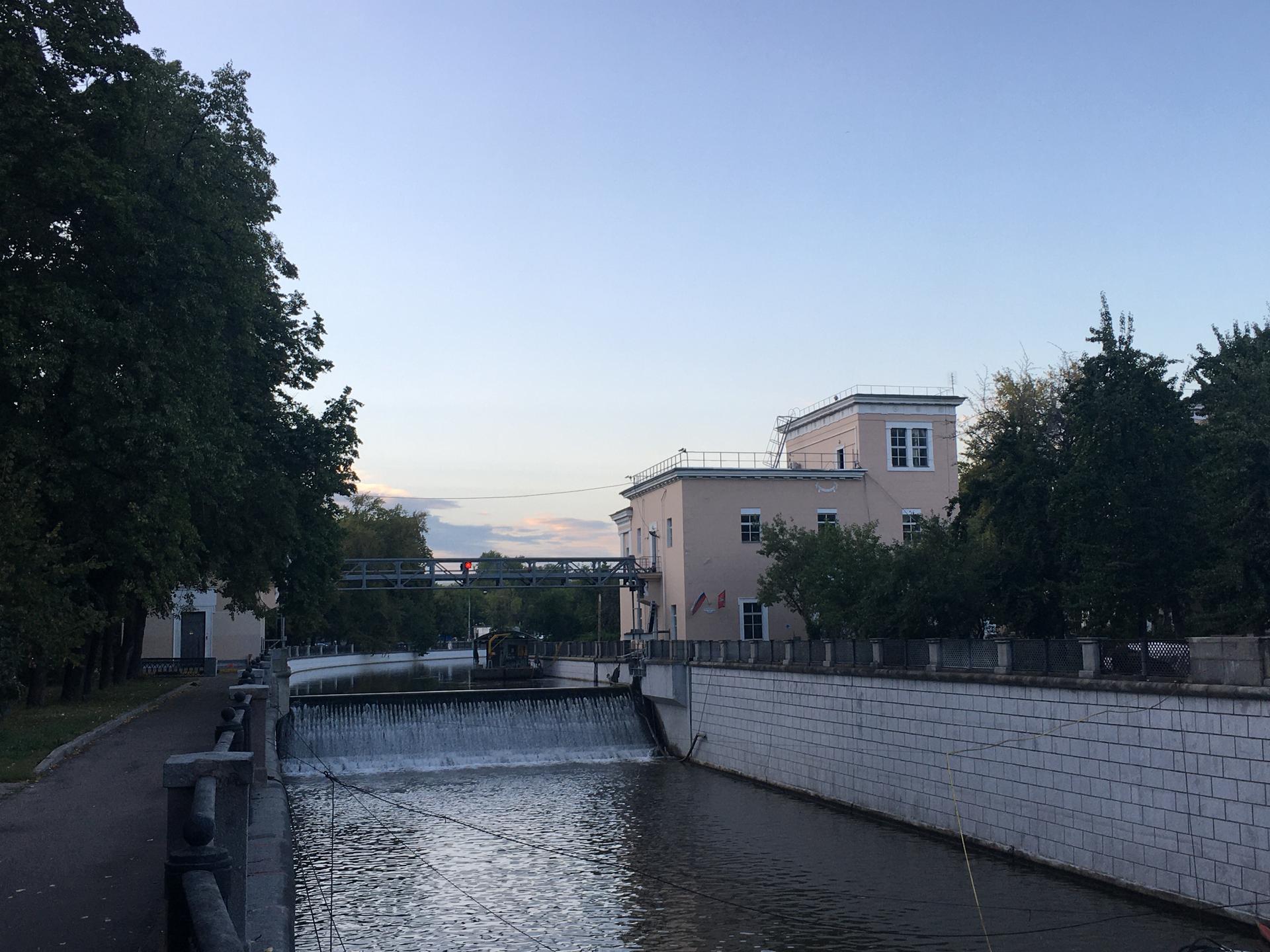
Ансамбль включает в себя три постройки, связанные легкими металлическими мостами, и небольшой «греческий храм» трансформаторной подстанции на правом берегу реки.

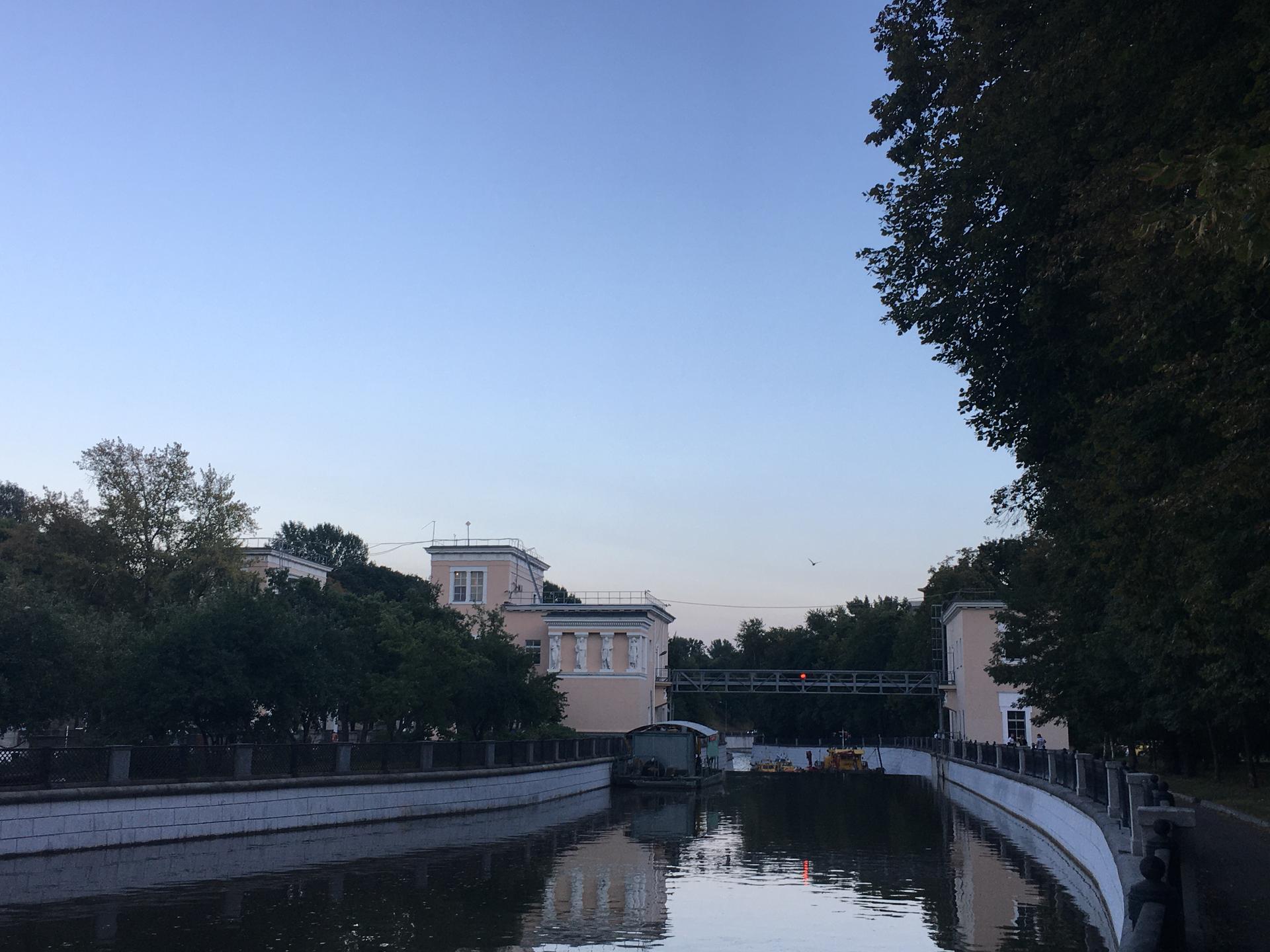
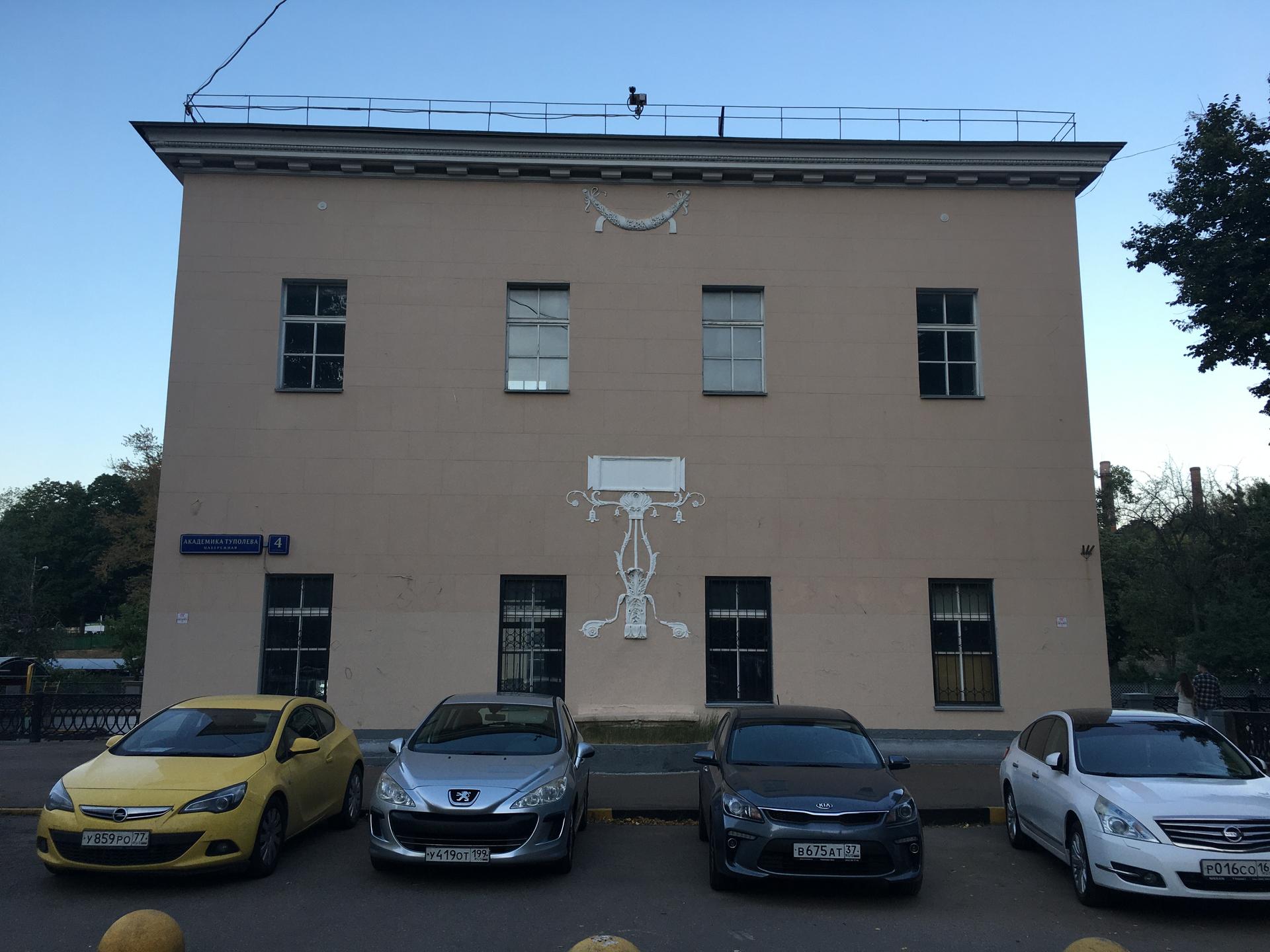
Постройки на левом берегу и на острове имеют выразительный силуэт двухэтажных башен, фланкирующих основное русло. Постройка на острове украшена также выступающим портиком со скульптурами, здание на правом берегу более приземистое, его главное украшение — фонтан.

Детализация и конкретные приемы различаются от здания к зданию, от фасада к фасаду. Нижняя часть фасадов имеет небольшие портики самого строгого греческого ордера — дорического. Ниши, прорезанные в речных фасадах, расчленены тонкими тягами на ряд филенок, изначально расписанных фресками. Проработанность объемного и декоративного решений шлюза подчеркивает важность оформления одного из парадных въездов в центр города, не только и не столько сухопутного (по набережным), сколько водного. Стрелка острова, высоко облицованного камнем, предваряет появление скульптурного портика, плавно входящего в поле зрения проходящего по реке судна. Изгиб реки только усиливает эффект архитектурной игры, сложной асимметрии и различия в проработке фасадов. 

This is one of the most beautiful industrial buildings in Moscow. A rare example of the fine processing of ancient architectural style, transplanted to the shores of Jauza river during the period of Stalin's industrialization and urban redevelopment. During the complex reconstruction of the Moscow waterworks were built not only monumental gateways of Moscow Canal, bridges and embankments of the city center, but this is almost chamber object of the second Moscow River. Architect George Holtz was rightly considered the most talented student of Zholtovsky and one of the leaders of the national neo-classical architecture. The complex was built in the years 1937-1939. After including an artificial island and small areas along the banks, building of the gateway formed a graceful ensemble unique to the entire Soviet architecture. The ensemble consists of three buildings connected by bridges of light metal, and a small "Greek temple" of the transformer station on the right bank of the river. Buildings on the left bank and the island have an expressive silhouette of two-storey towers flanking the mainstream. Construction on the island also decorated with the portico with sculptures, building on the right bank is lower and its main decoration is a fountain. Detail and specific techniques vary from building to building, from the front of the façade. The lower part of the facade has a small portico of the Greek strict orders - Doric. Niches cut into the river fronts, thin rods are dissected into a number of panels, originally painted with frescoes. Well-conceived surround and decorative solutions Gateway emphasizes the importance of registration of one of the front entrance to the city center, not only and not so much land (along the embankments) as water. Arrow Island, lined with high stone sculpture precedes the appearance of the portico, gradually entering the field of view of the river flowing through the vessel. Bend in the river only enhances the effect of architectural games, challenging asymmetries and differences in the elaboration of the facades.
Автор статьи: Николай Васильев
Отзывы
(1)