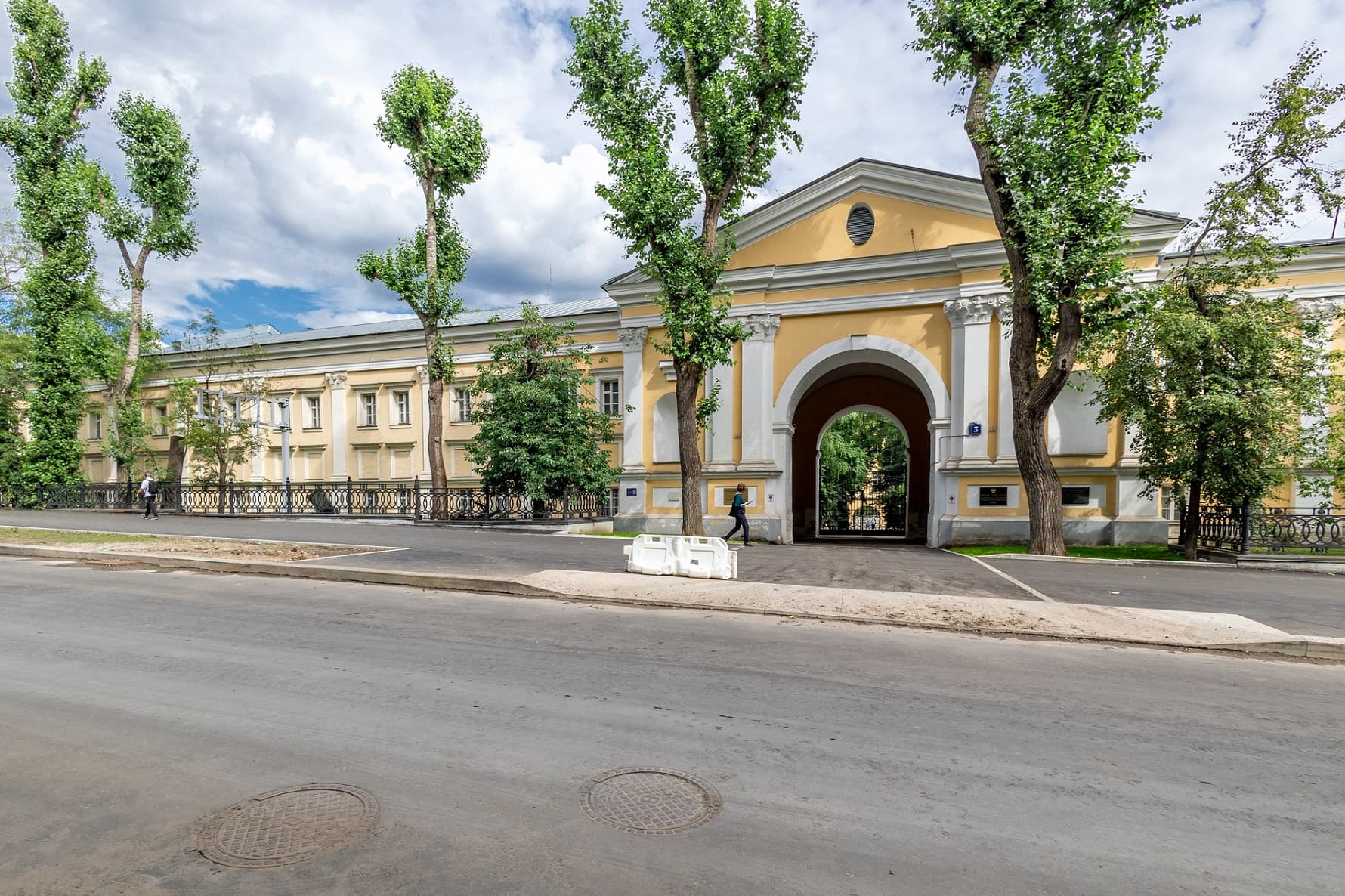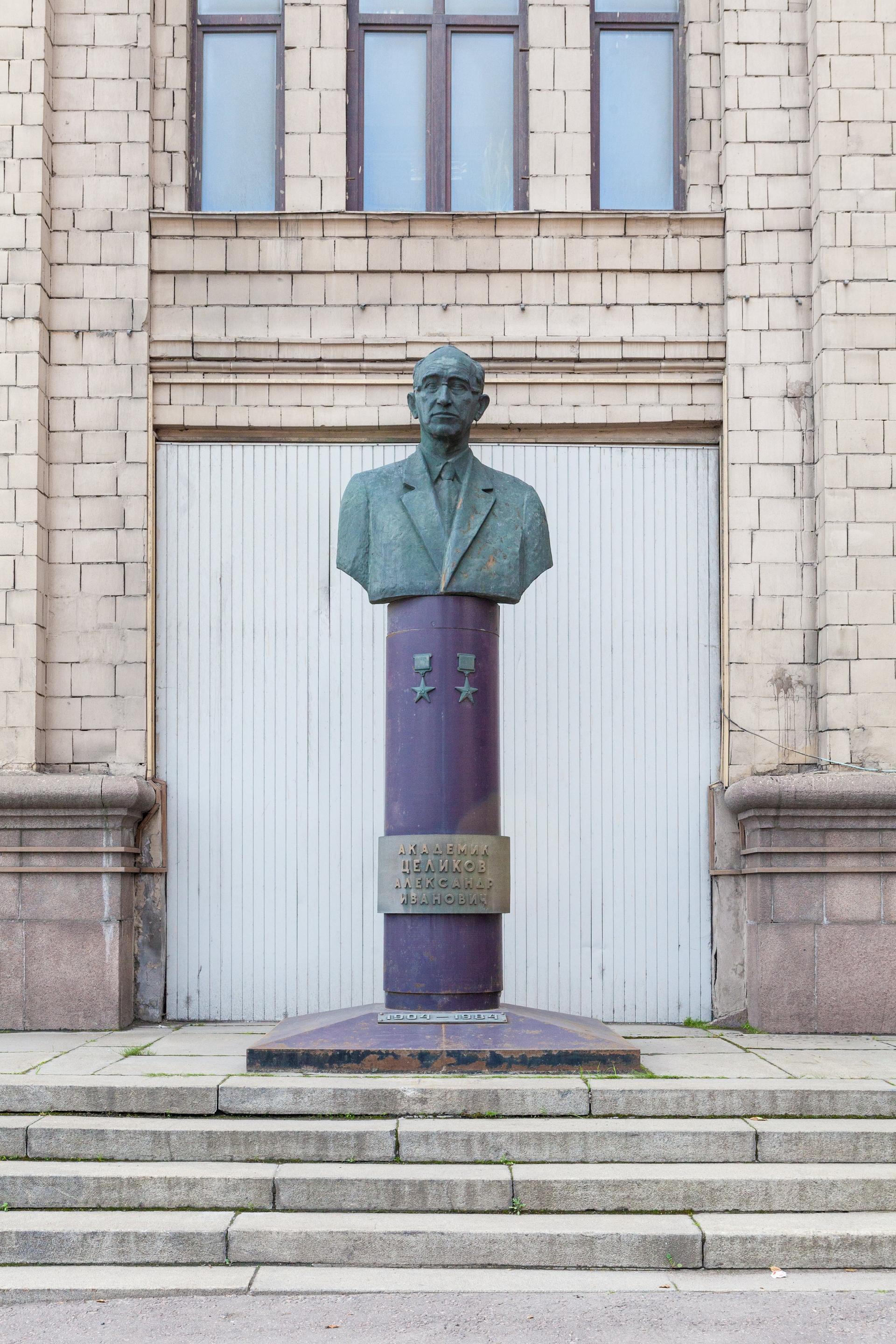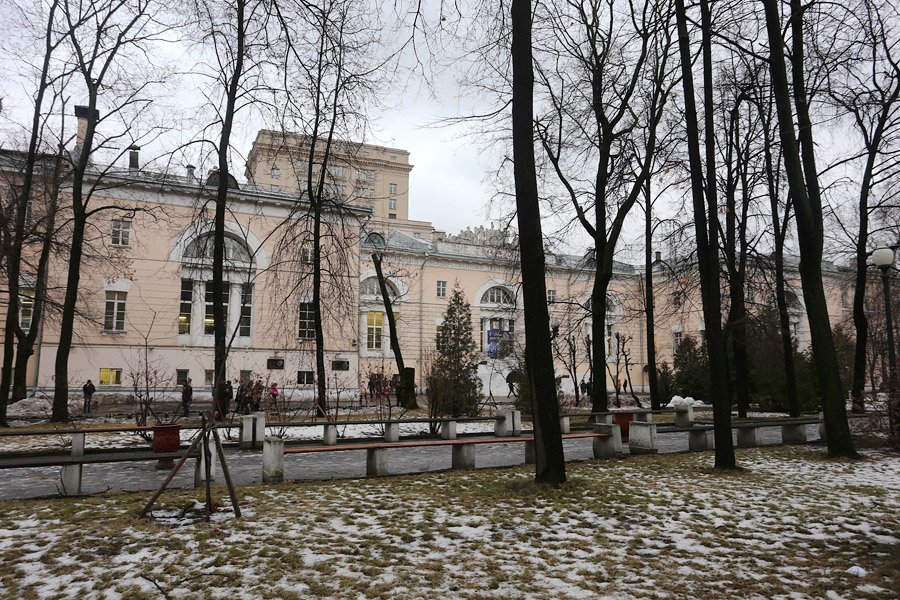
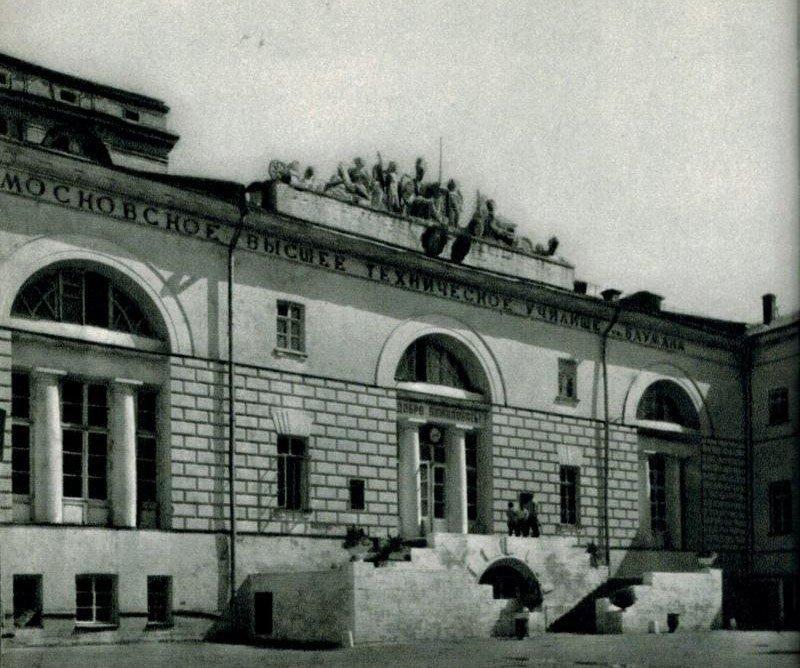
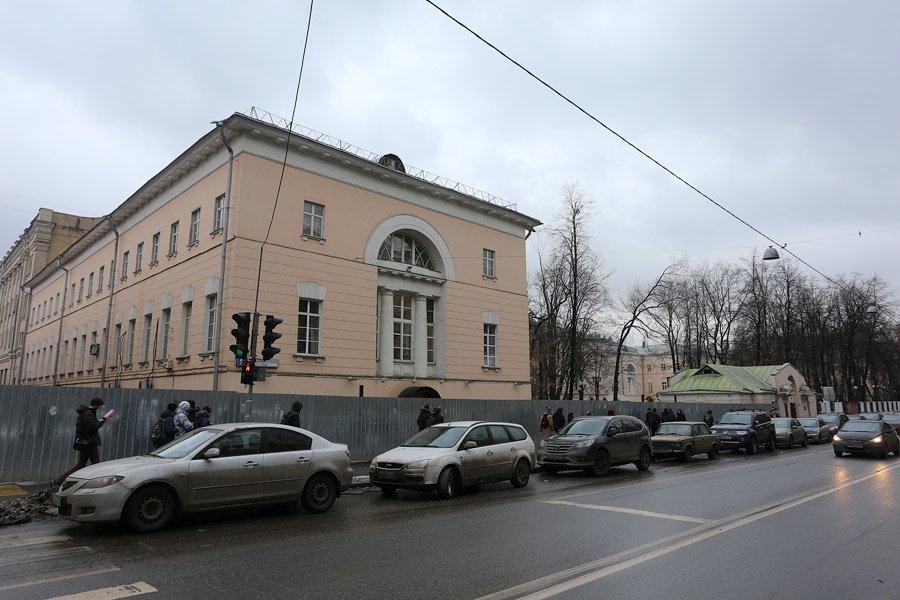
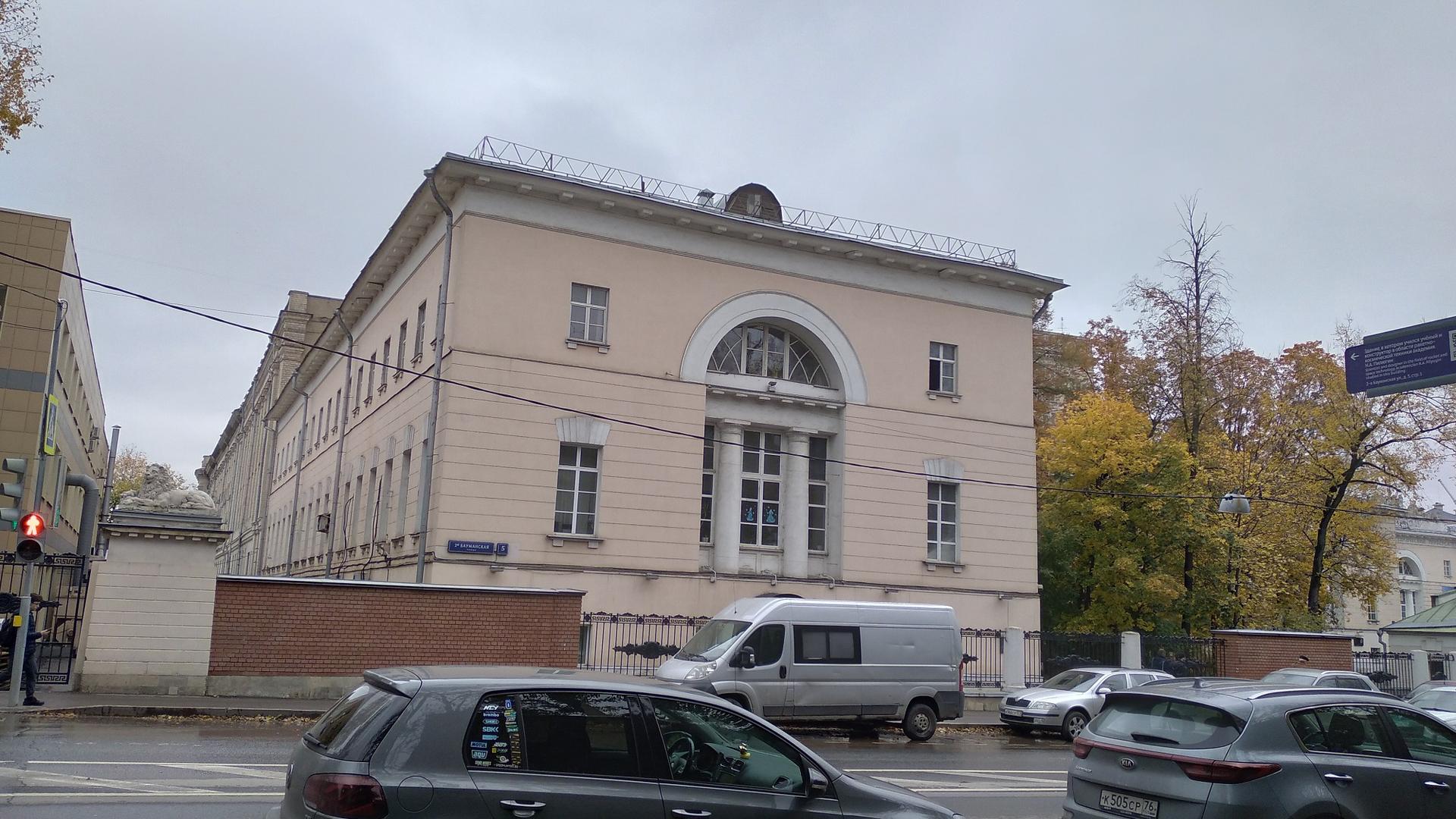
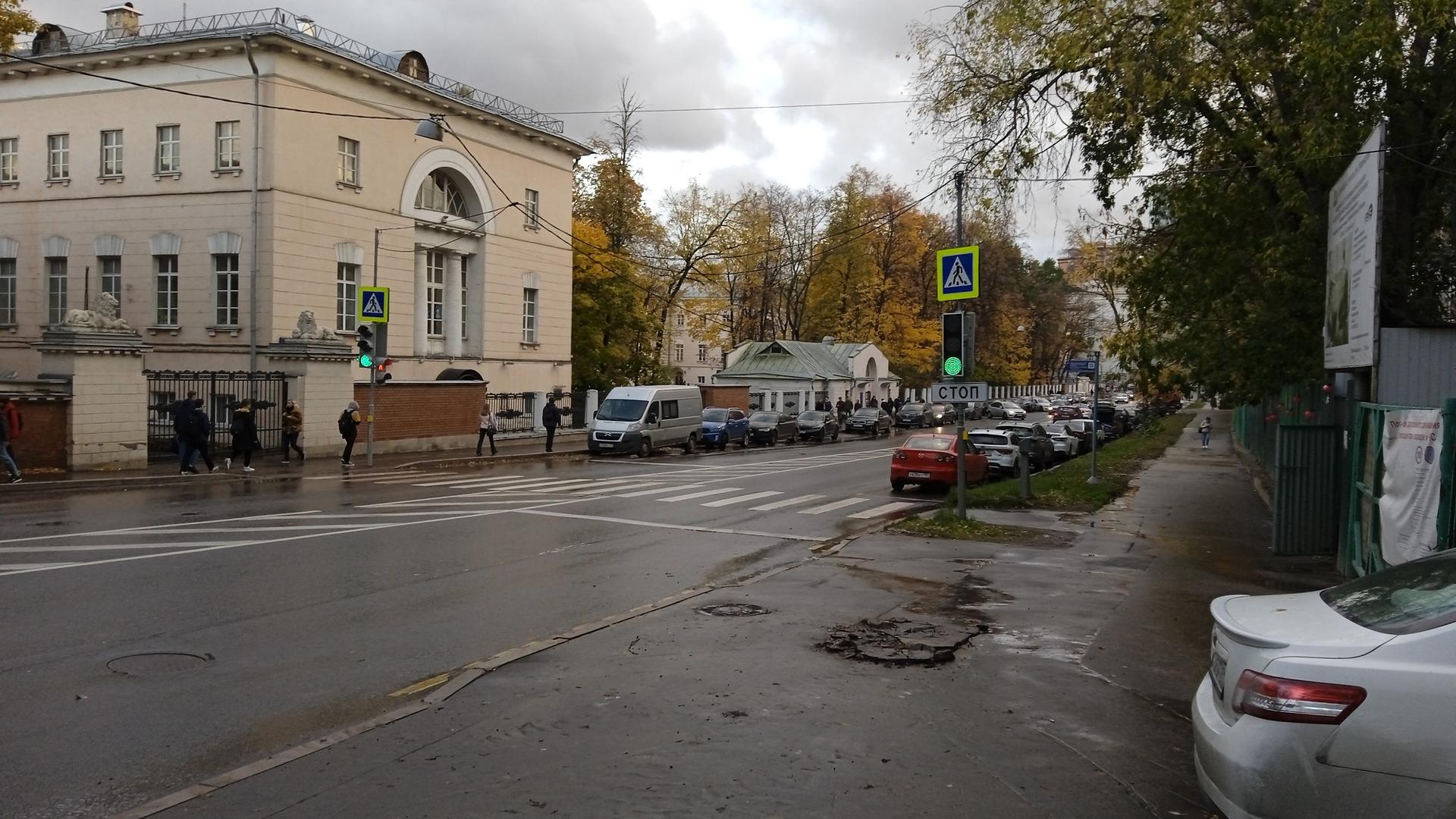
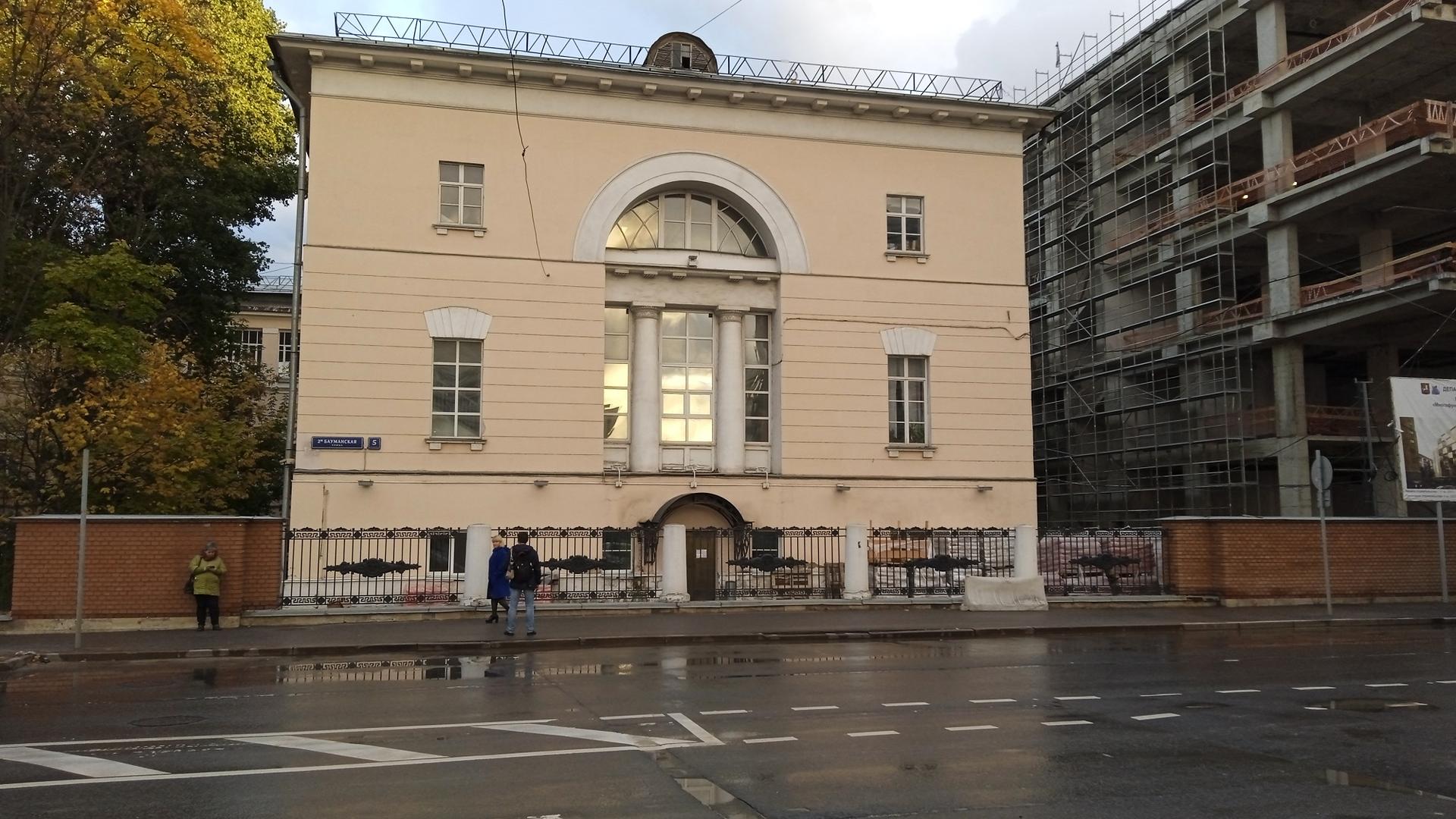
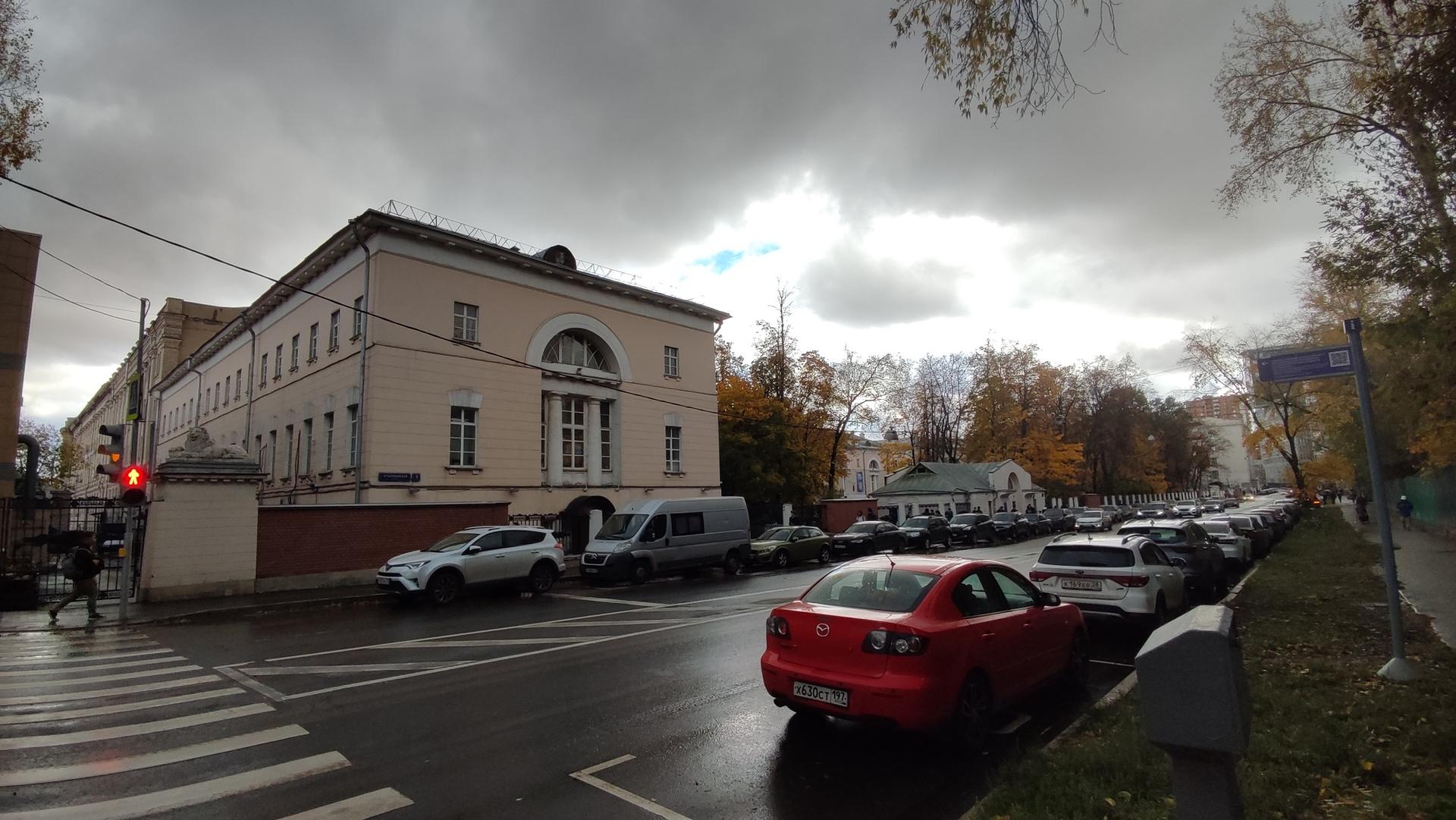
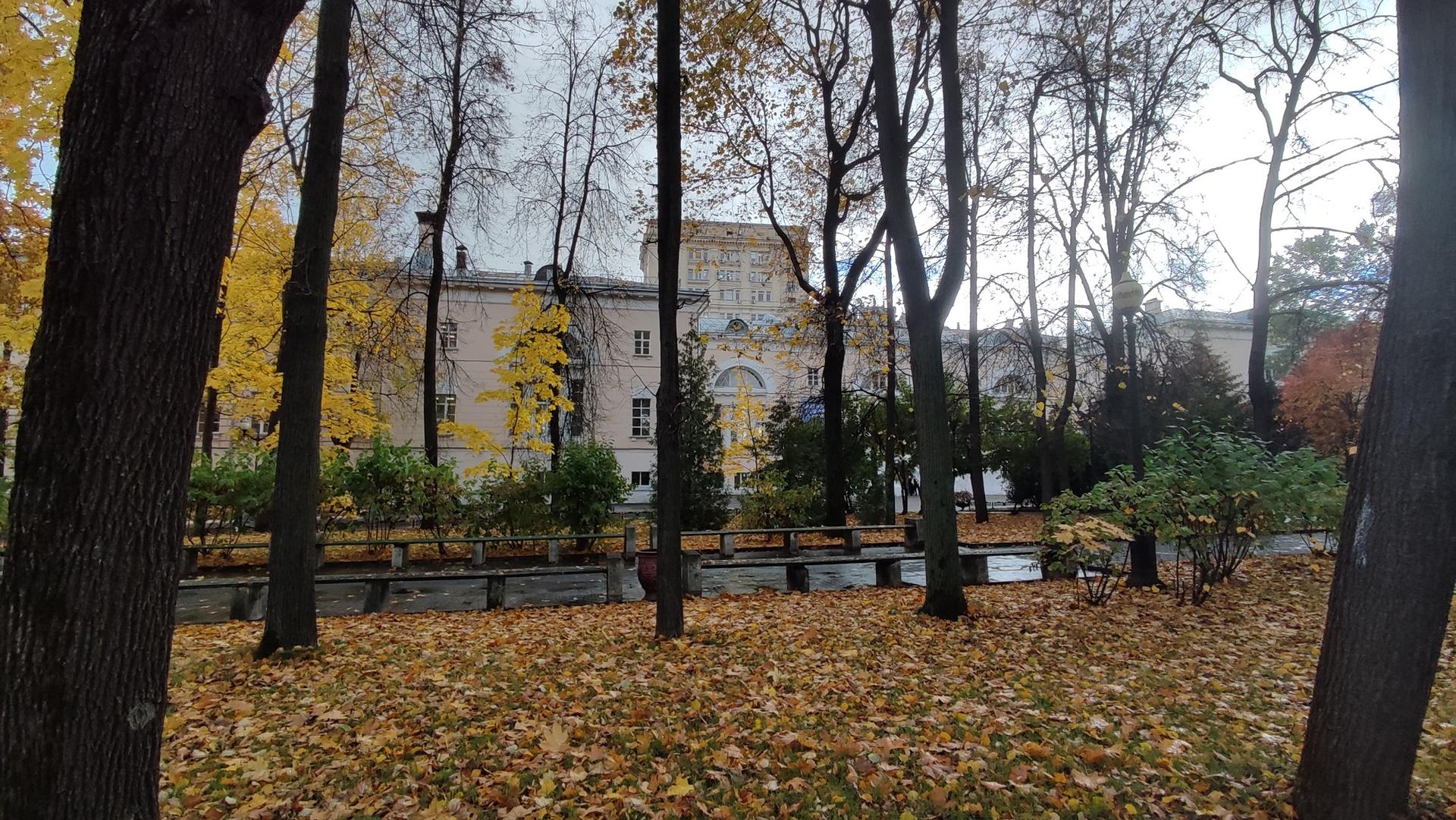
Участок МГТУ на правом берегу Яузы в XVII веке относился к знаменитой Немецкой слободе. На другом берегу реки в XVIII столетии стоял Анненгофский дворец. Считалось, что Кремль не в состоянии вместить в свои старые и ветхие помещения императорский двор. Лефортово становилось во время пребывания двора фактической столицей России. Поэтому все окрестные земли попали во владение приближённых ко двору людей. Так произошло и с участком Слободского дворца.
Название «Слободской» дано было дворцу по Немецкой слободе. В 1750-х годах здесь была построена с большим размахом усадьба Алексея Петровича Бестужева-Рюмина, крупнейшего деятеля царствования императрицы Елизаветы Петровны. Вдоль возвышенного берега Яузы были построены архитектором П. И. Гейденом усадебные корпуса. От них к Яузе спускался сад. В 1758 году А. П. Бестужев был сослан, а имущество его конфисковано.
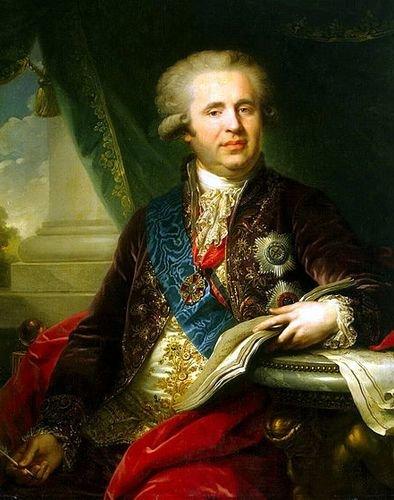
В 1762 году вернувшемуся из ссылки вельможе вернули его имение. Впоследствии усадьбой владел А. Г. Орлов, после которого она отошла к канцлеру Александру Андреевичу Безбородко. Он распорядился начать строительство нового Слободского дворца, используя стены и фундаменты предыдущего здания. Дворец строил М. Ф. Казаков, проект подготовил Джакомо Кваренги, не исключается участие в работах Н. А. Львова. Старый дом расширили и надстроили, появились новые корпуса. Это был один из прекраснейших дворцов Москвы, перед ним была устроена площадь. В 1796 году Павел I купил дворец у А. А. Безбородко.
В 1812 году в императорском Слободском дворце Александр I принимал москвичей, выступив перед ними со словом, посвящённом начавшейся Отечественной войне. Восторженная реакция москвичей, воодушевлённых государем, показала прочную связь монарха и подданных.
Во время нашествия Наполеона Дворец сгорел и долго не восстанавливался. В пожаре погибла вся богатая художественная отделка здания.
В 1826 году сгоревшее здание было отдано московскому Воспитательному дому под ремесленное училище. Оно было преобразовано в Техническое училище, а позже в МГТУ. Над перестройкой и приспособлением дворца в разные годы работали Д. Жилярди, А. Г. Григорьев, скульптор И. Витали, Л. Н. Кекушев и И. С. Кузнецов.
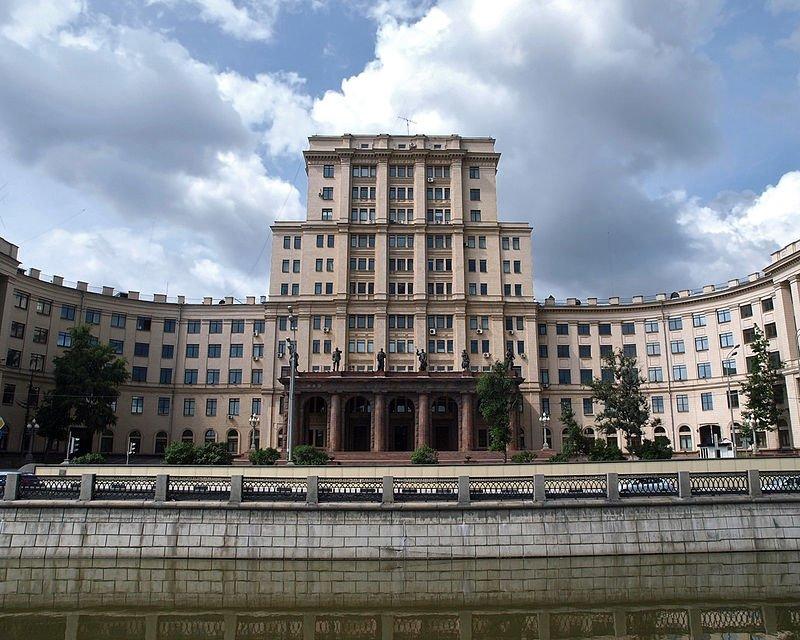
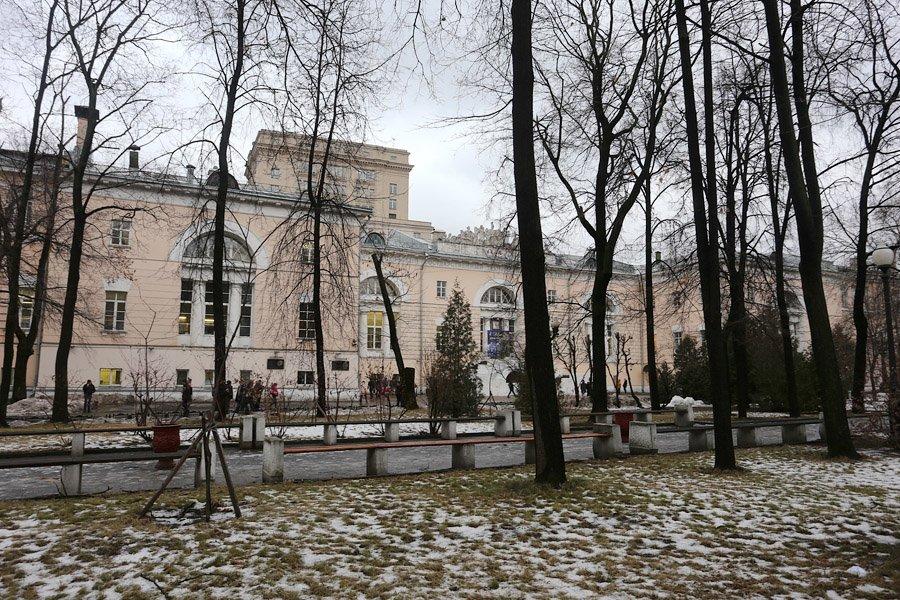
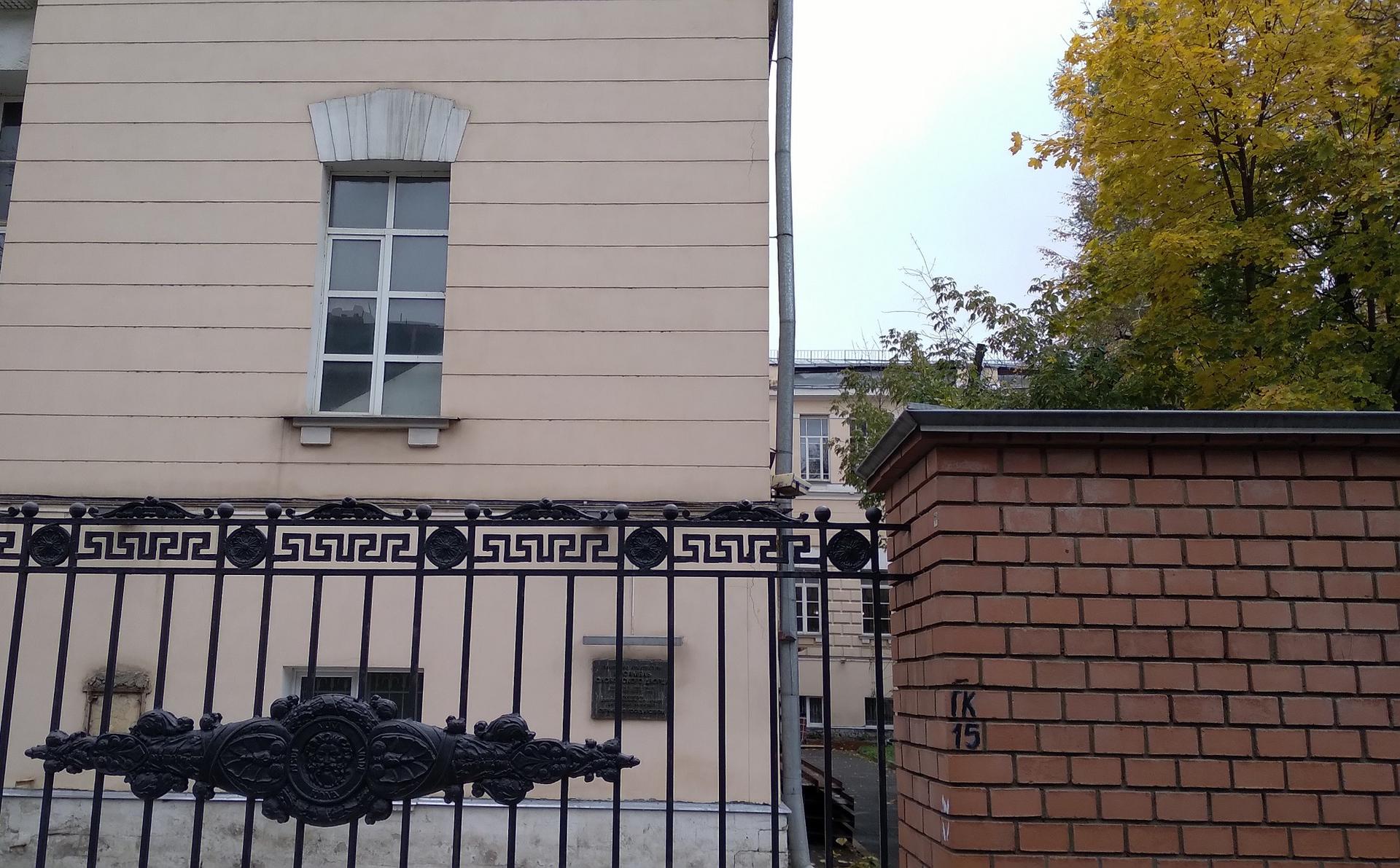
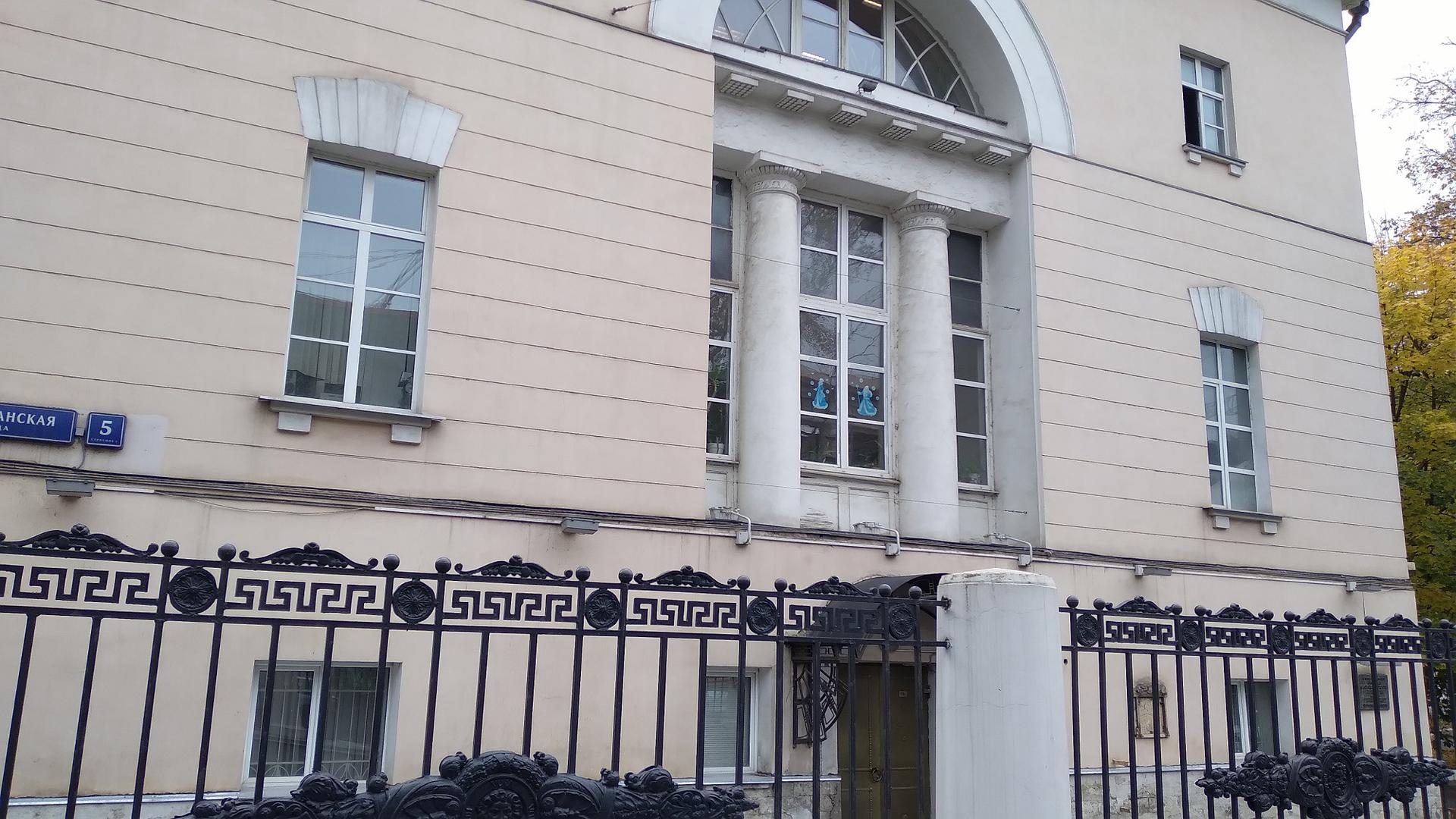
Slobodskoy Palace currently occupied by the Moscow Higher Technical School named after NE Bauman. An old building of the XIX century adapted for the purposes of the famous educational institution and many new ones built around it. This place is habitable since the XVIII century, Emperor Alexander I appeared in front of Muscovites here in 1812.
Slobodskoy Palace currently occupied by the Moscow Higher Technical School named after NE Bauman. An old building of the XIX century adapted for the purposes of the famous educational institution and many new ones built around it.
Current Baumansky Institute’s plot on the right bank of the Yauza belonged to the famous German settlement in the XVII century. Annengofsky Palace was on the other side of the river in the XVIII century. It was believed that the Kremlin is not able to accommodate imperial court in its old and dilapidated premises. Lefortovo became actual capital of Russia during the Tsar’s yard stay. Therefore, all the surrounding lands came into the possession of the approximate to the court of the people. It happened with the site Slobodskoy Palace.
The name "Slobodskoy" given to the palace by the after the German Quarter (Sloboda). In the 1750s grand scale homestead of Alexei Petrovich Bestuzhev-Rumin, a major figure of the reign of Empress Elizabeth built here. Manor housing built by the architect PI Heydens along the high banks of Yauza. Garden stepped down to the river from there. In 1758, AP Bestuzhev was exiled, and his property confiscated.
The estate returned to nobleman returned from exile in 1762. Subsequently, the estate owned by AG Orlov, after which she moved to the Chancellor Alexander Bezborodko. He ordered to build a new Slobodskoy Palace, using the walls and foundations of the previous building. The palace built by MF Kazakov, the project prepared by Giacomo Quarenghi, NA Lvov could participate in the work. Old house built on and expanded, and new housing. It was one of the most beautiful palaces in Moscow, the square set in front of it. In 1796 Paul I bought the palace from AA Bezborodko.
Alexander I met Muscovites Slobodskoy Imperial Palace in 1812. He delivered the speech dedicated to the outbreak of the War in front of them. The enthusiastic response of Muscovites Inspired by the Sovereign showed a strong bond of the monarch and his subjects.
During the Napoleon's invasion Palace burned down and was not restored for a long time. All the rich artistic decoration of the building killed in the fire.
In 1826, the burned building was given to the Moscow Foundling home for the trade school. It was converted into a technical school, and later to the Moscow Higher Technical School. D. Gilardi, A. Grigoriev, sculptor Ivan Vitali, LN, loyal and I. Kuznetsov worked On restructuring and adaptation of the palace over the years.