Интерактивный гид по городу
С мобильным приложением бродить по городу гораздо интереснее!

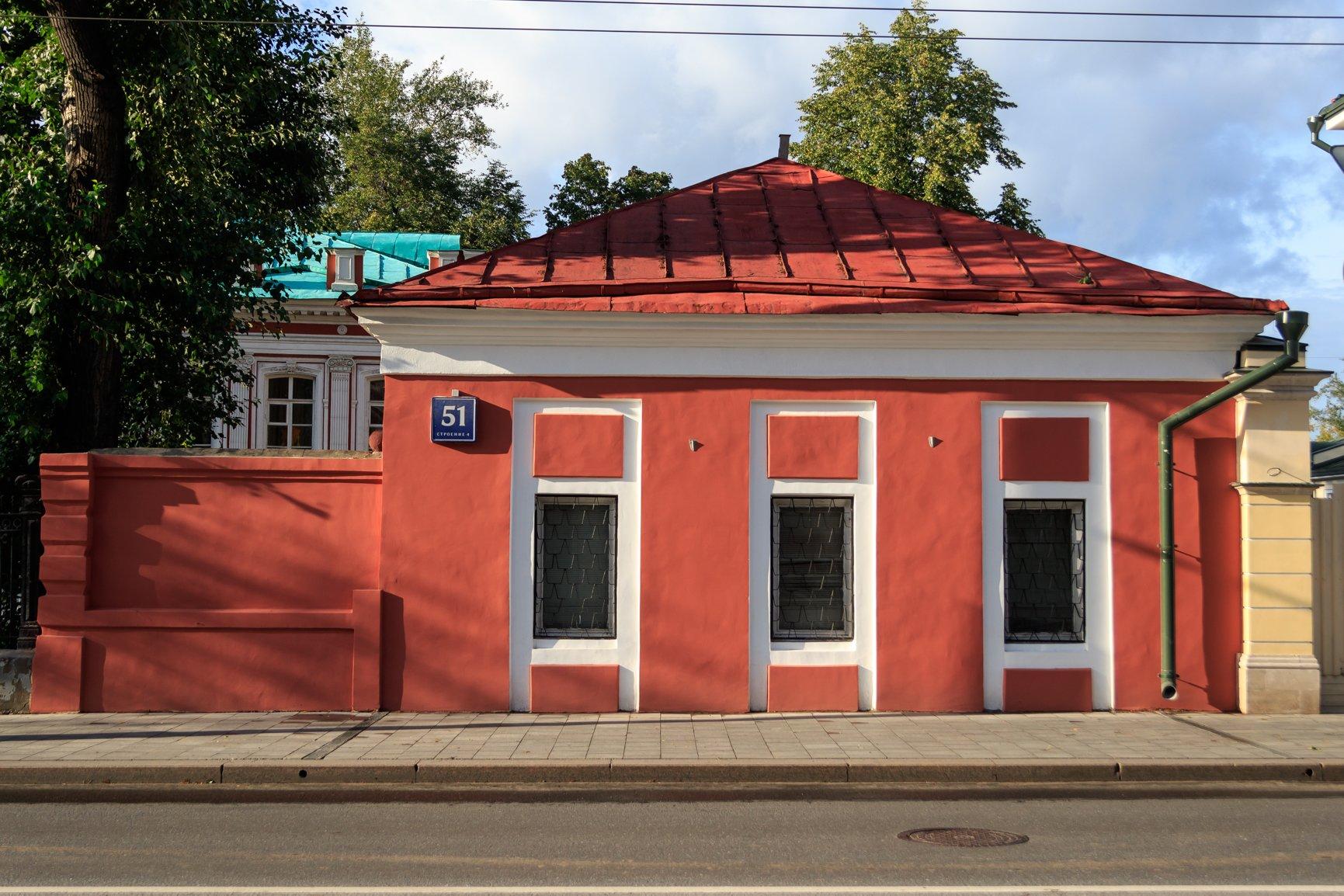
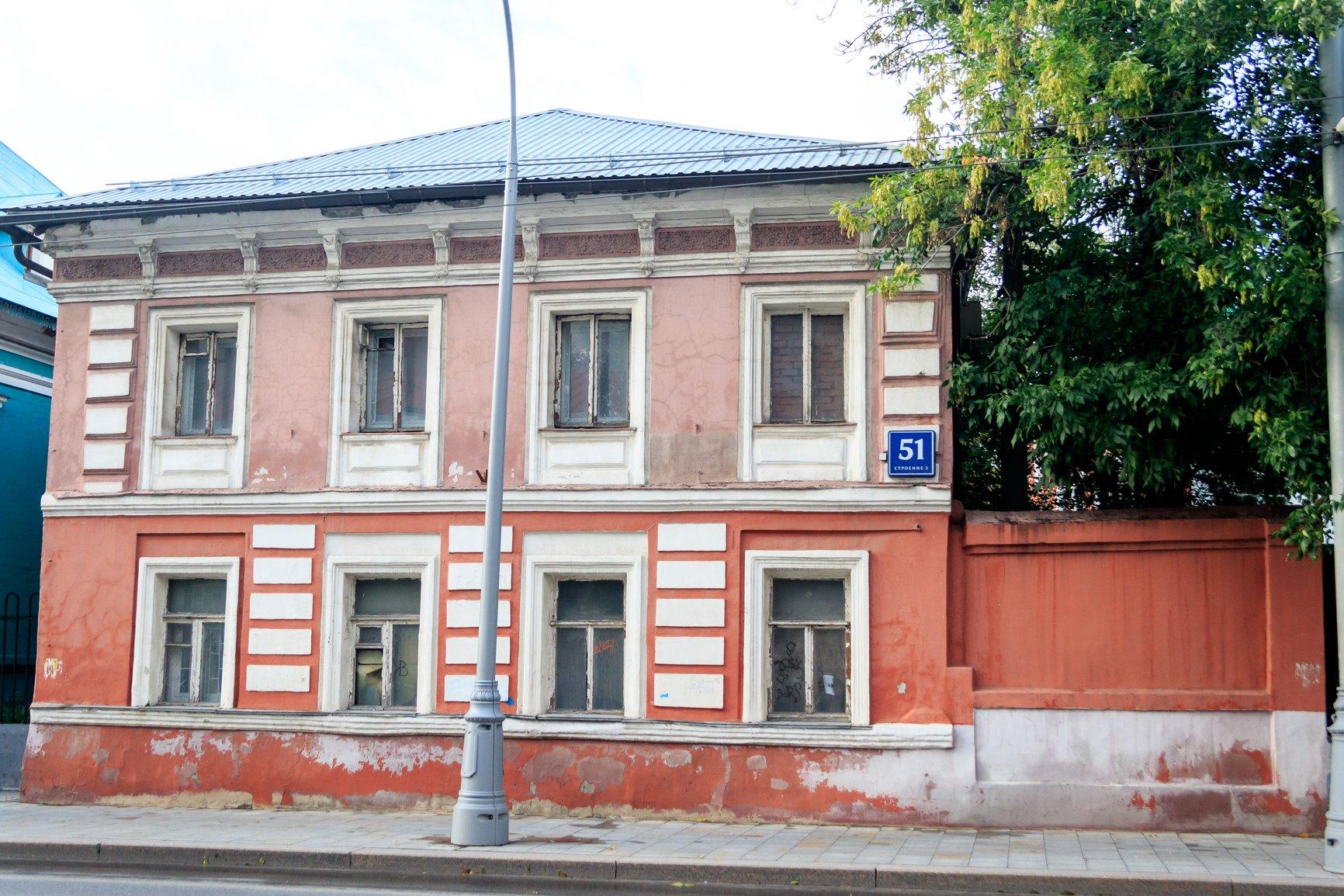
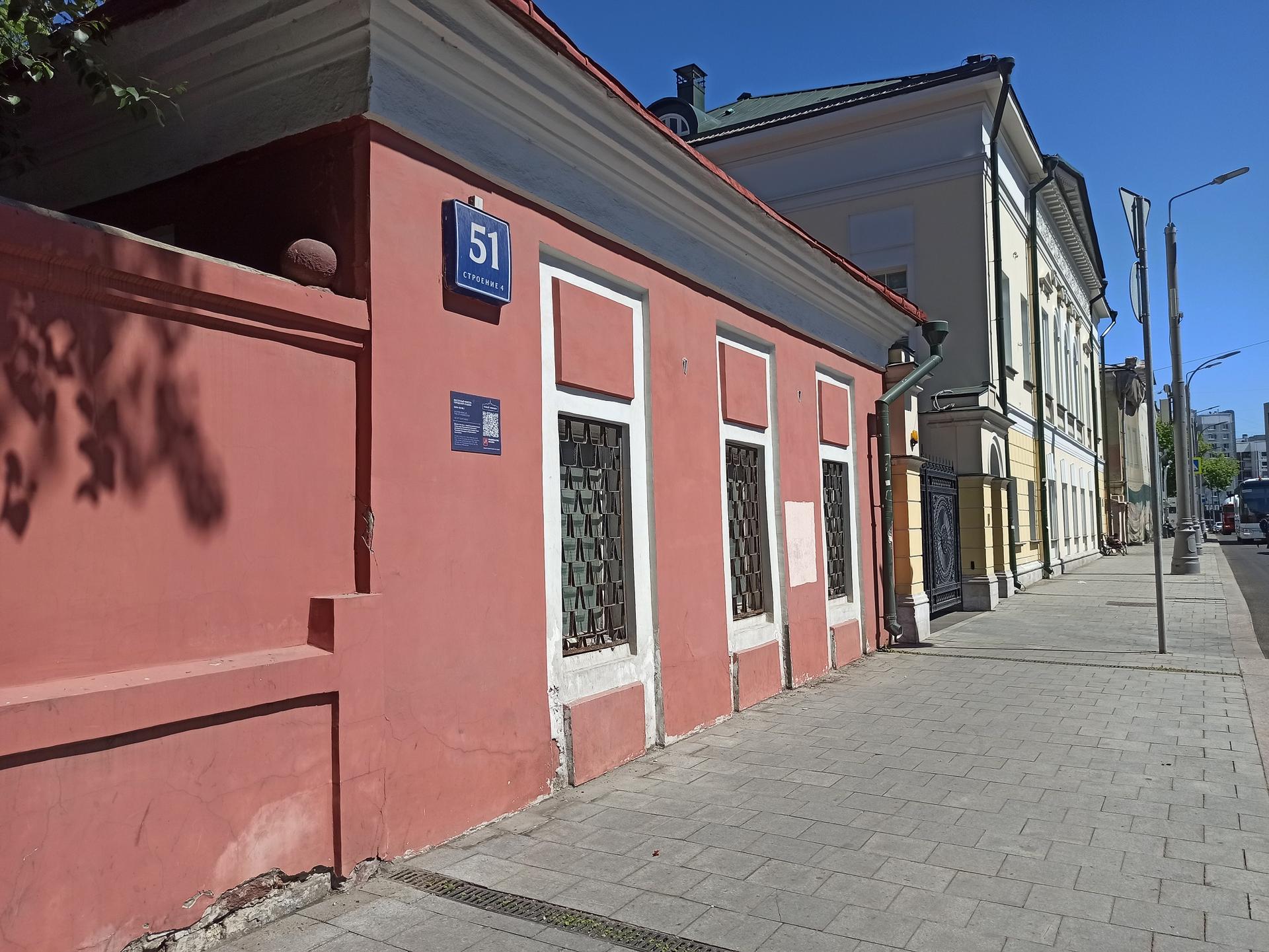
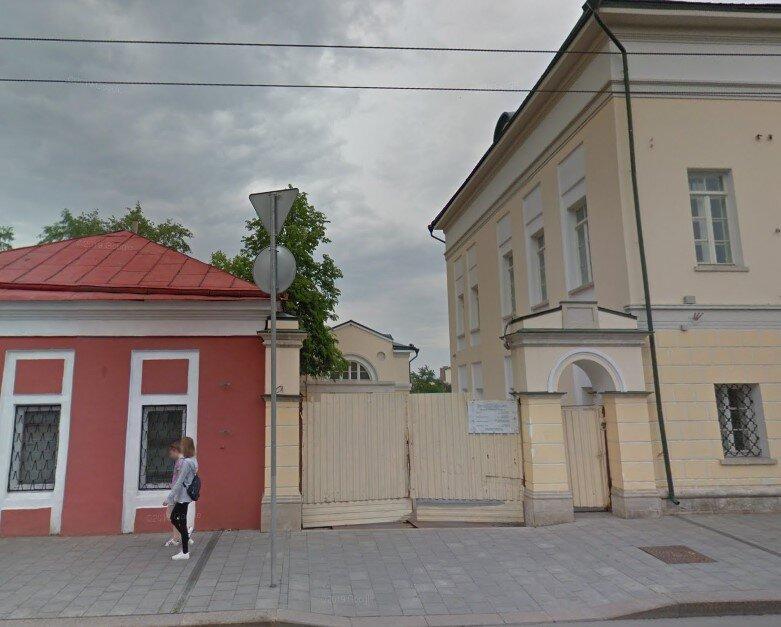
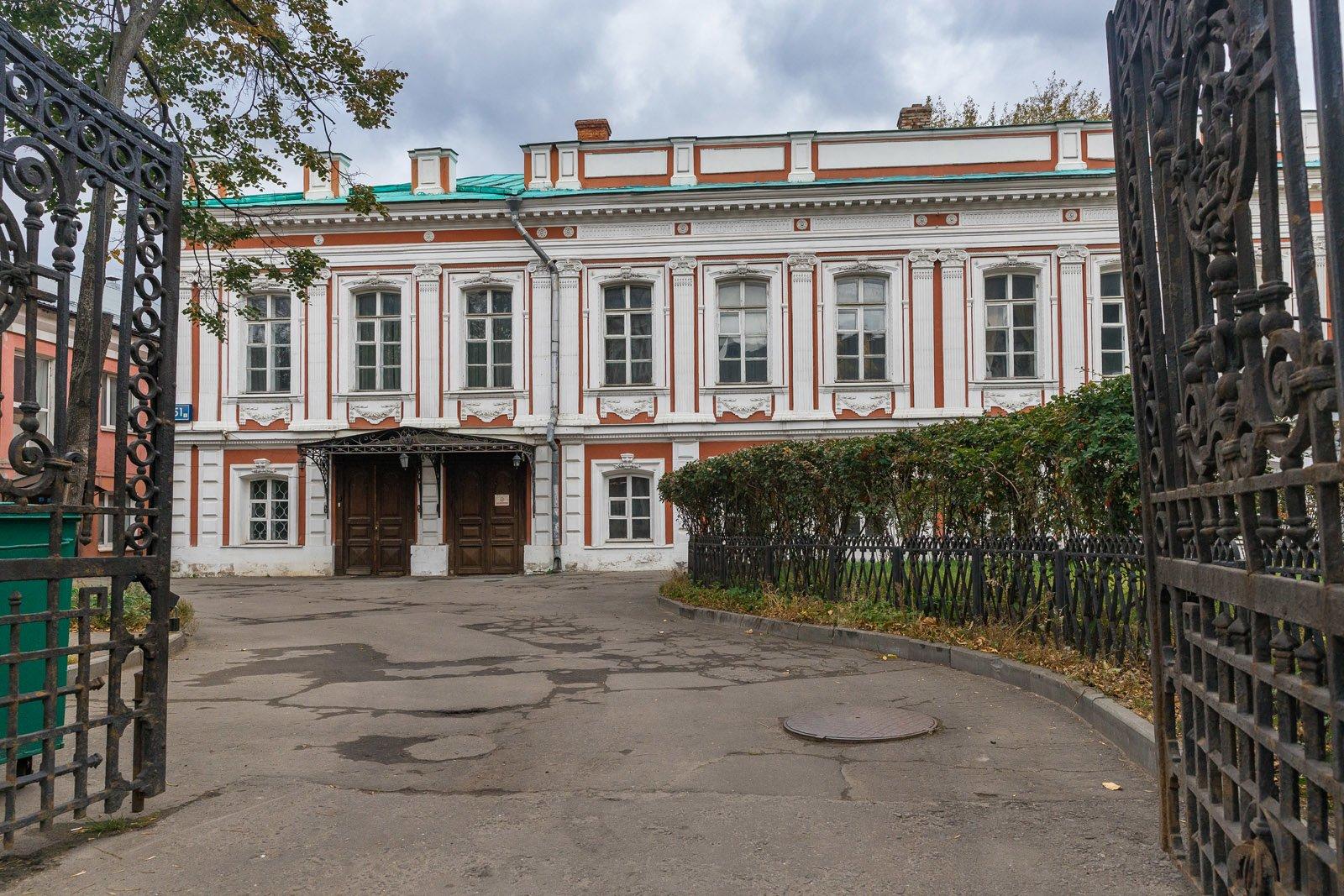
Outbuilding of the Skorospelov Homestead

The non residential outbuilding was constructed for service purposes. In 1817, the building was fitted out as a bathhouse and laundry and continued functioning as such up to 1917.

Outbuilding of the Skorospelov Homestead
Ploshchad Ilicha, Rizhskaya
The non residential outbuilding was constructed for service purposes. In 1817, the building was fitted out as a bathhouse and laundry and continued functioning as such up to 1917.
Вы можете воспользоваться QR-кодом, чтобы открыть эту страницу в нашем приложении
Архитектурный стиль:
,
Годы постройки:
1800-е
Эпоха:
19th century
Информация о здании

Скромное здание флигеля прячется в глубине участка и не заметно с улицы. Его закрывают два основных усадебных флигеля, стоящих по красной линии улицы. Они-то и формируют парадный двор городской усадьбы.

Между тем, строение 3 – часть хорошо сохранившегося исторического владения, которое известно еще с конца XVII века, когда на этом месте находился двор, принадлежавший предположительно купцу Г.И. Парфенову. В нынешней средней части Главного дома есть даже два помещения рубежа XVII–XVIII веков: белокаменная палата с кирпичным сводом и примыкающие к ней сени с внутристенной лестницей на второй этаж (от последнего сохранились лишь незначительные фрагменты стен). Кстати, отрезок Николоямской улицы, на котором стоит усадьба, в XVII веке входил в «черную» Алексеевскую слободу, население которой несло «тягло» (повинности) с занимаемой земли.

Флигель по Николоямской, 51, стр. 3 построен в 1800-х годах (почти на одной оси с главным домом) как нежилой служебный корпус. Его постройкой фактически завершилось создание усадебного комплекса, его структура сложилась окончательно.

Во время пожара 1812 года все усадебные постройки значительно пострадали и были восстановлены к 1817 году. Тогда же служебный флигель приспособили под баню и прачечную. Эта функция не менялась до 1917 года. Ну а после Октябрьской революции вся усадьба была приспособлена под коммунальные квартиры и учреждения.

Флигель сохранился в своих исторических габаритах. Прямоугольное в плане здание расположено по восточной границе владения. К западному его фасаду примыкает переход в главный дом. Фасады сохранили историческую структуру. Объем завершен белокаменным профилированным карнизом времен ампира. Вход в здание расположен с южной стороны. Исторические интерьеры до наших дней не сохранились.

В череде владельцев усадьбы назовем богатого купца С.П. Васильева: он в середине XVIII в. осуществил в ней серьезные перестройки. При нём к правому торцу дома пристраиваются еще две палаты и, видимо, надстраивается второй этаж. Позднее усадьба переходит к купцу П.Я. Пищальникову, владельцу соседнего участка № 53. Он заменяет древние службы каменными флигелями, а также переделывает фасад Главного дома в строгих и скупых классических приемах. При Пищальникове и был построен служебный флигель. Ну а современный вид все владение приобретает при купце А.А. Скороспелове. Сегодня усадьбу занимает Сейсмологический центр института геоэкологии РАН.

Служебный флигель – выявленный объект культурного наследия.


Евгения Твардовская
Автор статьи
The modest-looking outbuilding is located at the far end of the plot and cannot be seen from the street. It is hidden behind two main outbuildings of the homestead standing along the street frontage. Those two enclose the city homestead's front yard. However, the building 3 represents a part of a well-preserved historical property that dates back to the late 17th century when in its place there was the estate that presumably belonged to merchant G.I. Parfionov. Within the present day middle part of the Main House, there are also two rooms dating back to the turn of the 18th century: the white stone chamber with brickwork vault and the adjacent porch with the intramural staircase leading to the first floor (of the latter only scarce wall fragments have survived). By the way, the length of the Nikoloyamskaya steet along which the homestead is located, in 17th century was a part of the "black" Alexeyevskaya Sloboda which dwellers were subject to taxes on the land plots they occupied. Slobodas were suburban settlements right behind the city wall. Usually, their residents were involved in one of the crafts after which slobodas were named. The outbuilding at 51/3, NIkoloyamskaya street was constructed in 1880s (almost along the axis of the Main House) as a service building. With its construction finished, the homestead compound was complete and its structure took its final shape. In the 1812 fire, all of the homestead structures were significantly damaged and recovered by 1817. About the same time, the service outbuilding was fitted out as a bathhouse and laundry. It preserved this function up to 1917. Following the October revolution, the entire homestead was adapted to accommodate shared apartments and various offices. The outbuilding's historical dimensions remained unchanged. The building — rectangular in plan — is located close to the property's eastern end. At its western wall, there is a passage to the main house. Facades preserved their original structure. The mass is topped with the whitewashed embossed cornice in the Empire style. The entrance to the building is at its southern side. No historical interiors have survived to our days. Among the homestead owners we can name a rich merchant S.P. Vasiliev: in the mid 18th century he had the homestead fairly substantially reconstructed. During his ownership, two more chambers were annexed to the right sidewall of the house as well as — most probably — the first floor was built up. Later, the homestead was acquired by merchant P.Ya. Pishchalnikov who owned the adjacent property (today's No. 53). Pishchalnikov replaced the old service structures with stone outbuildings and had the Main House's facade remade in neat and lean classical style. The service outbuilding was constructed during Pishchalnikov's ownership, too. Finally, the entire property took its present day look while being owned by merchant A.A. Skorospelov. Nowadays, the homestead is occupied by the Seismology Center of the Geoecology Institute with the Russian Academy of Sciences. The service outbuilding is a newly identified cultural heritage site. Evgenia Tvardovskaya
Поделитесь статьей с друзьями
Интересное рядом(15)
The Central Museum of Ancient Russian Culture and Art named after Andrey RublevThe central museum of ancient Russian culture and art named after Andrei Rublev is located within the walls of the ancient Spaso-Andronikov monastery. The museum was founded in 1947 as a specialized museum of ancient Russian art. It received the name of the greatest icon painter Andrei Rublev. The oldest in Moscow, the white-stone Cathedral of the Savior, made between 1410 and 1427, is located on the territory of the monastery. Spassky Cathedral painted by Andrei Rublev. The remains of the fresco remained inside the cathedral in the slopes of the altar windows. Andrei Rublev was a monk of the Savior-Andronikov monastery and was buried near the Savior Cathedral. The museum exposition is deployed in the complex of the Church of St. Michael the Archangel, built at the end of the 17th century by order of the first wife of Peter I, Evdokia Lopukhina. Periodic exhibitions devoted to the church art of different eras are held in the Priorysky Corps of the monastery. The museum acquaints visitors with outstanding examples of artistic creativity of the XI-XVII centuries. The icon collection of the museum is internationally renowned and includes many outstanding works. Among them are the masterpieces of the artists of the circle of Andrei Rublev and Dionysius, the workshop of Metropolitan Macarius and Tsar Ivan the Terrible. The art of the 17th century, the work of icon painters of the Armory and regional masters is especially fully represented.
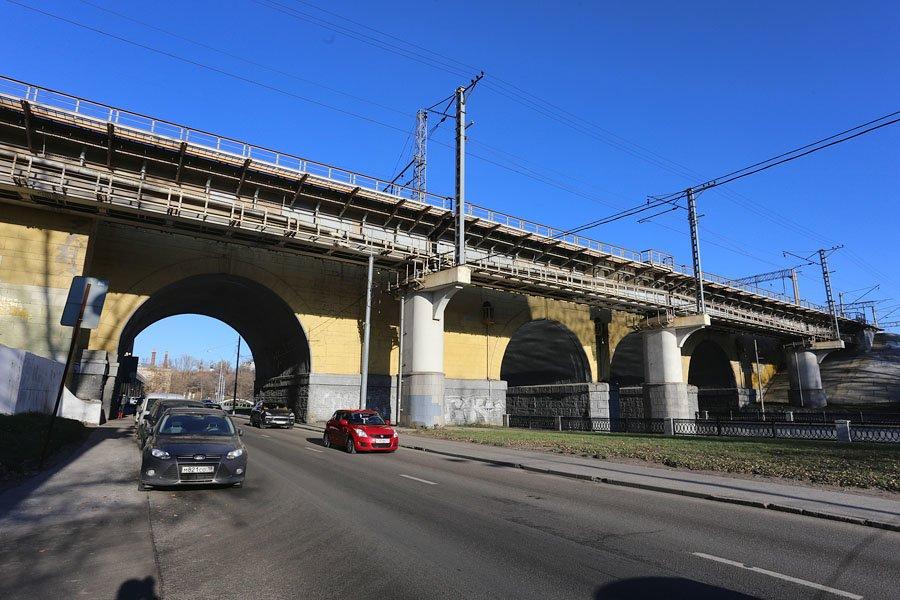
Andronikov viaduct
Ploshchad Ilicha, Kurskaya
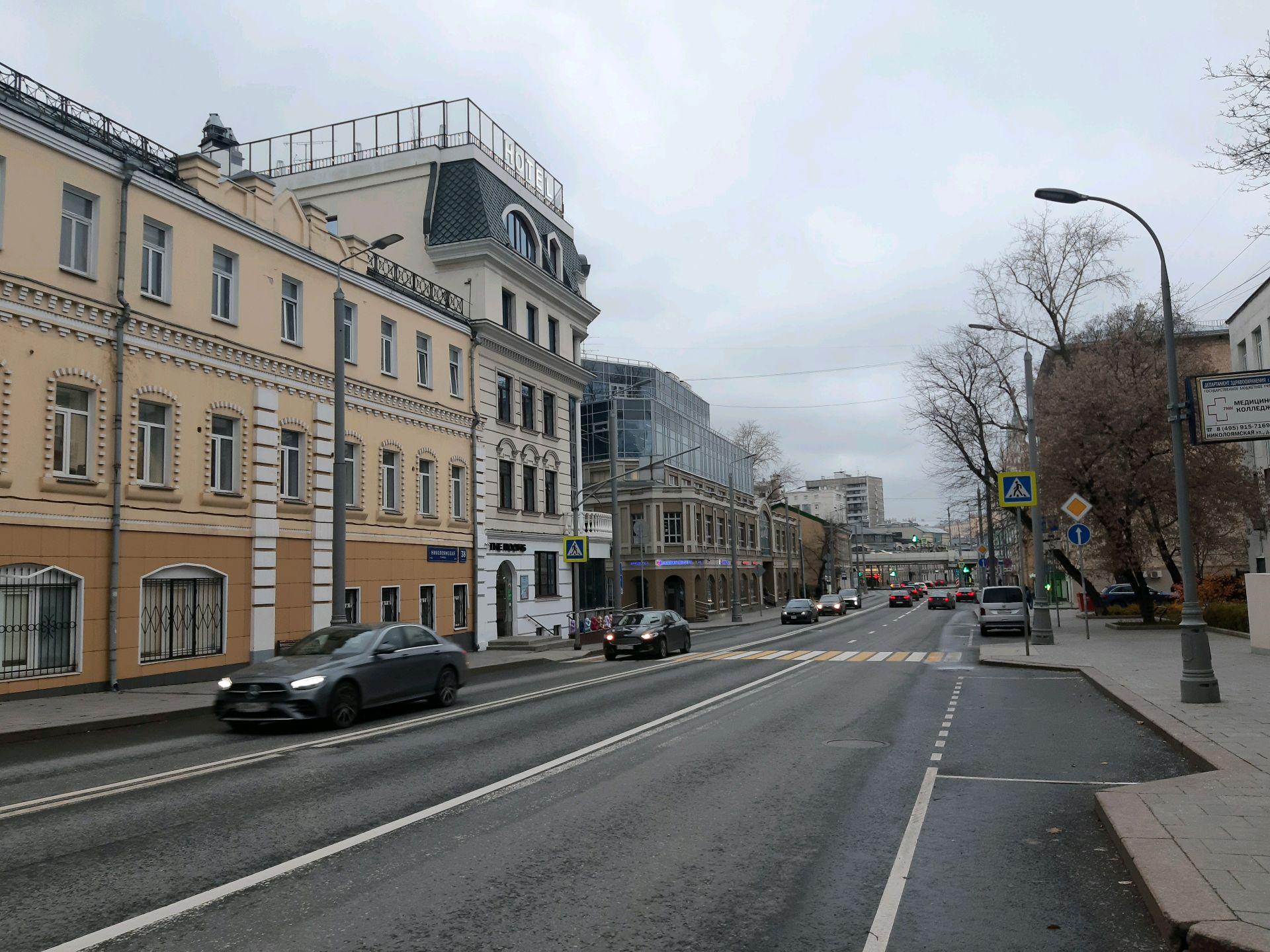
Nikoloyamskaya street
Николоямская улица
Marksistskaya, Ploshchad Ilicha, Rimskaya, Taganskaya, Таганская (Краснопресненская линия)