Интерактивный гид по городу
С мобильным приложением бродить по городу гораздо интереснее!

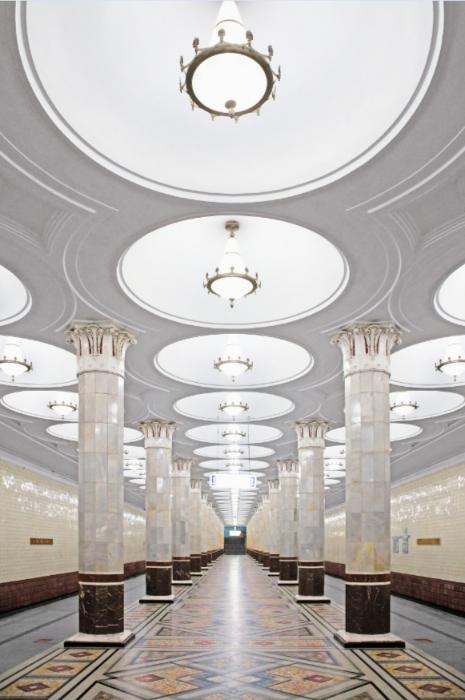
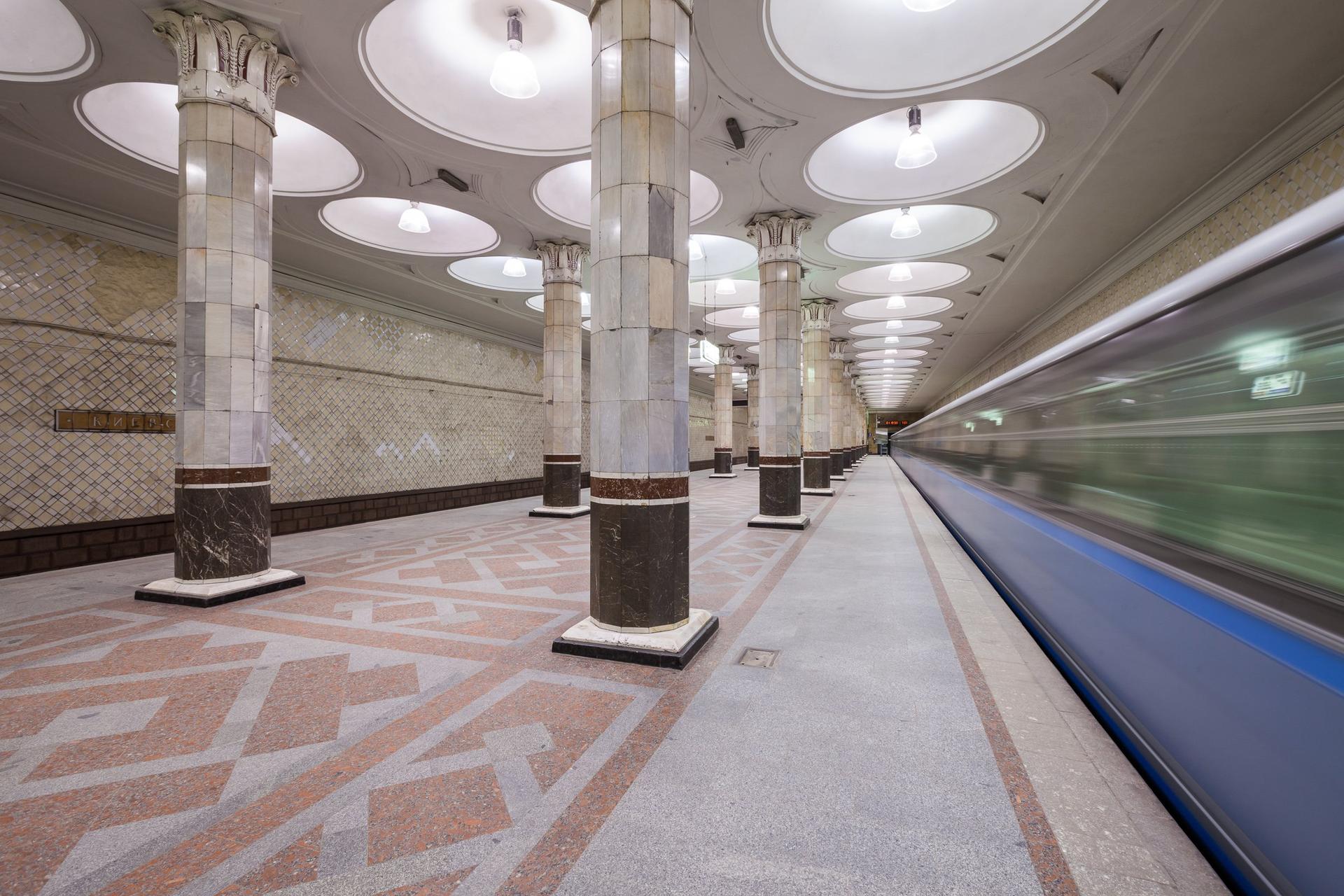
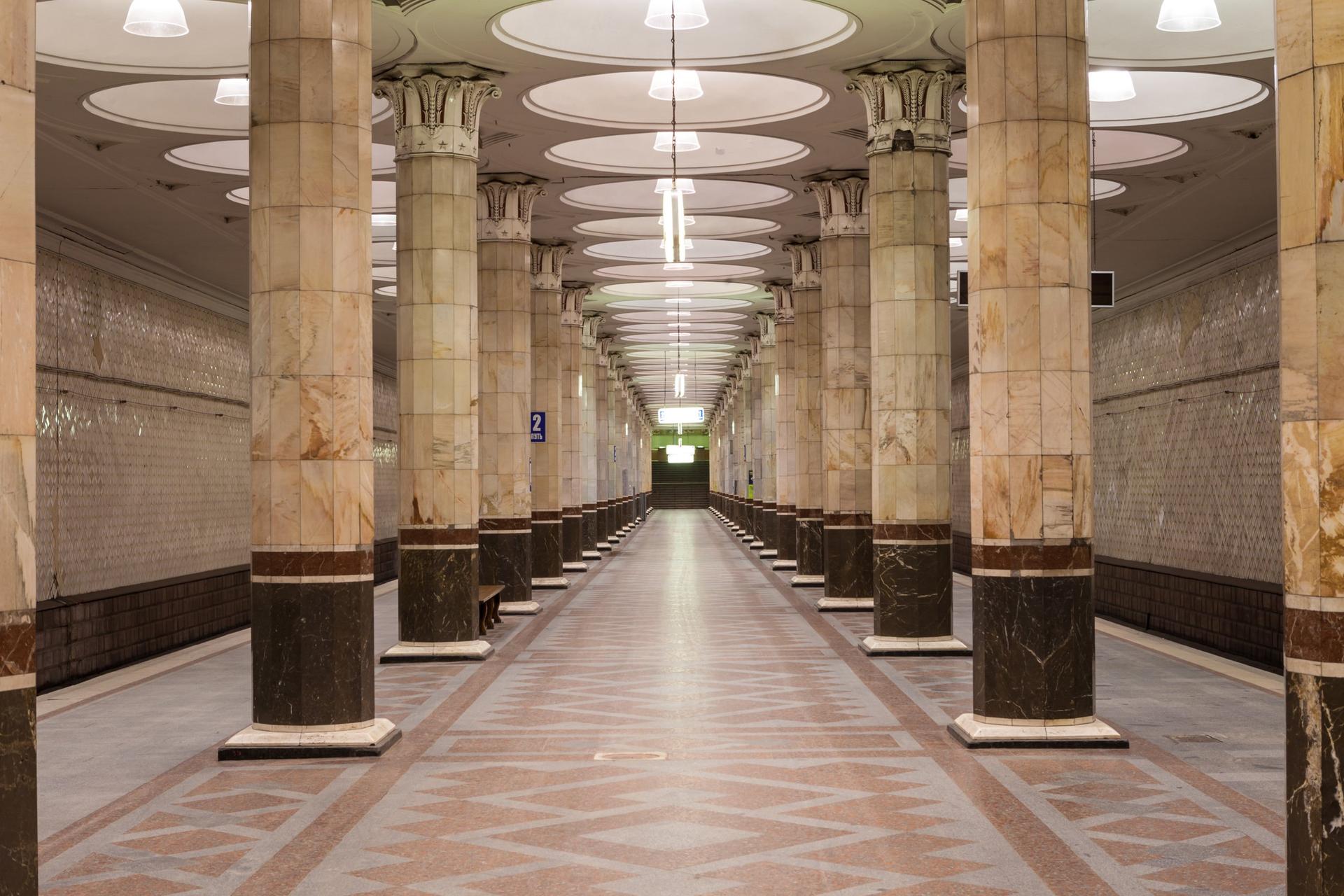
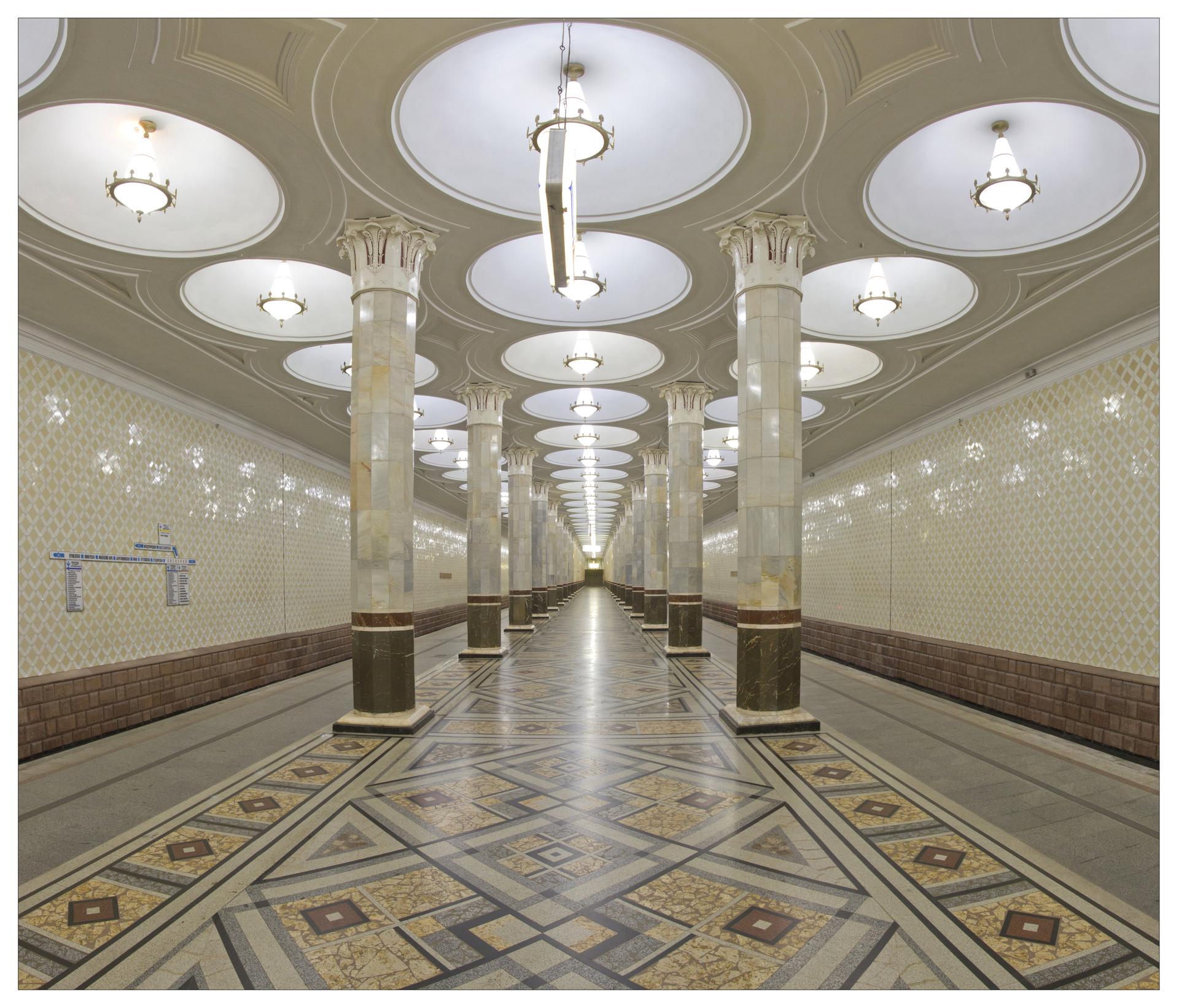
"Kievskaya" station on Filyovskaya line

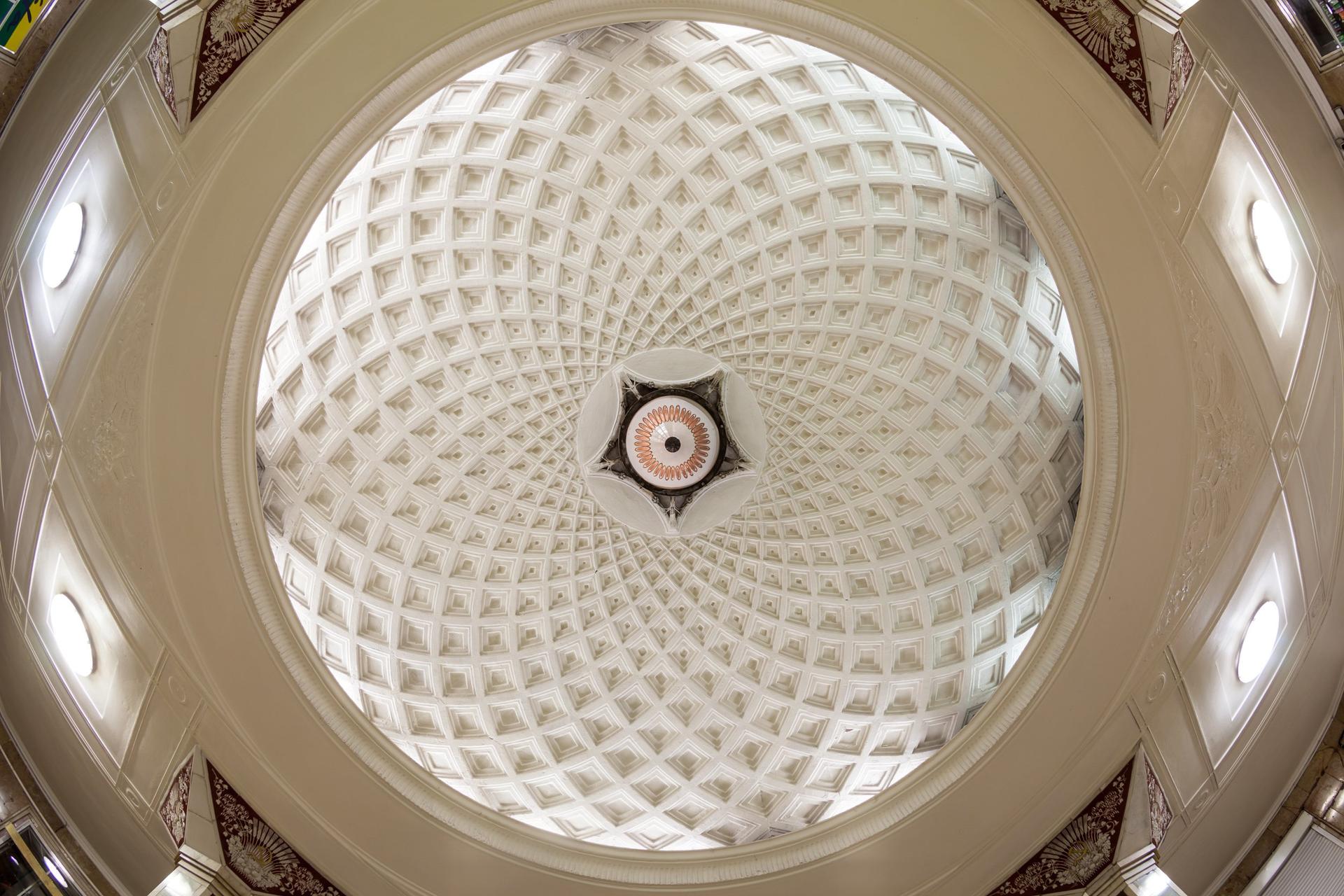
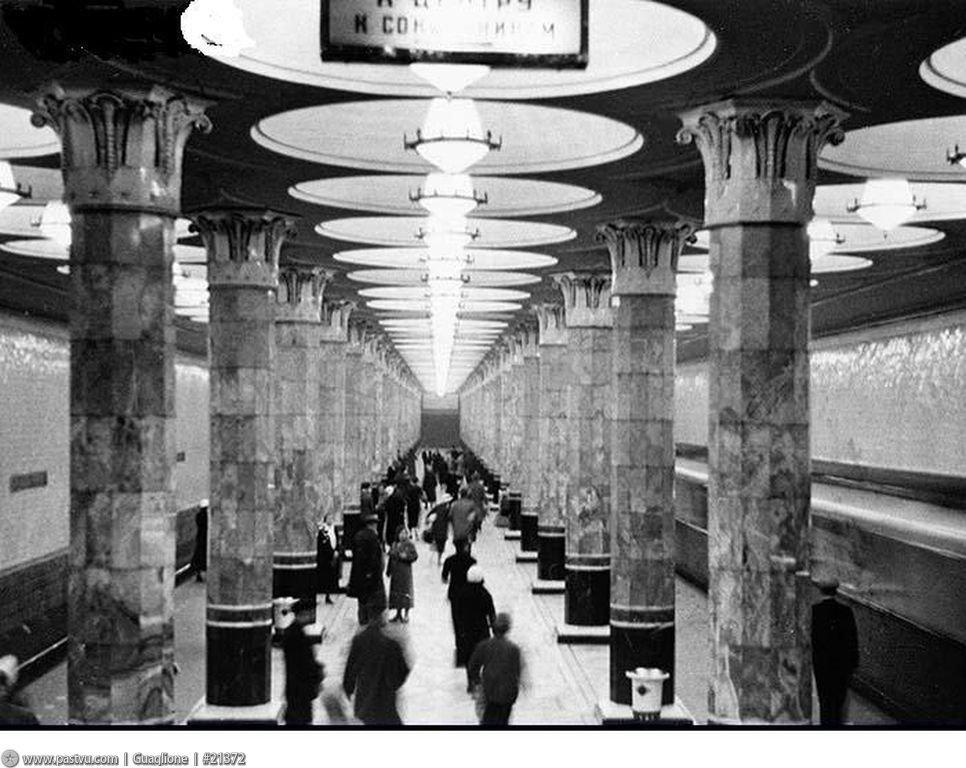
Design of the station is a paradoxical, but a harmonious combination of Ukrainian and Roman motifs.

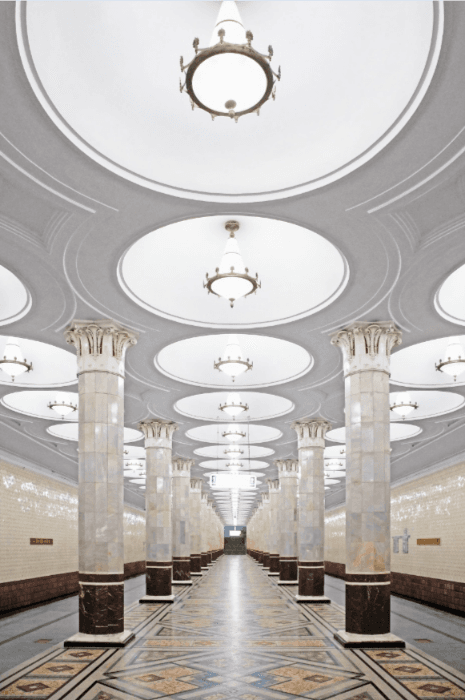
"Kievskaya" station on Filyovskaya line
Design of the station is a paradoxical, but a harmonious combination of Ukrainian and Roman motifs.
4.00
Вы можете воспользоваться QR-кодом, чтобы открыть эту страницу в нашем приложении
Архитектурный стиль:
,
Годы постройки:
1937
Архитекторы:
Д.Н. Чечулин
Эпоха:
1930s
История

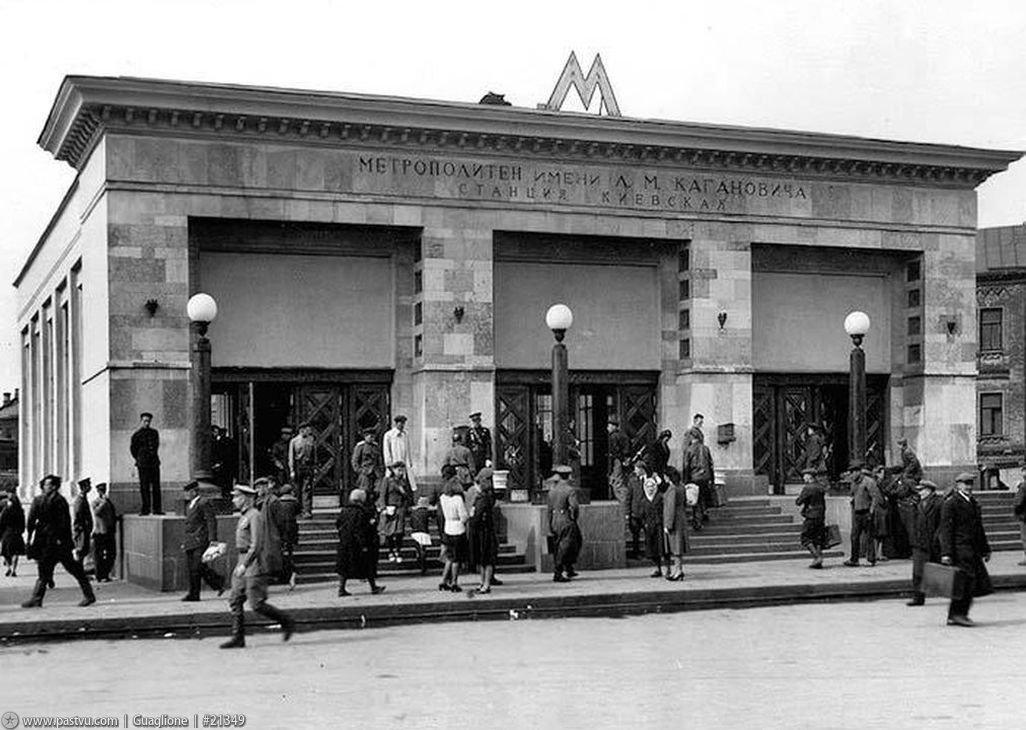
Станция метро «Киевская» на Филёвской линии была открыта 20 марта 1937 года, став частью Арбатского радиуса. Она получила своё название благодаря близости к Киевскому вокзалу, который к тому времени уже был крупным транспортным узлом столицы. Архитектурное решение станции разработал известный советский архитектор Дмитрий Николаевич Чечулин, который впоследствии был удостоен Сталинской премии за свои заслуги в области архитектуры. В оформлении станции был сделан акцент на монументальность и торжественность.

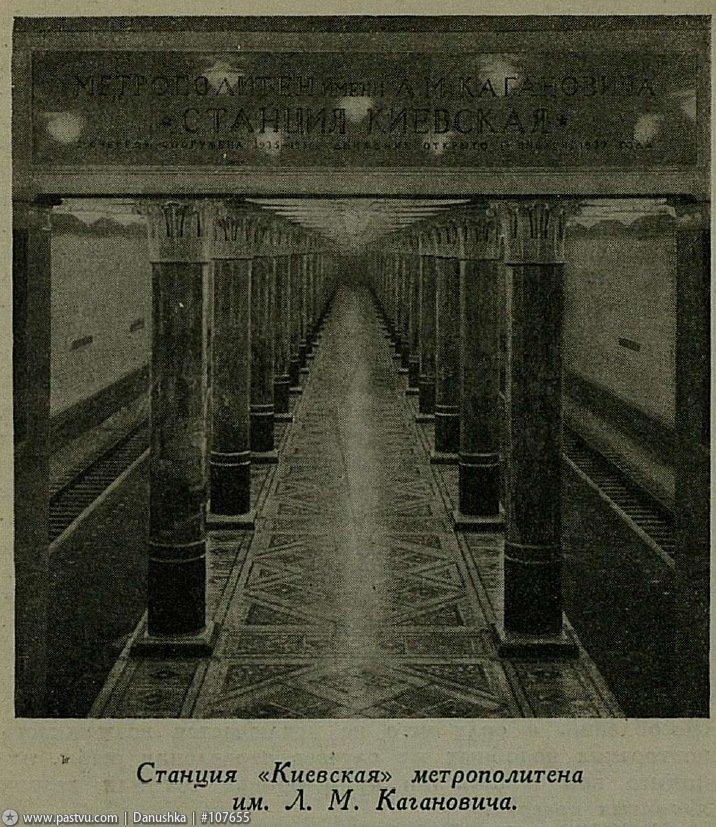
«Киевская» стала первой станцией мелкого заложения на Арбатском радиусе, расположенной на глубине всего 8,7 метра. Первоначально колонны станции были облицованы лабрадоритом, двумя видами мрамора и ониксом, но уже через десять лет их заменили на мрамор «газган» голубоватых и желтоватых оттенков. Перронный зал станции отличается простором, ритмичностью и симметрией, что создаёт ощущение величия и спокойствия.

Станция была закрыта в 1953 году после открытия дублёра на Арбатско-Покровской линии и возобновила свою работу в 1958 году как часть новой Филёвской линии. В этот период станция подверглась некоторым изменениям, но её исторический облик был в целом сохранён.

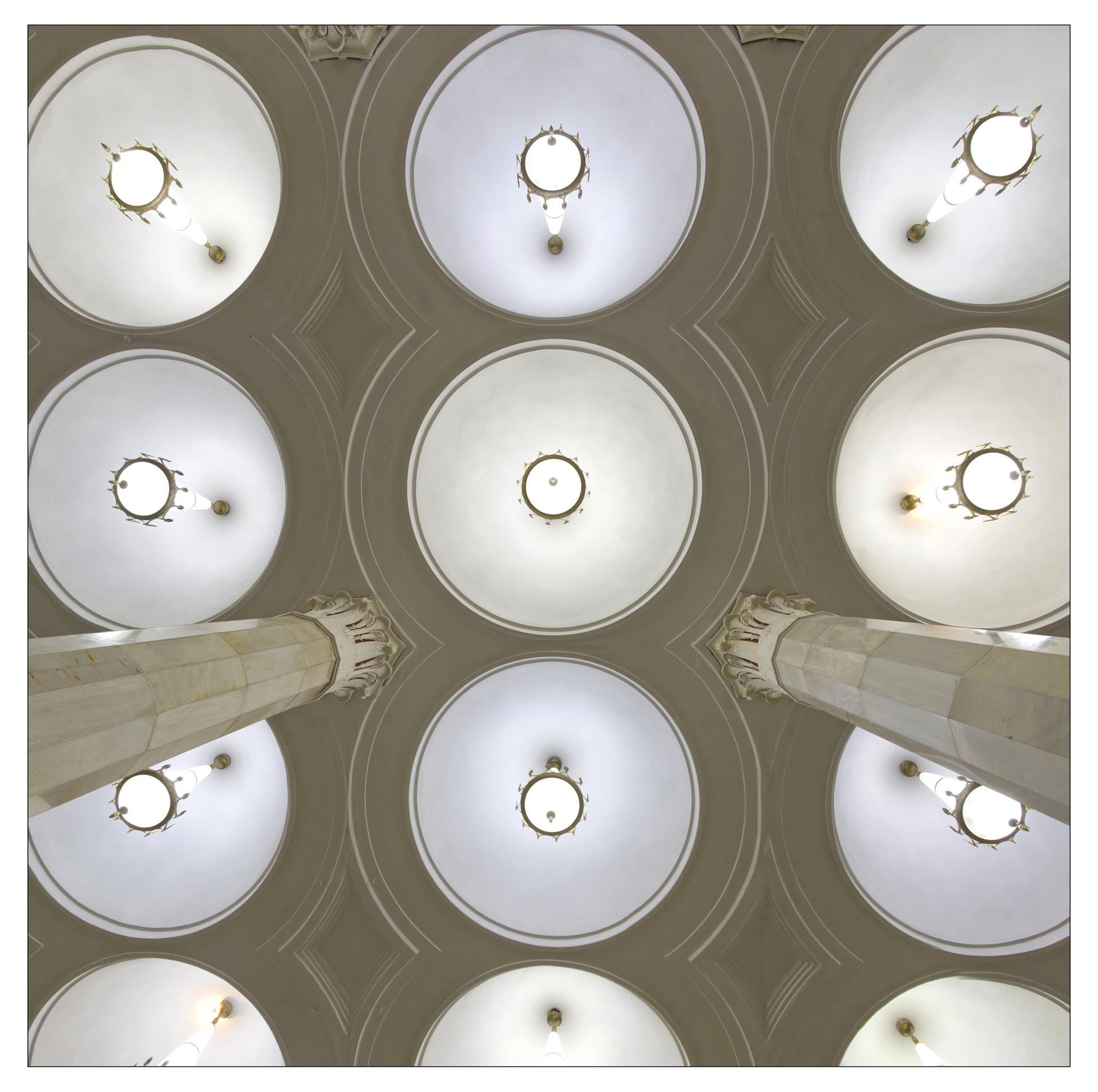
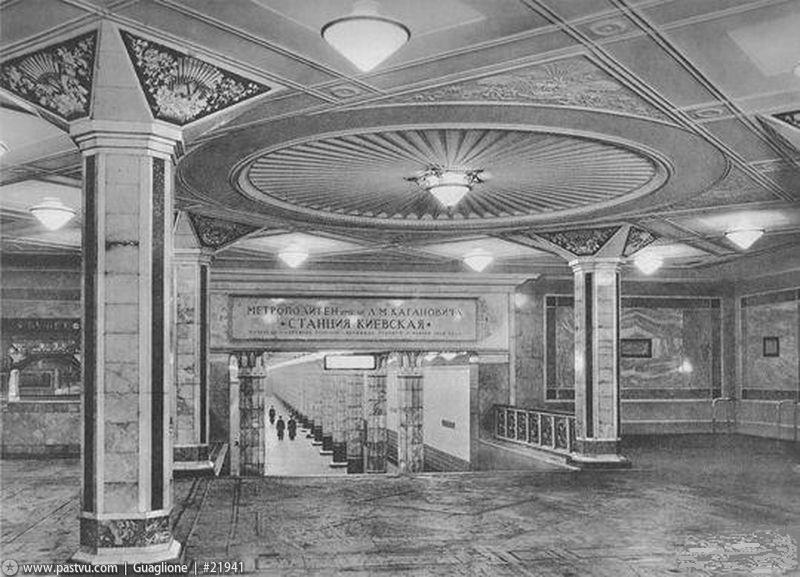
"Kievskaya" Station of Filyovskaya line was opened on March 20th, 1937. The station was named after the Kievsky railway station located nearby. Prior to 1972 there was a ground lobby, which was demolished during the construction of an escalator tunnel from the neighboring "Kievskaya" station of the Ring Line. The entrance to an underground passage near the Kievsky railway station is now located there. It is a shallow (8.7 m deep) three-bay station with columns. The space of the platform hall is arranged openly and freely. The rows of columns add a certain rhythm to the space and extend the station visually, expanding the perspective. Initially, the columns of the platform hall were covered with Armenian onyx, but a decade after the construction was finished, it began to crumble. Then the columns were coated with bluish and yellowish tiles made of Gazgan marble. The column capitals depict ears of wheat. The walls behind the tracks are covered with light colored ceramic tiles on the top, while the lower part is lined with red granite. During the construction, the floor was covered with tiles arranged to form national Ukrainian ornamental motifs. Over the time, the floor tiles have come into disrepair, and they were replaced with granite slabs. An attempt to replicate the original pattern was made, but, unfortunately, it was not entirely successful. The ceiling of the station’s main hall is a huge slab with numerous white circular niches that function as reflectors of light fixtures suspended in their center. The architect of the station D.N. Chechulin used antique wheel-shaped chandeliers – the first for the Moscow metro. In the late 1970's – the early 1980's original lighting fixtures were replaced. Instead of the real dome lights, new fluorescent tube-equipped were installed. Because of this, the formerly well-lit "Kievskaya" station became dimmer: the original bulbs gave yellow light, while current ones are white. Currently, due to the installation of the energy-saving lightbulbs, the station became even darker. At each end of the platform hall there are antechambers decorated in the same style. Roman columns, adorned with multicolored marble tiles (white, beige, black, red, and yellow), support the ceiling. Their capitals are very peculiar and look like four-beamed ceramic stars. The walls are lined with marble, flat vaults are decorated with fertility-themed plasterwork and false flat domes, containing unusual conical lamps. Overall, the decorum of the station is a mixture of Roman and Ukrainian motifs.
Автор статьи: Евгения Стаханова. Доработано Департаментом культурного наследия города Москвы.
Отзывы
(1)