Интерактивный гид по городу
С мобильным приложением бродить по городу гораздо интереснее!

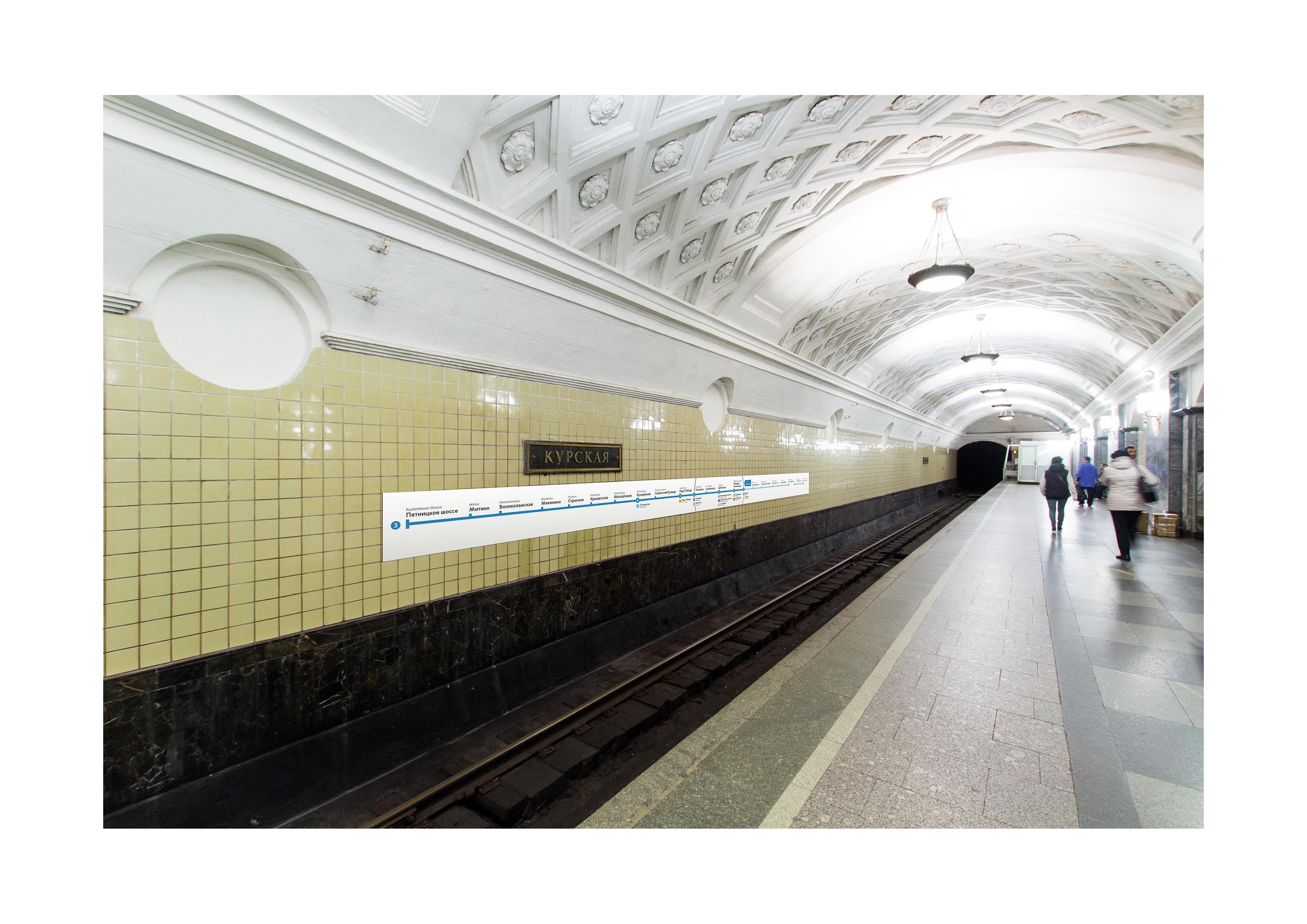
"Kurskaya" metro station, Arbat-Pokrovskaya line

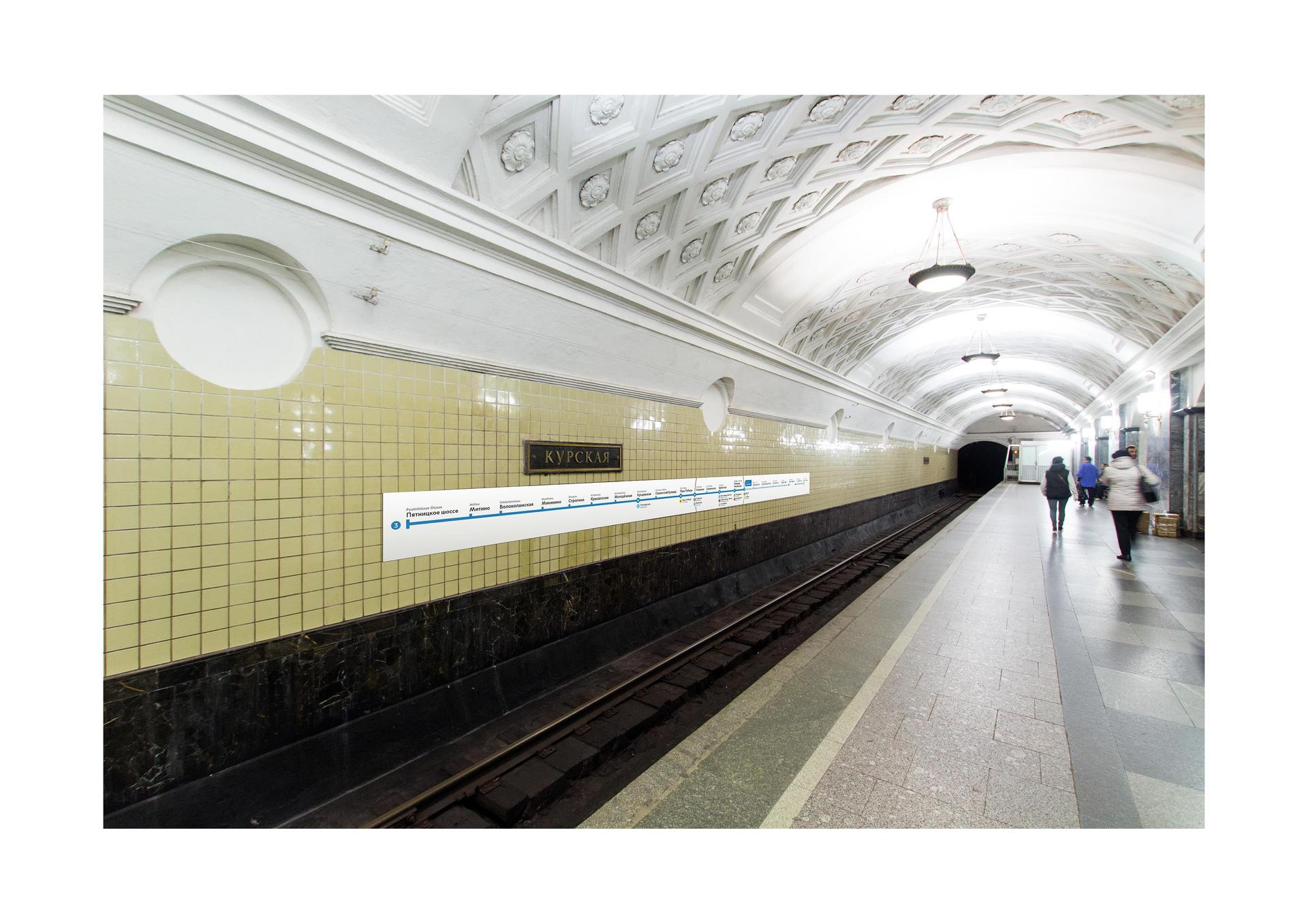
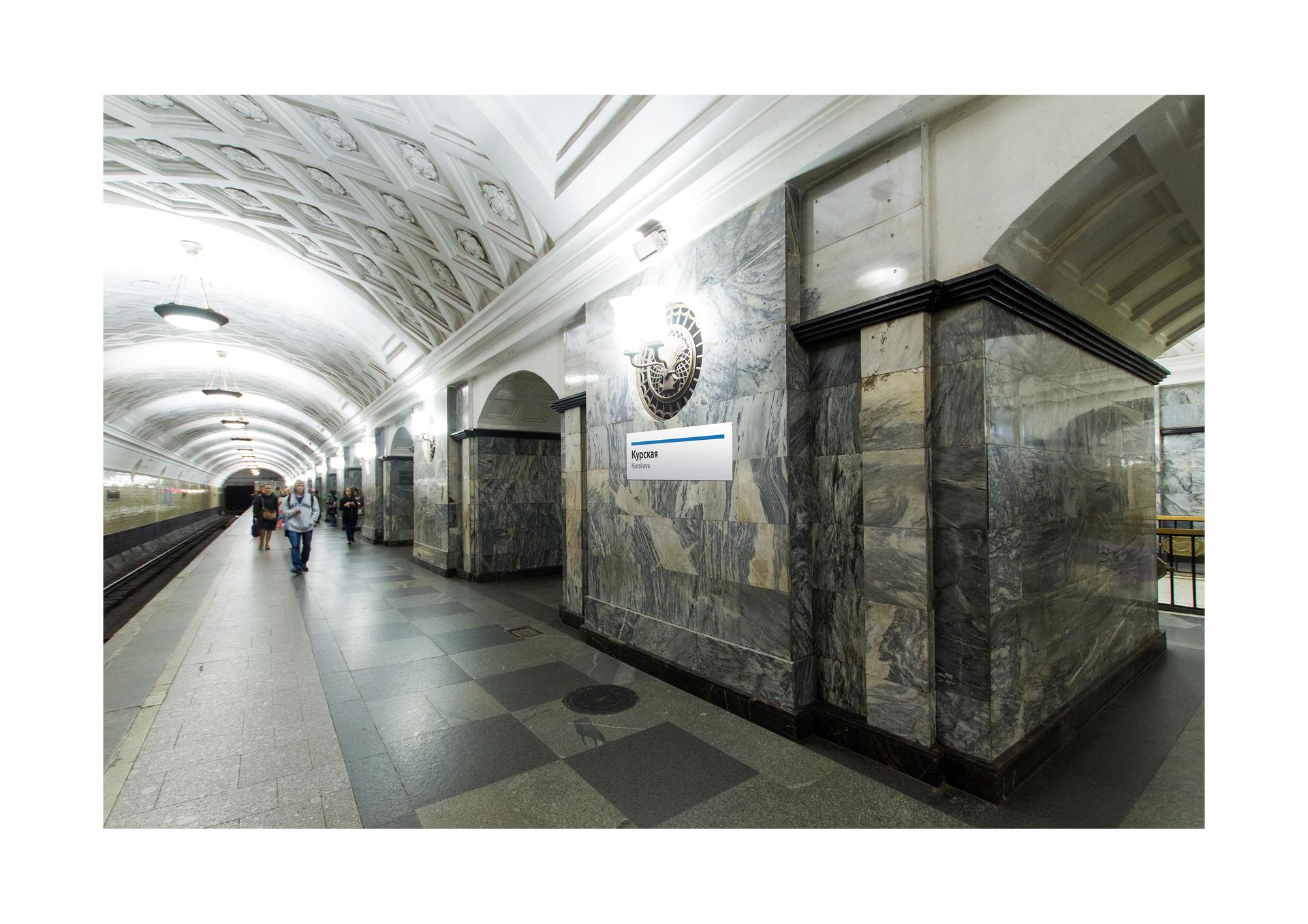
This is one of the "gate" stations of Moscow, which greets visitors with a sophisticated game of Ural marble nuances. A curious historical fact: during the Great Patriotic war the station was used as a branch of the State Public Historical Library.

"Kurskaya" metro station, Arbat-Pokrovskaya line
This is one of the "gate" stations of Moscow, which greets visitors with a sophisticated game of Ural marble nuances. A curious historical fact: during the Great Patriotic war the station was used as a branch of the State Public Historical Library.
5.00
Вы можете воспользоваться QR-кодом, чтобы открыть эту страницу в нашем приложении
Годы постройки:
1938 г.
Архитекторы:
Л.М. Поляков
Эпоха:
1930s
Информация о здании

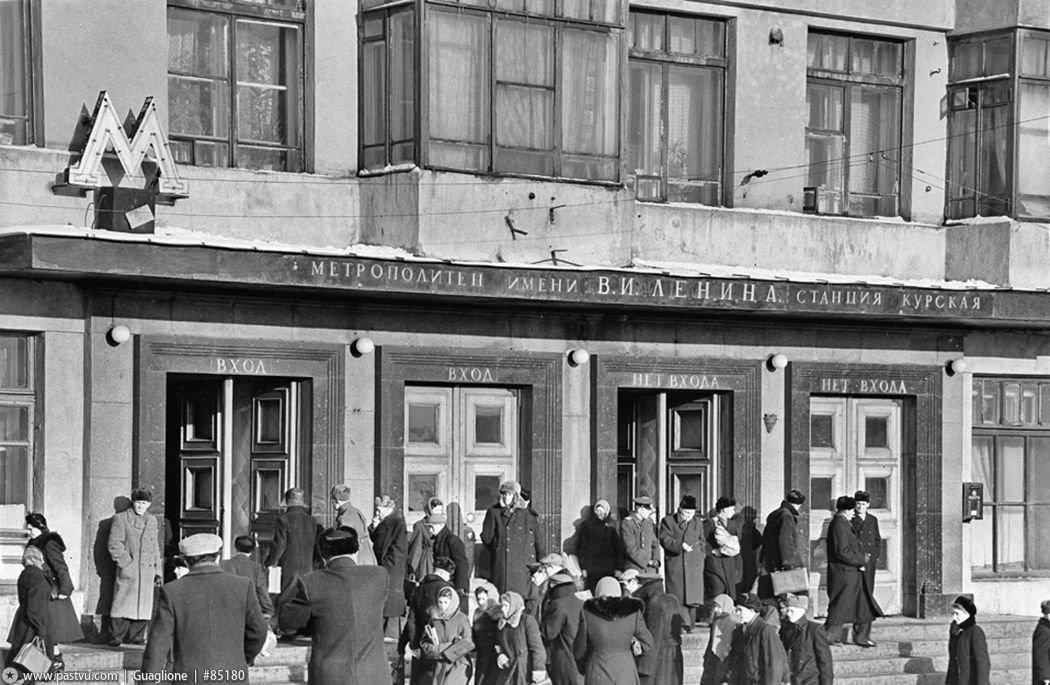
Станция метро «Курская» Арбатско-Покровской линии была открыта 13 марта 1938 г. и до 1944 г. была конечной. Архитектор Л. Поляков и инженеры-конструкторы Н. Комаров и Г. Кибардин создали проект станции, которая располагается диагонально по отношению к площади Курского вокзала. Эта трехсводчатая пилонная станция глубокого заложения по проекту носила название «Курский вокзал», которое в итоге сократили до «Курской».

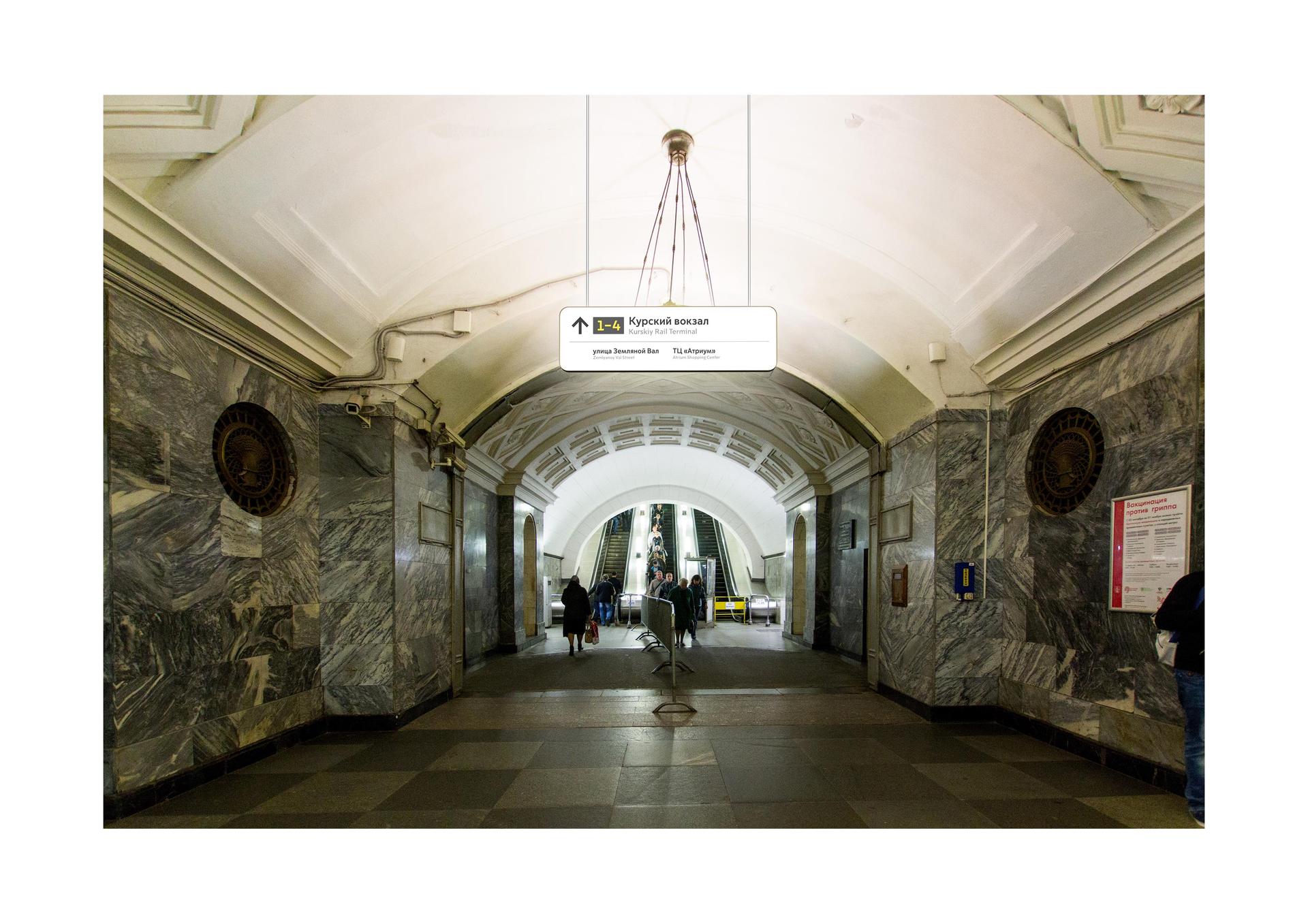
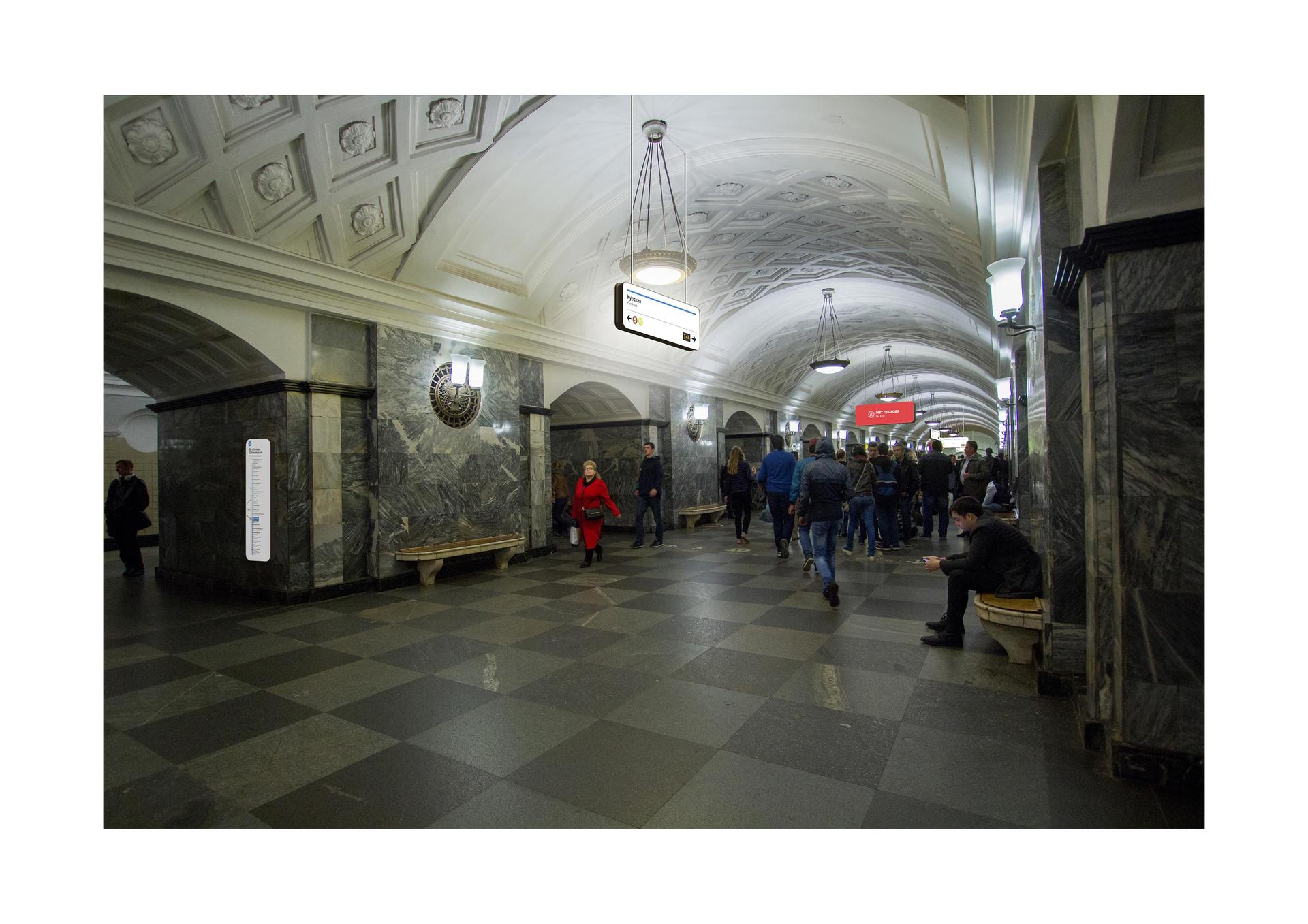
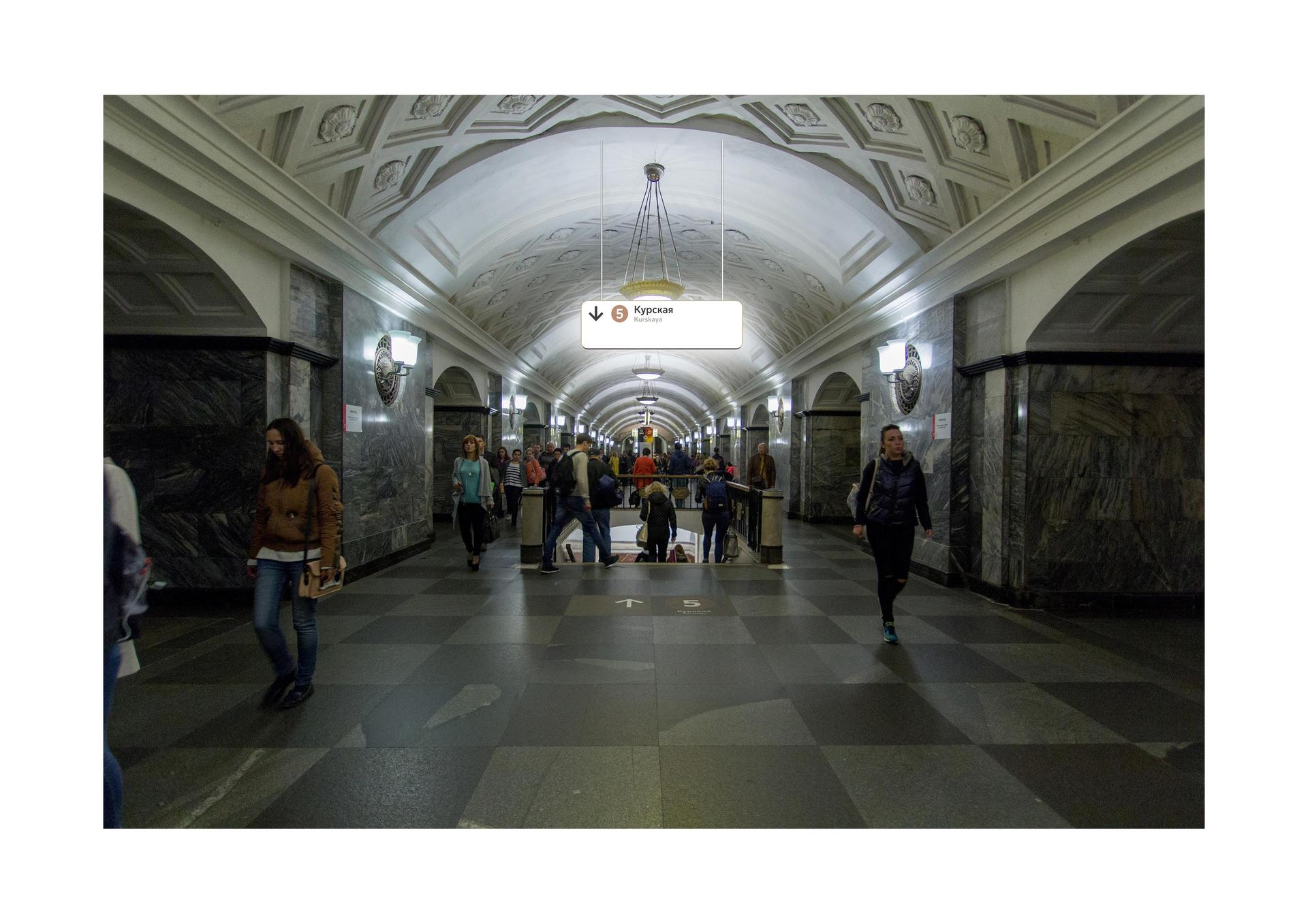
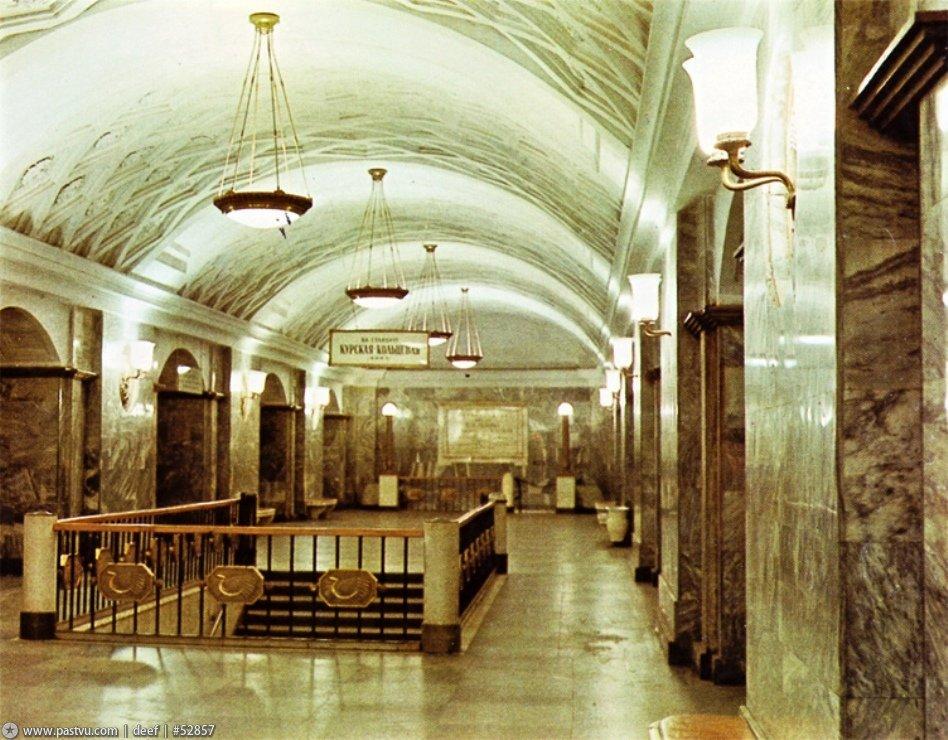
Два ряда пилонов, которые держат центральный свод, объединены общими карнизами. В каждом пилоне есть круглое вентиляционное отверстие, которое закрыто кружевной бронзовой решеткой с изображением колосьев. Позже на эти решетки укрепили бра, которые освещают мраморные скамьи, стоящие у каждого пилона. Все три свода этой станции обработаны ромбовидными кессонами. Кессоны прерываются широкими арочными полосами, «вырастающими» из пилонов. Путевые стены облицованы снизу черным мрамором, а сверху — белой керамической плиткой. Пол станции выложен серым гранитом с геометрическим рисунком из черного диабаза и красного гранита.

Основным же отделочным материалом является уральский голубовато-серый мрамор Уфалейского месторождения. Зодчий тщательно подбирал отдельные плиты этого материала, создавая игру нюансов, которая избавила оформление станции от монотонности.

Освещение станции создается подвешенными к сводам чашами из хрустального стекла в бронзовой оправе и дополнительными бра.

Интересно, что во время Великой Отечественной войны станция использовалась не только как бомбоубежище: на ней находился филиал Государственной публичной исторической библиотеки.

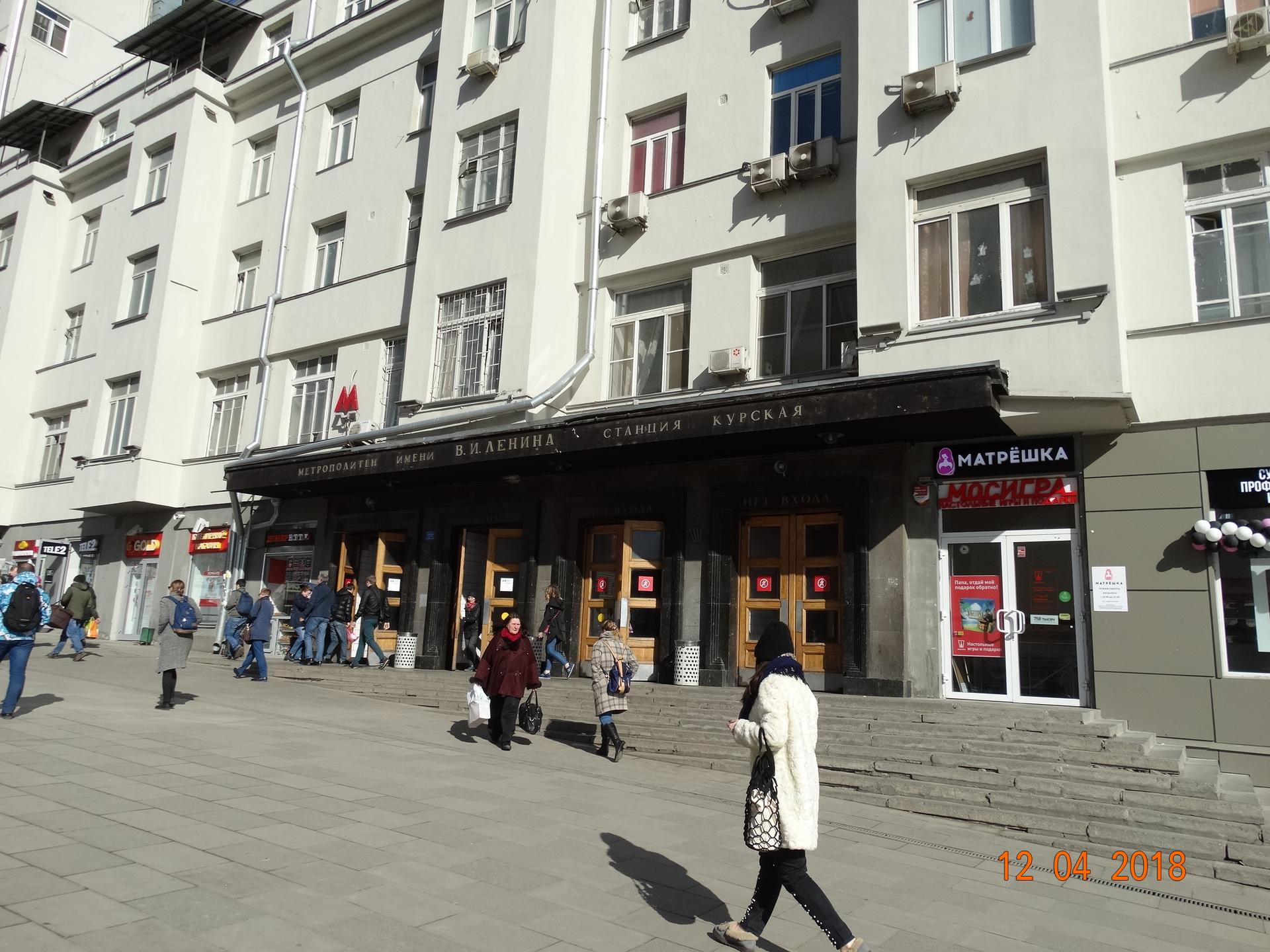
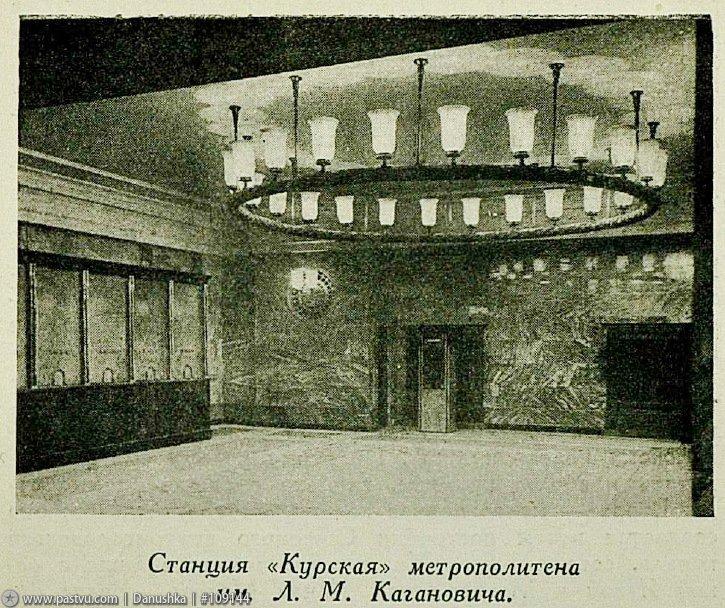
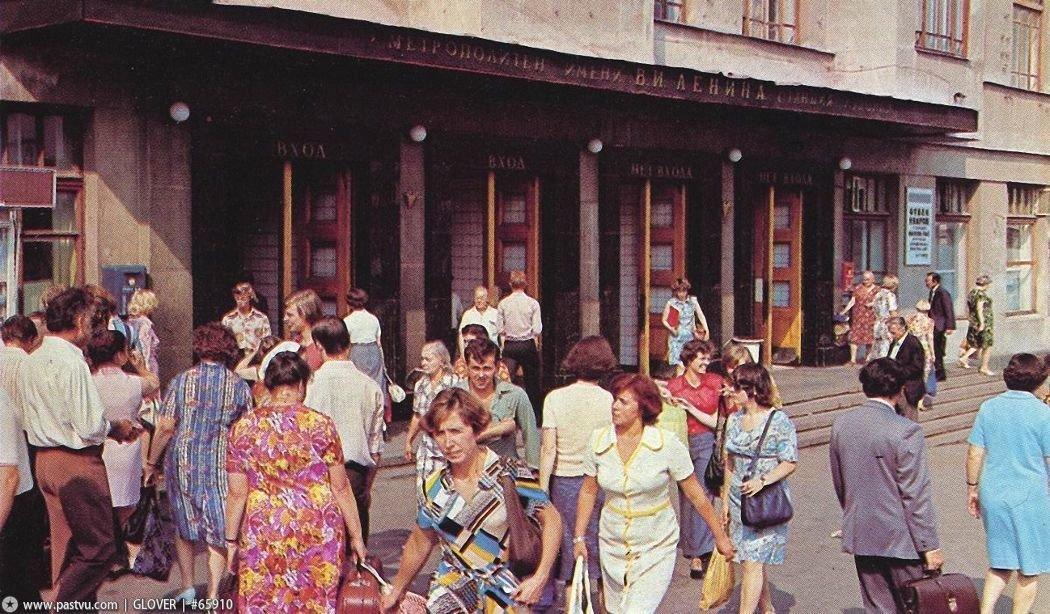
По проекту станция имела два выхода в город, но в итоге сооружен был только один. По нему можно попасть в круглый аванзал вестибюля с колоннадой по периметру и мощной колонной в центре. Эта колонна, украшенная затейливой лепниной, сильно расширяется кверху, создавая впечатление своеобразного «каменного цветка». Наземный вестибюль встроен в первый этаж жилого дома на площади Курского вокзала.
This is one of the "gate" stations of Moscow, which greets visitors with a sophisticated game of Ural marble nuances. A curious historical fact: during the Great Patriotic war the station was used as a branch of the State Public Historical Library. The metro station "Kurskaya" of Arbat-Pokrovskaya line opened on March 13th, 1938 and until 1944 was the final station of the line. Architect Polyakov and design-engineers Komarov and H. Kibardin created a project of the station, which is located diagonally with respect to the Kursk railway station square. This three-vaulted pylon station of deep foundation initially called "Kursk Station" and then eventually got shortened to "Kurskaya". Two rows of pylons that hold the central arch, united by common cornices. Each pole has a circular vent, which is closed by a lace bronze bar with a picture of ears. Later on these grates were strengthened by sconces, which illuminate the marble benches standing at each pylon. All three sets of this station processed diamond-shaped caissons. Caissons are interrupted by wide arched bands, "grow" out of the pylons. The track walls are lined with black marble from the bottom, and on top - white ceramic tiles. The floor of the station is lined with gray granite with a geometric pattern of black diabase and red granite. The main finishing material is Ural blue- gray marble of Ufaley field. The architect has carefully selected individual plates of this material, creating the game of nuances, which deprived the the station of monotony design. The lighting of the station is created by bowls of crystal glass in bronze frames suspended from the vaults and additional sconces. Interestingly enough that during the Great Patriotic War, the station was not only used as a bomb shelter. There was a branch of the State Public Historical Library. According to the draft, the station had two exits to the city, but in the end only one was built. Via this exit people can get in a round anteroom lobby with a colonnade around the perimeter and a strong pillar in the center. This column is decorated with intricate moldings, expands strongly upwards, creating the impression of "stone flower" of a kind. Ground lobby is built on the ground floor of a residential building located on Kursk station square.
Автор статьи: Егор Егорычев
Поделитесь статьей с друзьями
Интересное рядом(4)