.jpg&w=1920&q=75)
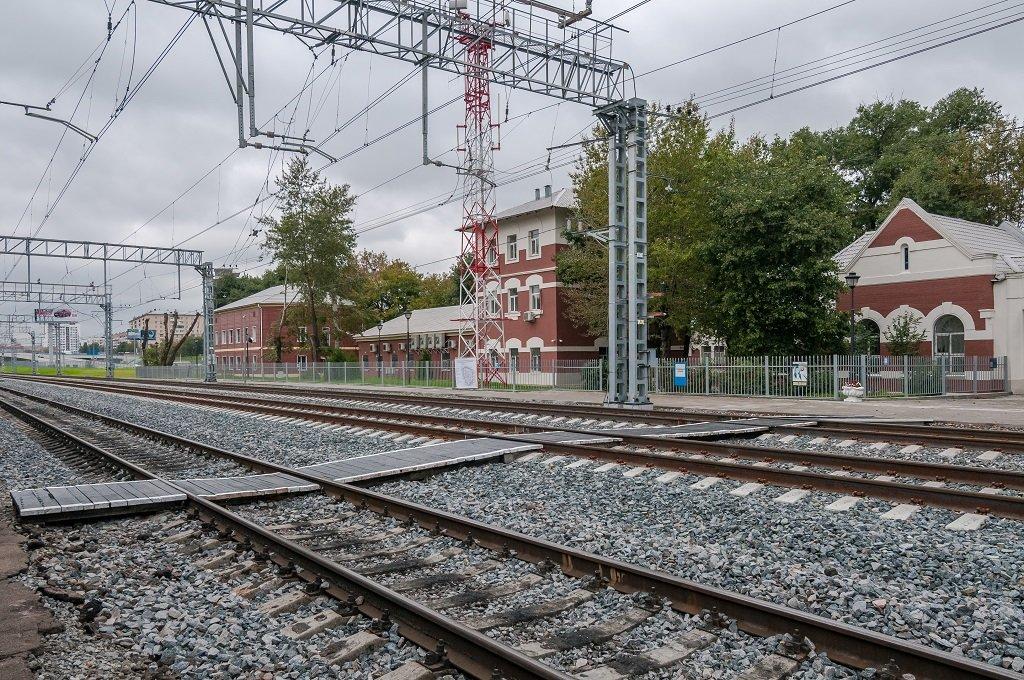
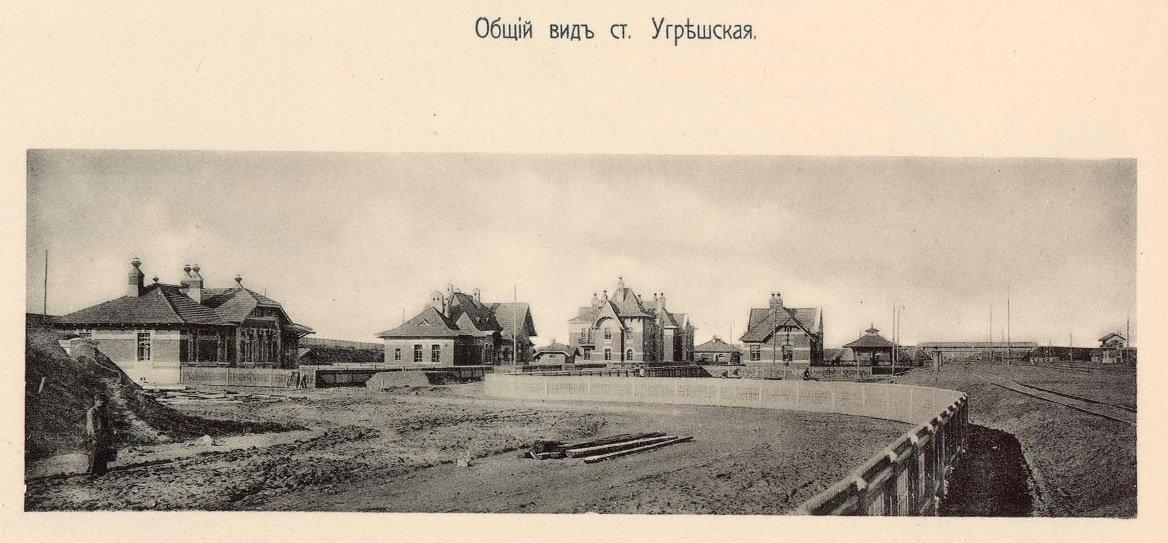

Станция Угрешская является второй по значимости станцией Московской Окружной железной дороги. Станция названа в честь Николо-Угрешского монастыря (основан Дмитрием Донским в 1380 году), дорога к которому шла мимо станции. Угрешская связывает МОЖД с Курским направлением – ветвью №16 Угрешская – Люблино. Также была построена ветвь №17 от Угрешской к станции Бойня Московско-Казанской железной дороги, состоявшей из двух парков и обслуживавшей городские бойни (ныне Микояновский мясокомбинат).
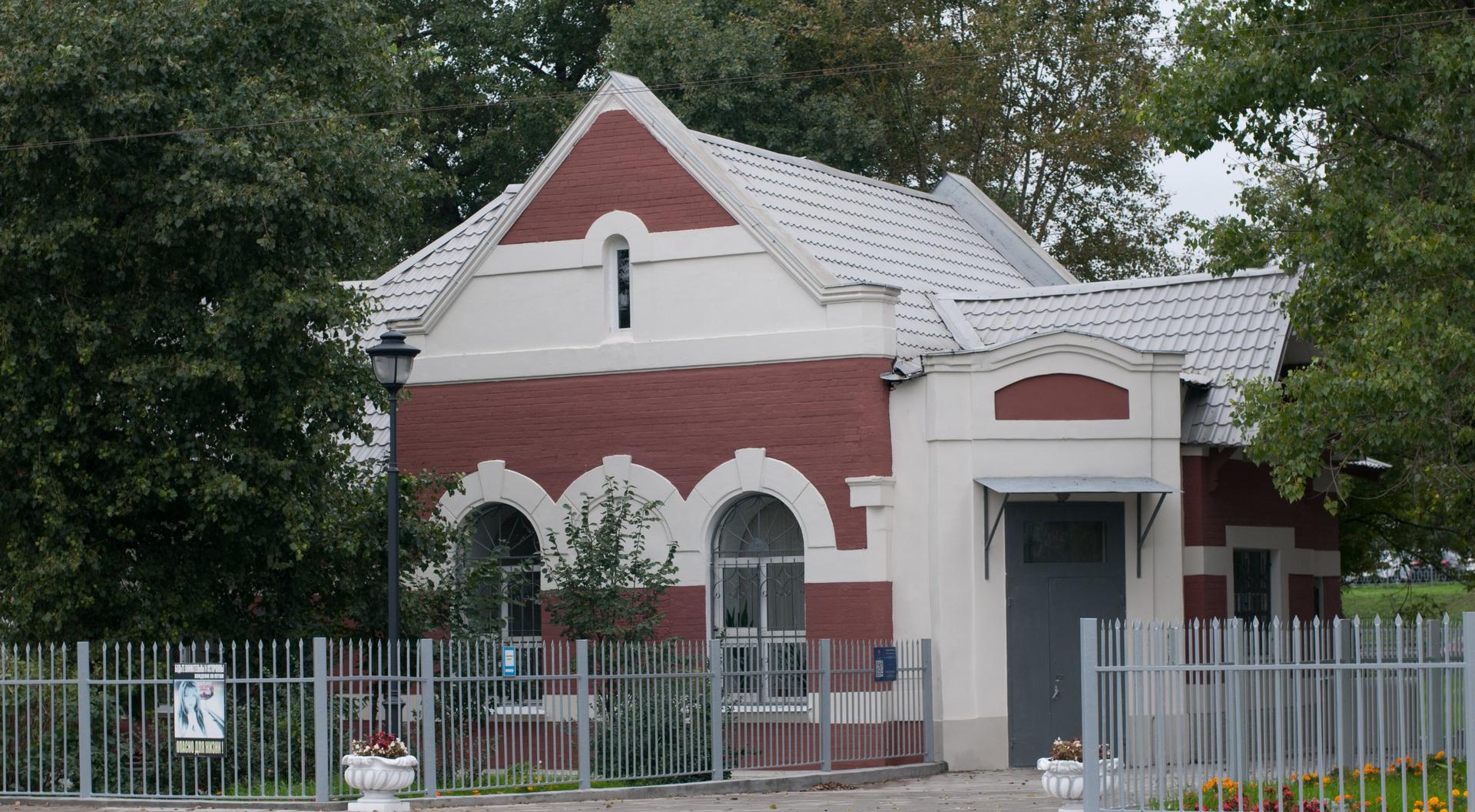
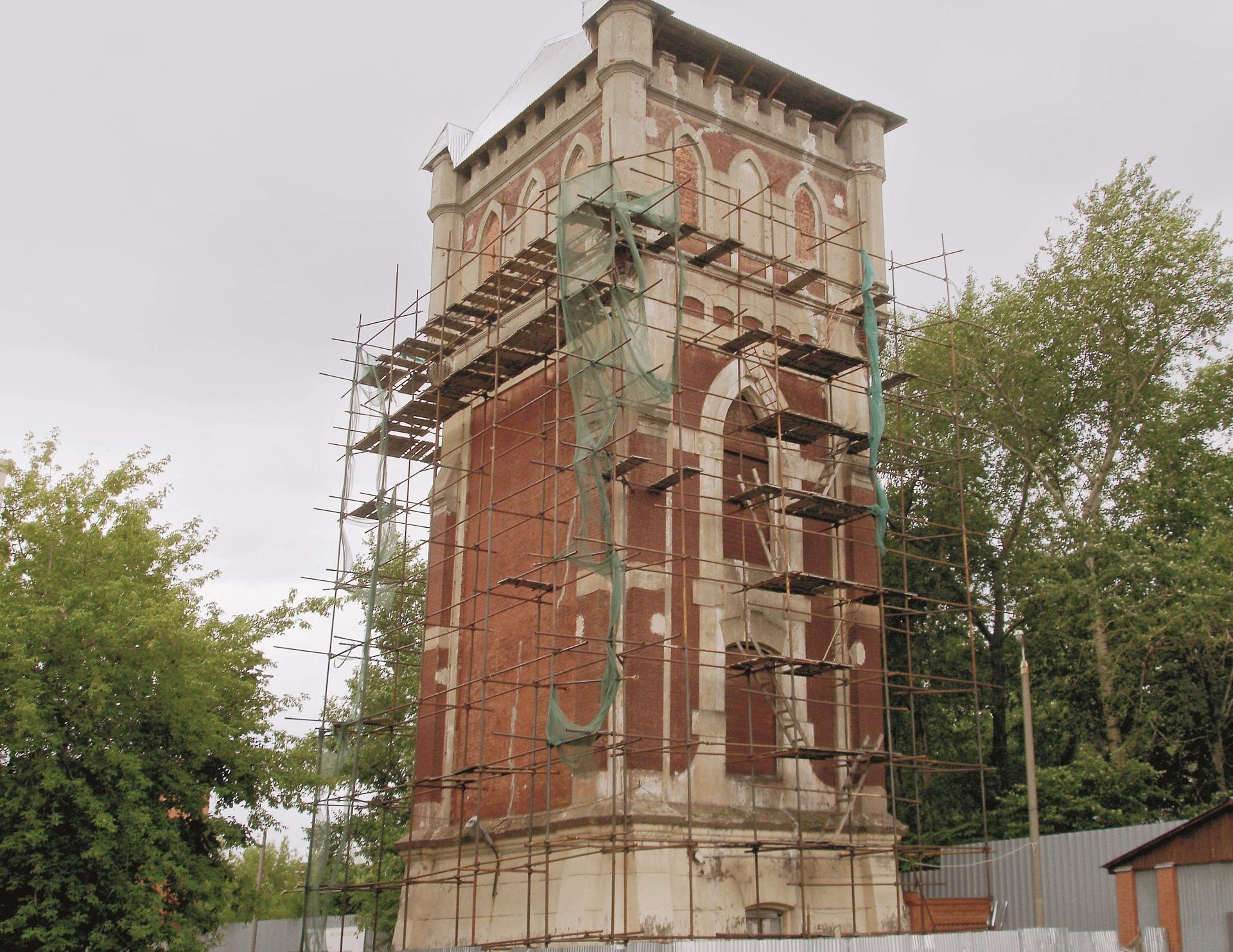
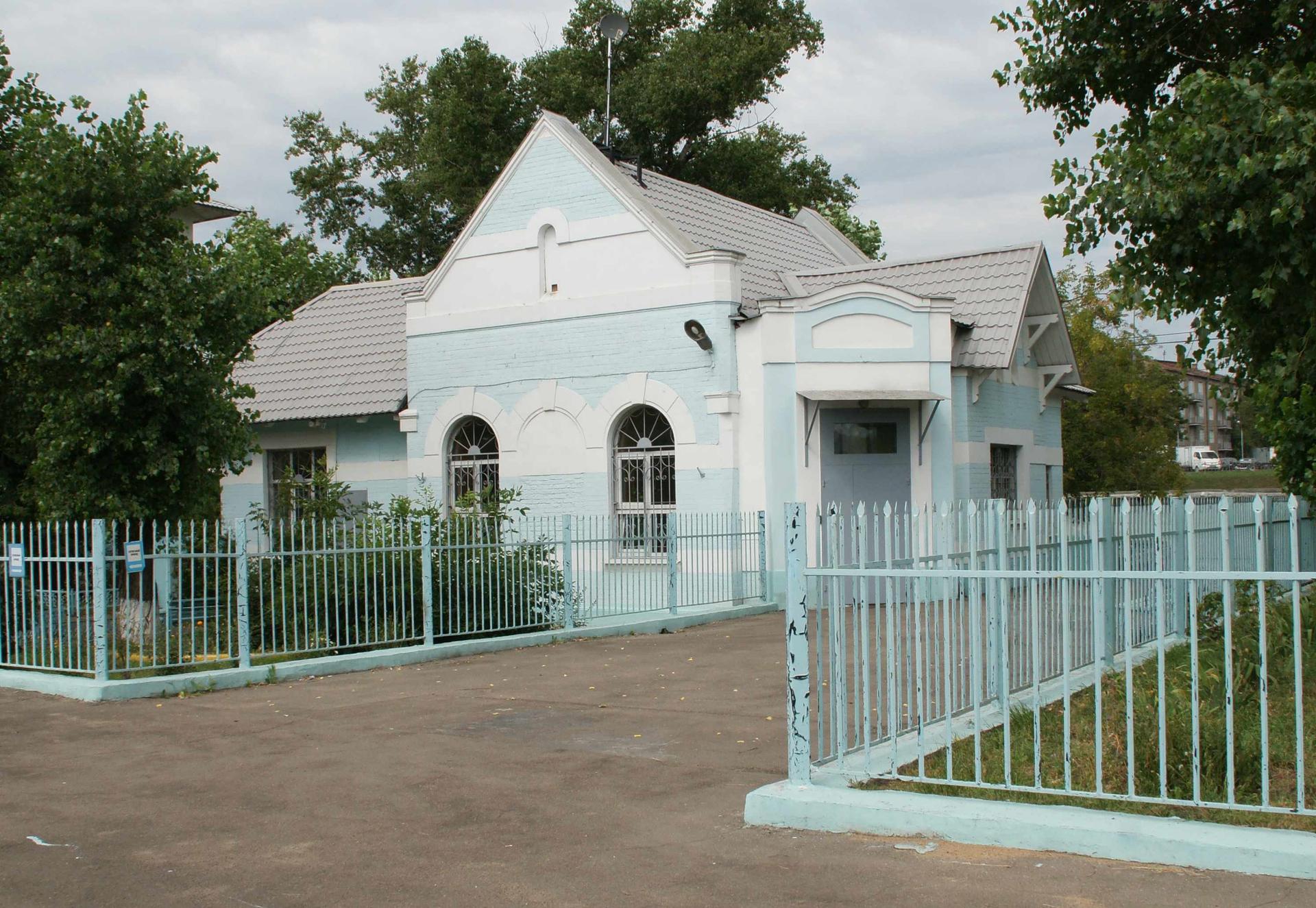
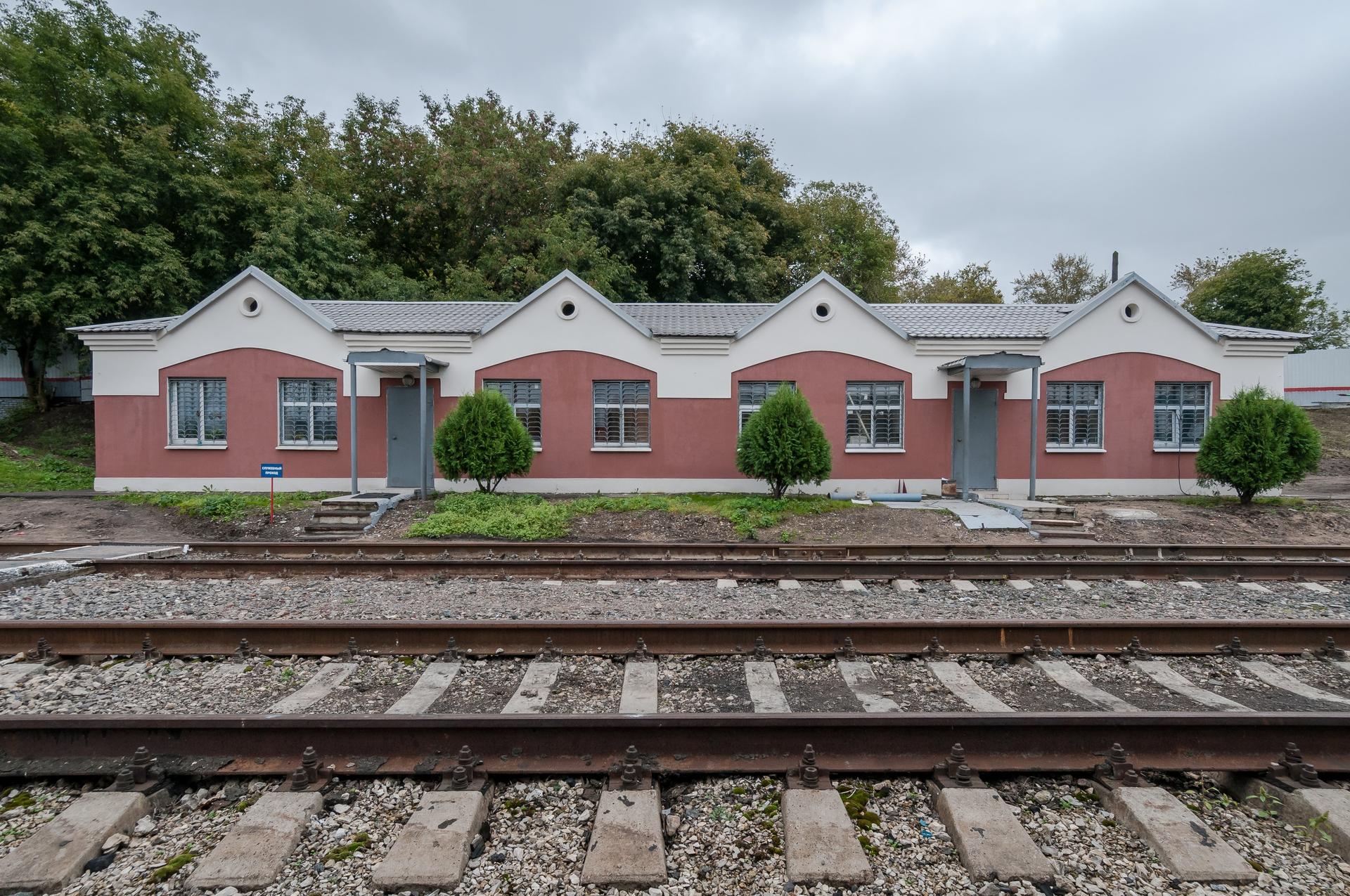
Станционный комплекс Угрешской делится на две части. Гражданские постройки для сотрудников ж/д и пассажиров расположены на внутренней стороне кольца, а продовольственный военный пункт и товарные объекты – на внешней. Угрешский станционный комплекс включает в себя следующие объекты культурного наследия: пассажирское здание, уборную, баню, два жилых дома, приемный покой, дом помощника начальника участка пути, водоемное здание, казарму. Уникальное архитектурное сооружение – водоемное здание, созданное по принципам архитектурного направления "историзм". Своими формами и пропорциями здание напоминает древнюю башню монастырской или замковой крепостной стены.
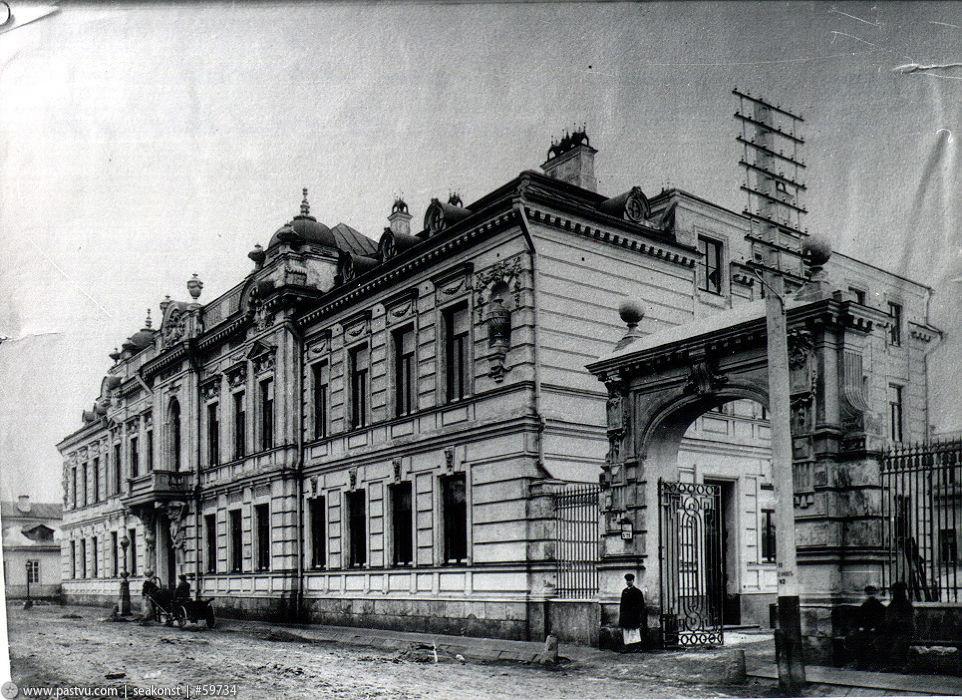
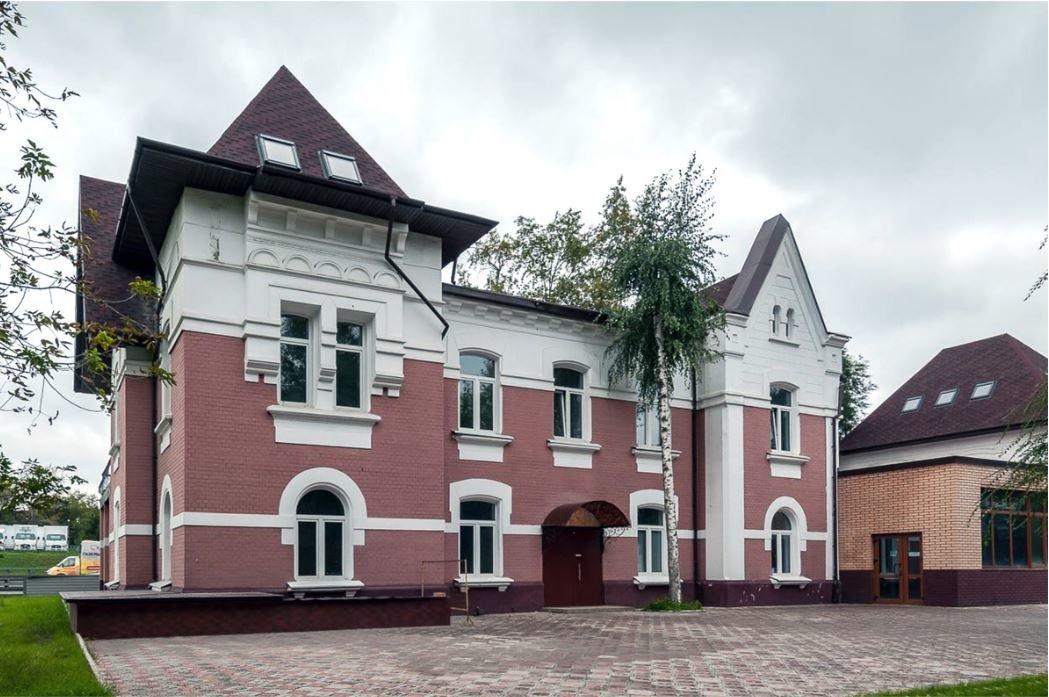
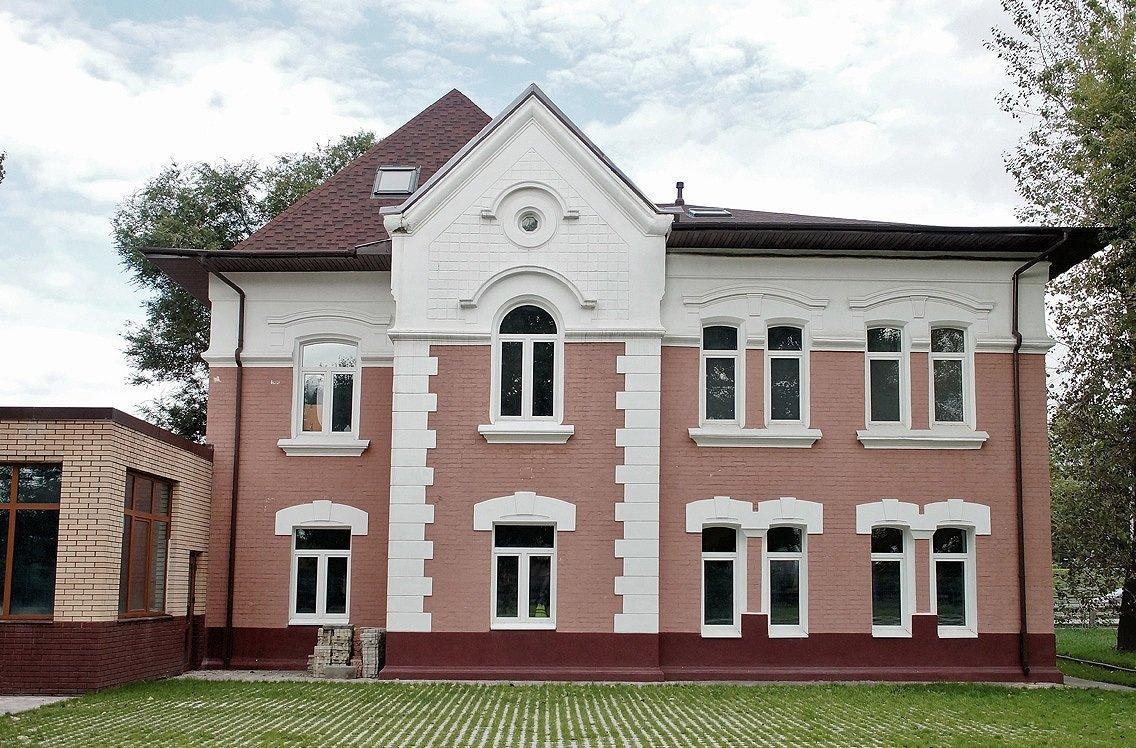
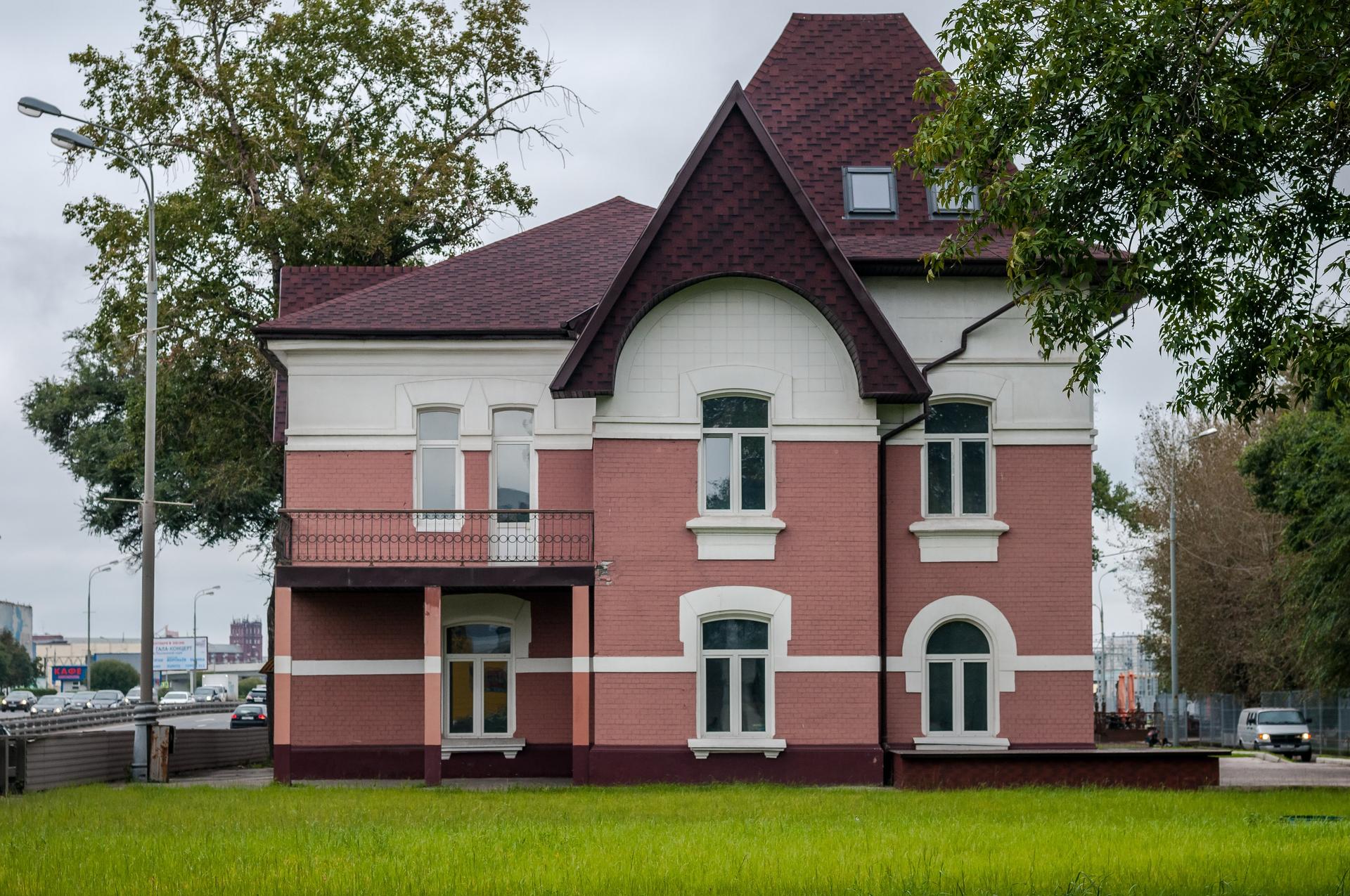
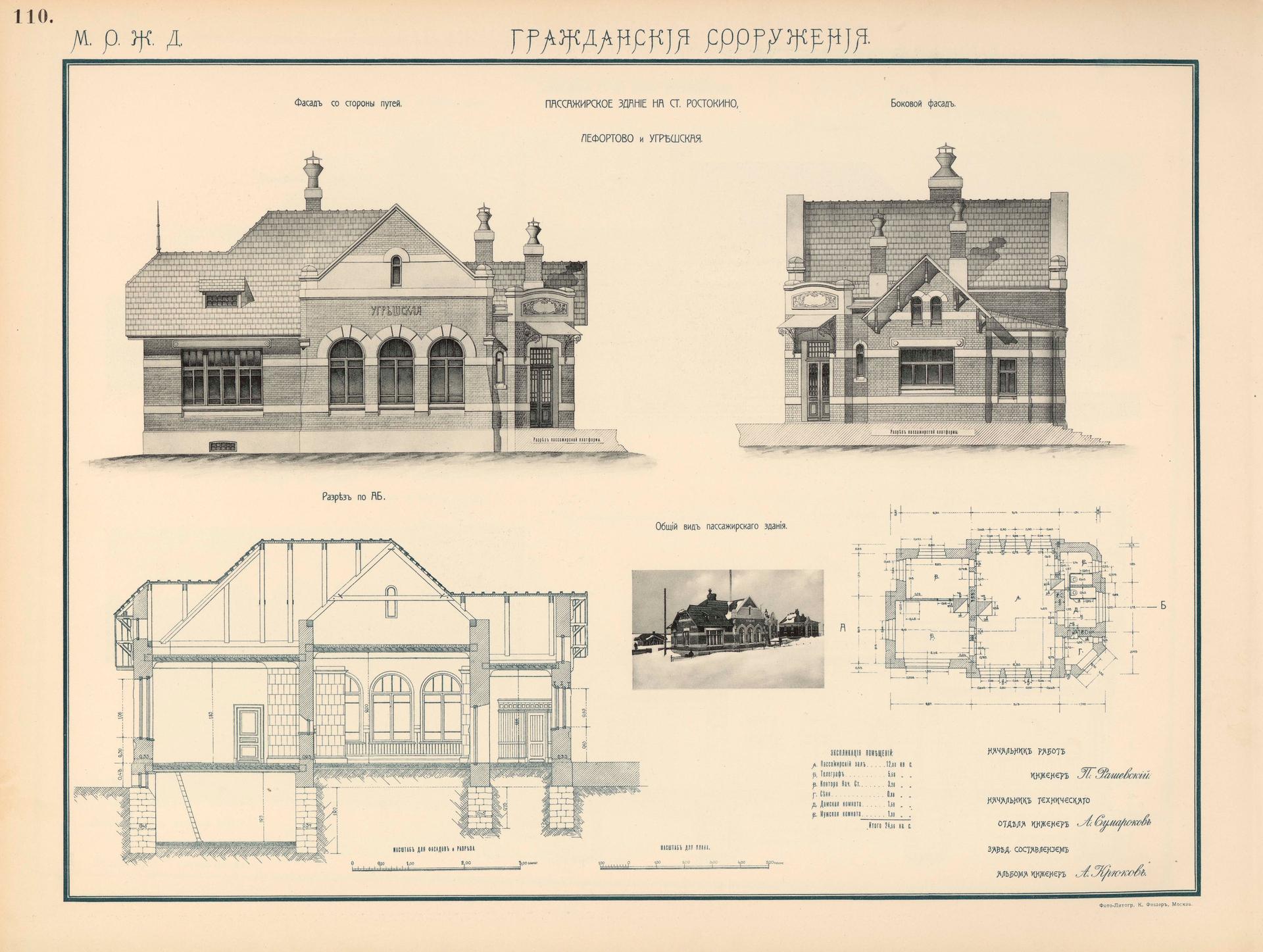
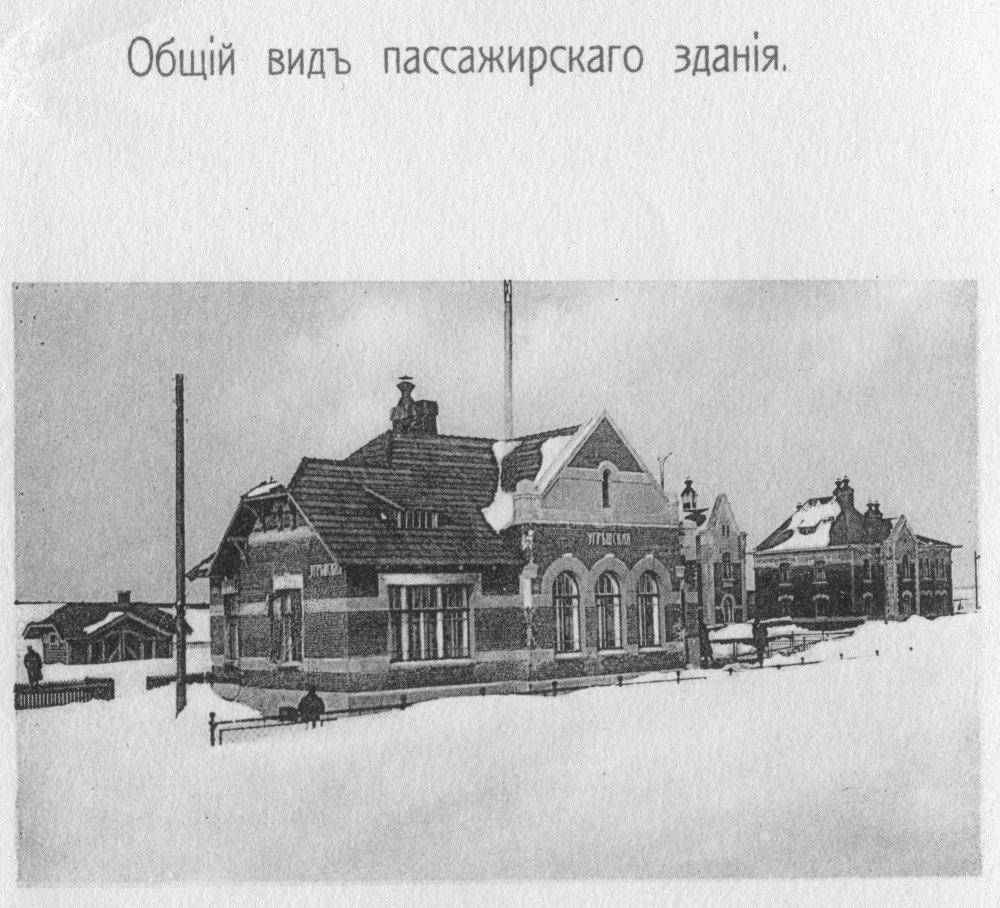
Пассажирское здание построено по типовому проекту и повторяет вокзалы Ростокино и Лефортово. Жилые дома также являются типовыми и повторяются на многих станциях. Представляет интерес дом помощника начальника участка пути, имеющий яркое архитектурное решение, которое выделяет его из остального ансамбля дороги и перекликается с домом начальника участка тяги на станции Лихоборы.
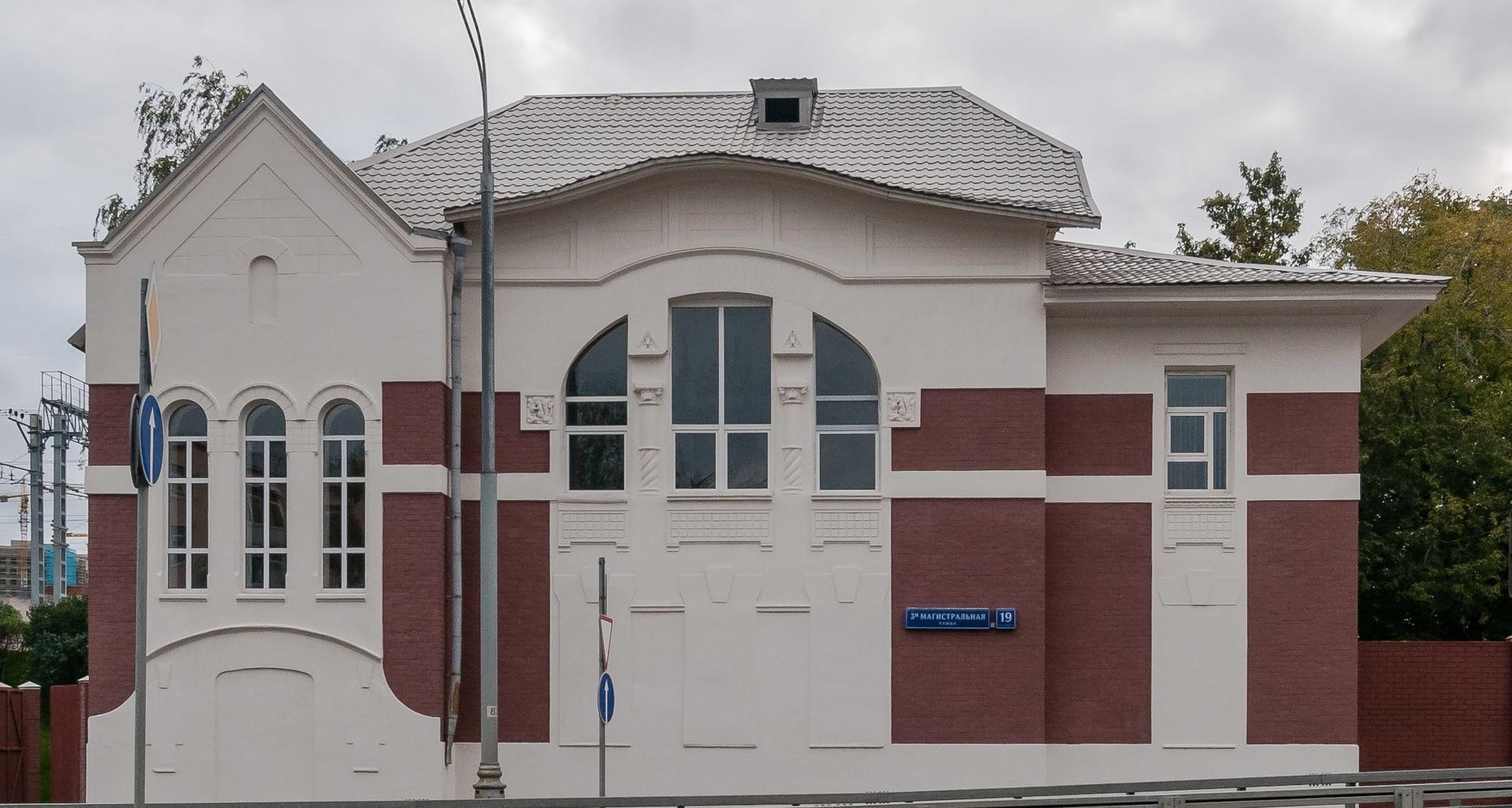
Рядом с водоемной башней находится военный продовольственный пункт для питания солдат из воинских эшелонов. Его составляют оформленные в стиле модерн кухня, казарма для команды, два здания столовых, уборная при продовольственном пункте, дом команды, дом коменданта, а также "отхожее место на 52 очка".
Угрешская с момента открытия является крупнейшей станцией МОЖД, как Андроновка и Лихоборы. Местность, выбранная для этой станции в начале XX века, создавала удивительный контраст с железнодорожным ансамблем модерна. Здания станции окружали болота, кладбища, городские свалки и старая бойня.
Любопытны воспоминания К.М. Хлебникова, бывшего заместителя начальника станции Угрешской, о своем детстве "На пригородной станции": "…Летом выйдешь из дома и видишь одни поля, засеянные овсом, викой, картофелем. Где-то вдали смутно различаются строения, расположенные около Крестьянской заставы. В сторону Люблино тянулись болота. Человек, не знакомый с этими местами, легко мог попасть в беду, провалиться и утонуть в трясине. Вблизи станции не было ни одной школы. Дети железнодорожников учились на Таганке или в Симоновской слободе, в осеннюю непогодь месили грязь на дорогах, зимой мерзли от ледяного ветра. А сколько неудобств доставляла покупка продовольствия и промышленных товаров! Ближе, чем у Крестьянской заставы, не было ни одного магазина. Неспешно шла работа на станции: за час пройдет лишь один поезд по кольцу на Люблино".
This area was considered "the most desolate and dull" part of the Circular Lane of Moscow Railways.
Apparently, it made strong impression on its contemporaries, who left a huge amount of notes about this particular station.
A journalist with the initials V.G. wrote in his "Impressions of the first ride on the Circular Road» in 1908: " We crossed Semenovskaya connection line of Moscow-Kazan railway, finally entering into the swamps, dumps and all the abominations. Right field irrigation, the old city slaughterhouses, landfills, from which you cannot breathe, and the cholera cemetery on the left, then another cemetery and new landfill, bitch swamp. And in the middle of these malodorous Palestinian flaunts Ugreshskaya station, named after the nearby Ugreshskoe highway. Every day 7,000 barrels of sewage is transported from Moscow by this station! "
Ugreshskaya is the second most important station of the Moscow Circular Railway. It is diametrically opposed to the central station Likhobory. A village of houses and outbuildings remained at the station: a train station houses of the 2nd and 3rd types, sauna, emergency room, the house deputy chief of the way. There are a water tower and military food buildings on the opposite side of the station.
Ugreshskaya Station (located at the 1st Ugreshskiy Passage) was built to the standard design, the buildings are similar stations Rostokino and Lefortovo. There were passenger room - one for all classes, the station master 's office and telegraph.
A house of the deputy chief of the railway (also at the 1st Ugreshskiy Passage) is located opposite the station house. It differs from other Circular Railway’s buildings and has much more striking features of the modern style than the rest of the buildings. Its architecture is close to section chief home at the Likhobory station - the famous "home with an owl." It is believed that the author of this building was F. Shekhtel.
Apartments of station employees: telegraph, signalmen, couplers, etc. are in the homes of the 2nd (6/1 1st Ugreshskiy Passage) and third types (6/3 1st Ugreshskiy Passage).
Paramedics providing medical assistance to the staff station worked in the reception room (3 1st Ugreshskiy Passage). The same peace existed at the Likhobory station.
Informal railway museum, created thanks to the efforts of local bikers is a little further behind the residential buildings on which stands the reconstructed bathhouse. First narrow-gauge train appeared on the Ugreshskaya consisted of locomotive TU6A PV and passenger car PV- 40, real rarity Type A subway car built in 1935 was added in the winter 2013. It was one of the first cars of the Moscow metro.
A water tower (3,5 Ugreshskaya st.) stands on the opposite side of the station built on the model project based on Gothic architecture. Water tower is located on the territory of the military assembly point. Its scientific restoration was commissioned by the military command in 2012-13. The tower can be considered the best preserved buildings at Circular Railway in our time.
It is standing in an enclosed area, but is visible from many points of the station and surrounding areas.
A food distribution point for soldiers of the military trains is near the tower, behind a concrete wall. It consists of kitchen, dining room, bakery, warehouses, the commandant's house, controls the operation of the food item, the barracks for the team, as well as "latrine for 52 points" decorated in Art Nouveau style.
Commandant's house, barracks for the team, a dining room for 600 people, a latrine and one of the grocery warehouses have survived to our time. All buildings are available for external examination.