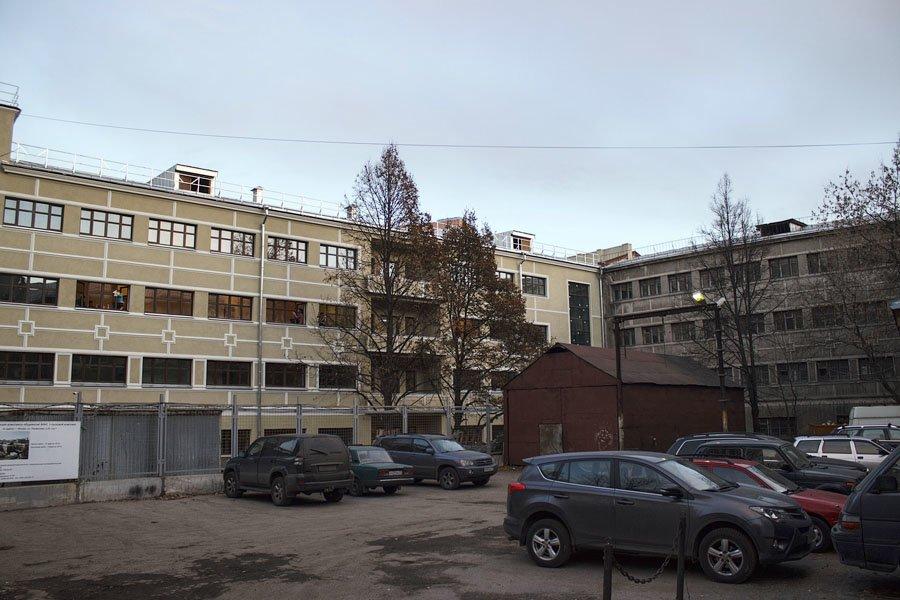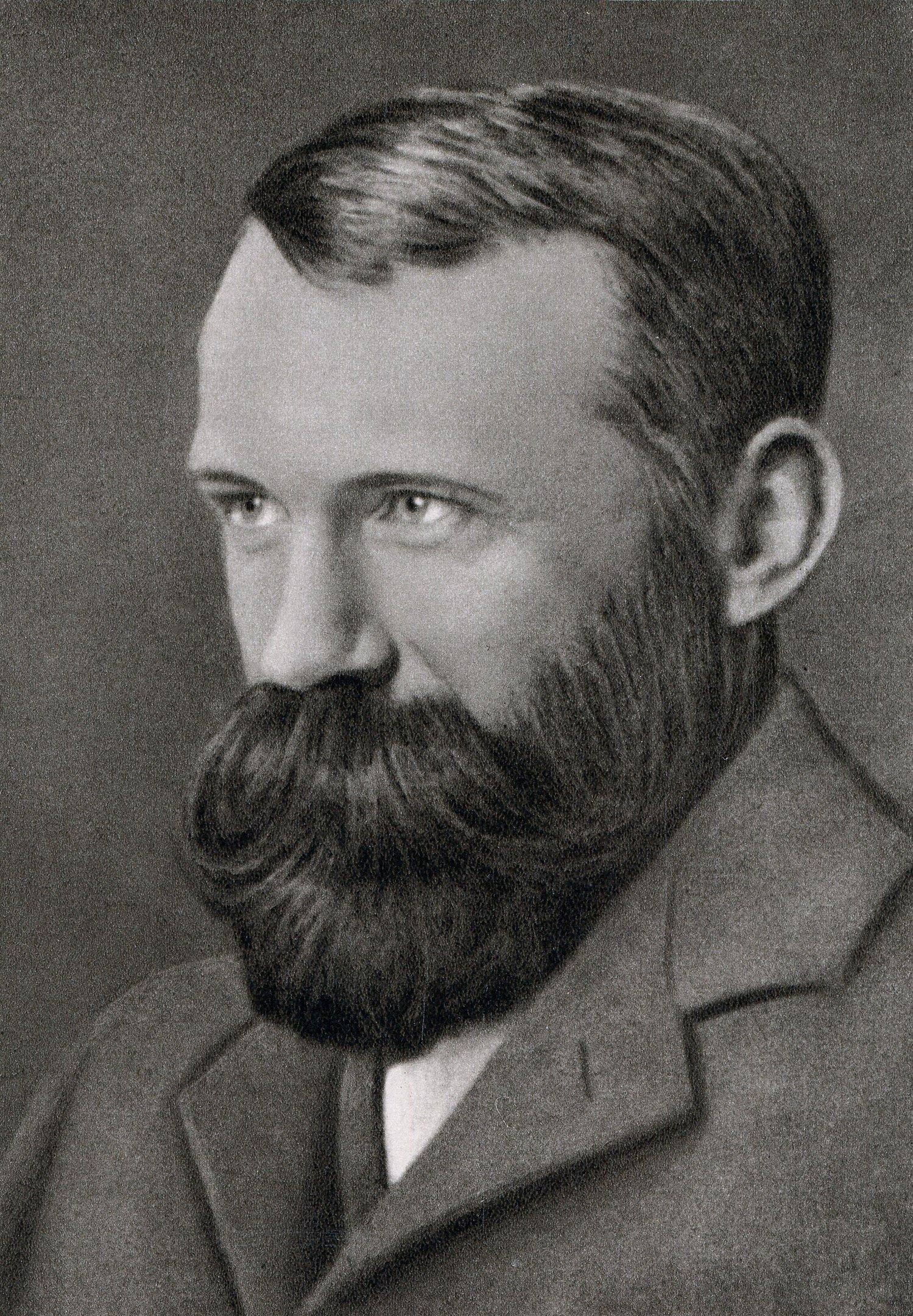
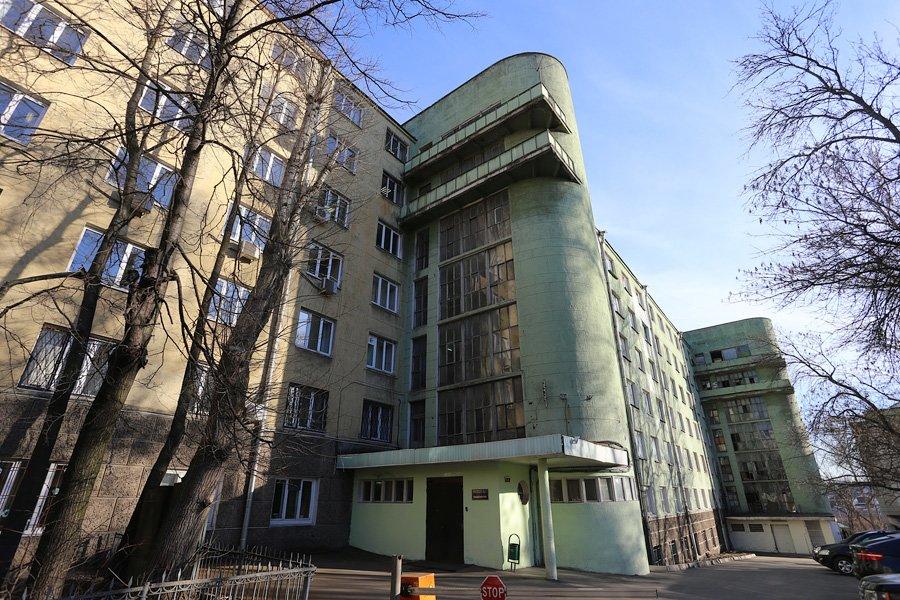
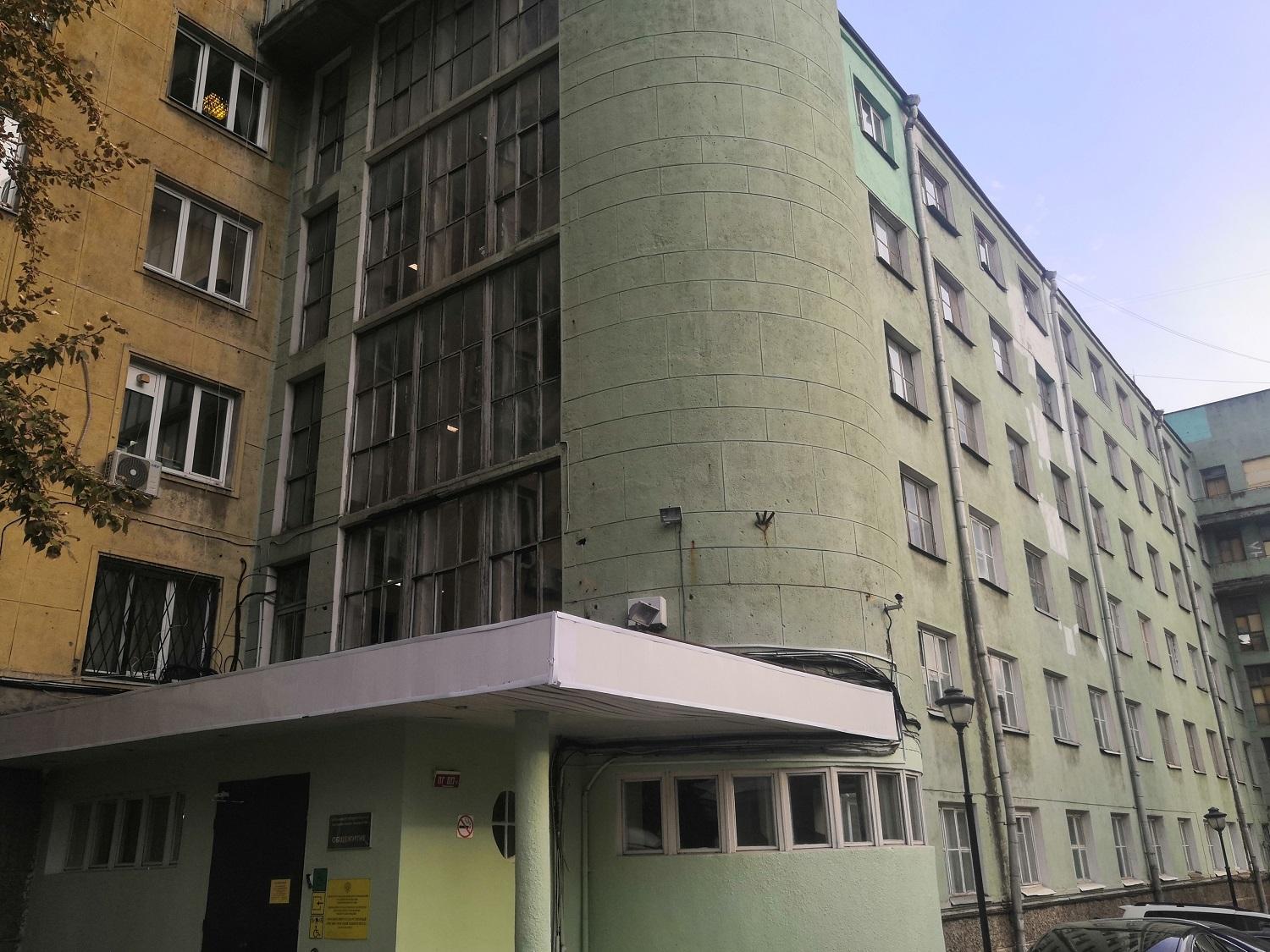
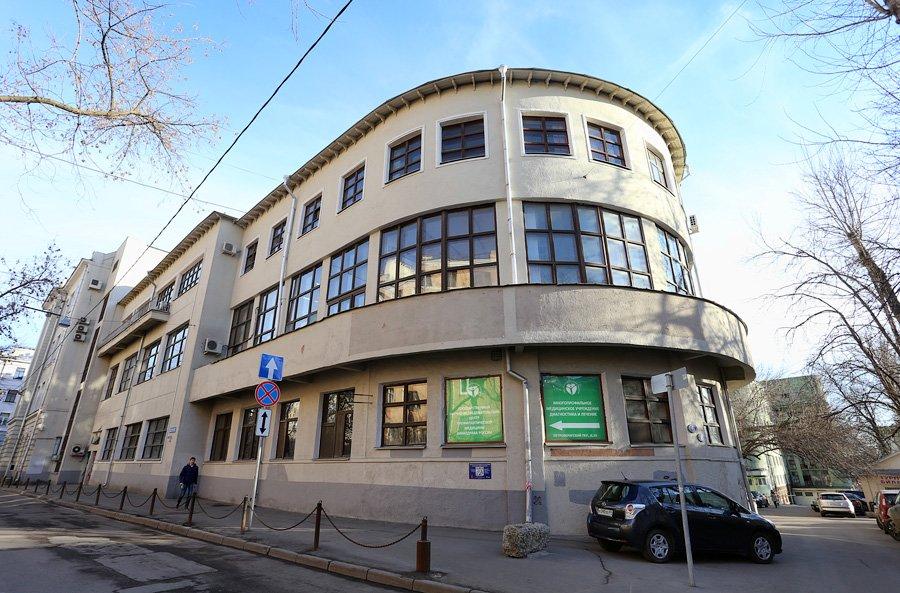
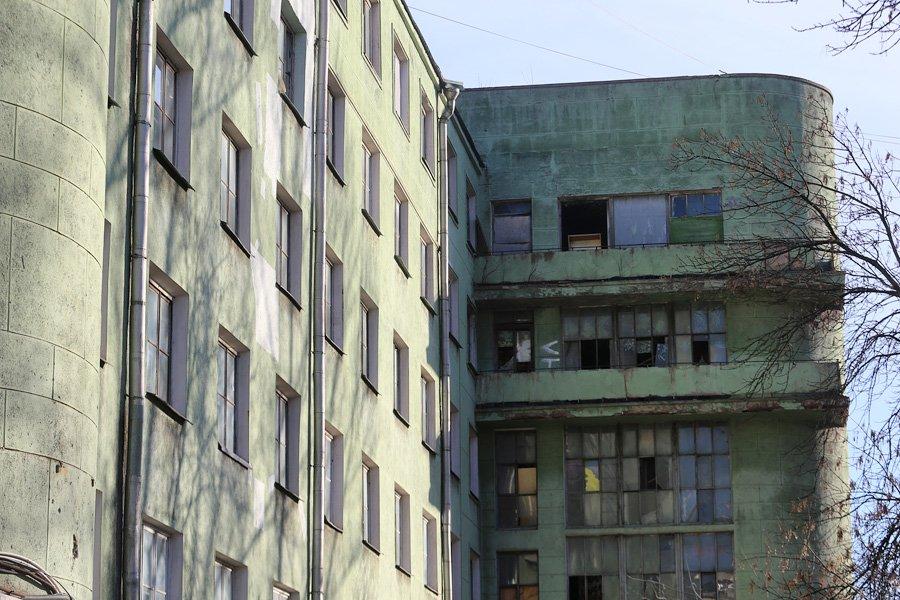
В 1929 году Университет нацменьшинств приступил к строительству общежития для студентов на Маросейке. Для составления проекта общежития был проведен закрытый конкурс, где предпочтение было отдано варианту Георгия Данкмана — в нем три параллельные жилые секции последовательно примыкают к общественному корпусу.
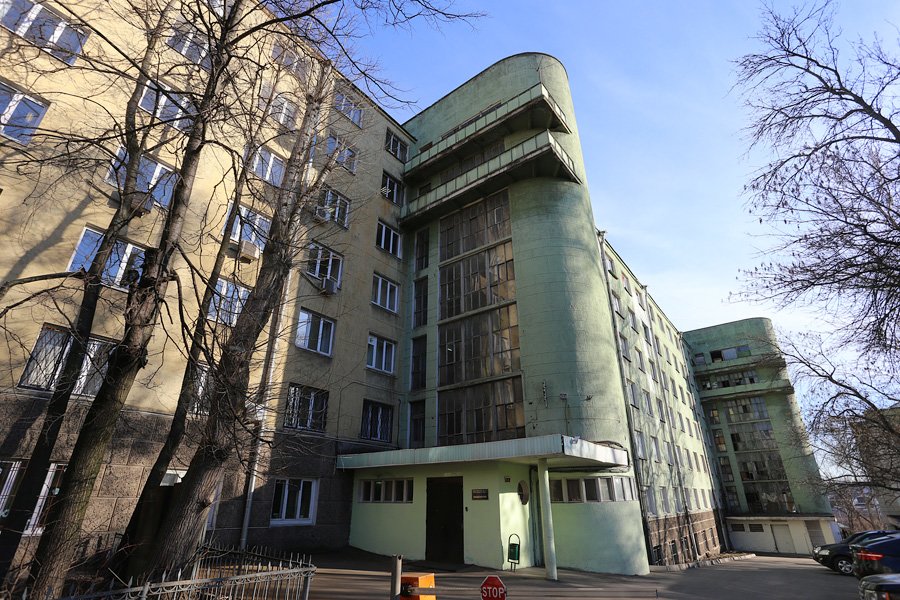
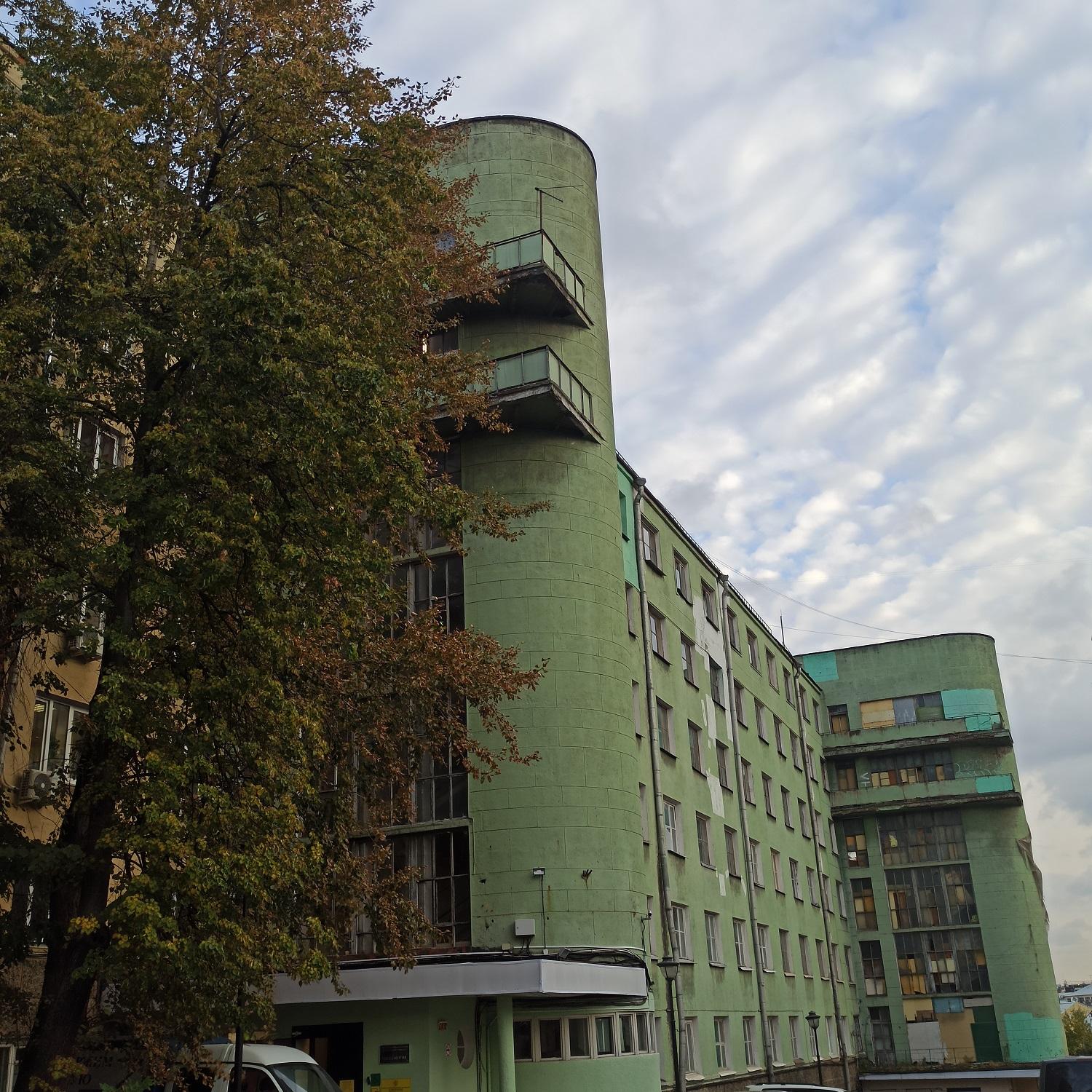
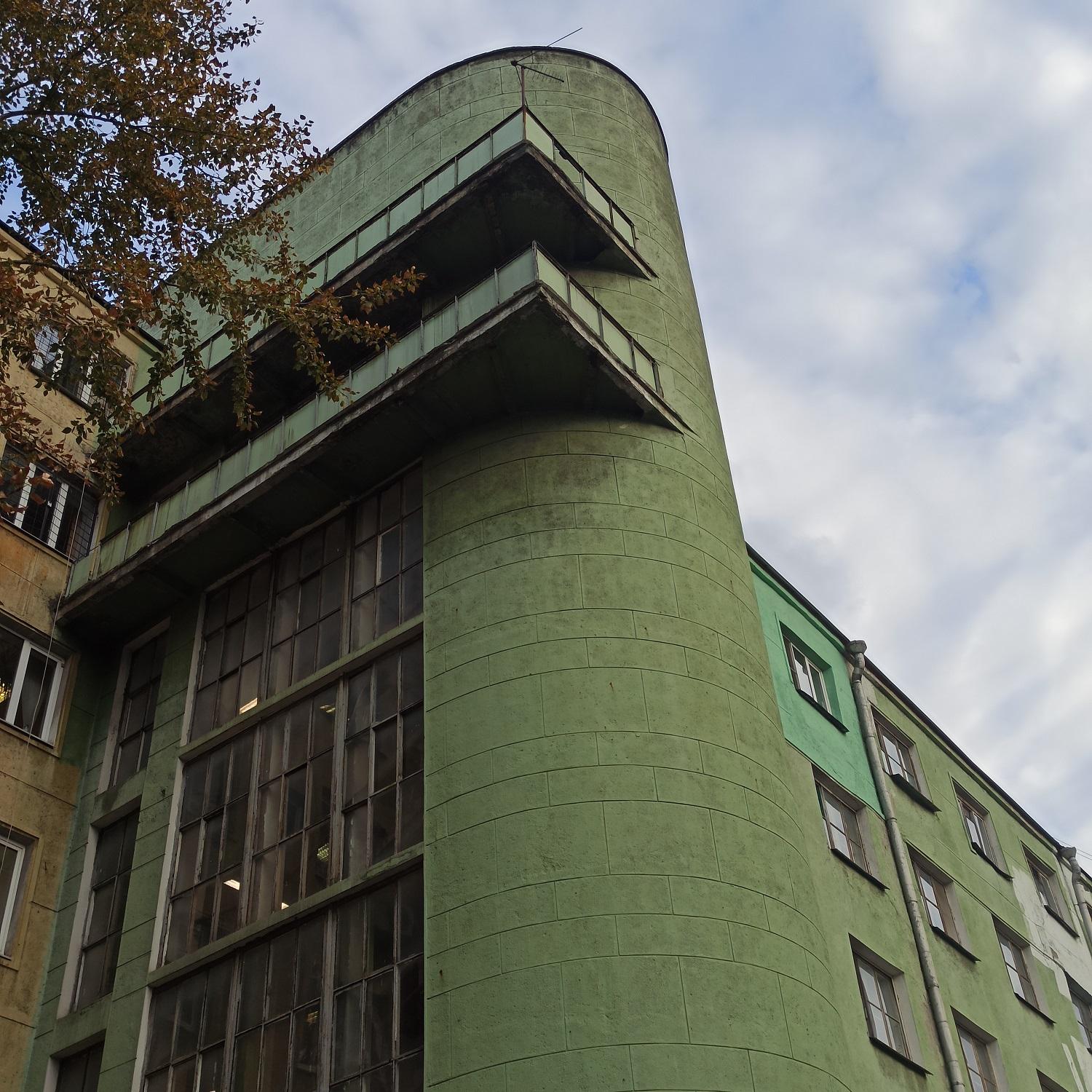
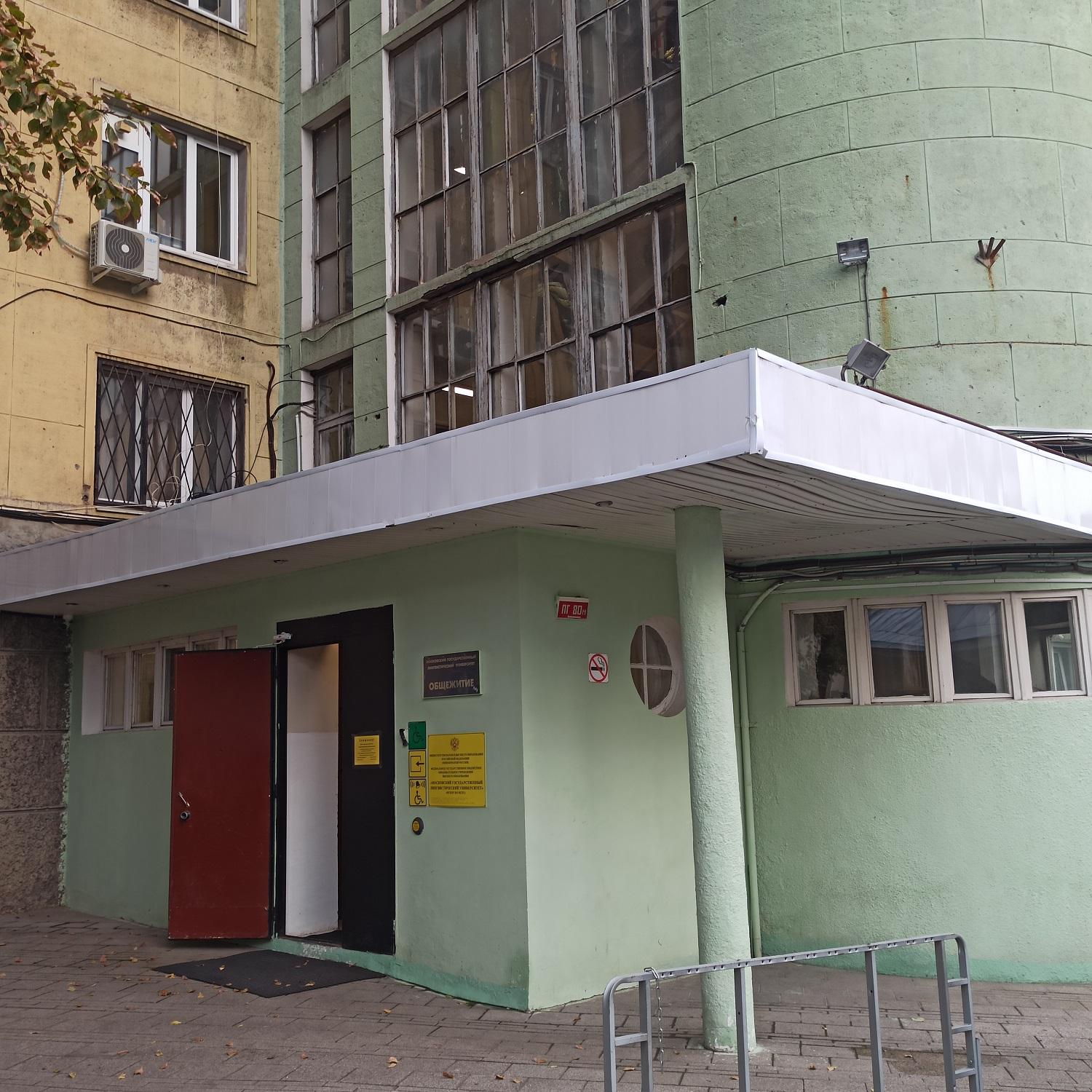
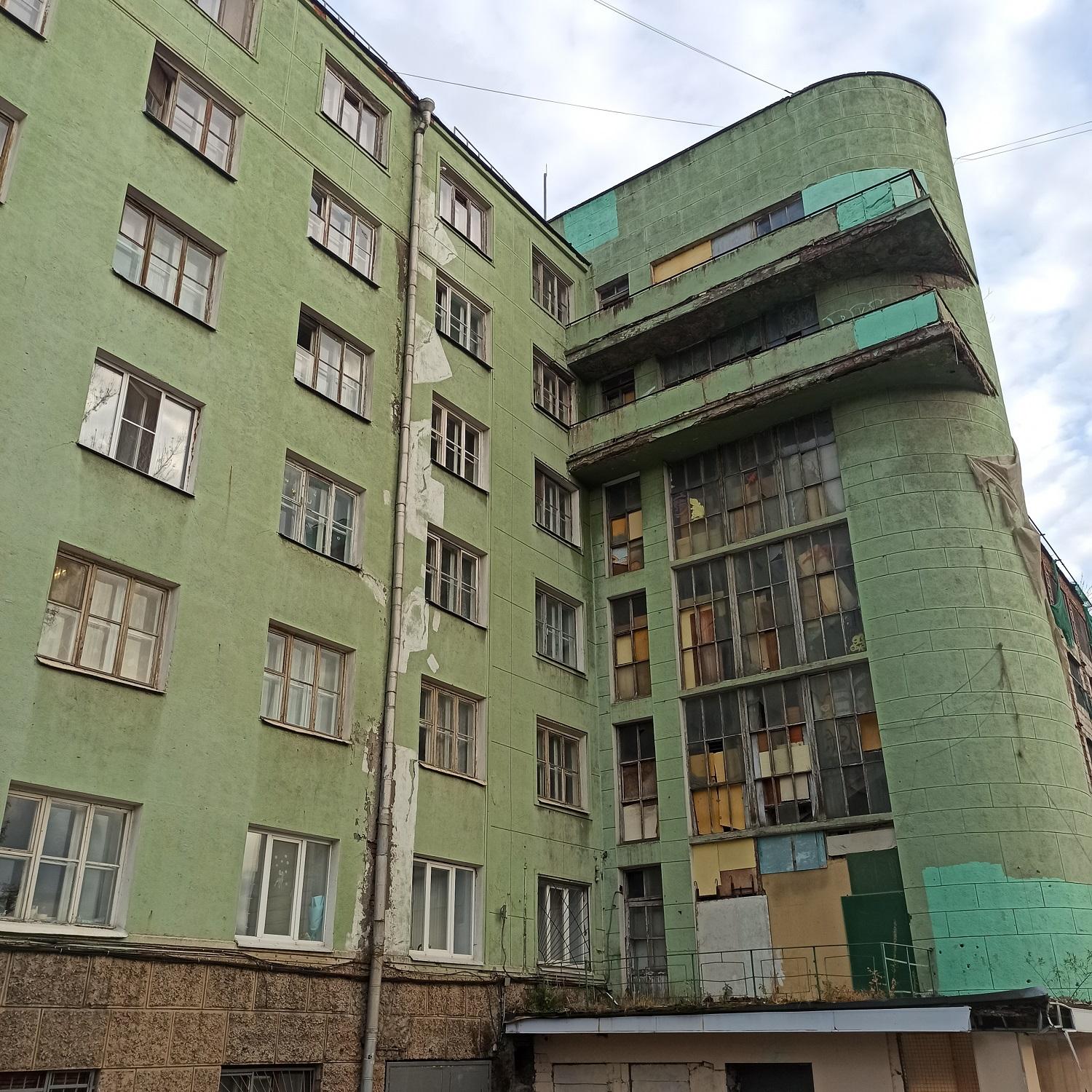
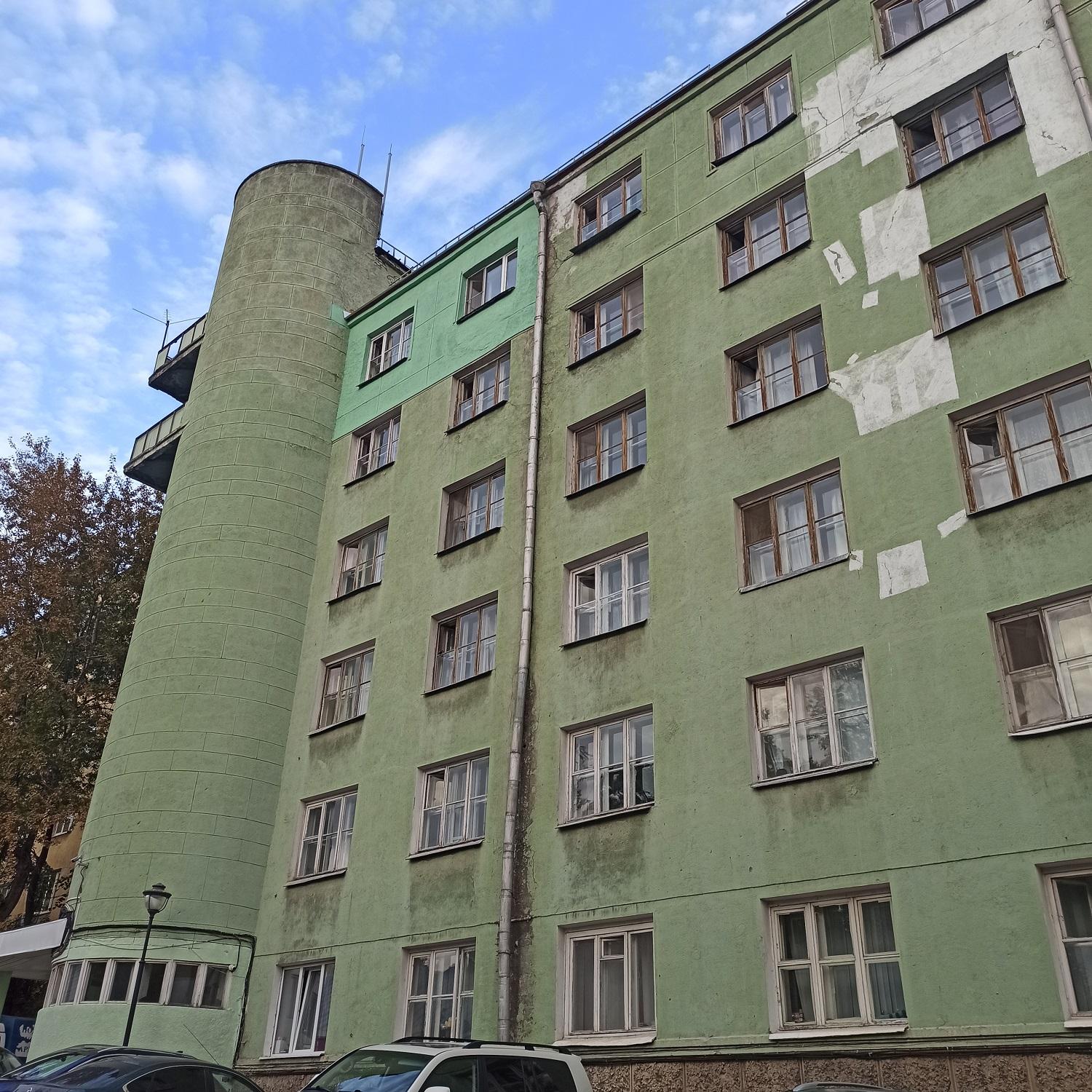
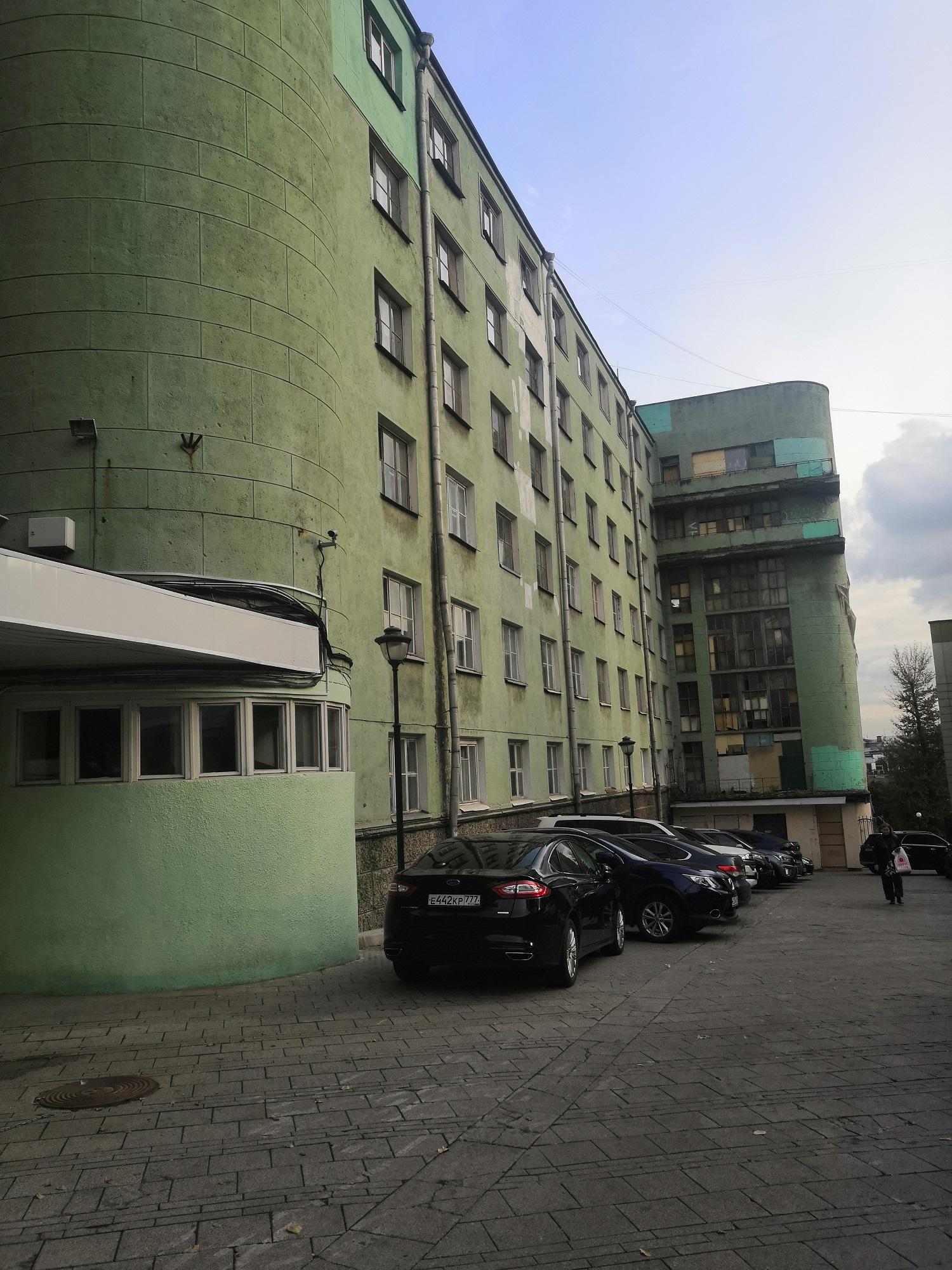
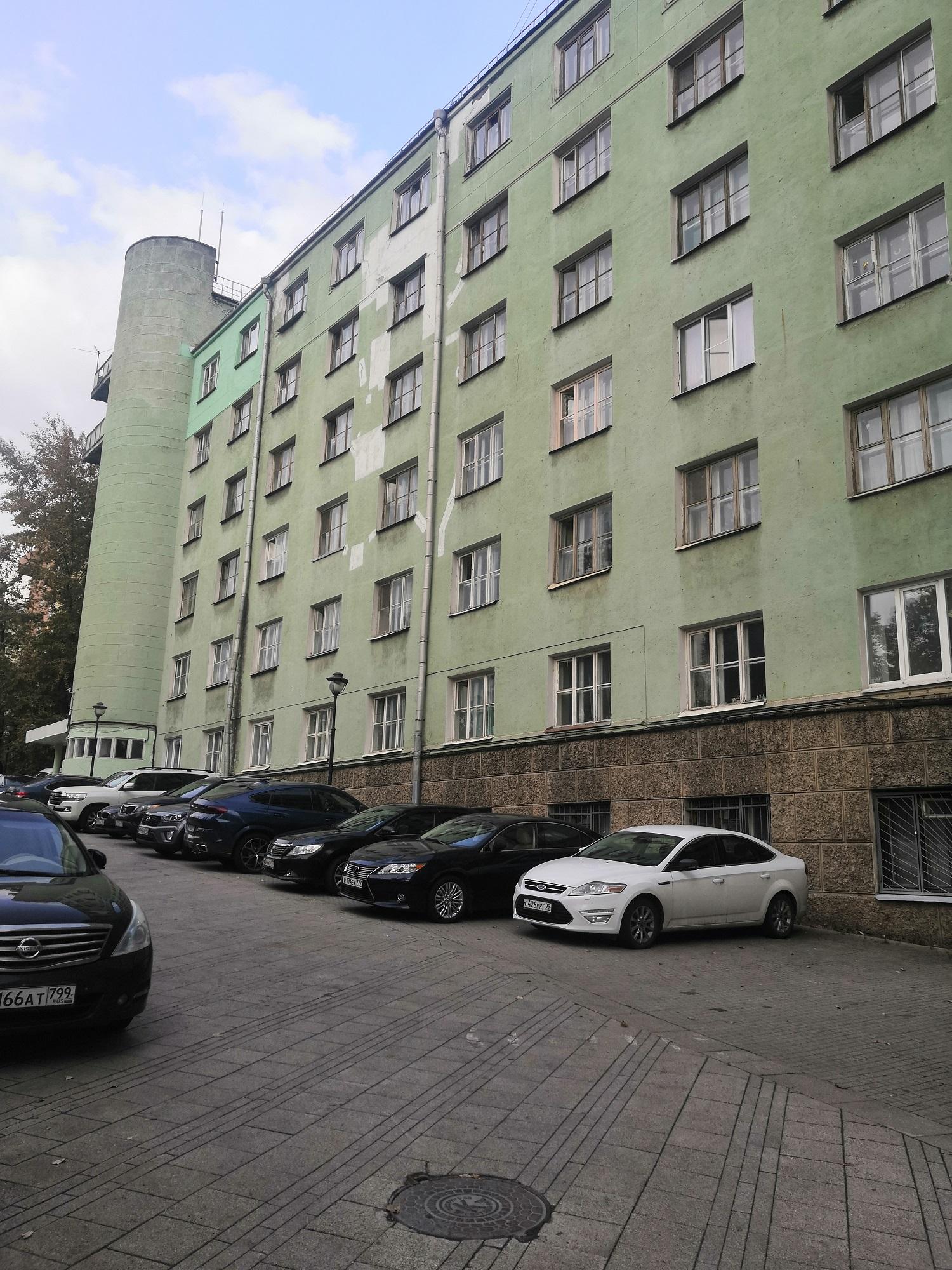
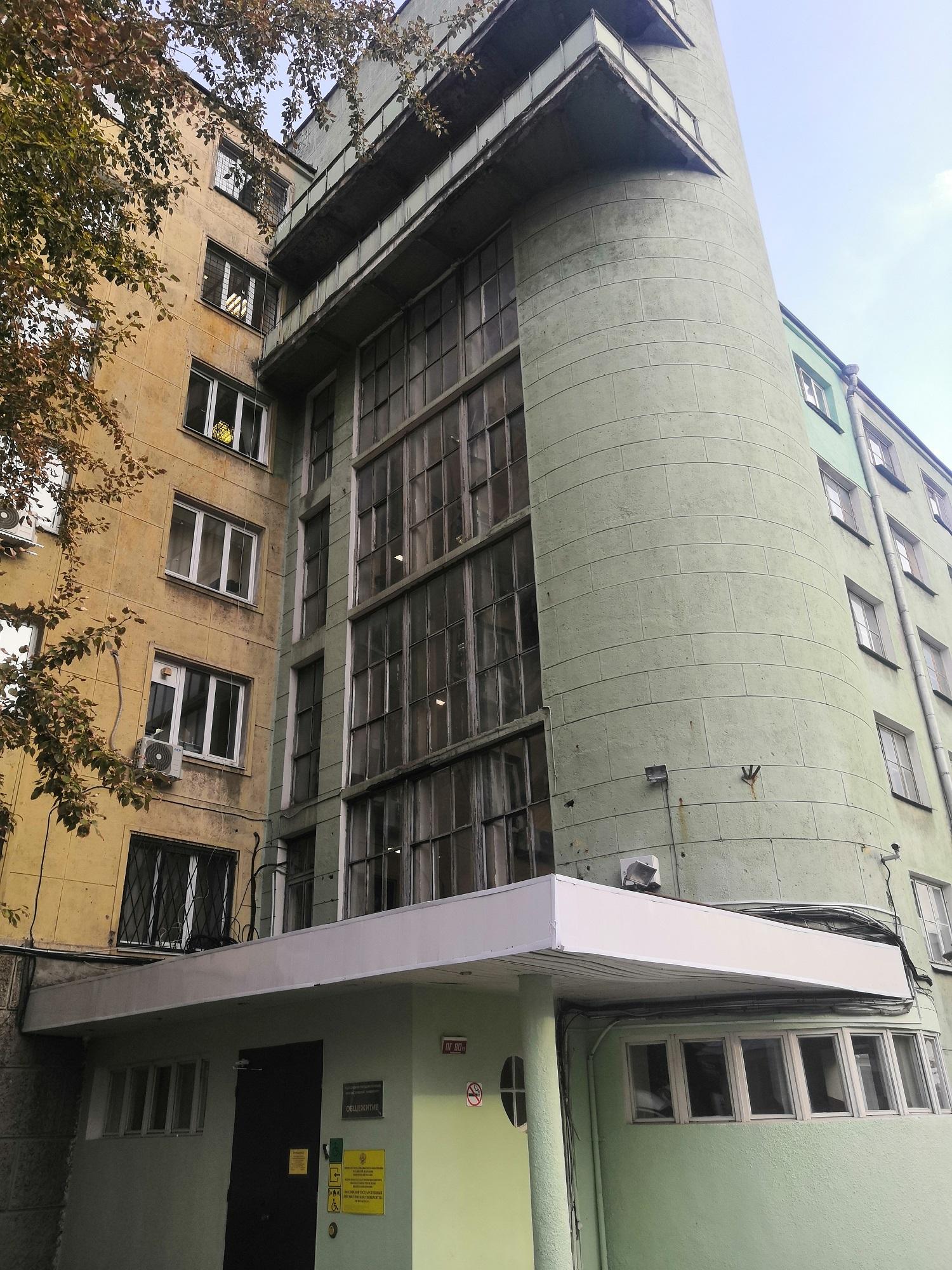
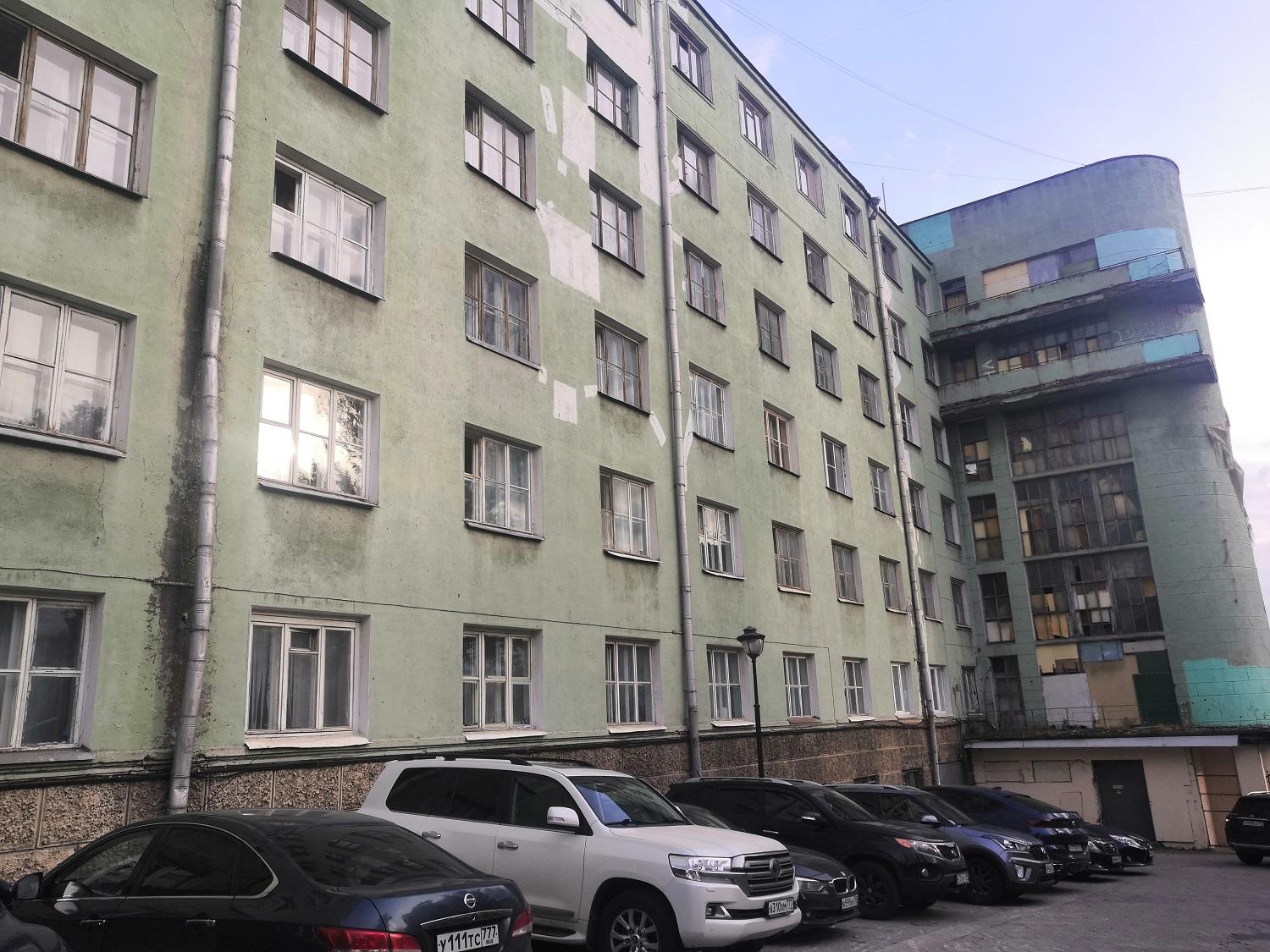
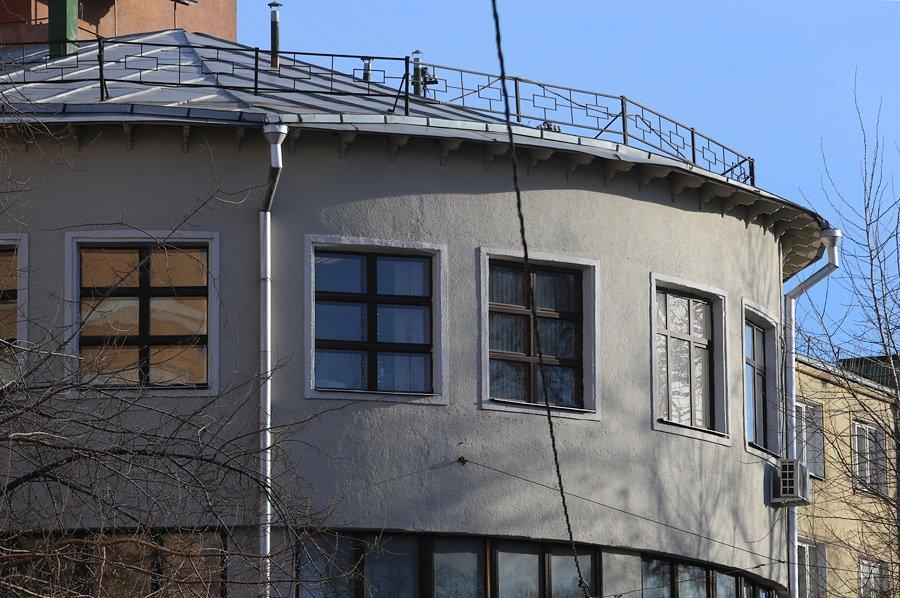
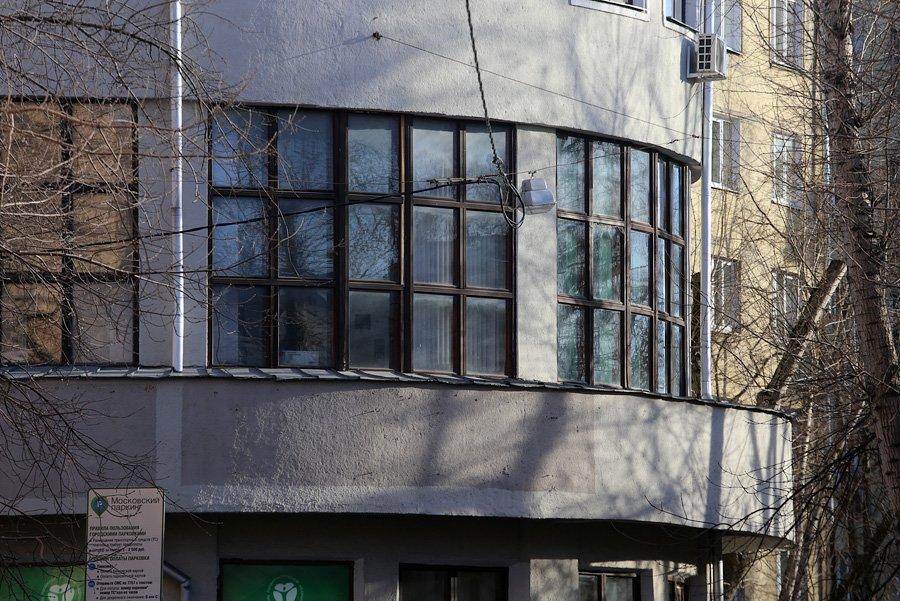
Комплекс начинается от Петроверигского переулка. Входящих встречает полукруглая часть столовой-клуба, по первоначальному проекту поставленная на колонны. За относительно низким общественным блоком расположены жилые корпуса. Они сделаны в семь и восемь этажей, спускаясь вниз по склону холма. Три жилых корпуса пронизаны коридором и соединяются друг с другом монументальными башенными объемами лестничных клеток. Там, где лестницы примыкают к корпусам они освещены модными в то время вертикальными окнами, а скругленные стены площадок оставлены глухими.
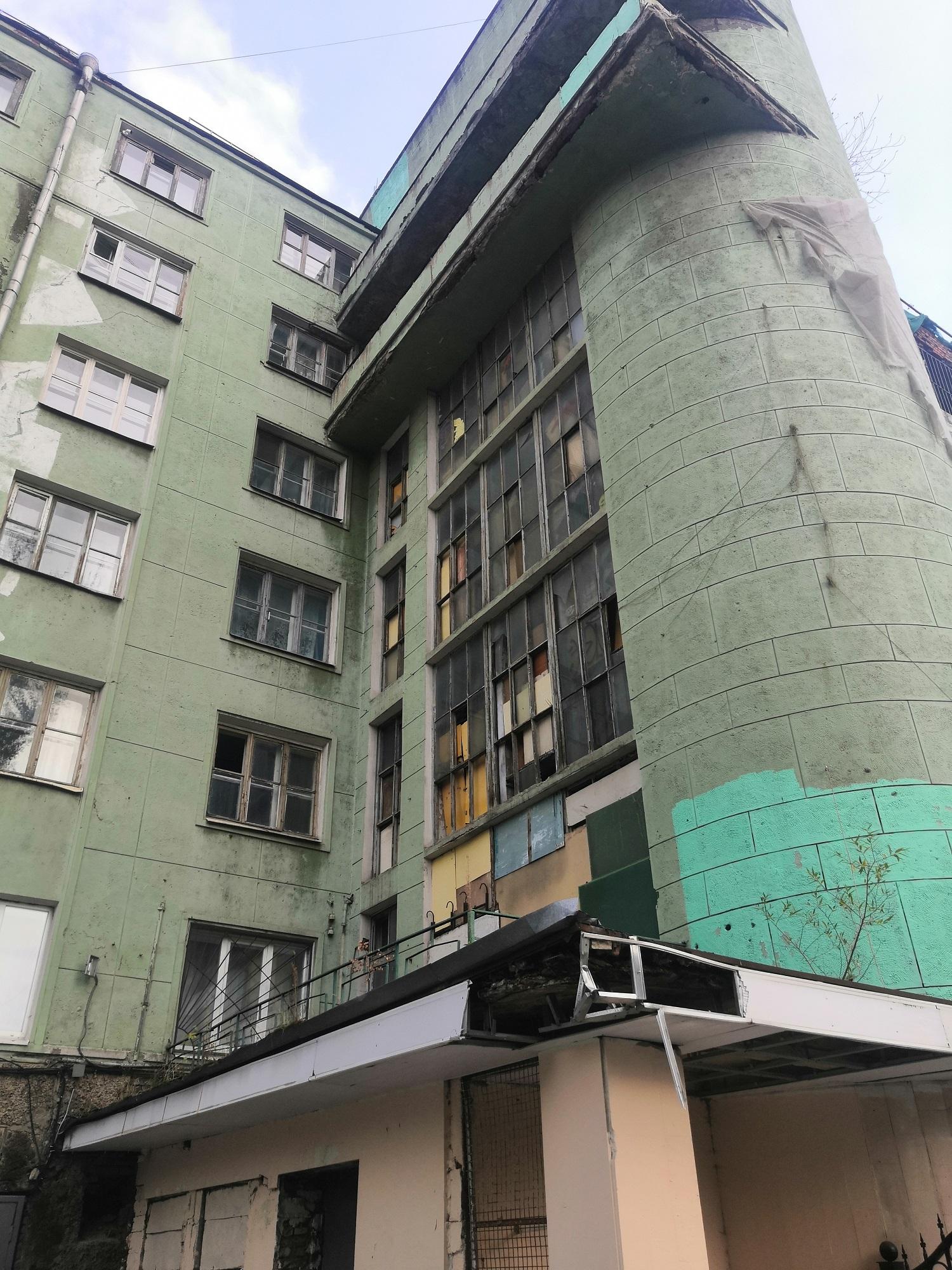
По два угловых балкона динамично врезаны в полуцилиндры башен на уровне верхних этажей. Эффектно смотрится оформление подъезда с козырьком на одной колонне, опоясывающим полуцилиндр ленточным окном и круглым проемом окна вестибюля.
При традиционной для общежитий планировке архитекторы стремились эффективно решить внутреннее пространство без ущерба для комфорта и современных санитарных требований. На одного студента приходилось 4,55 кв.м. Душевые и умывальные комнаты были сделаны общими в конце коридоров, В общежитии горячая вода была даже во время Великой отечественной войны.
Интересно, что коридор дальнего корпуса сделан уже, чем у ближнего, так как очевидно, что используется он меньшим числом студентов.
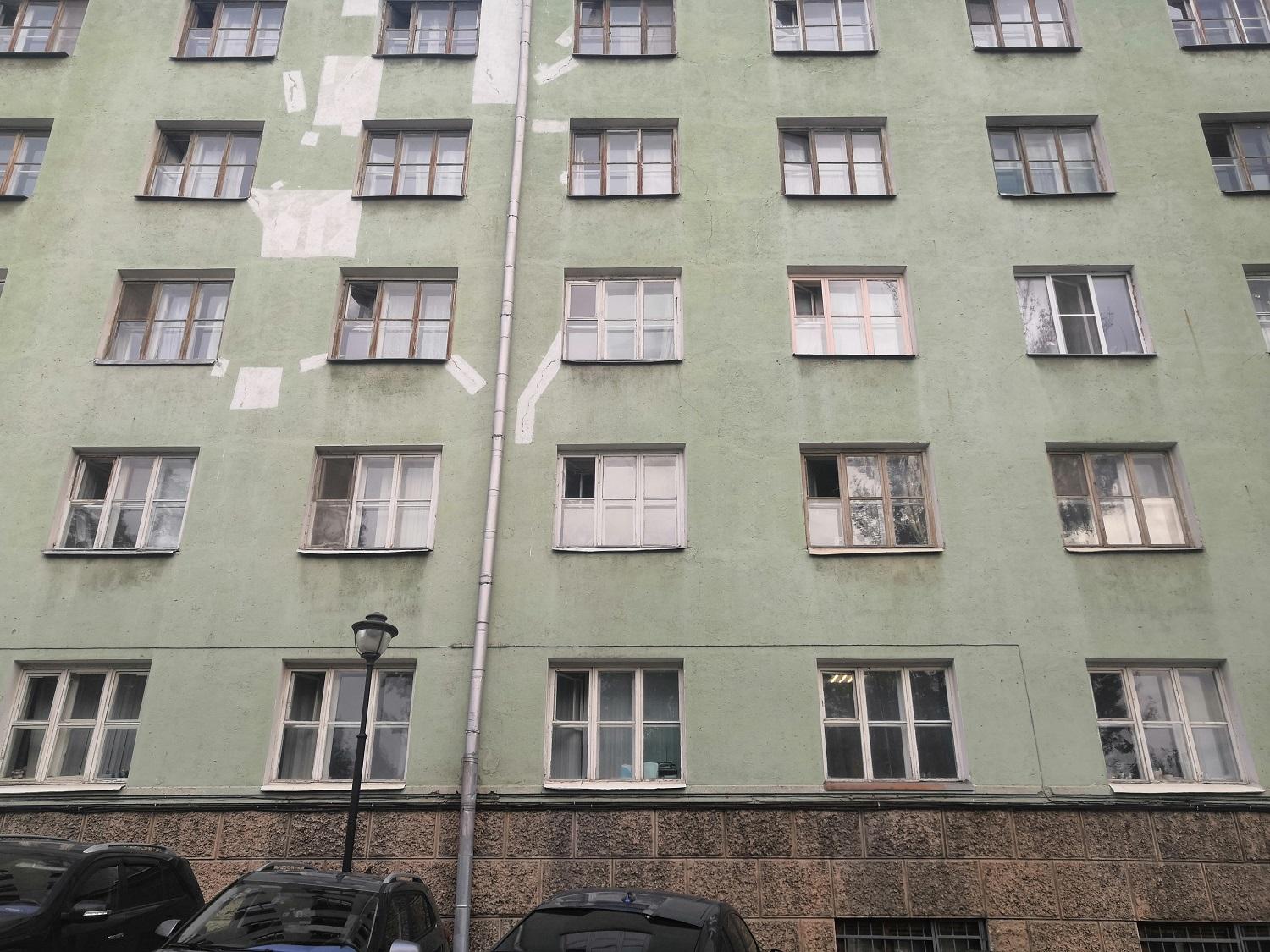
В 1936 году, когда коммунистический университет нацменьшинств Запада имени Ю.Ю. Мархлевского был ликвидирован, общежитие передали Институту иностранных языков. Студенты-лингвисты живут здесь до сих пор. Дальний корпус сейчас является нежилым, он существовал долгое время в полуразрушенном состоянии из-за пожара.
One of the biggest and the most interesting in terms of architecture dormitory complexes of the late 1920s located on the slope of Sretensky hill above the roofs of old Moscow buildings. In 1929, the University of minorities began to build a dormitory for students on Maroseyka. Closed competition of drafts for construction of the hostel was held, where preference was given to the George Dankman’s project - there are three parallel residential sections sequentially adjacent to public housing.
One of the biggest and the most interesting in terms of architecture dormitory complexes of the late 1920s located on the slope of Sretensky hill above the roofs of old Moscow buildings. In 1929, the University of minorities began to build a dormitory for students on Maroseyka. Closed competition of drafts for construction of the hostel was held, where preference was given to the George Dankman’s project - there are three parallel residential sections sequentially adjacent to public housing.
The complex starts from Petroverigsky alley. Semi-circular dining room of the club, on the initial draft put on the column greets visitors. Residential buildings located behind the relatively low social unit. Buildings are seven and eight floors high, descending downhill. Three residential buildings are imbued with a corridor and connect with each other monumental tower volume stairwells. Where stairs are adjacent to the corps they lit fashionable while vertical windows, rounded walls and grounds are left blind.
Two corner balconies dynamically embedded in semi cylinder towers at the upper floors. Design looks spectacular entrance with a visor on one column, herpes semi cylinder ribbon window and the round window opening of the lobby.
In traditional hostels’ planning architects sought to deal effectively with the internal space without sacrificing comfort and modern sanitary requirements. 4.55 sq.m. allocated per student. Showers and washrooms were made common at the end of the corridor. Hot water run in the hostel even during the Great Patriotic War.
Interestingly, the corridor distant body is made narrower than the neighbor one, since it is obvious that he used a smaller number of students.
In 1936, when the Communist University of ethnic minorities of the West was liquidated, hostel transferred to the Institute of Foreign Languages. Students-linguists live here until now. Far body is now uninhabited, it has existed for a long time in a dilapidated condition due to fire.