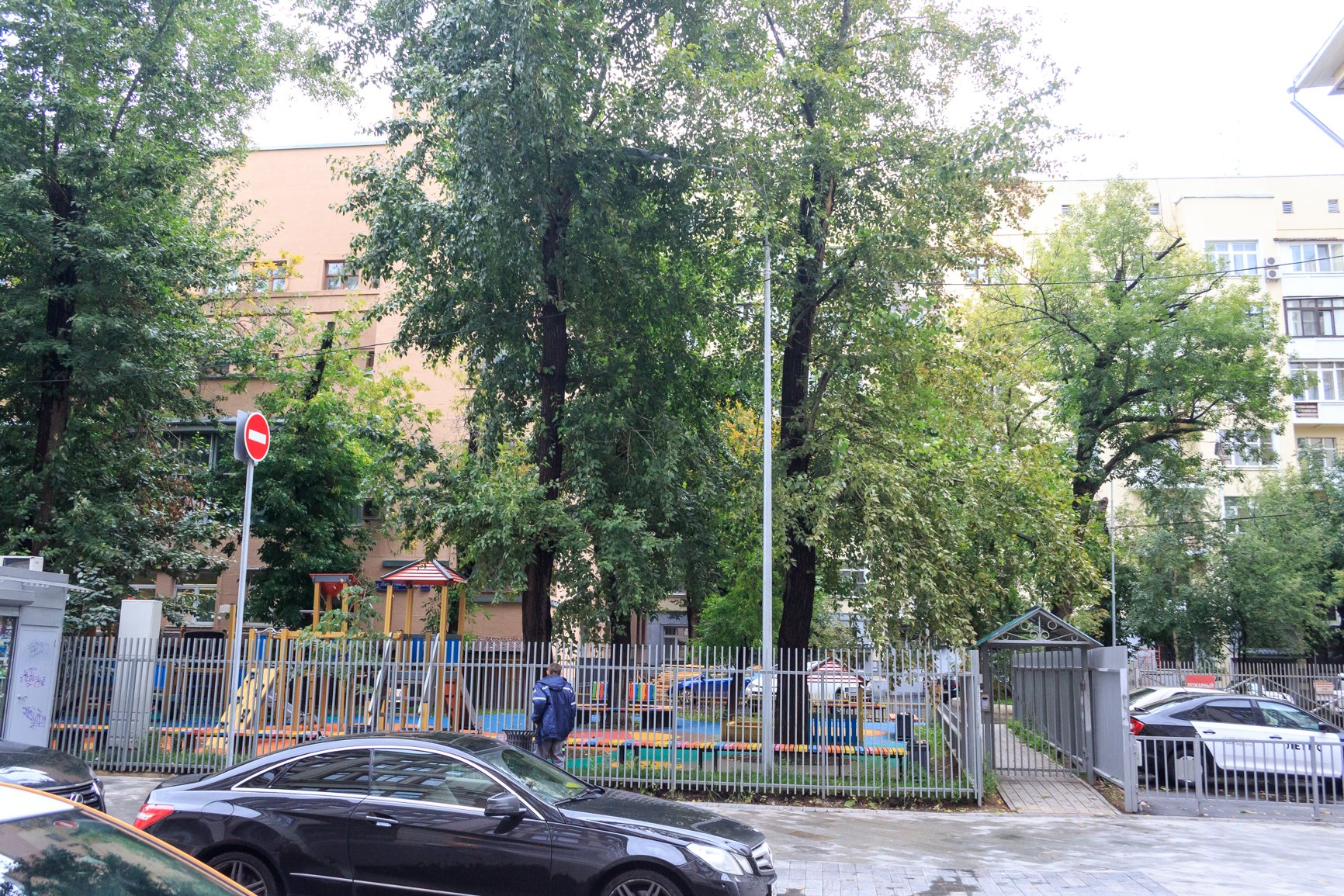
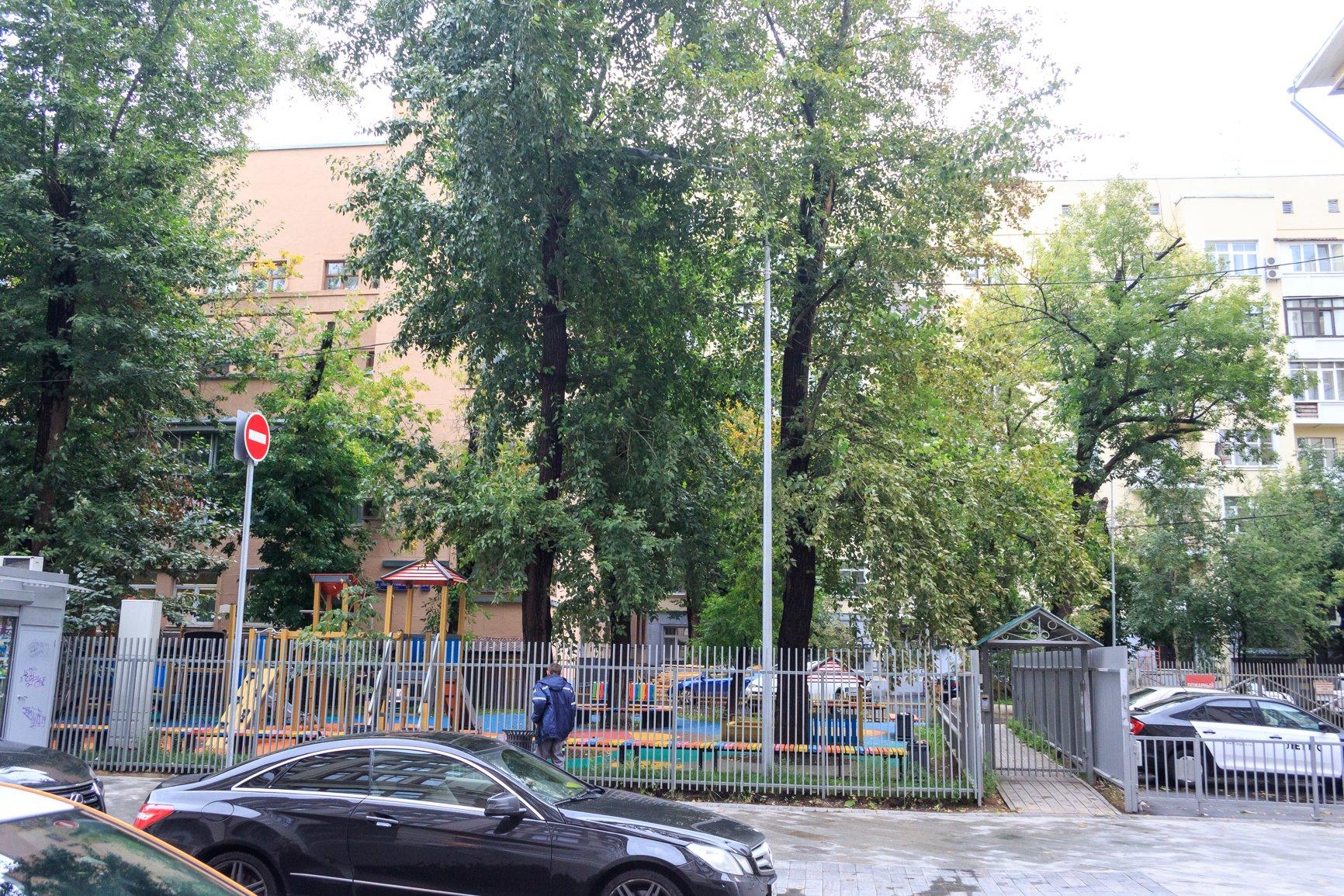
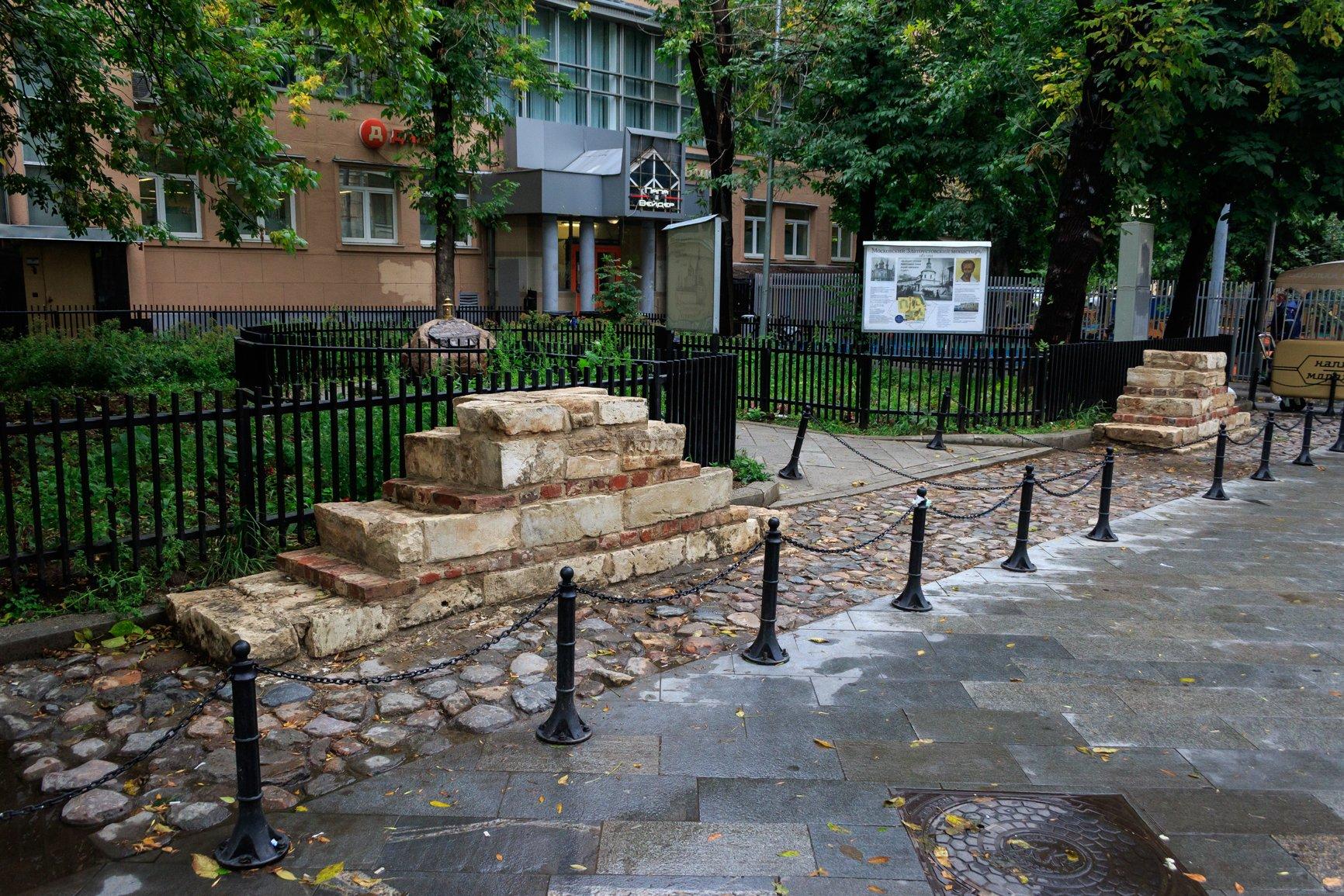
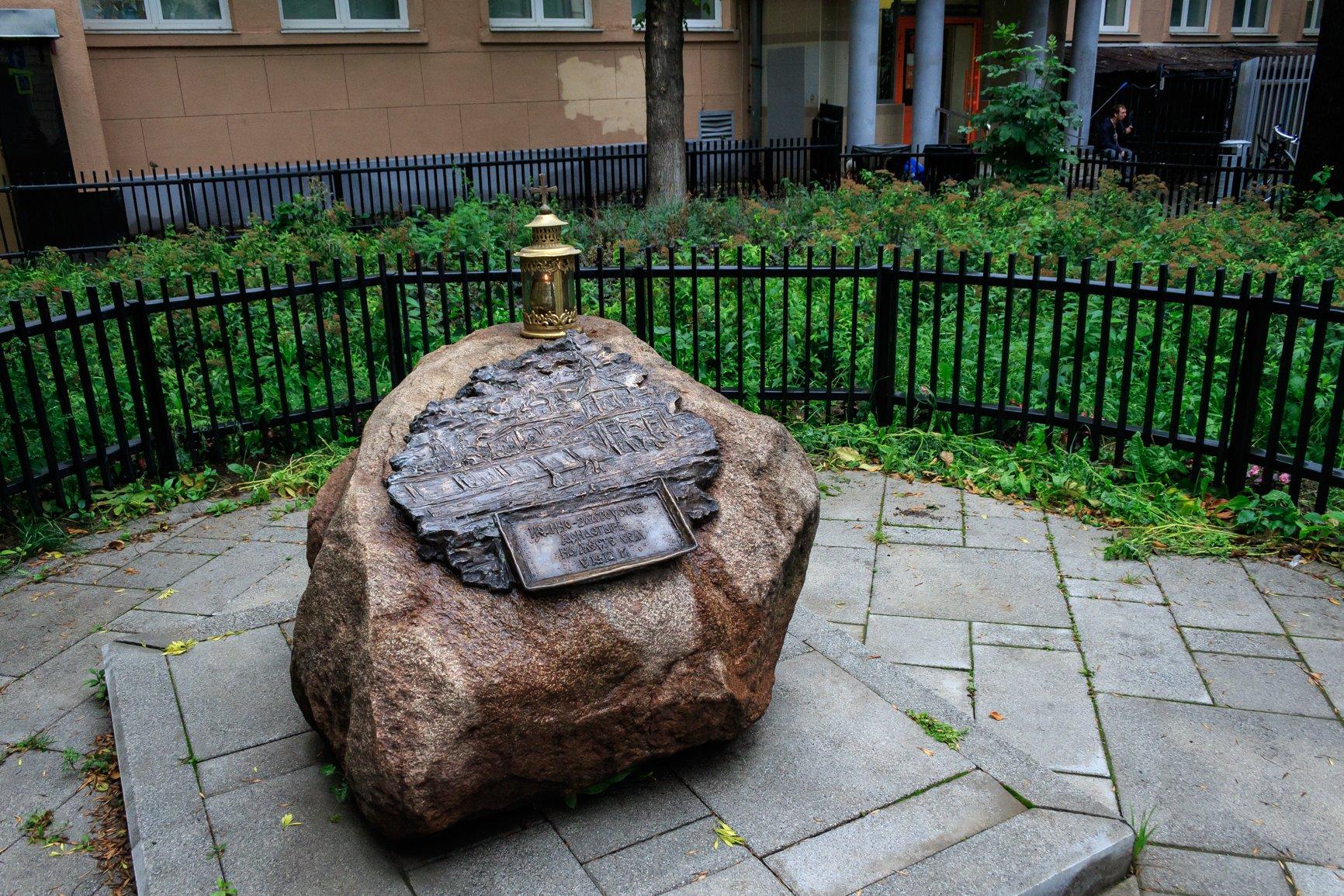
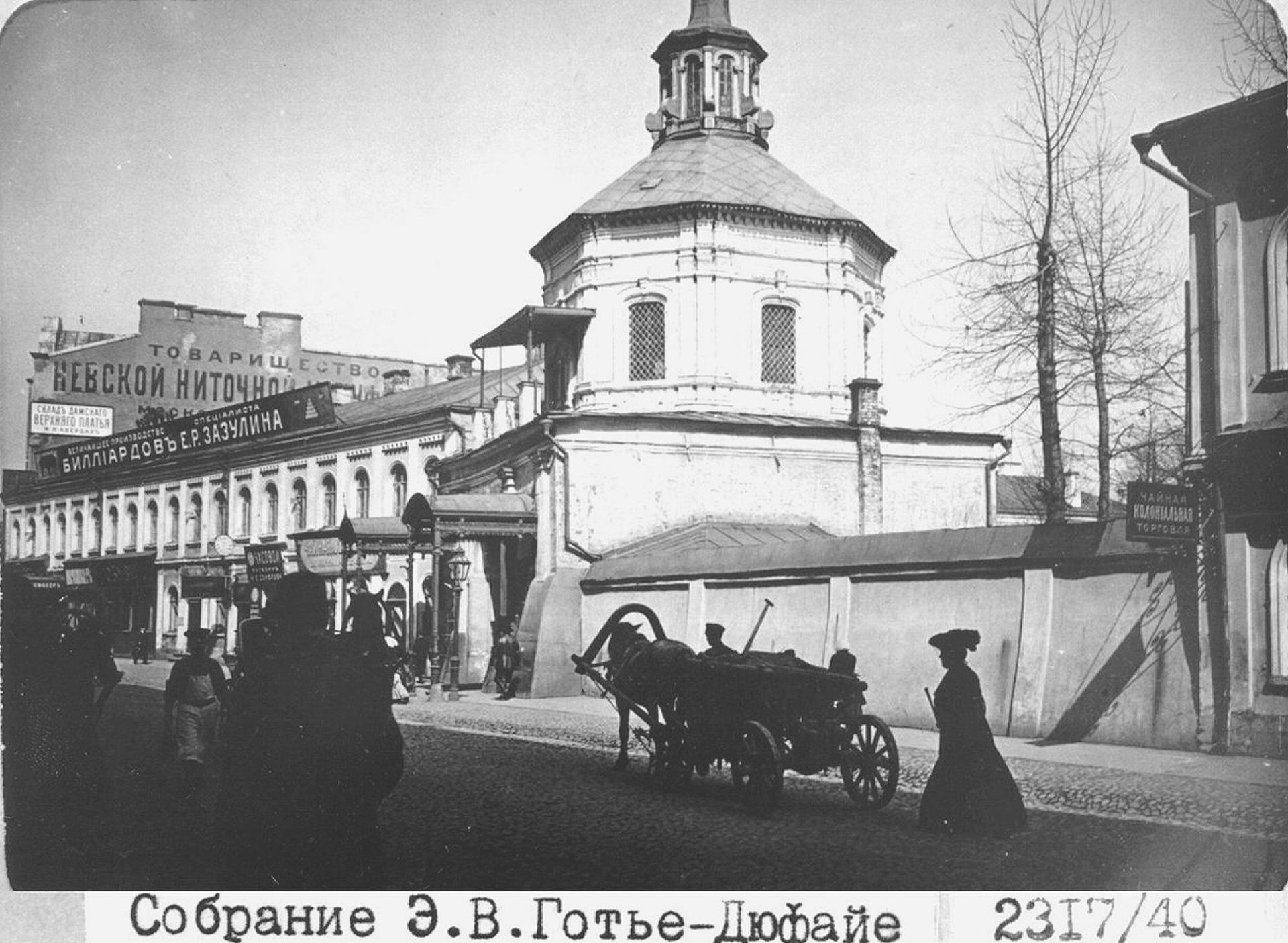
История этой надвратной церкви связана с тремя известными персонами. Первая из них – дочь Петра Великого, императрица Елизавета Петровна: в сентябре 1742 г. она неожиданно явилась в Златоустовский монастырь. Обитель в это время пребывала в плачевном состоянии, она всё ещё не оправилась после пожара 1737 г. Проходя через святые врата, императрица заметила, что Покровская церковь над ними вот-вот рухнет. Высочайший визит проходил накануне дня памяти пророка Захарии и праведной Елисаветы, небесной покровительницы императрицы, и она пожаловала 2000 руб. на строительство новой надвратной церкви во имя этих святых. Храм в стиле московского барокко возвели быстро, и уже 18 декабря 1742 г. его освятил преосвященный Лев, бывший епископ Воронежский.
Епископ Лев в 1730-1740 гг. был символом сопротивления «Бироновщине», за что лишился сана и 10 лет находился в ссылке. Взойдя на престол, Елизавета Петровна повелела возвратить ему архиерейский сан, взяла его под своё покровительство, и это объясняет, почему именно он освящал храм, основанный императрицей.
И третья личность, с которой связывают церковь Захарии и Елисаветы, это архитектор И.Ф. Мичурин. Некоторые историки называют его автором храма и отмечают стилистическую общность надвратной церкви с другими известными сооружениями архитектора. Но прямых доказательств этого нет. Достоверно известно, что Мичурин хорошо знал Златоустовский монастырь: в 1756 г. он описывал его ветхости и составлял смету на новые постройки.
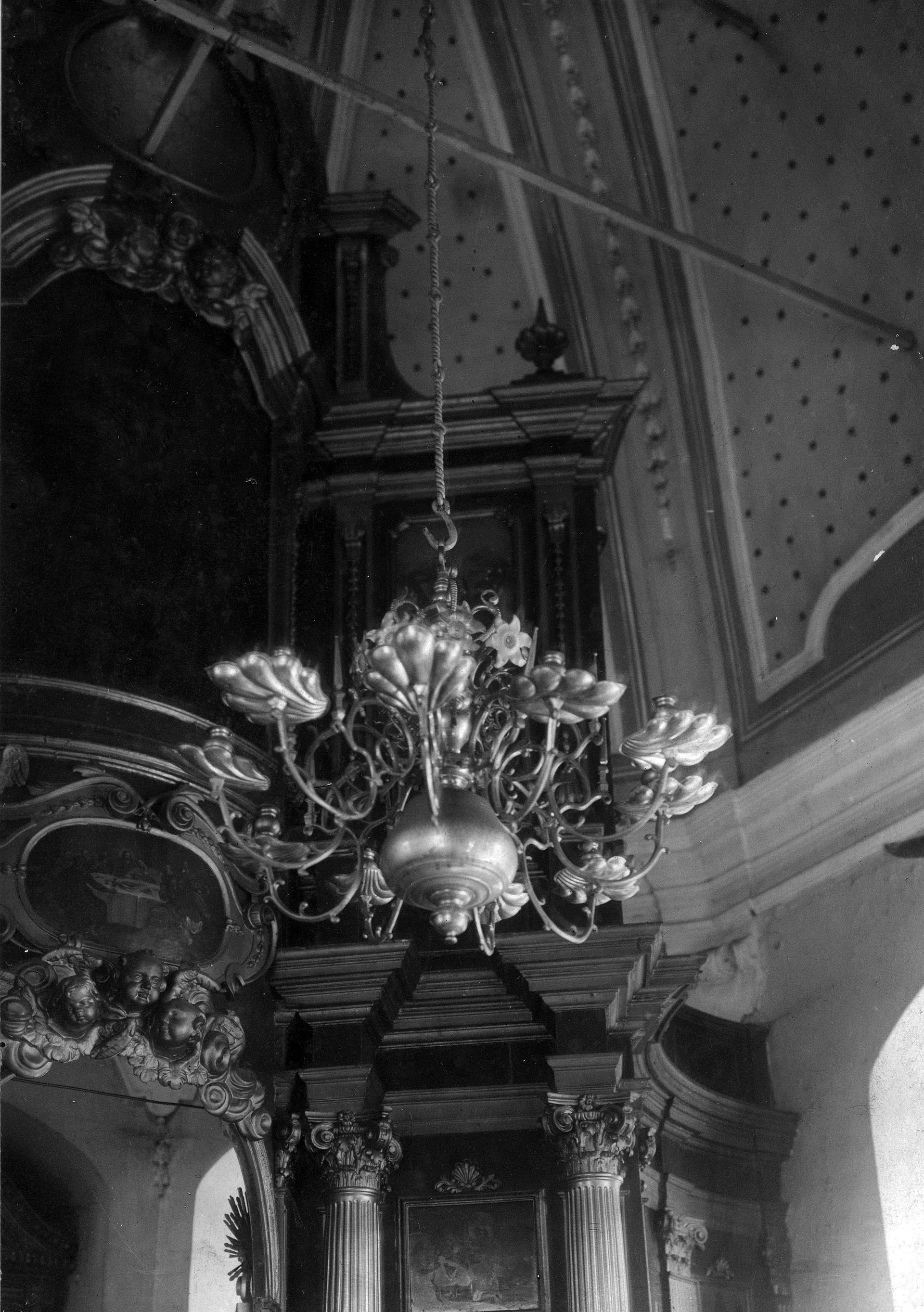
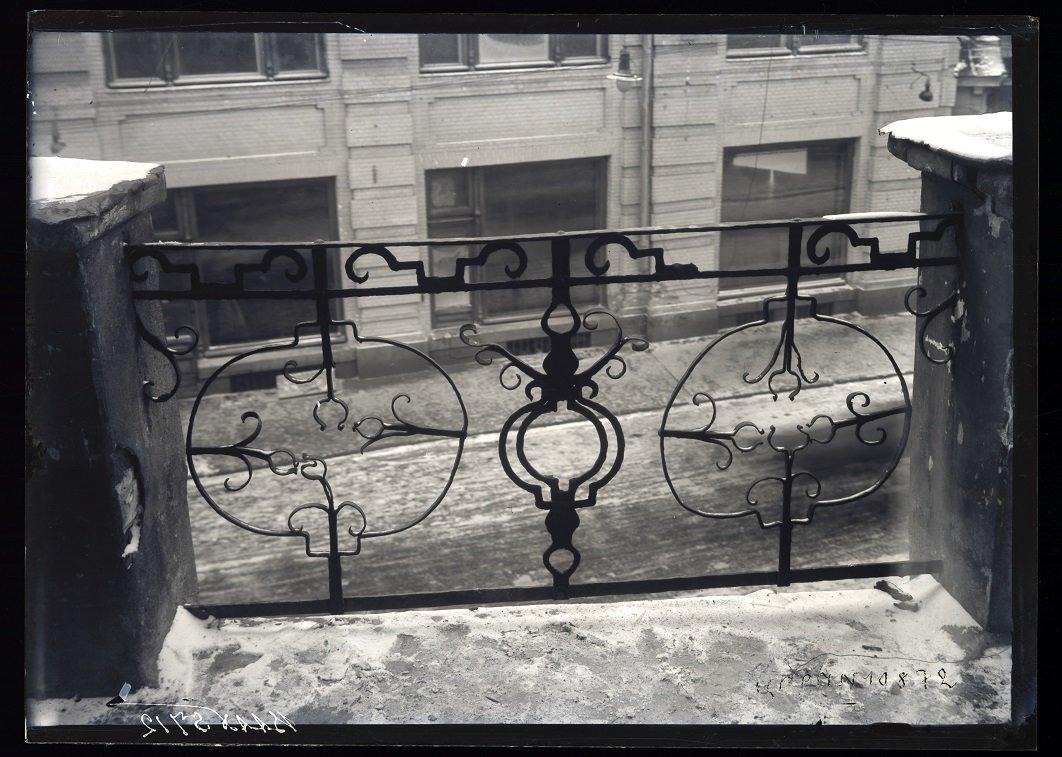
В 1933 г. церковь Захарии и Елисаветы была разрушена. В музее архитектуры им. А.В. Щусева хранятся фотографии её внешнего вида и внутреннего убранства, сделанные в последние годы её существования: иконостас, решётка галереи, малое паникадило. Малое, а также большое паникадило, освещавшее Троицкую церковь Златоустовской обители, были военными трофеями генерал-адмирала графа Ф.М. Апраксина, добытыми во время Северной войны. Они хранились у него в доме как свидетели побед молодого русского флота, созданию которого Ф.М. Апраксин посвятил свою жизнь. После его смерти наследники пожертвовали светильники в Златоустовский монастырь на его поминовение. Здесь паникадила находились 200 лет, а в 1929 г. были выкуплены финляндским посланником, вернулись на свою историческую родину и сегодня находятся в музее г. Вааса (Финляндия). Гипотетически церковь святых Захарии и Елисаветы тоже может вернуться в Москву: в музее им. А.В. Щусева сохранились её обмеры, сделанные в XIX в., что позволяет восстановить её в первозданном виде.
Автор статьи
In 1730-1740s, Bishop Leo was one of the opponents of the Biron regime (Ernst Johann von Biron, a shadow ruler of Russia during Empress Anna Ioannovna time). The rebellious Bishop was unordained and spent 10 years in exile. Having ascended the throne, Elisabeth gave him his Bishop's rank back and took him under her protection which explains the fact that it was Leo who consecrated the Church founded by the Empress.
The third person connected to the St. Zechariah and Elisabeth Church was architect I.F.Michurin. Some historians believe him to be the author of the Church design and see common features in the style of the Gatechurch and other creations by the architect. However, there is no firm proof for that. It is a cetain fact that Michurin knew the Zlatoustovsky Monastery very well: in 1756, he was cataloguing its disrepairs and making a new construction cost estimate.
In 1933, the Church of Zechariah and Elizabeth was destroyed. In the collection of the A.V.Shchusev Museum of Architecture there are photographs of its exterior and interior decor made in the last years of its existence: iconostasis, gallery lattice, small chandelier. Both the small chandelier and the big chandelier that used to shine in the Troitskaya (Trinity) Church of the Zlatoustovsky Monastery were the war trophies captured by General Admiral Count Fiodor Apraksin during the Northern War. He kept them at his house as an evidence of the victories of the Russian Navy which creation was Fiodor Apraksin's lifelong cause. After his death, his heirs donated the chandeliers to the Zlatoustovsky Monastery for his commemoration. The chandeliers remained there for 200 years and in the 1929 were bought by the Ambassador of Finland and returned to where they originally belonged. Nowadays they are kept in the museum in Vaasa, Finland. Hypothetically, the Church of St. Zechariah and Elizabeth may also come back to the Moscow cityscape: the A.V.Shchusev Museum keeps all its measurements made in the 19th century which makes it possible to recreate it in its original design.
Written by Tatiana Baturina,
Center for the Zlatoustovsky Monastery History and Heritage Studies