Интерактивный гид по городу
С мобильным приложением бродить по городу гораздо интереснее!

Phone station

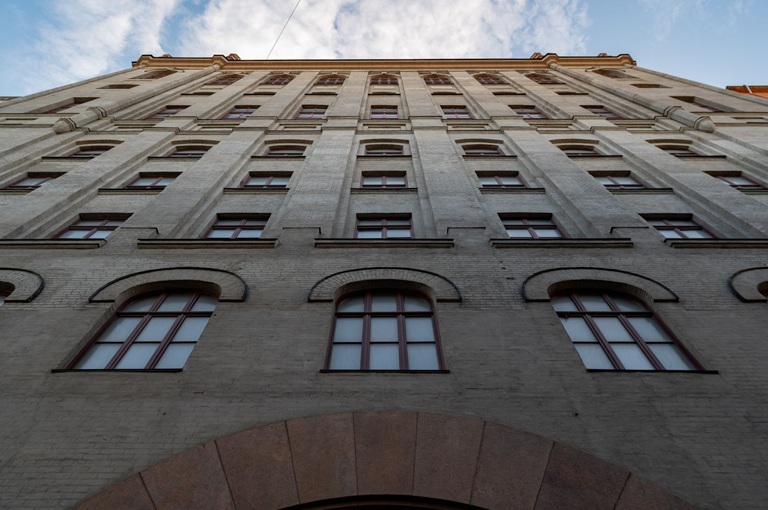
P.I. Bartenev, the editor of the "Russian Archive" magazine lived here. This is the oldest working telephone station in Moscow.

Phone station
Phone station
Lubyanka, Kuzneckij most
P.I. Bartenev, the editor of the "Russian Archive" magazine lived here. This is the oldest working telephone station in Moscow.
3.90
Вы можете воспользоваться QR-кодом, чтобы открыть эту страницу в нашем приложении
Архитектурный стиль:
,
Годы постройки:
1902—1908
Архитекторы:
А.Э. Эрихсон, О.В. фон Дессин
Эпоха:
1900s
Информация о здании

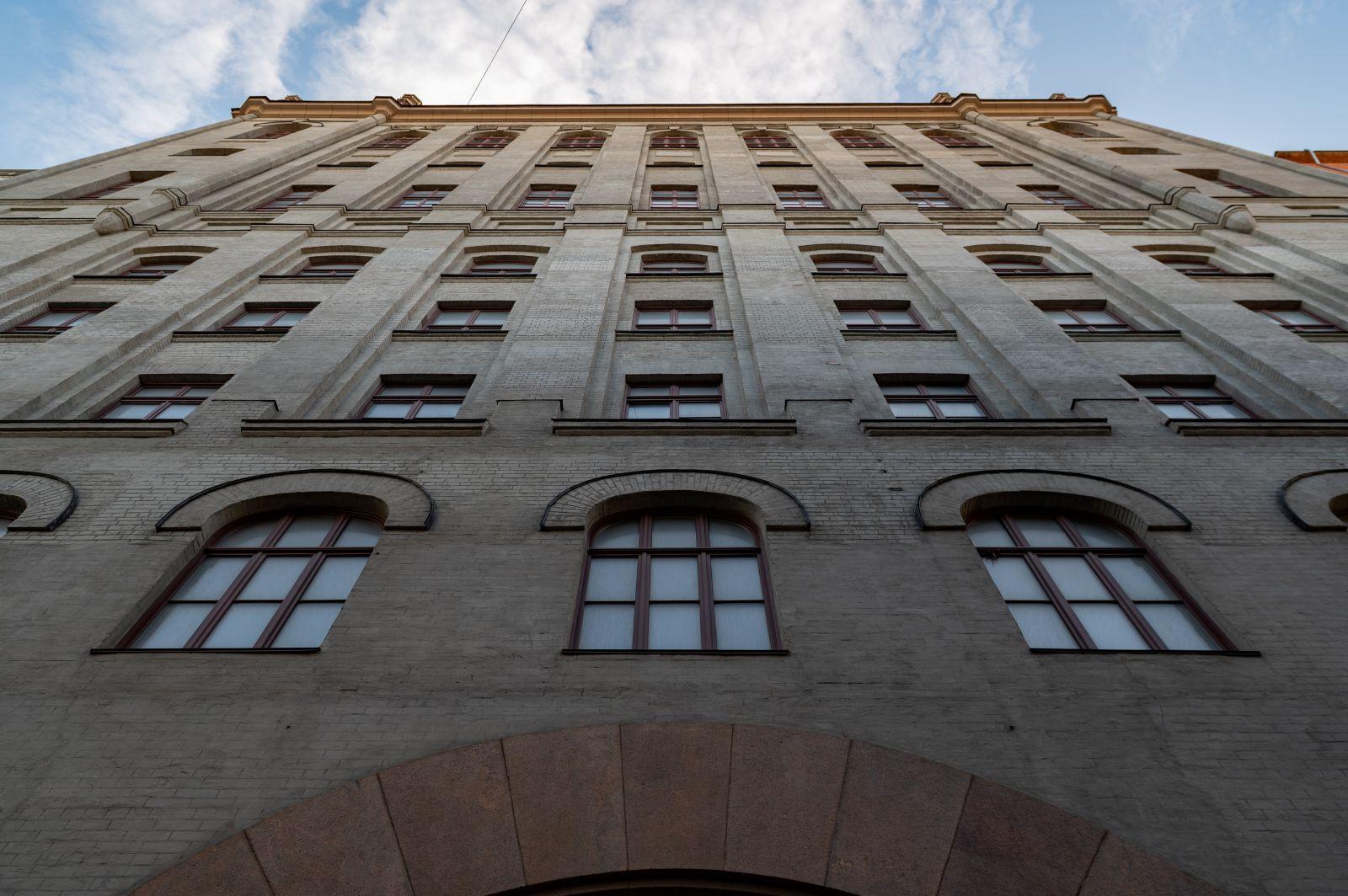
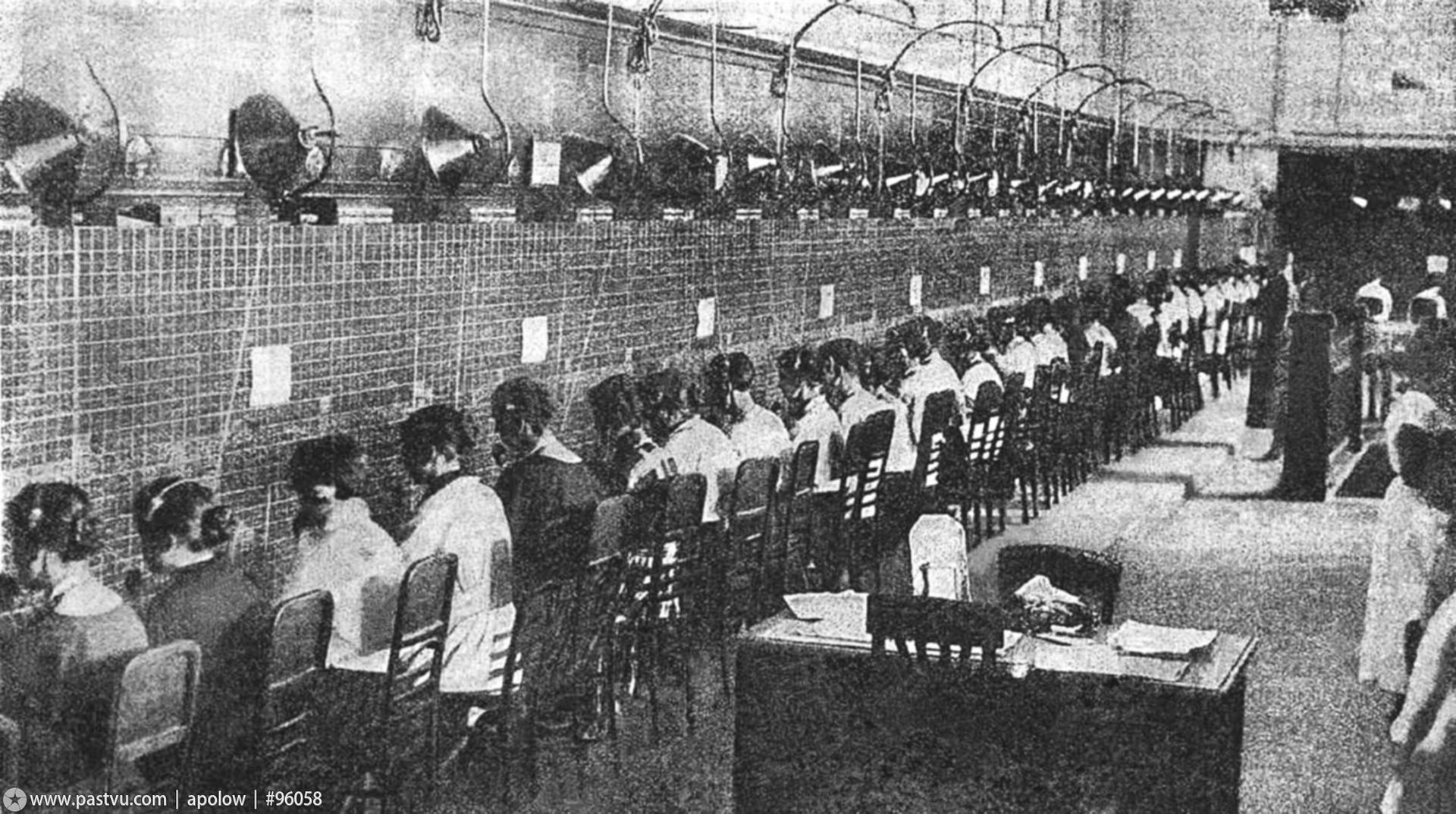
Это здание одной из первых телефонных станций в Москве, уже более 100 лет выполняющей все те же функции.

Первым известным владельцем участка в начале переулка был профессор анатомии и хирургии венгр Франц Францевич Керестури. В 1811 году он умер, и дом унаследовали его дочери. В 1820-х годах они продали свое владение астраханскому армянину Николаю Аскарханову. У него тоже была дочь, которая вышла замуж за ученого, естествоиспытателя, президента Московского общества испытателей природы Карла Ивановича Ренара. В середине 1860-х в доме поселился историк, архивист, библиотекарь и библиограф, археограф, переводчик, пушкинист, основатель и редактор журнала «Русский архив» Петр Иванович Бартенев.

В конце 1890-х годов дом продали Александру Николаевичу Херодинову.

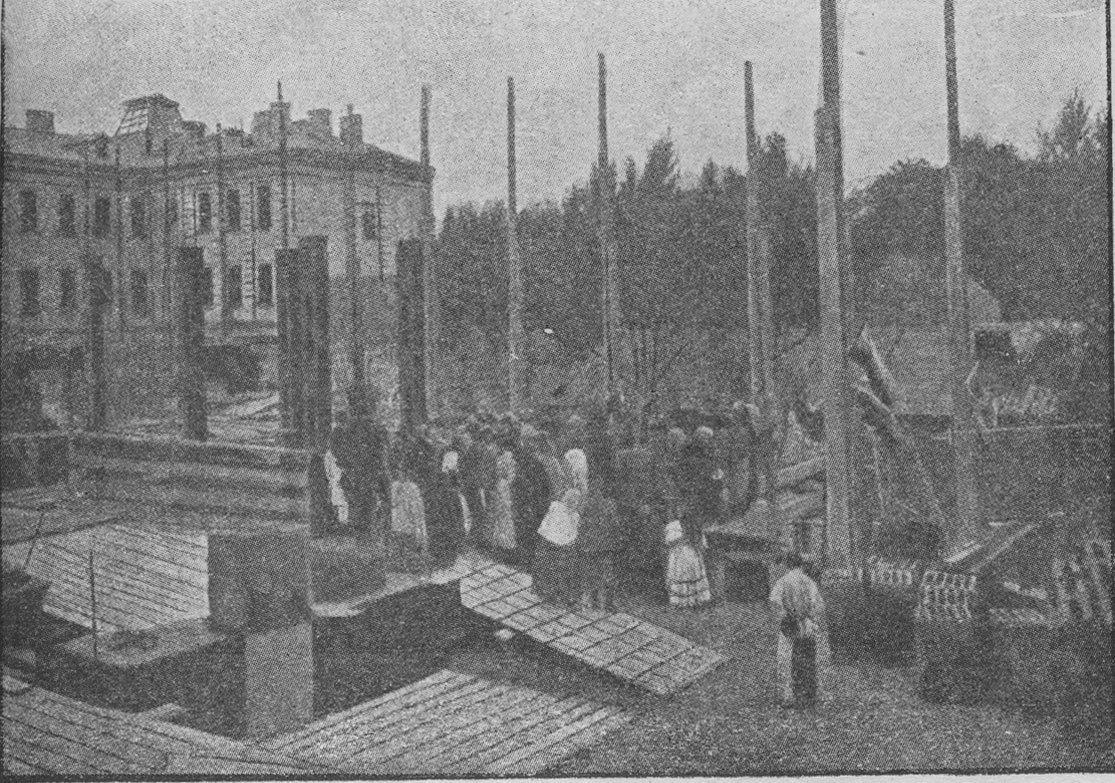
На рубеже XIX-XX веков в Москву пришел телефон. Телефонизацию осуществляла компания Белла, договор с которой истекал в 1901 году. Были объявлены торги, которые выиграло Шведско-Датско-Русское акционерное телефонное общество. Оно и построило в 1904 году новую, отвечающую всем новейшим требованиям первую очередь телефонной станции в Милютинском переулке.

Строительство было сложнейшей технической задачей, для решения которой были привлечены лучшие инженерные силы Швеции, в том числе и архитектор И.Г. Классон, работавший под наблюдением А. Э. Эрихсона.

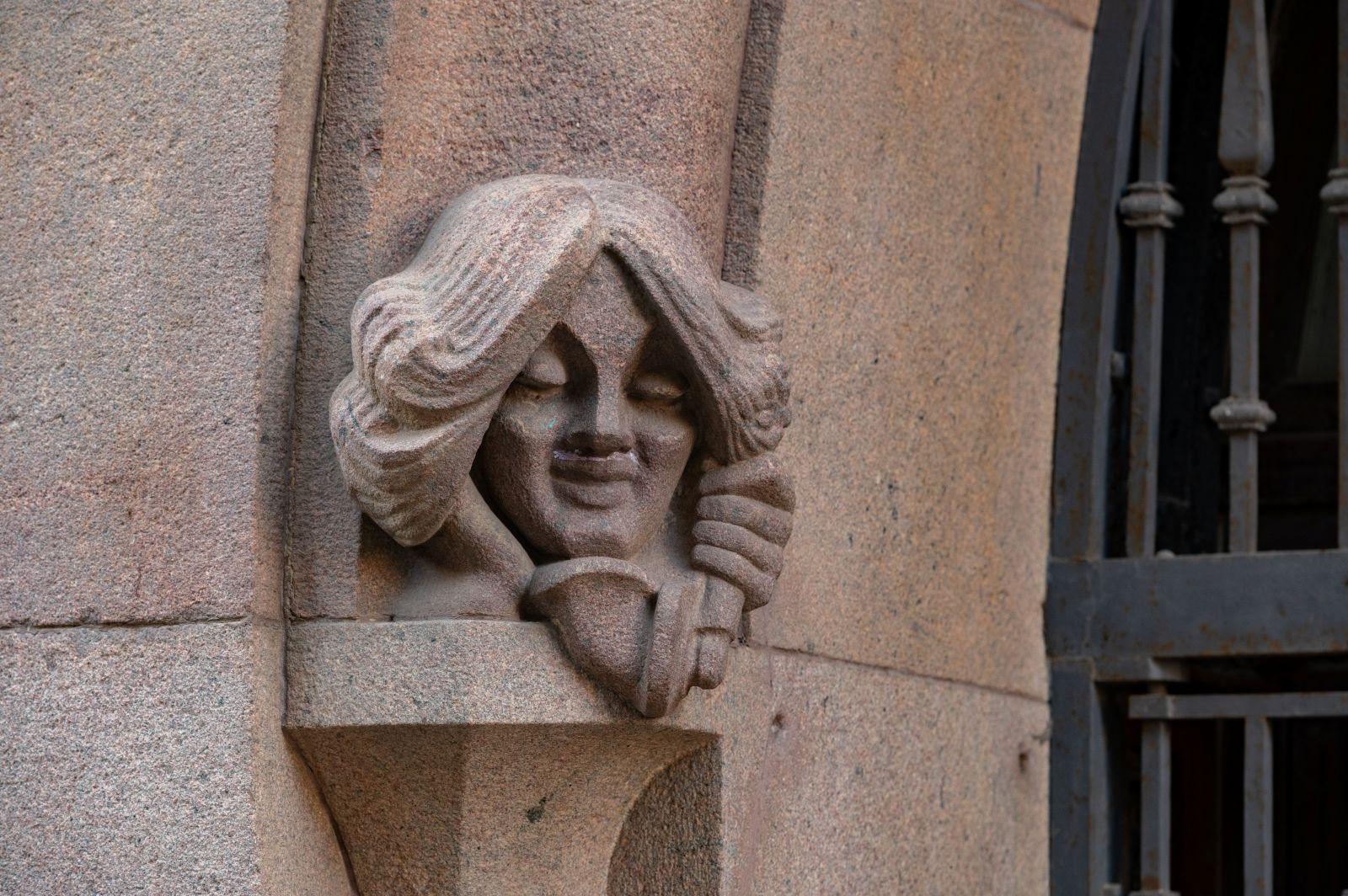
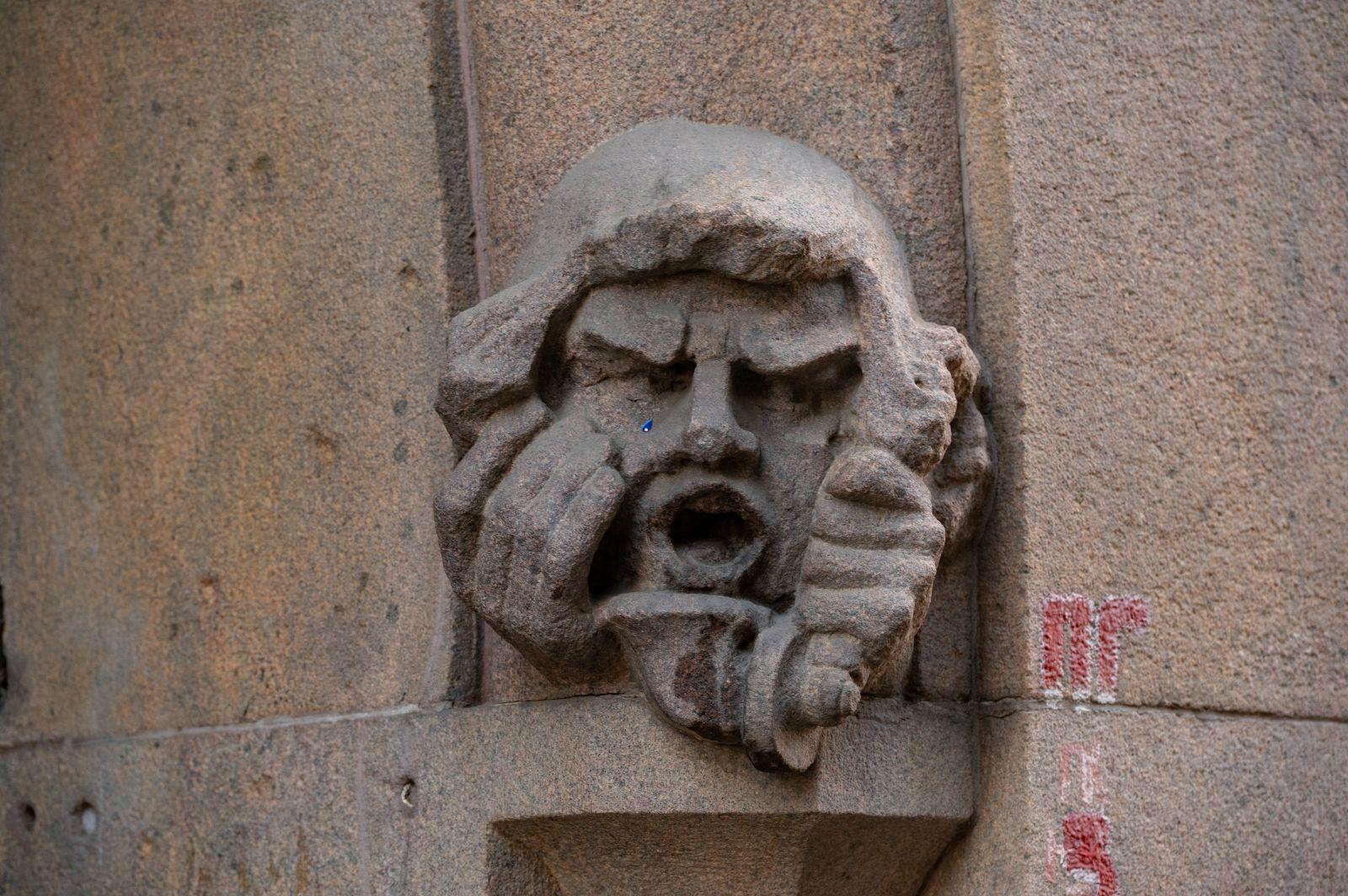
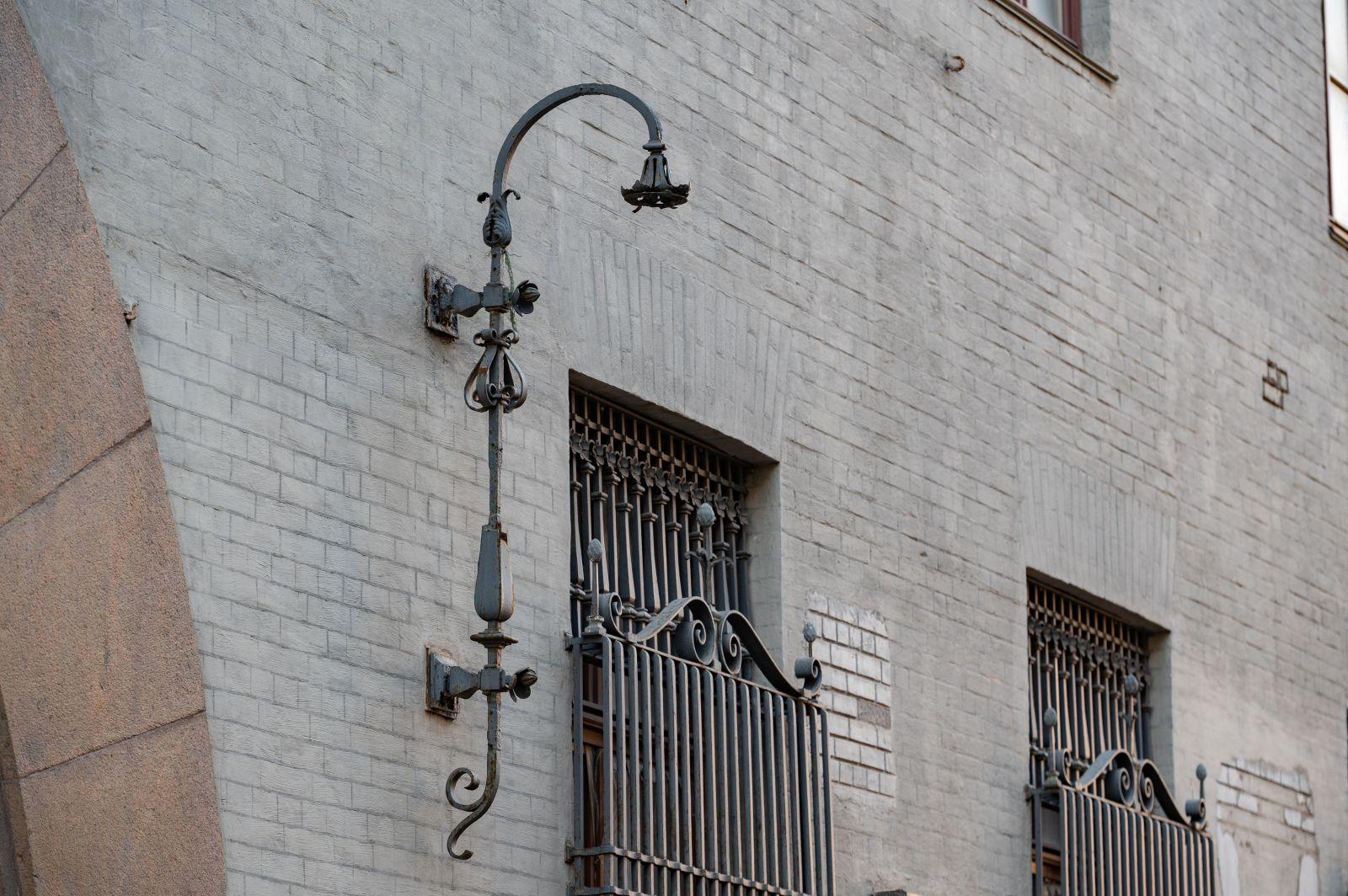
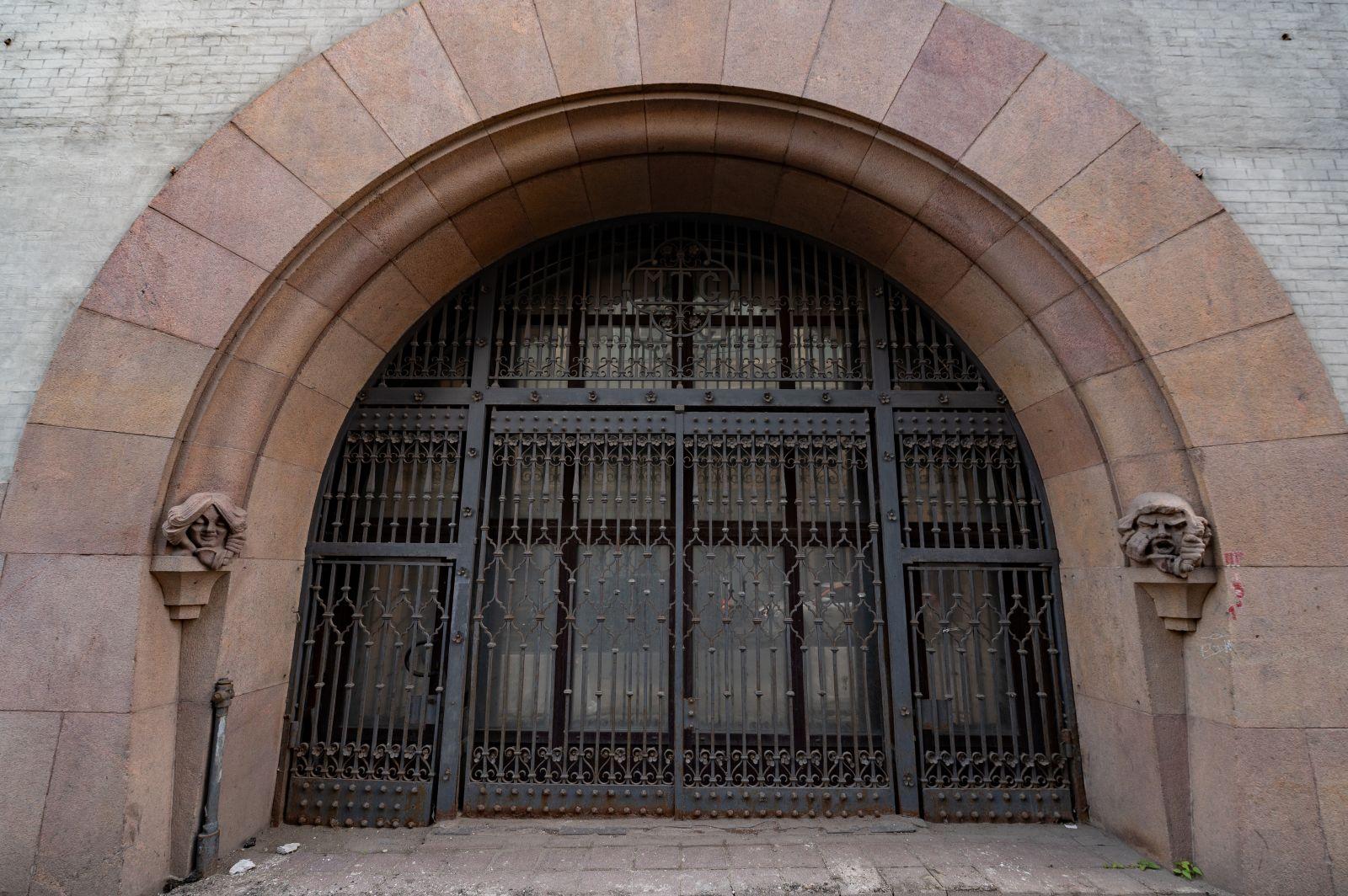
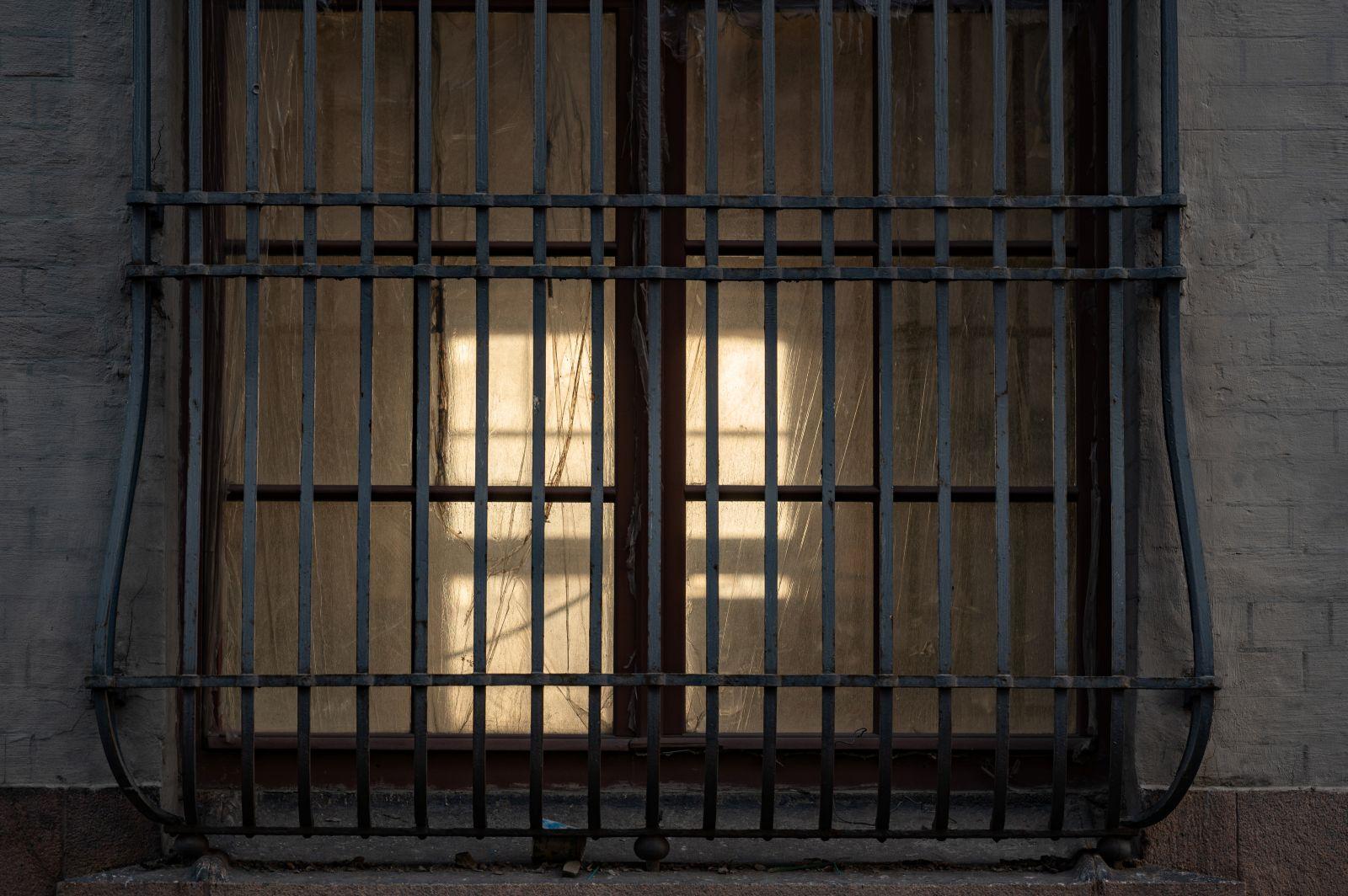
Через десять лет и это чудо техники перестало справляться с нарастающим потоком абонентов. В 1914 году по красной линии переулка была построена вторая очередь станции по проекту архитектора О.В. фон Дессина – строгое, монументальное, высокое здание с большой аркой-входом, украшенной чугунными решетками. По сторонам входа уникальные, единственные скульптуры – женщина и мужчина, говорящие по телефону.

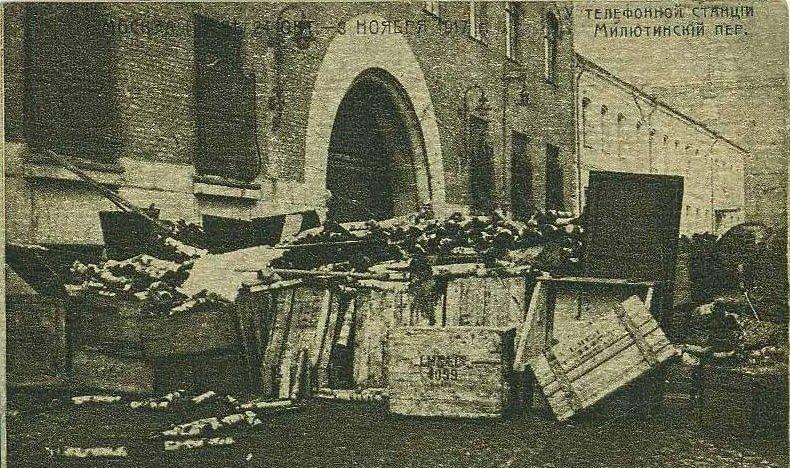
В последние дни октября 1917 года, можно было сказать, они единственные в Москве говорили по телефону. Станцию, как важнейший стратегический объект, заняли юнкера, лишив город связи. Переулок превратился в баррикады, станция - в крепость. Командующий большевиками Г. А. Усиевич, понимая важность сохранности объекта, отказался применять артиллерию, прибегнув к осаде. На колокольне соседней церкви св. Евпла поставили пулеметы, в глубине переулка на еще недостроенном доме № 20 – бомбометы. Бои завершились 1 ноября (по старому стилю) поражением юнкеров. Станция снова заработала.
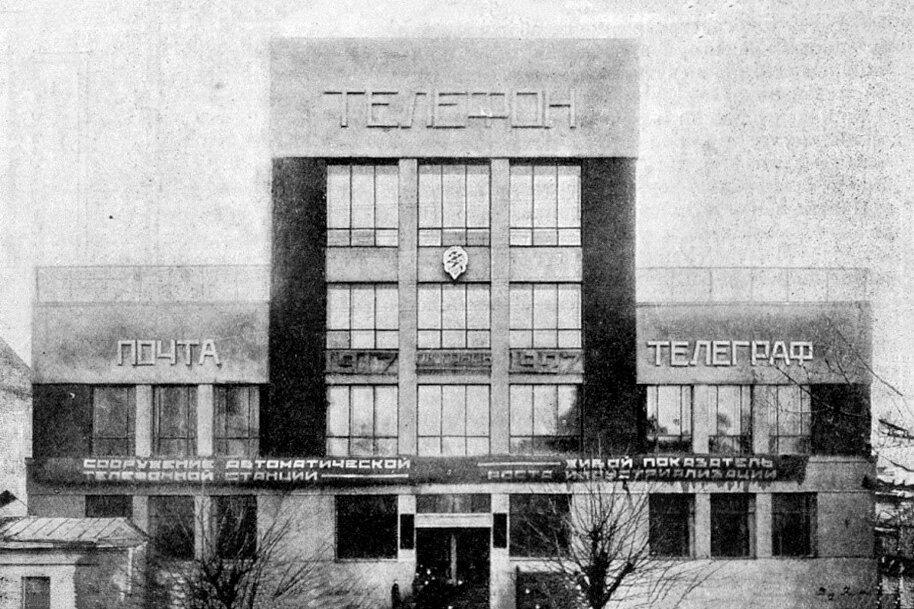
This building is one of the first telephone exchange stations in Moscow that performing the same functions for over 100 years. The first known owner of the site at the beginning of the alley was a professor of anatomy and surgery Hungarian Franz Franzevich Keresturi. In 1811 he died, and his daughter inherited the house. In 1820 they sold their property to Nicholas Askarhanov, the Armenian from Astrakhan. He also had a daughter who married a scientist, naturalist, president of the Moscow Society of Naturalists, Karl Ivanovich Renard. Historian, archivist, librarian and bibliographer, archaeographer translator, Pushkinist, founder and editor of the "Russian Archive" magazine Petro Bartenev settled in a house in the mid- 1860s. In the late 1890s, the house was sold to Alexander Nikolayevich Herodinovu. At the turn of the XIX-XX centuries telephone service came to Moscow. Bell's telephone company performed the services. Their contract was due to expire in 1901. The bids were announced, which won the Swedish-Danish-Russian joint-stock telephone company. It also built in 1904 a new first-stage telephone exchange in Milyutinsky Lane that meets all the latest requirements. The construction was a very complicated technical task, for solution of which the best engineering forces of Sweden were involved, including the architect I.G. Class, who worked under the supervision of A.E. Erichson. In ten years, and this miracle of technology is no longer cope with the increasing flow of customers. In 1914, along the red line of the alley, the second stage of the station was constructed according to the design of architect O.V. von Dessin - a strict, monumental, tall building with a large arch-entrance, decorated with cast-iron bars. On the sides of the entrance are unique sculptures - a woman and a man talking on the phone. In the last days of October 1917 we can say they were the only ones in Moscow who spoke on the phone. Cadets took the station as an important strategic site while depriving the city of communication. Lane turned into barricades, the station - into a fortress. The commander of the Bolsheviks G.A. Usievich understanding the importance of conservation of the property, refused to use artillery, resorting to the siege. Machine guns were placed on the nearby St. Evpal church’s bell tower; mortars were placed in the unfinished house number 20 in the back of the alley. The fighting ended on November 1 with the defeat of the Cadets. The station started to work again.
Автор статьи: Анастасия Соловьева
Поделитесь статьей с друзьями
Интересное рядом(4)