Интерактивный гид по городу
С мобильным приложением бродить по городу гораздо интереснее!

The Torgsin

From 1932 to 1936, the people delivered almost a hundred tons of pure gold, which made fighting the famine that plagued the country at the time much easier.

The Torgsin
The Torgsin
From 1932 to 1936, the people delivered almost a hundred tons of pure gold, which made fighting the famine that plagued the country at the time much easier.
3.69
Вы можете воспользоваться QR-кодом, чтобы открыть эту страницу в нашем приложении
Архитектурный стиль:
Годы постройки:
1928
Архитекторы:
В.К. Олтаржевский
Эпоха:
1920s
Информация о здании

«У зеркальных дверей торгсина на Смоленском рынке появился длинный гражданин в клетчатом костюме и с ним черный крупный кот. Ловко извиваясь среди прохожих, гражданин открыл наружную дверь магазина. Но тут маленький, костлявый и крайне недоброжелательный швейцар преградил ему путь и раздраженно сказал: С котами нельзя».

Так встретили героев романа «Мастер и Маргарита» Коровьева и Бегемота в изобилующем дефицитным товаром Торгсине.

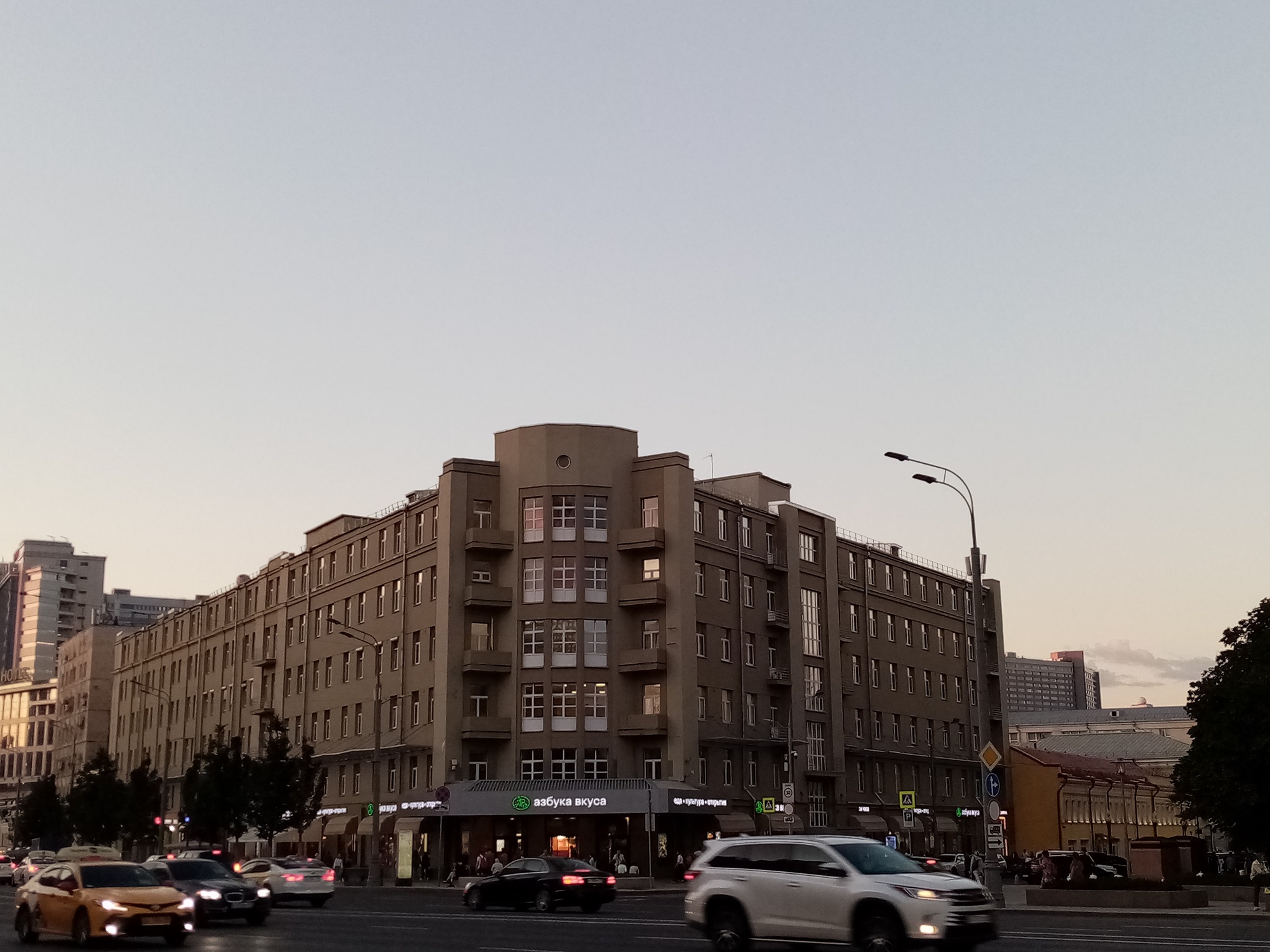
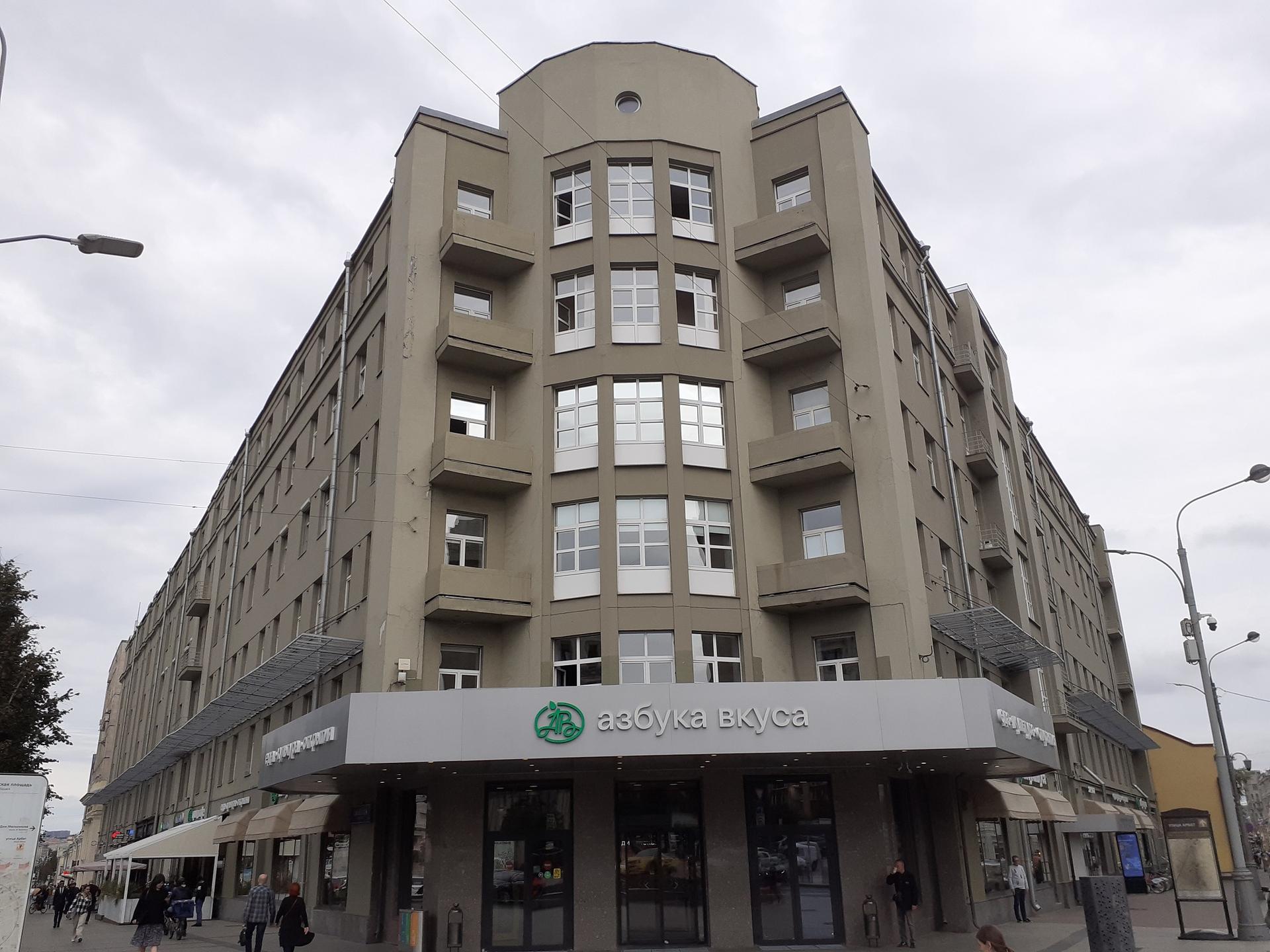
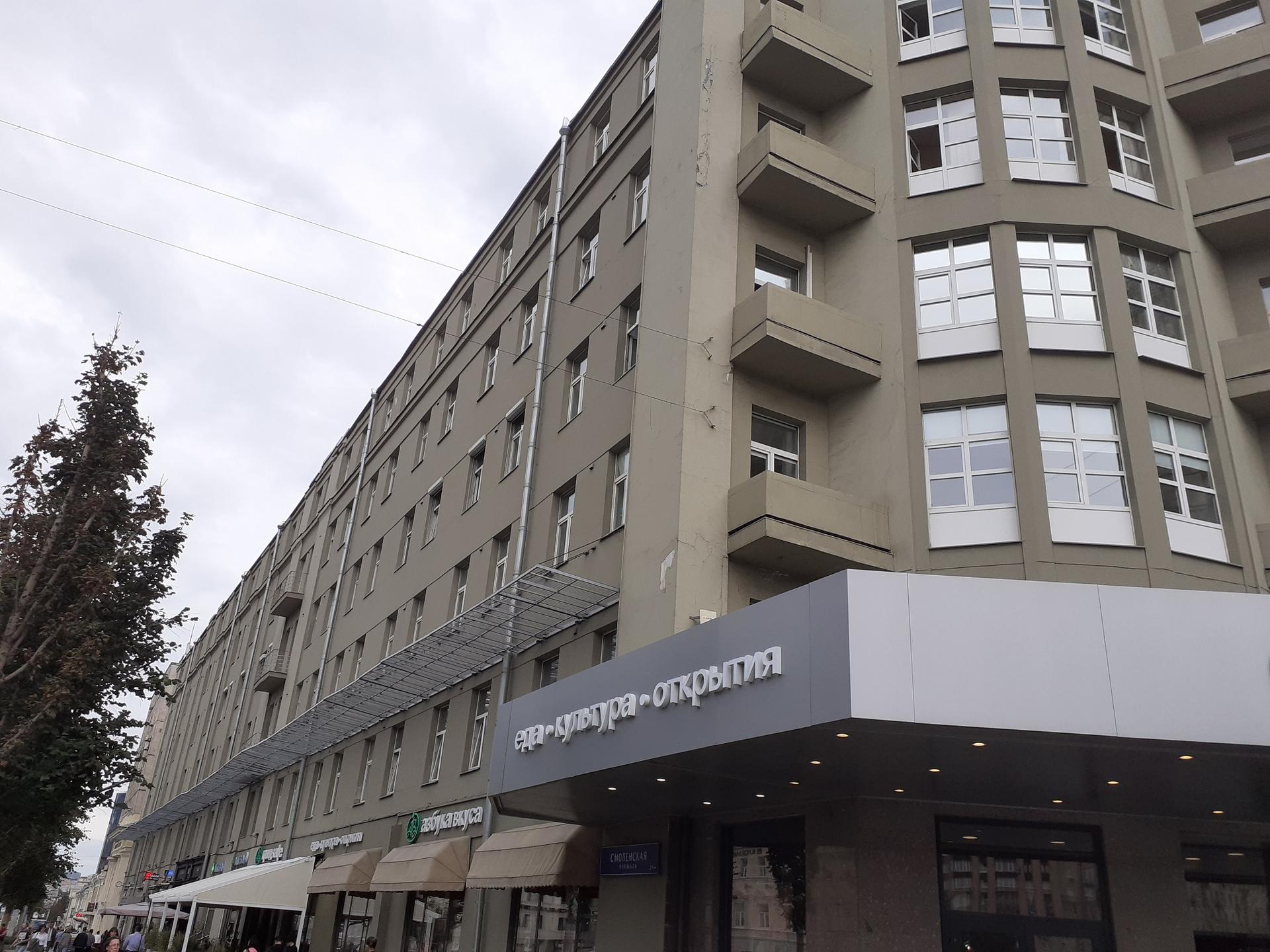
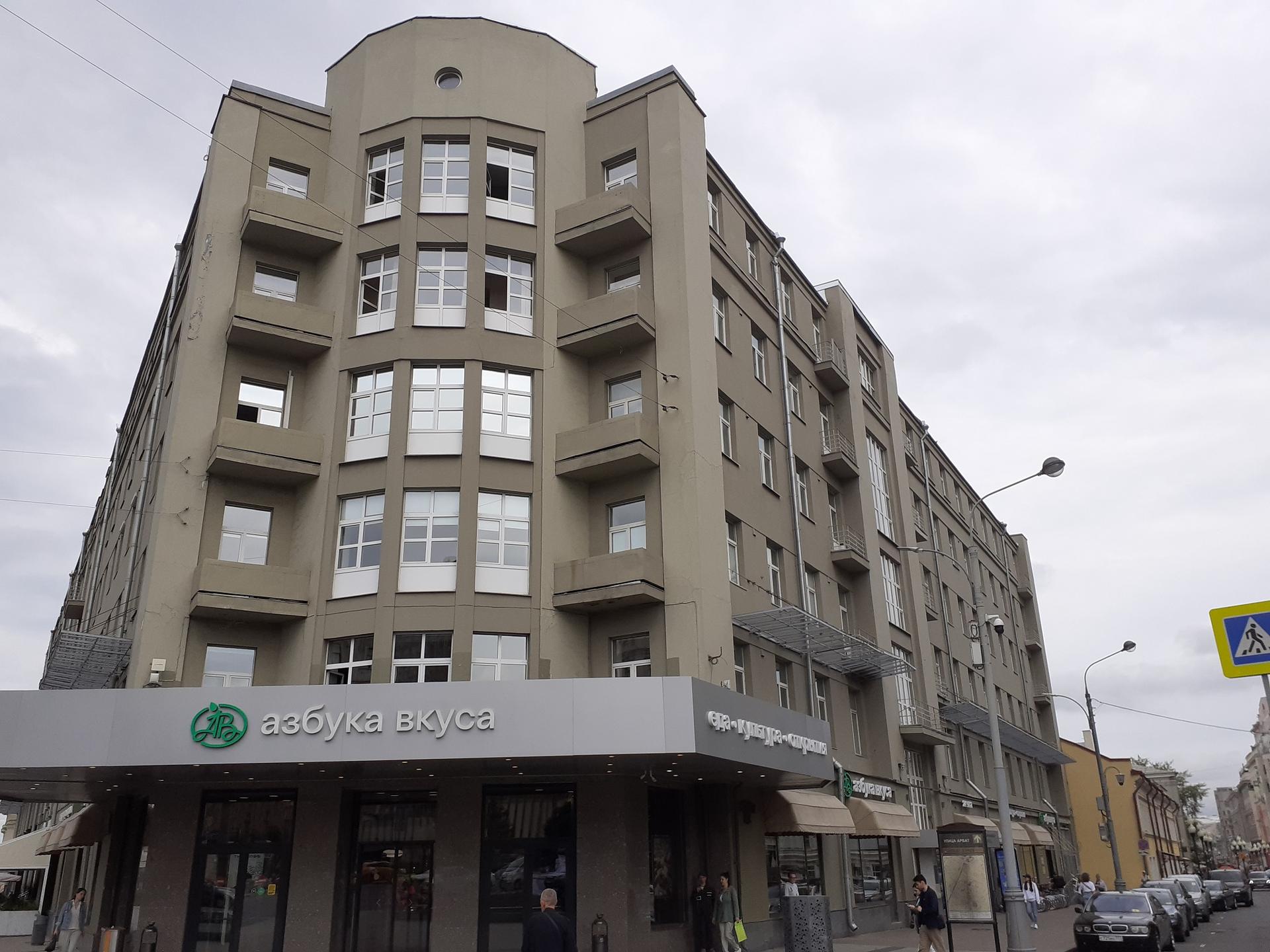
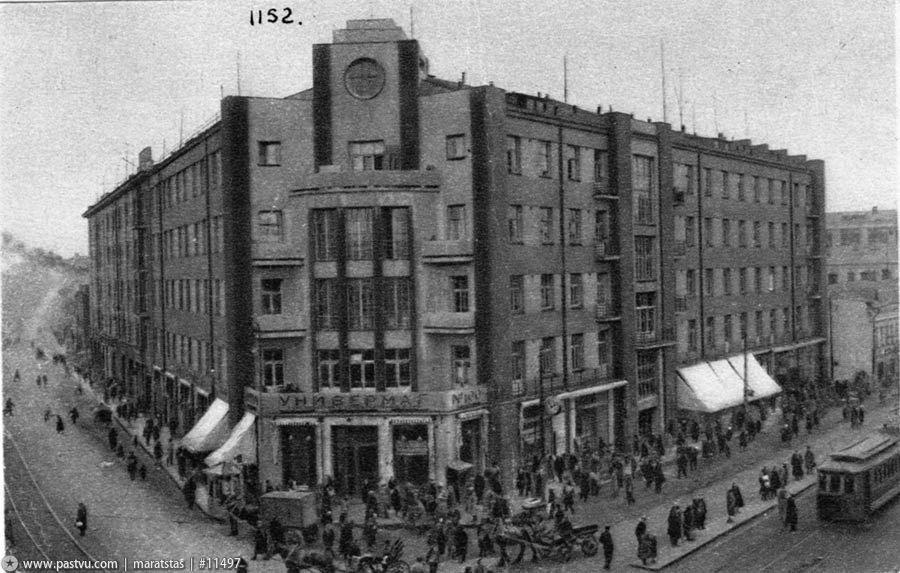
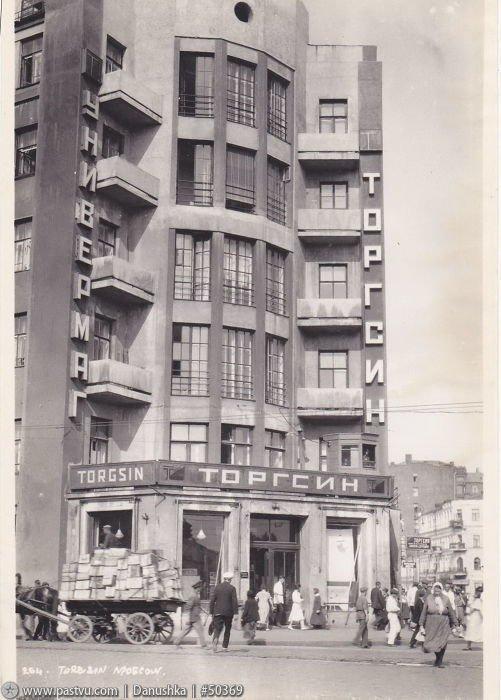
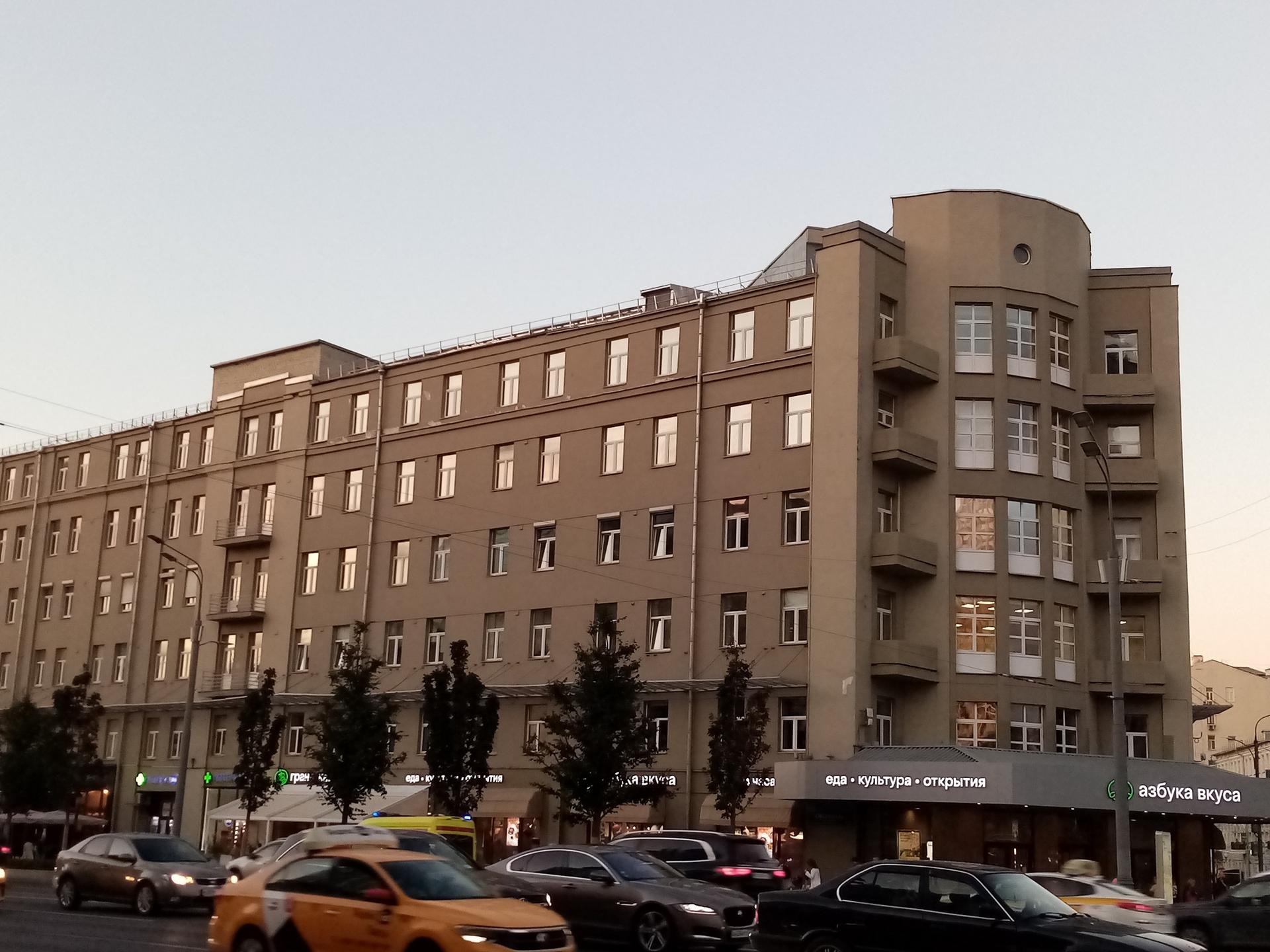
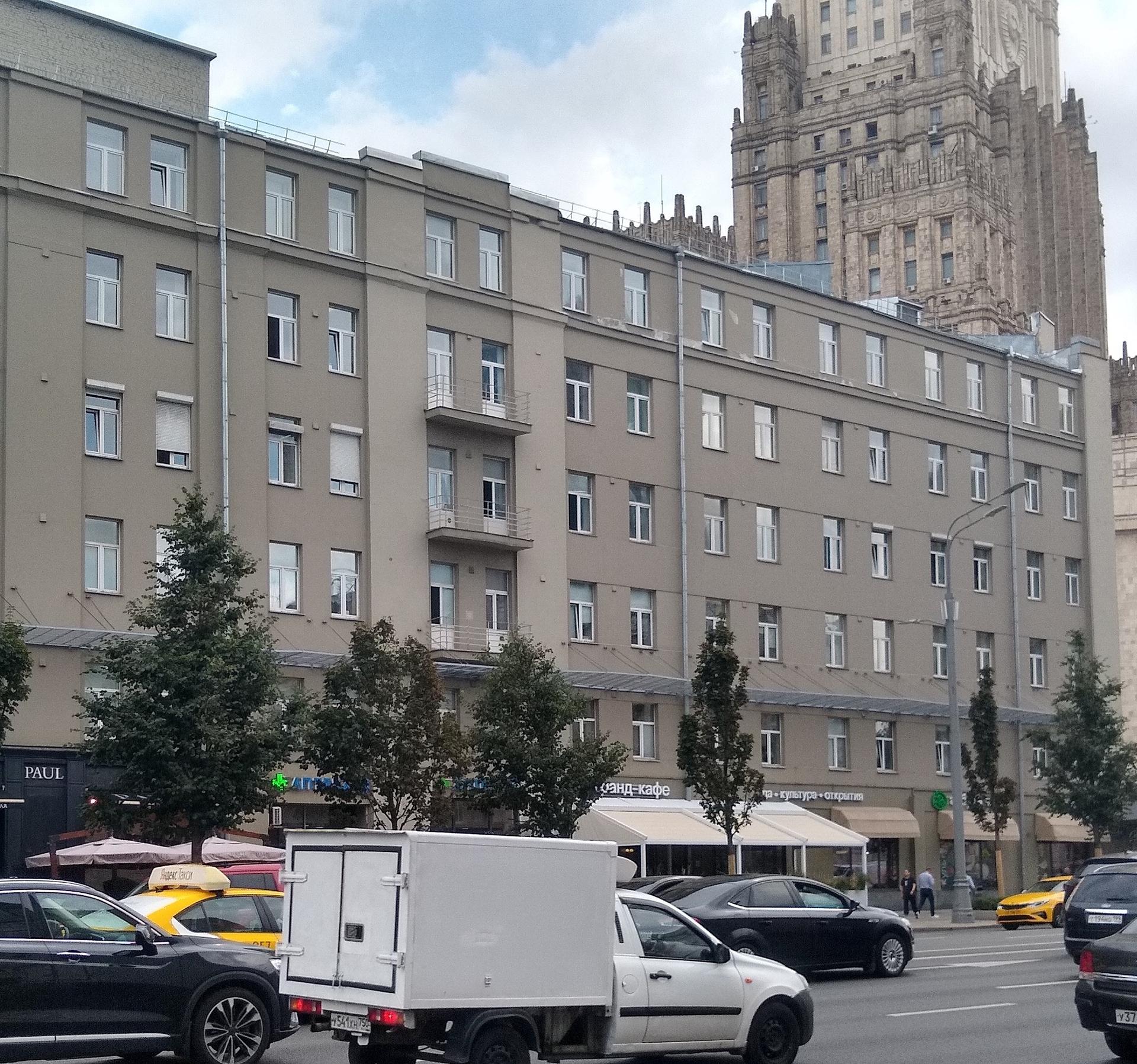
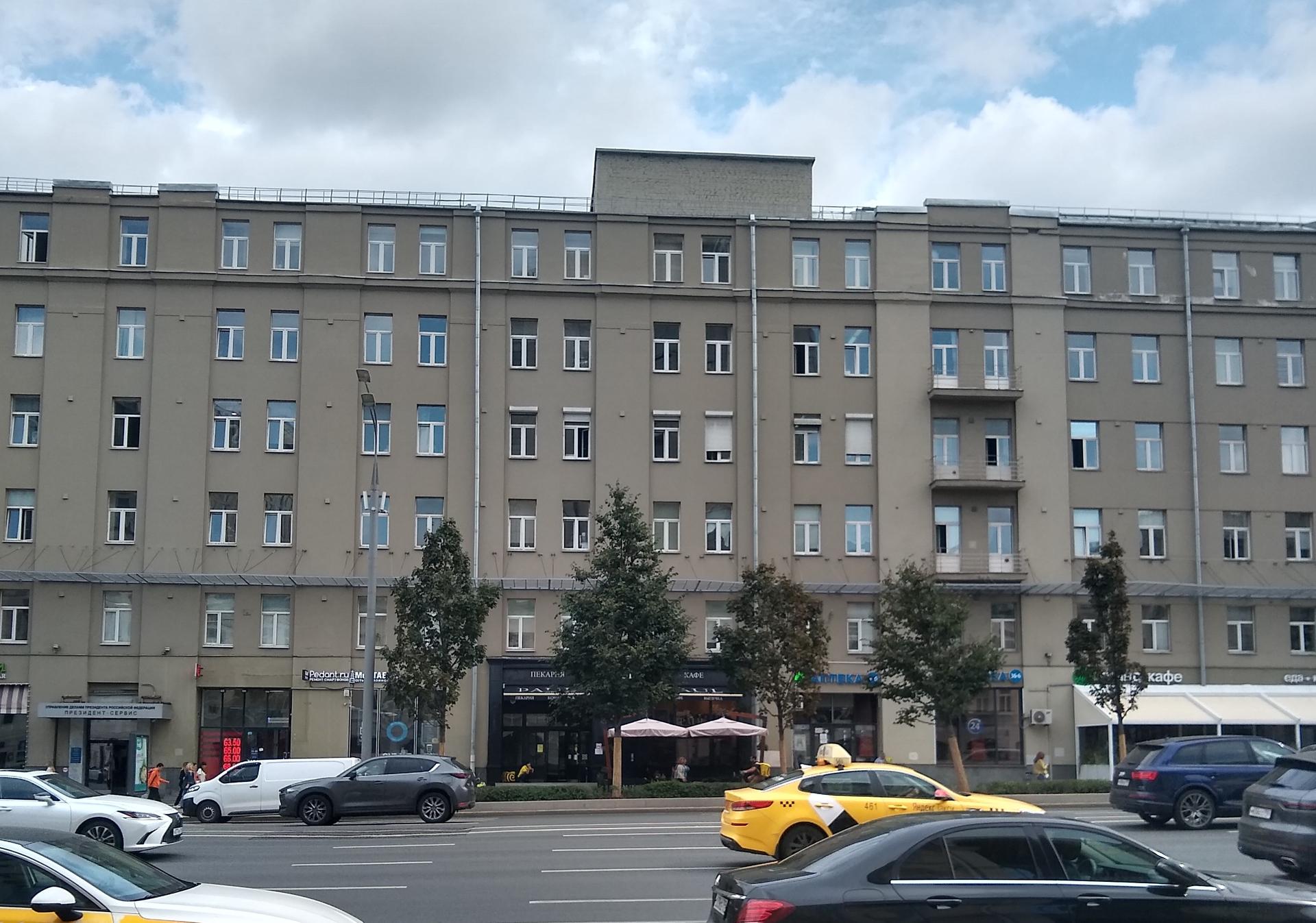
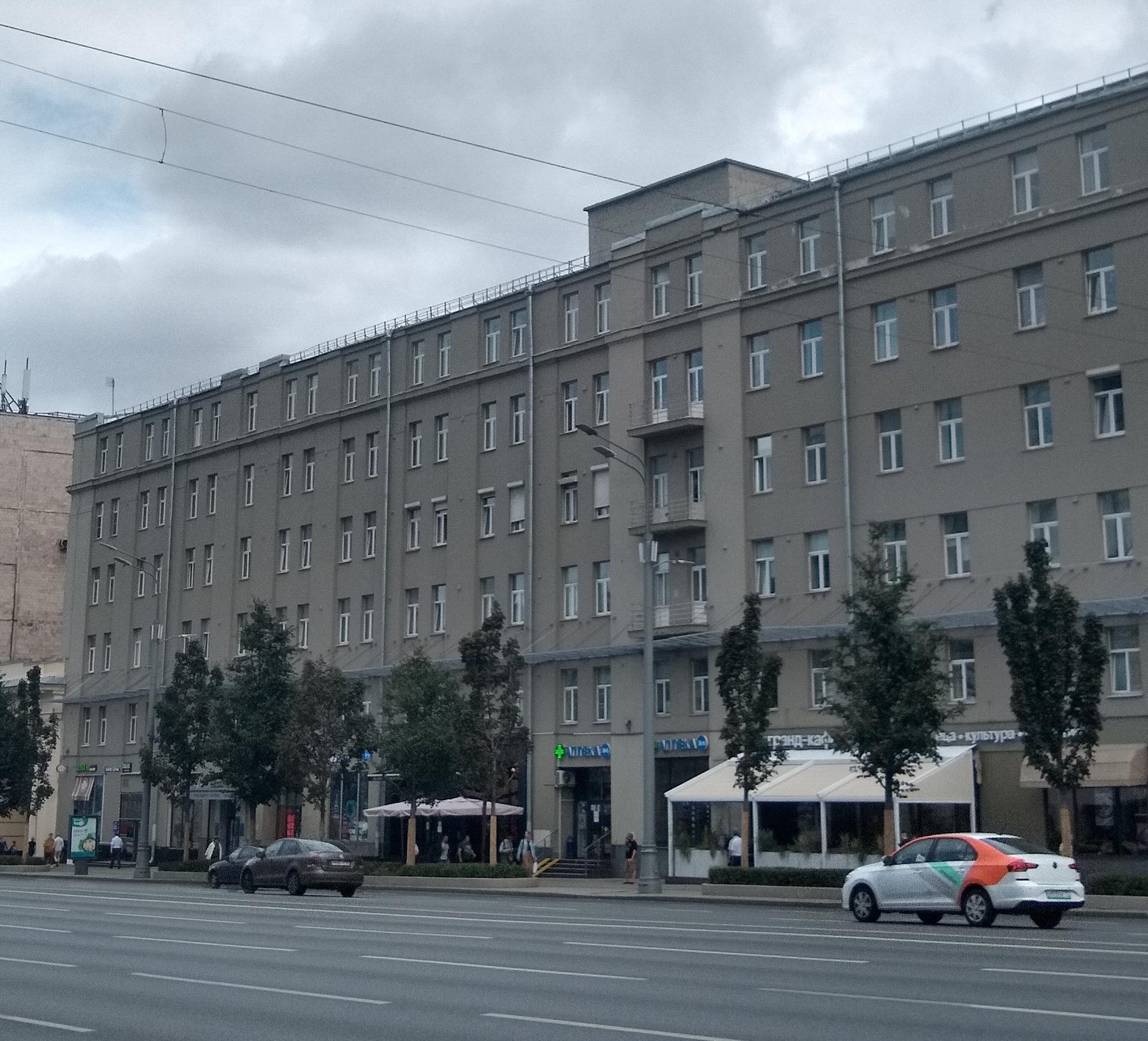
Здание жилого дома с гастрономом на Смоленской площади было построено в 1928 году по проекту архитектора Владимира Матвеевича Маята совместно с Вячеславом Константиновичем Олтаржевским на месте существовавшего там десятилетиями Смоленского рынка.

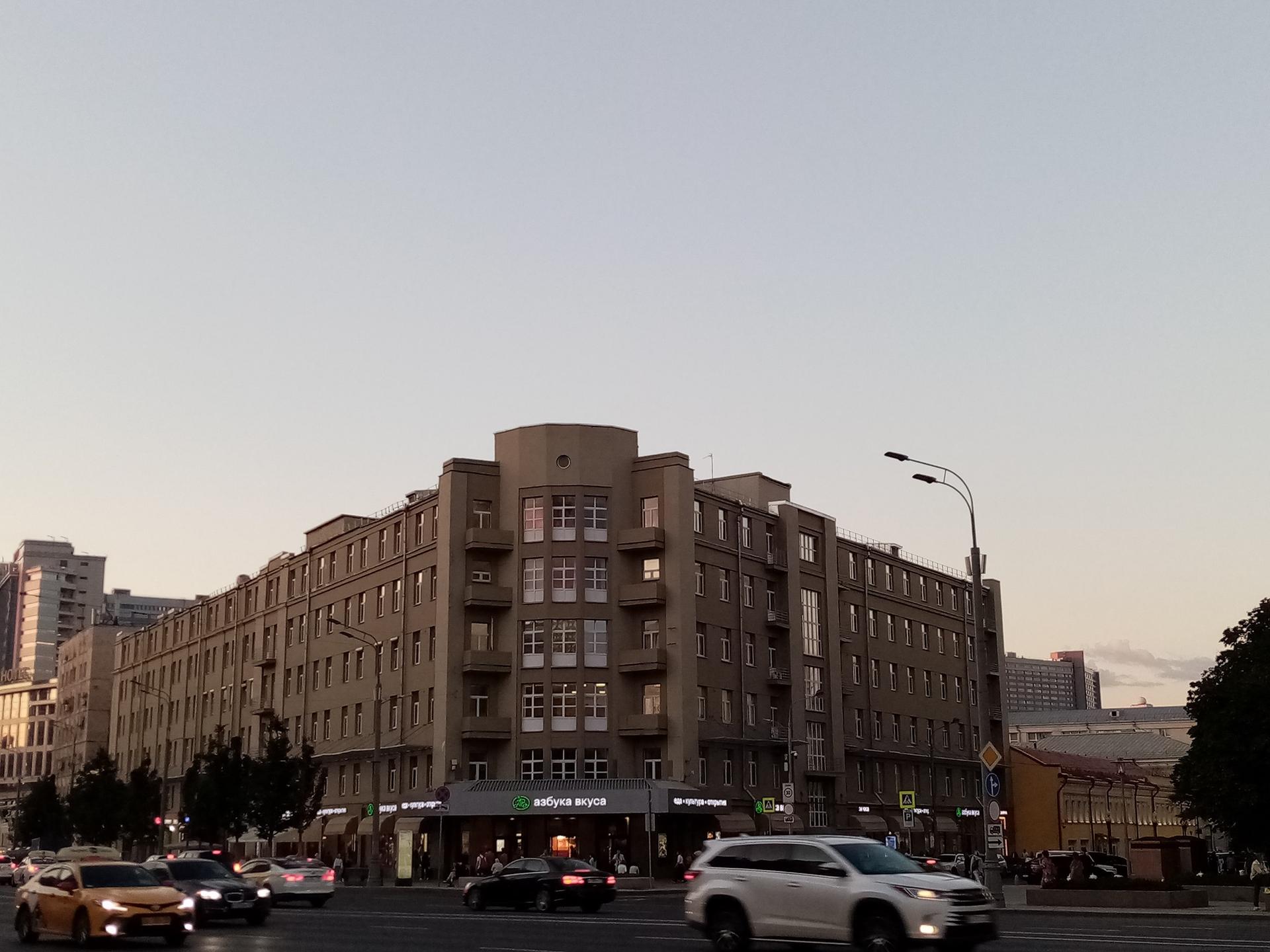
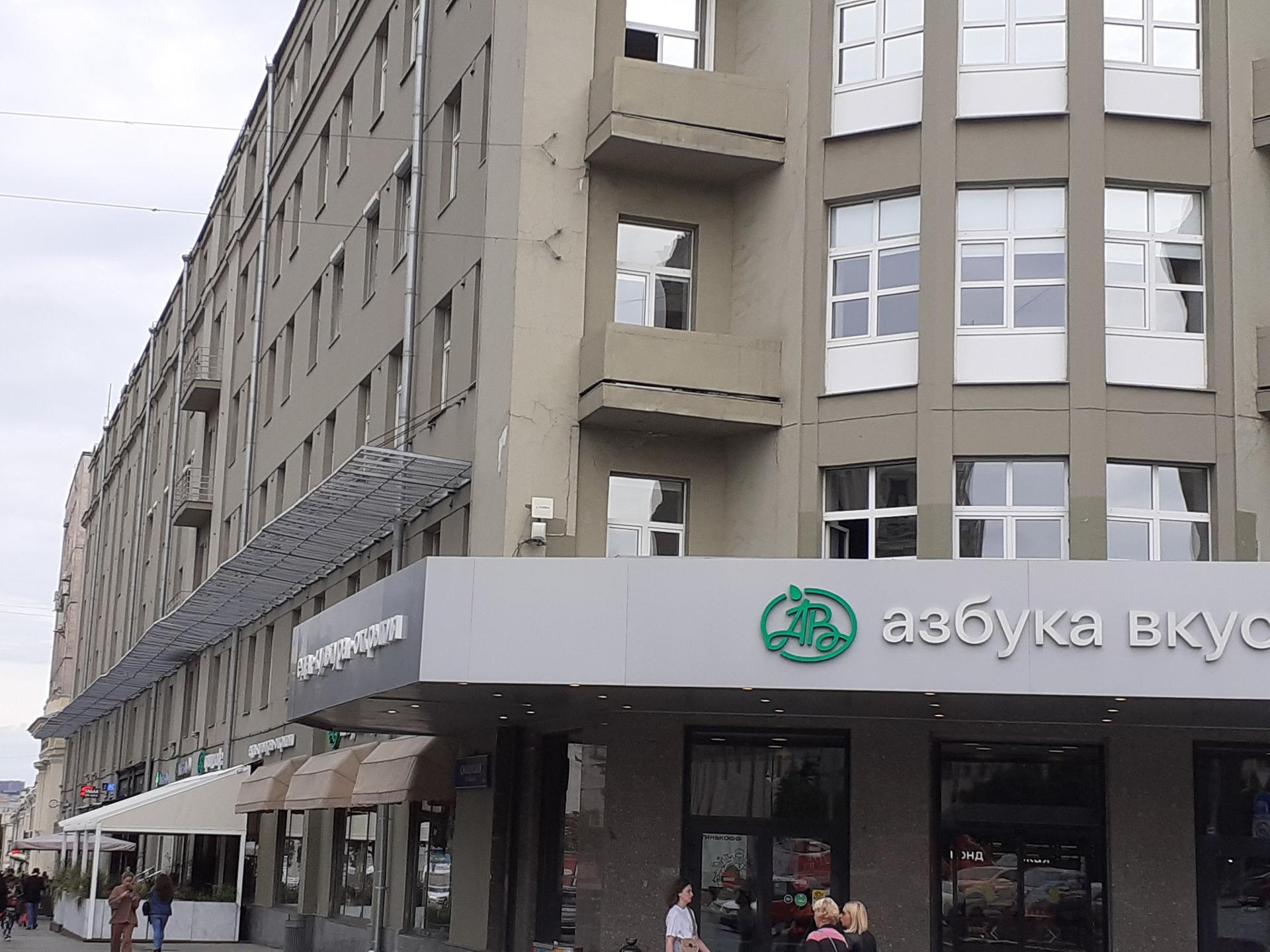
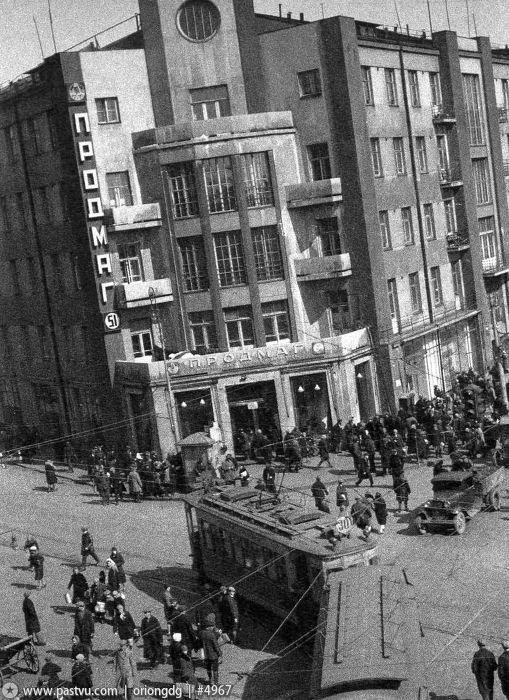
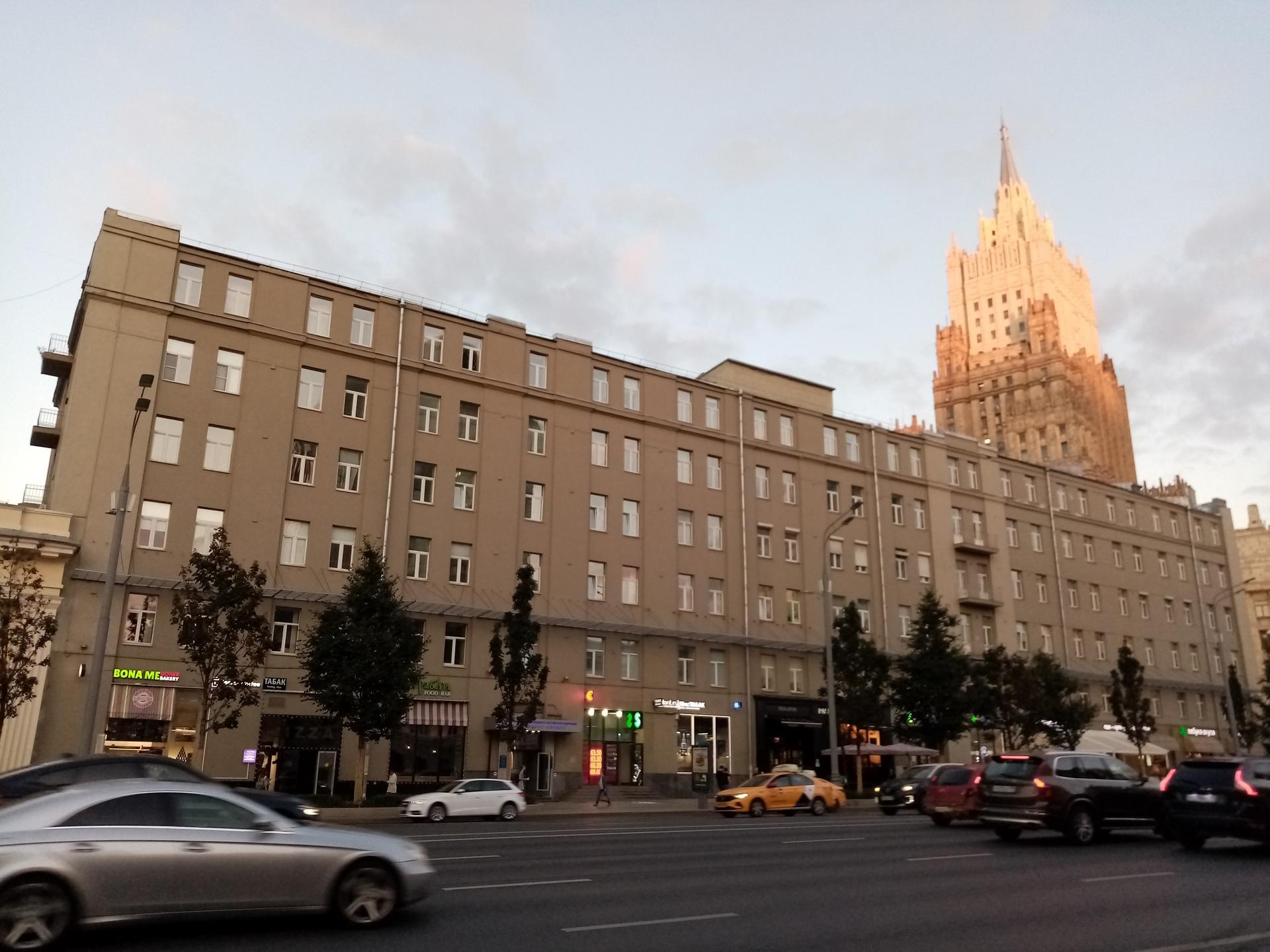
Со стороны Смоленской площади здание имеет ничем не примечательный фасад, в левой части расчлененный плоскими широкими пилястрами. Все усилия автора были сосредоточены на угловой части здания, которое вторым своим фасадом выходит на Арбат. Здесь присутствуют типичные для конструктивизма мотивы обработки закругленного остекленного угла, фланкированного с двух сторон небольшими балконами. Пятиэтажный дом в 1934 году был надстроен еще одним этажом.

Первый этаж здания на Смоленской площади занял Торгсин, или Всесоюзное объединение по торговле с иностранцами на территории СССР, в годы острого валютного кризиса. 14 июня 1931 года Торгсин открыл двери советским гражданам, которые могли покупать товары на царские золотые монеты, бытовое золото, серебро, платину, бриллианты и другие драгоценные камни. Всего за четыре года (1932-1936) люди сдали почти 100 тонн чистого золота, что значительно облегчило борьбу с голодом в стране.

«...жирная плачущая розовая лососина», бочки с «сельдью керченской отборной», пирамиды из мандаринов, шоколадная Эйфелева башня, миндальные пирожные, «сотни штук ситцу богатейших расцветок», «миткали и шифоны, и сукна фрачные», «штабеля коробок с обувью» — таким увидели Торгсин булгаковские герои. Однако сегодня исследователи утверждают обратное. Большинство городских торгсинов были заурядными универмагами со скудным ассортиментом: мука, крупа, картофель в мешках. Только голодный советский покупатель мог увидеть на витринах райское изобилие.

В 1936 г. Торгсин ликвидировали, а гастроном стал называться Смоленским или №2 (после Елисеевского). Вплоть до середины 1970-х годов в верхних этажах здания бывшего Торгсина находились квартиры, в основном коммунальные. Затем дом расселили, а после ремонта верхние этажи отдали в распоряжение МИДа, основное здание которого находится рядом.
This store once made a hundred tons of pure gold for the government. ‘… there appeared by the mirrored doors of a torgsin on the Smolensky marketplace a long citizen in a checkered suit, and with him a big black cat. Dexterously twisting among passers-by, the citizen opened the outer door of the store. But then a small, bony and extremely spiteful doorman barred his way and said irritably: ‘No cats allowed!’ This was how Koroviev and Behemoth, the characters of The Master and Margarita by Mikhail Bulgakov, were greeted in the Torgsin, a store rife with commodities that were hard to find in the USSR. Designed by the architect Vladimir Mayat in collaboration with Vyacheslav Oltarzhevsky, the residential building with a store on Smolenskaya Square was constructed in 1928 on the former site of the Smolensky marketplace that had occupied this spot for many decades. The building’s façade on its Smolenskaya Square side is unremarkable, except perhaps for the fact that its left side is divided into parts by wide pilasters. What the architect really focused on is the corner part of the house, the second façade of which is facing Arbat Street. Here, you can spot typical Constructivist motifs in the appearance of its rounded glazed corner, surrounded by small balconies from both sides. The five-storey house had another storey added to it in 1934. In the years when the Soviet Union was hit heavily by a currency crisis, the ground floor of this building housed the Torgsin — an abbreviation for the ‘Soviet nationwide association for trade with foreigners’. On the 14th of July, 1931, the Torgsin — normally reserved for foreigners, who could supposedly buy an unusually great variety of goods there in exchange for foreign currency — became accessible to the Soviet citizens, who could now bring here their tsarist-era gold coins, or any items made of gold, silver, platinum, diamonds, or any other jewels, in order to exchange them for various goods. From 1932 to 1936, the people delivered almost a hundred tons of pure gold, which made fighting the famine that plagued the country at the time much easier. ‘...weeping, plump pink salmon’, barrels of ‘Choice Kerch Herring’, pyramids of mandarins, a ‘chocolate Eiffel Tower’, almond cookies, ‘hundreds of bolts of cotton in the richest assortment of colors’, ‘calicoes, and chiffons, and flannels for suits’, ‘endless stacks of shoeboxes’ — this was what Bulgakov’s characters saw in the Torgsin. However, modern researchers don’t believe it was true, saying most of the torgsins in Soviet cities were nothing but department stores offering a rather mediocre selection of goods — flour, cereals, potatoes in bags… Only the hungry Soviet customer could see this as the cornucopia it was described to be. In 1936, the Torgsin was closed, and the store was renamed as Smolensky aka Store number 2 (after Eliseevsky). Up until the mid-1970s, the upper floors of the former Torgsin were occupied with apartments, predominantly of the communal kind. Later, the residents were relocated, the building was renovated, and the upper floors were given to the Ministry of Foreign Affairs, the main building of which is found nearby.
Автор статьи: Ольга Филонова
Поделитесь статьей с друзьями
Интересное рядом(3)
Пречистенка ул., д. 21 (напротив здания Российской академии художеств)
улица Бурденко, дом 16/12, квартира 21—22