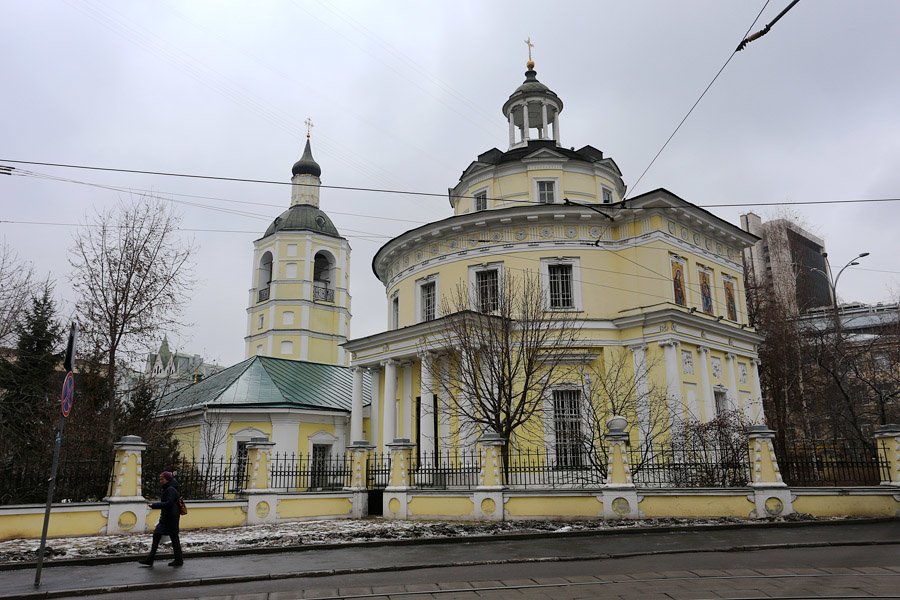
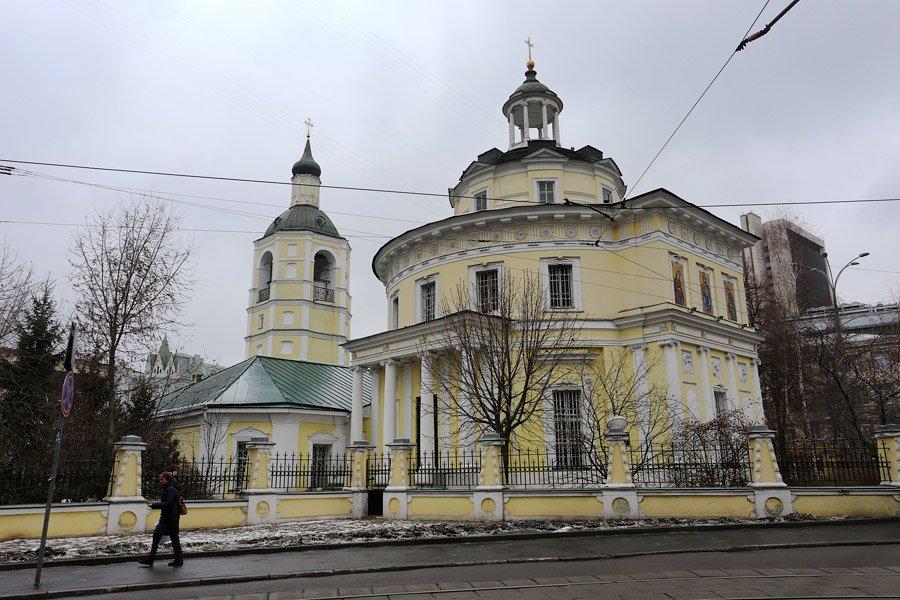
Первый храм во имя митрополита Филиппа (Колычева), открыто выступившего против политики террора Ивана Грозного. Сегодня это не только память о значительнейшем духовном деятеле России, но и уникальный памятник архитектуры XVIII в.
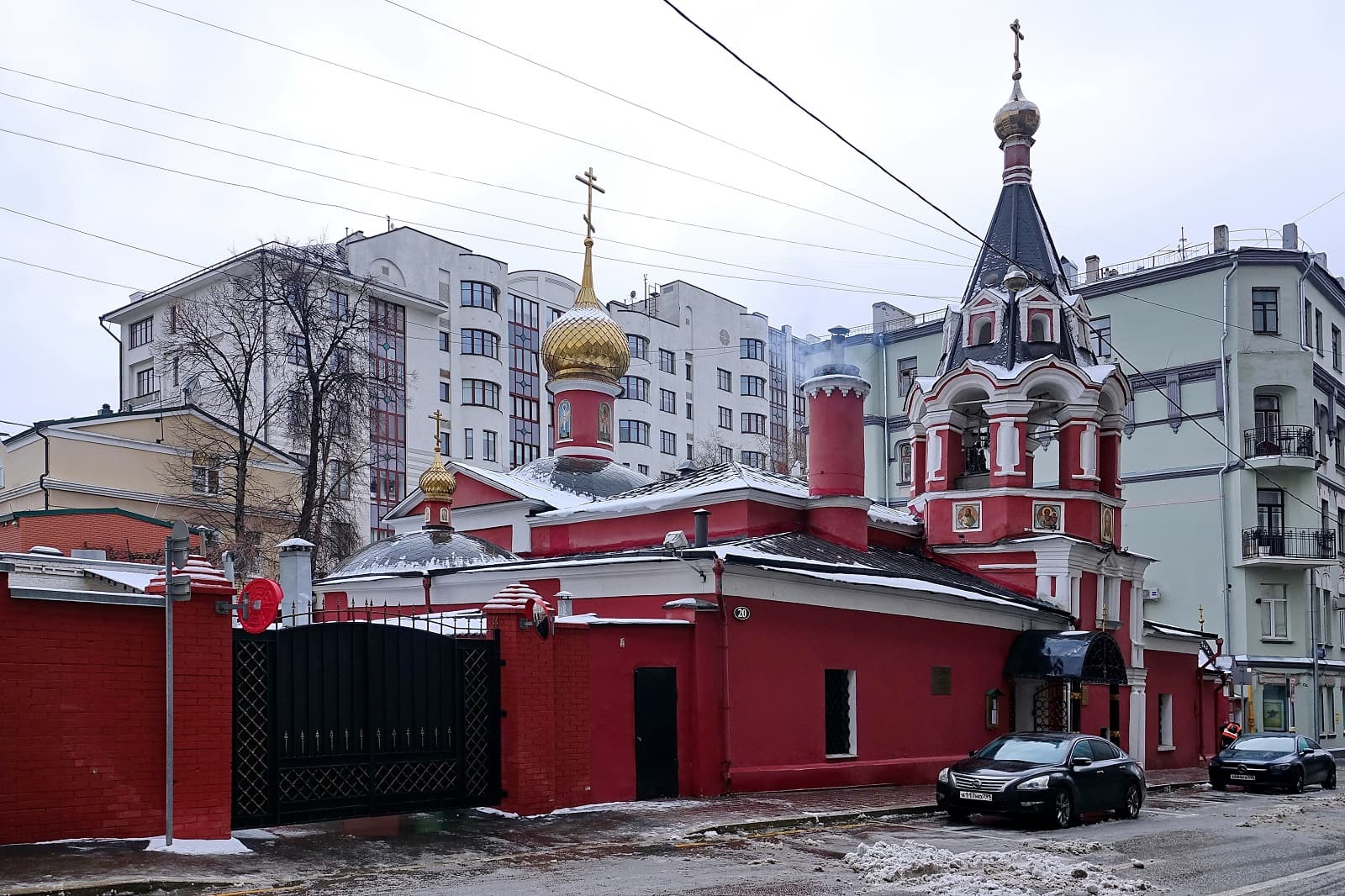
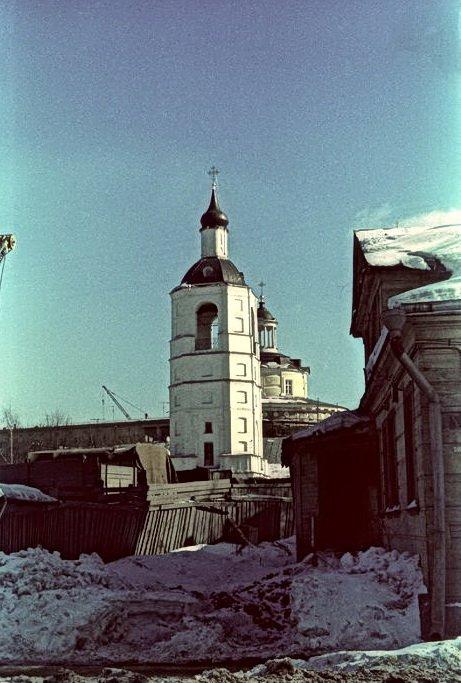
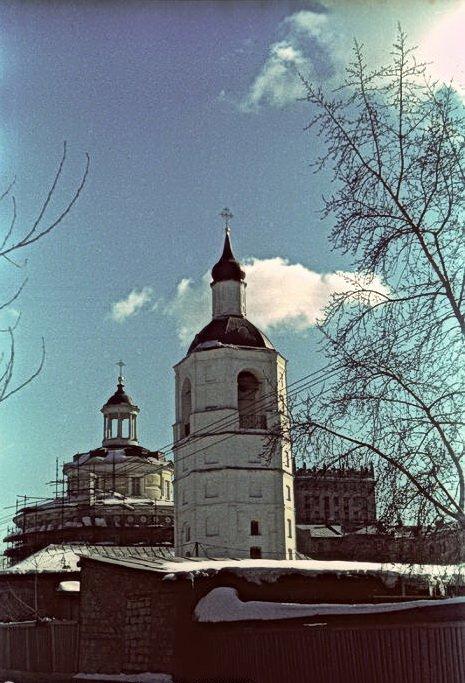
В июле 1652 г. мощи митрополита Филиппа были привезены из Соловецкого монастыря, где он погиб, в Москву для общецерковного прославления в Успенском соборе. Во главе процессии находился митрополит Новгородский Никон, в том же месяце ставший патриархом. В Мещанской слободе мощи были встречены крестным ходом с участием царя и духовенства. На этом месте поначалу была установлена часовня с памятным крестом, а в 1677 г. поставлена деревянная церковь во имя святителя Филиппа. В 1691 г. она была заменена каменным зданием в стиле "барокко". Но и эта постройка со временем обветшала, грозя обрушиться. Митрополиту Московский Платон дал разрешение на возведение нового здания. Работы продолжались в течение 1777–1788 гг. Трапезная и колокольня остались от 1750–1752 гг.
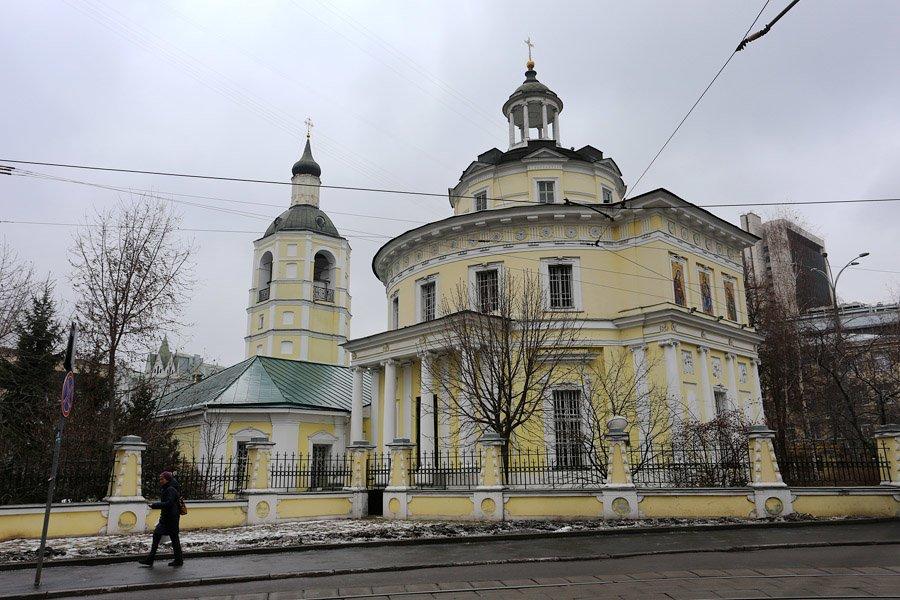
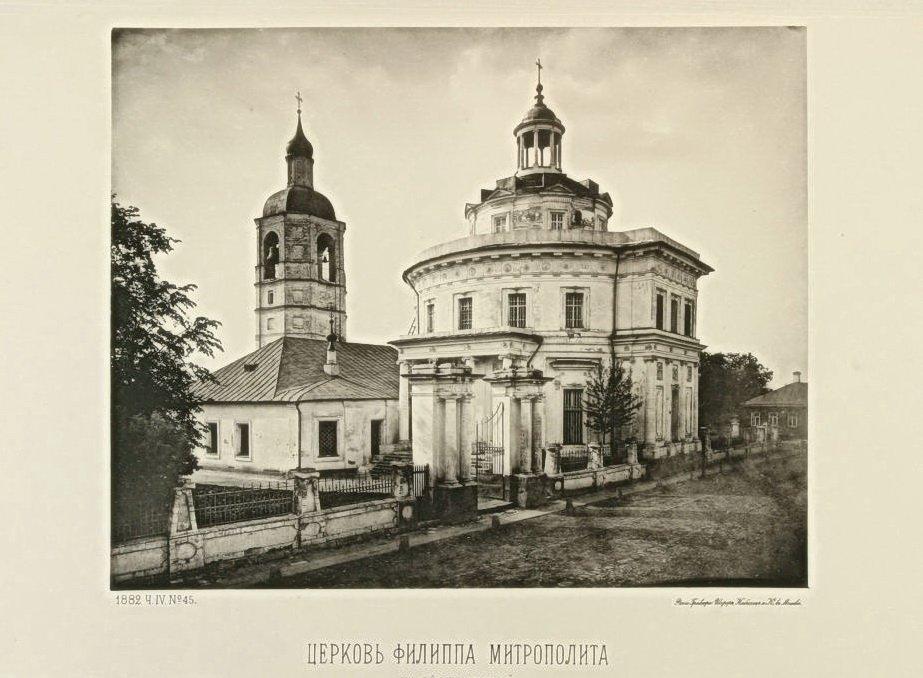
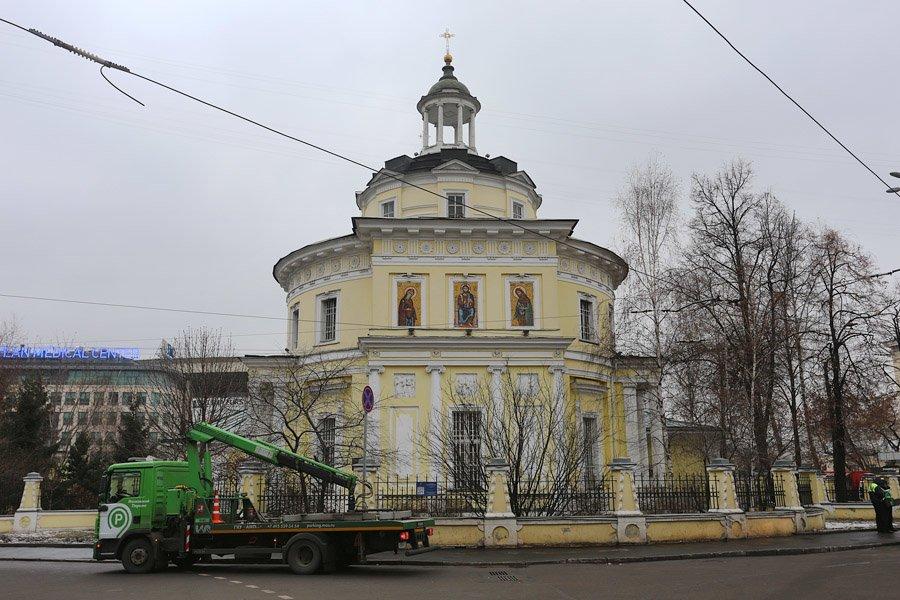
Об архитекторе ведутся дискуссии, но наиболее вероятным автором проекта считается М.Ф. Казаков. Официально работами руководил С.А. Карин. Храм был создан по канонам классицизма и богато украшен: изначально существовал план размещения при нем подворья митрополита Платона. Барочная колокольня и почти лишенная декора трапезная контрастируют с ротондой основной части храма, украшенной наличниками, медальонами, четырехколонными ионическими портиками с лепниной и пилястровым портиком на алтарной апсиде с востока. Ротонда завершается куполом поменьше, прорезанным крупными окнами, купол же увенчан фонарем, напоминающим парковую беседку. Похожее завершение Казаков применил в церкви Вознесения Господня на Гороховом поле. Не менее примечательна церковь изнутри: в западной половине ротонды расставлены полукругом колонны ионического большого ордера, в алтарной части такой же полукруг выполнен из колонн малого коринфского ордера. Хоры при этом расположены на колоннах дорического ордера. Архитектор словно хотел использовать все возможные варианты классицистического декора, применявшиеся в ту эпоху в православных храмах. Купол изнутри украшен тонко проработанными кессонами. Впечатление от масштабности церкви изнутри еще более усиливается с помощью многочисленных декоративных деталей.
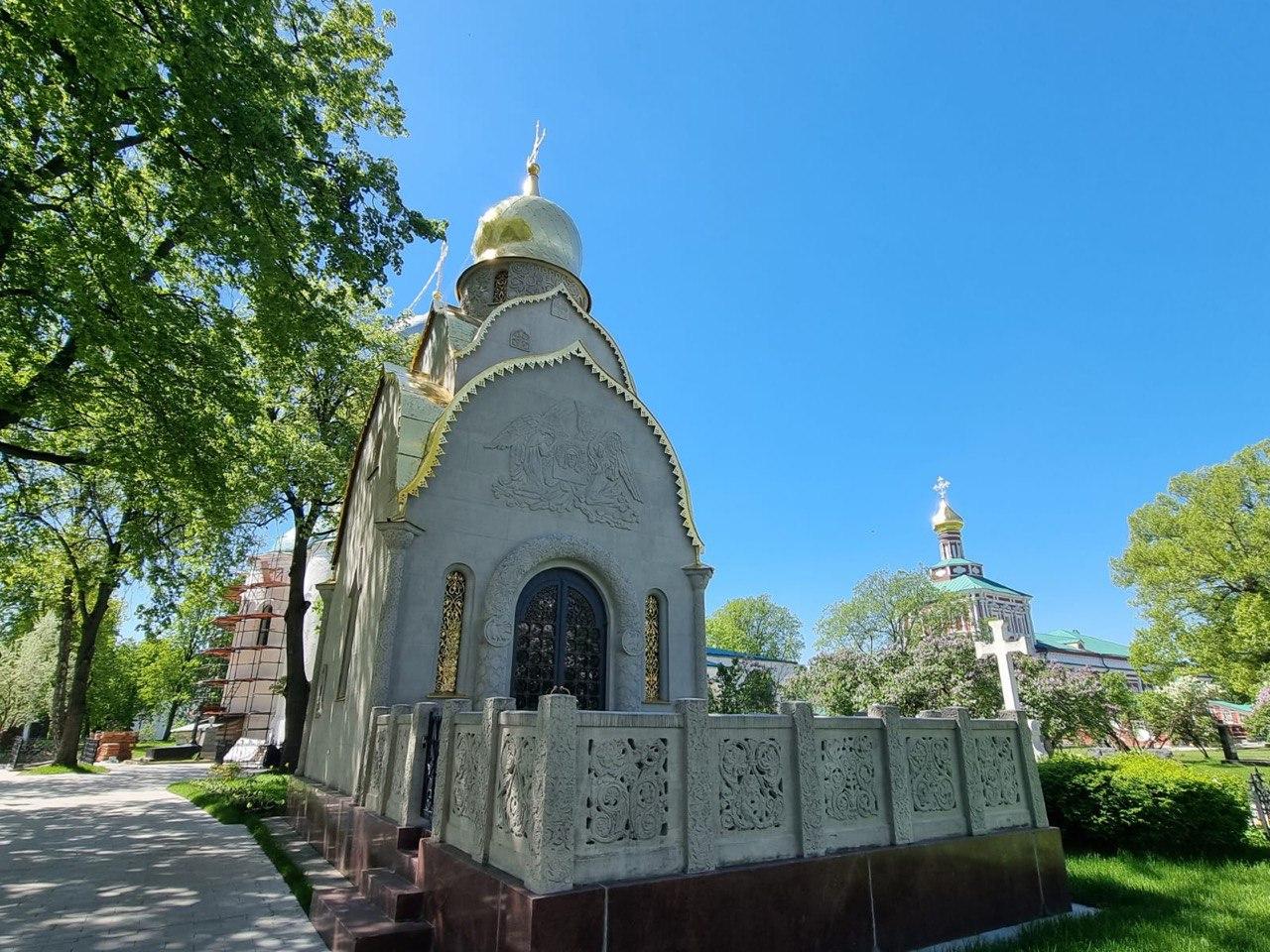
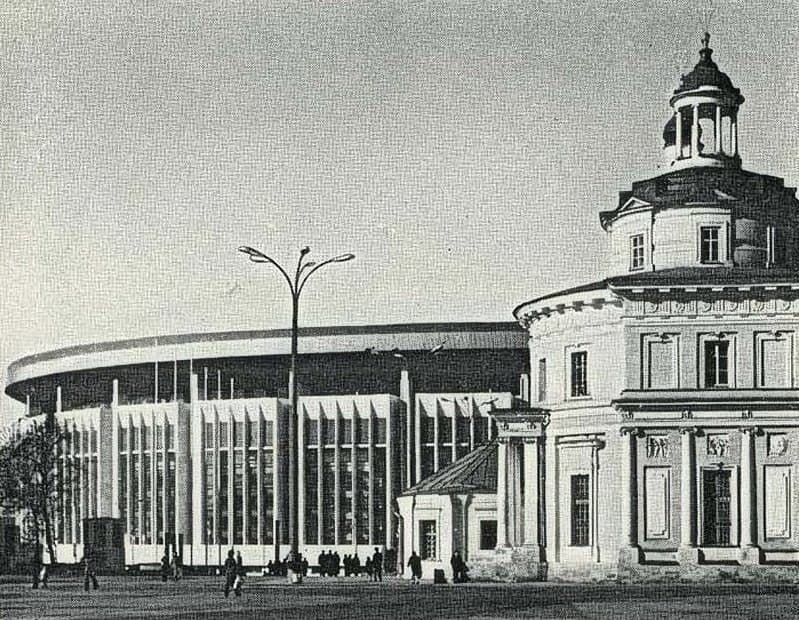
Около 1939 г. богослужения здесь прекратились. Окружающая застройка и церковные дома почти полностью были снесены при строительстве с/к «Олимпийский». Однако самому храму относительно повезло: здание сохранило не только внешний облик, но и практически полностью внутреннее убранство. В нем находился архив Госстандарта, из-за чего увидеть уникальные церковные интерьеры было невозможно. Ситуация изменилась в 1991 г., когда в храме возобновились богослужения. В 1994 г. при нем было создано Сибирское подворье, для которого построены часовня в честь просветителей Сибирских земель и два корпуса — все в стилистике Филипповского храма. Церковь сегодня открыта для всех желающих.
There have been discussions about the architect, but the most likely author of the project is considered to be M.F. Kazakoff. Officially, it was supervised by S.A. Karin. The temple was established by the canons of classicism and richly decorated: originally there was a plan by placing it farmstead Metropolitan Platon. The baroque belltower and the refectory, almost devoid of decor, contrast with the rotunda of the main part of the church, decorated with platbands, medallions, four-columned Ionic porticos with stucco and a pilaster portico on the altar apse from the east. Rotunda ends with a smaller dome, cut through large windows, the dome is crowned with a lantern, reminiscent of a park gazebo. A similar conclusion Kazakoff applied in the Church of the Ascension in the Gorohovoe Field. No less remarkable church from within, in the western half of the rotunda of the Ionic columns arranged a semicircle of large orders in the altar of the same semi-circle made of small Corinthian columns. Choirs are on at the same Doric columns. The architect seemed to want to use all possible versions of the classic decor used in that era in Orthodox churches. The dome inside is decorated with finely worked caissons. The impression of the scale of the church from the inside is further strengthened with the help of numerous decorative details.
Around 1939 the service was stopped. Surrounding buildings and church houses were almost completely demolished during the construction of "Olympic".However, the temple itself was relatively lucky: the building retained not only the external appearance, but also almost completely interior decoration. It contained the archive of the State Standard, which made it impossible to see the unique church interiors. The situation changed in 1991, when worship services resumed in the church. In 1994, the Siberian Compound was created, for which a chapel was built in honor of the enlighteners of the Siberian lands and two buildings - all in the style of the Philippine church. The church today is open to all comers.