Интерактивный гид по городу
С мобильным приложением бродить по городу гораздо интереснее!

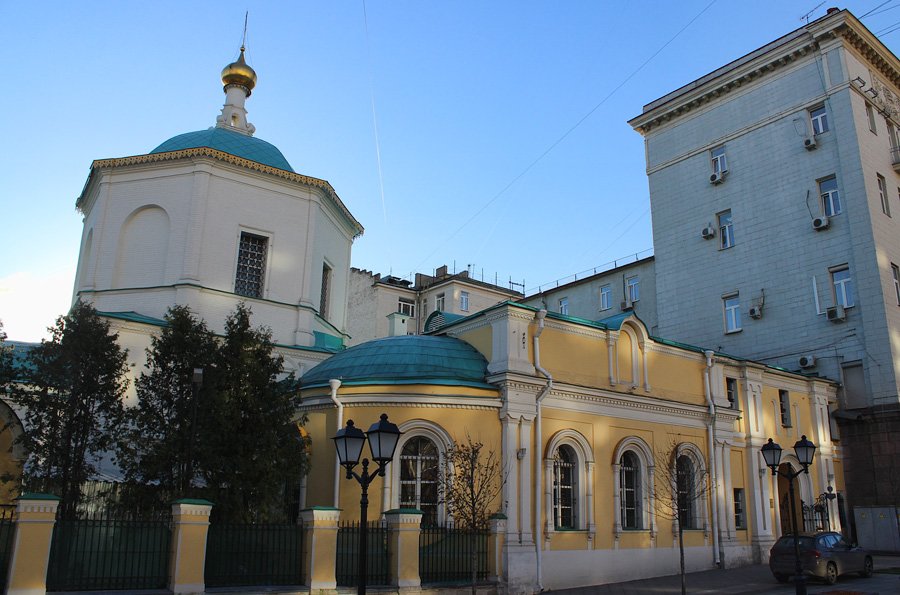
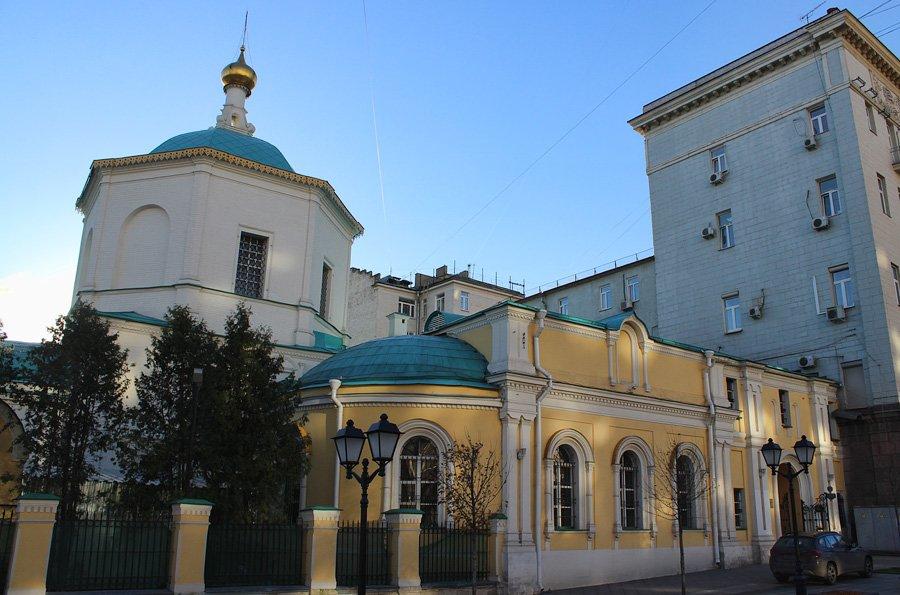
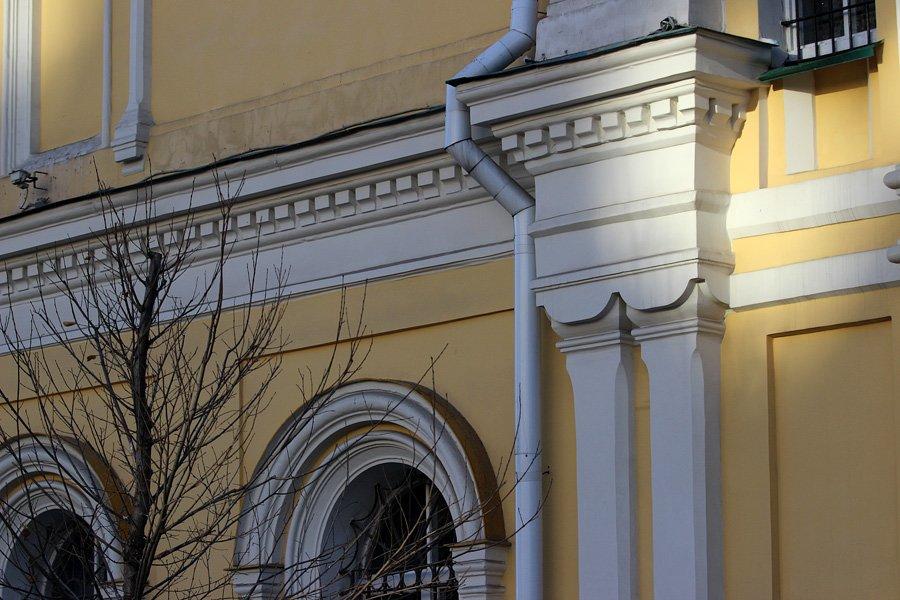
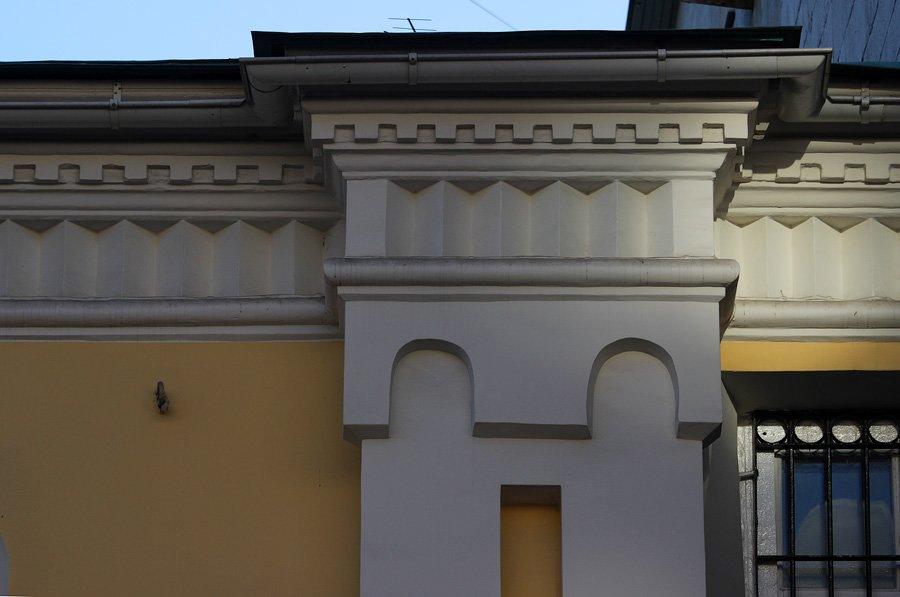
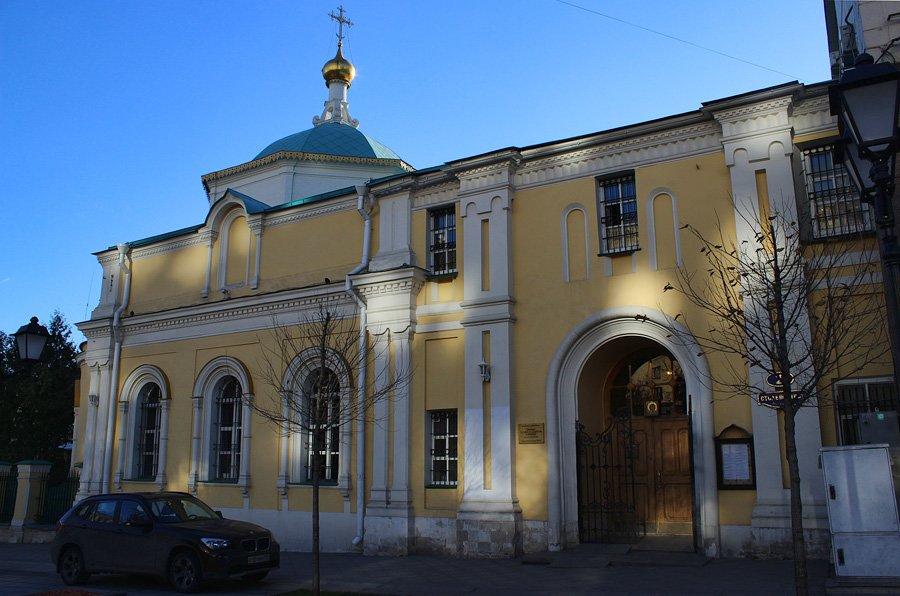
Cosmas and Damian church

This temple was a sad witness to the shooting of “Moscow burners” in 1812 .

Cosmas and Damian church
Pushkinskaya, Tverskaya, Chekhovskaya
This temple was a sad witness to the shooting of “Moscow burners” in 1812 .
4.00
Вы можете воспользоваться QR-кодом, чтобы открыть эту страницу в нашем приложении
Архитектурный стиль:
, , ,
Годы постройки:
XVII-XVIII века
Архитекторы:
С.К. Родионов, А.Ф. Элькинский
Эпоха:
17th century, 18th century
История

История церкви святых Косьмы и Дамиана начинается в XIV веке, когда на этом месте была возведена первая деревянная церковь, которую в XVII веке заменили на каменную. Местность получила название в честь московского боярина Иоакинфа Шубы, владевшего этими землями.

Каменный храм святых Косьмы и Дамиана был возведён в 1626 году и стал важным духовным центром этого района Москвы. В 1722 году обветшавший храм был фактически отстроен заново.

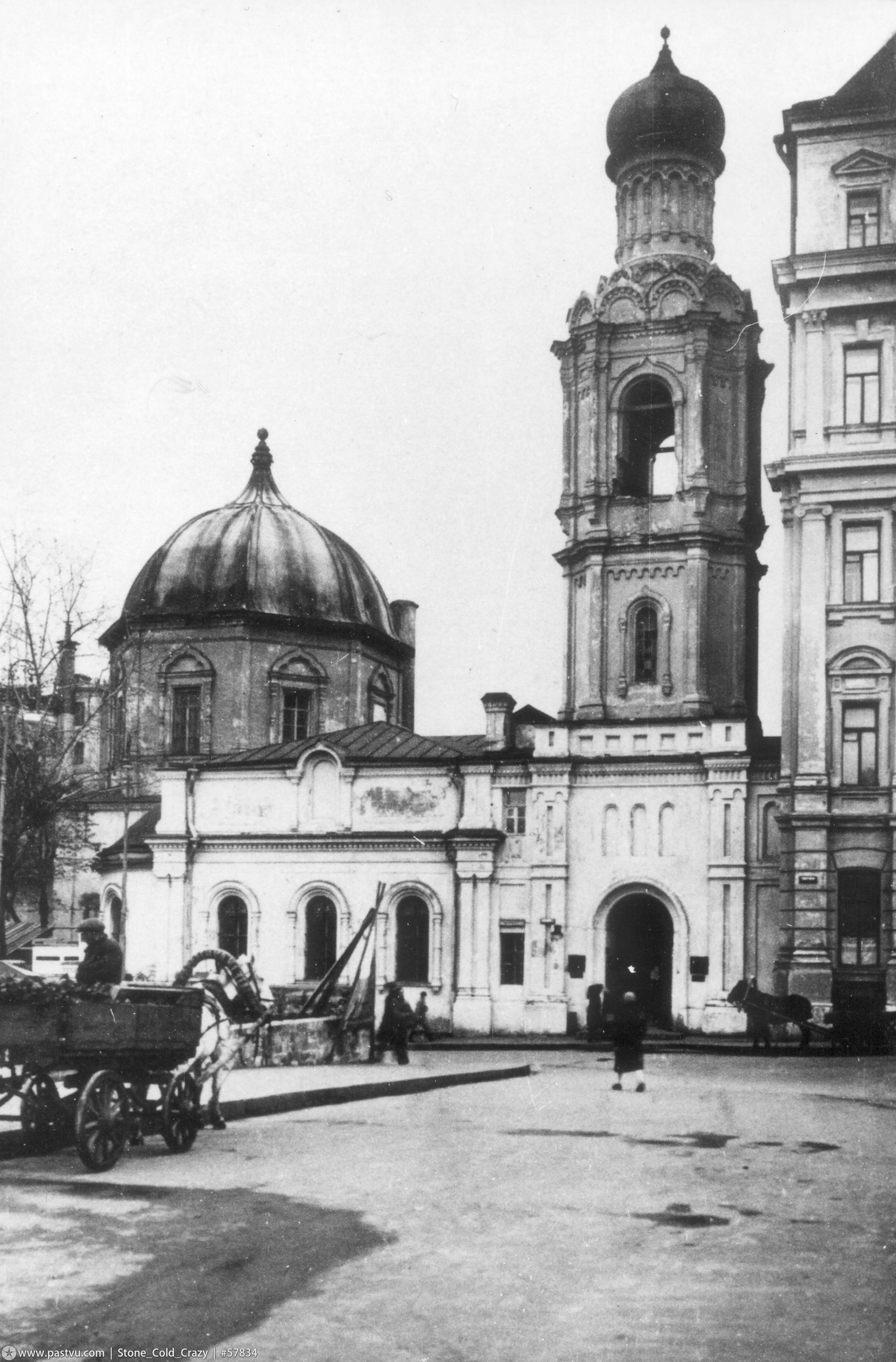
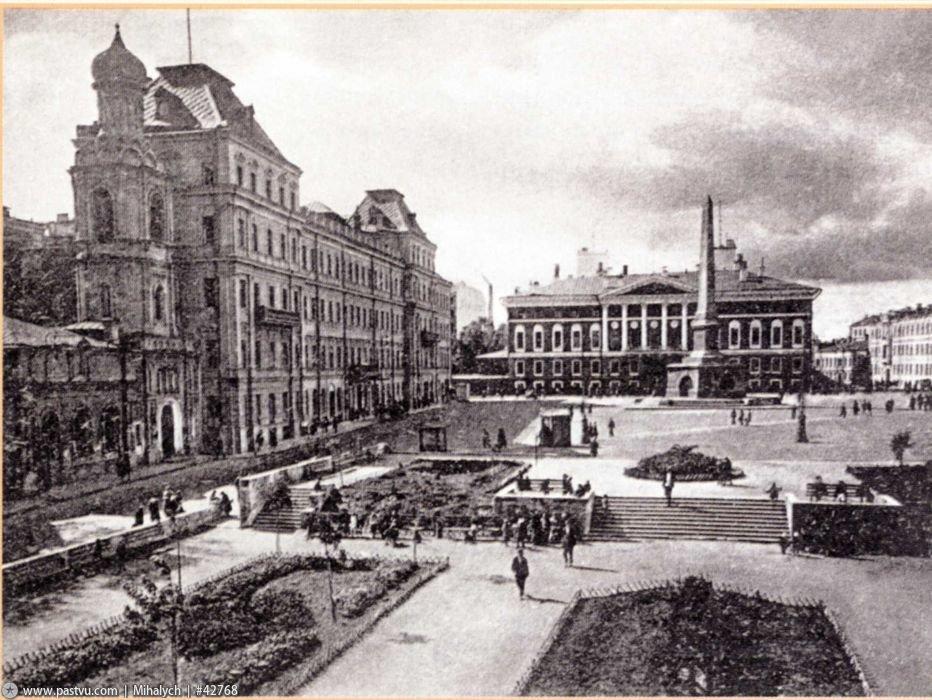
Во время пожара 1812 года, когда большинство окрестных зданий было уничтожено, церковь чудом уцелела. В 1821-1824 годах были построены придел Воскресения Словущего и колокольня. Над проектом перестройки работал Александр Филиппович Элькинский. В 1840-1842 годах на средства купеческой семьи Борисовских была перестроена колокольня в псевдовизантийском стиле и добавлены новые декоративные элементы интерьера. Тогда же храм получил обновлённые росписи и иконостасы.

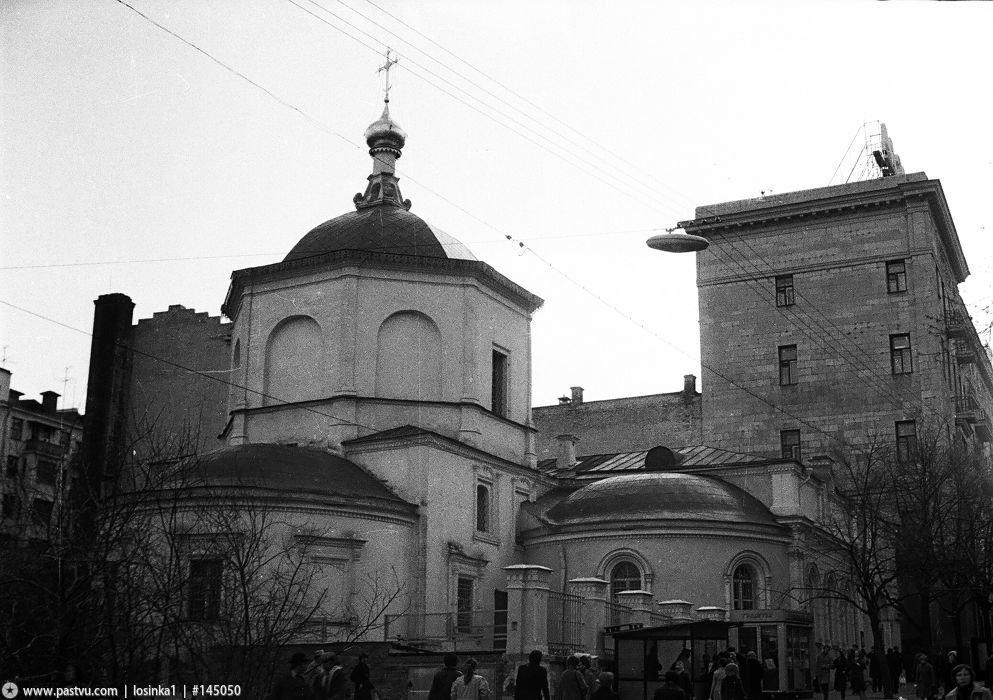
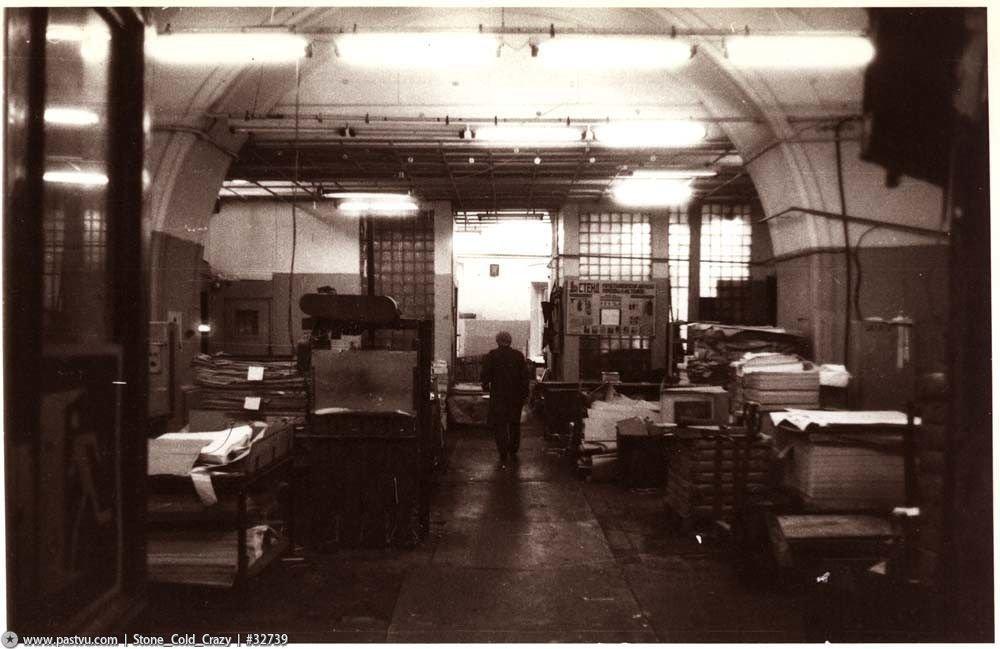
Спустя несколько лет после Октябрьской революции, в 1929 году храм закрыли, в 1933 году разрушили верхнюю часть колокольни. В 1950-е годы в здании церкви разместили книгохранилище Библиотеки иностранной литературы, которое пробыло здесь до 1966 года. Затем церковь превратили в типографию хозяйственного управления Министерства культуры СССР. Стены внутри храма покрасили масляной краской, но сделали так, чтобы храмовые фрески можно было восстановить позднее. Лишь в 1991 году Храм был передан Русской Православной Церкви.
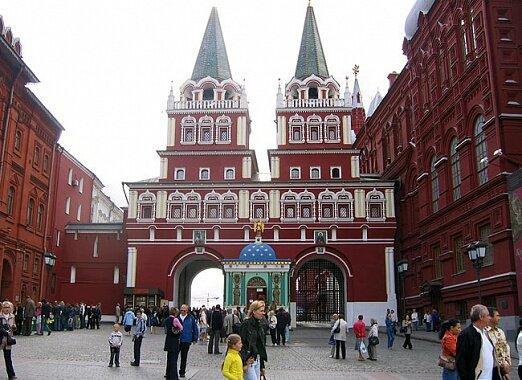
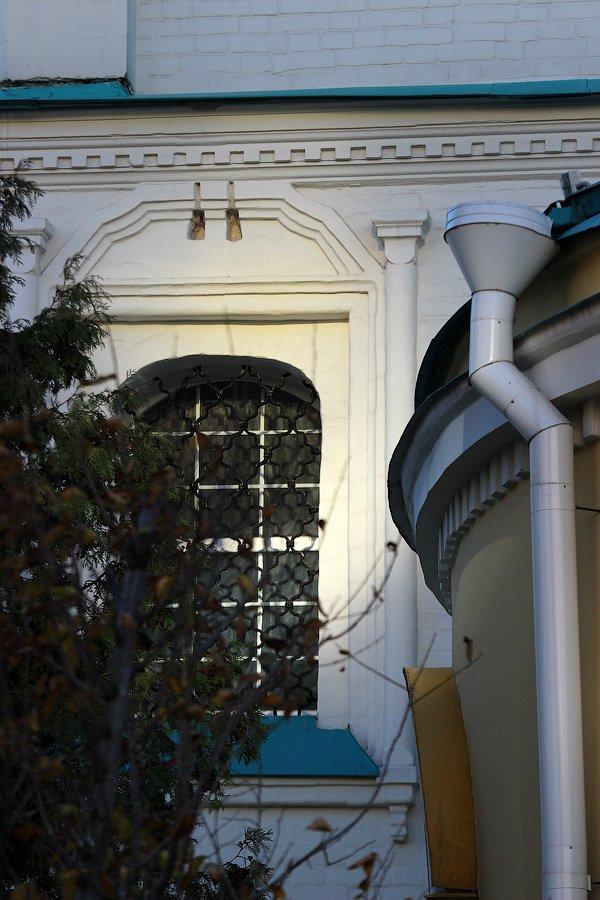
The stone church of Sts. Cosmas and Damian (aka "on Rzhyshchi", "on Shubin", "behind gold bars", “behind Gagarin's court") was located in Stoleshnikov alley since 1626. Before that there was a wooden temple, which still remembered Dmitry Donskoy. Not far from the church there was a court of noble Ioakinf Shuba in the XIV century. Ioakinf Shuba "sealed by the testaments of the Dmitry Donskoy ", hence the name of the church - the church of Sts. Cosmas and Damian in Shubin. The church survived fires and destruction, but always recovered - even despite Peter the Great’s prohibition to construct stone building in Moscow. The church spared a fire in 1812 allthough the entire surrounding area was burned. However, 1812 was a sad year for the church: Napoleon's soldiers extrajudicially executed "Moscow burners” by the walls of the Church in September. "Innocent victims suffered death by the icon of the Savior on the wall of the church.” Resurrection aisle was added to the temple in 1822. Church of the Resurrection at Bolshaya Dmitrijevka burn down in 1812 and parish were transferred to the church of Cosmas and Damian. Construction of the new aisle was conducted under the supervision of the architect A.F. Elkinsky (1788-1827) at the parishioners and benefactors expense. Main apse of the temple was redesigned, and the bell tower acquired a classic look. Octagonal bell tower "was surrounded by Tuscan columns". However, bell tower had to rebuild again in the years 1857-1858. It was demolished down to the first tier and rebuild again. During the restructuring south aisle dedicated to Sts. Cosmas and Damian was added at the expense of brothers Ivan and Alexander Borisov. Bell tower and a new south aisle were built in the pseudo-style; in part they have survived to the present day. Borisovskie also funded a cast 8 of temple bells in 1887-1889. The dome, the walls of the temple and the altar were painted with oil painting at the expense of other parishioners - merchant Vostriakov and his wife, nee Khludov. In the 1910-1920-s famous composer Paul G. Chesnokov became a regent of the temple. Apparently, he read the burial service, 8 (21 ) March 1916 the great Russian painter Vladimir Surikov , who died on March 6 in a nearby building of hotel "Dresden". However the revolution did not spared the temple. It was broken and closed in 1922 and in 1933 the bell tower dismantled down to the lower level. The building was adapted for the Library of Foreign Literature. The question about the demolition of the church in Stoleshnikov arose in 1958. It was decided to erect a multi-storey residential building. Fortunately, the project was not implemented. Part of the church building was renovated in 1970s. Then design of octagonal cupola with (this is the way it looked at 1867-s photos)was restored. However, the restoration did not mean the transfer of the building to church. The print house of the Economic Department of the Ministry of Culture of the USSR was placed here in 1980-90-s and only in 1991 in a church worship service resumed.
Автор статьи: Департамент культурного наследия города Москвы
Поделитесь статьей с друзьями
Интересное рядом(2)
Пушкинская пл., 5
Pushkinskaya, Tverskaya, Chekhovskaya