Интерактивный гид по городу
С мобильным приложением бродить по городу гораздо интереснее!

Church of st. Nicholas the thaumaturge Nikolsko-Rogozhskaya community

Old Believers' church with a unique style was rebuilt and remained in the tenets of secular architecture.

Church of st. Nicholas the thaumaturge Nikolsko-Rogozhskaya community
Ploshchad Ilicha
Old Believers' church with a unique style was rebuilt and remained in the tenets of secular architecture.
3.02
Вы можете воспользоваться QR-кодом, чтобы открыть эту страницу в нашем приложении
Архитектурный стиль:
Годы постройки:
1910-1912
Архитекторы:
И.Е. Бондаренко
Эпоха:
1910s
Информация о здании

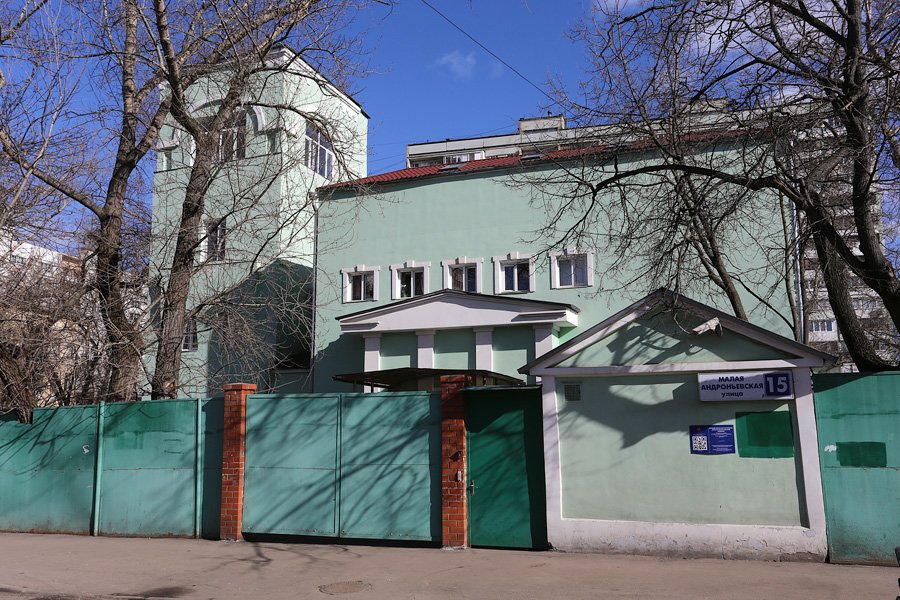
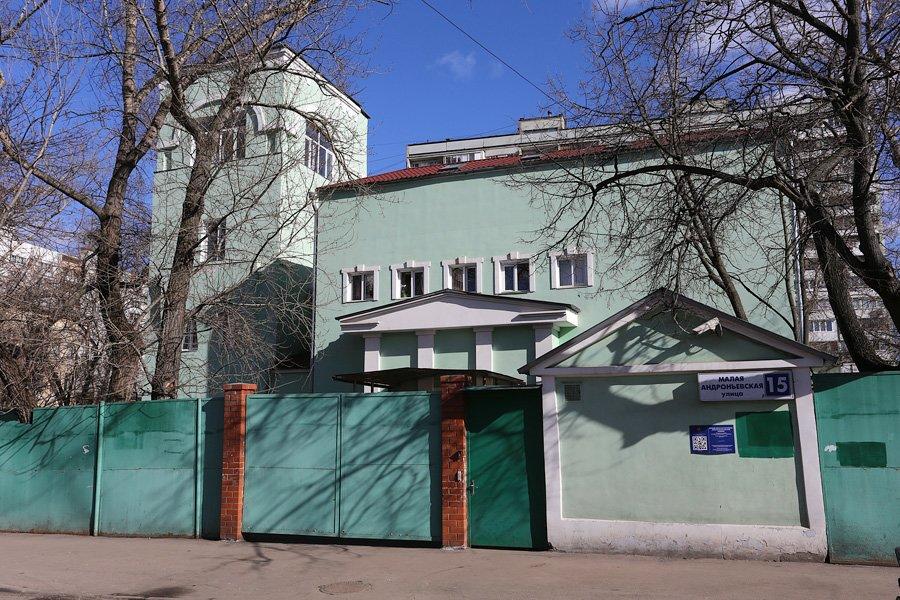
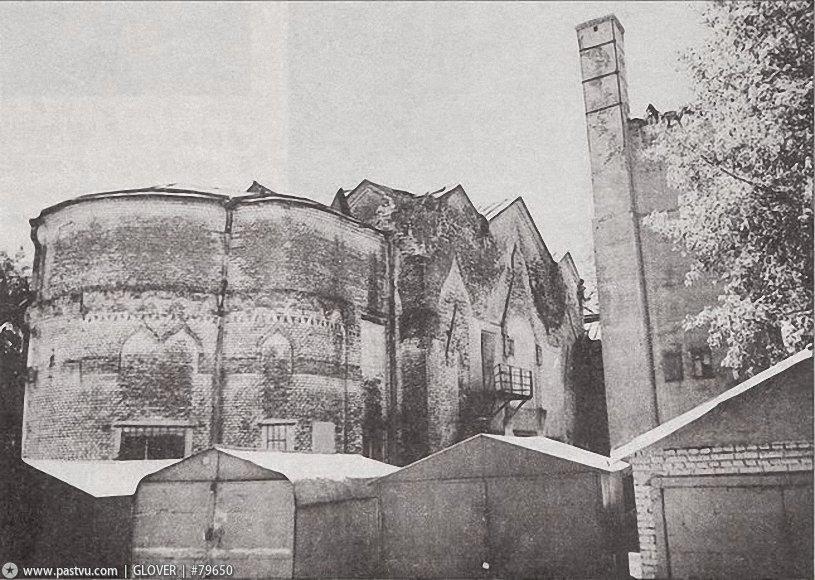
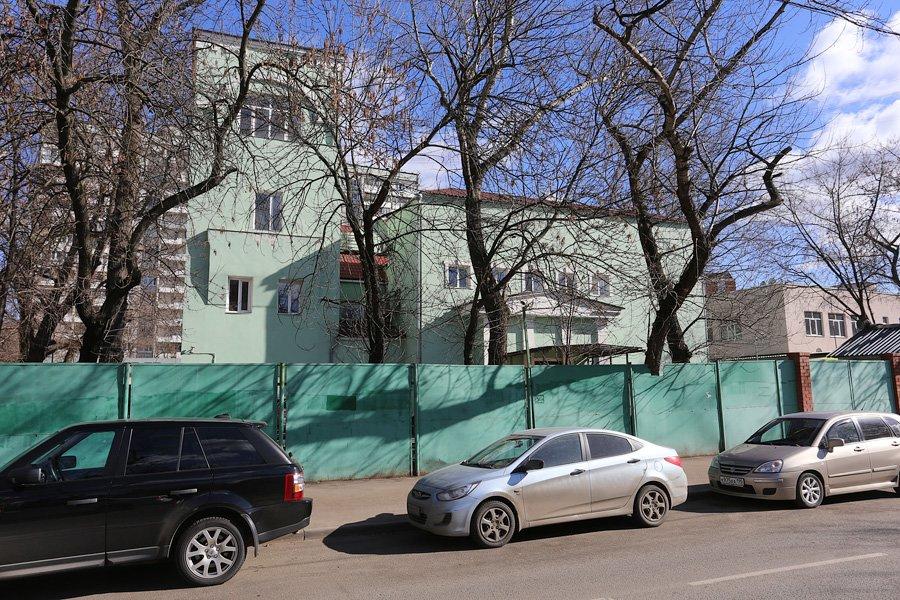
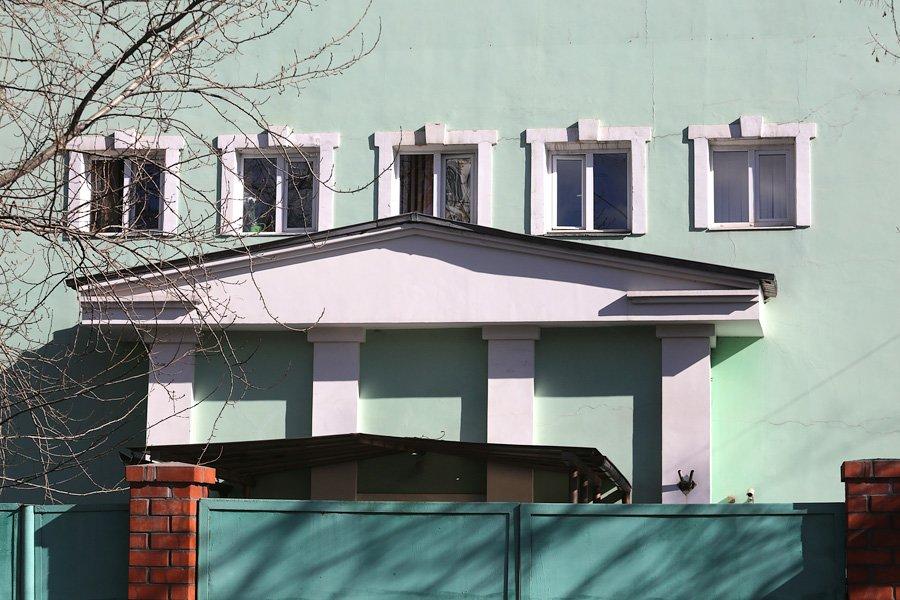
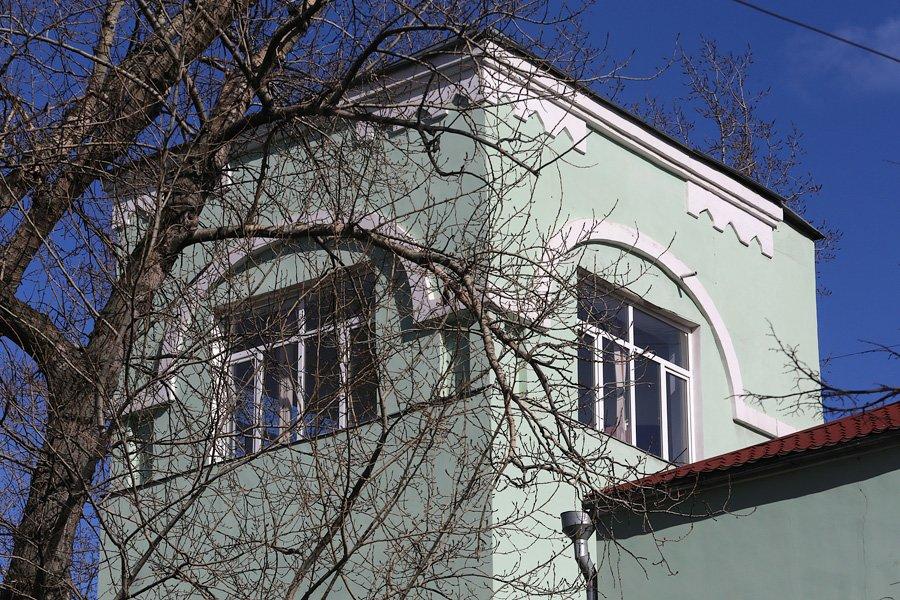
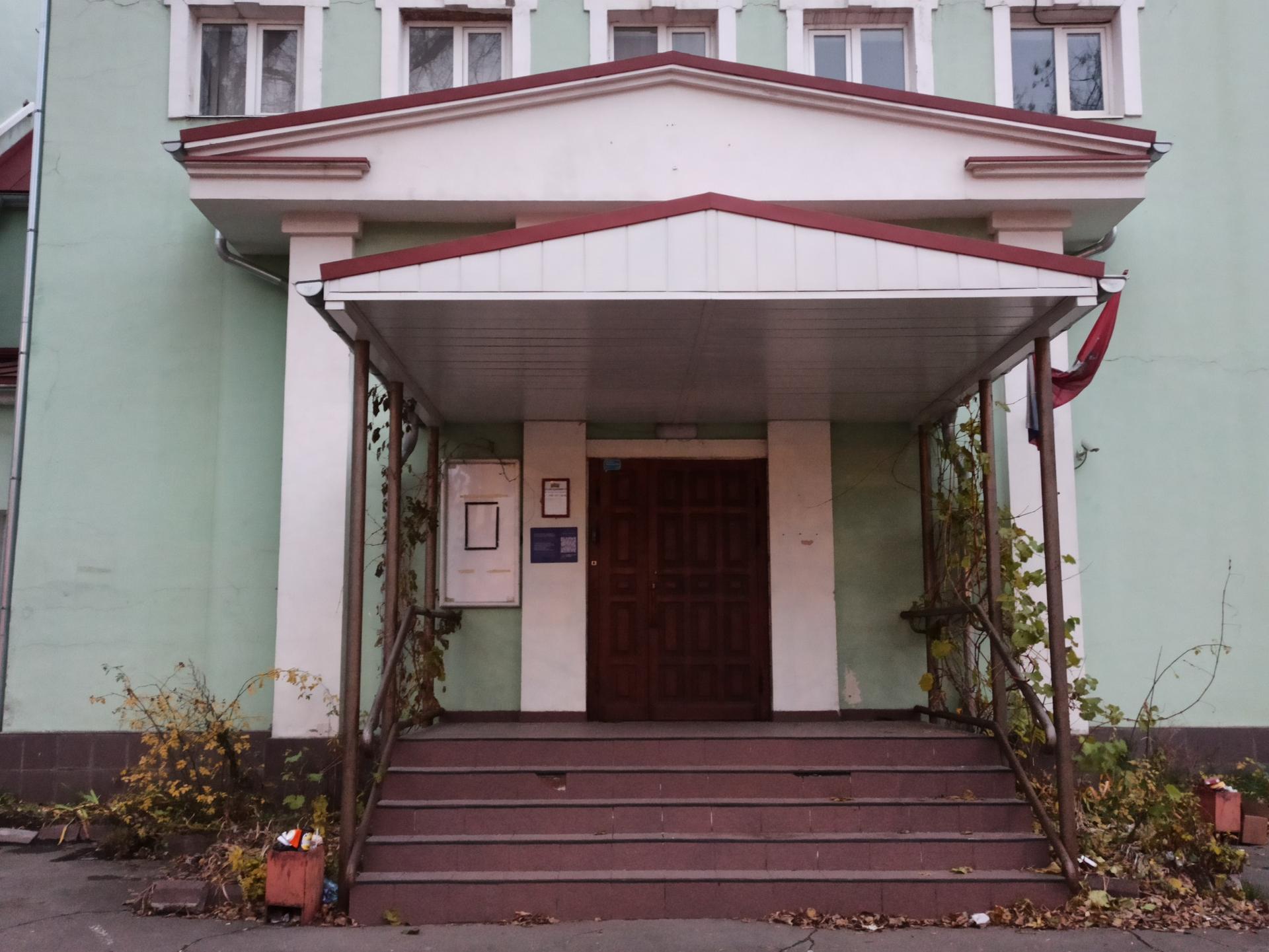
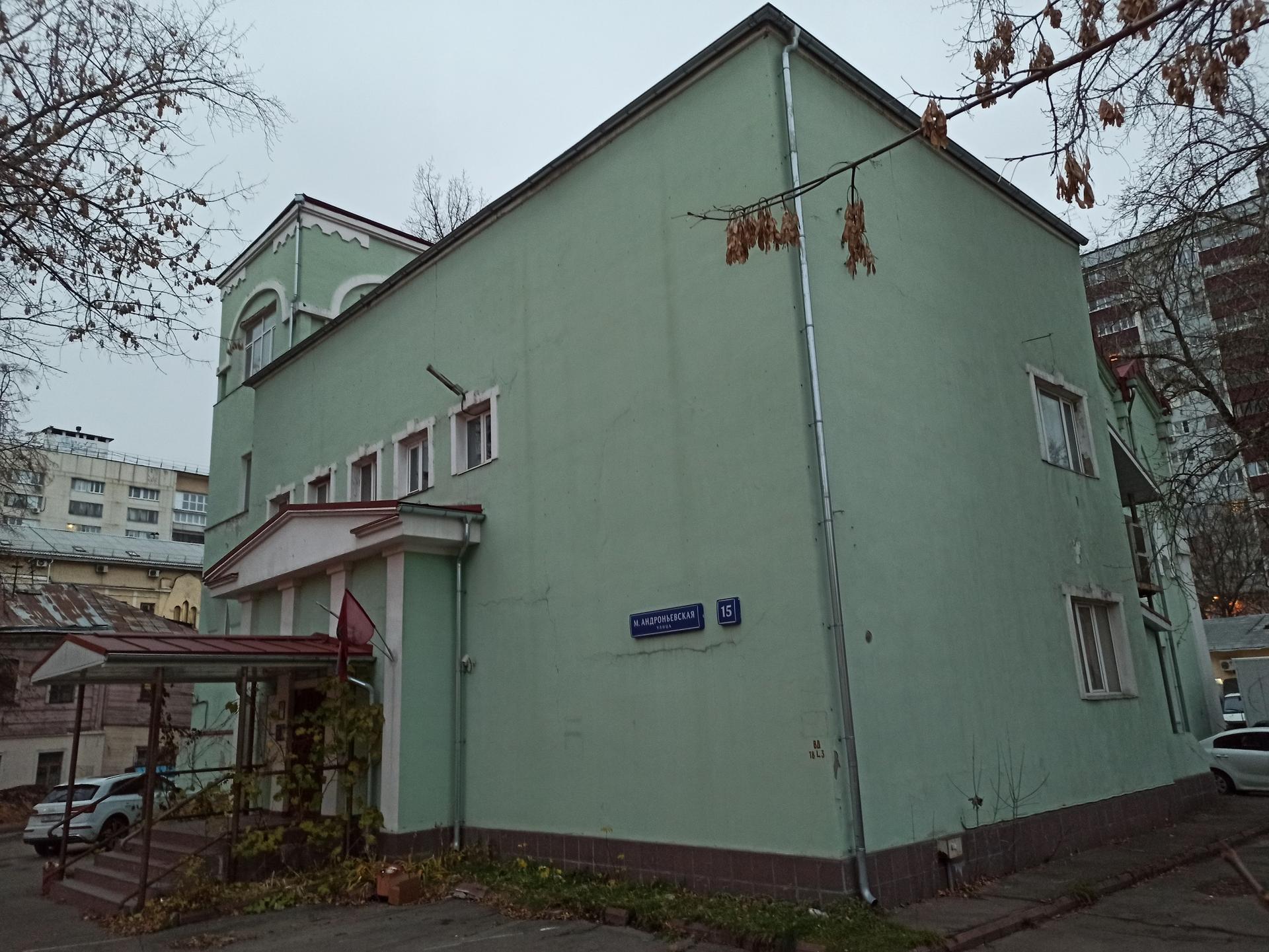
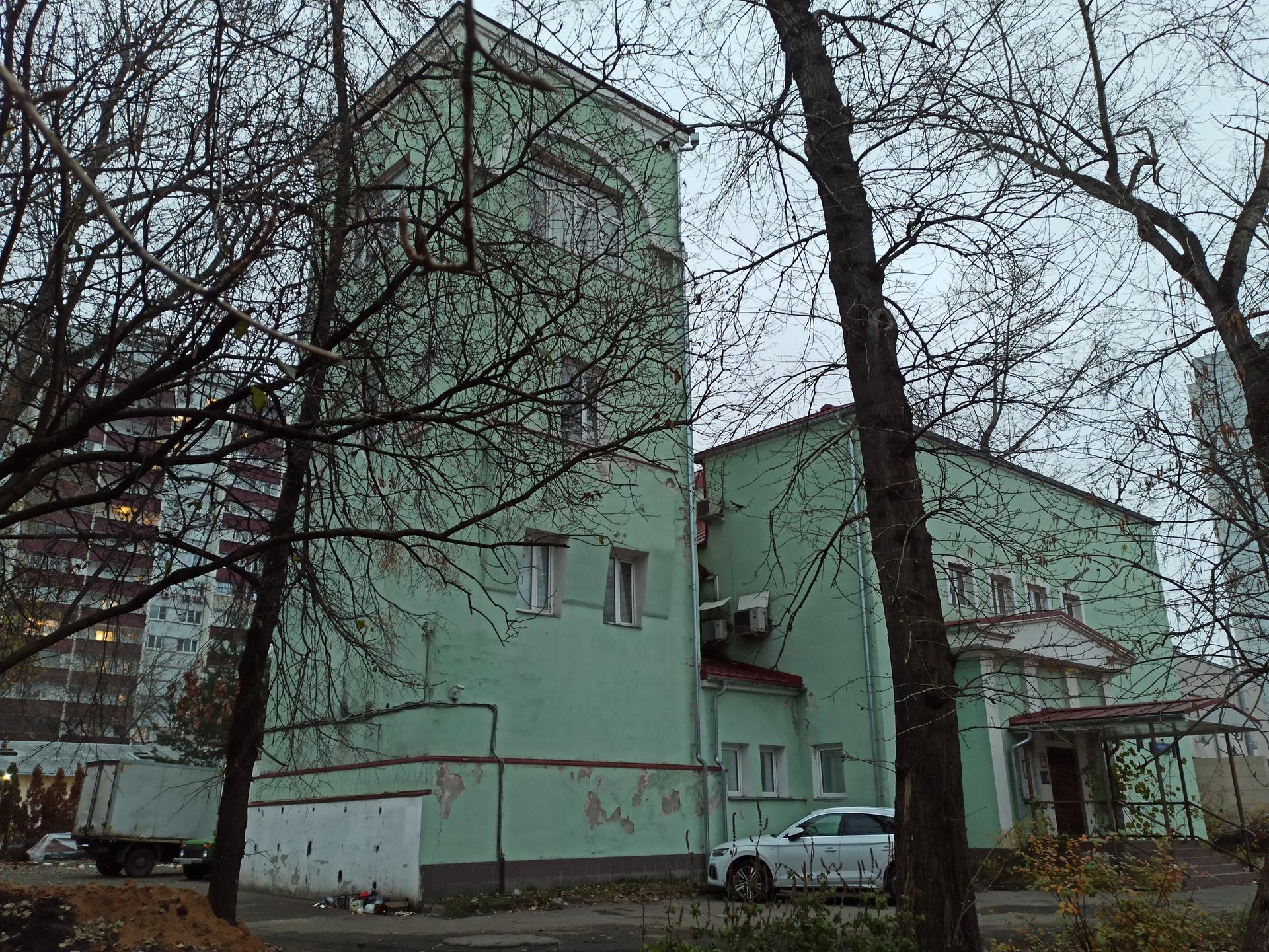
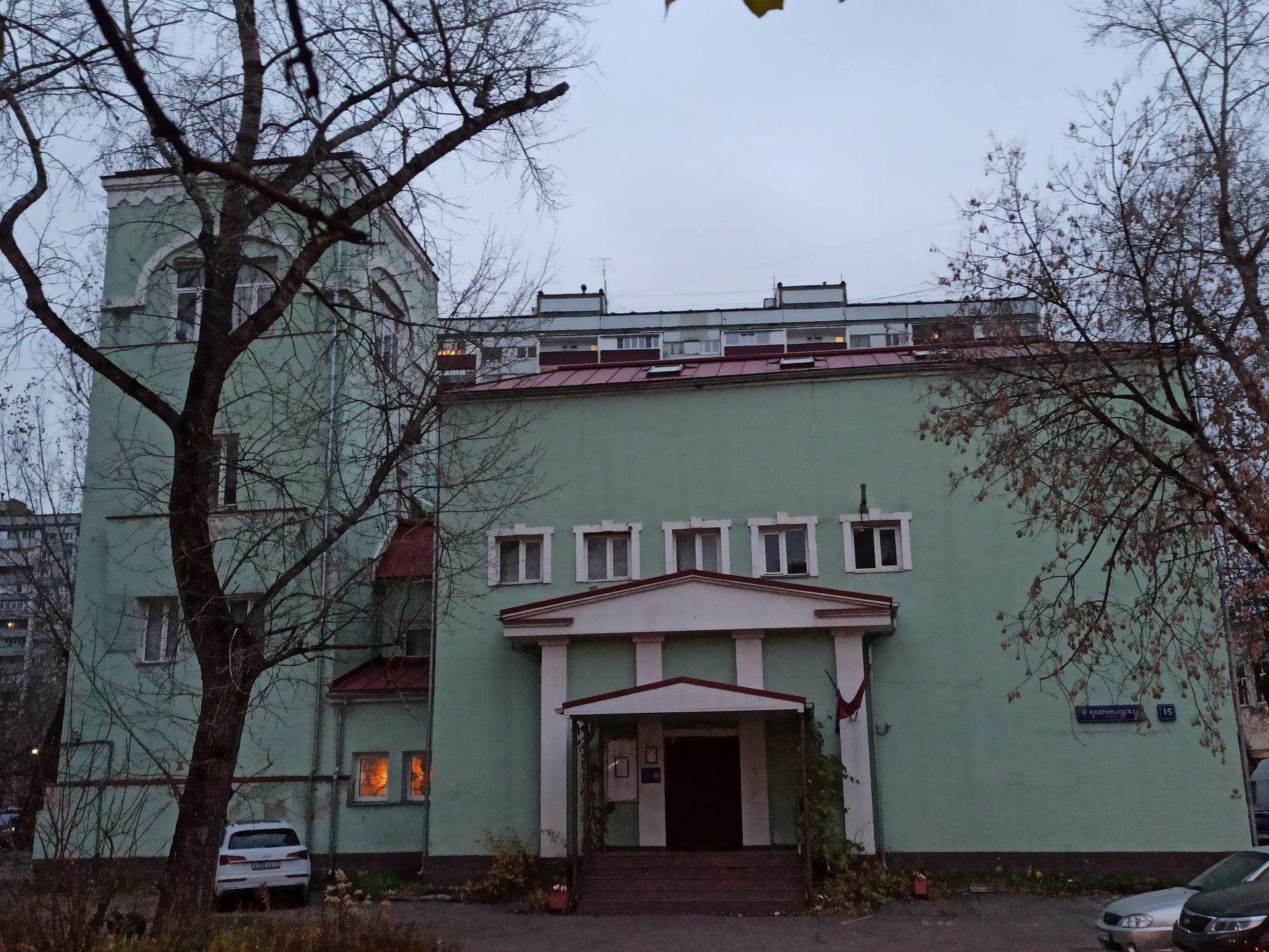
В гладко оштукатуренном здании на Малой Андроньевской улице поначалу невозможно разглядеть исторический объект. Внимание привлекает лишь его странная структура: почти кубический объём и башня рядом с ним. Но если обойти здание с другой стороны и посмотреть на него со двора, то станет понятно, что это искаженное перестройками здание храма, а башня – переделанная колокольня.

Никольско-Рогожская старообрядческая община во главе К.Г. Рубановым, окончательно сформировавшаяся после объявленной в 1905 году веротерпимости, подавала прошение о строительстве своего храма неподалеку от Рогожского кладбища. Оно было удовлетворено, и в 1910 году начались работы по возведению здания. Проект был поручен архитектору И.Е. Бондаренко (одновременно с этим он строил другой старообрядческий храм, в Малом Гавриковом переулке). В 1912 церковь освятили, и в ней начались богослужения.

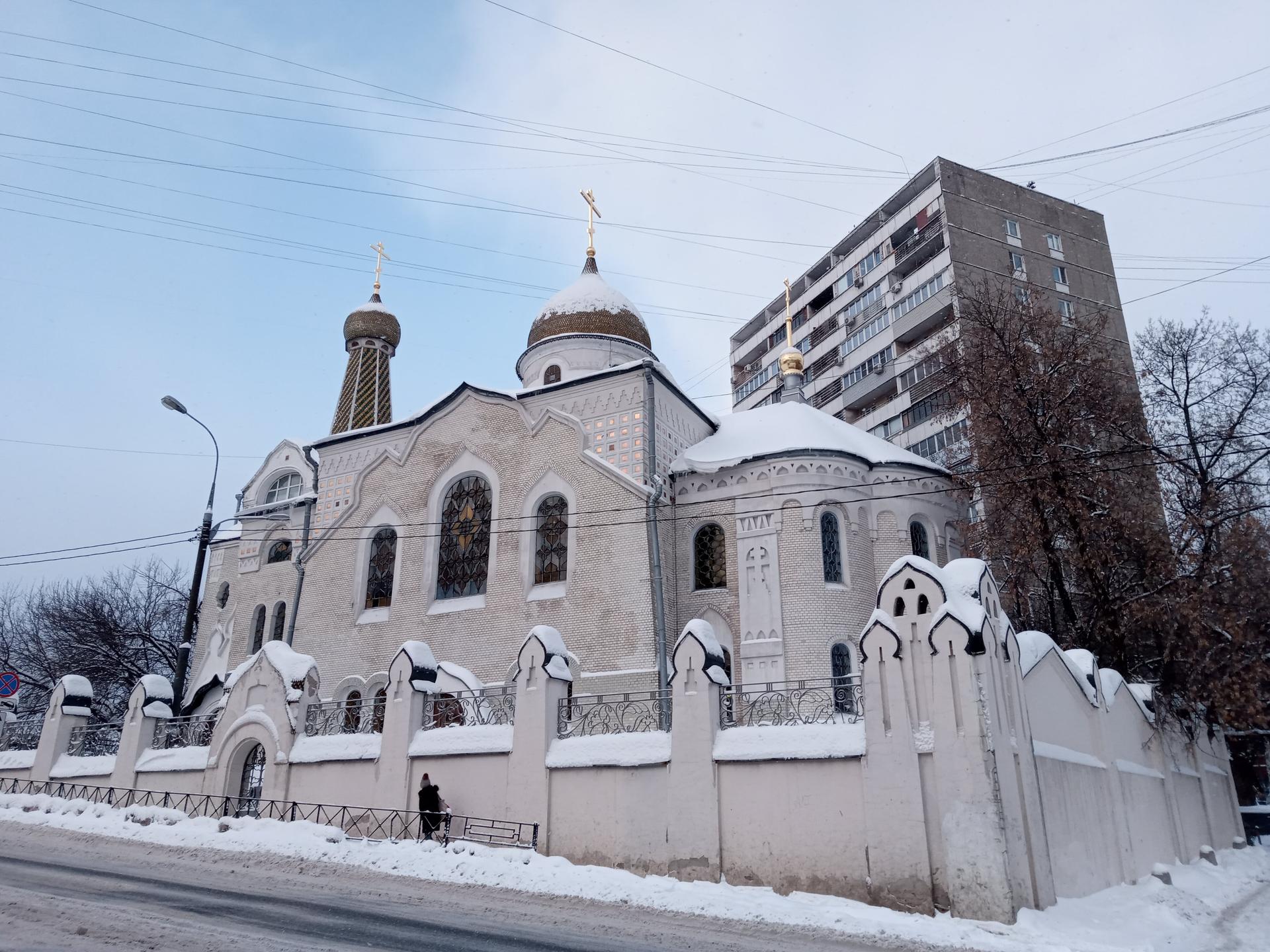
Пятиглавый храм с хорами строился из новых для начала ХХ века материалов и по новым технологиям: его своды и купола выполнены в железобетоне, причем последние опирались не на свод, а на конструкцию железной фермы кровли. Церковь сочетала в себе черты новгородско-псковского и московского зодчества: с одной стороны, она была пятиглавой, что отдаленно напоминало Успенский собор в Кремле, а с другой – её покрытие было многогранным, а фасады отделаны в неорусском стиле. 

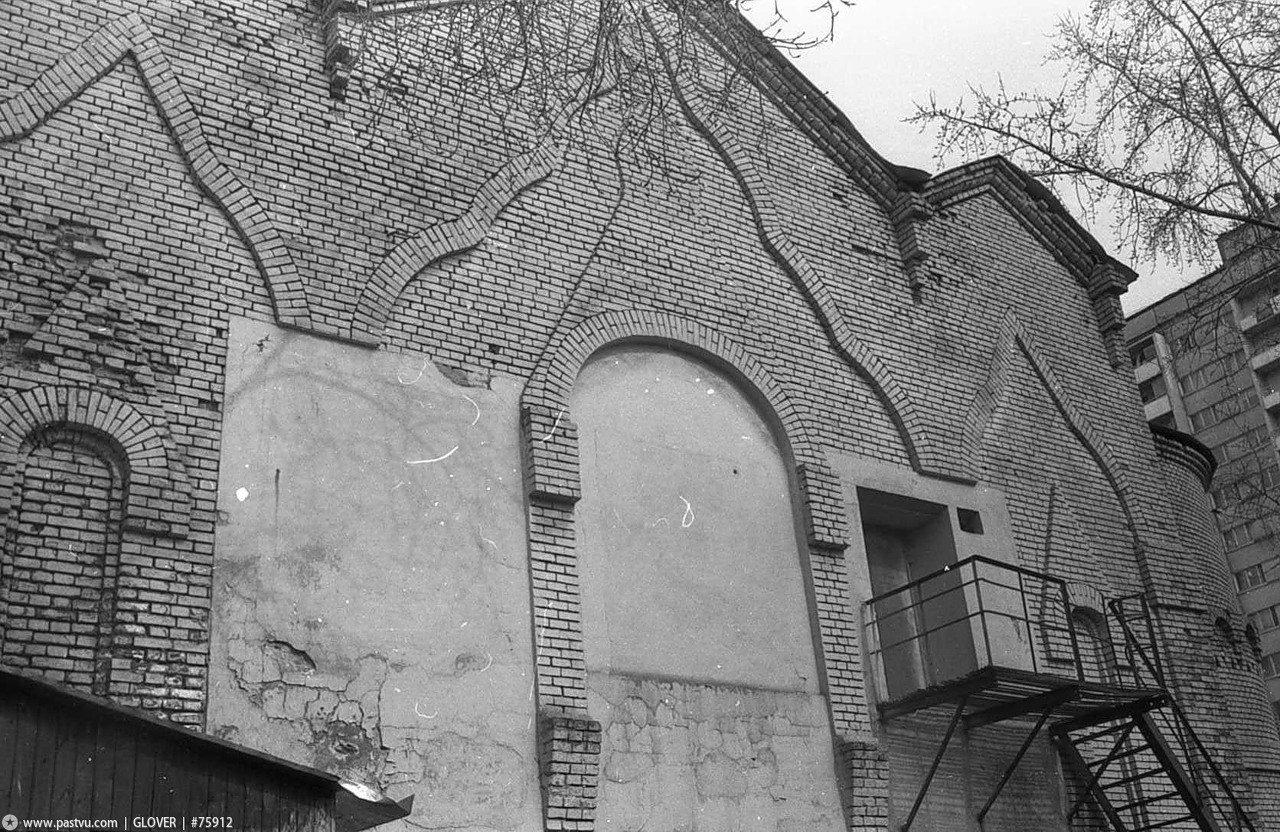
Бондаренко использовал свой особенный прием: «храм на храме», то есть изображение одного храма на фасаде другого. С южной стороны и сейчас можно увидеть, как это оказалось реализовано: в кирпичной кладке стены храма выложен силуэт трёхглавой церкви. Тот же мотив был применен и в оформлении крыльца с западной стороны: его венчали три маленьких декоративных шатра с луковичными главками и крестами. Шатровая колокольня со сплошным восьмигранным ярусом звона, в котором не было окошек-слухов, находилась с северо-западной стороны от храма и соединялась с ним двухуровневым переходом.

В 1920‑х годах богослужения в церкви еще продолжались, в 1924 году здесь прошел Всероссийский Собор Древлеправославной церкви (то есть беглопоповцев – старообрядцев, принимавших священников официальной церкви). Но уже в начале 1930‑х годов она оказалась закрыта. Прихожане смогли забрать с собой иконостас и перенести его в придел Никольского единоверческого храма на Рогожском кладбище. Здание же на Малой Андроньевской превратилось в клуб, переходивший от одного предприятия к другому. В процессе приспособления здания для новых целей были утрачены не только все церковные интерьеры, но и заштукатурен декор западного фасада, разобран шатер колокольни и сломаны главы церкви. Здание находится в искаженном состоянии и сегодня.
In the smooth stucco building on Malaya Andronievskaya Street it's initially impossible to discern the historical object. It attracts the attention of a strange structure: almost a cubic volume and the tower next to it. But if we pass by on the other side of the building and look at it from the yard, it becomes clear that this is a distorted reconstruction of the building of the temple, and the tower is a converted church tower. Rubanova’s Nikolsko Rogozhskaya Old Believer community at the finally formed after the announced in 1905, religious tolerance, filed a petition for the construction of a temple near Rogozhskoe cemetery. It was granted, and in 1910 work began on the construction of the building. The project was entrusted to the architect I.E. Bondarenko ( at the same time he was building the other Old Believer church, in the Small Gavrikovo Lane ). In 1912 the church was consecrated, and it began the service. The five-domed church was built with choirs from the new to the beginning of the twentieth century materials and new technologies: its arches and domes are made of reinforced concrete, the latter would not rely on the vault, and the design of the iron truss roof. The church combines the features of Novgorod and Pskov and Moscow architecture: on the one hand, it was a five-domed that remotely resembled the Assumption Cathedral in the Kremlin, on the other - it was a multi-faceted coverage and the facades are decorated in neo-Russian style. Bondarenko used his special method: "temple on the temple," that is, the image of one temple on the facade of the other. From the south side and now you can see how it turned out to be realized: in the brickwork of the temple wall is laid out the silhouette of the three-domed church. The same motif was used in the design of the porch on the west side: it was crowned with three small decorative tents with bulbous headlands and crosses. The tent belfry with a solid octagonal tier of tinkling, in which there were no rumor windows, was located on the north-west side of the church and connected with it by a two-level transition. In the 1920s, the service in the church still continued, in 1924, it hosted the Russian Old Orthodox cathedral church (ie beglopopovtsev - Believers who took the priests of the official church ). But in the early 1930s, it was closed. Parishioners were able to take home with them iconostasis and transfer it in the chapel of St. Nicholas church on edinovercheskogo Rogozhskoe cemetery. The building in Malaya Andronievskaya turned into a club that changed from one enterprise to another. In the process of adaptation of the building for new purposes, not only all the church interiors were lost, but also the decoration of the western facade was plastered, the tent of the bell tower was dismantled and the heads of the church were broken. The building is in a distorted condition today.
Автор статьи: Никита Брусиловский
Рекомендации
Поделитесь статьей с друзьями