Интерактивный гид по городу
С мобильным приложением бродить по городу гораздо интереснее!

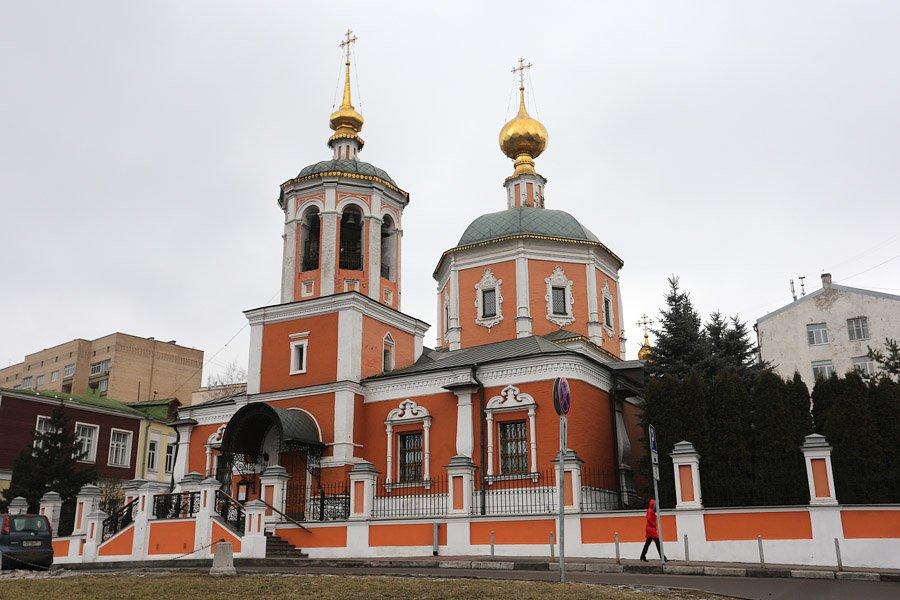
St. Peter and Paul church in Soldatskaya sloboda

After the revolution, the church not only continued to operate as a temple, but also fully retained its eight bells.

St. Peter and Paul church in Soldatskaya sloboda
After the revolution, the church not only continued to operate as a temple, but also fully retained its eight bells.
3.43
Вы можете воспользоваться QR-кодом, чтобы открыть эту страницу в нашем приложении
Архитектурный стиль:
Годы постройки:
XVII-XVIII вв.
Эпоха:
18th century
Информация о здании

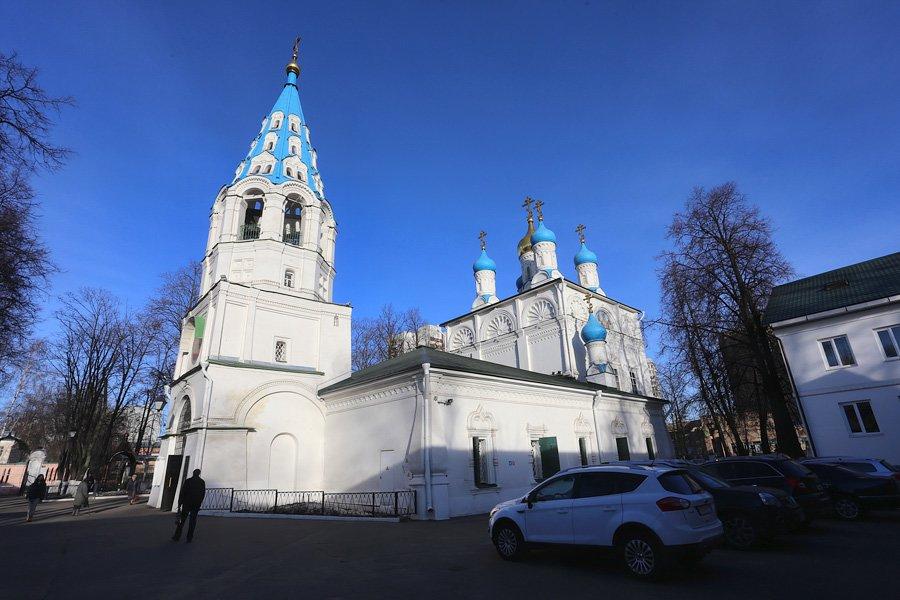
Улица, на которой расположена эта церковь, с 1922 года называется Солдатской, однако до этого она была и Петропавловской, а еще раньше, в XVIII веке, именовалась Лафертовской. Интересно, что все три названия взаимосвязаны между собой и имеют непосредственное отношение к церкви, словно подсказывают, кто ее строил, кто посещал, и во имя кого ее освятили.

Уже в конце XVII века, когда территория еще не входила в черту Москвы, здесь появляется Солдатская слобода – поселение для тех, кто служил в одном из двух элитных полков того времени под командованием Франца Лефорта, знаменитого сподвижника Петра I (русское население называло его «Лафертом»). Родом из Женевы, он прошел военное обучение в Нидерландах и, стремясь построить соответствующую карьеру, отправился в Московию, где в итоге и остался, поселившись в Немецкой слободе. Вместе с Патриком Гордоном Лефорт особенно приблизился к Петру I после событий 1689 года, когда привел своих солдат в Троице-Сергиев монастырь на защиту молодого царя. Он командовал Вторым Московским выборным солдатским полком – старейшим регулярным полком в русской армии, созданным еще в 1642 году по указу царя Михаила Федоровича. Сближение Петра с Лефортом и Гордоном способствовало тому, что царь стал все чаще бывать в Немецкой слободе.

Православная церковь в новом солдатском поселении уже существовала: еще в 1613 году впервые был возведен деревянный храм в честь святого Николая Чудотворца. Однако по указанию Лефорта в 1696 году построили новый деревянный храм, более обширный и способный вместить всех солдат полка. Возможно, каменное здание появилось бы достаточно скоро, но через три года Лефорт скончался и процесс остановился. В результате каменная церковь была возведена в 1711 году и тогда же освящена.

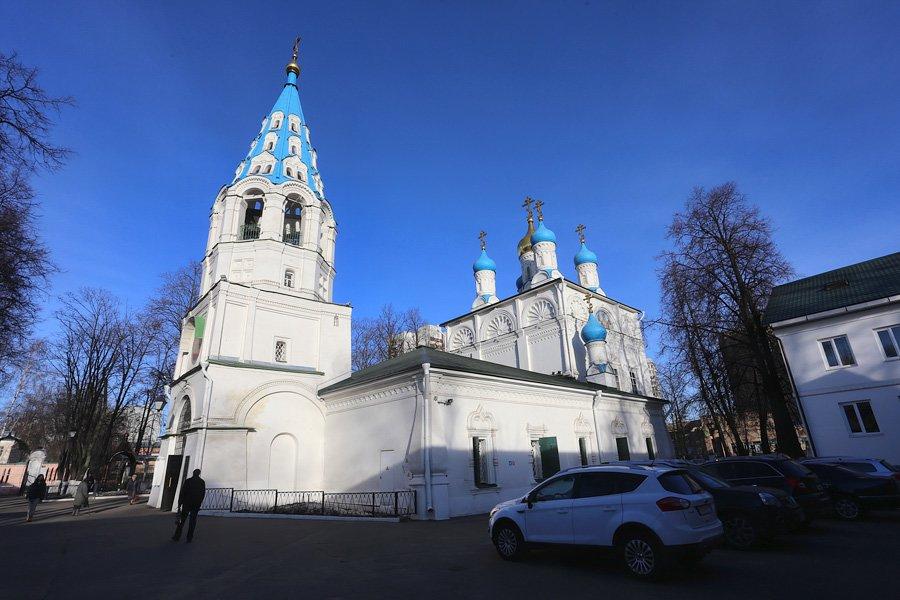
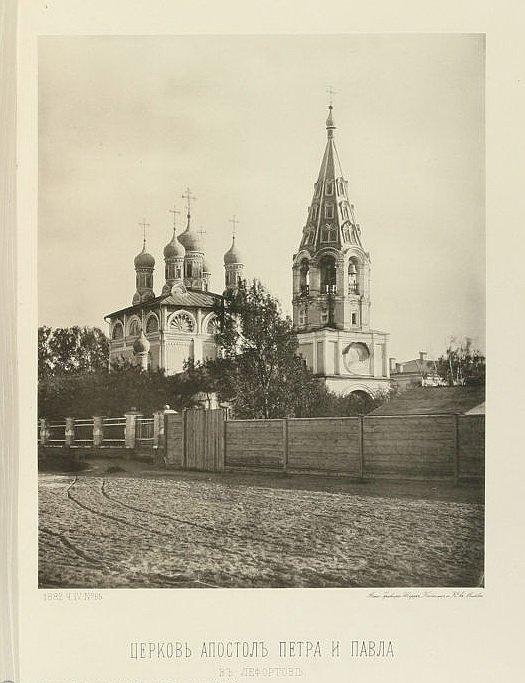
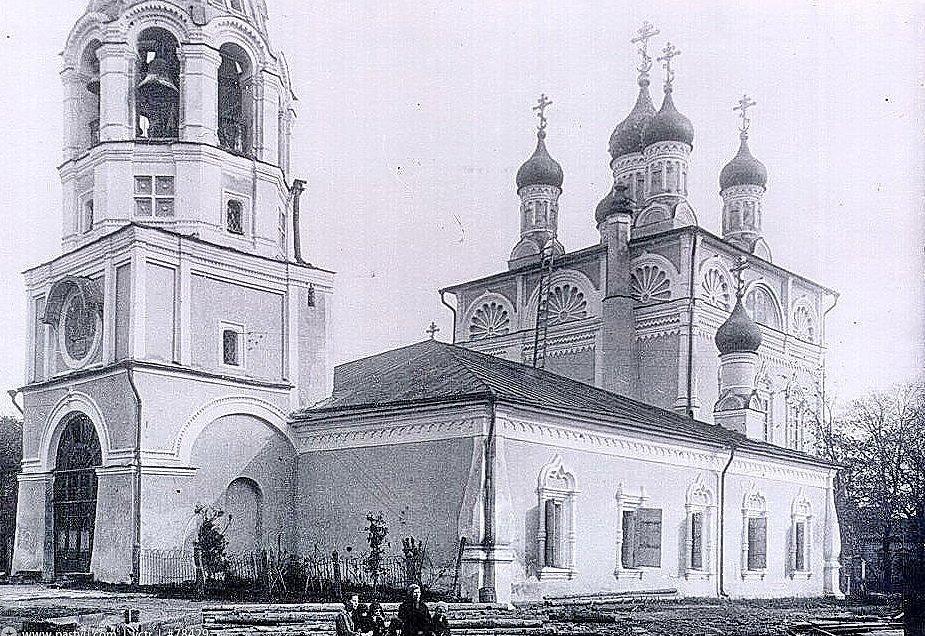
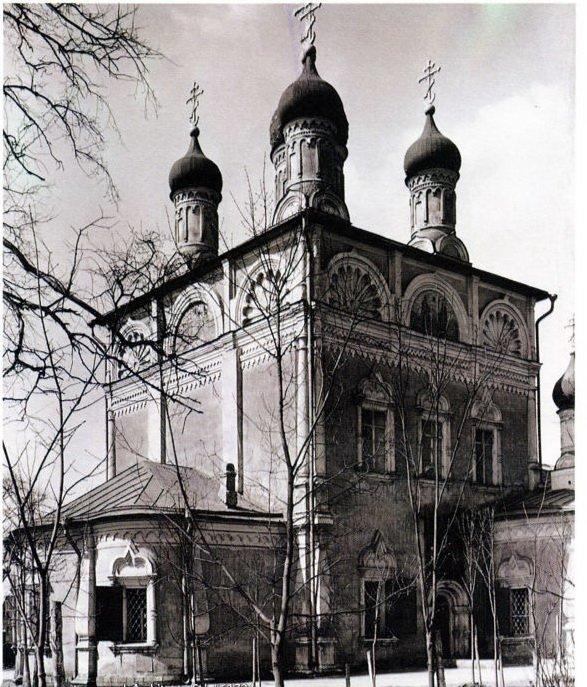
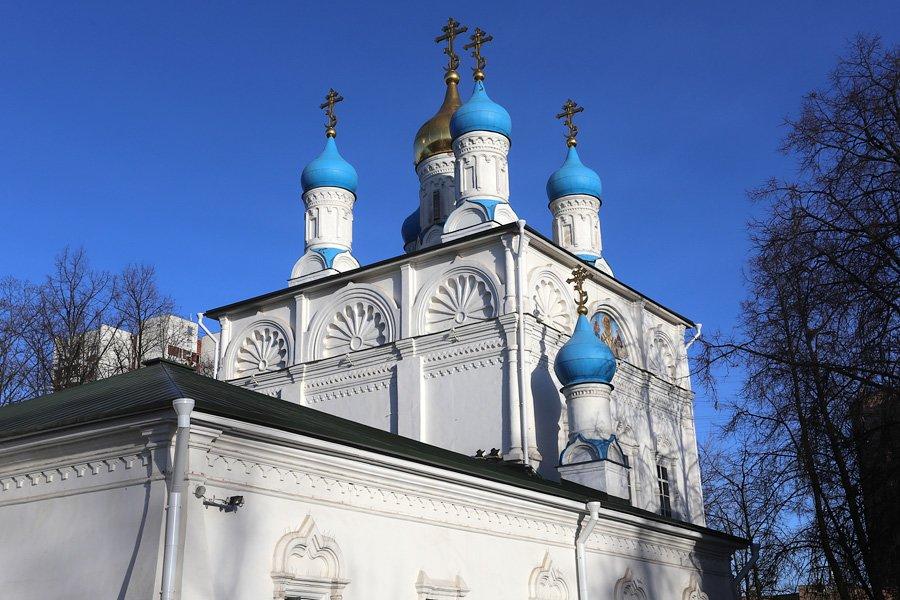
Несмотря на существование Лефорта, который был кальвинистом, и новые веяния в архитектуре рубежа XVII–XVIII веков, Петропавловская церковь получила достаточно традиционный для допетровской России облик: здание, вытянутое по горизонтали с запада на восток, с шатровой колокольней и пятиглавием над основным объемом. Пожалуй, единственная «модная» на тот момент деталь видна под церковными главами: вместо привычных кокошников четверик венчают барочные раковины, по три с каждой стороны. В начале XVIII века такой прием использовался при строительстве церкви в честь Ризоположения близ Донского монастыря, а также храма Спаса Преображения на Песках рядом с Арбатом (обе сохранились до наших дней). Последний своим декором и размерами весьма схож с Петропавловской церковью в Солдатской слободе, да и даты их появления совпадают – 1711 год. Так что можно предполагать, что у них общий архитектор или, по крайней мере, одна артель.

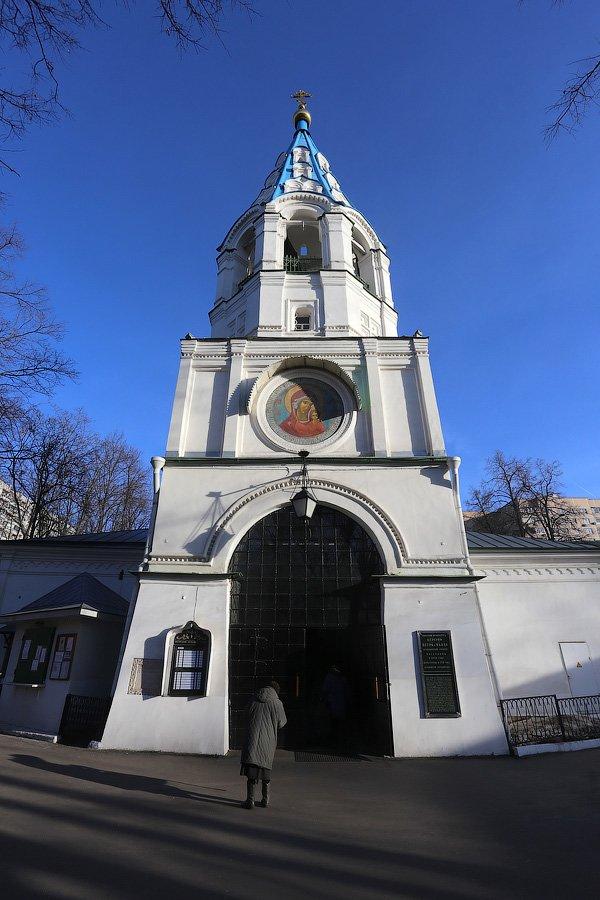
Кроме главного престола в честь апостолов Петра и Павла, в церкви существует также два придела: справа – в честь Иоанна Богослова, а слева – во имя преподобного Сергия Радонежского. Над входом в храм размещена большая круглая икона Казанской Божией Матери.

Солдатское поселение сохранялось здесь до конца XVIII века. Лефортовский полк на протяжении своей истории сменил множество названий, успев побыть и мушкетерским, и гренадерским, и карабинерным. Под разными названиями он просуществовал вплоть до 1918 года, место расквартирования его менялось. Но военный характер этого района остается до сих пор: здесь находится Общевойсковая академия вооруженных сил РФ.

Церковь апостолов Петра и Павла несколько пострадала в начале ХХ века: во время московского урагана 16(29) июня 1904 года с нее сорвало кресты, оказалась повреждена крыша. Однако в дальнейшем ей удалось пережить куда более сильные бури практически без потерь: после революции она не только продолжала действовать, но и полностью сохранила свои восемь колоколов. Их даже не сняли с колокольни – редкость для 1930-х годов, так как подавляющее большинство церквей либо утратили свои колокола, либо были вынуждены их снять и не использовать. То же касается иконостаса и внутреннего убранства церкви: все это можно увидеть практически в том же облике, что и сто лет назад.
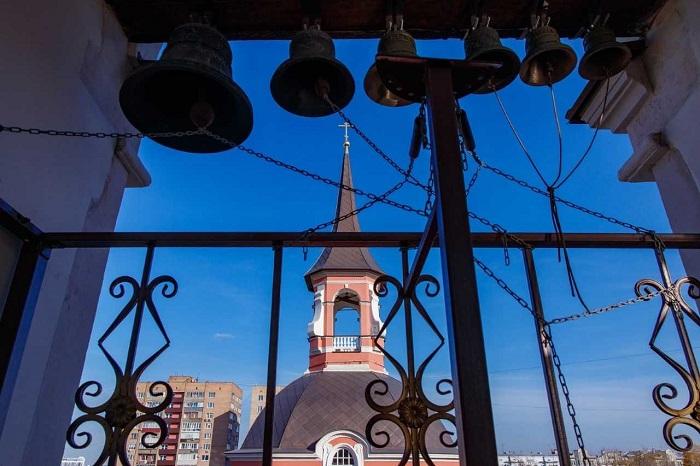
The street on which the church is located, since 1922 is called Soldatskaya (Soldier), but before that it was Petropavlovskaya (Peter and Paul), and even earlier, in the XVIII century, was called Lafertovskaya. It’s interesting that all three names are interconnected and are directly related to the church, as if prompting to the descendants the information about who built it, who was visiting, and in whose name it was consecrated. By the end of the XVII century, when the territory was not yet included within the city limits, Soldatskaya sloboda (Soldier settlement) appears there - a settlement for those who served in one of the two elite regiments of the time under the command of Franz Lefort, a famous companion of Peter I (Russian people called him "Lafert"). Originally from Geneva, he completed military training in Netherlands, and in the attempt to build a proper career he went to Moscow, where he finally settled in the Foreign Quarter (German settlement). Together with Patrick Gordon, Lefort was especially close to Peter I after the events of 1689, when he led his soldiers to the Holy Trinity Monastery to protect the young Tsar. He commanded the Second Moscow elected soldier regiment - the oldest regular regiment in the Russian Army, founded in 1642 by the decree of Tsar Mikhail Fedorovich. The rapprochement of Peter with Lefort and Gordon contributed to the Tsar’s often visits in the Foreign Quarter. There was already an Orthodox Church in the new soldier settlement: in 1613 a wooden church was erected, which was dedicated to St. Nicholas the Wonderworker. However, as directed by Lefort, new wooden church was built in 1696. It was bigger and could accommodate all soldiers of the regiment. Perhaps the stone building would have appeared soon enough, but in three years Lefort died and the process was stopped. As a result, the stone church was built in 1711 and was consecrated at the same time. Despite the existence of Lefort, who was a Calvinist, and new trends in the architecture at the casp of XVII-XVIII centuries, Petropavlovskaya (Peter and Pauls) church was designed in the traditional style of pre-Peter Russia: the building stretched horizontally from west to east, had a hipped bell tower and five domes over the main volume. Perhaps the only "fashionable" feature is visible under the church domes: instead of the usual kokoshniks, the bushel is crowned with baroque shells, three on each side. At the beginning of the XVIII century, this technique was used in the construction of a church in honor of the Deposition of the Robe near the Donskoy Monastery as well as the Church of the Transfiguration of Our Savior on the Sands near the Arbat (both survived to this day). The last one is very similar to the Petropavlovskaya Church in Soldatskaya sloboda in décor and size; also the year of their creation coincides - 1711. So we can assume that they had the same architect, or at least, the same team. In addition to the main altar in honor of the Apostles Peter and Paul, there are also two chapels in the church: the right one - in honor of St. John the Evangelist, and the left - in the name of St. Sergius of Radonezh. Above the entrance to the temple a large circular Icon of Our Lady of Kazan is placed. Soldier settlement remained here until the end of the XVIII century. Lefortovskiy regiment throughout its history had a variety of names, including musketeer’s, grenadier’s and carabinier’s. Under various names it existed up to 1918, the place of its cantonment changed several times. But the military character of the area still remains: there is a Combined Arms Academy of the Armed Forces of Russian Federation. The Church of the Apostles Peter and Paul suffered a bit in the early twentieth century during the Moscow Hurricane on 16th (29th) of June, 1904, when crosses were ripped off it and the roof was damaged. Later, however, it managed to survive much more violent storms relatively unscathed: after the revolution it not only continued to operate, but also fully retained its eight bells. They were not even removed from the bell tower – which was a rarity for the 1930s - the vast majority of the churches either lost their bells, or were forced to take them off and not to use them. The same is true for the iconostasis and the interior decoration of the church: all this can be seen in almost the same form as it was one hundred years ago.
Автор статьи: Никита Брусиловский
Поделитесь статьей с друзьями
Интересное рядом(3)
Красноказарменная ул., д. 6
Ploshchad Ilicha, Rimskaya, Lefortovo (BKL)
Солдатская ул., д. 14 (перед зданием Центрального института авиационного моторостроения им. Баранова)
Госпитальный сквер (сквер Героев Отечественной войны)