Интерактивный гид по городу
С мобильным приложением бродить по городу гораздо интереснее!

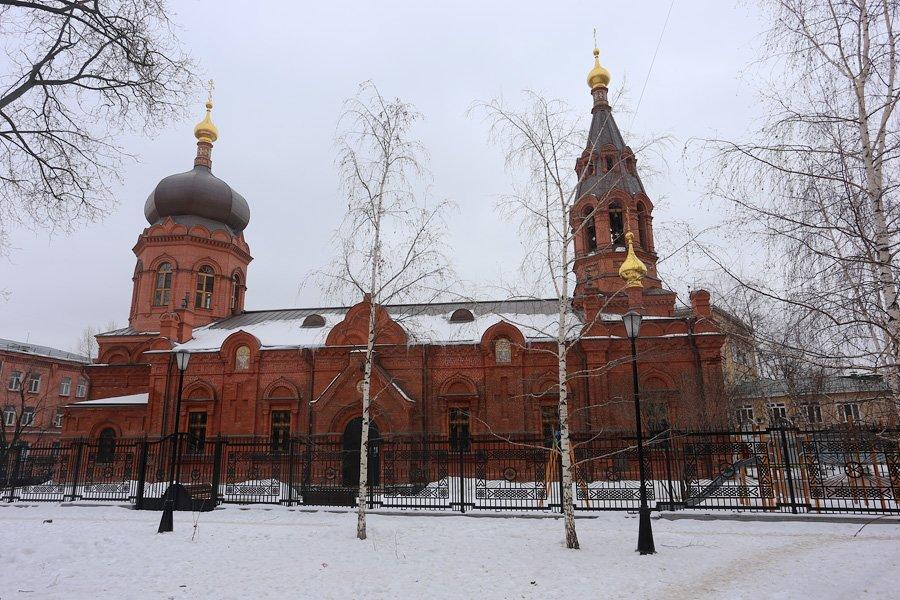
The church of the Intercession in Rubtsovo

The church was conceived as a memorial church to thank God for the salvation of Moscow from invaders.

The church of the Intercession in Rubtsovo
The church was conceived as a memorial church to thank God for the salvation of Moscow from invaders.
3.40
Вы можете воспользоваться QR-кодом, чтобы открыть эту страницу в нашем приложении
Архитектурный стиль:
,
Годы постройки:
1619-1627
Эпоха:
17th century, 18th century, 19th century
Информация о здании

Здесь в XVII веке заканчивалась Покровская дорога, шедшая через весь город от Спасских ворот Кремля. По ней царь Михаил Федорович ездил в свой загородный дворец в Рубцово, о чем до 1918 года напоминало прежнее название Бакунинской улицы – Покровская.

В 1618 году войска Речи Посполитой подошли к Москве и едва не захватили ее, но 1 октября, в день Покрова Пресвятой Богородицы, после кровопролитного боя у Арбатских ворот отступили. В память об этом событии царь Михаил Федорович создал «обетную» (т.е. по обету) деревянную церковь во имя праздника Покрова при своей усадьбе в Рубцово. В 1626 году на том же месте была воздвигнута каменная церковь. Село стало называться по церкви двойным именем – Покровское-Рубцово.

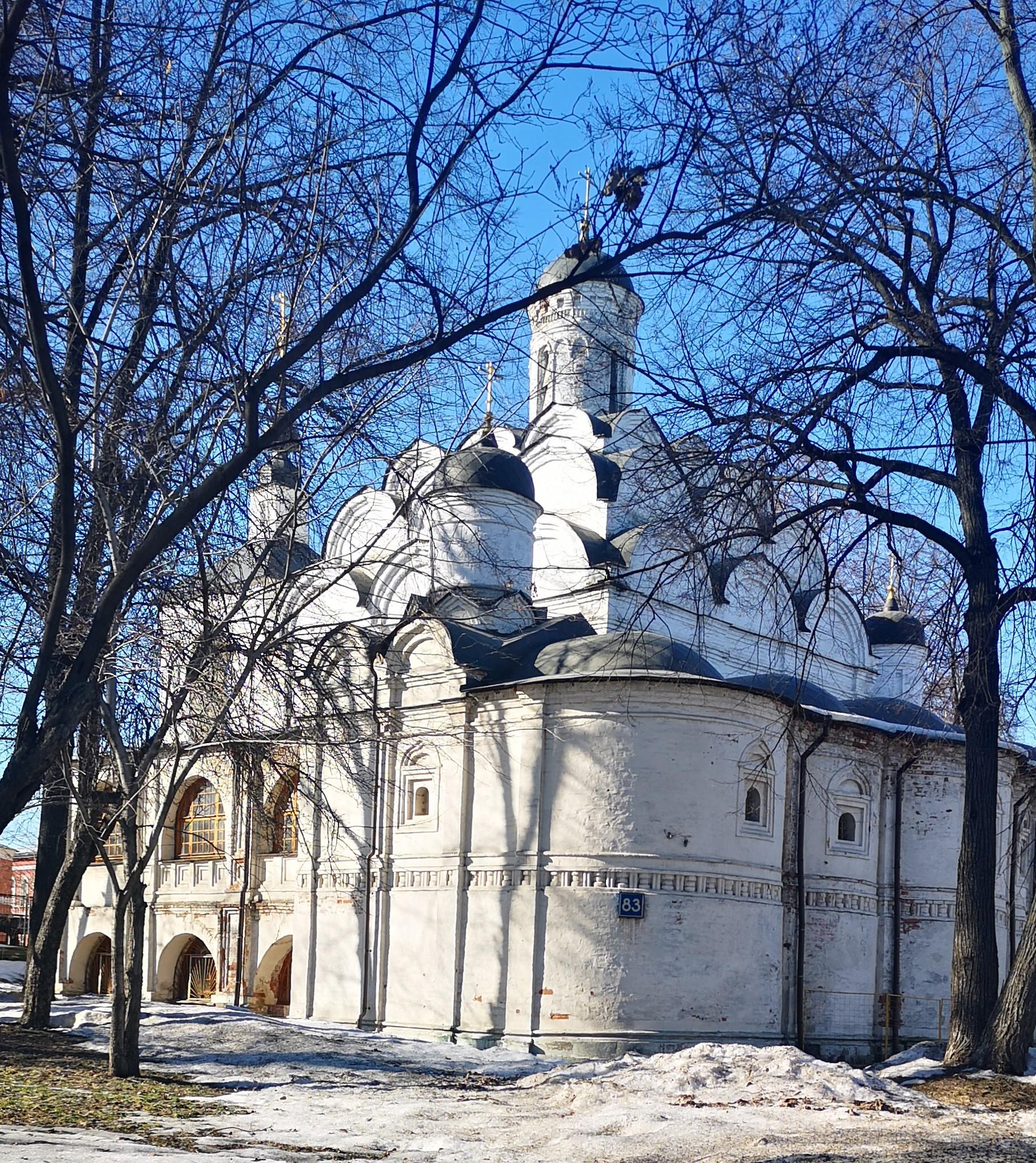
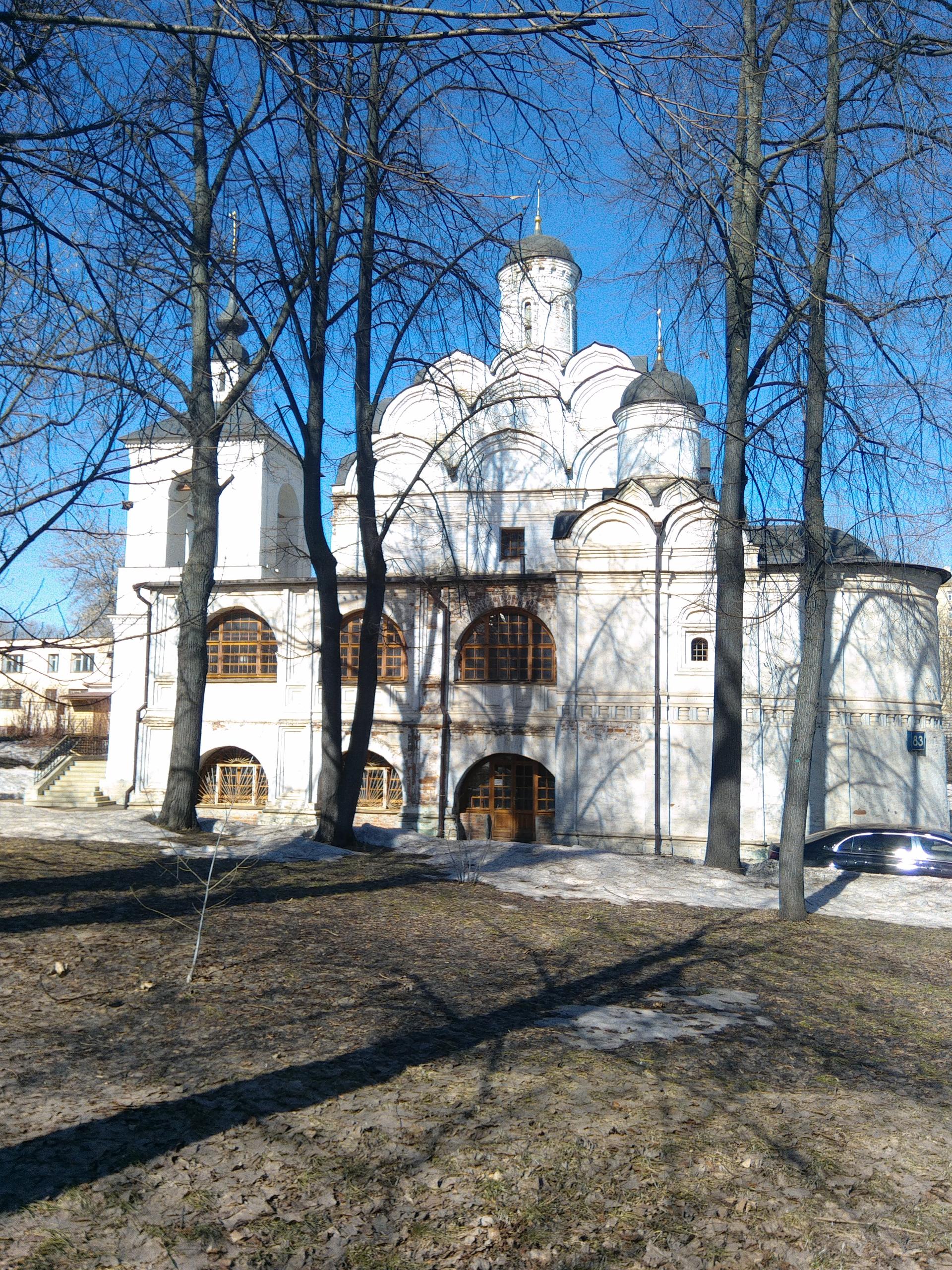
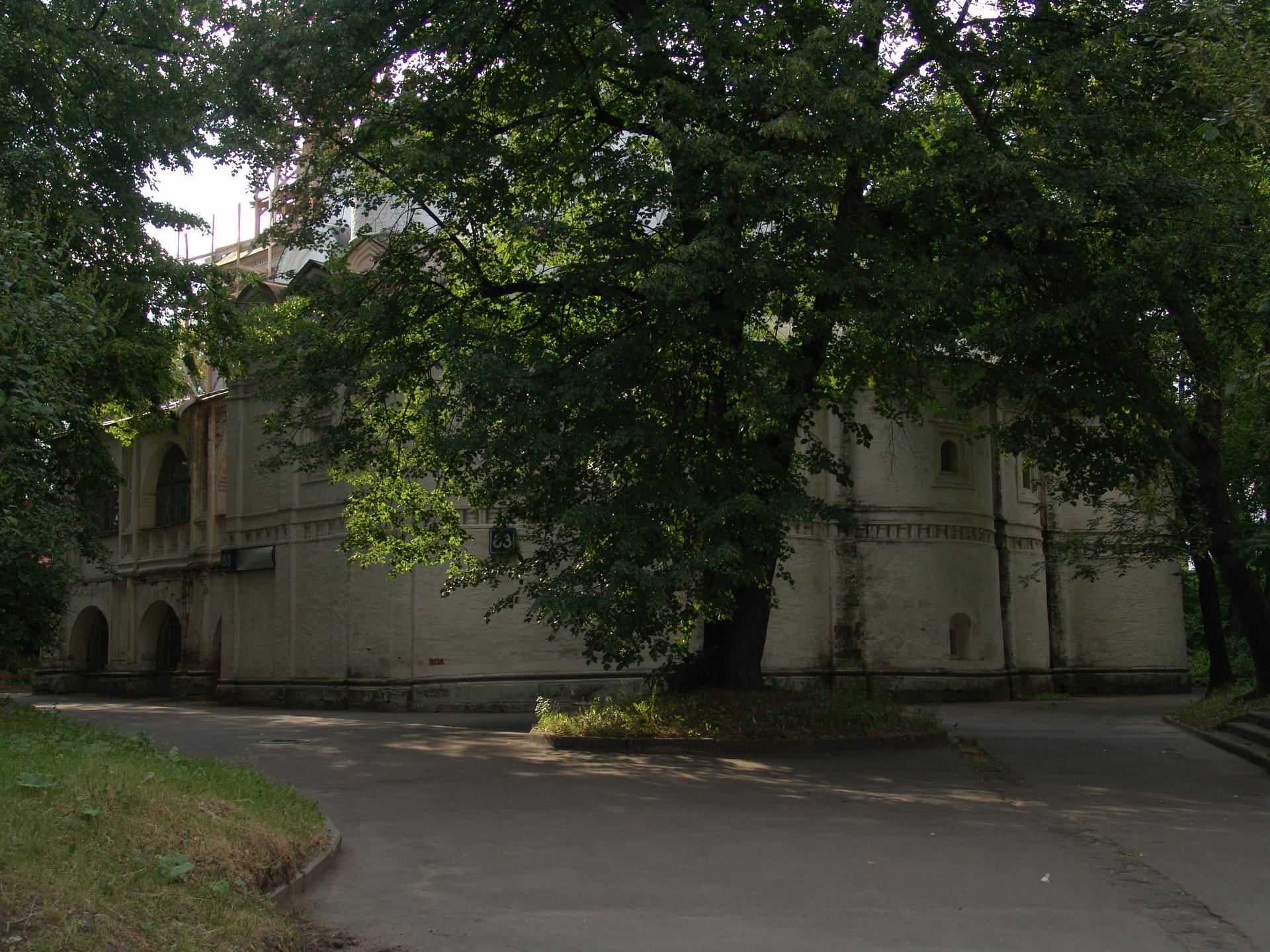
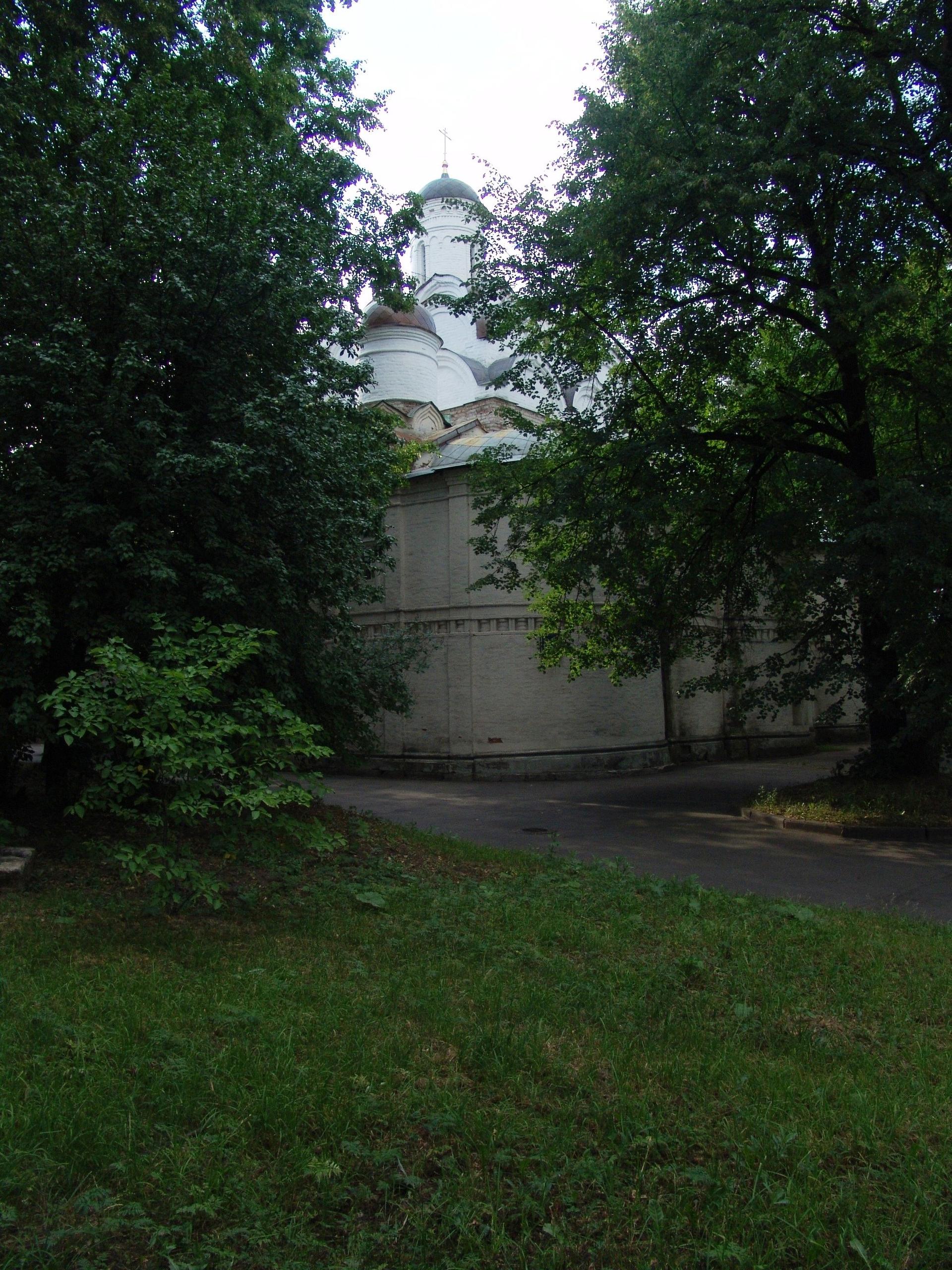
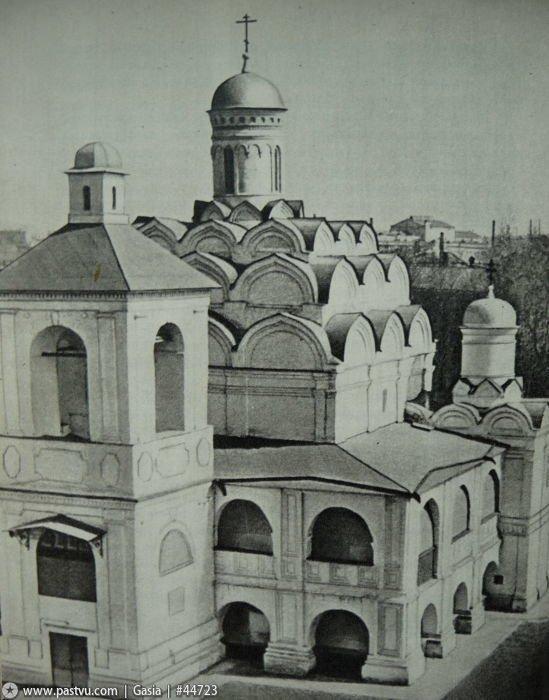
По одной из версий, образцом для храма стал Малый собор Донского монастыря. Он почти кубический, со шлемовидной главой, покоящейся на трех рядах кокошников. Такое сходство со старыми соборами времен Рюриковичей и Годунова должно было подчеркнуть преемственность новой династии Романовых и ее стремление утвердиться на престоле.

С севера и с юга от главного алтаря к храму симметрично примыкают два придела, тоже увенчанных главами с кокошниками. Их посвящение перекликалось с общим значением храма как памятника: в честь преподобного Сергия Радонежского, по преданию благословившего Дмитрия Донского перед Куликовской битвой, и во имя царевича Дмитрия, после гибели которого началось Смутное время.

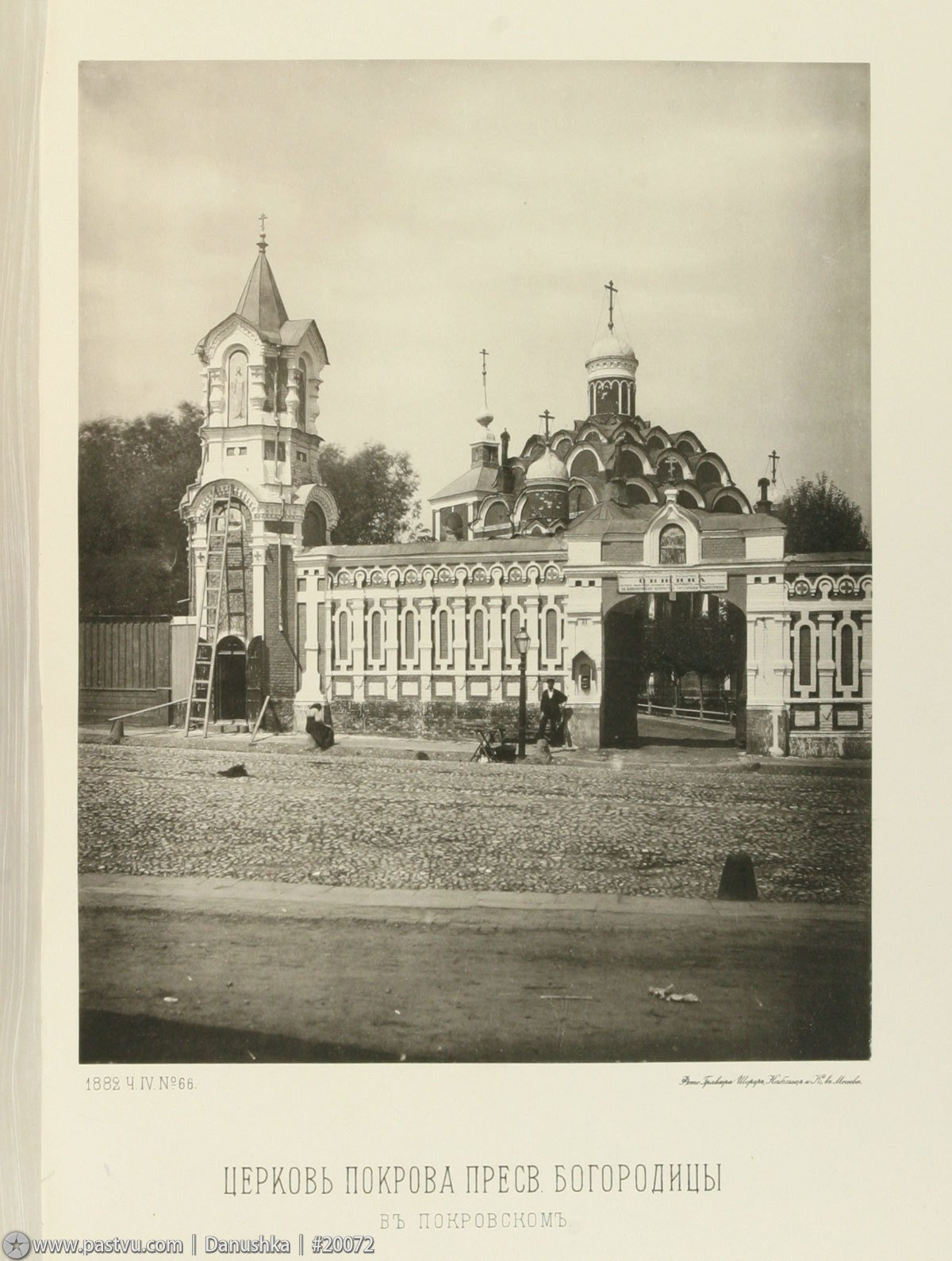
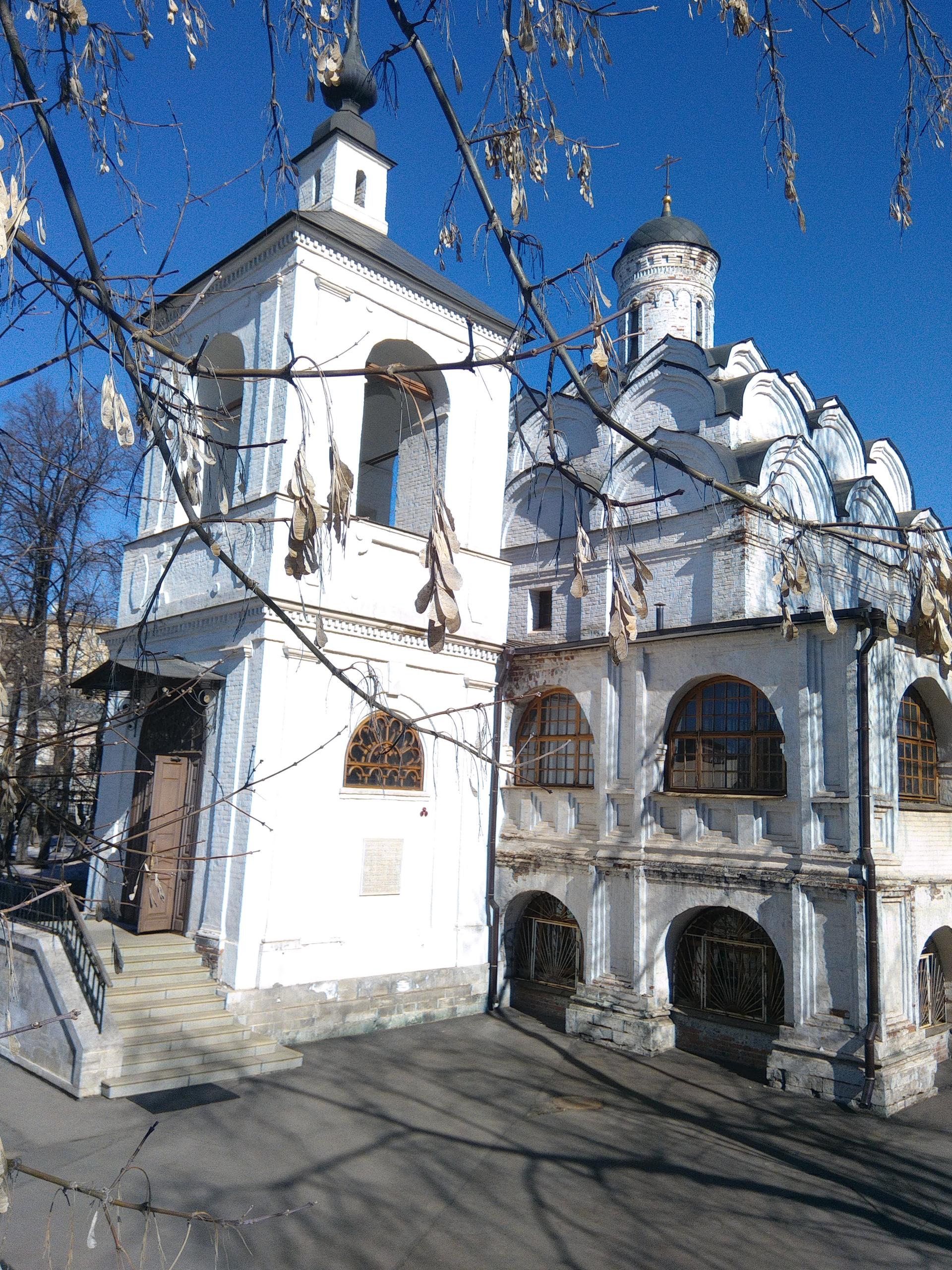
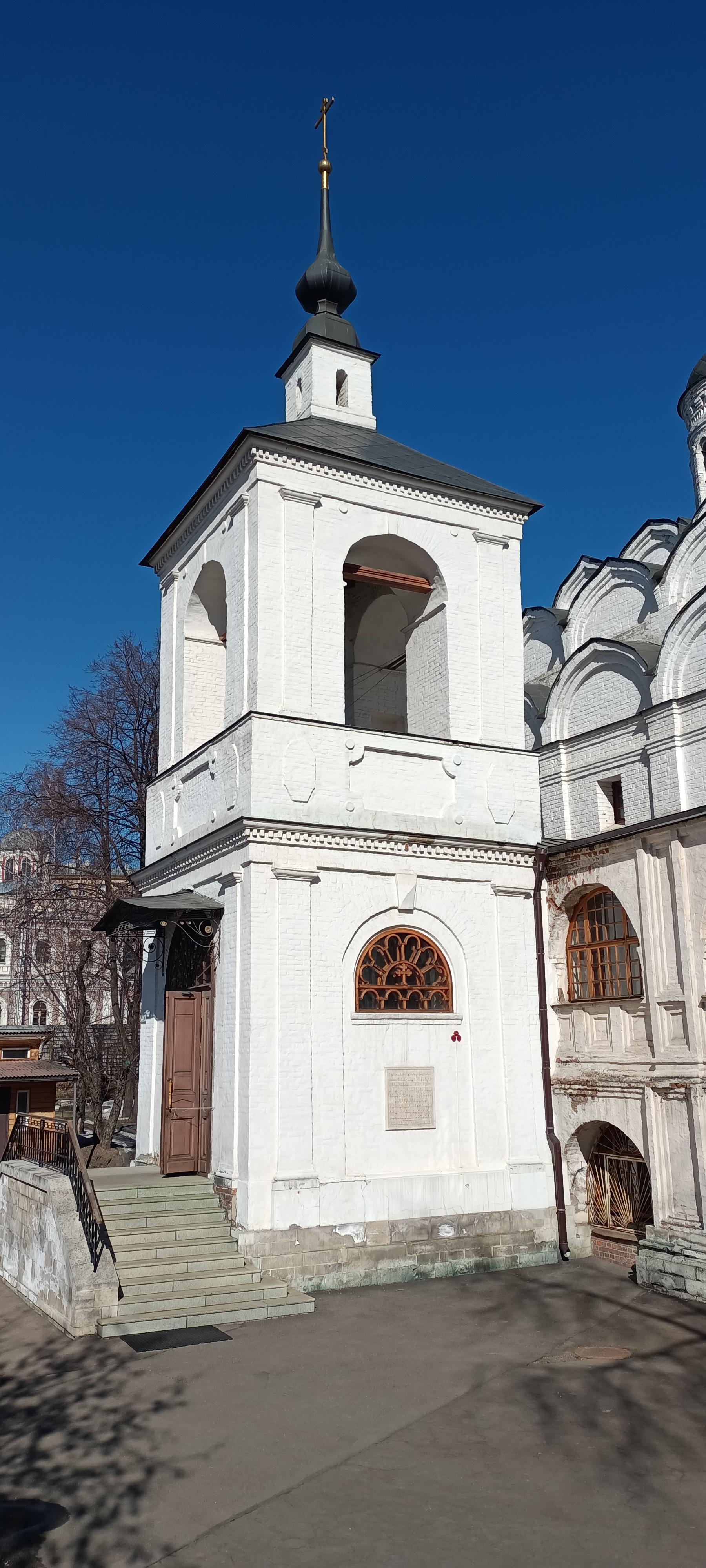
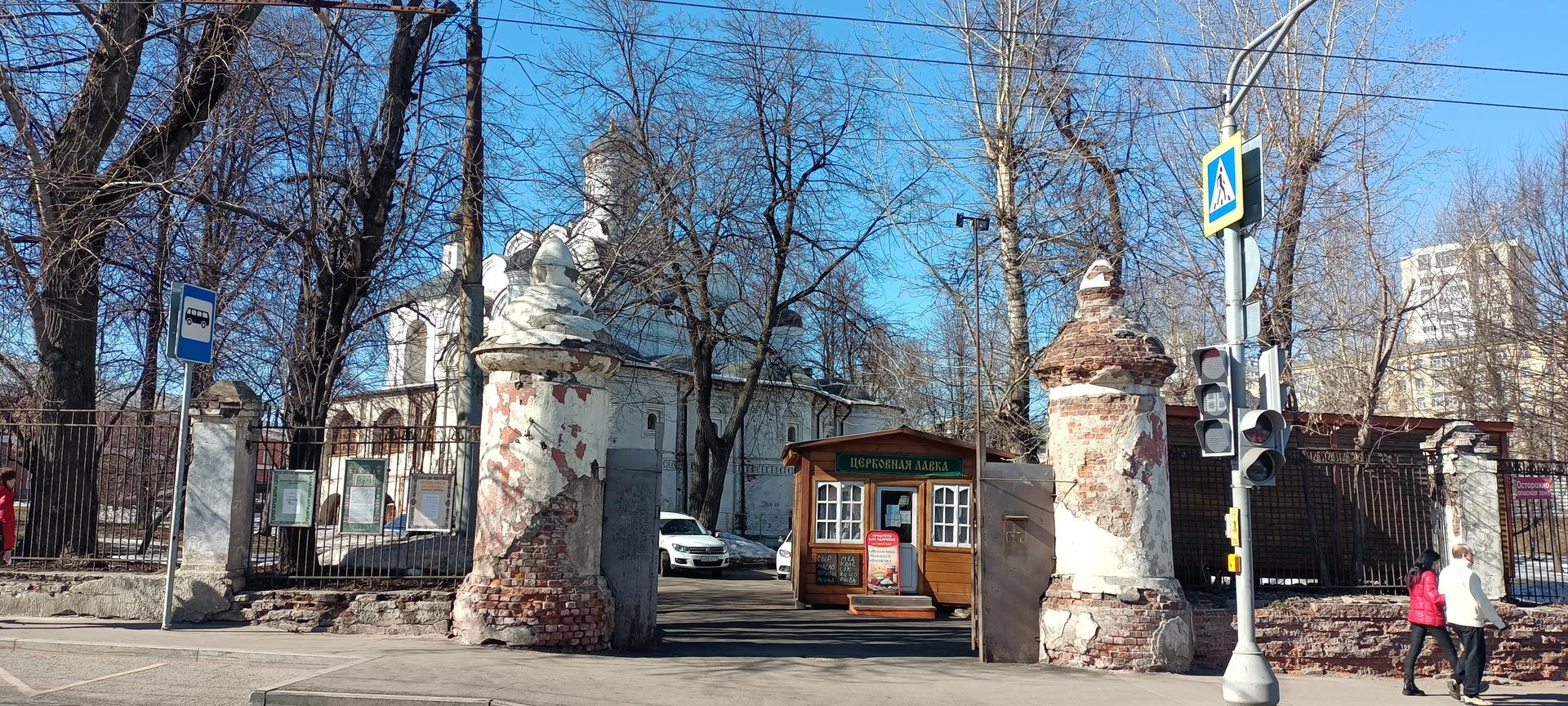
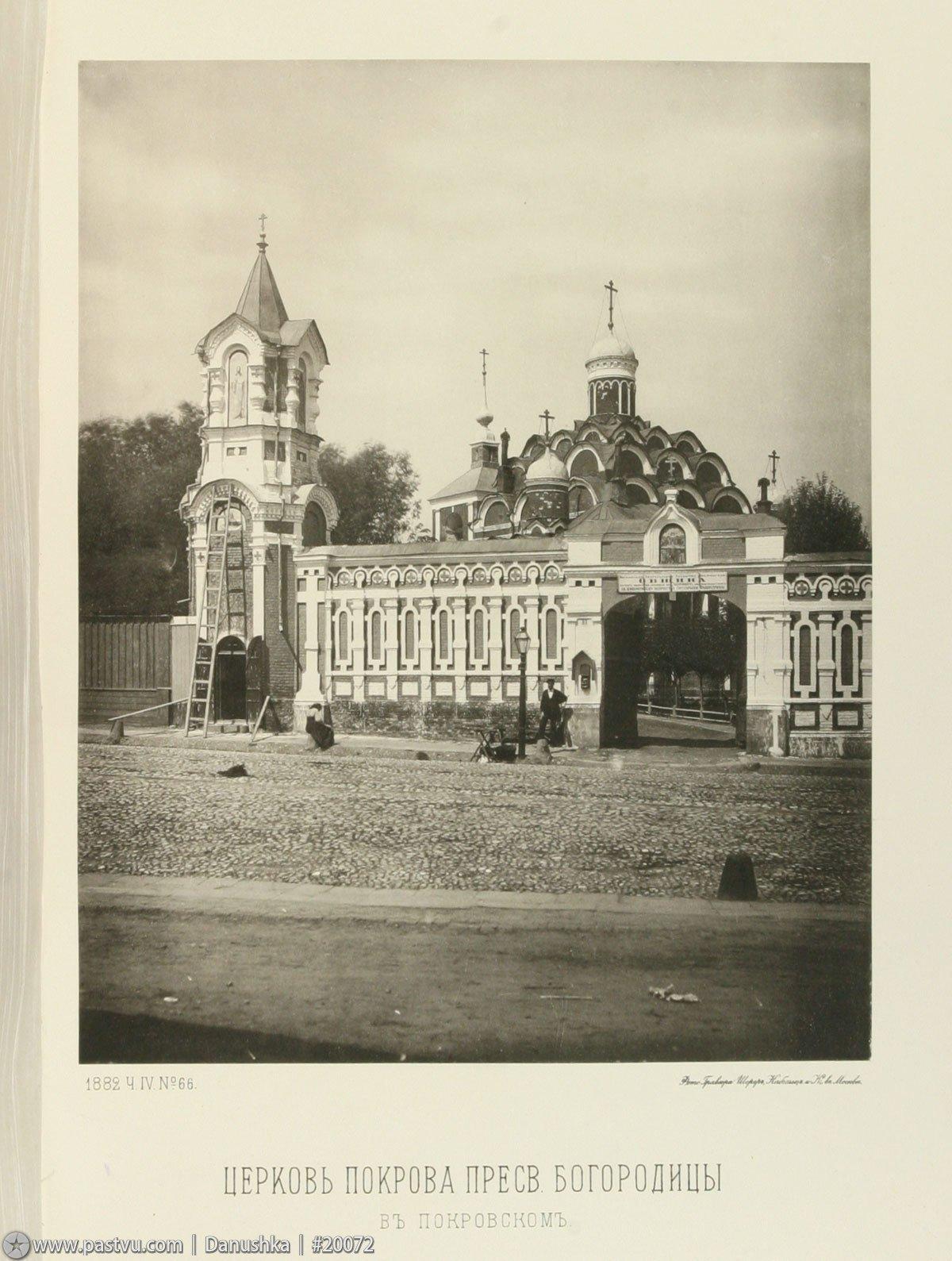
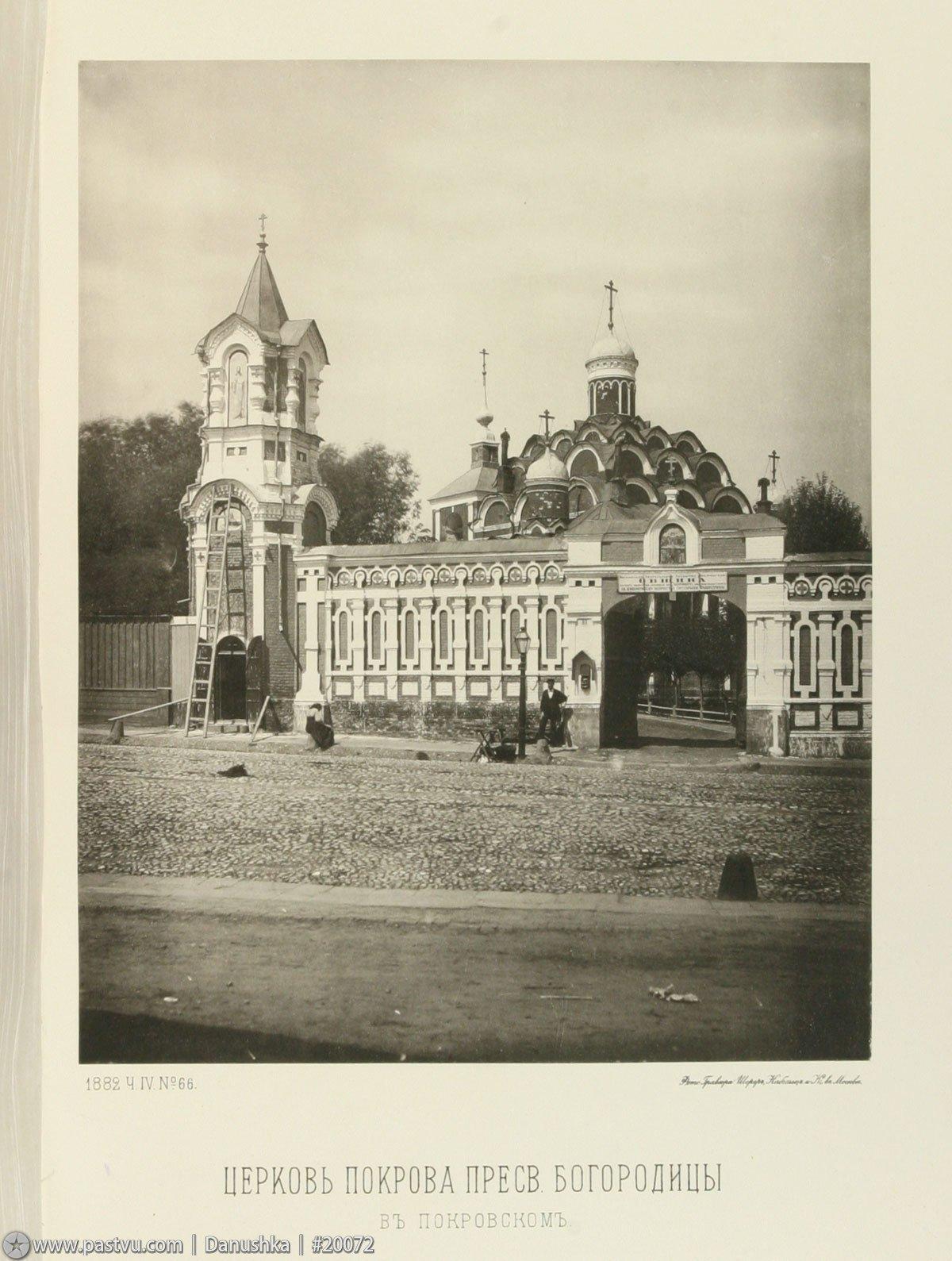
В XVII веке куб храма был окружен с трех сторон крытой двухъярусной галереей с арками. В 1787 году с запада пристроена новая колокольня, галереи были закрыты, а арки в нижнем ярусе заложены. С 1870 года и до революции при храме существовала известная на всю Москву Покровская община сестер милосердия, для которой вокруг храма в 1879 году была возведена каменная ограда с часовней по проекту П.П. Скоморошенко.

Церковь закрыта в 1934 году, приходское кладбище, ограда и часовня уничтожены. В храме разместились электромонтажные мастерские Метростроя. Но в целом здание не было перестроено или искажено. С 1961 года, после реставрации, сюда въехала Хоровая капелла имени А.А. Юрлова.

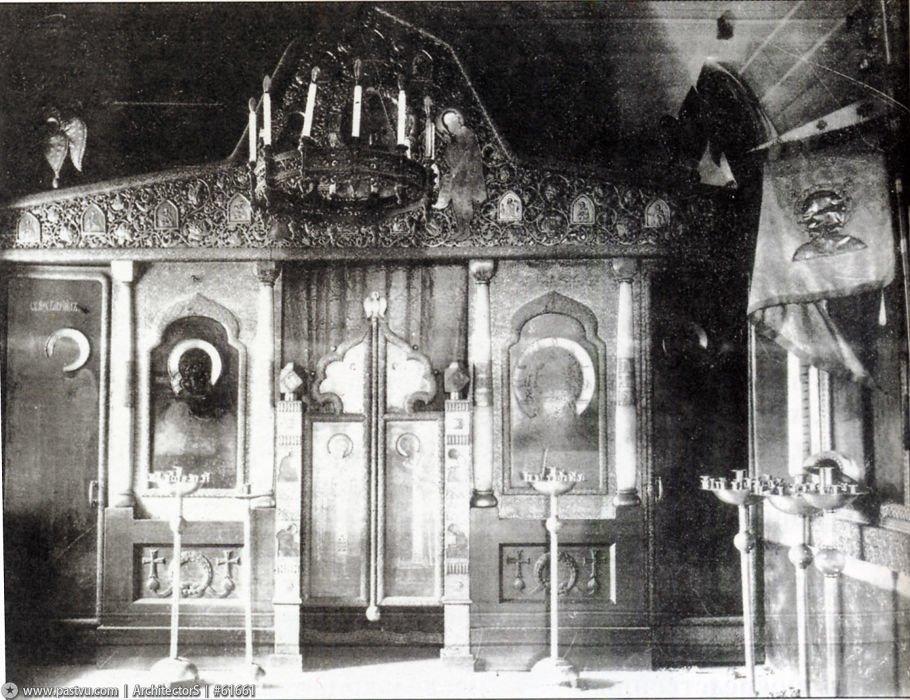
Решение о передаче церкви православной общине было принято в 1992 году, но лишь в 1998 в нижнем ярусе был организован временный придел, а верхний ярус был отдан верующим в 2003 году. Богослужения здесь проводятся по старому обряду, но церковь подчиняется Московской патриархии. При храме создан Патриарший центр древнерусской богослужебной традиции. Отсюда началось возрождение забытого после революции течения – единоверчества, своеобразного компромисса между старообрядцами и «никонианами».
In the XVII century here was the end of Pokrovskaya road that marched through the city from the Spassky Gate of the Kremlin. Tsar Mikhail Fedorovich used it to go to his country palace in Rubtsovo. Because of this the former name of Bakuninskaya street was Pokrovskaya as before 1918. In 1618 Polish (Rech Pospolita) troops approached Moscow and almost captured it, but on the 1st of October, the day of the Holy Virgin, after a bloody battle at Arbat gate they retreated. Tsar Mikhail Fedorovich created a "votive" (ie a vow ) wooden church of the Intercession in honor of this holiday at his estate in Rubtsovo in memory of this event. The stone church was erected on the same plot in 1626. The village was called by the double name by the church Pokrovsky-Rubtsovo. According to one version, the temple has become a model for the Small Cathedral of the Donskoi Monastery. It is almost cubic, with a helmet-shaped head resting on three rows of corbel arches. This similarity with the old cathedrals of the time of Rurik and Godunov was to stress the continuity of the new Romanov dynasty and its desire to establish himself on the throne. Two symmetrically adjacent chapels are from the north and south of the main altar of the temple, also crowned heads with innovative features. Their dedication in common with the general meaning of the temple as a monument: in honor of St. Sergius of Radonezh, according to legend blessed Dmitry Donskoy before the Battle of Kulikovo, and in the name of Tsarevich Dmitry, which began after the death of the Time of Troubles. In the XVII century the cube of the temple was surrounded by a covered bunk gallery with arches on three sides. A new tower was attached from the West side, the galleries were closed, and the arch in the lower tier laid in 1787. Since 1870 and up to the revolution of the temple, there was a well-known all over Moscow Intercession community of nurses, for which a stone wall with a chapel was erected around the temple. It was designed by P.P. Skomoroshenko in 1879. The church was closed in 1934, the parish cemetery, fence and the chapel were destroyed. The temple housed electrical workshops Metrostroi. But generally the building was not rebuilt or distorted. Choir of the A.A. Yurlov housed here after the restoration in 1961. The decision to transfer the church of the Orthodox community was made in 1992 but only in 1998 the temporary chapel was organized in the lower tier, and the top tier was returned to the believers in 2003. Services are held here on the old rite, but the church is subject to the Moscow Patriarchate. Patriarchal center of ancient liturgical tradition is working in the church. Hence the revival of the edinoverchestva (unified believe), the forgotten after the revolution Christianity current started. Edinoverchestvo is a kind of compromise between the Old Believers and "Nikonians" (followers ot Patriarch Nikon)
Автор статьи: Никита Брусиловский