Интерактивный гид по городу
С мобильным приложением бродить по городу гораздо интереснее!

Church of intercession in Krasnoe village

In the church of one of the largest suburbs of Moscow used to make toys during the Soviet times.

Church of intercession in Krasnoe village
In the church of one of the largest suburbs of Moscow used to make toys during the Soviet times.
5.00
Вы можете воспользоваться QR-кодом, чтобы открыть эту страницу в нашем приложении
Архитектурный стиль:
,
Годы постройки:
1701, 1816-1838
Архитекторы:
Эпоха:
18th century, 19th century
Информация о здании

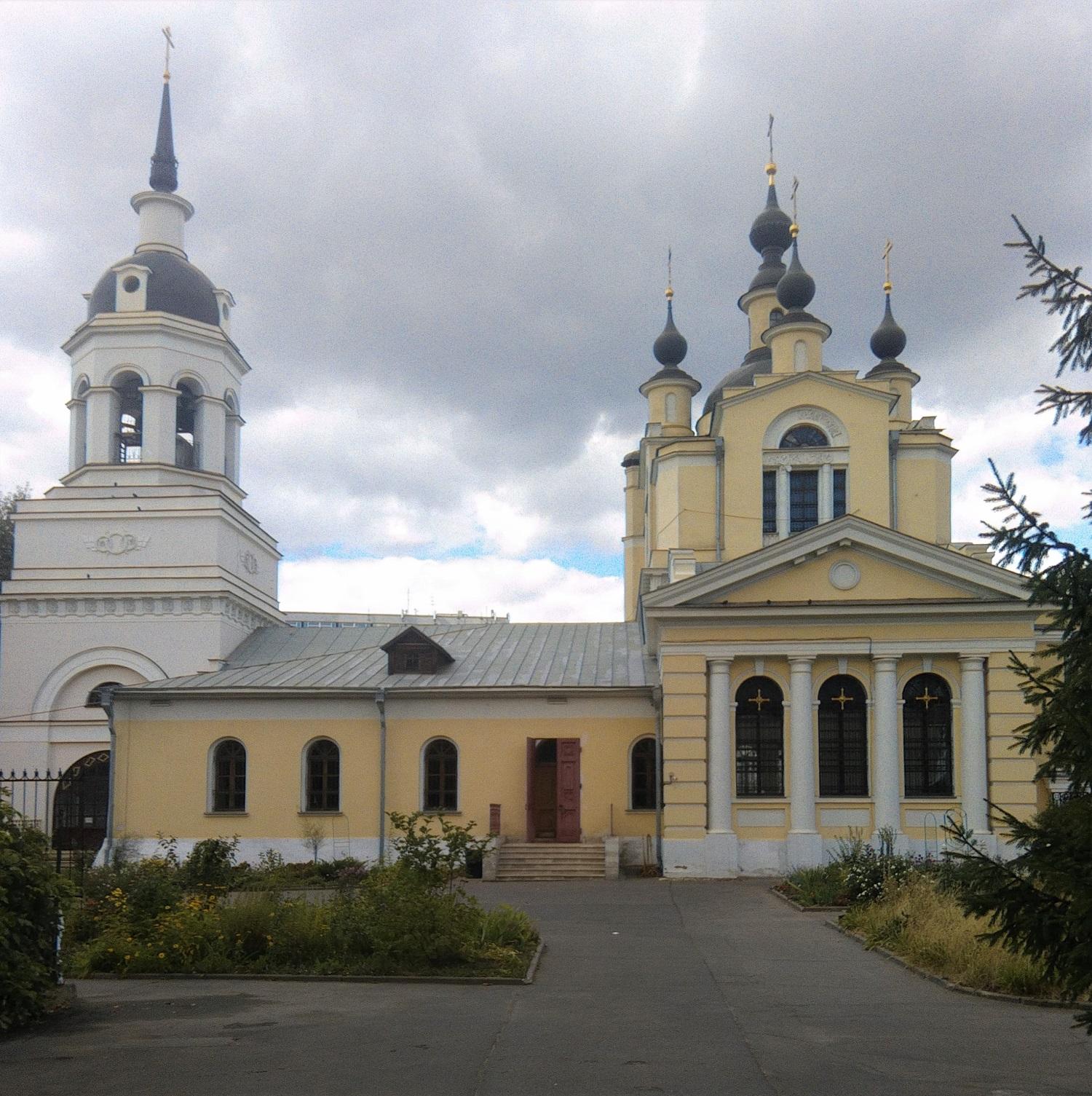
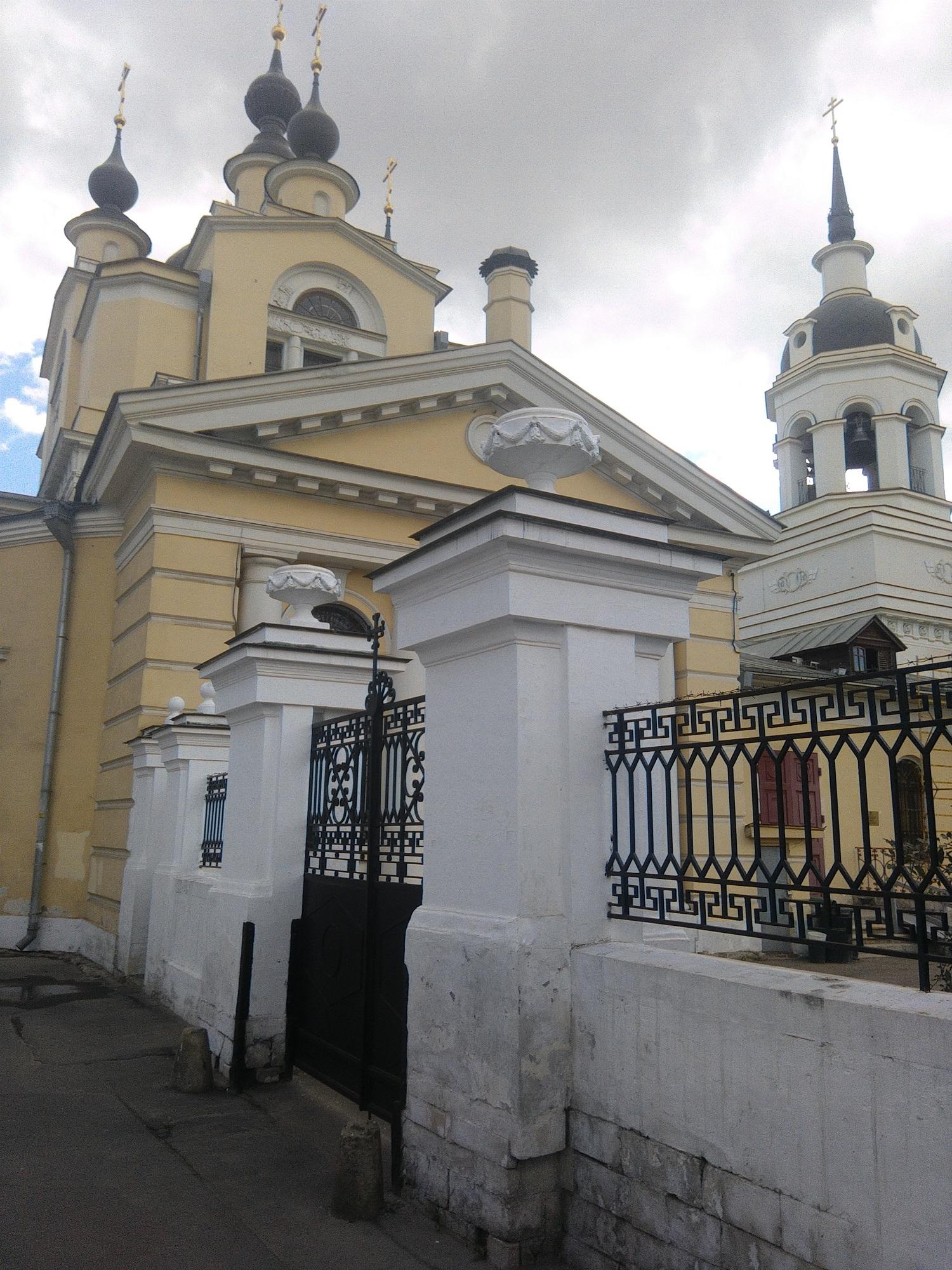
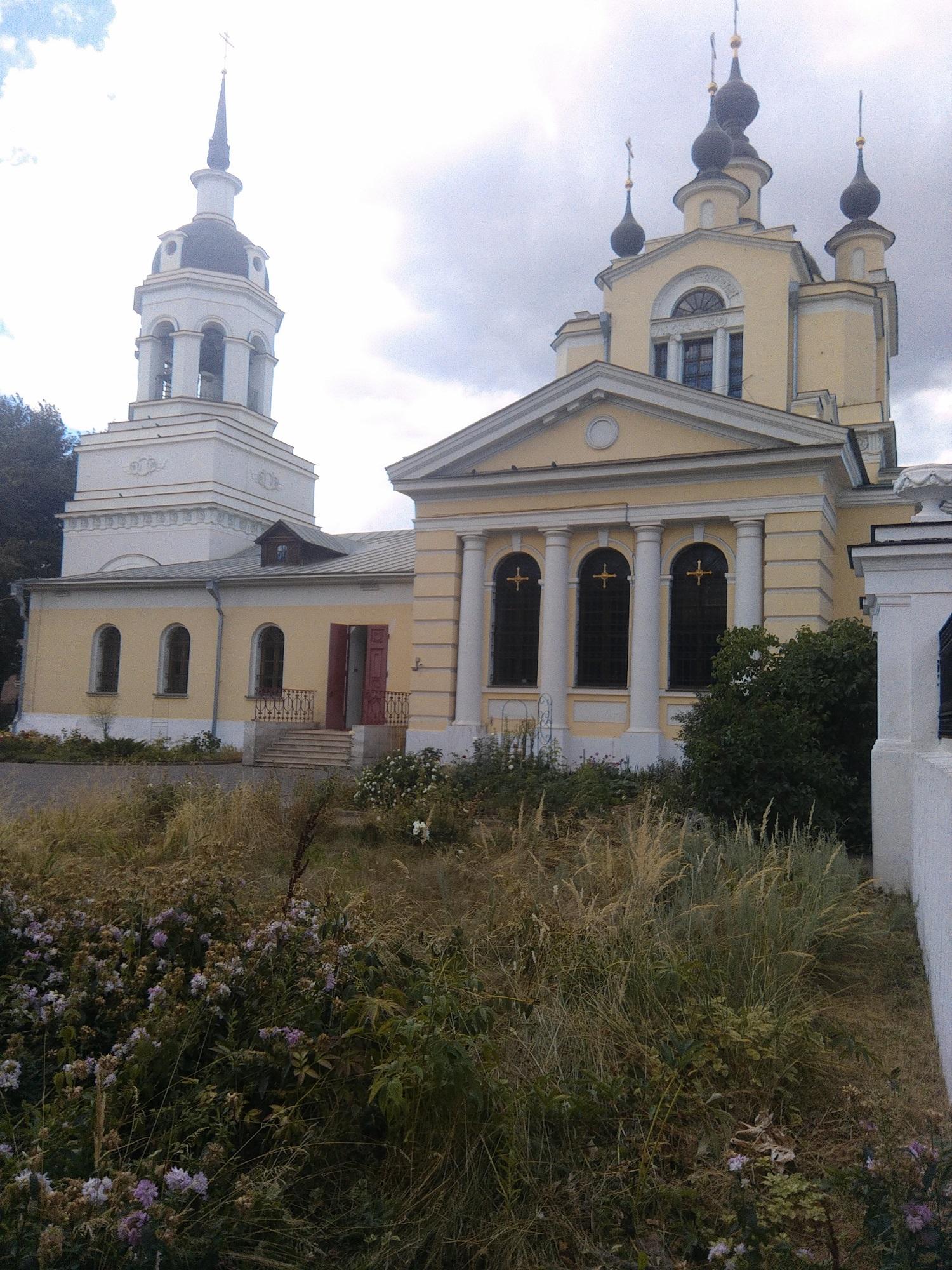
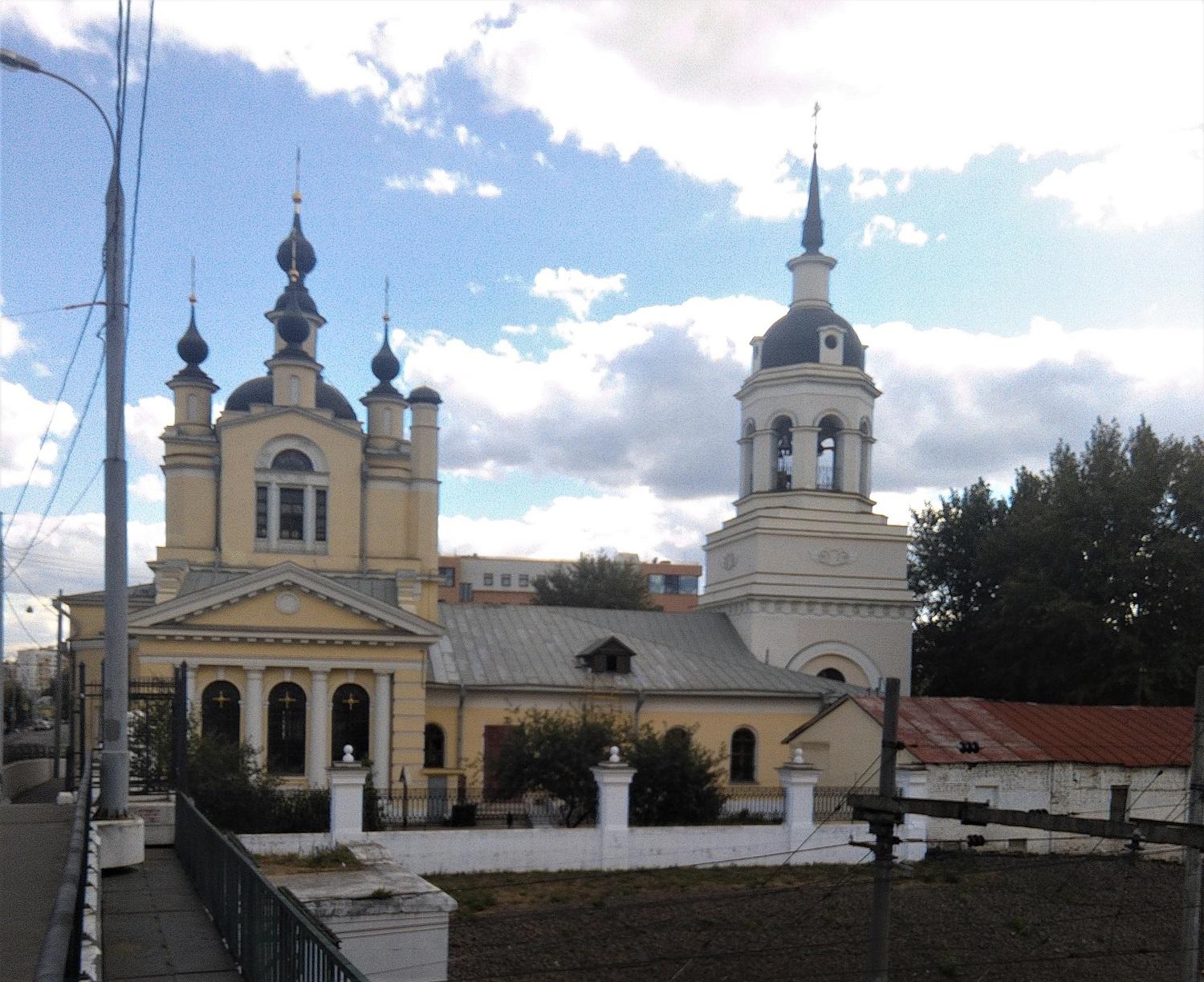
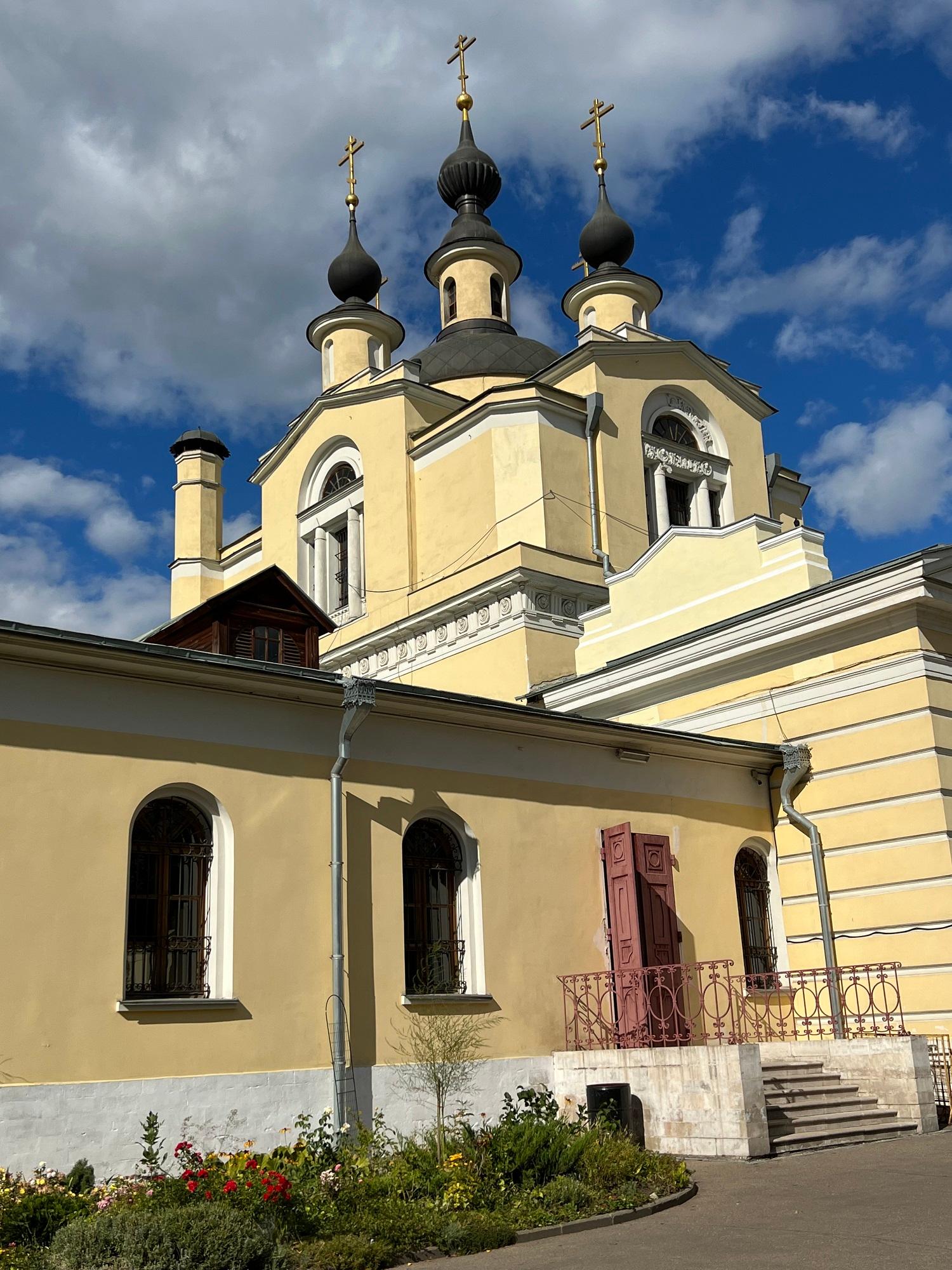
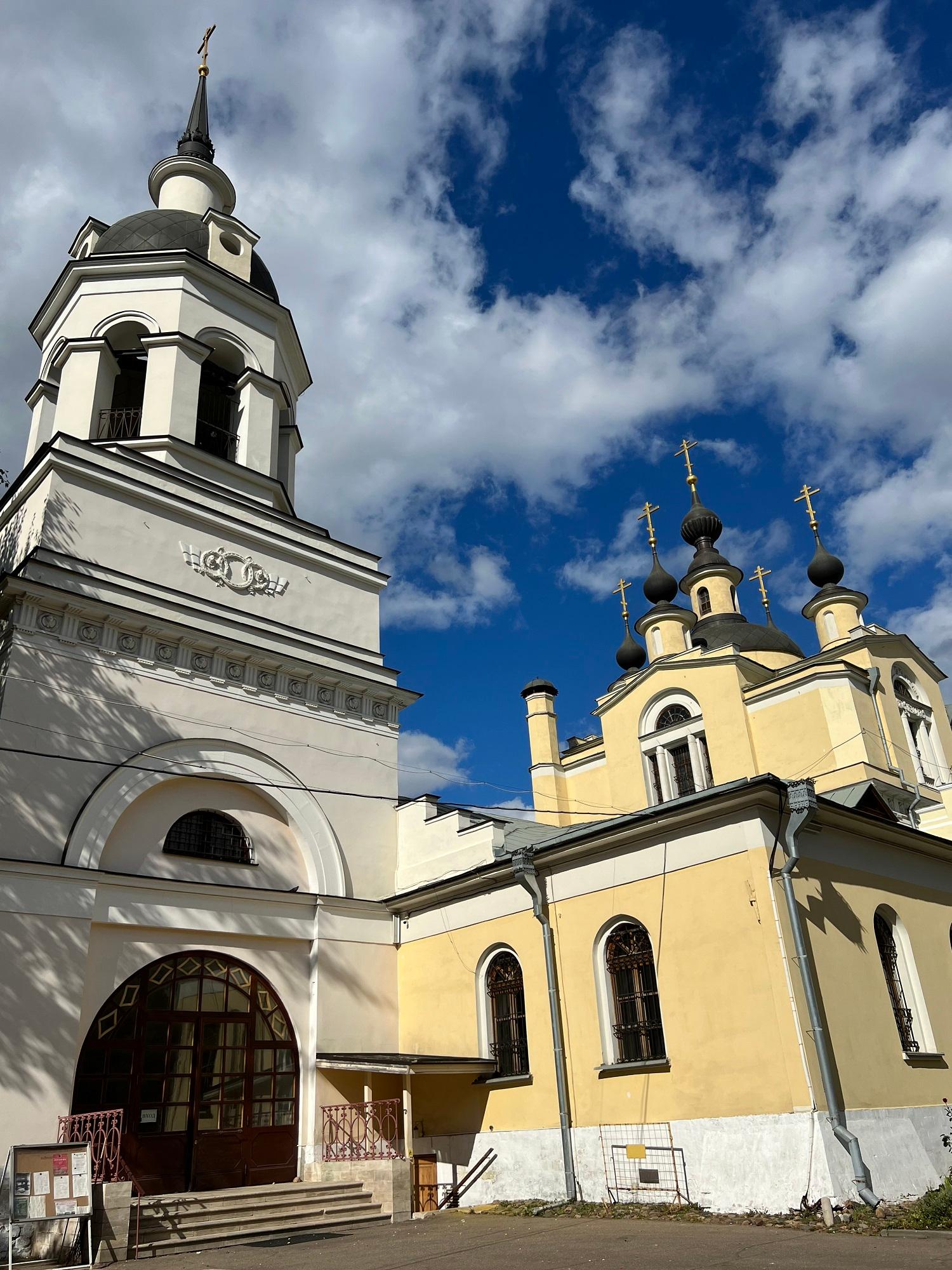
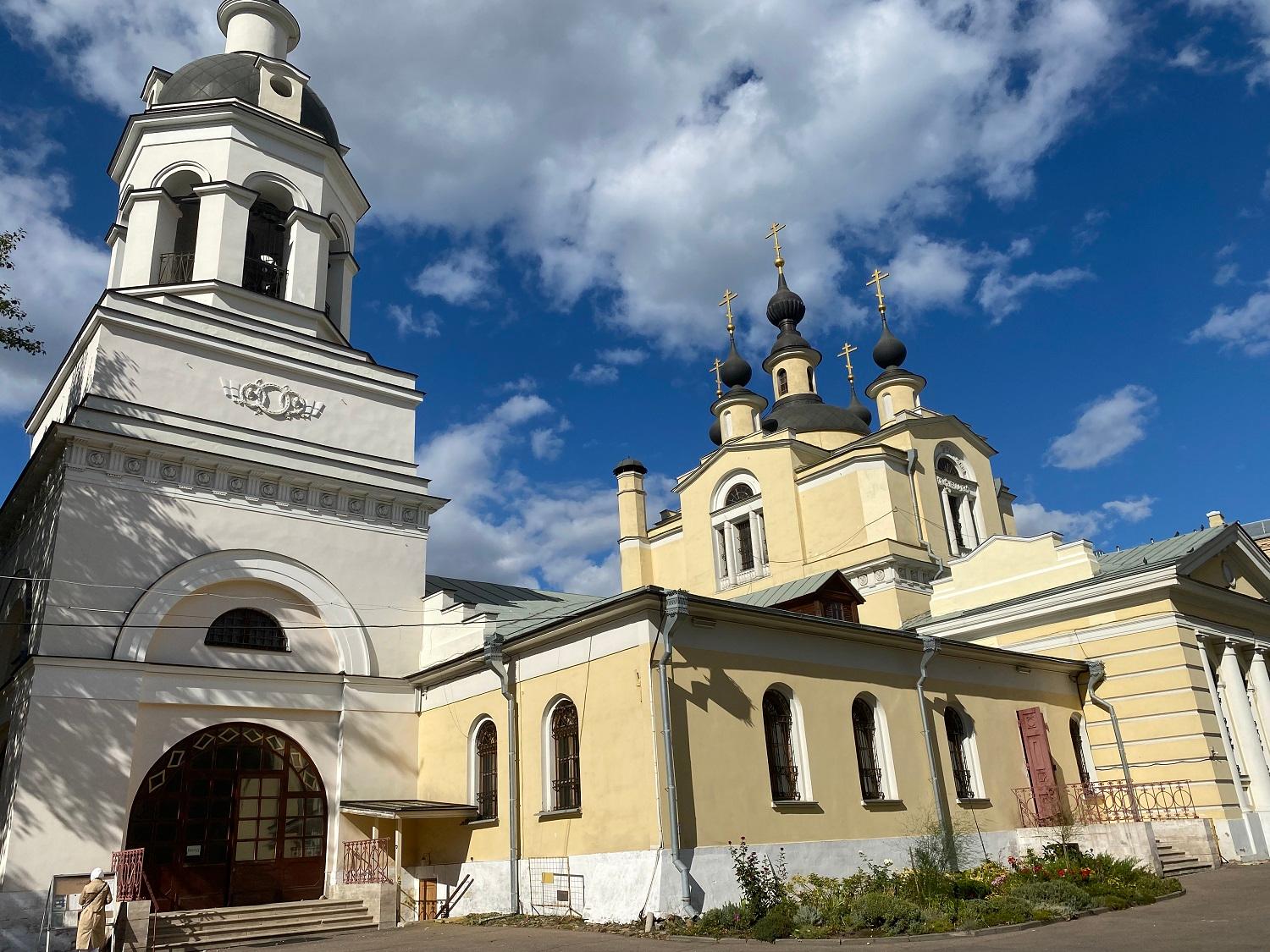
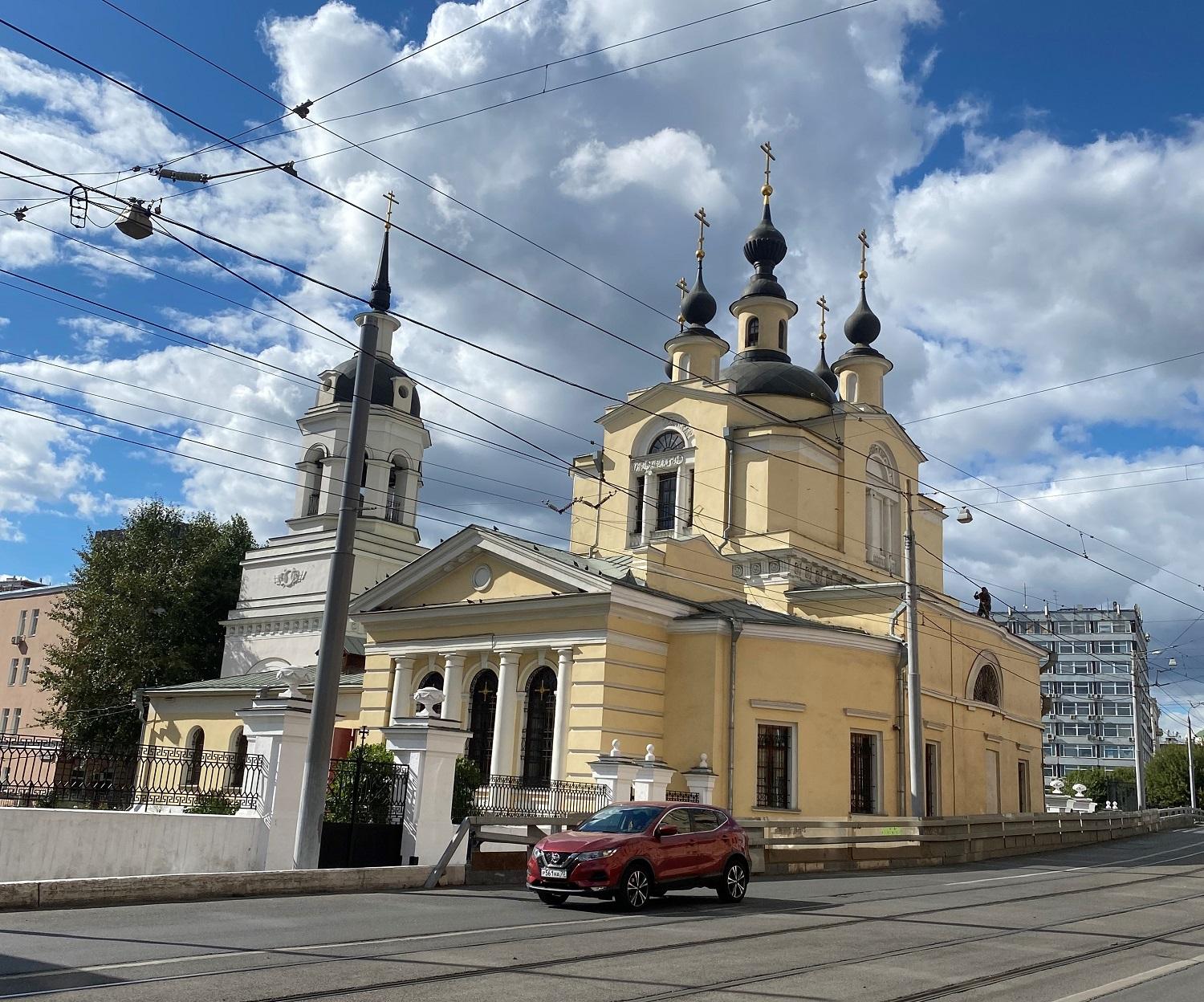
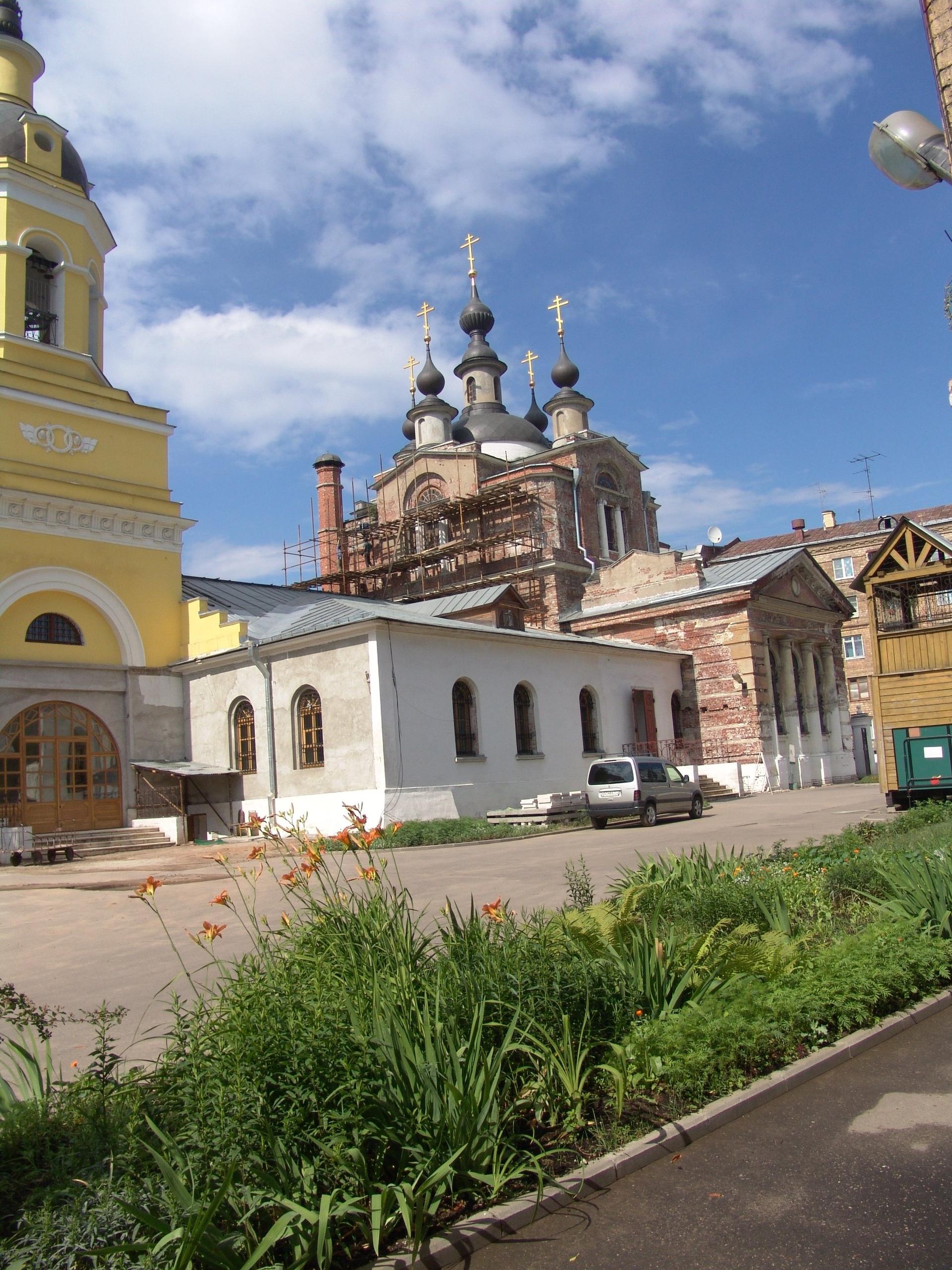
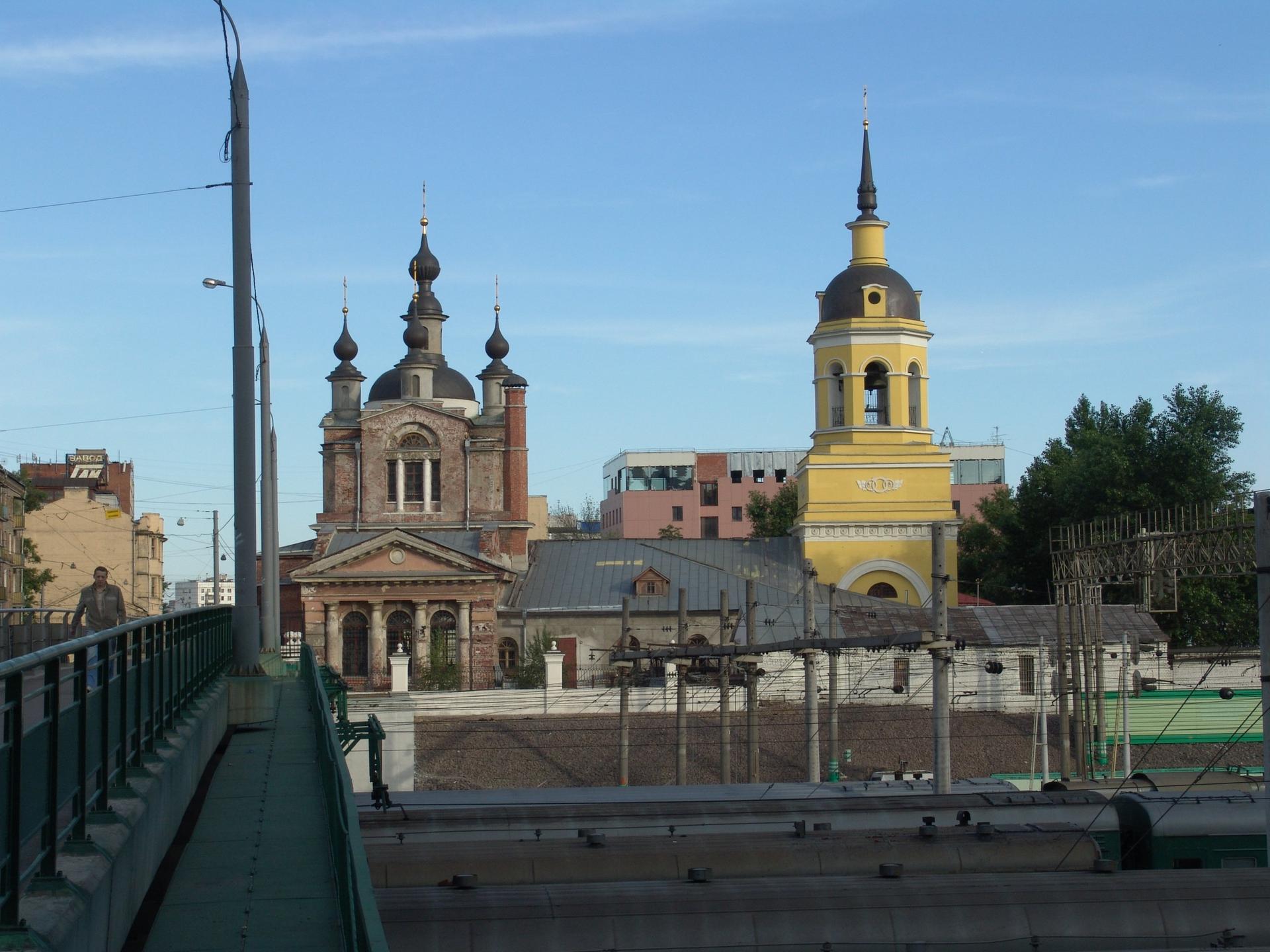
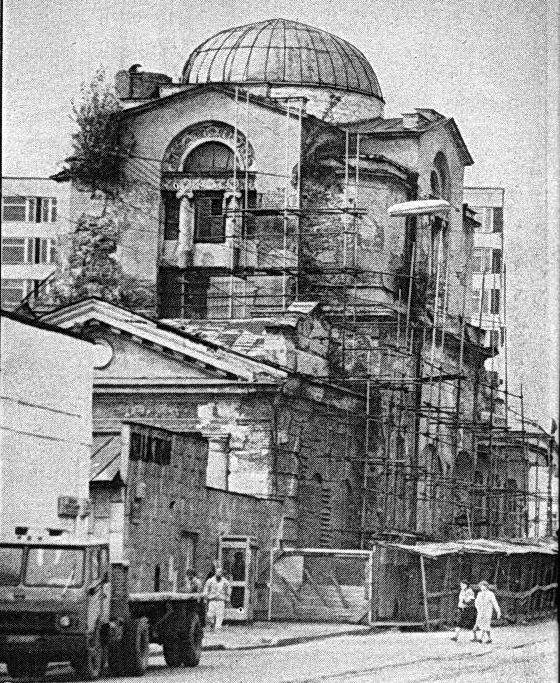
В ХХ веке в этом здании невозможно было узнать православный храм – настолько сильно был искажен его облик. Но недавняя реставрация вернула ему прежний исторический вид и назначение.

Красное село, известное с начала XV века, было одним из крупнейших предместий средневековой Москвы, а его пруд, давший название всей местности, за свою живописность именовался Красным – то есть красивым (он был засыпан в начале ХХ века). Первая деревянная церковь во имя Покрова Пресвятой Богородицы упоминалась в 1620 году, к концу века появился Никольский придел. С теми же двумя престолами в 1701 году выстроена каменная церковь, перестроенная и расширенная к 1751 году за счет еще одного придела – во имя Усекновения Главы Иоанна Предтечи. Еще раз облик храма изменился в 1816 году, когда появилось его новое пятиглавие, и в 1838 году, когда церковь была обновлена на средства почетных граждан Г.Н. Урусова и Е.Г. Малютиной.

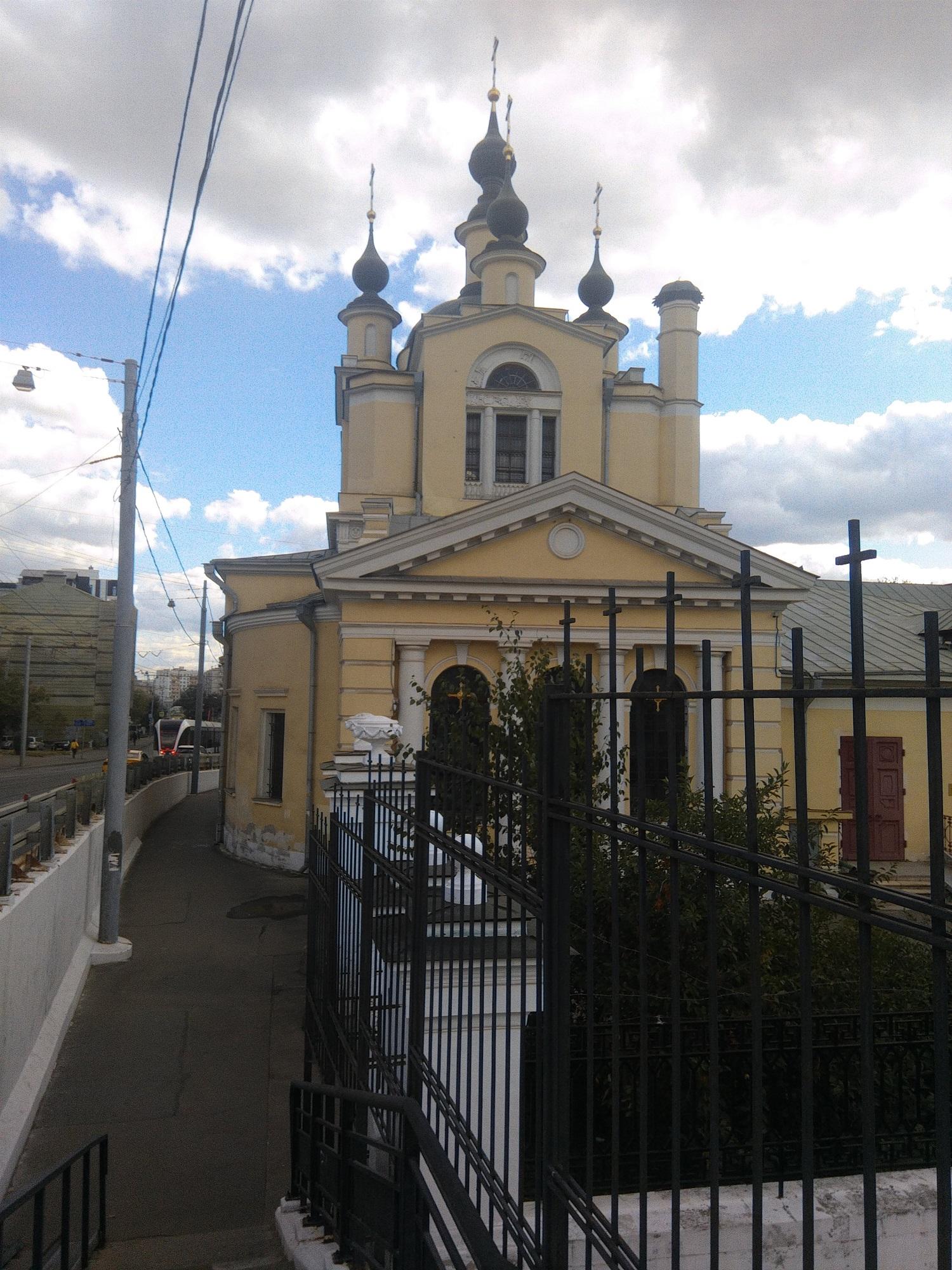
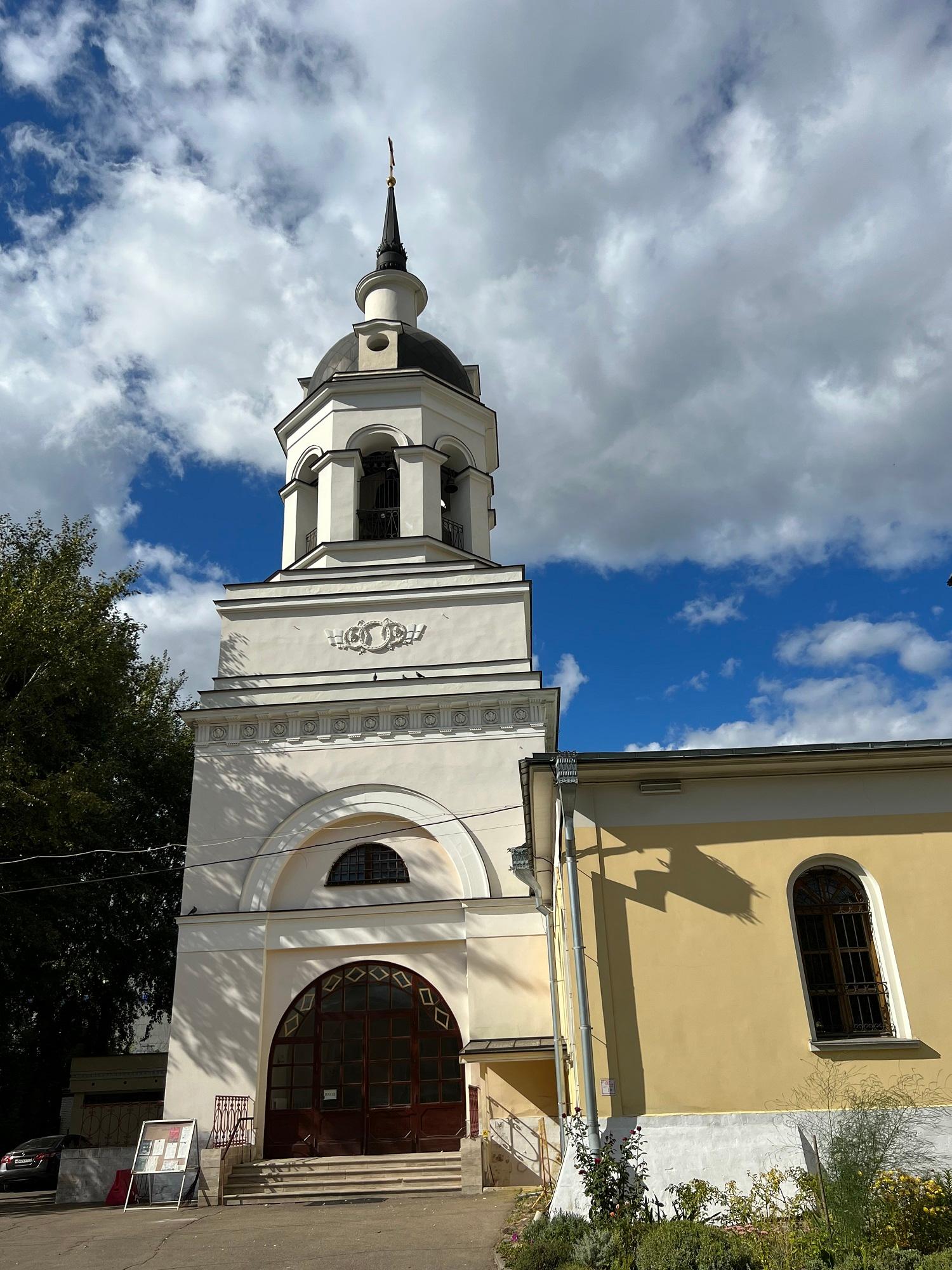
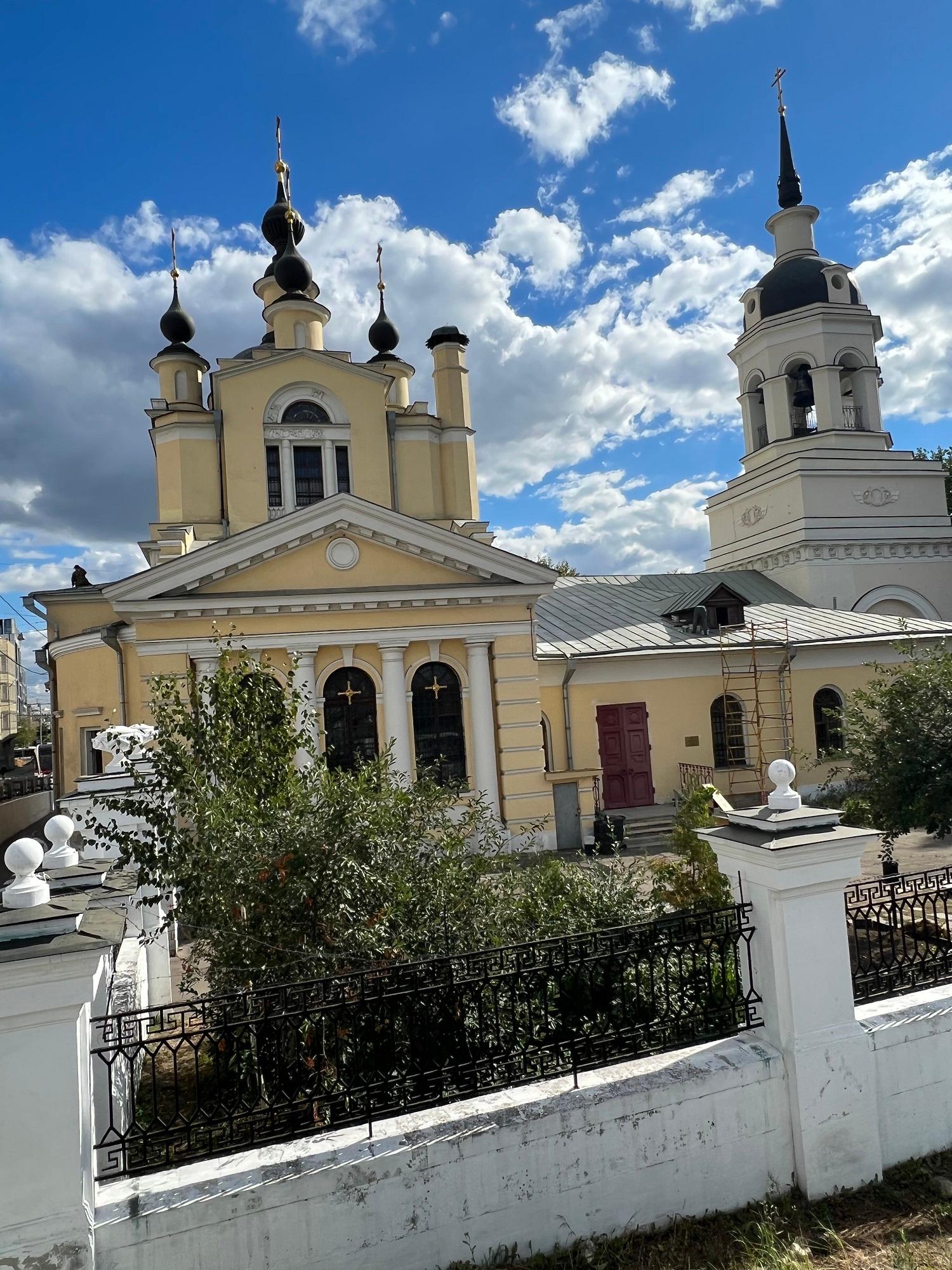
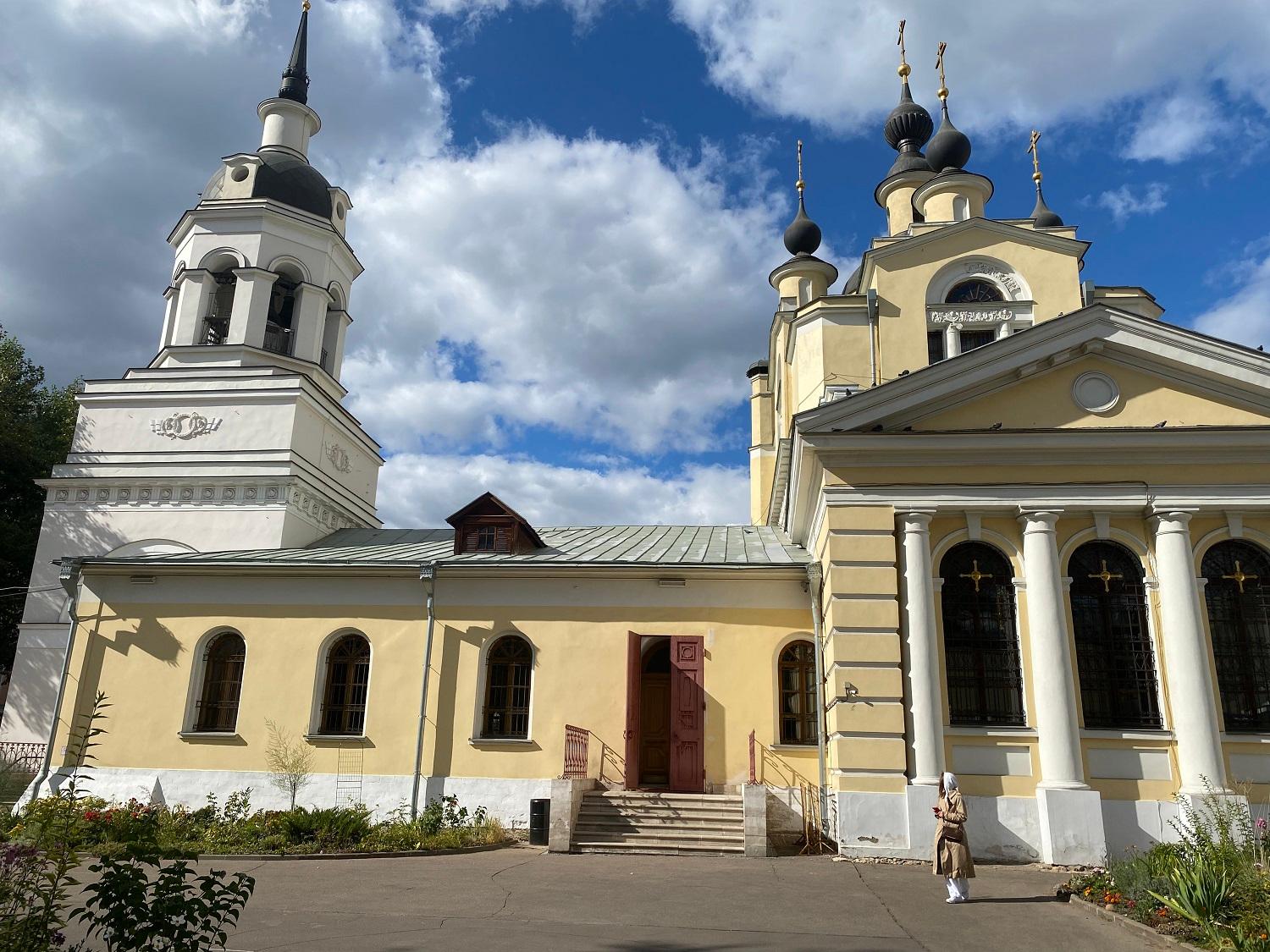
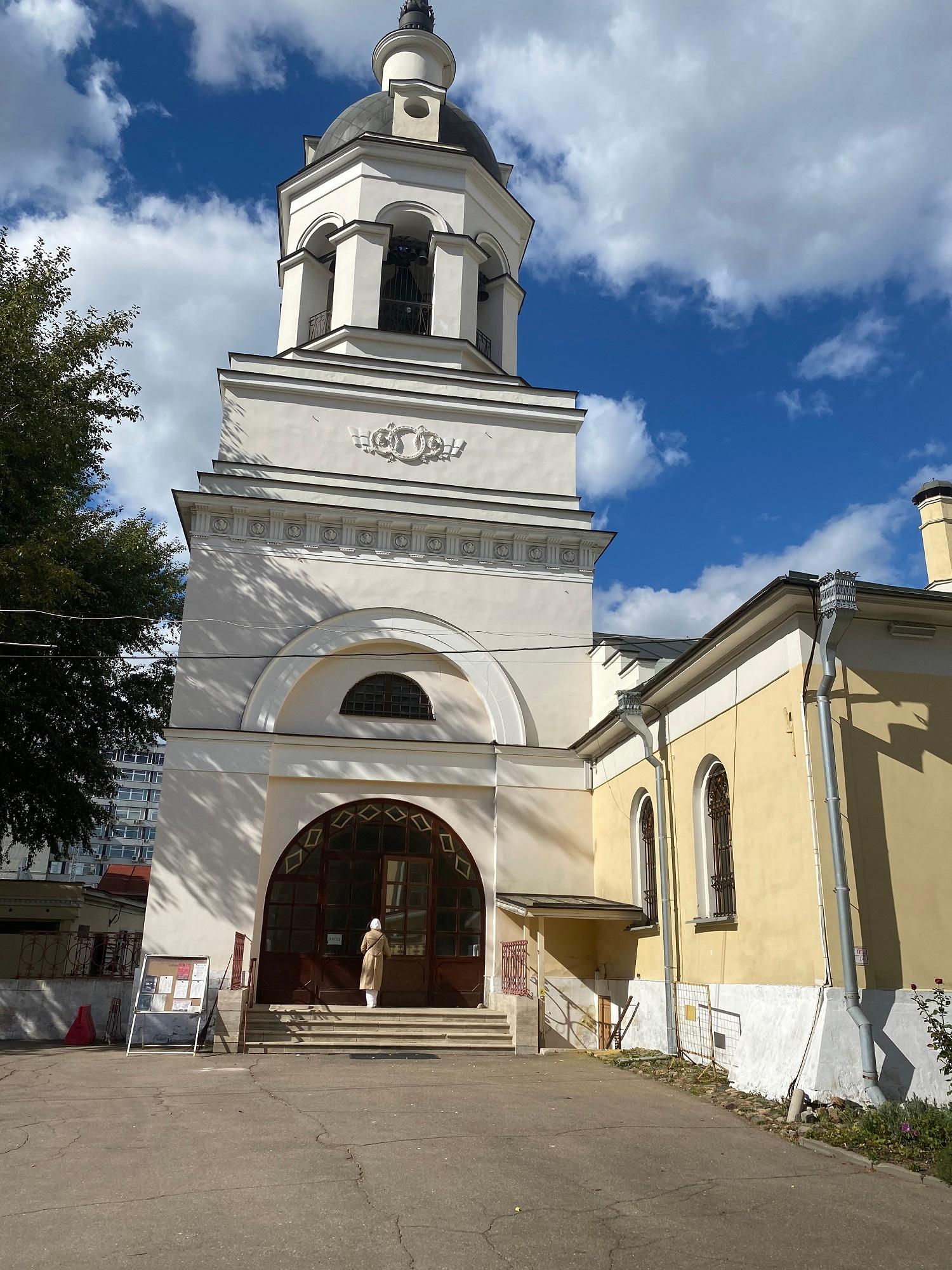
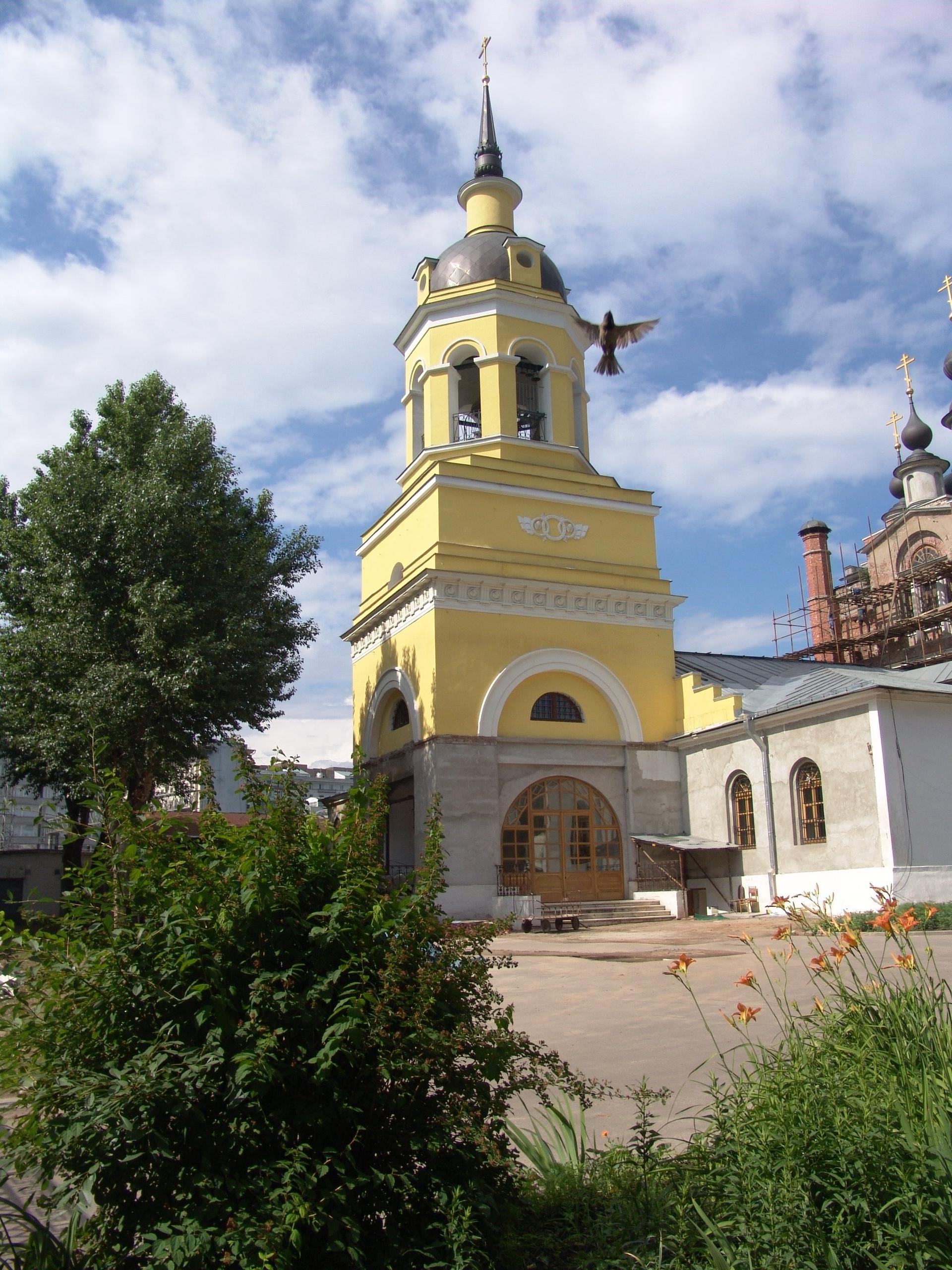
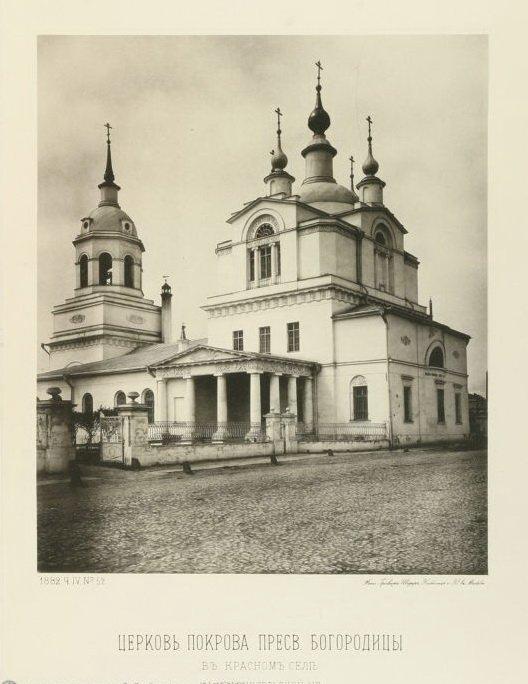
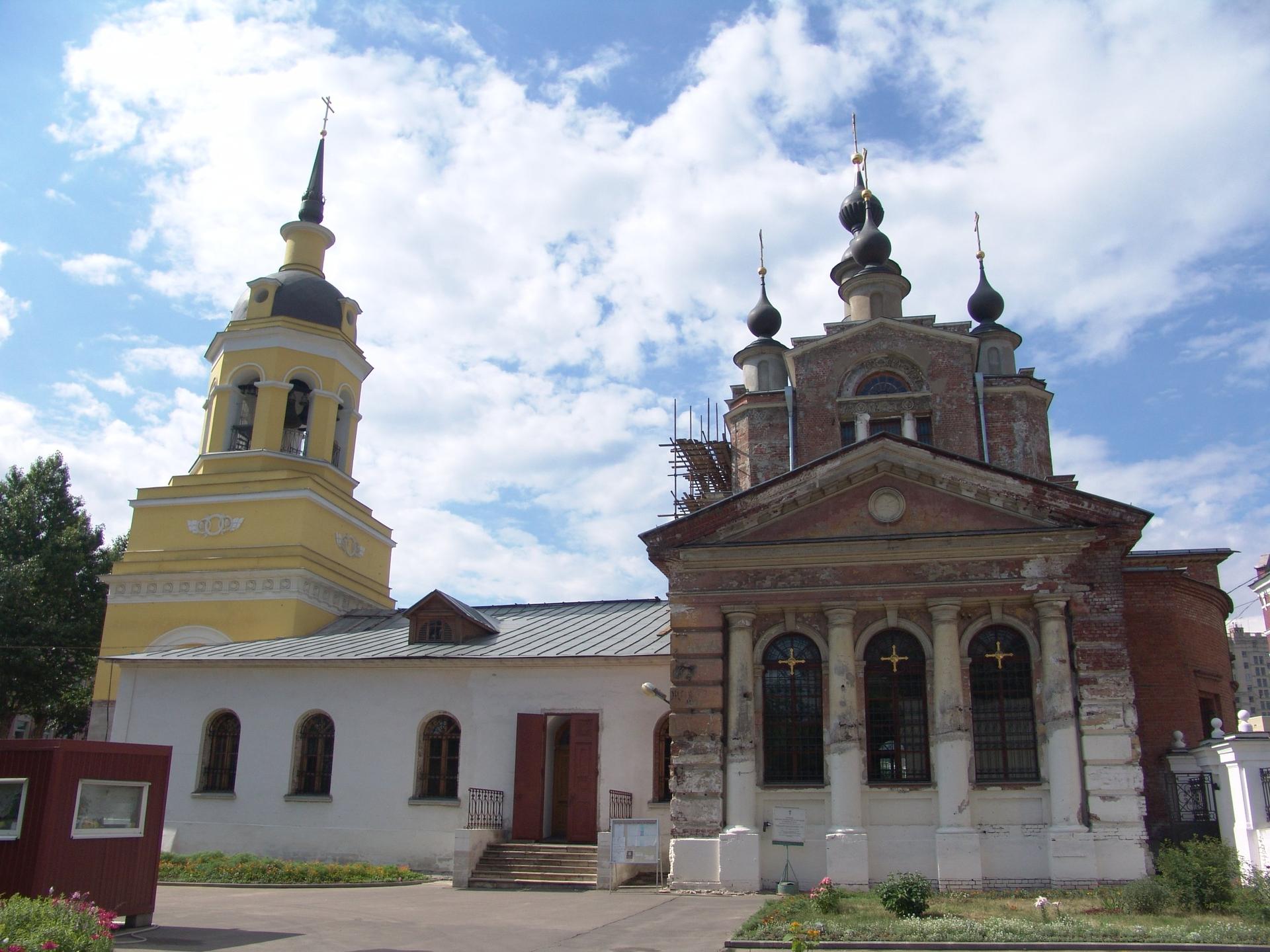
Состоящая из разновременных частей, церковь Покрова выглядит при этом цельной постройкой, выдержанной в общей ампирной стилистике и цветовой гамме: белые детали на желтом фоне. Колокольня, однако, ближе к эпохе барокко, на что указывает восьмигранный ярус звона, поставленный на квадратное основание. Прямоугольная в плане трапезная лишена всякого декора, чего нельзя сказать об основной части храма: с севера и с юга она украшена портиками, которые изначально были открытыми, но после перестройки 1902‑1904 годов и переноса приделов из трапезной в главный храм стали частью внутреннего церковного пространства. Тройные окна украшают верхнюю часть четверика с каждой стороны, а сам он увенчан пятью главами: одна находится в центре, а остальные расположены по сторонам света. Мощная алтарная апсида во всю ширину четверика, выходящая на Нижнюю Красносельскую, завершает здание с востока.

После революции, в 1920‑1930‑х годах в церкви Покрова в Красном селе постоянно совершал богослужения местоблюститель Патриаршего Престола митрополит Сергий (Страгородский). В 1934 году храм закрыли несмотря на многочисленные письма верующих в Моссовет и назначили к сносу: было объявлено, что он мешает проходу пешеходов и стоит слишком близко к проезжей части. Однако в результате были уничтожены только ограда и алтарная апсида, затем снесены главы основной части и разрушен ярус звона колокольни. Само здание утратило почти весь декор на своих фасадах, получило новые оконные проемы и было разгорожено изнутри на этажи. Здесь разместился завод кино-электромеханической аппаратуры, а затем – производство игрушек. 1980‑е годы здание встретило в плохом физическом состоянии и грозило обрушением. Лишь на Рождество Христово в 1997 году здесь прошло первое богослужение, после чего было положено начало долгой и кропотливой реставрации. Её результатом стало восстановление интерьеров церкви, воссоздание утраченной колокольни, декора фасадов и алтарной апсиды. Преобразился и двор вокруг храма, очищенный от производственных построек, которые искажали облик церковного ансамбля. Окончательно реставрационные работы завершились в 2009 году – храму был полностью возвращен исторический облик.
In the twentieth century it is impossible to recognize an Orthodox church looking at this building. It is almost totally destroyed and the church appearance is distorted. But a recent restoration has returned an old historic look and function to the building. Krasnoe village known since the beginning of the XV century, was one of the largest medieval suburbs of Moscow, and its pond, which gave the name to the whole county, was named for its picturesque Krasny (red) - that is beautiful ( it was covered at the beginning of the twentieth century). The first wooden church of the Holy Virgin was mentioned in 1620, in the end of the century there was a chapel of St. Nicholas. With the same two thrones, in 1701 a stone church was built, rebuilt and expanded by 1751 at the expense of another chapel - in the name of the Beheading of John the Baptist. Once again, the image of the church changed in 1816, when its new five-domed church appeared, and in 1838, when the church was renovated with funds of honorary citizens, G.N. Urusova and E.G. Malyutina. Consisting of different parts, the Church of the Intercession looks like an integral building, aged in the common Empire style and color scheme: white details on a yellow background. The belltower, however, is closer to the Baroque era, as indicated by the octahedral ring, set on a square base. Rectangular in terms of the refectory is devoid of any decor, which can not be said about the main part of the temple: from the north and from the south it is decorated with porticoes that were originally open, but after the reorganization of 1902-1904 and the transfer of the chapels from the refectory to the main church became part of the inner church space . The triple windows adorn the top of the quadrilateral on each side, and it itself is crowned with five heads: one is in the center, and the rest are located on the sides of the world. A powerful altar apse in full width of the quadrangular, overlooking the Lower Krasnoselskaya, completes the building from the east. After the revolution, in the 1920s-1930s, the local patriarch Metropolitan Sergius (Stragorodsky), constantly performed worship services in the Church of the Intercession in Krasnoye Village. In 1934, the church was closed despite numerous letters from believers to the Moscow City Council and was ordered to be demolished: it was announced that it interfered with the passage of pedestrians and was too close to the roadway. However, as a result, only the fence and the altar apse were destroyed, then the heads of the main part were demolished and the tier of the bell-ringing was destroyed. The building itself lost almost all the decor on its facades, received new window openings and was partitioned from the inside onto the floors. Here was located the plant of cinema-electromechanical equipment, and then - the production of toys. The 1980s the building was in poor physical condition and was threatened with collapse. Only at Christmas in 1997 the first divine service was held, after which a long and painstaking restoration was initiated. Its result was the restoration of the interiors of the church, the reconstruction of the lost belfry, the decoration of the facades and the altar apse. The courtyard around the temple, cleared of production buildings, that distorted the image of the church ensemble, also changed. Finally, the restoration work was completed in 2009 - the temple was completely returned to its historical appearance.
Автор статьи: Никита Брусиловский