Интерактивный гид по городу
С мобильным приложением бродить по городу гораздо интереснее!

Trinity church in Lists

"The best tobacco that was in a vogue, was called" Pink. " It was produced by sexton, who lived in the yard of Trinity Church -Lists "

Trinity church in Lists
Suharevskaya
"The best tobacco that was in a vogue, was called" Pink. " It was produced by sexton, who lived in the yard of Trinity Church -Lists "
3.43
Вы можете воспользоваться QR-кодом, чтобы открыть эту страницу в нашем приложении
Архитектурный стиль:
,
Годы постройки:
1651–1661, 1680, 1774, 1788, 1796
Эпоха:
17th century
Информация о здании

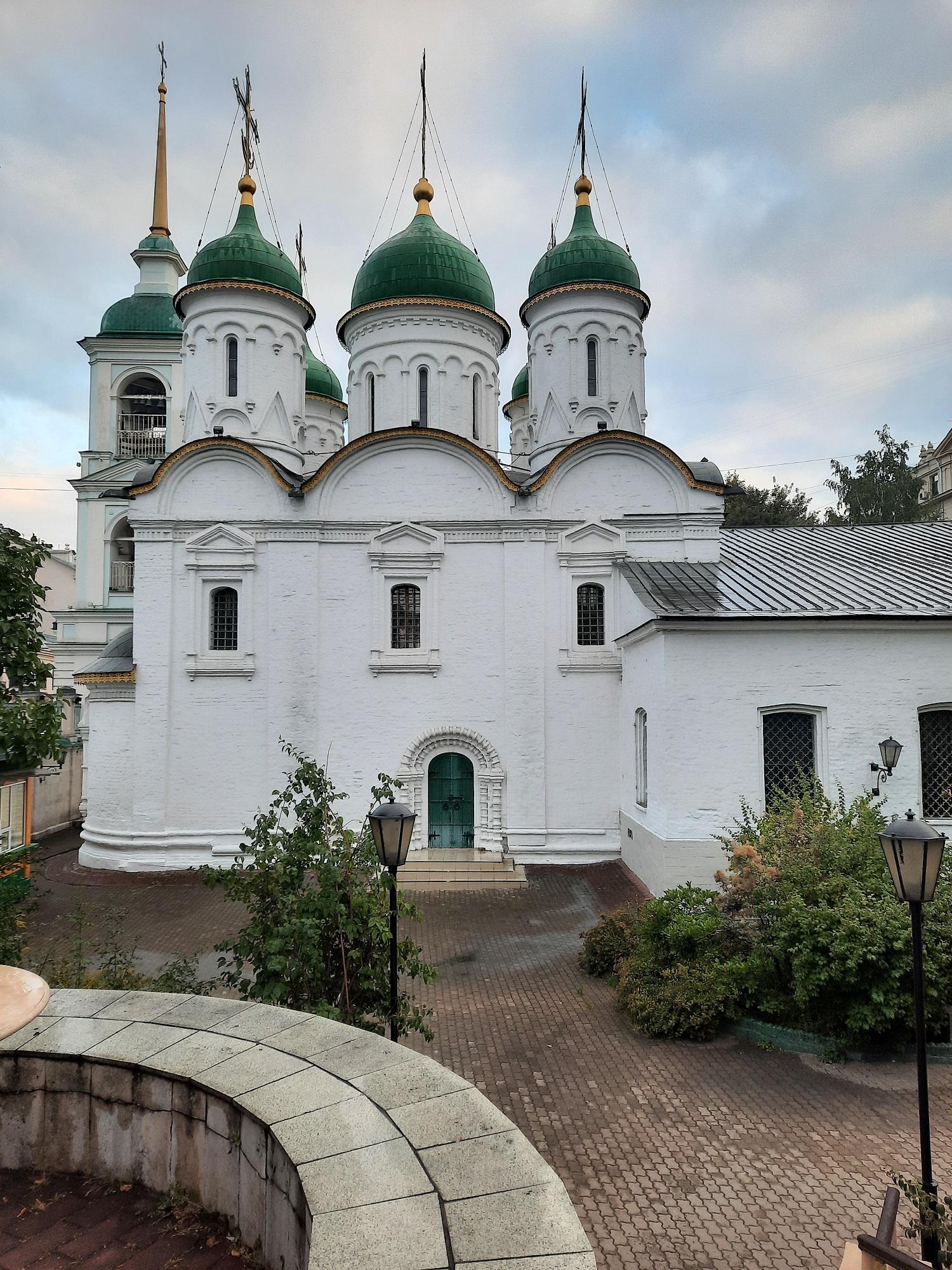
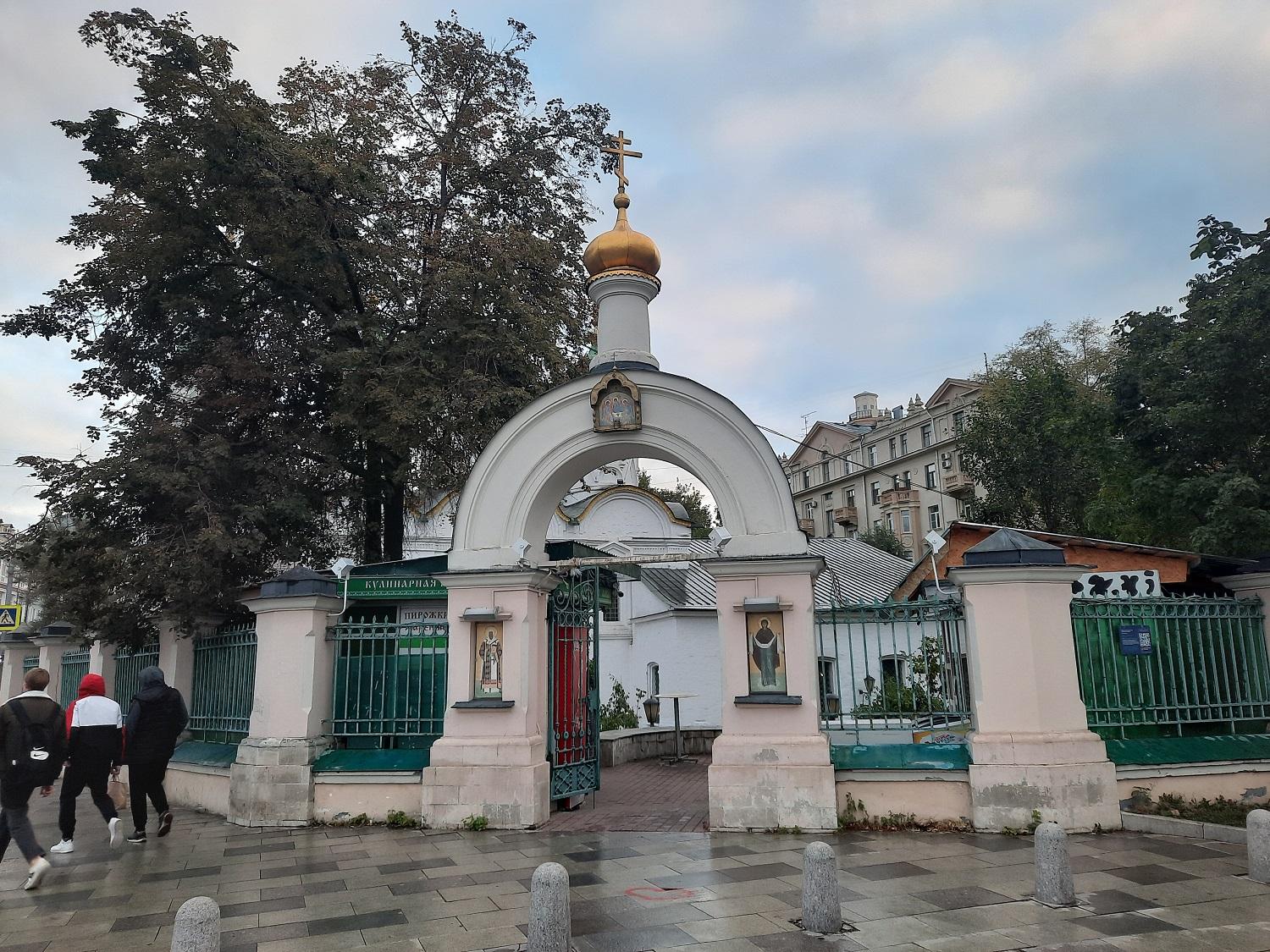
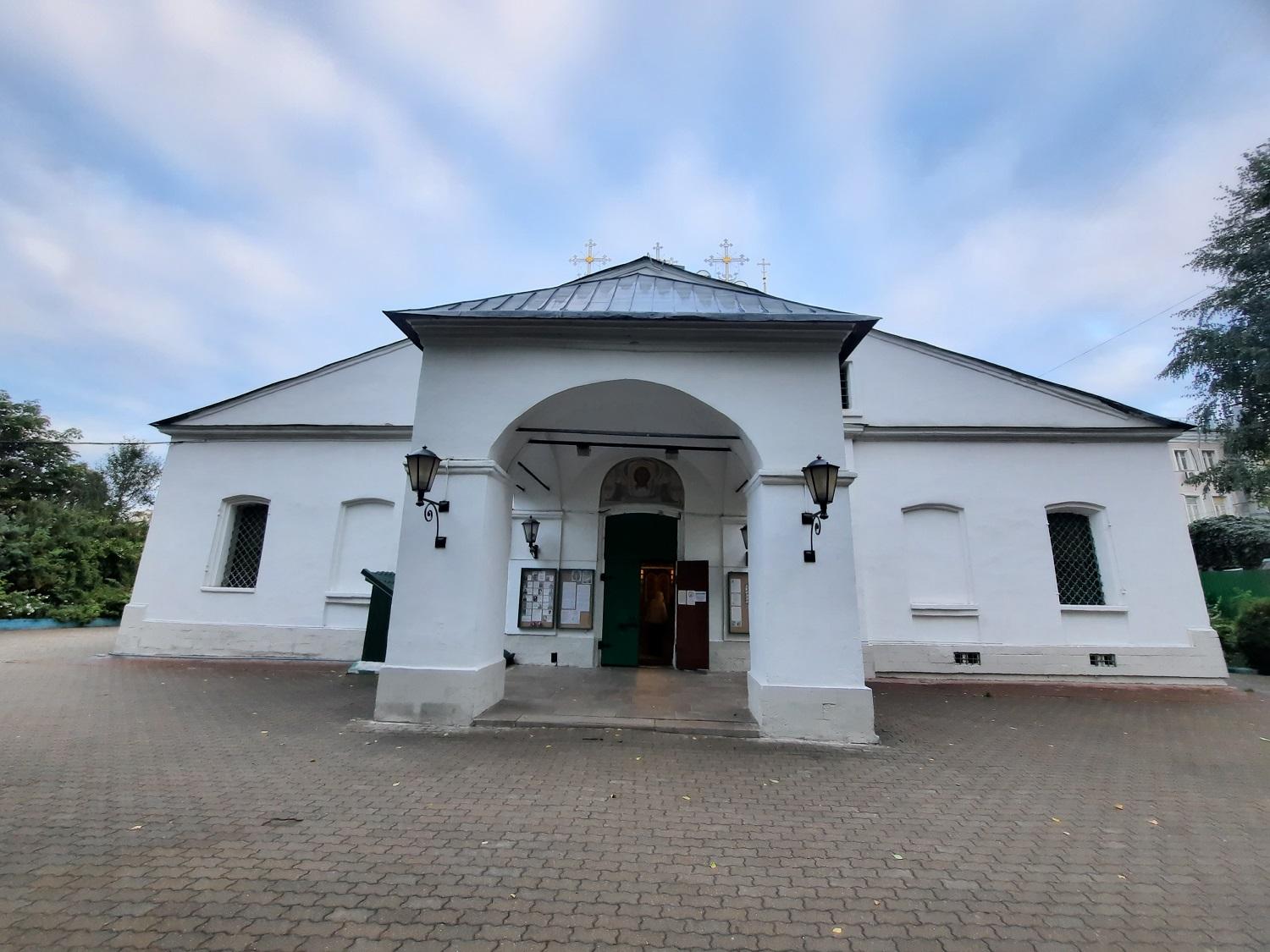
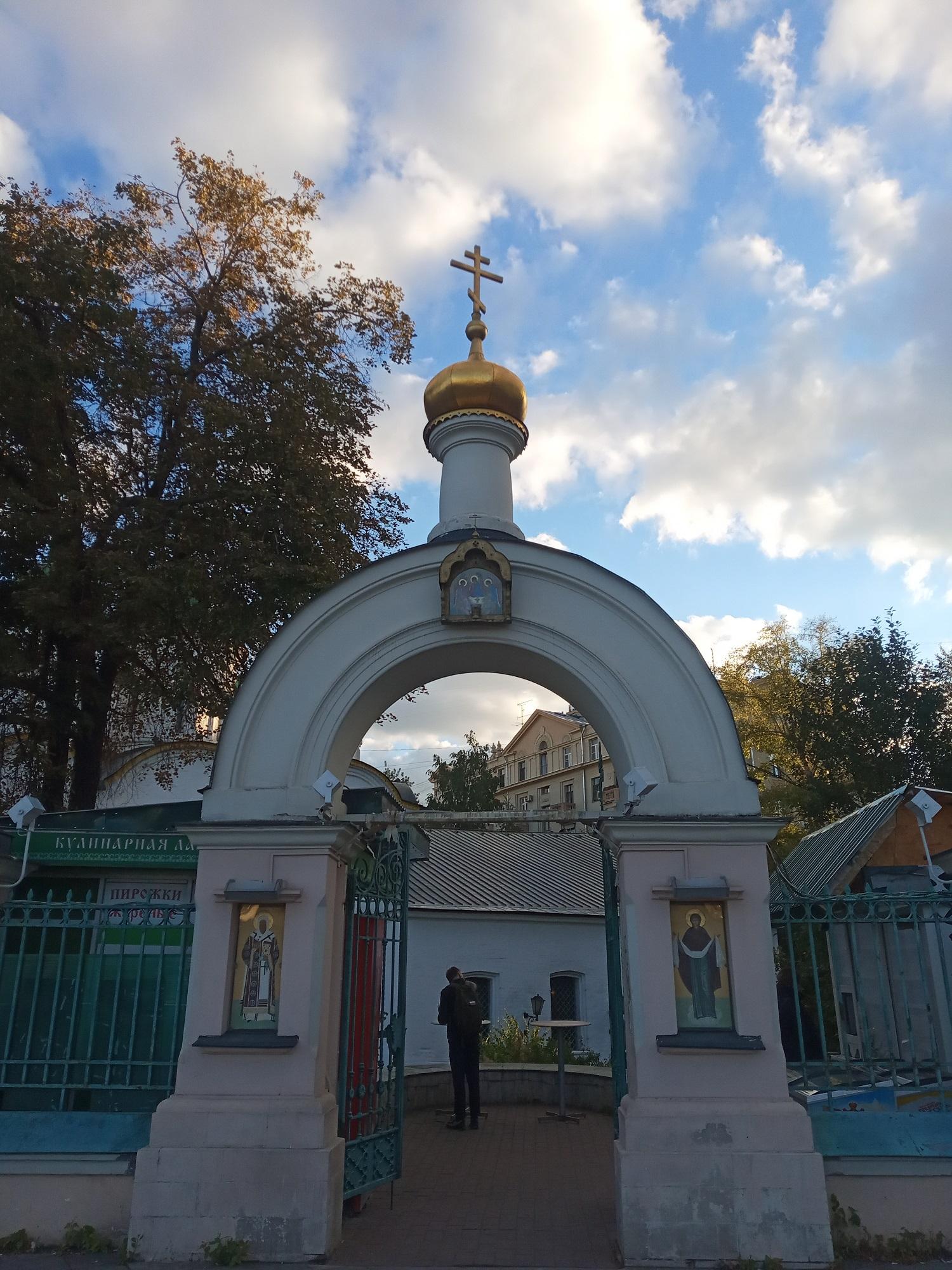
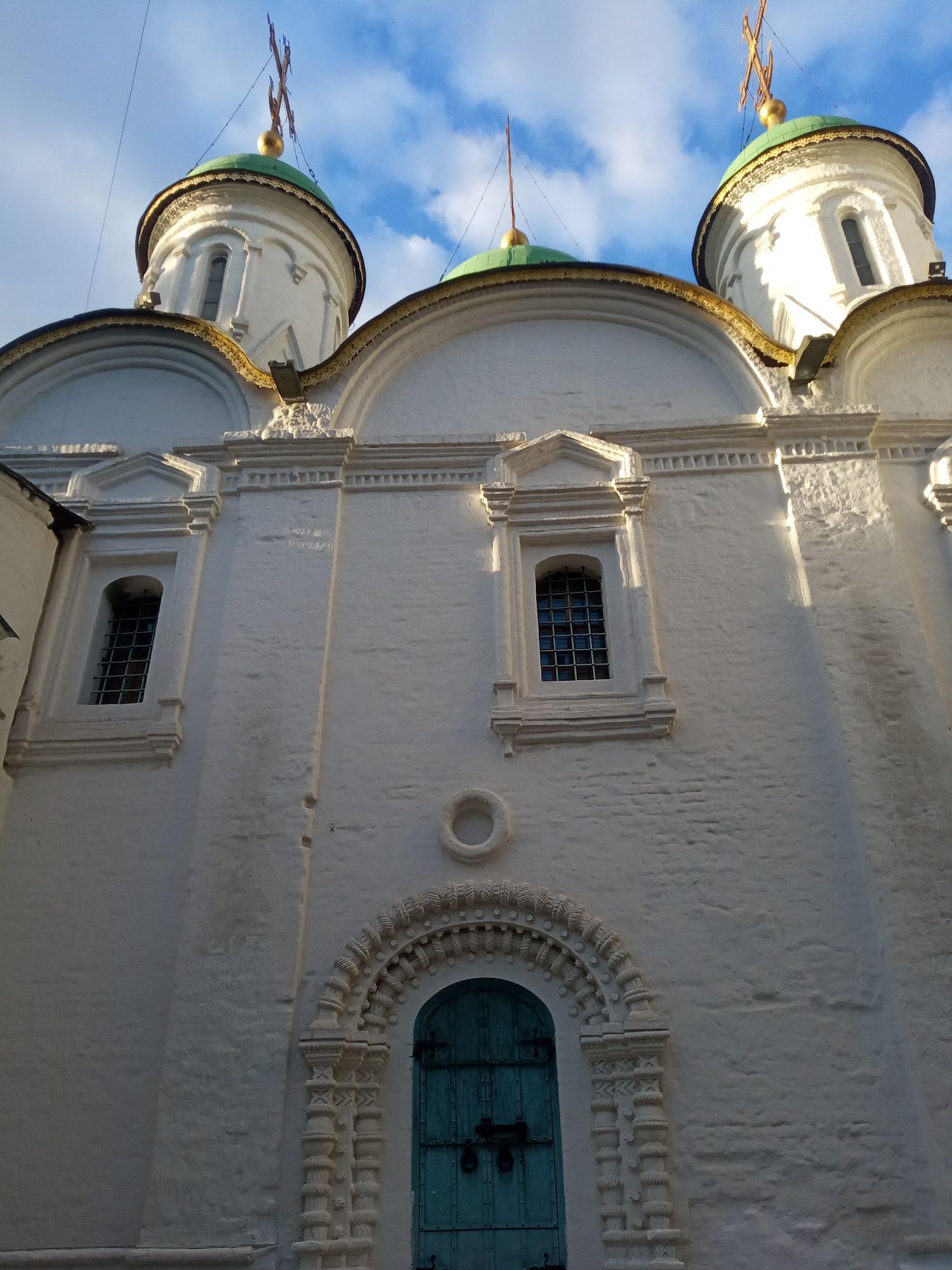
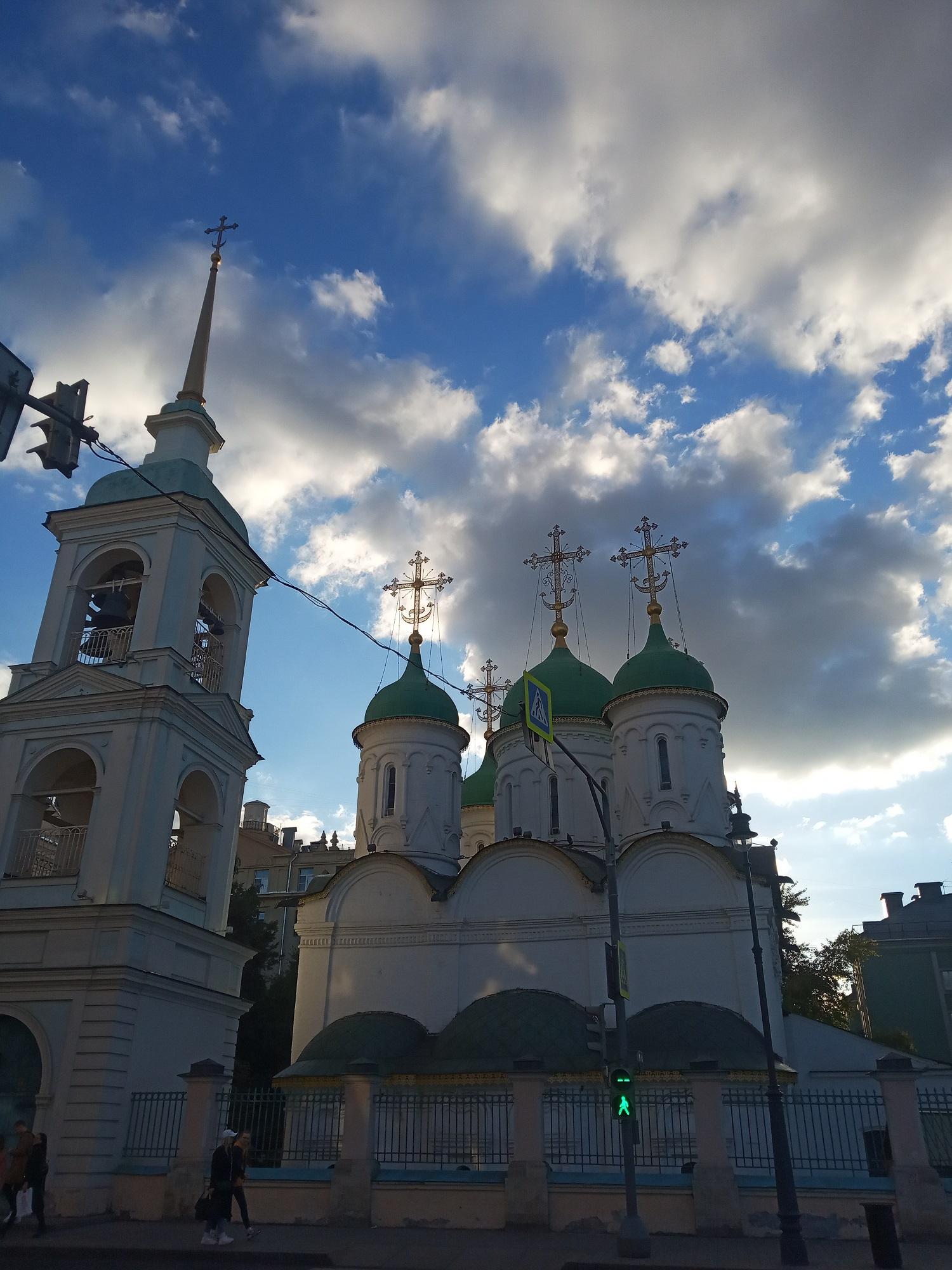
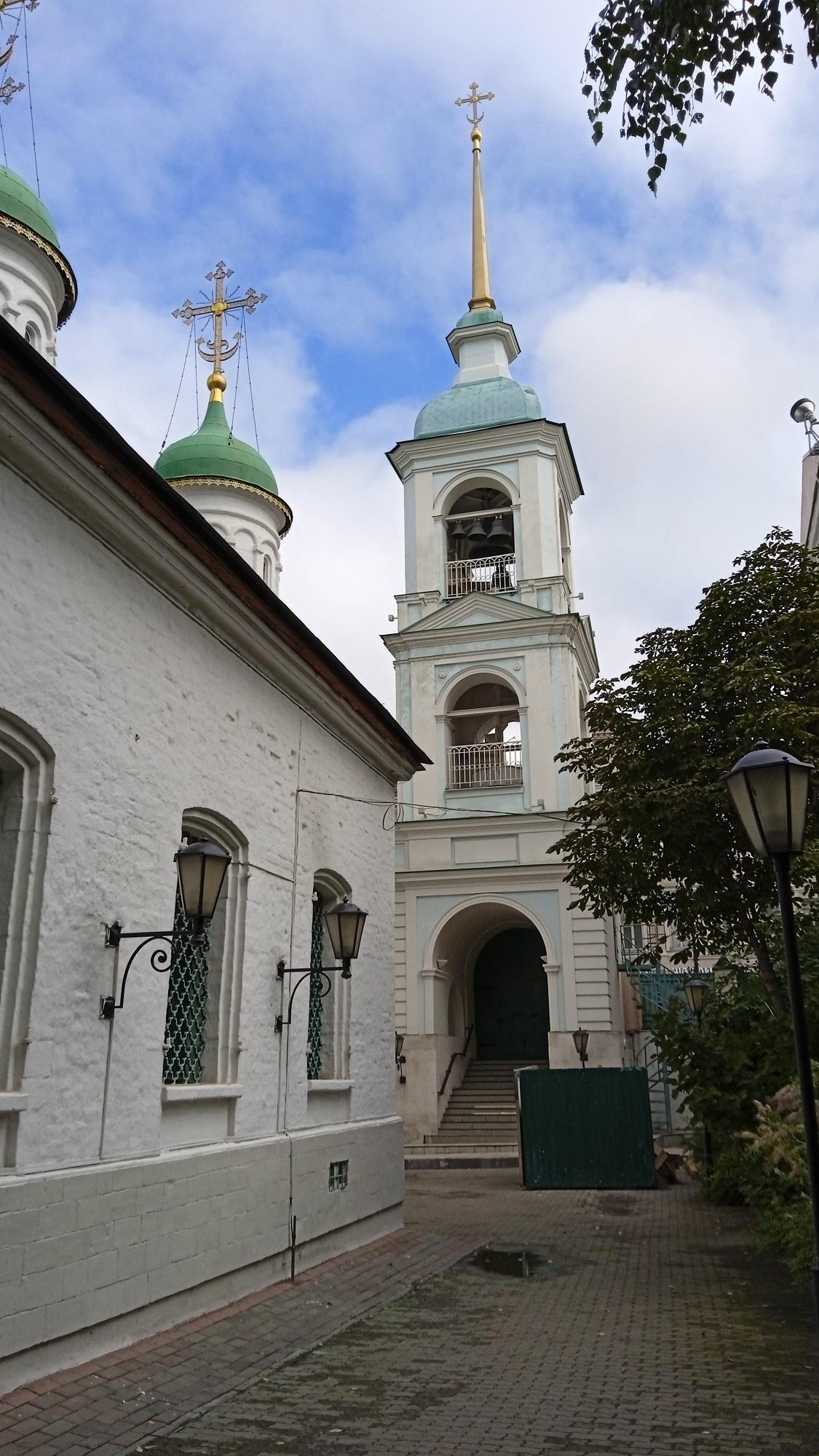
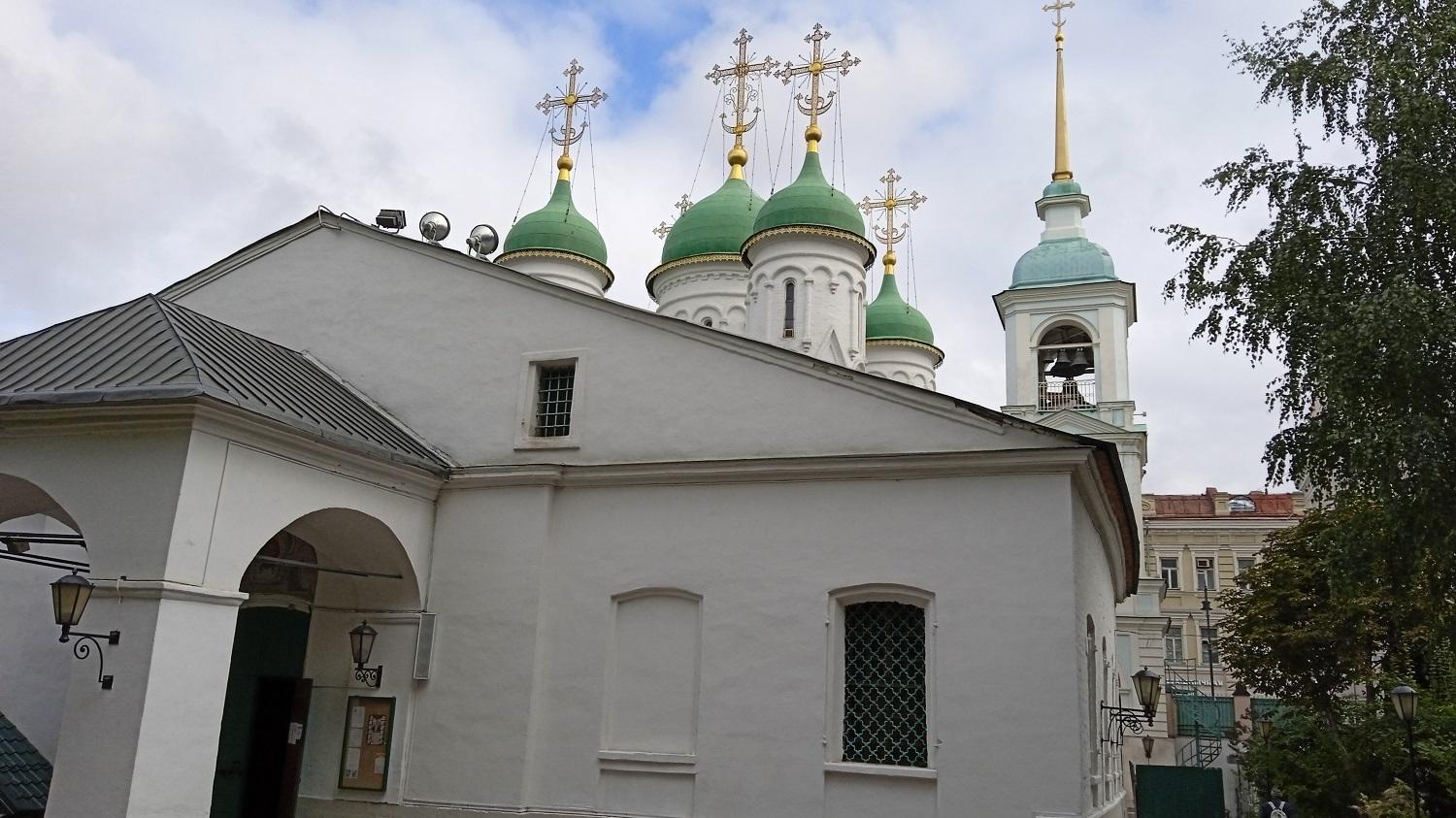
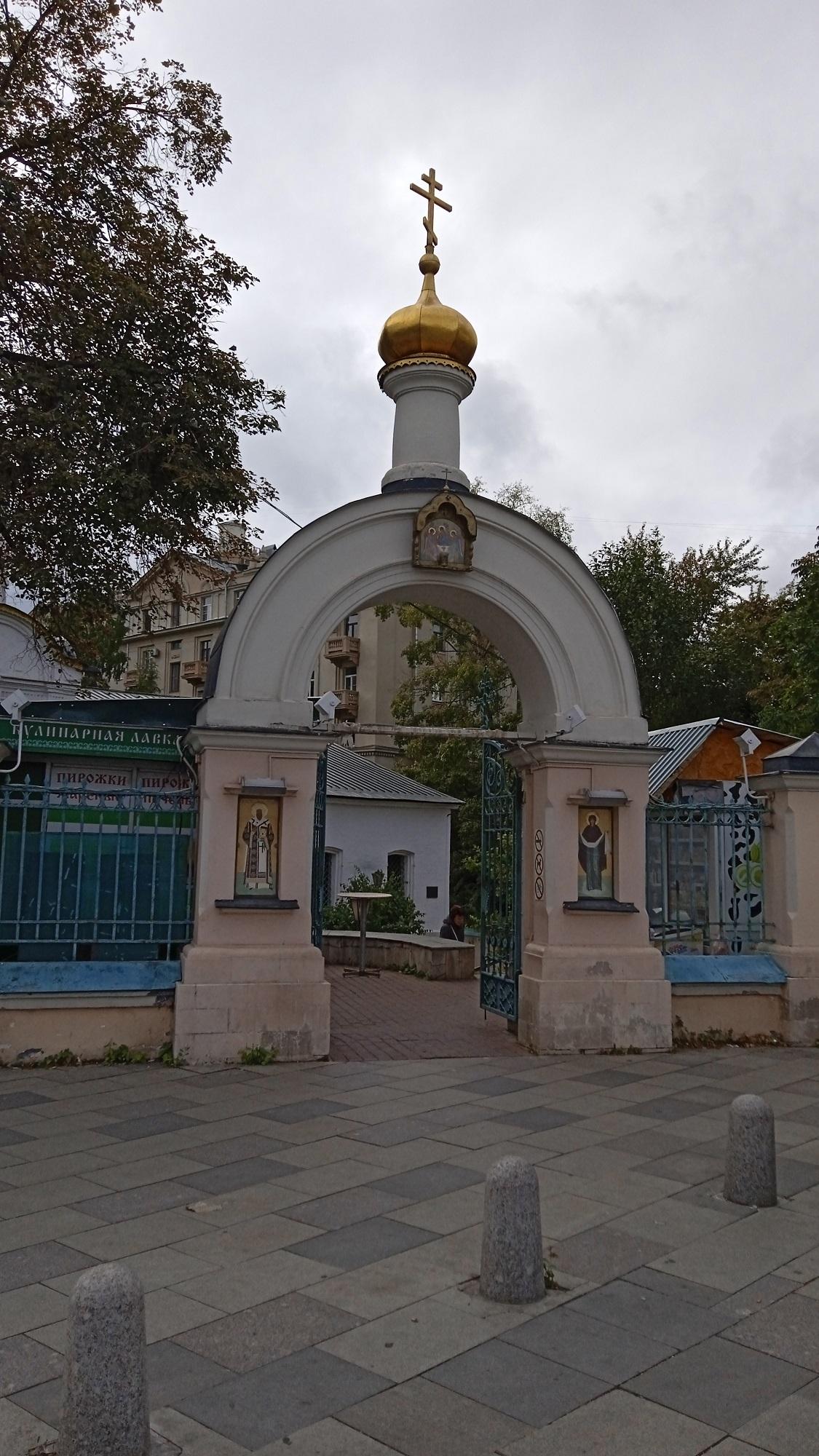
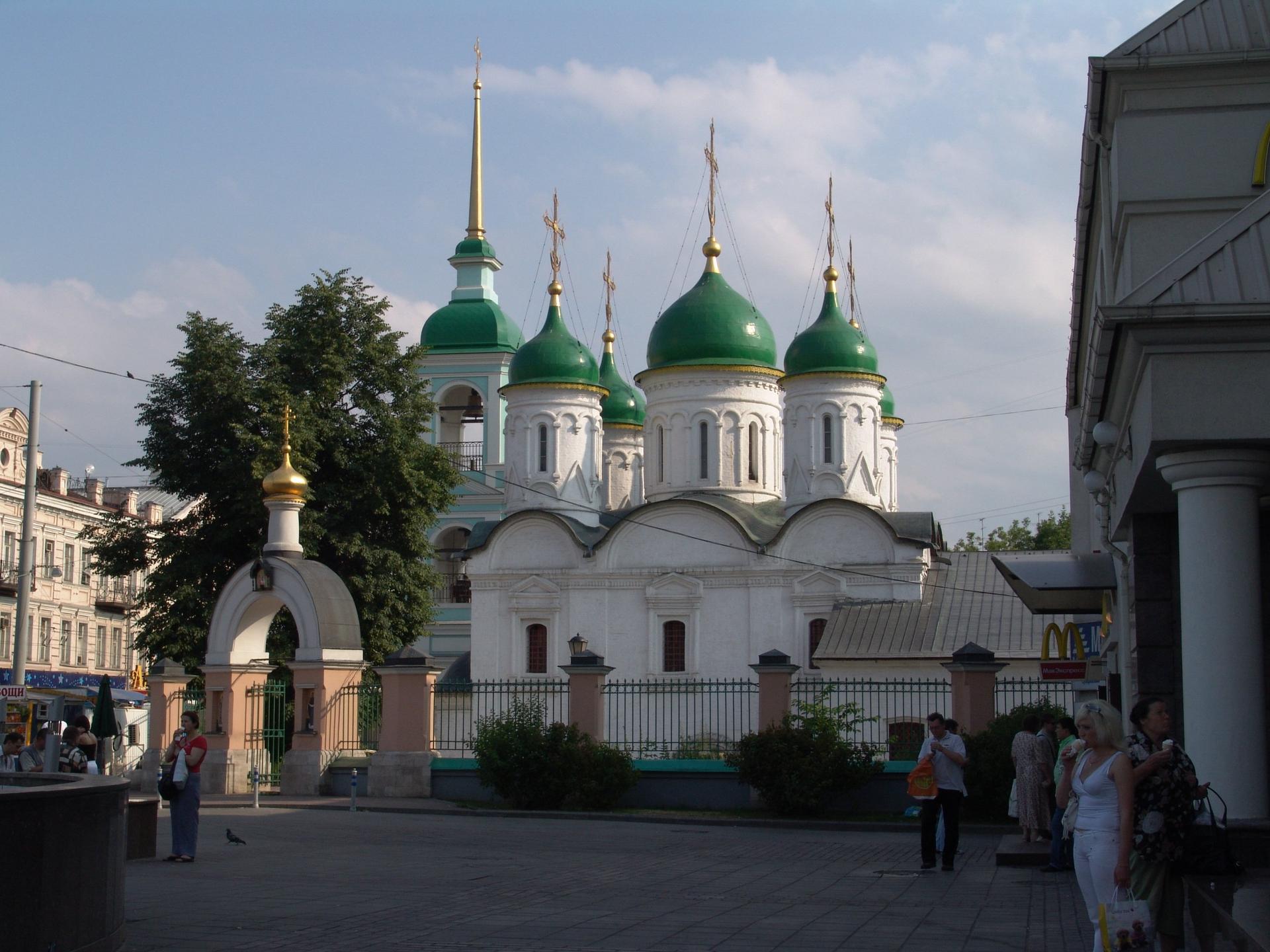
Расположенная на Сретенке, эта церковь оказалась словно в низине: с улицы до нее приходится спускаться по лестнице, хорошо виден значительный перепад высот – отличная иллюстрация того, как «подрос» культурный слой за 350 лет! Но этот храм славен не только своим возрастом, но и прямой связью с Сухаревой башней, находившейся по соседству вплоть до 1934 года.

Храм упомянут в источниках в первый раз в 1635 году как деревянный. Его народное прозвание – в Листах – не случайно: жившие по соседству типографы кустарным способом создавали на листах бумаги лубочные картинки, которыми здесь же и торговали, развешивая свой товар на церковной ограде вдоль Сретенки. Однако в первую очередь Троицкая церковь окормляла стрелецкий полк, расквартированный рядом со Сретенскими воротами. Местная дорога имела особое значение для Москвы: она вела из столицы в Троице-Сергиев монастырь и потому именовалась в XVII веке «царской», так как по ней в знаменитую обитель ездила на богомолье царская семья.

Именно стрельцы и были главными строителями каменного храма в 1655–1661 годах. Из приказа Большой казны им было выдано 150 000 кирпичей, а позднее еще пожалованы утварь и царские врата, захваченные в Белоруссии в качестве трофея во время войны с Речью Посполитой – это был подарок стрельцам от царя Алексея Михайловича за поимку Степана Разина. В дальнейшем многие обновления и расширения в храме происходили по случаю новых достижений стрелецкого полка. Так, в 1680 году после возвращения из успешного Чигиринского похода построили трапезную с приделом Покрова, а в 1689 году Петр I за поимку Федора Шакловитого пожаловал стрельцам 700 рублей на починку церковных глав. Но наибольшая заслуга принадлежала стрелецкому полковнику Лаврентию Сухареву, который в августе того же 1689 года первым из московских полковников прислал своих стрельцов на защиту Петра I в Троице-Сергиев монастырь, что решило исход политической борьбы того времени. Молодой царь щедро наградил Сухарева за его верность, а особым знаком монаршего внимания стало строительство новых каменных Сретенских ворот с башней, которая в честь полковника стала называться Сухаревской.

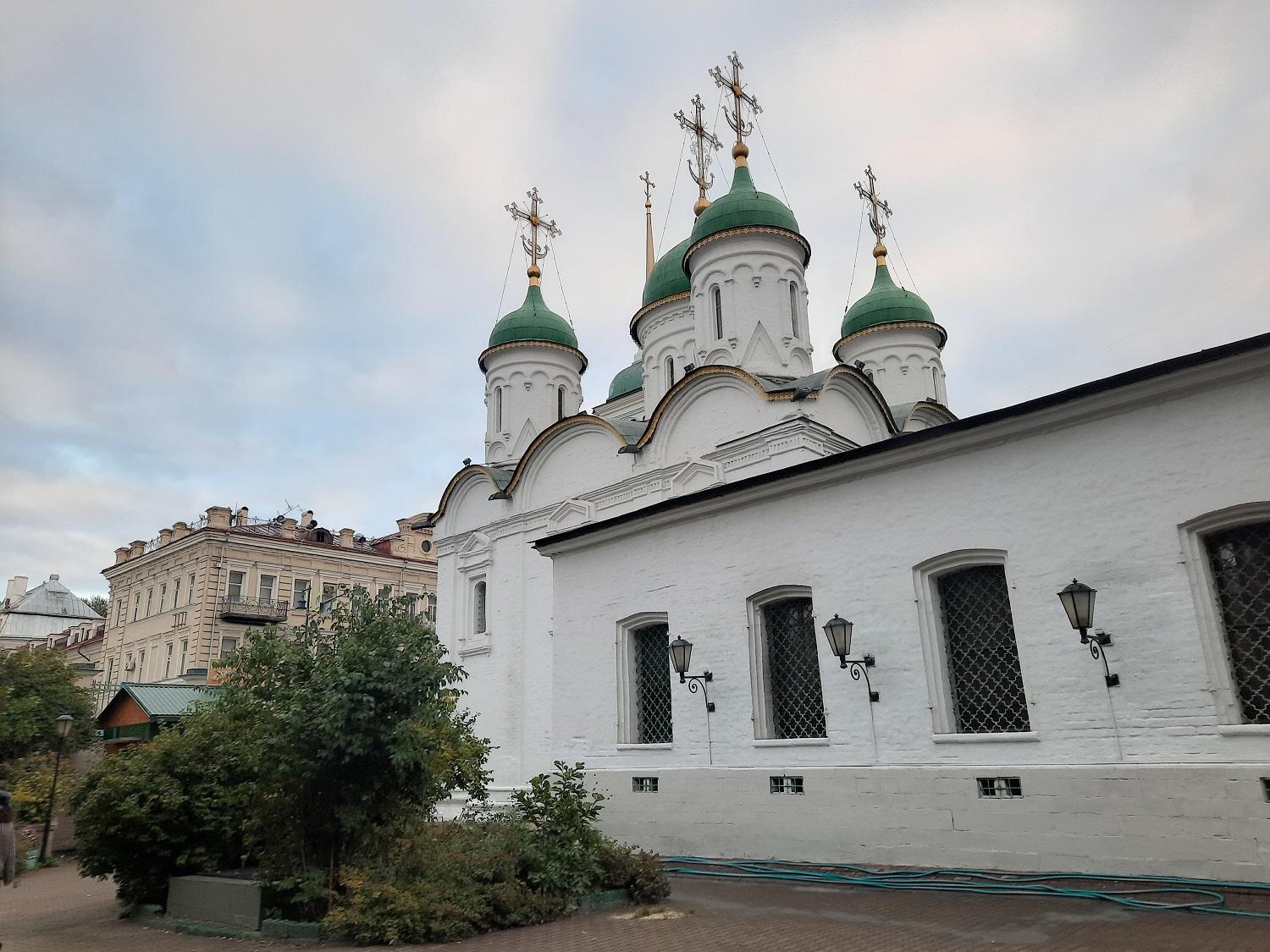
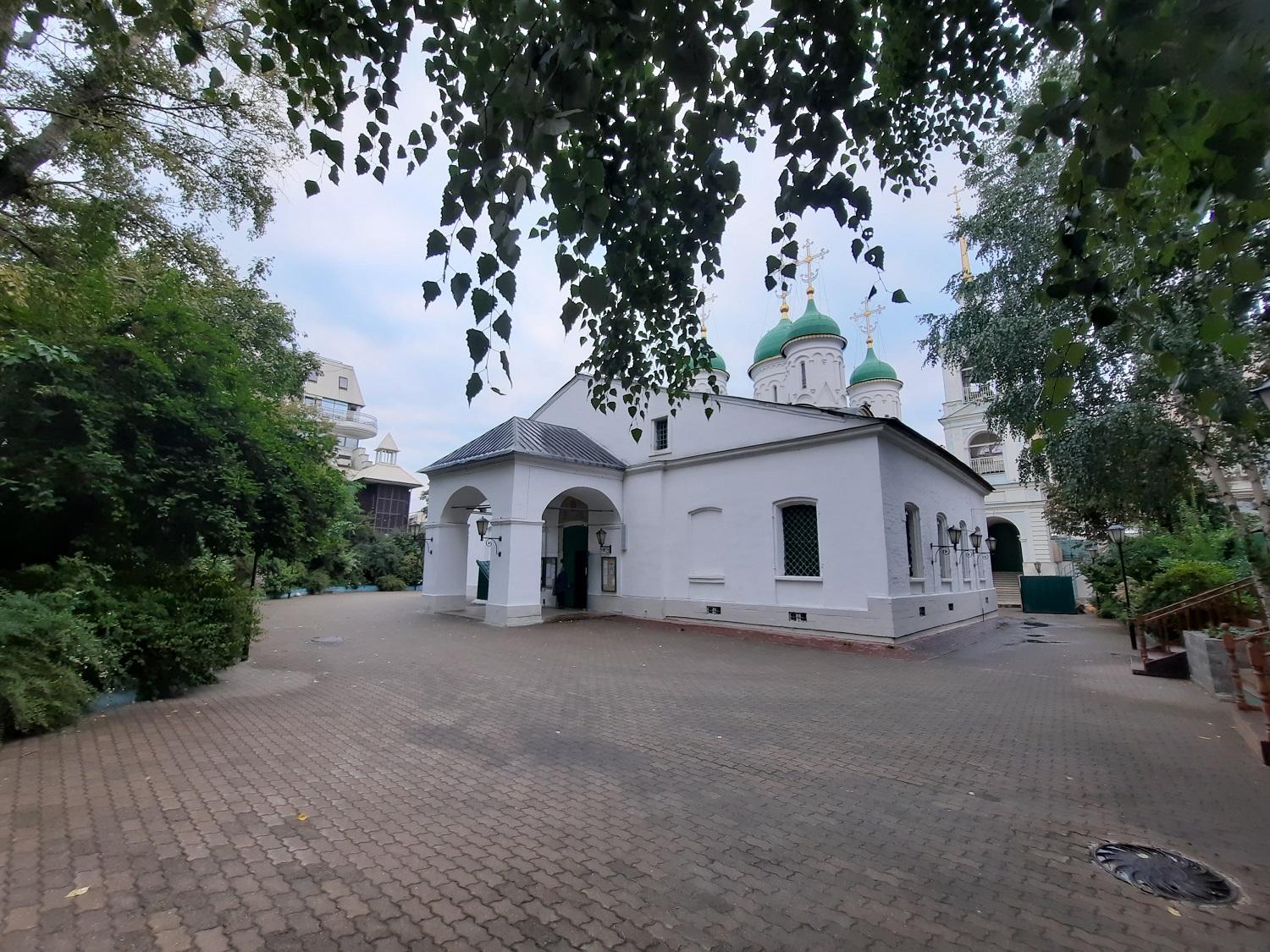
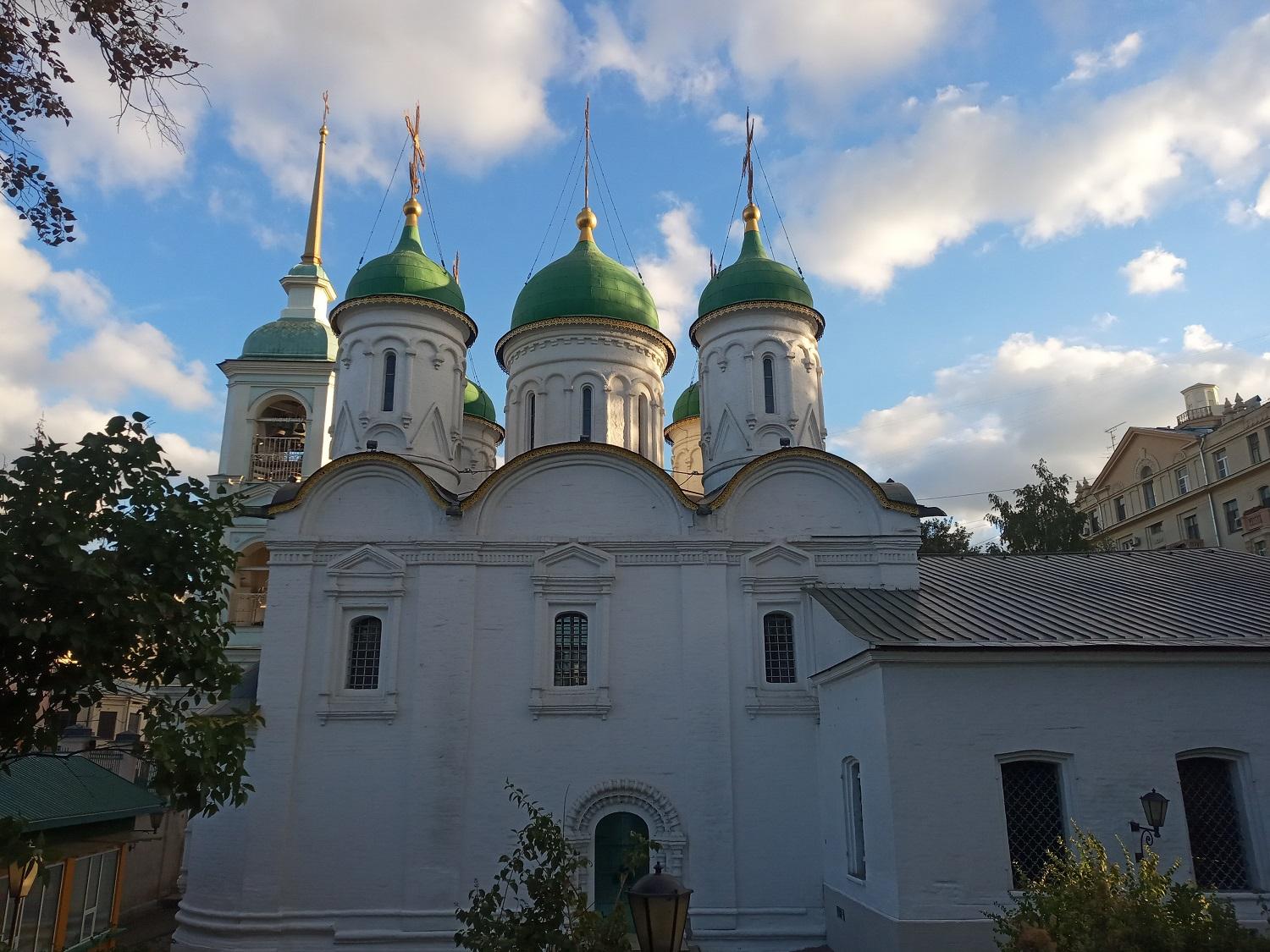
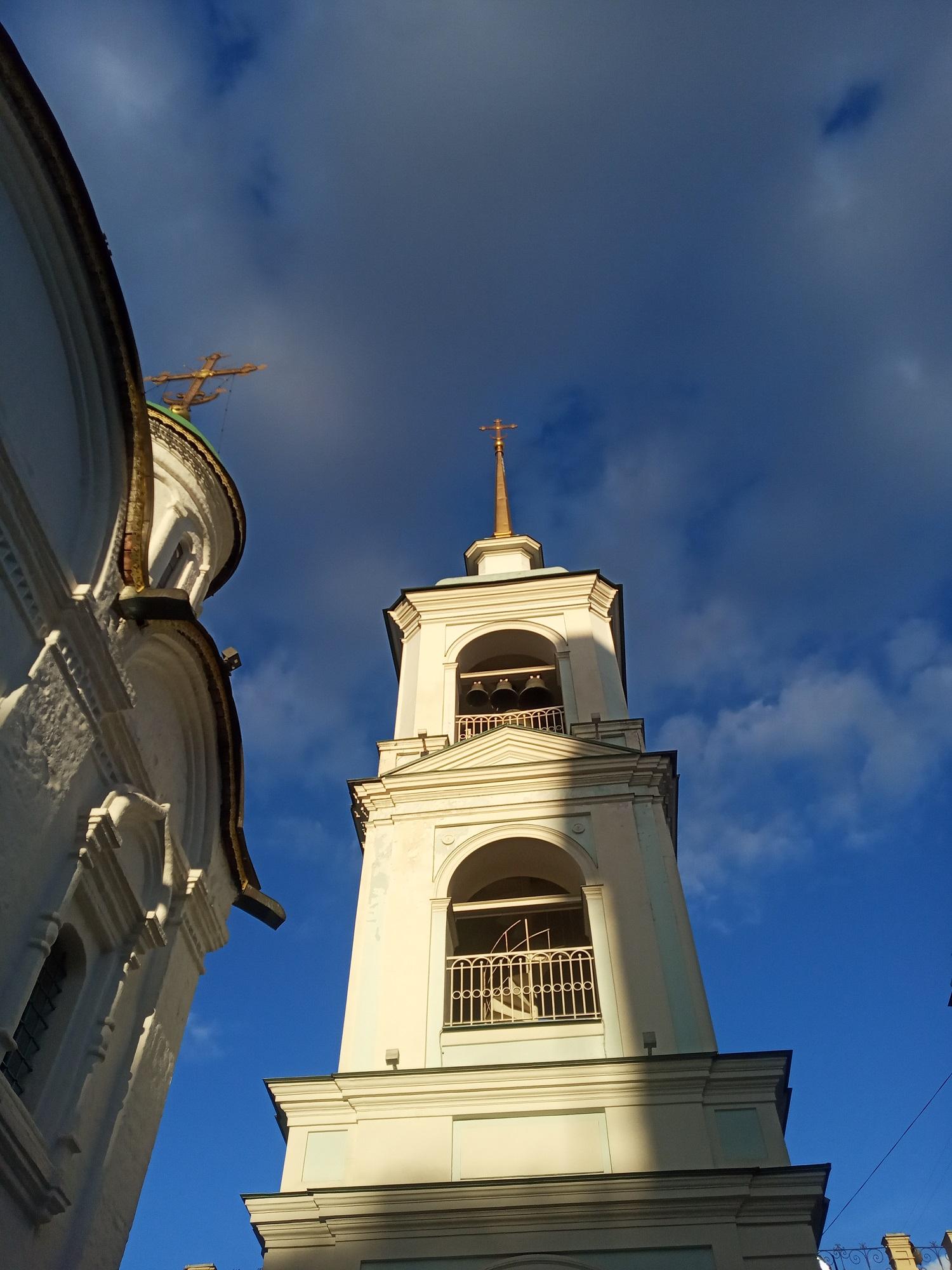
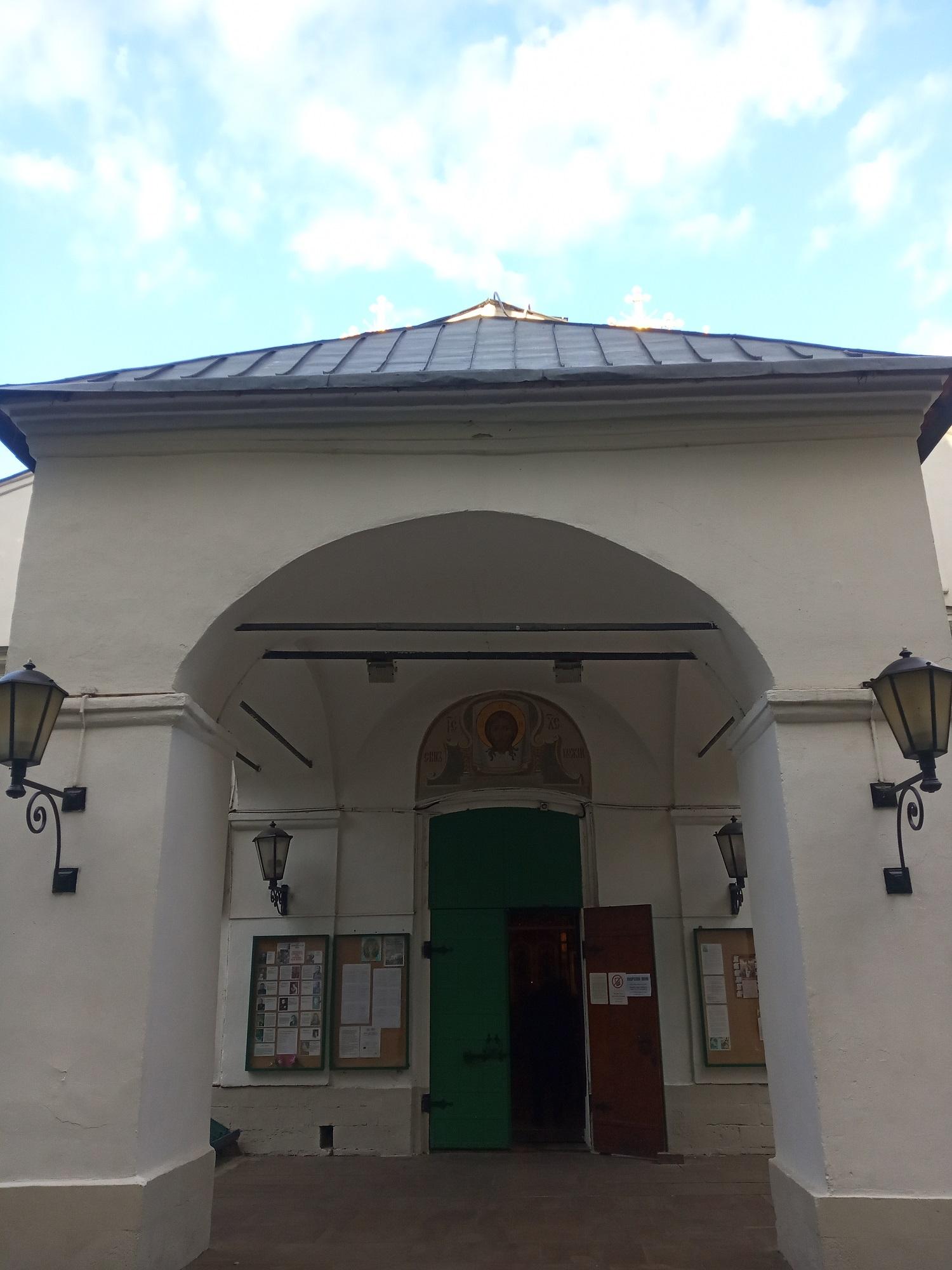
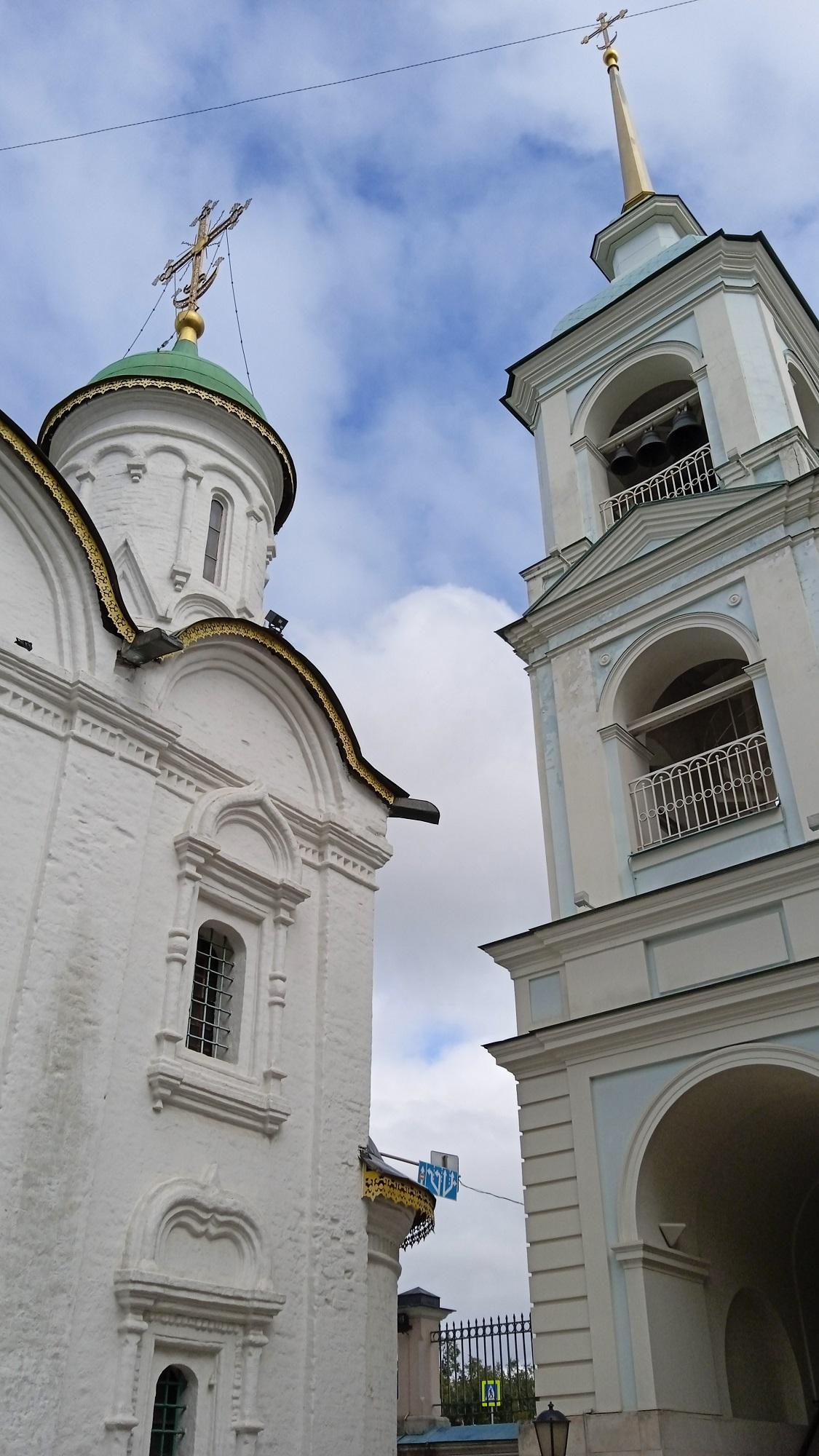
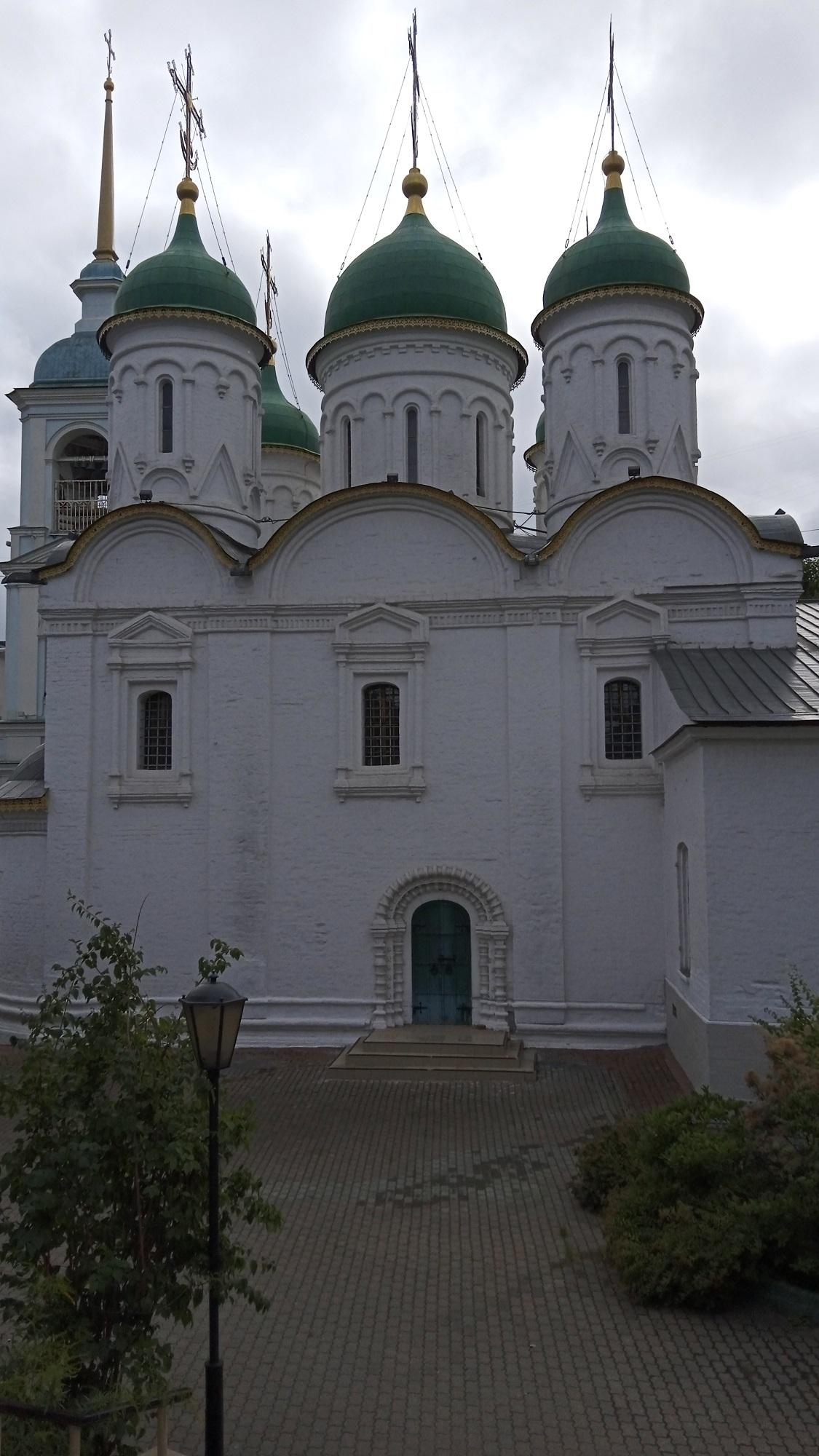
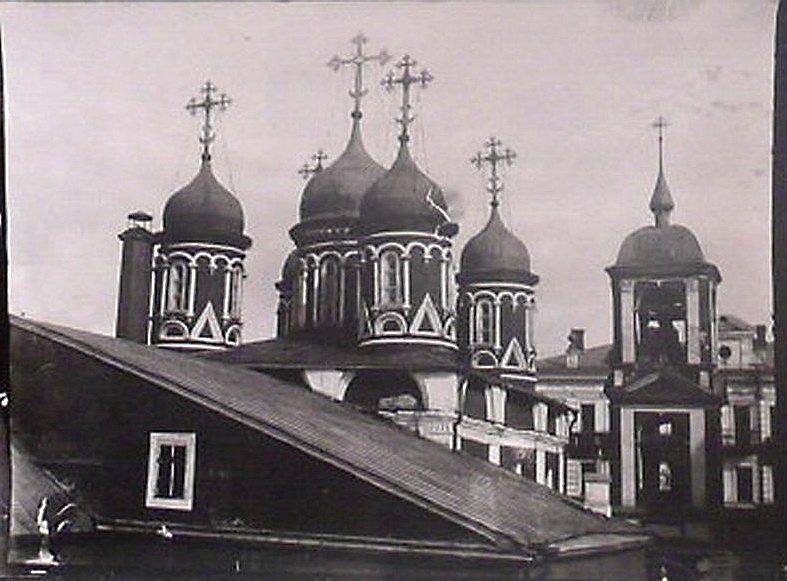
Храм строился по соборному типу: приземистый, но при этом широкий, вместительный. В целом декор фасадов весьма строгий, разнообразие вносят лишь входные порталы с севера и с юга, украшенные белокаменной резьбой. Изначально с западной стороны к храму примыкала колокольня, но в 1780-х годах ее разобрали, взамен построив отдельно стоящую с юго-востока по красной линии Сретенки.

В дополнение к главному Троицкому престолу и Покровскому приделу в трапезной существовал еще и придел в честь Иоанна Дамаскина. Такое посвящение выбрал в честь святого покровителя своего сына местный житель – Панкратий Колосов, фабрикант, имевший в соседнем Большом Сухаревском переулке ткацкую фабрику. В 1774 году на его средства была выстроена новая трапезная, сохранившаяся до сегодняшнего дня, а чуть позже было разрешено создать и новый придел. Позднее, однако, его переосвятили во имя Алексия митрополита.

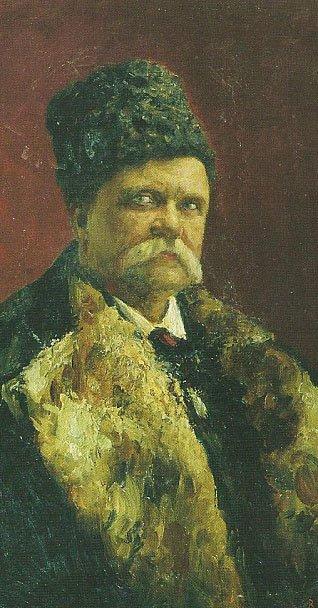
Владимир Гиляровский вспоминал о пономаре церкви Троицы в Листах и его табаке: «Лучший табак, бывший в моде, назывался "Розовый". Его делал пономарь, живший во дворе церкви Троицы-Листы, умерший столетним стариком. Табак этот продавался через окошечко в одной из крохотных лавочек, осевших глубоко в землю под церковным строением на Сретенке. После его смерти осталось несколько бутылок табаку и рецепт…». Рецепт полностью приводится на страницах знаменитой книги «Москва и москвичи».

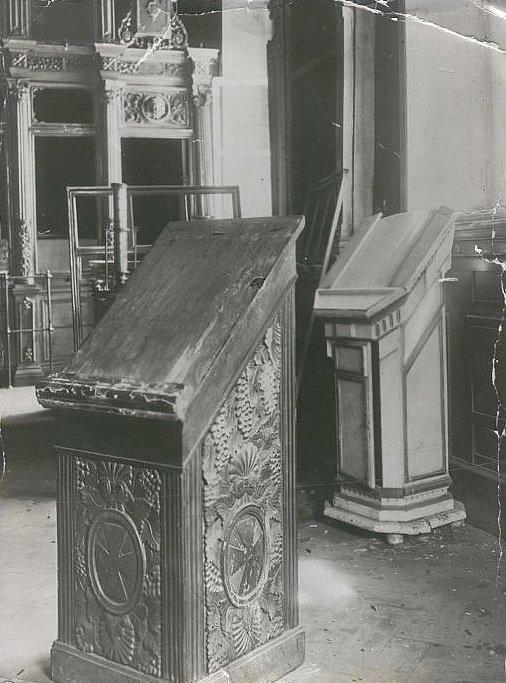
В 1931 году был арестован настоятель церкви, протоиерей Владимир Страхов (последний ректор Московской духовной академии), после чего богослужения прекратились. Еще через некоторое время оказались разобраны главы, потом полностью разрушена колокольня, надстроена вторым этажом трапезная, а все пространство разделено на этажи и комнаты, занятые скульптурными мастерскими. При строительстве метро в 1972 году стены покрылись трещинами, здание едва не рухнуло. Лишь в 1980-х годах после проведенной реставрации храм снаружи стал выглядеть почти как до революции. А с 1991 года параллельно с процессом реставрации внутри храма происходило постепенное возрождение богослужений в его стенах. В начале 2000-х годов работы были завершены, также воссоздана колокольня.

Реставрация
Situated on Sretenka, this church appeared to be in the lowland: from the street to it it is necessary to go down the stairs, a significant difference in heights is clearly visible - an excellent illustration of how the "cultural layer" grew over 350 years! But this temple is famous not only for its age, but also for its direct connection with the Sukharev Tower, which was in the neighborhood until 1934. The temple is mentioned in the sources for the first time in 1635 as a wooden one. His popular nickname - in the leaves - not by chance lived next door typographers artisanal created on sheets of paper popular prints that are the same and traded their goods hanging on the church grounds along Sretenki. However, in the first place, the Trinity Church was nourished by the Streltsy regiment stationed next to the Sretensky Gate. The local road had a special significance for Moscow: it led from the capital to the Trinity-Sergius Monastery and was therefore named "royal" in the 17th century, because the royal family traveled to the famous monastery on the pilgrimage. It archers were the main builders of the stone church in the years 1655-1661. From the order of the Great Treasury they were given 150,000 bricks, and later the utensils and the royal gates, captured in Byelorussia as a trophy during the war with the Rzeczpospolita, were granted - this was a gift to the streltsy from Tsar Alexei Mikhailovich for the capture of Stepan Razin. In the future, many renovations and expansion in the temple took place on the occasion of new achievements of the Streltsy regiment. So, in 1680, after returning from the successful Chigirinsky expedition, a refectory was built with the chapel of the Intercession, and in 1689 Peter I, for the capture of Fedor Shaklovitoy, granted the riflemen 700 rubles for the repair of church chapters. But the greatest merit belonged to the Streltsy Colonel Lavrenty Sukharev, who in August of the same year, 1689, was the first of the Moscow colonels to send his streltsy to defend Peter I at the Trinity-Sergius Monastery, which decided the outcome of the political struggle of that time. The young king generously rewarded Sukharev for his loyalty, and a special sign of monarchal attention was the construction of new stone Sretensky Gate with a tower, which in honor of the colonel began to be called Sukharevskaya. The temple was constructed in the conciliar type : squat, but broad, capacious. On the whole facade decor is very strict, making a variety of entrance portals to the north and the south, decorated with white stone carvings. Originally from the western side of the temple bell was attached, but in the 1780s it was dismantled, instead of a separate building in the south -east of the red line of Sretenka street. In addition to the main altar and Trinity Pokrovsky aisle in the dining room there is also a chapel in honor of St. John Damascene. Such dedication has chosen in honor of the patron saint of his son's local - Pankraty Kolosov, the manufacturer, who had at the nearby Grand Sukharev lane weaving factory. In 1774, he had built a new refectory, which is preserved to this day, and later were allowed to set up and a new chapel. Later, however, it was re-consecrate in the name of Metropolitan Alexy. Vladimir Giljarovsky recalled the sexton of the Trinity Church in the Lists and his tobacco: "The best tobacco that was in vogue, was called" Pink. " It was produced by the sexton, who lived in the yard of Trinity-Lists Church, who died a hundred years old. This tobacco was sold through a window in one of the tiny shops that were deposited deep in the ground under the structure of the church on Sretenka. After his death, a few bottles of tobacco and a recipe were left... ". The recipe is reproduced in the pages of the famous book "Moscow and Muscovites". In 1931 the rector of the church, Vladimir Strakhov (the last rector of the Moscow Theological Academy ) was arrested and service were stopped after that. Sometime later chapters were dismantled and then completely destroyed the bell tower, wraps the second floor of the refectory, and all the space is divided into floors and rooms occupied by the sculpture studio. During the construction of the subway lane in 1972, the walls covered with cracks, the building almost collapsed. Only in 1980, after the restoration of the temple acquired the pre-revolution exterior. And since 1991, in parallel with the process of the restoration of the temple in a gradual revival of worship within its walls. In the early 2000s, the work was completed, and the bell tower was recreated.
Автор статьи: Никита Брусиловский
Теги:
Отзывы
(1)
Поделитесь статьей с друзьями
Интересное рядом(1)
Giljarovsky V. A.
писатель, журналист, актер