Интерактивный гид по городу
С мобильным приложением бродить по городу гораздо интереснее!

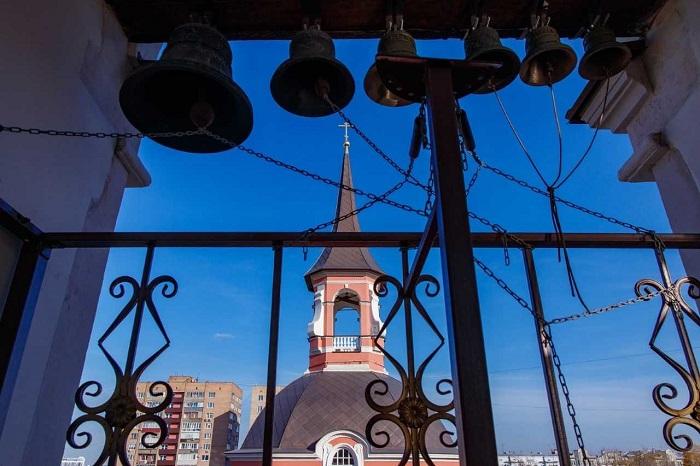
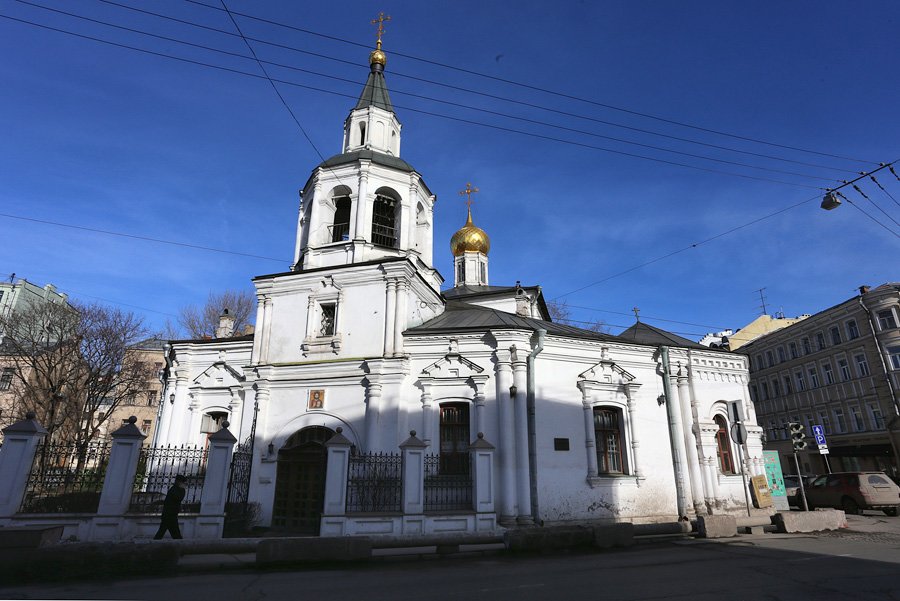
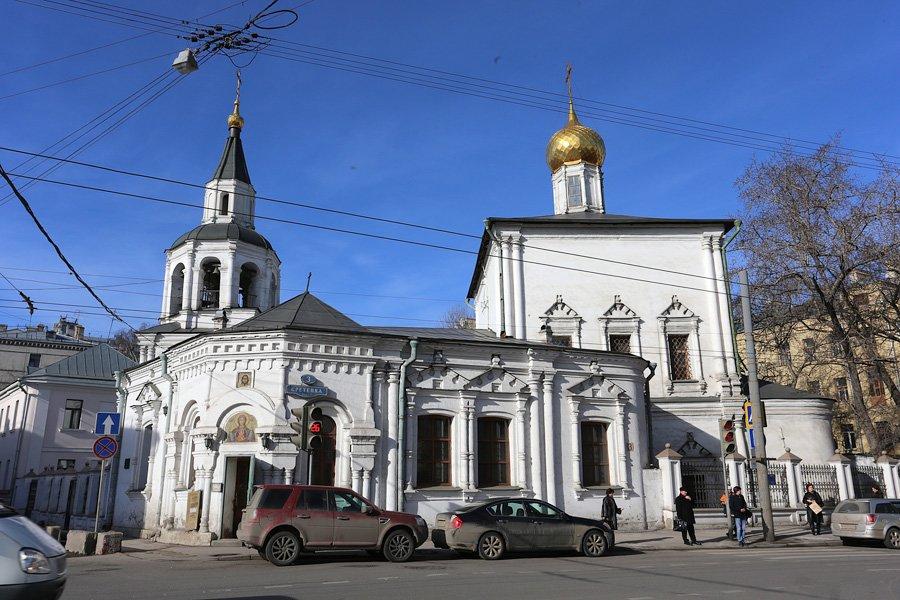
Church of the assumption in Pechatniki

According to one version church painter Pukirev witnessed the marriage the old man and the girl, which later reflected in the famous "The Unequal Marriage" classical painting.

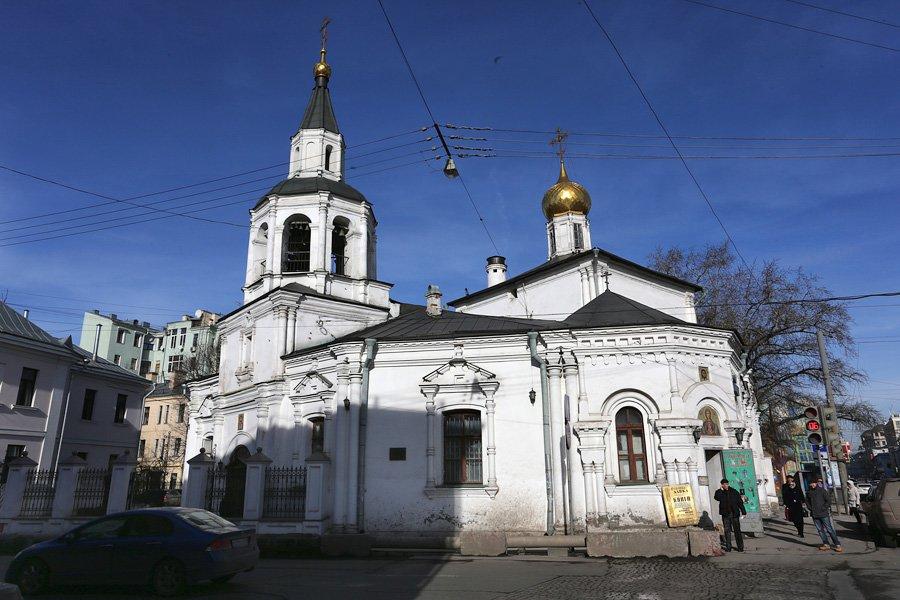
Church of the assumption in Pechatniki
Turgenevskaya, Chistye_prudy, Suharevskaya, Sretenskij bulvar
According to one version church painter Pukirev witnessed the marriage the old man and the girl, which later reflected in the famous "The Unequal Marriage" classical painting.
3.46
Вы можете воспользоваться QR-кодом, чтобы открыть эту страницу в нашем приложении
Архитектурный стиль:
Архитекторы:
М.А Аладьин
Эпоха:
17th century
Информация о здании

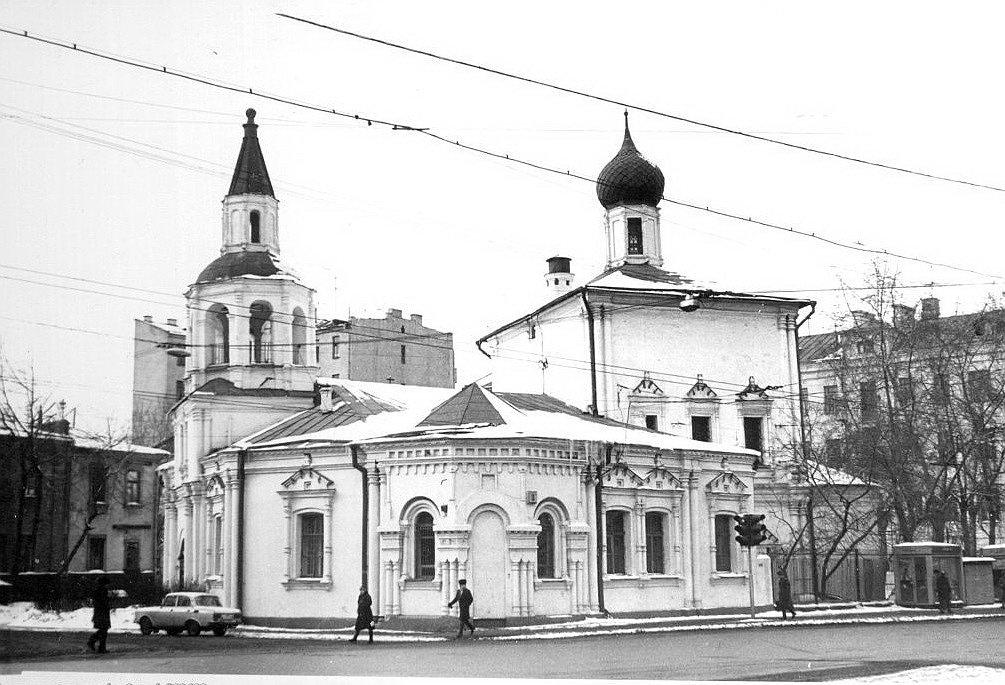
Для сегодняшнего жителя Москвы Печатники – это район соответствующей станции метро. Однако для москвича XVI–XVII веков ассоциации были другие: о них сегодня напоминает Печатников переулок рядом между Сретенкой и Трубной, а также церковь Успения Божией Матери в Печатниках.

С конца XVI века за стеной Белого города у Сретенских ворот начиналась Государева Печатная слобода – поселение типографов, трудившихся на Печатном дворе на Никольской улице. Именно они и создали первый деревянный Успенский храм в 1631 году, вместо которого в 1659 году было построено новое здание, тоже деревянное. Наконец, в 1695 году печатники создали третью Успенскую церковь, на этот раз каменную – ее четверик и колокольня сохраняются и по сей день.

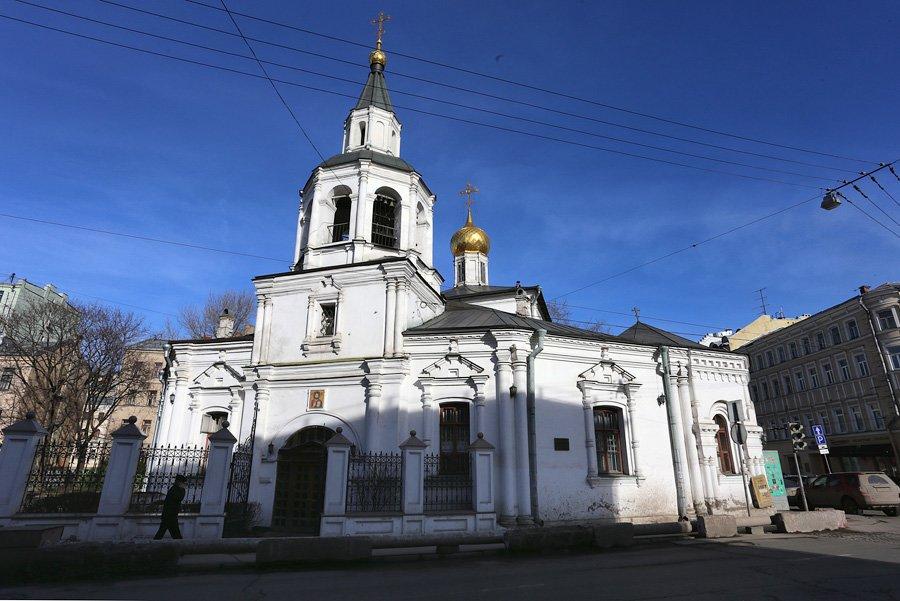
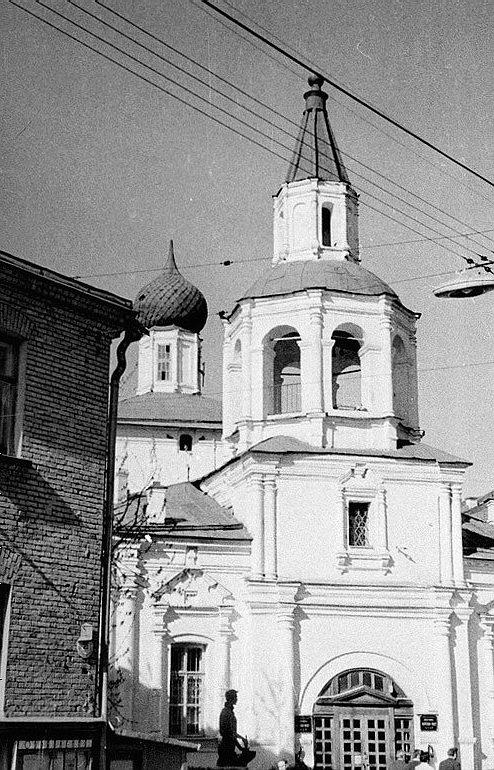
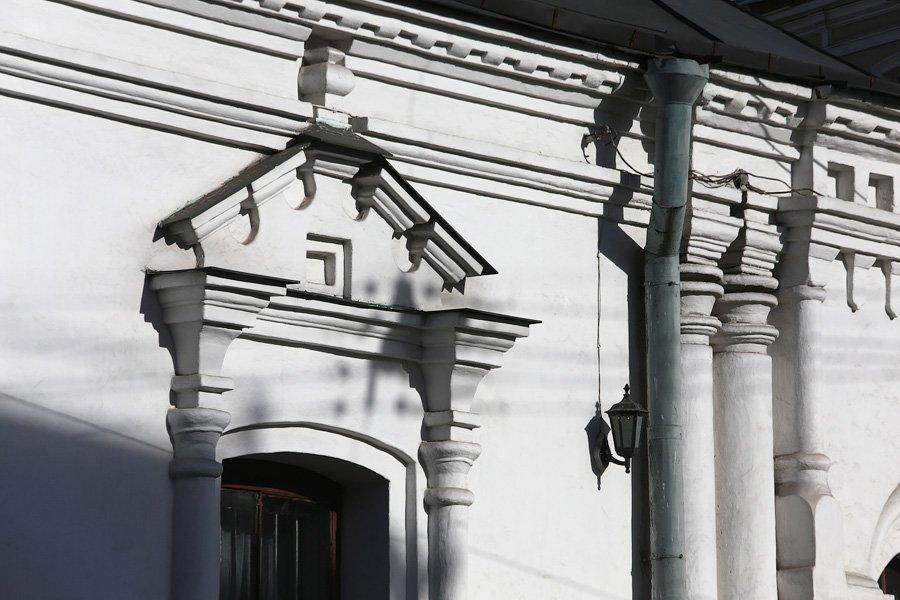
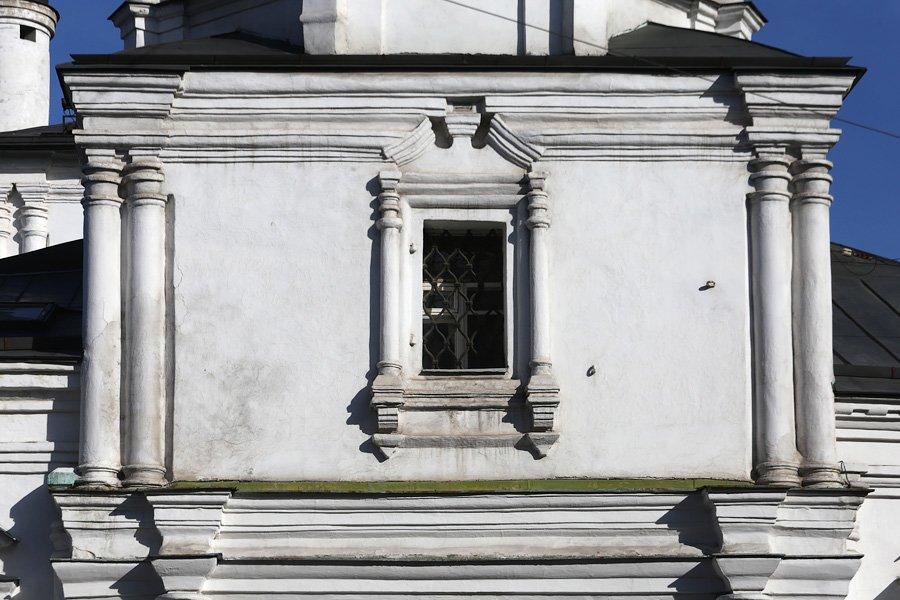
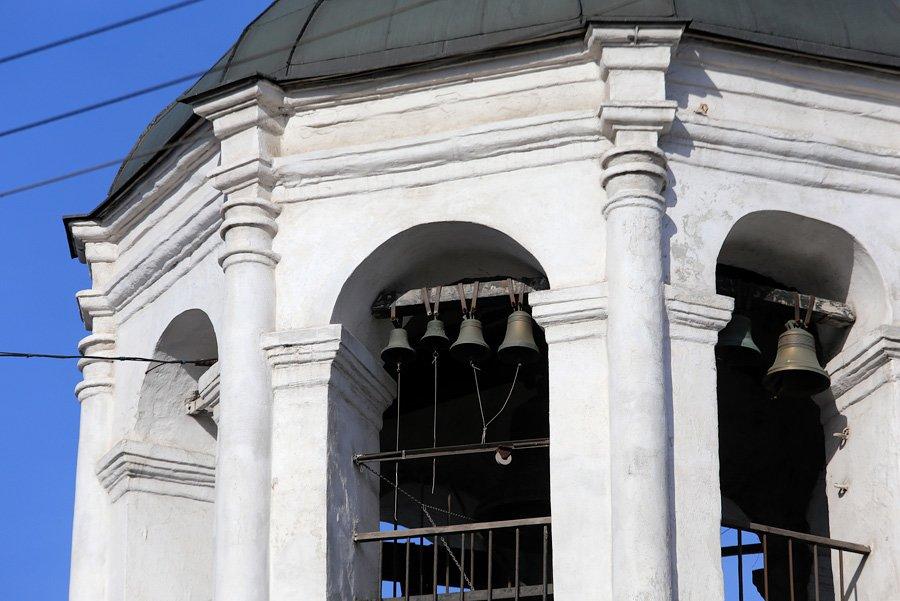
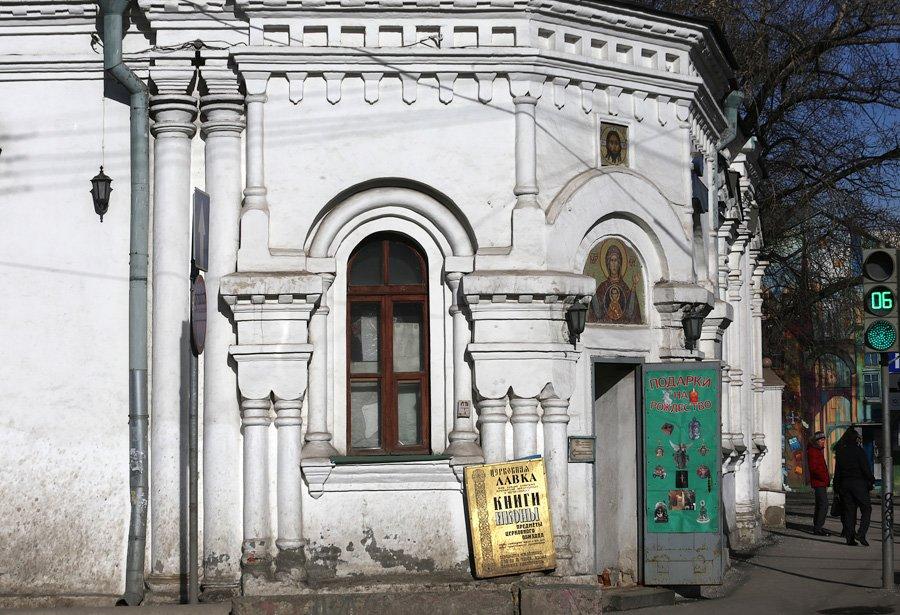
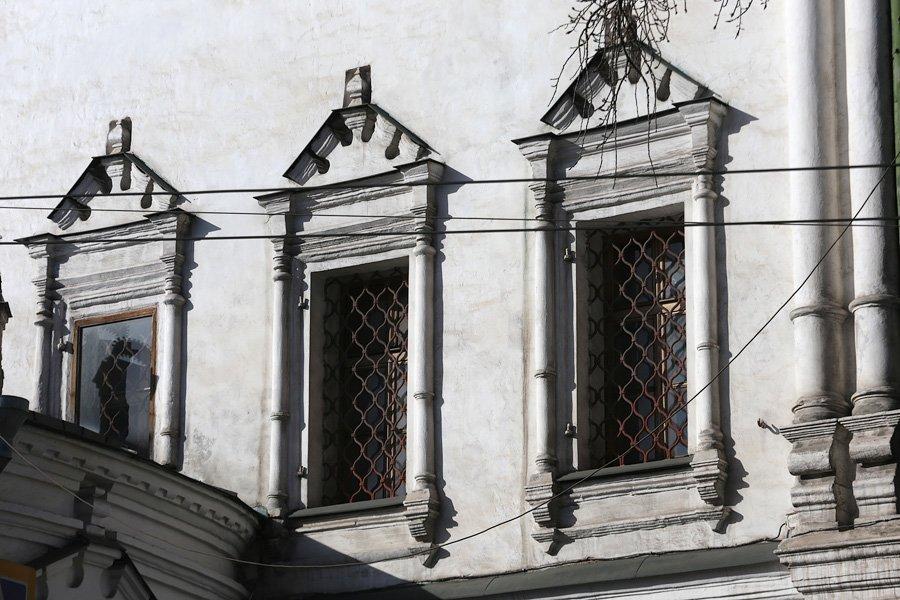
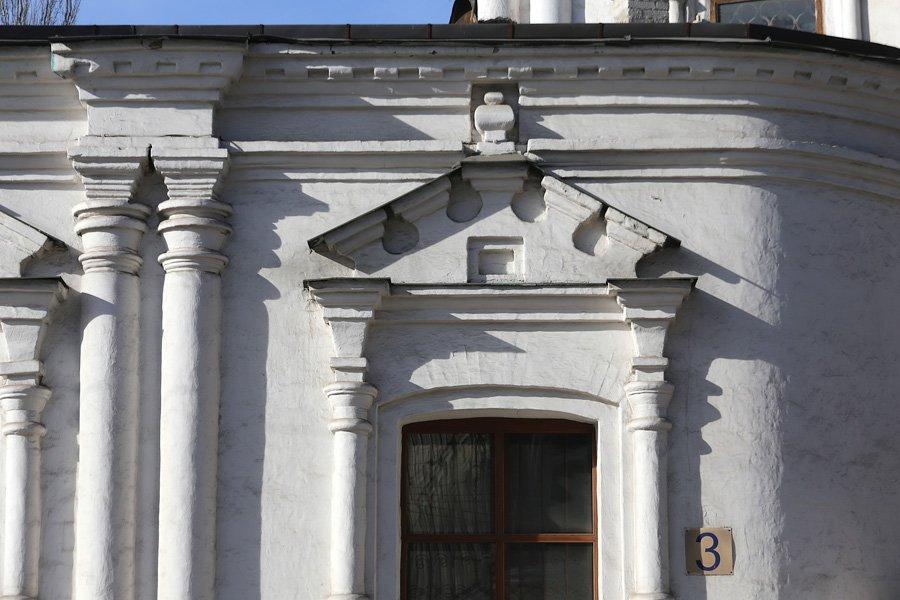
Когда строился новый храм, в церковном зодчестве Москве преобладал стиль «нарышкинское барокко», уделявший особое внимание декору окон и порталов. Все это воплощено в церкви Успения в Печатниках: окна ее четверика обрамлены наличниками с гребнями, а боковые порталы украшены тонкой белокаменной резьбой, изображающей вьющиеся вокруг колонок виноградные лозы. Колокольня выполнена в три яруса: в нижнем расположен вход в церковь, в среднем – хозяйственное помещение, а верхний создан в виде восьмигранной звонницы с сомкнутым сводом. При этом шатер у колокольни есть, но он поставлен поверх свода и не несет никакой практической функции, играя исключительно декоративную роль. Трапезная у храма несколько раз значительно перестраивалась. В 1727 году в ней появился теплый (то есть отапливаемый) придел Усекновения Главы Иоанна Предтечи, а в 1763 году с ее другой стороны создан придел святого Николая Чудотворца. В 1775 году к южной стене трапезной была пристроена небольшая часовня, выделенная на фасаде небольшим куполом с главкой. В последний раз облик церкви менялся в 1897–1902 годах, когда по проекту архитектора М.А. Аладьина была построена новая трапезная с часовней, выдержанные в псевдорусском стиле. Окна трапезной повторяют мотивы нарышкинского барокко, тем самым перекликаясь с окнами древнего четверика Успенской церкви.

По одной из версий, именно в церкви Успения в Печатниках художник Пукирев стал свидетелем брака старика и девушки, что впоследствии нашло отражение в картине «Неравный брак», ныне находящейся в Третьяковской галерее. Также до революции в церковной ризнице хранилась древняя еврейская серебряная монета – молва утверждала, что это один из тридцати серебряников, полученных Иудой за предательство Христа.

После революции и закрытия храма для богослужений его здание было занято сначала трестом «Арктикпроект», затем в 1950 году здесь появилась выставка «Советская Арктика», которую в 1960 году сменила постоянно действовавшая выставка «Морской флот СССР». Внешне здание почти не перестраивалось, были только сняты кресты и разобрана ограда, но внутреннее убранство исчезло полностью, пространство храма оказалось перепланировано. В 1994 году выставка была вывезена, а в храме возобновились богослужения.
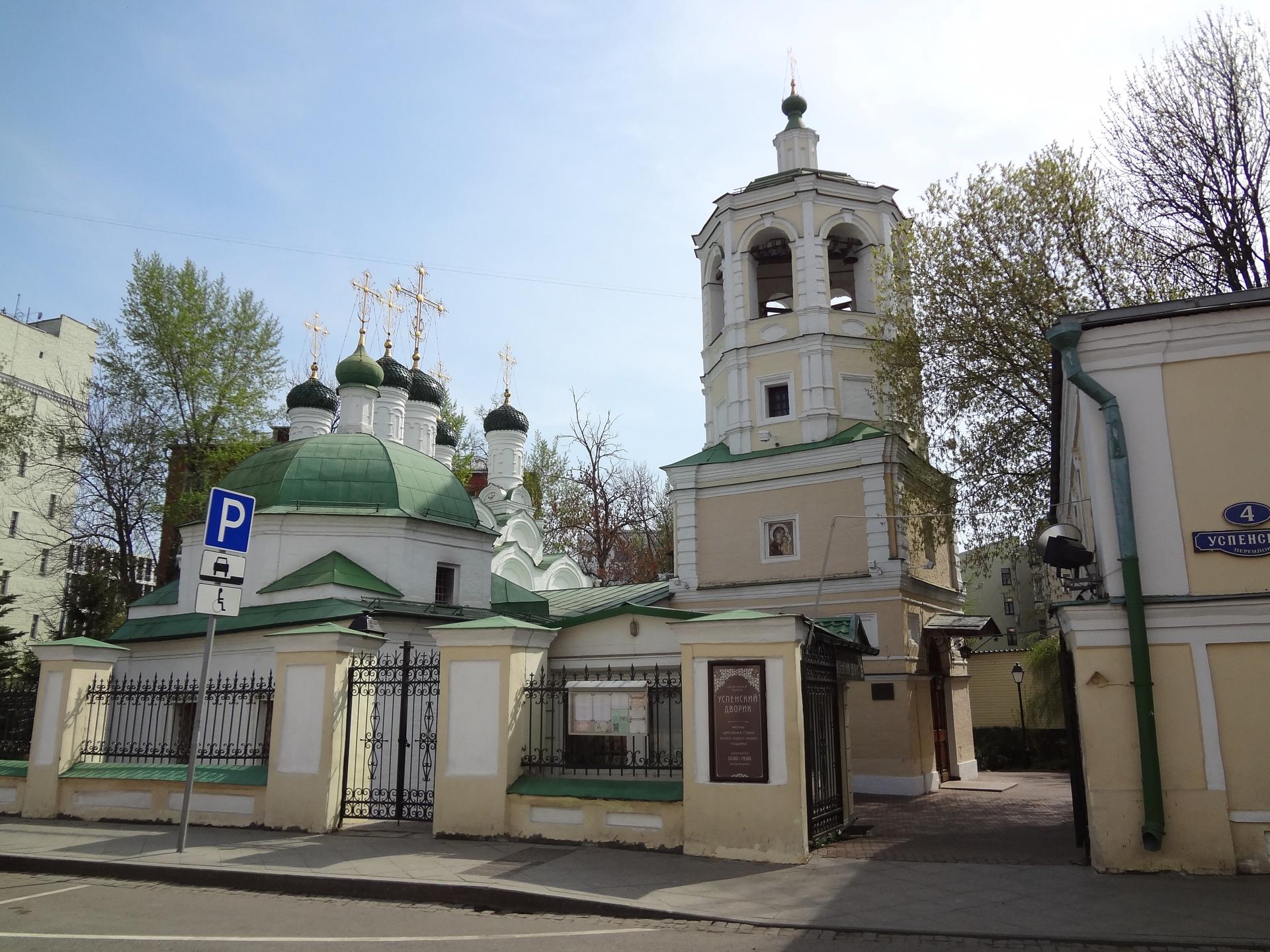
For today's residents of Moscow Pechatniki is a district around Pechatniki metro station. However, for Muscovite in XVI-XVII centuries associations were different. The reminder of those association is the Pechatnikov alley that runs between Sretenka and Trubnaya square, as well as the church of the Assumption of the Mother of God in Pechatniki. Since the end of the XVI century, behind the wall of the White City by Sretenskie gate began Sovereign Pechatnaya settlement - a settlement of typographers who worked on the printed circuit court of Nikolskaya street. It was them who created the first wooden church of the Assumption in 1631, instead of which in 1659 was built a new building, also wood. Finally, in 1695 printers created a third Church of the Assumption, this time the stone - its quadrangular and the bell tower are with us today. When the new church was being built, the style of the "Naryshkin Baroque" prevailed in church architecture in Moscow, which paid special attention to the decoration of windows and portals. All this is embodied in the Church of the Assumption in Pechatniki: its windows are framed with clypeus with combs, and lateral portals are decorated with a fine white stone carving depicting the vines curling around the columns. The belfry is made in three tiers: in the lower one there is an entrance to the church, on the average - the utility room, and the upper one is created in the form of an octagonal belfry with a closed vault. At the same time there is a tent near the bell tower, but it is placed on top of the arch and does not have any practical function, playing a purely decorative role. The refectory near the temple was rebuilt several times. In 1727 a warm (that is, heated) side-chapel of the Beheading of John the Baptist appeared in it, and in 1763 from its other side the chapel of St. Nicholas the Wonder-worker was created. In 1775 a small chapel was added to the southern wall of the refectory, which was allocated on the facade by a small dome with a cupola. The last time the church changed its appearance in 1897-1902, when, according to the project of the architect M.A. Aladin was built a new refectory with a chapel, sustained in the pseudo-Russian style. The windows of the refectory echo the motifs of the Naryshkin Baroque, thus echoing the windows of the ancient four-storeyed church of the Assumption Church. According to one versions church painter Pukirev witnessed the marriage the old man and the girl, which later reflected in the famous "The Unequal Marriage" classical painting currently located in the Tretyakov Gallery. Also before the revolution, an ancient Jewish silver coin was kept in the church sacristy - the rumor claimed that it was one of the thirty silversmiths received by Judas for the betrayal of Christ. After the revolution and the closing of the temple for worship services, its building was occupied first by the trust "Arctic Project", then in 1950 there was an exhibition "Soviet Arctic", which in 1960 was replaced by the permanent exhibition "USSR Navy." Outwardly the building was almost not reconstructed, only crosses were taken and the fence was dismantled, but the interior decoration disappeared completely, the space of the temple turned out to be rescheduled. In 1994 the exhibition was taken out, and worship services resumed in the church.
Автор статьи: Никита Брусиловский
Рекомендации
Церковь Успения в Путинках
Pushkinskaya, Tverskaya, Chekhovskaya
6
18 м.
1.6 км
Поделитесь статьей с друзьями
Интересное рядом(4)
Sretenka

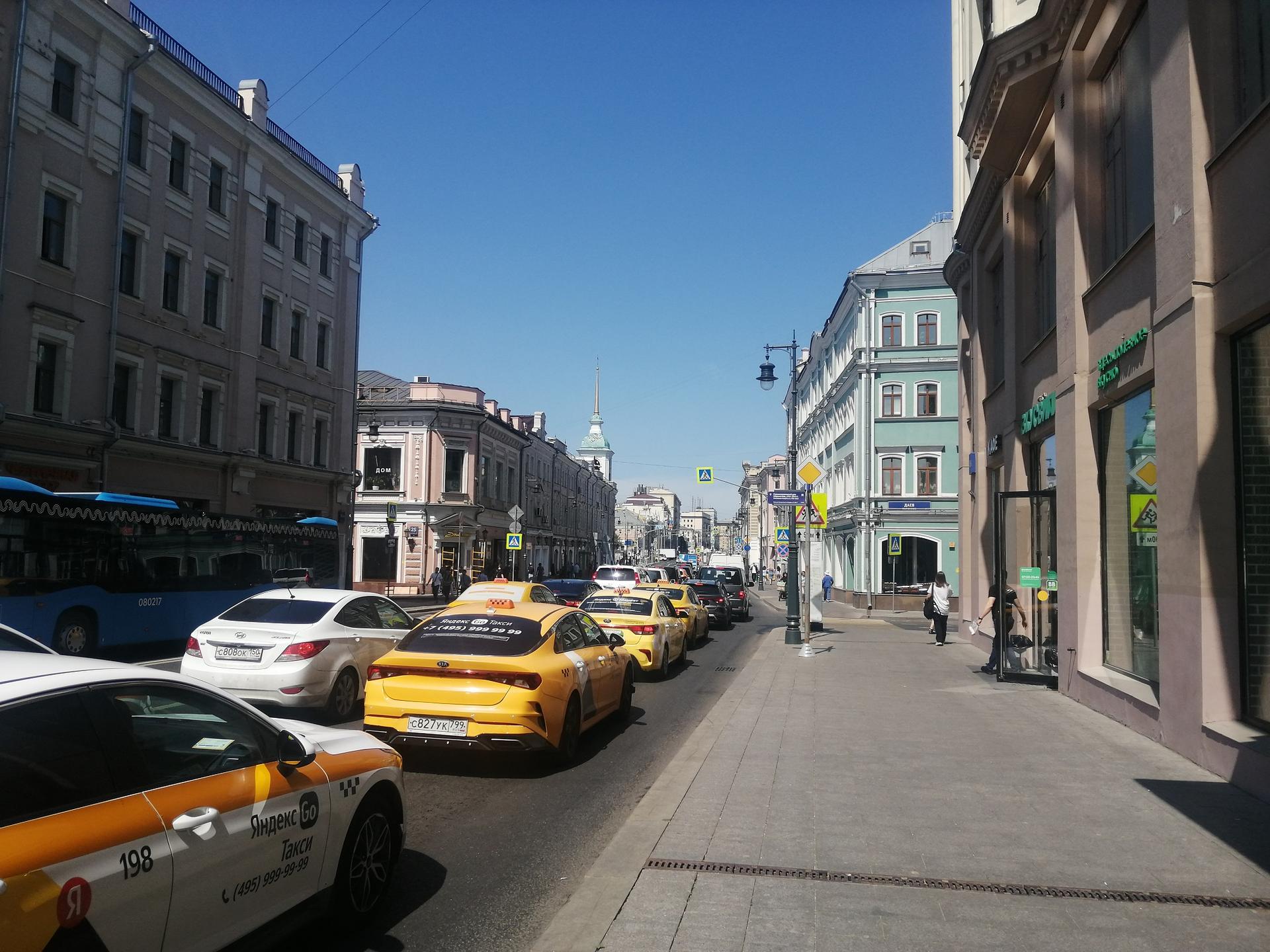
Ancient Moscow street that swept through the centuries and preserved its historical name.

г. Москва, ул. Сретенка
Suharevskaya, Sretenskij bulvar