Интерактивный гид по городу
С мобильным приложением бродить по городу гораздо интереснее!

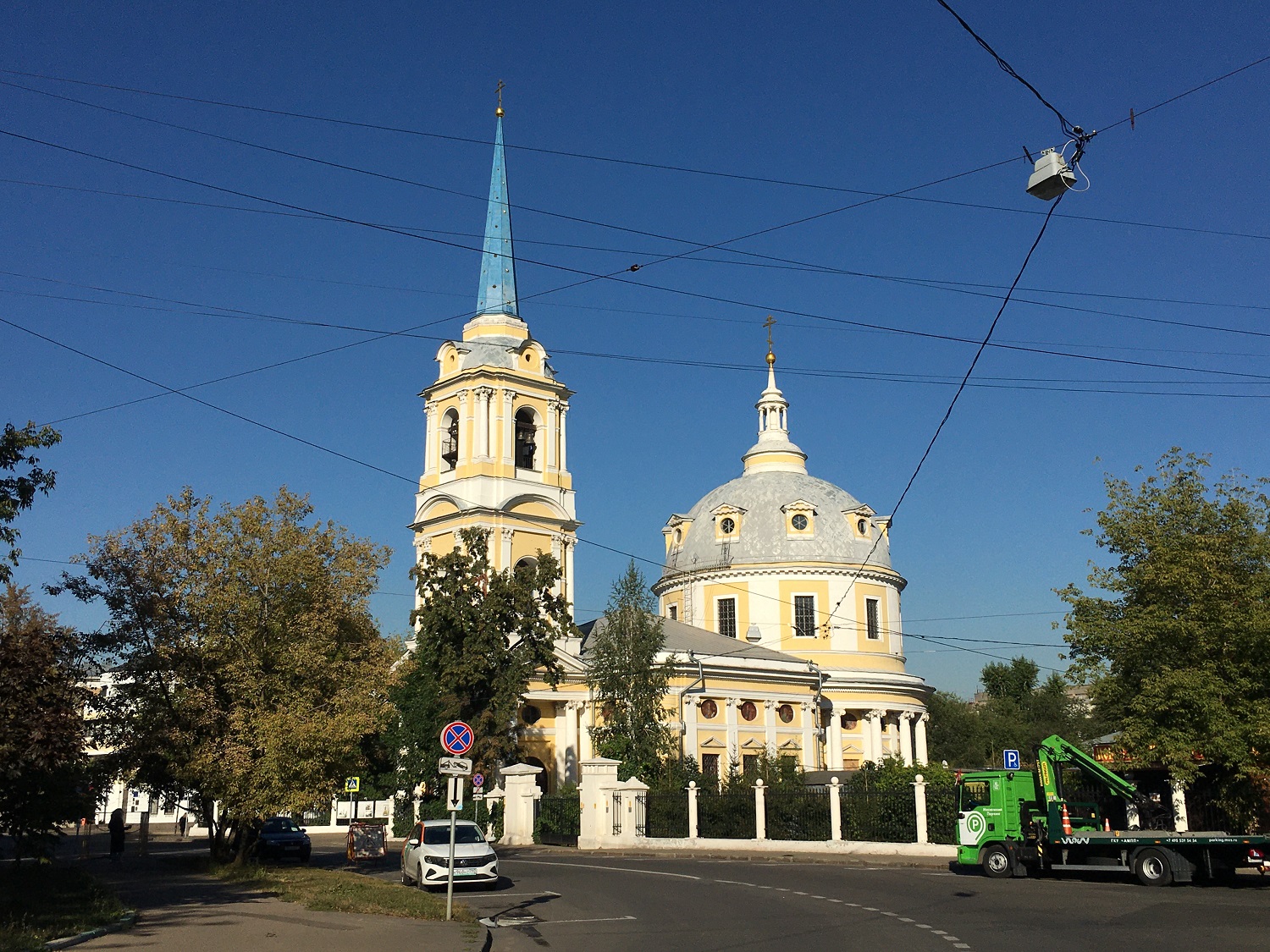
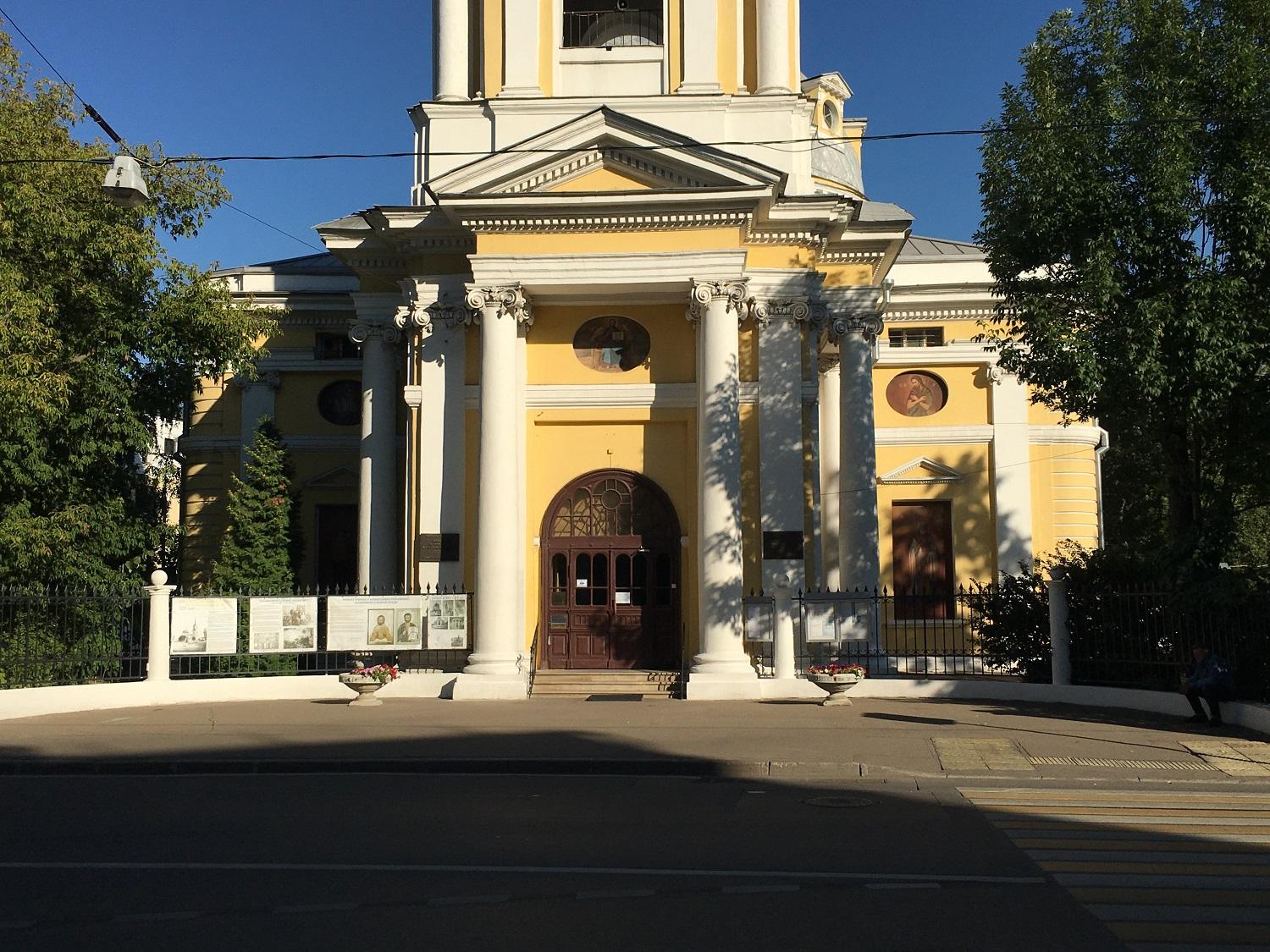
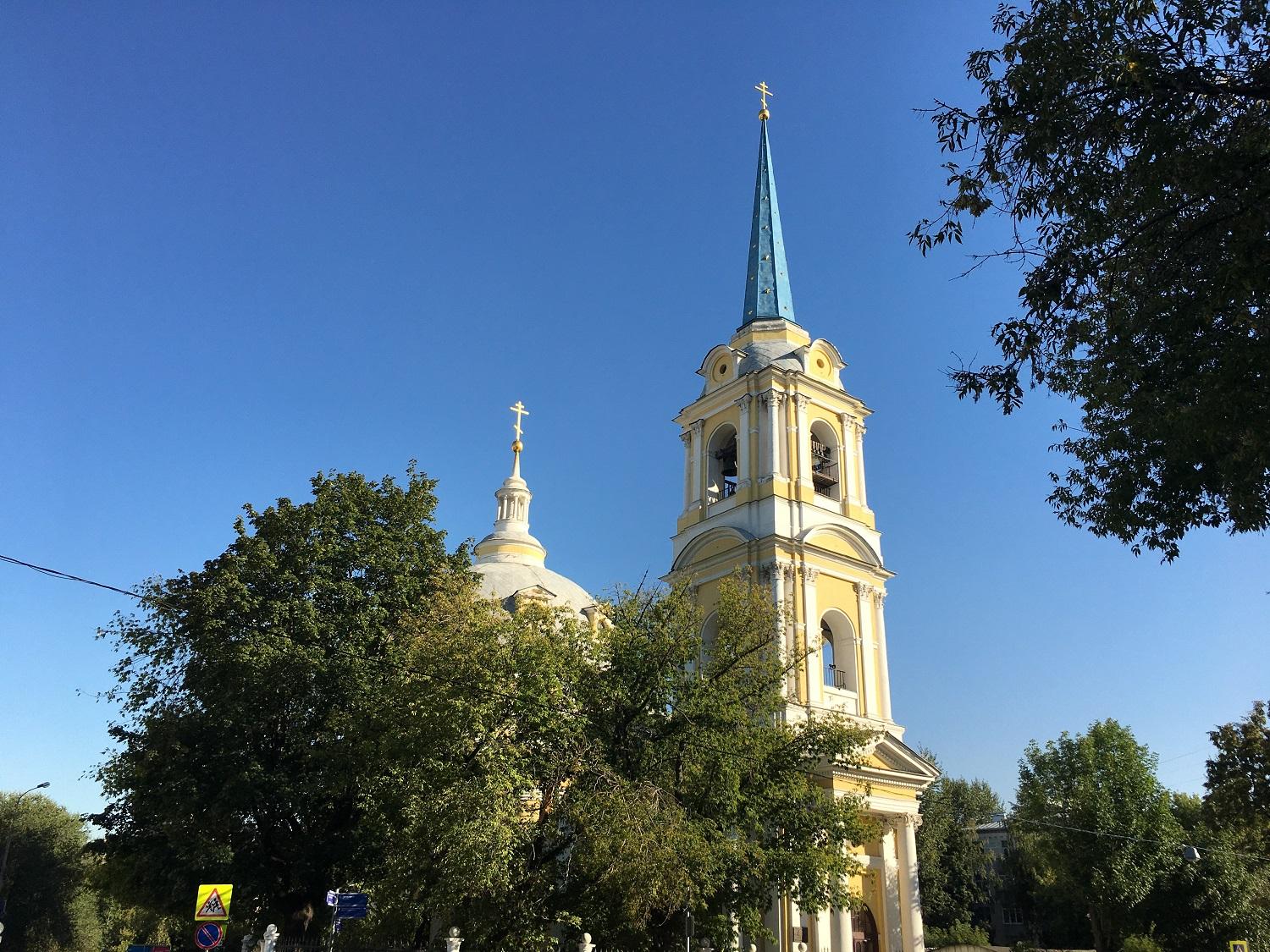
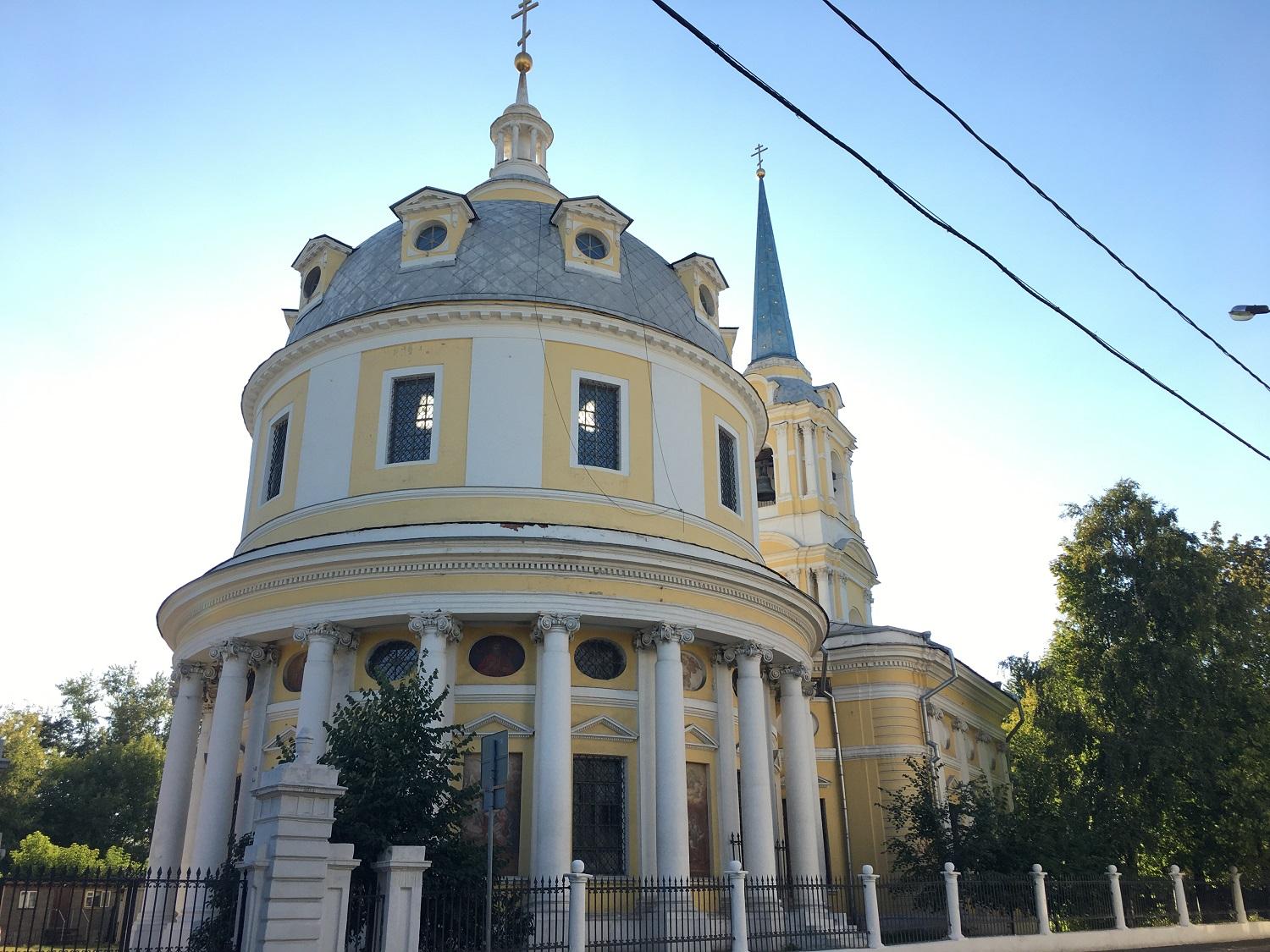
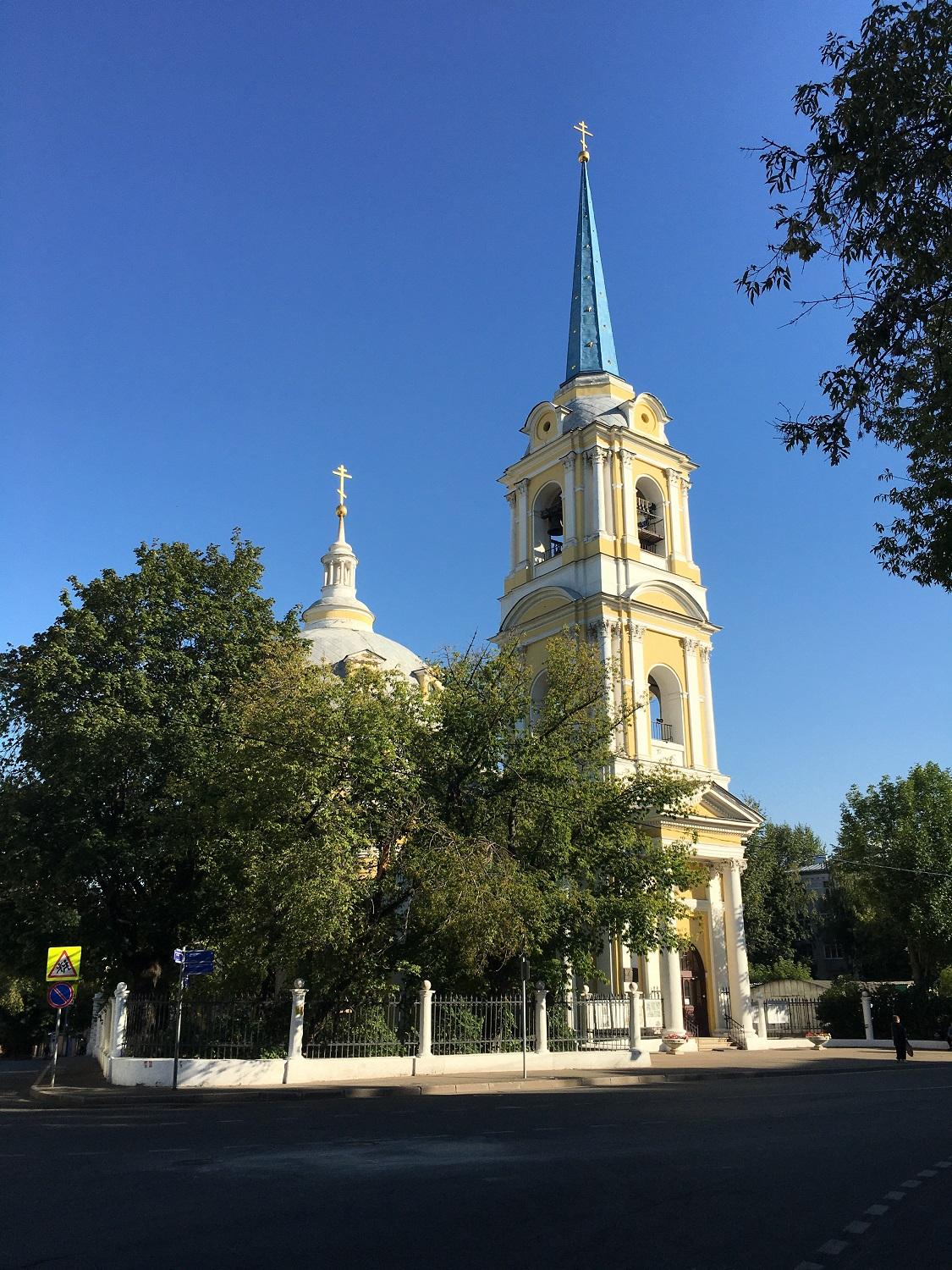
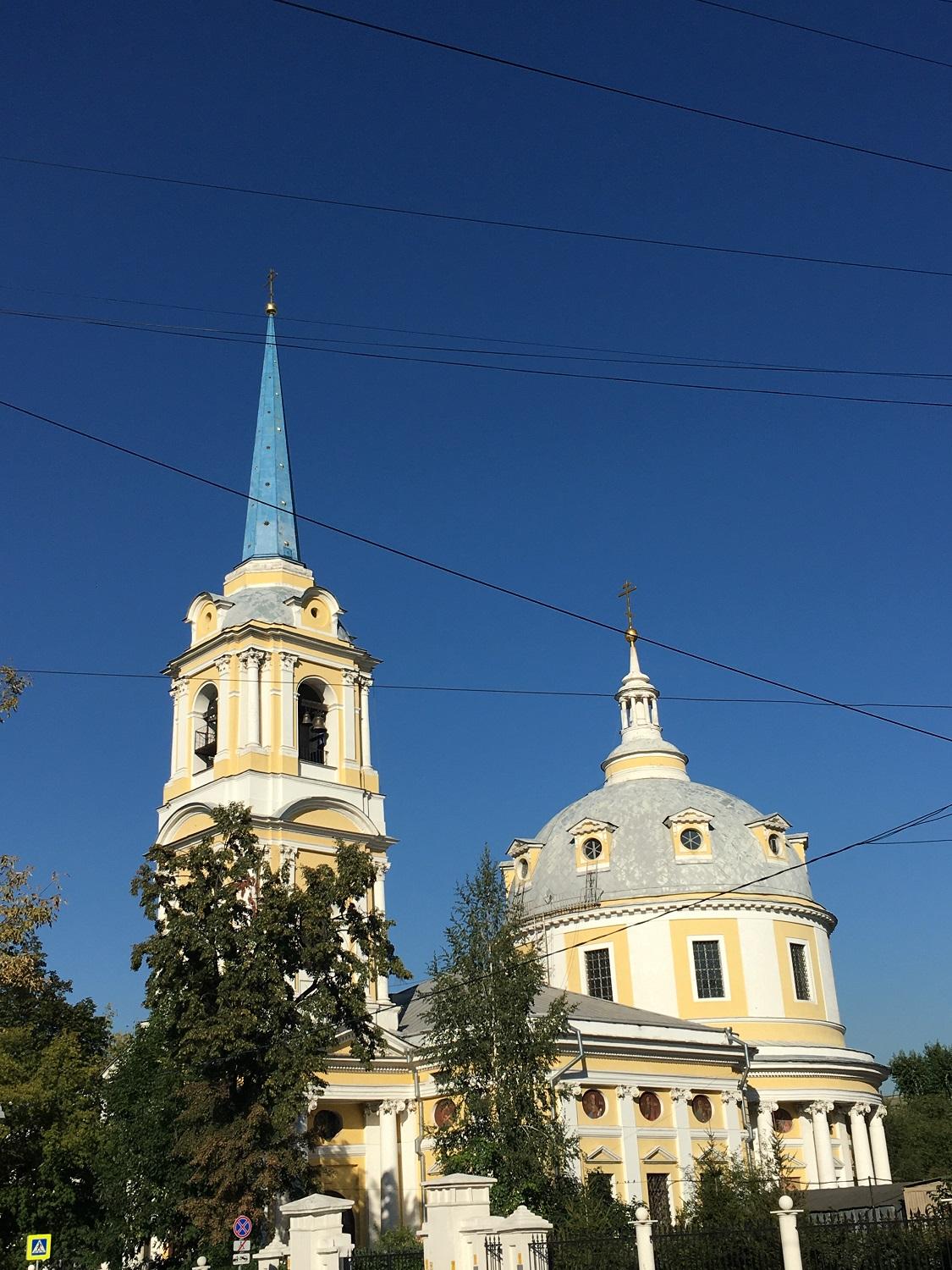
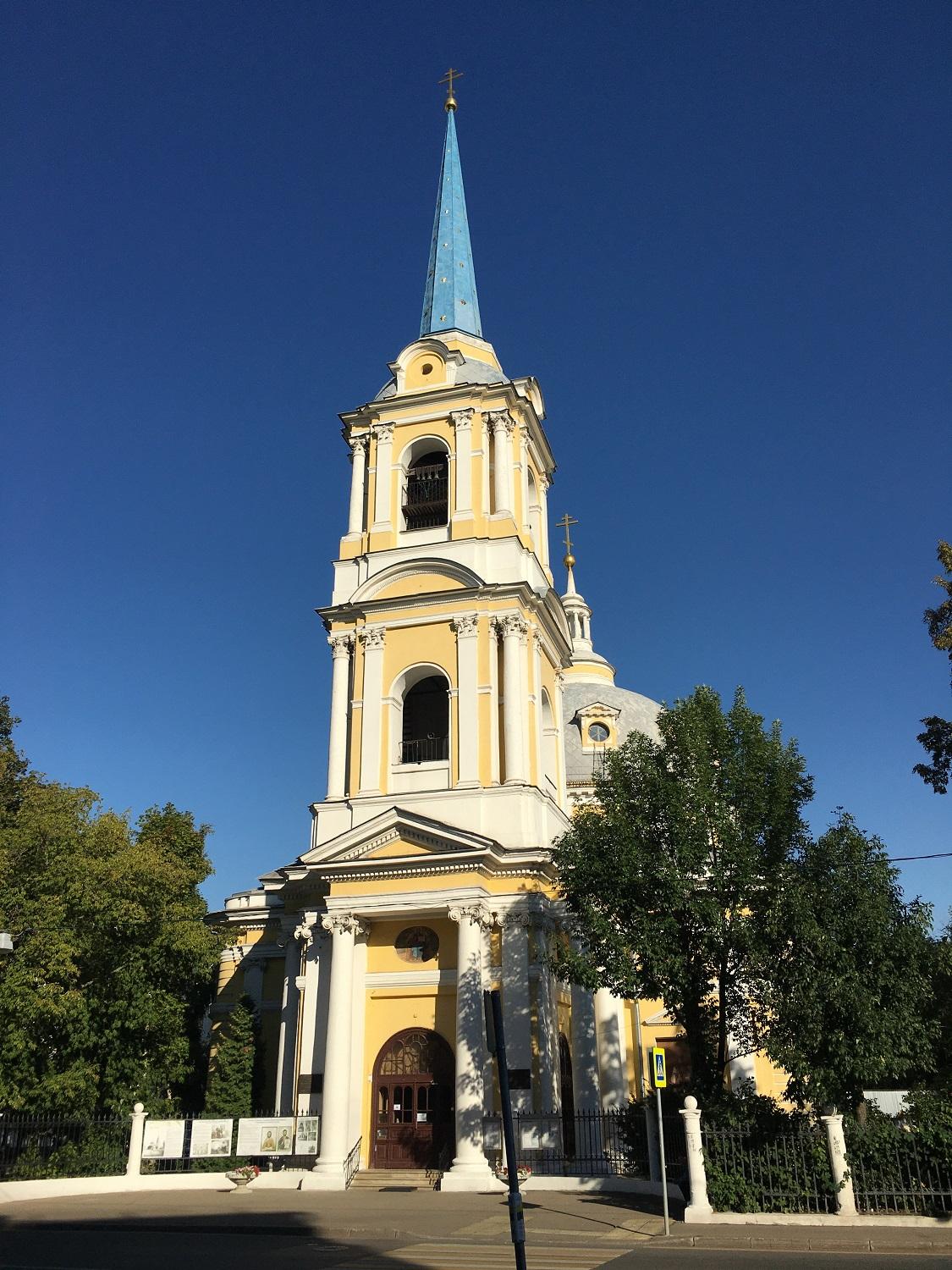
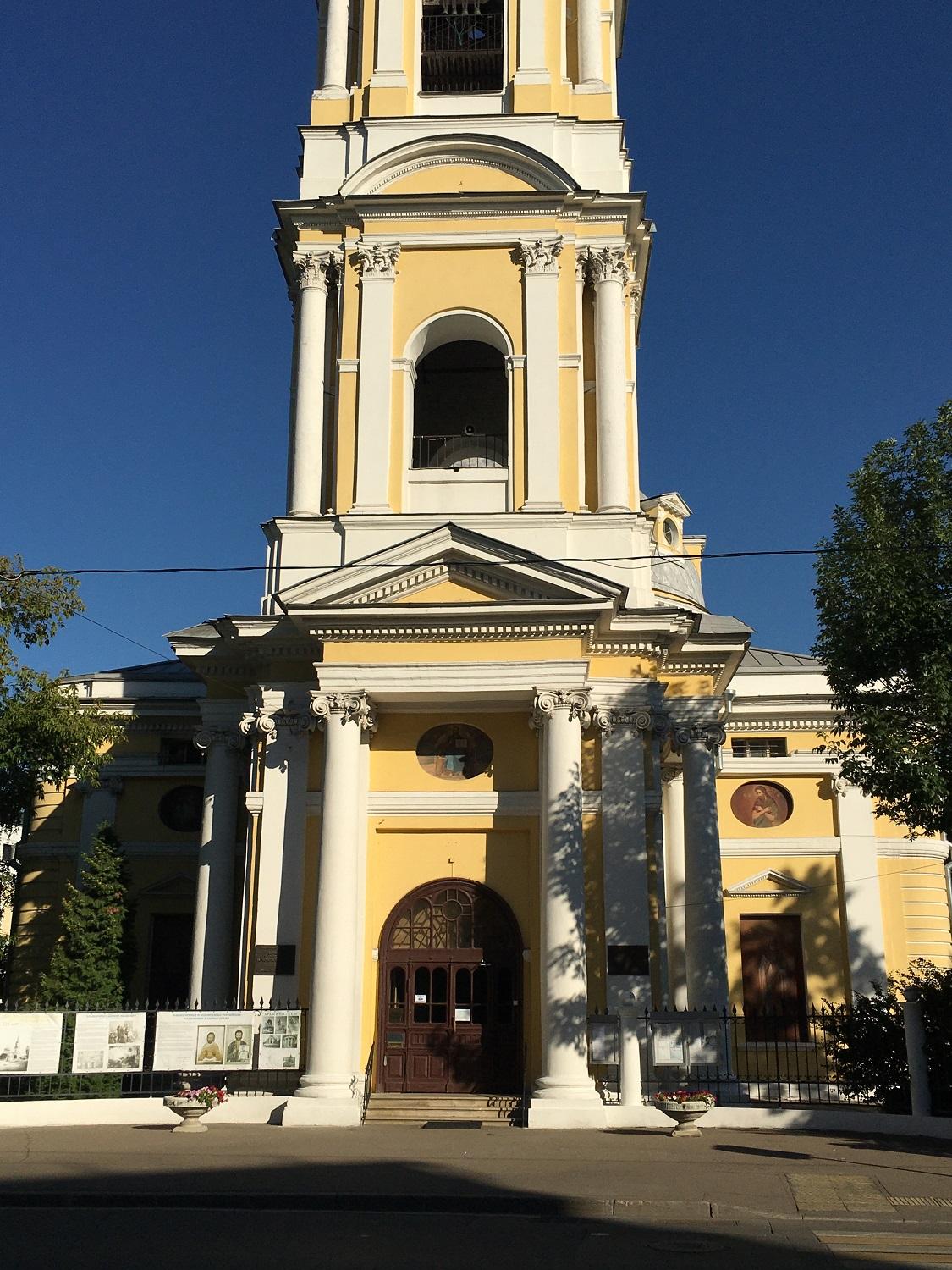
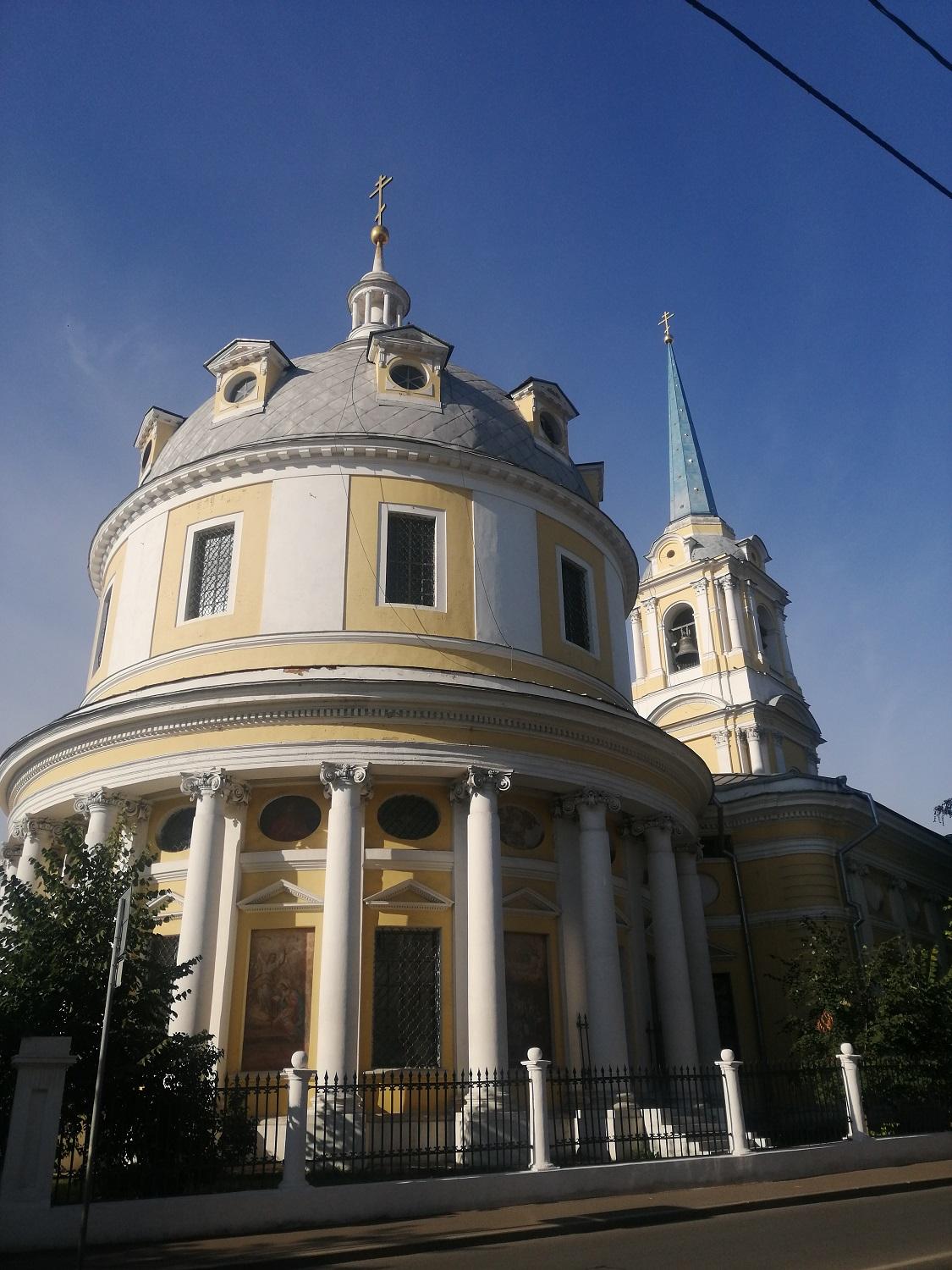
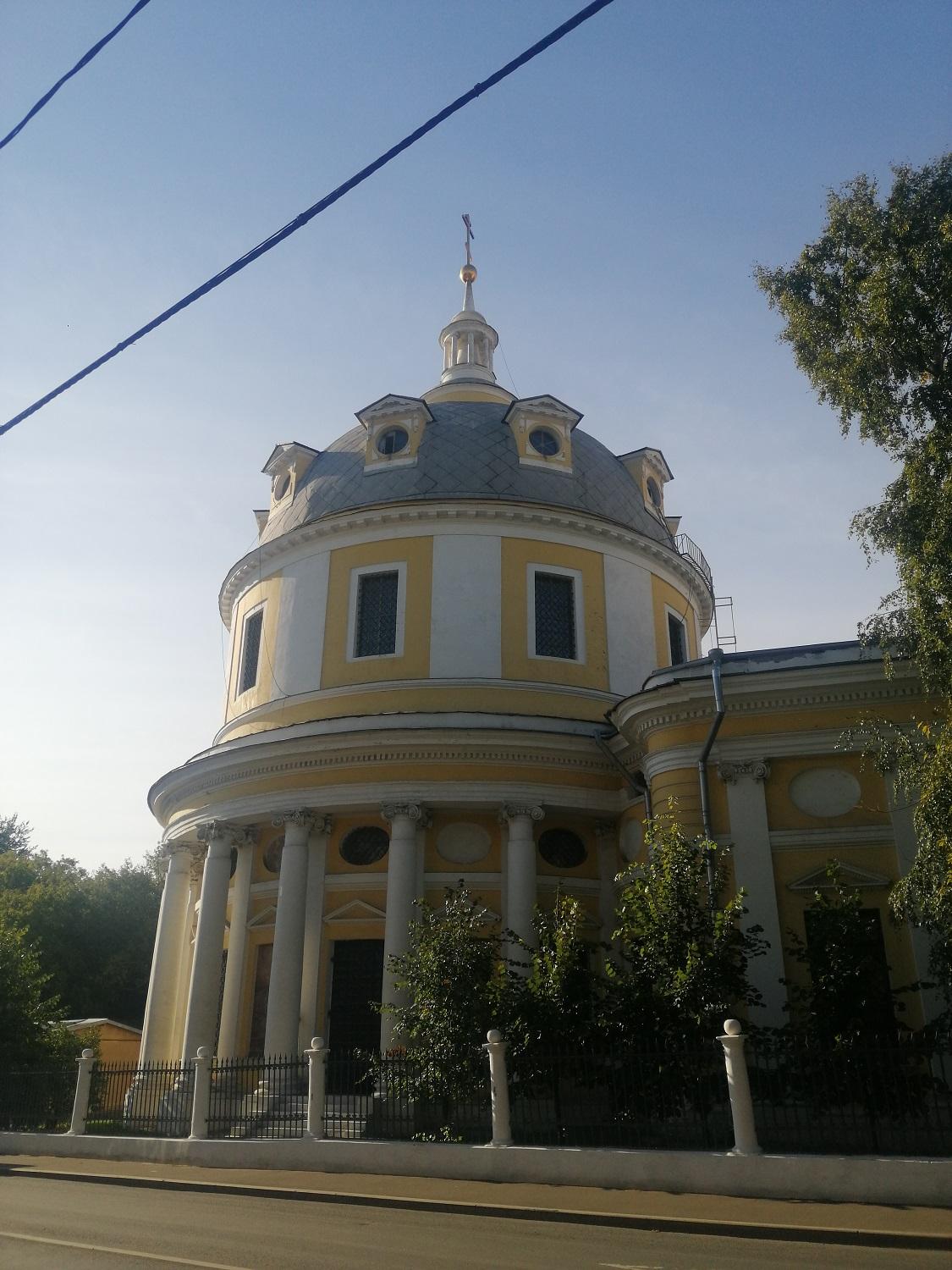
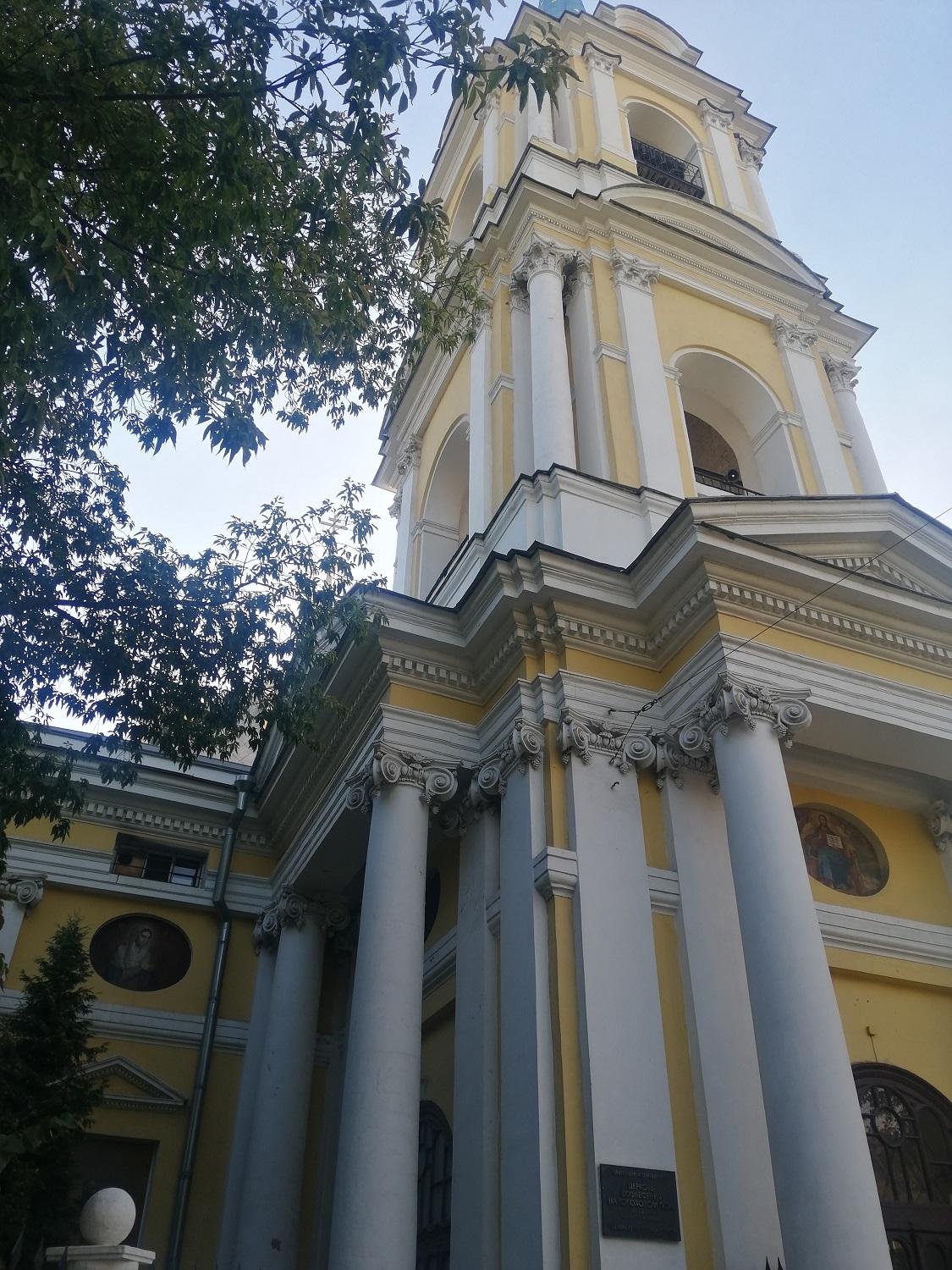
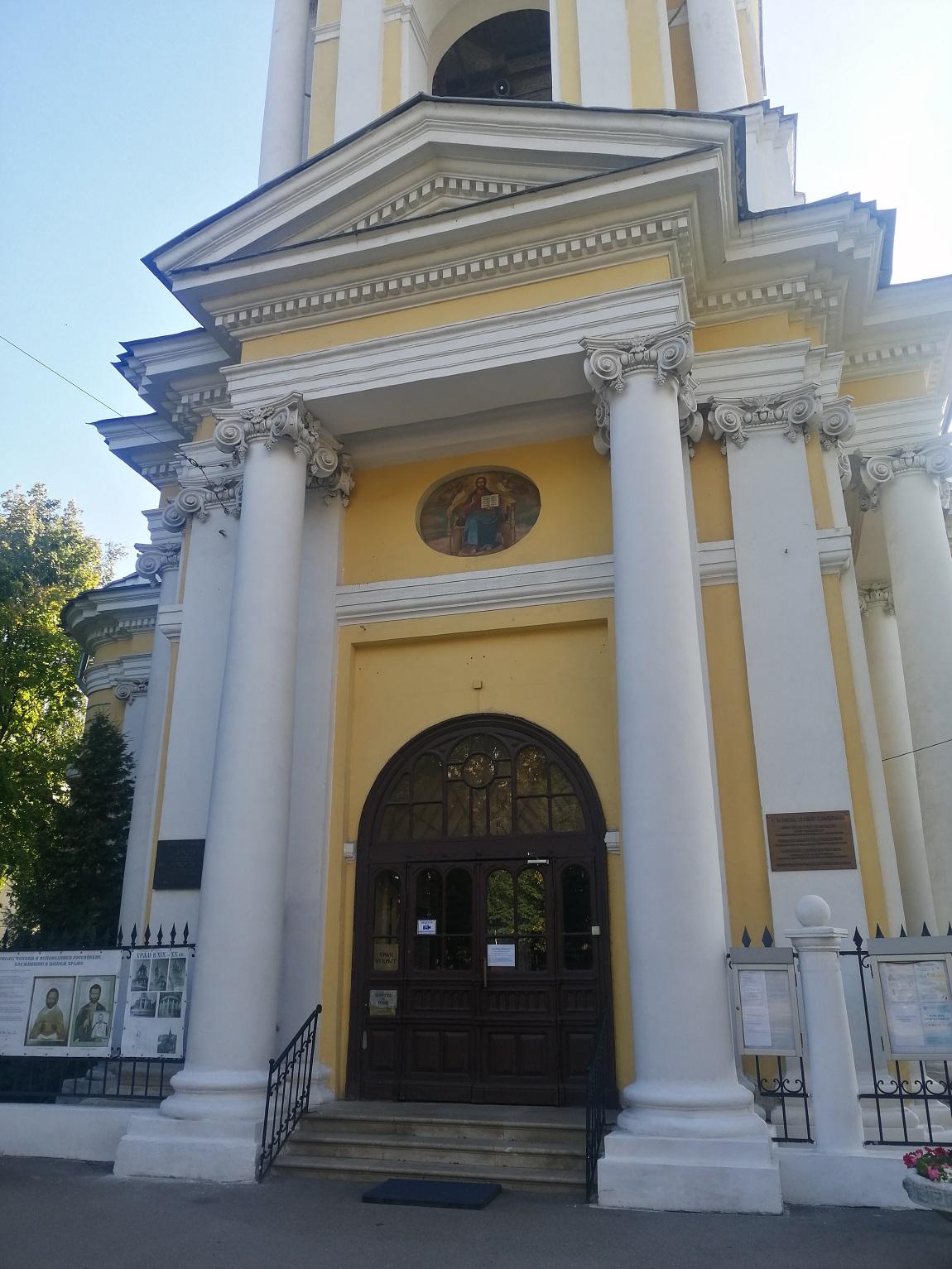
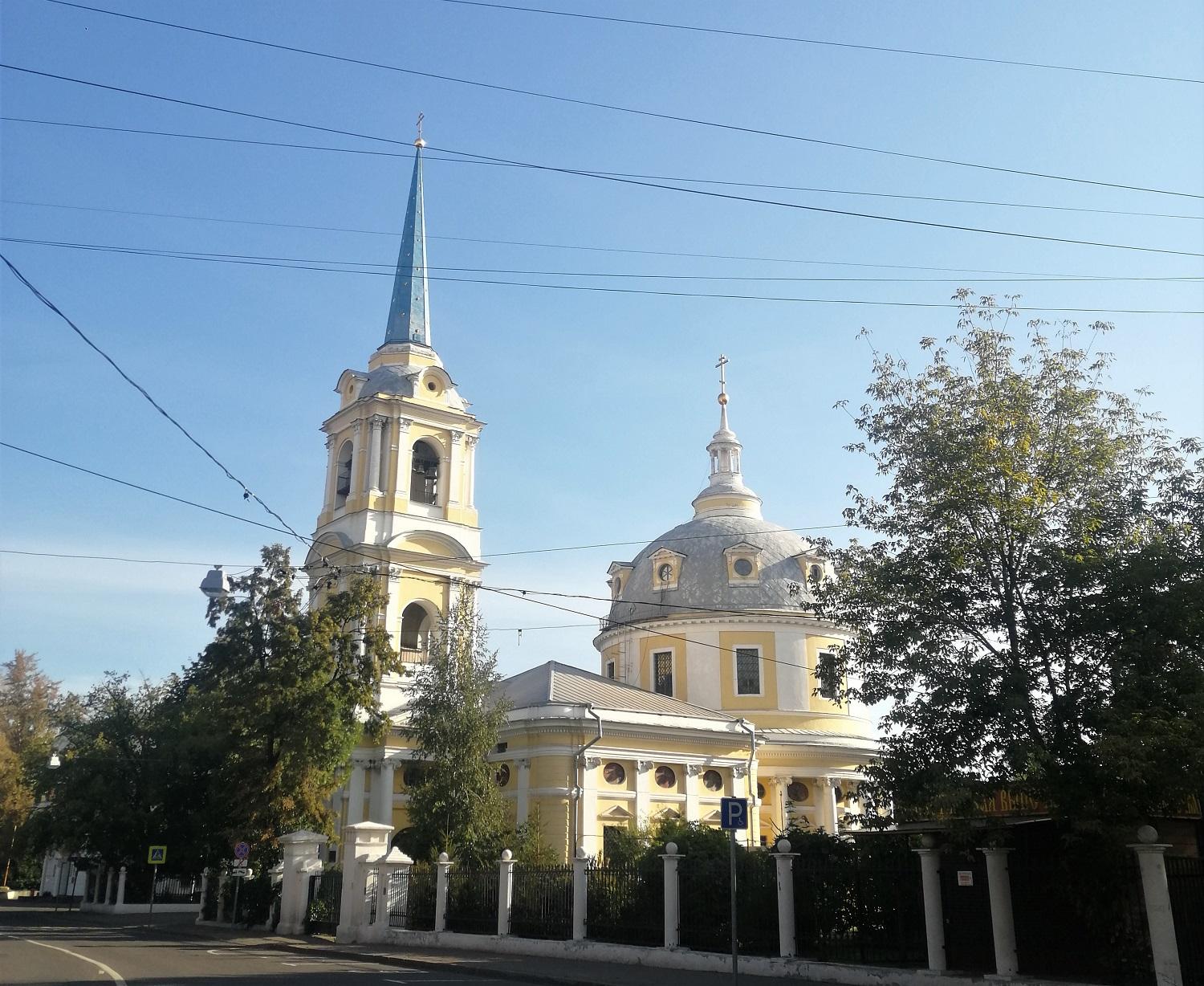
The church of ascension at Gorohovo pole (peas field)

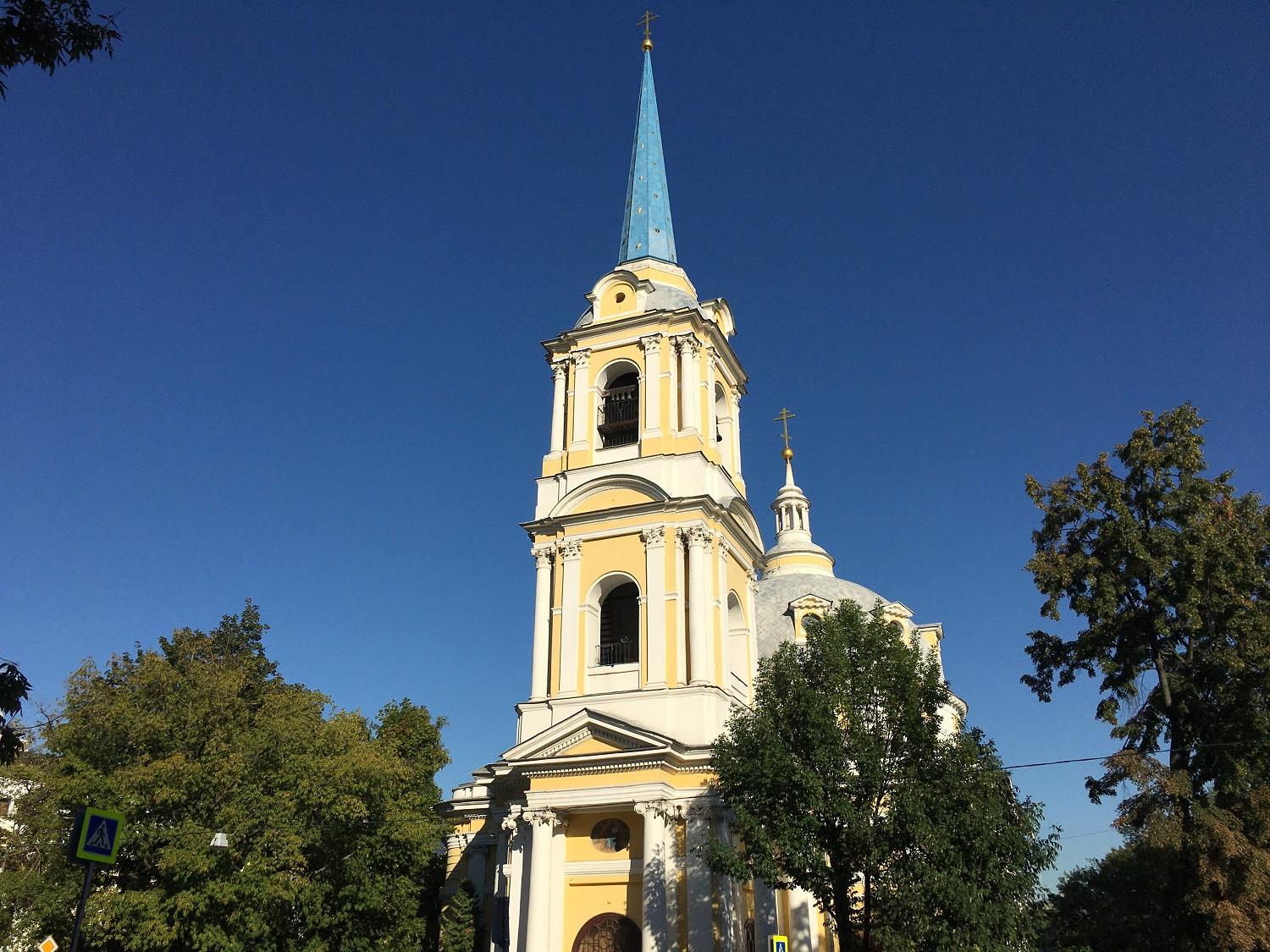
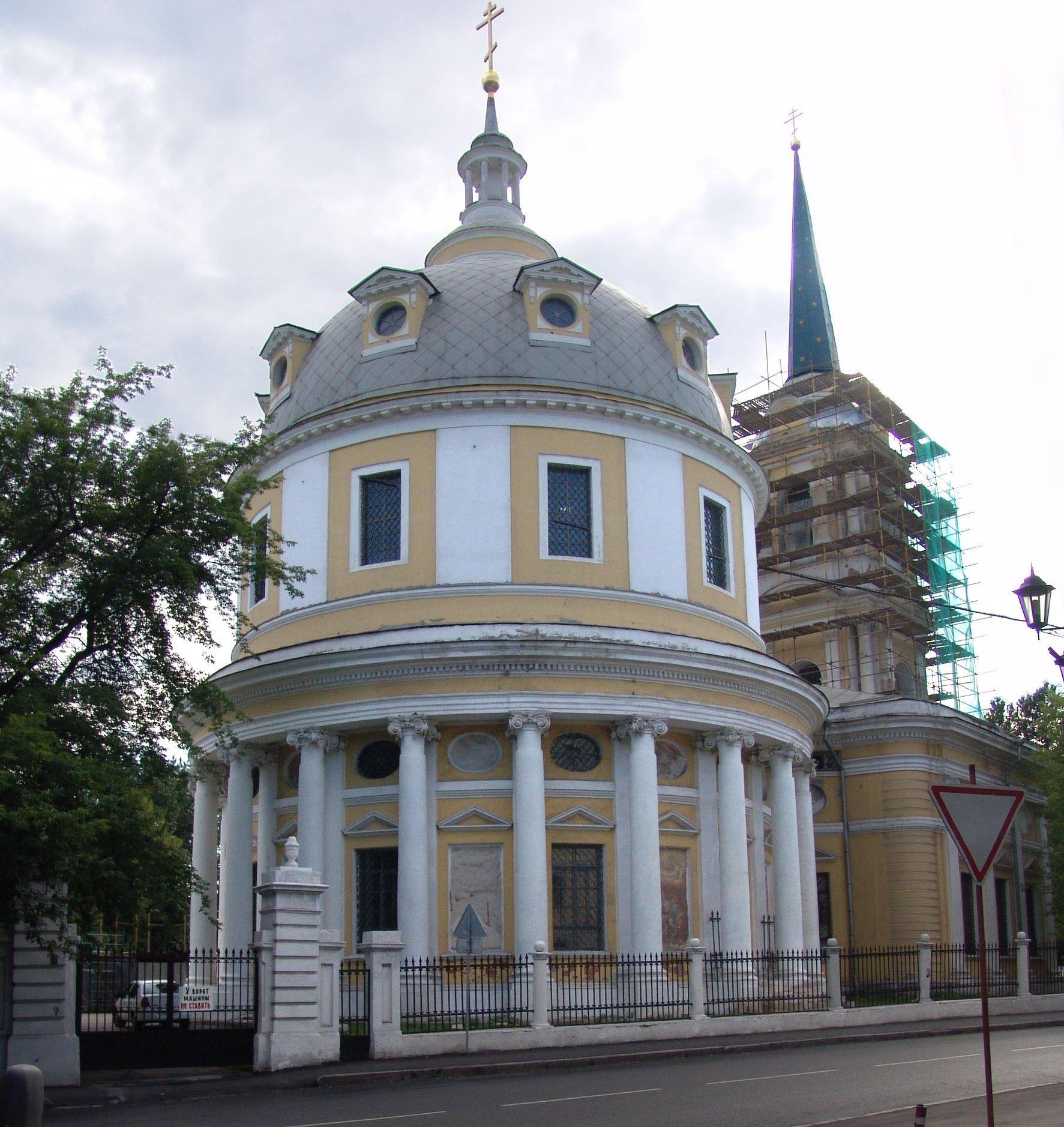
Ascension Church in its splendor is able to compete with many of the capital's cathedrals.

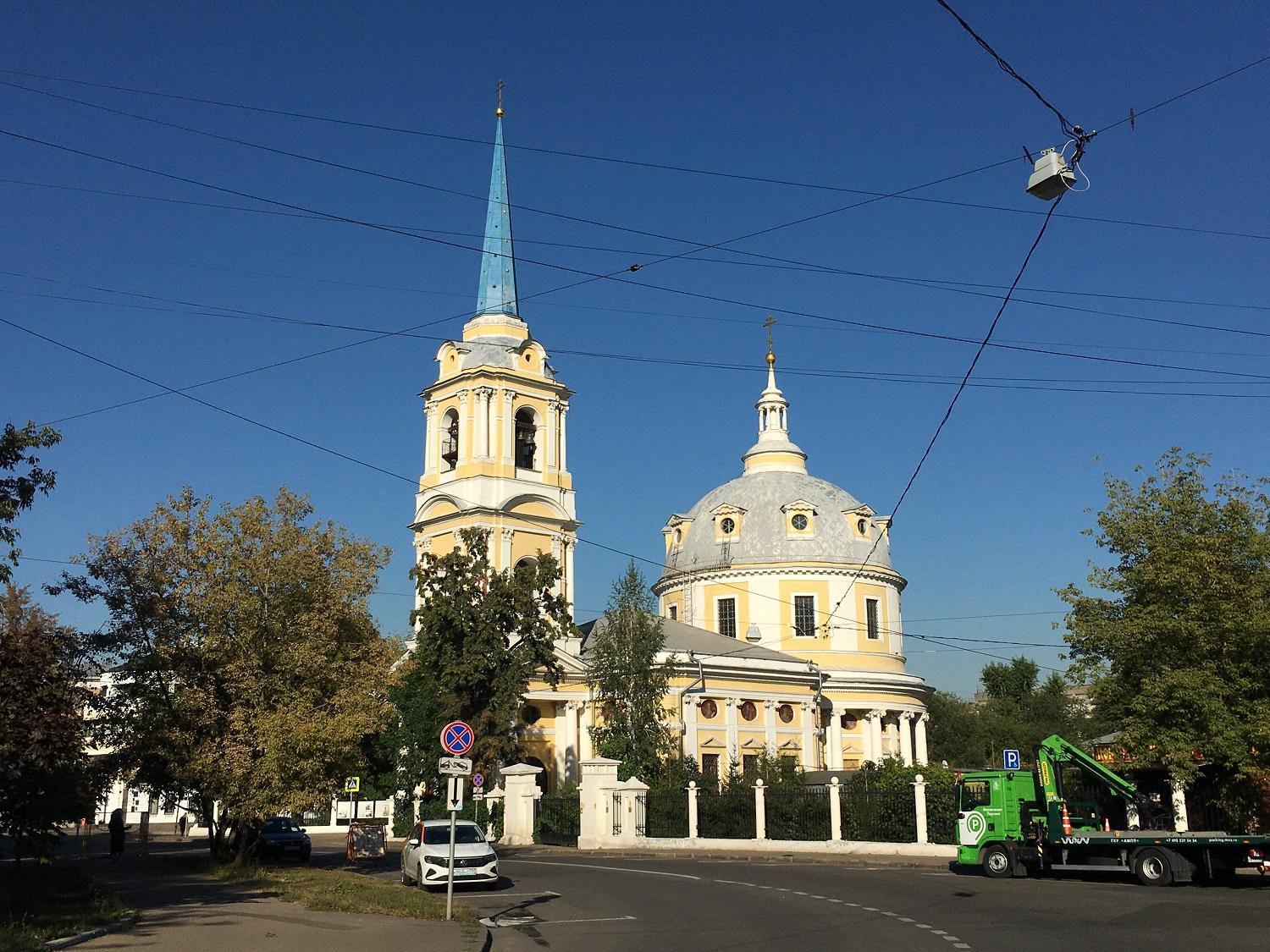
The church of ascension at Gorohovo pole (peas field)
Ascension Church in its splendor is able to compete with many of the capital's cathedrals.
3.56
Вы можете воспользоваться QR-кодом, чтобы открыть эту страницу в нашем приложении
Архитектурный стиль:
Годы постройки:
1790-1793
Архитекторы:
Эпоха:
18th century
Информация о здании

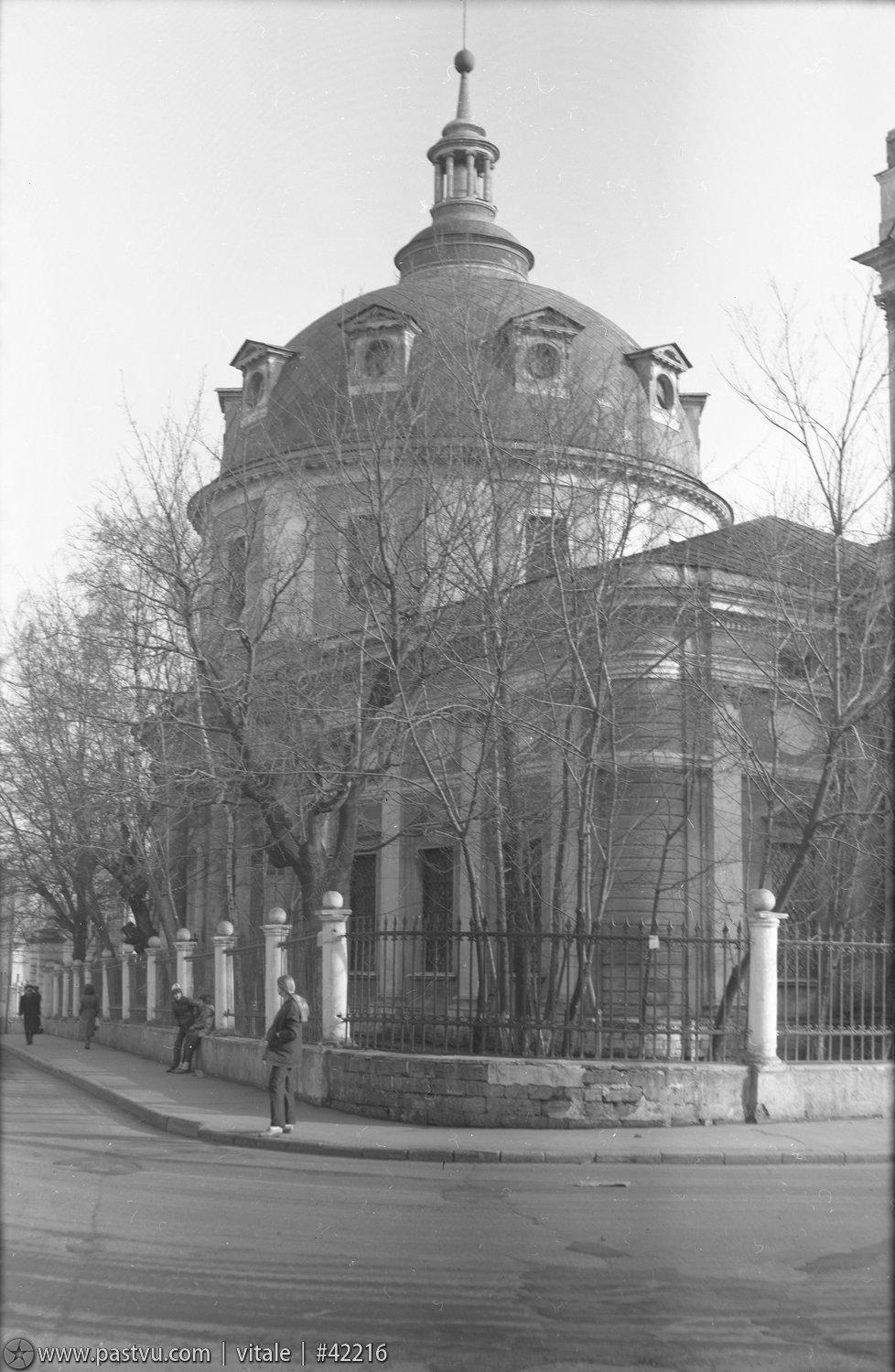
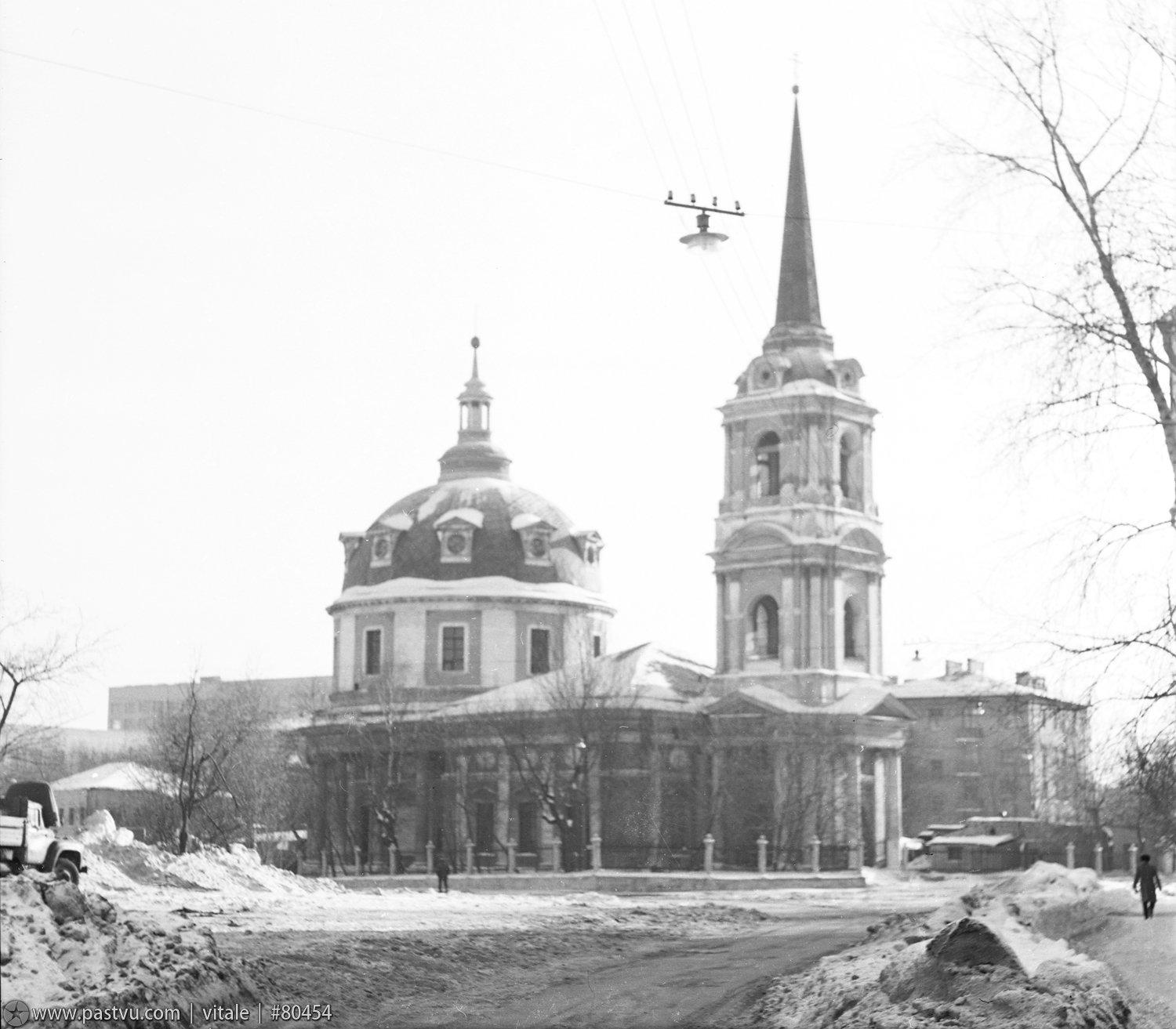
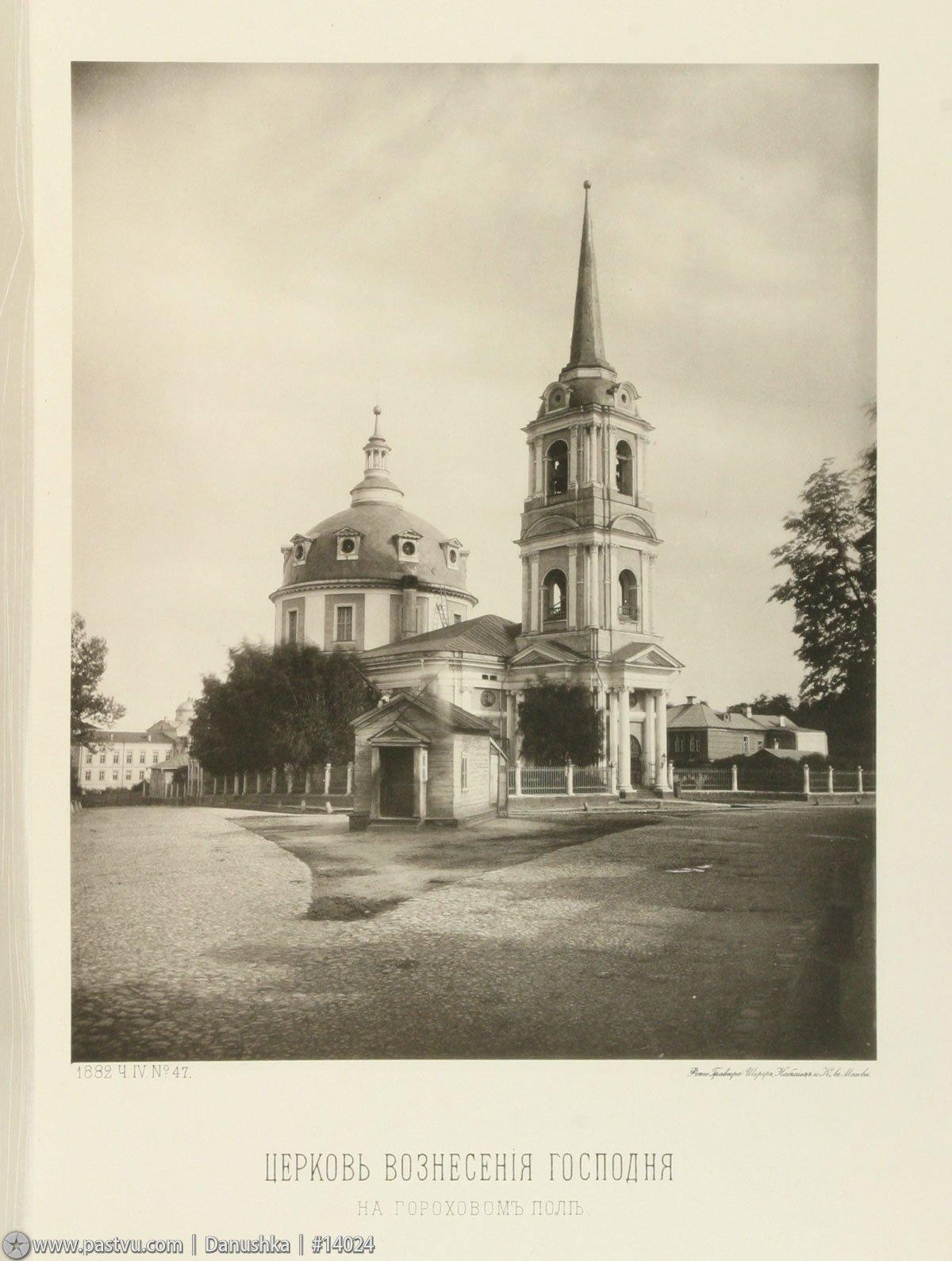
Первая деревянная церковь Вознесения Господня, созданная в начале 1730-х годов, играла роль домовой при усадьбе канцлера Г.И. Головкина. После пожара 1737 года здание перестроили в камне. Позже владение перешло к фавориту императрицы Елизаветы – графу А.Г. Разумовскому. В 1773 году Вознесенская церковь из домовой стала приходской, в ней стало не хватать места. Старое здание разобрали, а новое возвели в 1788–93 годах чуть поодаль, ближе к реке Чечёре, на месте которой впоследствии появился Елизаветинский переулок. Соседняя улица стала Вознесенской (с 1929 года – улица Радио).

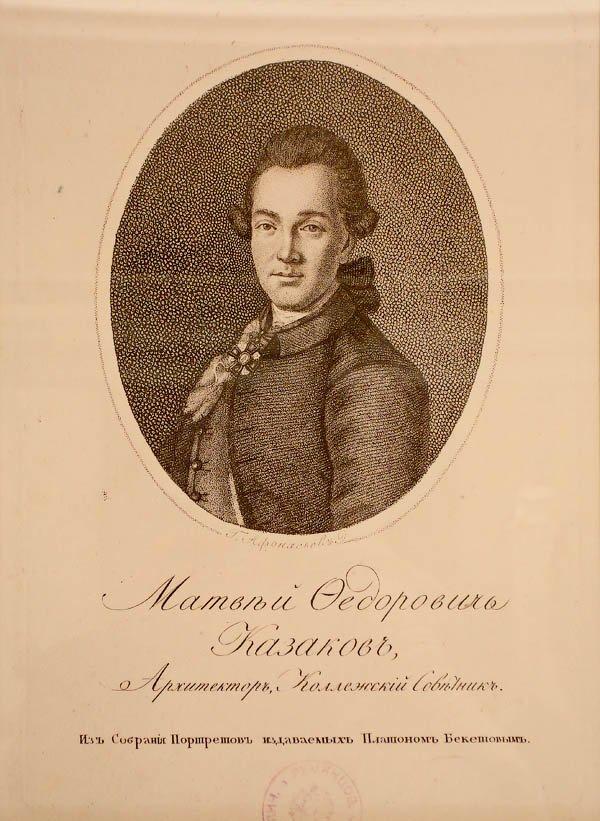
Проект, по одной из версий, был разработан знаменитым М.Ф. Казаковым (его именем в ХХ веке была названа Гороховская улица).

В трапезной храма было освящено два придела: во имя святого Николая Чудотворца и в честь Моисея Боговидца. Последнее наименование, уникальное для Москвы, появилось не случайно: во время строительства церкви на Гороховом поле был разобран Моисеевский монастырь на месте современной Манежной площади. Часть материала от разборки монастырского собора и его богослужебная утварь передали в новую церковь Вознесения, и название придела – это память об исчезнувшей обители. Никольский же придел создан в честь святого покровителя одного из храмоздателей – Николая Никитича Демидова, чей дворец располагался неподалеку.

В 1913 году храм посетил Николай II. В 1933 году церковь была закрыта. Здание использовалось сначала под клуб соседнего Аэродинамического института, затем под слесарную мастерскую и типографию, еще через некоторое время – под общежитие. Интерьеры были полностью уничтожены, внутреннее пространство разгорожено на этажи, но снаружи церковь почти не перестраивалась. В 1970-х годах здание перешло к производственному объединению «Упаковка».

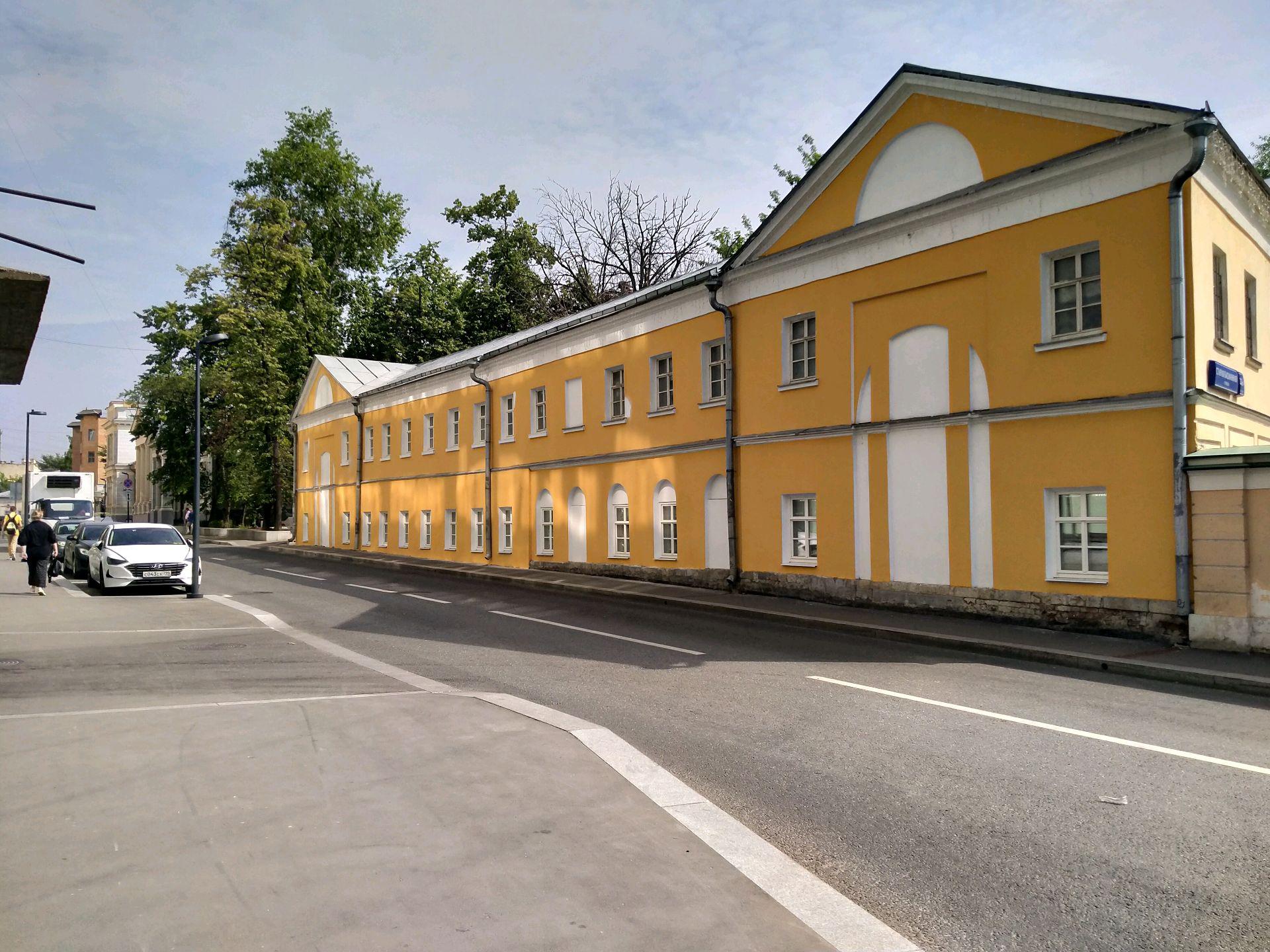
В 1993 году церковь передали верующим и началась ее реставрация. Неподалеку по улице Радио сохраняется двухэтажный дом причта Вознесенской церкви, ныне театр «Сопричастность».
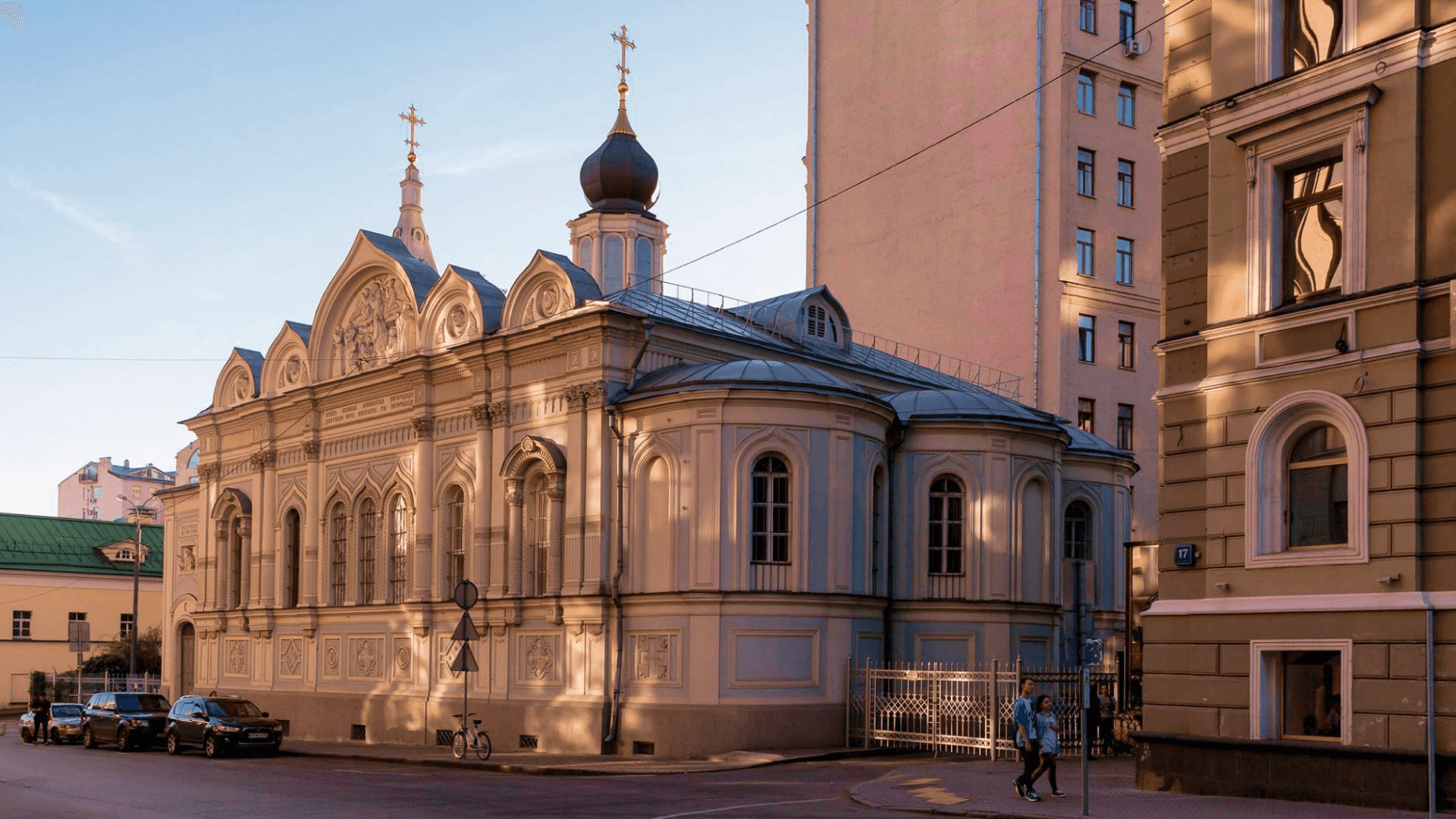
The first wooden church of God’s Ascension built in the early 1730s, was a Chancellor G. Golovkin’s manor’s church. After a fire of 1737 the church was rebuilt in stone. Ownership was transferred to Count A.G. Razumovsky, the favorite of Empress Elisabeth. In 1773 the Church of the Ascension was converted from the home temple to a parish church however there was not enough space for congregation. In 1788-93 the old building was dismantled and a new one built a bit further, closer to the river Chechera bank. The rivers later became Elizabethan alley. A nearby street was called Voznesenskaya (Ascension) and in 1929 was renamed to Radio street. Design of the church, according to one of versions was created by the famous architect Kazakoff. Gorokhovskaya street nearby received his name in the twentieth century. Two chapels in honor of St. Nicholas and in honor of Moses God Witness were consecrated in the refectory of the church. The name “Moses God Witness” was unique for Moscow’s churches and was to memorize Moses monastery at Manez square that was deconstructed prior to chapel opening. Some of the material from the dismantling of the monastery cathedral and its liturgical utensils transferred to the new Church of the Ascension, and the name of the chapel - a memory of a vanished monastery. Nicholas chapel was built in honor of the saint patron of one of the contributors - Nikolai Nikitich Demidov, whose palace was located nearby. In 1913 Russian Tsar Nicholas II visited the church. In 1933 the church was closed. The building was used at first as a club of Aerodynamic Institute located nearby, then as a locksmith's and print shops, after a while - as a student’s dormitory. The interiors were completely destroyed, the inner space was divided in floors, but outside from outside the church remain almost untouched. In the 1970s, the building was transferred to the production association "Upakovka” (Packaging). In 1993, the church was returned to congregation and restoration work started. Two-story building of the clergy of the Church of Ascension is preserved and serving as a home of the "Soprichastnost” ( Awareness) theater.
Автор статьи: Никита Брусиловский
Теги:
Поделитесь статьей с друзьями