Интерактивный гид по городу
С мобильным приложением бродить по городу гораздо интереснее!

Университетская типография.

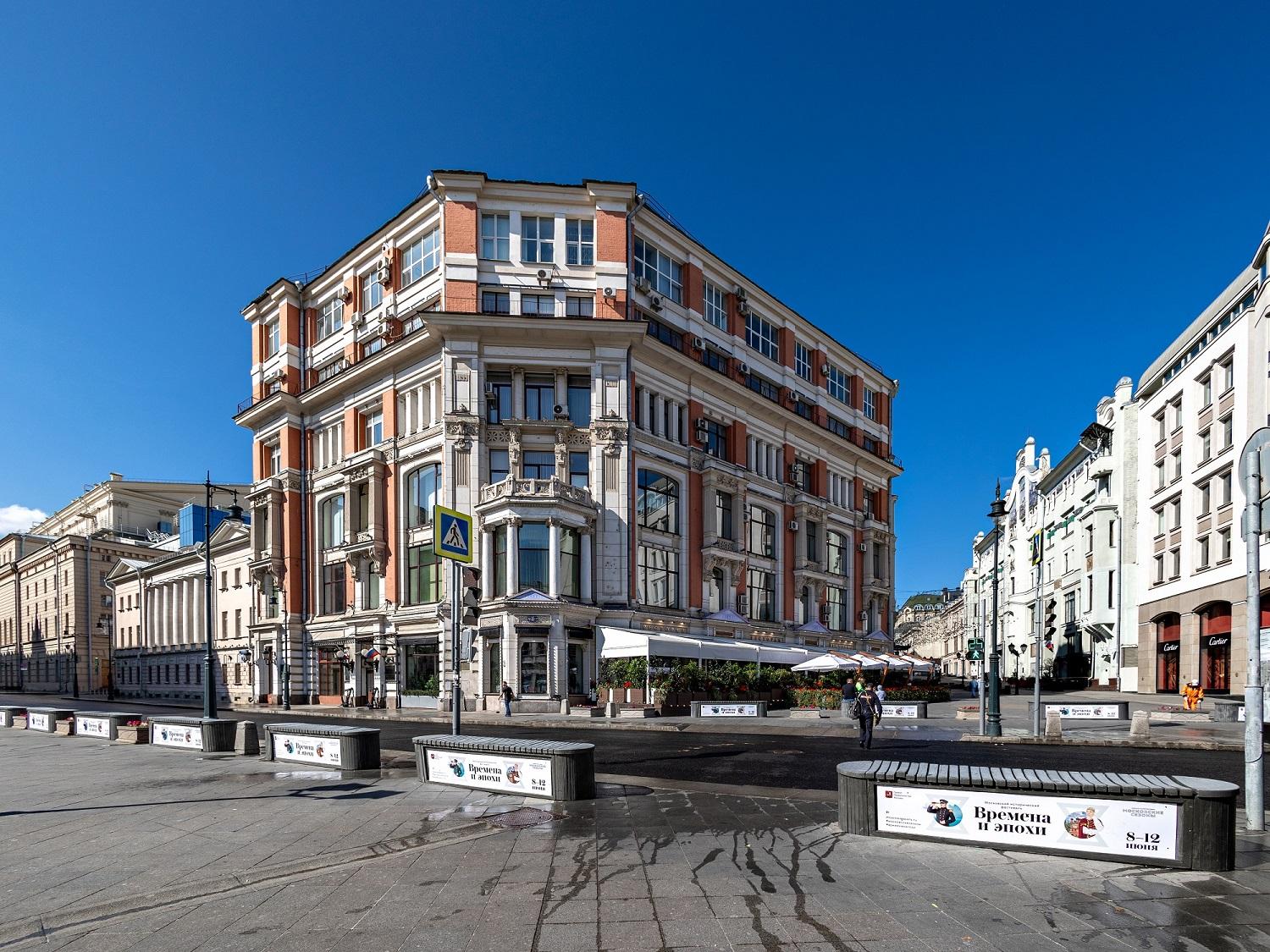
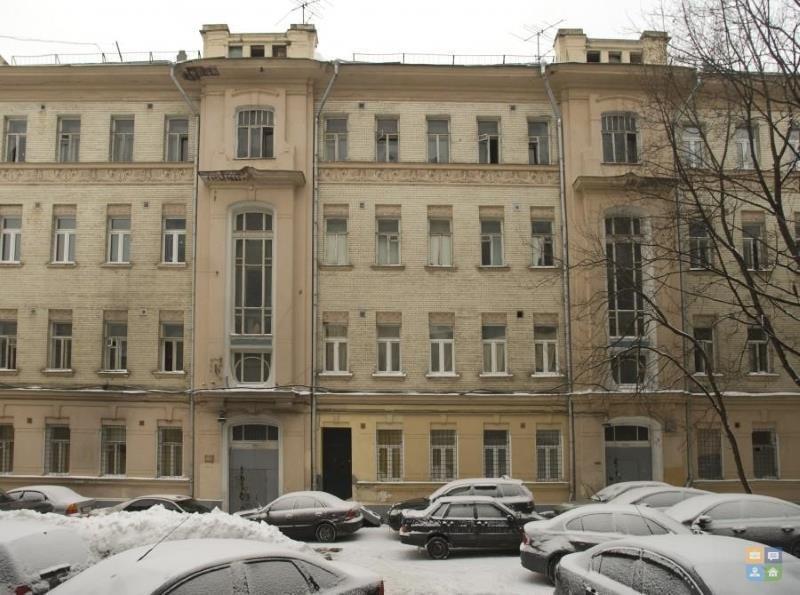
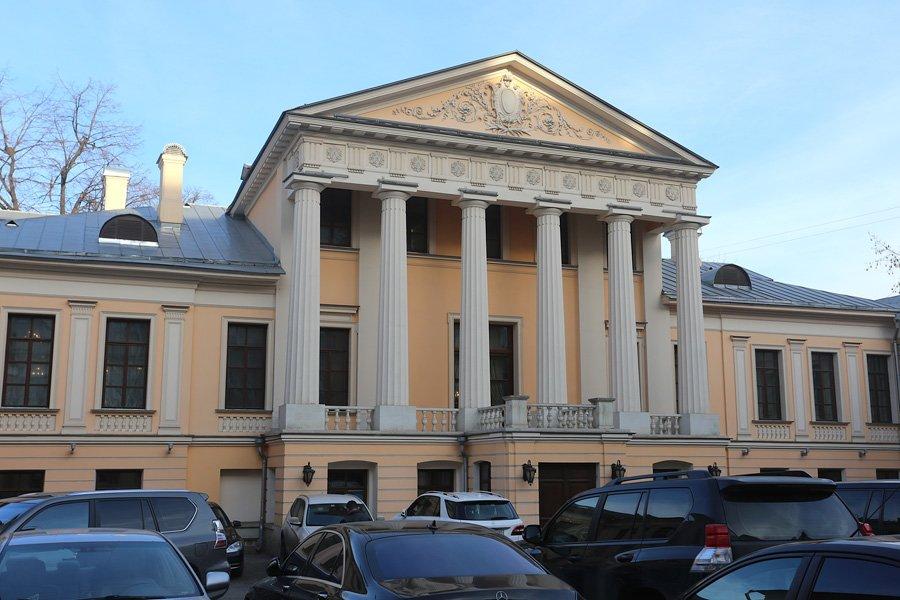
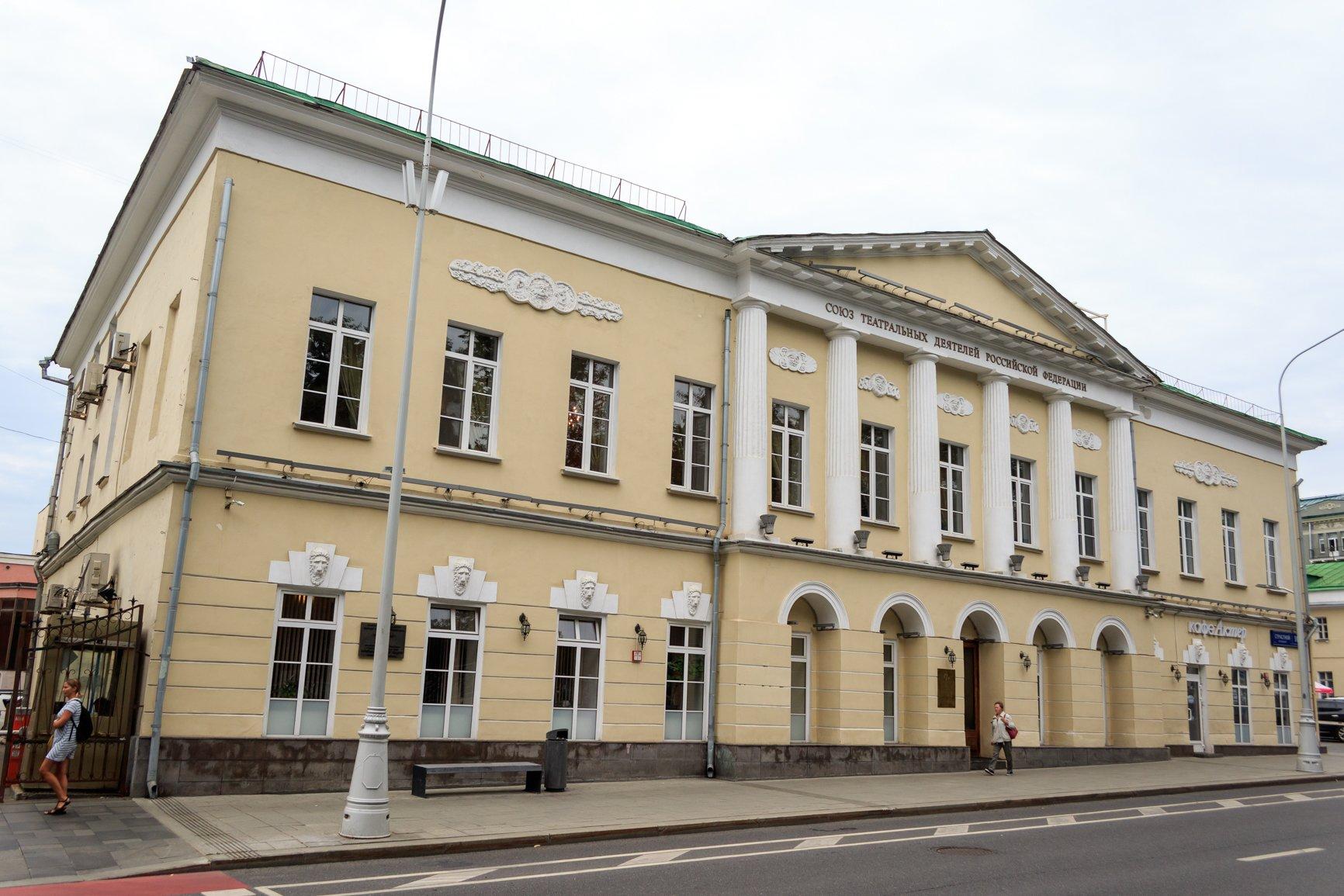
The University printing house has moved in the building on the Strastnoy Boulvard in 1811. The Editor's Office with a bookshop on the ground floor has been frequented by Alexander Pushkin.

Университетская типография.
Pushkinskaya, Tverskaya, Chekhovskaya
The University printing house has moved in the building on the Strastnoy Boulvard in 1811. The Editor's Office with a bookshop on the ground floor has been frequented by Alexander Pushkin.
Вы можете воспользоваться QR-кодом, чтобы открыть эту страницу в нашем приложении
Архитектурный стиль:
Годы постройки:
1760
Архитекторы:
Н.П. Соболевский
Эпоха:
19th century, 1930s
Информация о здании

Дом 10 на Страстном бульваре для многих жителей города ассоциируется с типографией Московского университета, хотя это не первый ее адрес. Университетская типография с книжной лавкой по сенатскому указу была открыта в 1756 году на Моховой улице в специально купленном для этого здании. Все необходимое оборудование прислала из Санкт-Петербурга Академия наук. Здесь печатали газету «Московские ведомости» и сочинения Хераскова, «Музыкальный журнал» Вевера и доклады профессуры, журнал Новикова «Утренний свет» и учебные методички…

В 1806–1863 гг. типография подчинялась Правлению университета. На титулах всех изданий помещалась марка «И. М. У. Т.» (Императорского Московского университета типография). Ее деятельность позволяла университету вести научную работу и выплачивать достойное жалование преподавателям.

На Страстной бульвар в «дом Власова» (по имени владельца располагавшейся здесь усадьбы) Университетская типография переехала только в 1811 году. И это был уже четвертый ее адрес.

По соседству был построен новый каменный корпус на Большой Дмитровке. А на Страстном торопились возвести Редакторский корпус на месте руин пострадавших в 1812 году усадеб Власовых и Талызиных.

В ноябре 1816 года князь Голицын получил донесение, что корпус отстроен, а молодой университетский архитектор Б.А.Соболевский «за бдительный надзор за означенным строением» достоин ордена св. Владимира 4-й степени. Но опытный Голицын ответил, что каменные работы, произведенные поздней осенью, не могут быть прочны, потому надобно подождать, дабы конфуза не вышло. Он оказался прав, весной в только что отстроенном здании обрушились своды.

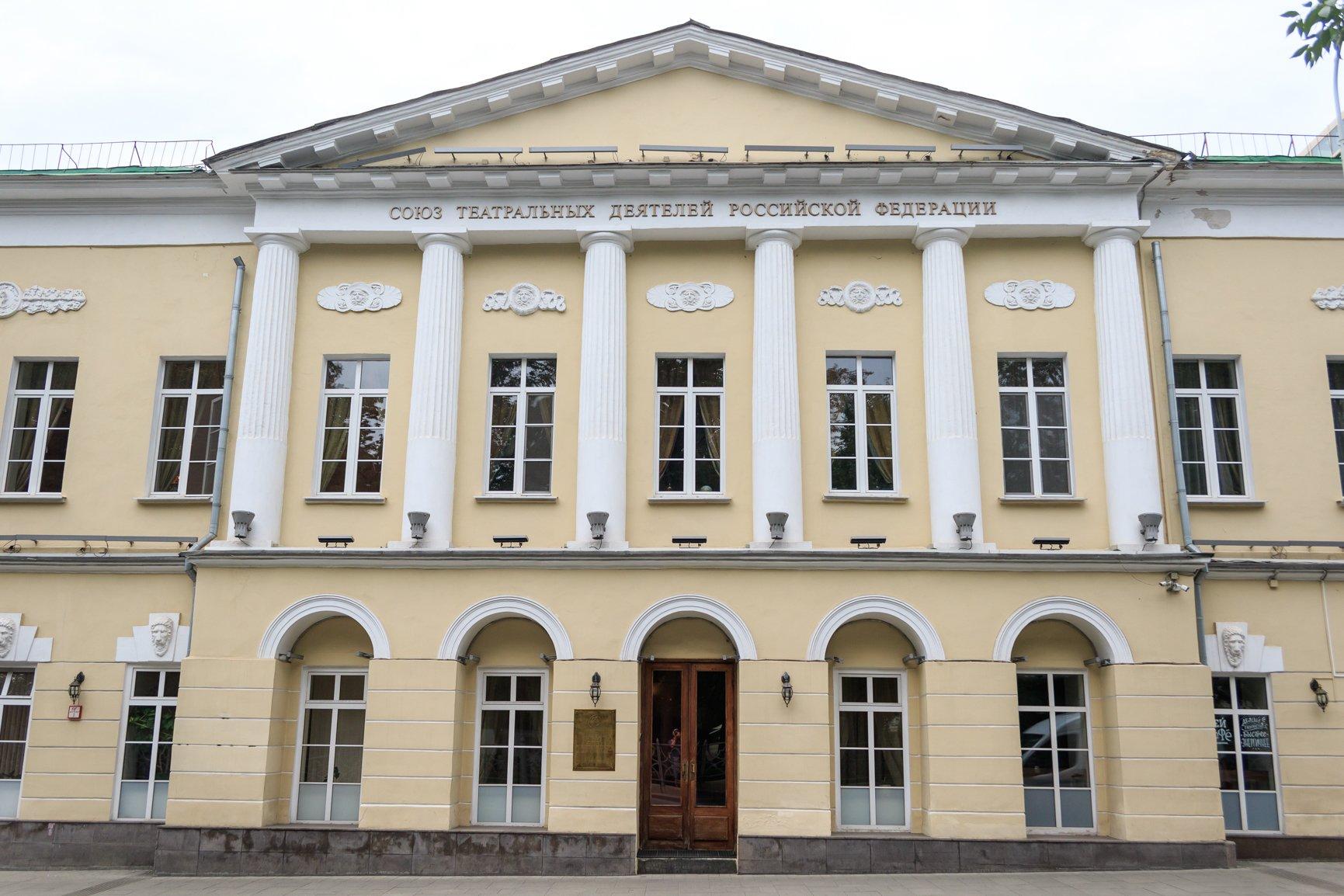
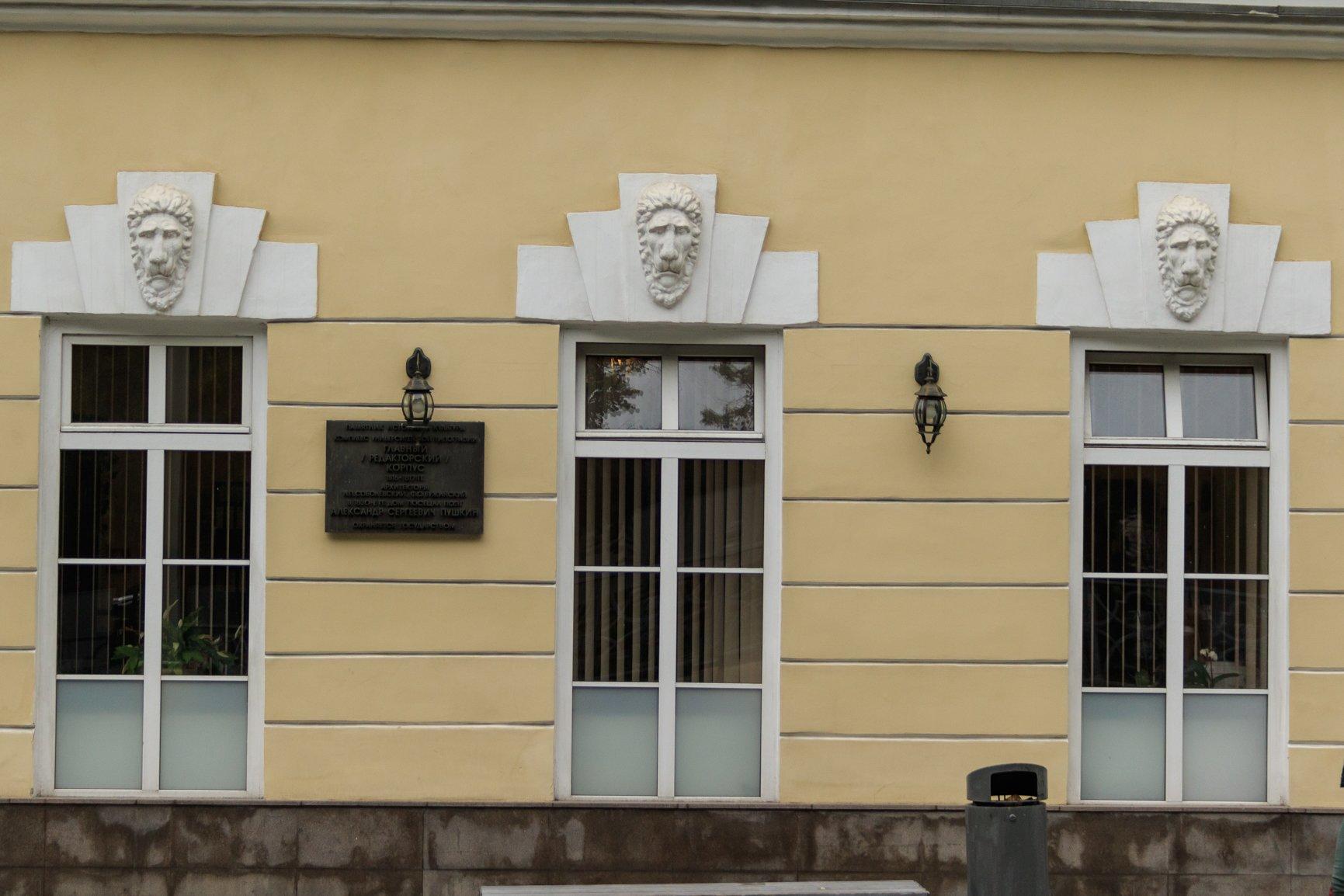
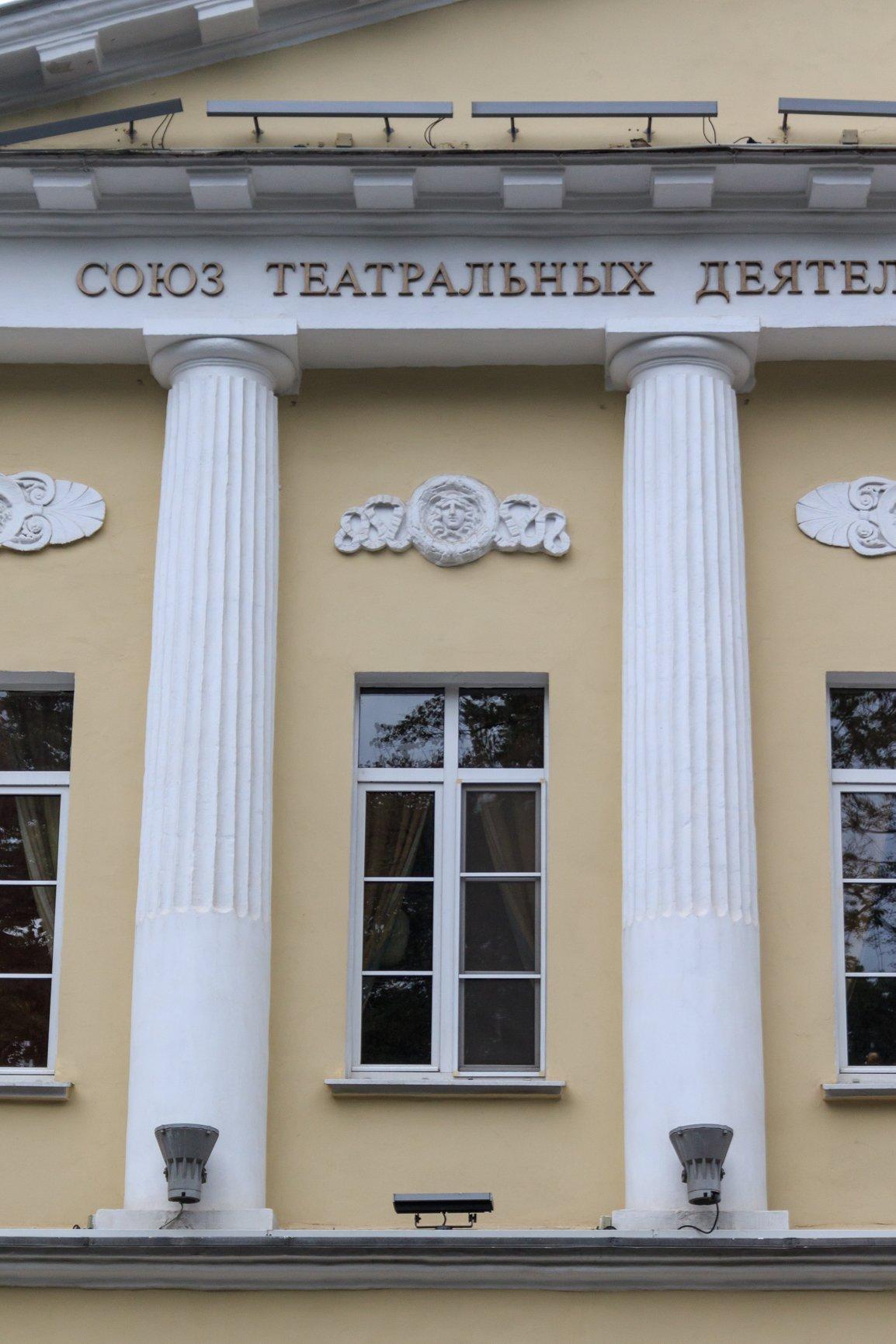
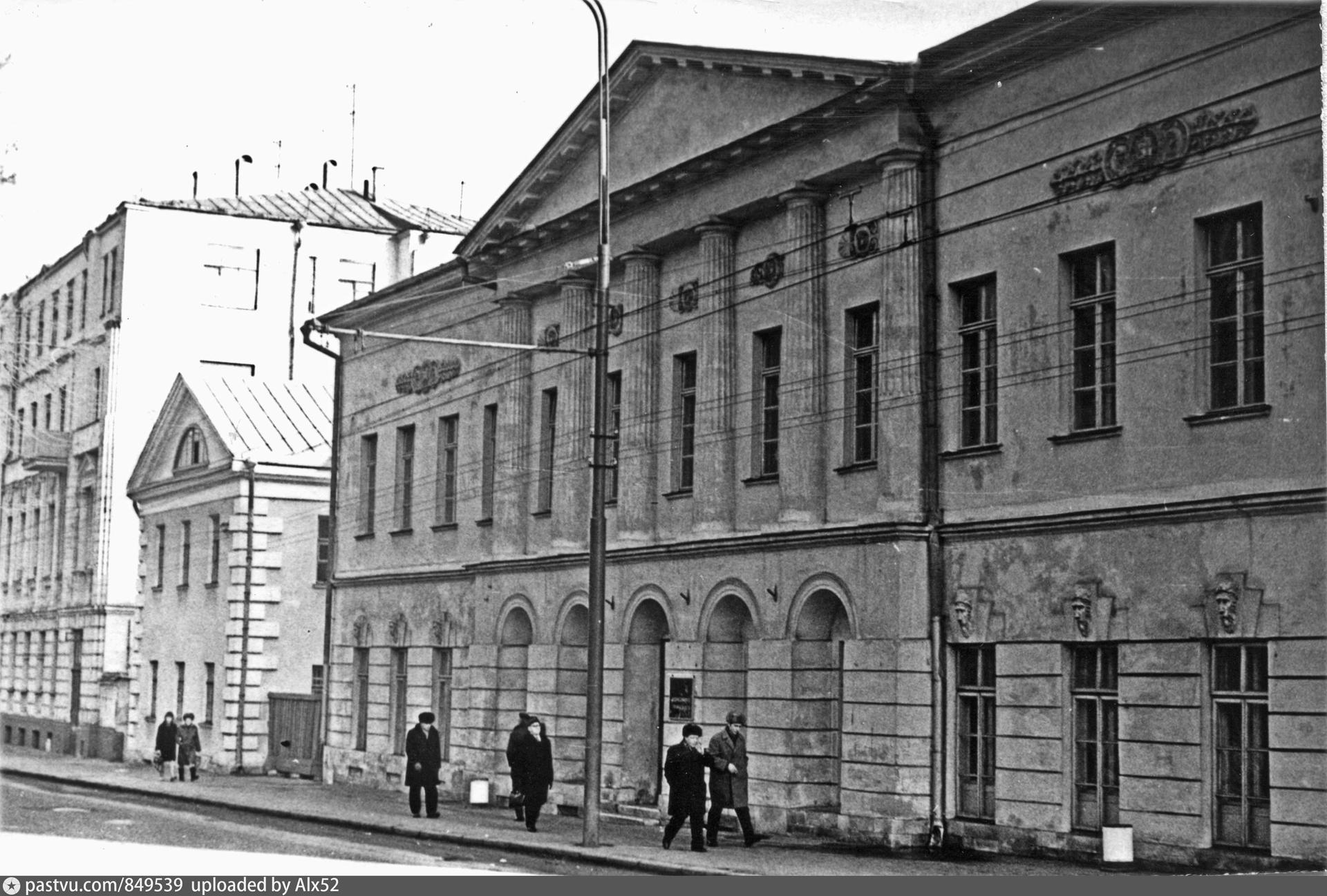
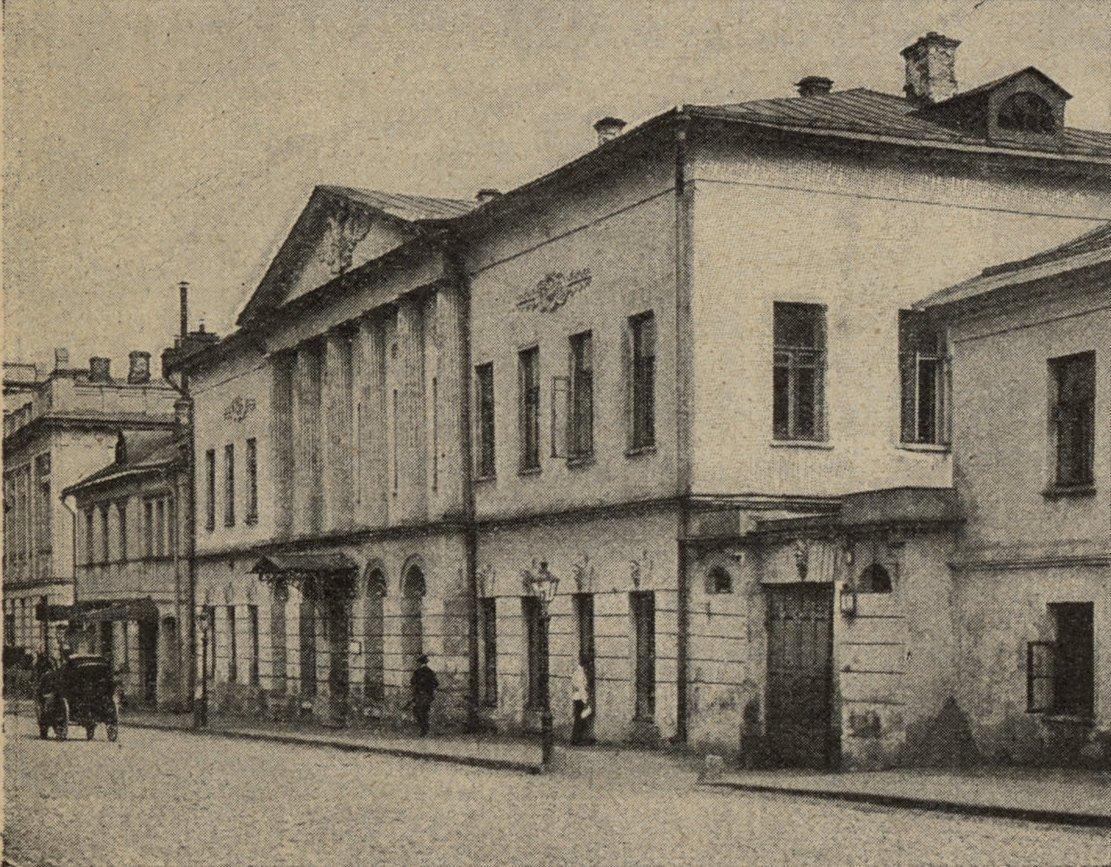
Тем не менее, работы были закончены в 1817 году. Дом построен в стиле ампир. Немного тяжеловесное здание получило рустованный первый этаж с масками в замковых оконных камнях, с лепными вставками. Фасад украшен портиком с шестью колоннами.

В нижнем этаже располагались тогда книжная лавка, склад и раздаточная лавка, две кухни, которые обслуживали живущих на антресольном и верхнем этажах чиновников.

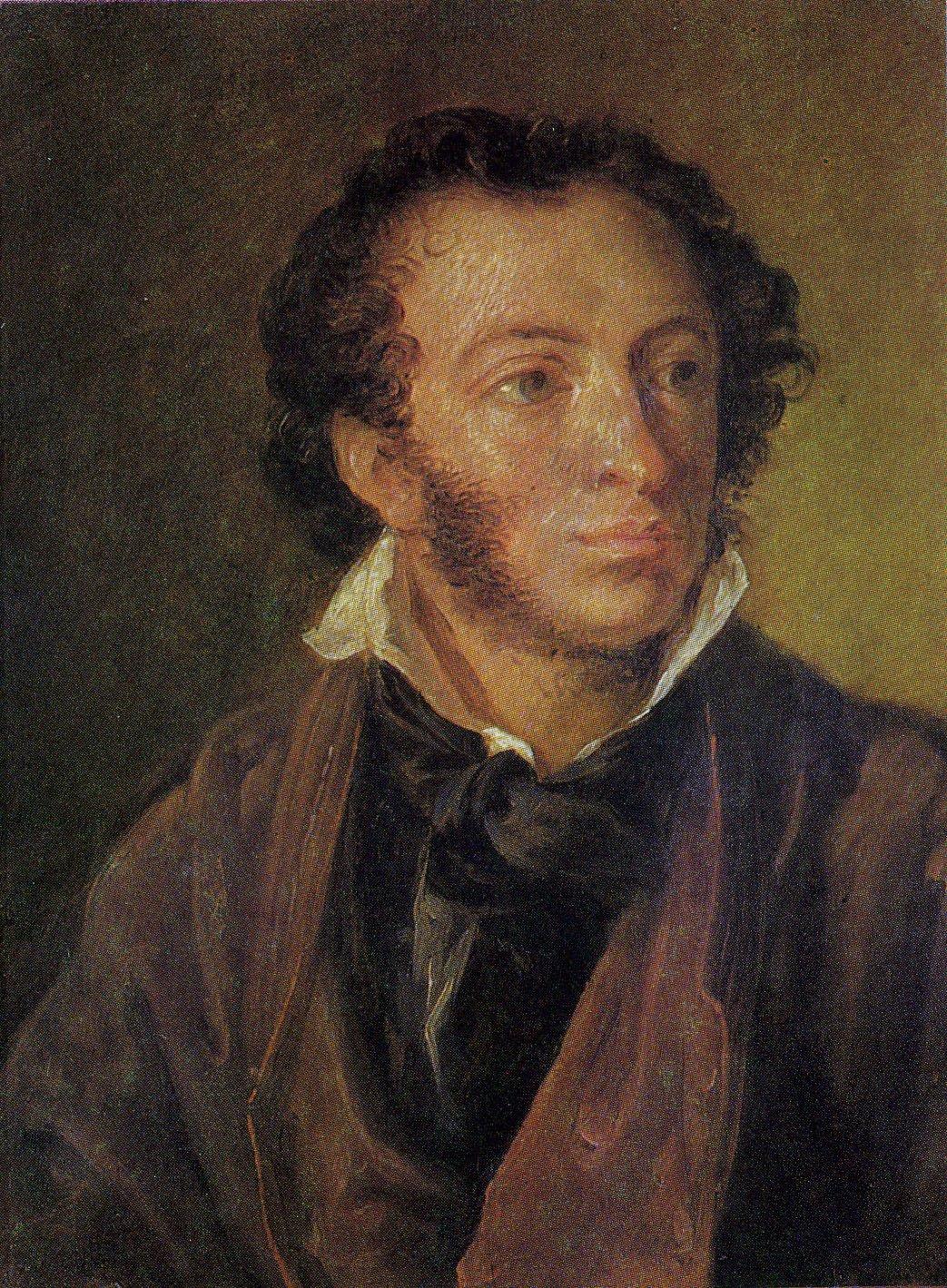
Книжную лавку неоднократно посещал Александр Сергеевич Пушкин.

После революции 1917 года типография закрылась на долгое время.

Во время Великой Отечественной войны в типографский центр попала немецкая бомба, но, к счастью, не повредила самые старые здания.

В 1960-х годах здания университетского типографского комплекса были отданы Всероссийскому театральному обществу (ВТО). Сейчас здесь размещается Союз театральных деятелей и несколько других организаций.

Олег Фочкин
Автор статьи

For many Muscovites the No. 10 at Strastnoy Boulevard stands for the printing house of the Moscow University, although this was not its first location. The University printing house with a bookshop was opened in 1756 on the Mokhovaya Street in a building that was bought following the Senate's decree specifically on the matter. The Academy of Science sent all the necessary equipment from St. Petersburg. The Moskovskiye Vedomosti newspaper and Kheraskov works were printed here as well as the Musical Magazine published by Wewer, the Moscow University professors' reports, Novikov's magazine The Morning Light and various textbooks. In 1806 1863, the printing house reported to the University Board. Title pages of all publications had an IMUT brand printed on them (Imperial Moscow University printing house). Its operations generated the income sufficient for the University’s scientific studies and for paying decent salaries to professors. It was only in 1811 that the University printing house moved into the Vlasov's house (by the name of the estate owner) on Strastnoy Boulevard. It became its fourth location. A new stone building was constructed next to it, on Bolshaya Dmitrovka. Soon, the Editor's Office was to replace the ruins of Vlasov's and Talyzin's estates damaged in 1812. In November 1816, Prince Golitsyn received a report that the building was completed, and the young University architect B.A. Sobolevsky deserved to be decorated with the Order of St. Vladimir, 4th Degree "for vigilant supervision of the above mentioned building". However the weathered Prince Golitsyn said that the masonry performed in the late autumn could not be strong enough; therefore it was better to wait to avoid any embarrassment afterwards. He was right. In spring, the vaults of the freshly constructed building collapsed. Nevertheless, the works were completed in 1817. The house was built in the Empire style. Looking somewhat heavy, the building had a rusticated ground floor with masks in the window key stones and moulded inserts. The facade was decorated with a six column portico. In the ground floor, there was a bookshop, a storeroom and a book handout shop. There were two kitchens that provided food to the government officials who lived in the mezzanine and upper floors. The most famous Russian poet Alexander Pushkin was a regular customer of the shop. After the 1917 revolution, the printing house was closed and remained so for a long time. During the World War II, the printing center was hit by a German bomb, but, fortunately, the oldest buildings were not damaged. In the 1960s the building of the University printing house was given over to the All Russian Theater Society. Now it houses the Theater Union of the Russian Federation and several other organizations. Oleg Fochkin
Отзывы
(1)
Поделитесь статьей с друзьями
Интересное рядом(14)
Пушкинская площадь
Pushkinskaya, Tverskaya, Chekhovskaya
улица Каретный Ряд,вл 3 (Сад «Эрмитаж»)
Cvetnoj bulvar, Pushkinskaya, Tverskaya, Mayakovskaya
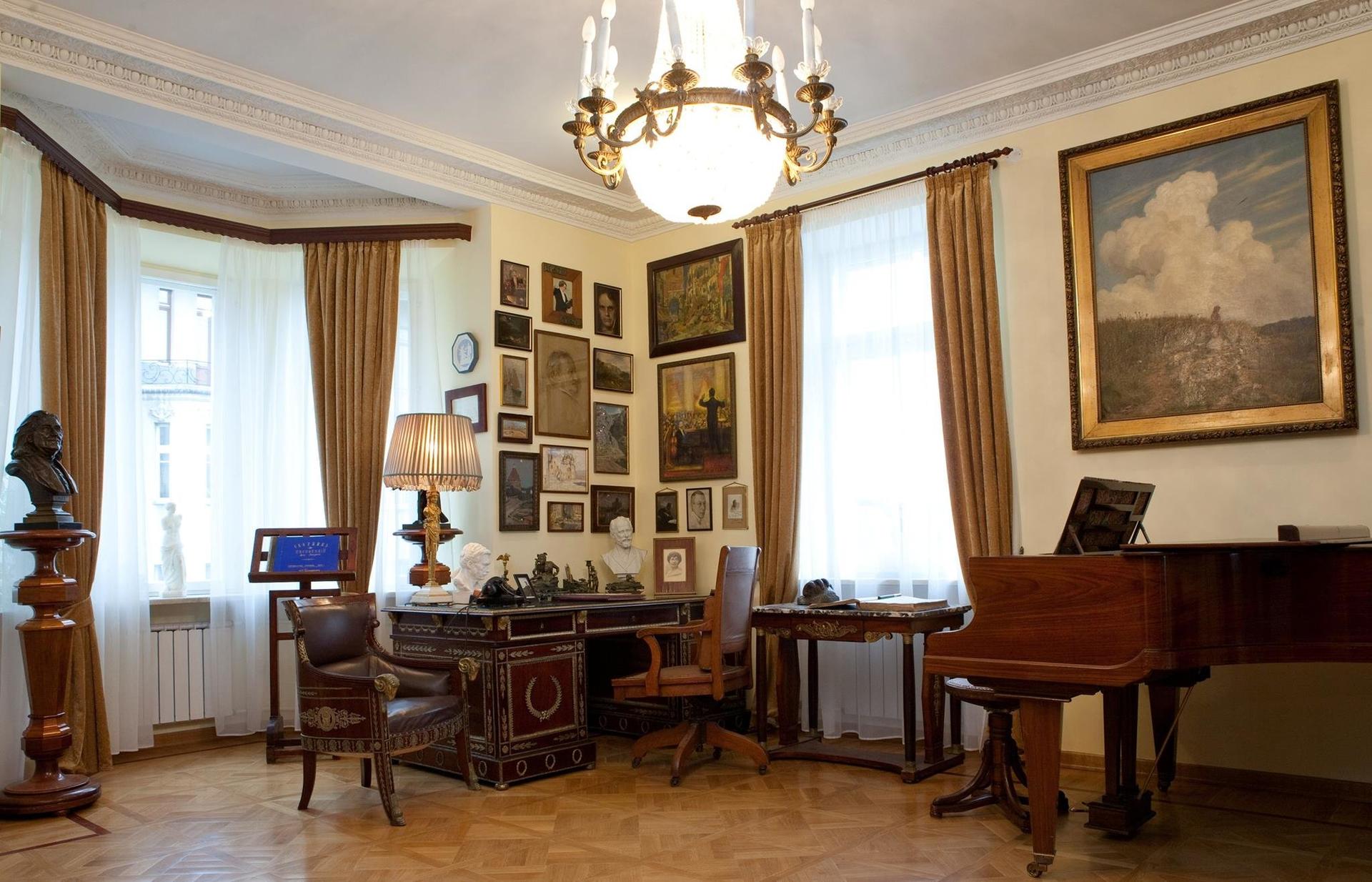
Museum-Apartment of N.S. GolovanovThe museum-apartment of Nikolai Semenovich Golovanov (1891–1953), a great conductor, composer and pianist, has been going on since 1969, when, after the death of the musician’s sister, this apartment became part of the Russian National Museum of Music. The base of foundations was the richest heritage of the musician: his collection of paintings, sculptures, applied arts, a library, an archive and a music library. Over the years, the value of this heritage has steadily increased. Golovanov’s status as a conductor and composer has changed: now this master is recognized as great. Wonderful concentration of spirituality, creative energy, the true scope of his work amazes. His personality attracts, above all, loyalty to the high moral principles established from childhood and uncompromising, selfless service to art. The memorial apartment of the conductor, which stores a variety of rarities, is also amazing. The house itself in Bryusov Lane, in which it is located, is a cultural monument. He belonged to the Bolshoi Theater. Such luminaries of Moscow’s vocal art as A.V. Nezhdanova, N.A. Obukhova, I.S. Kozlovsky, A.S. Pirogov, M. P. Maksakova had been living here since 1935. Golovanov lived in this house for about twenty years (1935–1953). During these years, he became a leading figure in the musical life of Moscow. He leaded the orchestra of the All-Union Radio and later the Bolshoi Theater. Three rooms of this apartment (study, living room, dining room) are memorials. Here almost every object remembers Golovanov. And in the former bedroom the archive materials are concentrated, allowing to trace the path of the musician. The initial stage is study at the Synodal School of Church Singing (1900–1909), which was conducted under the guidance of such masters as choir masters V. S. Orlov, N. M. Danilin, composers P. G. Chesnokov, A. D. Kastalsky, Vic. S. Kalinnikov. Golovanov wrote at the declension of years: “The Synodal school gave me everything: moral principles, principles of life, iron discipline, the ability to work a lot and systematically, instilled in me a sacred love of work.” The next stage is studying at the Moscow Conservatory in the class of composition and theory with S. N. Vasilenko and A. A. Ilinsky. At the same time, Golovanov did not lose contact with the Synodal School, becoming his teacher and regent’s assistant of the famous Synodal Choir. From 1915 to almost the last days - work at the Bolshoi Theater (with three forced breaks). These were the culminating years in the theater's life. Such masterpieces as productions by “Boris Godunov”, “Sadko”, “ Khovanshchina " (1948-1950) were created under the direction of Golovanov and his eminent “team” (artist F. F. Fedorovsky, directors L. V. Baratov, B. A. Pokrovsky and other outstanding masters). The management of Golovanov Large Symphony Orchestra of Radio was no less effective. Especially his activity in Moscow during the Great Patriotic War is important. Live broadcasts of the orchestra performances raised the spirit of even people far from music. In the photo of 1943 we see the conductor during the first performance of the Third Symphony in the USSR by S. V. Rakhmaninov. The exposition also reflected Golovanov’s composer’s work of various years, starting with the piano variations of his childhood years and ending with the spiritual chants of the 1940s. A special section is devoted to the long-term union of Golovanov and A. V. Nezhdanova: the musician was the accompanist and husband of the great singer. Entering the memorial rooms of the Museum, visitors immediately plunge into the world of art. Pictures of first-class artists (I. I. Levitan, M. V. Nesterov, K. A. Korovin and many others), sculptural portraits, antique furniture in the Empire style, stucco molding on the ceilings - everything creates a unique atmosphere. At the same time, the “handwriting” of Golovanov is felt. Features of theatricality are already visible in the planning of the apartment: the living room corresponds with the library like a theater hall and a stage. Doors with bronze mythological figures are remarkable. Although the genres, themes of paintings and sculptures presented in the memorial rooms are diverse, each room has its dominants. The study is the most "musical" room. There are many portraits of composers, conductors, as well as people of art and literature. Images related to religious themes, and images that embody the ideals of female beauty occupy a significant place in the living room. Travel in time and space: Russia and England, Italy and Egypt, India and the fabulous Berendeyev Kingdom, ancient antiquity and the 20th century is the thematic dominant in the dining room. Architectural masterpieces of the world come to life on paintings - the Taj Mahal mausoleum painted by V.V. Vereshchagin, the Pskov Kremlin by V.V. Meshkov, and the Venetian Doges Palace in the picture by I.K. Aivazovsky. And another attraction of the Museum is its visitors in the past and in the present. After all, Golovanov was visited by many outstanding musicians and artists. The owner of the apartment loved to arrange a feast on holidays and memorable days. Frequent guests were the singers of the Bolshoi Theater, who lived in the same house - Obukhov, Maksakova, Pirogov, Kozlovsky and others. Conductors B. E. Khaikin, K. P. Kondrashin, G. N. Rozhdestvensky, F. Sh. Mansurov, Yu. I. Simonov spoke here with memories and conversations after the Museum was opened (1974). Among the visitors of the concerts are the composer V. A. Gavrilin, the ballerina E. S. Maximova, the singer Z. A. Dolukhanova. And at the present time there are many things in the Museum that attract both conductors, professional musicians, painting connoisseurs, music lovers, and a wide circle of people who want to touch the world of beauty.
Pushkin A.S.
Russian poet