Интерактивный гид по городу
С мобильным приложением бродить по городу гораздо интереснее!

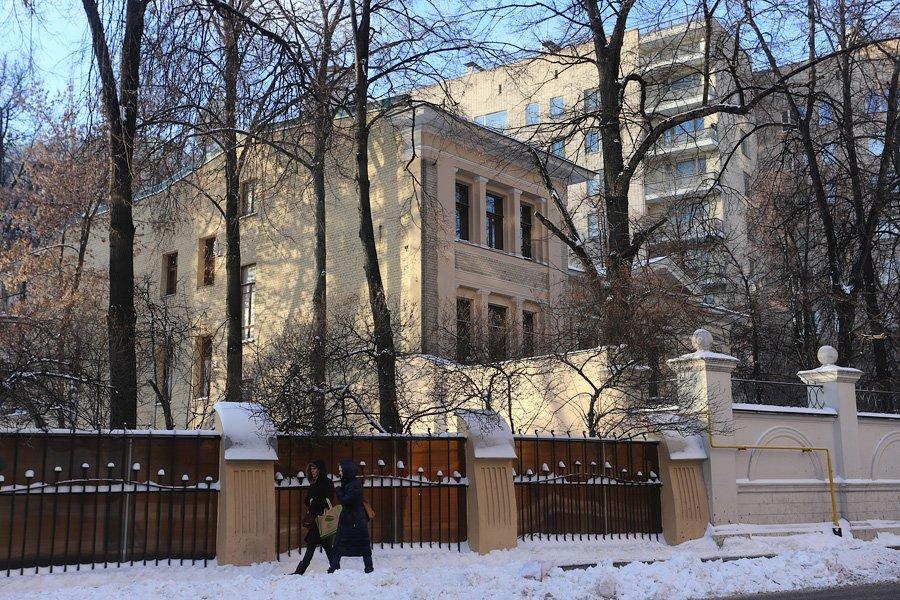
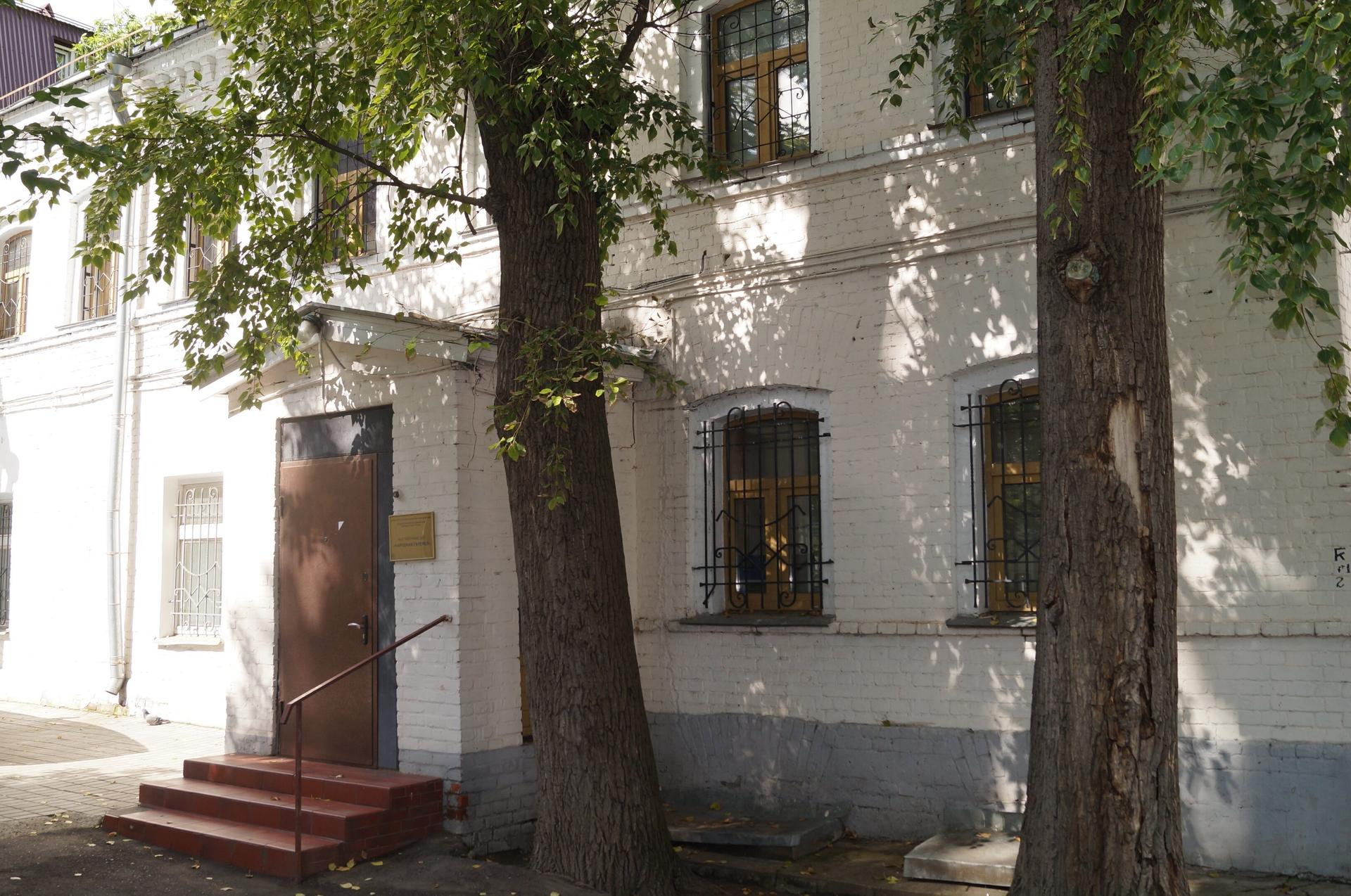
Усадьба. Главный дом

The plot on which the city homestead of the merchant E.F. Kippen is situated, once was a part of a huge estated owned by the Boyar Piotr Lopukhin, uncle of Evdokia Lopukhina, the first wife of Emperor Peter I.

Усадьба. Главный дом
The plot on which the city homestead of the merchant E.F. Kippen is situated, once was a part of a huge estated owned by the Boyar Piotr Lopukhin, uncle of Evdokia Lopukhina, the first wife of Emperor Peter I.
3.19
Вы можете воспользоваться QR-кодом, чтобы открыть эту страницу в нашем приложении
Архитектурный стиль:
Годы постройки:
1817—1819
Эпоха:
18th century, 19th century
Информация о здании

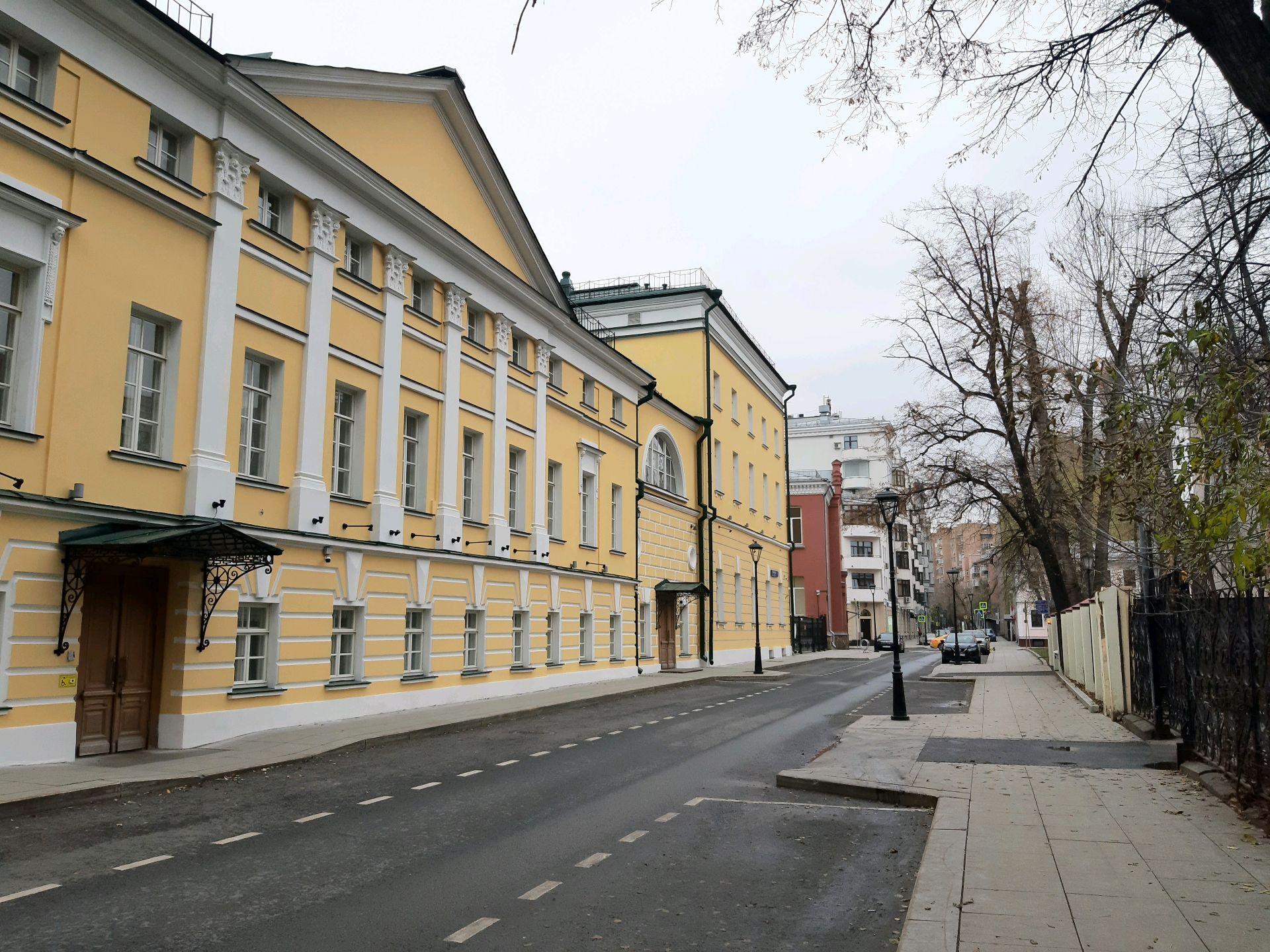
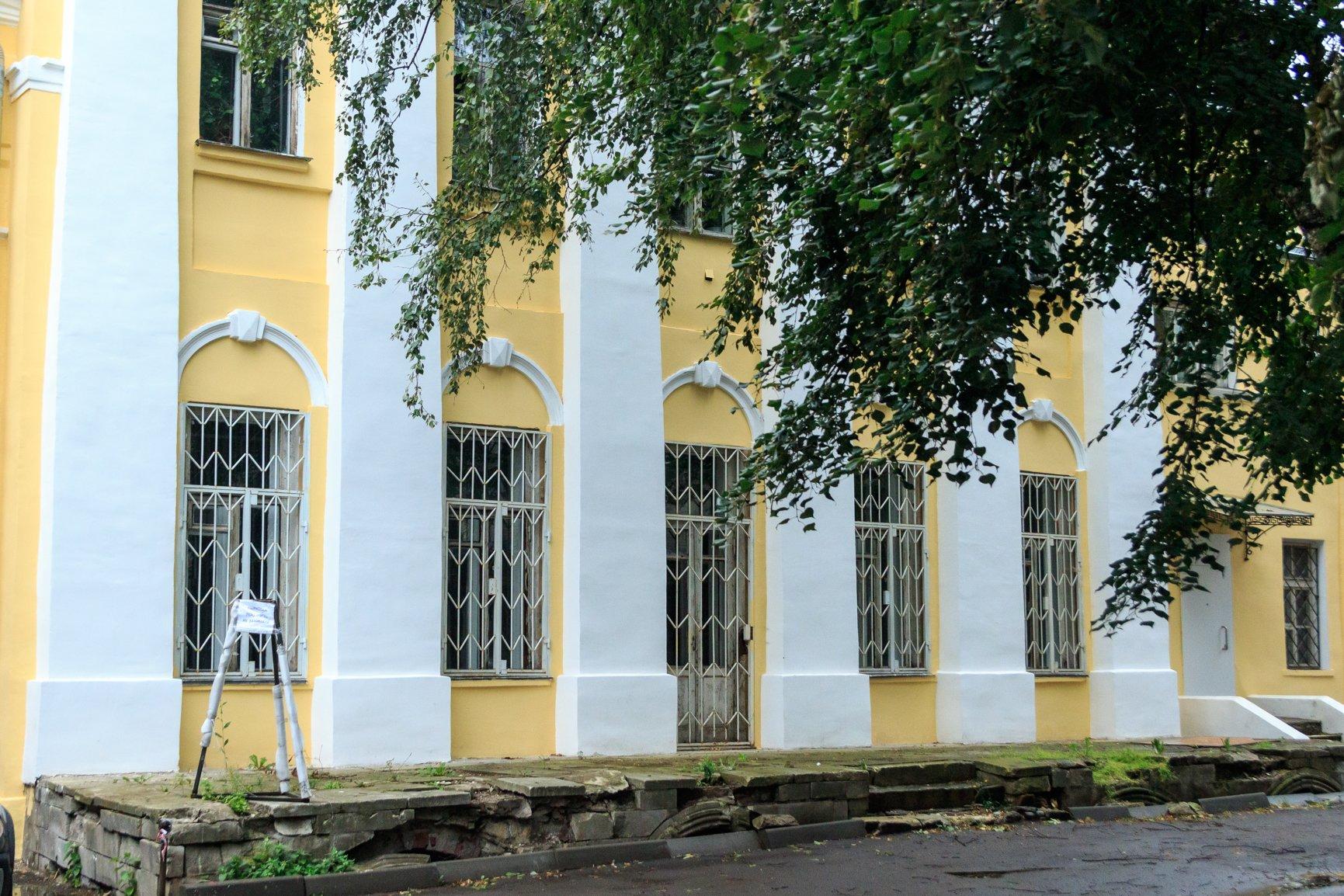
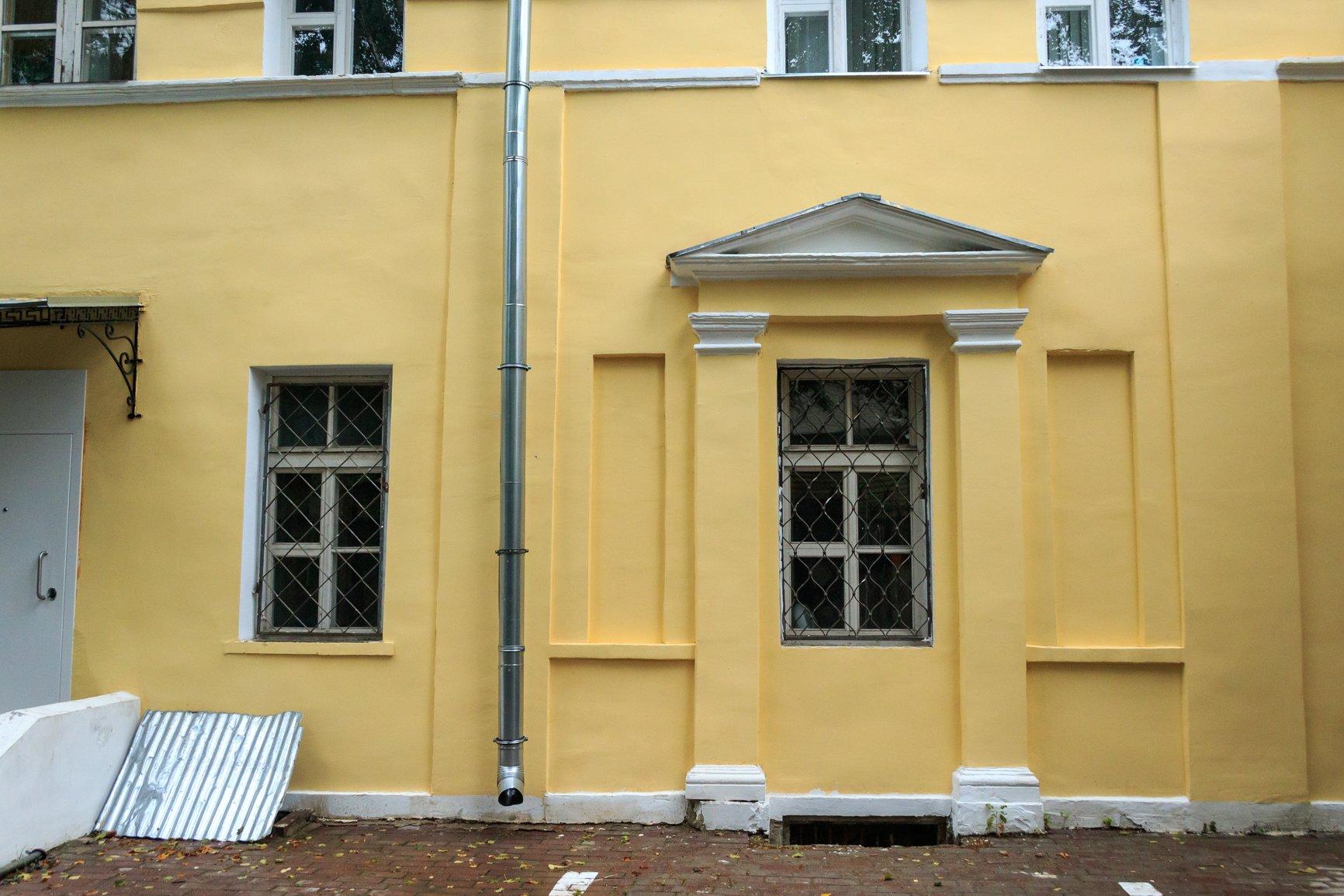
Городская усадьба купца Е.Ф. Киппена включает в себя целый комплекс зданий. Когда-то территория, на которой она расположена, входила в огромное владение боярина Петра Лопухина, дяди царицы Евдокии Лопухиной. В середине ХVIII века его разделили. В его южной части теперь стоит здание лютеранской кирхи Петра и Павла. А раньше там были древние палаты с пристройкой 1763 года, смыкавшейся с домом № 5/8, строение 5. При его реставрации в 1980-е годы был обнаружен фрагмент стены с наличником эпохи барокко, оставшийся от этой пристройки. Его можно увидеть, если войти в правый подъезд дома № 5 и пройти направо по коридору. Бывшая наружная стена соседнего дома стала внутренней в доме № 5 – и такое в Москве бывает!

Большая часть северной половины бывшего владения Лопухиных перешла в 1817 году к купцу Е. Кинену (в некоторых исторических источниках – Киппену). В 1817−1819 гг. купец отстроил заново главный дом усадьбы, включив в его южное крыло старый усадебный дом. До середины ХIХ века стройка в усадьбе не прекращалась – появлялись новые флигели, перестраивались старые.

Усадьба Киппена – объект культурного наследия федерального значения.

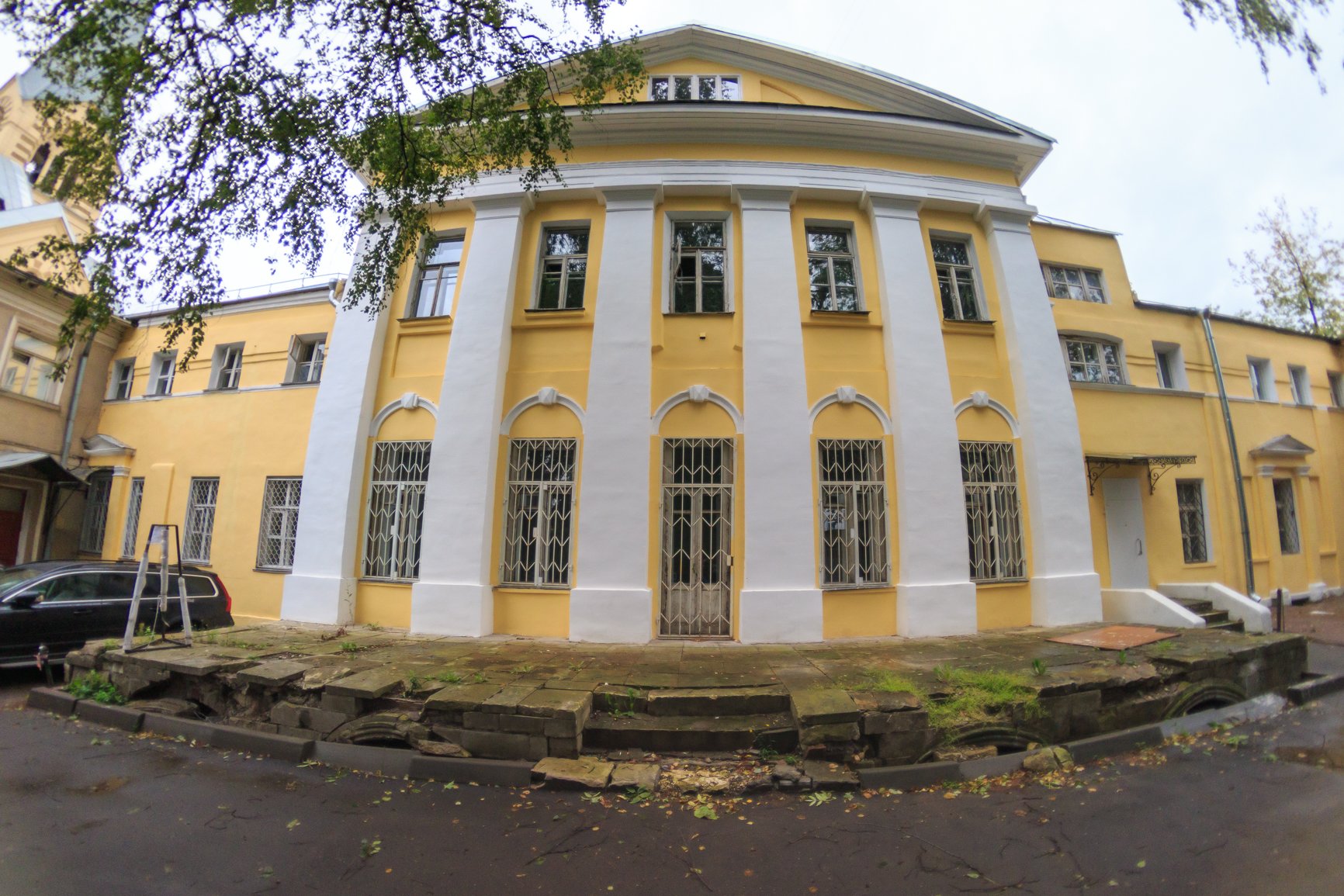
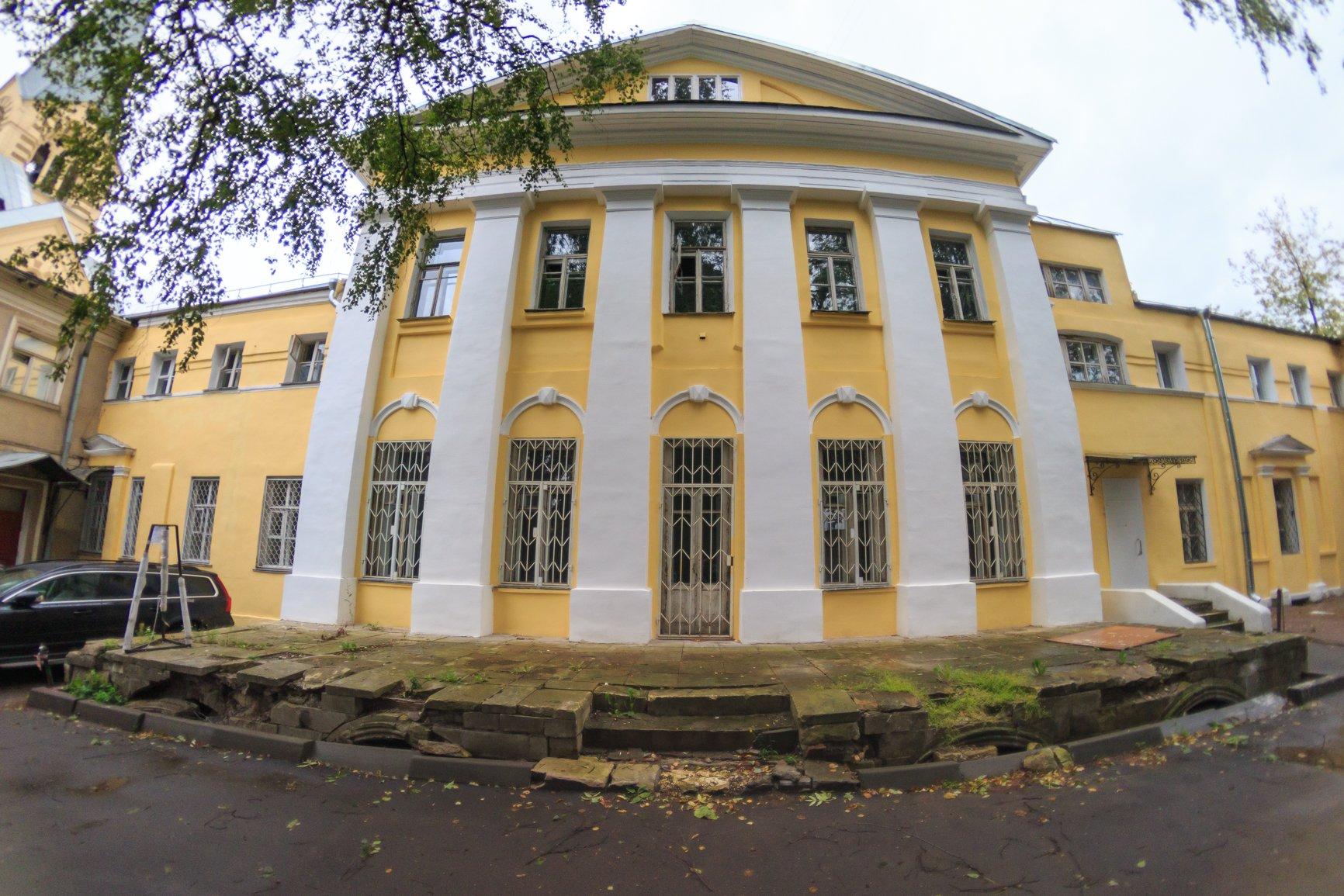
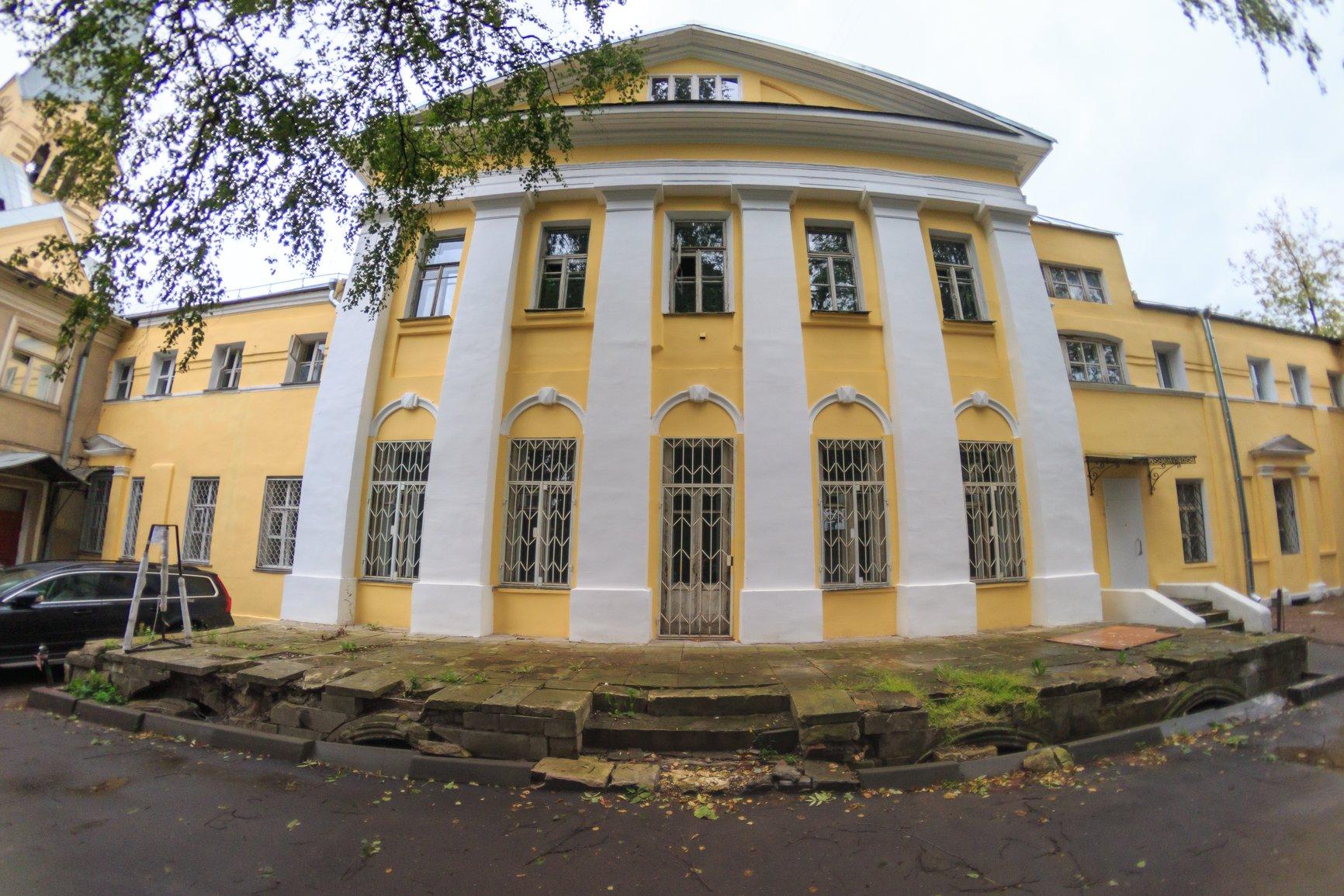
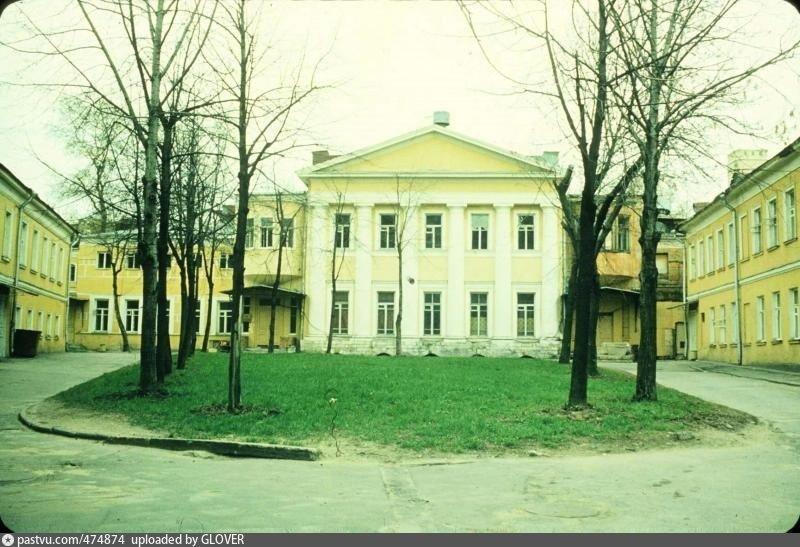
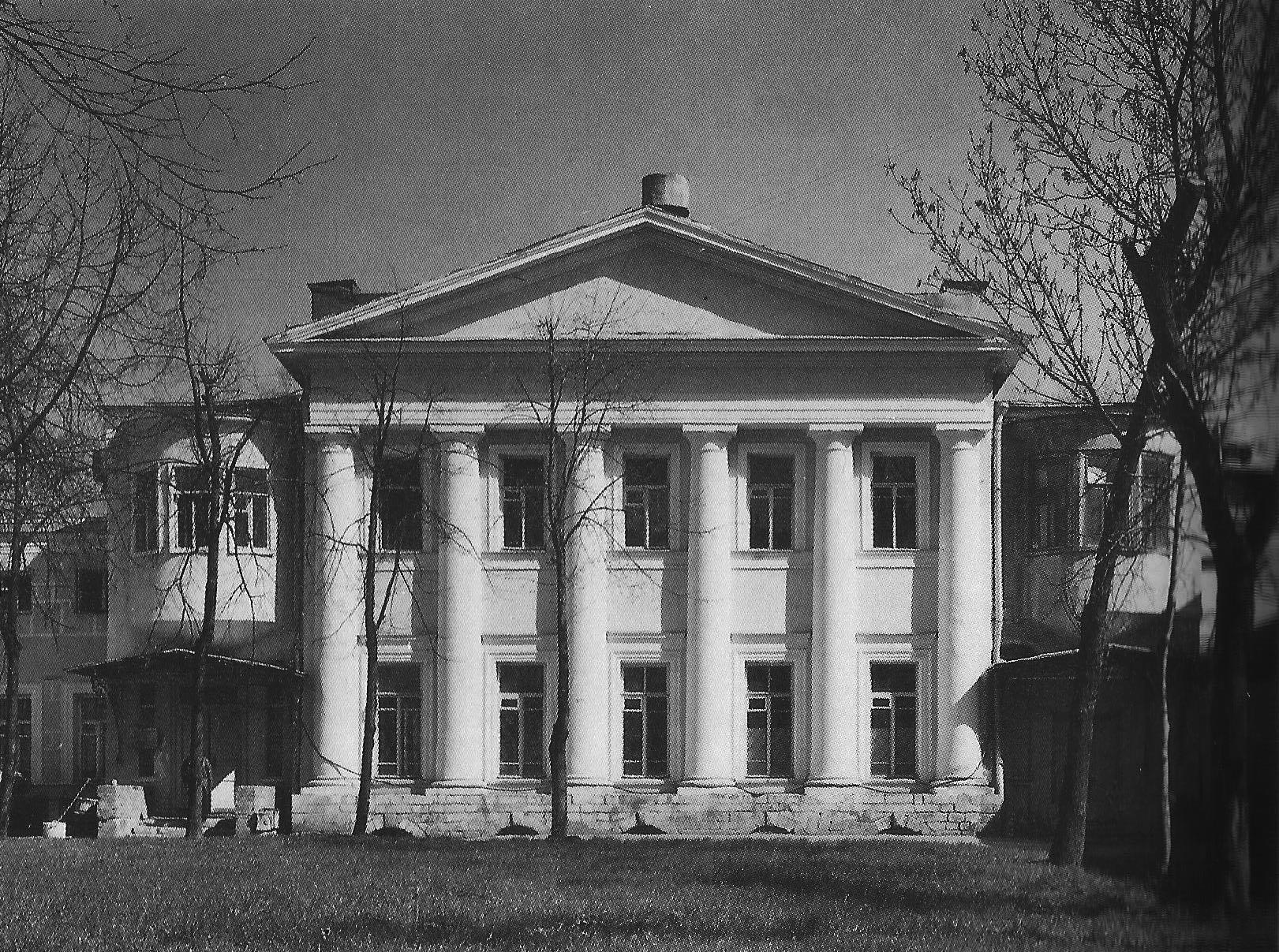
Главный дом находится в глубине двора. По центральной его оси расположены парадные ворота. От них виден монументальный тосканский колонный портик главного дома.

Завершается портик почти гладким антаблементом и крупным фронтоном. По бокам портика − два входа, накрытые широкими коваными навесами. На втором этаже над входами размещены эркеры. Они появились в 1844 году вместе с новыми лепными профилями на фасаде и несколько огрубляют первоначальный замысел архитектора. В то же время усадебный дом благодаря этим изменениям приобрел вид городского особняка середины ХIХ века, что придавало ему «модный» облик.

Низкий цоколь с арочными полуподвальными окнами зрительно приподнимает портик, используя рельеф местности.

На заднем фасаде дома уцелели пилястровый портик и тонкие белокаменные детали 1810-х годов.

От первоначальной внутренней планировки сохранились лишь незначительные следы – дом неоднократно перестраивался.

В 1844 году петербургский купец К.Х. Толль перестроил правый флигель усадьбы, надстроив второй этаж. А коллежский регистратор А.И. Чернов выстроил в 1857 году левый флигель. В конце XIX века усадьбой владел купец Ф.Н. Конкин.

В настоящее время усадебный дом занимает Московский Союз художников.

Олег Фочкин
Автор статьи

City homestead of merchant E. F. Kippen includes several buildings. Once the territory on which it was erected, was part of a huge estate of the Boyar Piotr Lopukhin, uncle of Tzarina Eudoxia Lopukhina. In the mid 18th century it was divided. The Lutheran St. Peter and Paul Church now stands in its southern part. Before that, there were ancient chambers with a 1763 annex adjacent to the No. 5/8, building 5. During the 1980s restoration, a wall with a Baroque lintel remained of the annex was found. You can see it if you enter the right side entrance of No.5 and go right down the corridor. What used to be an external wall of the neighboring building became the internal wall of the No.5. Those kinds of things really happen in Moscow! Most of the Northern half of the former Lopukhin estate passed to the merchant E. Keenan (Kippen in some historical sources) in 1817. In 1817 1819, the merchant had the main house of the estate reconstructed, having incorporated the old house in the Southern wing of the new one. The construction in the estate continued until the mid 19th century – new wings came into being, the old ones were reconstructed. The Kippen estate is a cultural heritage site of federal significance. The main house is at the back of the yard. Along its central axis there is the front gate. From the gate you can see the monumental Tuscany columned portico of the main house. The portico is decorated with an almost smooth large entablature and pediment. On the sides of the portico there are two entrances topped with wide wrought iron canopies. On the first floor above the entrances there are bay windows. They came into being in 1844 together with new moulded bas reliefs on the facade. They somewhat roughen the architect's original design. At the same time, due to these changes, the house acquired the appearance of a city mansion of the mid 19th century, which gave it a "fashionable" look. The low basement with arched windows make the portico look taller, the terrain contributes to this illusion. On the rear facade of the building there is a pilaster portico and thin white stone details made in 1810s. Very little of the original interior layout has survived as the building was reconstructed several times. In 1844, a St. Petersburg merchant, K. Kh. Toll had the right wing of the estate reconstructed, adding the first floor. In 1857, a collegiate registrar A. I. Chernov had the left wing built. At the late 19th century, the estate was owned by merchant F. N. Konkin. Currently, Moscow Union of Artists is housed in the estate building. Oleg Fochkin
Рекомендации
Поделитесь статьей с друзьями
Интересное рядом(8)
Chistye_prudy
г. Москва, Потаповский пер., д. 16/5
Большой Харитоньевский переулок
Chistye_prudy, Krasnye vorota
Славянская пл.
Chkalovskaya