Интерактивный гид по городу
С мобильным приложением бродить по городу гораздо интереснее!

Prince Shakhovskoy homestead

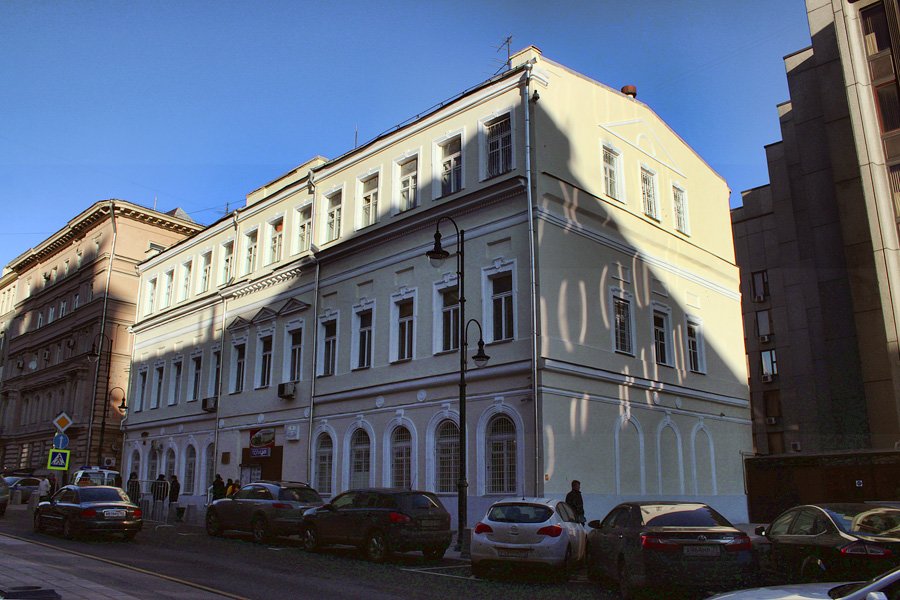
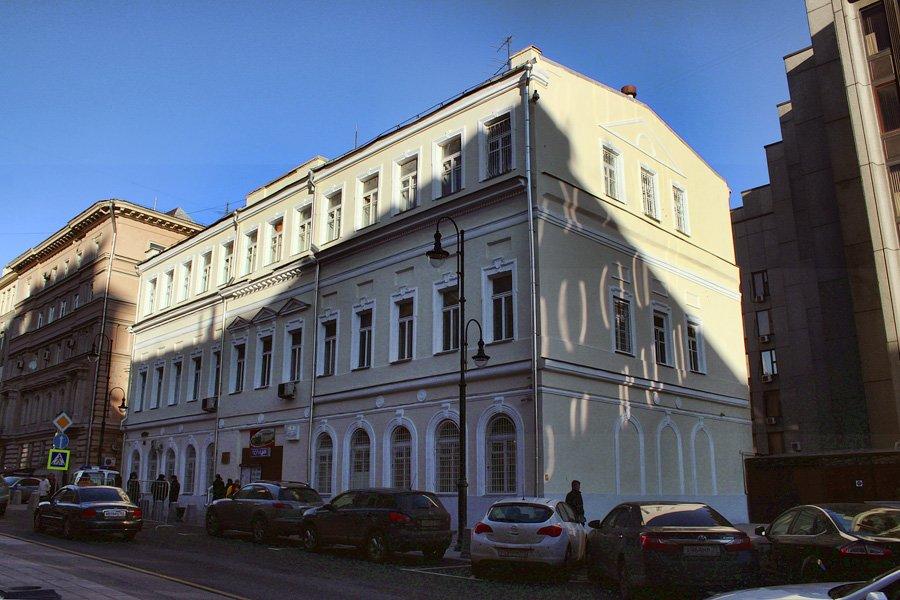
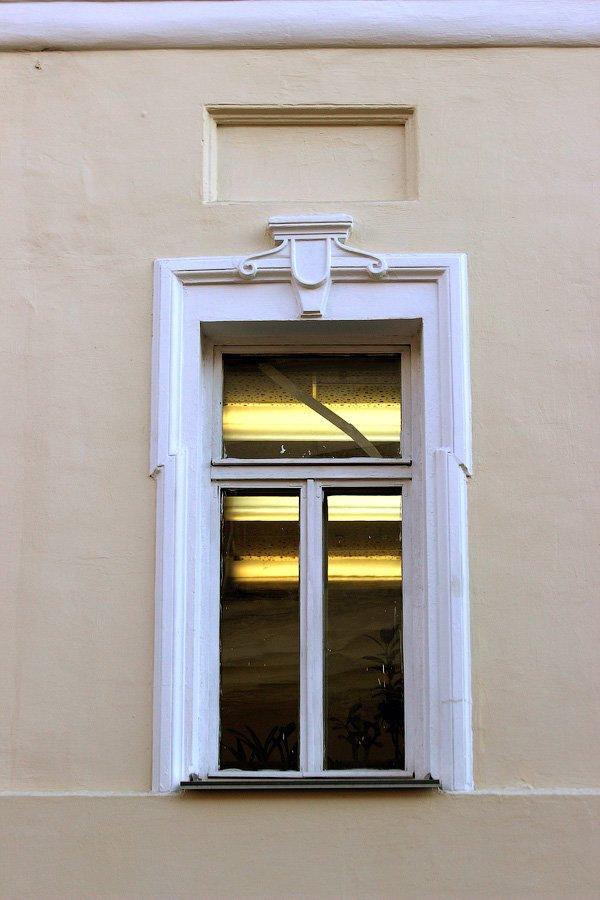
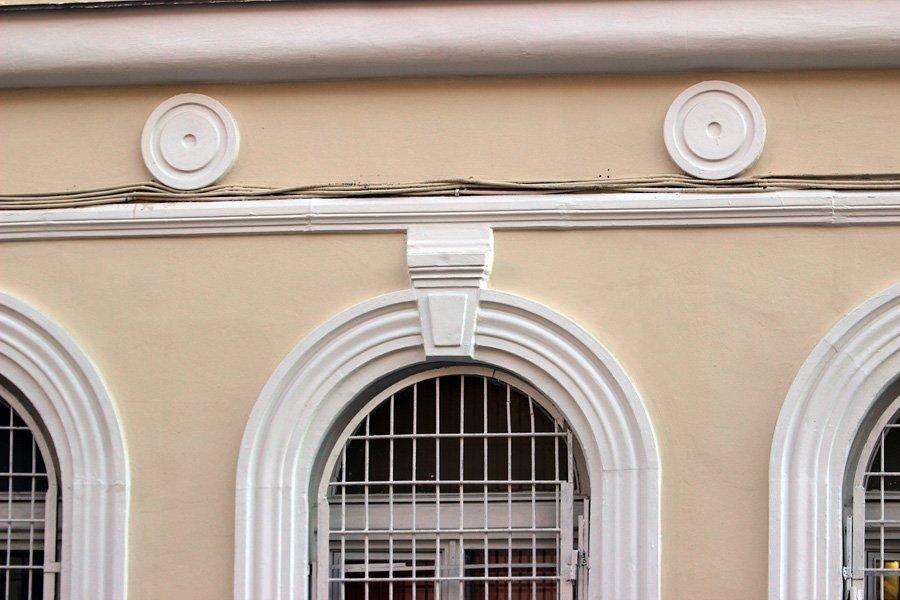
Two houses (26 and 28) on the even side of Dmitrovka rarely come to the attention of tourists.

Prince Shakhovskoy homestead
Chekhovskaya
Two houses (26 and 28) on the even side of Dmitrovka rarely come to the attention of tourists.
3.90
Вы можете воспользоваться QR-кодом, чтобы открыть эту страницу в нашем приложении
Архитектурный стиль:
,
Годы постройки:
XVIII в., 1912
Эпоха:
18th century, 1910s
Информация о здании

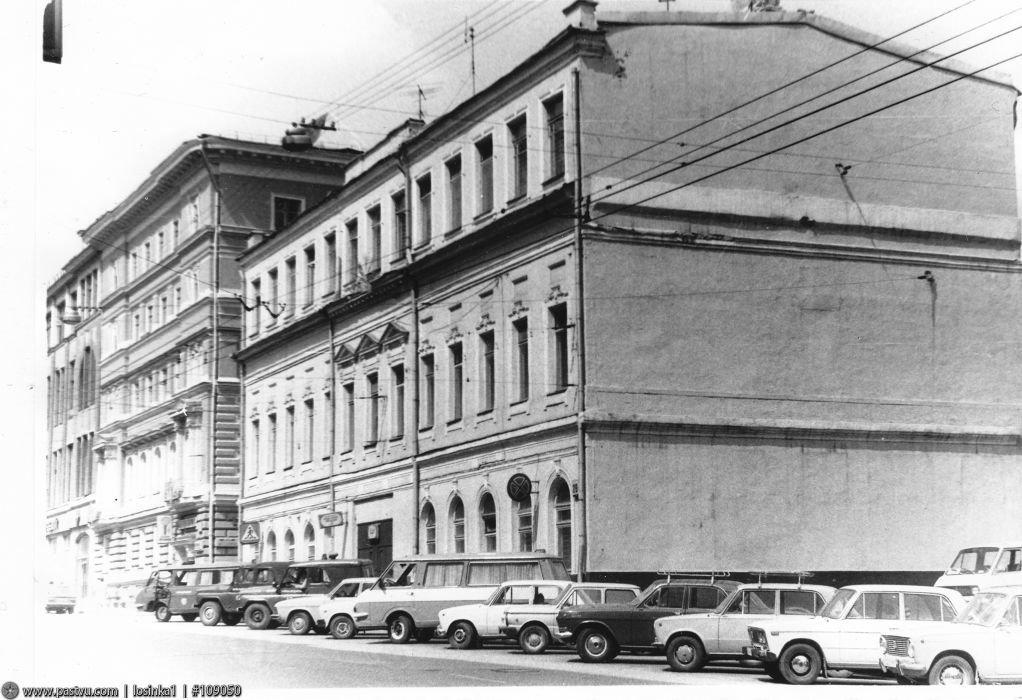
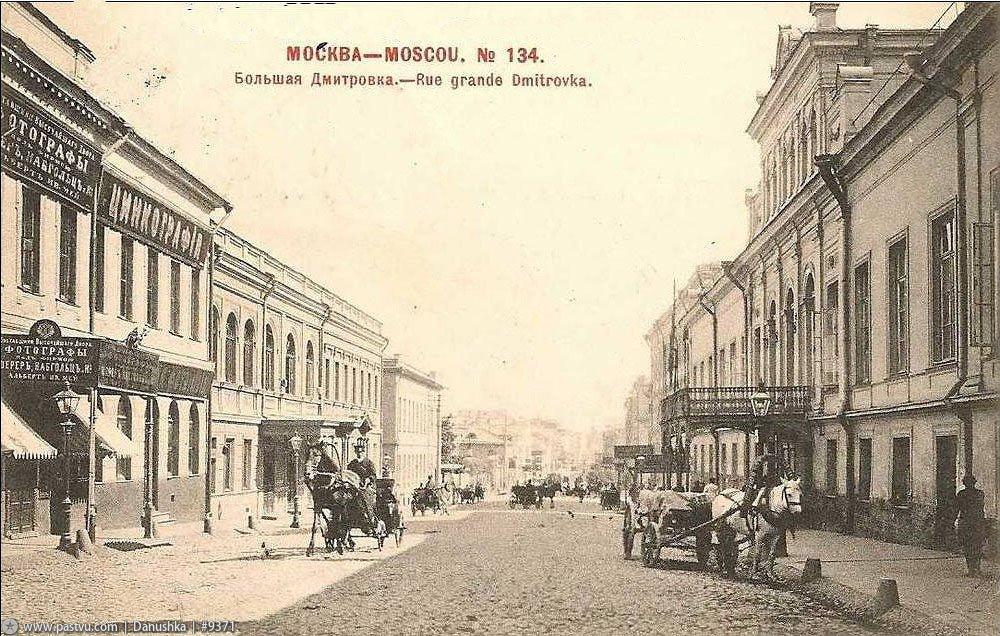
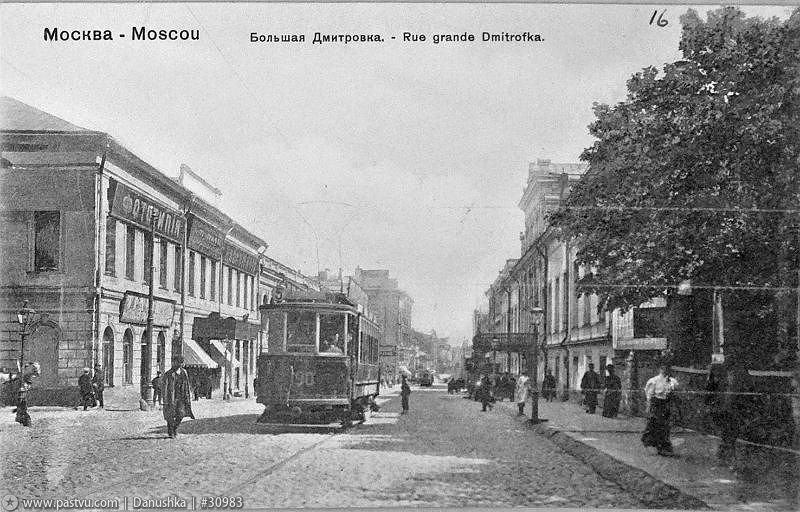
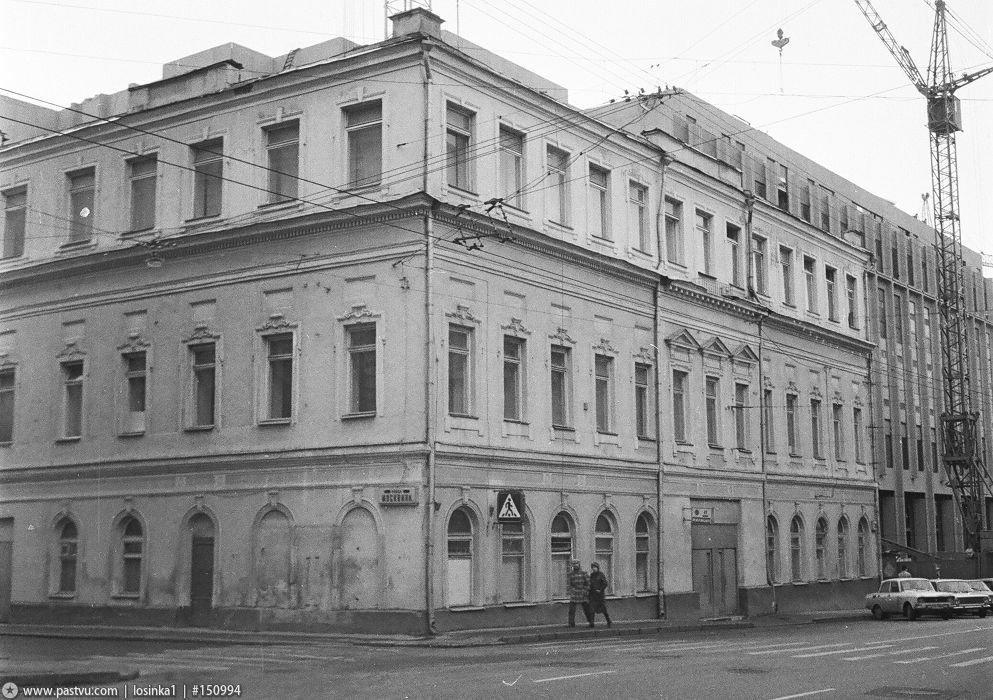
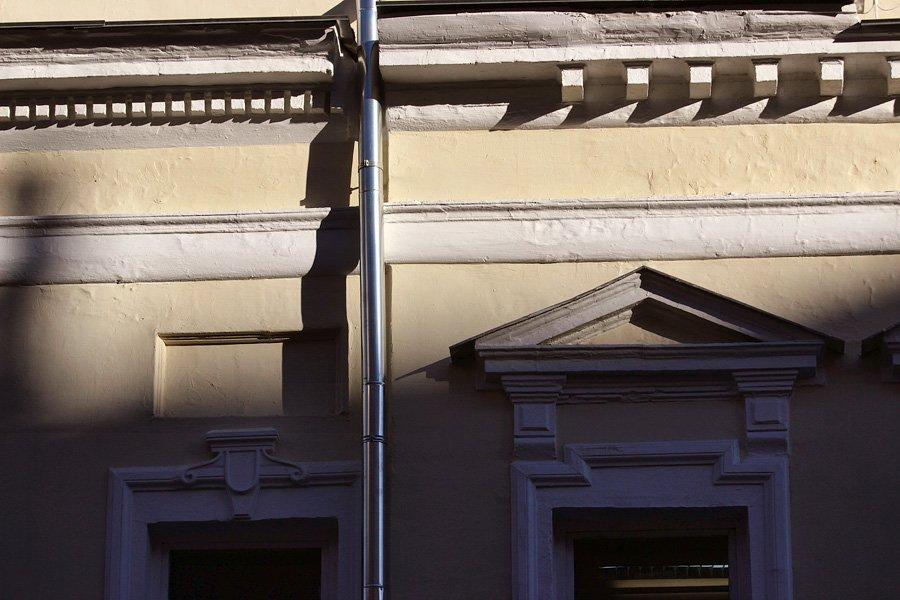
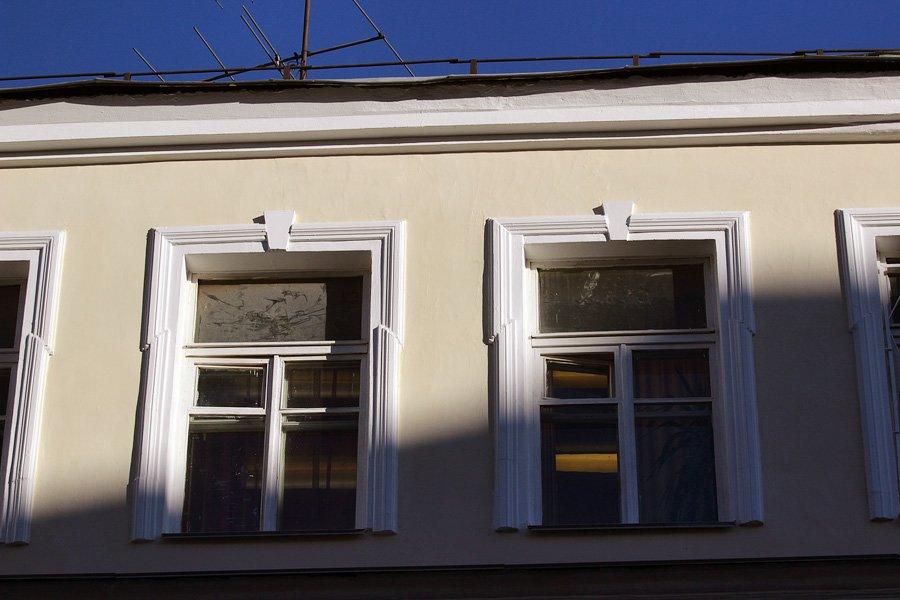
Здание на Большой Дмитровке, 28, построено во второй половине XVIII века для князя Б. Г. Шаховского. Тут размещался и его известный публичный крепостной театр, постоянная резиденция которого находилась в специально обустроенном помещении в Нижнем Новгороде. Ежегодно в июле князь привозил свой театр на Макарьевскую ярмарку. Репертуар крепостного театра включал балет, оперу и драму. В Москве того времени крепостные театры были весьма популярны, только в 1780-90-е годы их существовало более двадцати. Зимой домашние театры функционировали в городе, а на лето вместе со своими хозяевами переезжали в загородные имения.

На протяжении XIX века дом сдавался внаем под торговые и прочие учреждения. В частности, под знаменитое в свое время костюмерное заведение Пинягина, где можно было брать напрокат костюмы любых времен и народов. Как правило, ими пользовались режиссеры театра и кино. Именно здесь в 1911 году были отобраны сотни мундиров и предметов амуниции русских, французских, английских и турецких солдат для фильма «Оборона Севастополя», снятого фирмой «А. Ханжонков и К».

В 1912-м дом надстроили третьим этажом, и тогда здесь разместилось реальное училище педагога А. А. Александровского, которое в советское время было реформировано в так называемую «опытную школу».

Связана с домом и одна из легенд о московских подземельях. В 1924 году «Вечерняя Москва» сообщала о расследовании, поводом для которого стало обращение москвича Василия Гусева в комиссию «Старая Москва». Якобы в 1917 году, будучи подмастерьем Пинягина, он случайно обнаружил под пристройкой к дому каменный колодец глубиной 12 метров. Из него шли два подземных хода — к Театральной площади и к Страстному монастырю. Были там, как водится, и многочисленные черепа, и ржавое оружие, и даже железные сундуки с сокровищами… Сотрудники ОГПУ в сопровождении архитектора Н. Д. Виноградова осмотрели указанное Гусевым место, обнаружили следы недавних земляных работ и попытались провести собственные раскопки. Однако из-за появления в яме воды работы были остановлены. Так что сундуки, наверное, и ныне там. Более подробно эта история описана в книге Таисии Белоусовой «Тайны подземной Москвы».

Ну а здание живет вполне обычной жизнью, сейчас здесь расположен ОВД «Тверской». Здание является заявленным объектом культурного наследия.
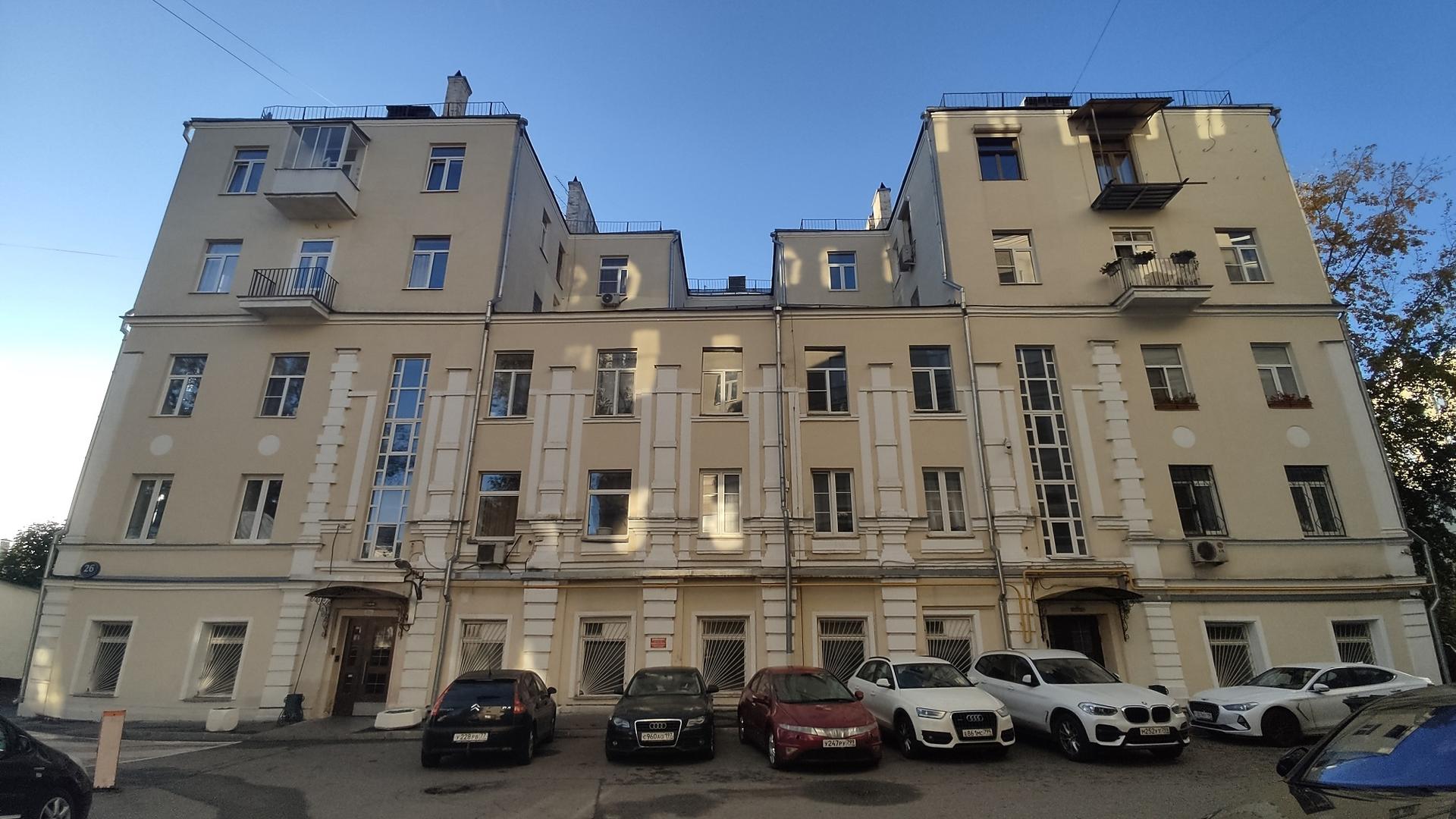
Two houses (26 and 28) on the even side of Dmitrovka rarely come to the attention of tourists. One - the Gosstroy building - belongs now to the Federation Council, and in the other, on the corner with Petrovsky lane, you do not need to go anywhere. There was a police station. The building on Bolshaya Dmitrovka, 28, was built in the second half of the 18th century for Prince B.G. Shakhovsky. It housed his famous public serf theater, whose permanent residence was in a specially arranged building in Nizhny Novgorod. Every year in July the prince brought his theater to Makarevskaya fair. The repertoire of the serf theater included ballet, opera and drama. In Moscow at that time, serf theaters were very popular, only in the 1780s-90s there were more than twenty. In the winter, home theaters functioned in the city, and for the summer together with their masters moved to country estates. During the XIX century the house was rented out for trading and other institutions. In particular, under the well-known in time costume-making institution Pinyagin, where you could rent the costumes of any time and people. As a rule, they were used by directors of theater and cinema. It was here in 1911 that hundreds of uniforms and articles of ammunition for Russian, French, British and Turkish soldiers were selected for the film "The Defense of Sevastopol", filmed by the firm "A. Khanzhonkov and Co. ". In 1912 the third floor was added to the house, and then there was a real (technical) school of teacher A. Andreev, which in Soviet times was reformed in the so-called "pilot school". One of the legends of Moscow dungeons is connected with the house. In 1924, "Evening Moscow" reported on the investigation, the reason for which was the appeal of Muscovite Vasily Gusev to the commission "Old Moscow". Allegedly in 1917, being an apprentice to Pinyagin, he accidentally discovered under the extension to the house a stone pit 12 meters deep. From it went two underground passages - to the Theater Square and to the Passion Monastery. There were, as usual, numerous skulls, rusty weapons, and even iron treasure chests ... Employees of the OGPU, accompanied by architect N.D. Vinogradov, examined the place indicated by Gusev, found traces of recent earthworks and attempted to conduct their own excavations. However, due to the appearance of water in the pit, the work was stopped. So the chests, probably, are still there. This story is described in more detail in Taisiya Belousova's book "Secrets of underground Moscow". Well, the building lives a completely normal life, now here is the police station "Tverskoy". The building is a declared object of cultural heritage.
Автор статьи: Юлия Мезенцева
Поделитесь статьей с друзьями
Интересное рядом(4)
Пушкинская пл., 5
Pushkinskaya, Tverskaya, Chekhovskaya
ул. М. Дмитровка, д. 29, стр. 4
Сквер Майи Плисецкой